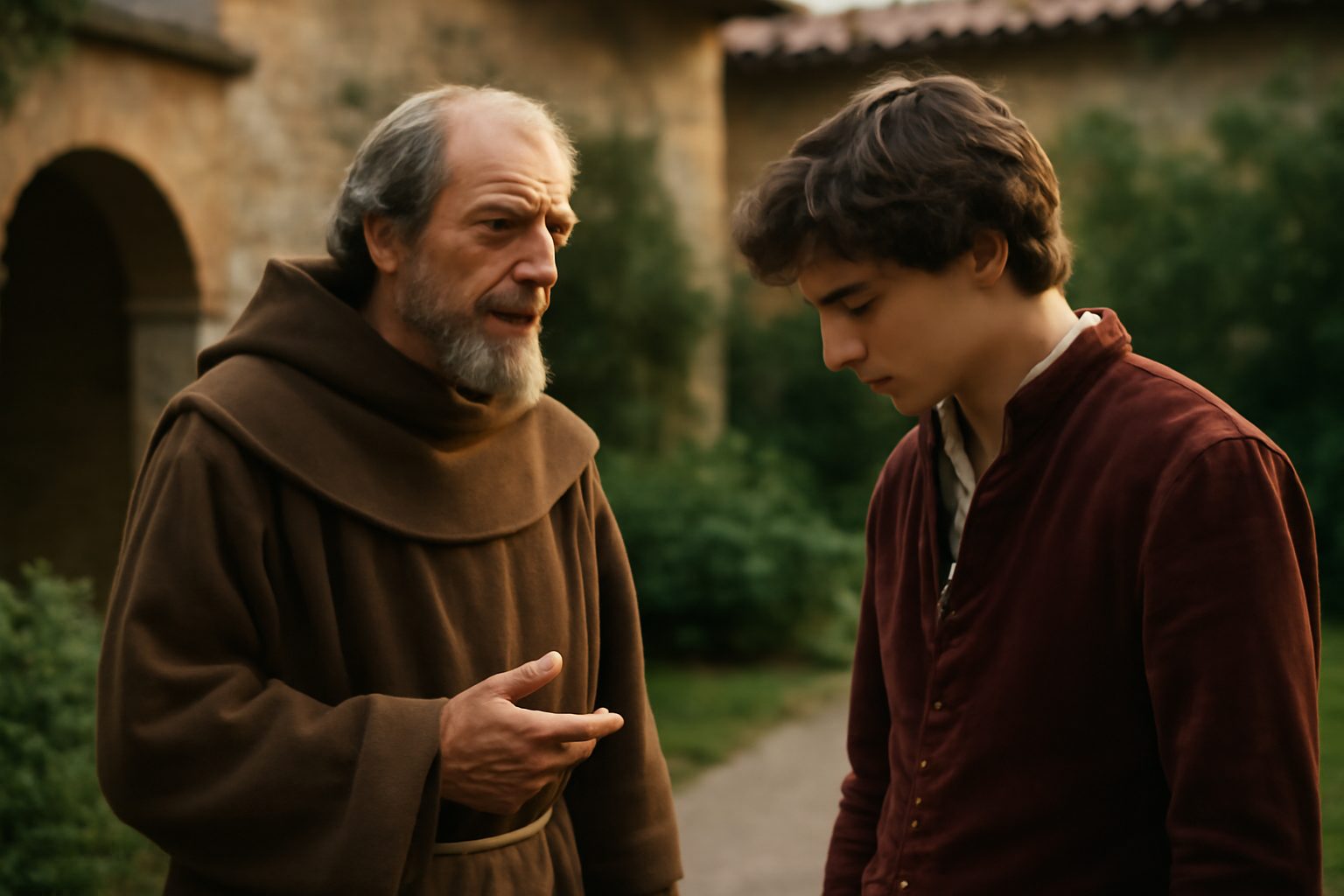
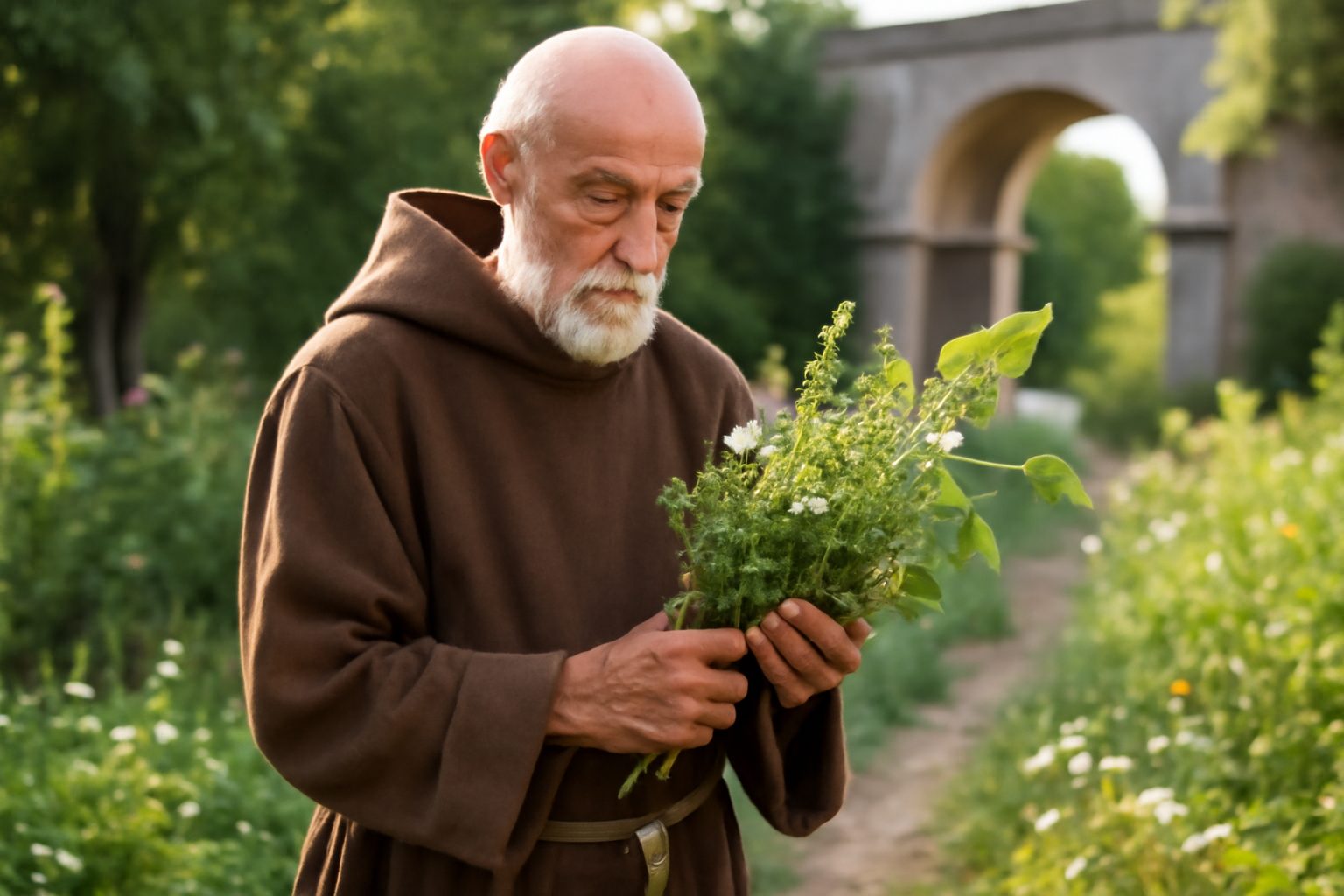
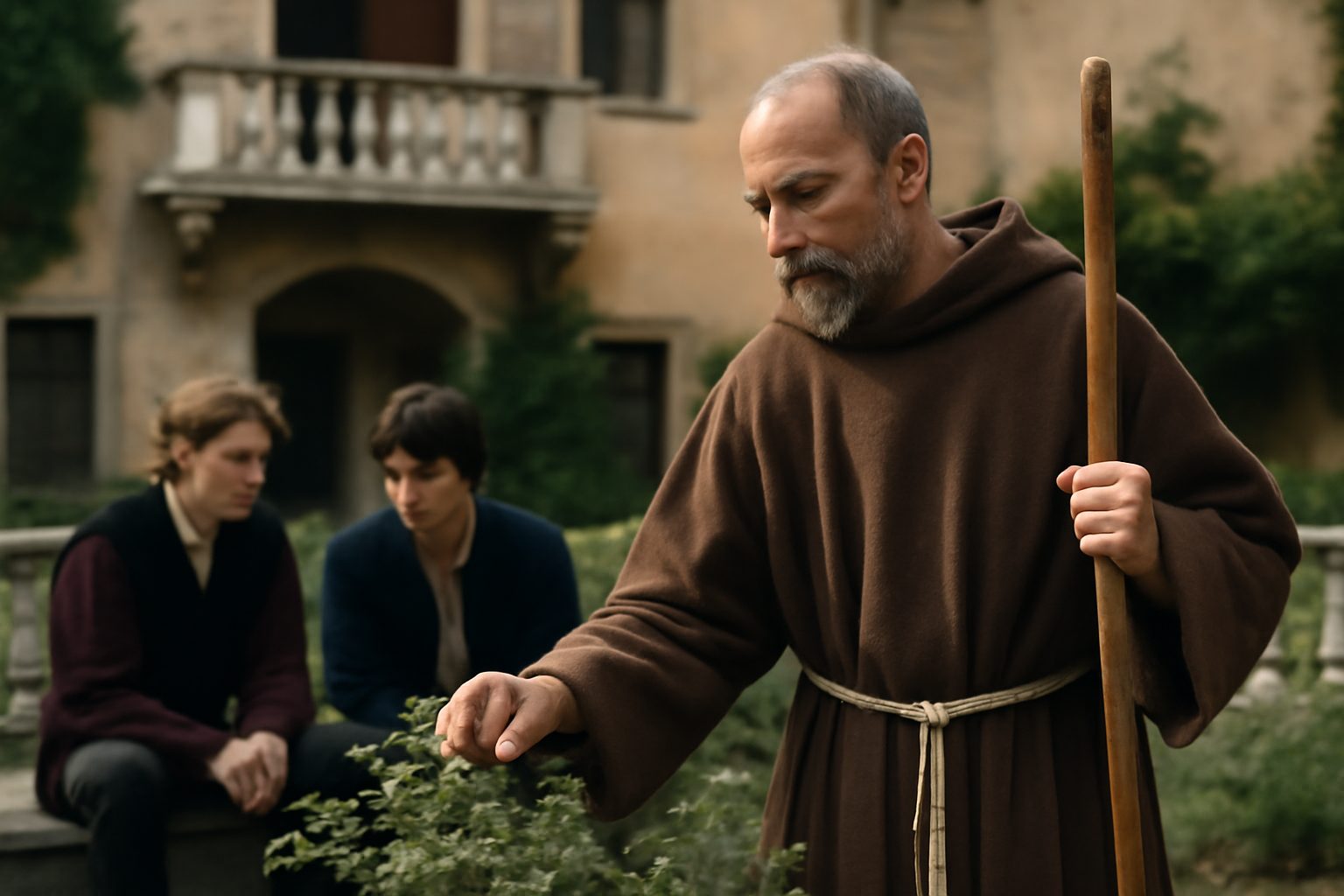
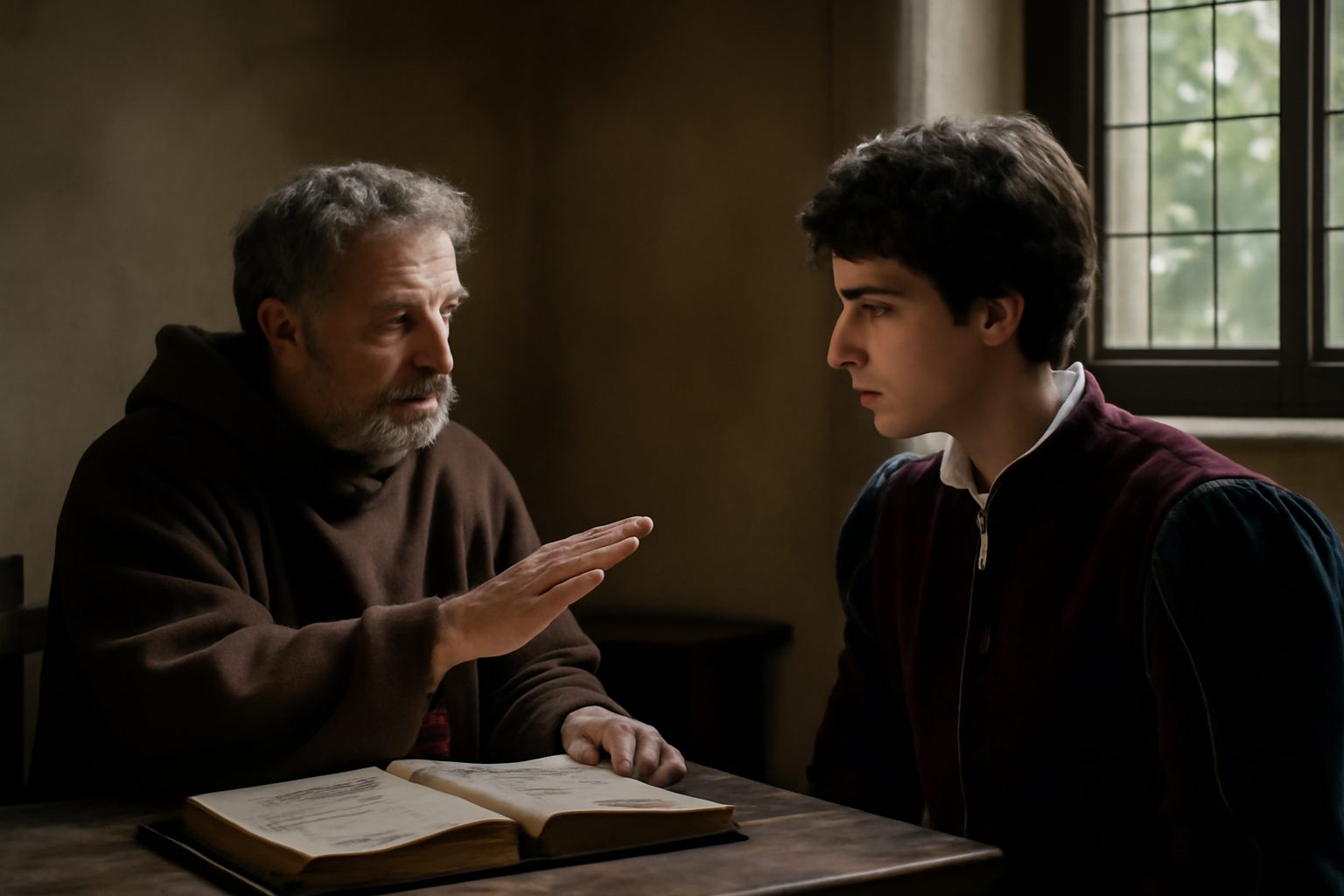
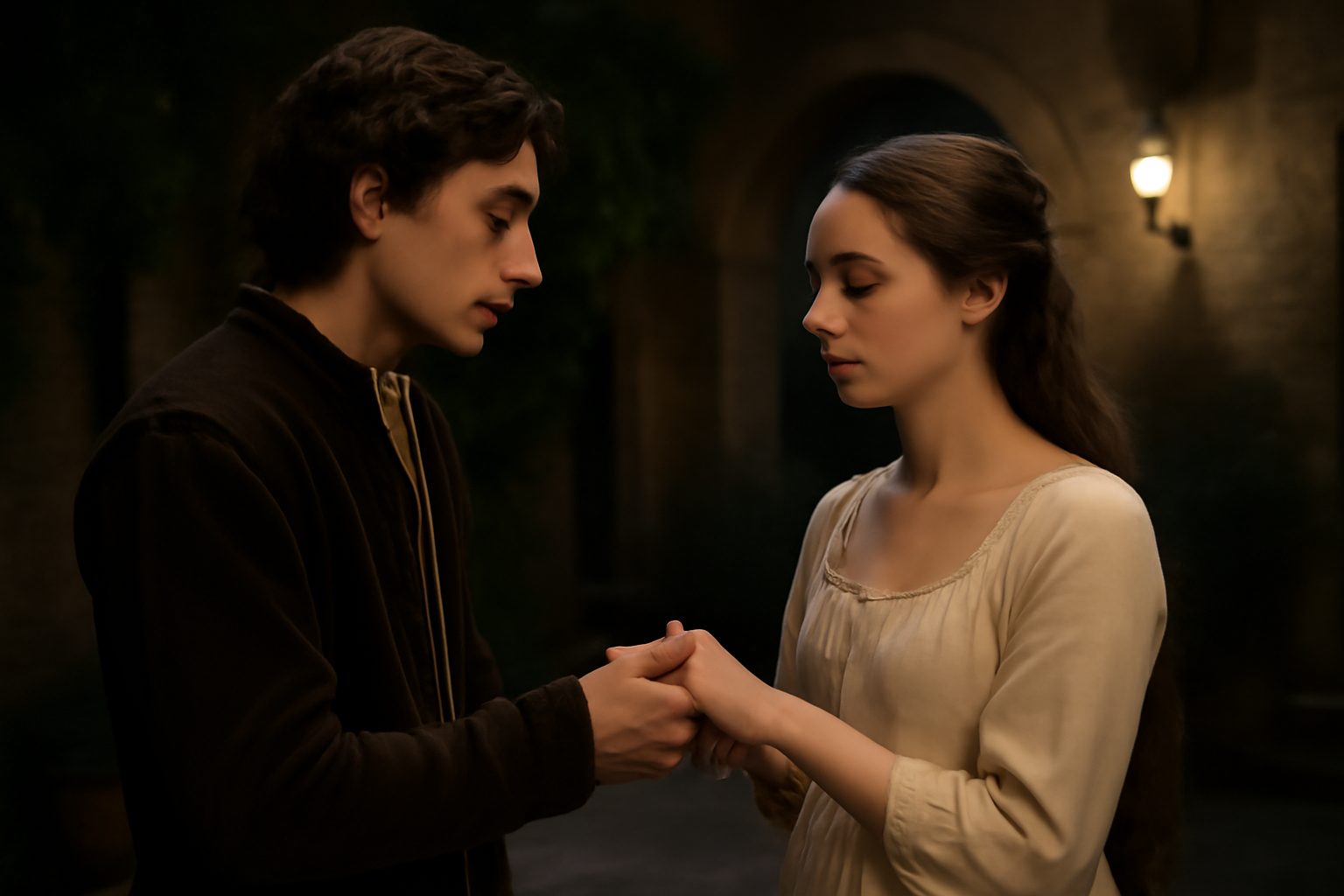
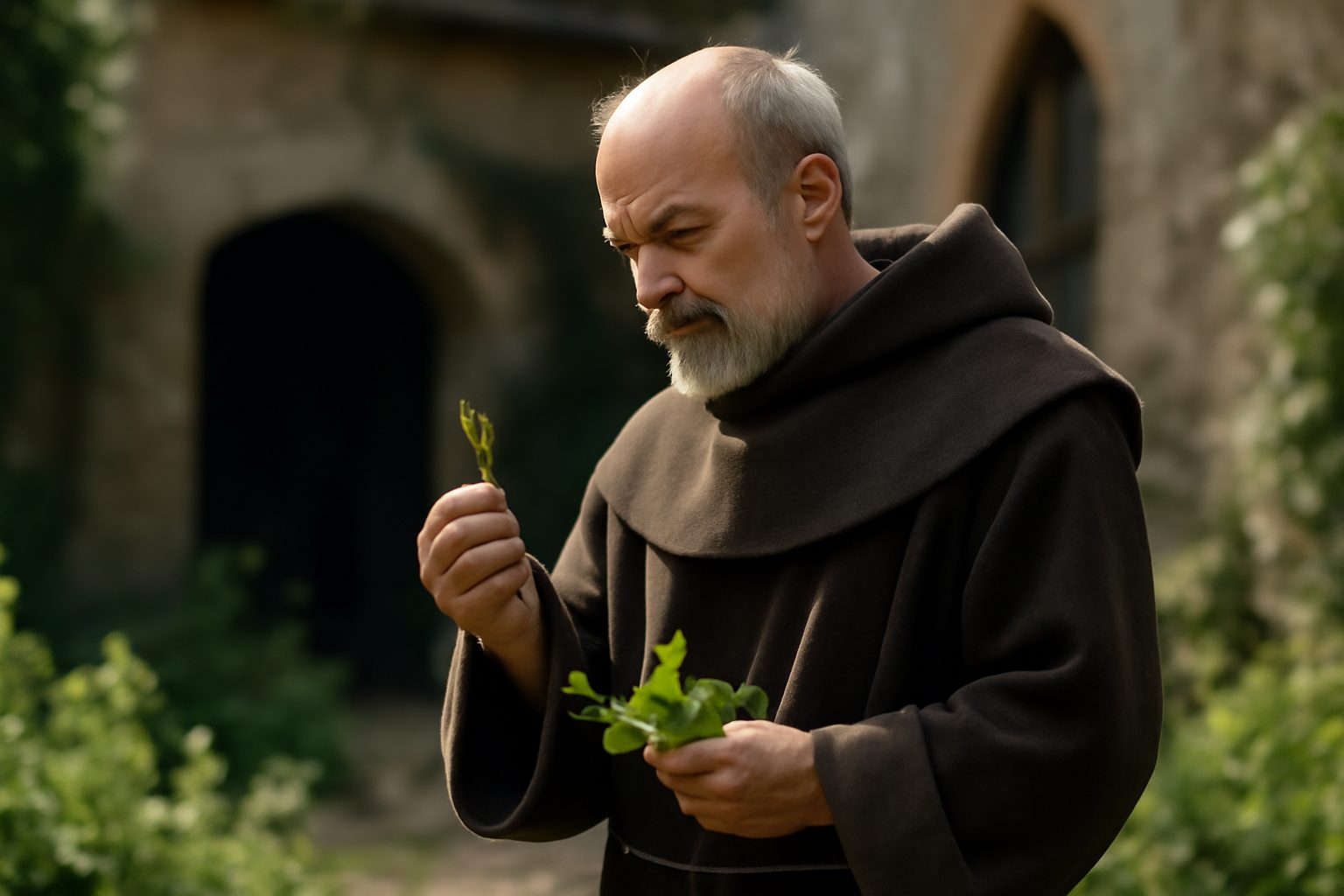
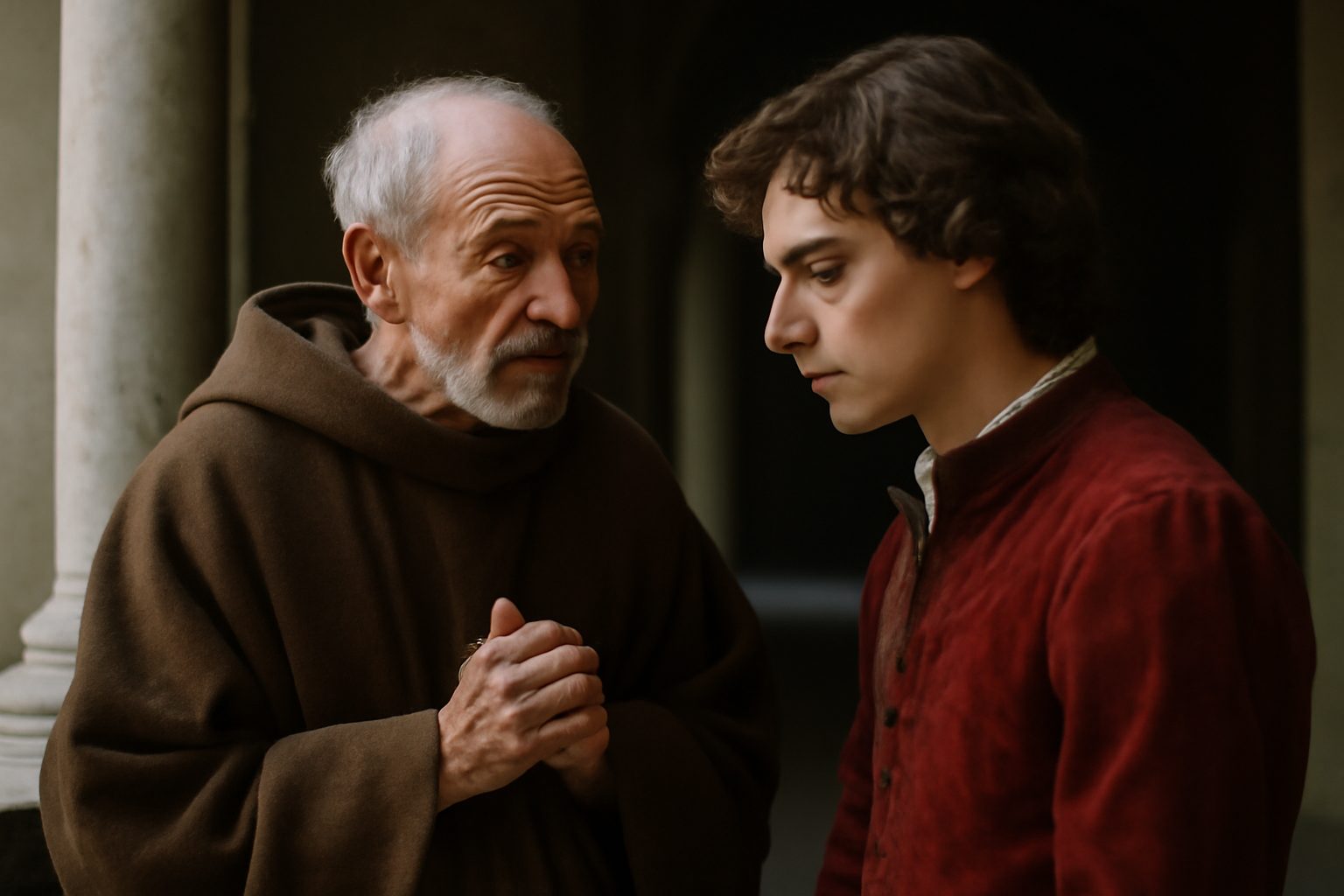
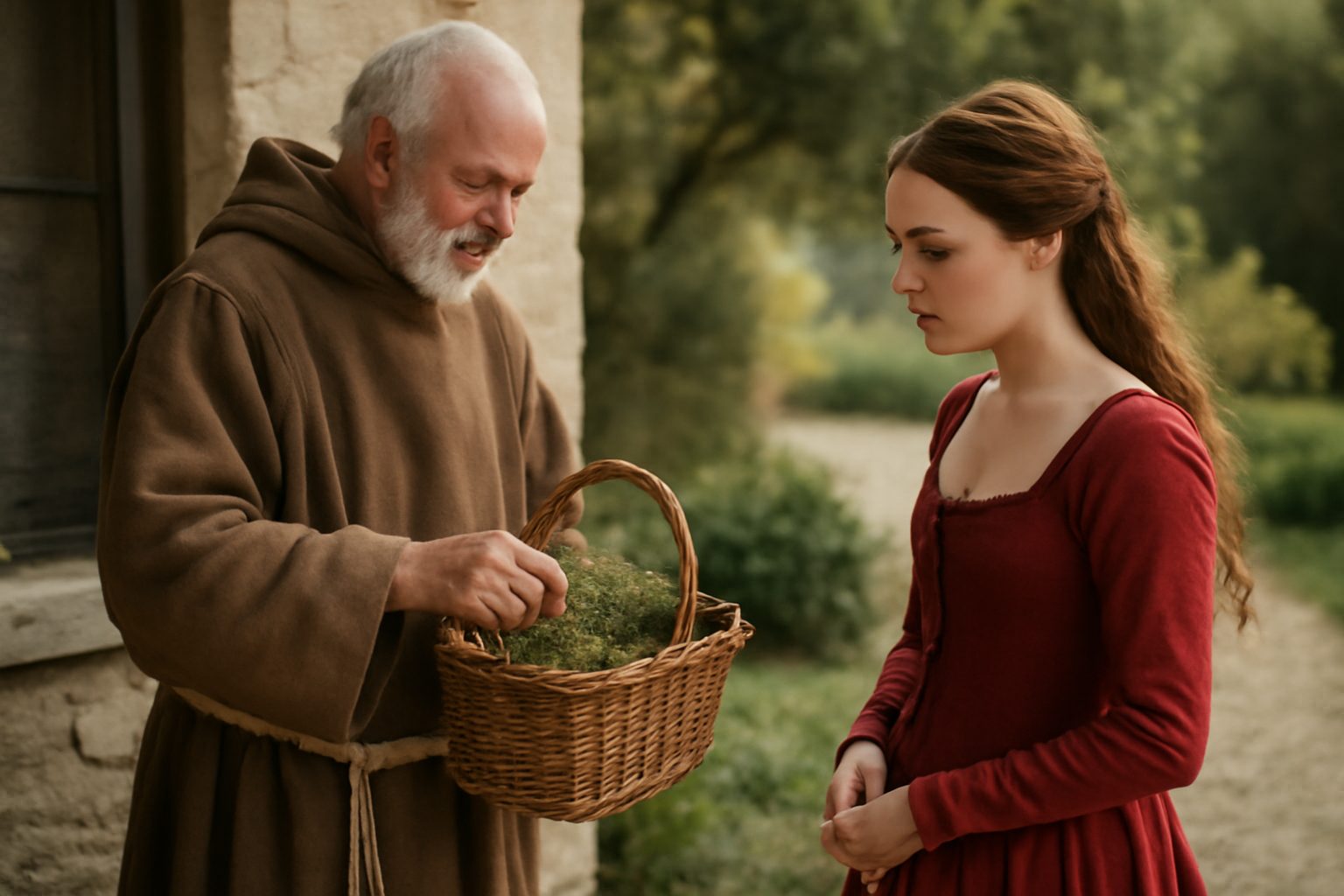
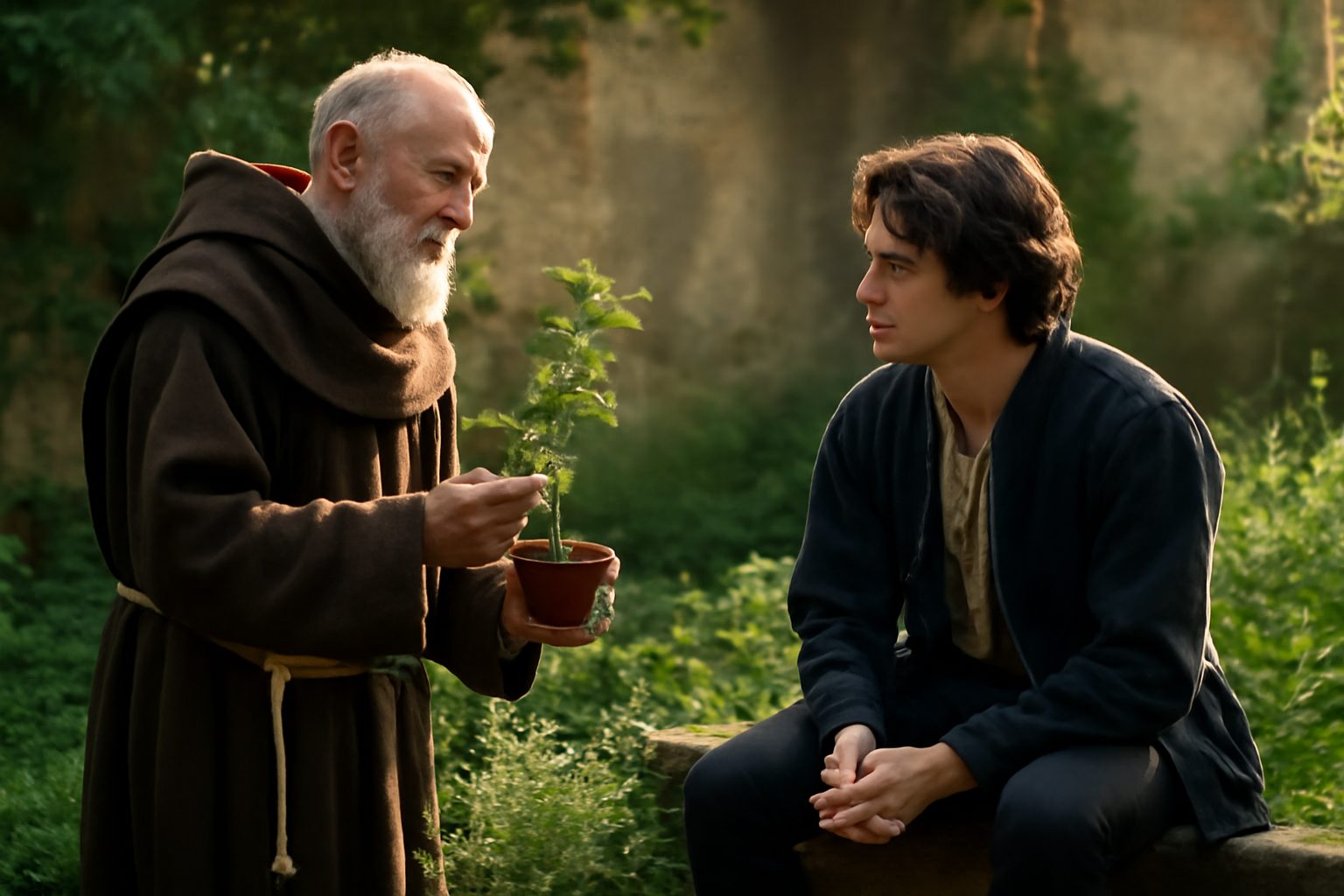
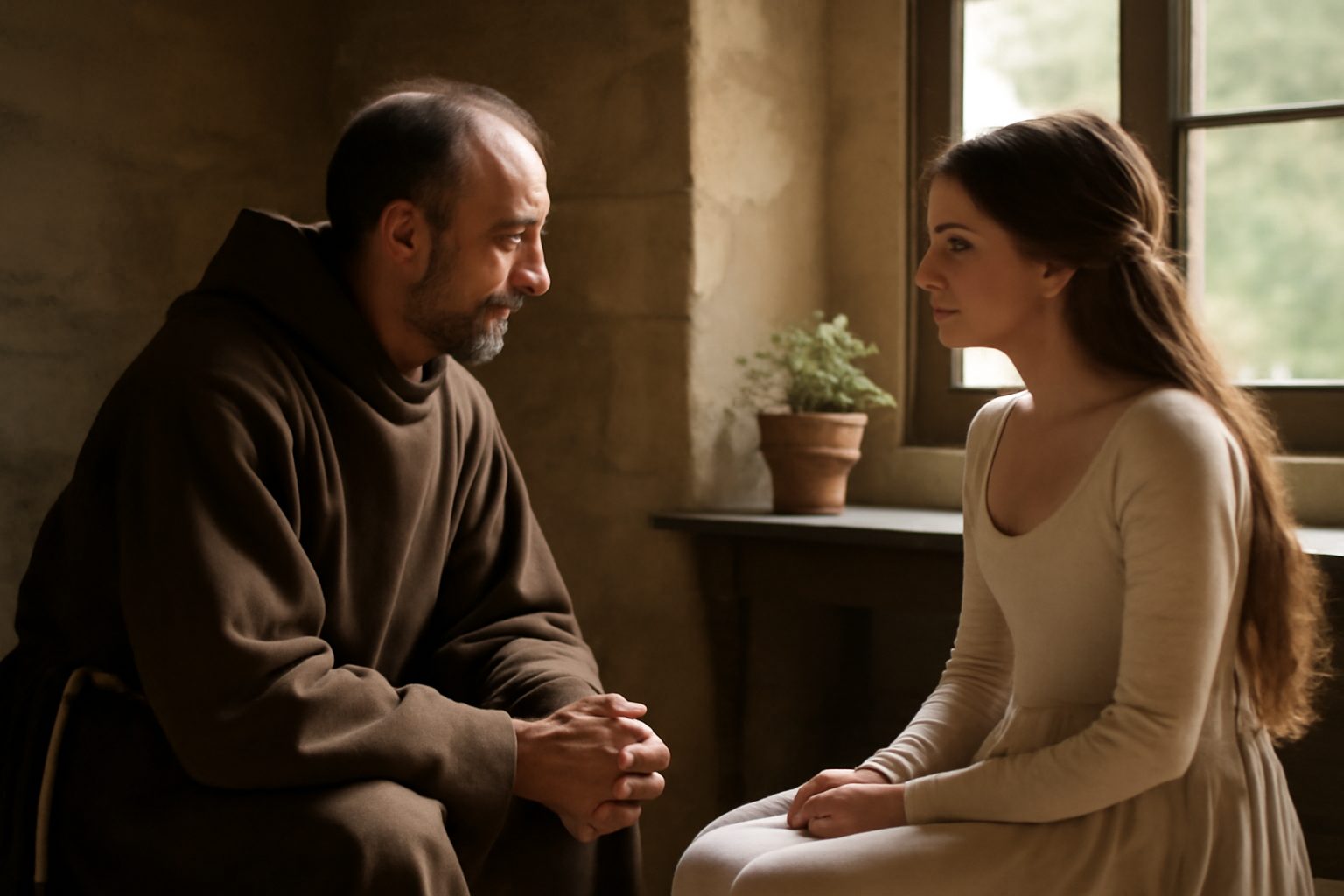
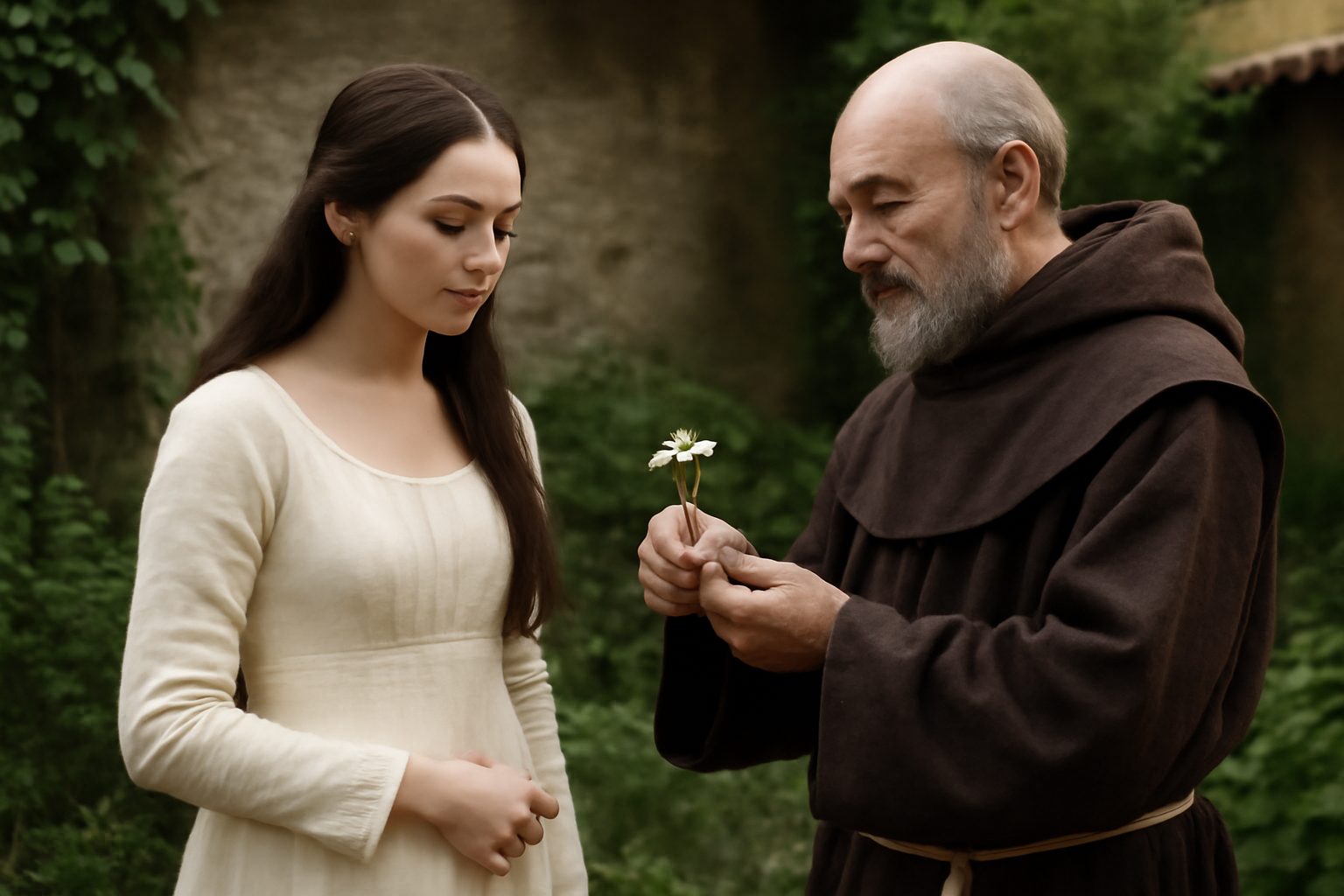
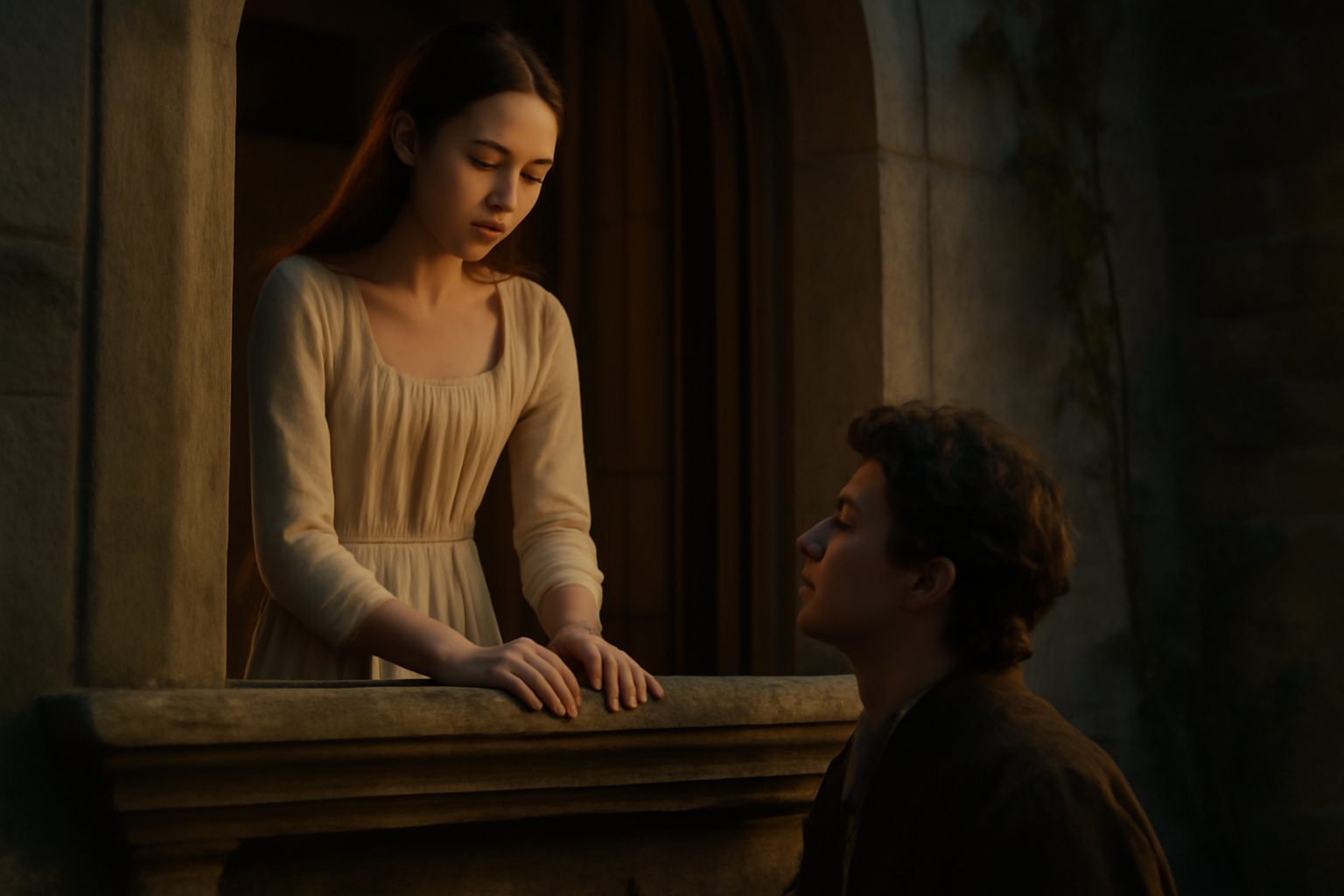
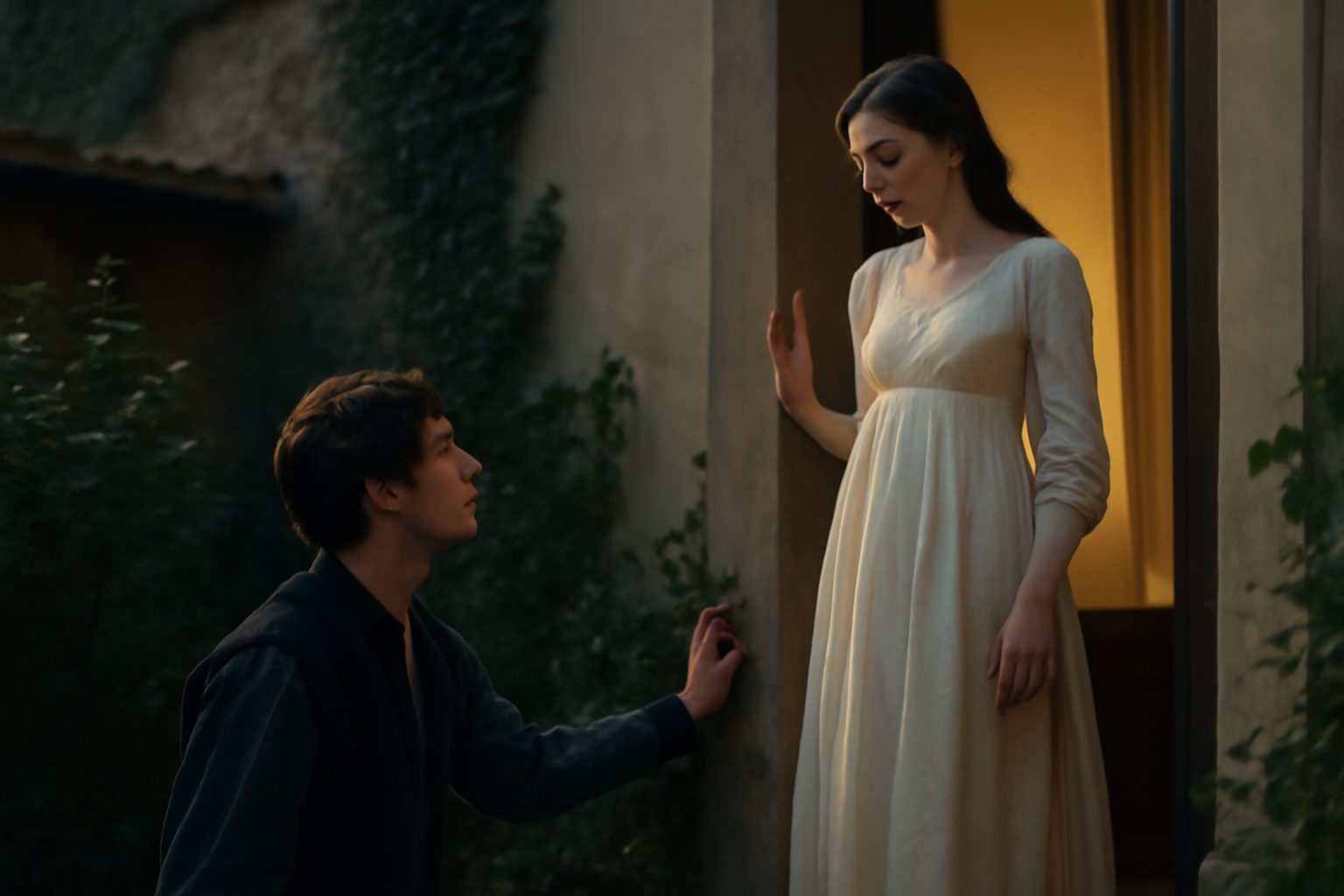
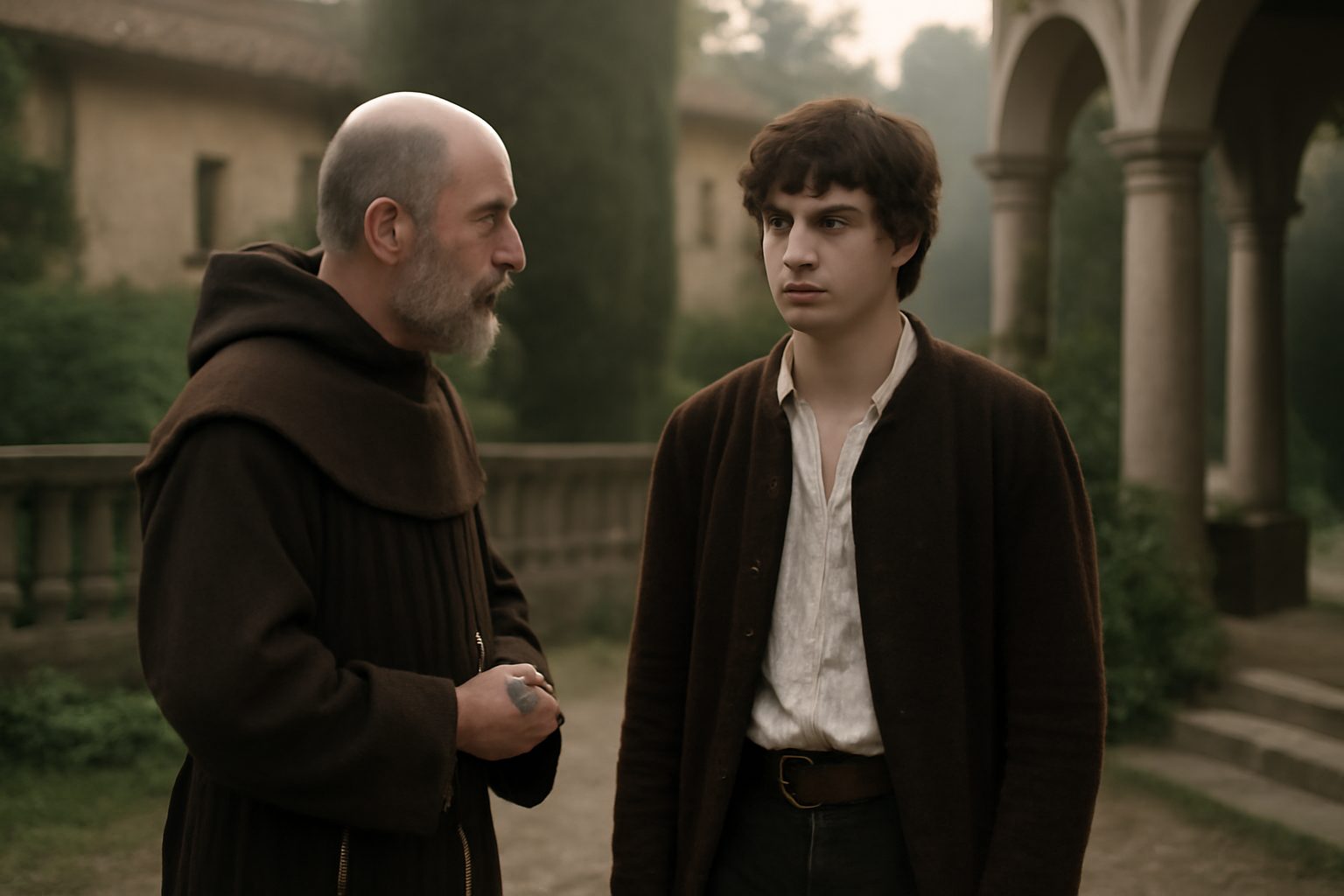
In Act 2, Scene 3 of Romeo and Juliet, Friar Laurence is gathering herbs at dawn when Romeo arrives to share news of his newfound love for Juliet. The line refers to the lingering traces of Romeo's past sorrows, unwashed tears symbolizing his recent heartache over Rosaline. The Friar notes this as he observes how quickly Romeo's affections have shifted from one love to another.
Friar Laurence: "Of an old tear that is not wash'd off yet:"
In modern day english, we would say:
It’s like an old stain from a tear that still hasn’t been washed away.
Frequently Asked Questions
What does Friar Laurence mean when he talks about an old tear that is not washed off yet?
He is referring to a past sorrow or regret that still affects him, like a dried tear stain that remains visible.
Connections to other verses:
Connections to "Of an old tear that is not wash'd off yet"
The line "Of an old tear that is not wash'd off yet" from Act 2 Scene 3 Line 77 is spoken by Friar Laurence as he observes Romeo's emotional state, referring to lingering sorrow from Romeo's past love for Rosaline. This connects thematically and literally to several other verses in the scene.
Direct References to Romeo's Past Sorrow
The "old tear" is a direct allusion to Romeo's previous heartache over Rosaline. This is echoed in Line 75, where Friar Laurence says, "Thy old groans ring yet in my ancient ears," emphasizing how Romeo's past lamentations are still fresh in memory. Similarly, in Line 79, the Friar accuses, "Thou and these woes were all for Rosaline," directly tying the unresolved sorrow to her.
Contrast with Romeo's New Love
The idea of an "old tear" not washed off contrasts with Romeo's claim of a transformed heart. In Line 47, Romeo declares, "I have forgot that name, and that name's woe," asserting he has moved on from Rosaline, yet the Friar's observation undermines this, suggesting emotional residue. This tension is further highlighted when Friar Laurence questions in Line 67, "Is Rosaline, whom thou didst love so dear," probing whether Romeo's new love is genuine or fleeting.
Imagery of Washing and Cleansing
The metaphor of washing or cleansing appears elsewhere, deepening the connection. In Line 71, Friar Laurence remarks, "Hath wash'd thy sallow cheeks for Rosaline!" implying Romeo's tears were abundant, yet ironically, they haven't fully cleansed his past. This is compounded in Line 72, "How much salt water thrown away in waste," criticizing the futility of those tears if Romeo's love was not true.
Broader Themes of Transformation and Duality
The "old tear" ties into the scene's exploration of duality and transformation, such as in Line 21, "Virtue itself turns vice, being misapplied," suggesting that even sorrow can have dual aspects—lingering pain versus growth. Similarly, Line 24, "Poison hath residence and medicine power," mirrors how Romeo's old tears could be seen as both a poison of past grief and a medicine for learning, yet here they remain unresolved.
Friar's Skepticism and Guidance
Friar Laurence's mention of the "old tear" is part of his broader skepticism, urging caution. This aligns with his advice in Line 97, "Wisely and slow; they stumble that run fast," warning against rash emotional shifts. It also connects to Line 83, where he chides, "For doting, not for loving, pupil mine," questioning if Romeo's new love is mere infatuation rather than a cleansed heart.