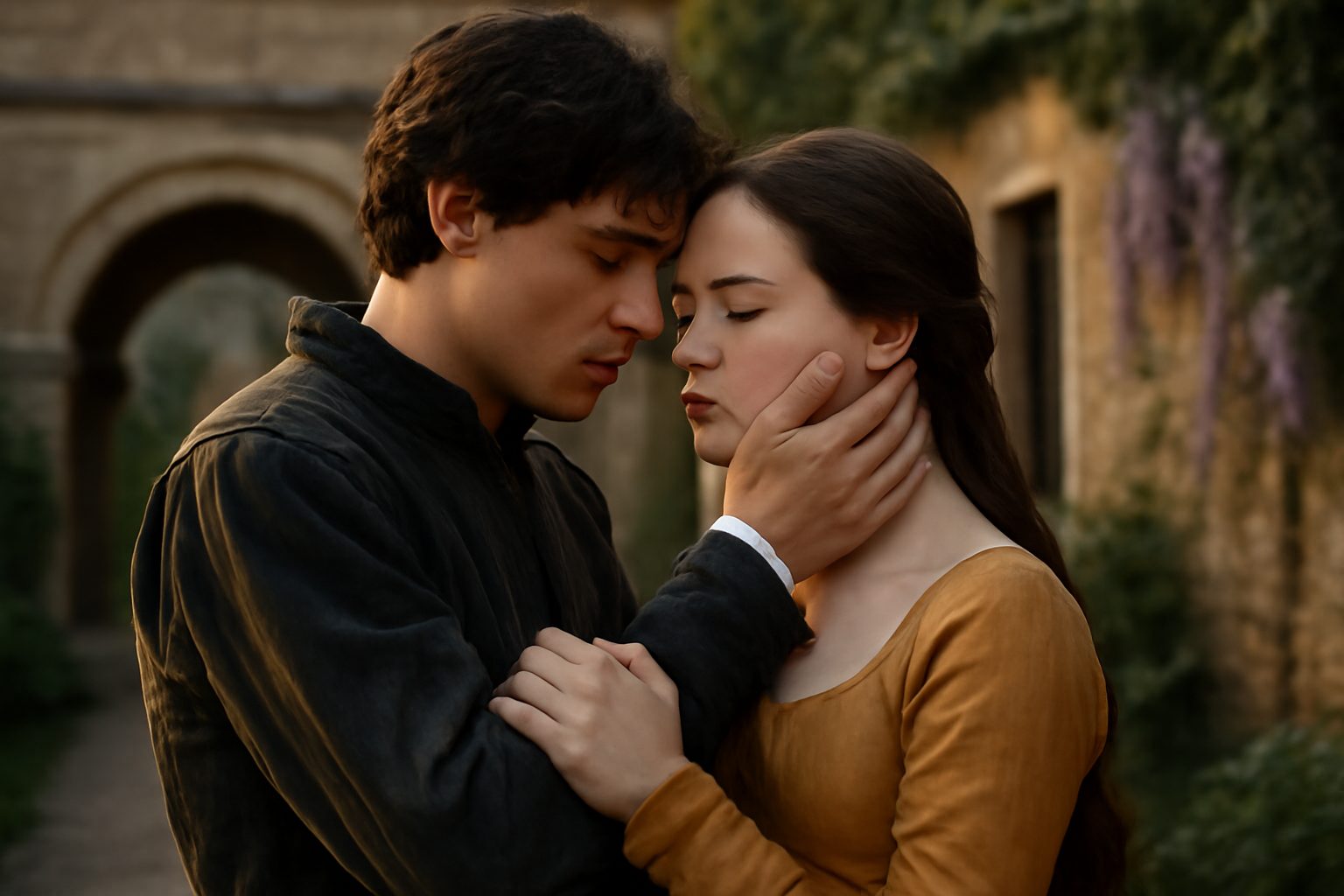
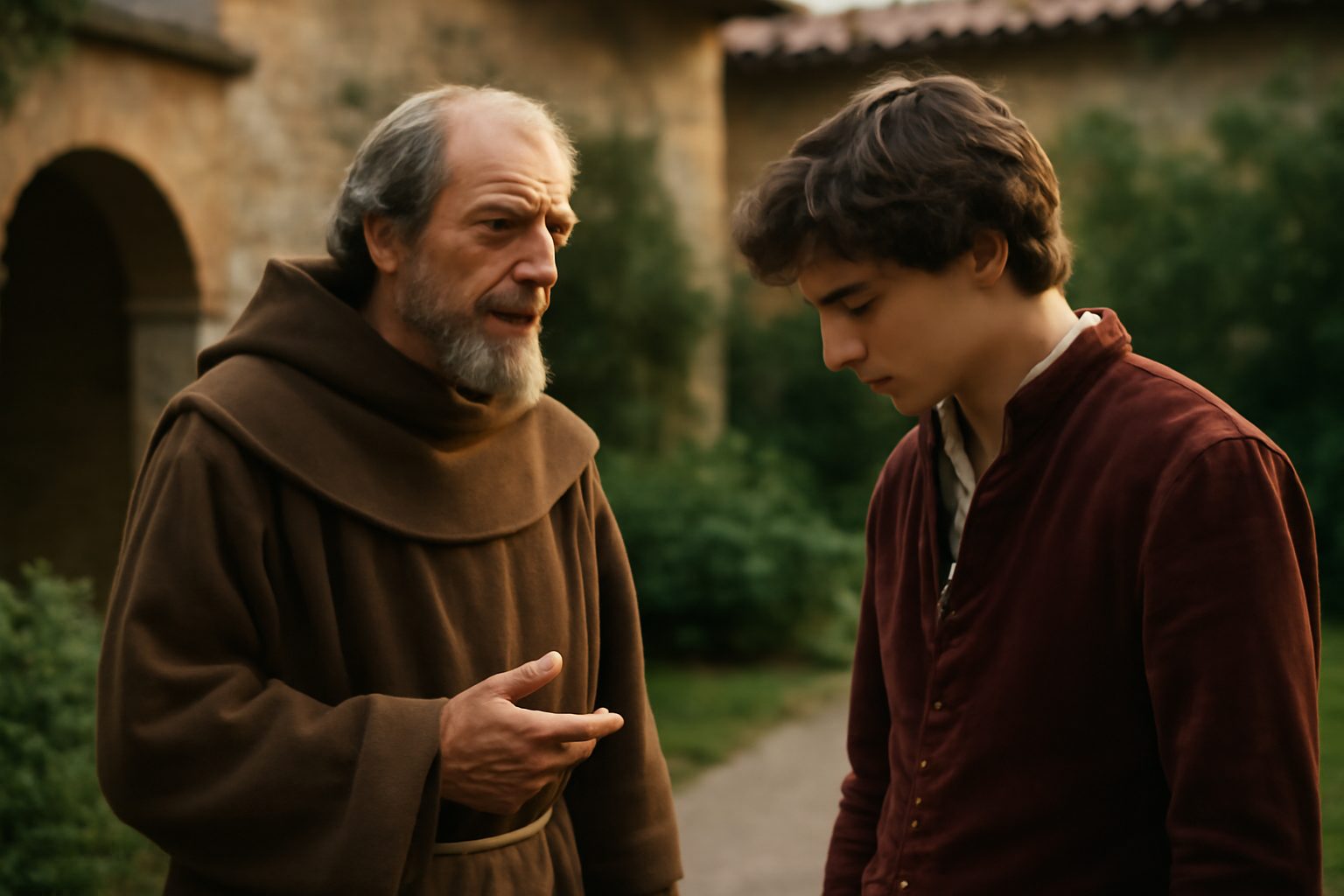
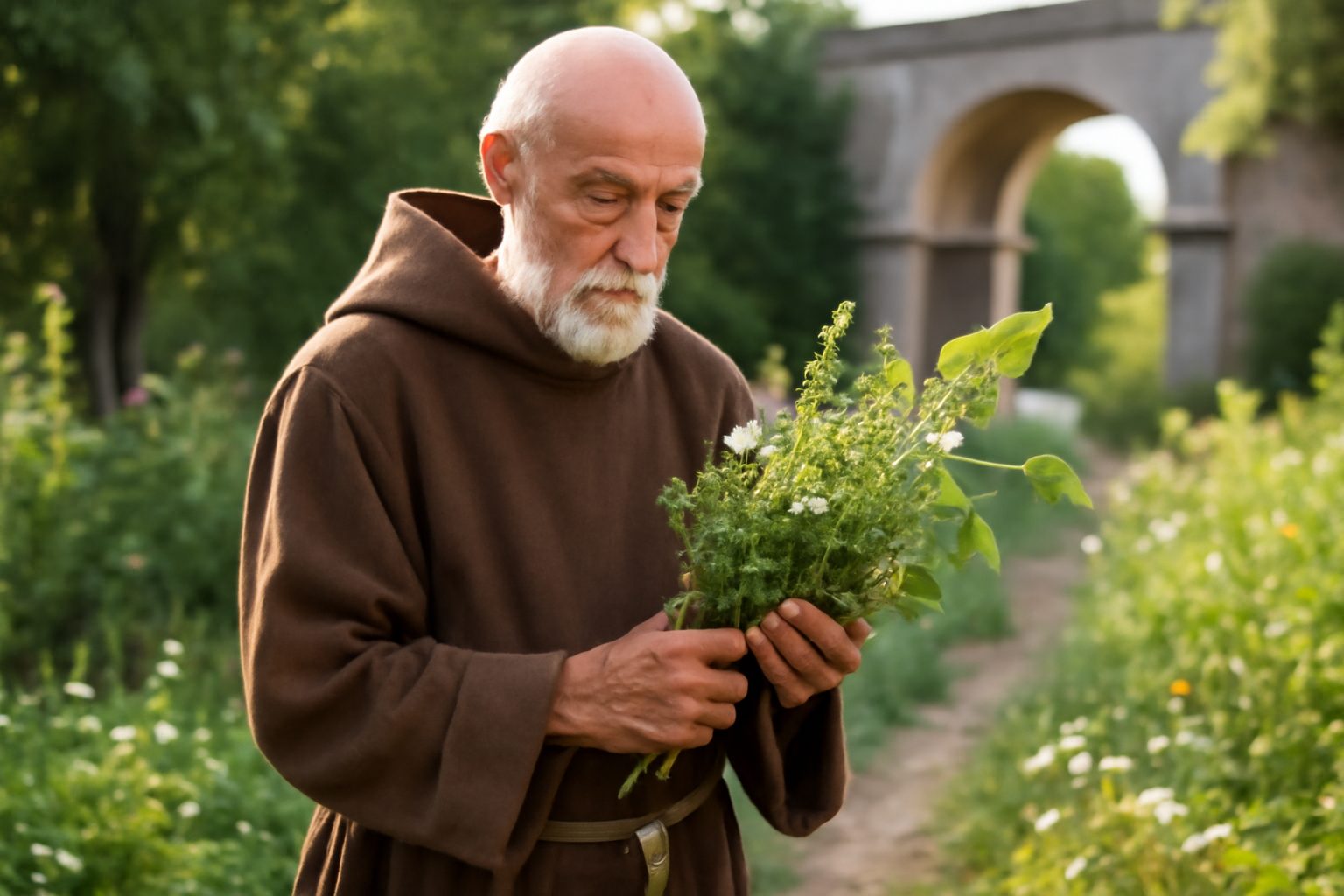
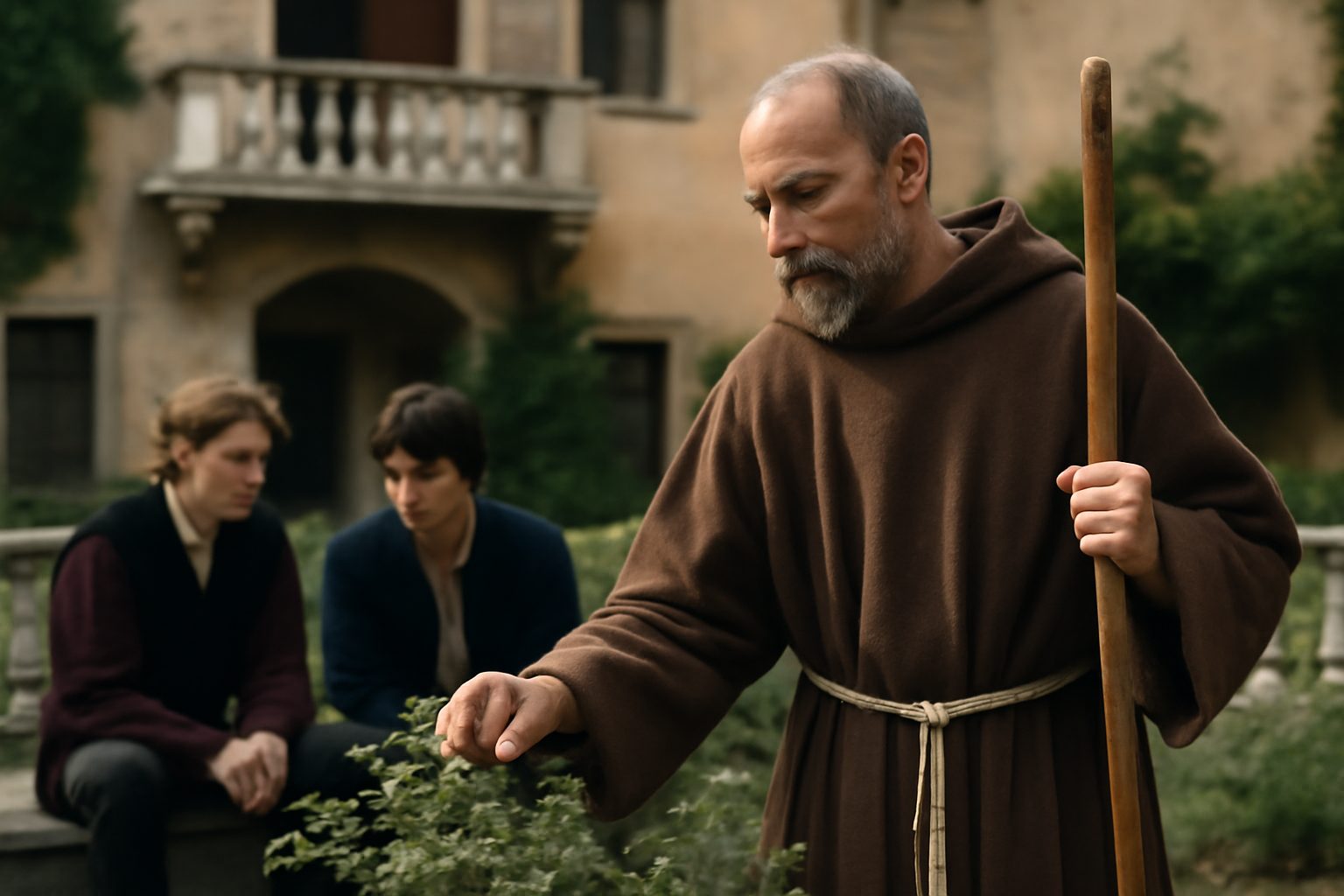
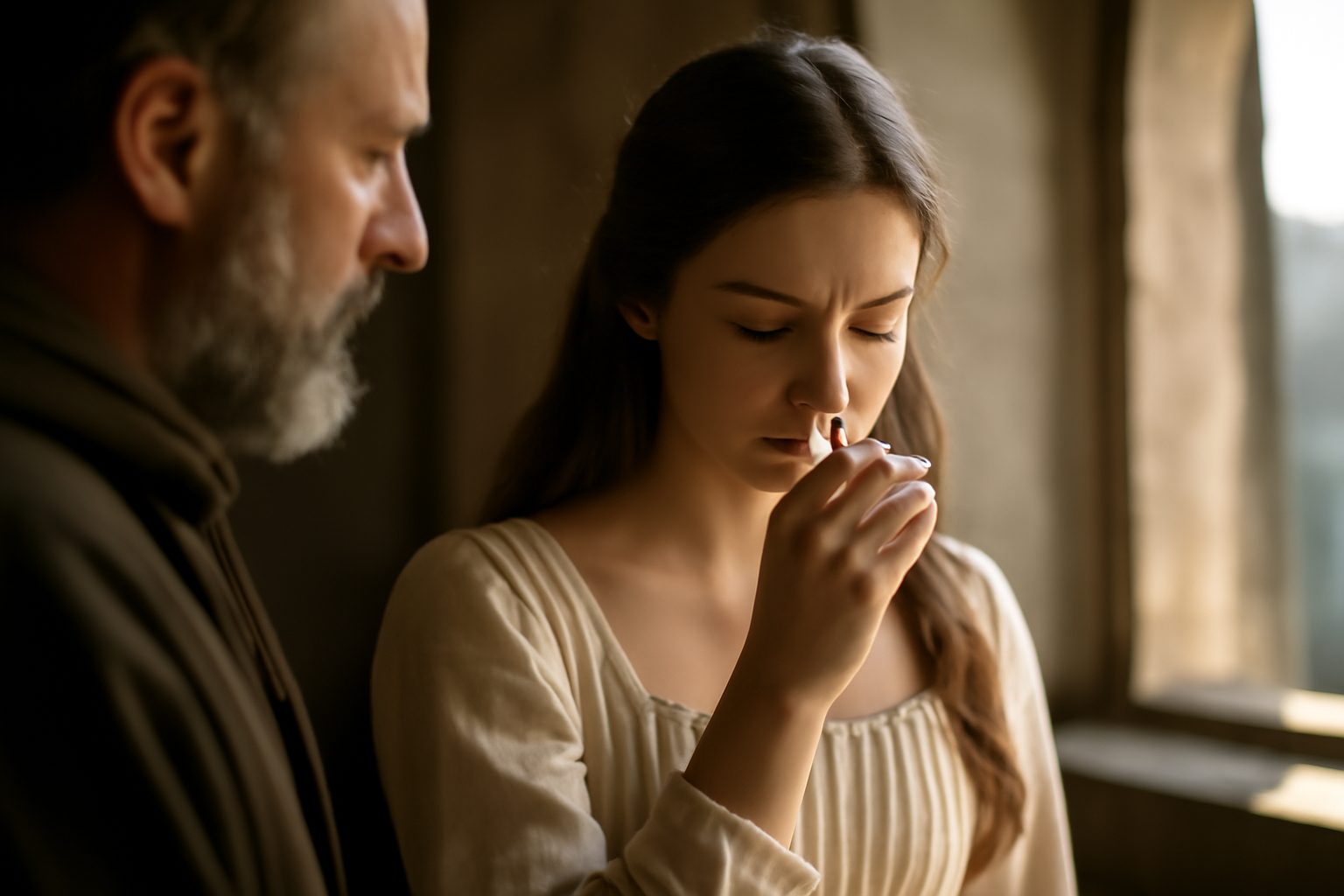
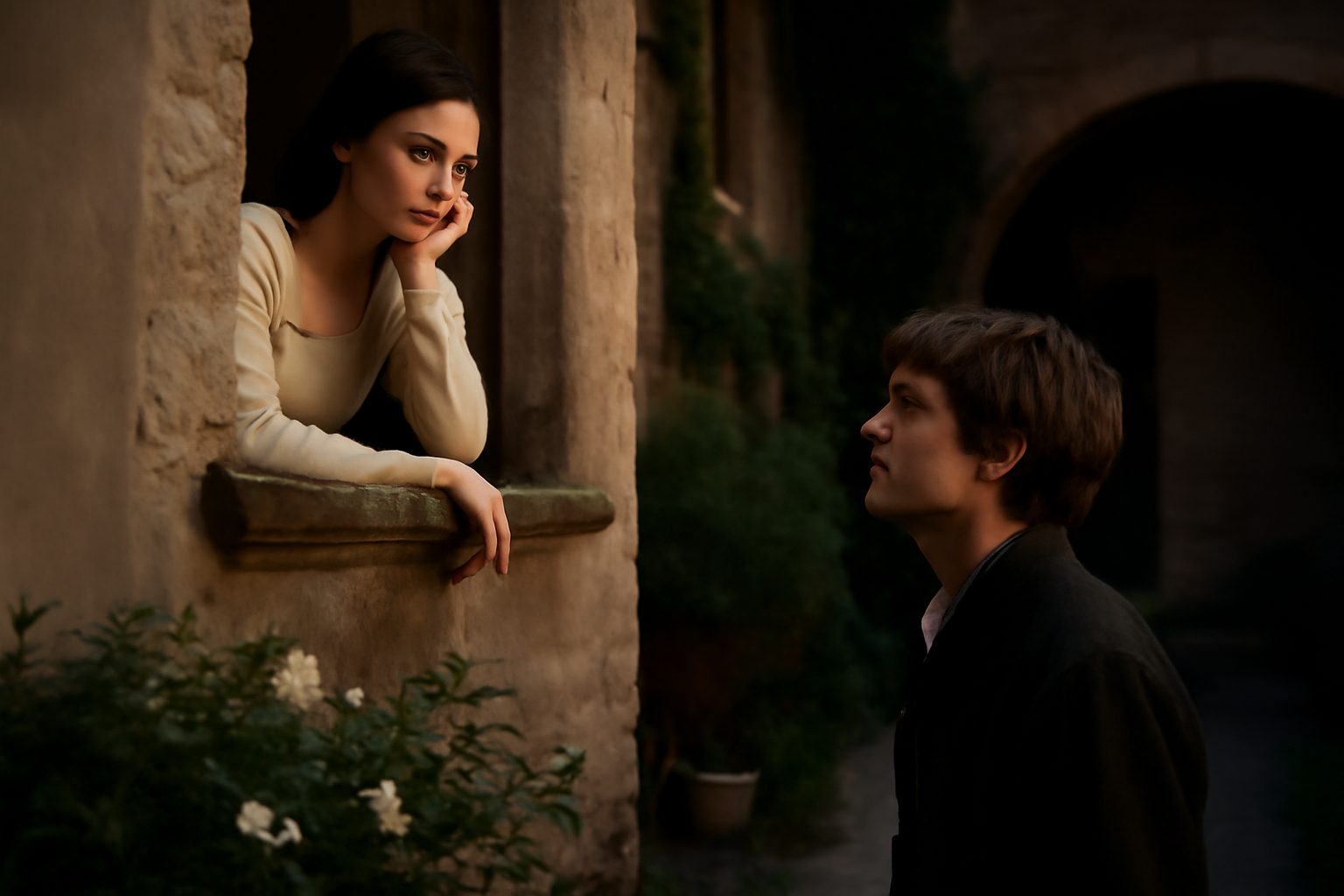
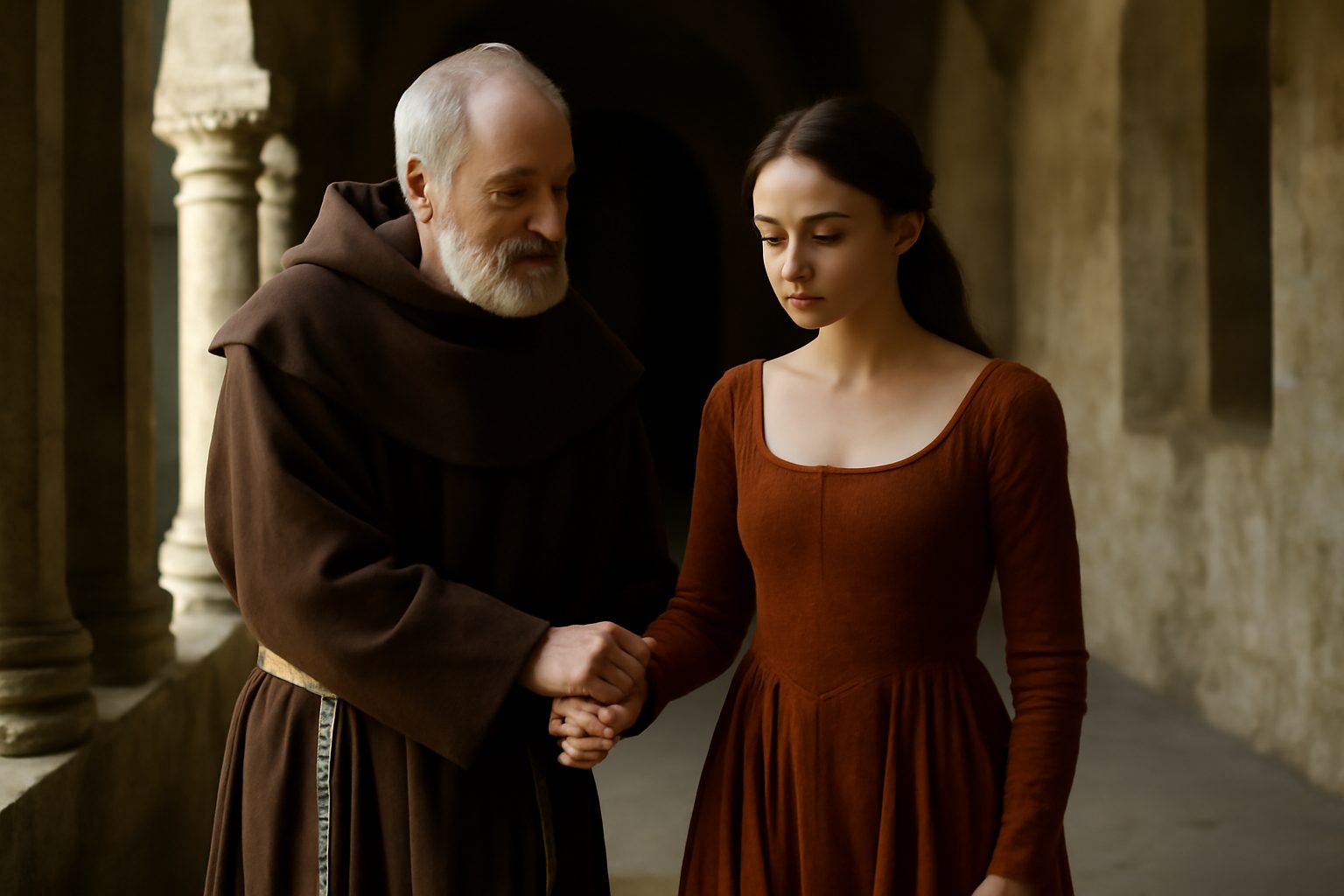
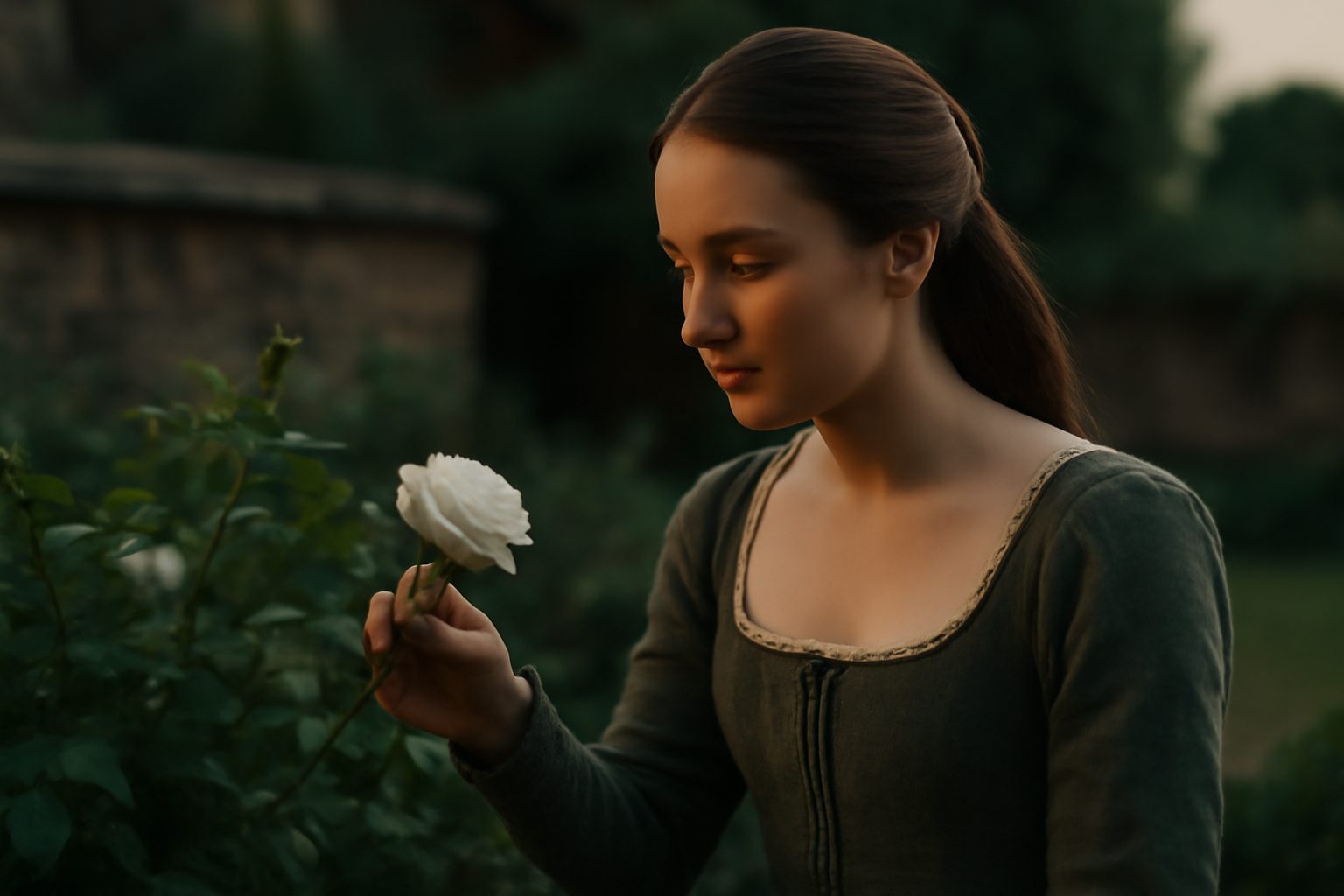
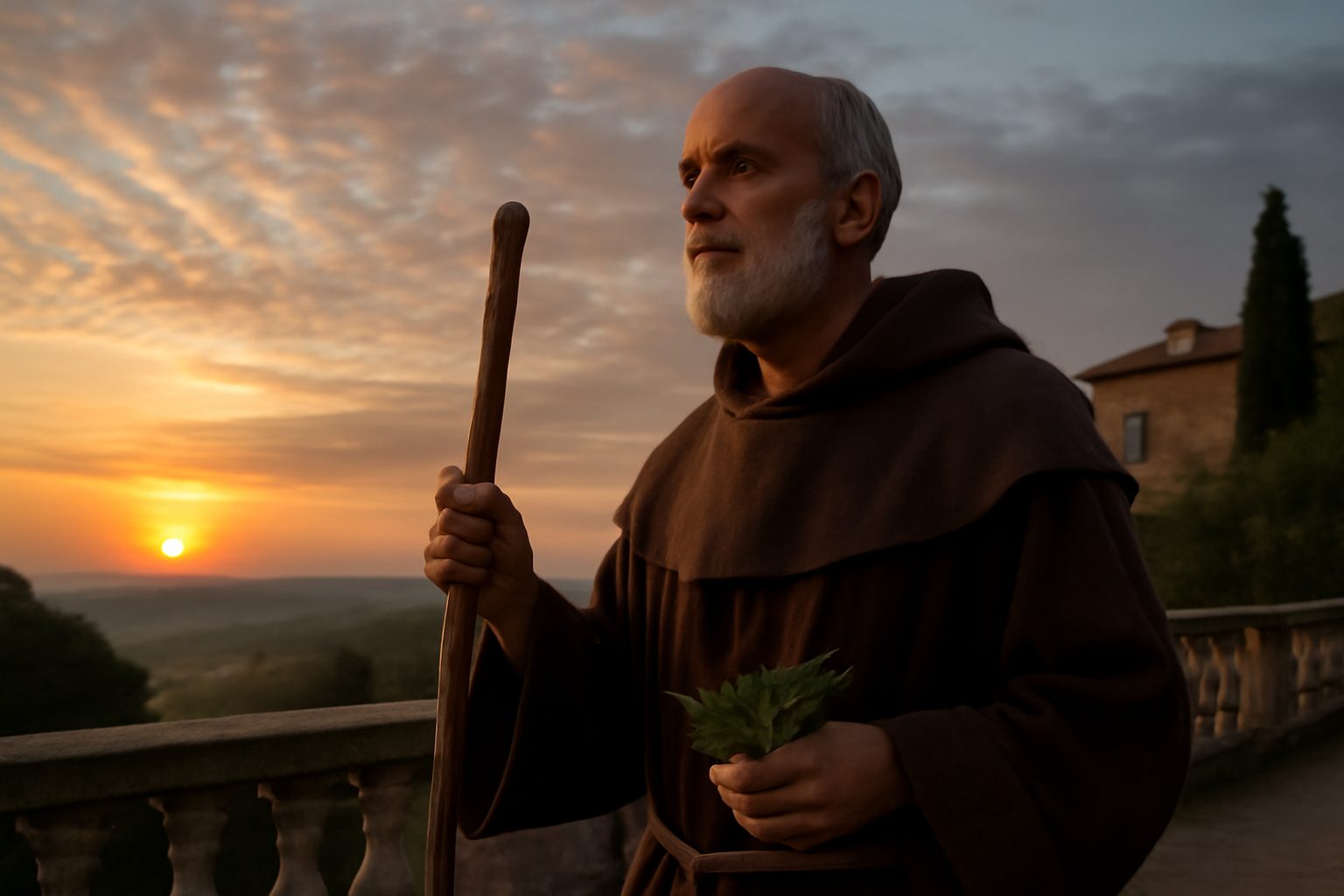
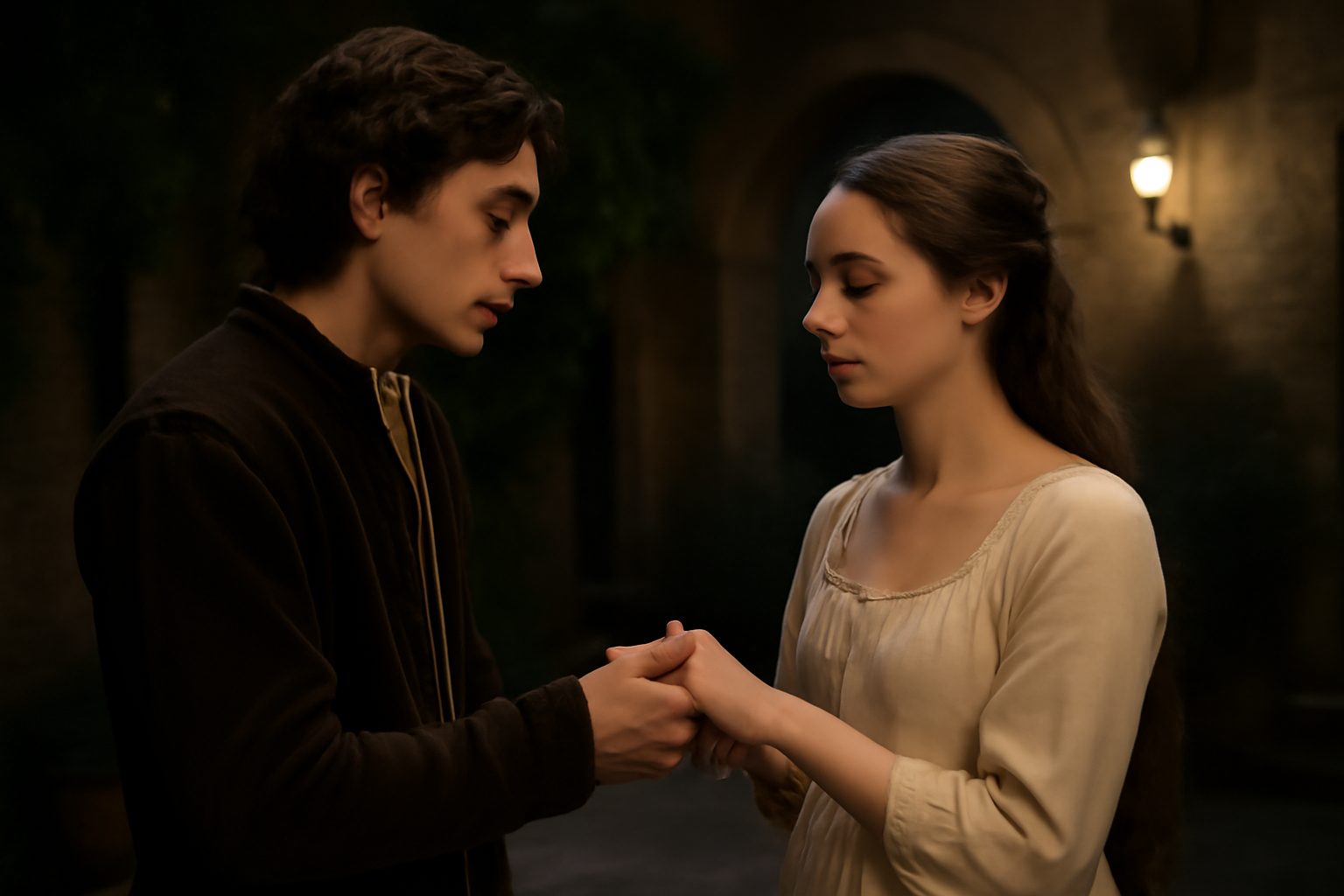
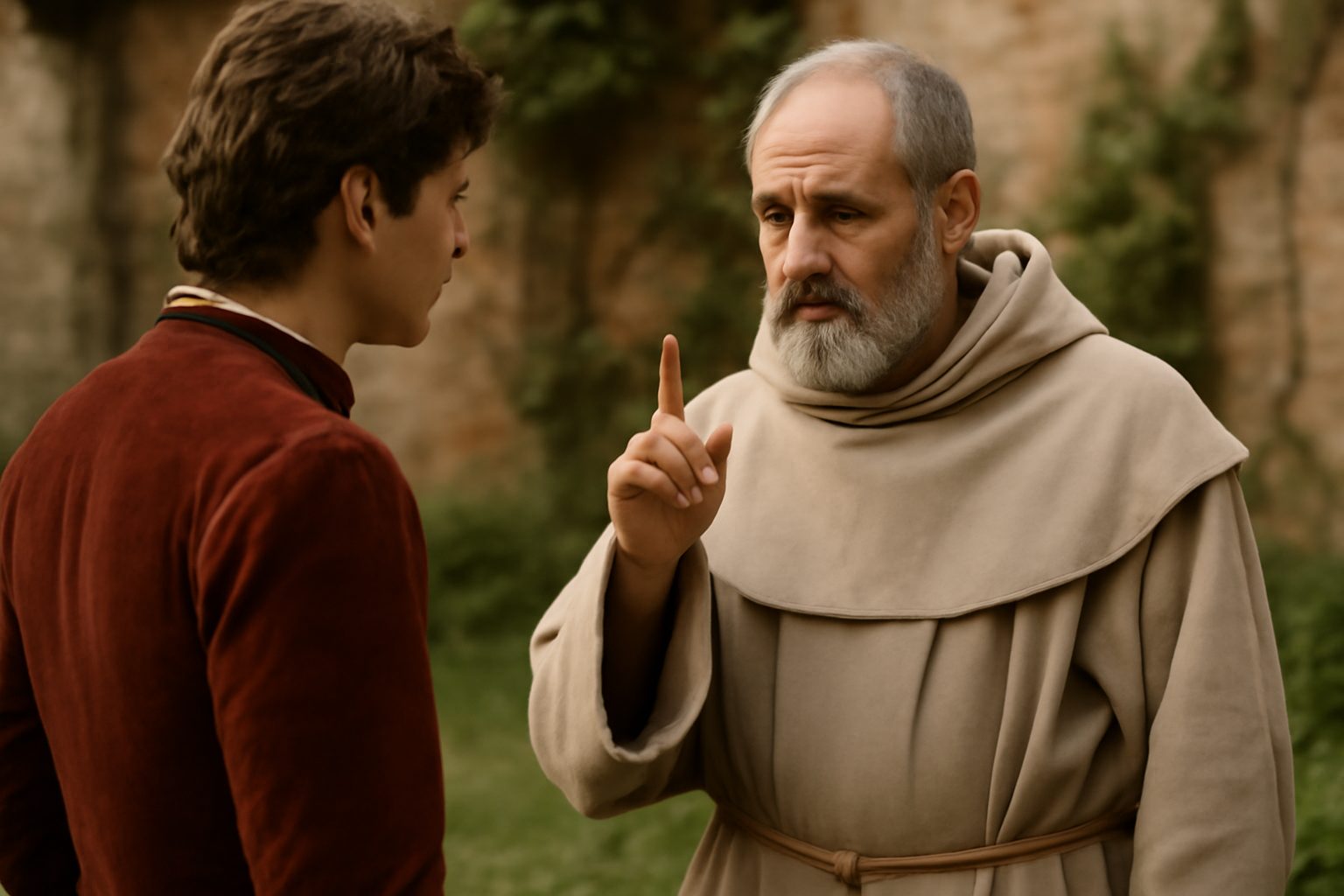
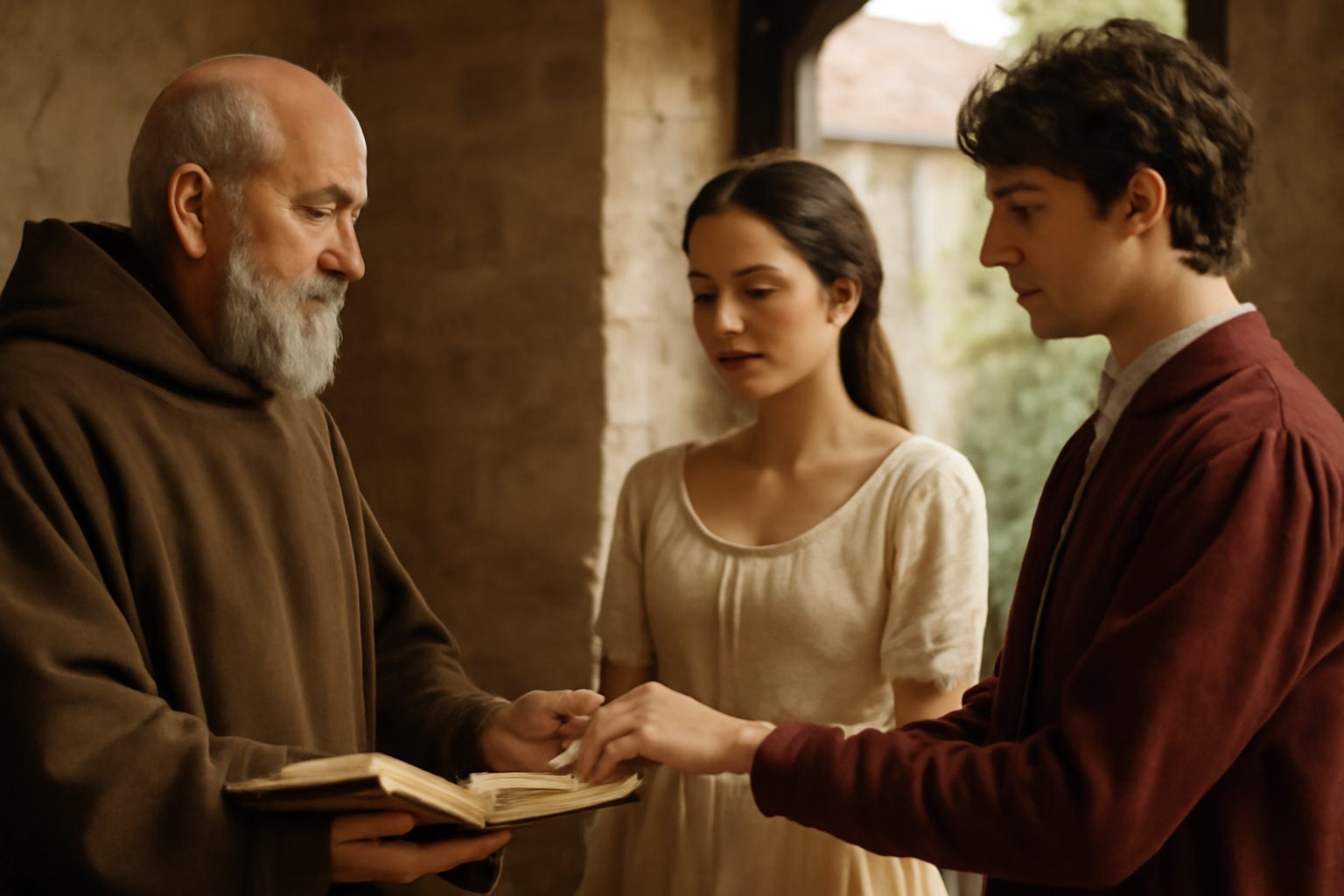
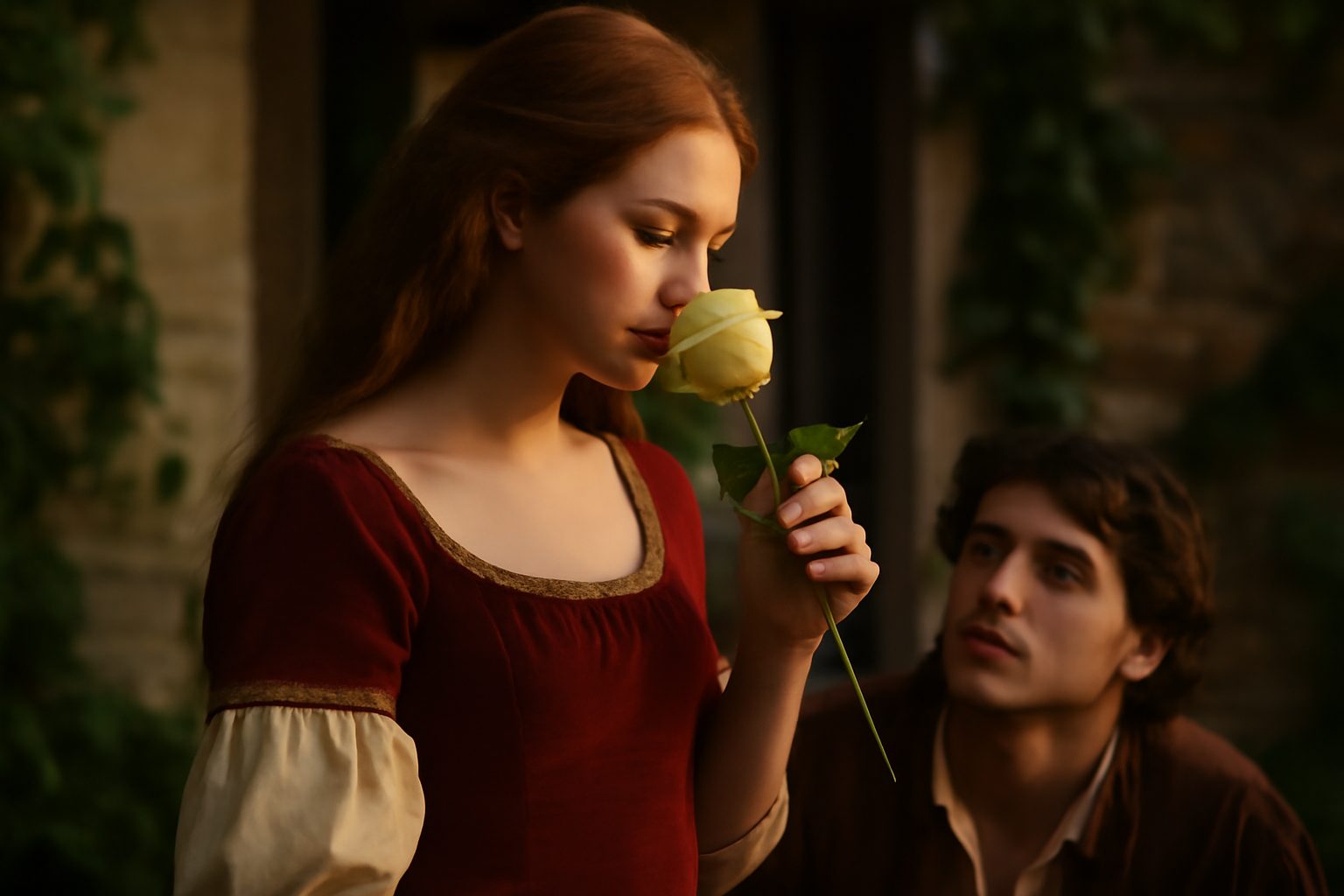
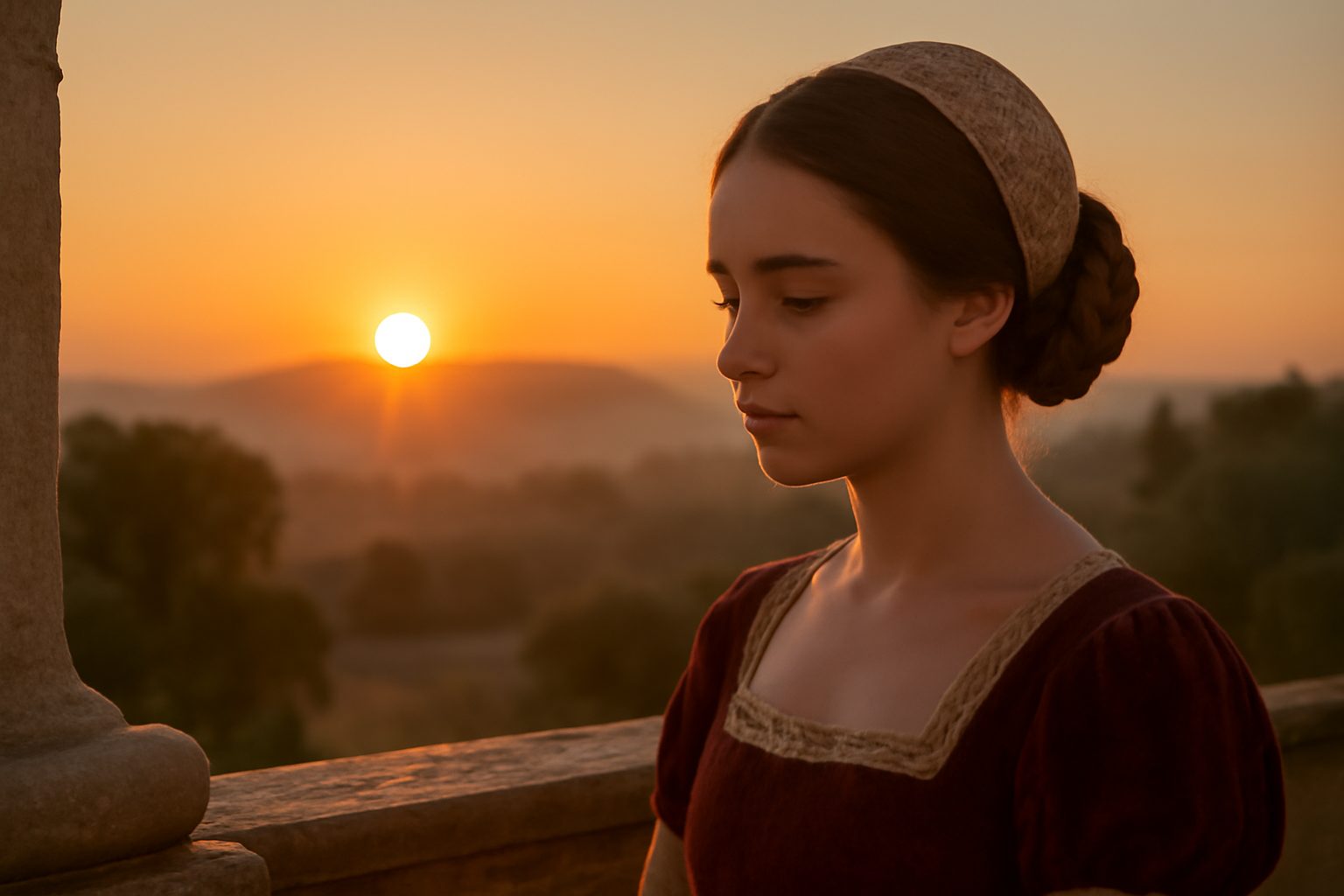
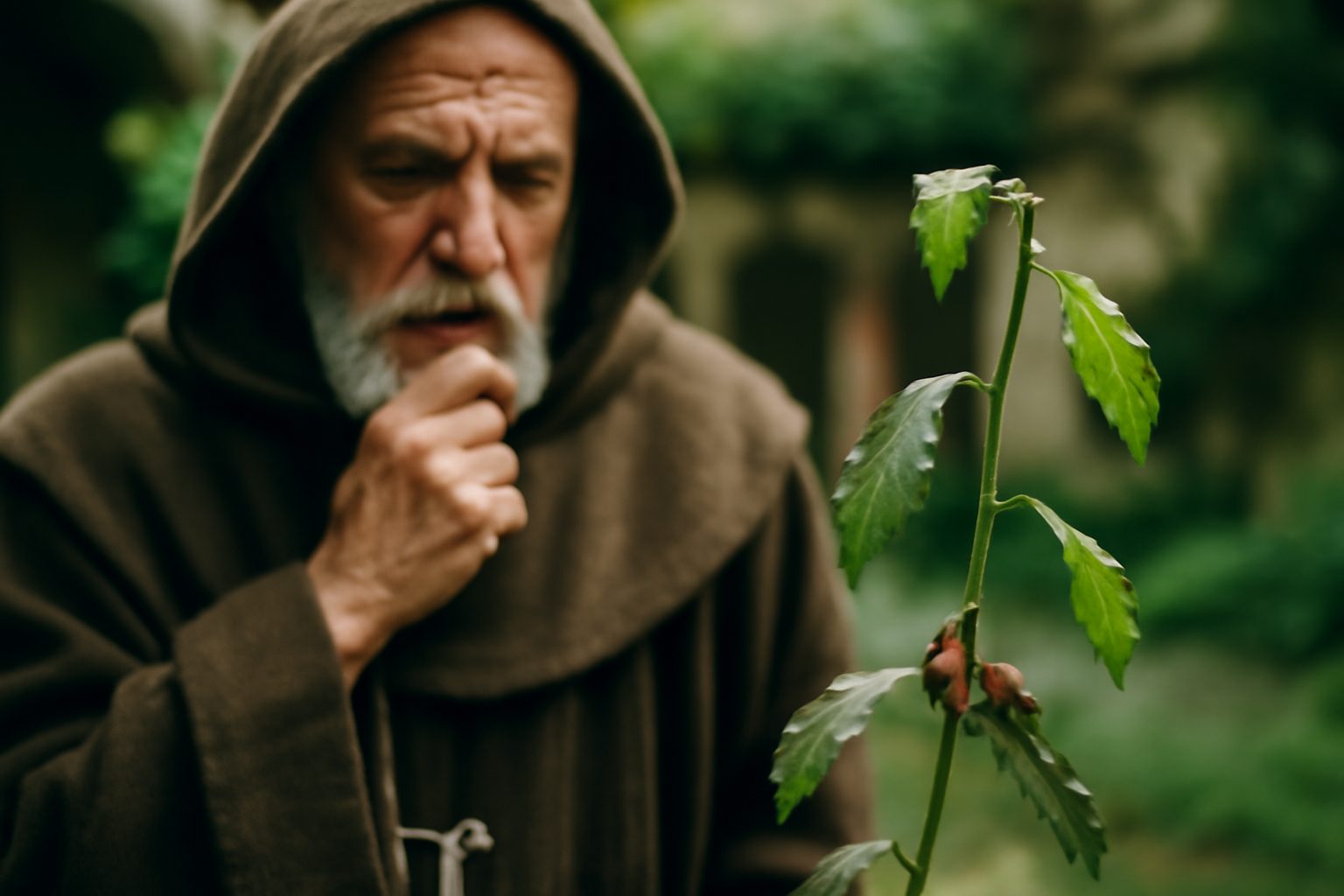
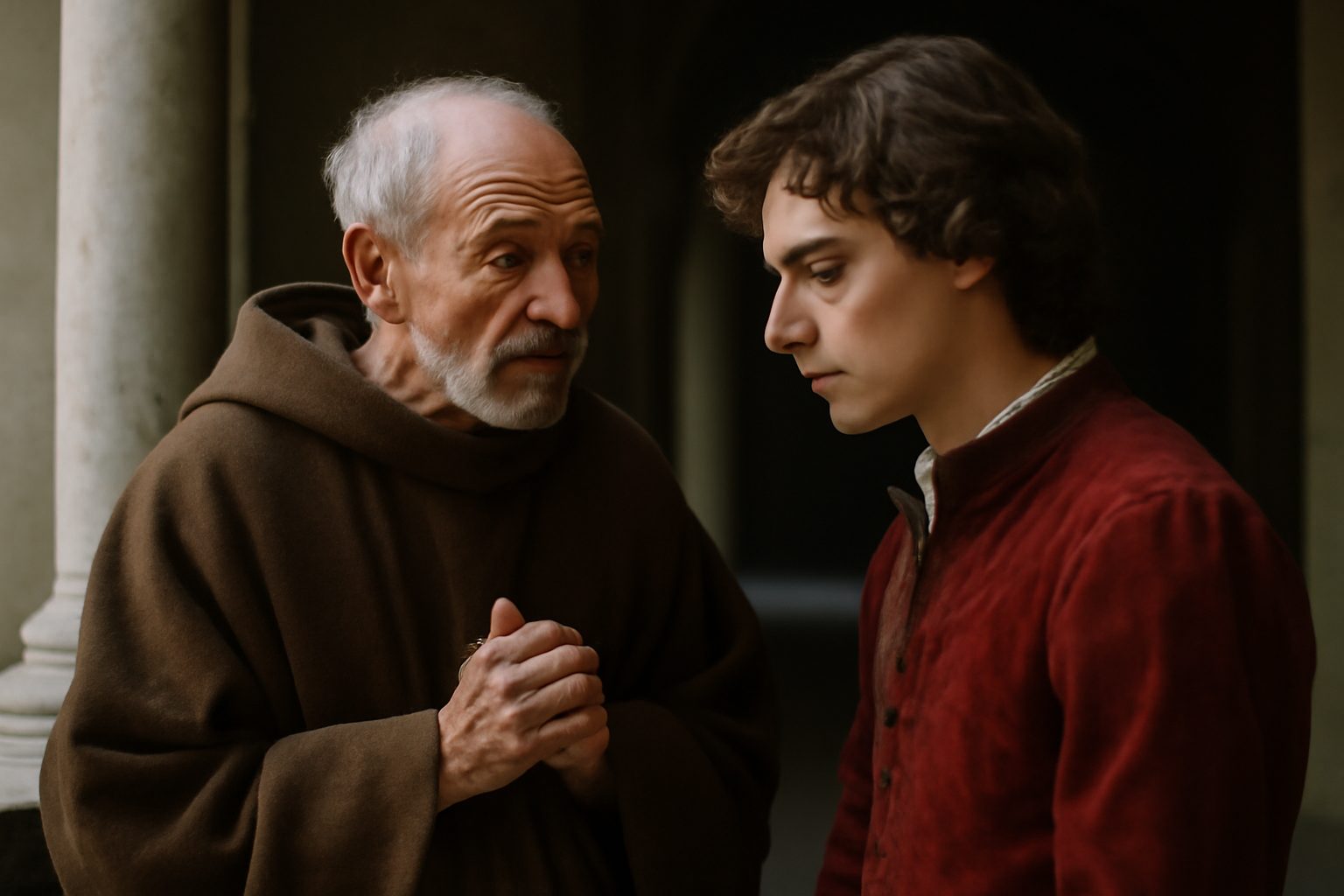
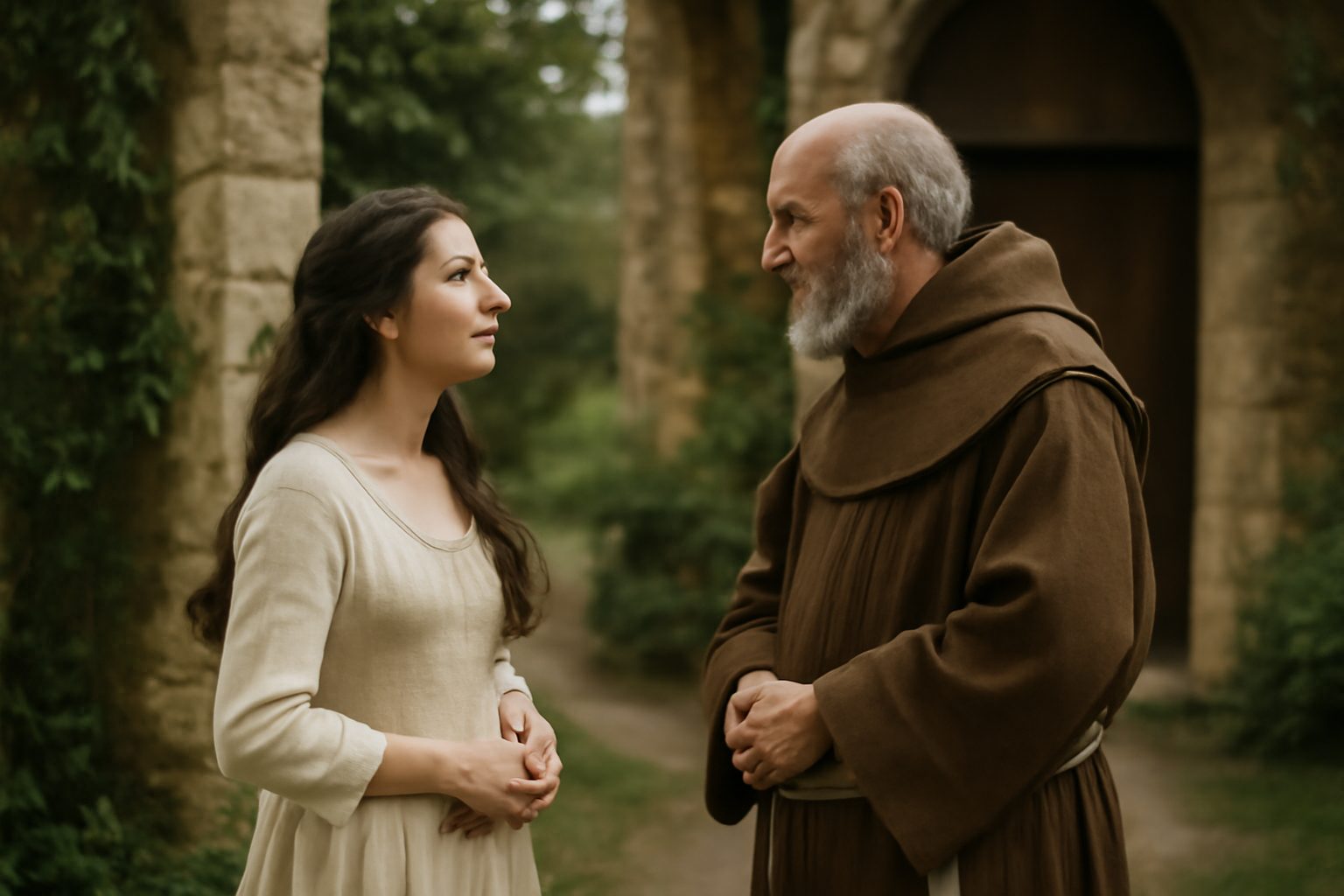
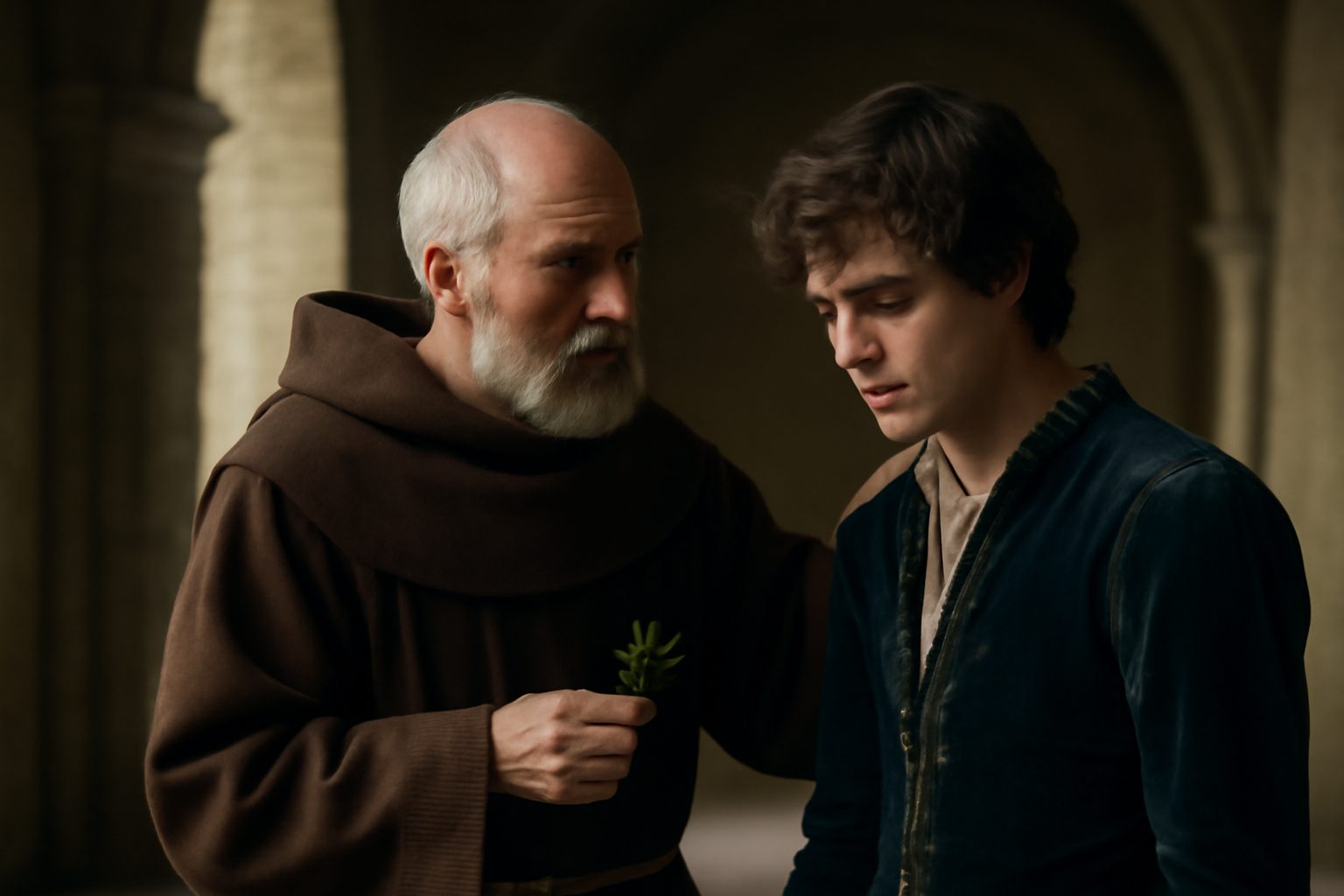
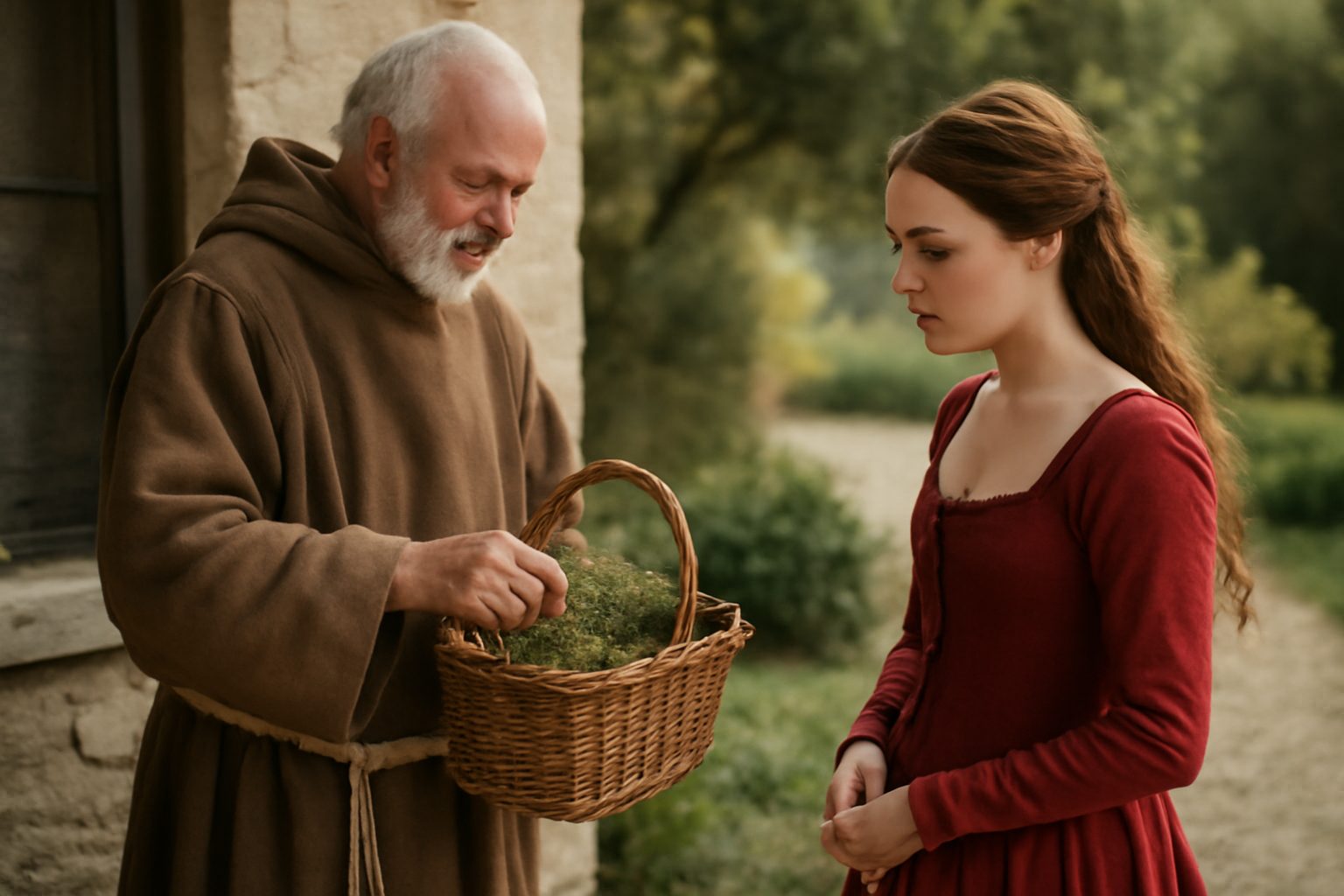
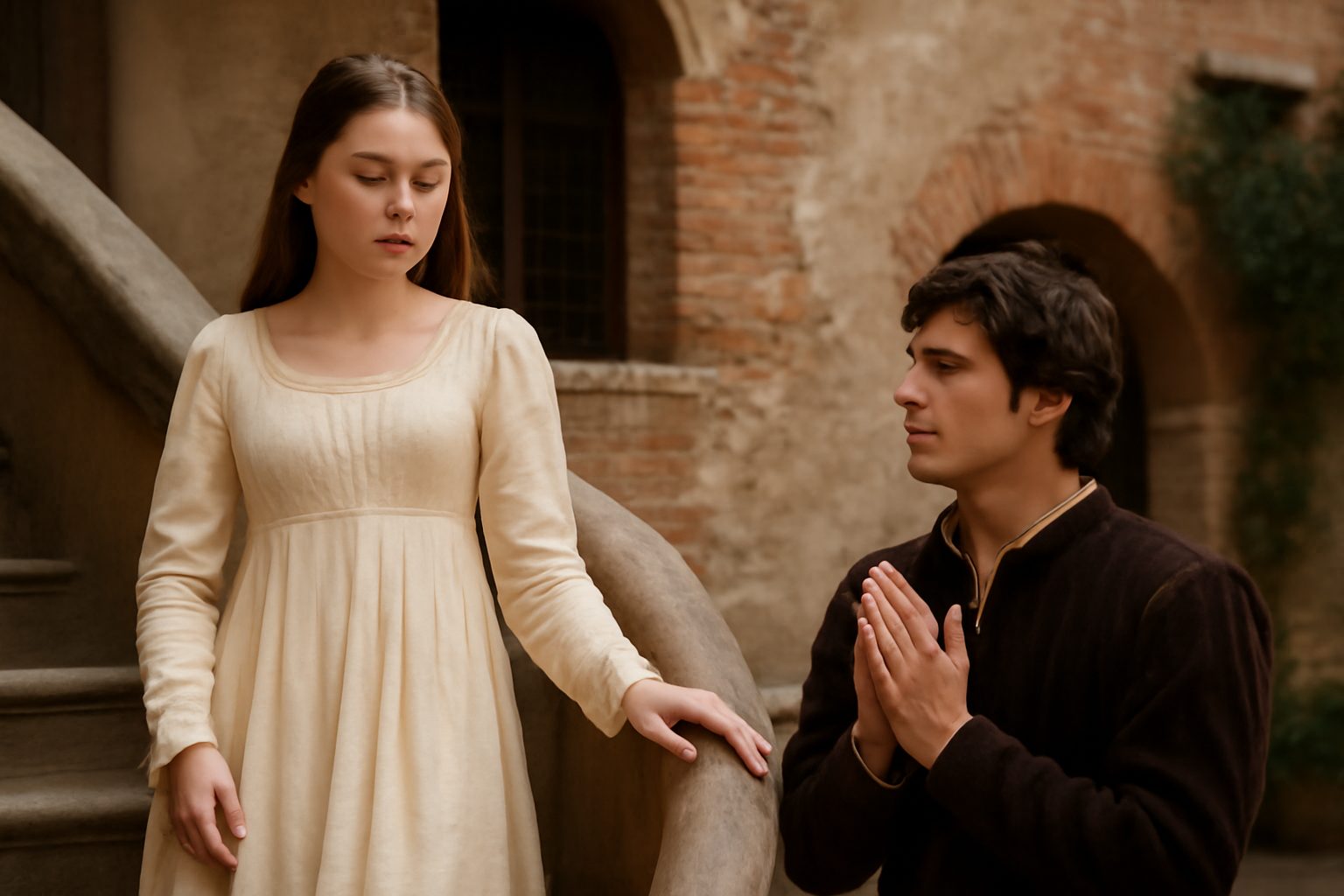
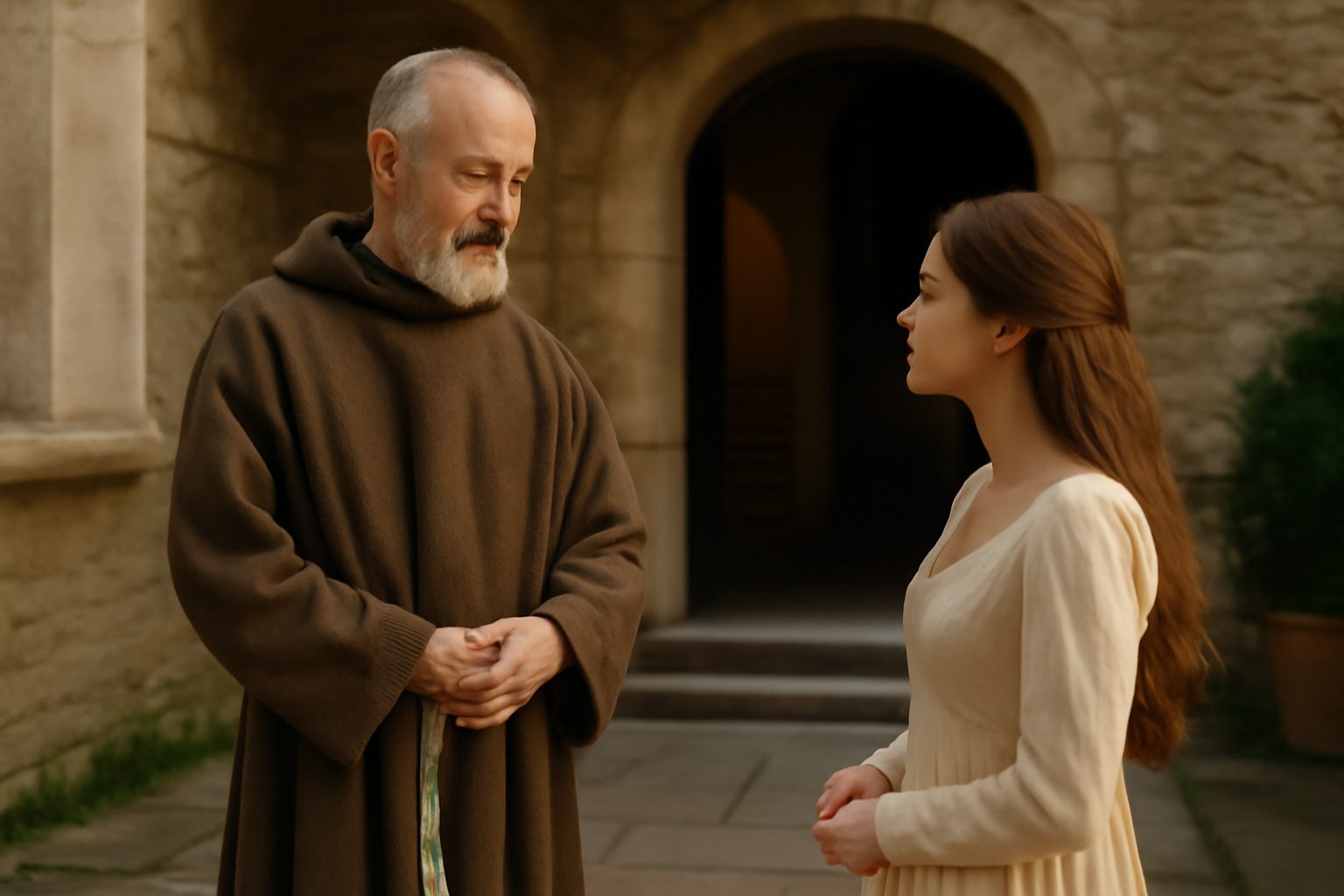
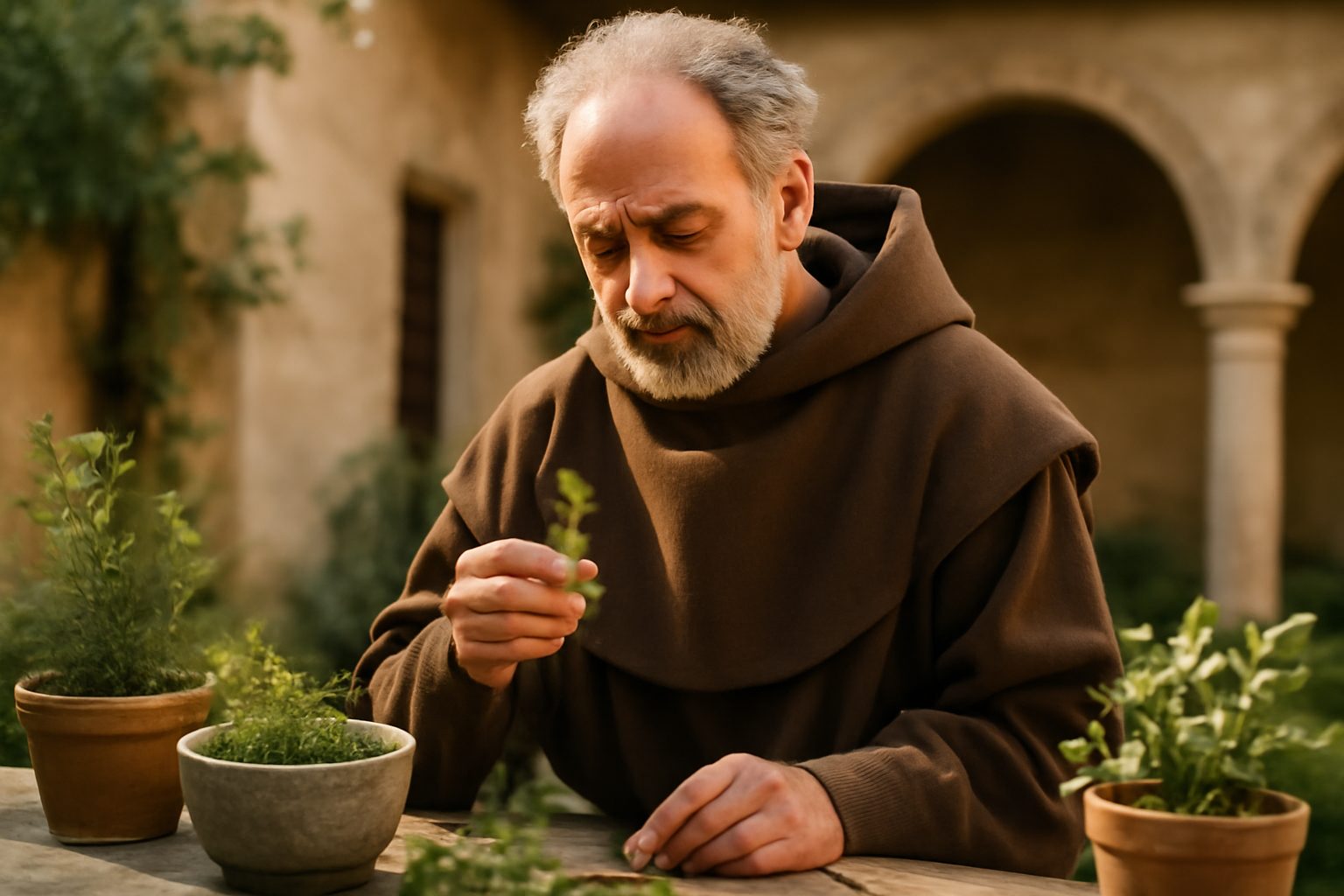
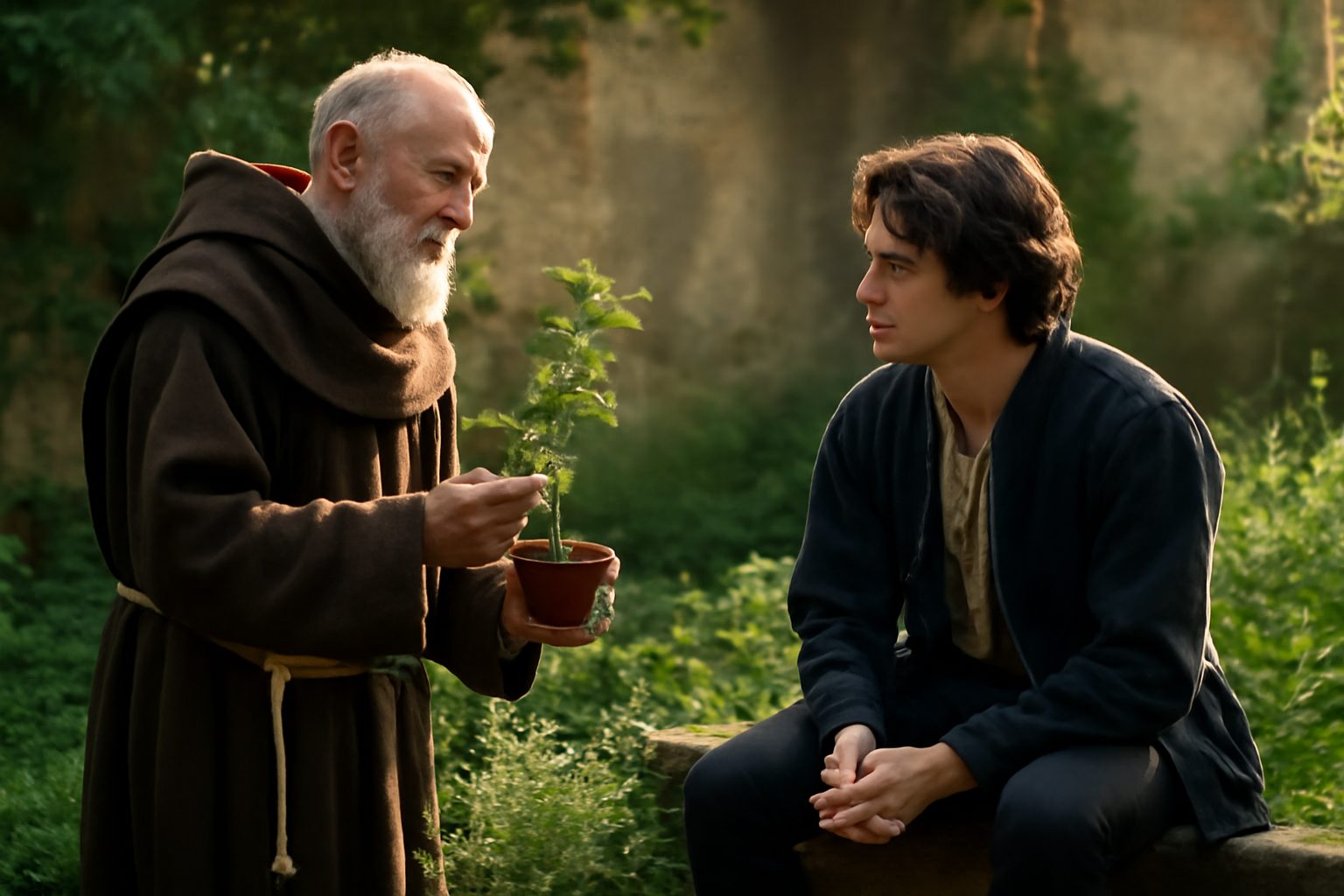
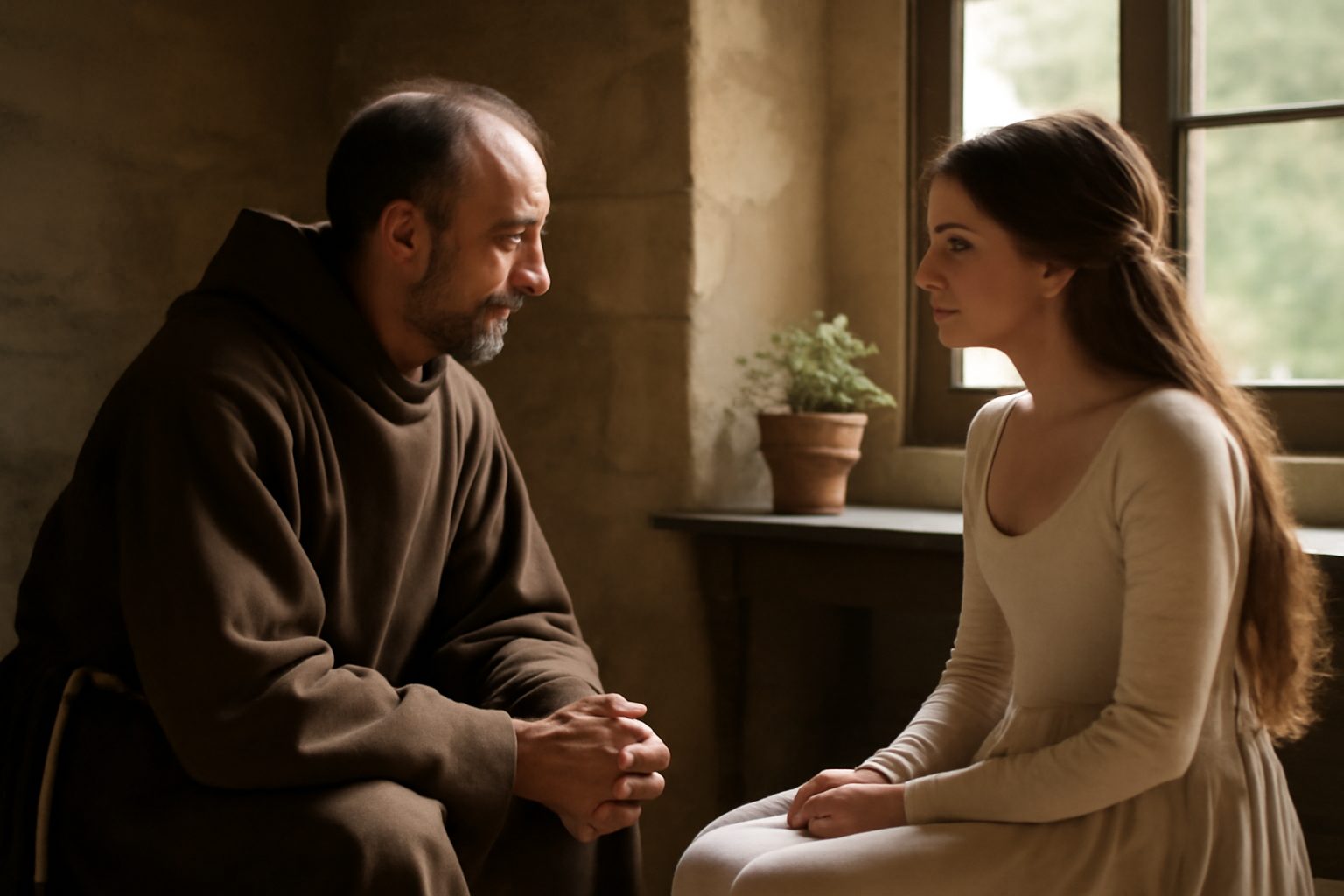
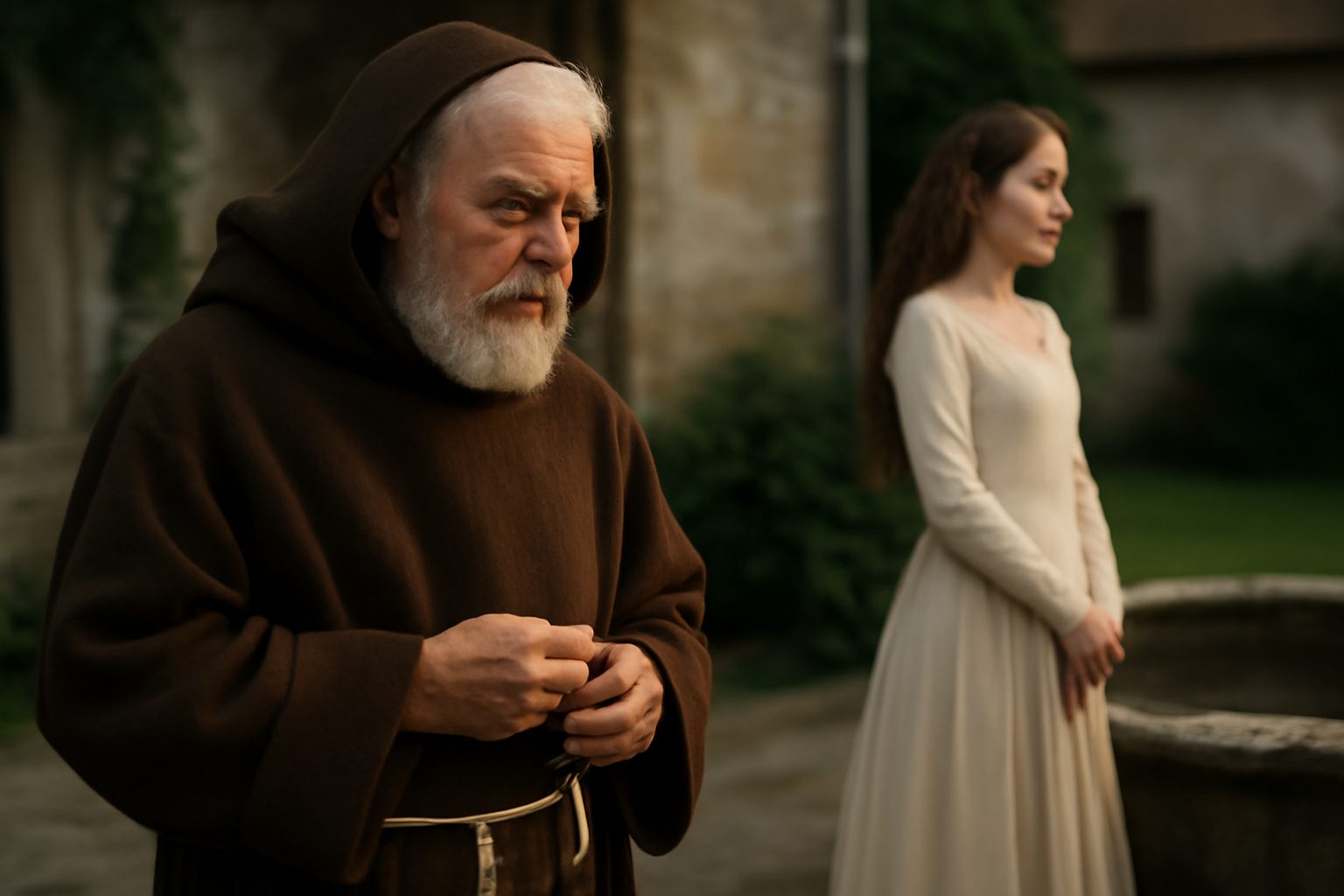
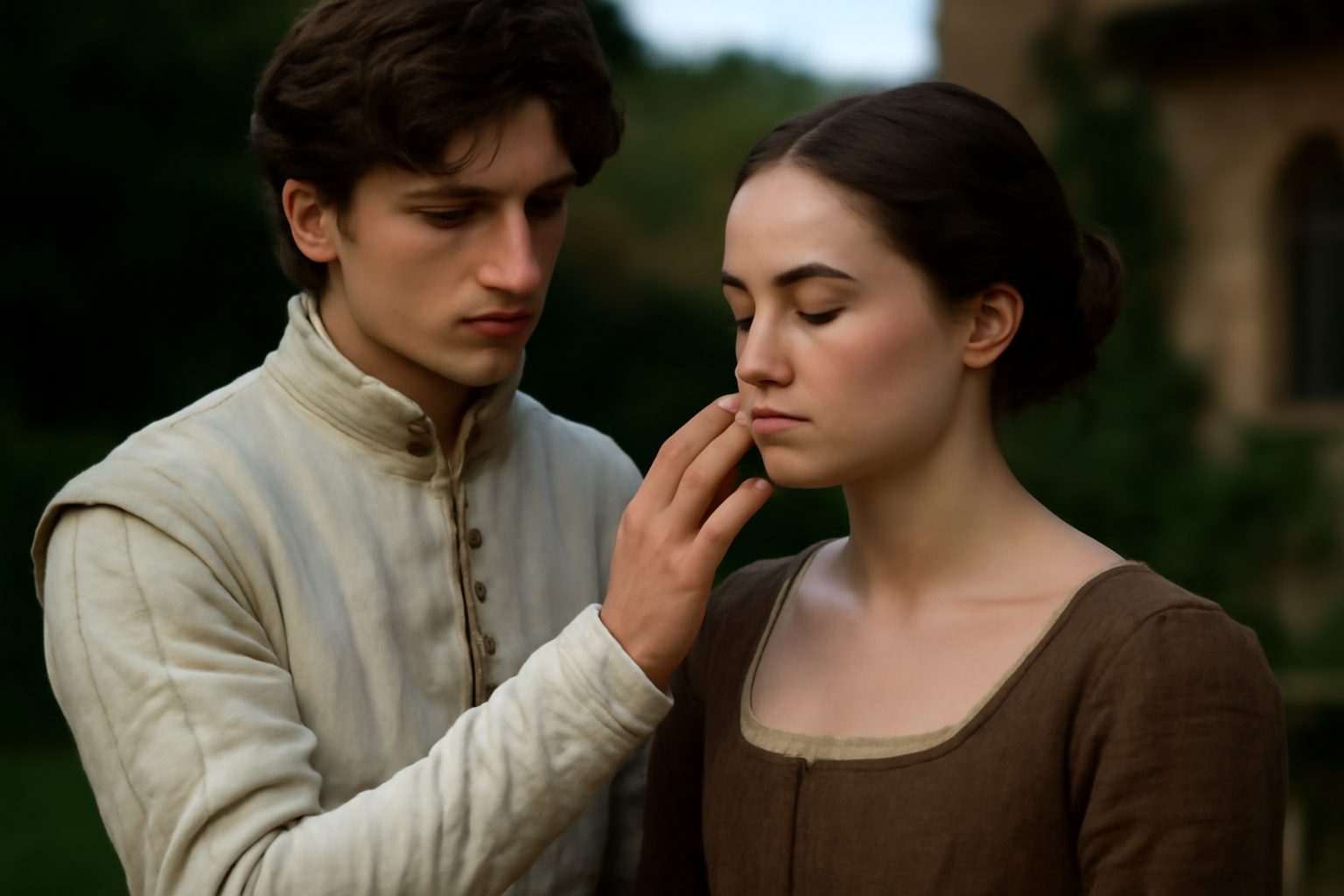
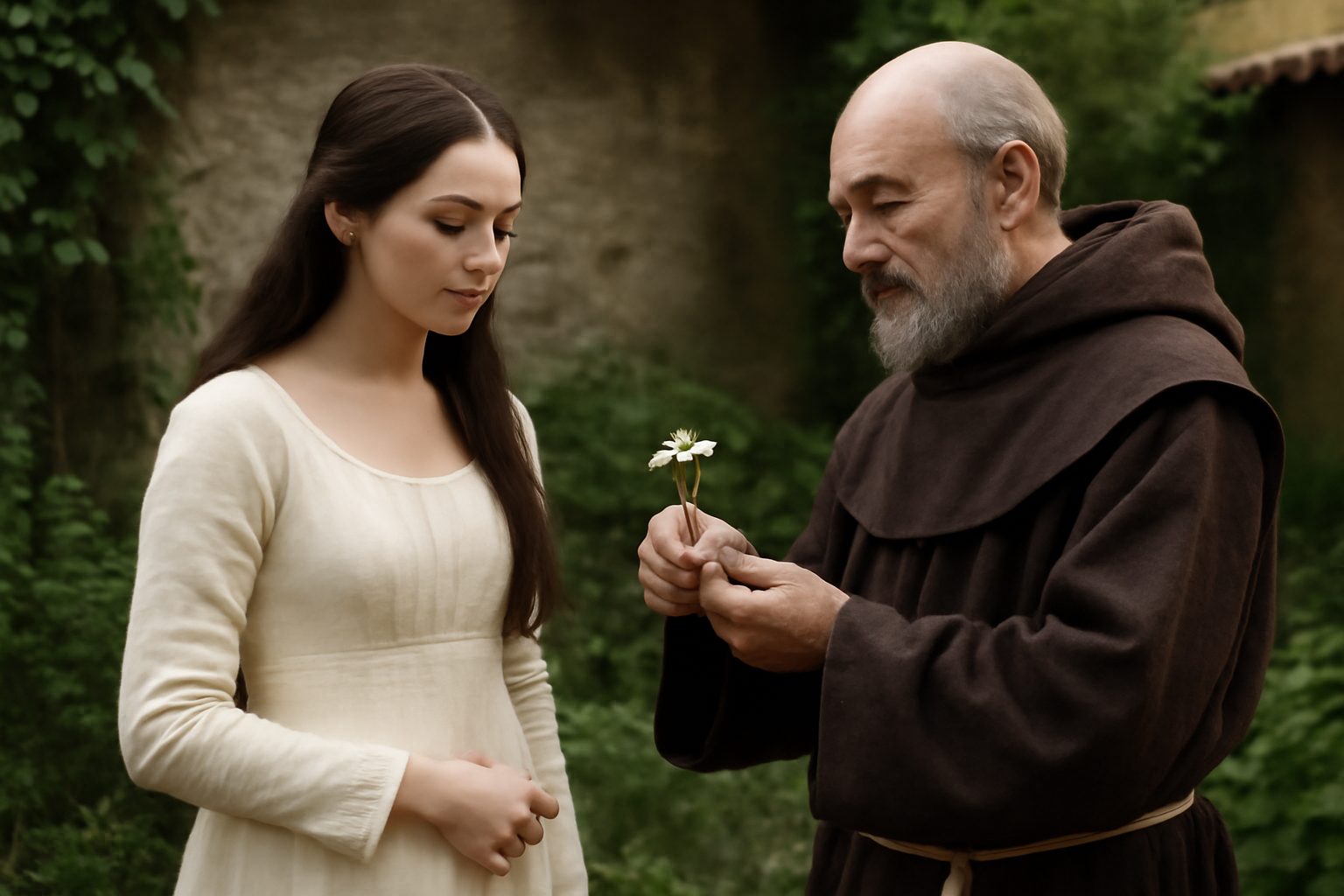
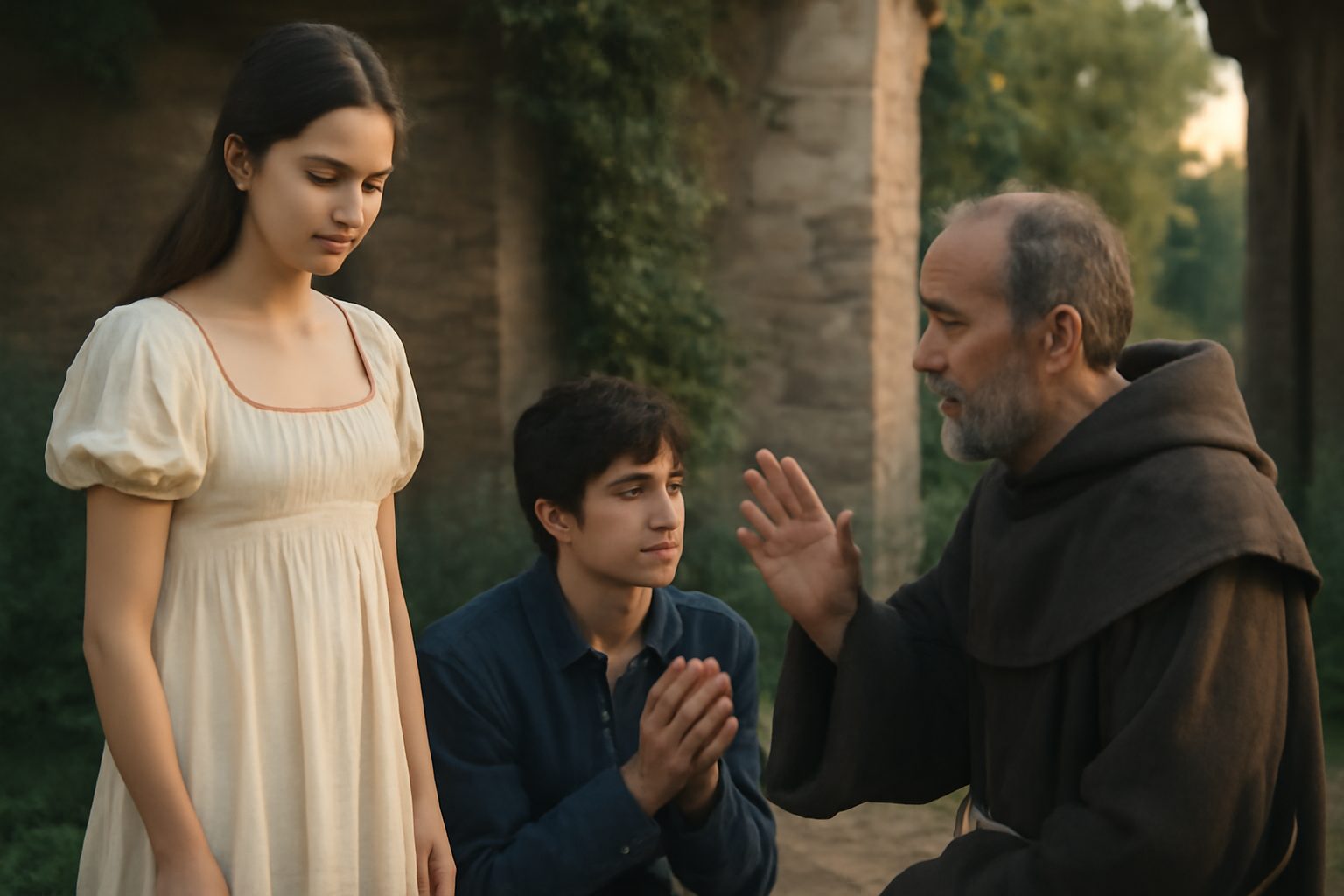
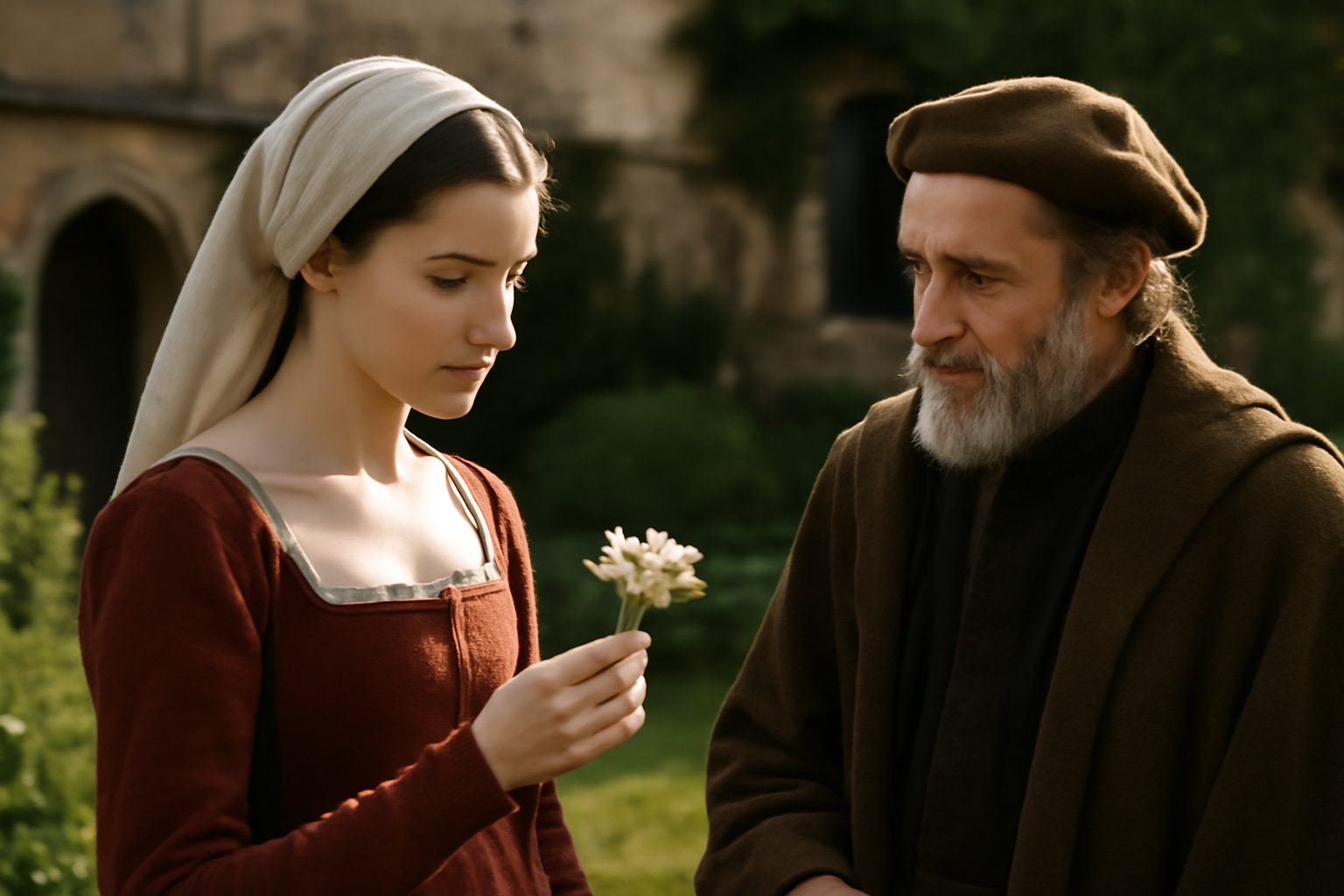
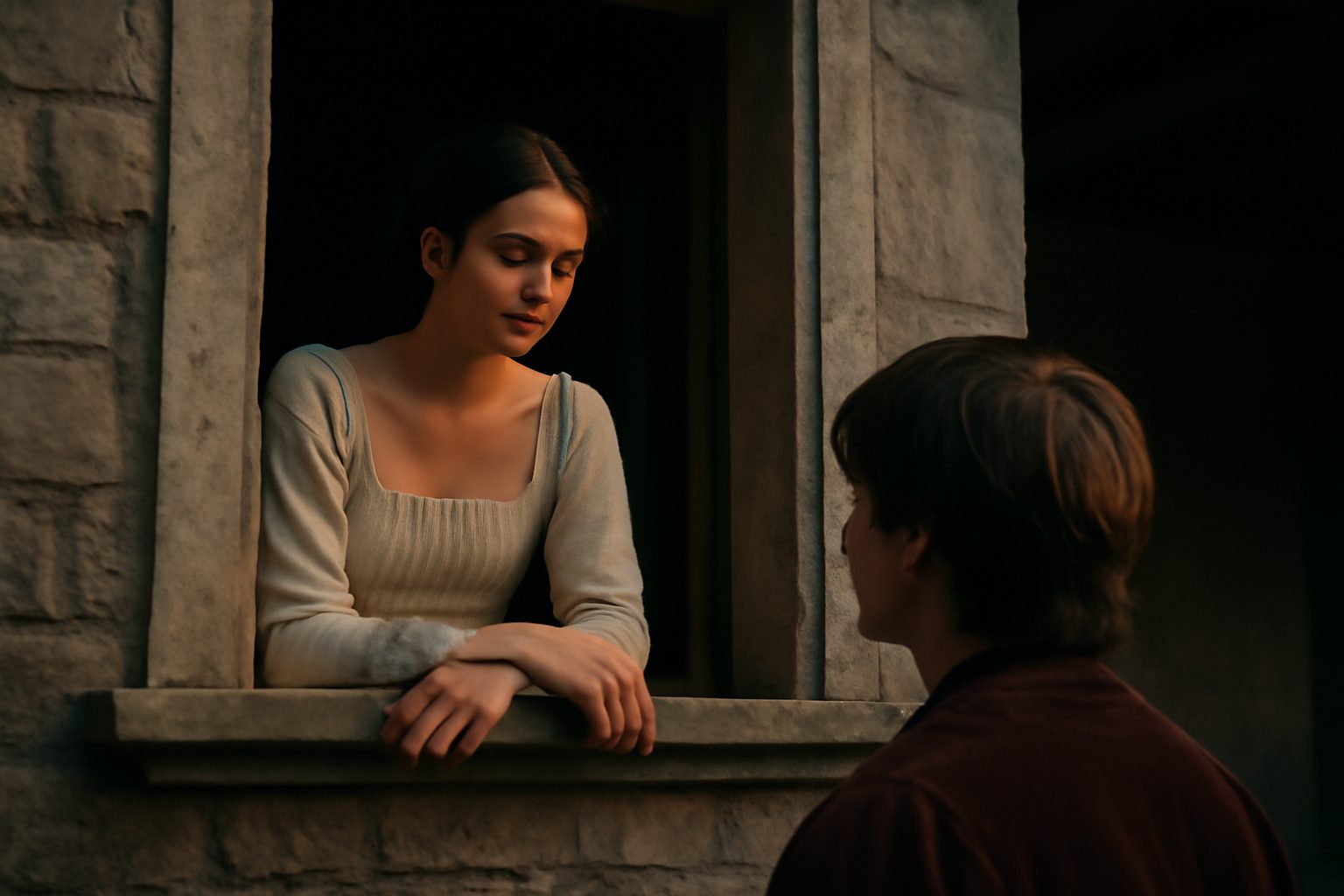
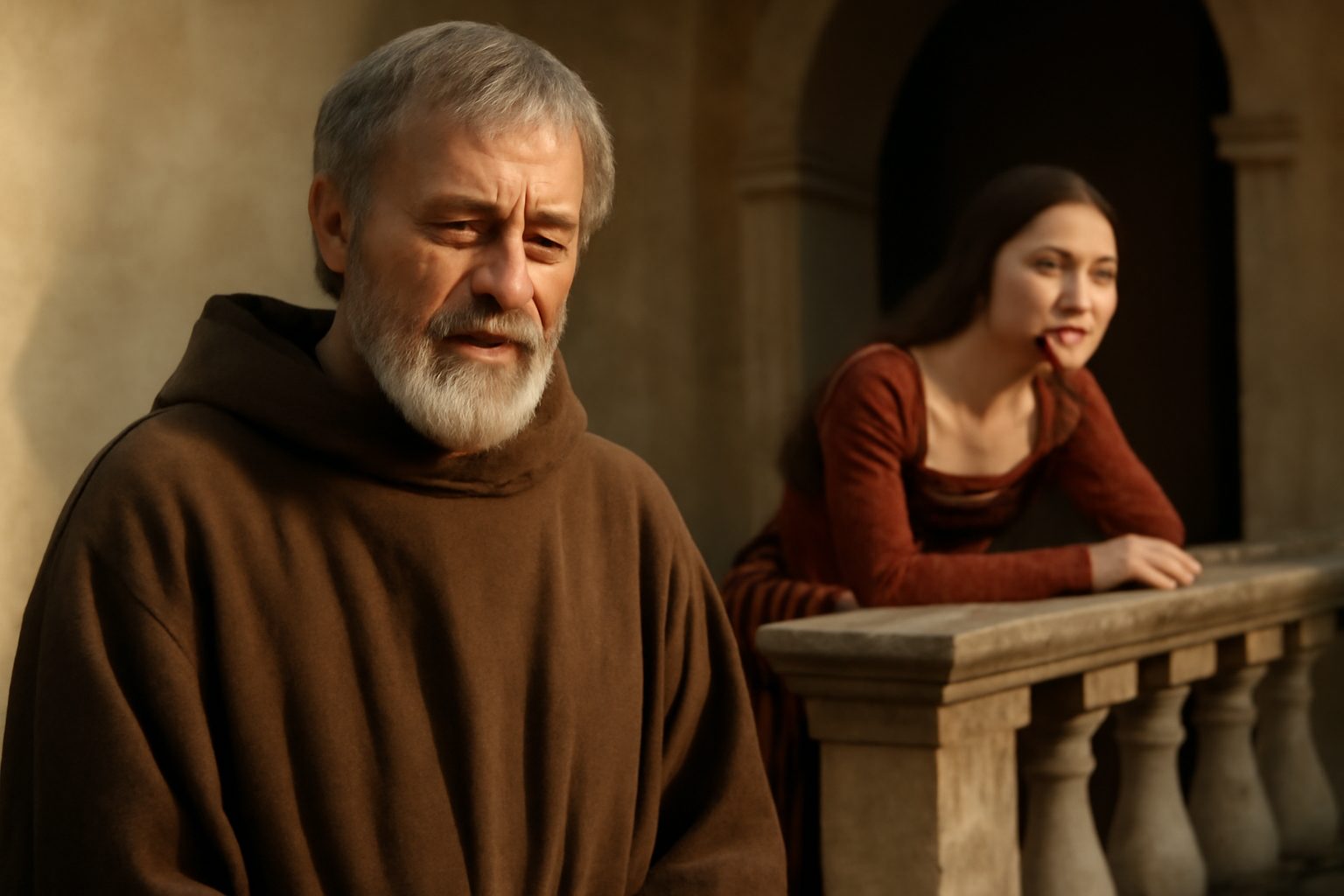
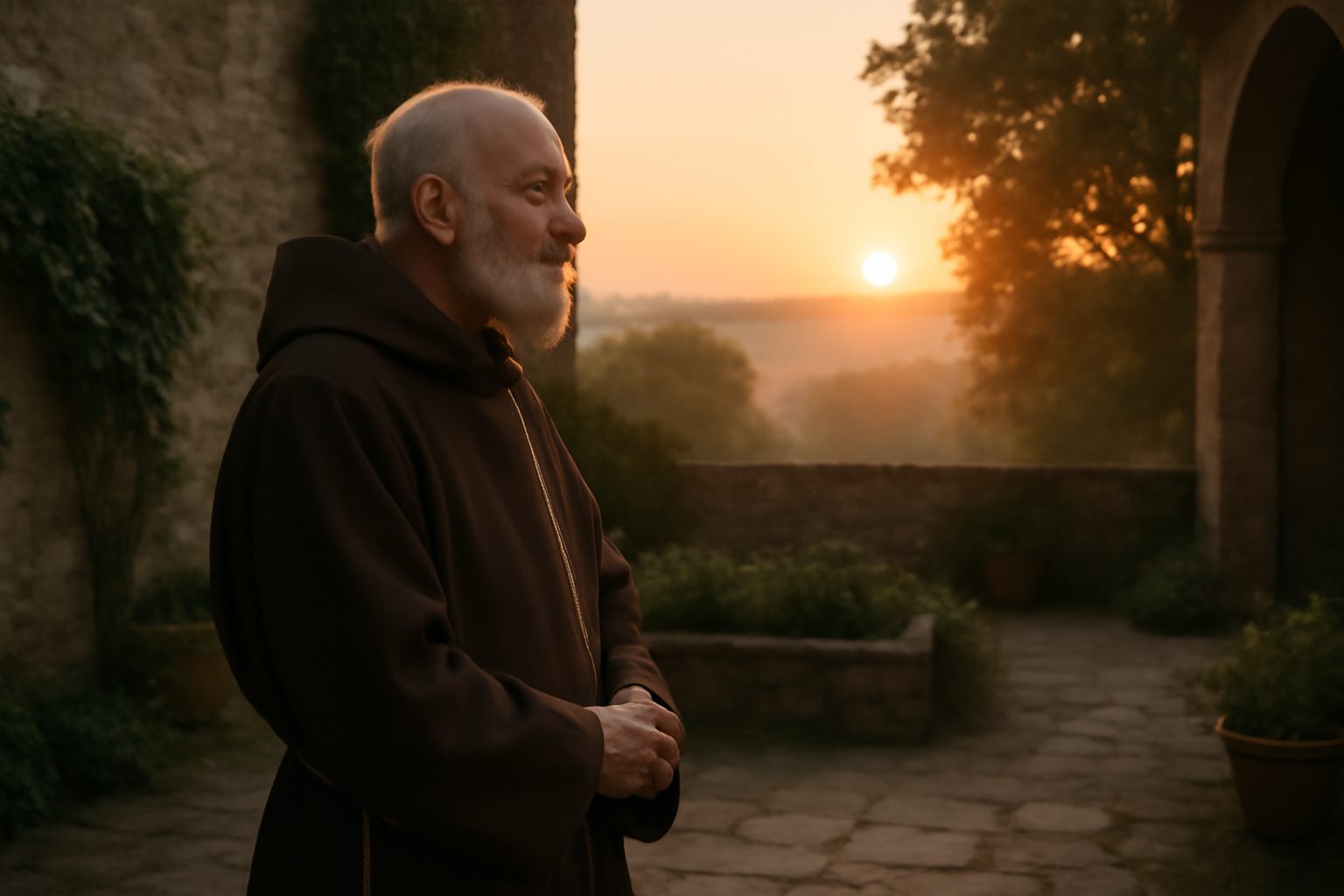
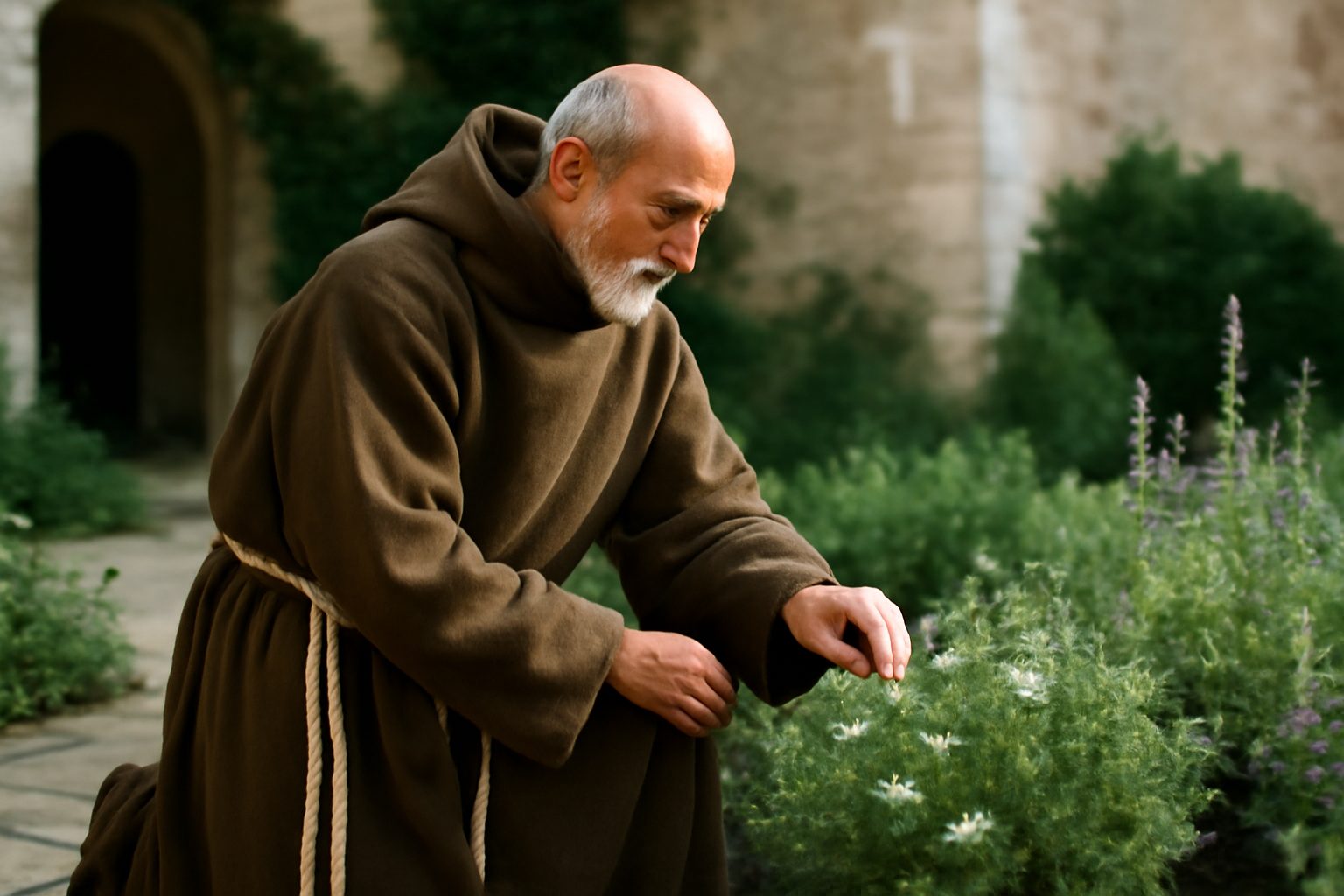
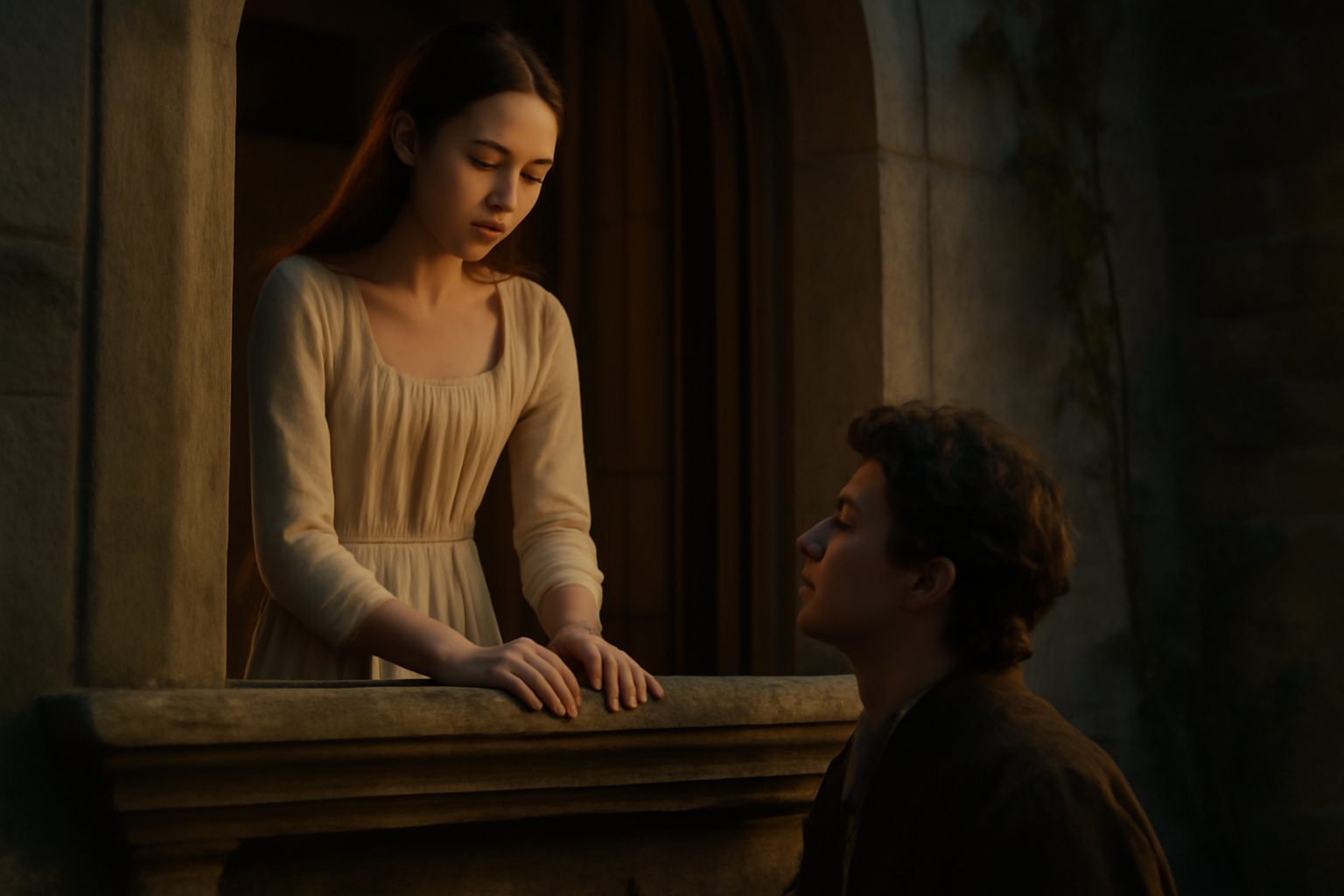
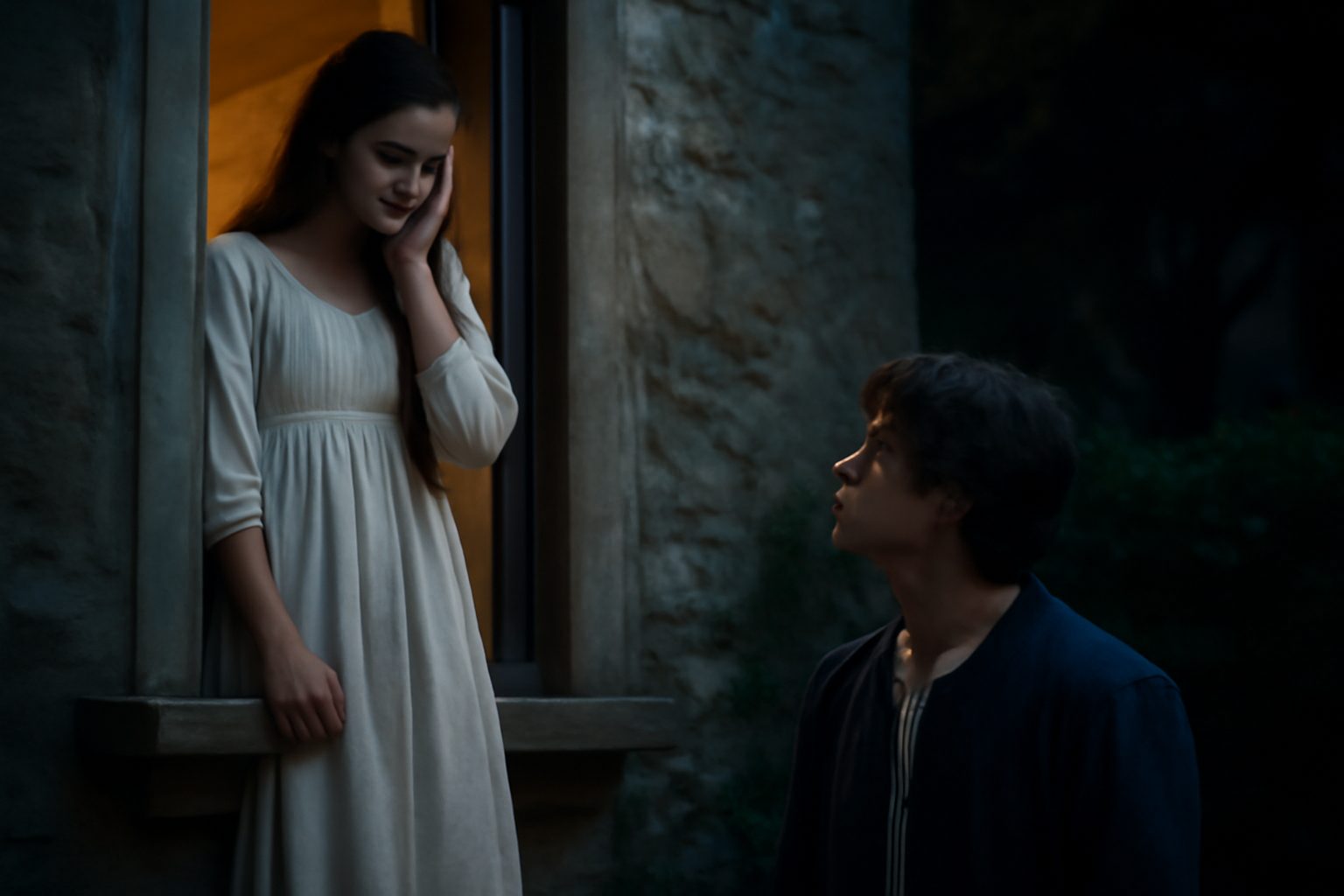
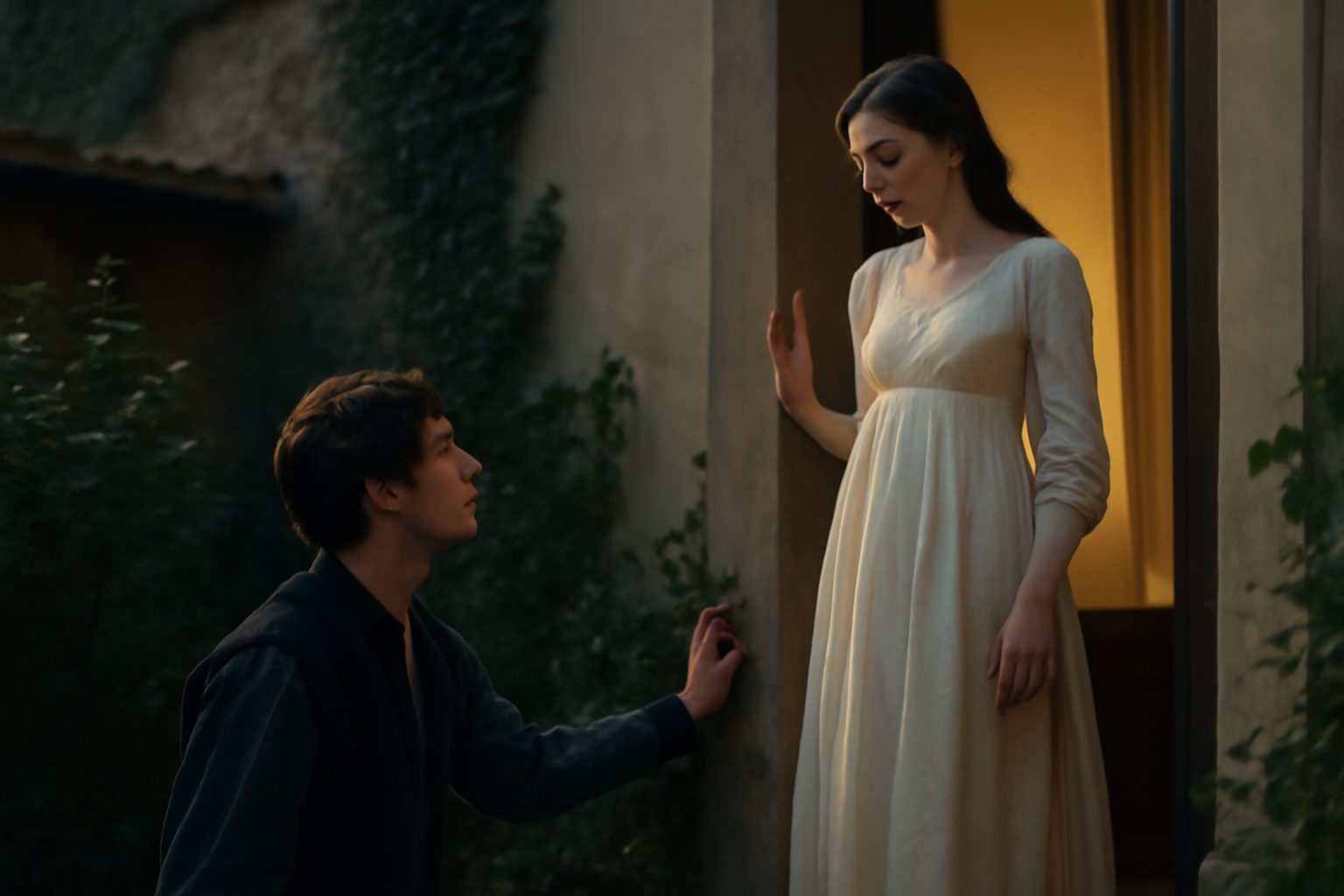
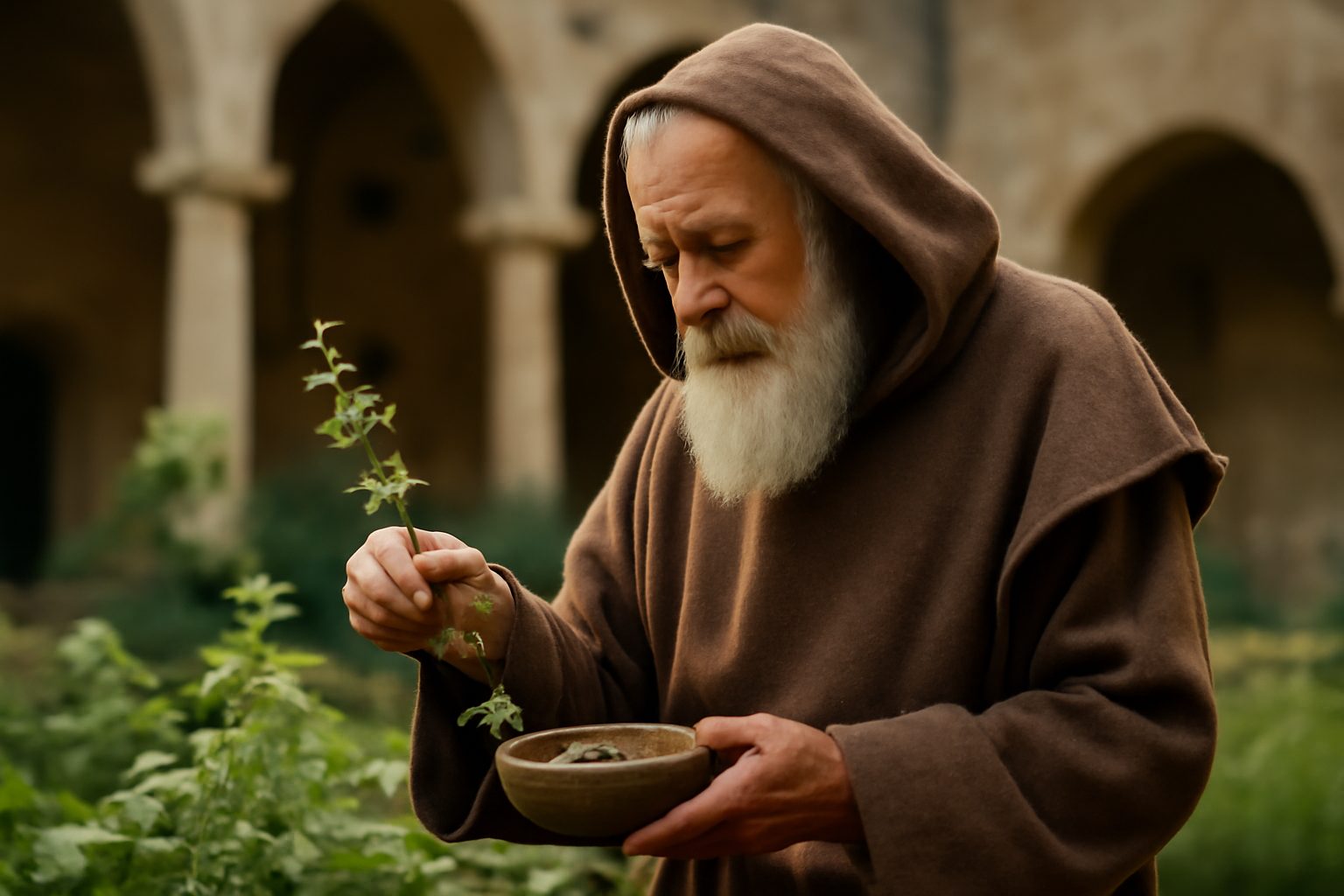
In Act 2, Scene 3 of Romeo and Juliet, Friar Laurence reflects on the duality of nature, noting that even the most harmful things can have some good in them. This line comes as he gathers herbs at dawn, pondering how plants can be both medicinal and poisonous. His musings foreshadow the play's themes of love and conflict, where seemingly pure emotions can lead to destruction.
Friar Laurence: "For nought so vile that on the earth doth live"
In modern day english, we would say:
Nothing on earth is so evil that it cannot serve some good purpose.
Frequently Asked Questions
What does Friar Laurence mean when he says that nothing is so evil that it cannot live on Earth?
Friar Laurence is suggesting that even the most wicked or harmful things have a place in the world, implying that good and evil coexist.
Connections to other verses:
Connections to "For nought so vile that on the earth doth live"
This line, spoken by Friar Laurence, introduces the theme of duality and the potential for good or evil inherent in all things. It connects to several other verses in the scene that explore similar ideas of contrast, transformation, and the dual nature of substances and emotions.
Dual Nature and Transformation
The idea that nothing is so vile it cannot serve a good purpose is echoed in Poison hath residence and medicine power, where Friar Laurence notes that poison and medicine can coexist in the same substance. This duality is further emphasized in Virtue itself turns vice, being misapplied, illustrating how even virtue can become harmful if misused.
Similarly, And vice sometimes by action dignified reinforces the notion that vice can be transformed into something respectable through righteous action, tying back to the original idea that vile things can have positive aspects.
Natural World and Its Contrasts
The Friar's meditation on the earth's dual role as both mother and tomb in The earth that's nature's mother is her tomb parallels the concept of vileness yielding good, as life and death are intertwined. This is complemented by But to the earth some special good doth give, which directly follows the line in question, stating that even the vilest things contribute some good to the earth.
In With baleful weeds and precious-juiced flowers, Friar Laurence highlights how harmful weeds and beneficial flowers grow together, symbolizing the coexistence of good and evil in nature.
Human Nature and Emotional Duality
The theme extends to human emotions and relationships, as seen in Romeo's transformation from love for Rosaline to Juliet. I have forgot that name, and that name's woe shows Romeo's emotional shift, while For doting, not for loving, pupil mine critiques his previous infatuation as shallow, contrasting it with true love.
Friar Laurence's advice in Wisely and slow; they stumble that run fast warns against rashness, tying back to the idea that even haste (a potential vice) can lead to downfall if not tempered with wisdom.
Resolution and Hope
Ultimately, the Friar's belief in redemption and positive outcomes is captured in To turn your households' rancour to pure love, where he hopes to transform the families' hatred into love, embodying the idea that even vile animosity can be overcome for good.