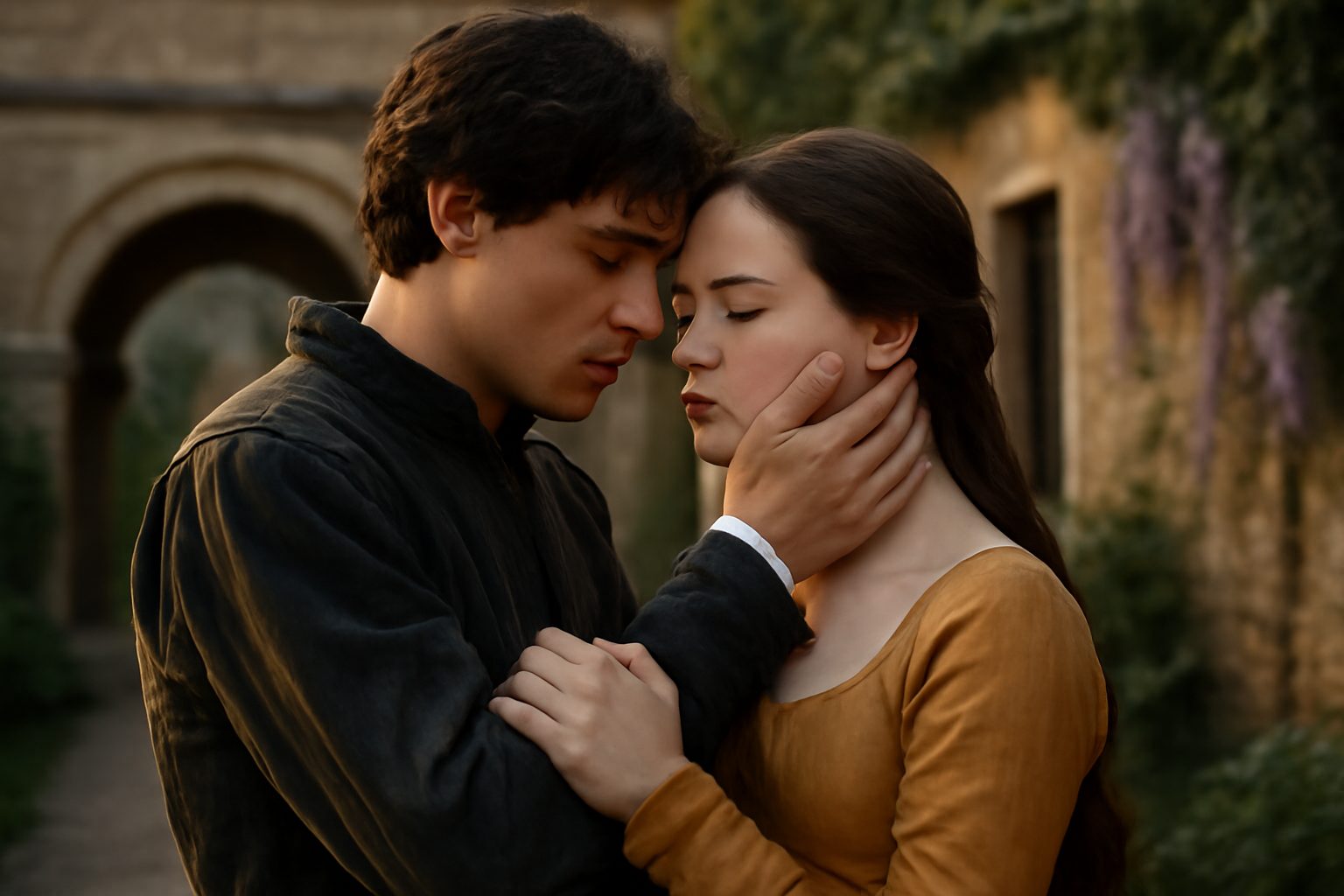
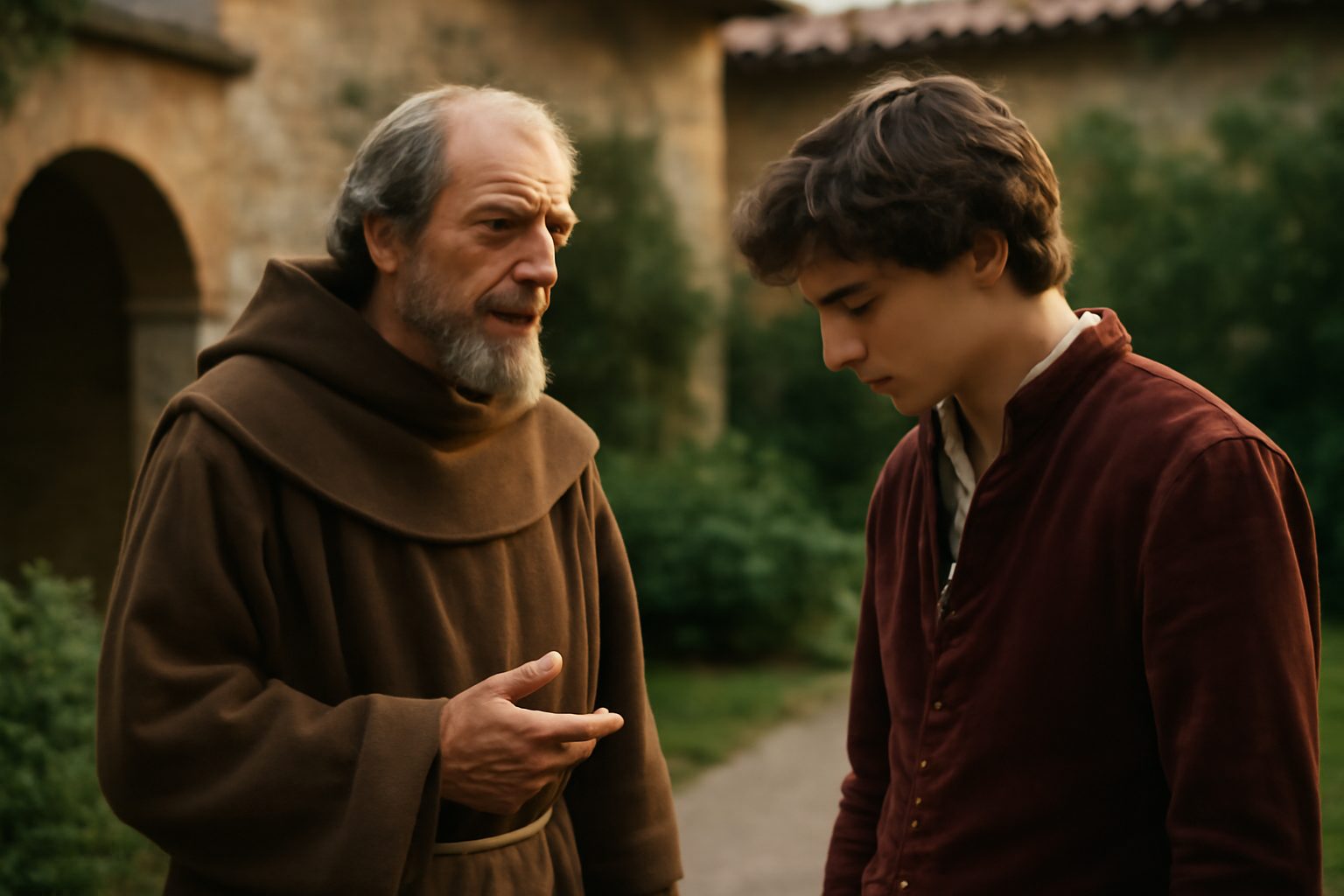
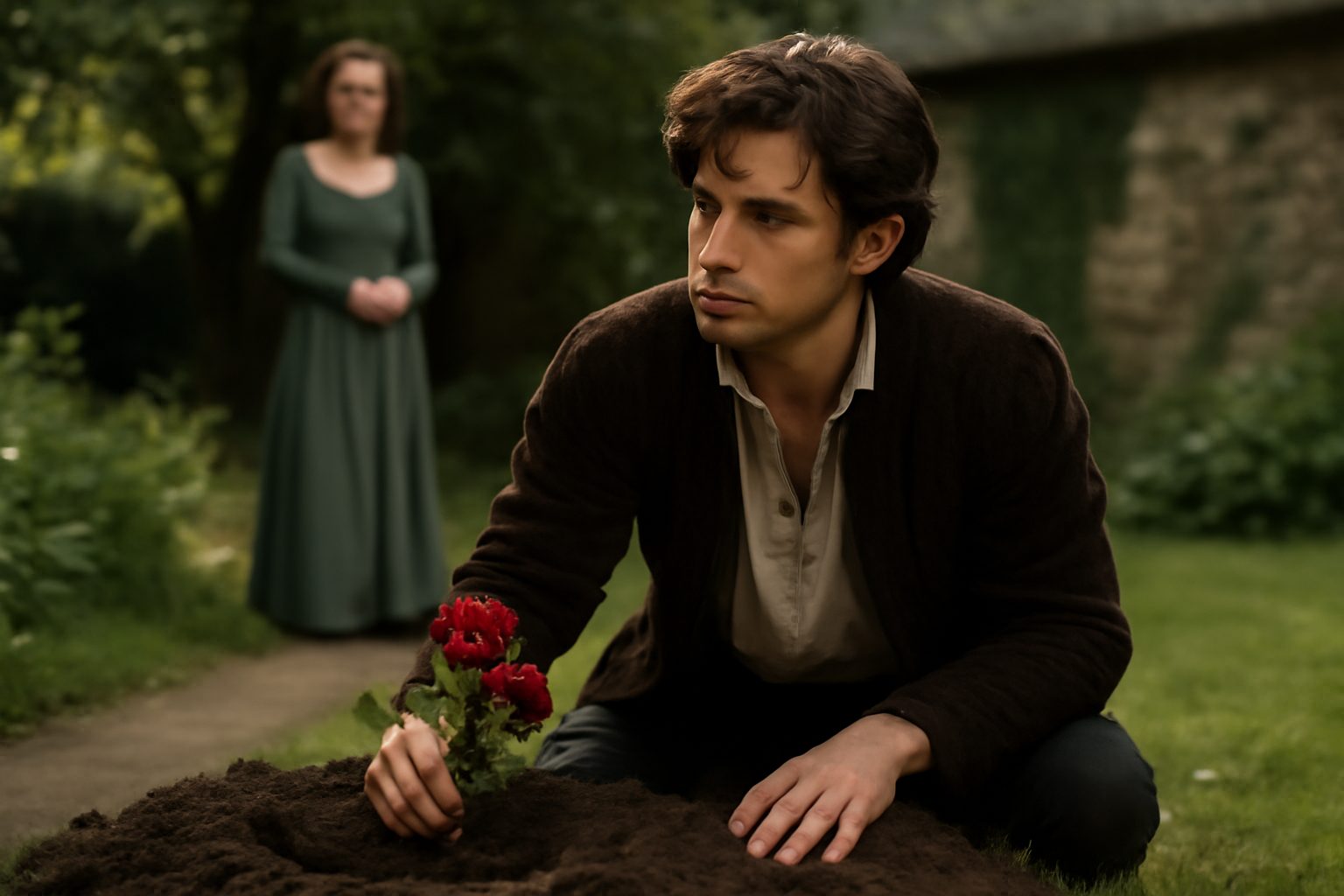
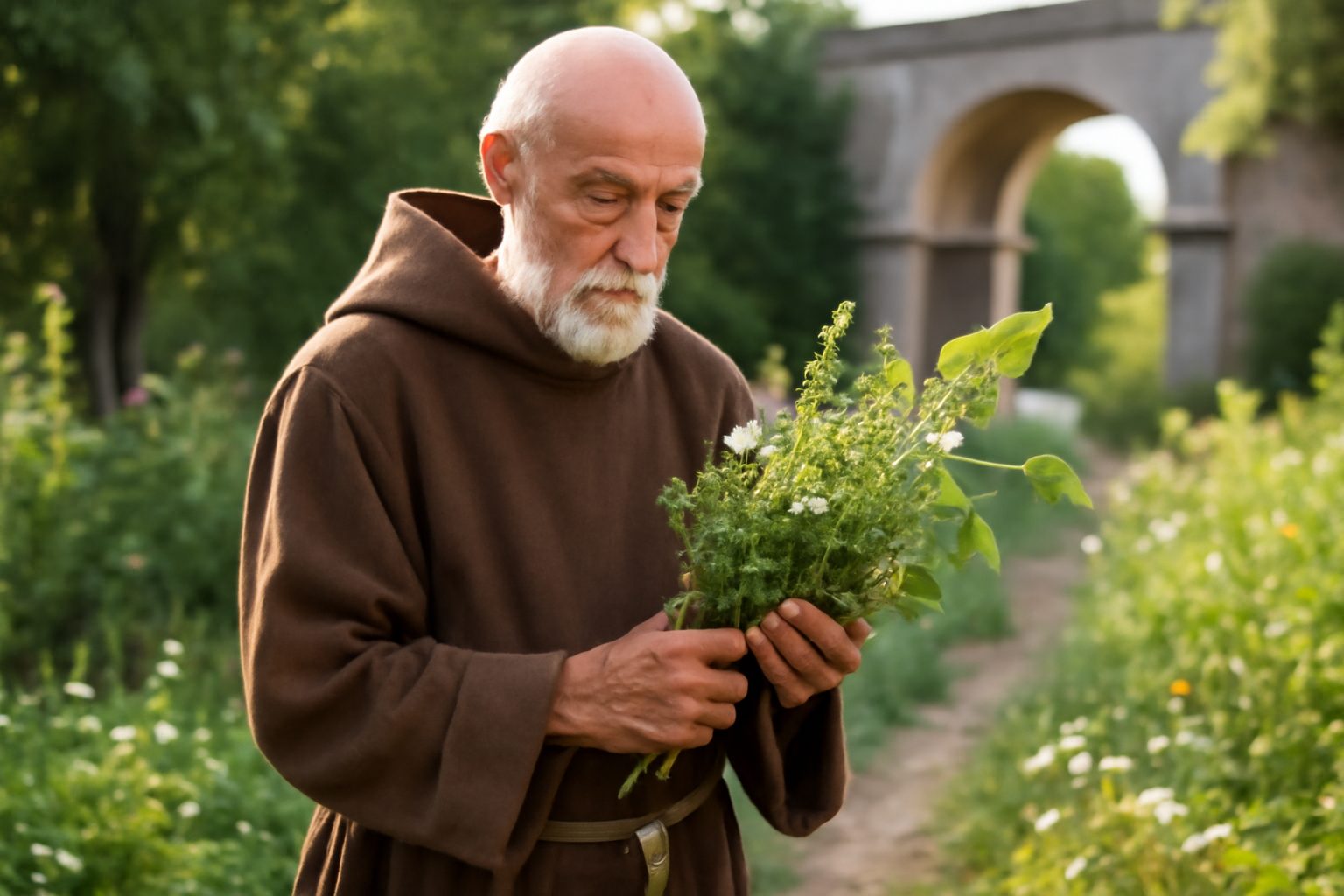
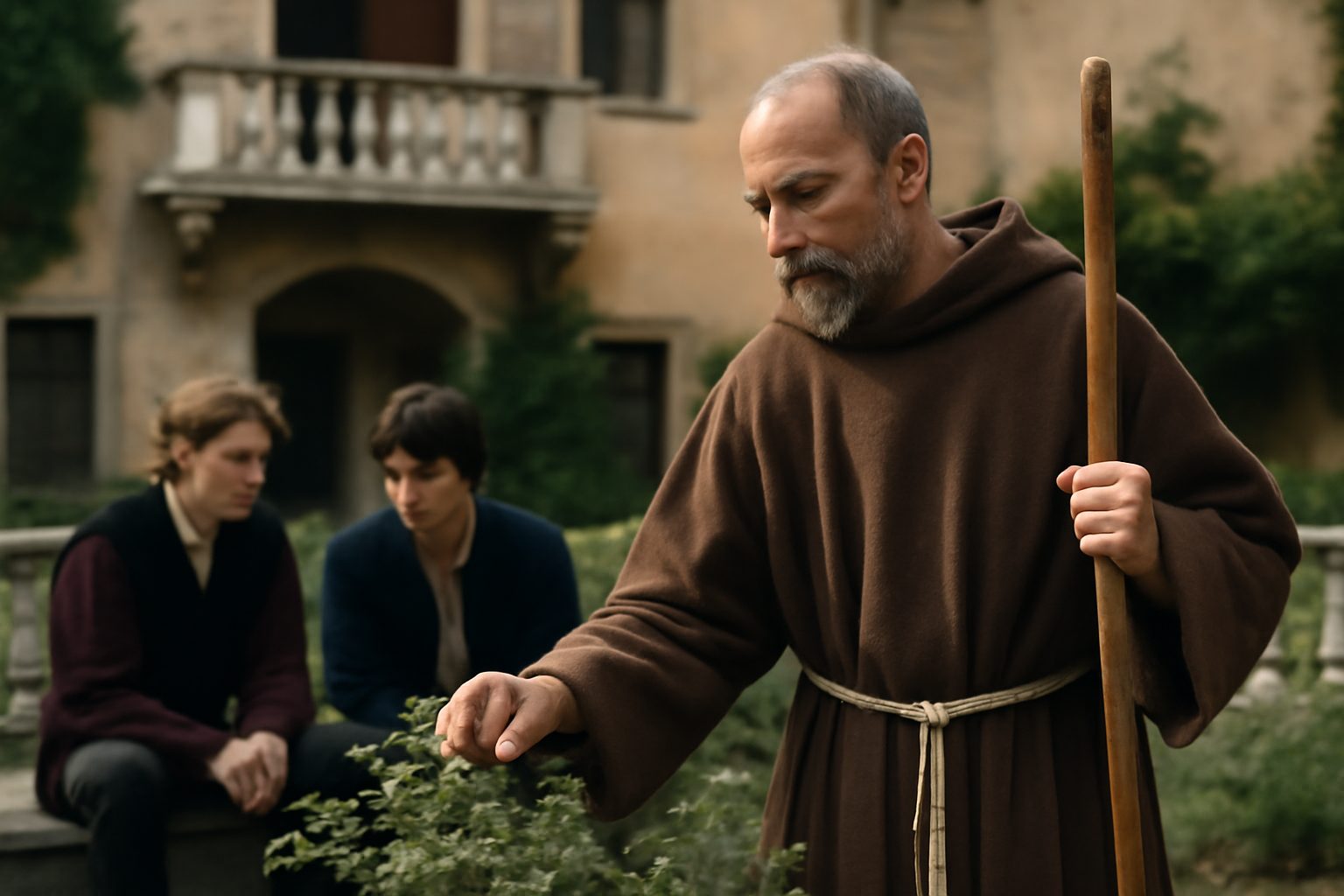
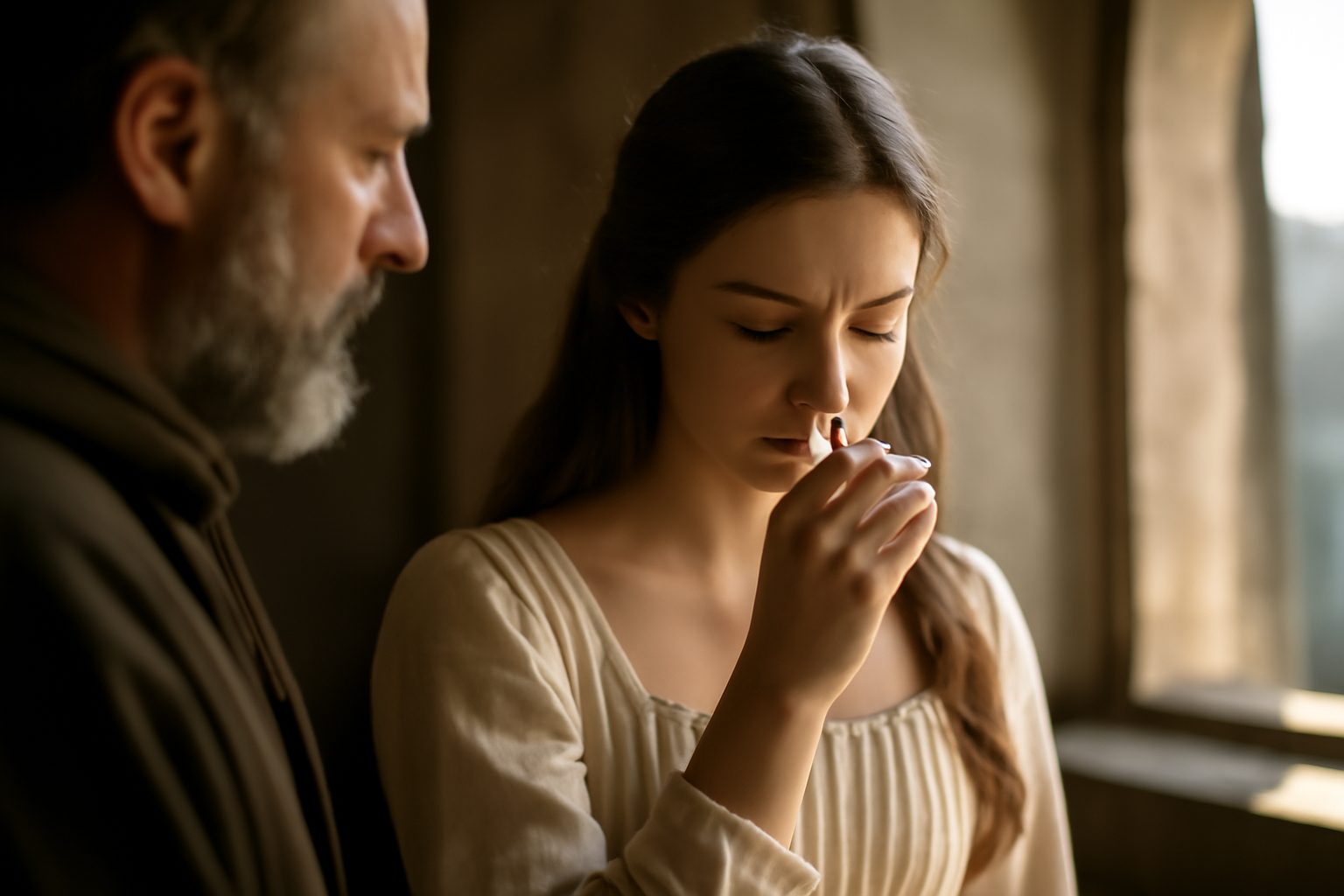
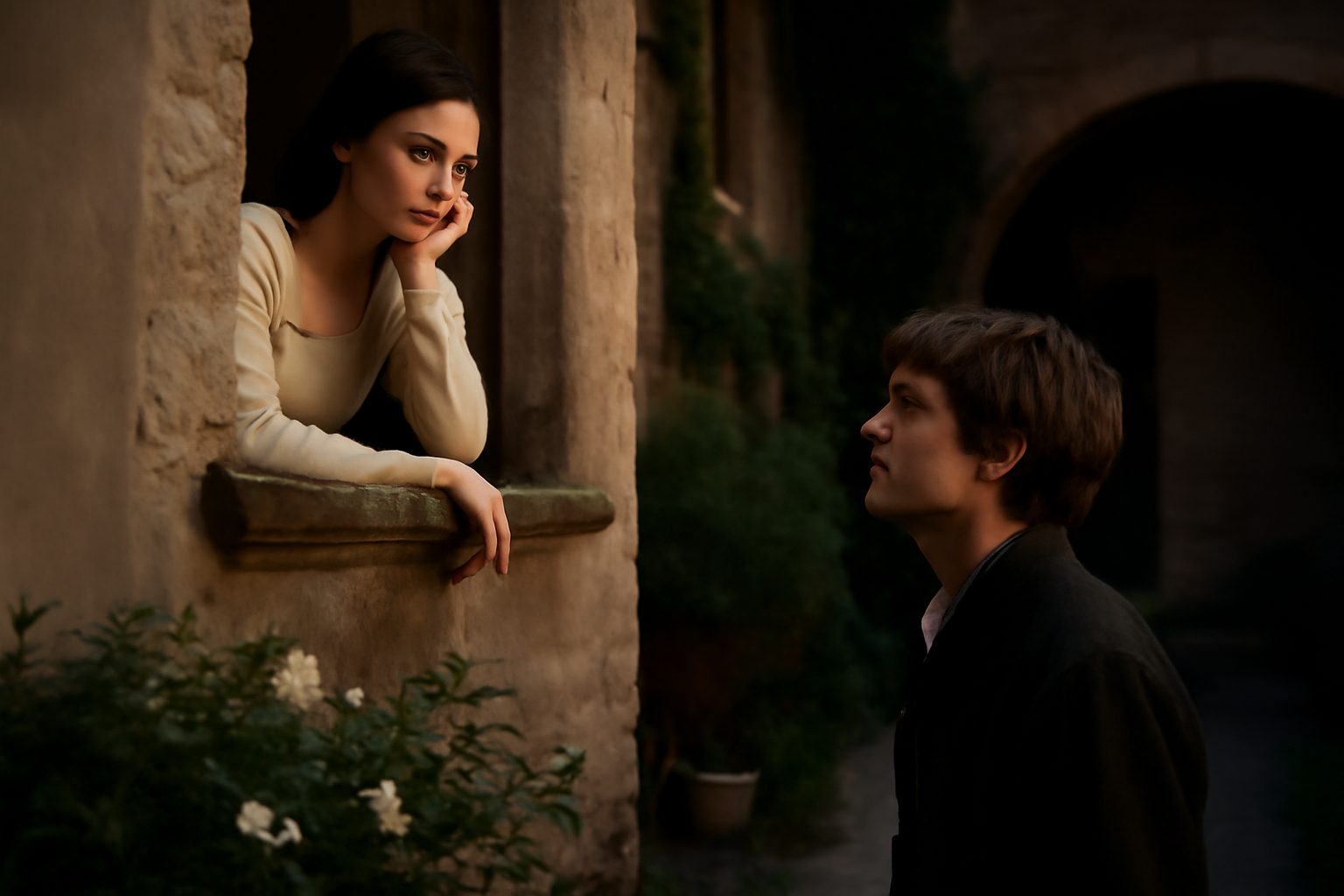
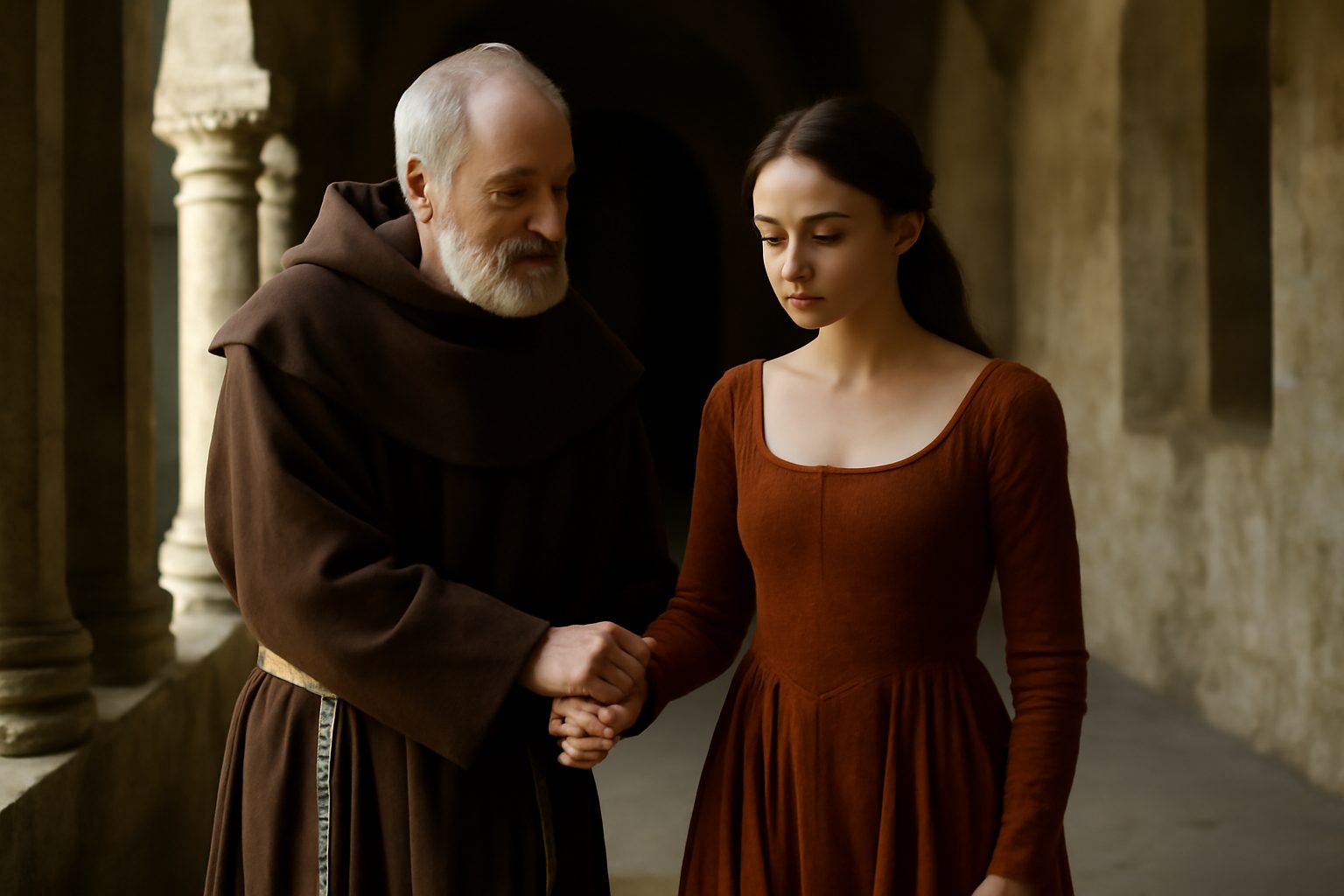
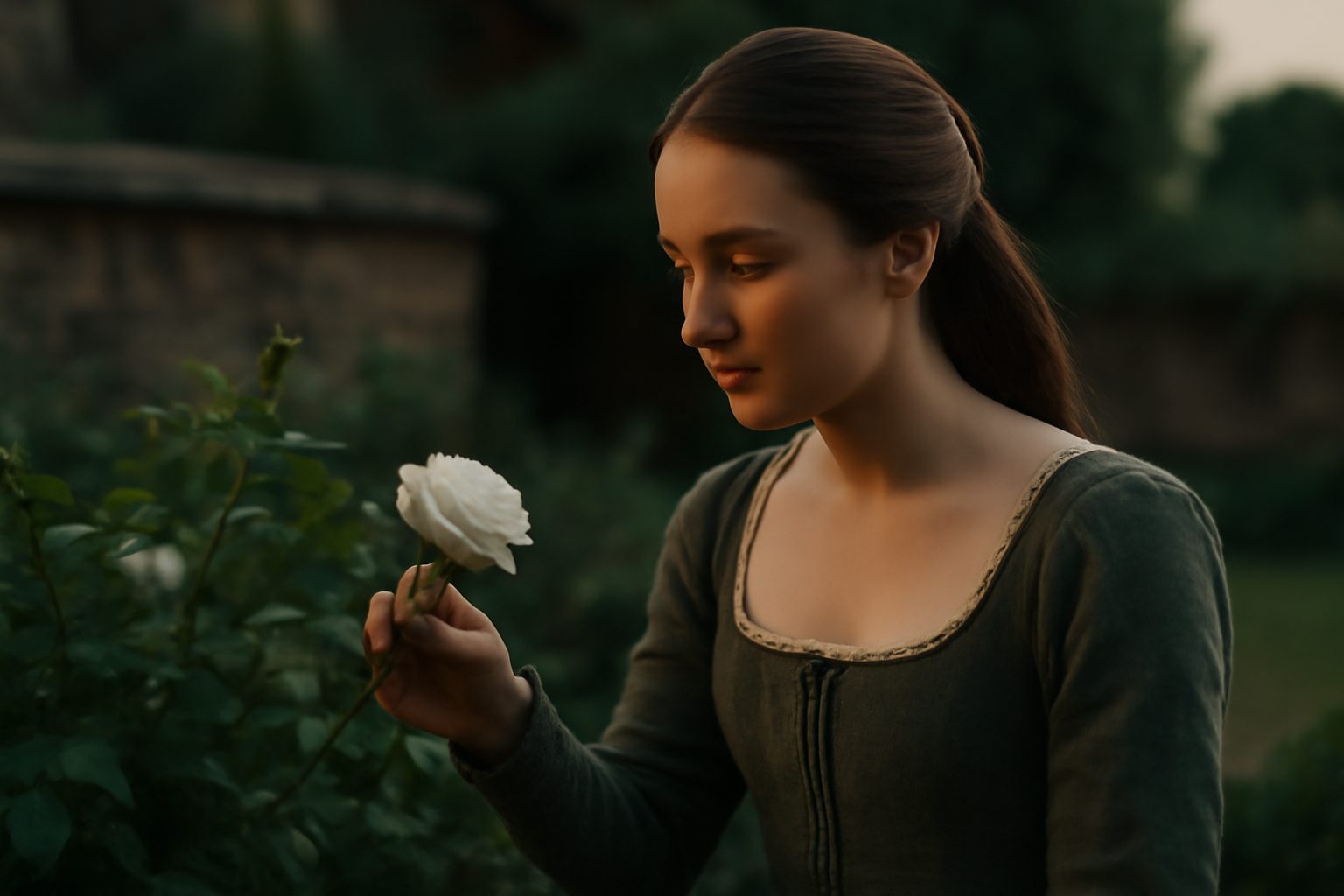
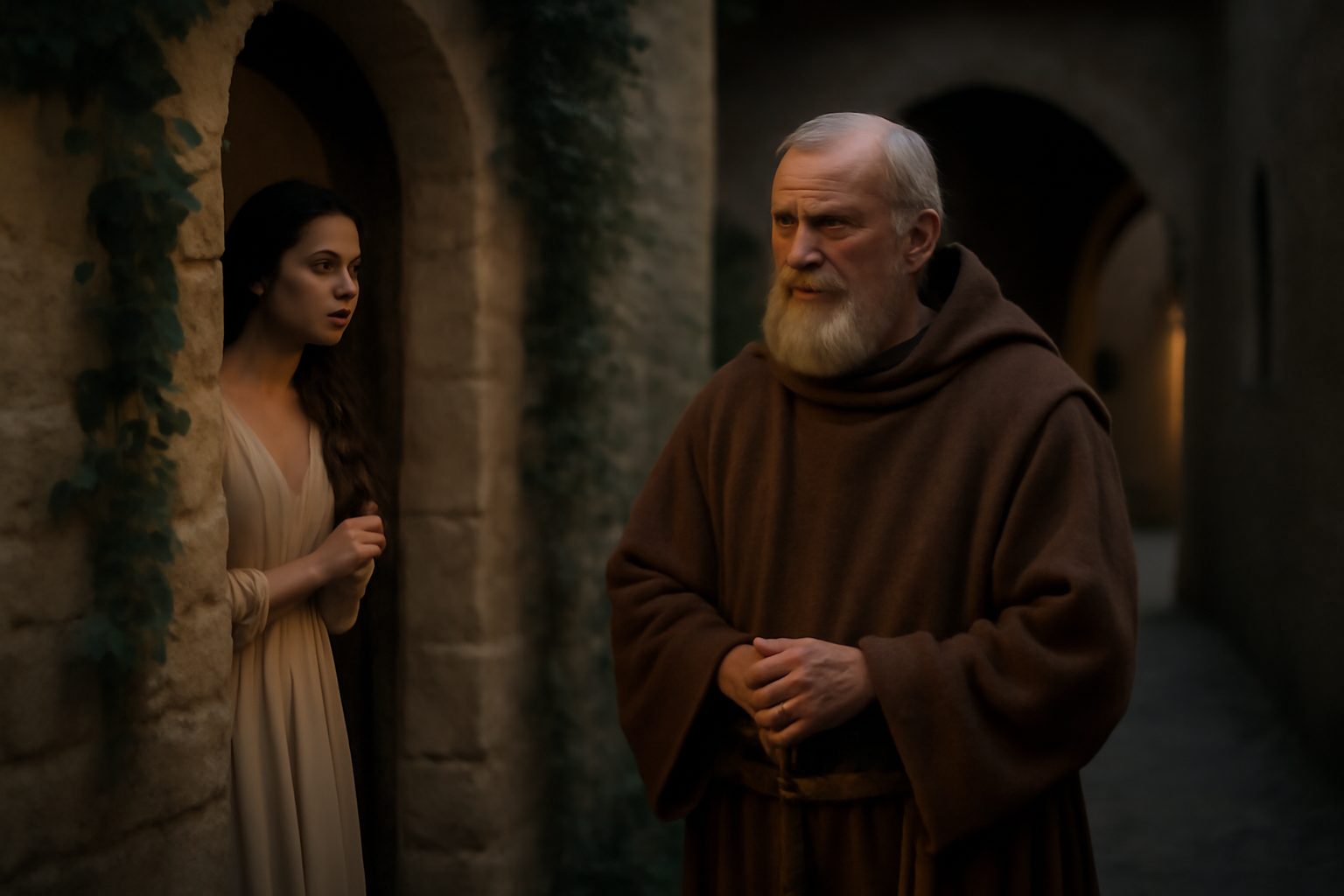
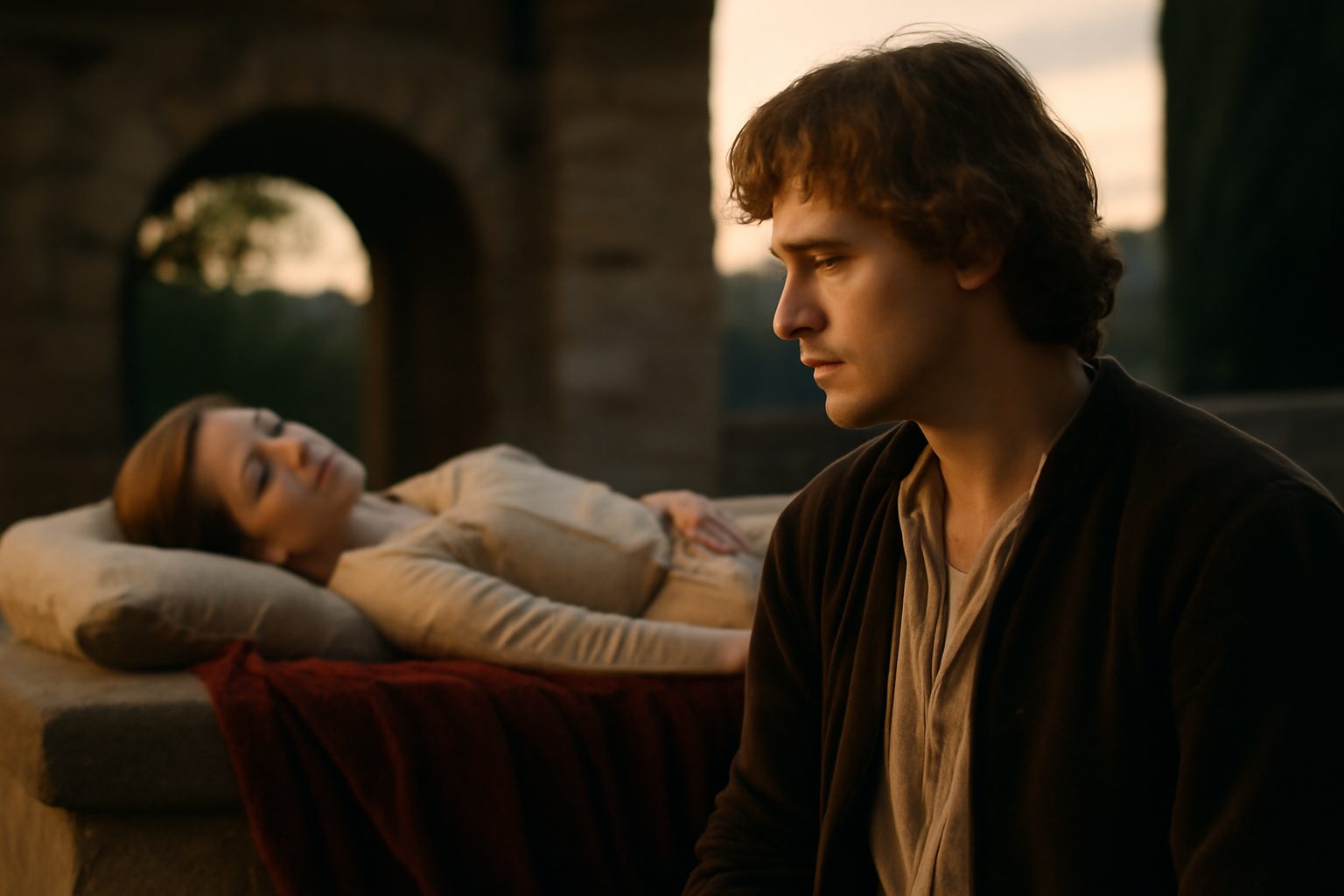
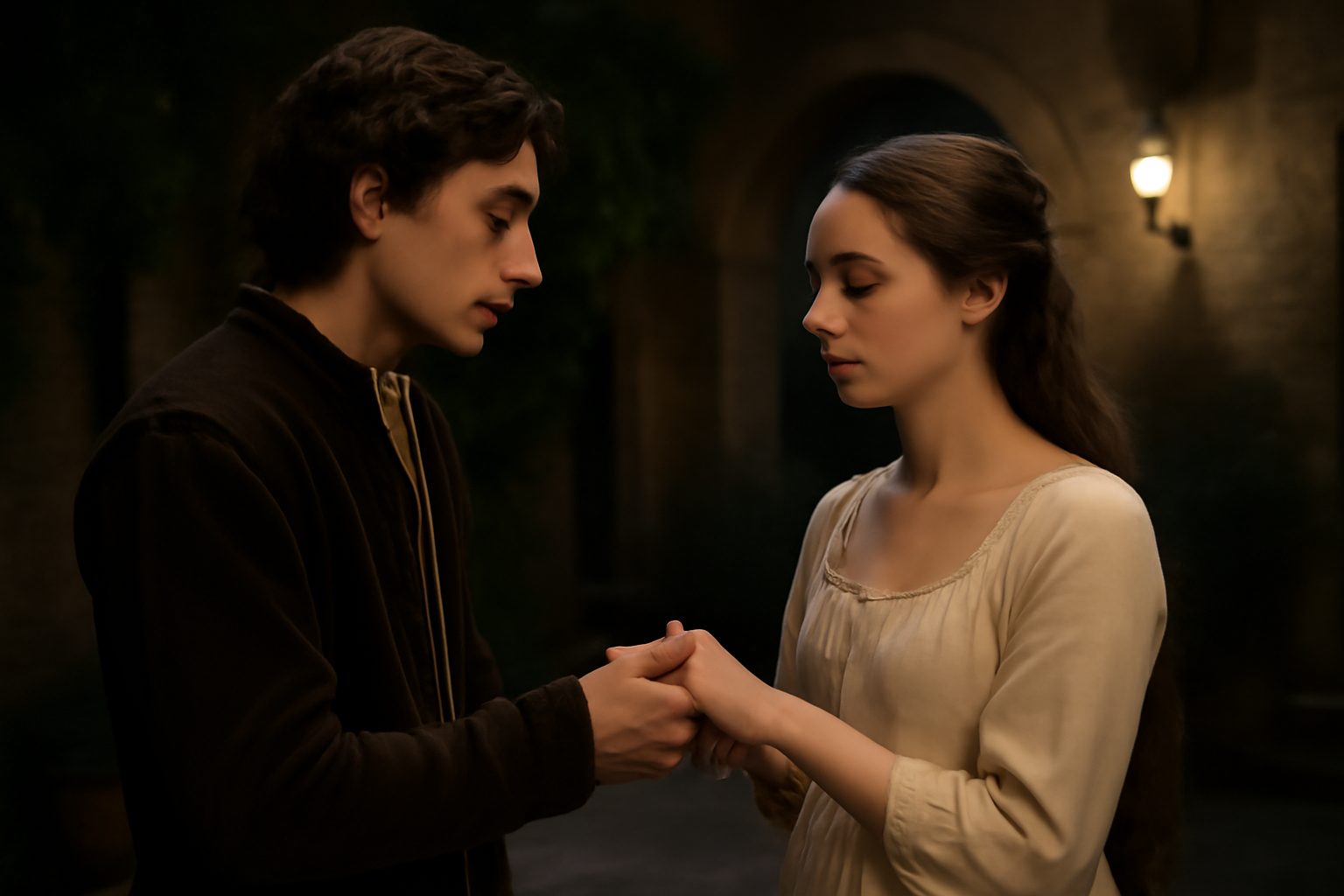
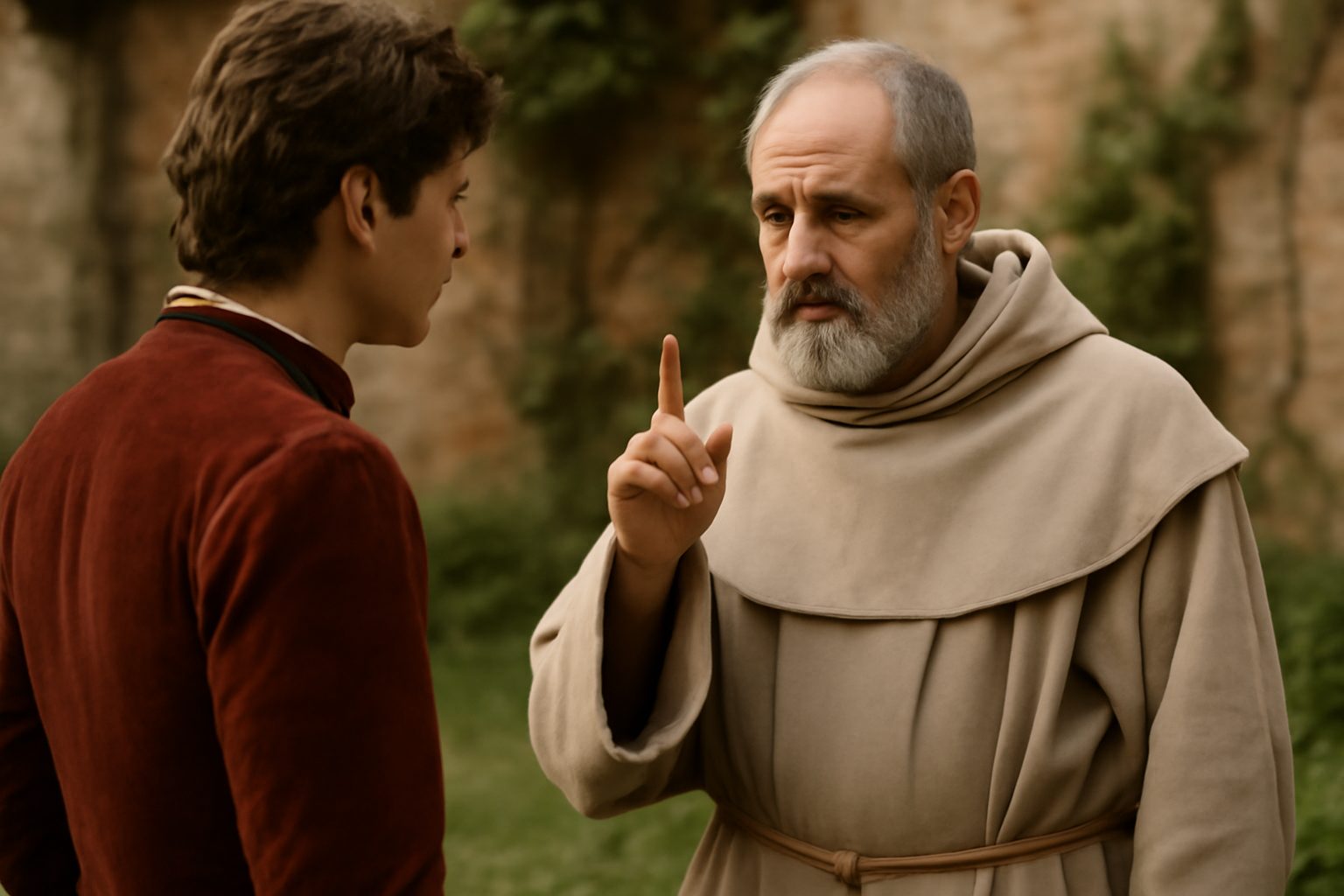
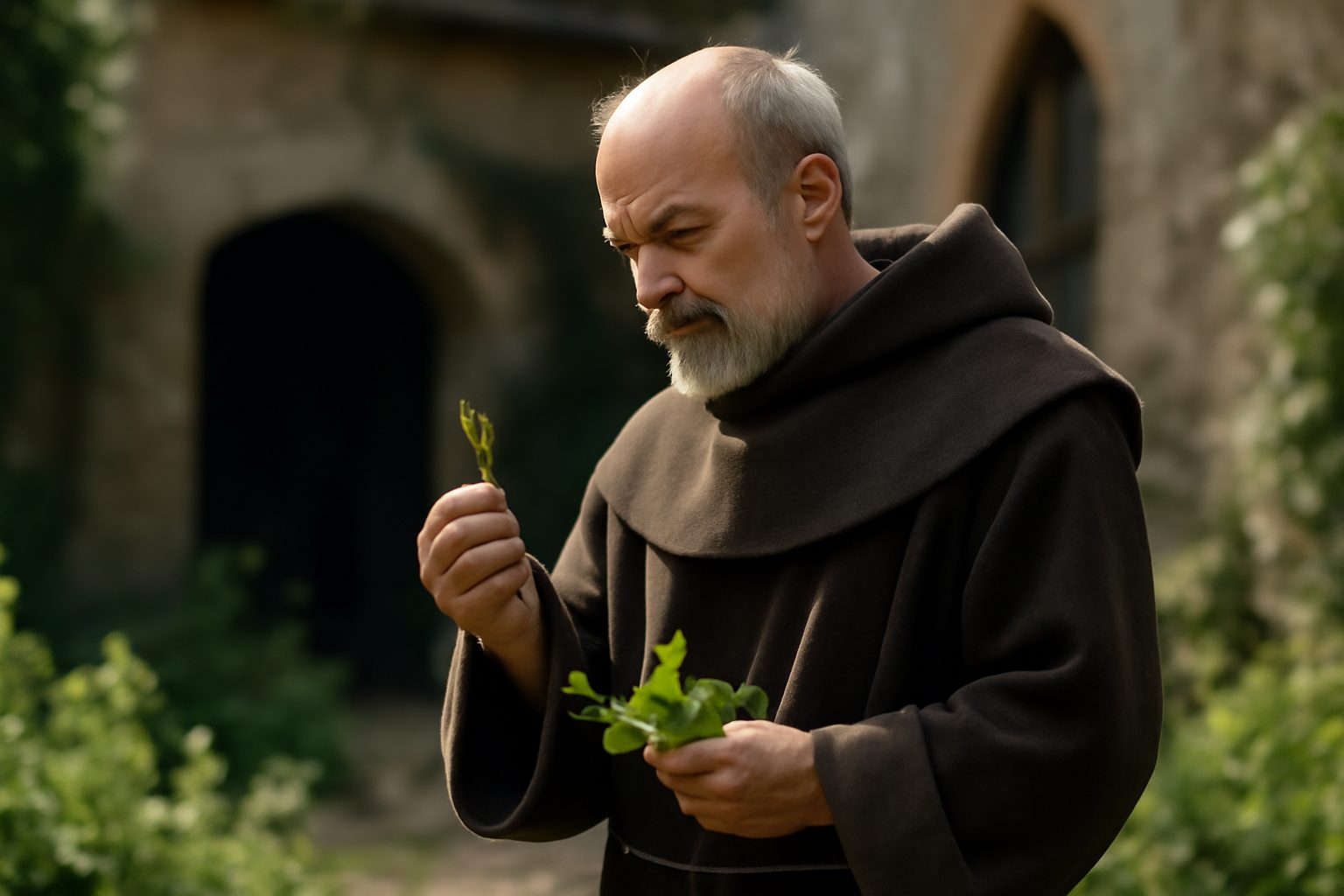
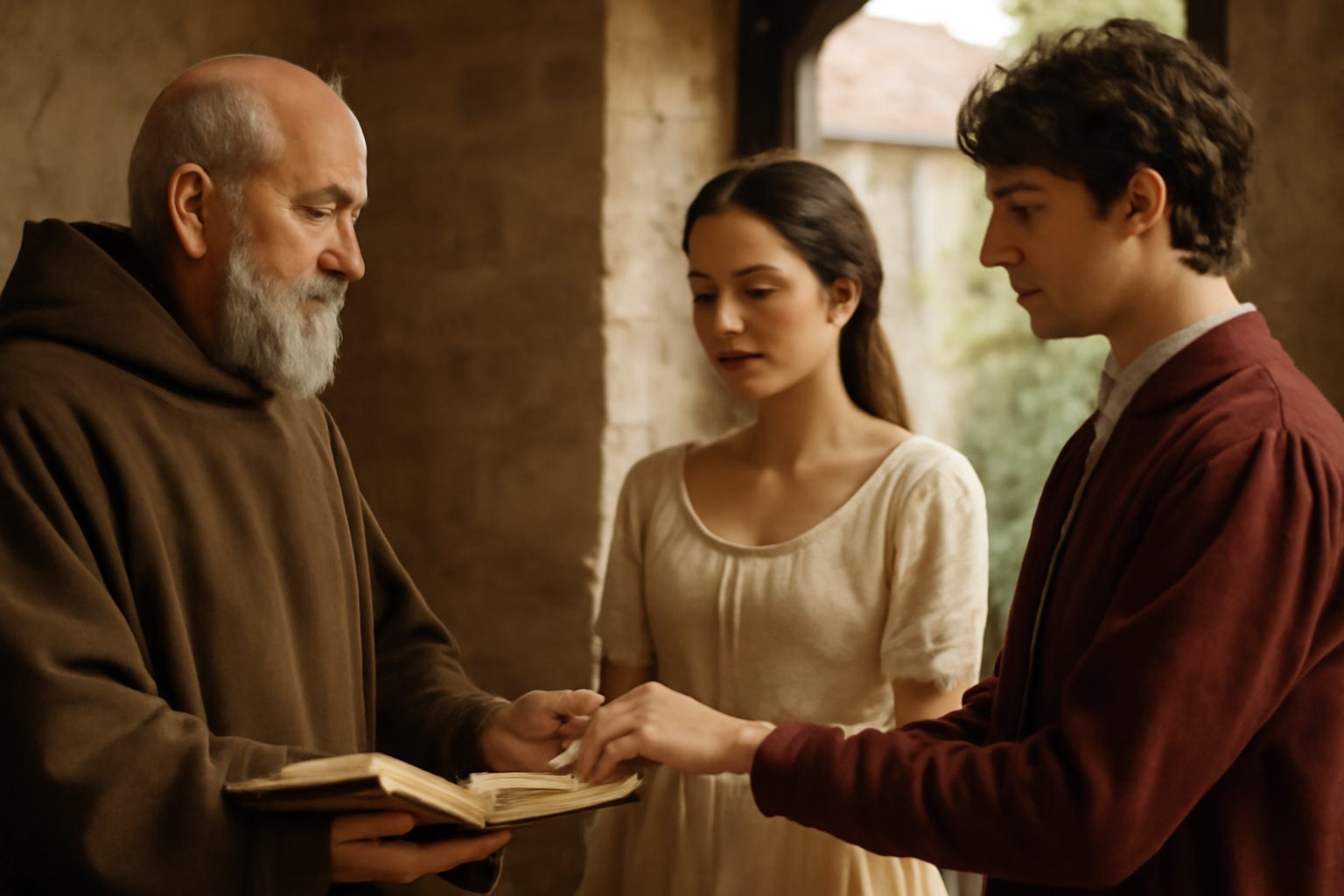
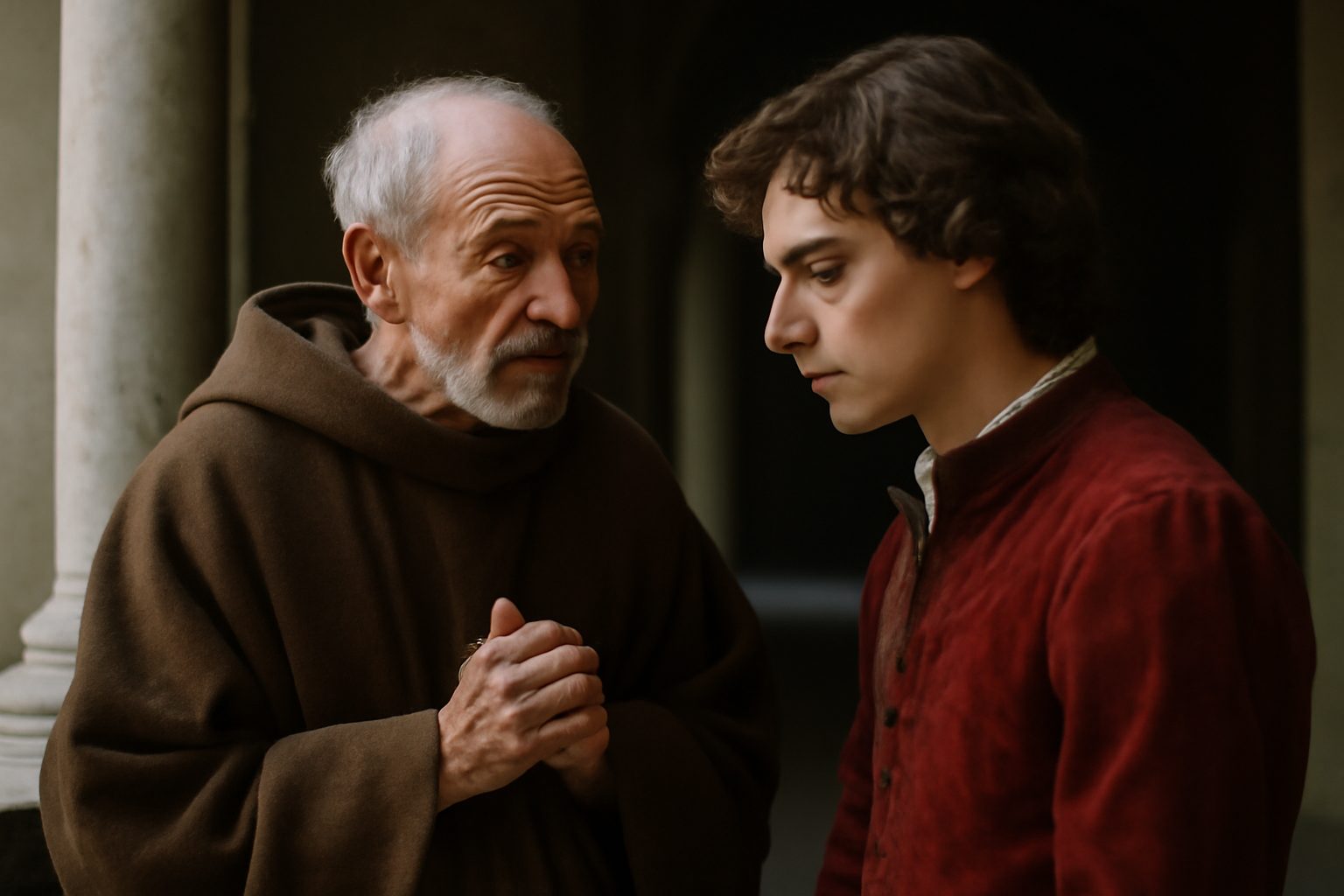
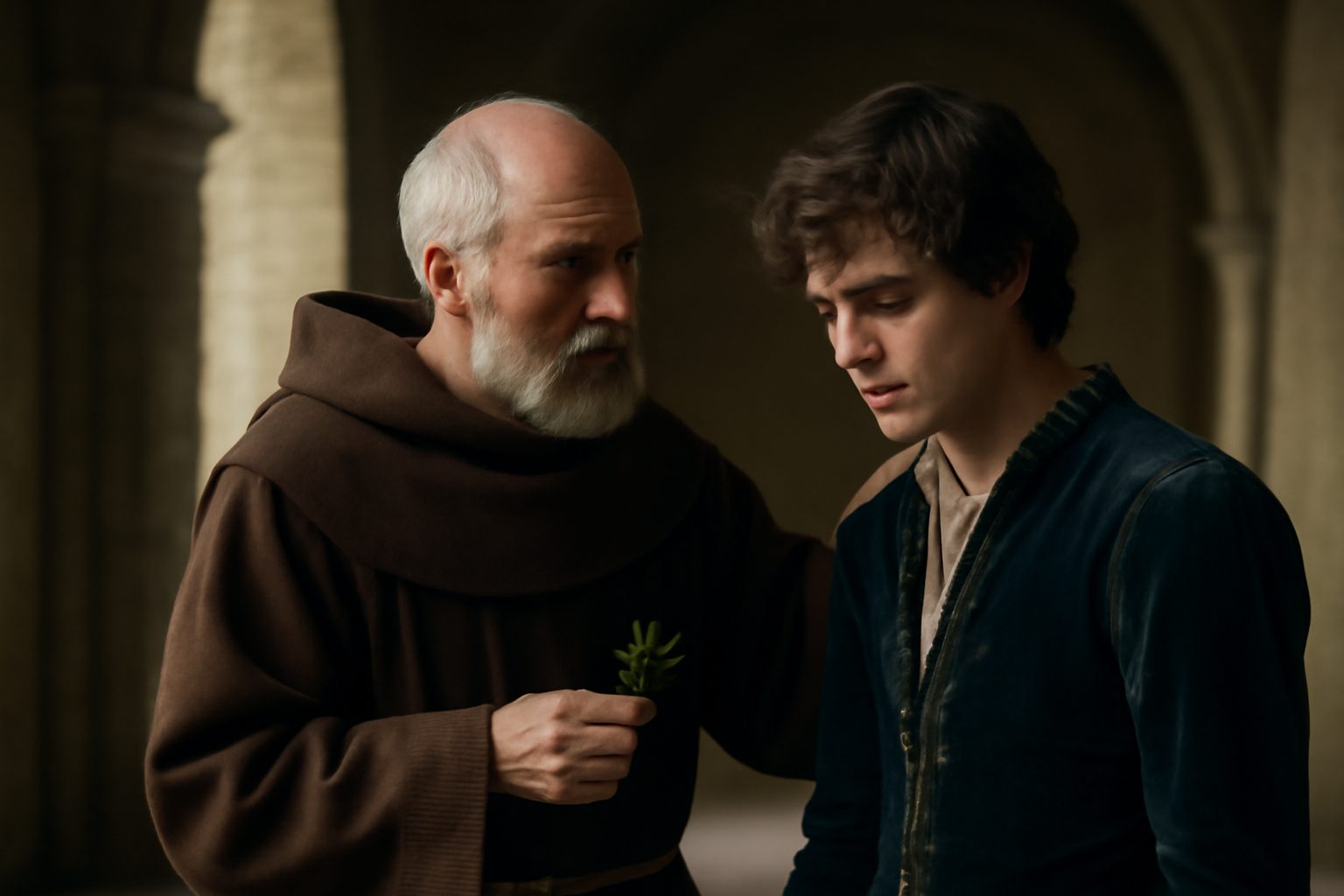
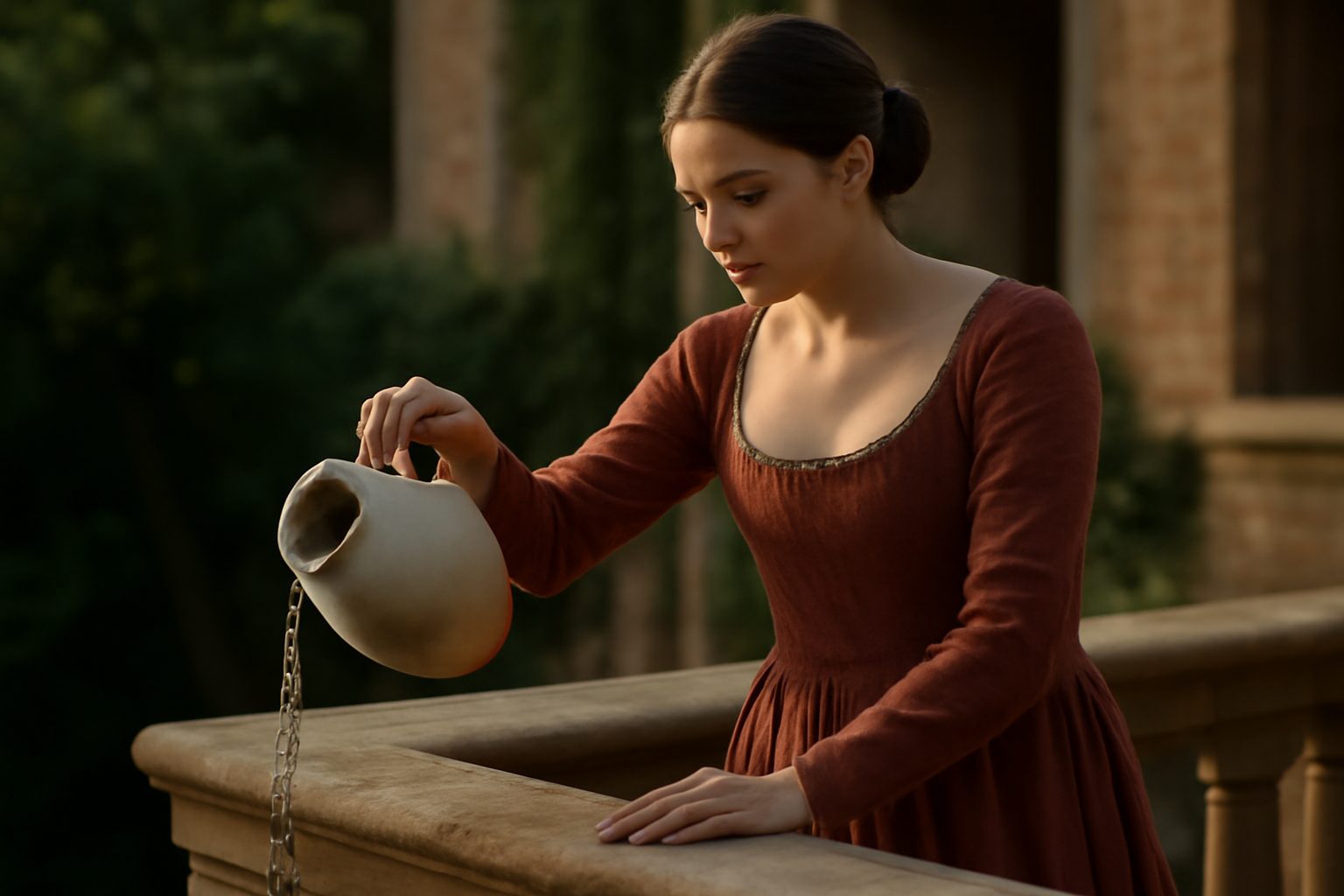
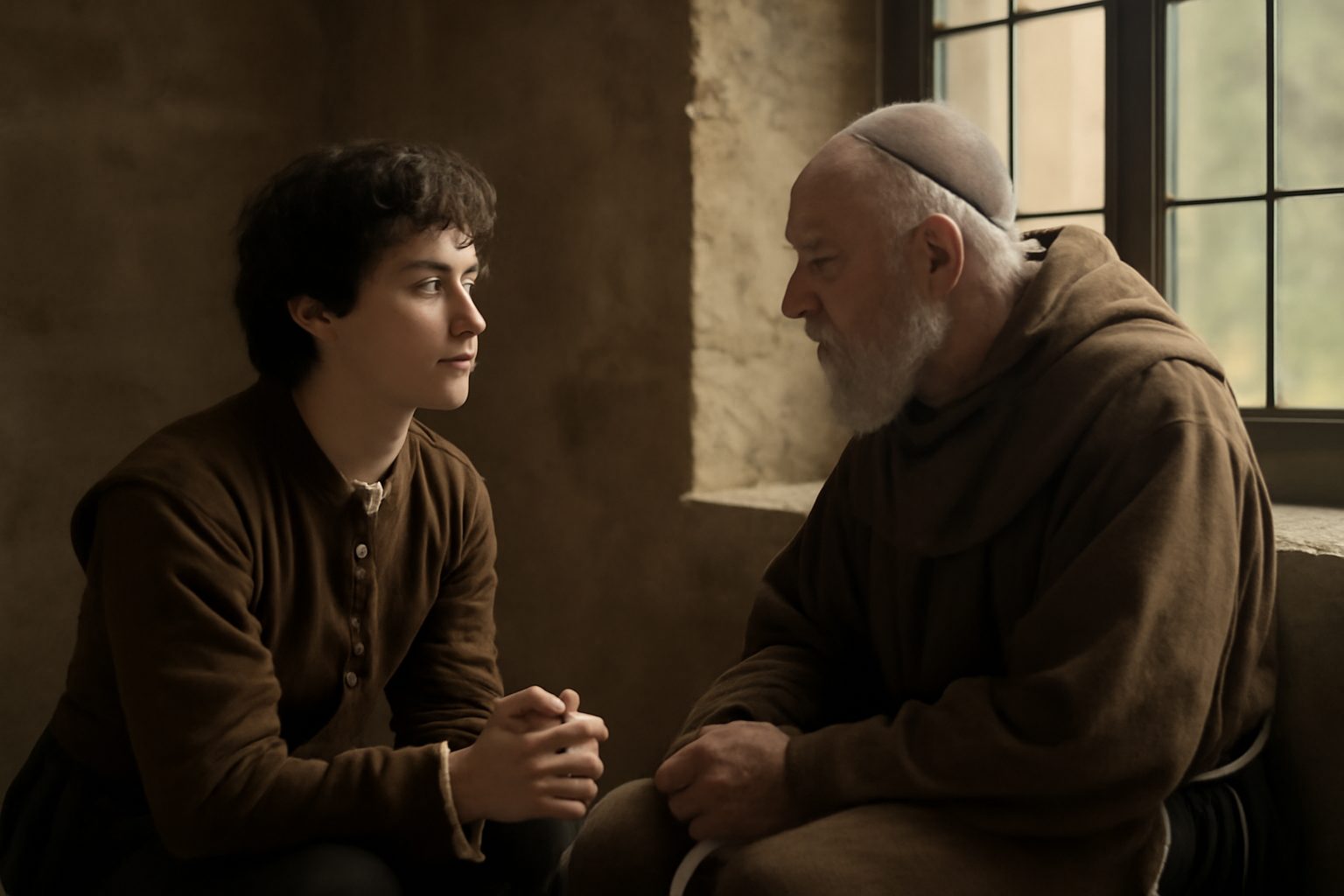
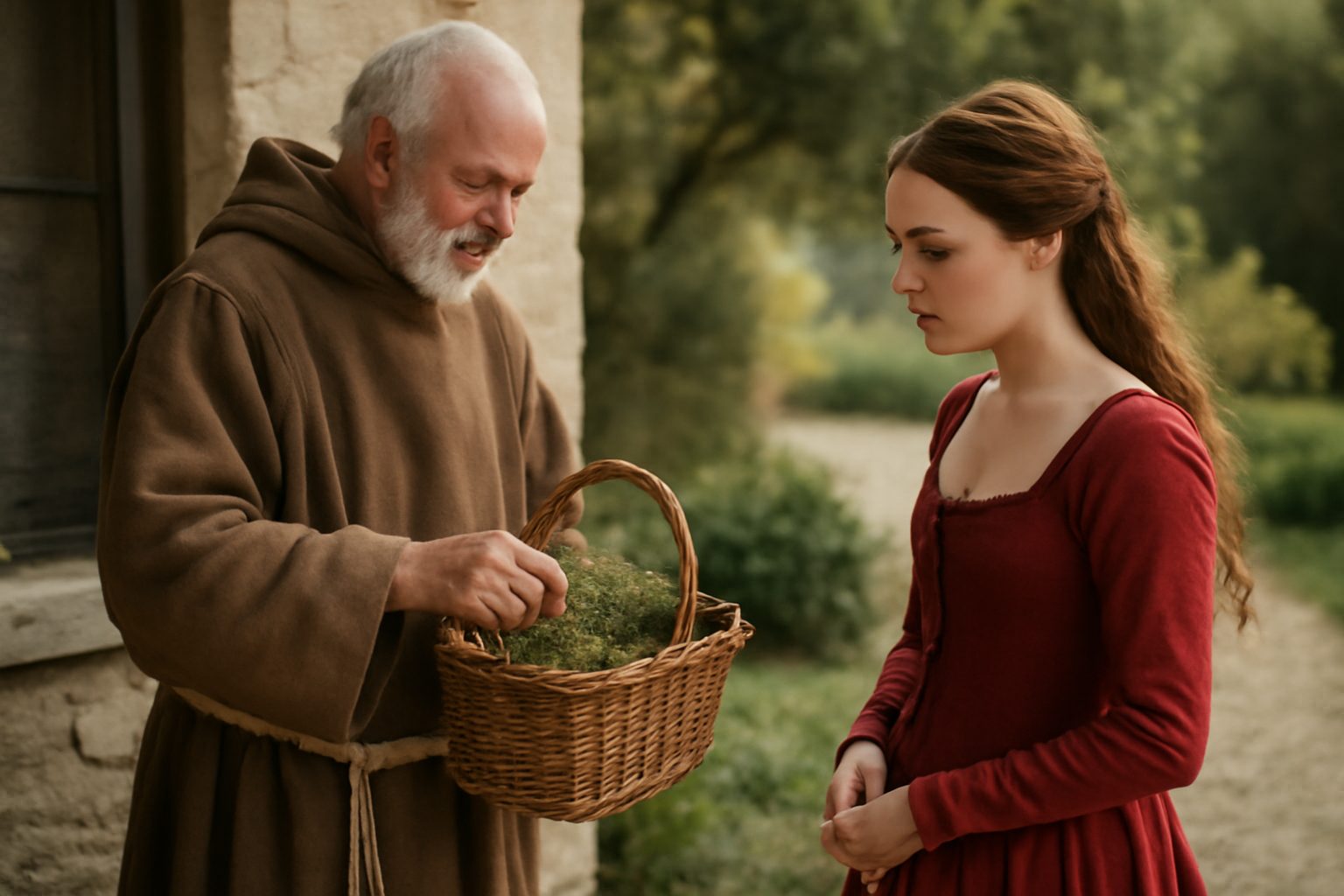
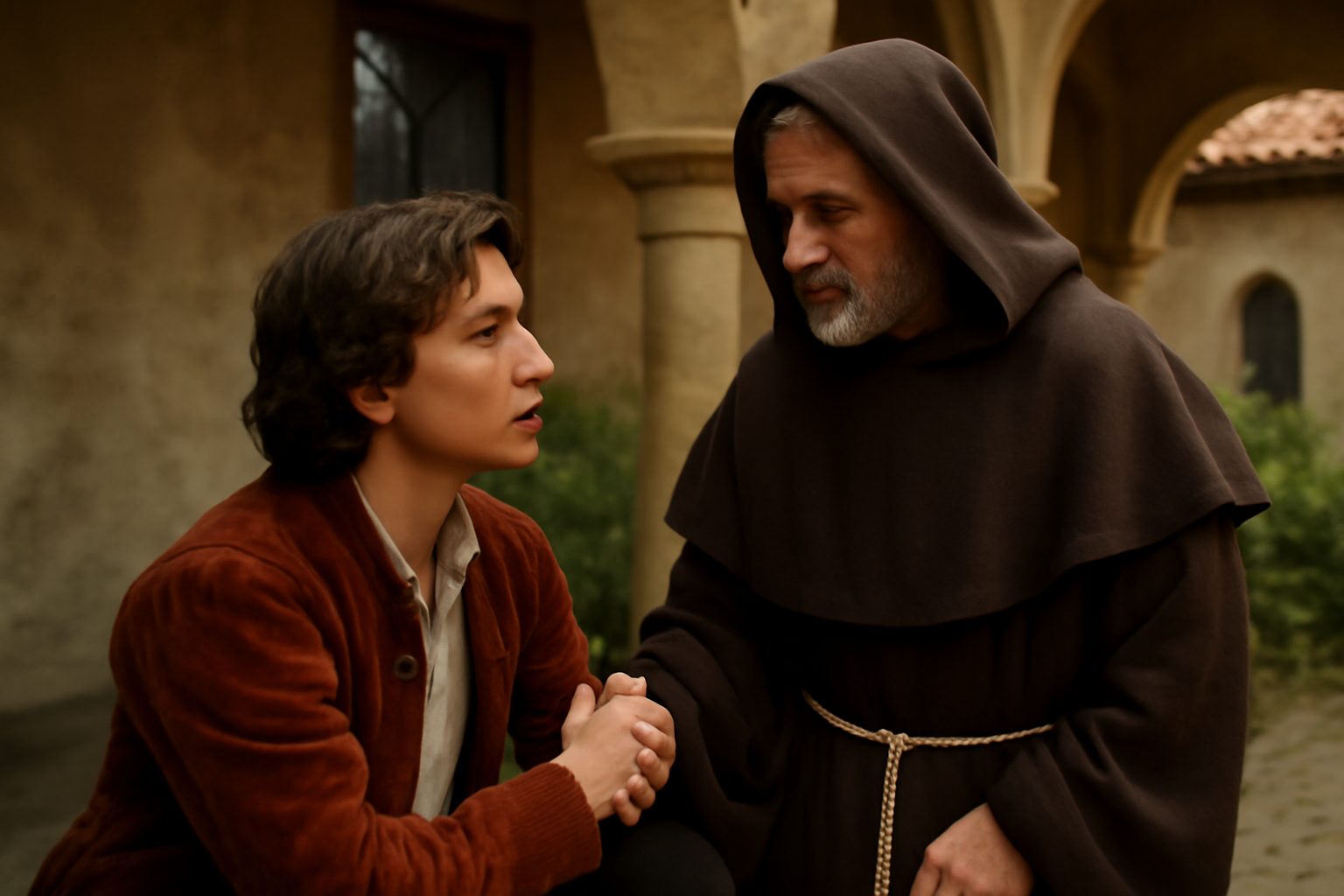
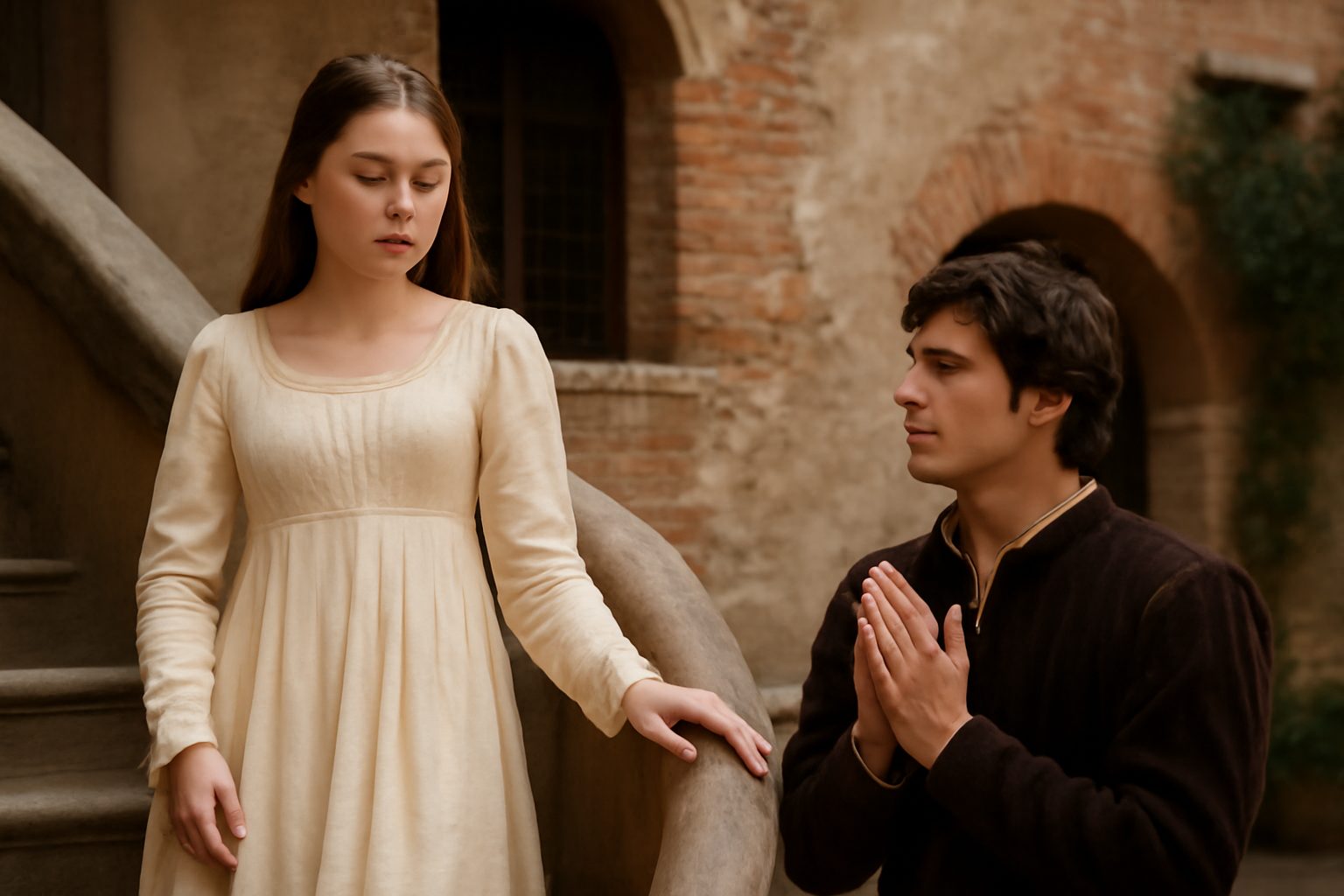
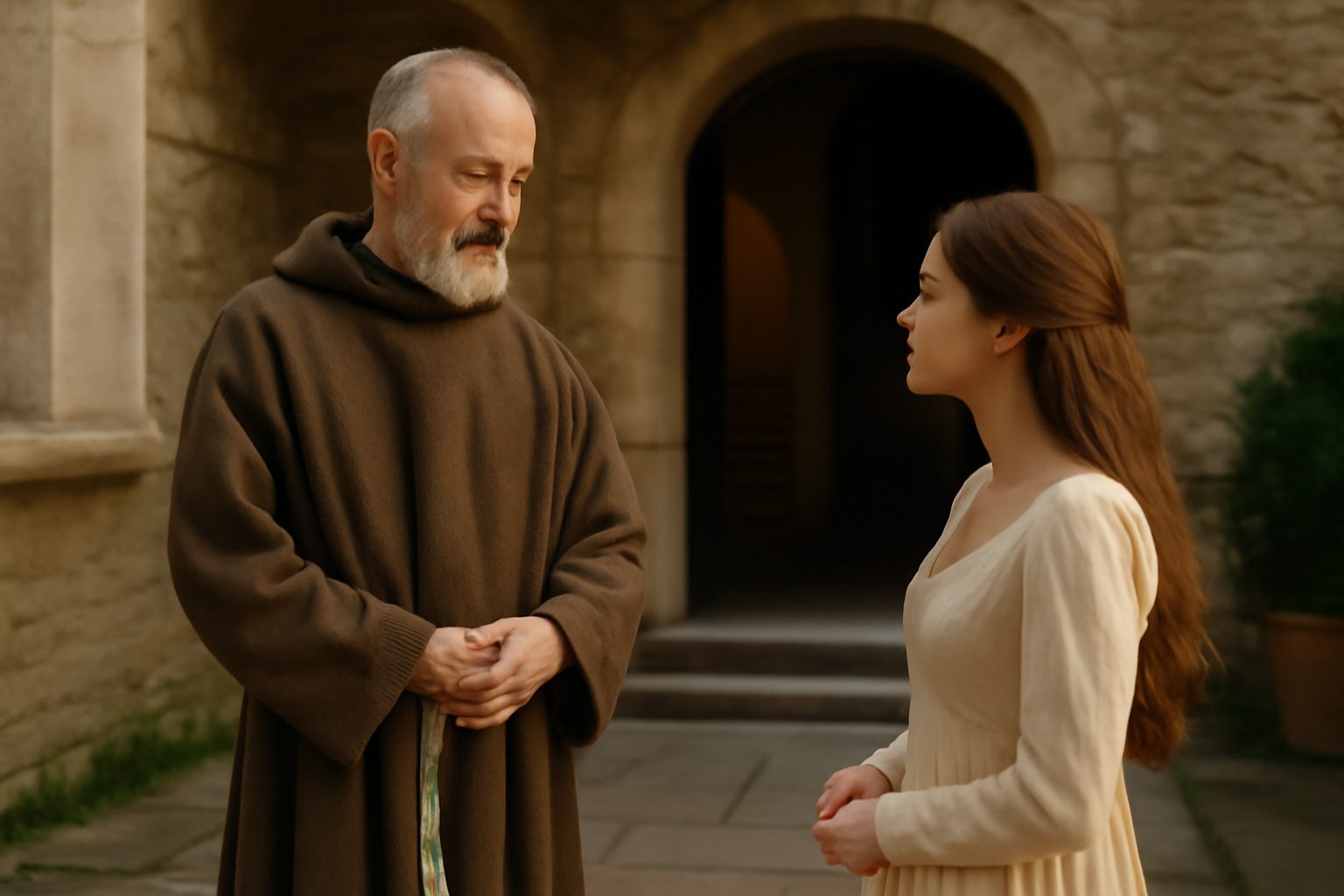
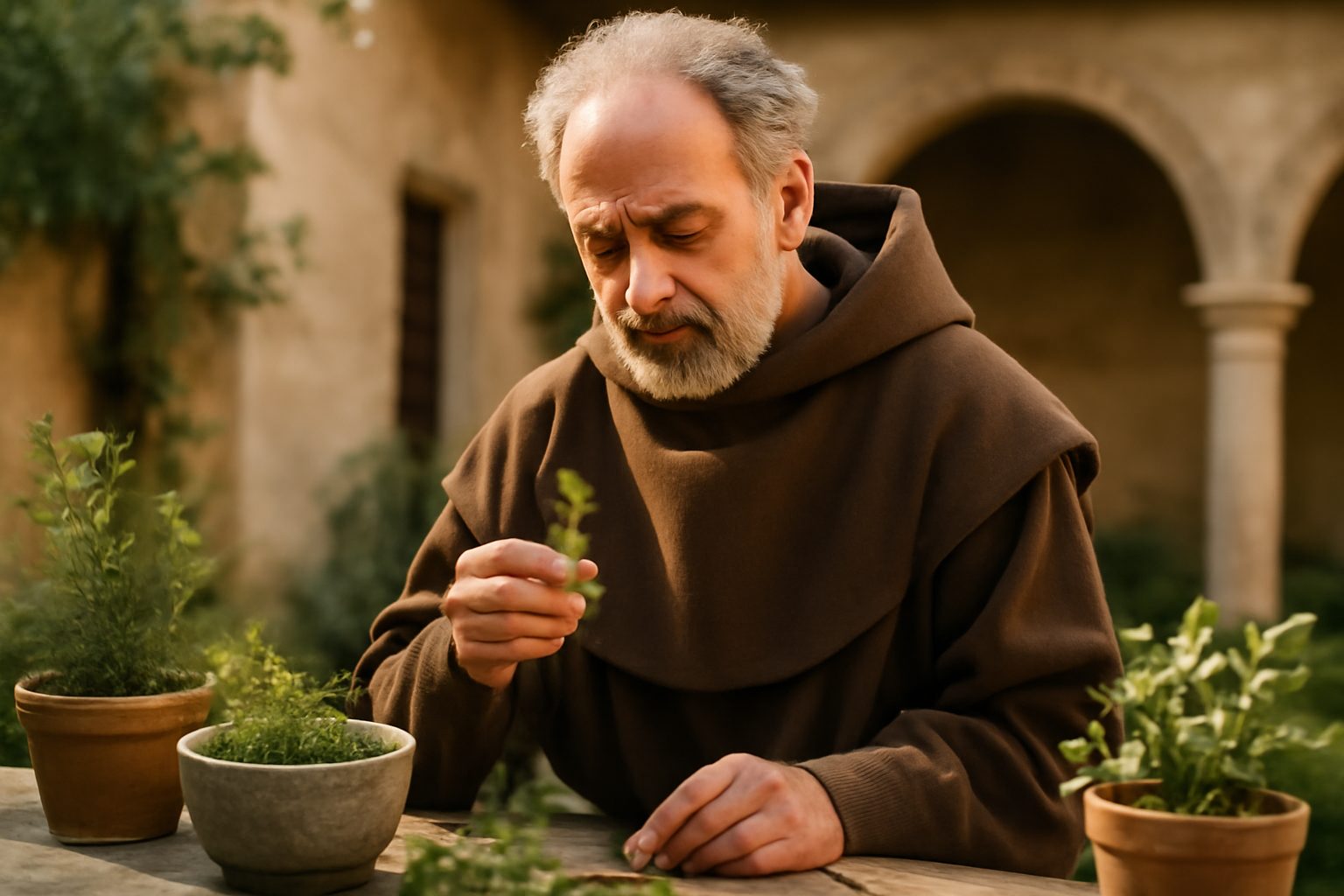
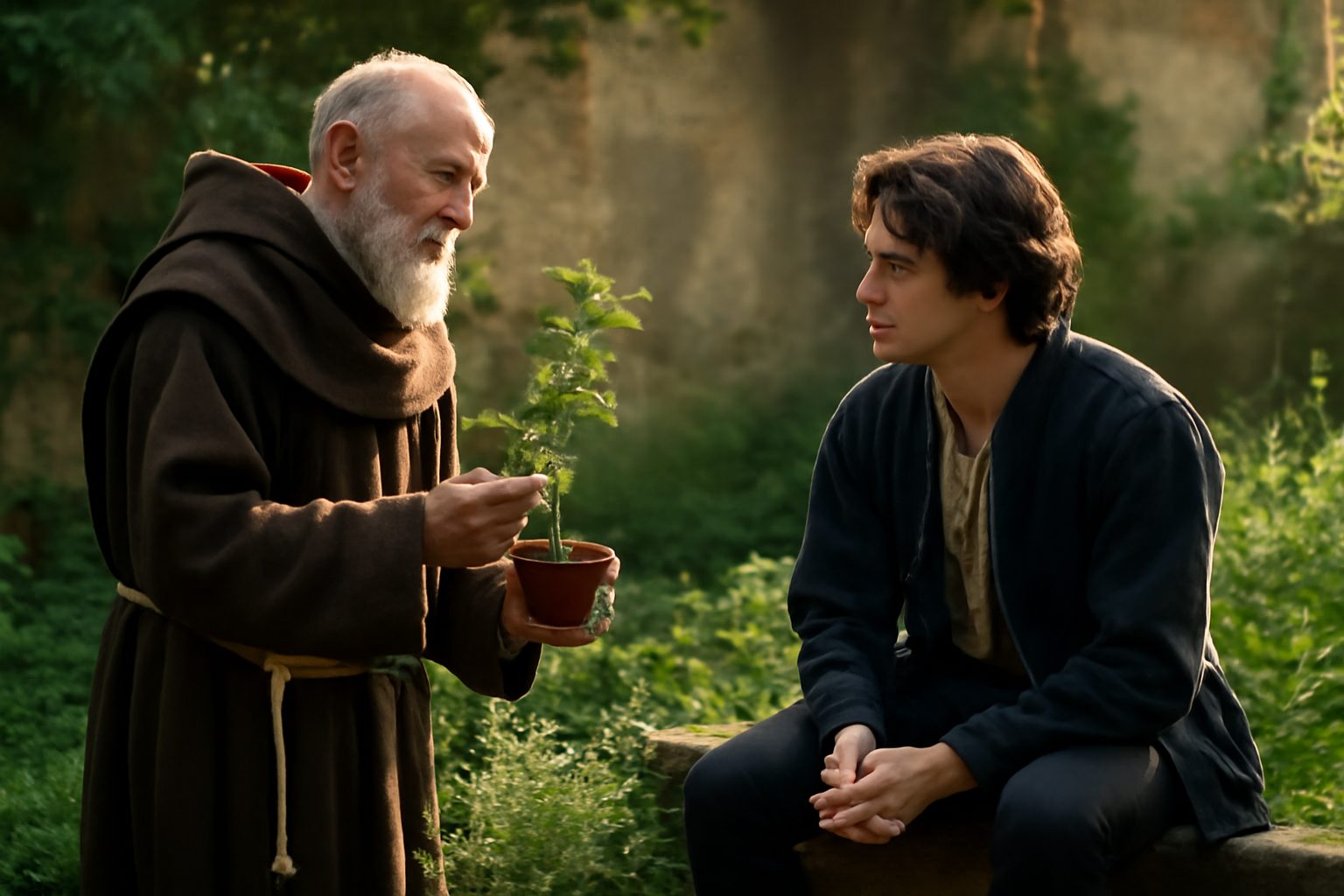
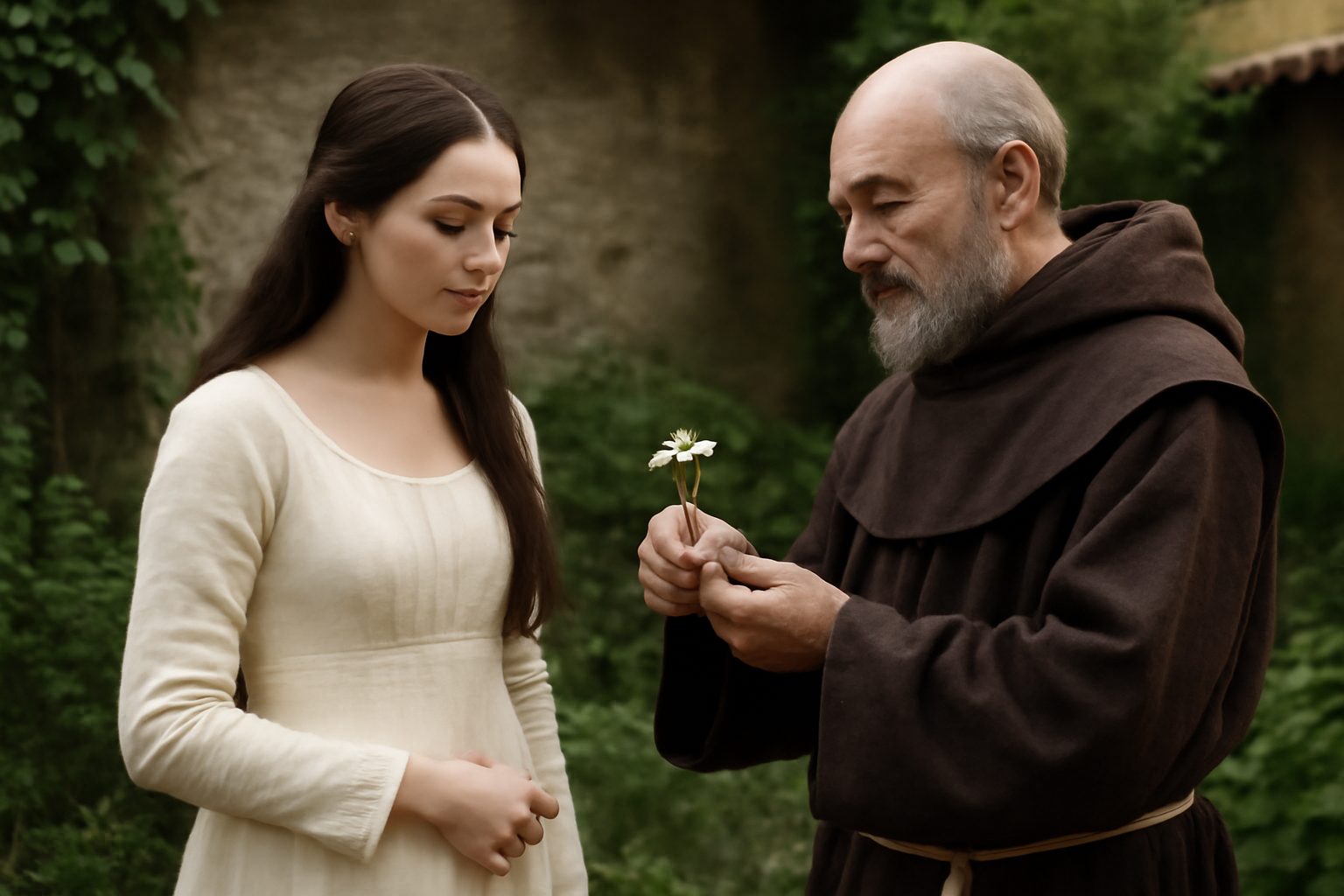
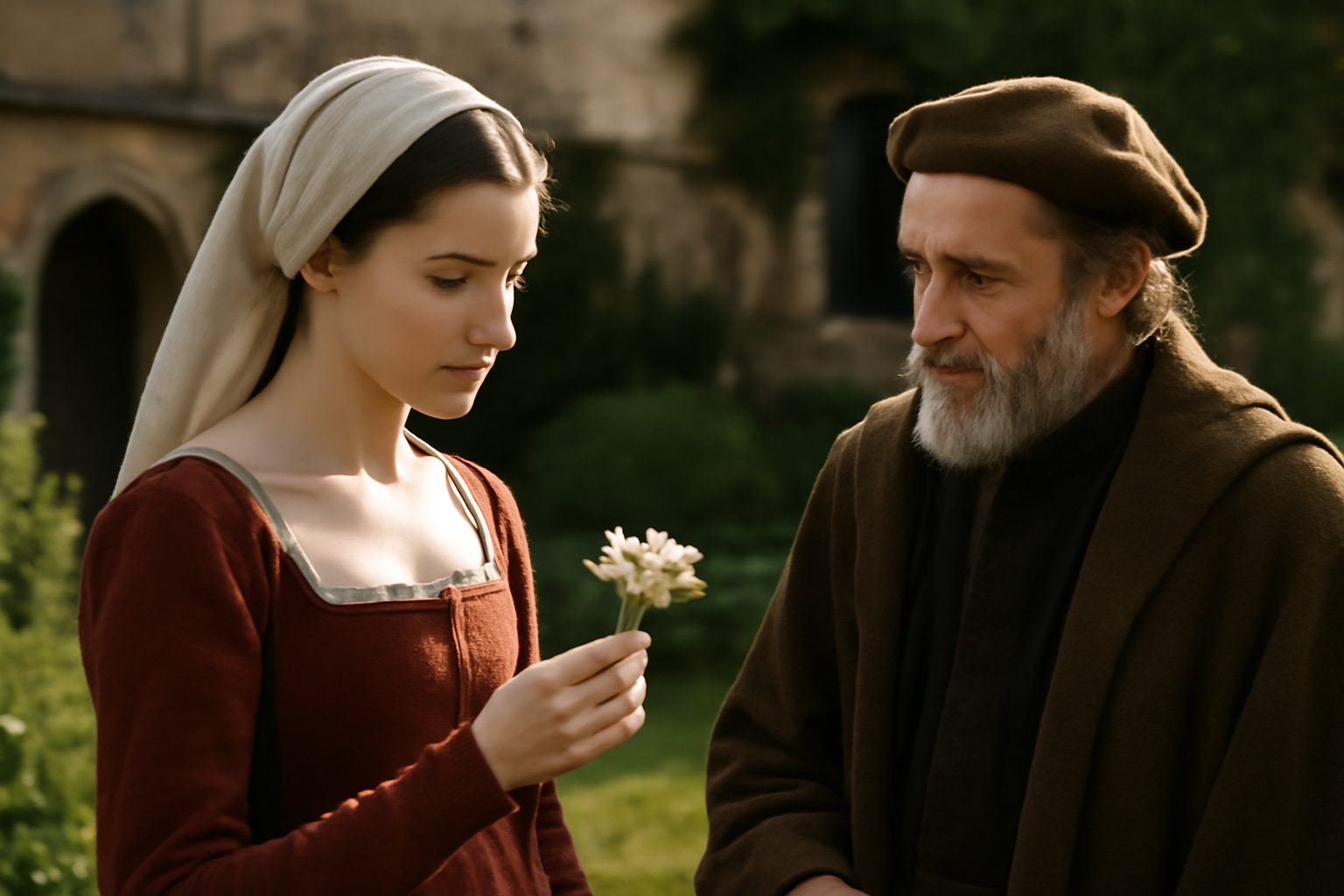
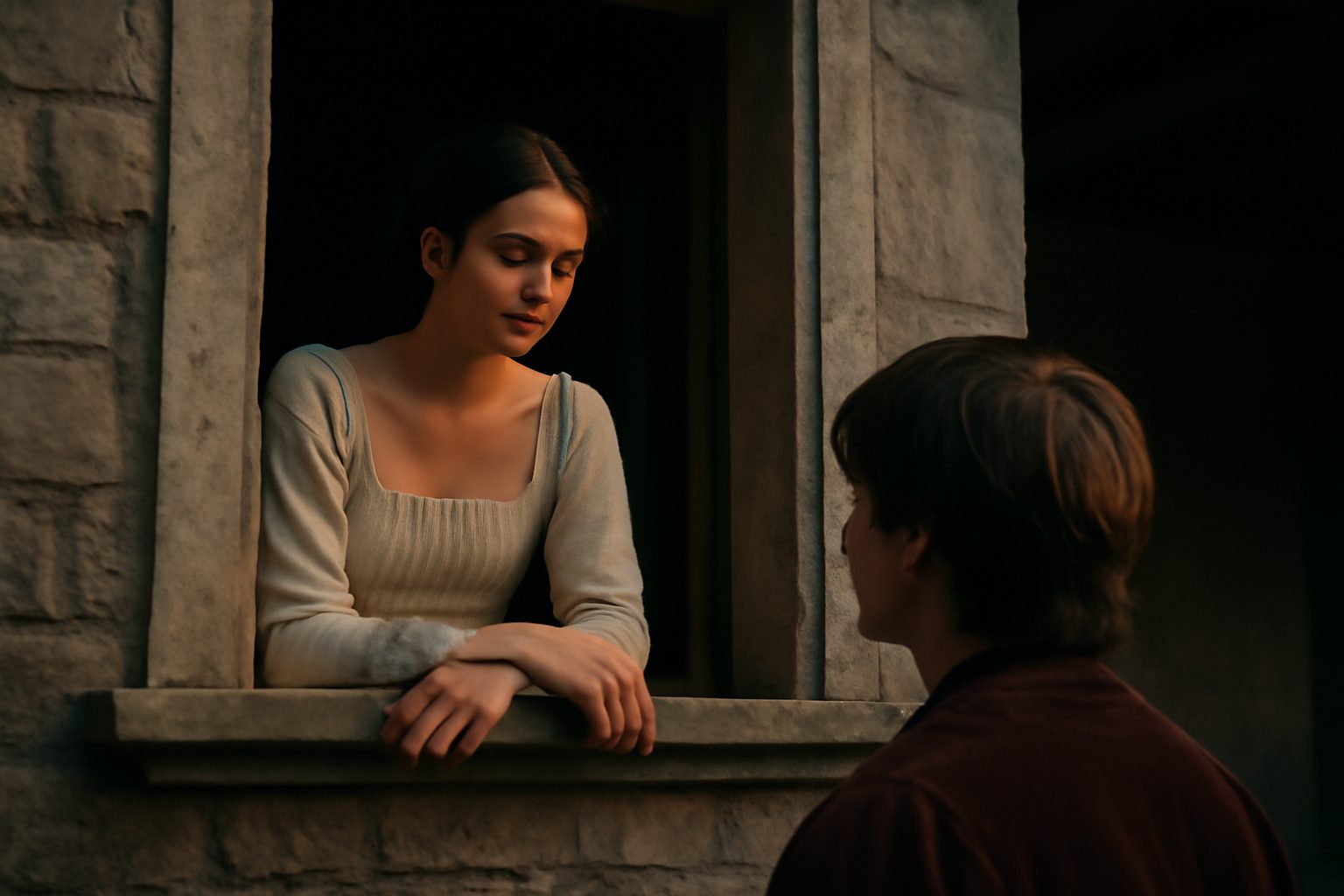
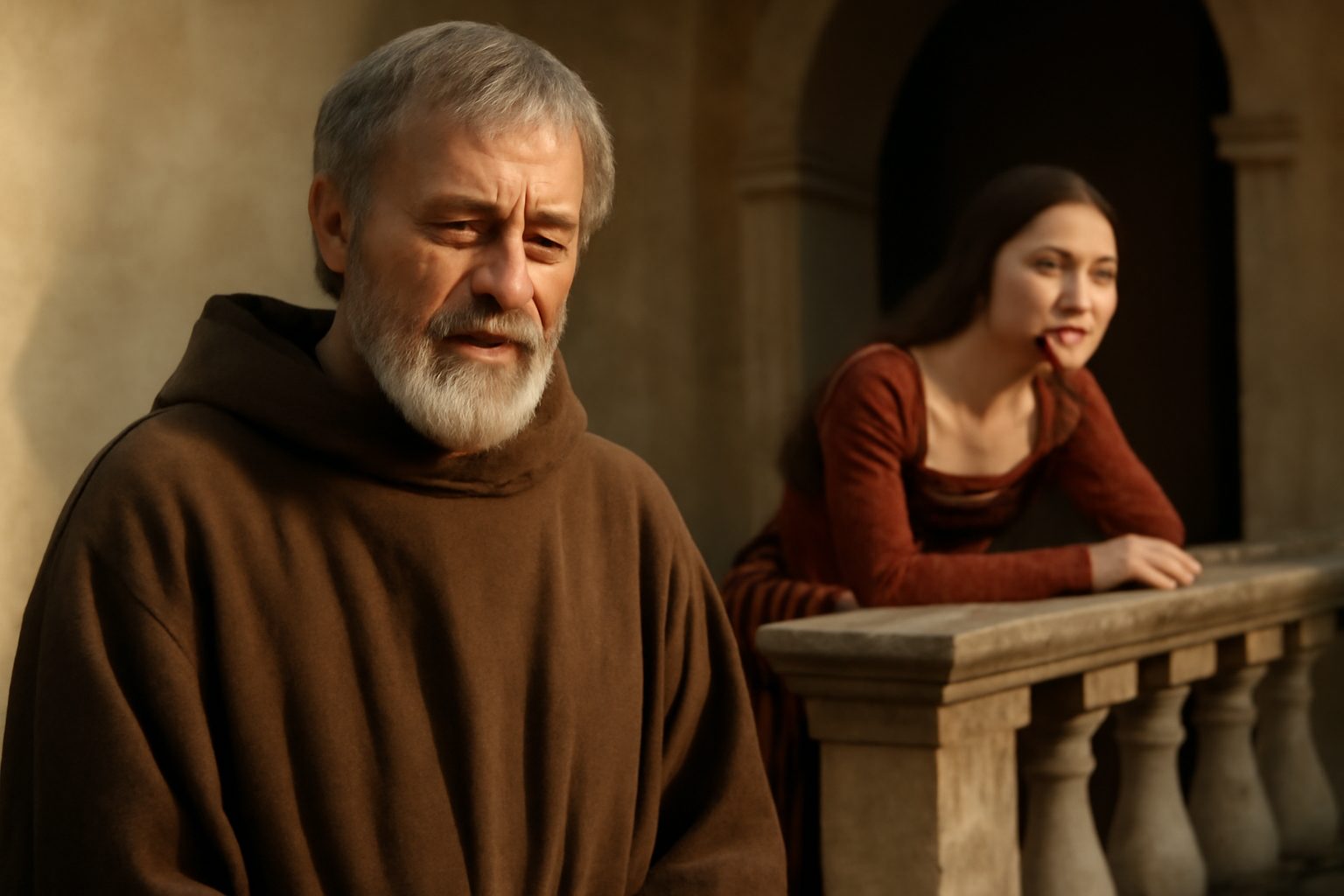
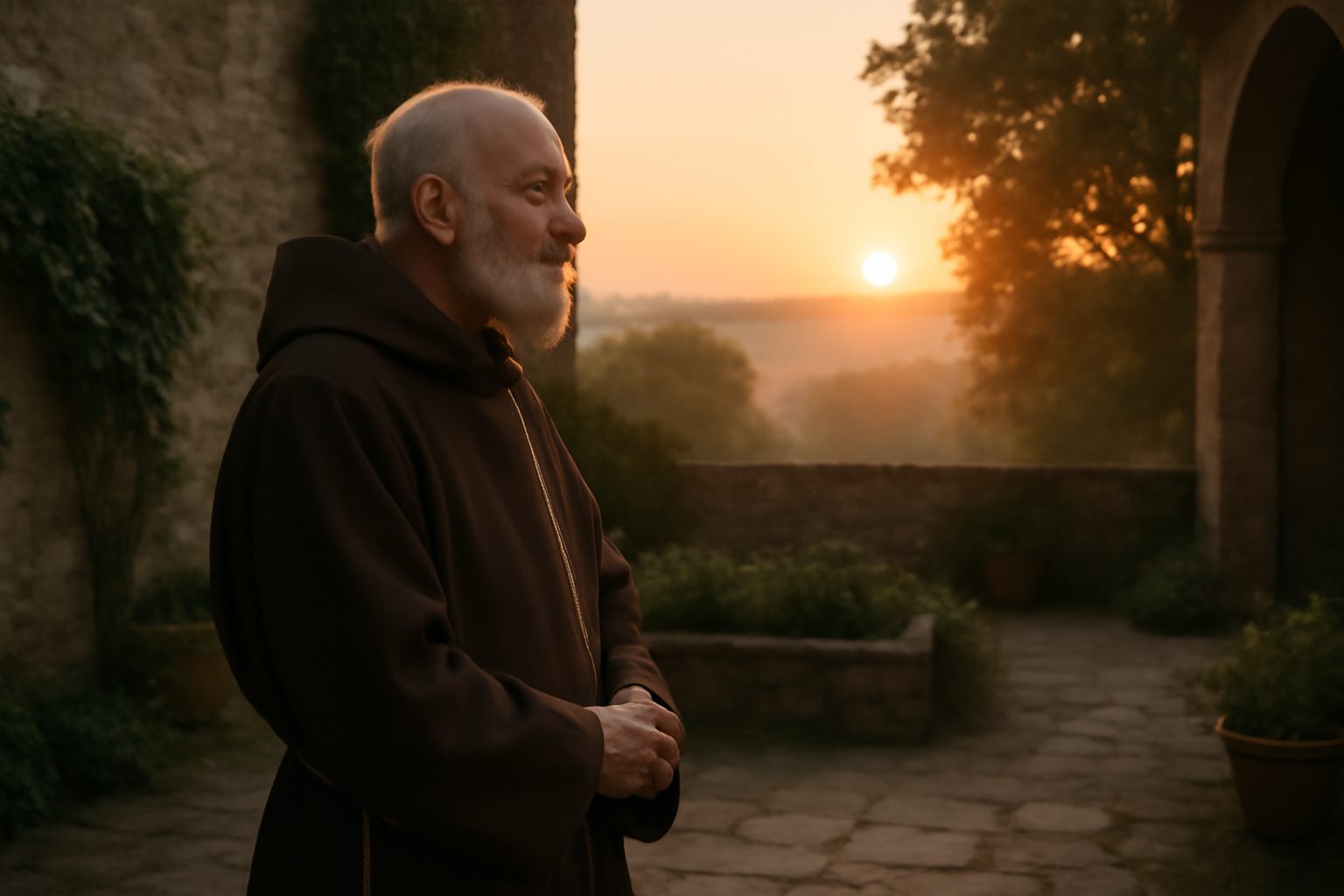
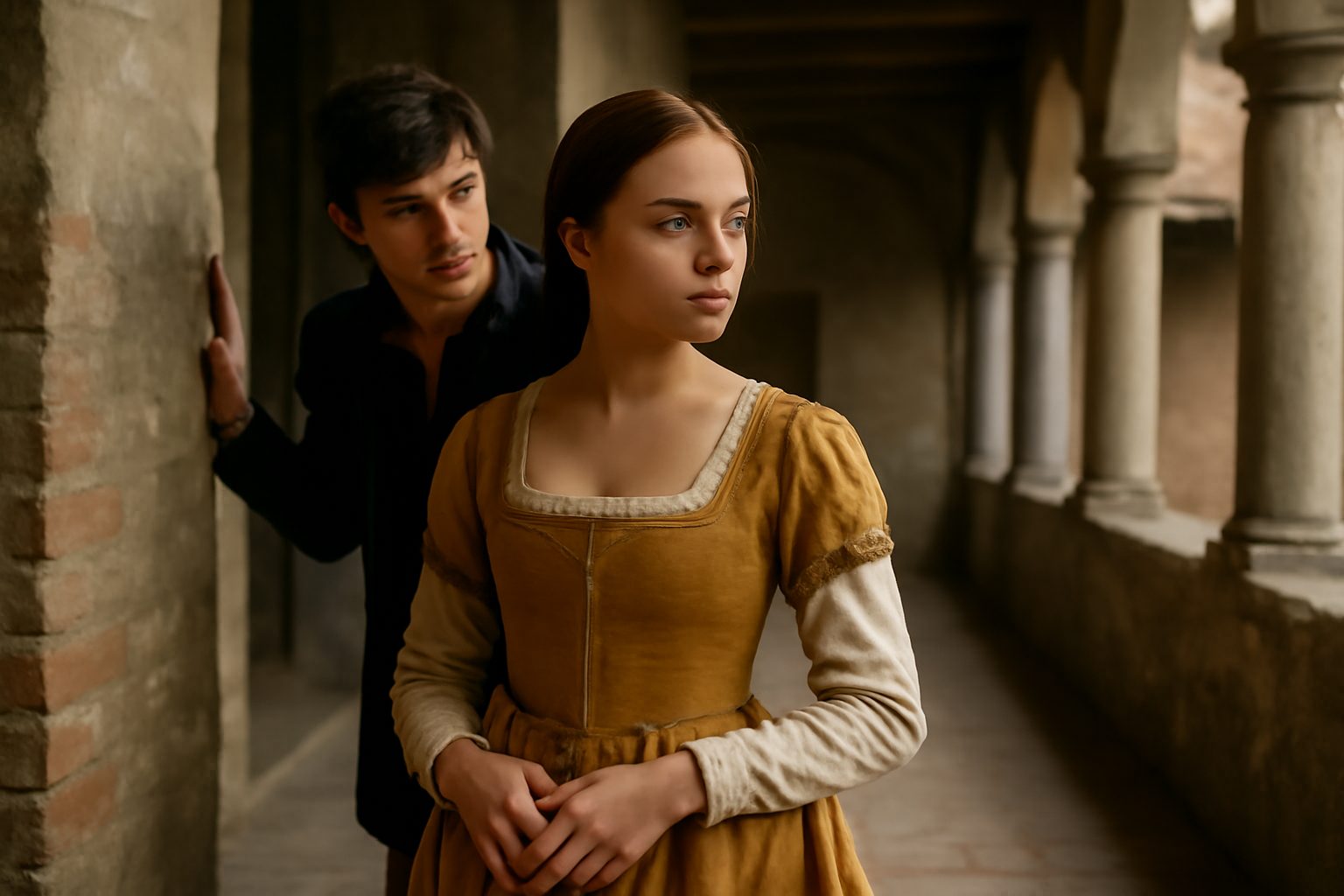
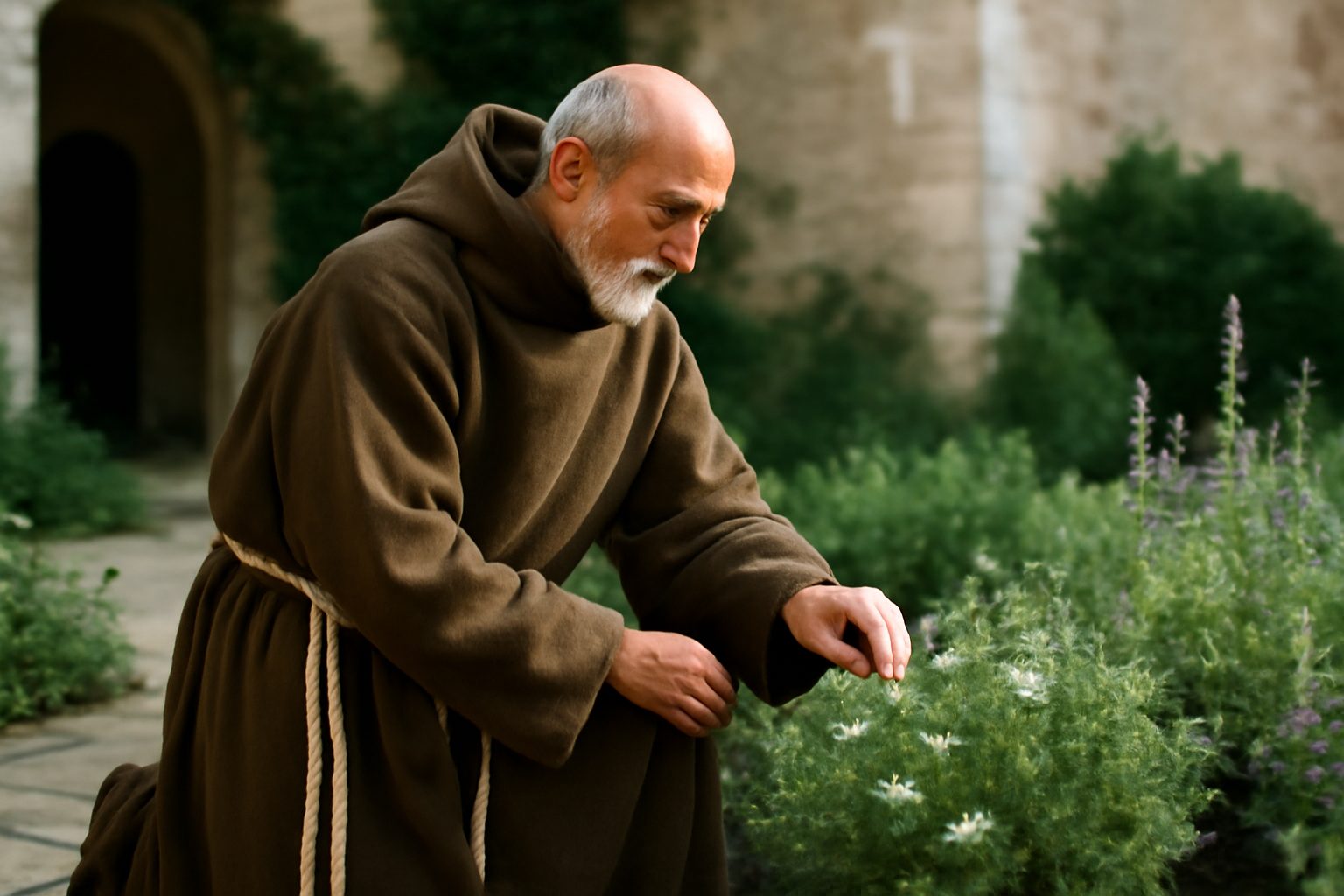
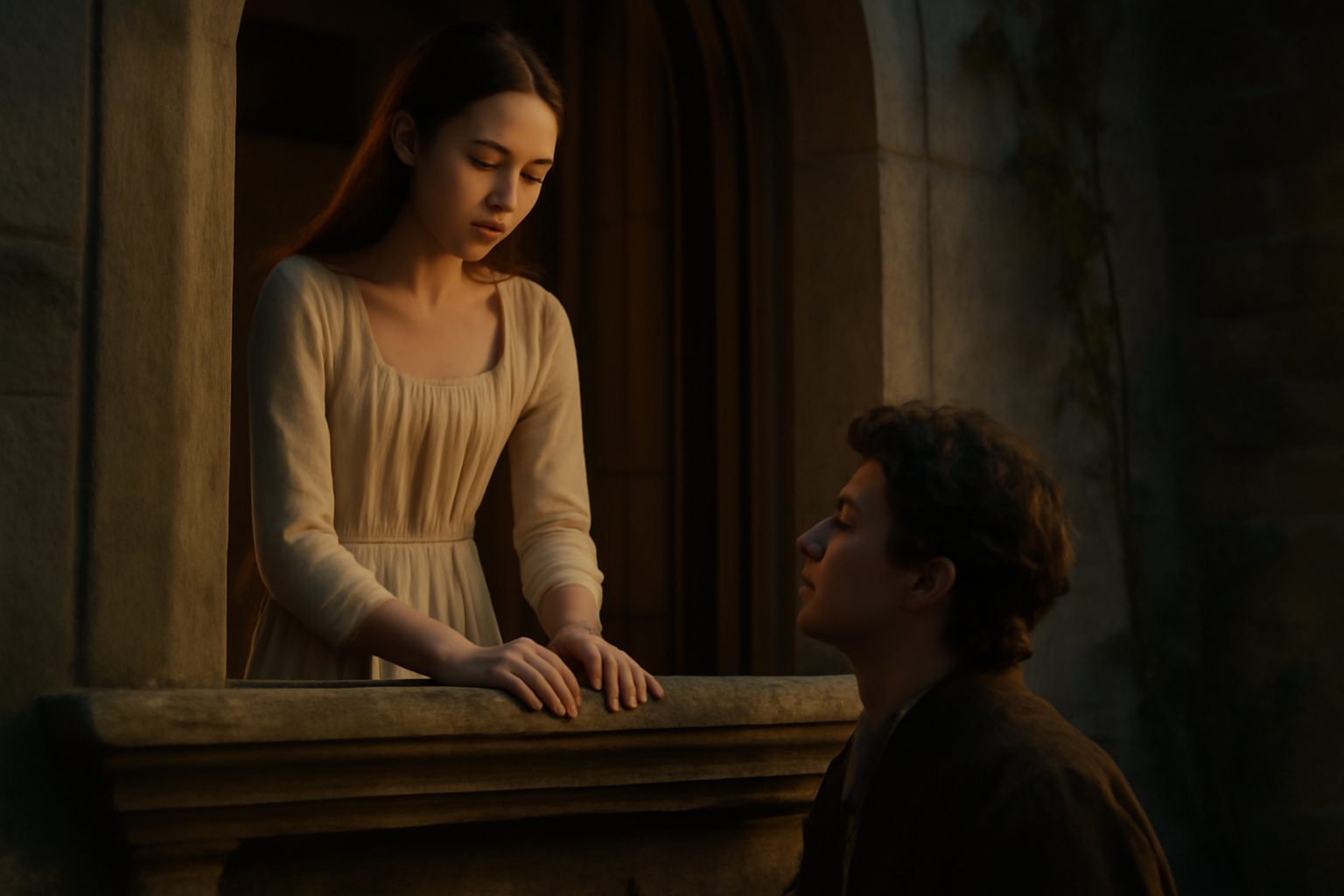
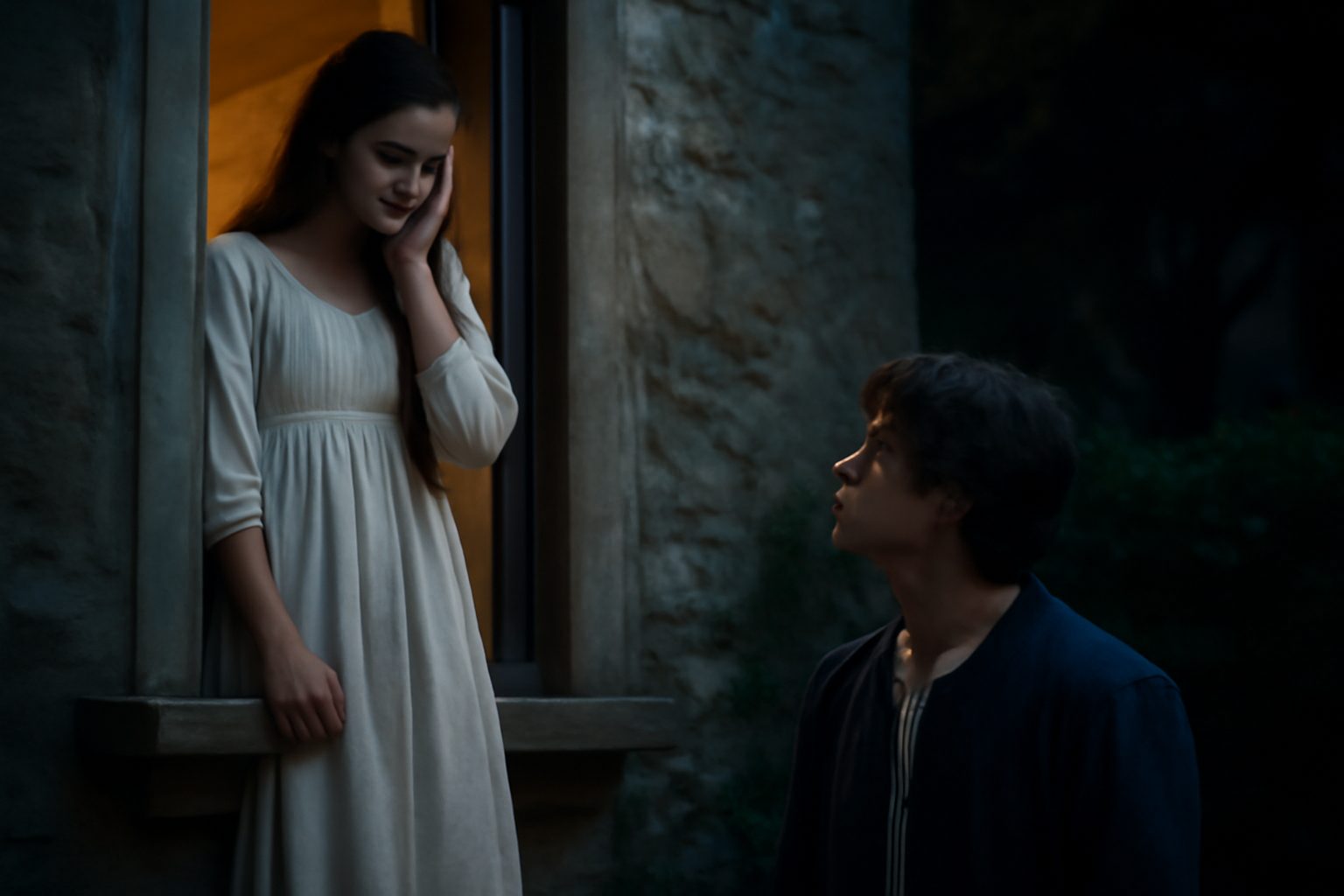
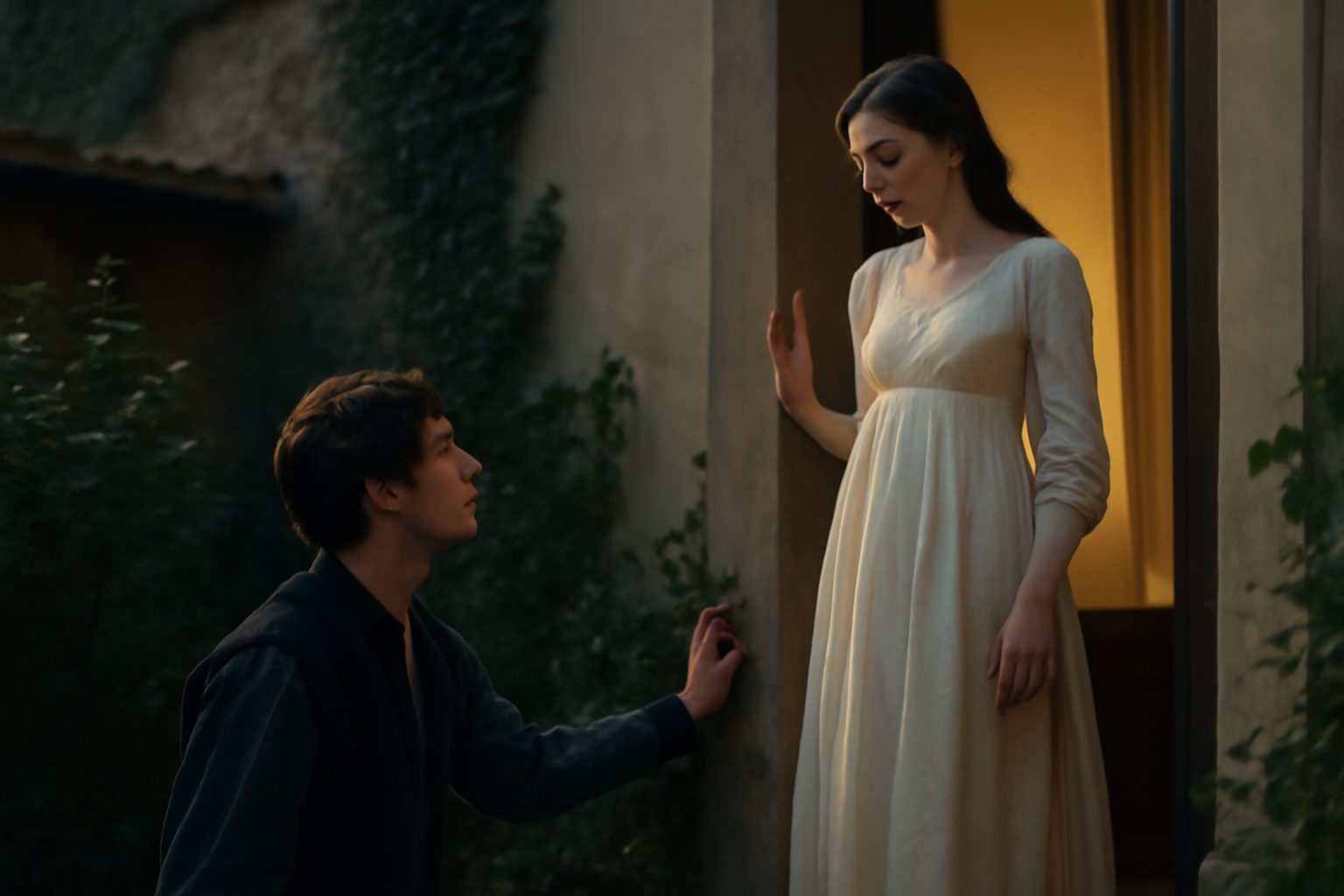
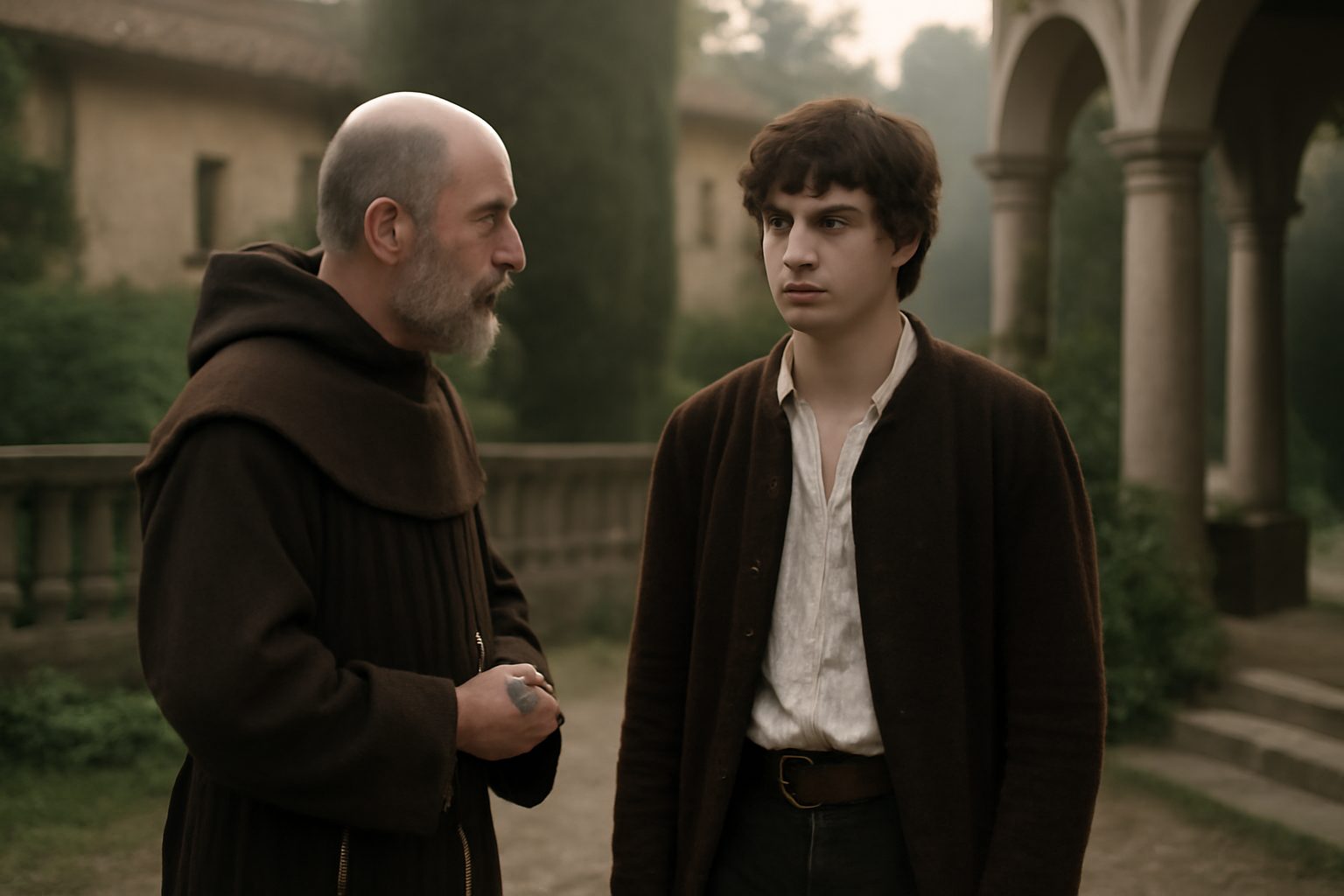
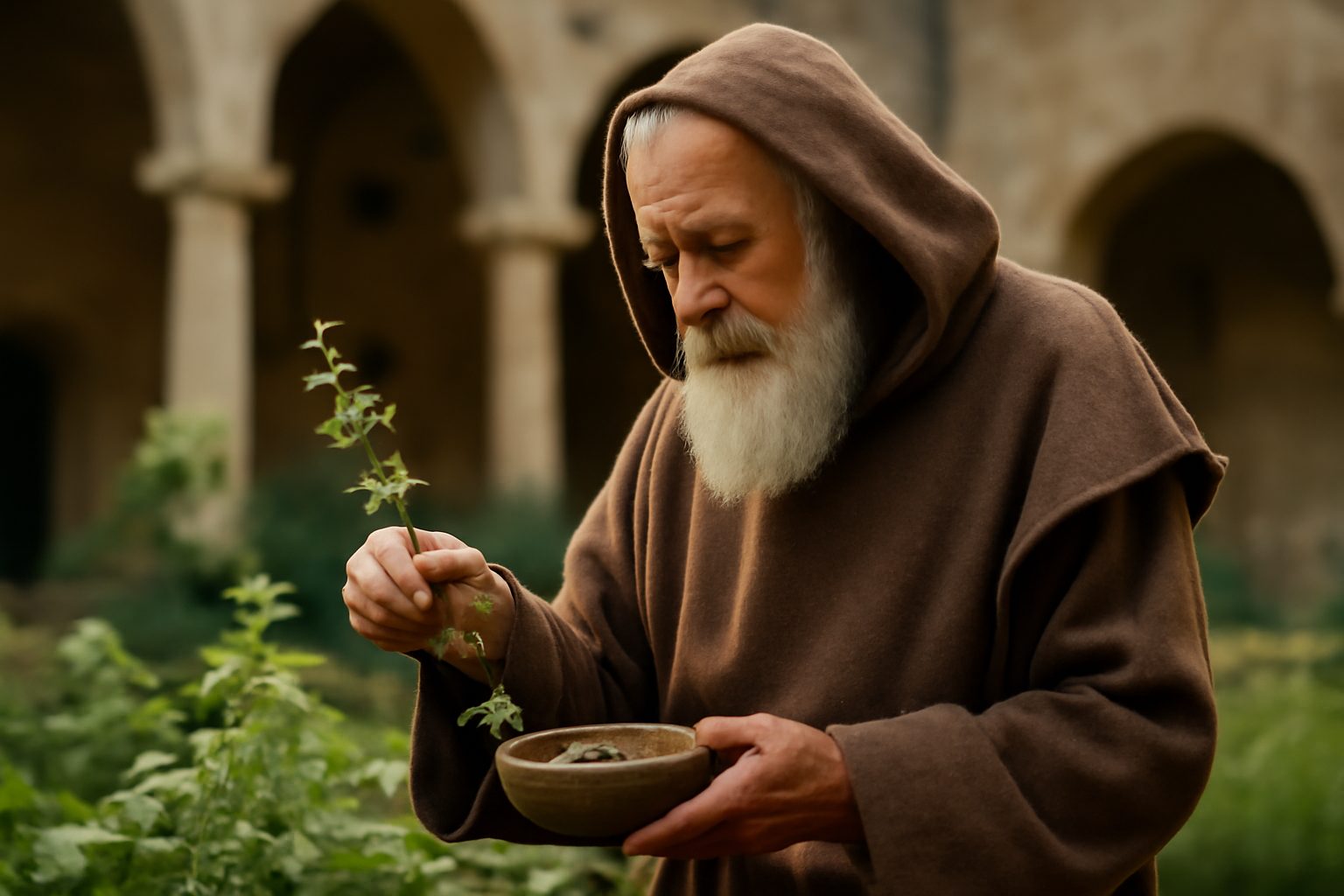
In Act 2, Scene 3 of Romeo and Juliet, Friar Laurence reflects on the duality of nature, where even the most beautiful things can be corrupted. This line comes as he gathers herbs, musing on how virtue and vice coexist in all living things. His words foreshadow the tragic fate awaiting Romeo and Juliet, as love, like a tender plant, can be destroyed by the blight of death.
Friar Laurence: "Full soon the canker death eats up that plant."
In modern day english, we would say:
Death will quickly destroy the young plant, just like a disease kills a flower.
Frequently Asked Questions
What does Friar Laurence mean when he says that death will quickly destroy the plant?
He means that just as a disease can quickly kill a plant, death can suddenly end life.
Connections to other verses:
Connections to Friar Laurence's Plant Imagery
The verse "Full soon the canker death eats up that plant" (/romeo-and-juliet/two/2-3/act-2-scene-3-30/) is part of Friar Laurence's extended meditation on the dual nature of plants and humanity. It connects thematically to his earlier lines about the earth's power to nurture and destroy, such as "The earth that's nature's mother is her tomb" (/romeo-and-juliet/two/2-3/act-2-scene-3-9/), reinforcing the idea that life and death are intertwined.
Duality and Contrast in Nature
This fatalistic view of plants being consumed by death echoes the Friar's discourse on how virtues can turn to vice, as in "Virtue itself turns vice, being misapplied" (/romeo-and-juliet/two/2-3/act-2-scene-3-21/). The "canker death" metaphor also relates to his observation that "Poison hath residence and medicine power" (/romeo-and-juliet/two/2-3/act-2-scene-3-24/), highlighting how the same substance can heal or harm.
Connection to Human Behavior
Friar Laurence extends this plant imagery to human nature, noting that "In man as well as herbs, grace and rude will" coexist (/romeo-and-juliet/two/2-3/act-2-scene-3-28/). The idea that death can quickly destroy a plant parallels his warning about rash behavior in youth, as implied in "But where unbruised youth with unstuff'd brain" (/romeo-and-juliet/two/2-3/act-2-scene-3-38/) and his final advice to Romeo: "Wisely and slow; they stumble that run fast" (/romeo-and-juliet/two/2-3/act-2-scene-3-97/).
Foreshadowing and Irony
The ominous tone of "canker death" foreshadows the tragedy to come, contrasting with Romeo's hopeful declaration that his and Juliet's love is mutual: "As mine on hers, so hers is set on mine" (/romeo-and-juliet/two/2-3/act-2-scene-3-60/). It also ironically undercuts the Friar's own optimism about the marriage potentially ending the feud: "To turn your households' rancour to pure love" (/romeo-and-juliet/two/2-3/act-2-scene-3-95/).