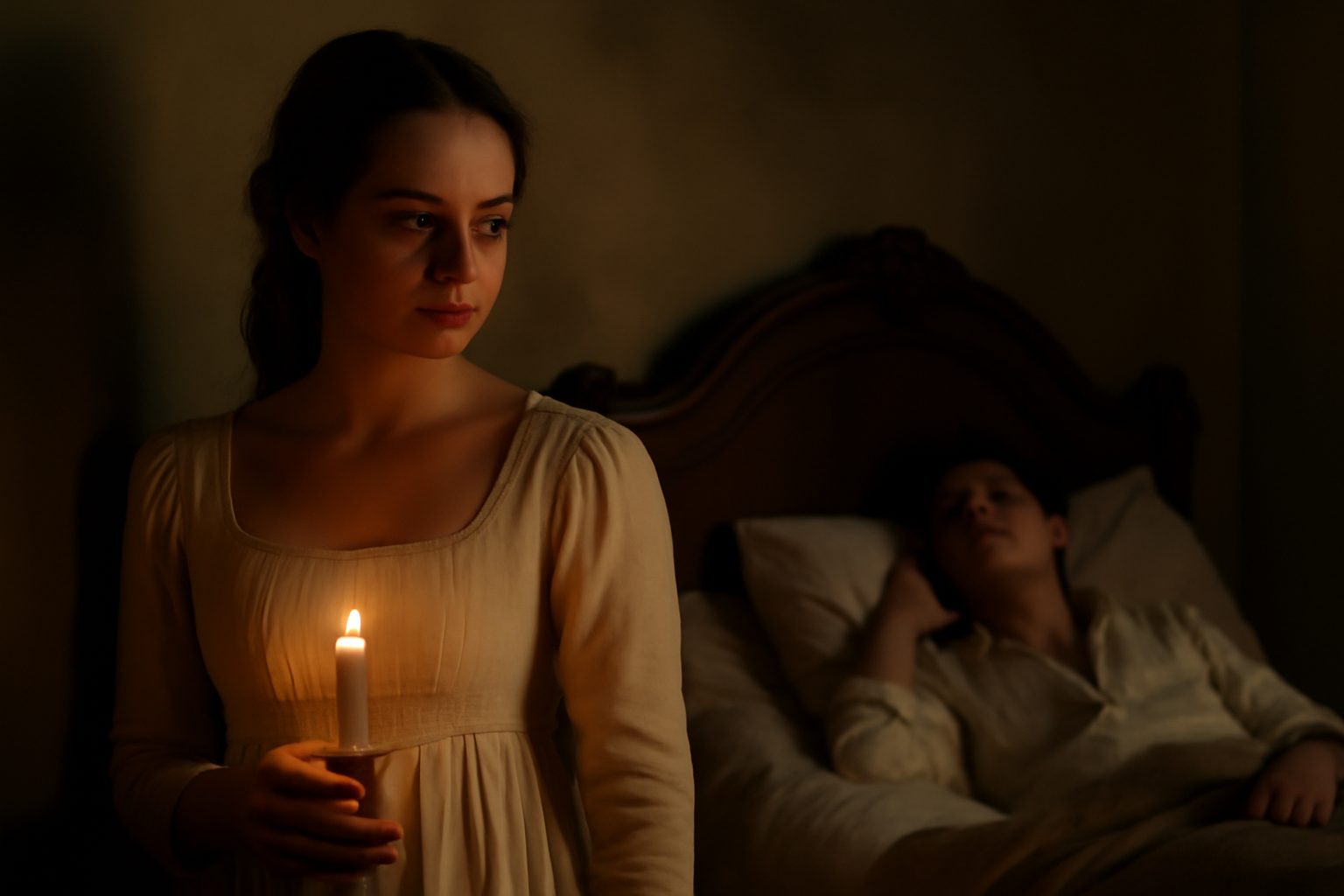
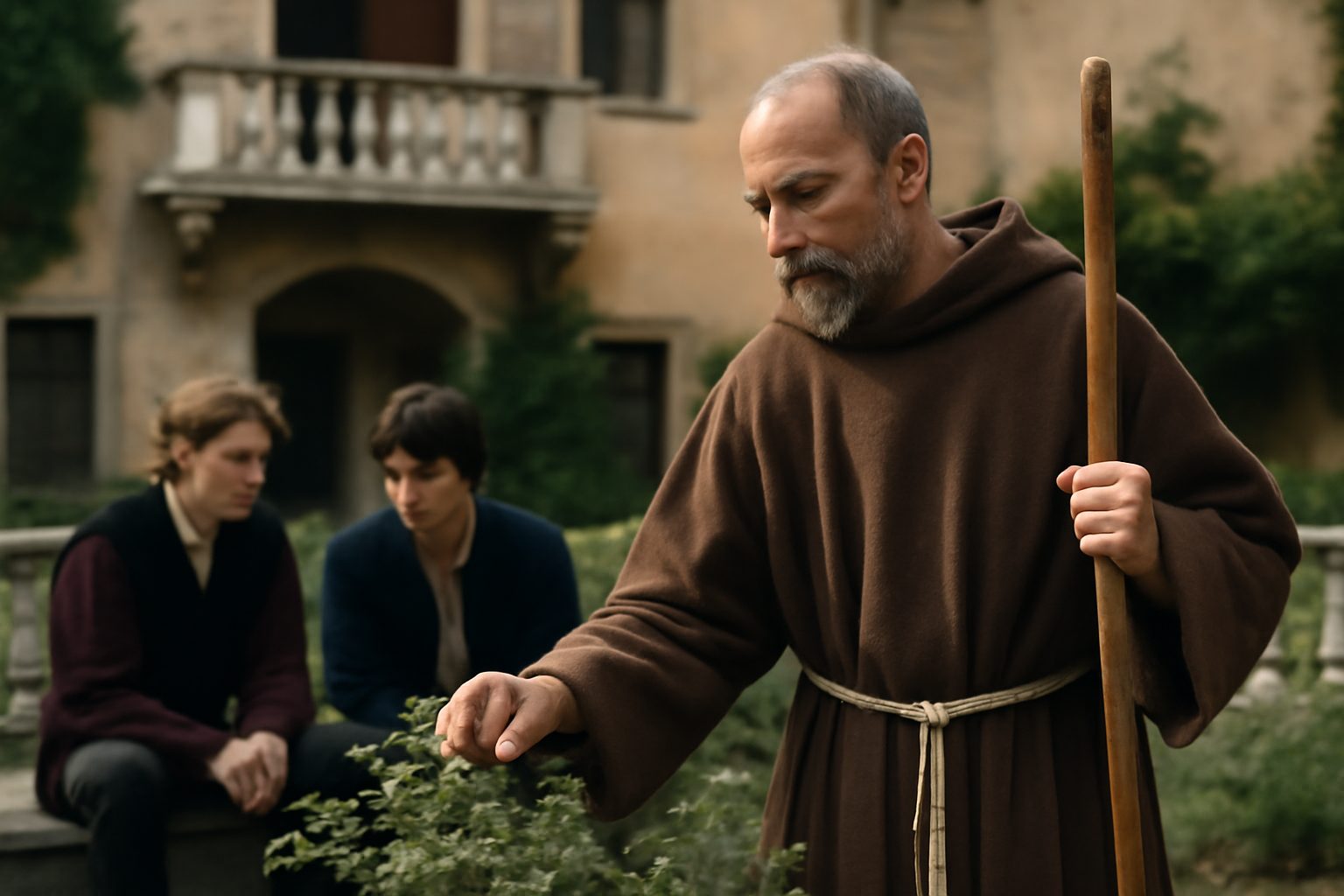
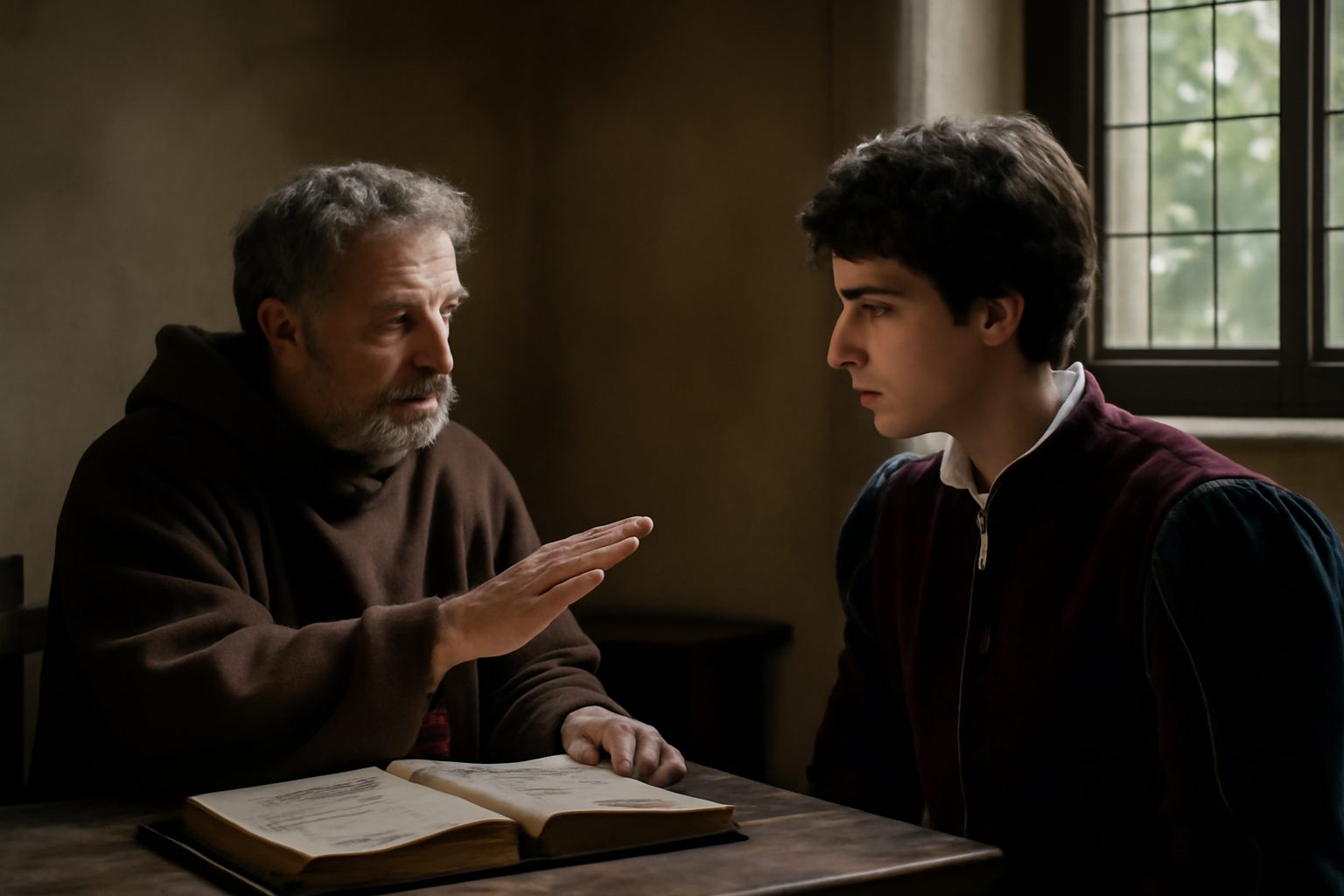
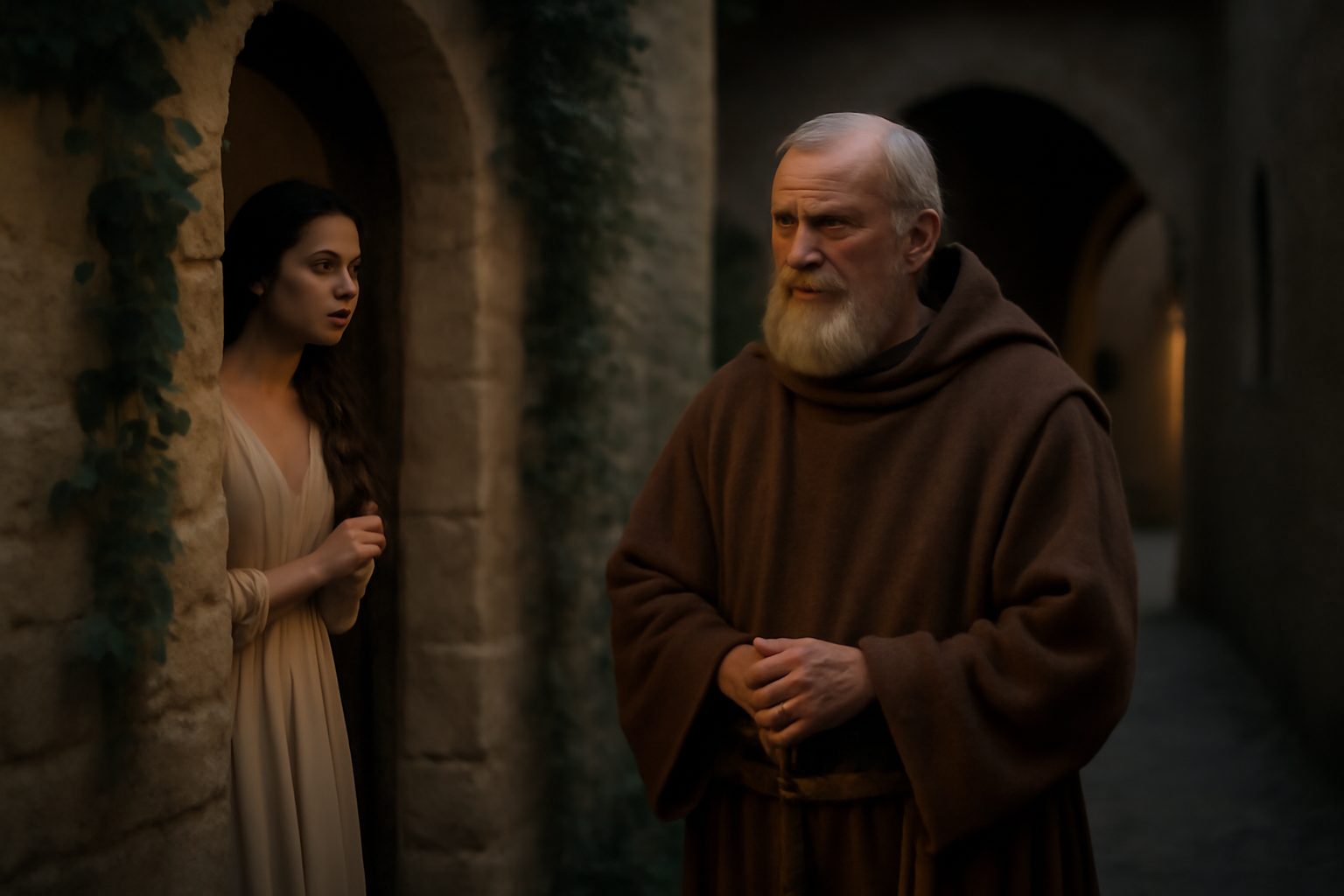
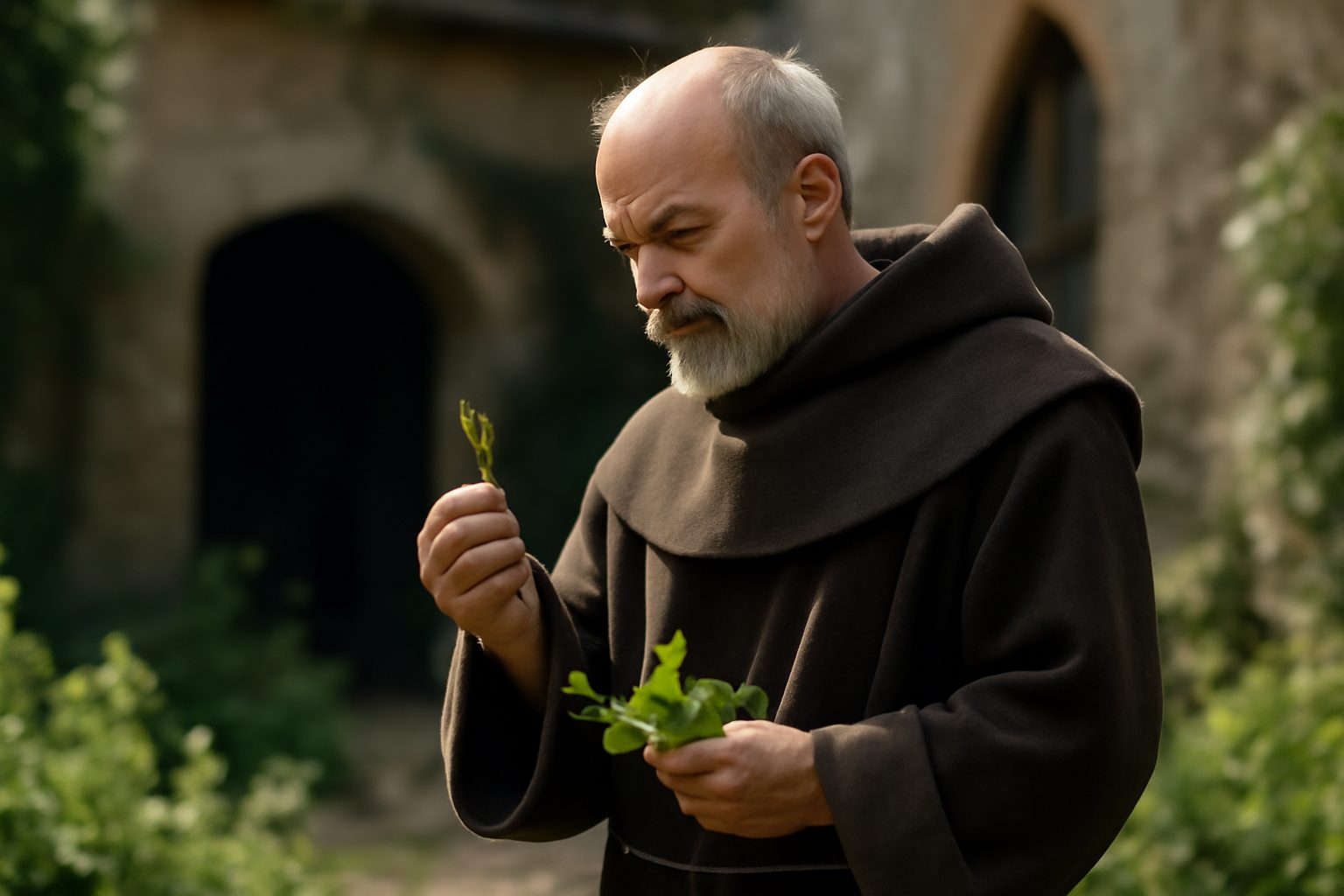
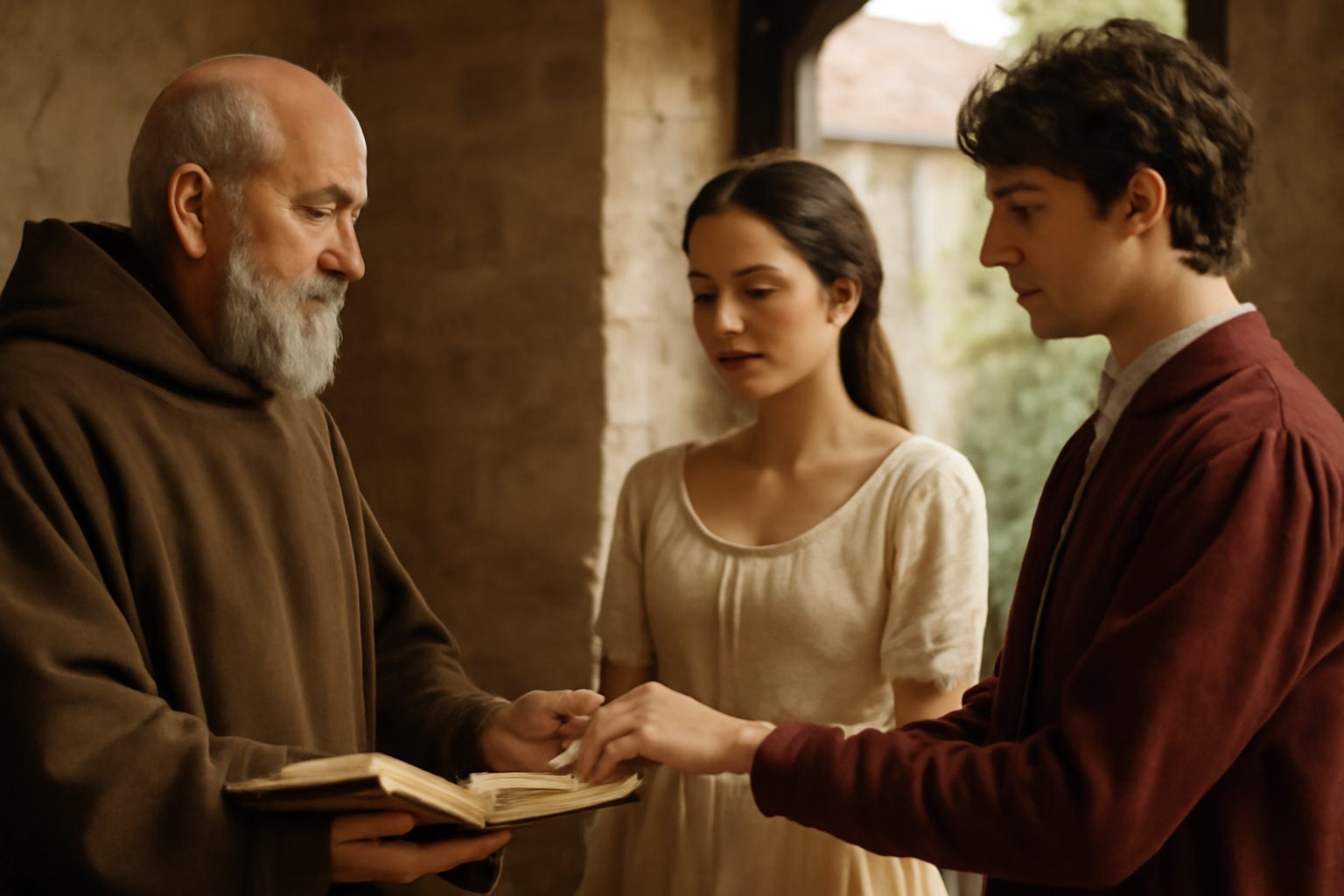
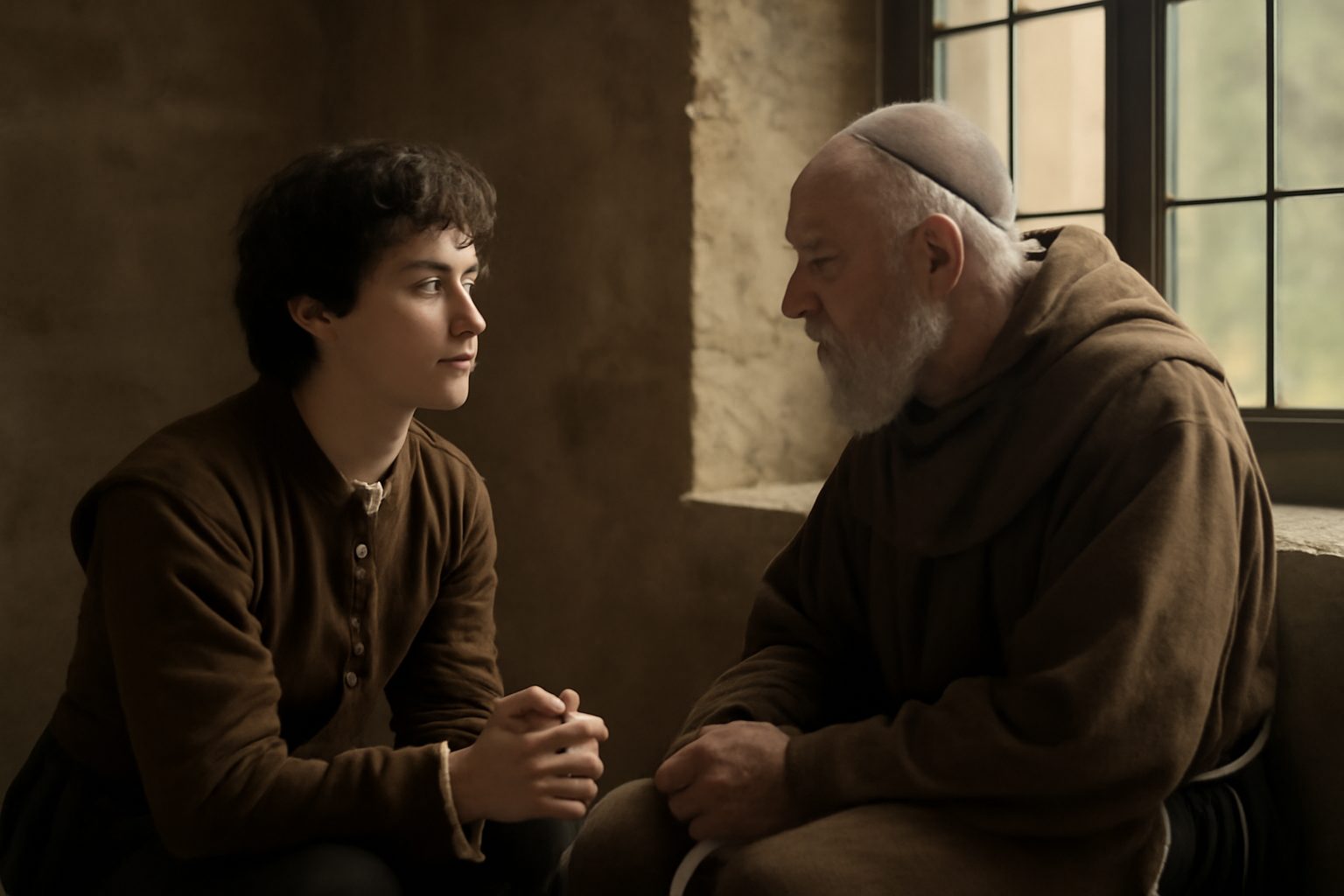
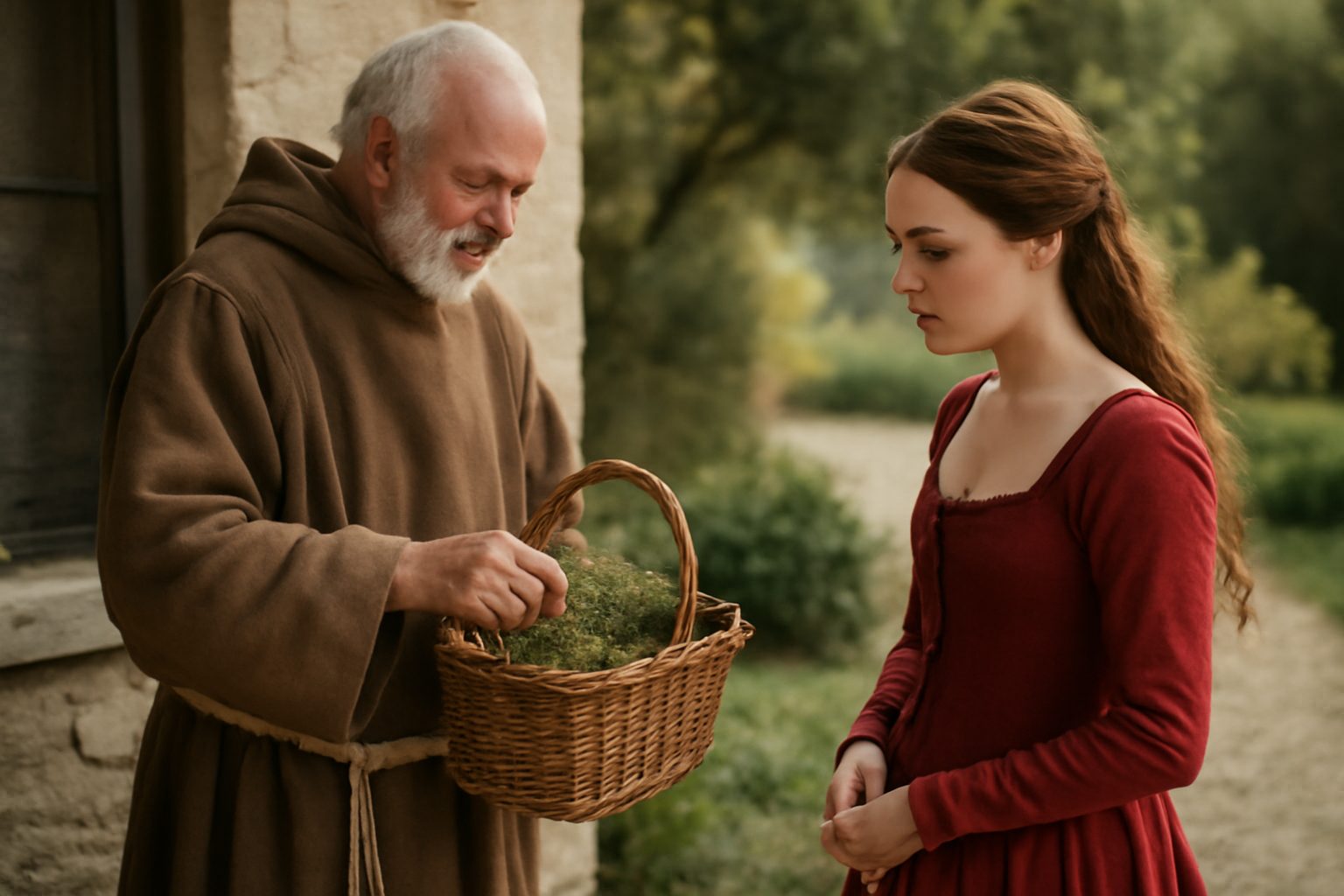
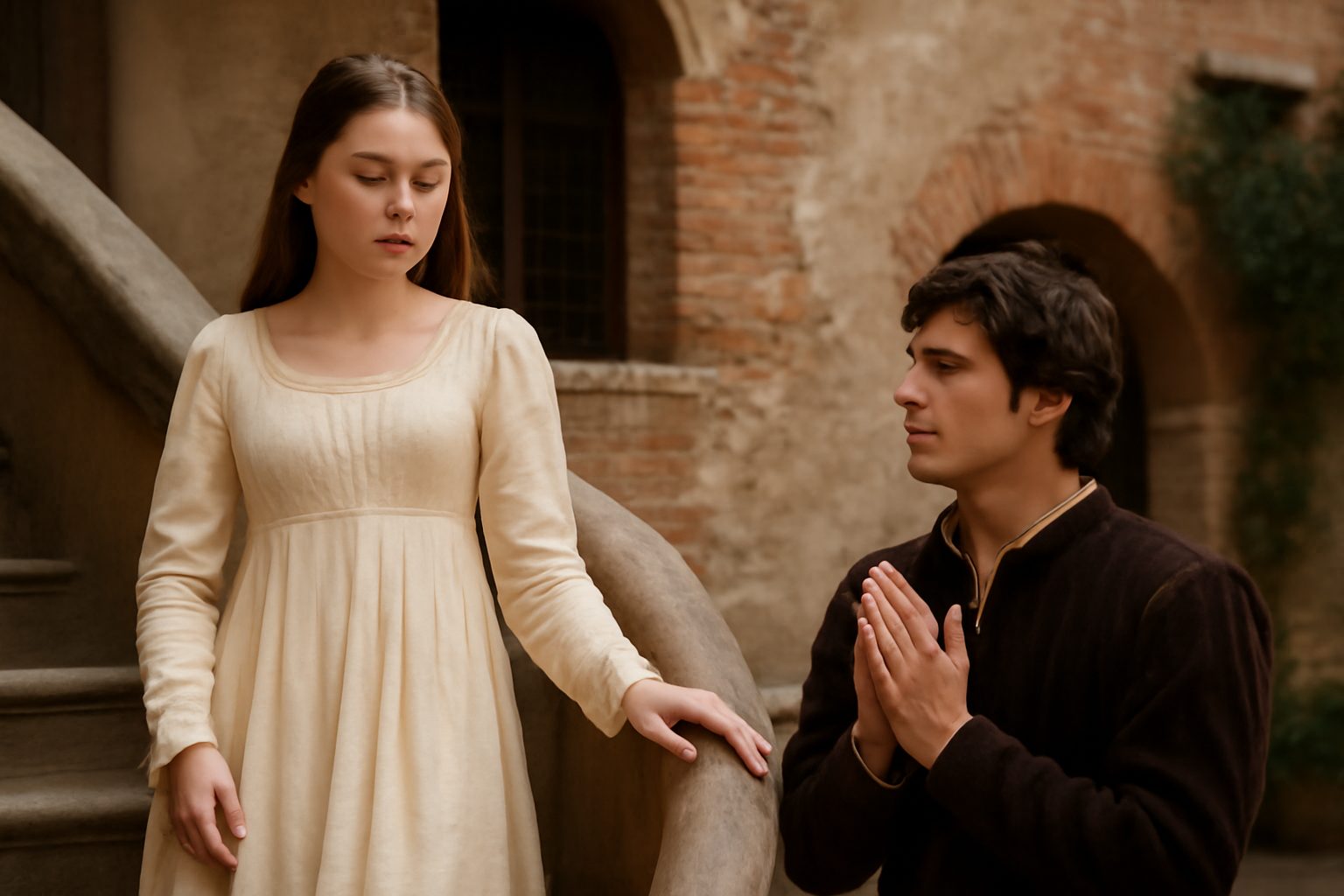
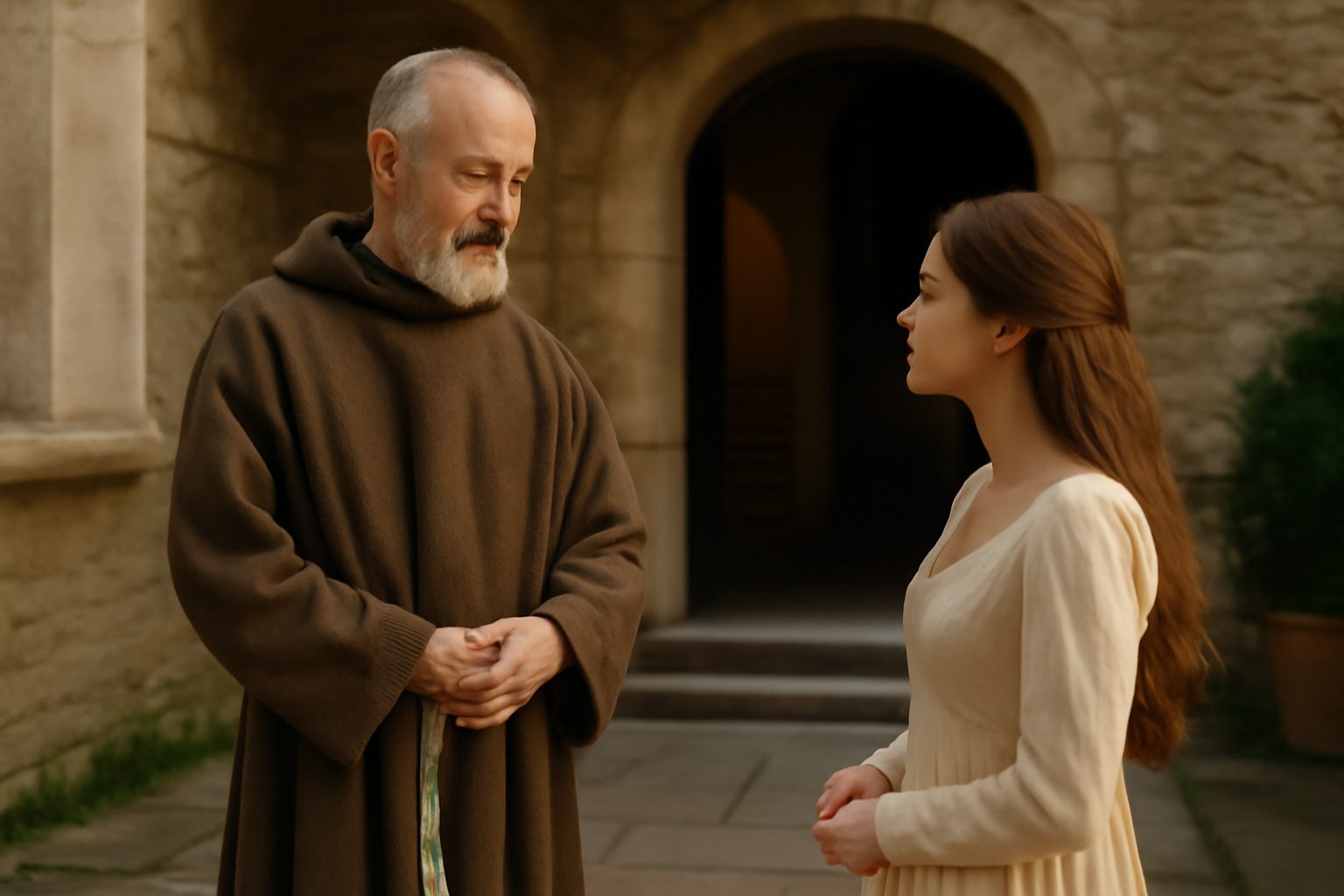
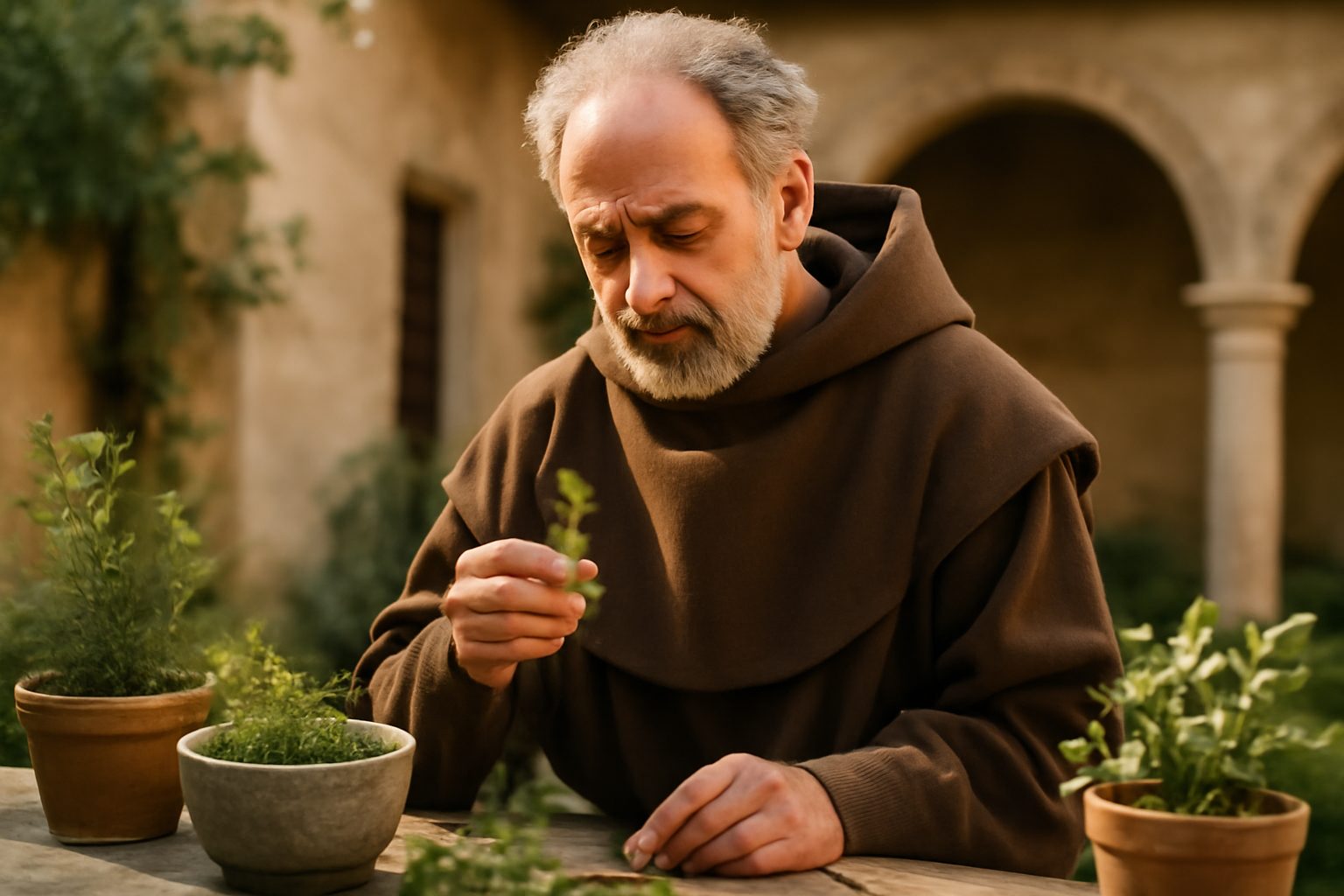
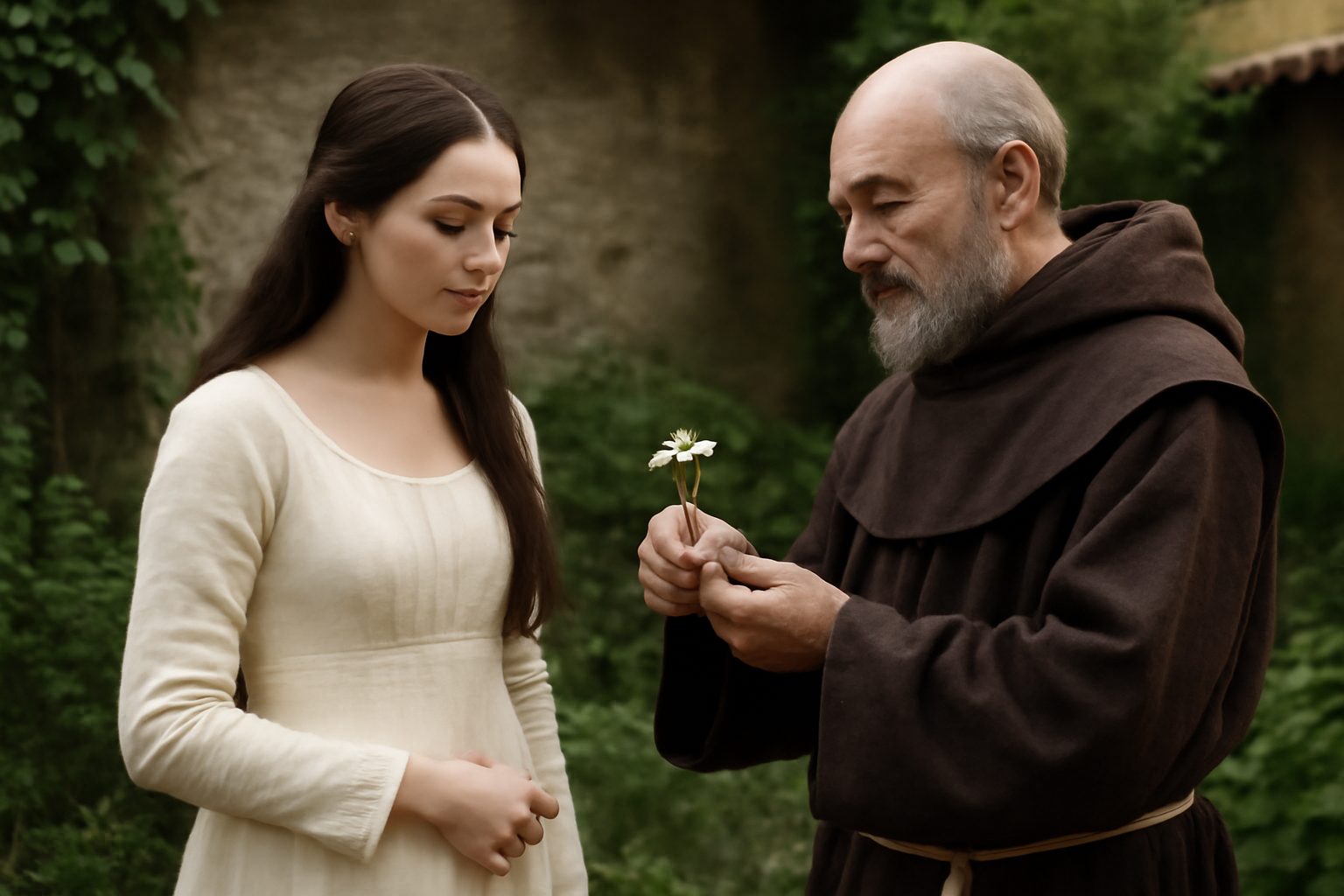
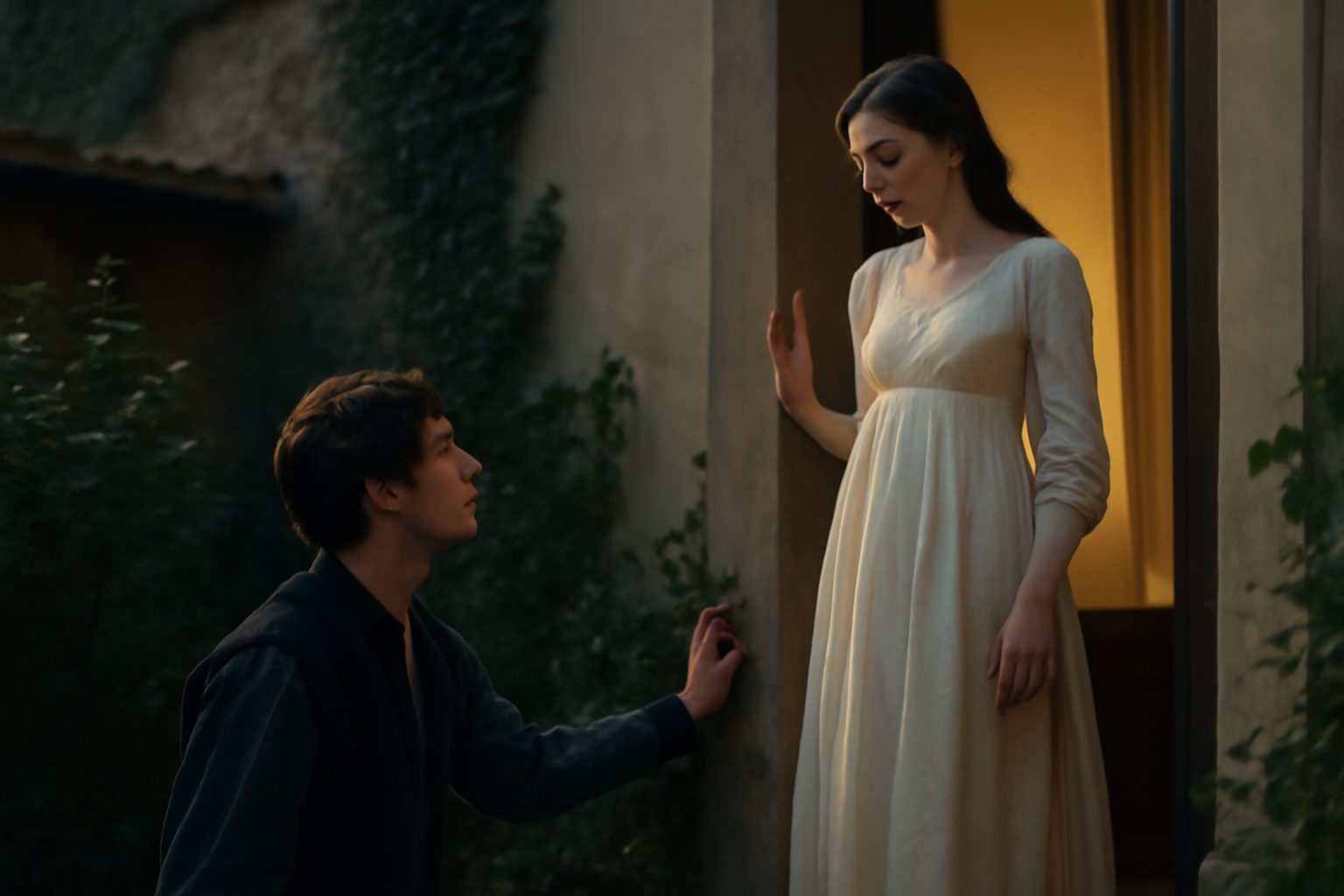
In Act 2, Scene 3 of Romeo and Juliet, Romeo visits Friar Laurence after secretly attending the Capulet feast, where he met and fell in love with Juliet. The line reflects Romeo's conflicted feelings, as the Capulets are his family's sworn enemies, yet he has just shared a joyful moment among them. This moment foreshadows the tension between love and loyalty that drives the play's central conflict.
Romeo: "I have been feasting with mine enemy,"
In modern day english, we would say:
I have been enjoying time with the person I should consider my enemy.
Frequently Asked Questions
Who is Romeo referring to when he says he has been feasting with his enemy?
Romeo is referring to the Capulet family, as they are the enemies of his family, the Montagues.
Connections to other verses:
Connections to "I have been feasting with mine enemy"
Context of Conflict and Healing
The line "I have been feasting with mine enemy" reflects Romeo's acknowledgment of the feud between the Montagues and Capulets, yet his love for Juliet transcends this enmity. This connects to Friar Laurence's hope that "this alliance may so happy prove, To turn your households' rancour to pure love", suggesting the potential for love to heal division.
Personal Transformation and Forgiveness
Romeo's statement about feasting with his enemy also ties to his personal growth. Earlier, Friar Laurence notes Romeo's change from mourning Rosaline, asking "Holy Saint Francis, what a change is here!" and observing "Hath wash'd thy sallow cheeks for Rosaline!". Romeo confirms this transformation, declaring "I have forgot that name, and that name's woe".
Duality of Love and Conflict
The theme of duality—where something can be both poison and medicine—echoes in Friar Laurence's soliloquy: "Poison hath residence and medicine power" and "Virtue itself turns vice, being misapplied". Romeo's feasting with the enemy embodies this idea, as his love (virtue) arises from a source of conflict (vice).
Mutual Love and Union
Romeo's encounter with Juliet, his "enemy," results in mutual affection, as he tells Friar Laurence: "As mine on hers, so hers is set on mine" and "Doth grace for grace and love for love allow". This reciprocity highlights how their love bridges familial hatred.
Secrecy and Urgency
The clandestine nature of Romeo's feast with the enemy fuels his urgency, as seen when he says "O, let us hence; I stand on sudden haste", to which Friar Laurence cautions "Wisely and slow; they stumble that run fast", underscoring the tension between impulse and wisdom in their plans.