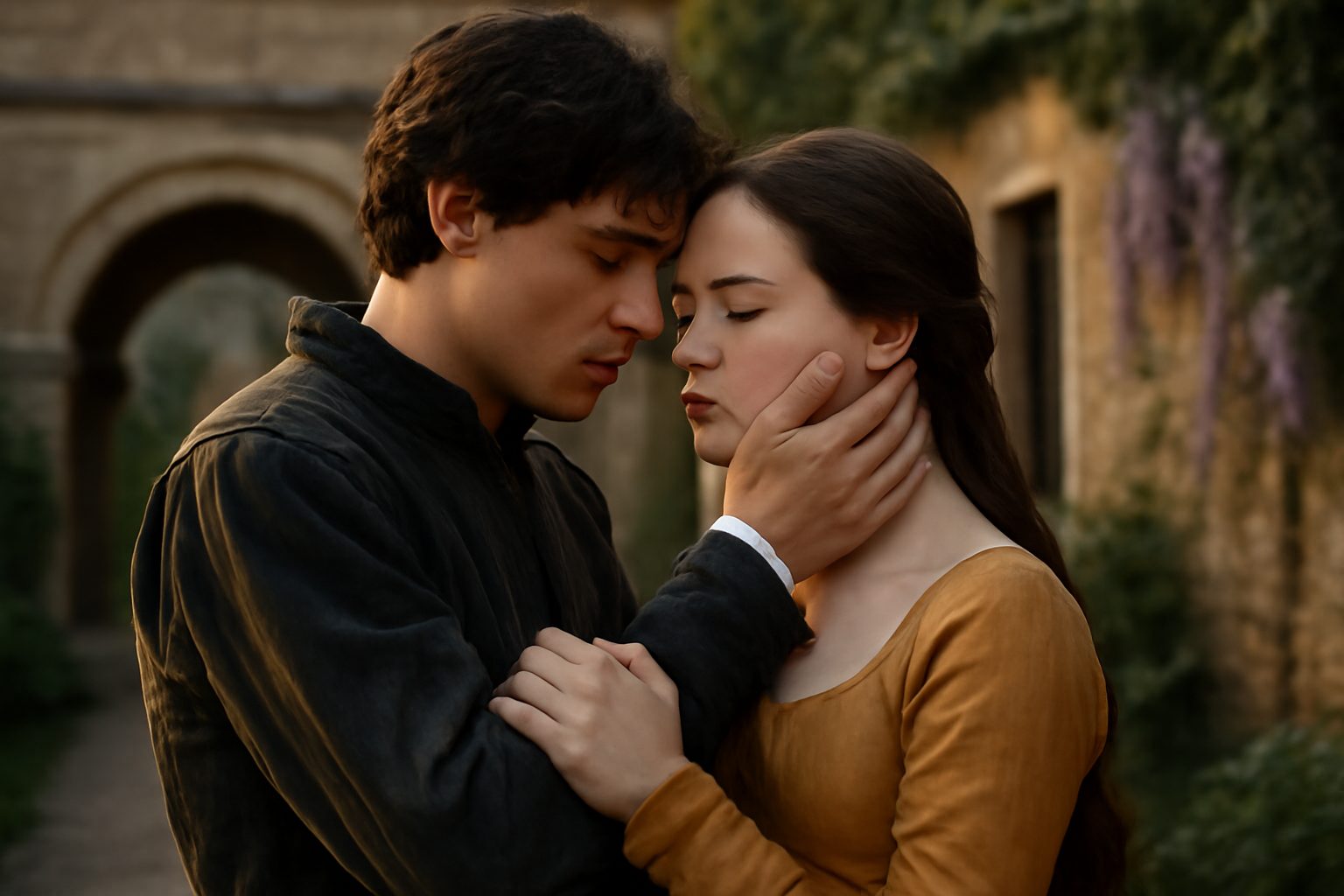
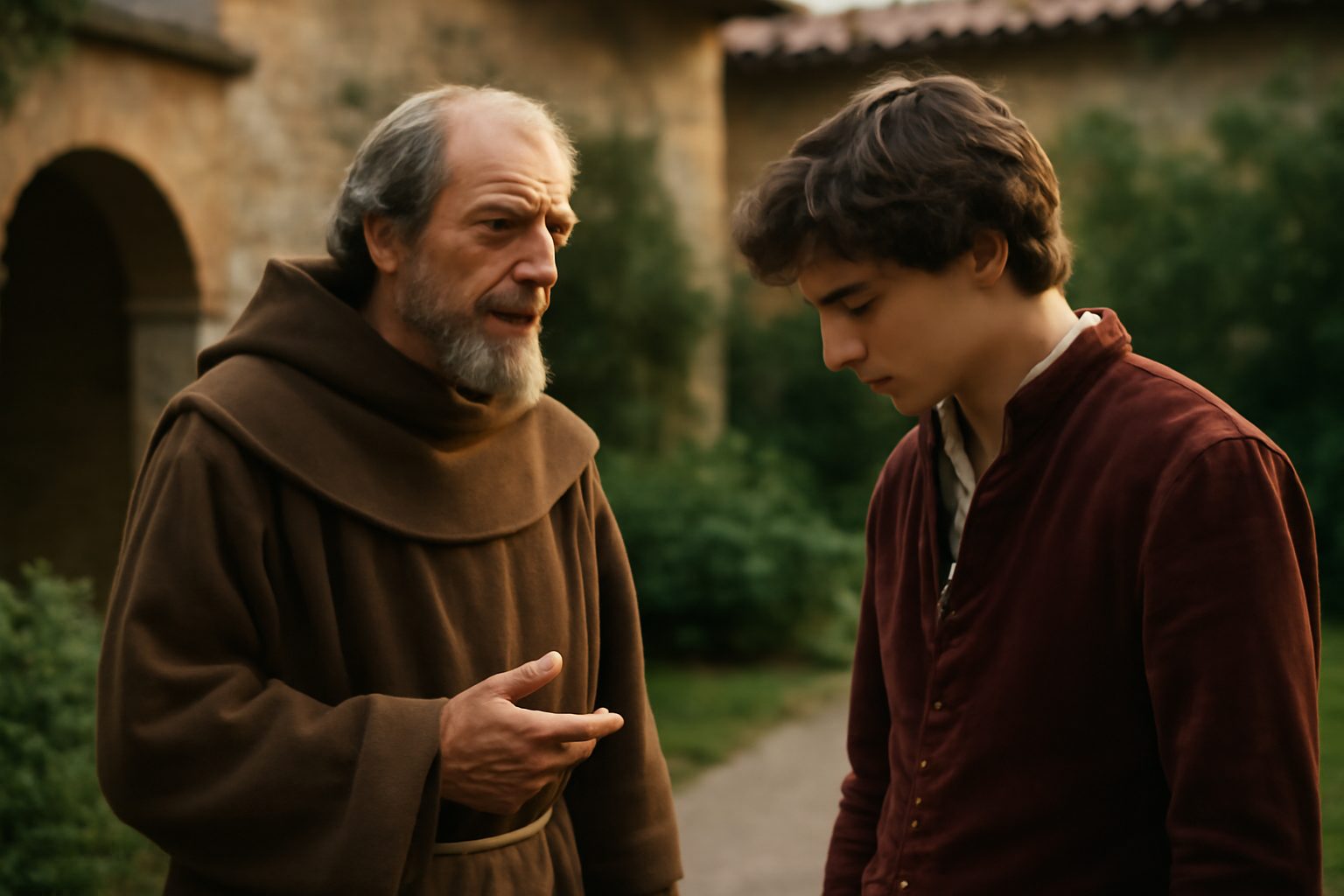
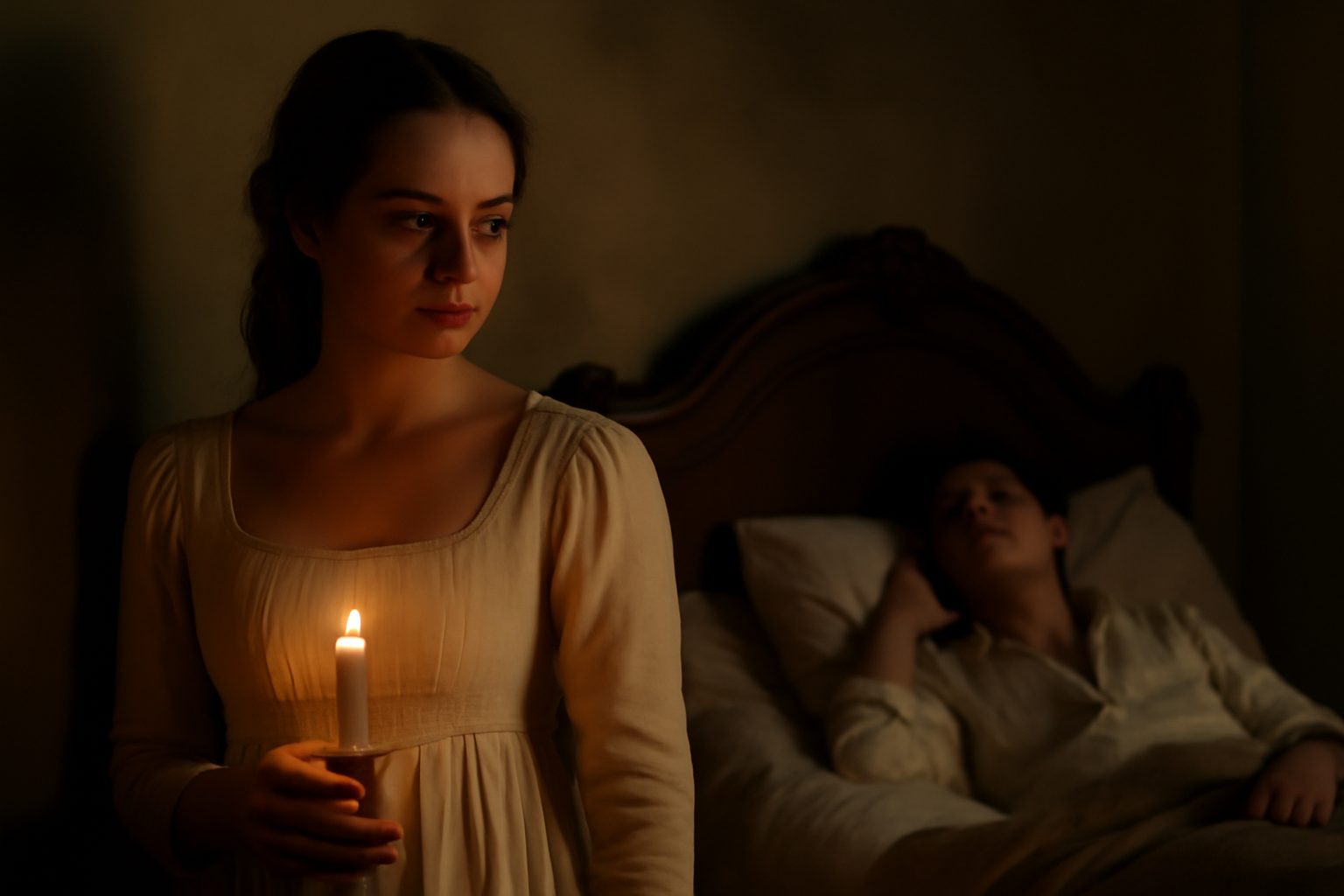
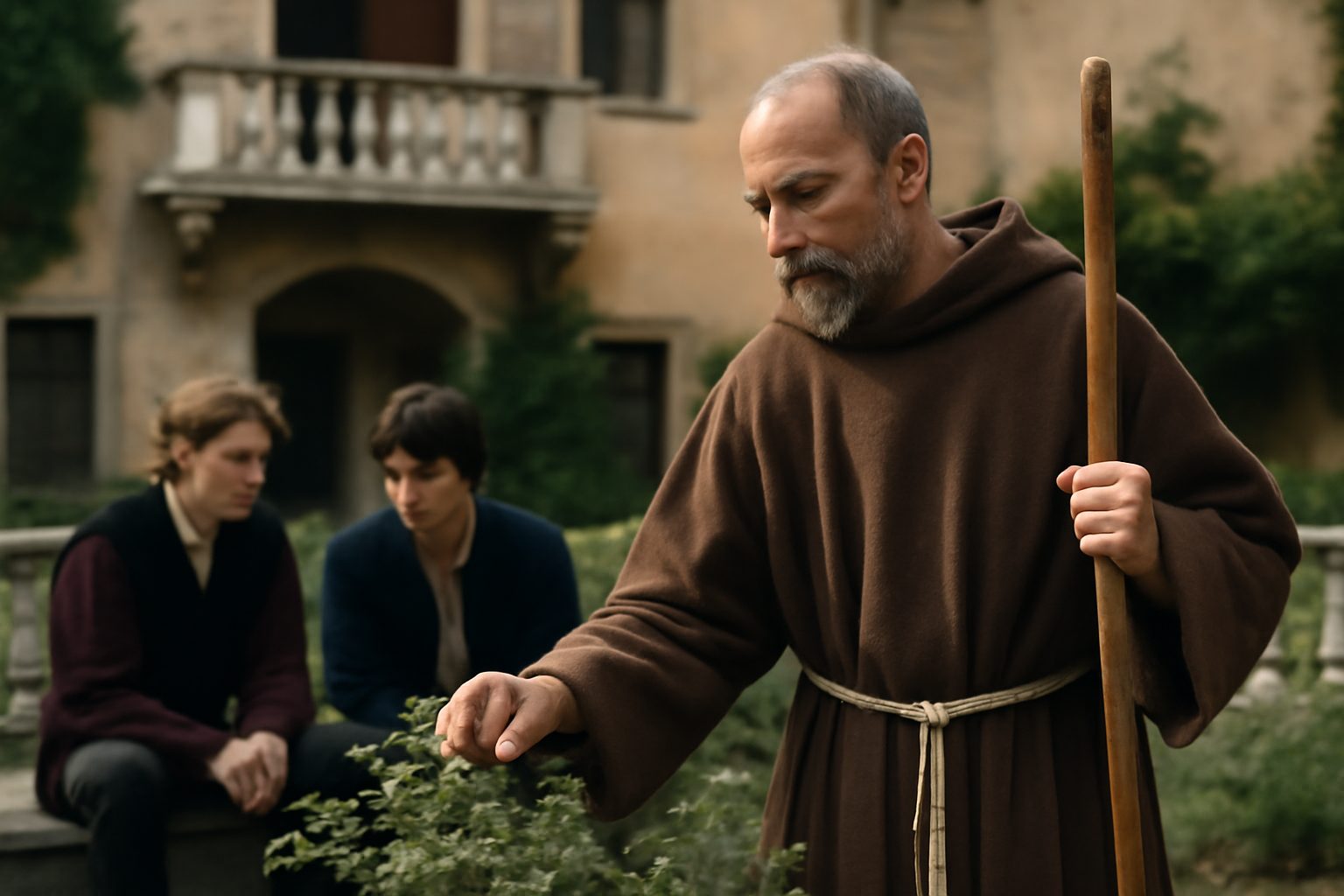
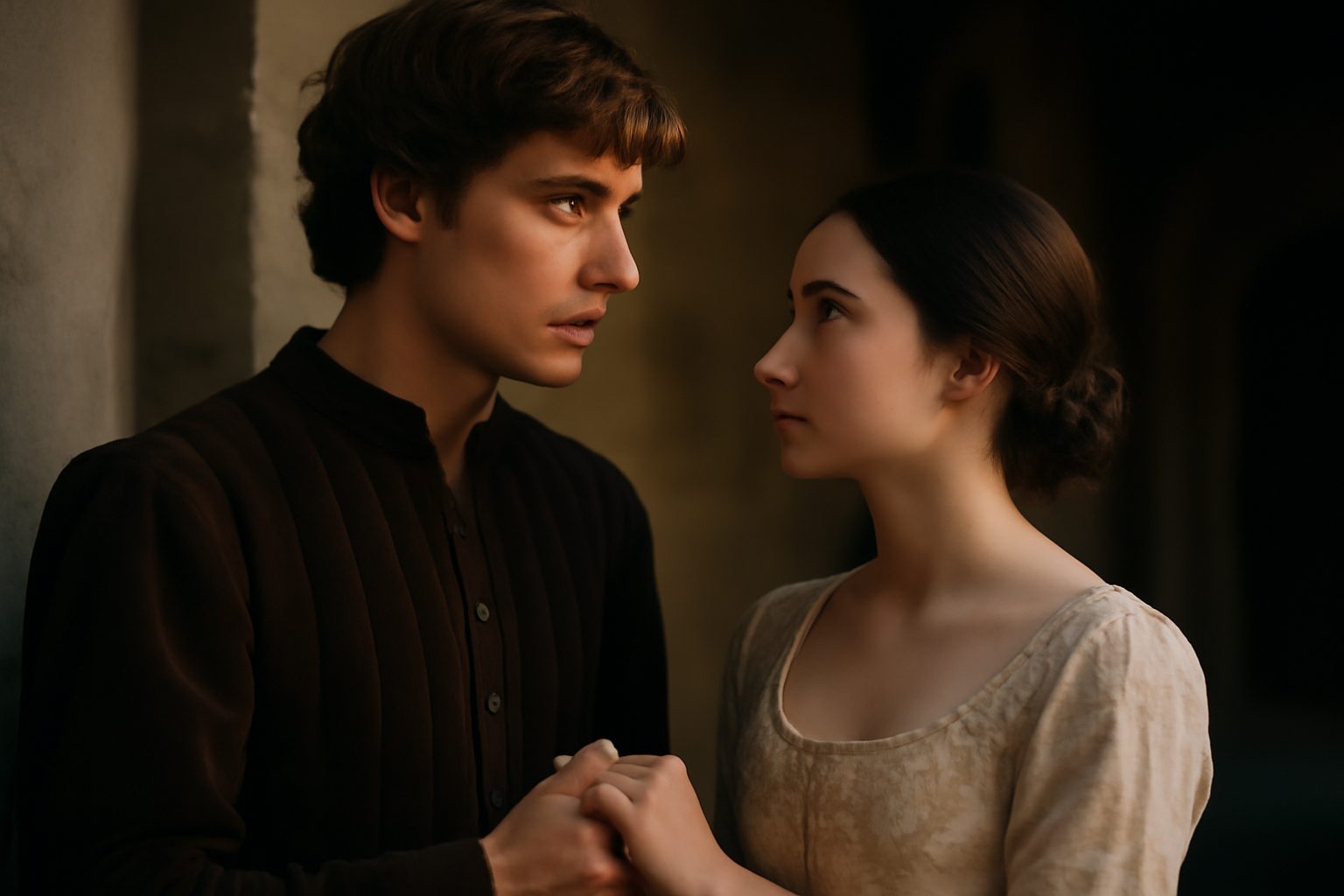
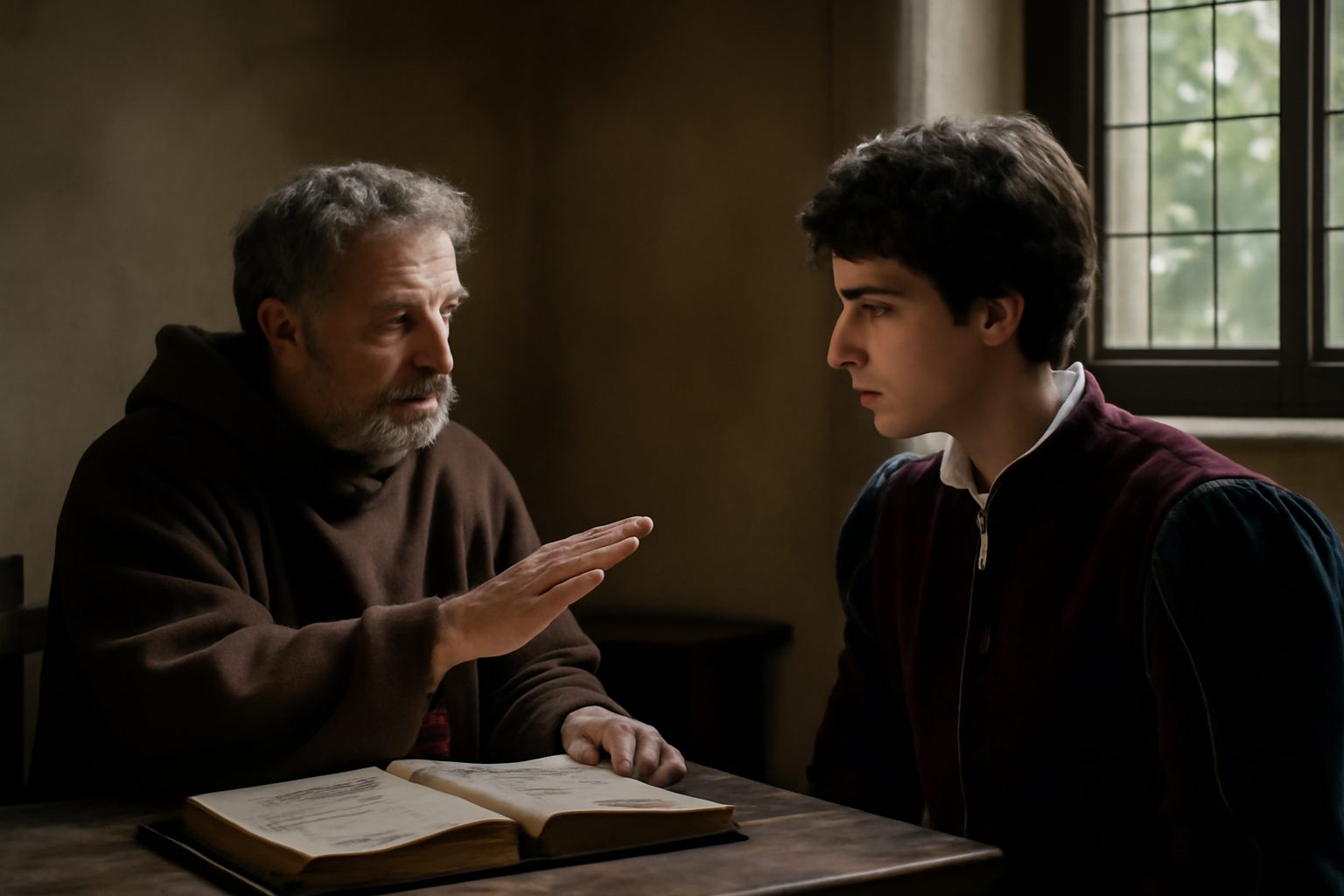
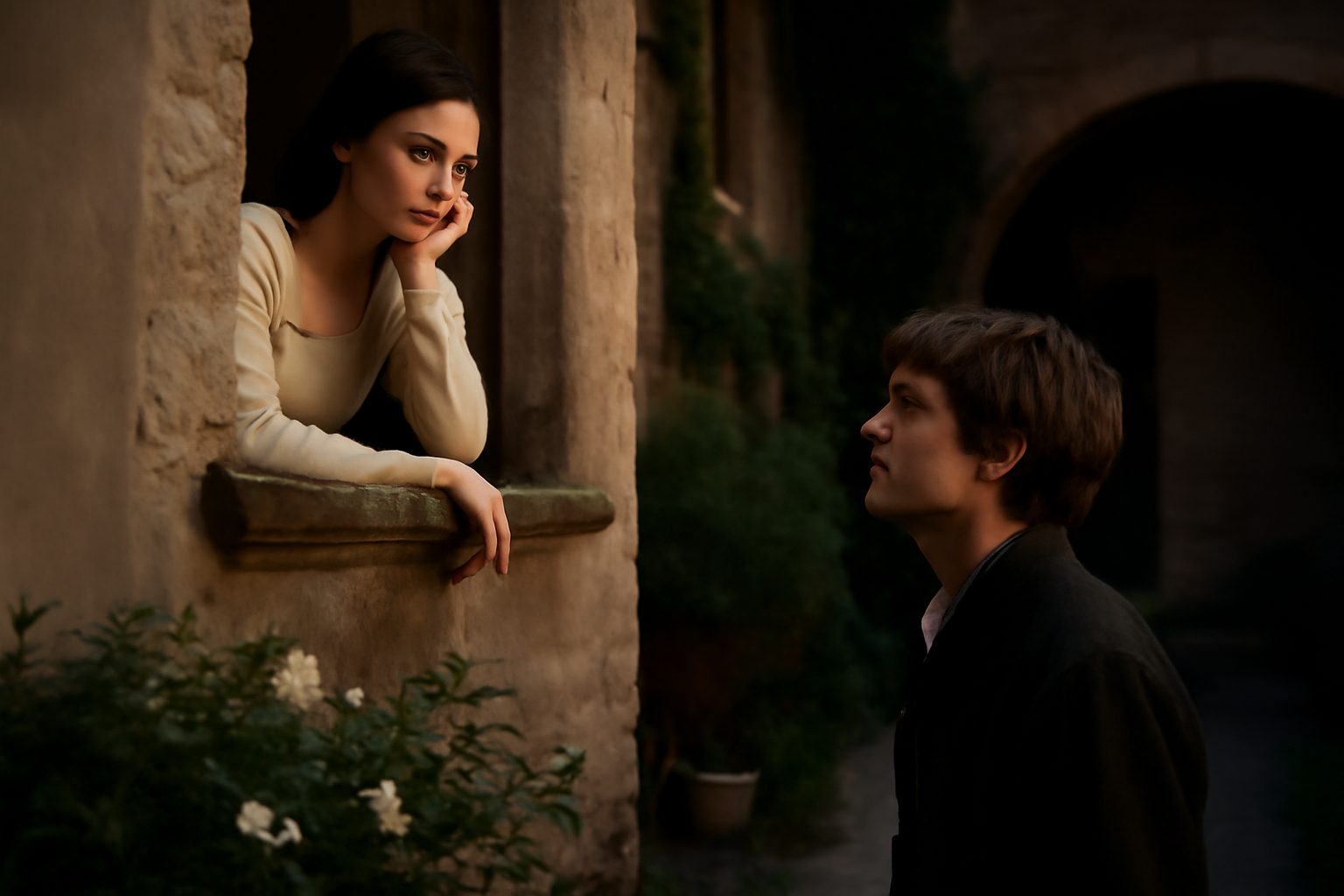
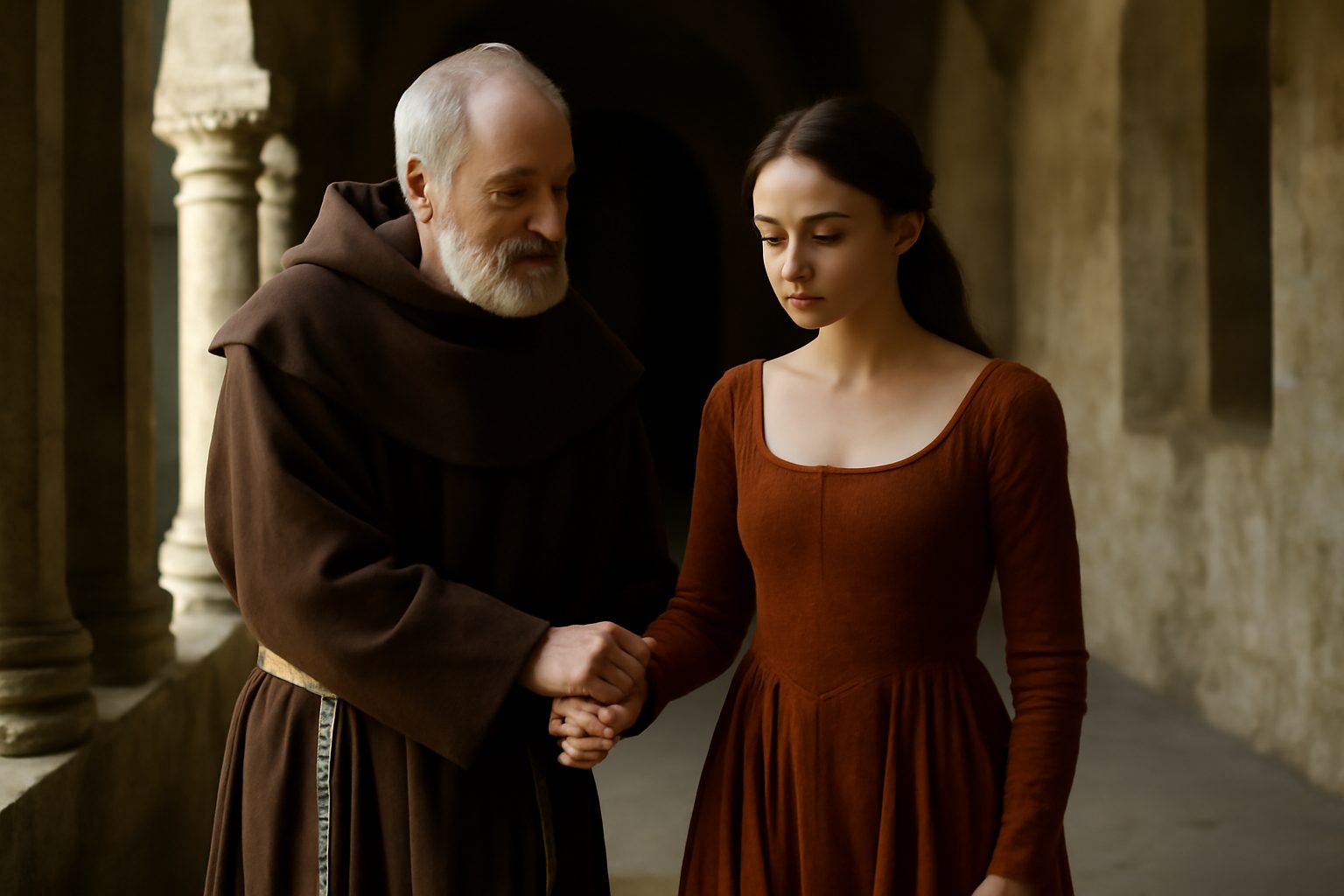
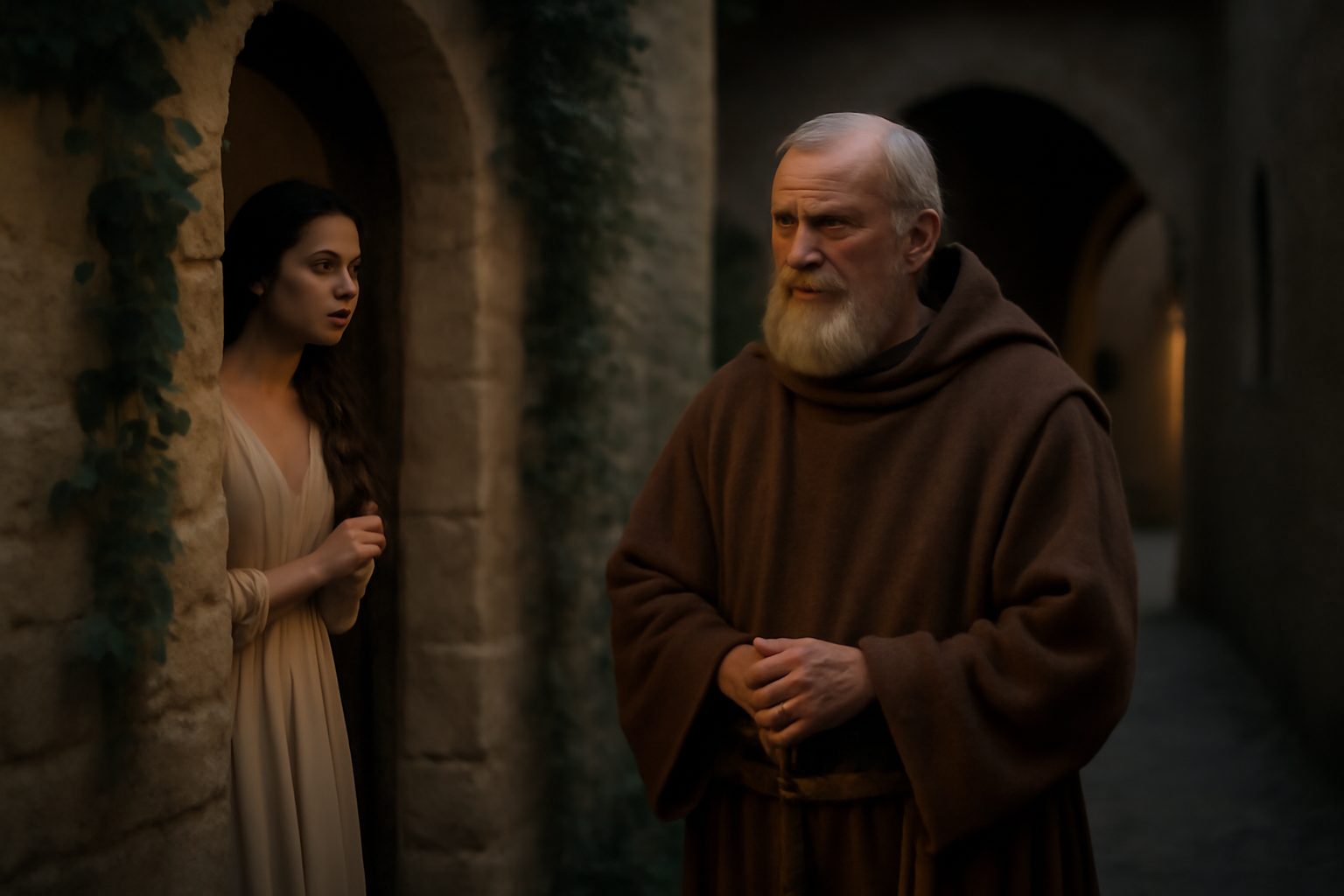
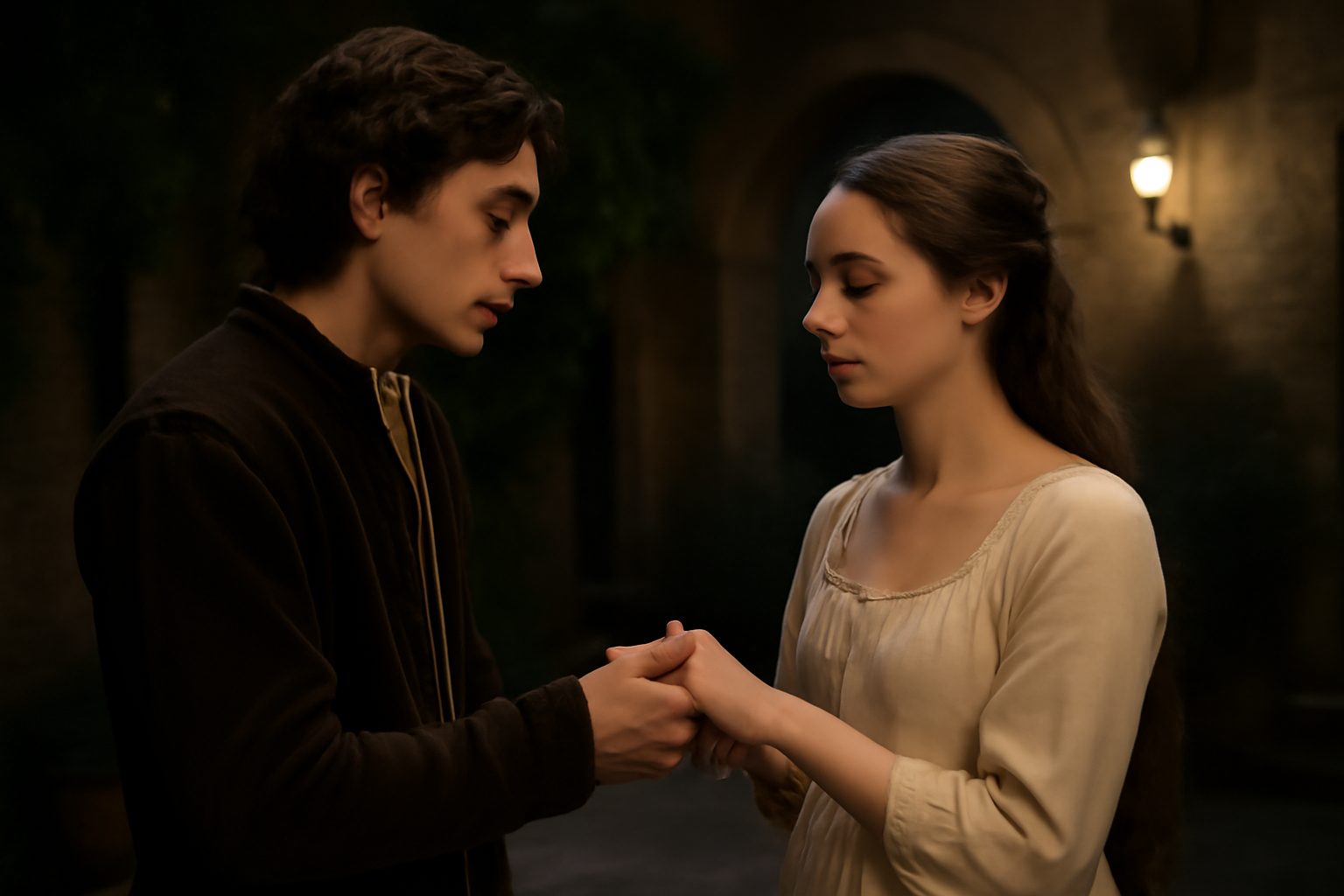
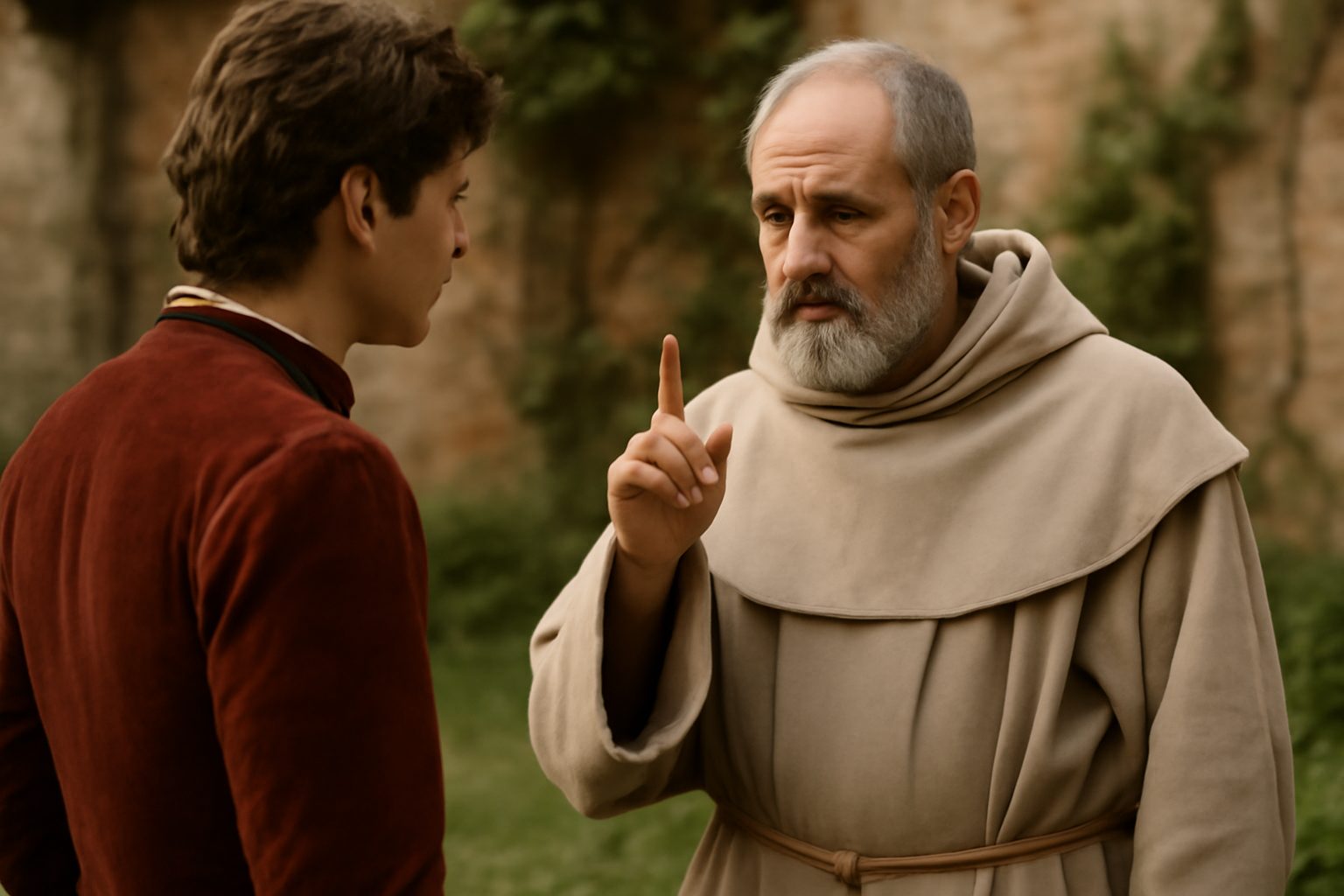
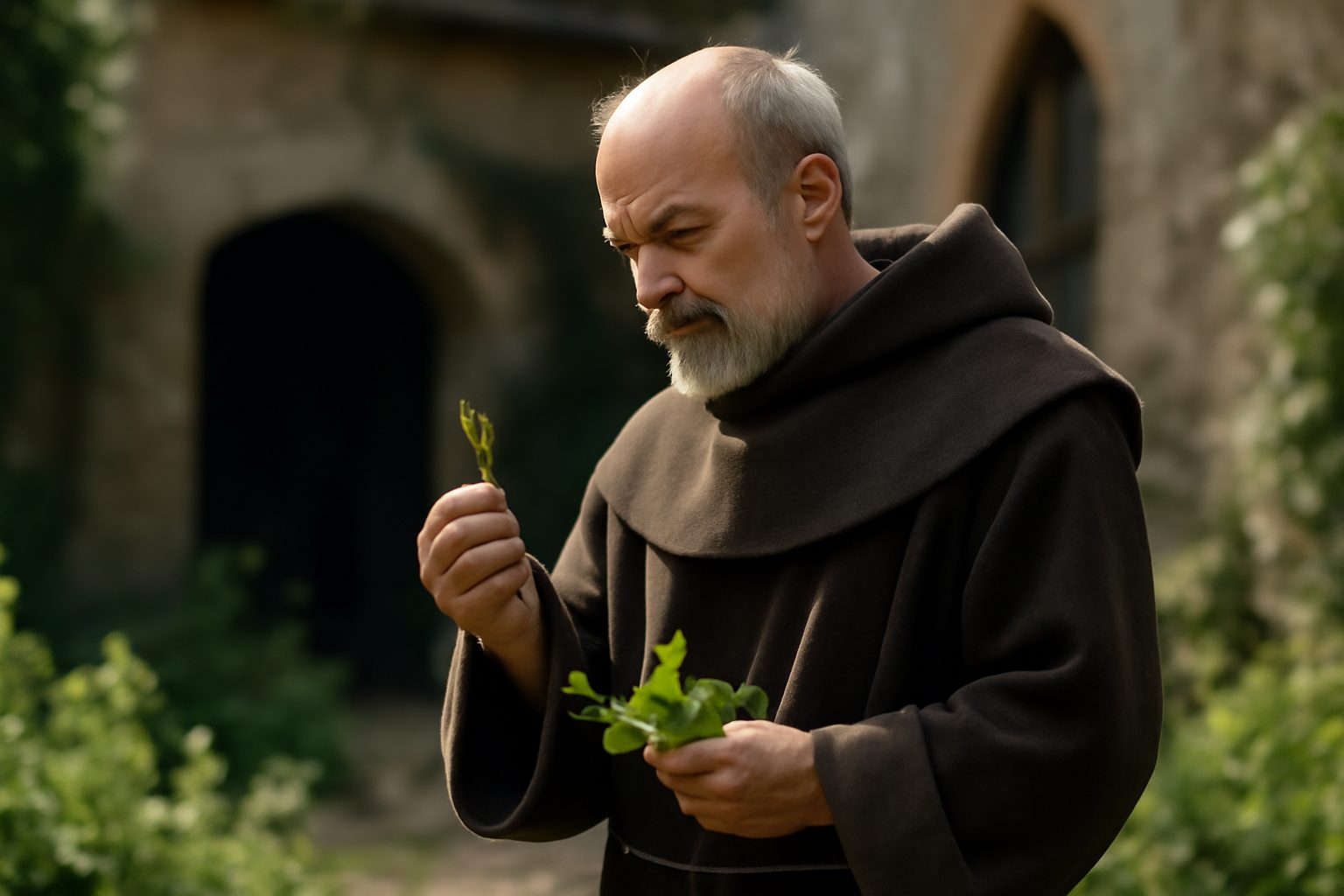
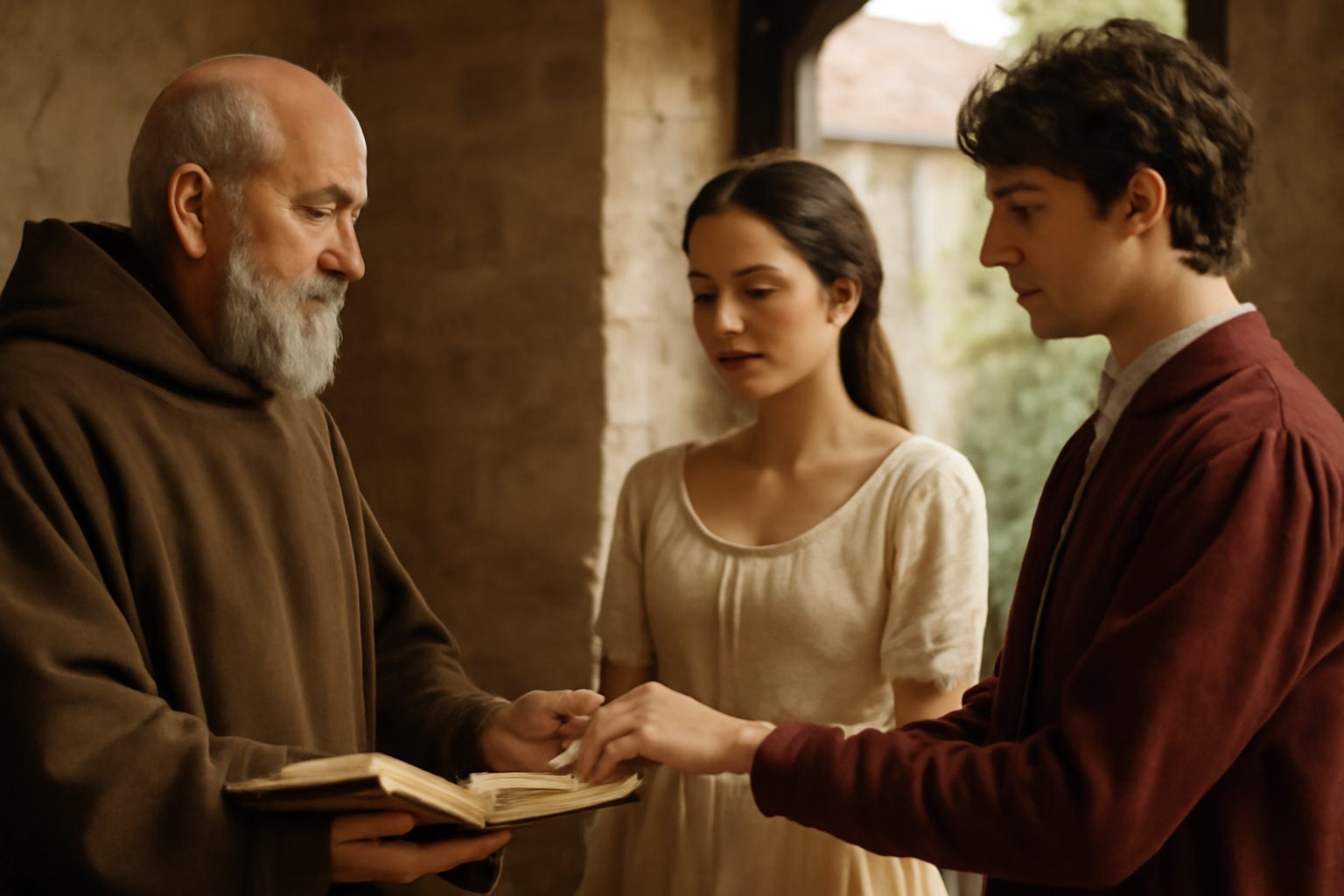
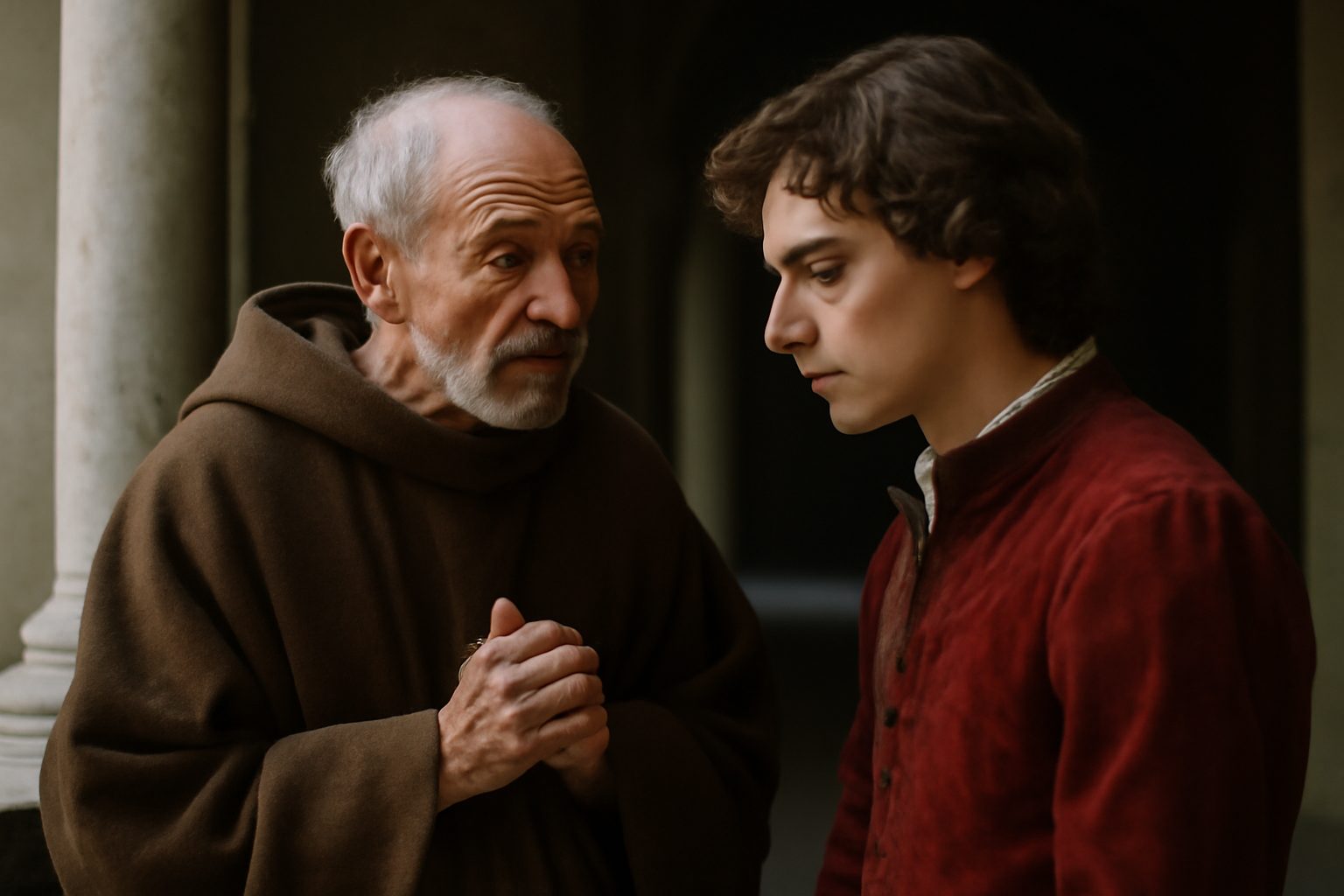
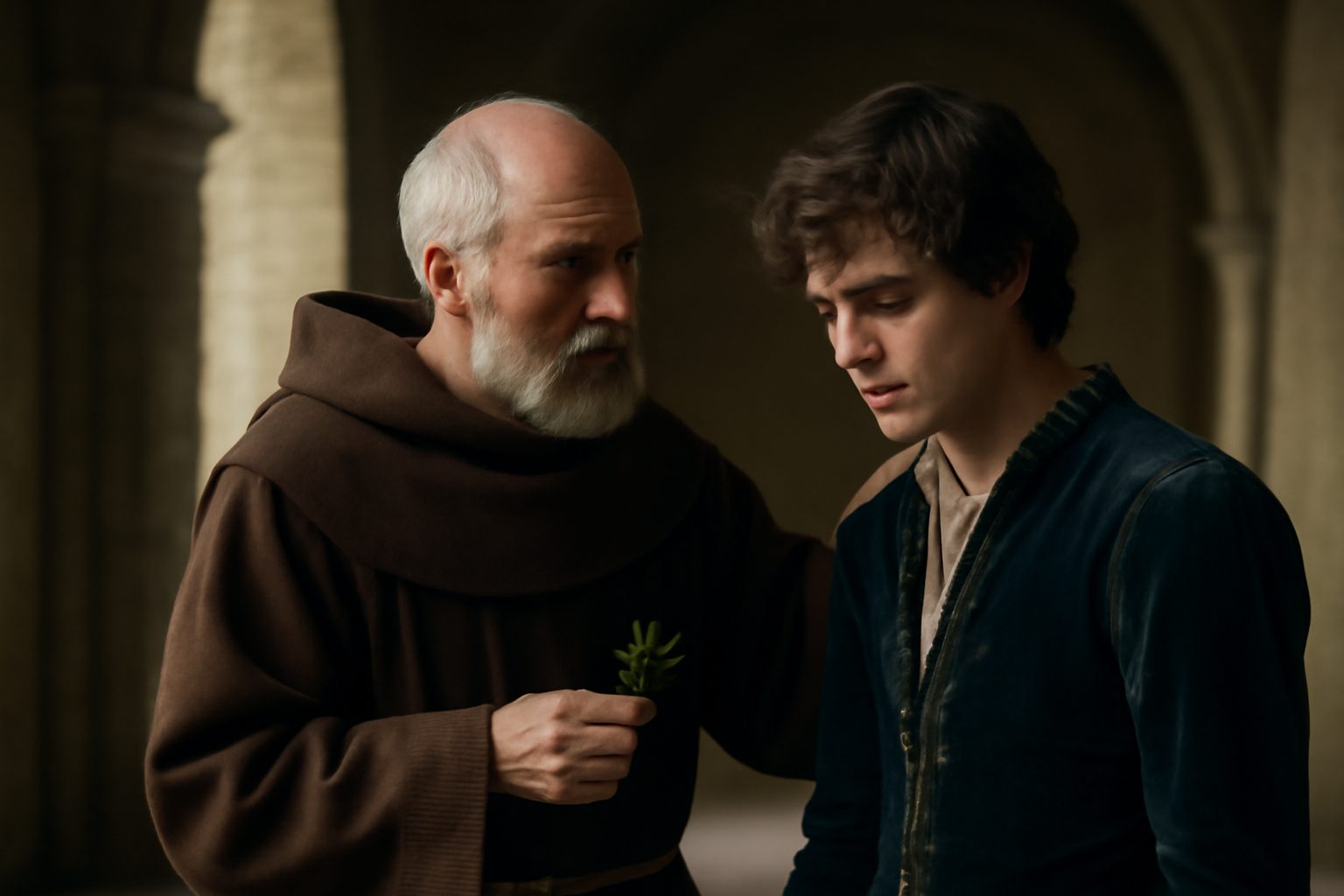
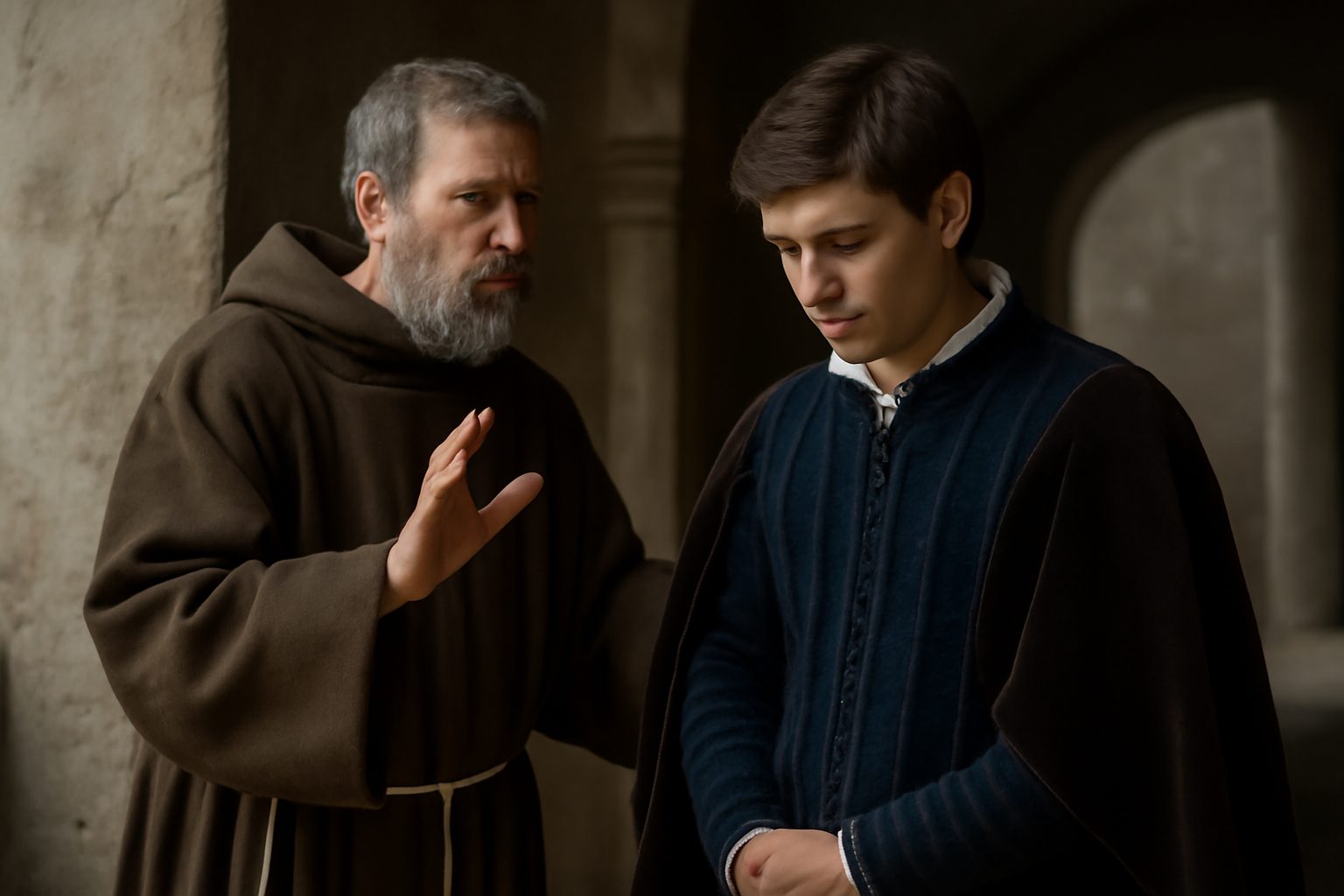
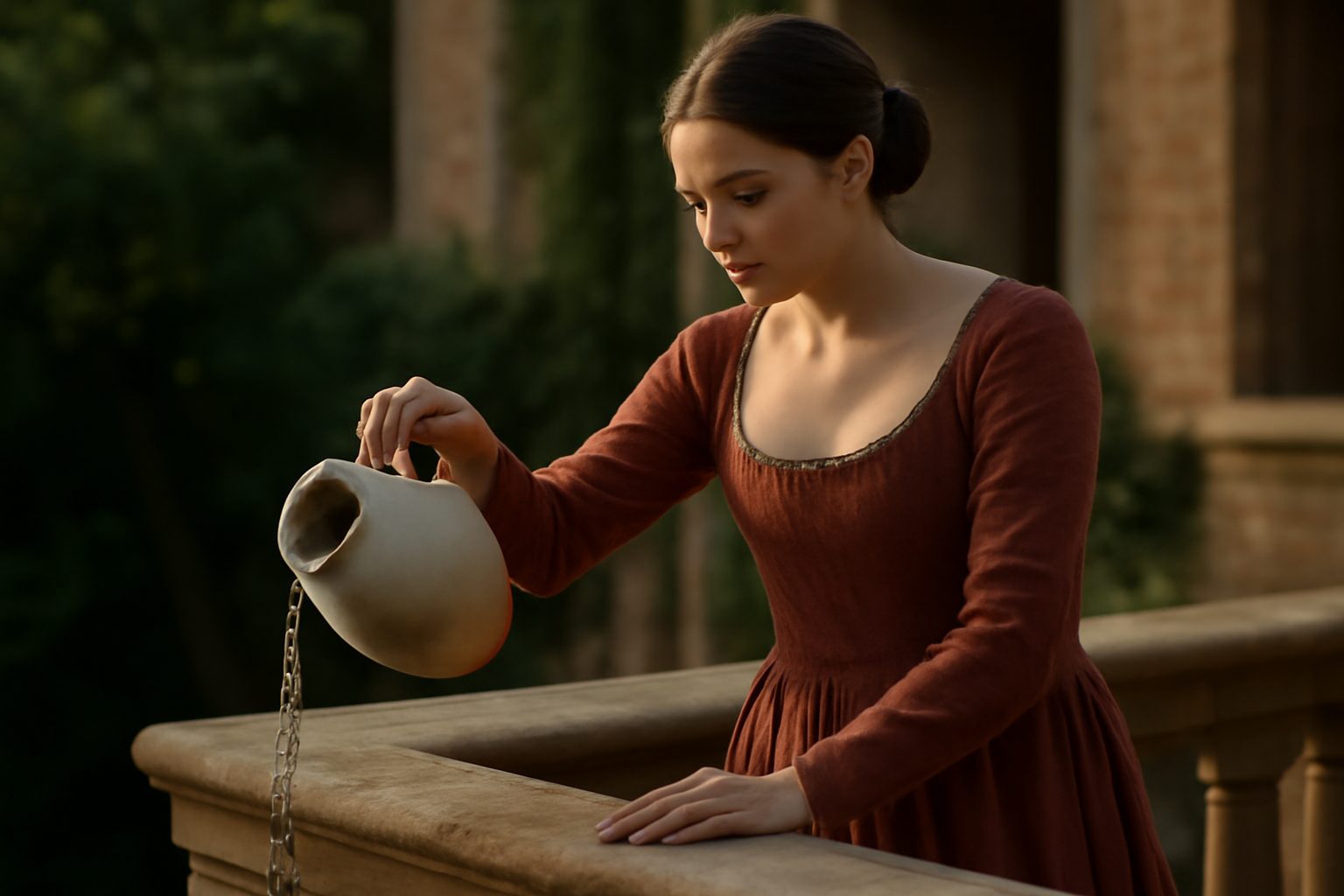
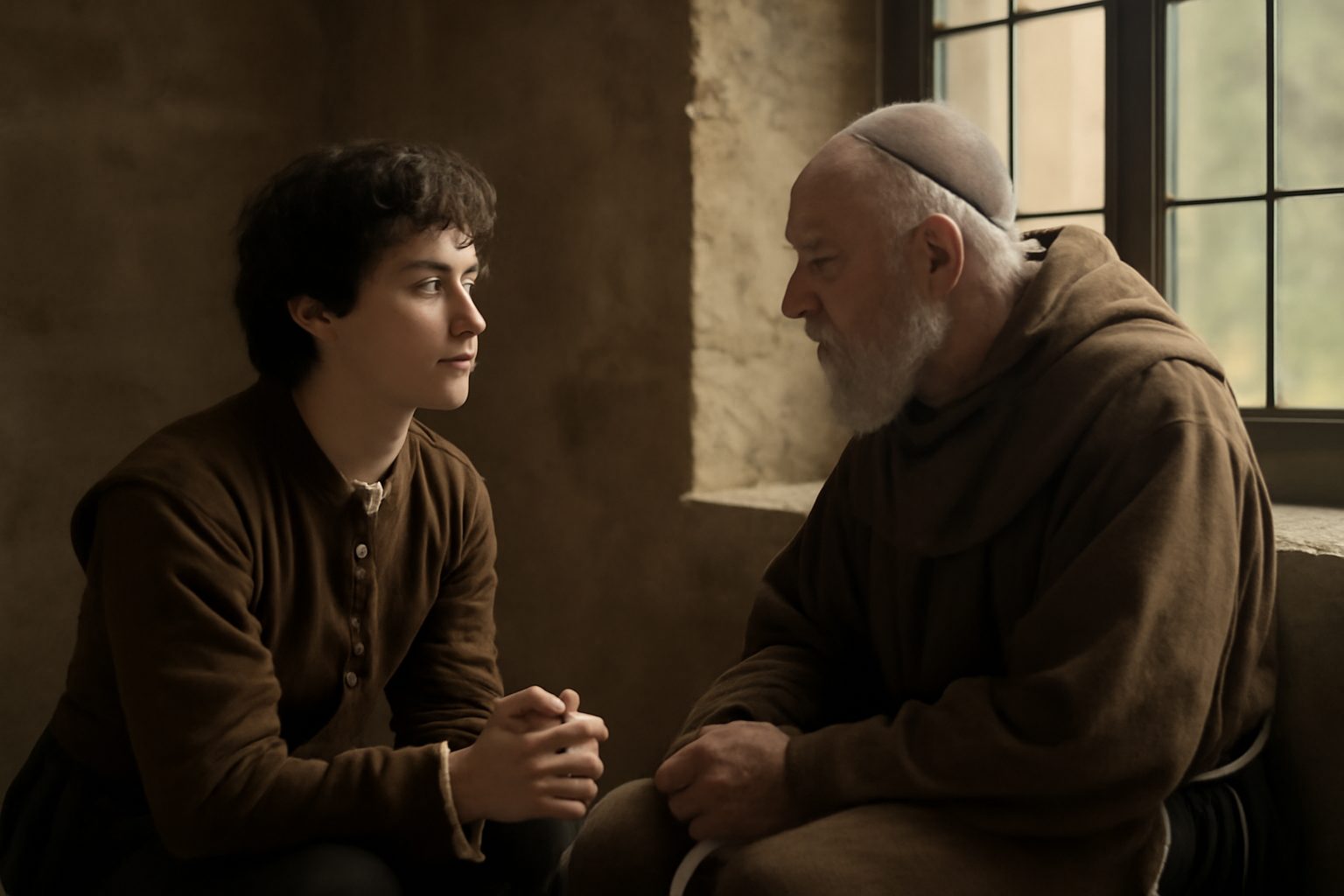
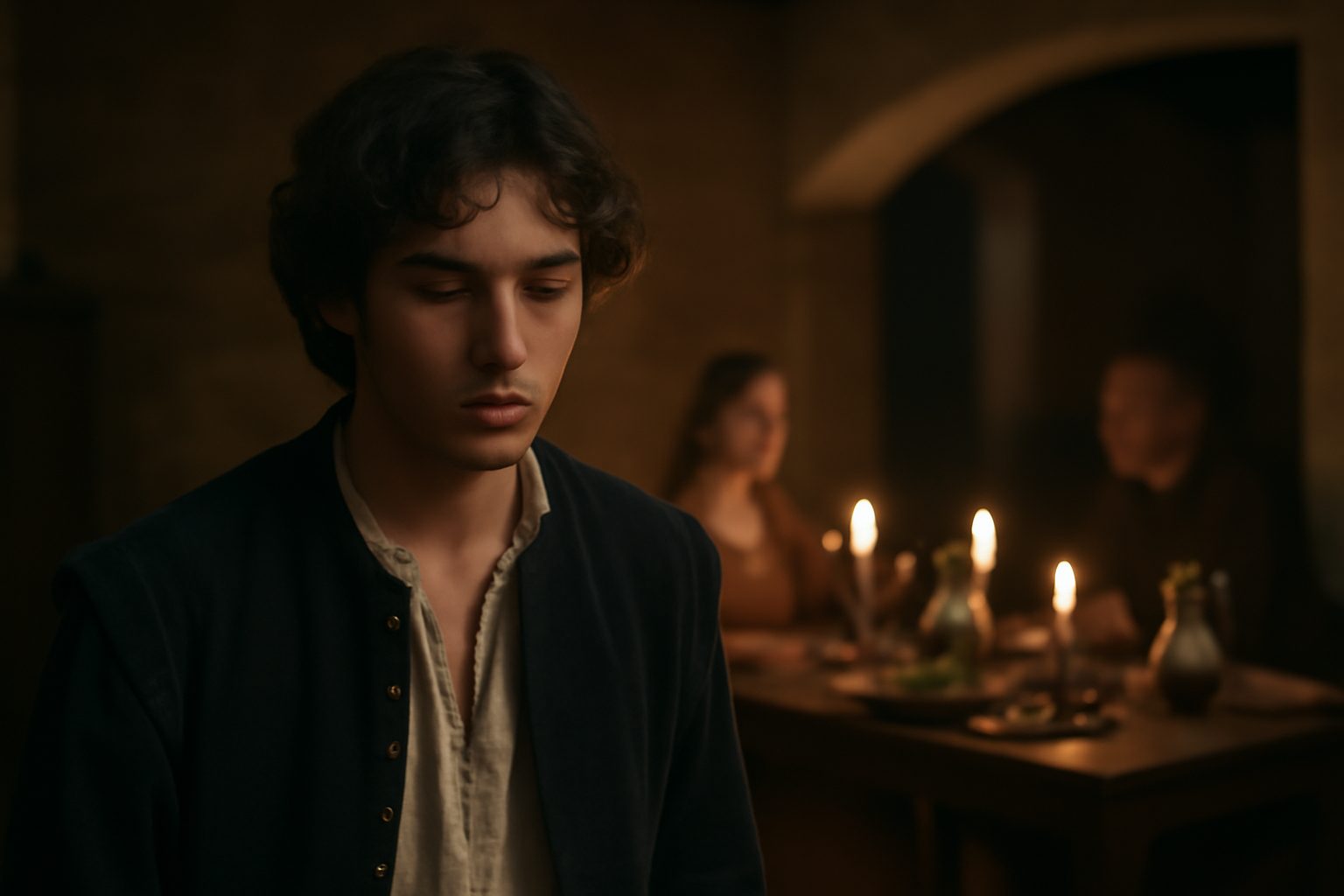
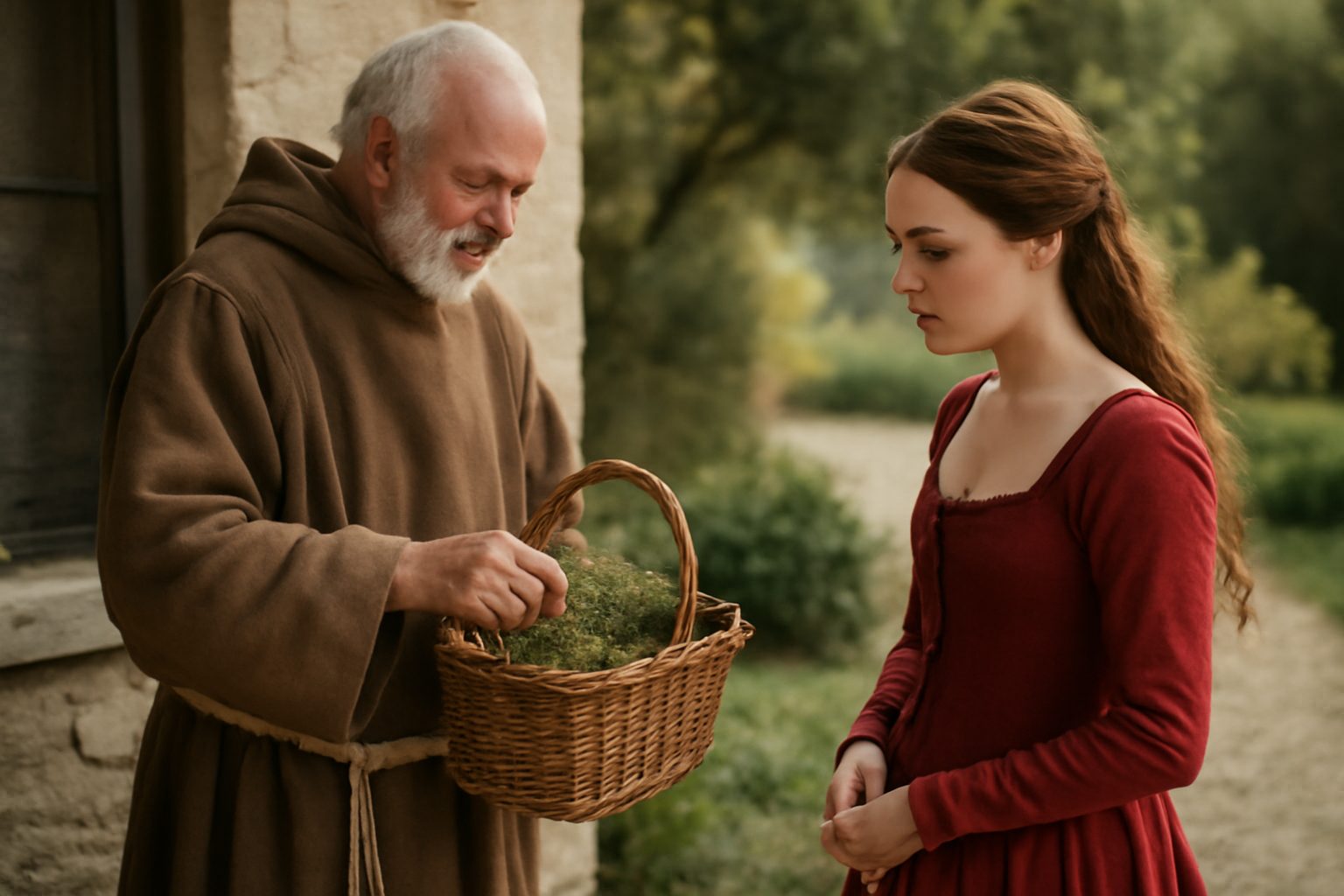
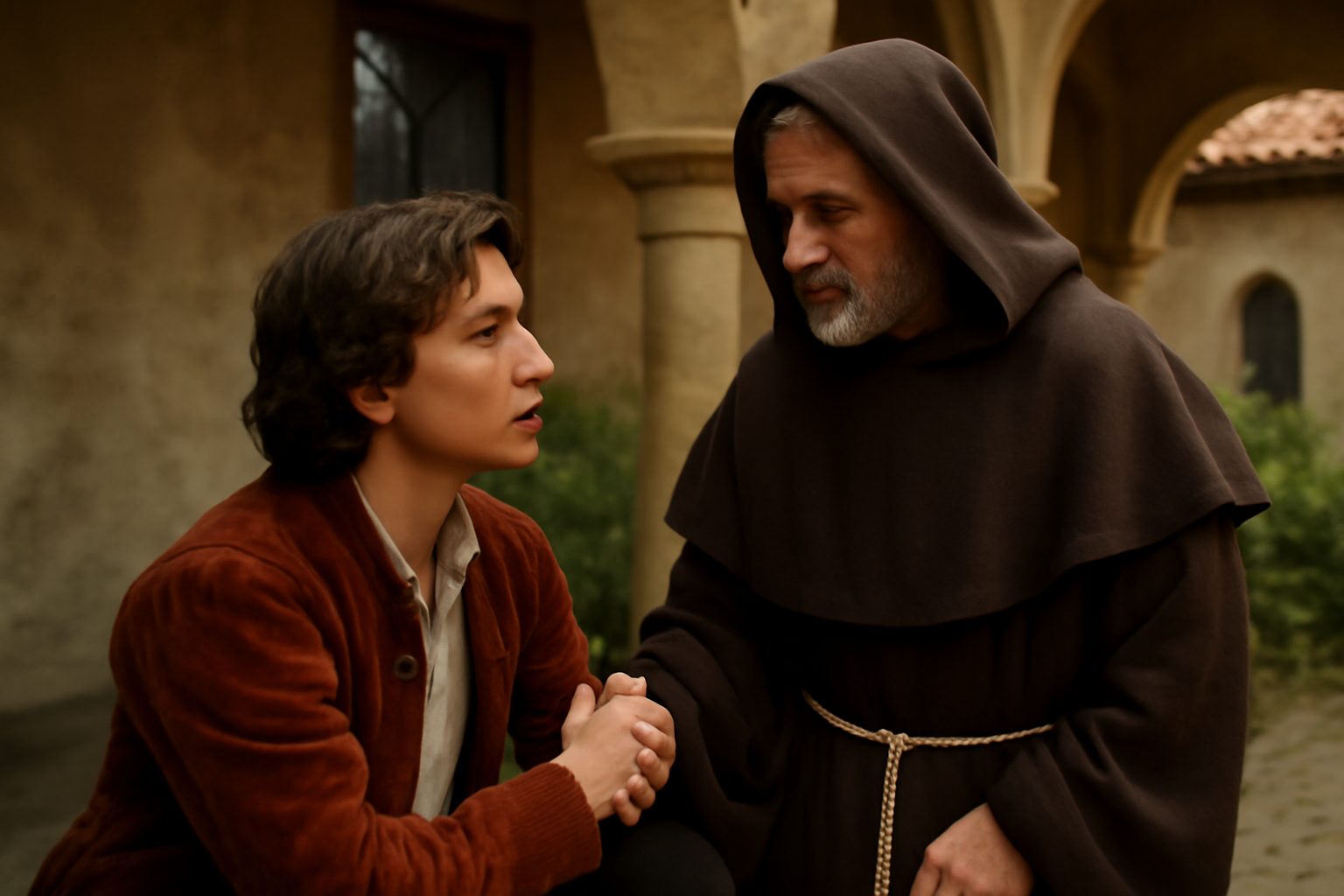
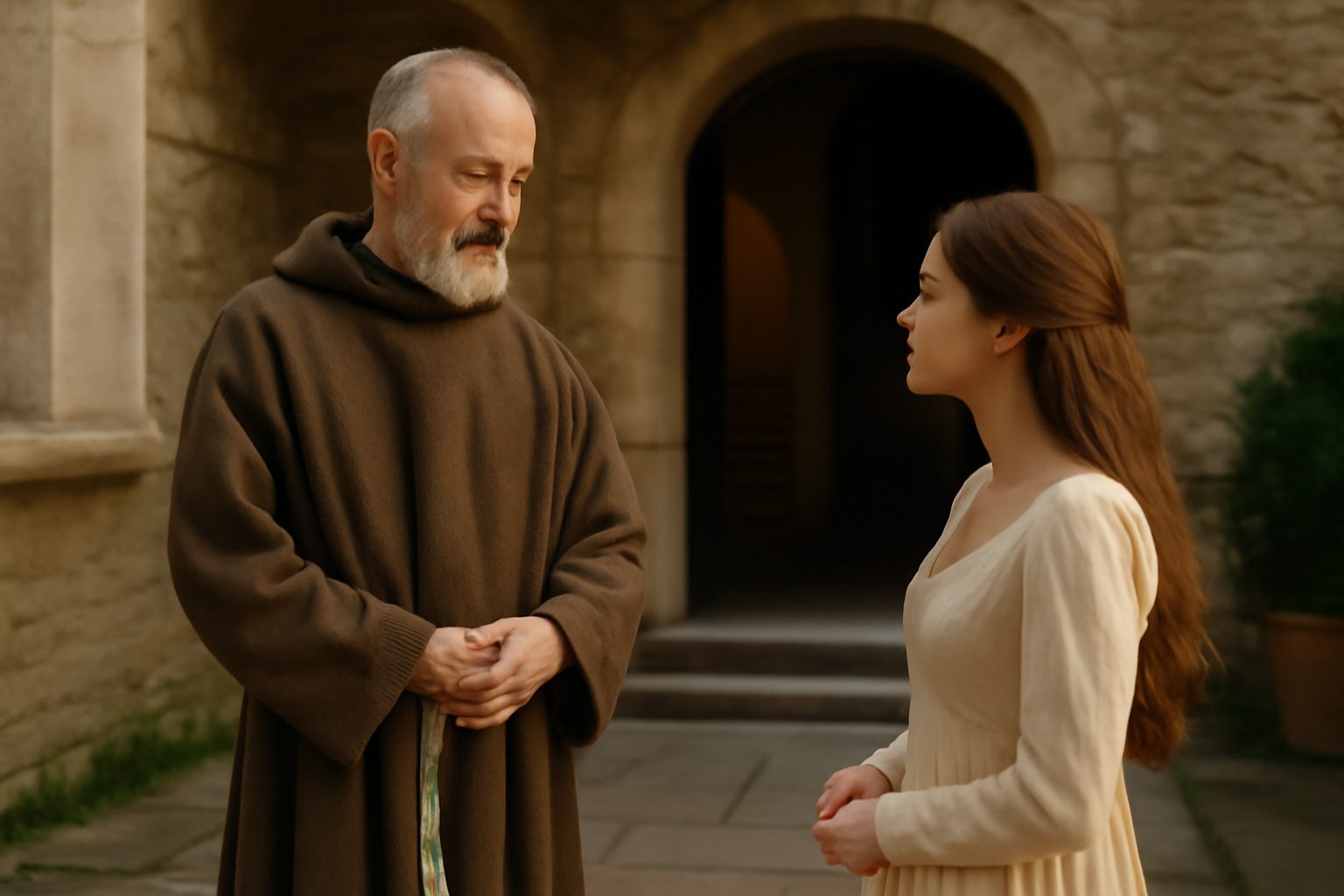
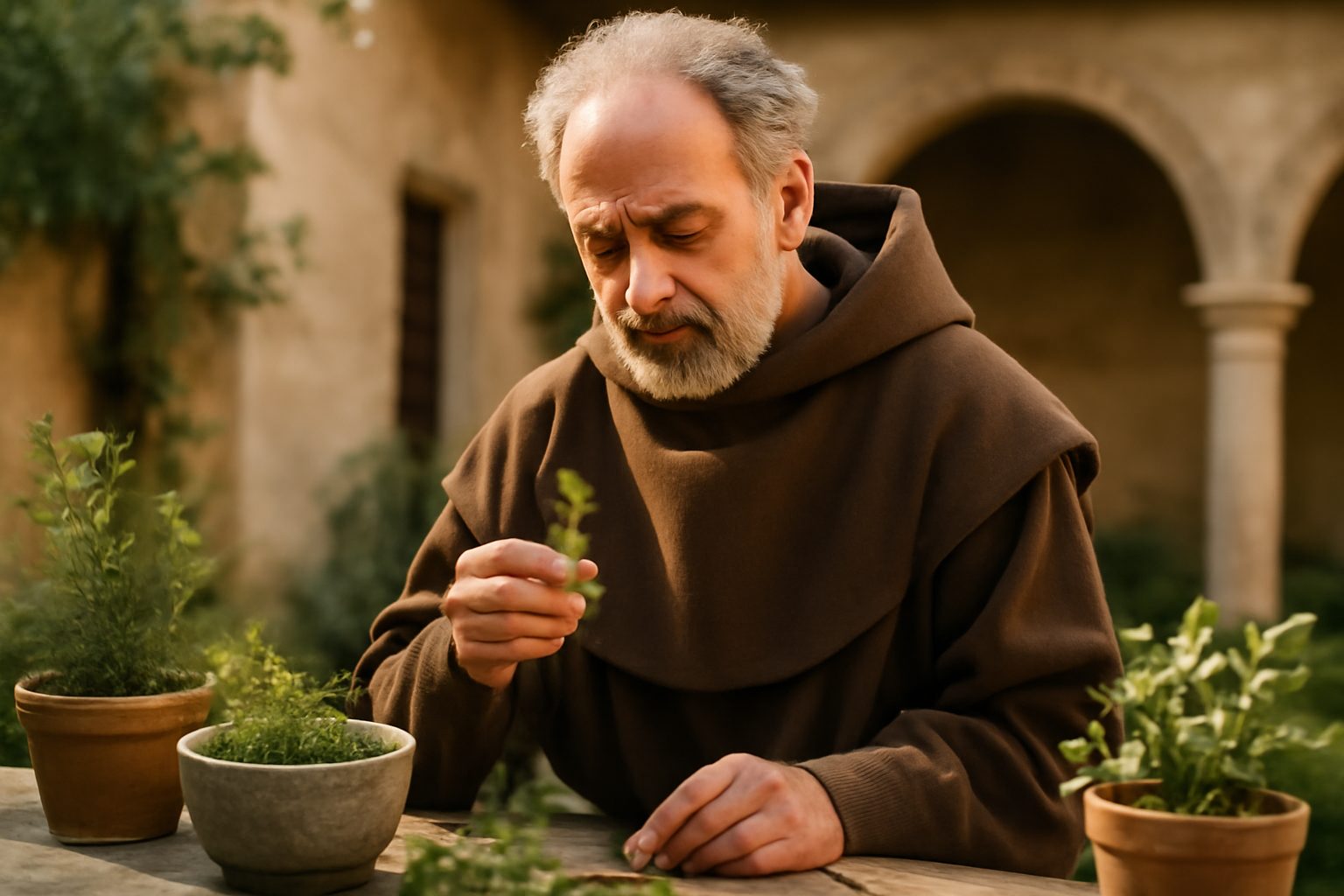
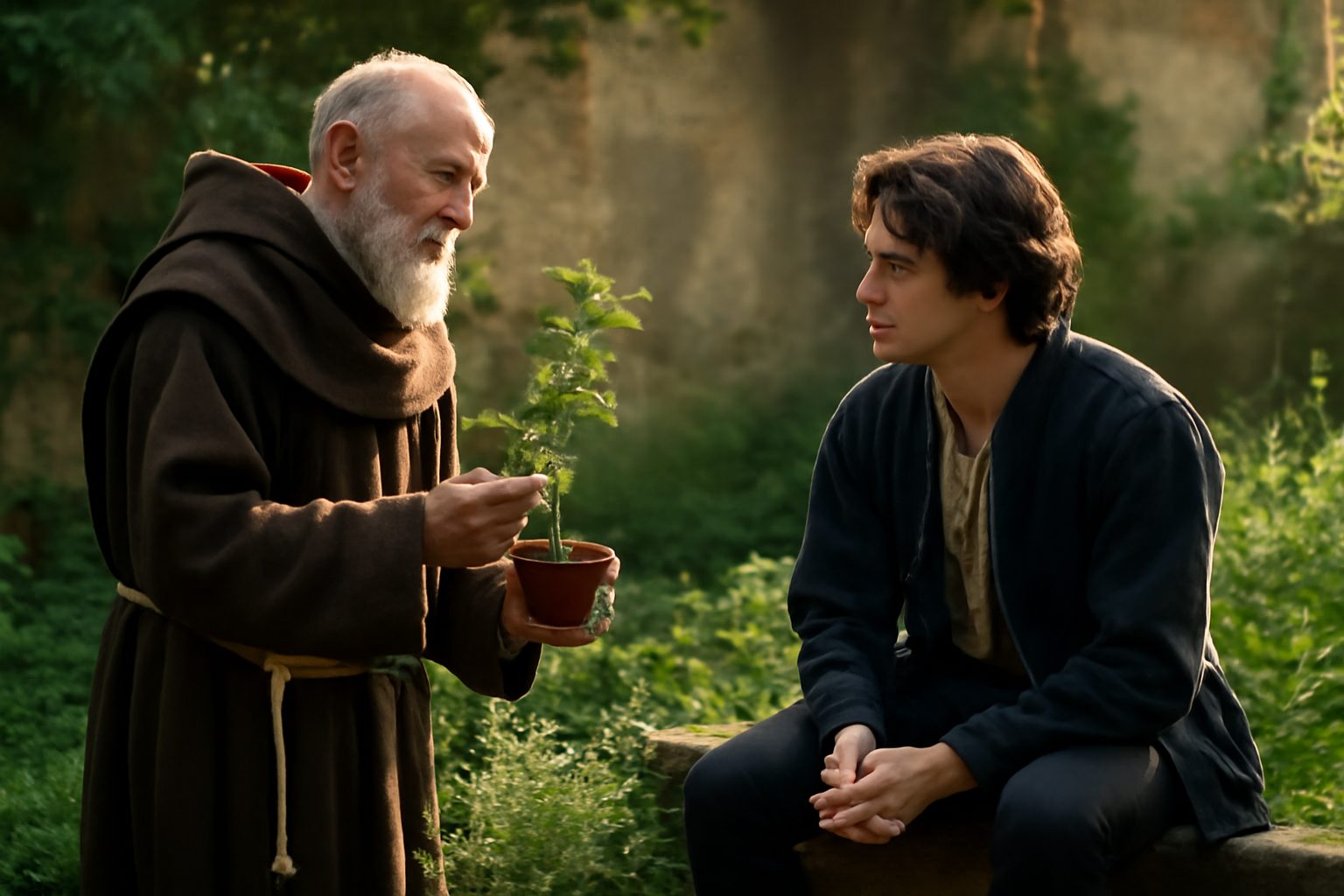
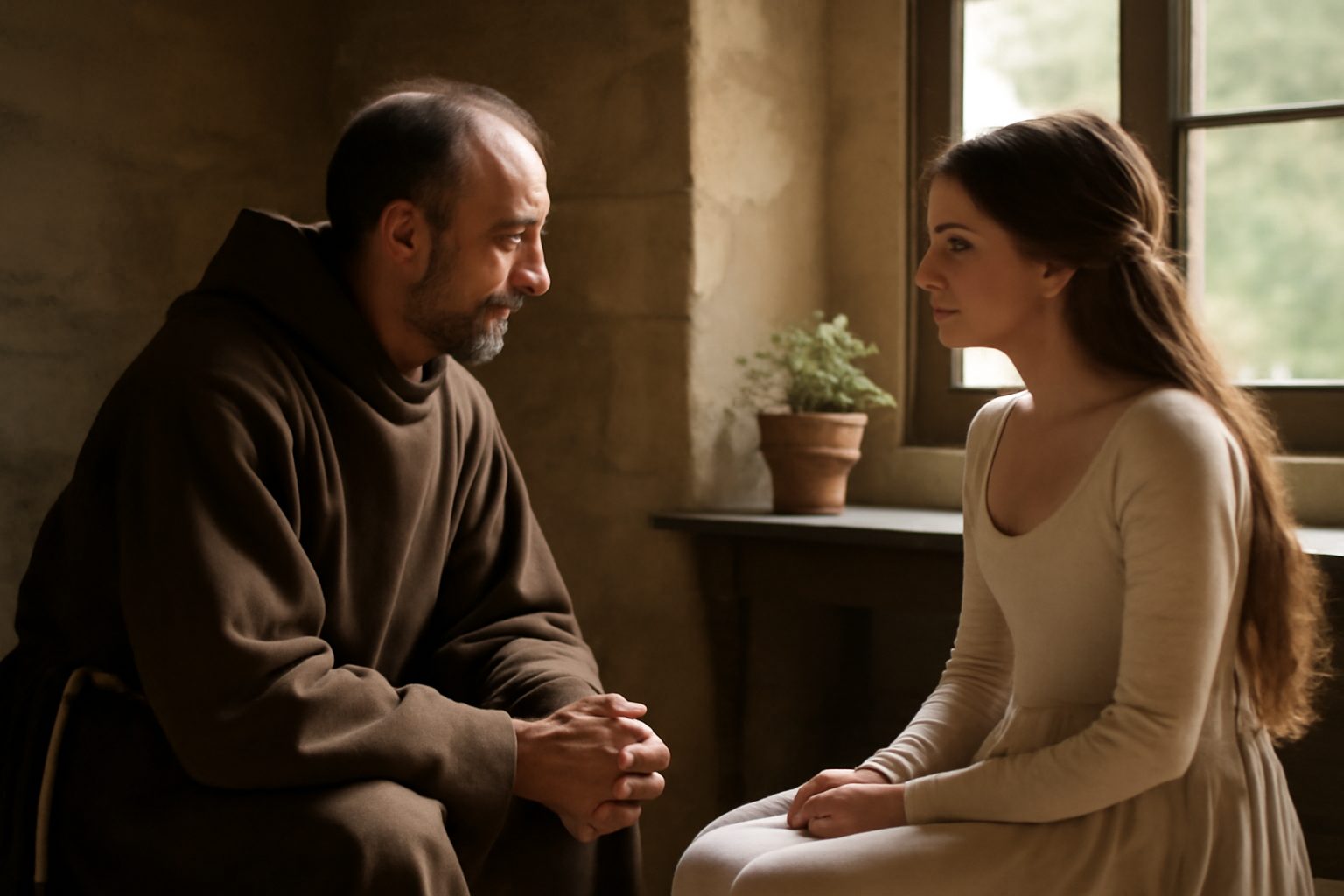
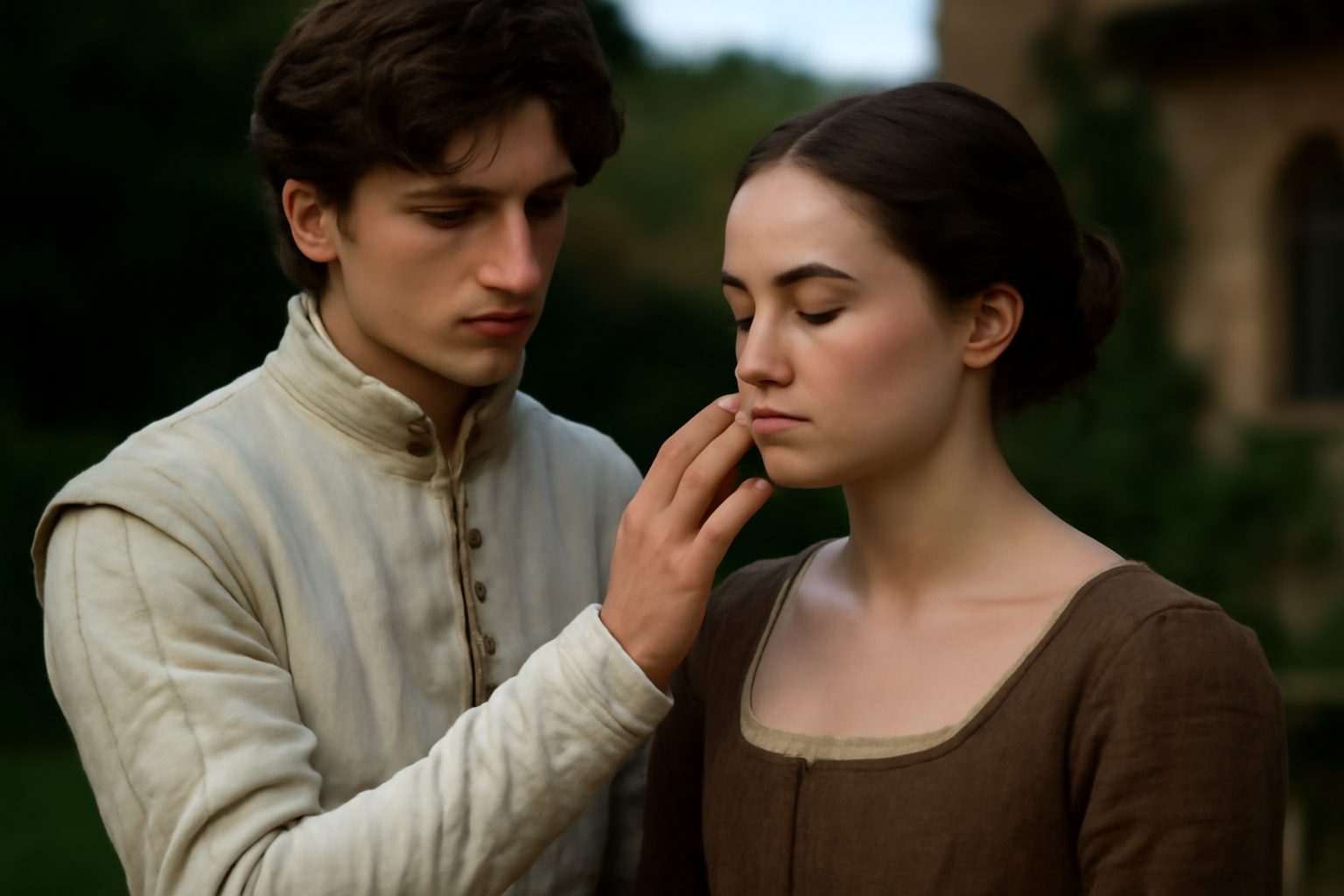
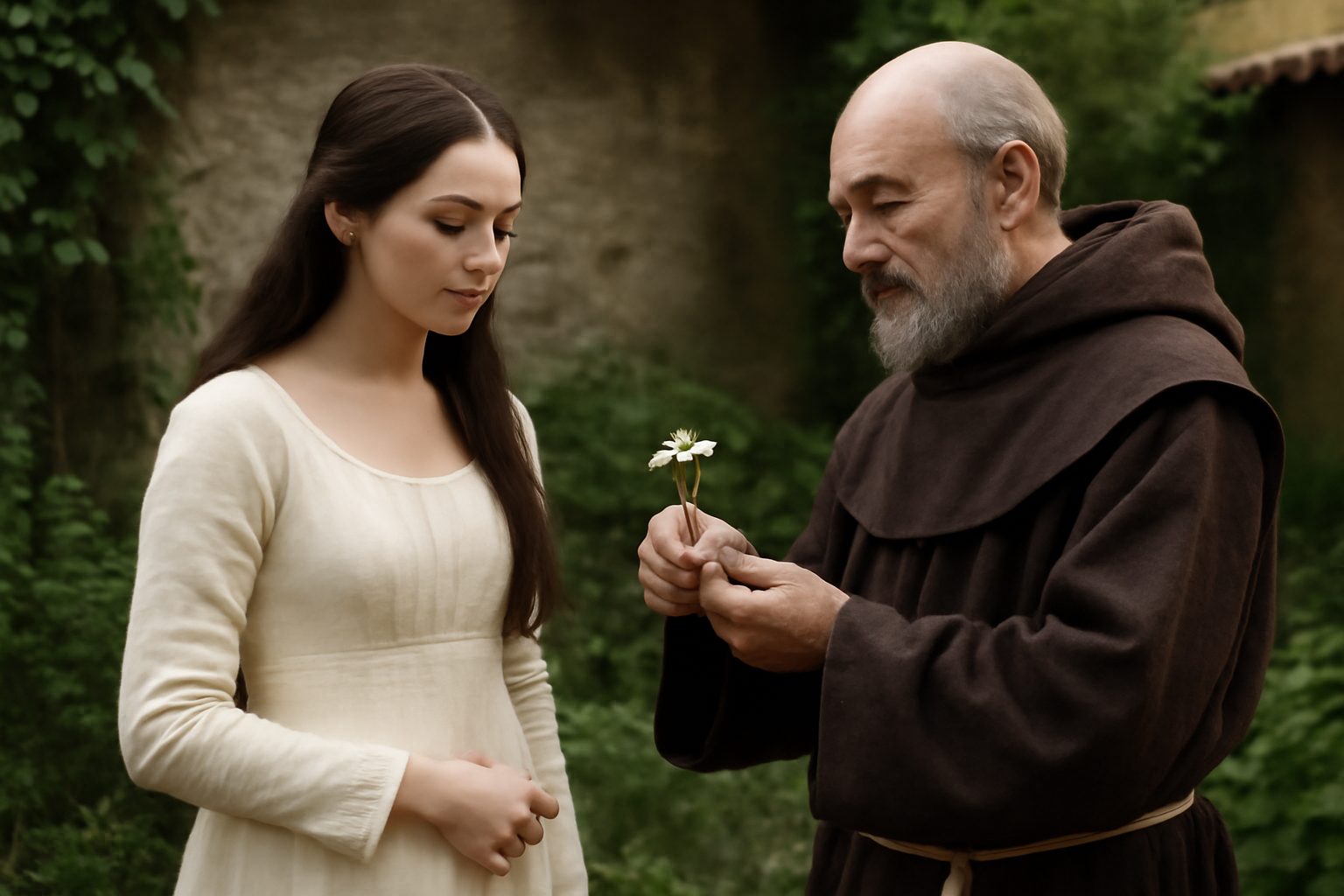
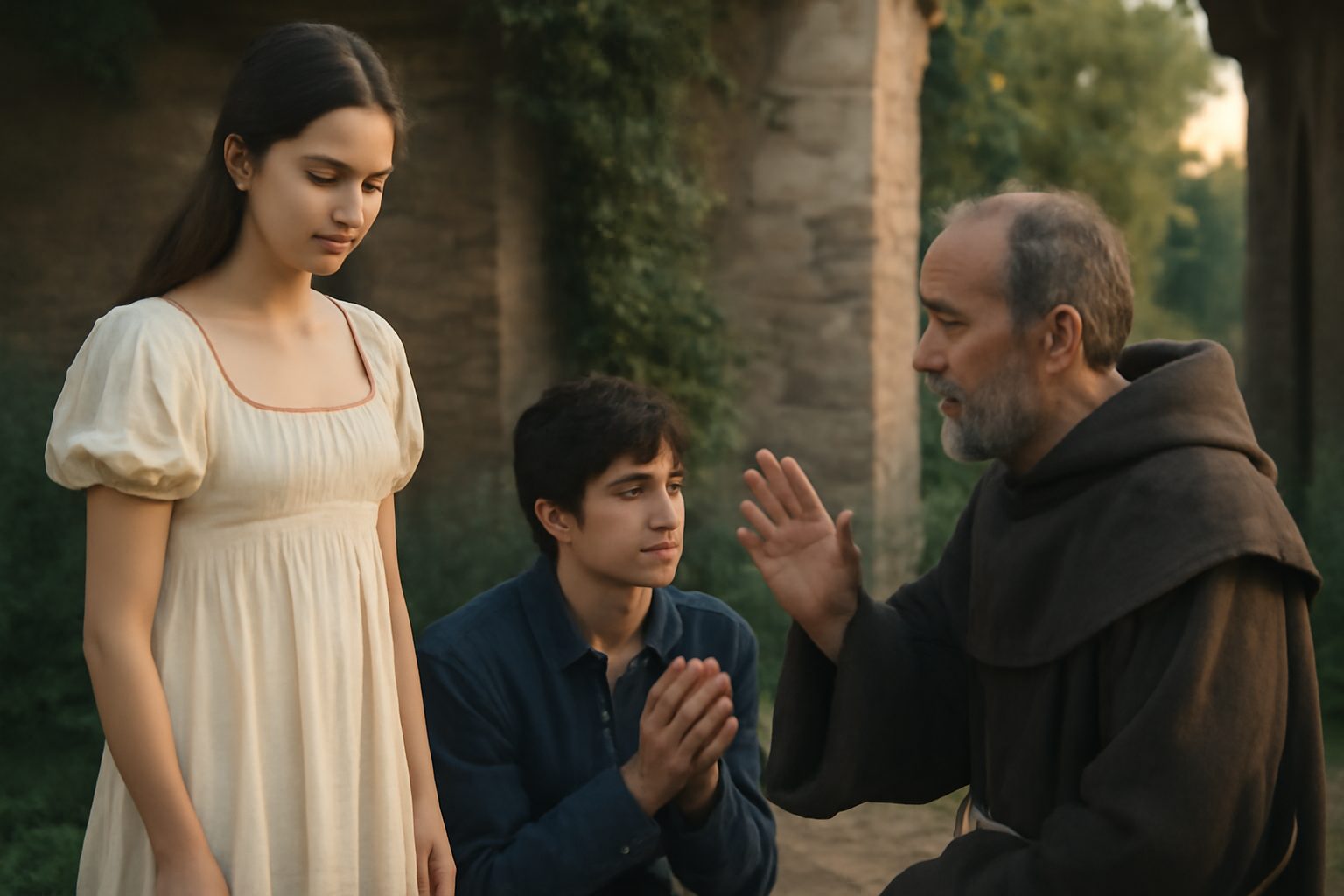
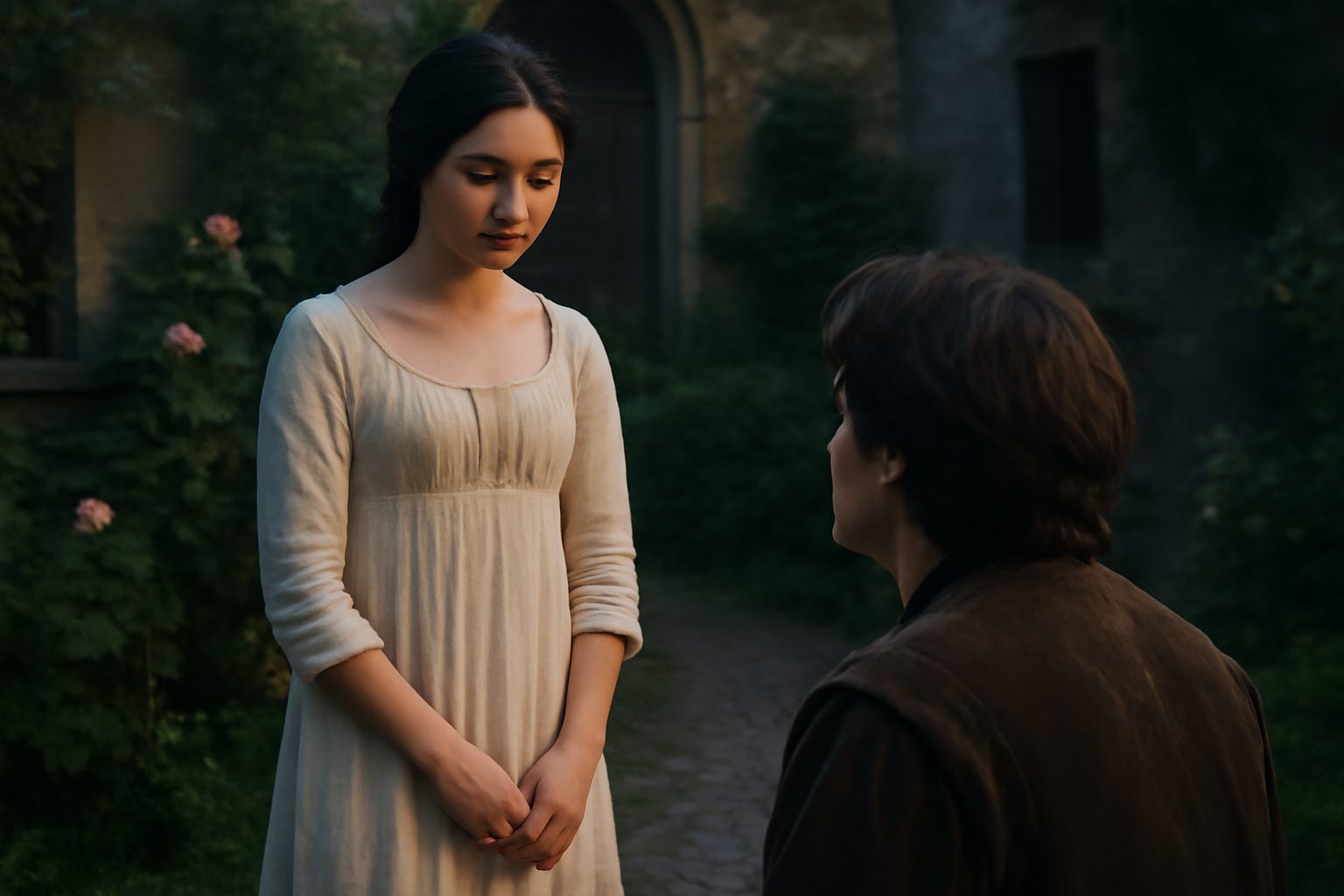
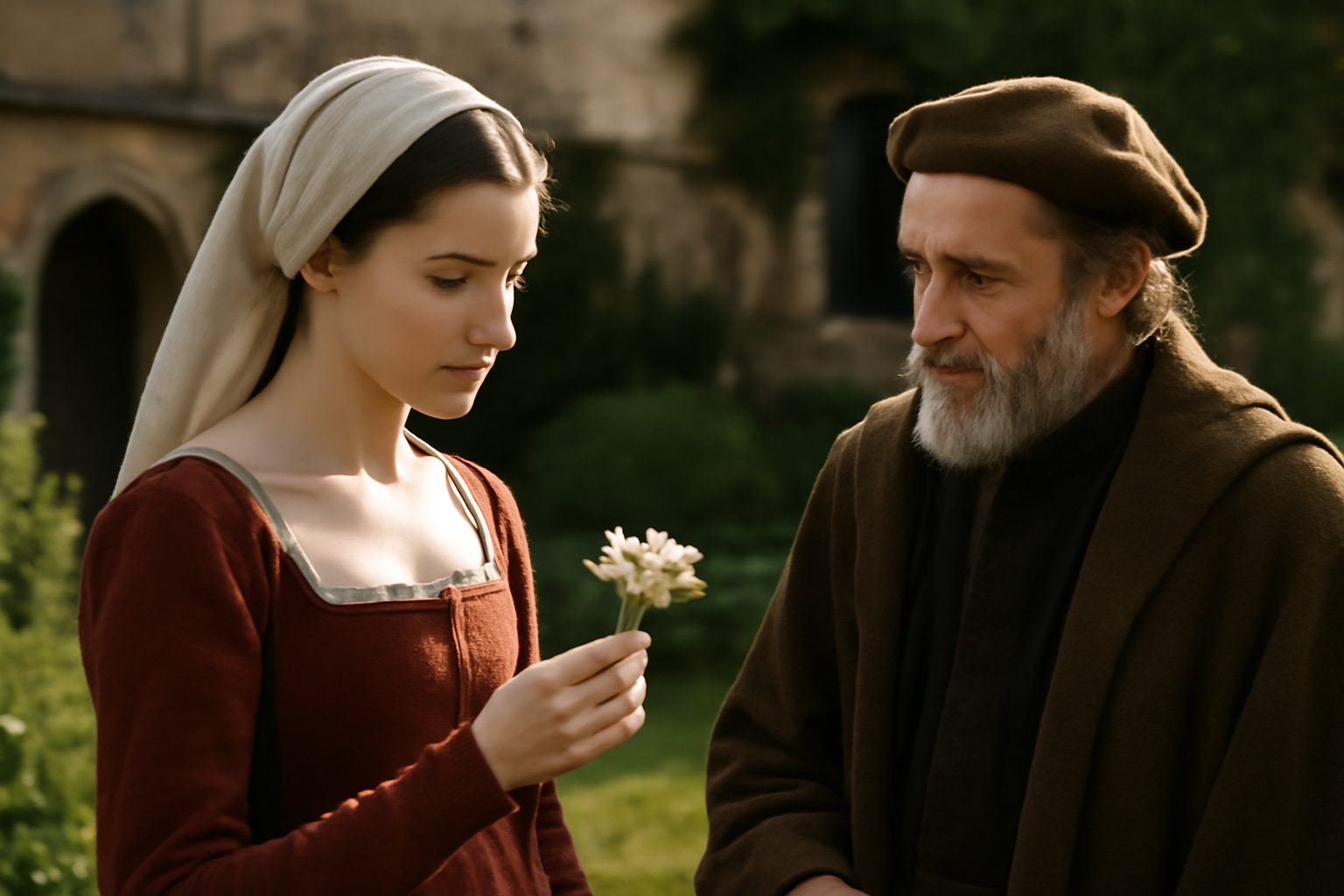
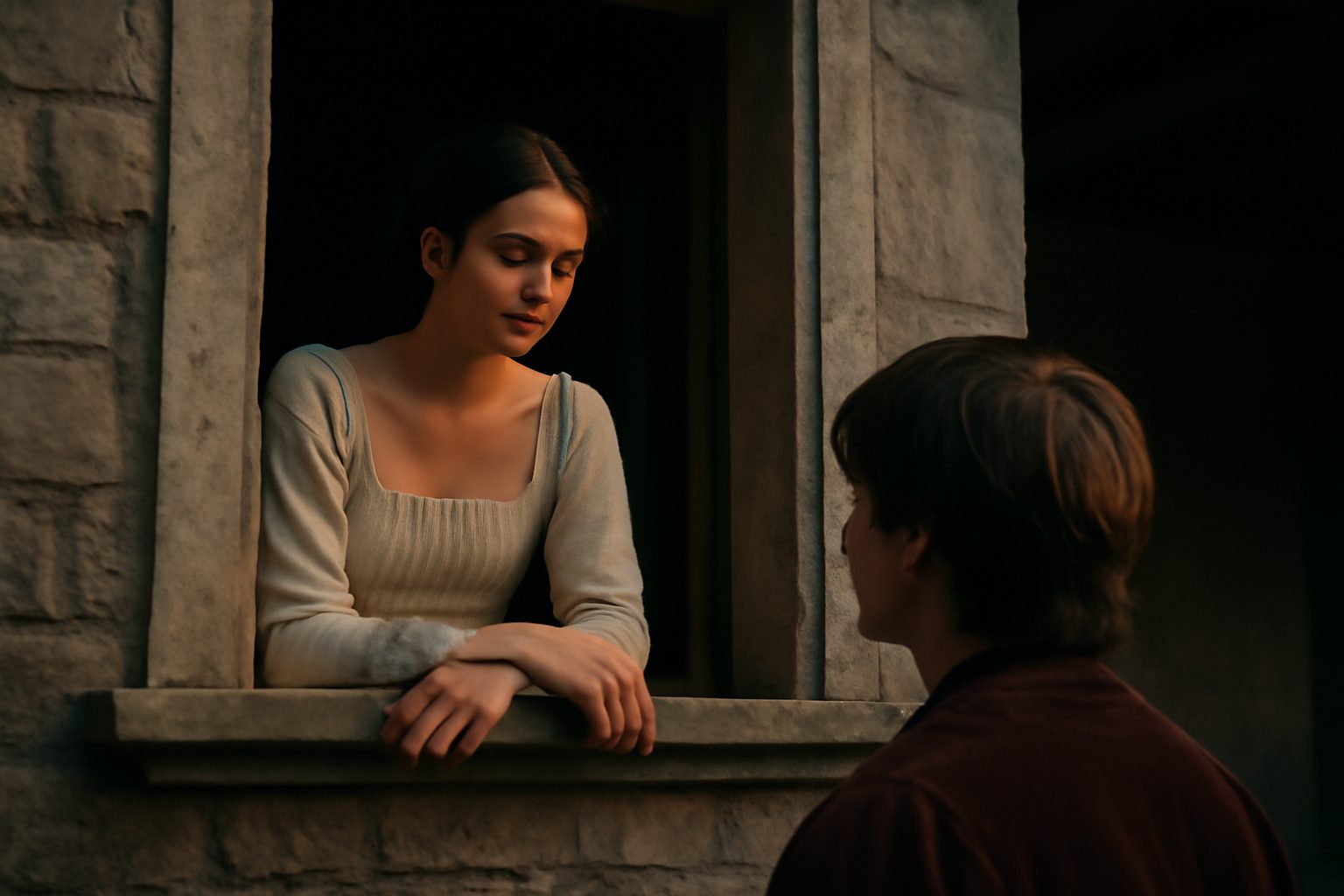
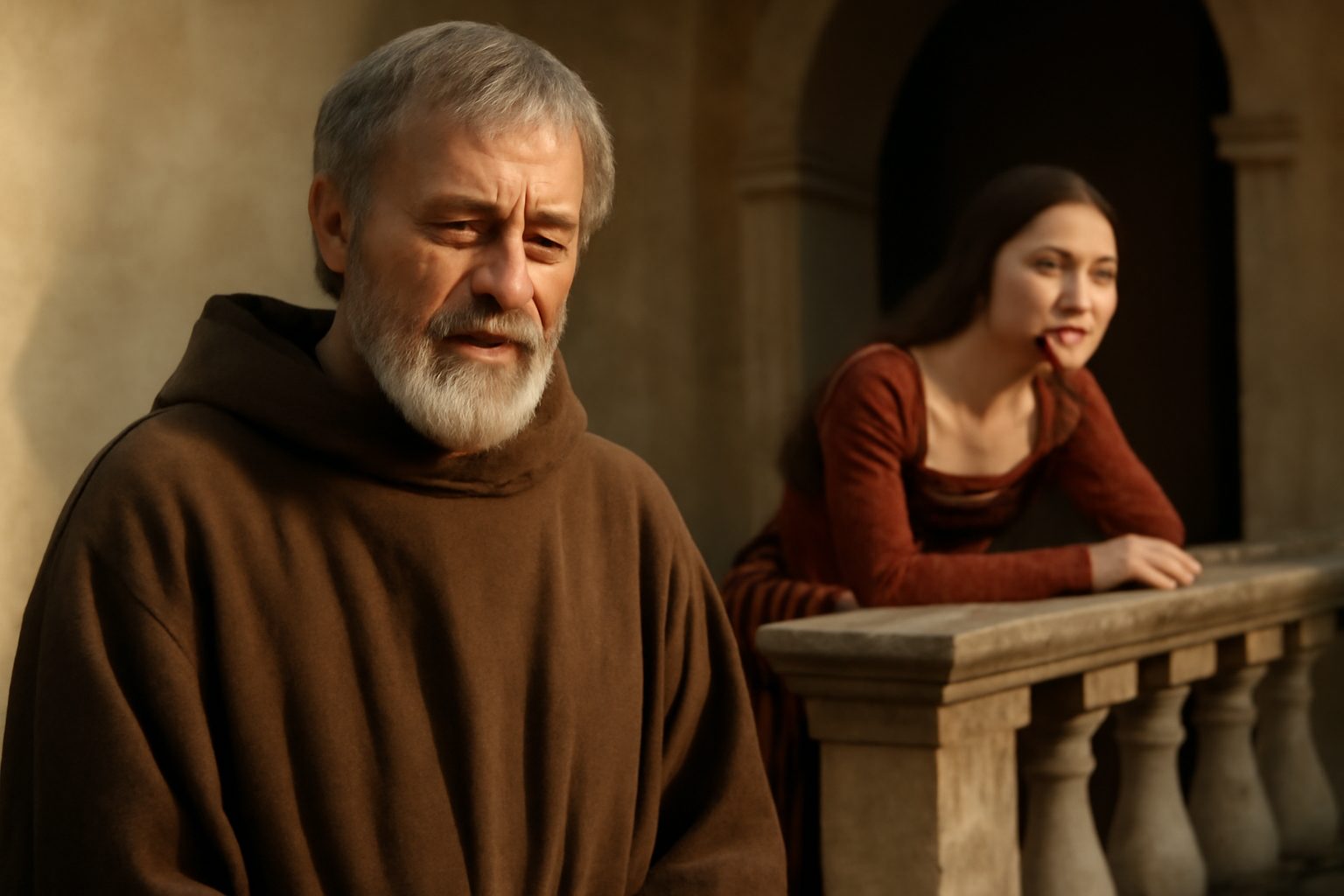
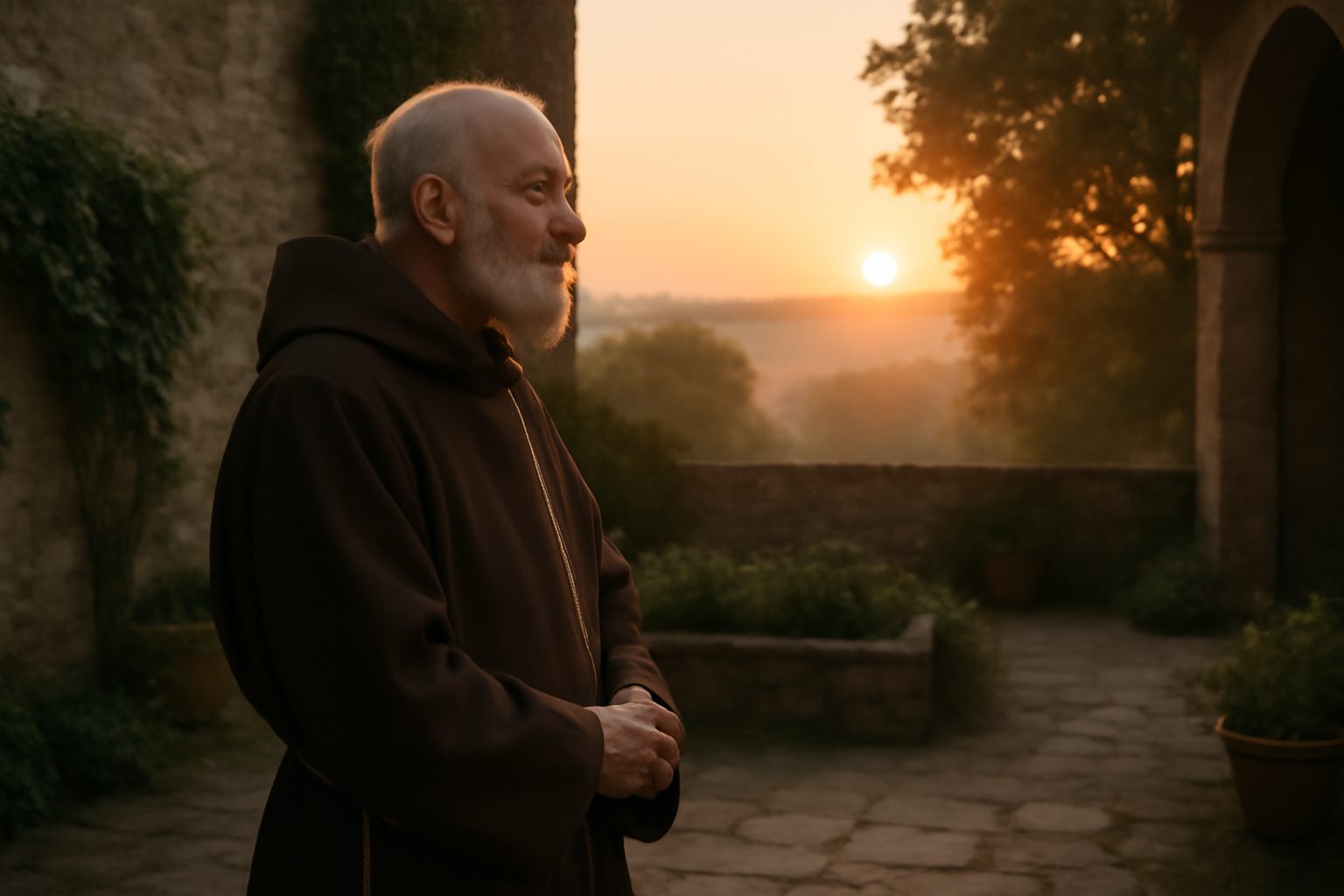
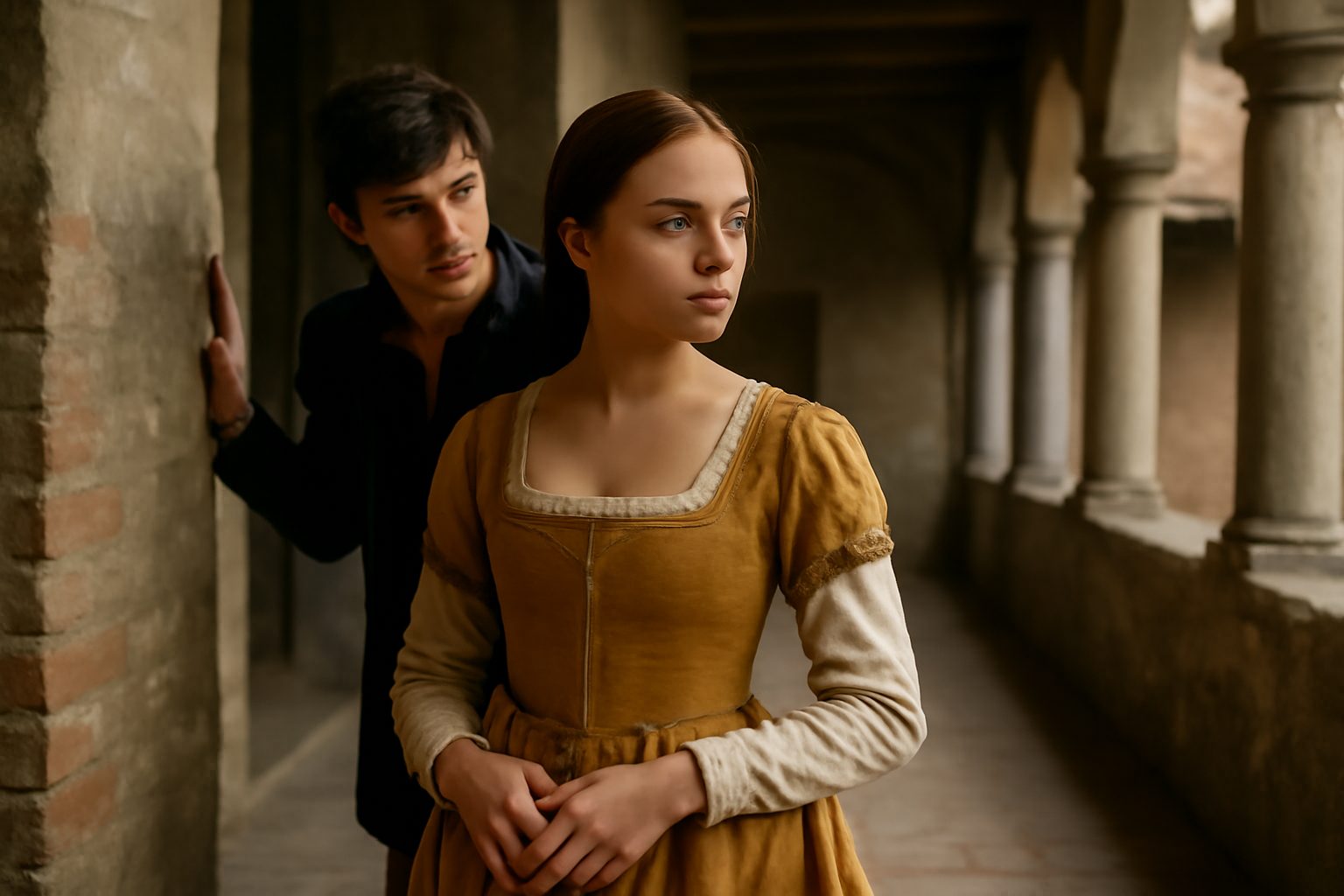
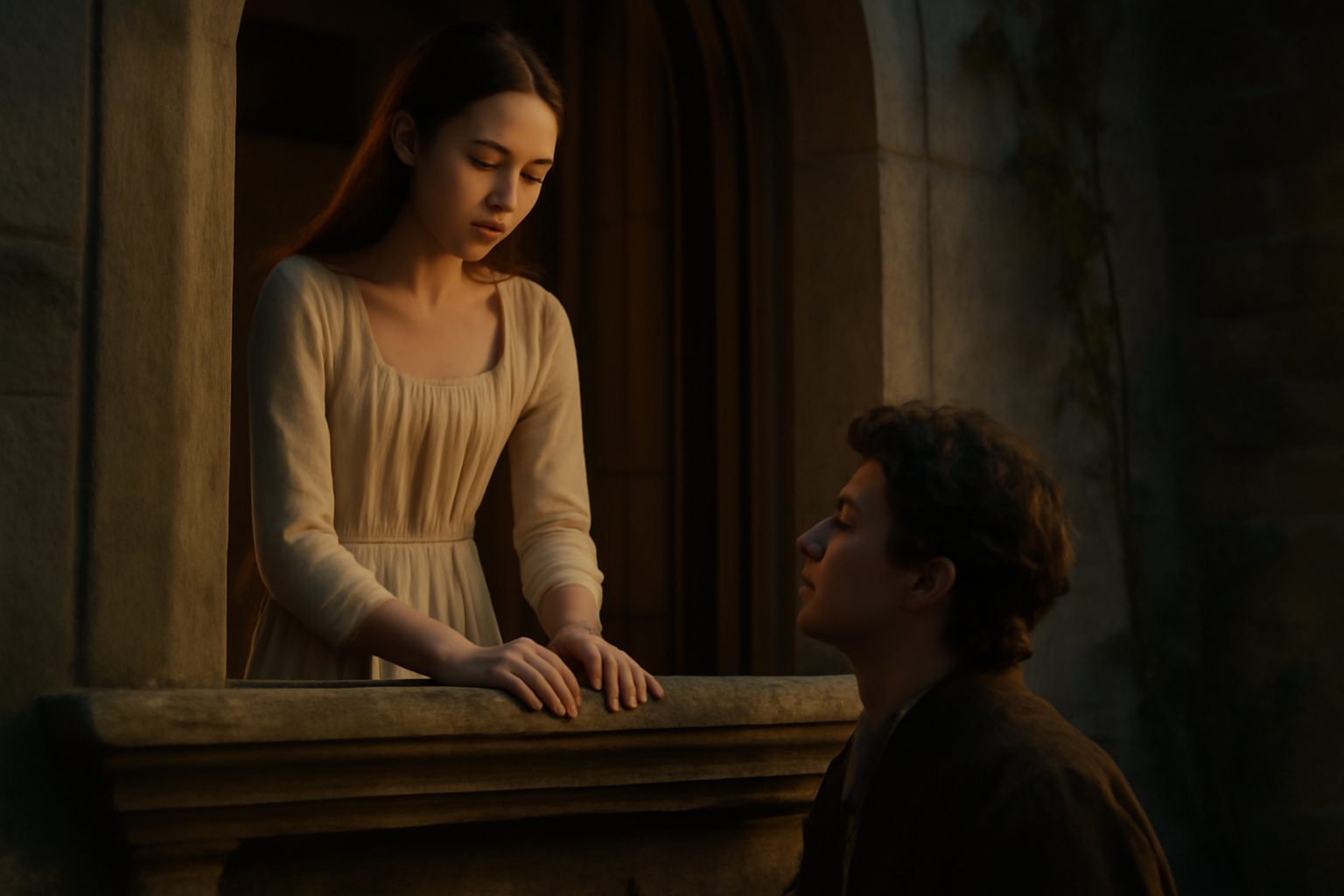
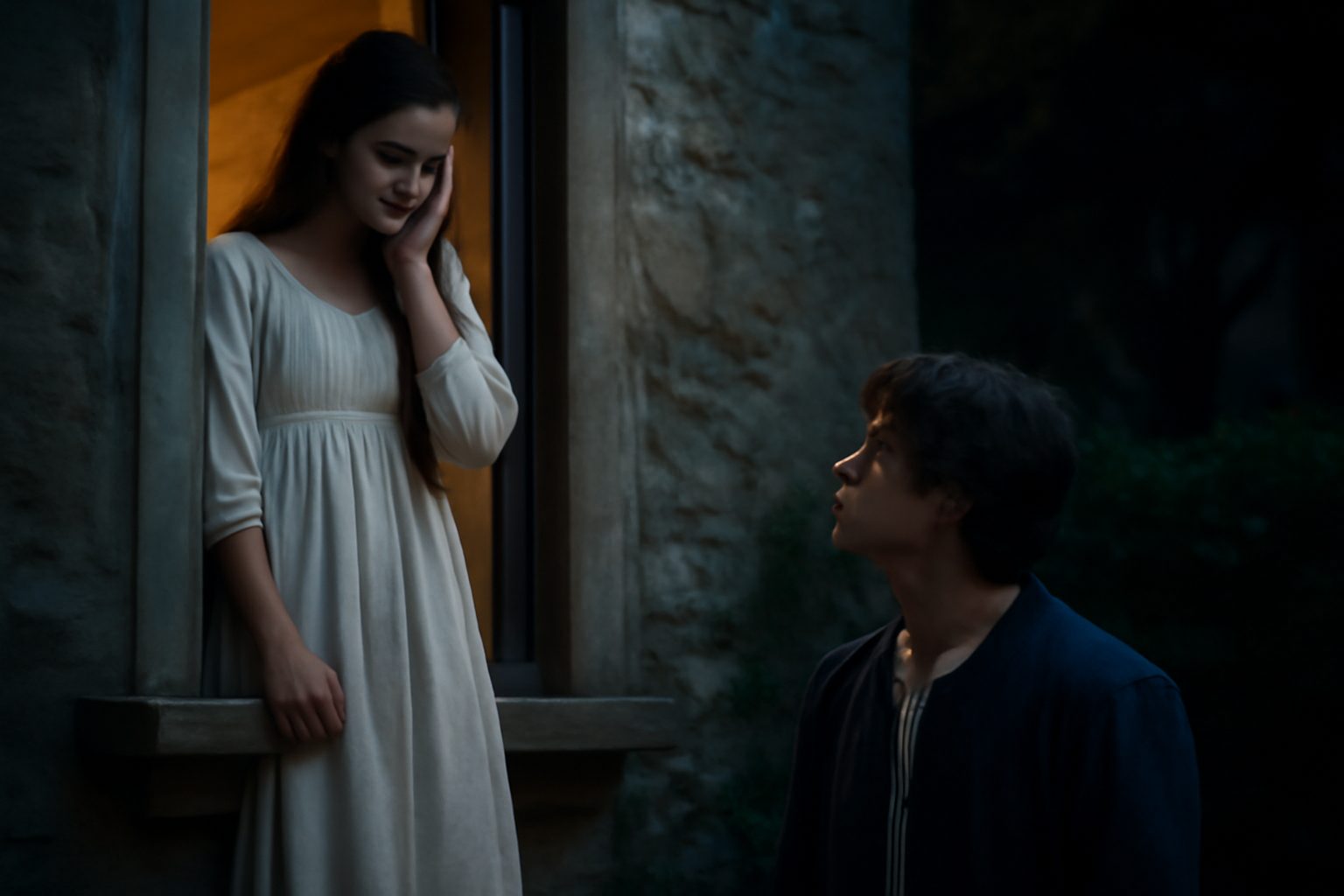
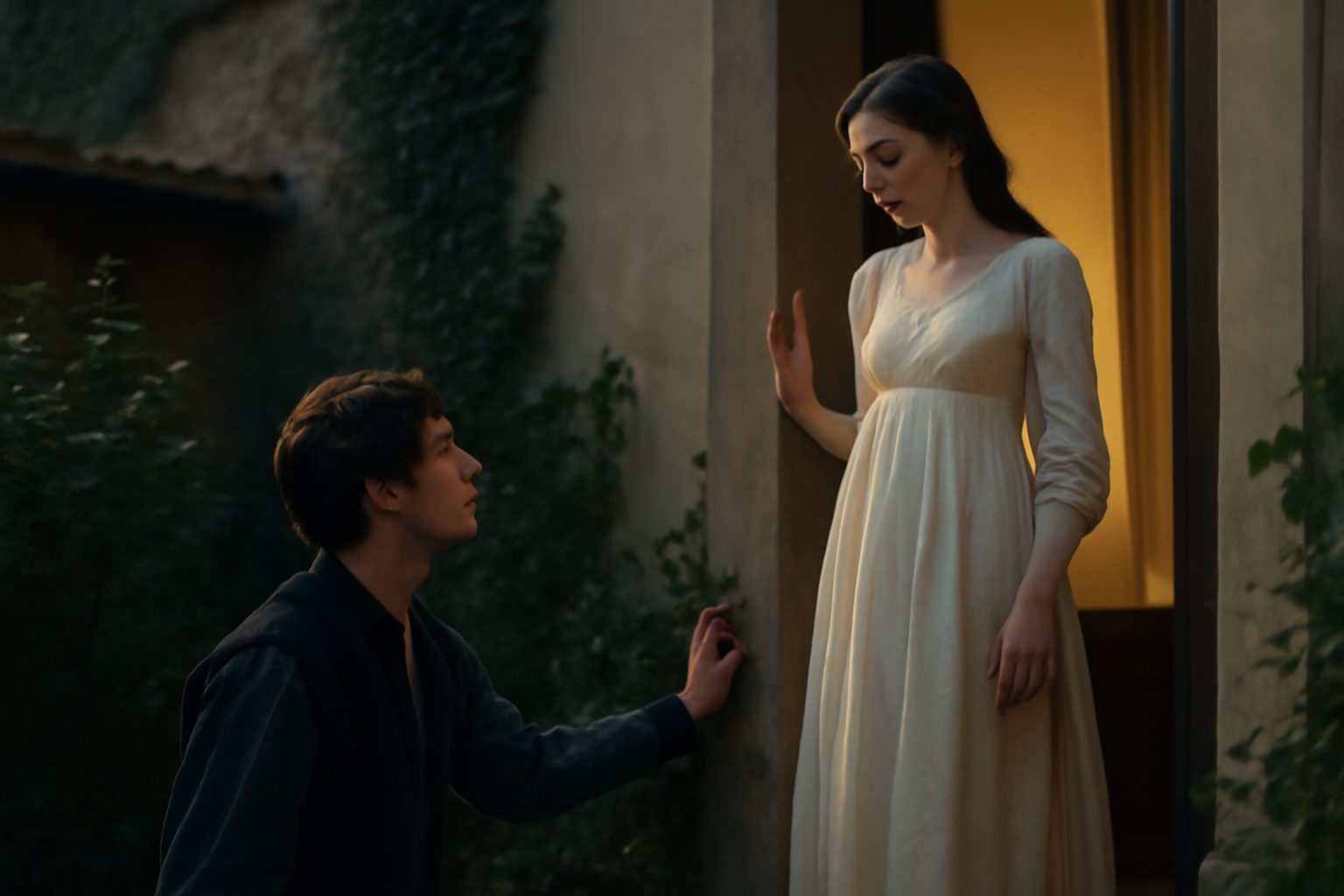
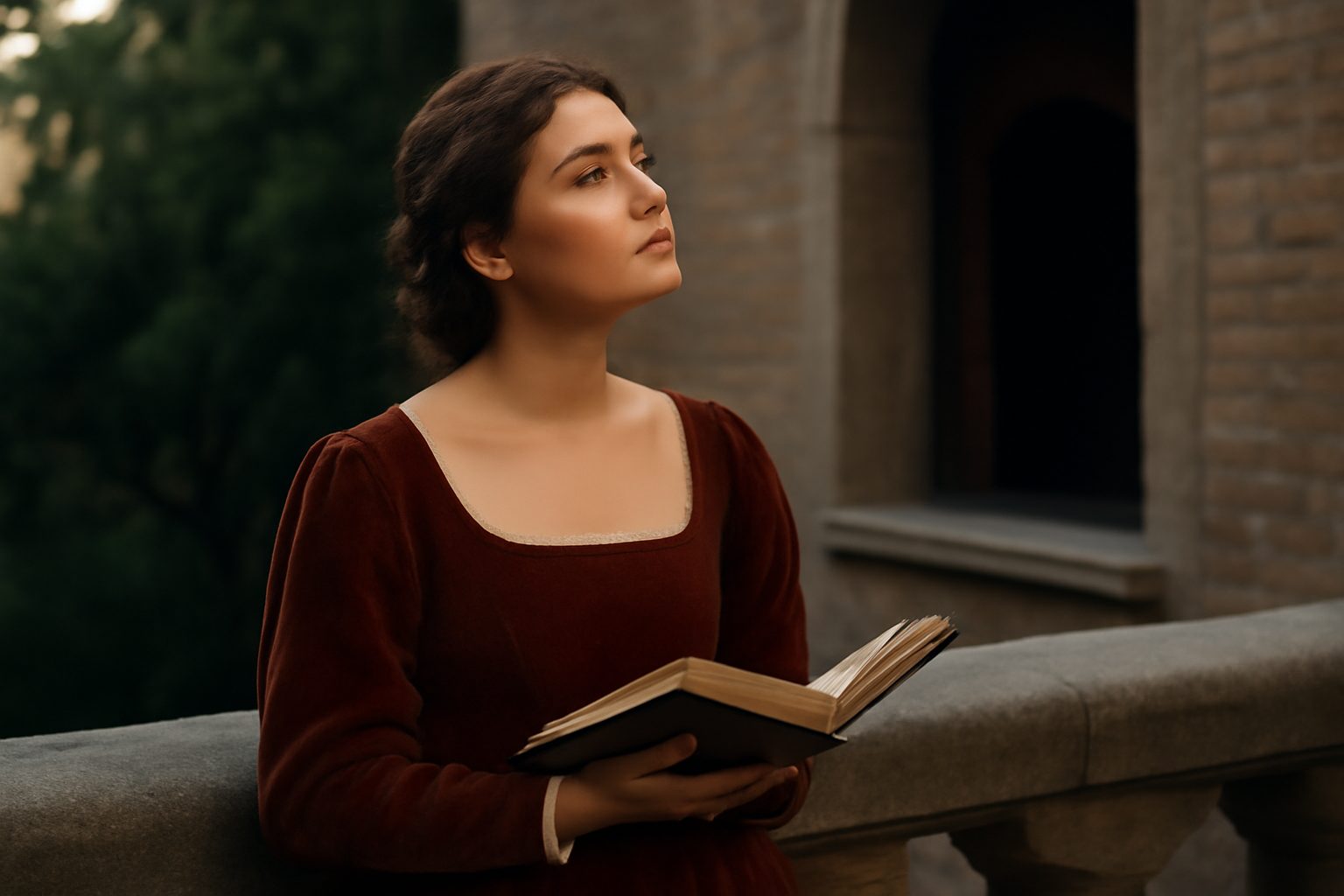
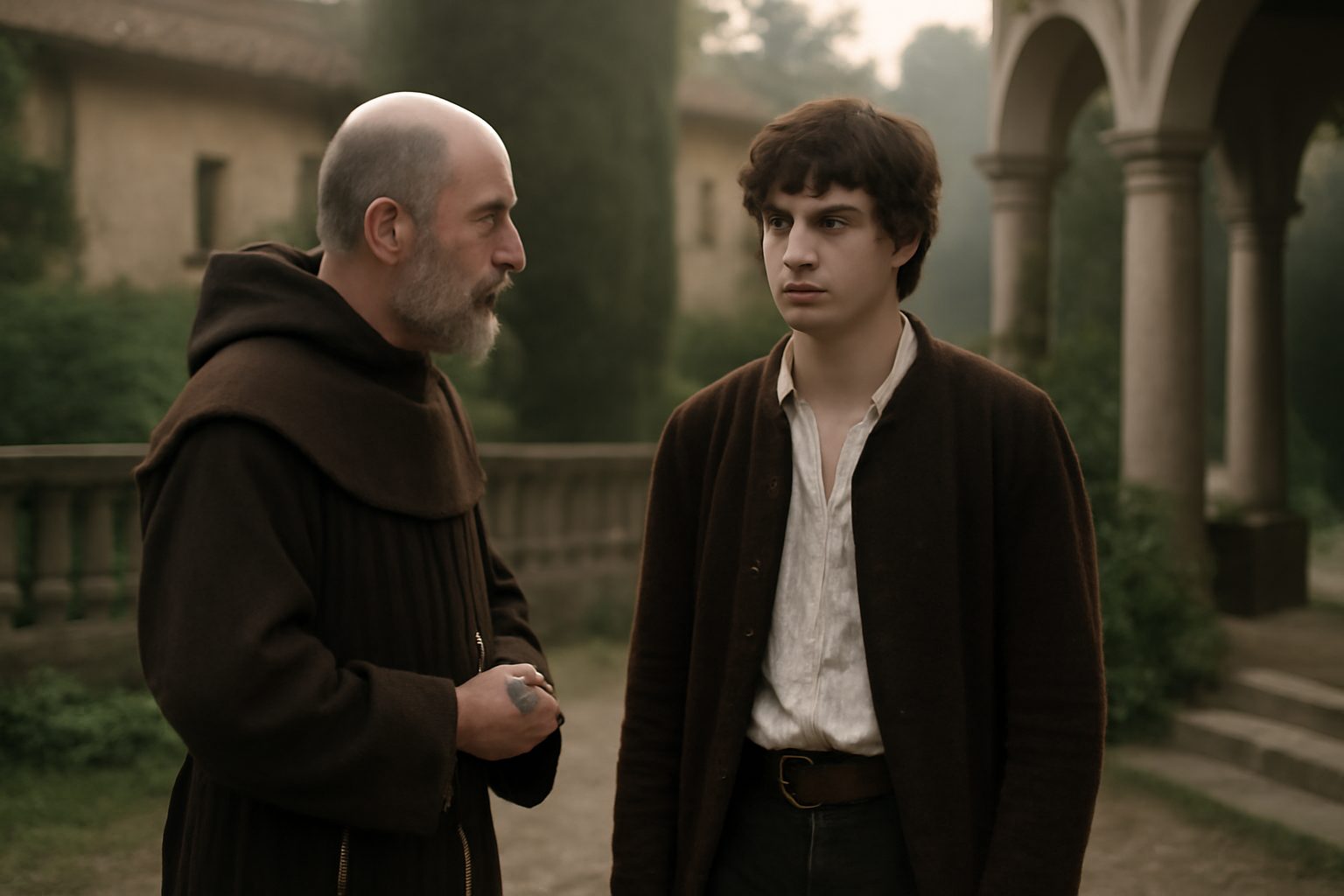
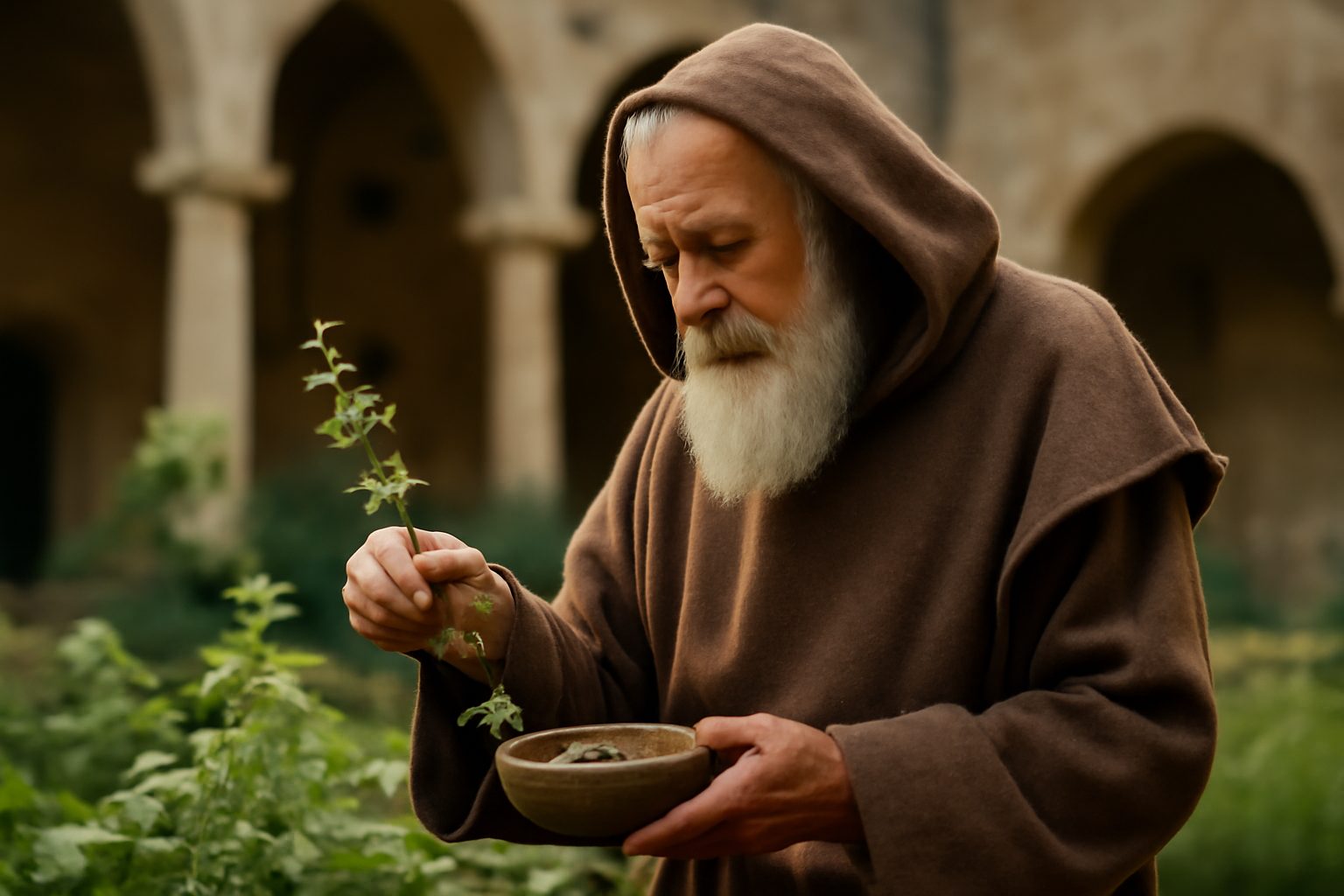
In Act 2, Scene 3 of Romeo and Juliet, Friar Laurence speaks these words to Romeo after the young lover arrives early in the morning. The friar, surprised by Romeo's sudden appearance, questions where he has been, unaware that Romeo has just left Juliet's side after their secret meeting. This line marks the beginning of a conversation where Romeo reveals his newfound love and asks the friar to marry them.
Friar Laurence: "That's my good son: but where hast thou been, then?"
In modern day english, we would say:
Good job, my son, but where have you been all this time?
Frequently Asked Questions
Who is speaking to Romeo in this line from Act 2 Scene 3?
Friar Laurence is speaking to Romeo.
What does Friar Laurence ask Romeo in this line?
He asks Romeo where he has been.
Connections to other verses:
Connections to Friar Laurence's Opening Monologue
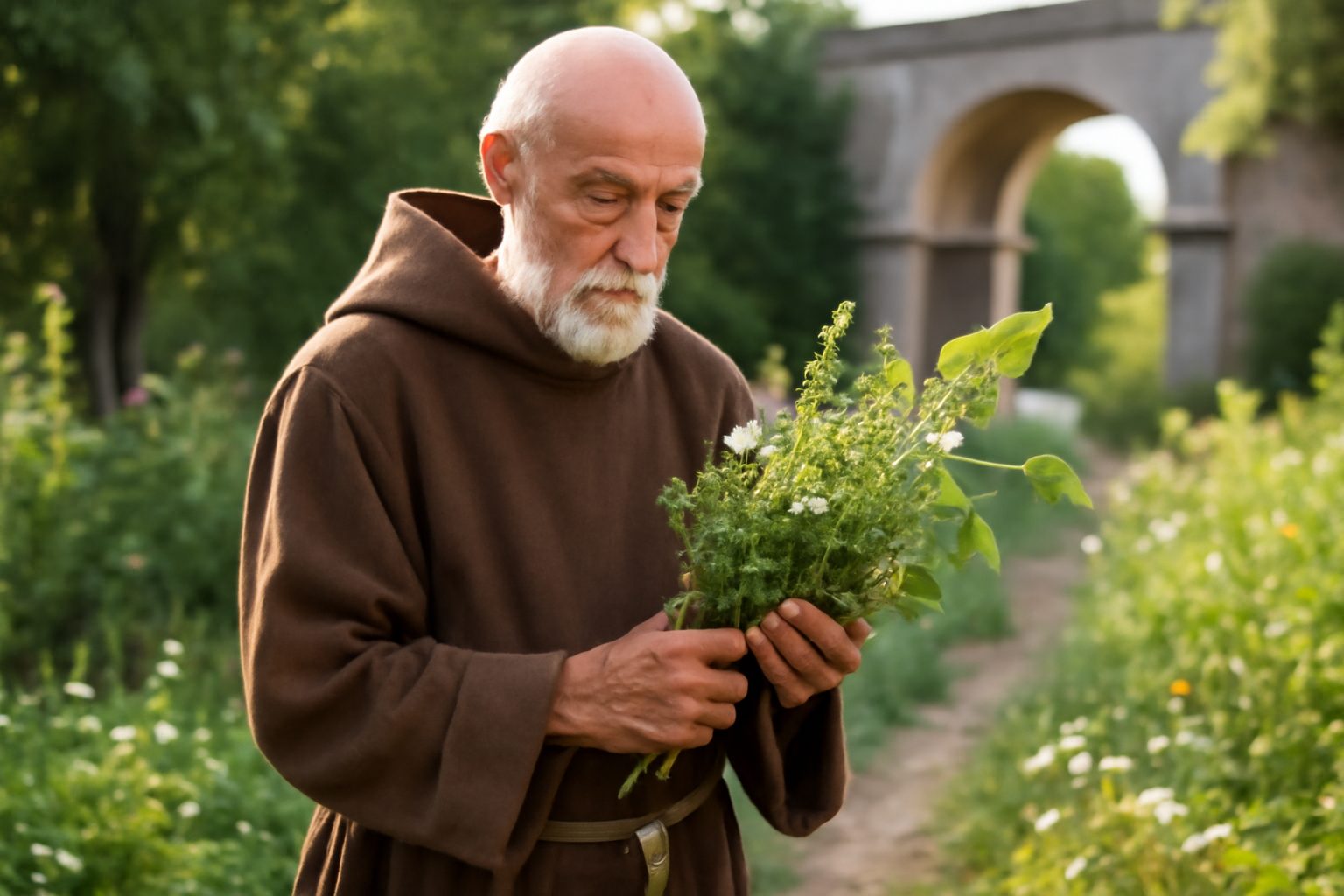
The verse "That's my good son: but where hast thou been,…" directly follows Friar Laurence's extended meditation on nature's dualities. His earlier lines about the earth being both "nature's mother" and "her tomb" (Act 2 Scene 3-9) and how "virtue itself turns vice, being misapplied" (Act 2 Scene 3-21) establish the philosophical framework for questioning Romeo's whereabouts. The Friar has just been contemplating how the same flower contains both "medicine power" and "poison" (Act 2 Scene 3-24), making his inquiry about Romeo's activities particularly pointed.
Links to Romeo's Emotional State
The question connects to Romeo's apparent disturbance, as the Friar had already noted "Thou art up-roused by some distemperature" (Act 2 Scene 3-41). This follows the Friar's observation about care preventing sleep in older men (Act 2 Scene 3-36), contrasting with Romeo's youthful restlessness. The query also leads directly to Romeo's confession about being "with mine enemy" (Act 2 Scene 3-50) at the Capulet feast.
Transition to Rosaline Discussion
This question serves as the catalyst for the Friar's immediate suspicion about Rosaline, prompting his next line: "God pardon sin! wast thou with Rosaline?" (Act 2 Scene 3-45). This begins the extended contrast between Romeo's previous affection for Rosaline and his new love for Juliet, including the Friar's astonishment at how quickly Romeo's "old groans" (Act 2 Scene 3-75) have been replaced.
Narrative Function
The verse acts as a pivotal turning point from the Friar's philosophical soliloquy to the practical revelation of Romeo's new love. It bridges the natural imagery of the dawn (Act 2 Scene 3-2) with the human drama about to unfold, setting in motion the Friar's involvement in the secret marriage that follows in Act 2 Scene 3-65.