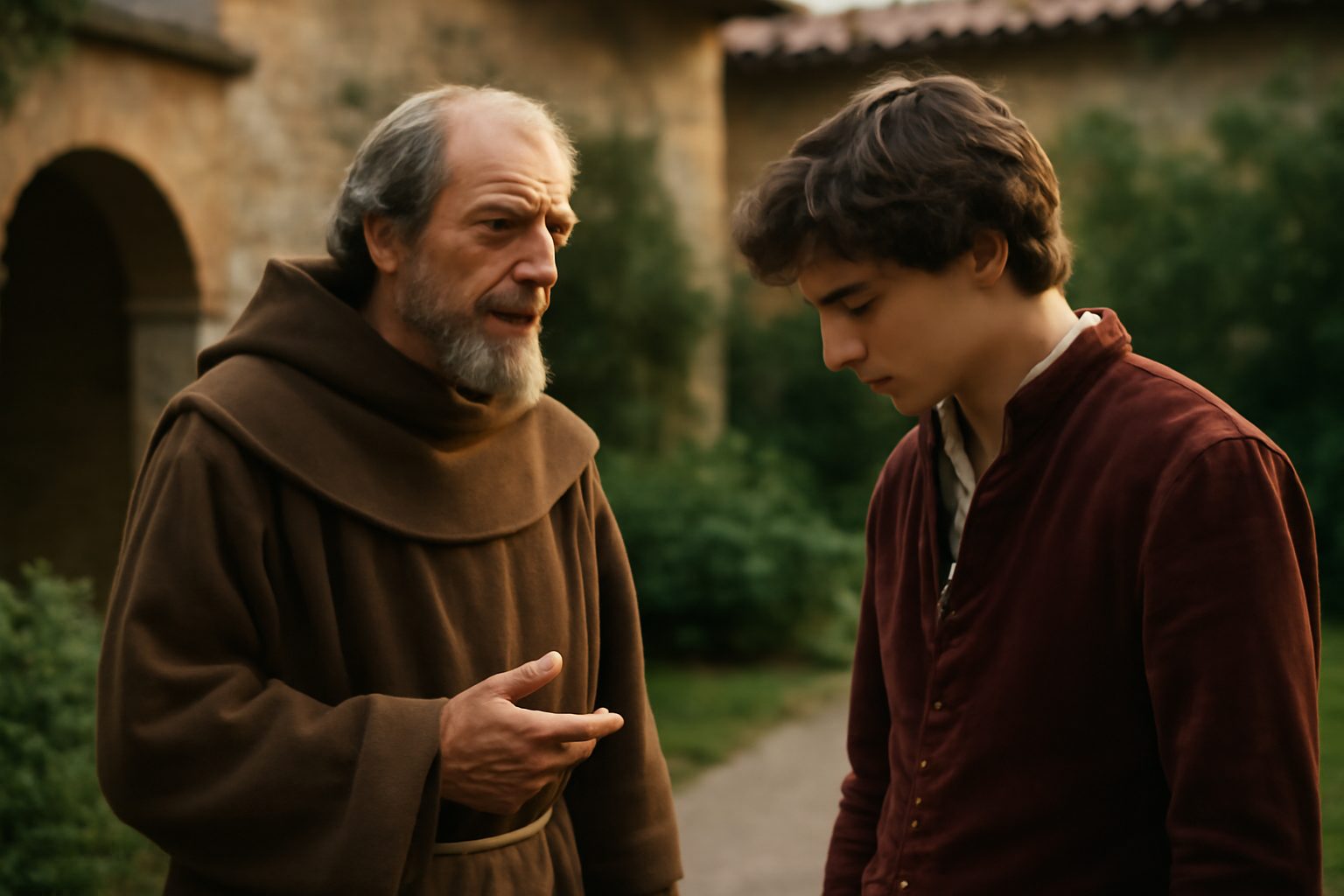
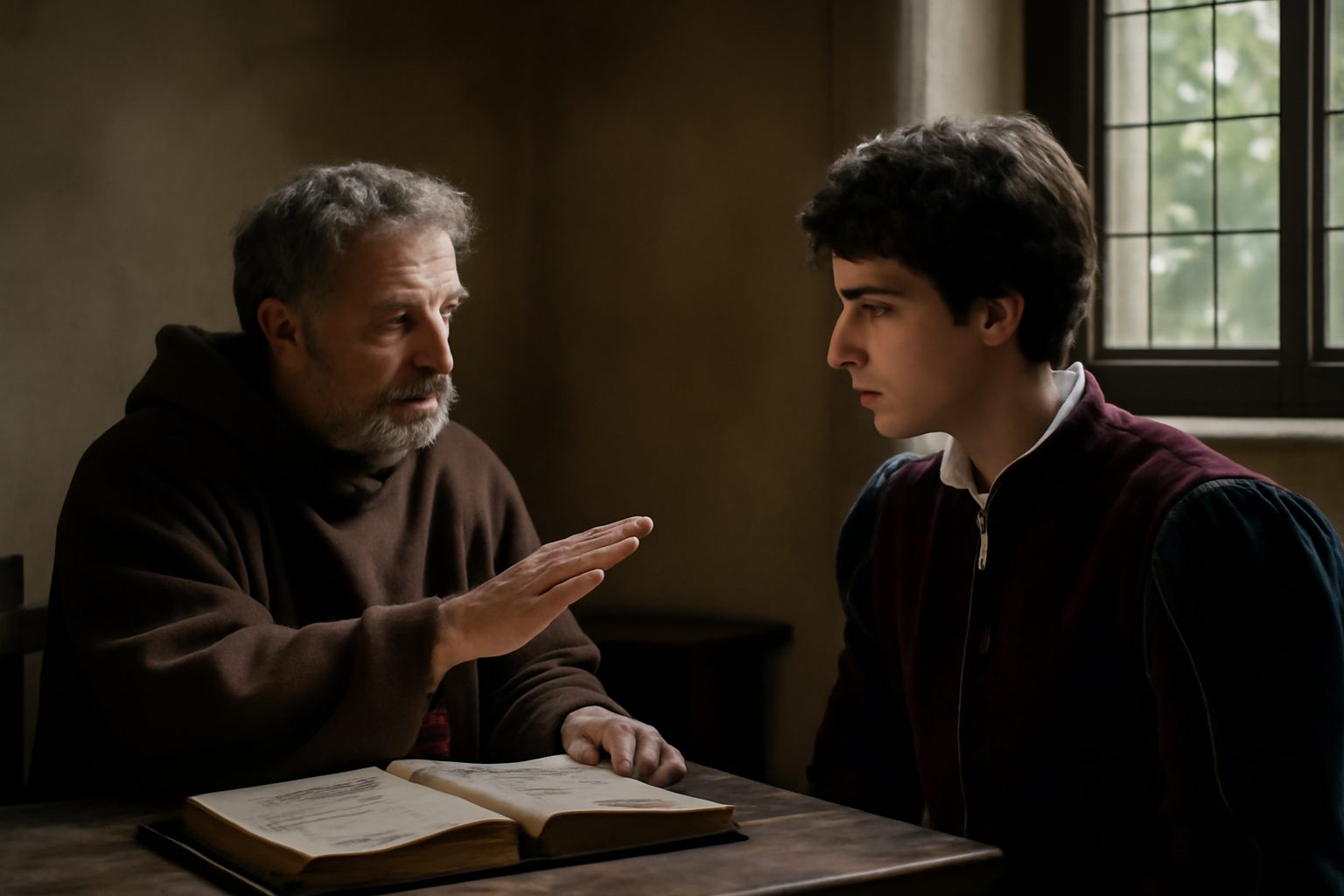
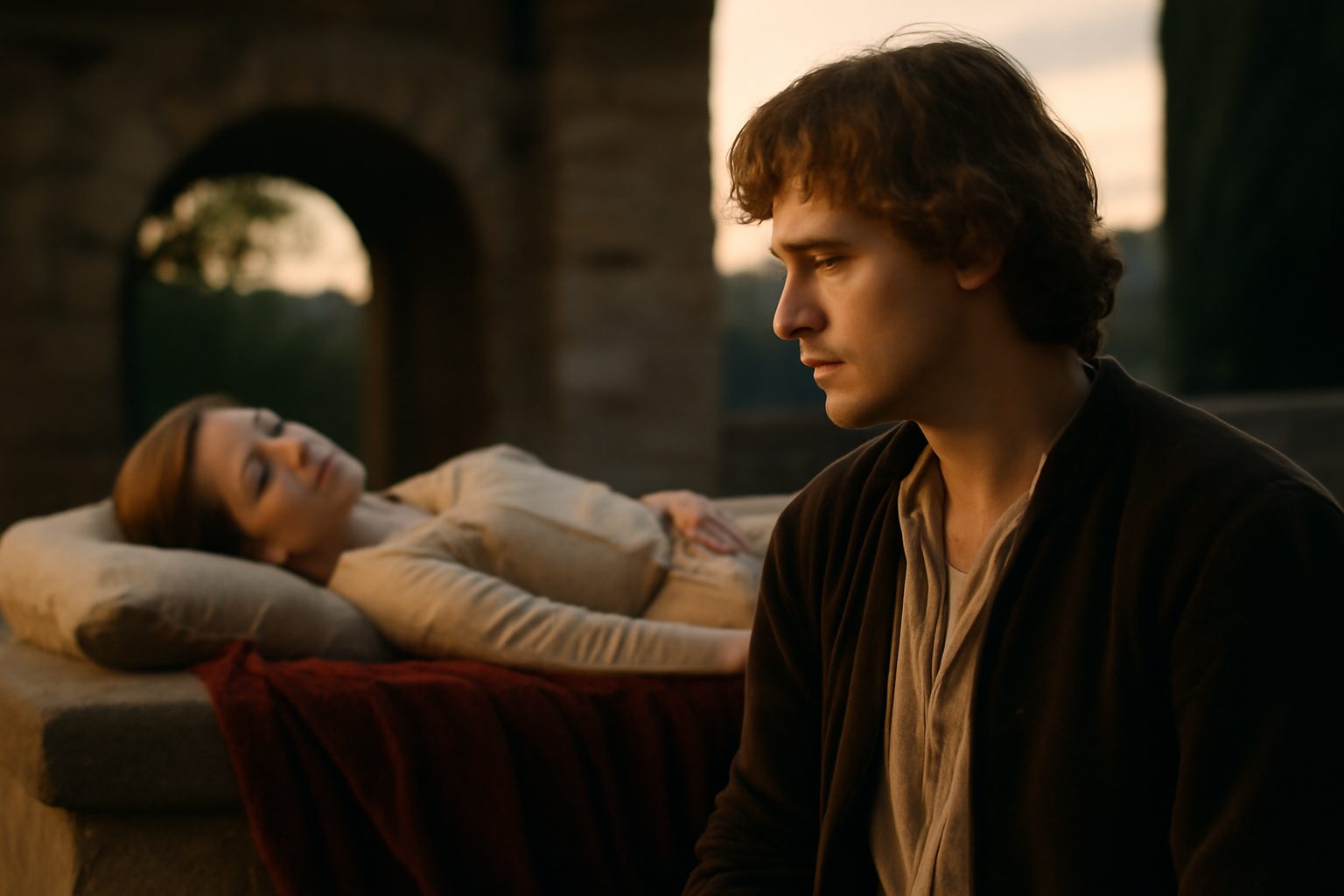
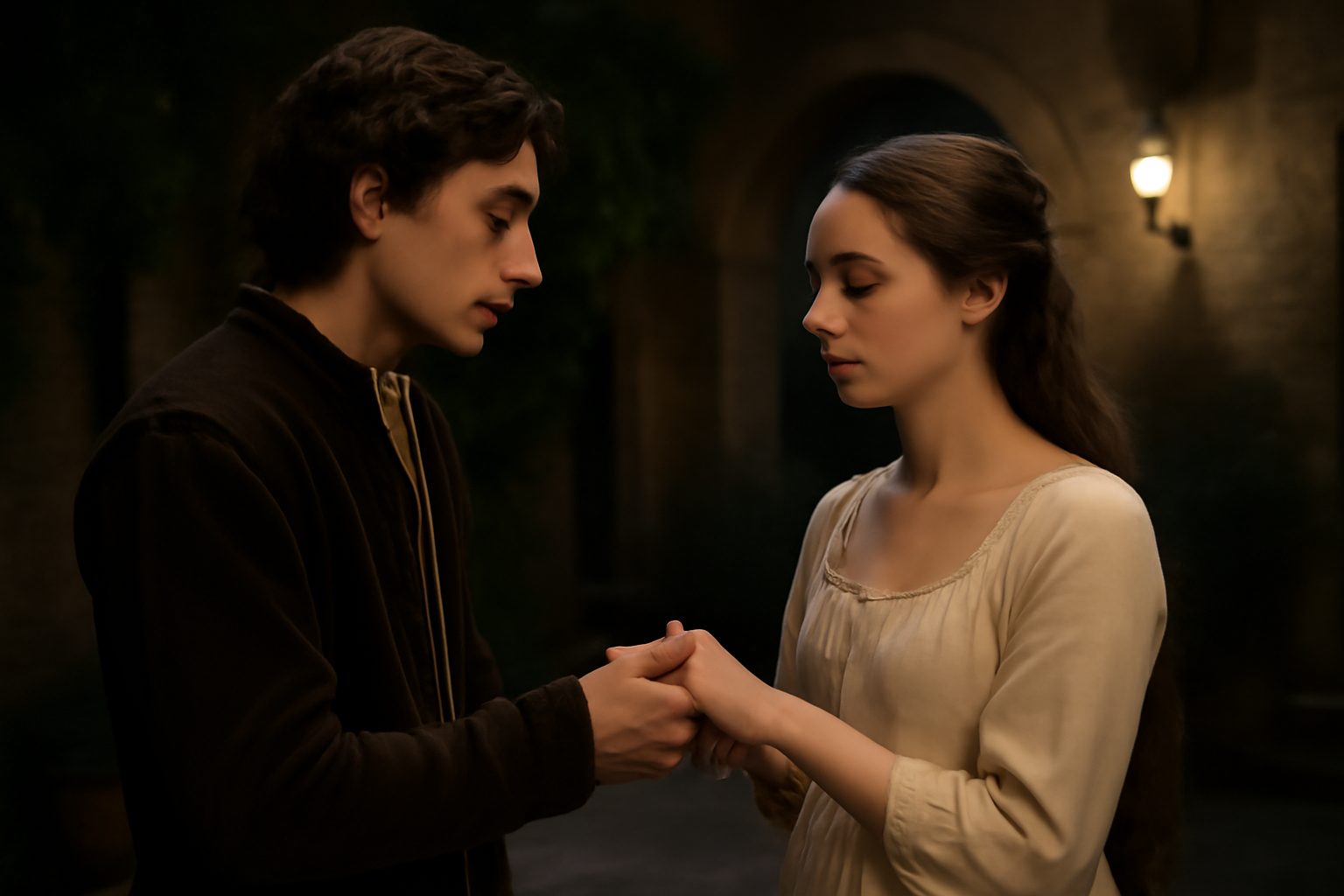
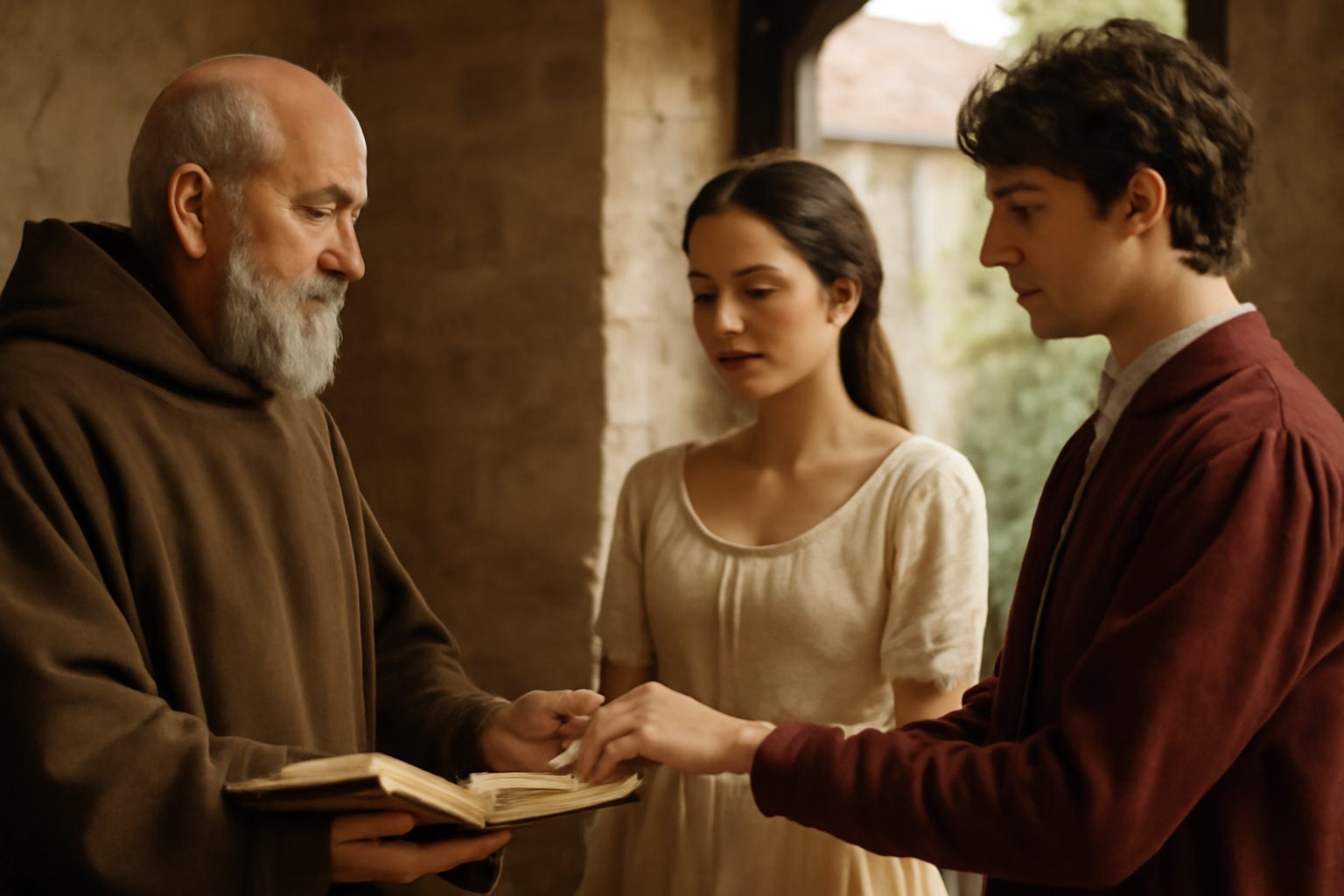
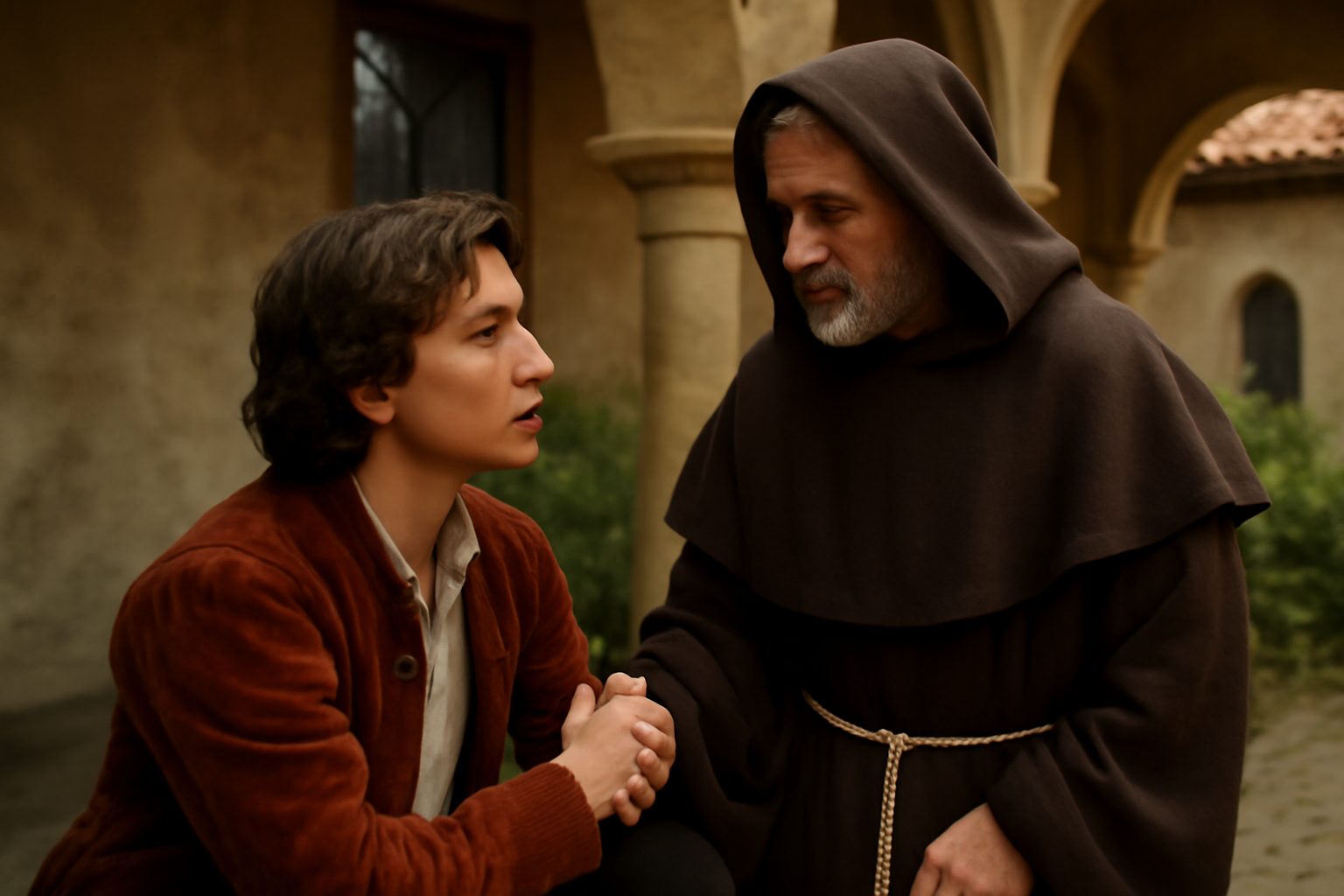
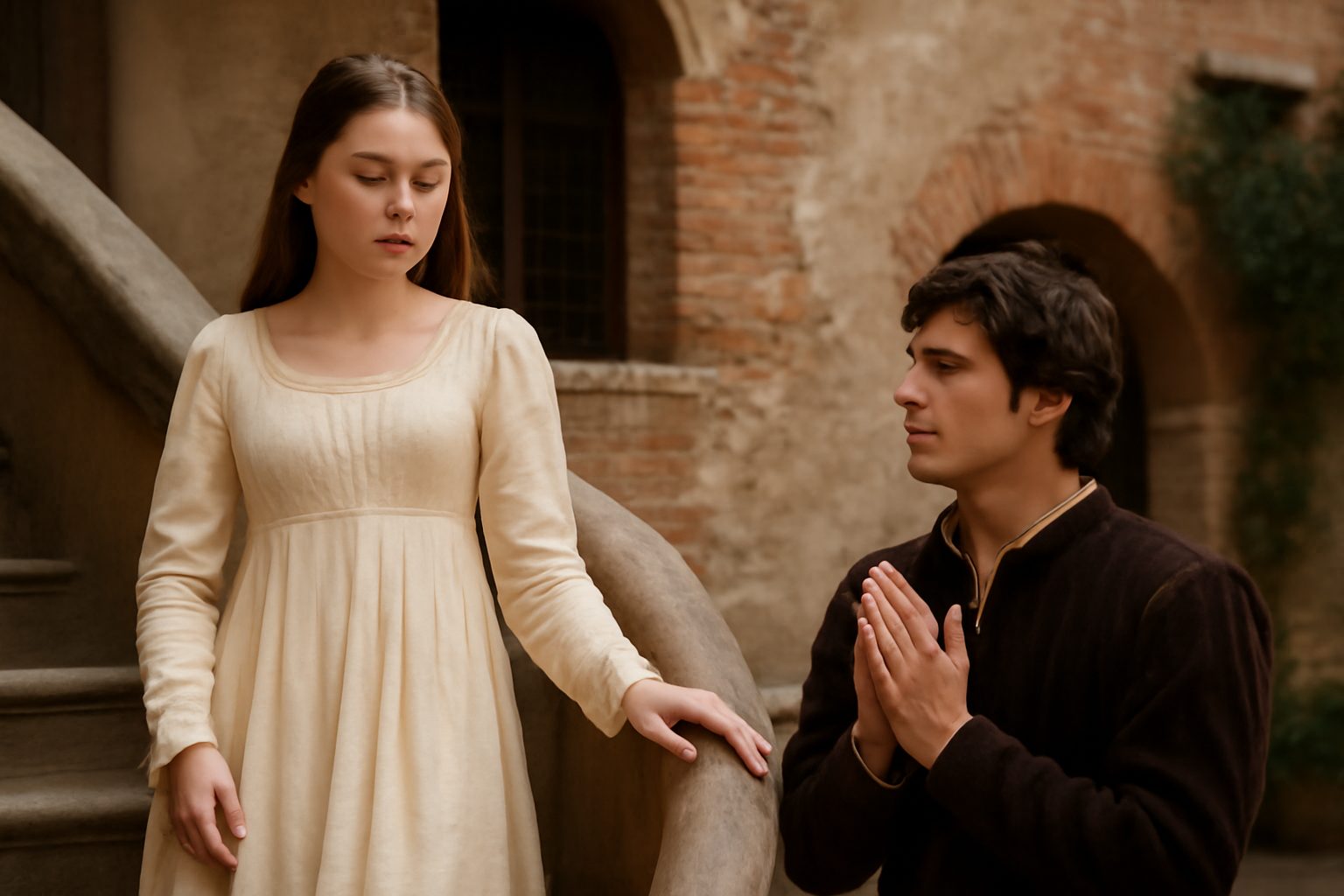
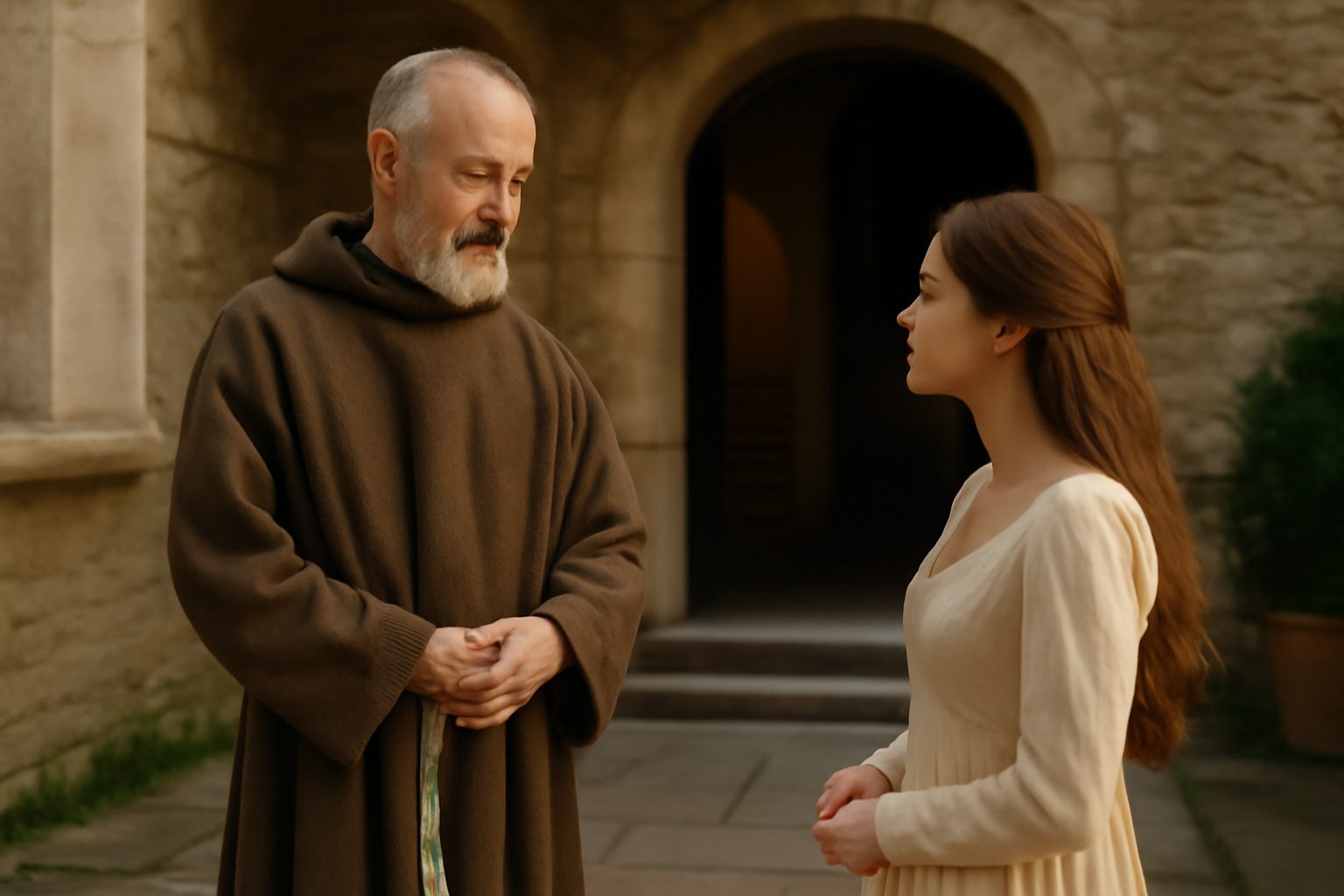
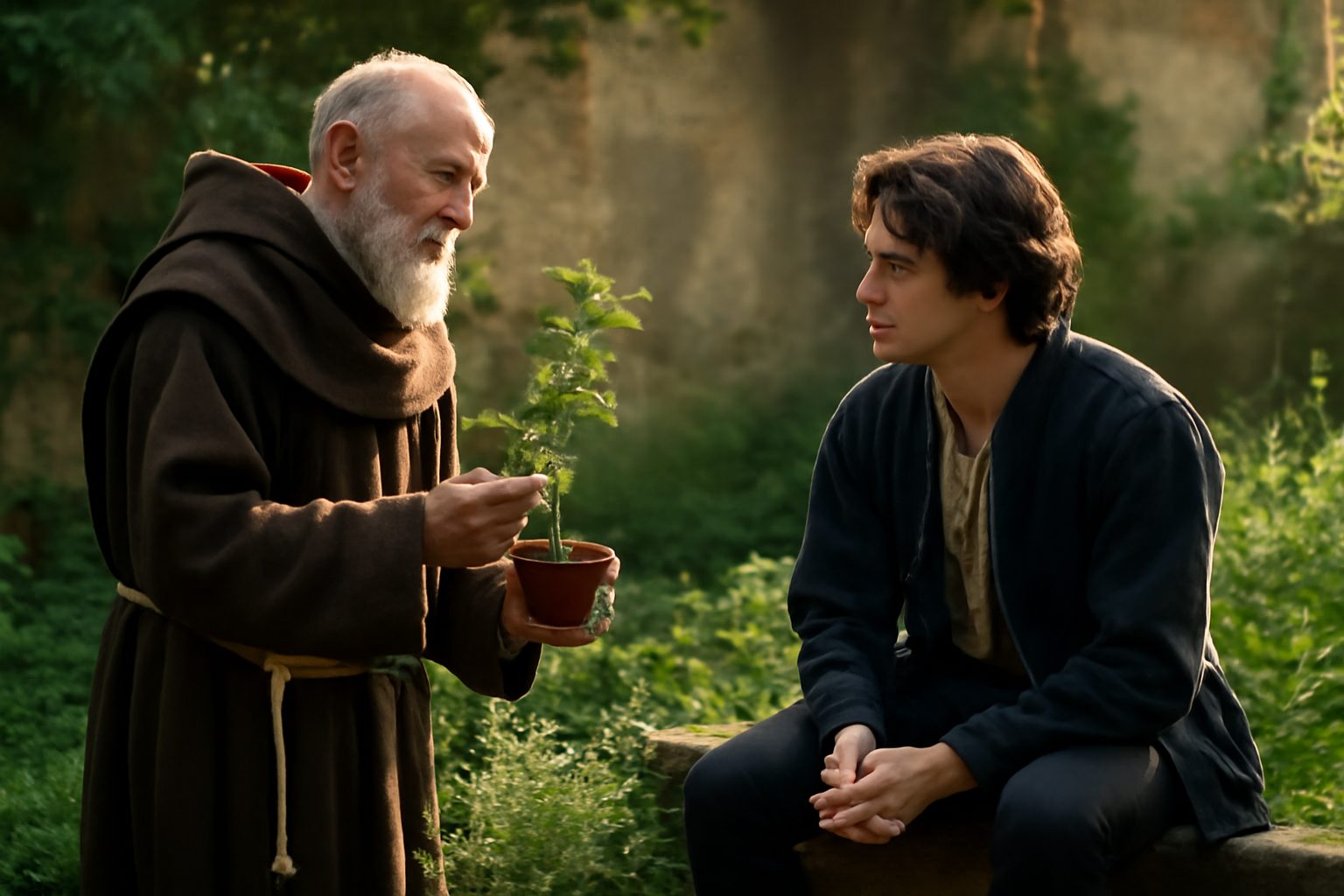
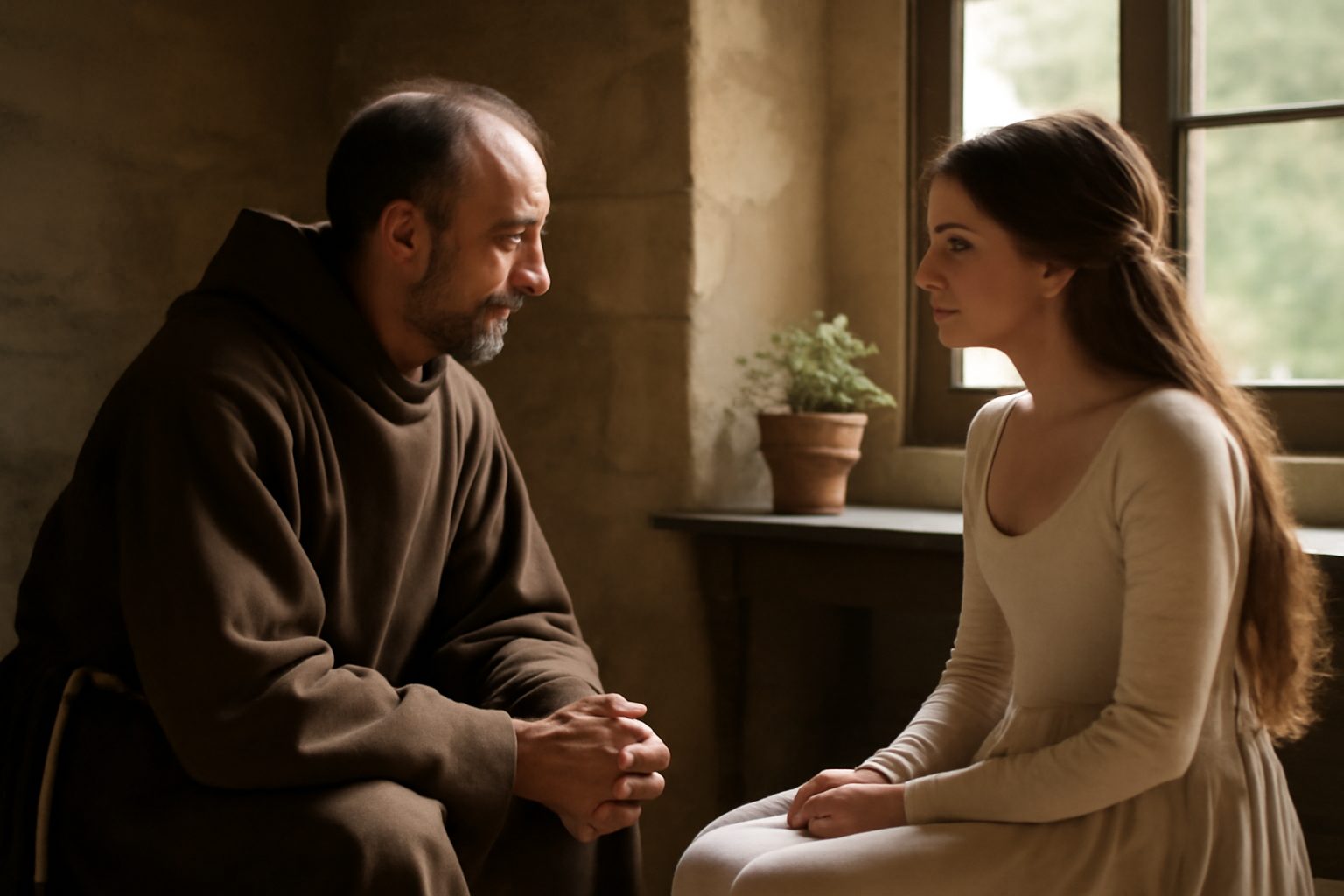
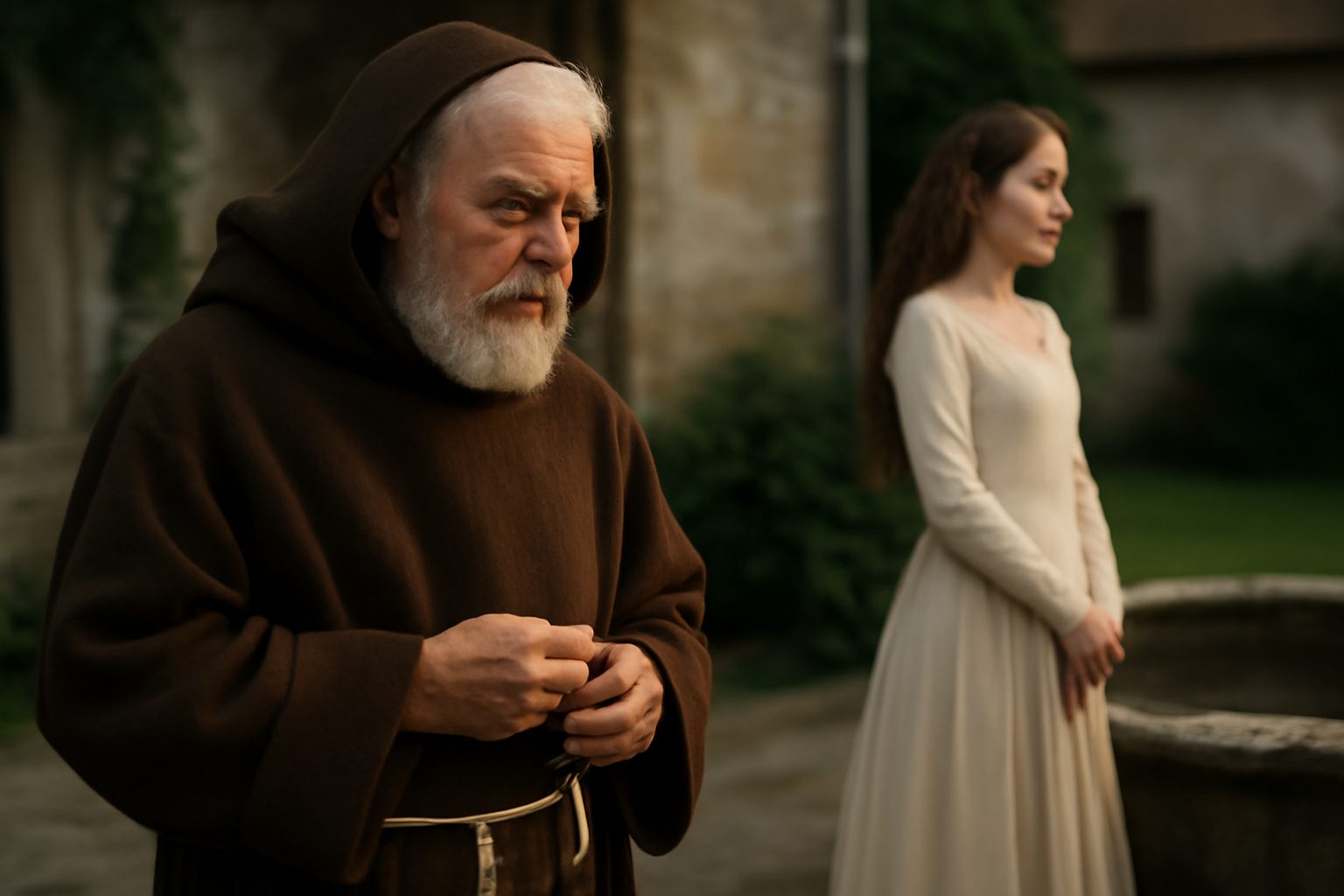
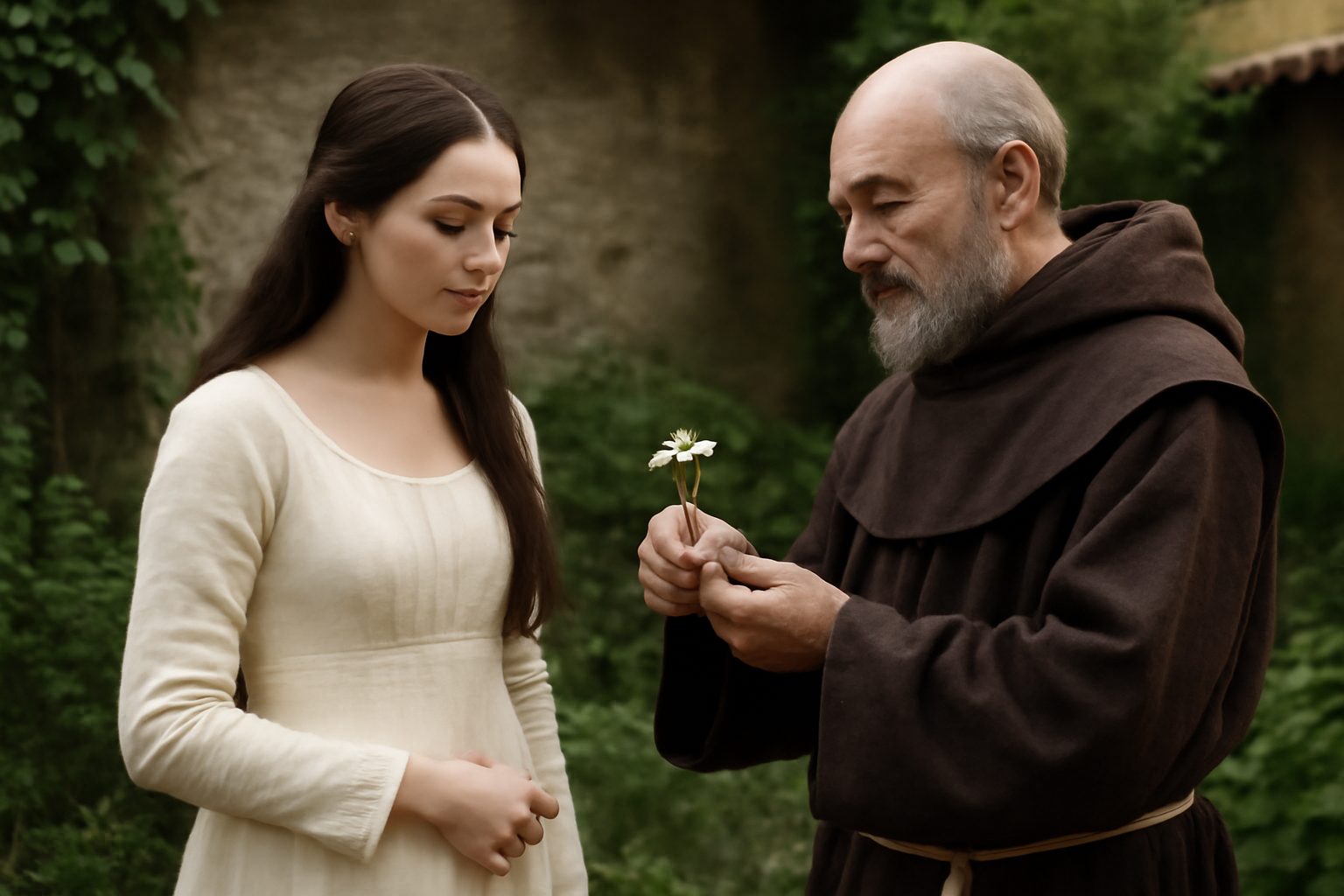
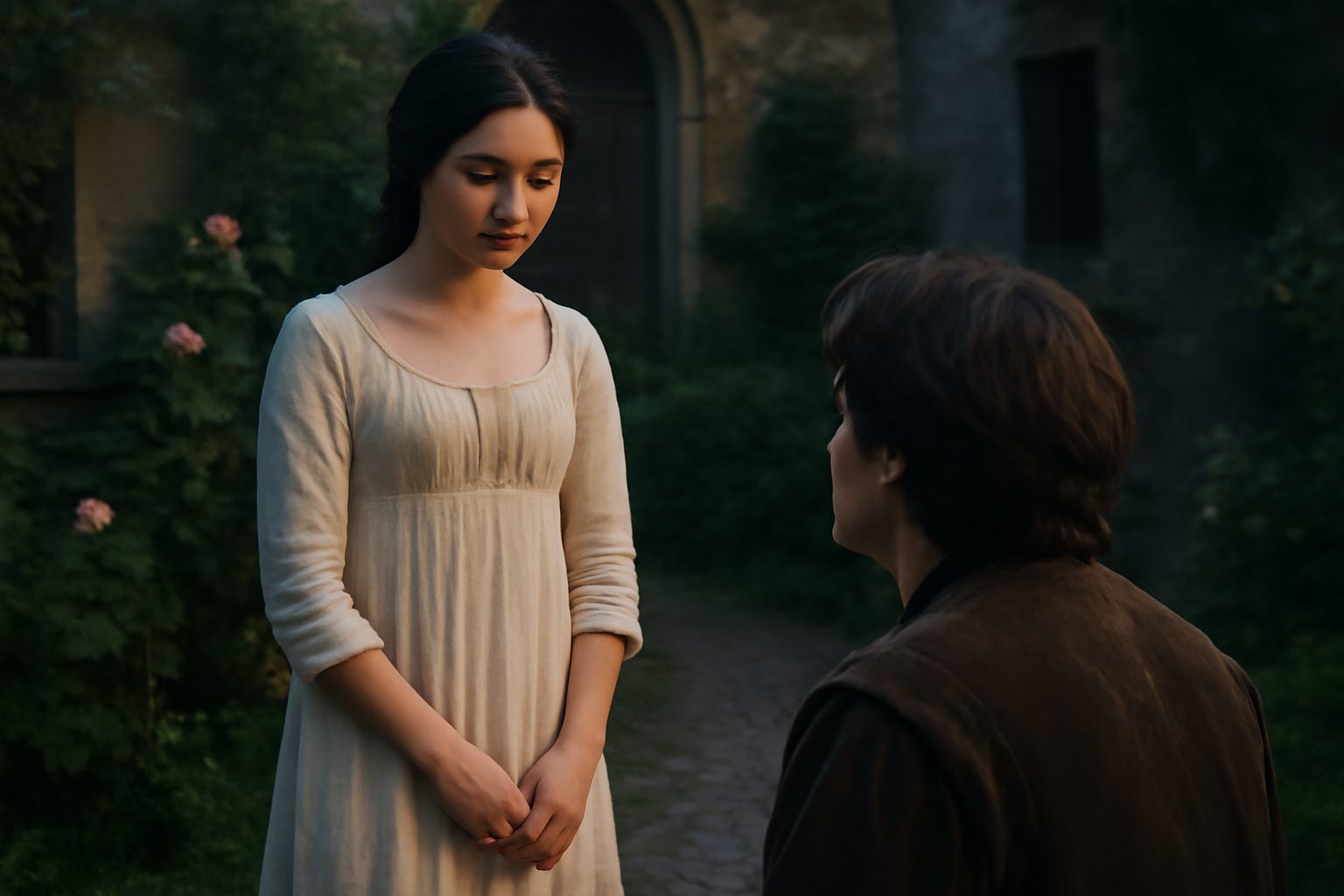
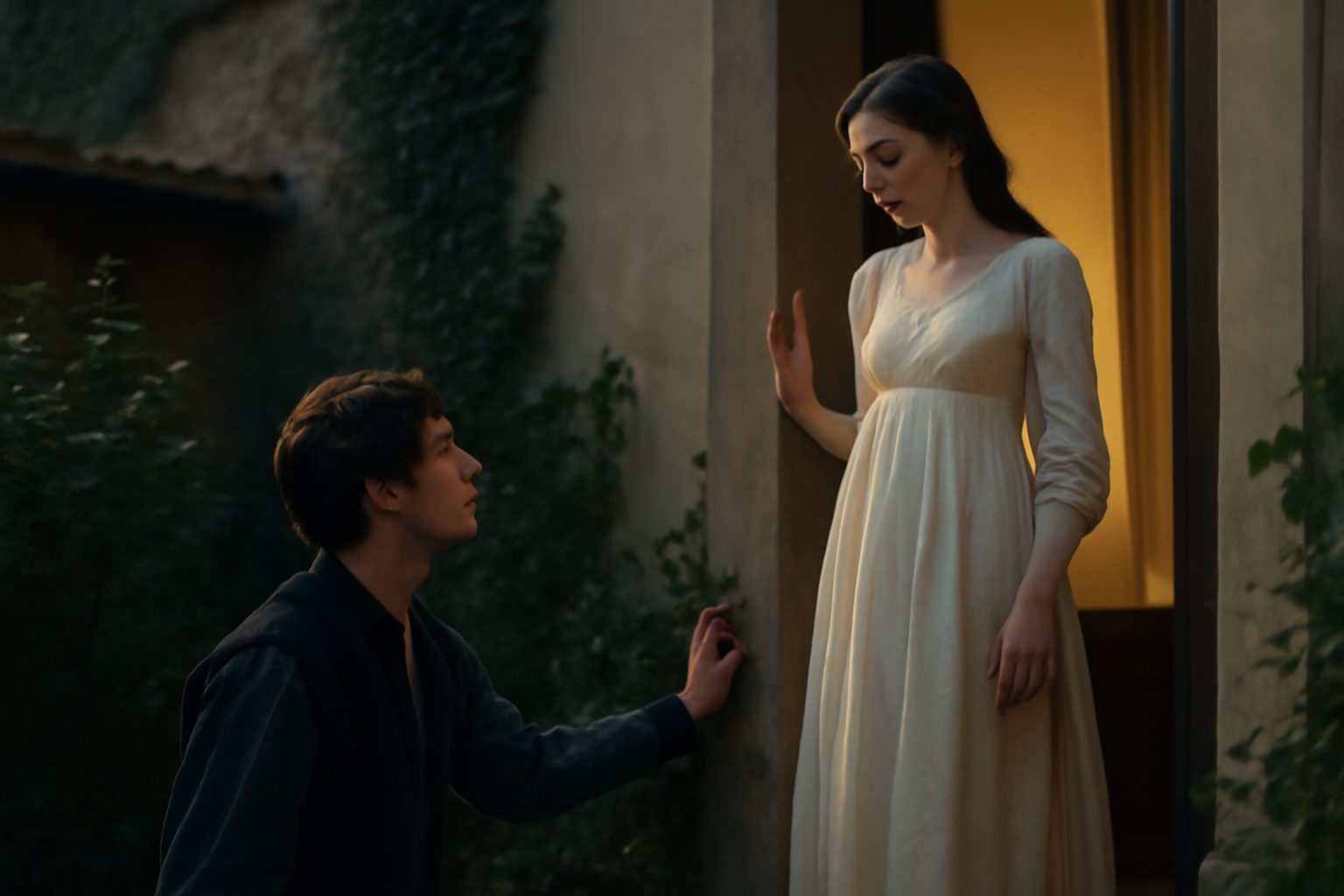
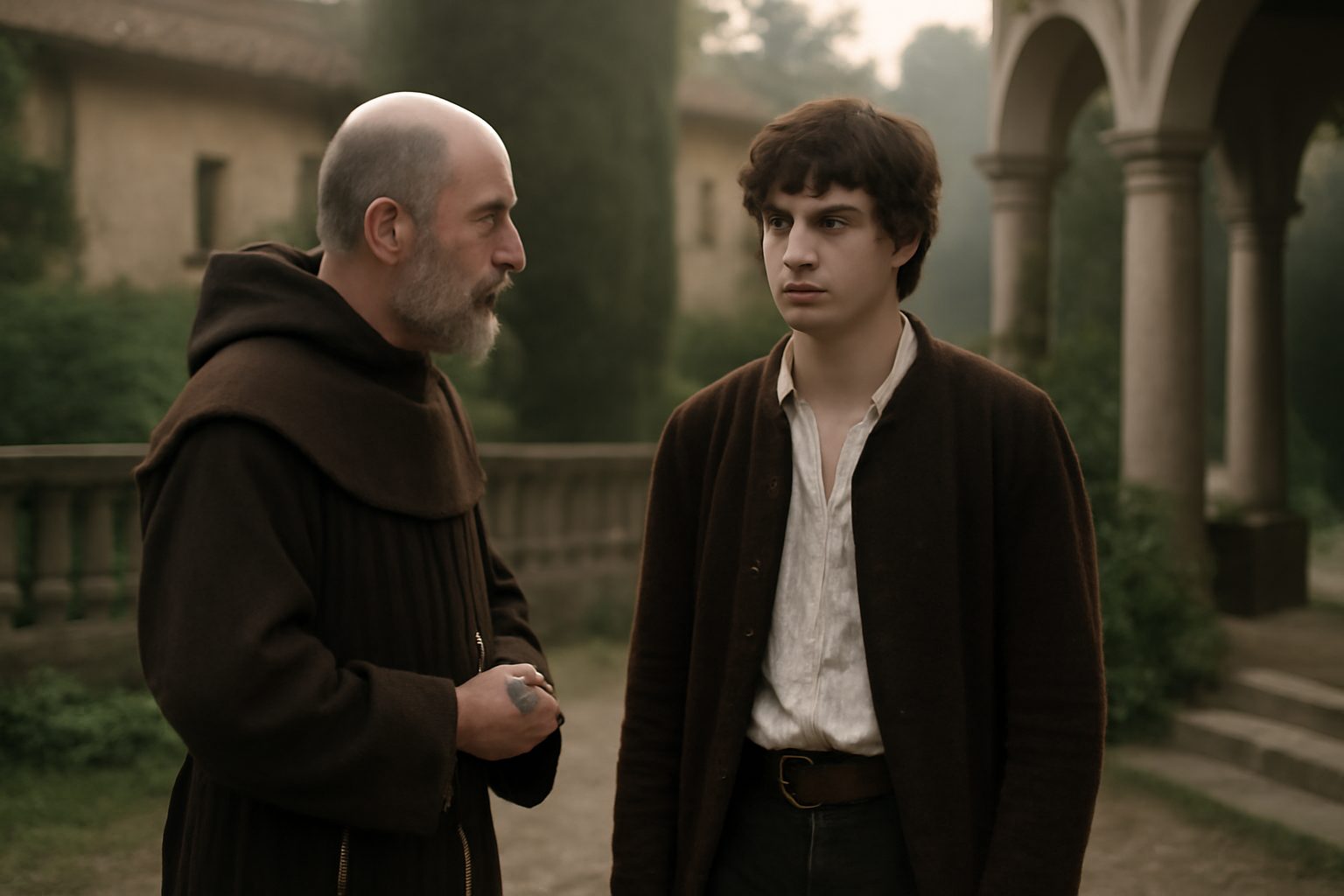
In Act 2, Scene 3 of Romeo and Juliet, Friar Laurence speaks this line after Romeo arrives at his cell, eager to share news of his newfound love for Juliet. The friar, skeptical of Romeo's sudden shift in affection from Rosaline to Juliet, chides him for speaking in vague and playful riddles rather than honest clarity. The remark underscores the friar's cautious wisdom, contrasting with Romeo's impulsive passion.
Friar Laurence: "Riddling confession finds but riddling shrift."
In modern day english, we would say:
If you speak in confusing riddles, you'll only get vague answers in return.
Frequently Asked Questions
What does Friar Laurence mean when he says that a confusing confession will only get a confusing reply?
He means that if someone does not explain their problem clearly, they will not receive a helpful or clear response in return.
Connections to other verses:
Connections to "Riddling confession finds but riddling shrift"
The line Riddling confession finds but riddling shrift is spoken by Friar Laurence in response to Romeo's cryptic and playful language. It highlights the theme of communication and misunderstanding, which is echoed in several other verses of the scene.
Direct Preceding and Following Context
Just before this, Friar Laurence urges Romeo to be clear in Be plain, good son, and homely in thy drift, emphasizing his frustration with Romeo's riddles. Immediately after, Romeo responds with Then plainly know my heart's dear love is set, finally revealing his love for Juliet, which ties directly to the idea that unclear confessions lead to unclear responses.
Contrast with Earlier Exchanges
Earlier in the scene, Friar Laurence expresses surprise at Romeo's changed demeanor in Holy Saint Francis, what a change is here!, questioning whether his affections have shifted from Rosaline. This connects to the "riddling" nature of Romeo's emotions, as his sudden change seems puzzling and indirect to the Friar.
Theme of Duality and Contrast
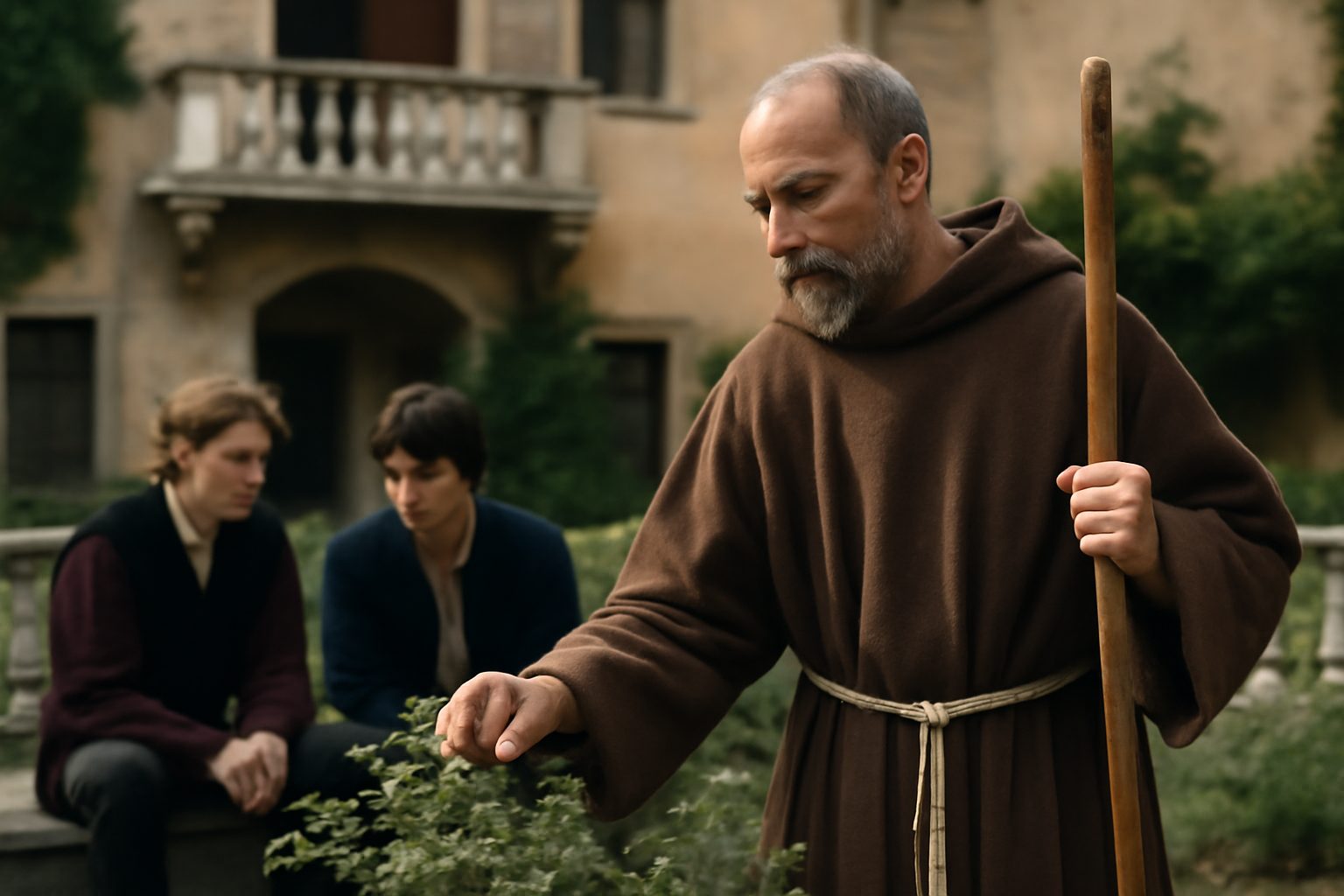
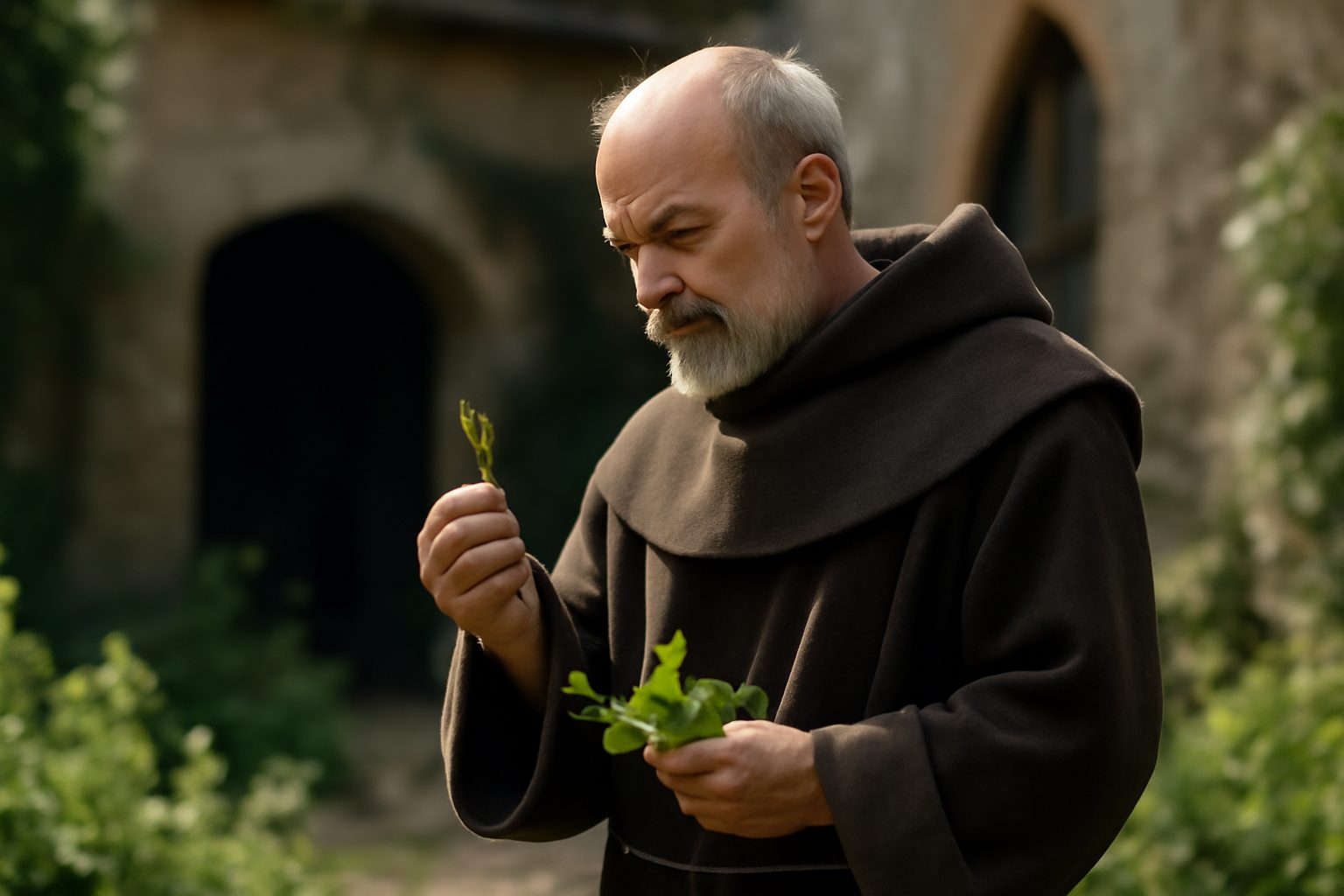
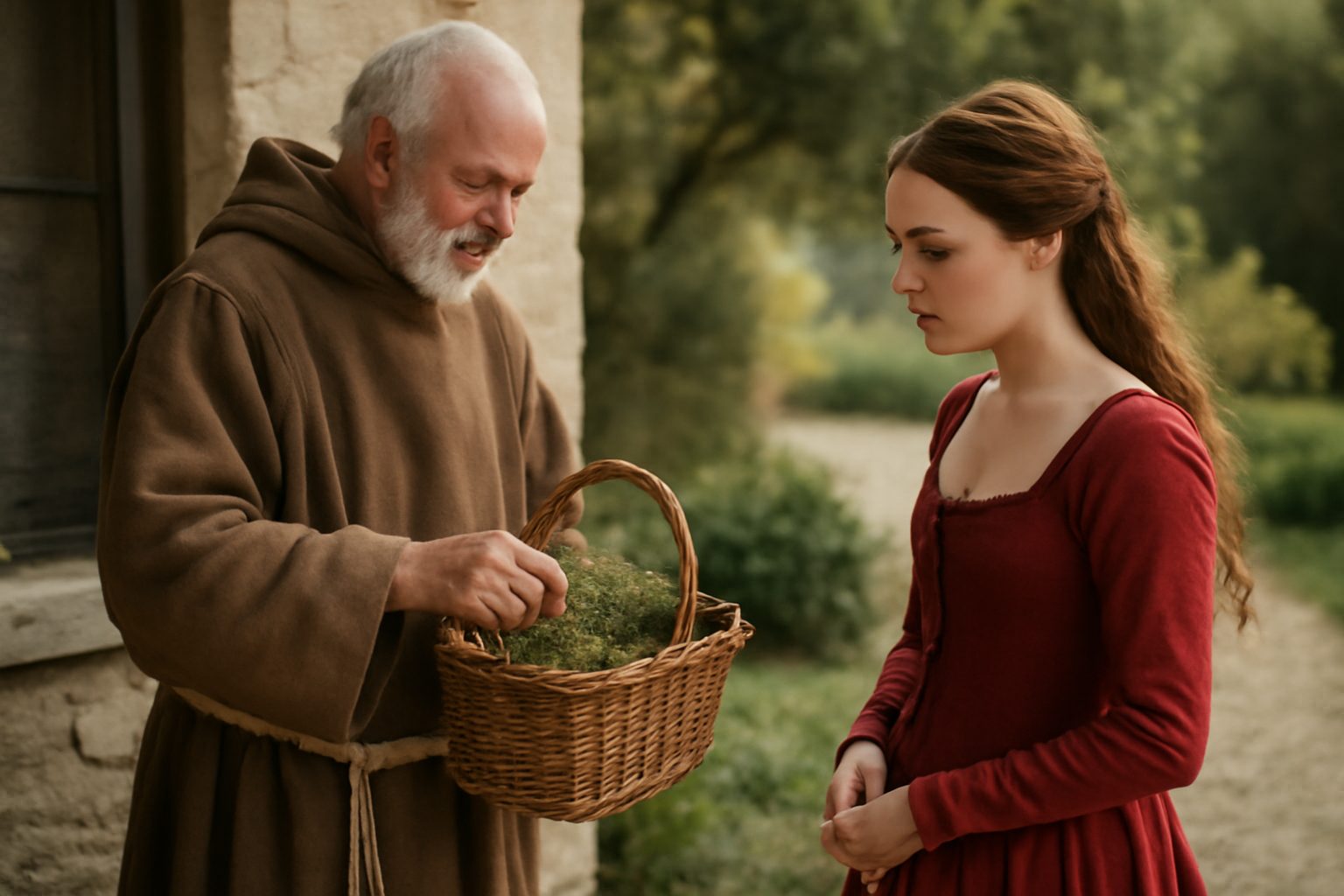
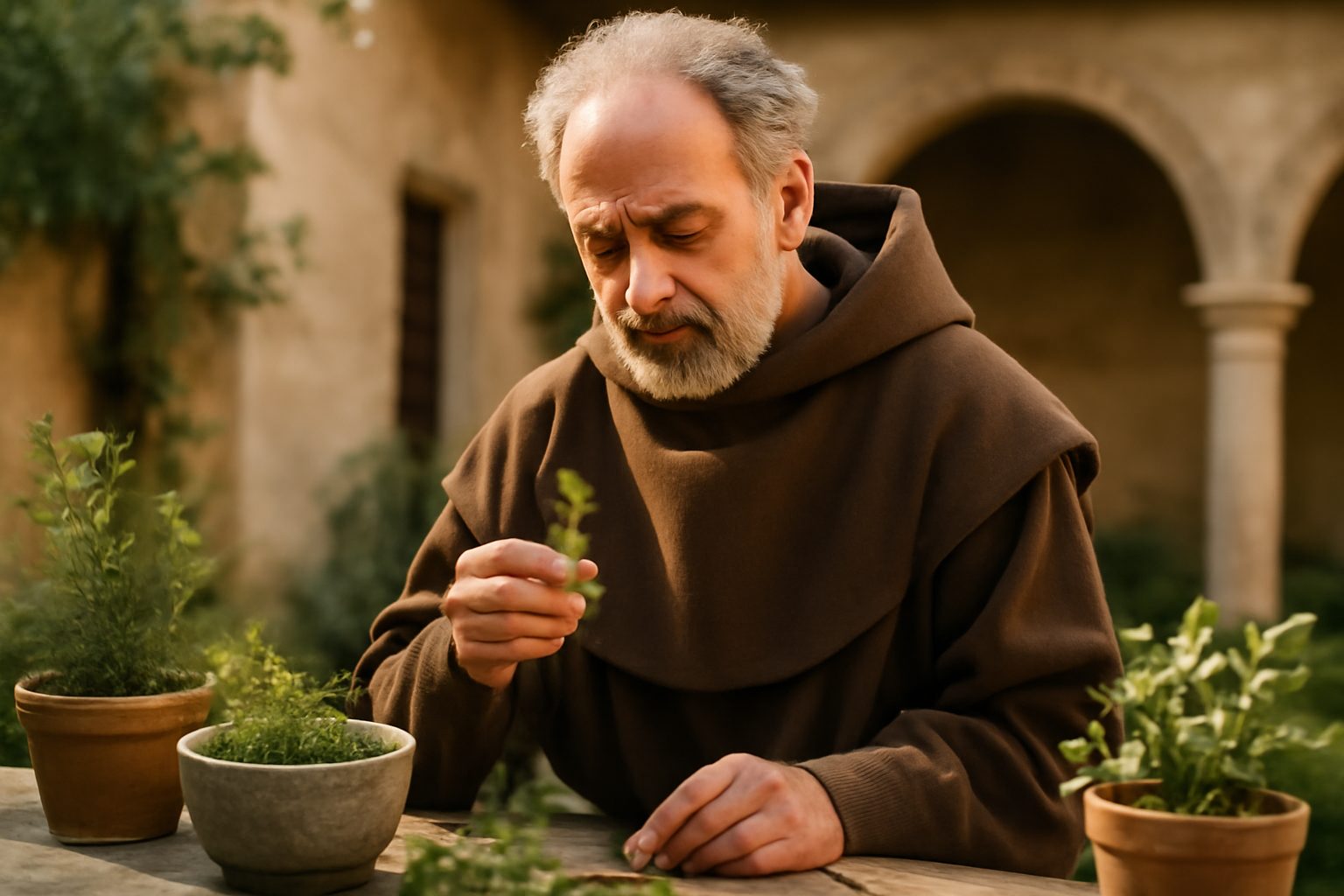
The idea of things having dual natures, as expressed in Poison hath residence and medicine power, parallels the "riddling" quality of Romeo's confession—what seems one way may be another, much like the Friar's observations on the dual potential of natural elements.
Resolution and Clarity
Eventually, the scene moves toward clarity with Romeo's direct plea in That thou consent to marry us to-day, contrasting the earlier obscurity and fulfilling the Friar's call for plainness, thus resolving the "riddling" dynamic introduced earlier.