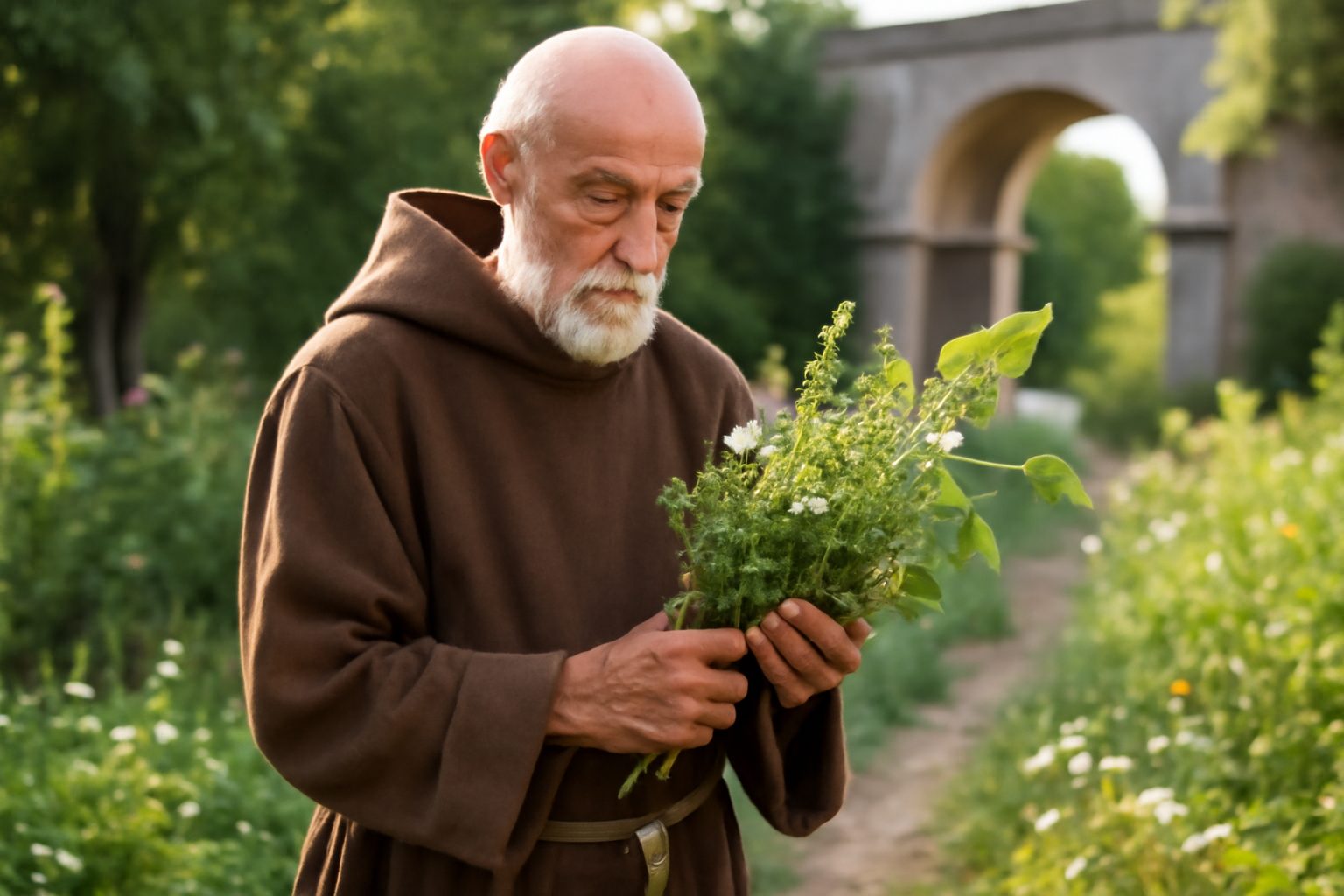
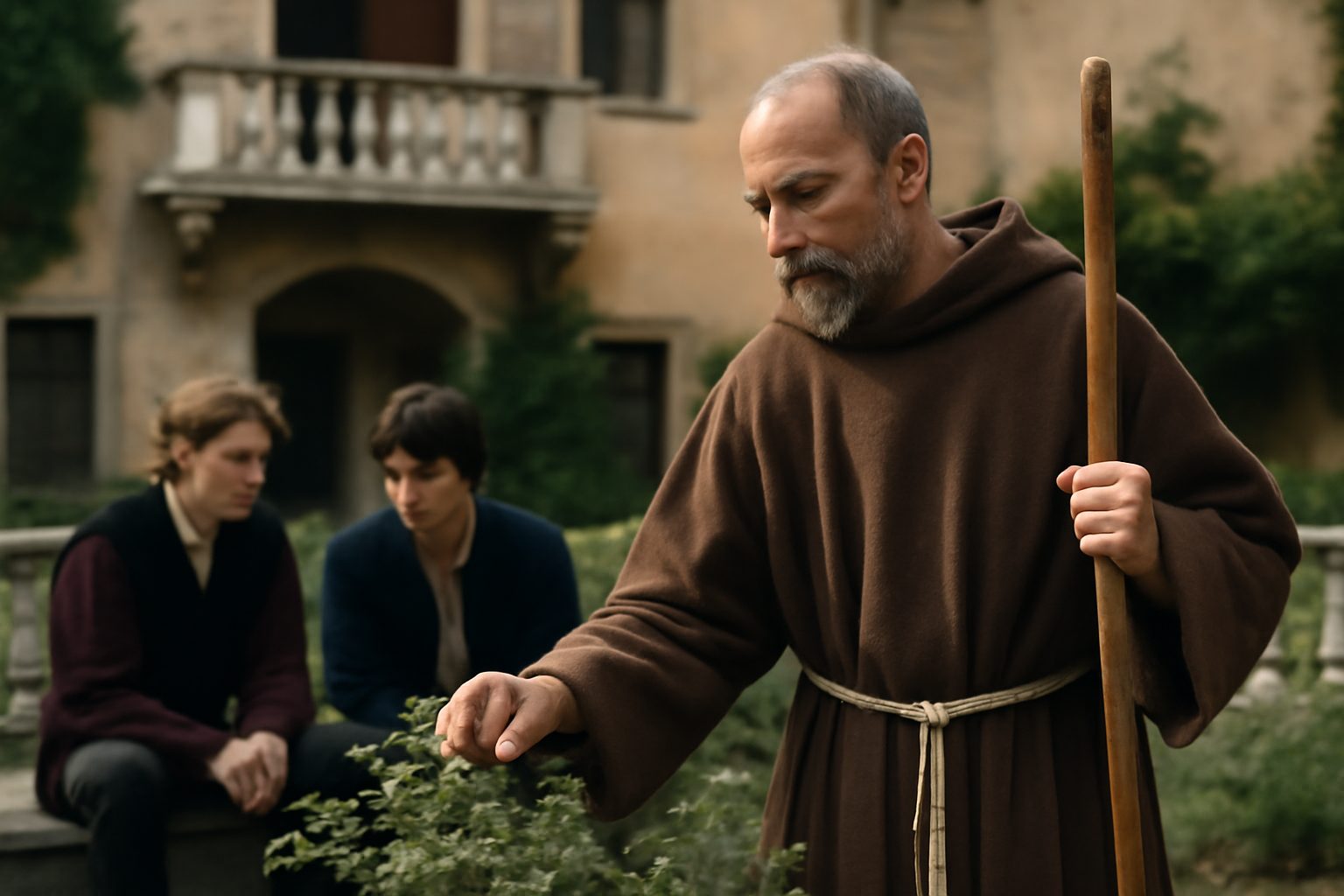
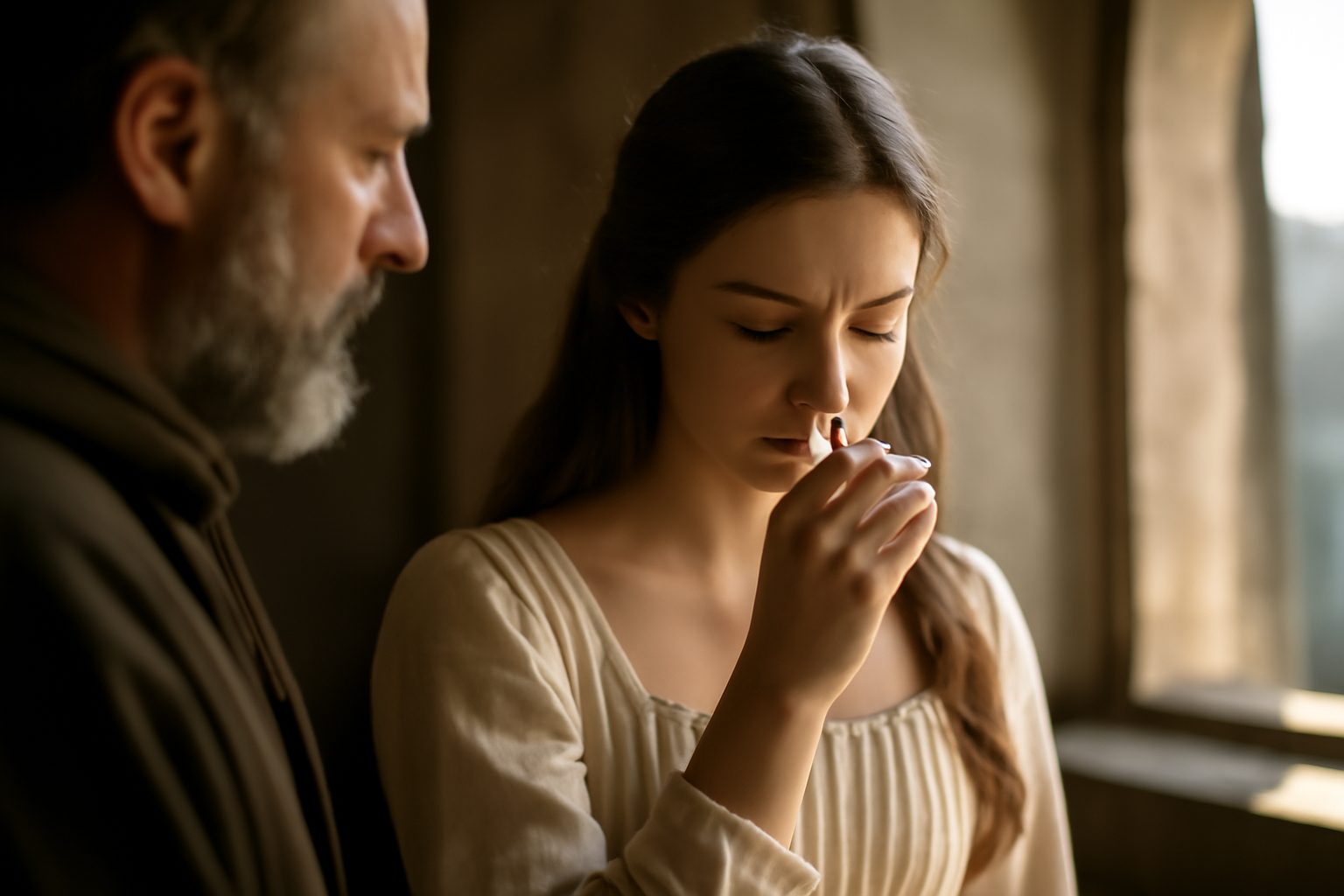
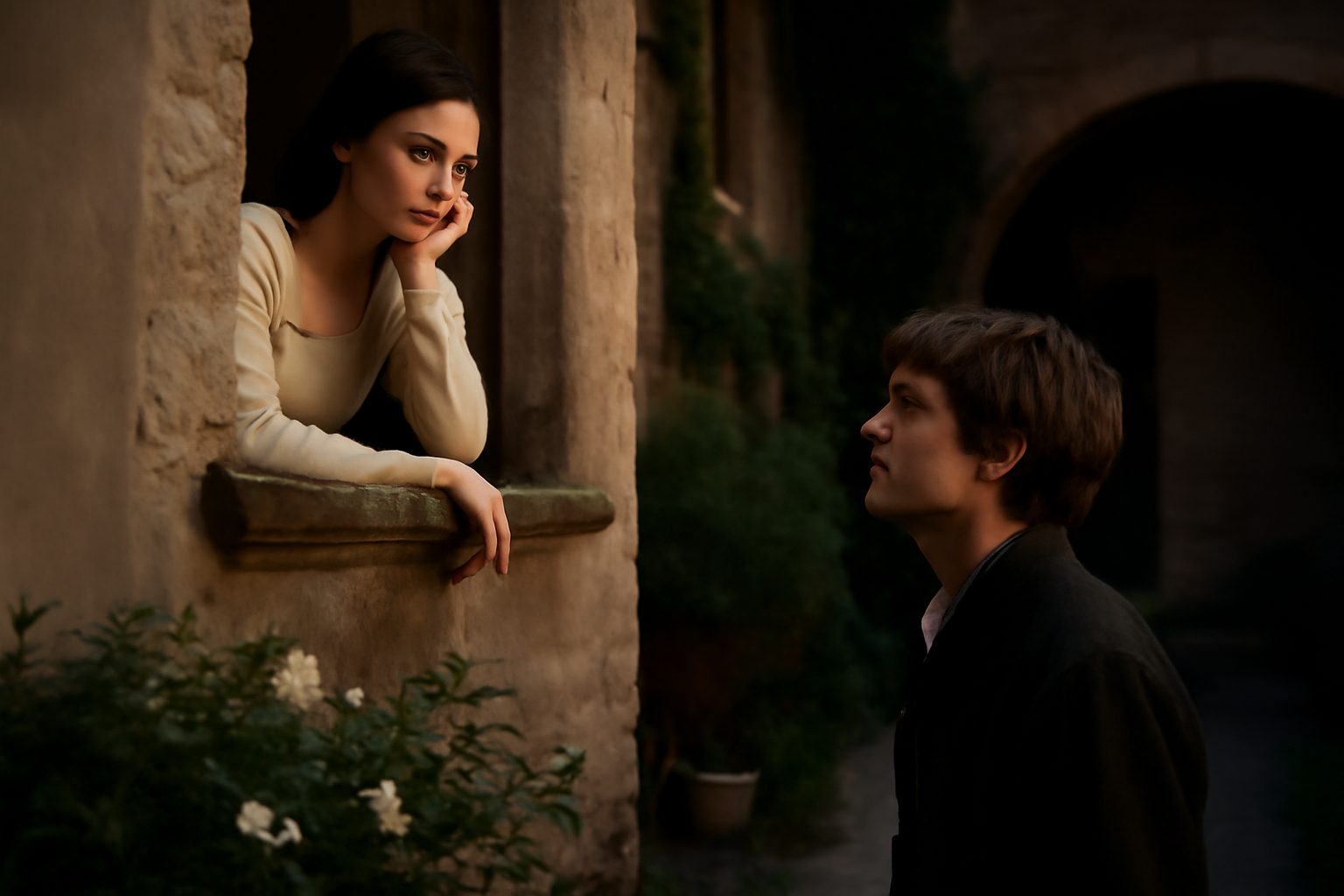
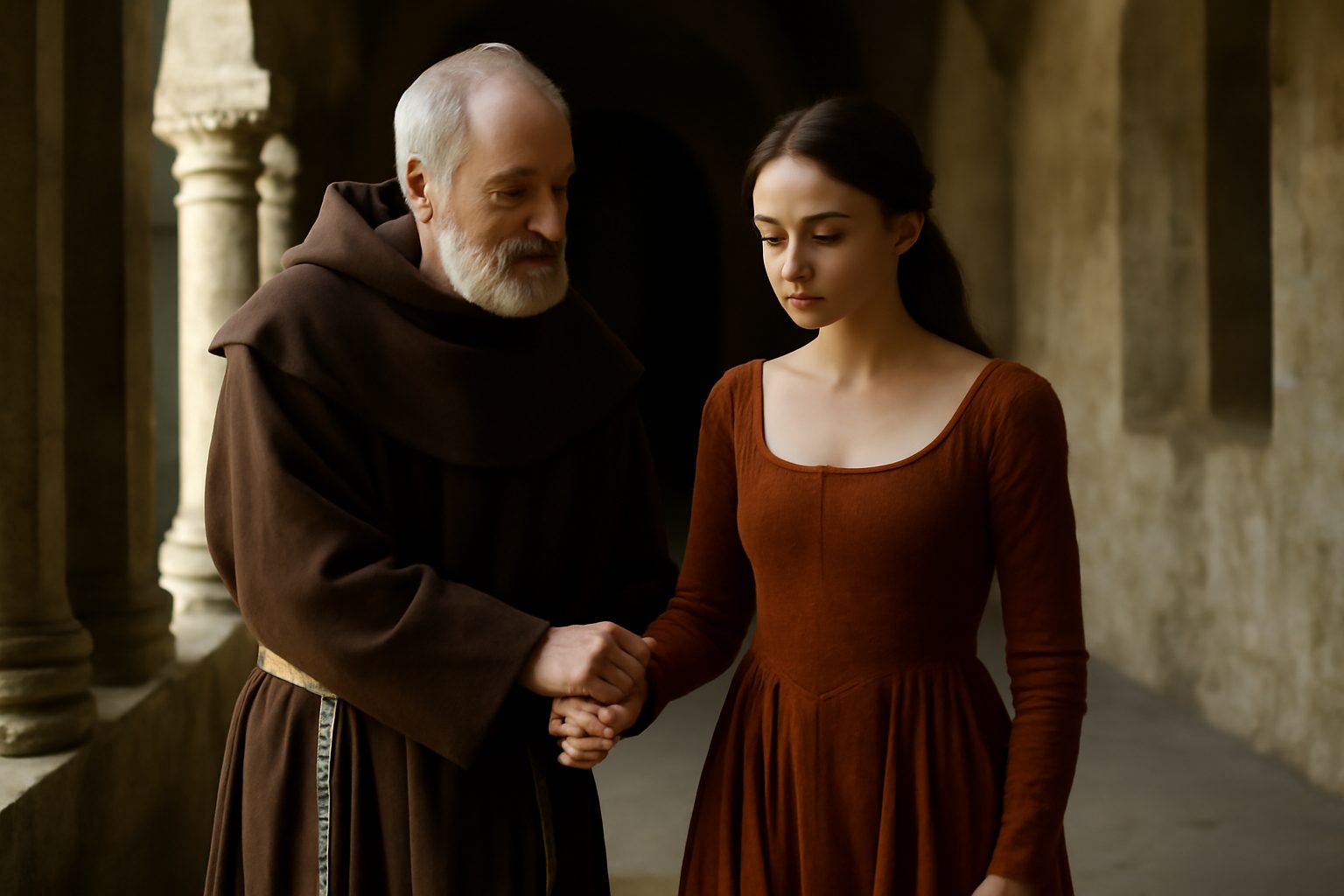
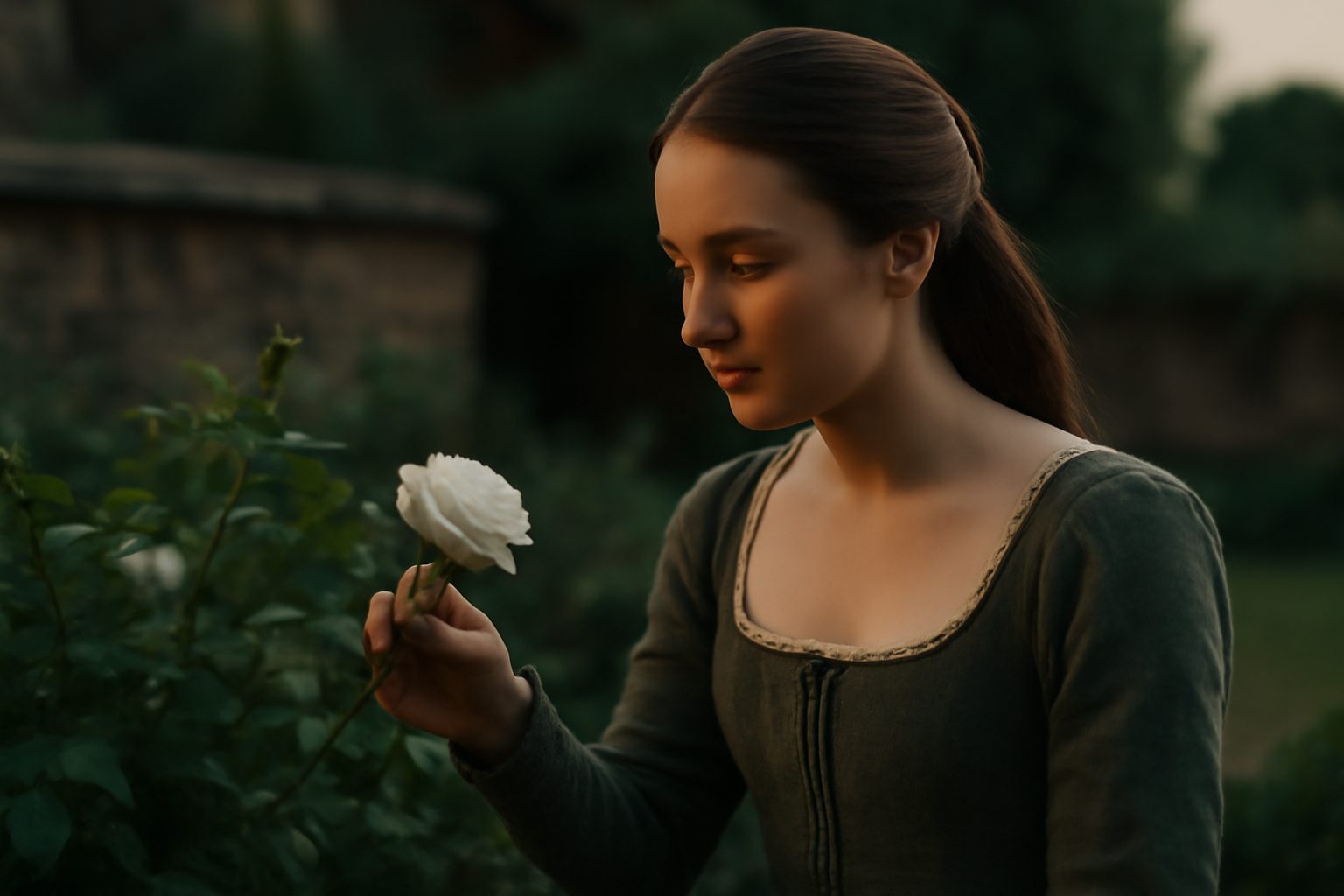
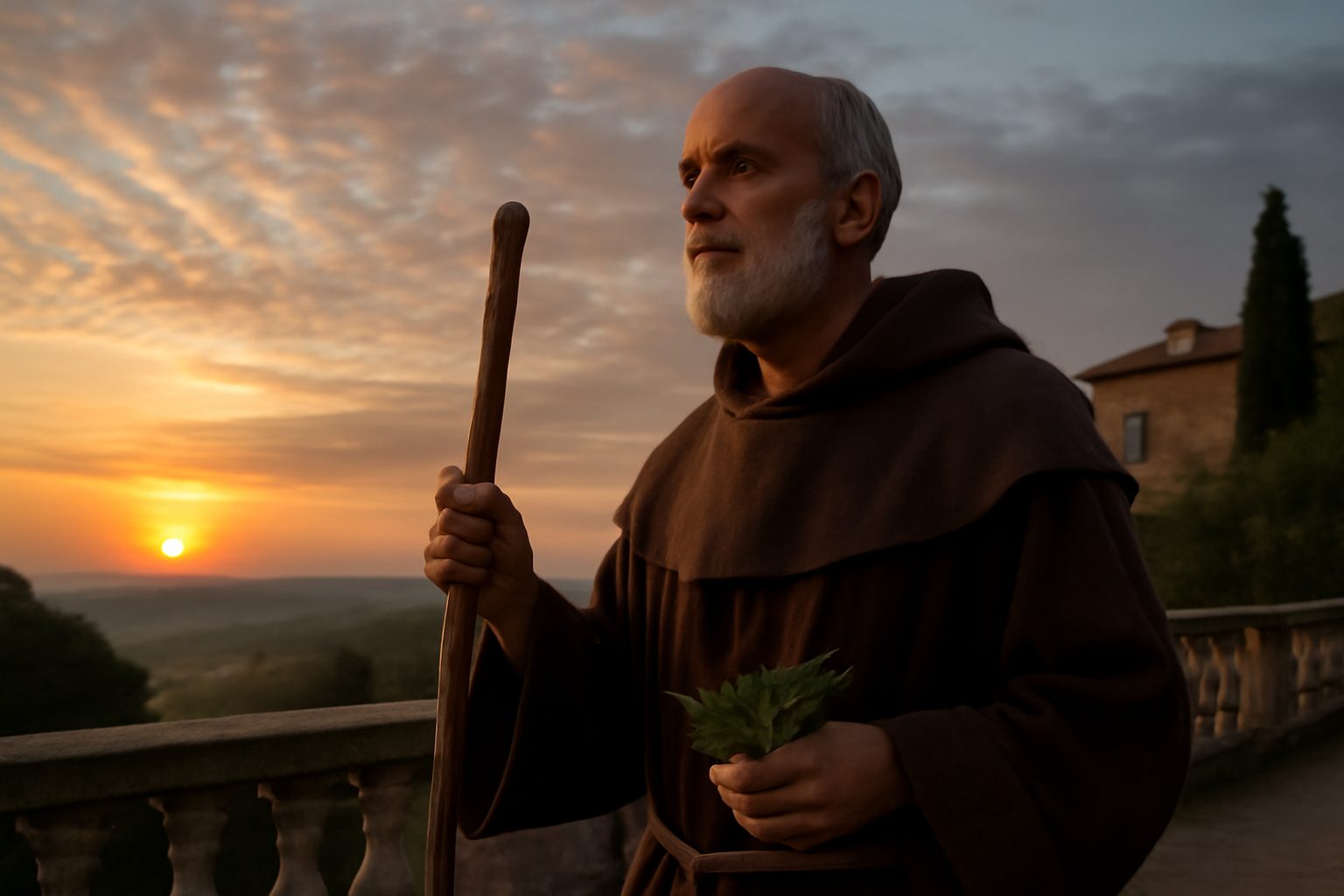
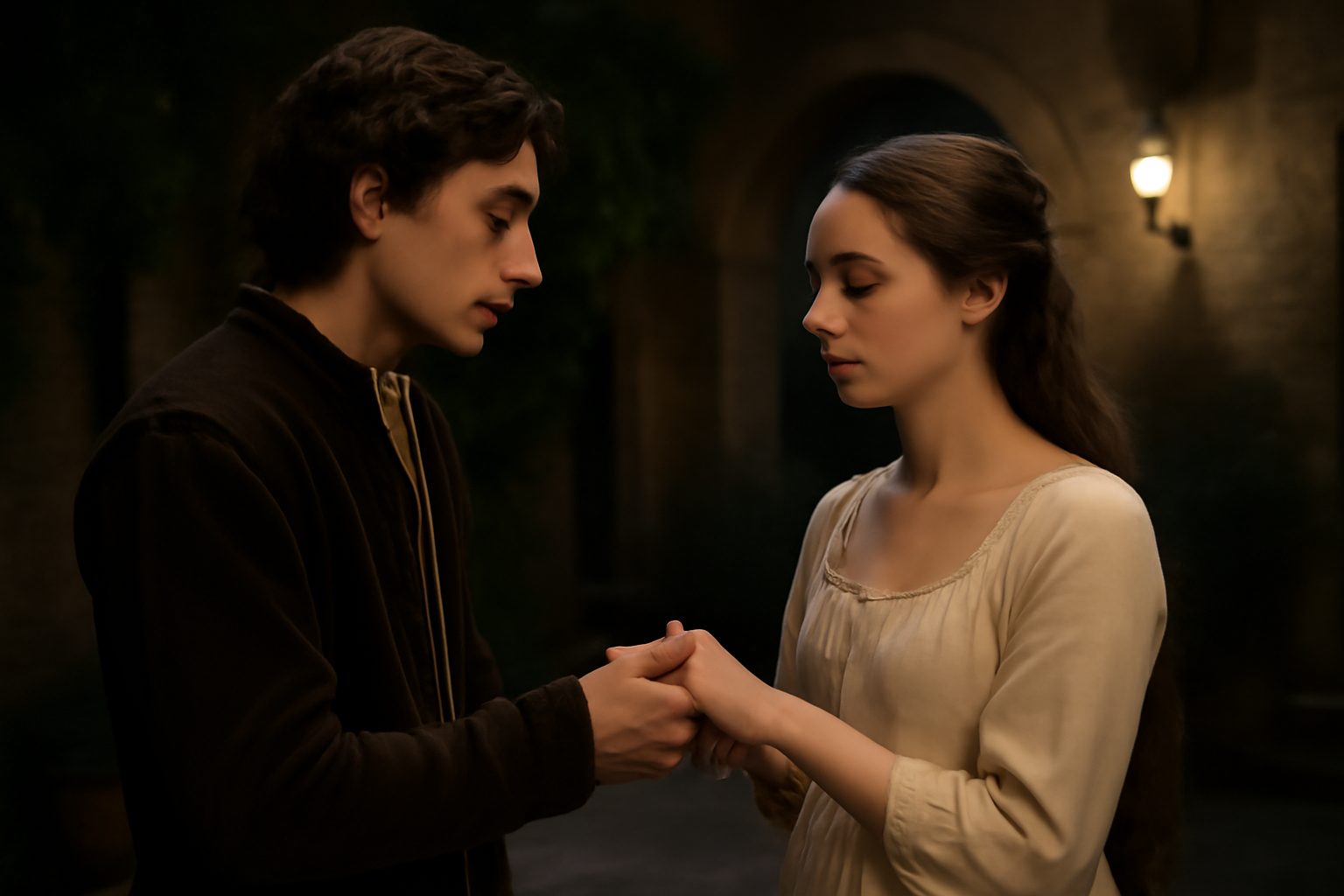
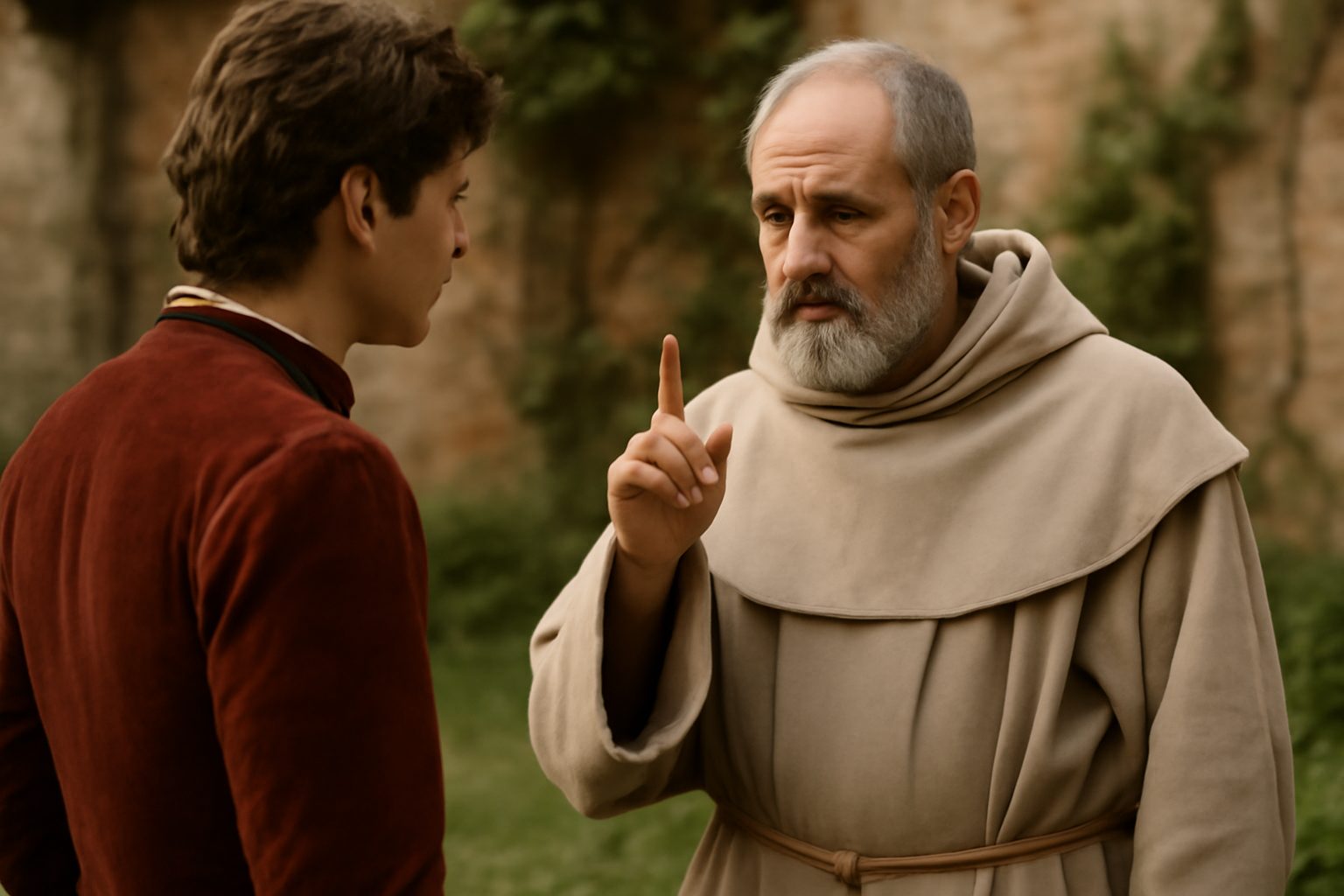
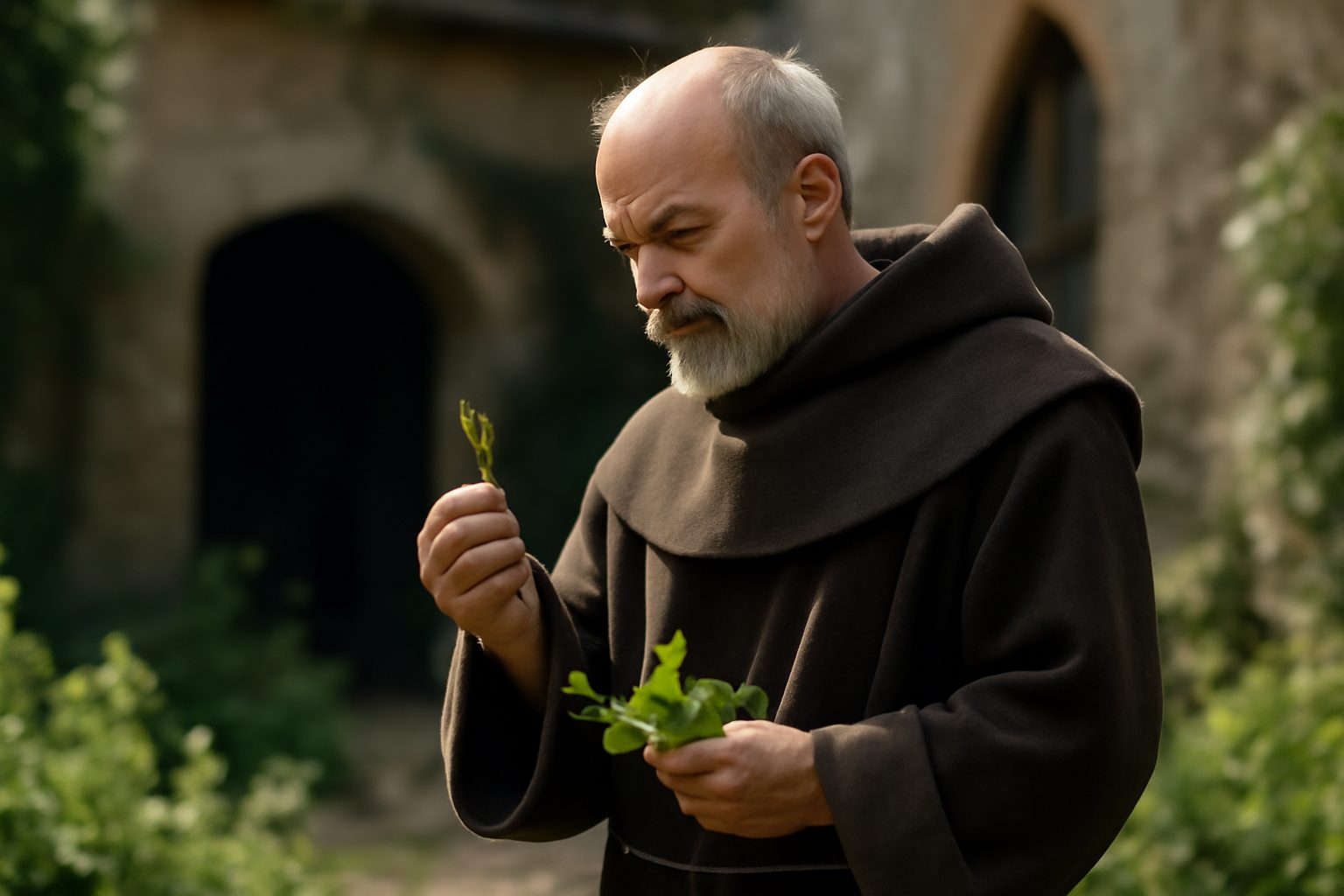
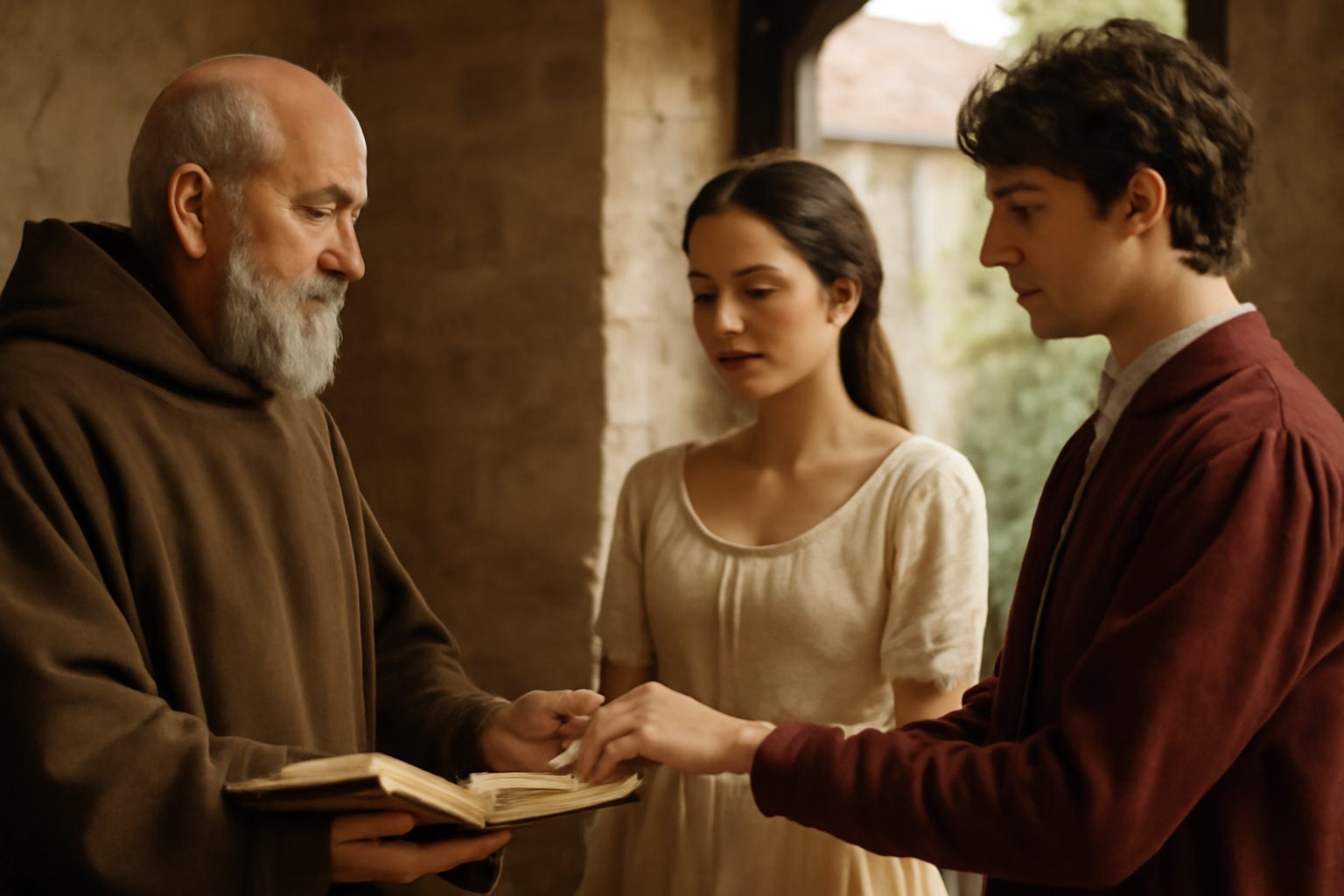
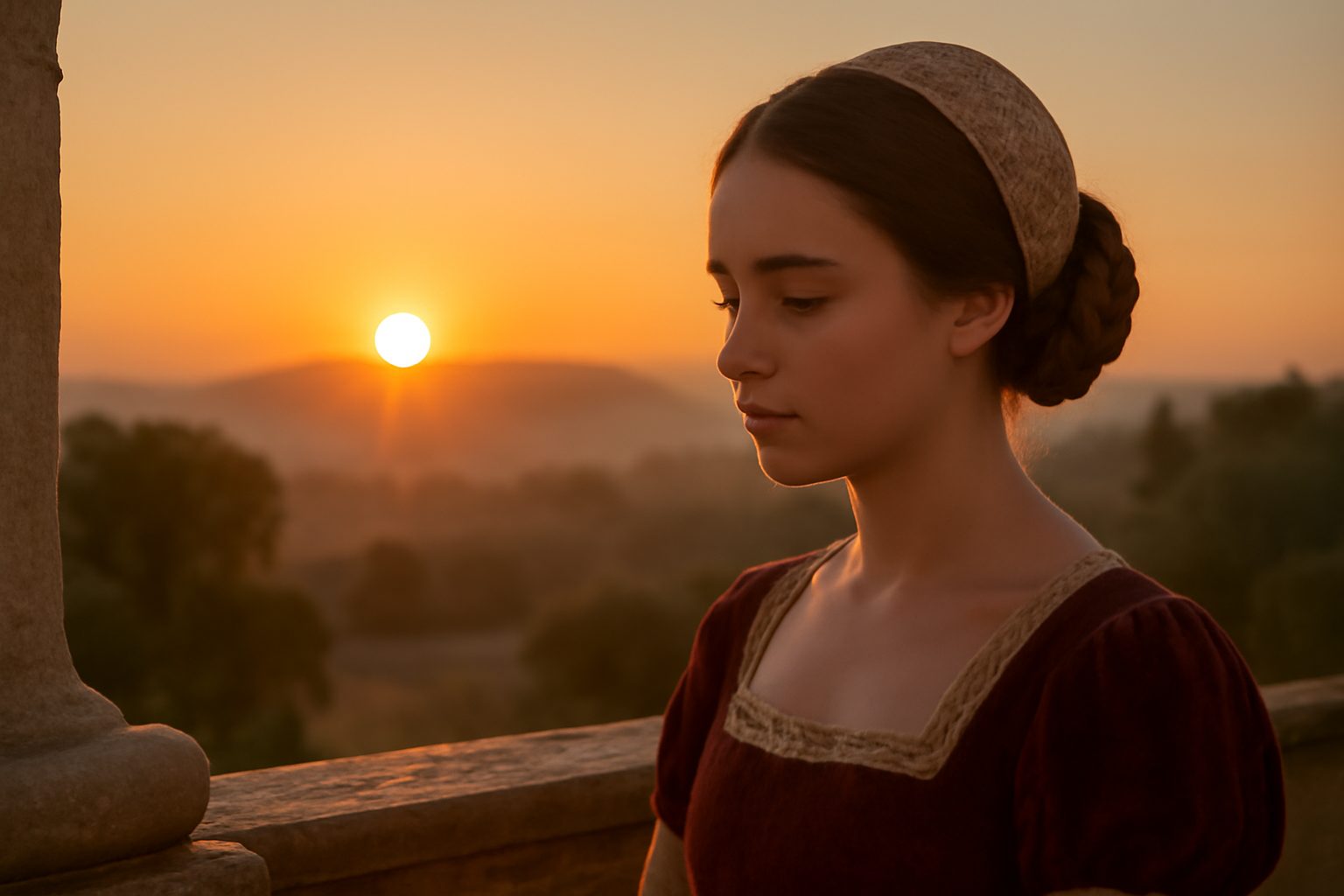
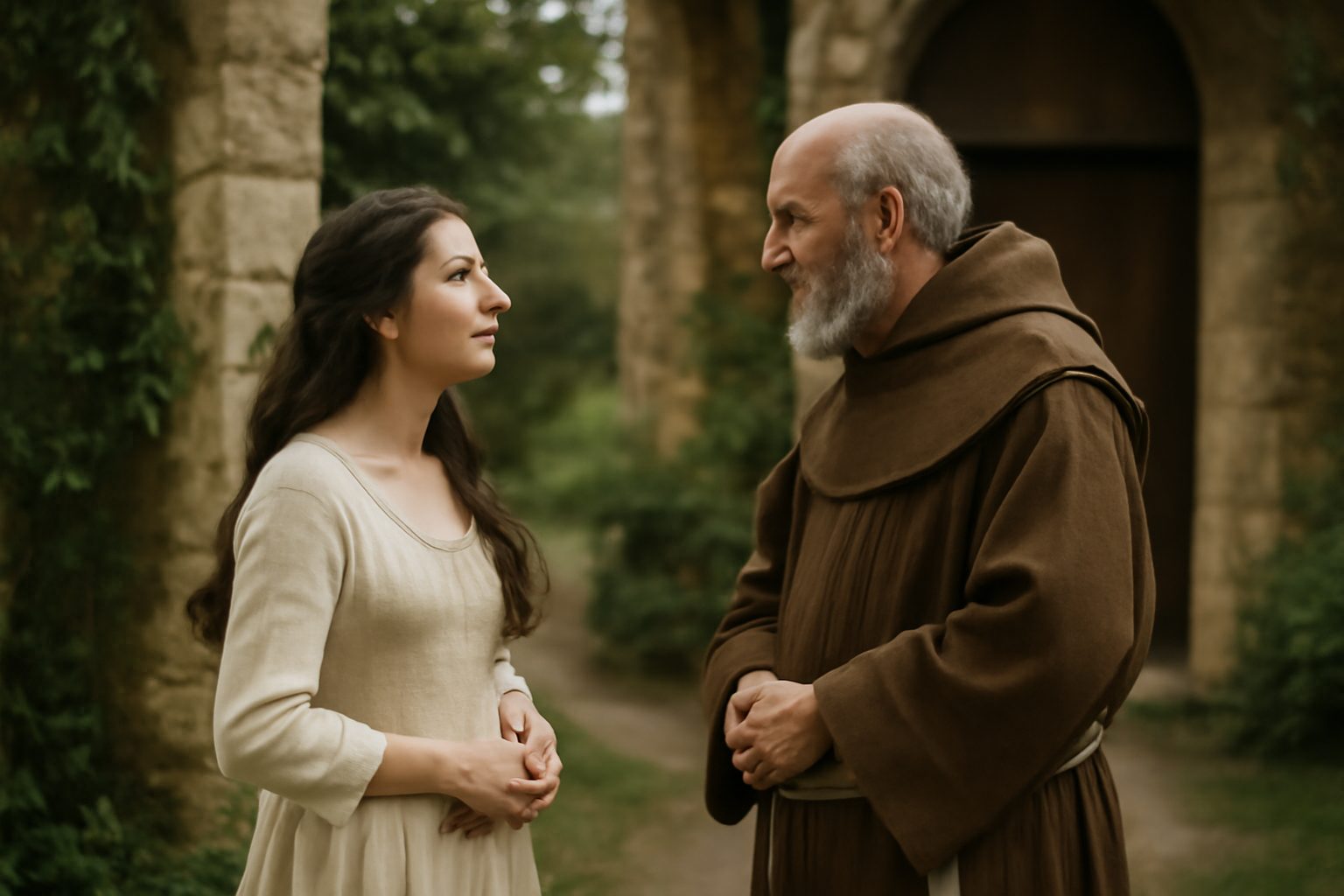
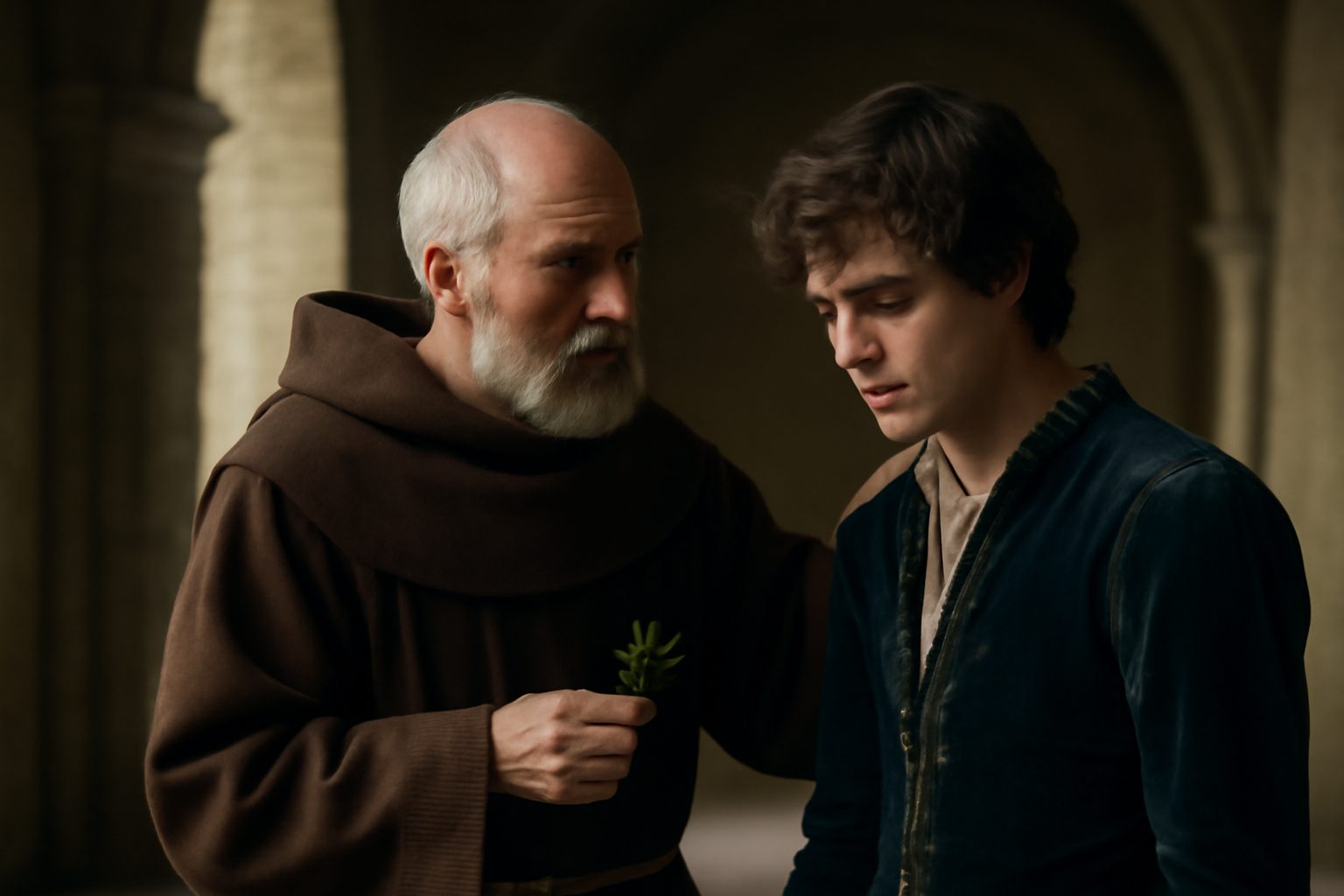
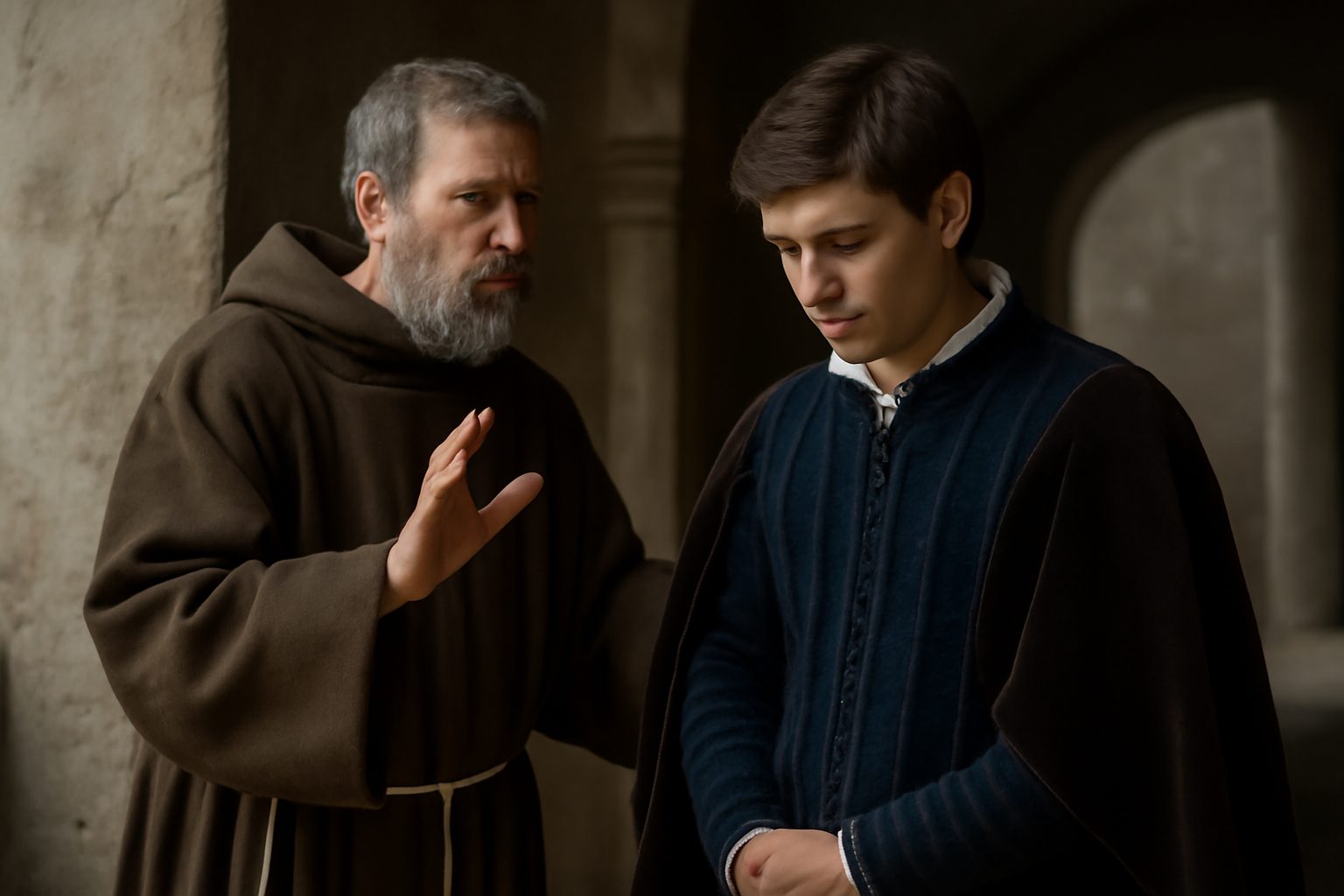
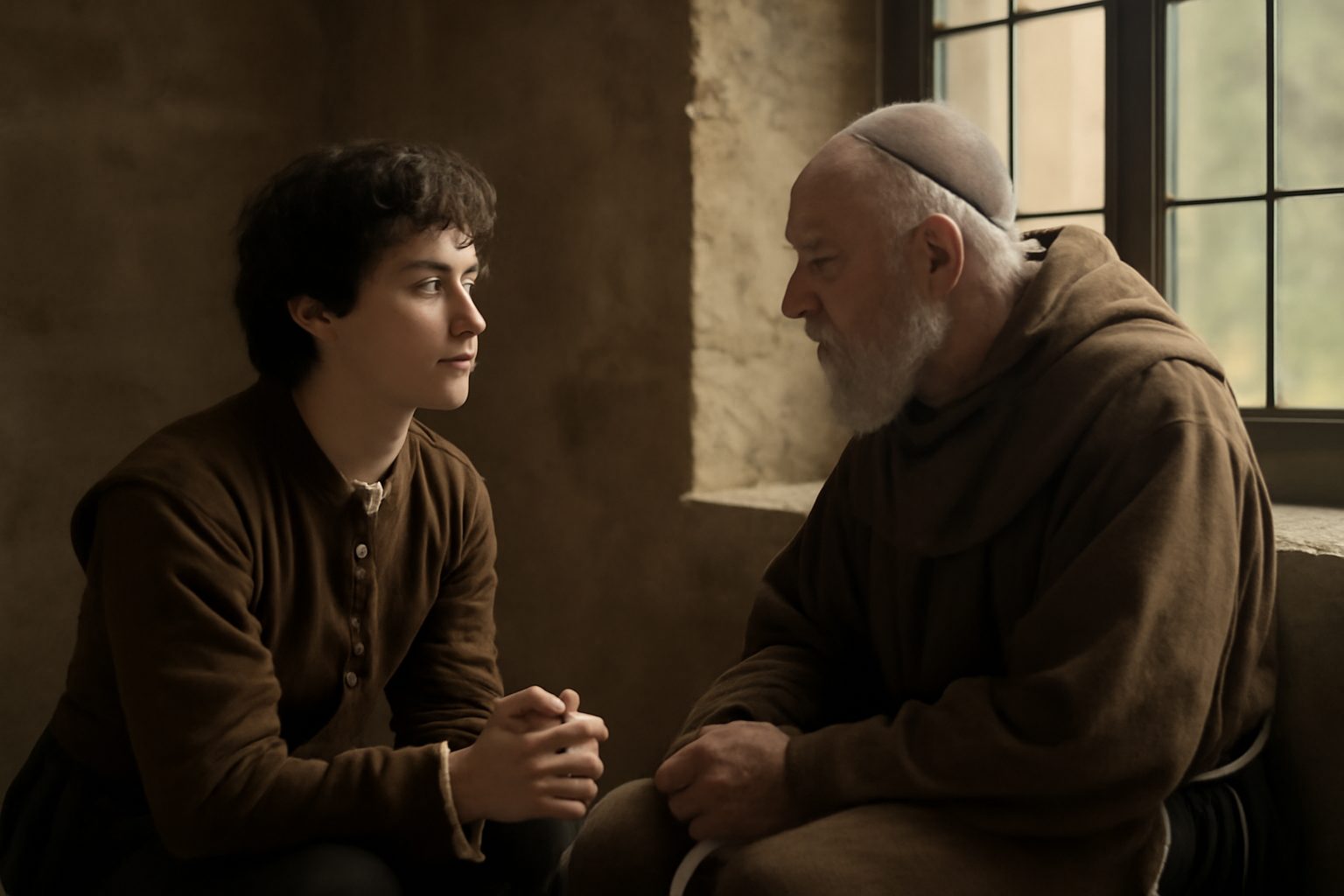
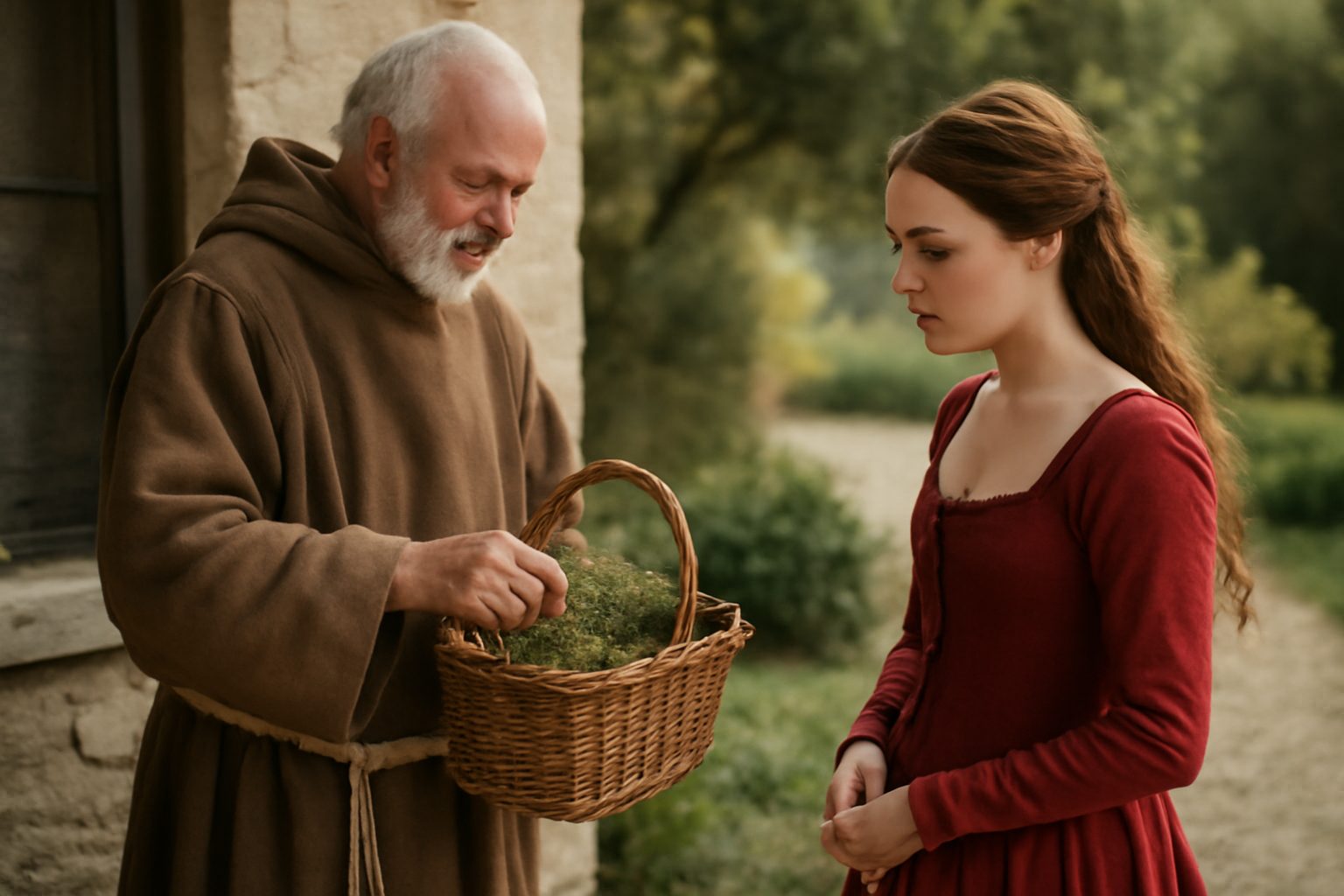
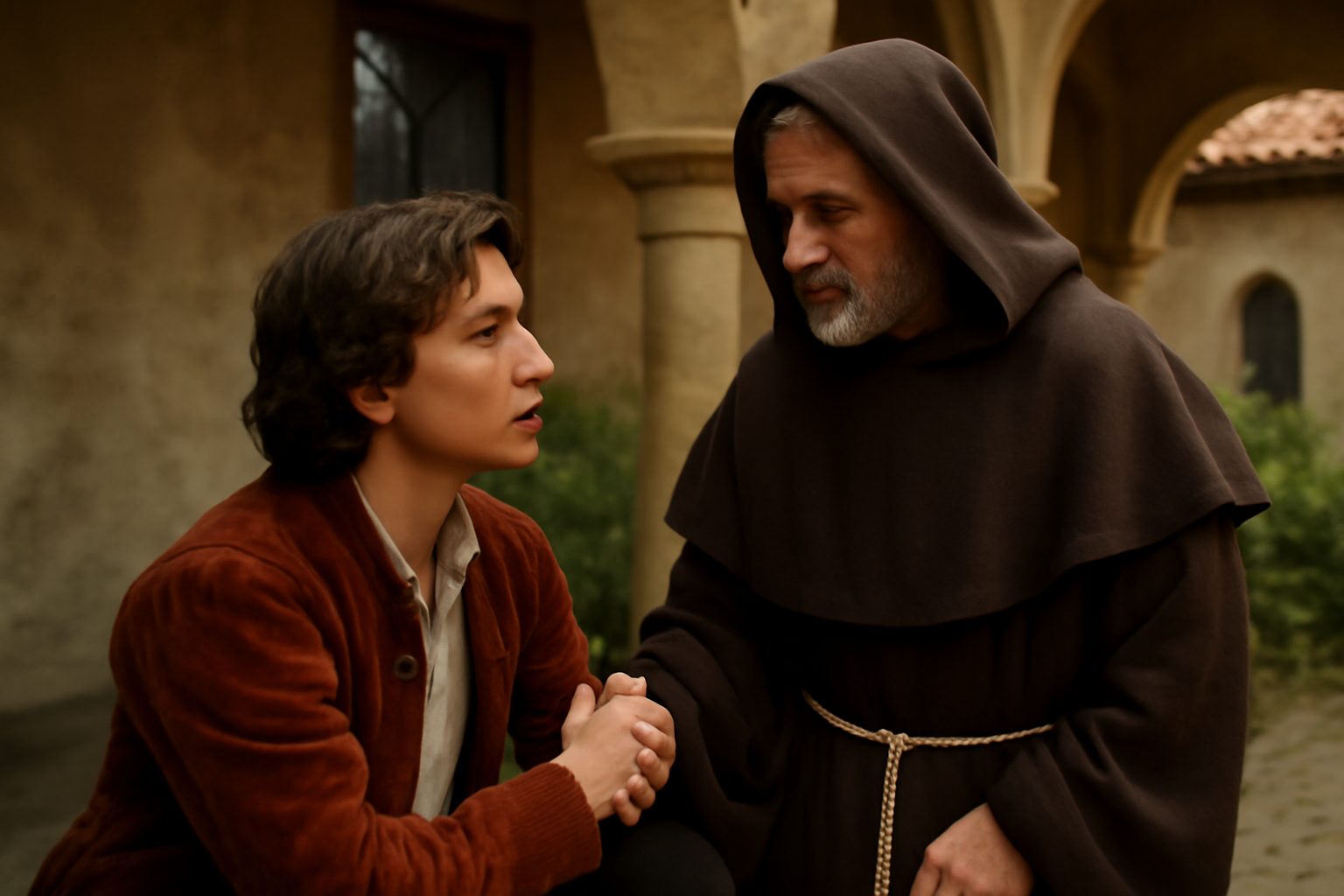
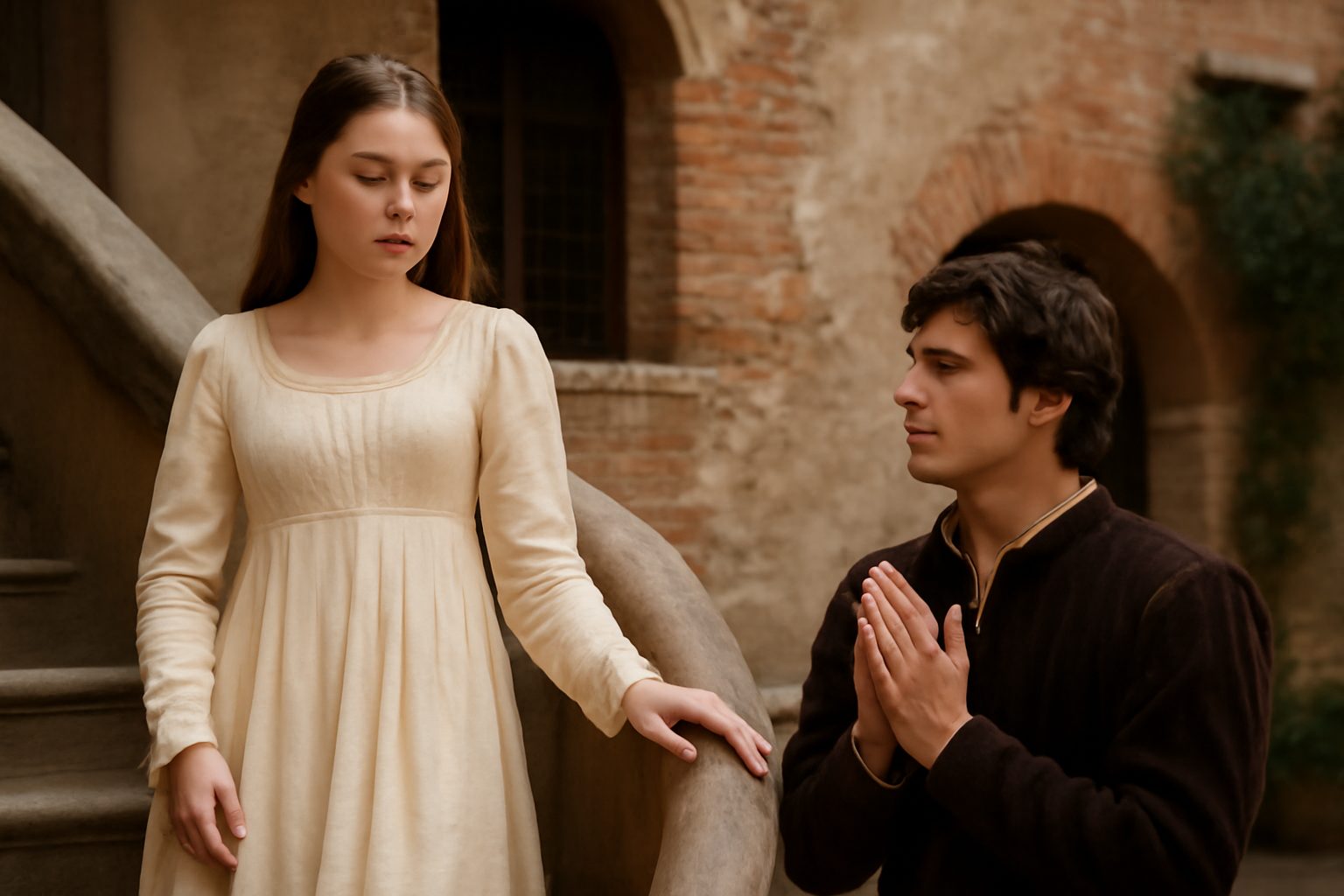
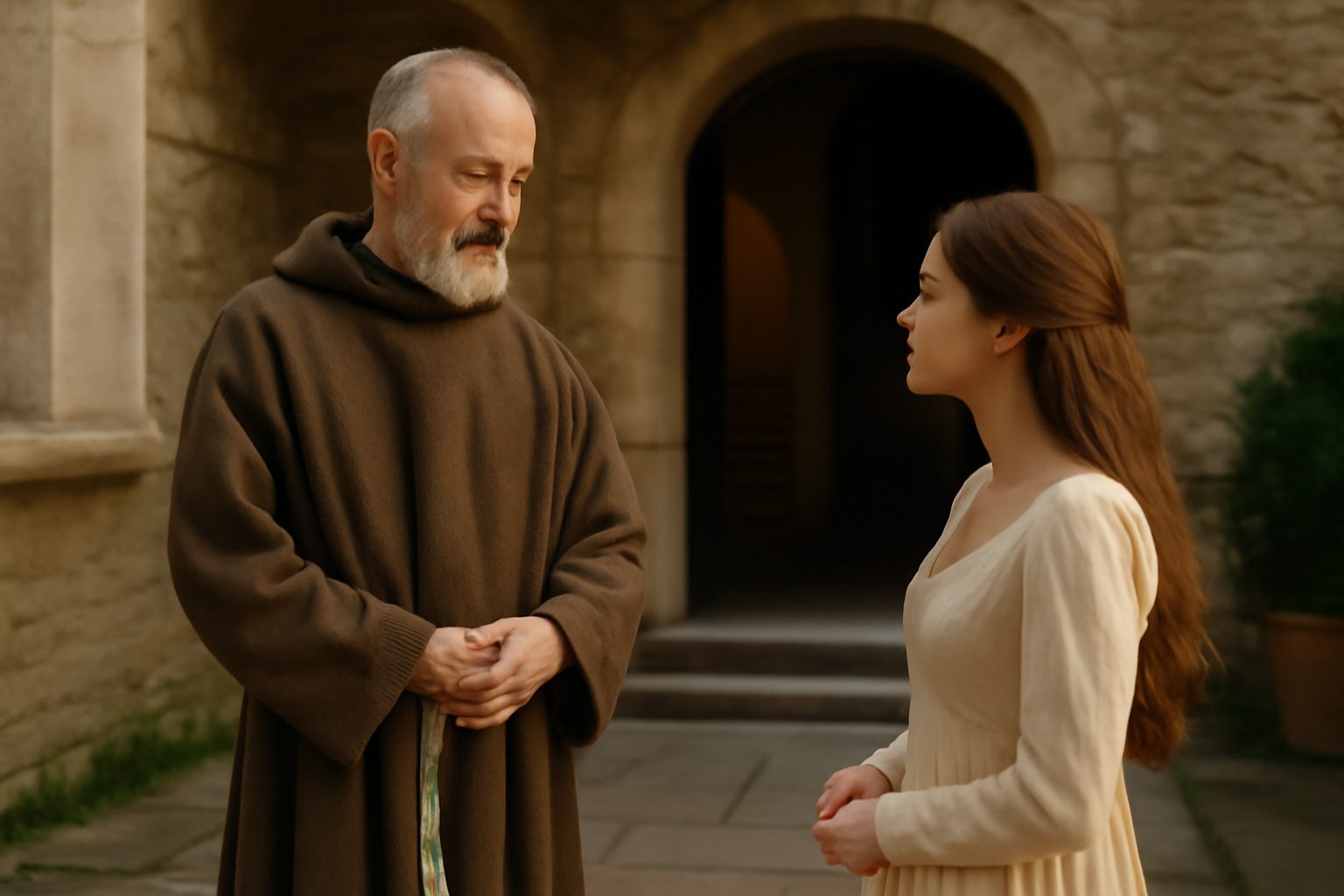
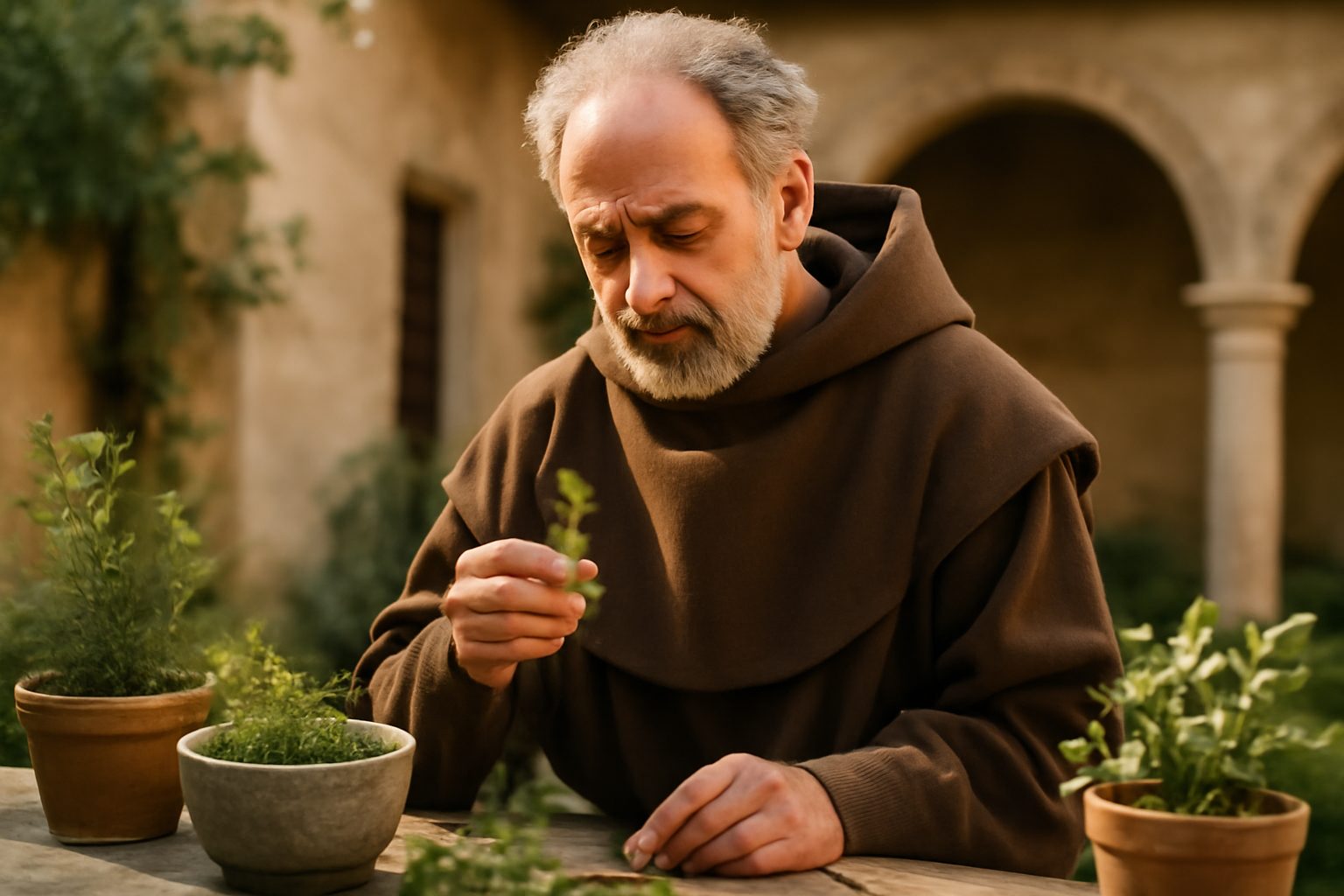
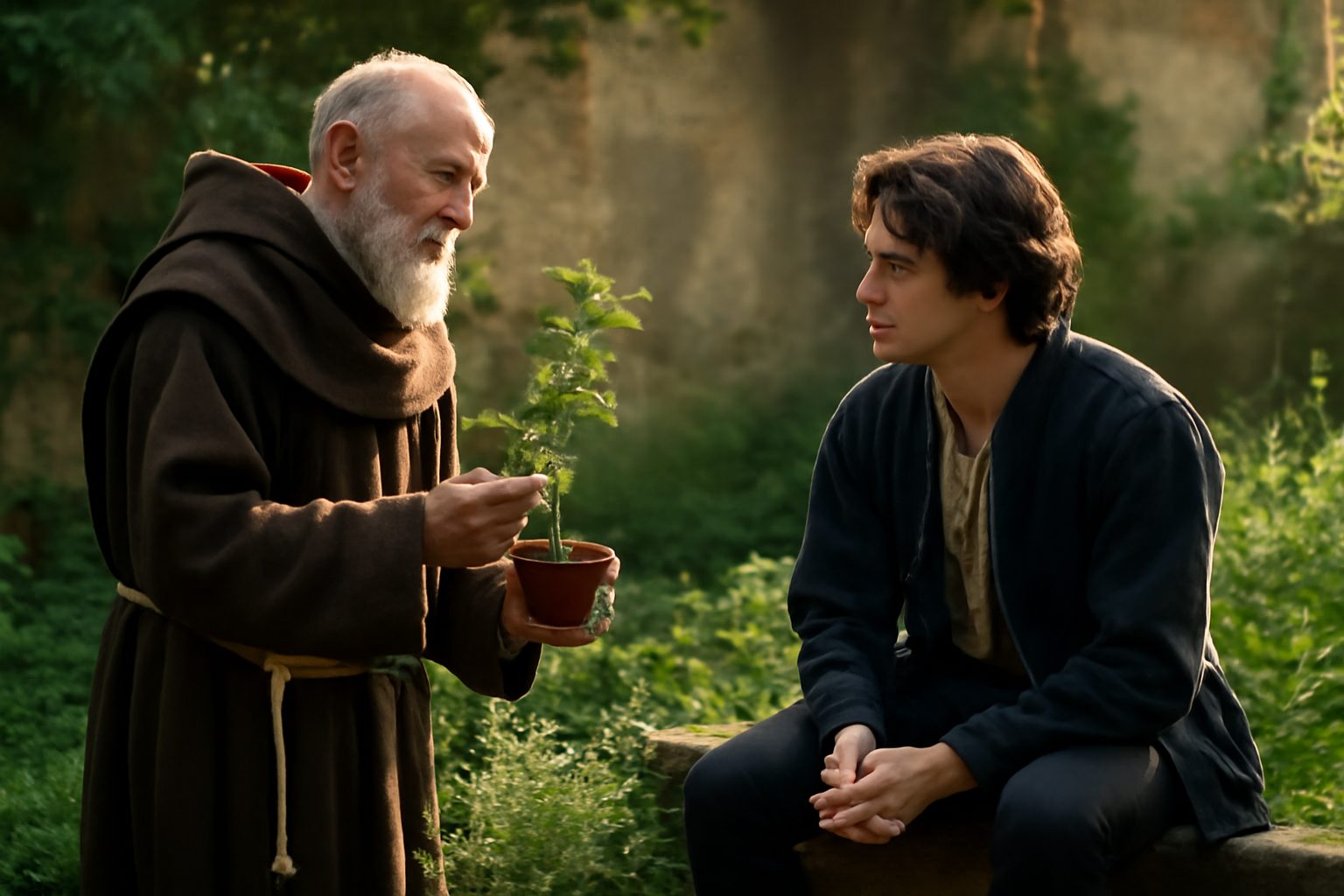
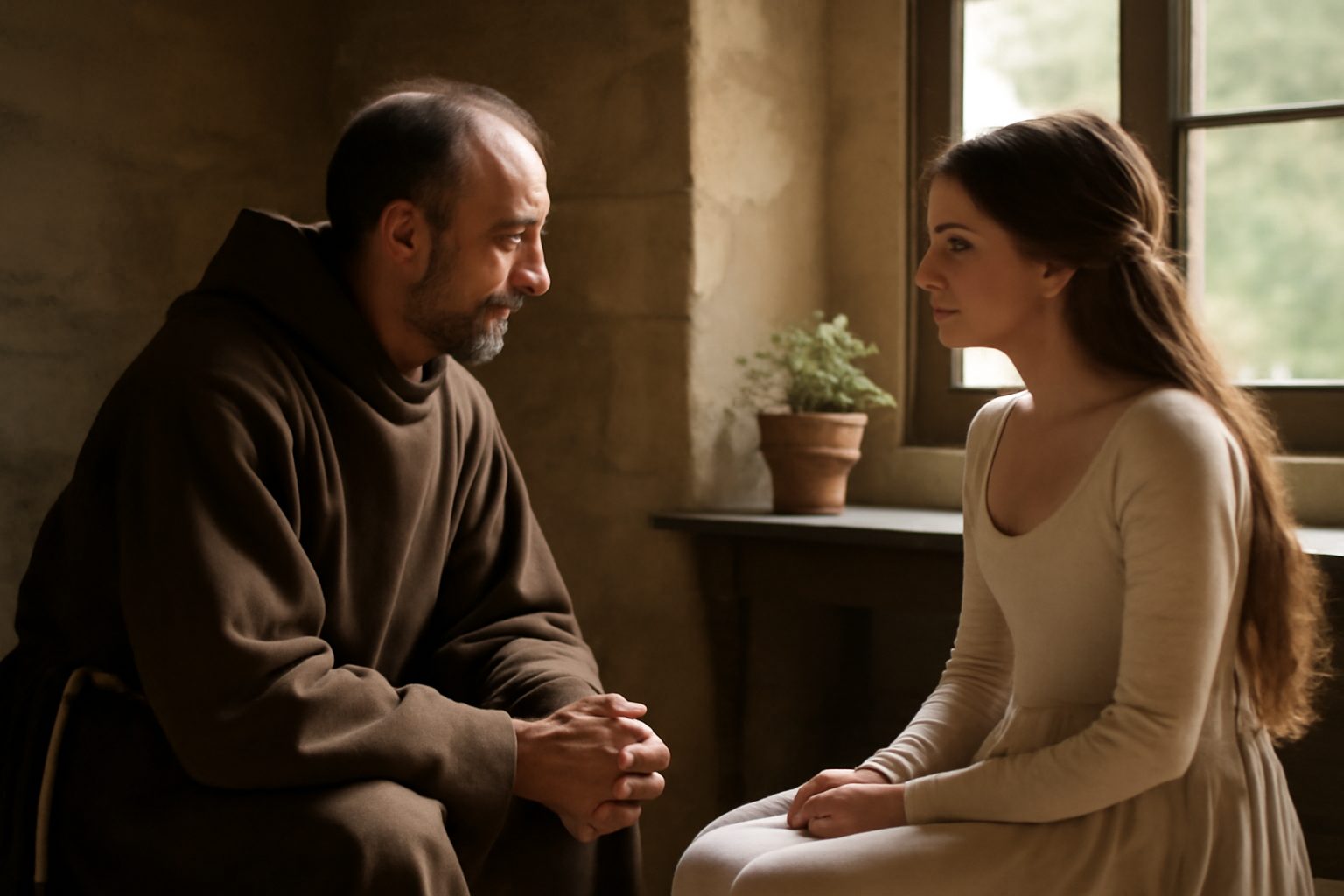
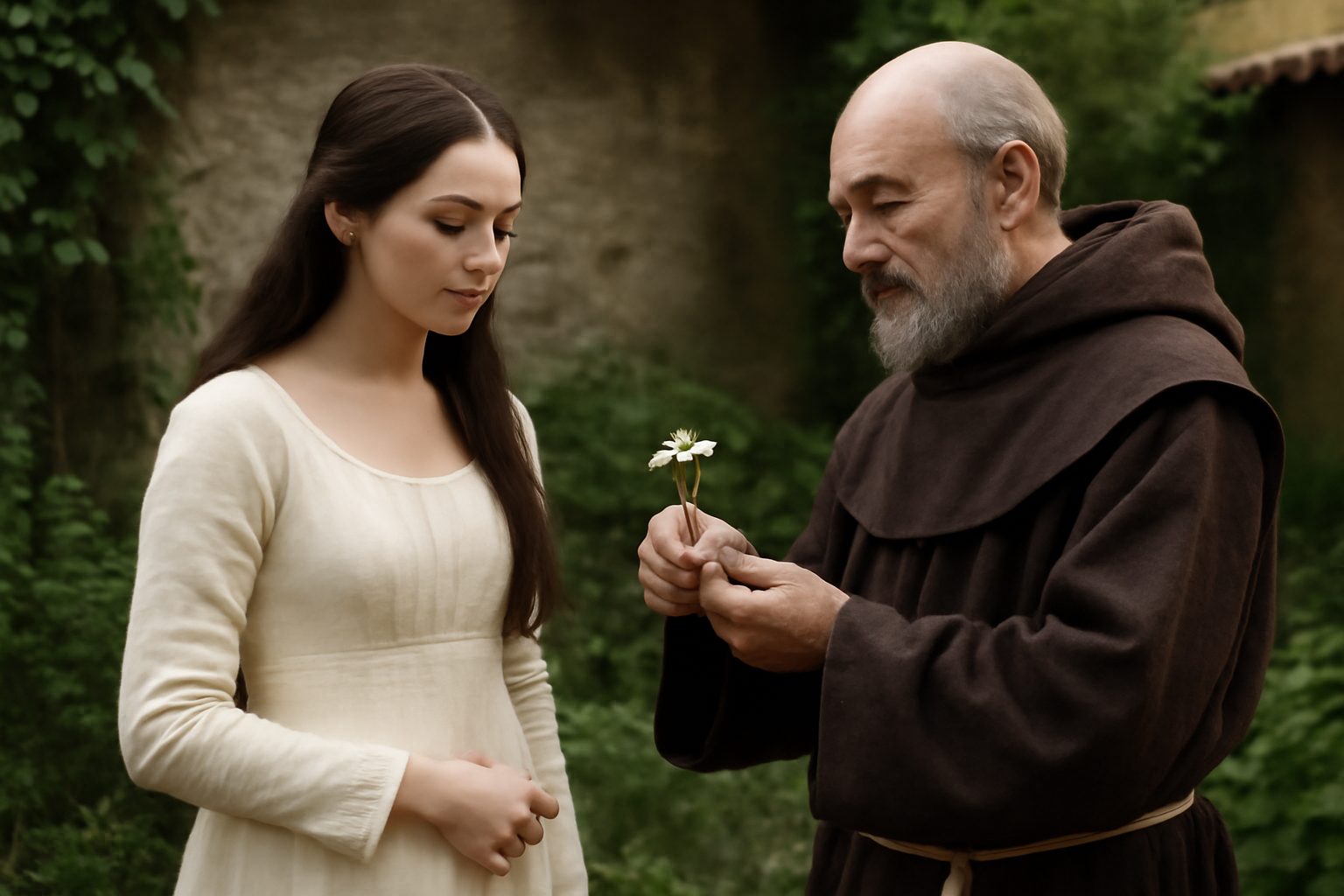
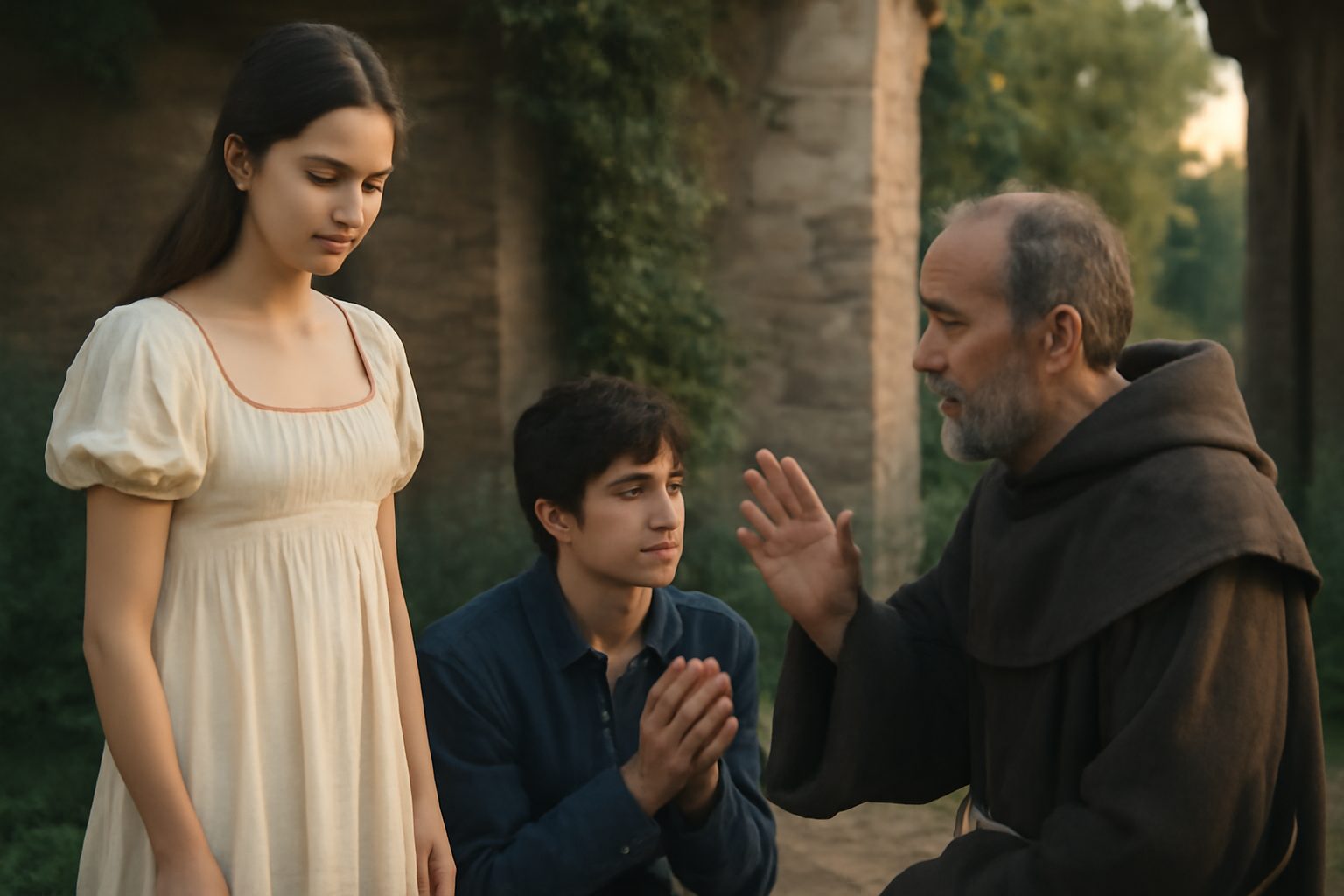
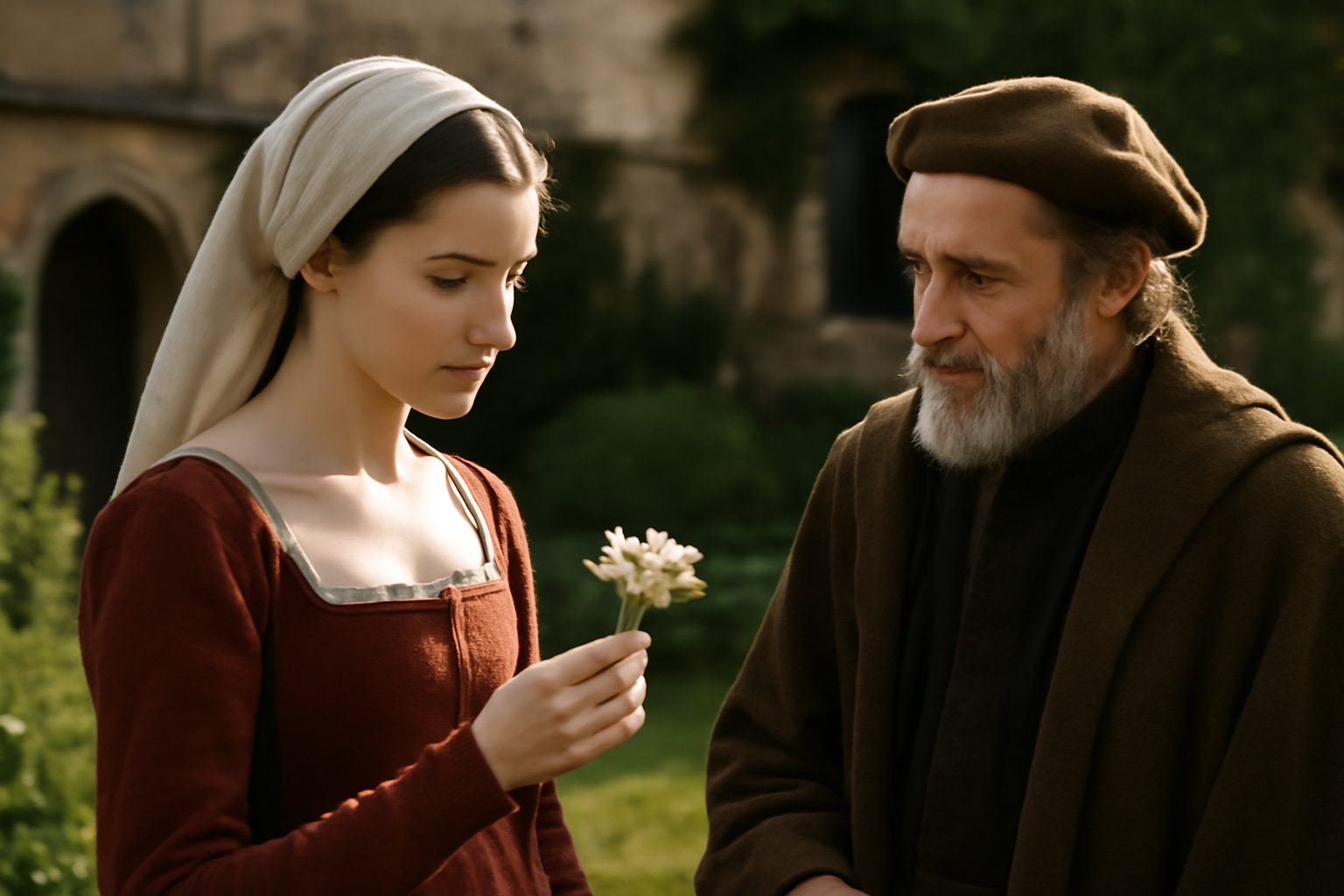
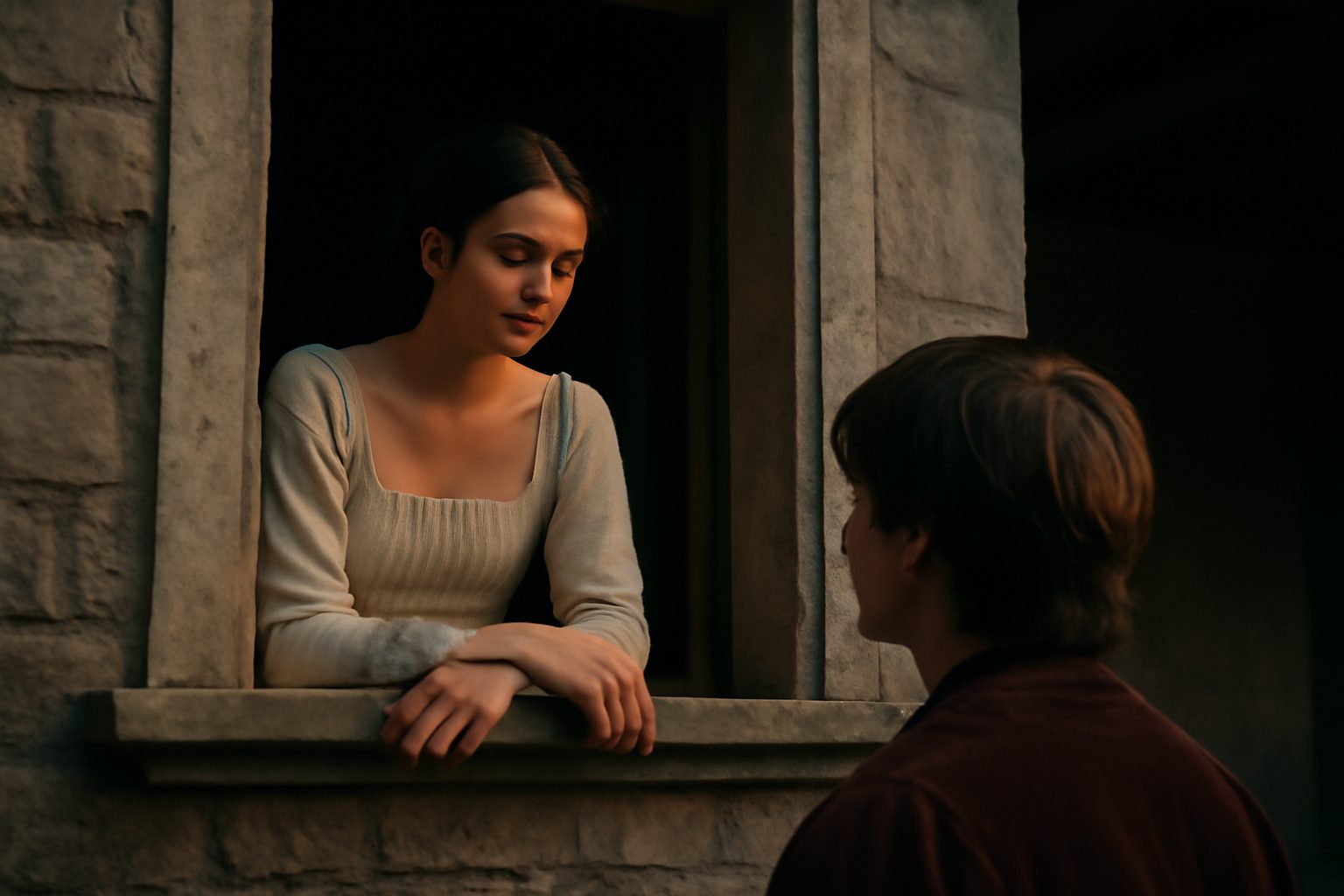
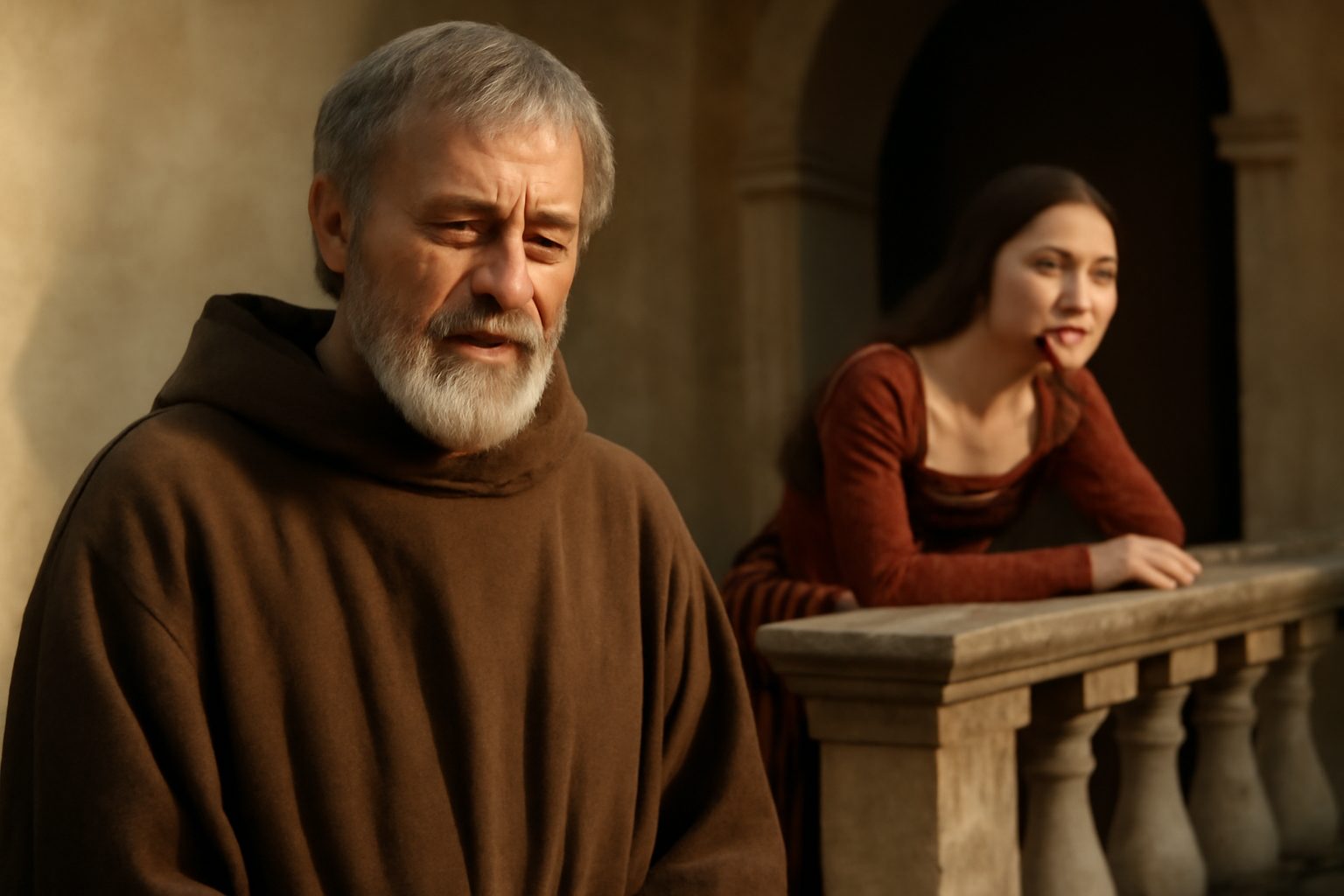
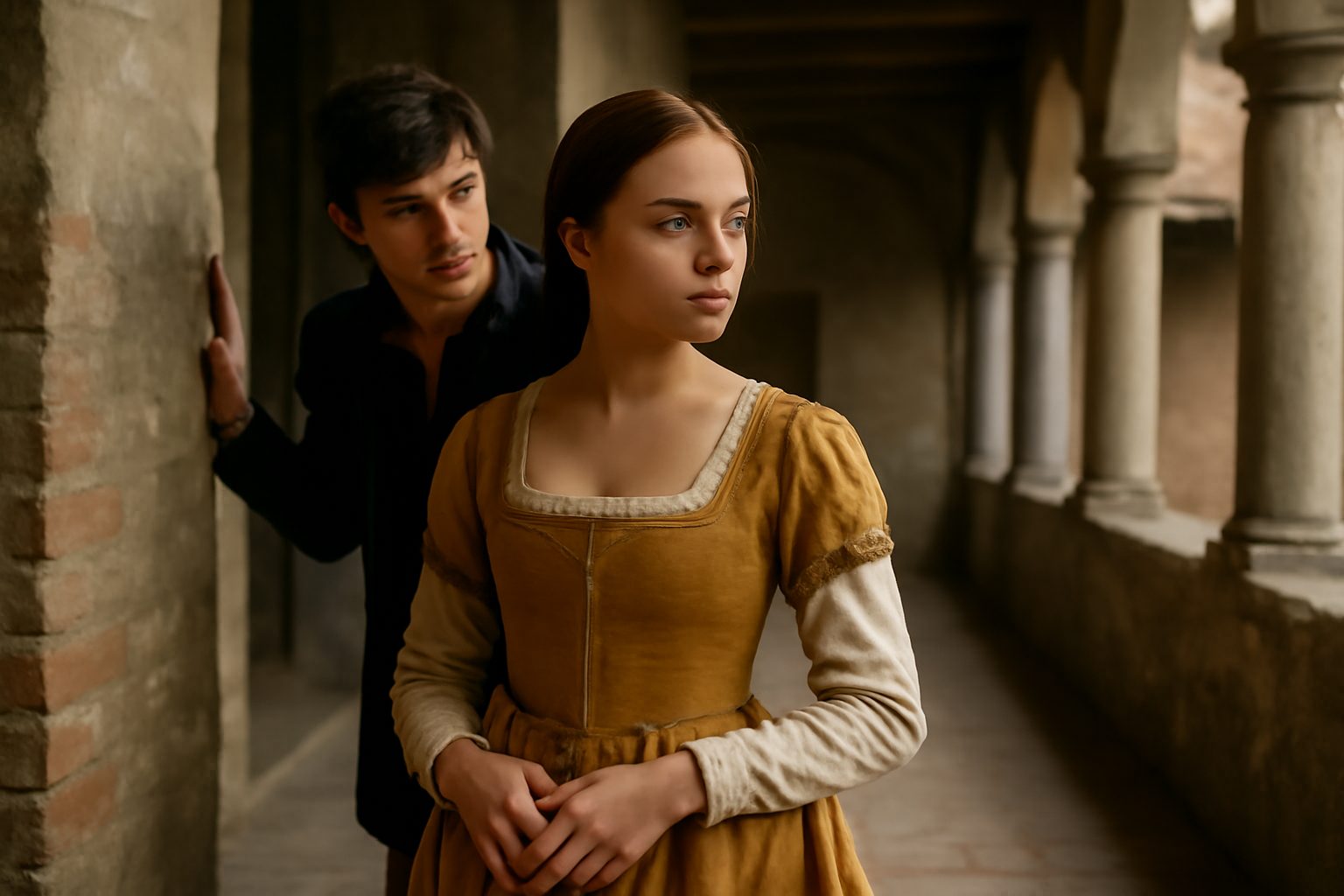
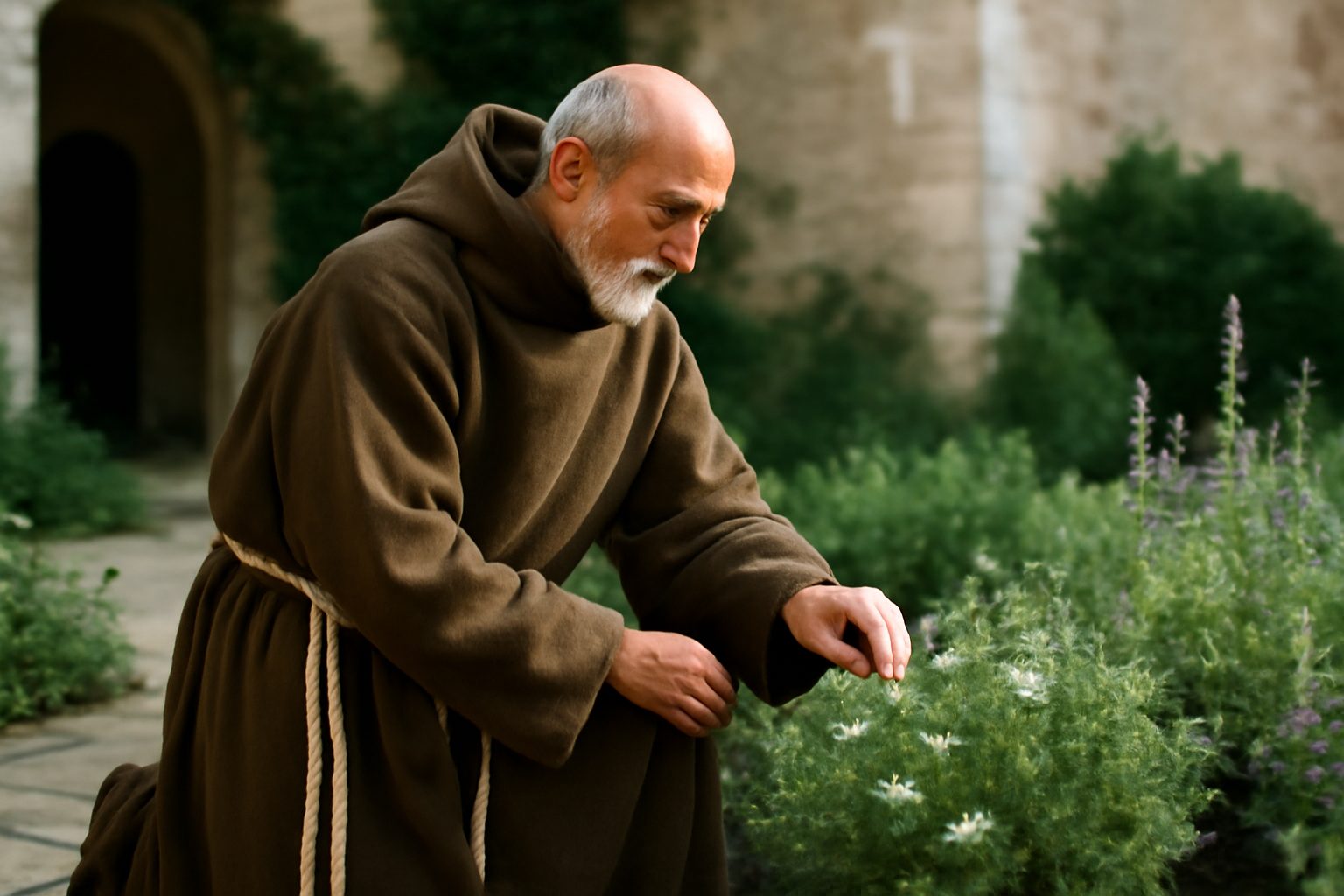
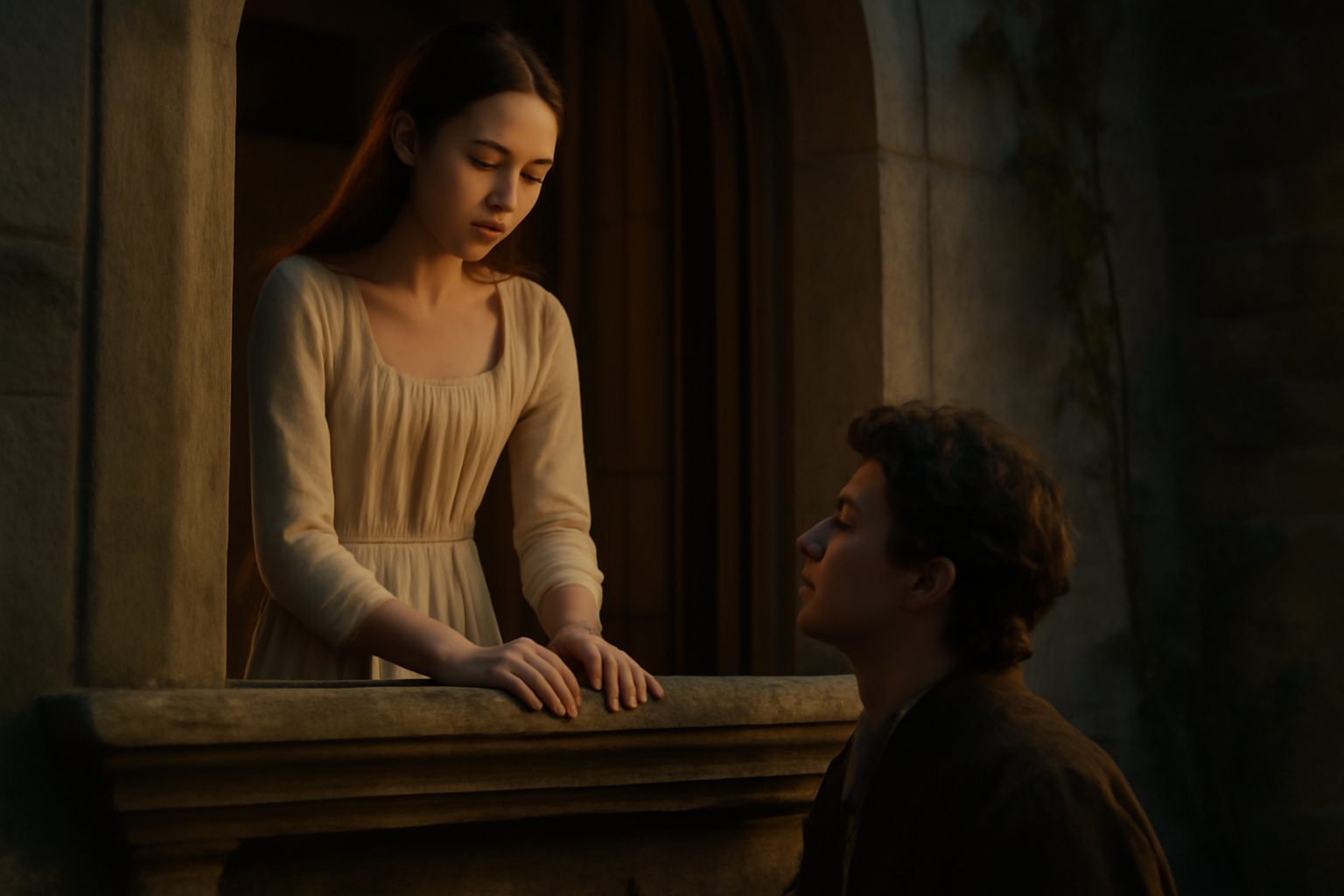
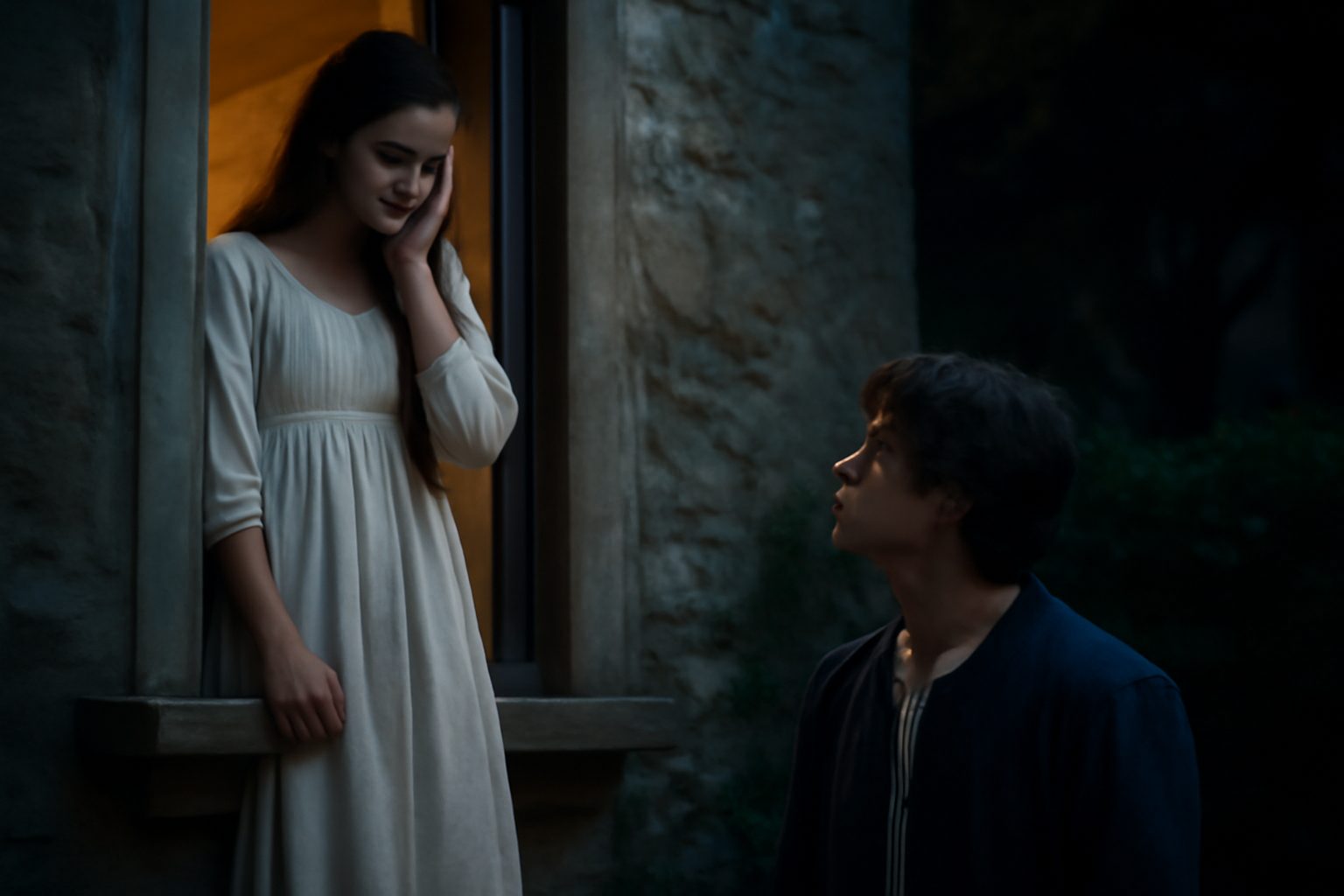
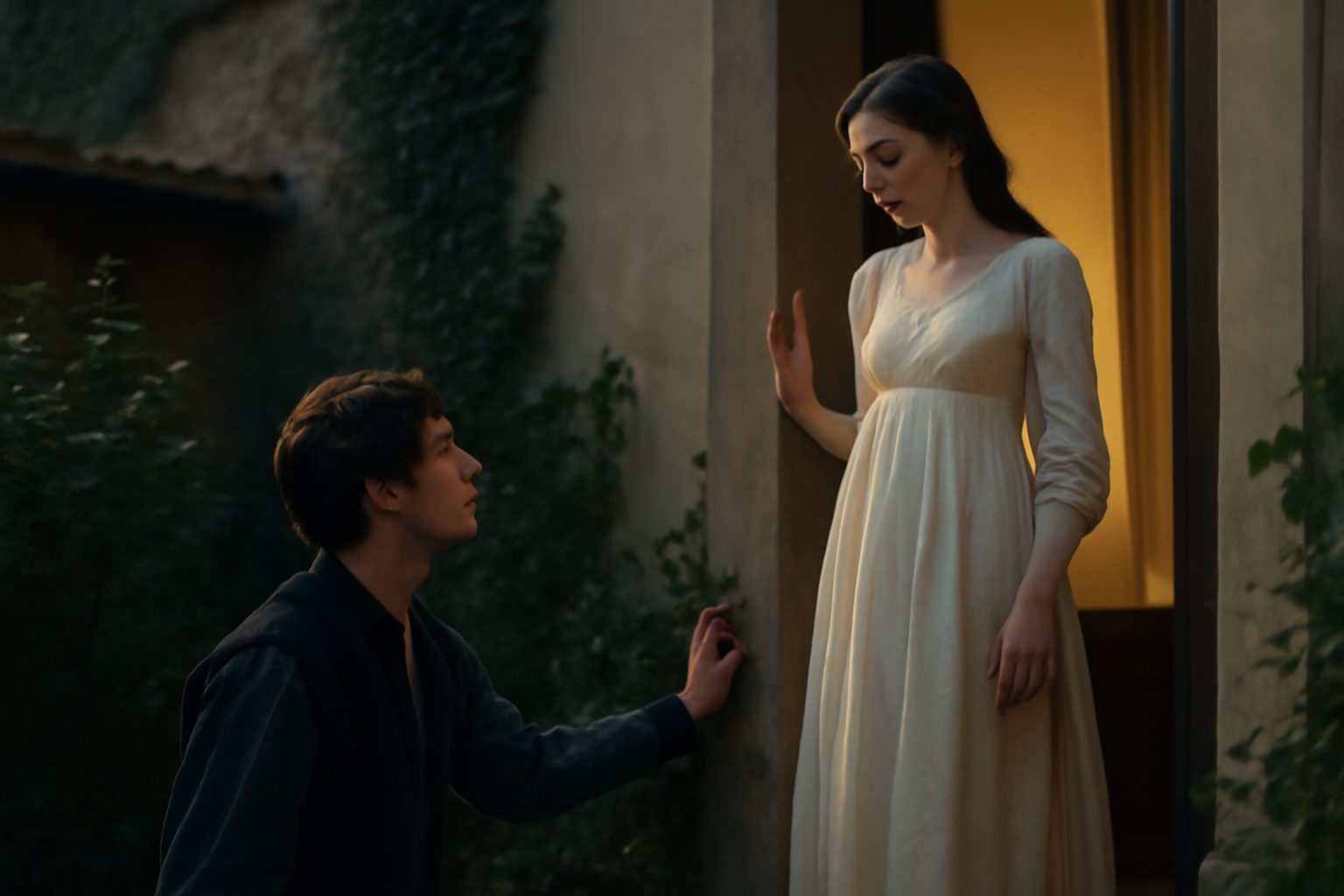
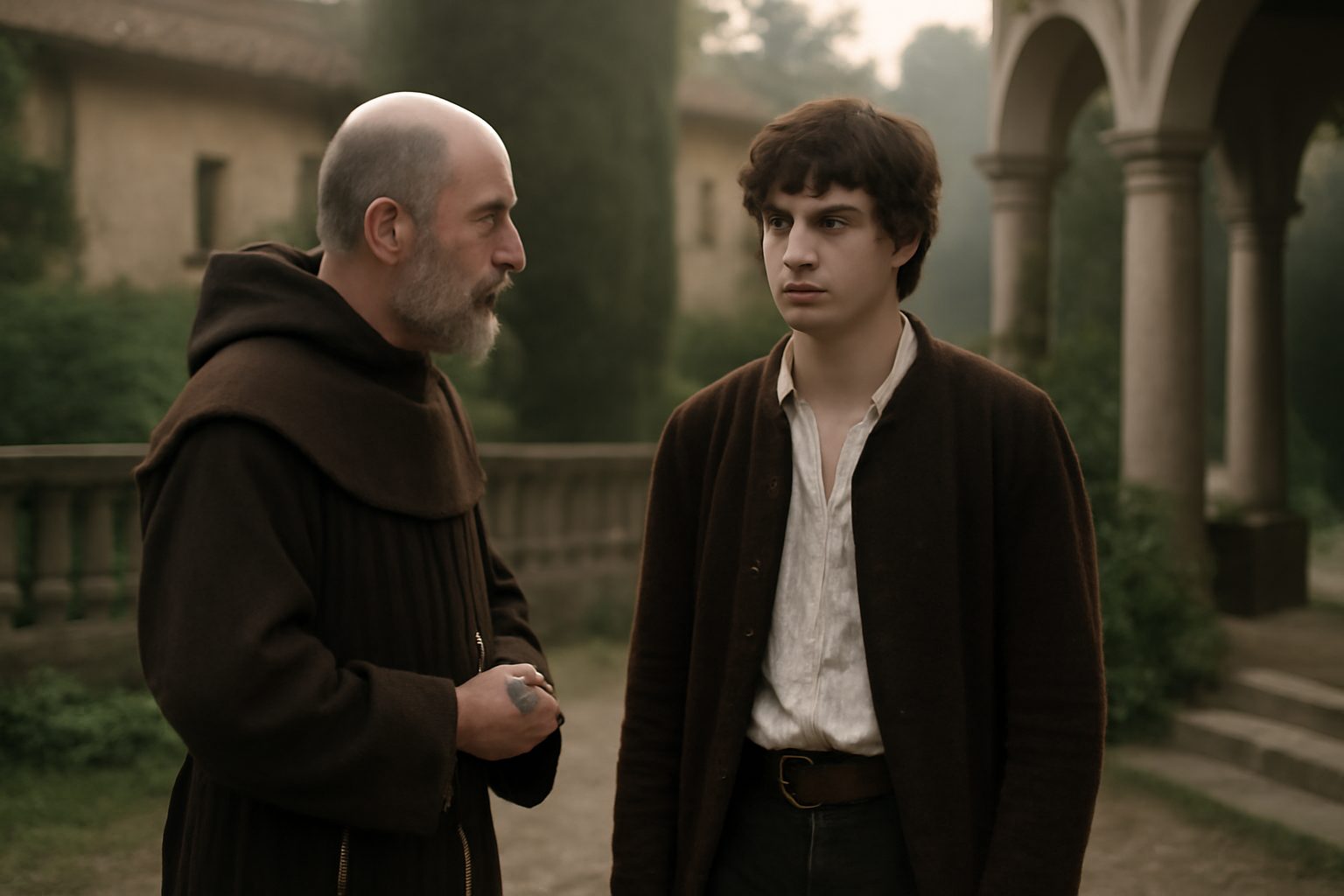
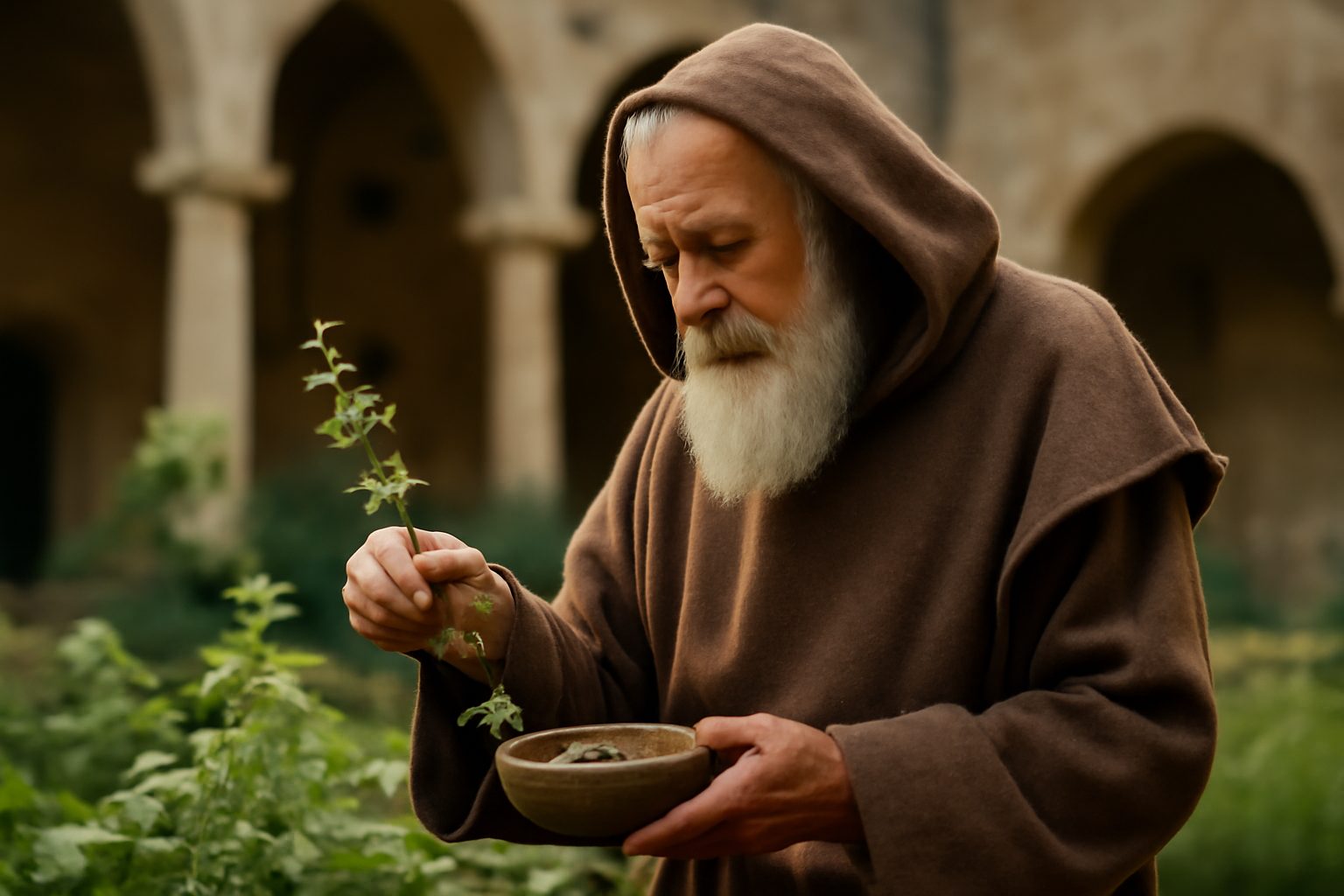
In Act 2, Scene 3 of Romeo and Juliet, Friar Laurence is gathering herbs at dawn when Romeo arrives to share news of his newfound love for Juliet. The line refers to the early morning, just before sunrise, as the friar reflects on the duality of nature—both healing and harmful—mirroring the play's themes of love and conflict. This moment sets the stage for Romeo's plea for the friar to marry him and Juliet in secret.
Friar Laurence: "Now, ere the sun advance his burning eye,"
In modern day english, we would say:
Before the sun rises and its bright light appears.
Frequently Asked Questions
What time of day is Friar Laurence referring to in this line?
He is talking about early morning, before the sun rises.
Connections to other verses:
Connections to "Now, ere the sun advance his burning eye"
The verse "Now, ere the sun advance his burning eye" (/romeo-and-juliet/two/2-3/act-2-scene-3-5/) is part of Friar Laurence's opening soliloquy in Act 2, Scene 3 of Romeo and Juliet, which establishes the scene's setting at dawn and introduces themes of nature, duality, and transformation. Below are its connections to other verses in the same scene.
Imagery of Dawn and Nature
This line directly relates to the imagery of sunrise and natural cycles. It connects to:
- "The grey-eyed morn smiles on the frowning night" (/romeo-and-juliet/two/2-3/act-2-scene-3/), which personifies the morning.
- "Chequering the eastern clouds with streaks of light" (/romeo-and-juliet/two/2-3/act-2-scene-3-2/), describing the visual effect of dawn.
- "From forth day's path and Titan's fiery wheels" (/romeo-and-juliet/two/2-3/act-2-scene-3-4/), referencing the sun's movement.
- "The day to cheer and night's dank dew to dry" (/romeo-and-juliet/two/2-3/act-2-scene-3-6/), highlighting the sun's role in transforming the environment.
Theme of Duality and Contrast
Friar Laurence's meditation on opposites in nature echoes throughout the scene, linking to:
- "Virtue itself turns vice, being misapplied" (/romeo-and-juliet/two/2-3/act-2-scene-3-21/), discussing how good can become evil.
- "Poison hath residence and medicine power" (/romeo-and-juliet/two/2-3/act-2-scene-3-24/), emphasizing dual purposes in nature.
- "Two such opposed kings encamp them still" (/romeo-and-juliet/two/2-3/act-2-scene-3-27/), referring to conflicting forces within humans and herbs.
Transformation and Renewal
The dawn setting symbolizes new beginnings, connecting to Romeo's transformation in love:
- "Holy Saint Francis, what a change is here!" (/romeo-and-juliet/two/2-3/act-2-scene-3-66/), where Friar Laurence notes Romeo's shift from Rosaline to Juliet.
- "I have forgot that name, and that name's woe" (/romeo-and-juliet/two/2-3/act-2-scene-3-47/), showing Romeo's emotional renewal.
- "Then plainly know my heart's dear love is set / On the fair daughter of rich Capulet" (/romeo-and-juliet/two/2-3/act-2-scene-3-58/ and /romeo-and-juliet/two/2-3/act-2-scene-3-59/), revealing his new affection.
Urgency and Action
The early morning timing underscores urgency, relating to:
- "O, let us hence; I stand on sudden haste" (/romeo-and-juliet/two/2-3/act-2-scene-3-96/), where Romeo urges quick action for marriage.
- "Wisely and slow; they stumble that run fast" (/romeo-and-juliet/two/2-3/act-2-scene-3-97/), Friar Laurence's caution against haste, contrasting the dawn's promptness.