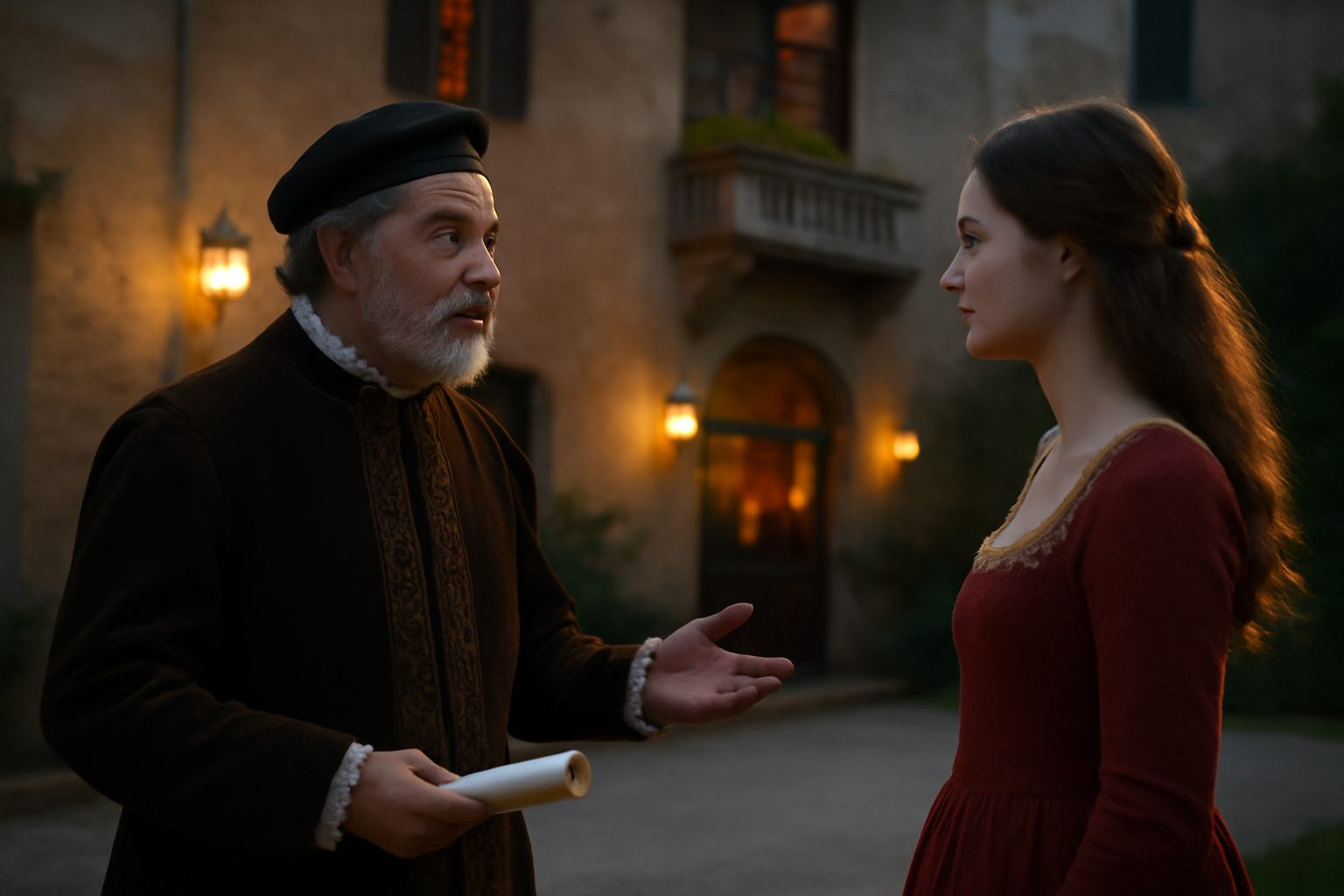
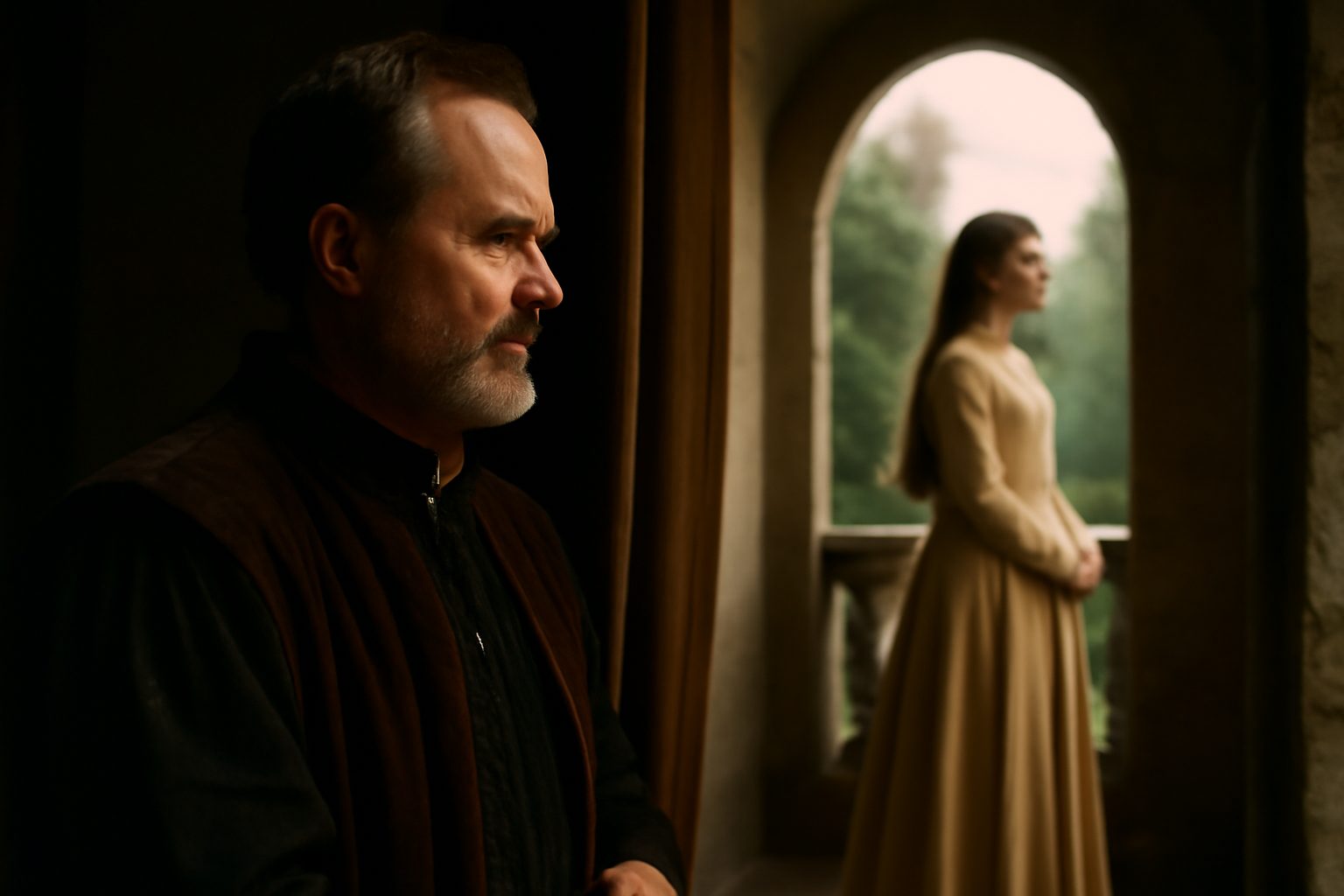
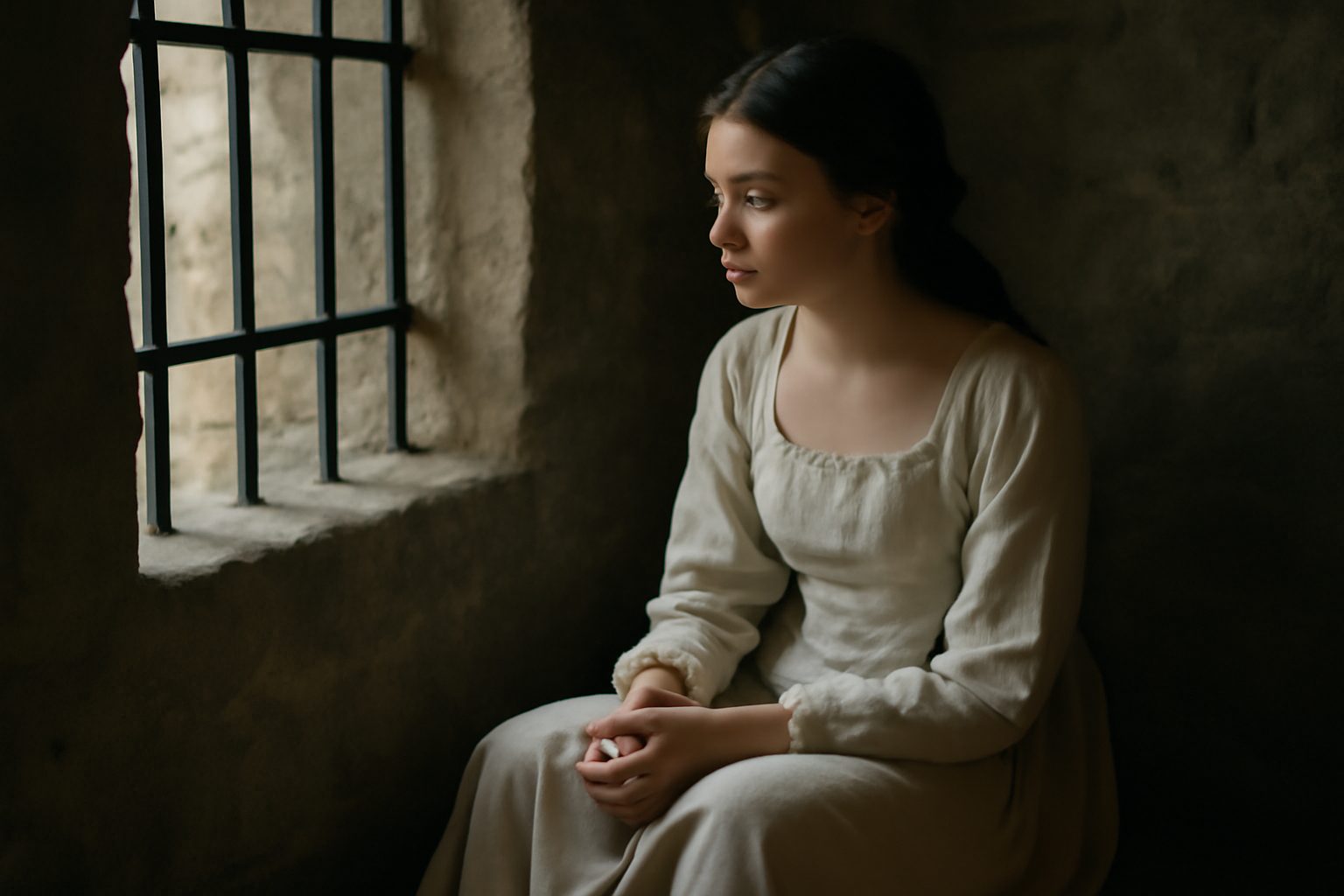
In Act 1, Scene 2 of Romeo and Juliet, Paris speaks to Capulet about his desire to marry Juliet. Capulet, though cautious, suggests that Paris should win Juliet's affection by proving his worth, implying that she will favor the suitor who demonstrates the most merit. This line reflects Capulet's initial stance that Juliet's choice in marriage should be guided by genuine admiration rather than mere social obligation.
Capulet: "And like her most whose merit most shall be:"
In modern day english, we would say:
He will choose the woman who proves to be the most worthy.
Frequently Asked Questions
What does Capulet mean when he says he will favor the suitor who is most deserving?
Capulet is saying that he will choose the best husband for his daughter Juliet based on who has the most worth or qualities, not just social status or wealth.
Connections to other verses:
Connections to "And like her most whose merit most shall be:"
Parental Consent and Choice
This line spoken by Capulet connects directly to his earlier statement "An she agree, within her scope of choice", establishing his philosophy that Juliet's consent matters in marriage decisions. This is further reinforced when he states "My will to her consent is but a part", showing his belief that merit and personal choice should determine affection.
The Capulet Feast Context
The verse serves as an invitation within Capulet's description of "This night I hold an old accustom'd feast", where Paris is encouraged to compare Juliet to other women. This connects to Capulet's promise to show Paris "Among fresh female buds" at the event, creating the social context where merit can be evaluated.
Comparative Beauty Theme
The concept of comparative merit echoes Benvolio's advice to Romeo to "Compare her face with some that I shall show" at the same feast. Both speeches establish the scene's theme of relative judgment, further developed when Benvolio claims he'll make Romeo "think thy swan a crow" through comparison.
Youth and Maturity Concerns
Capulet's emphasis on merit connects to his concerns about Juliet's youth expressed in "My child is yet a stranger in the world" and "Let two more summers wither in their pride". The merit-based selection process reflects his caution about premature marriage, contrasting with Paris's argument that "Younger than she are happy mothers made".