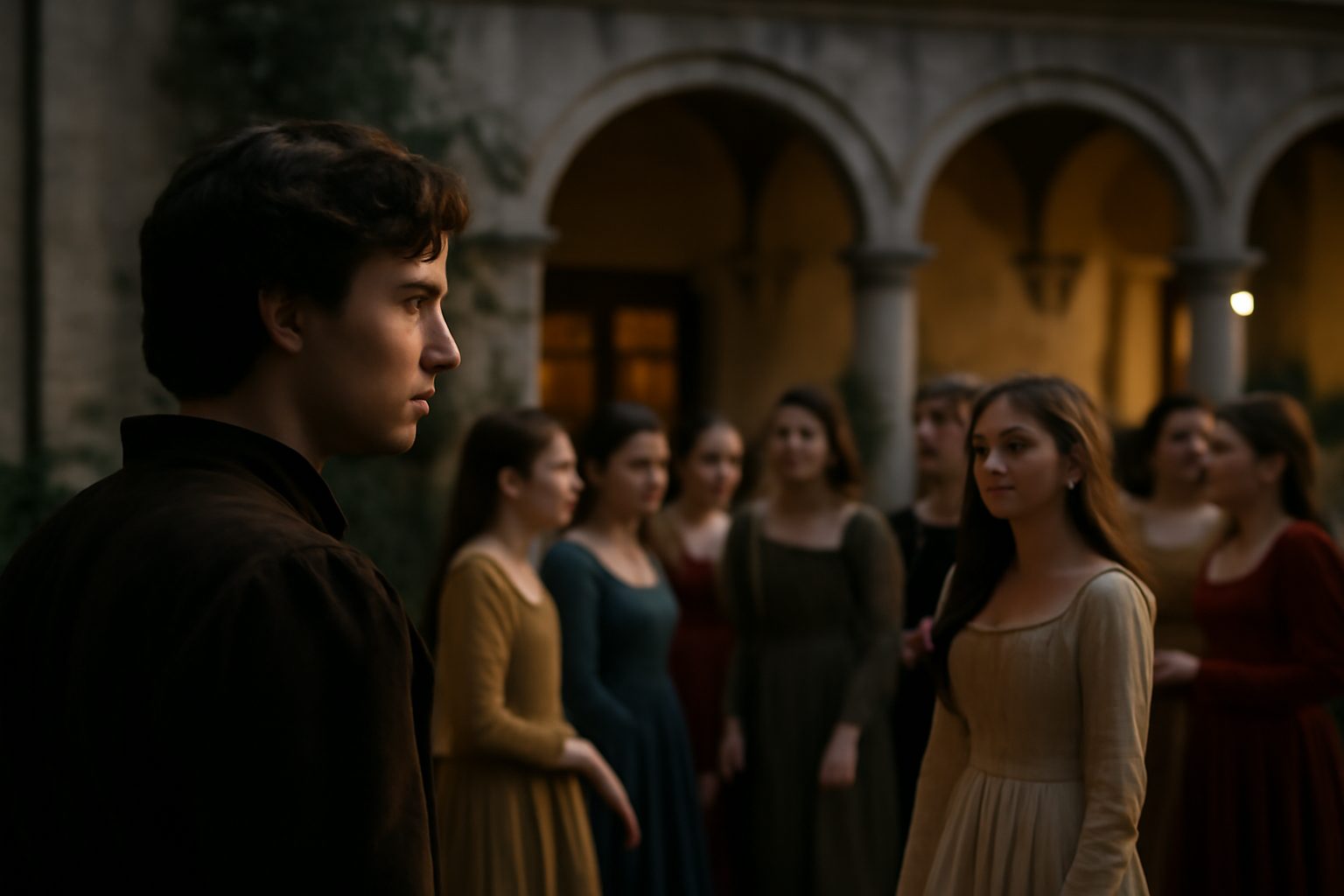
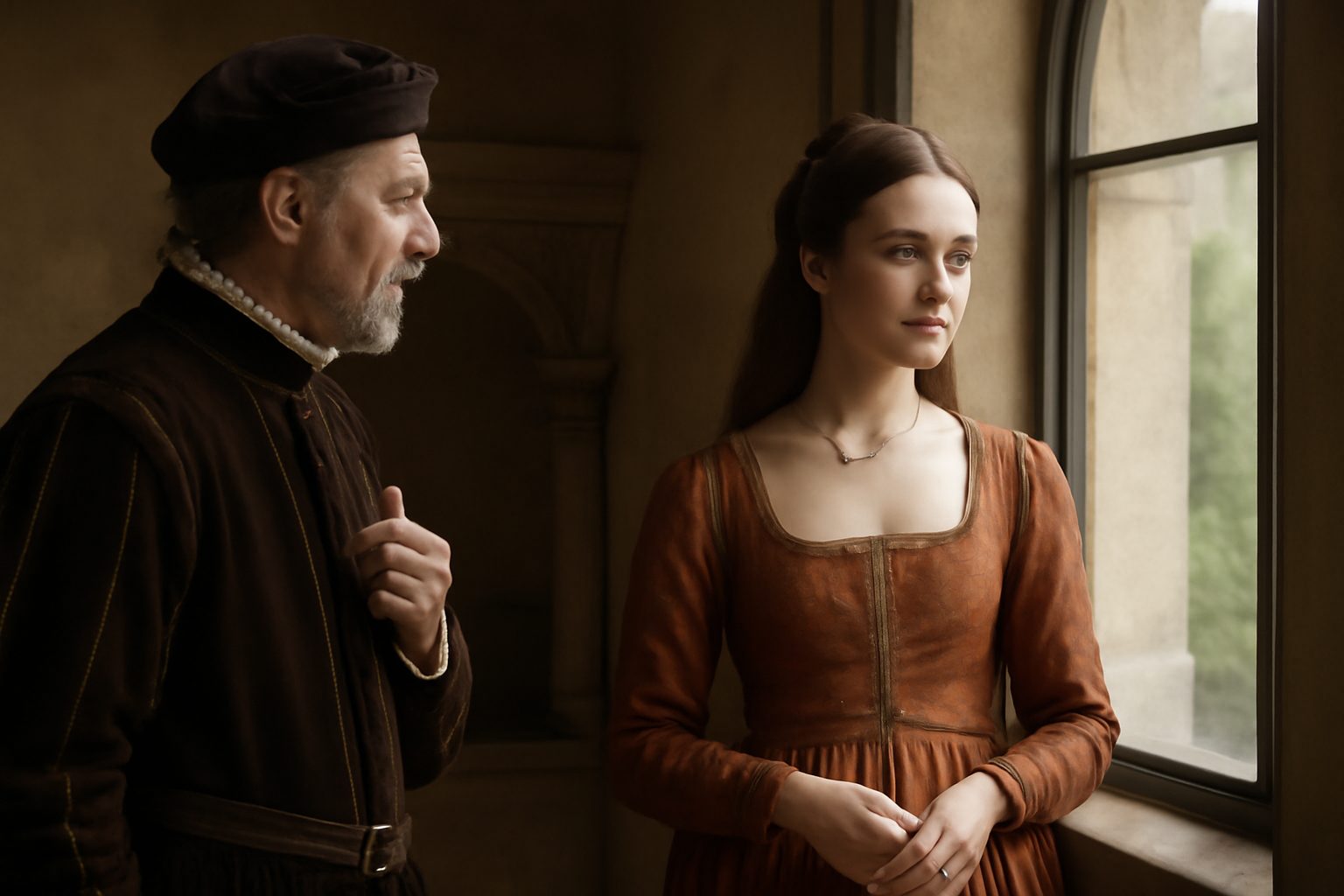
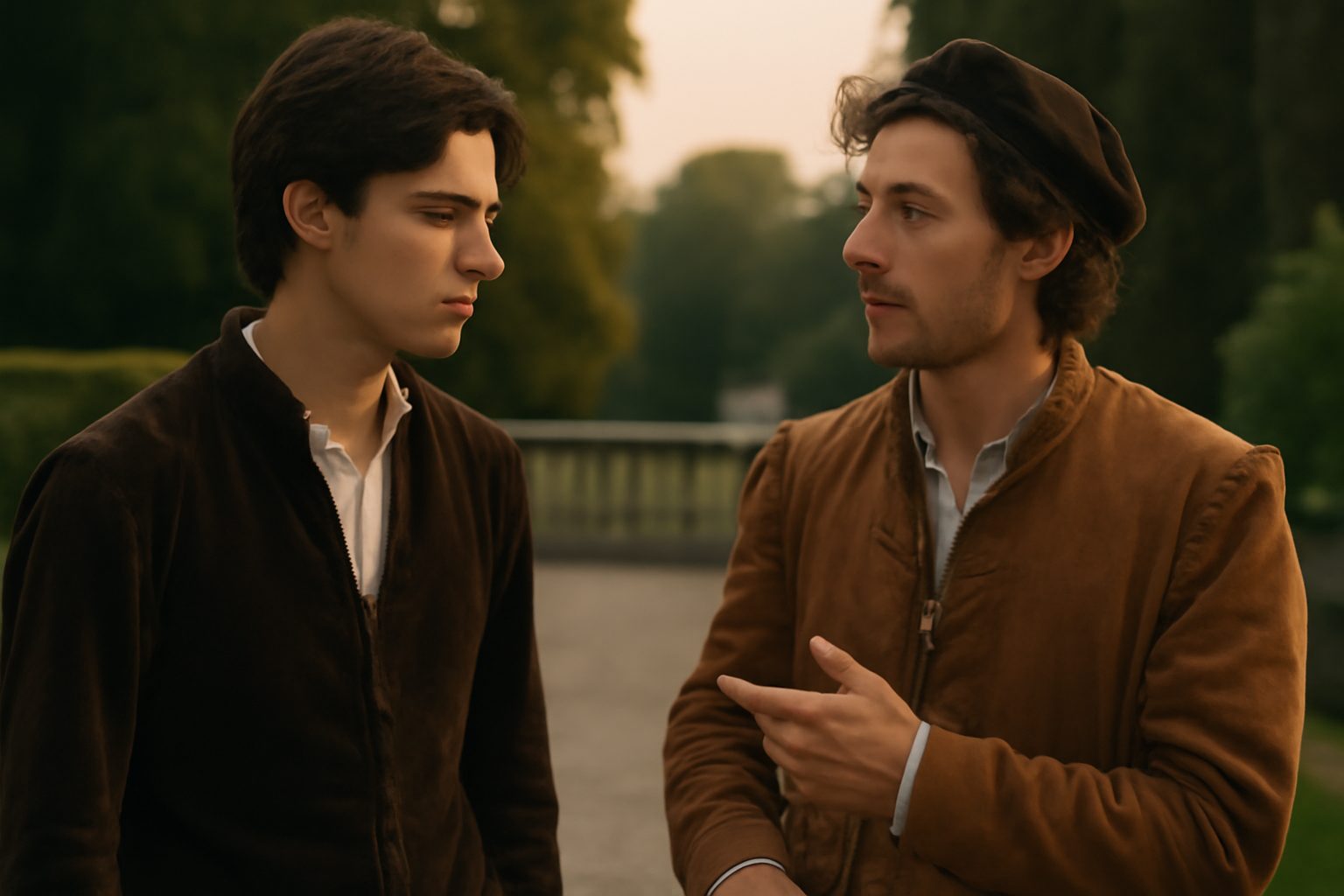
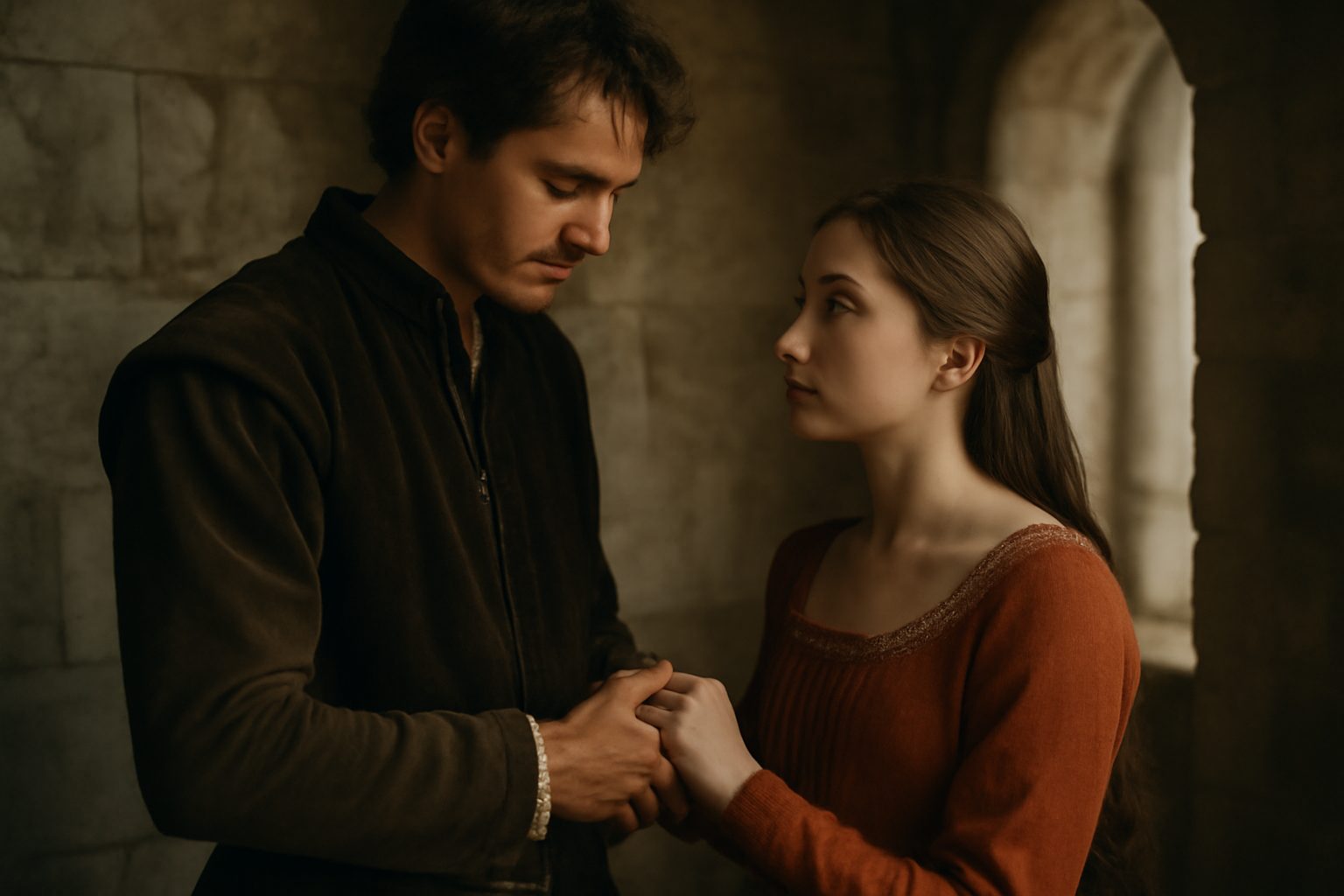
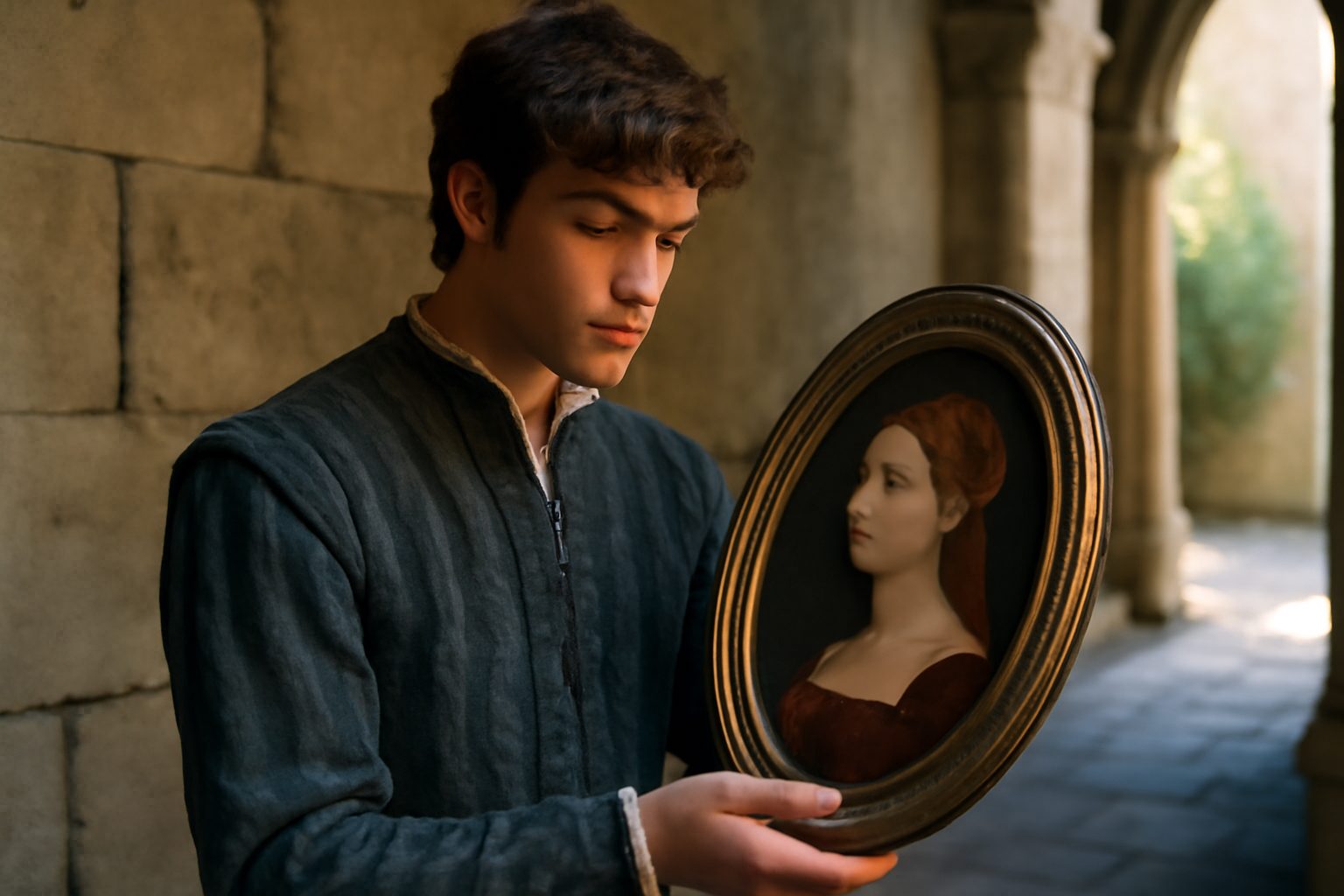
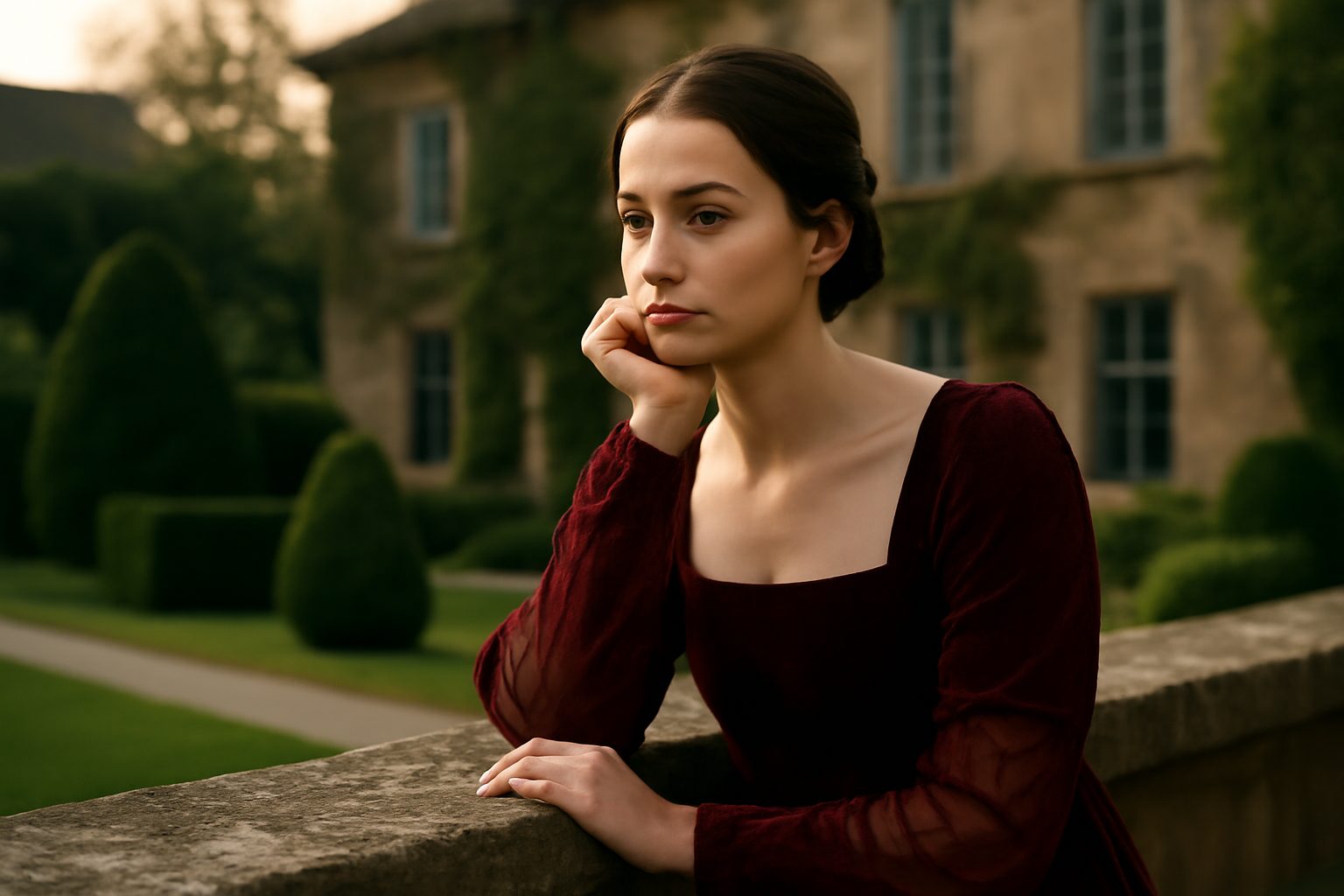
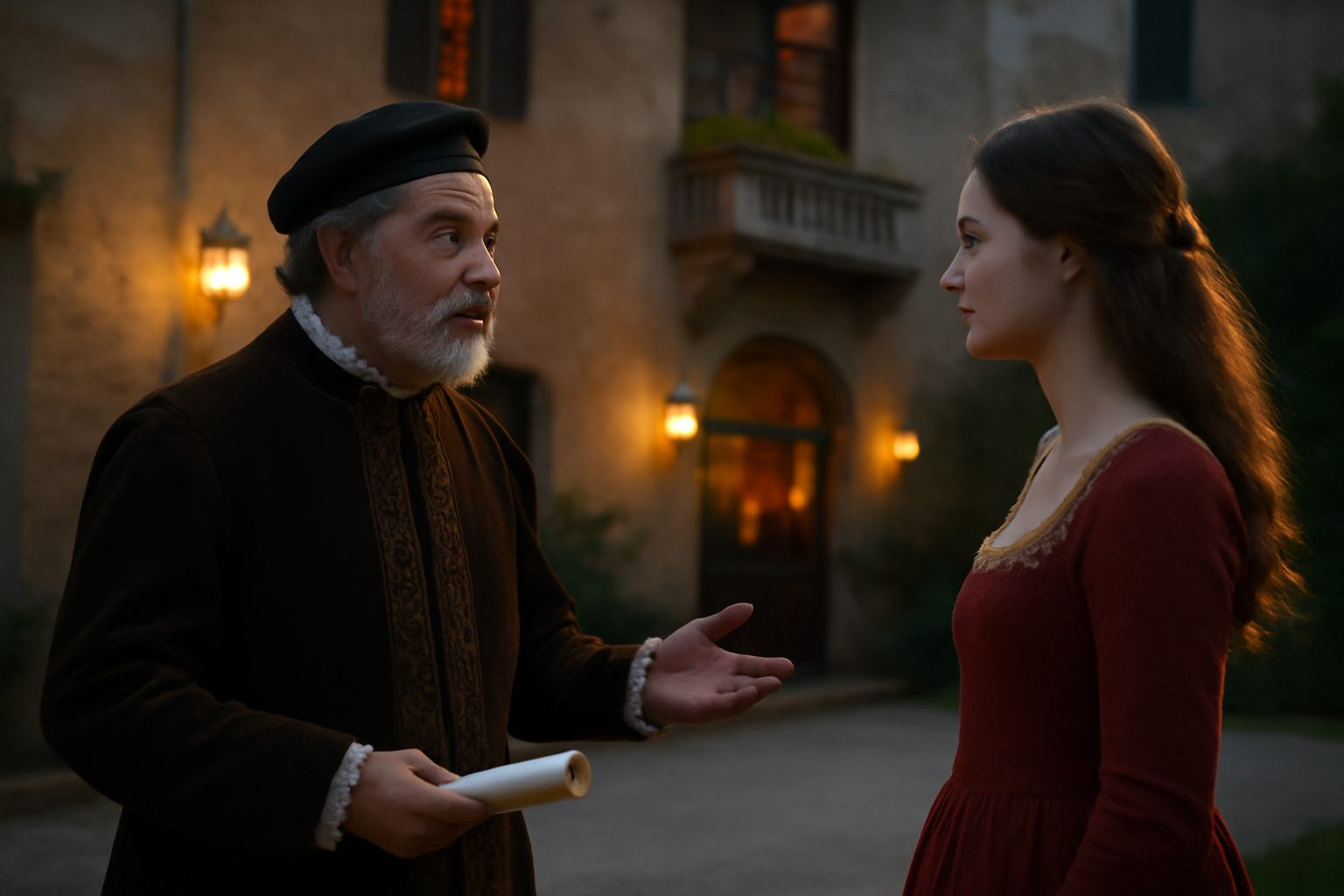
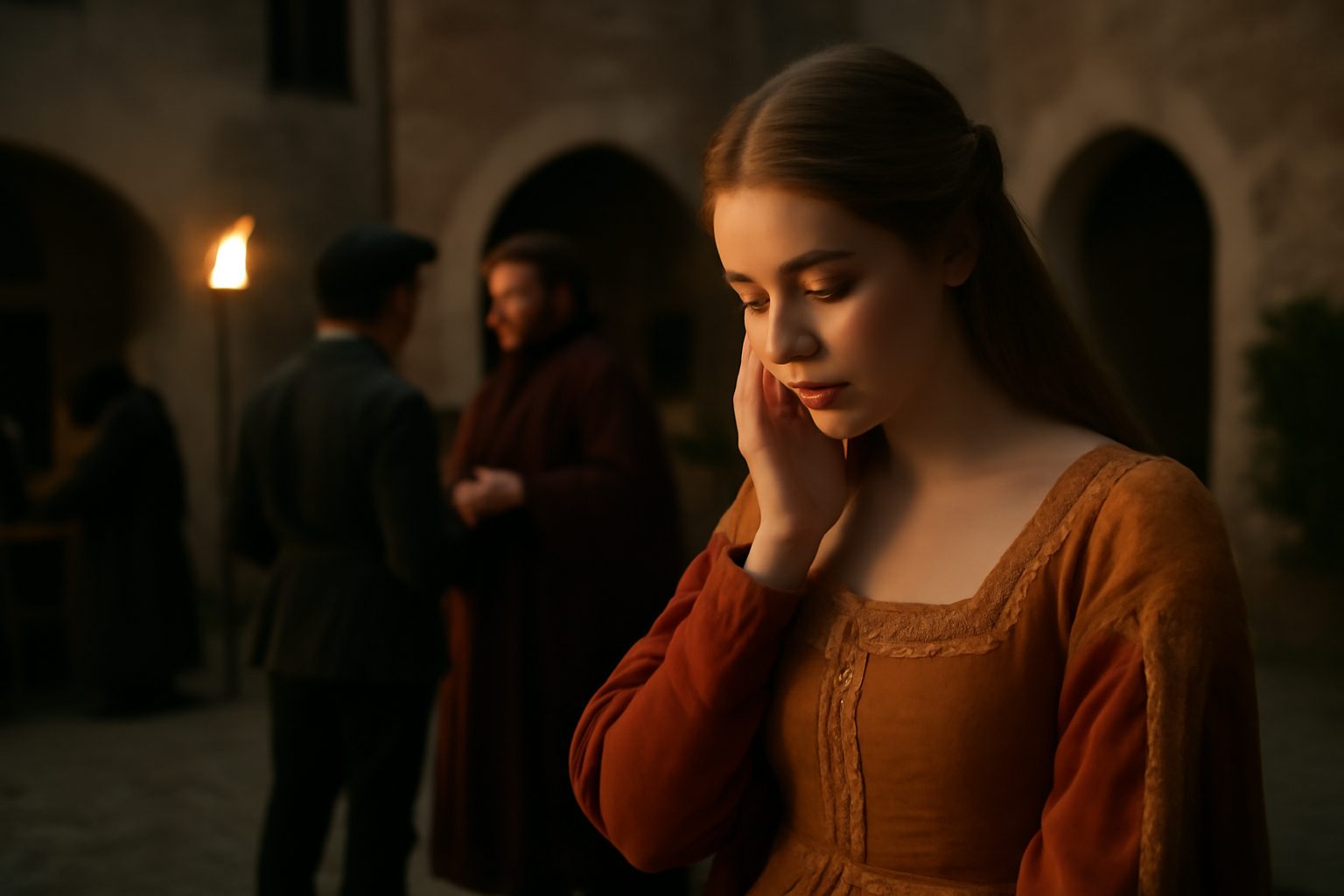
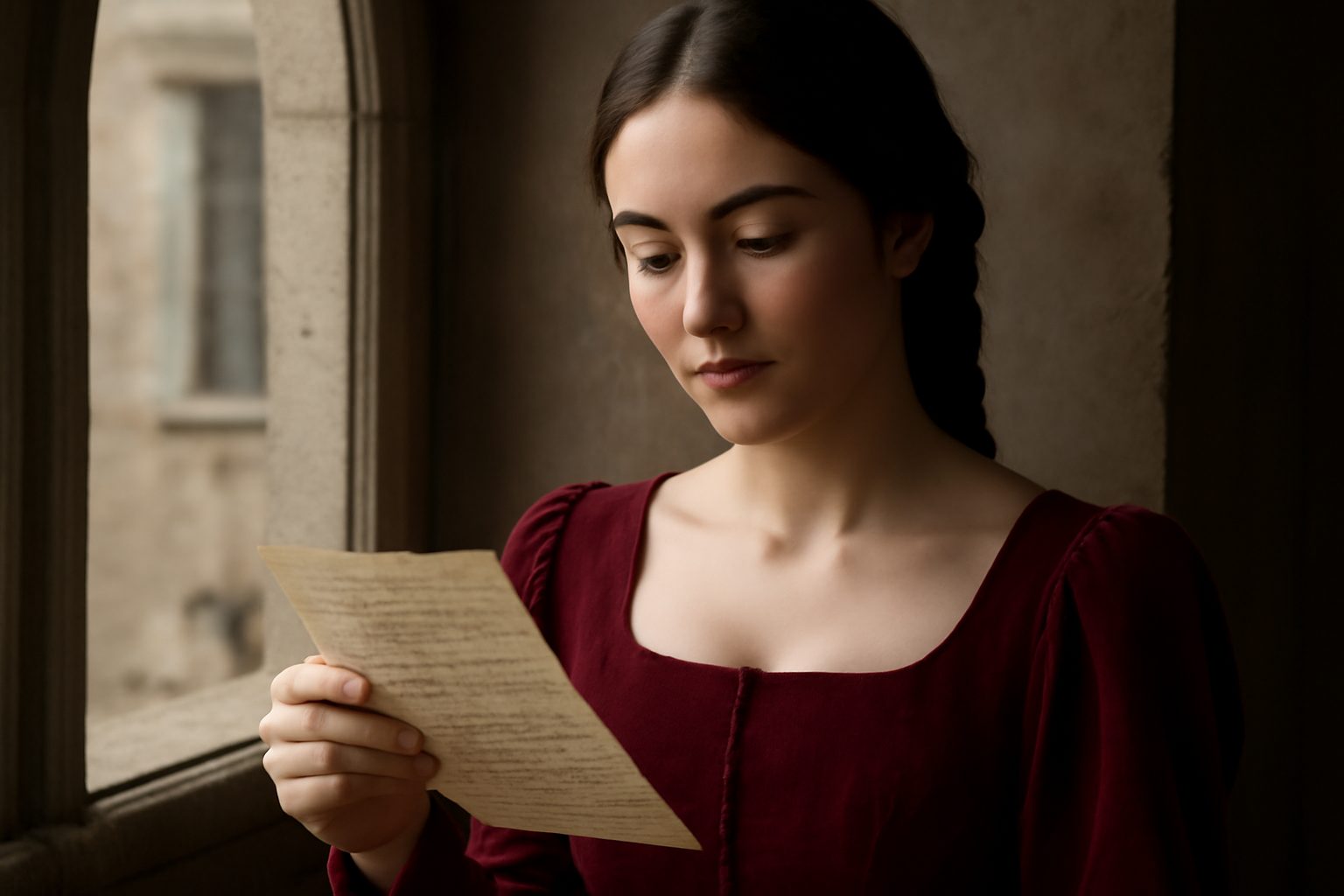
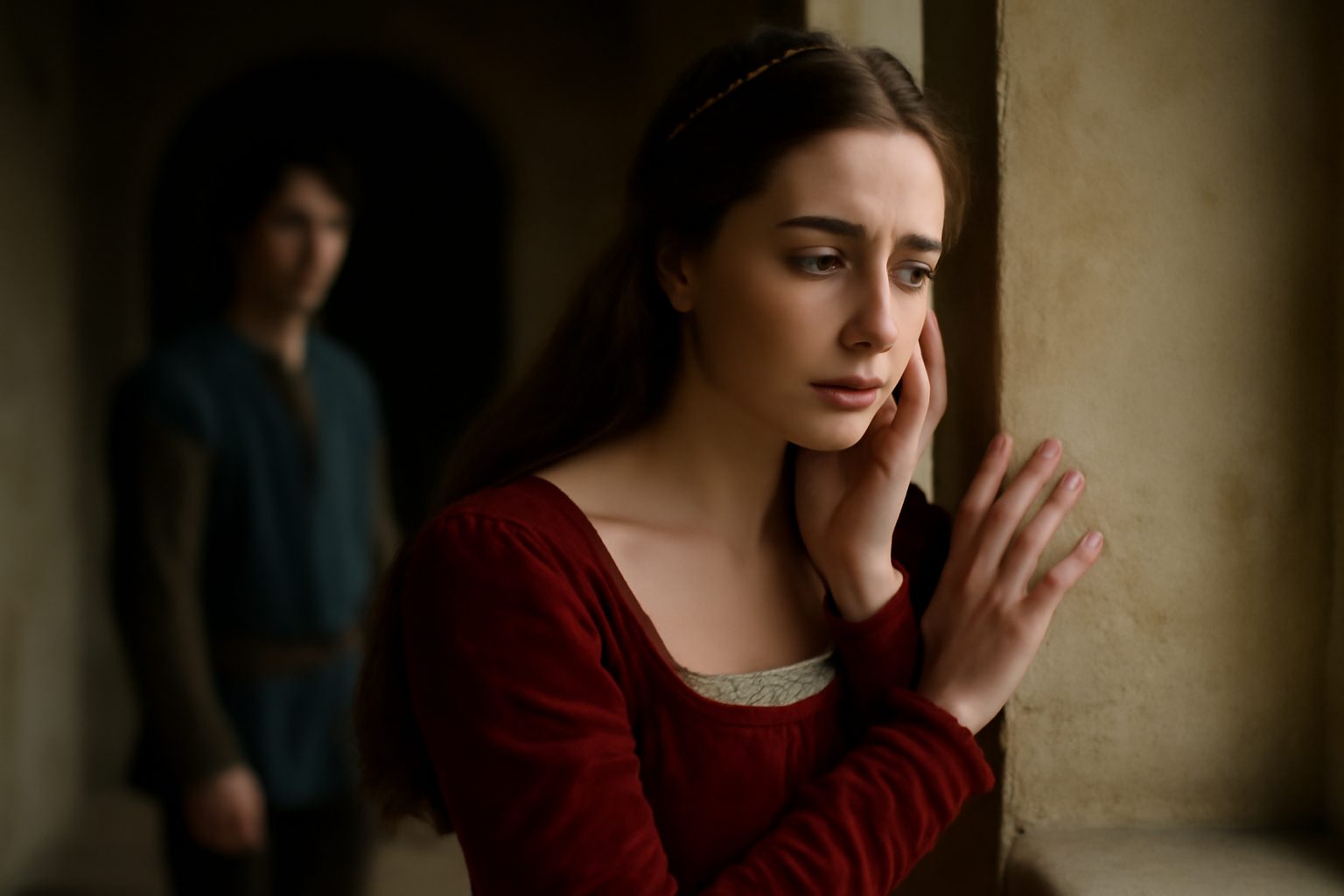
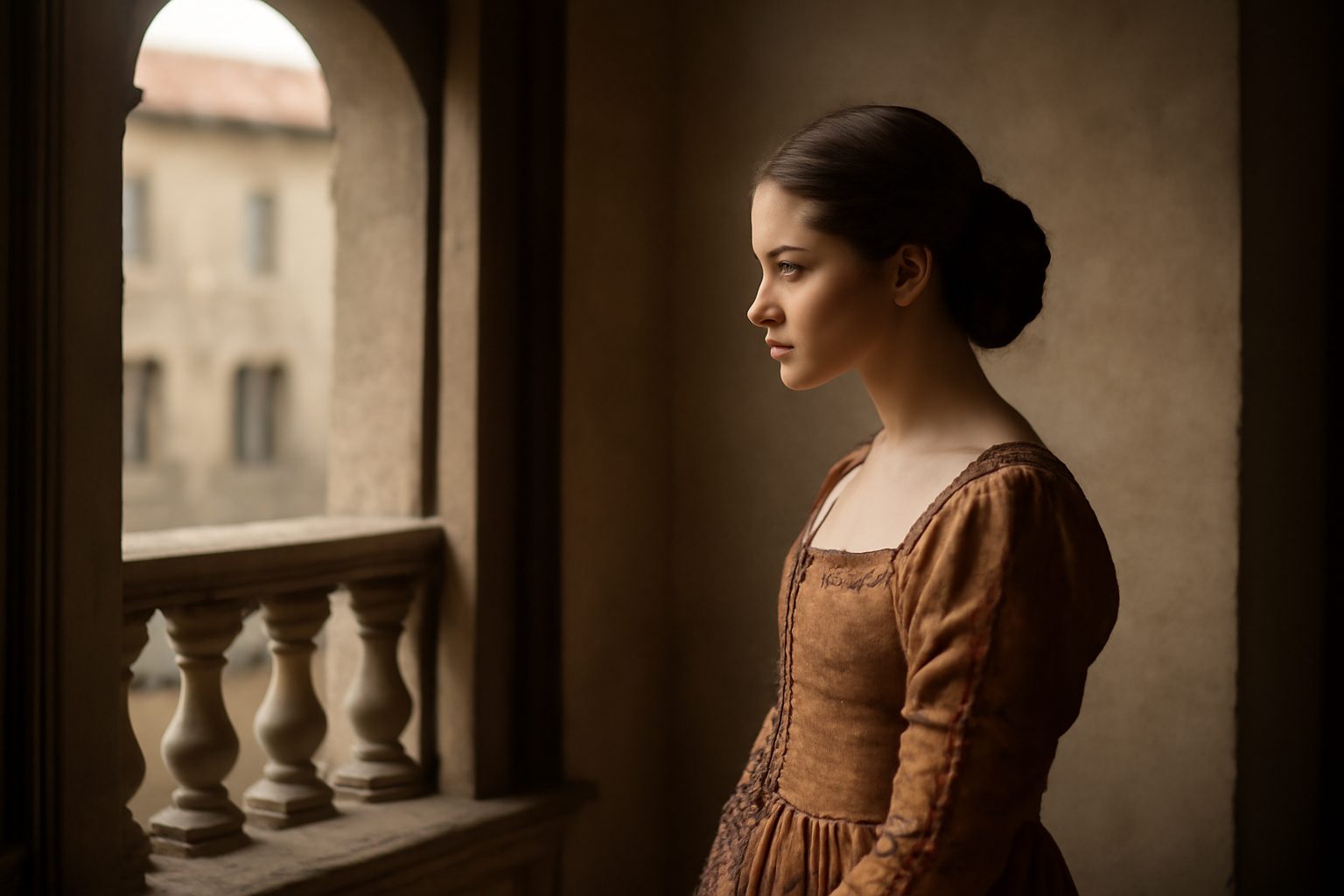
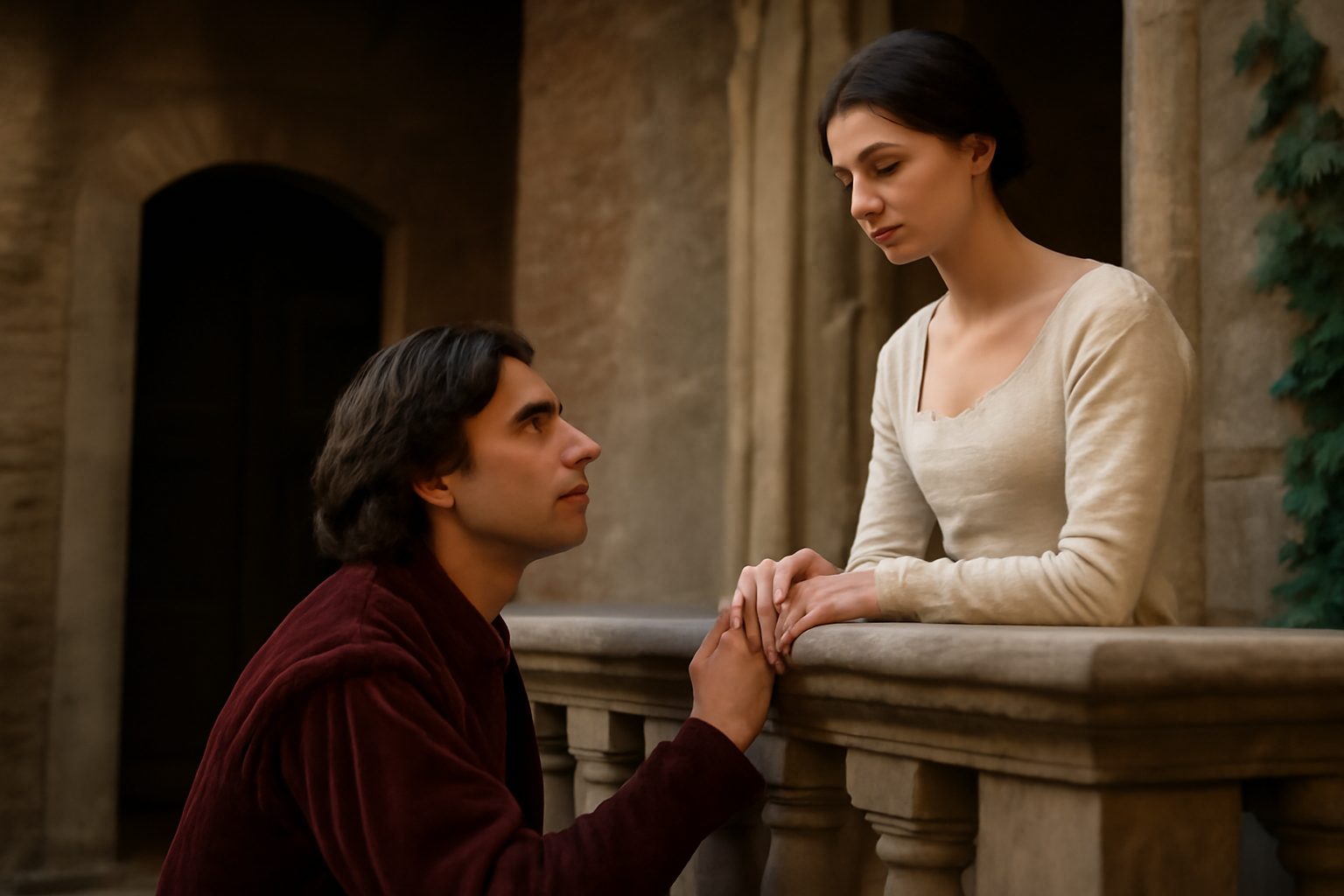
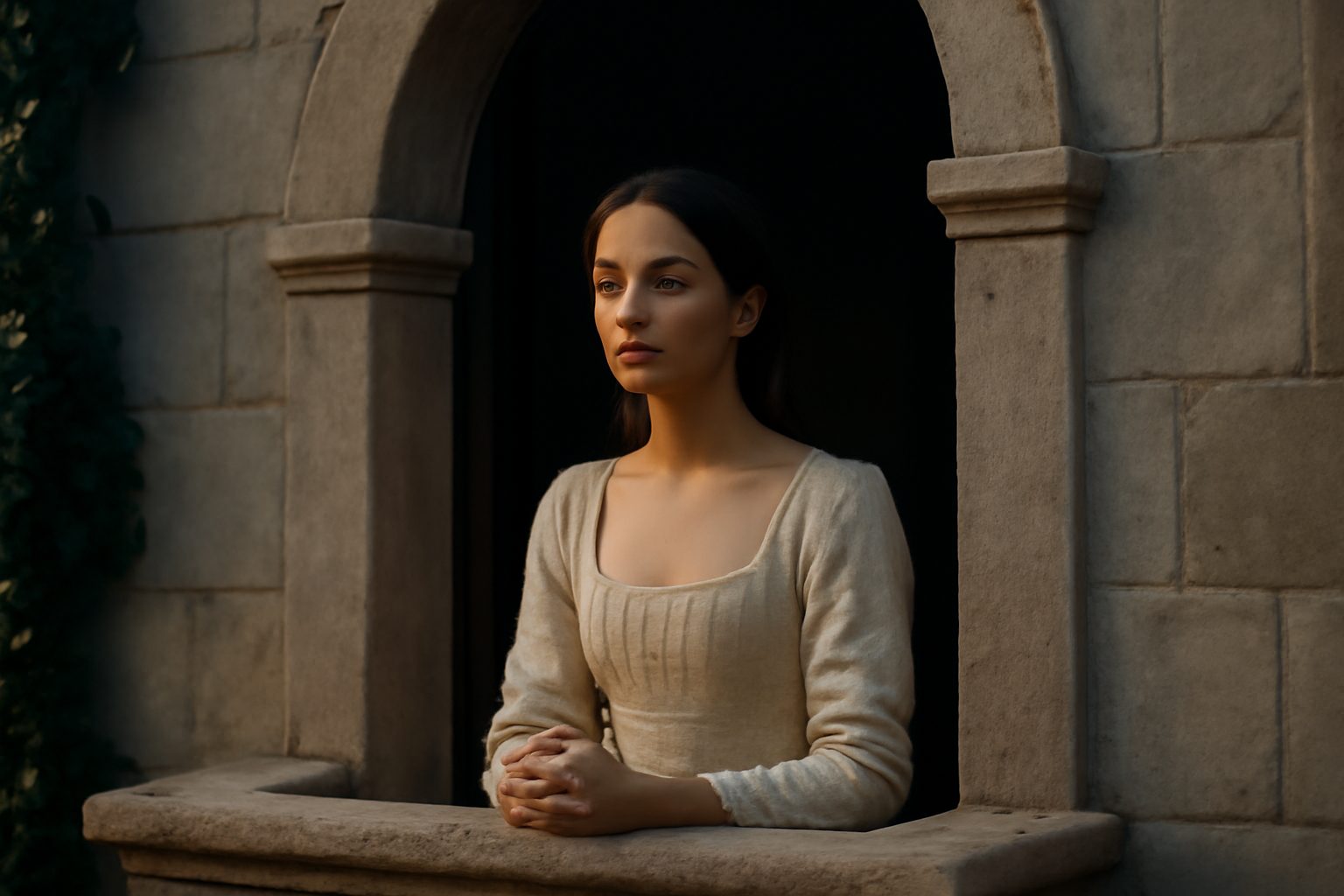
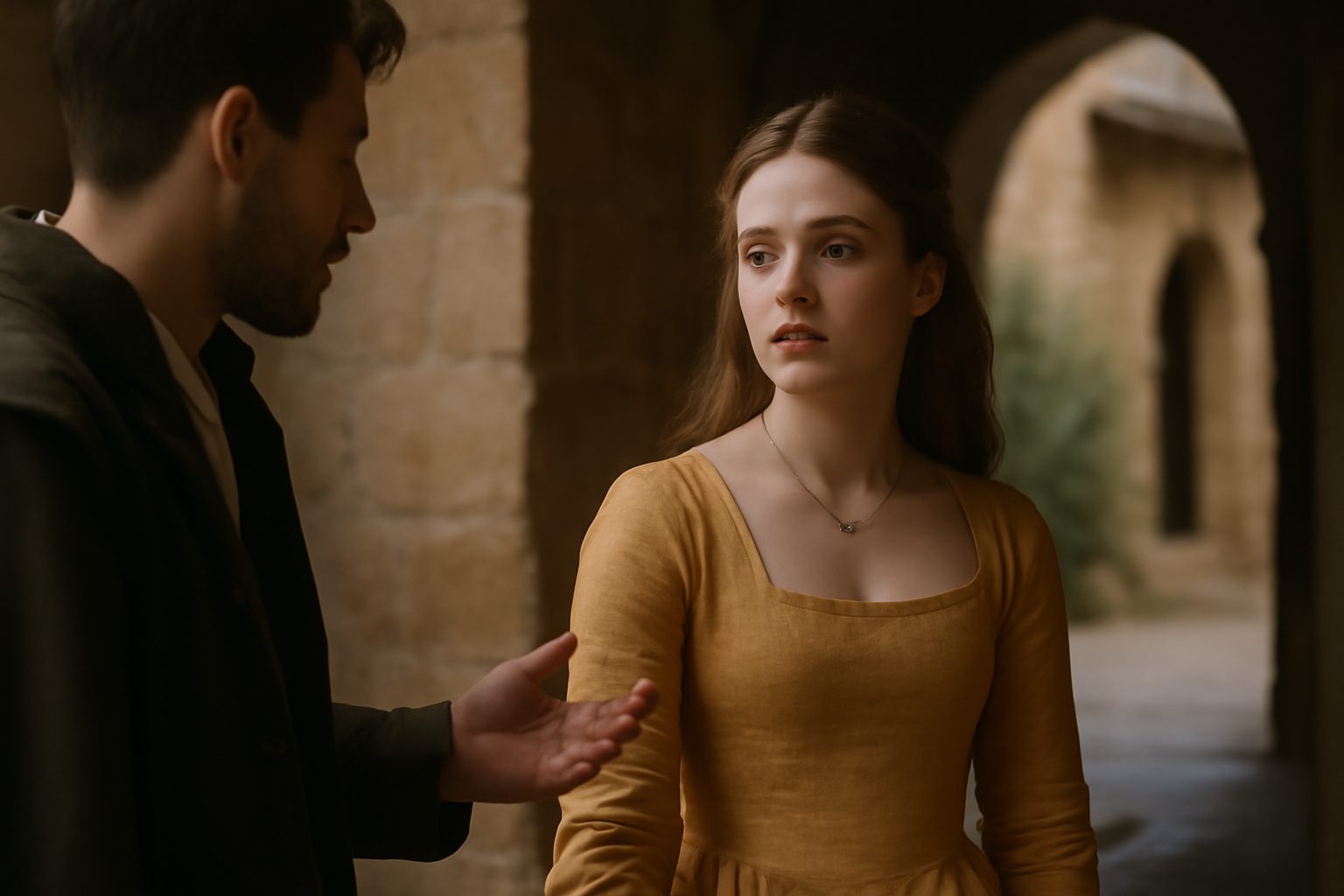
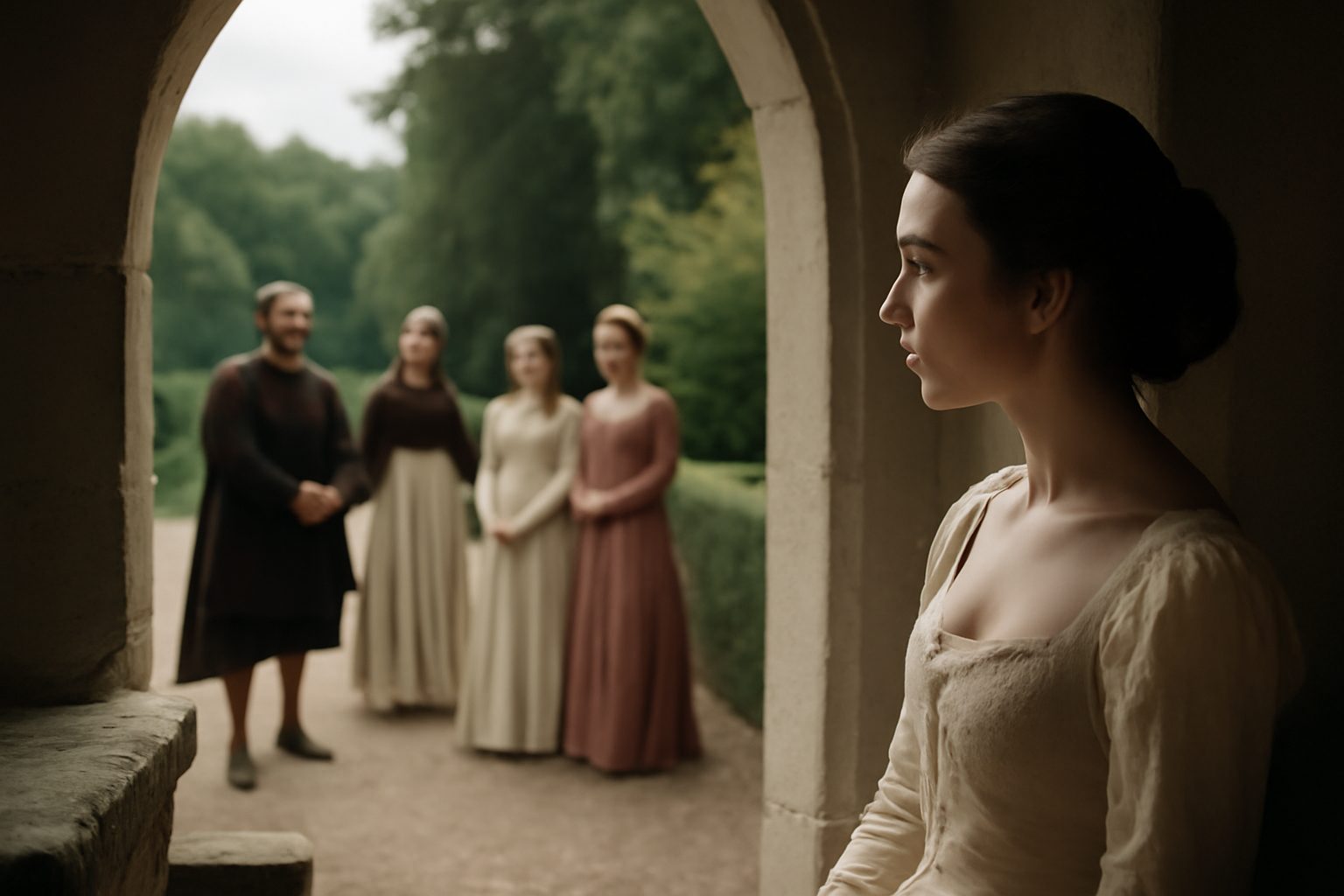
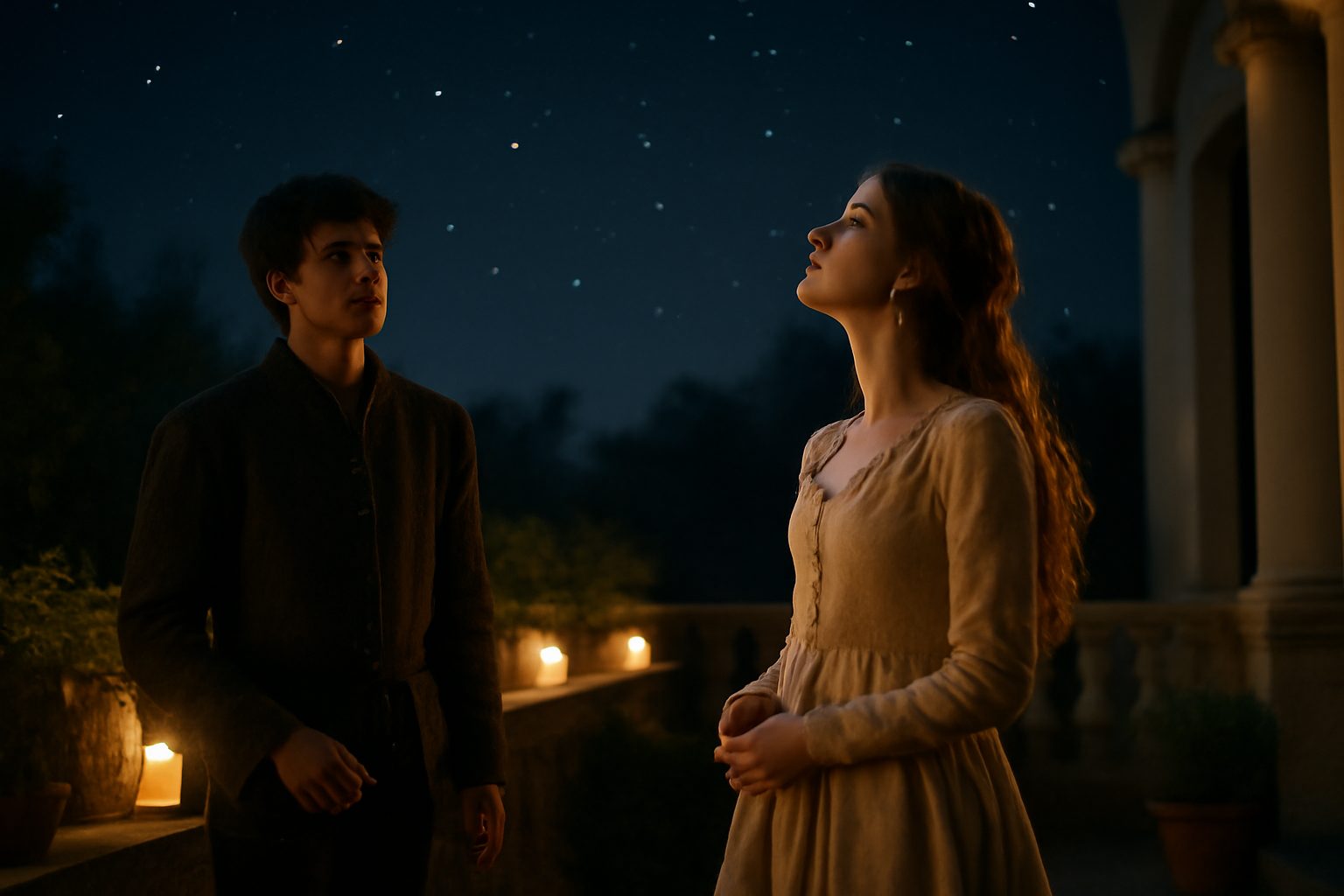
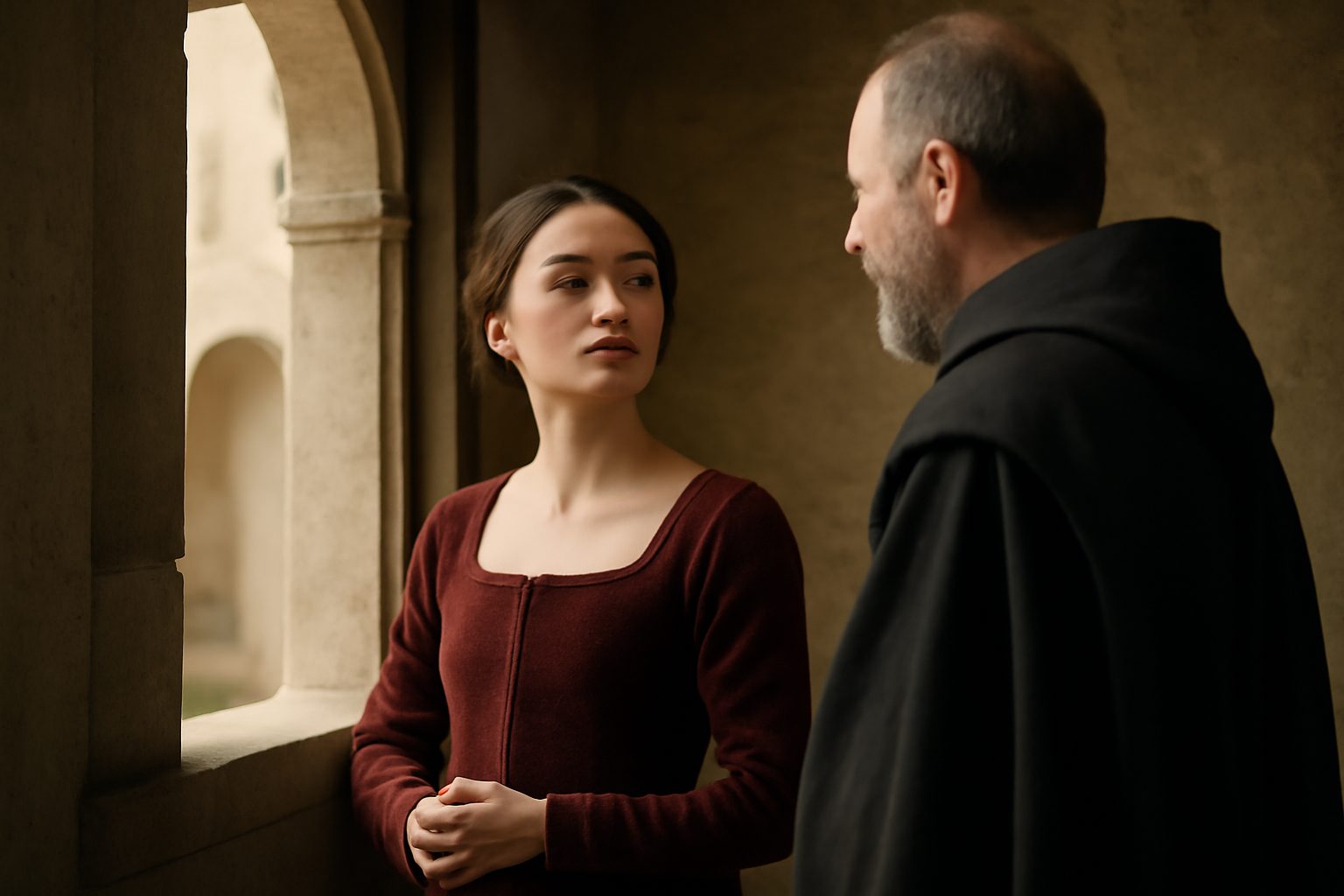
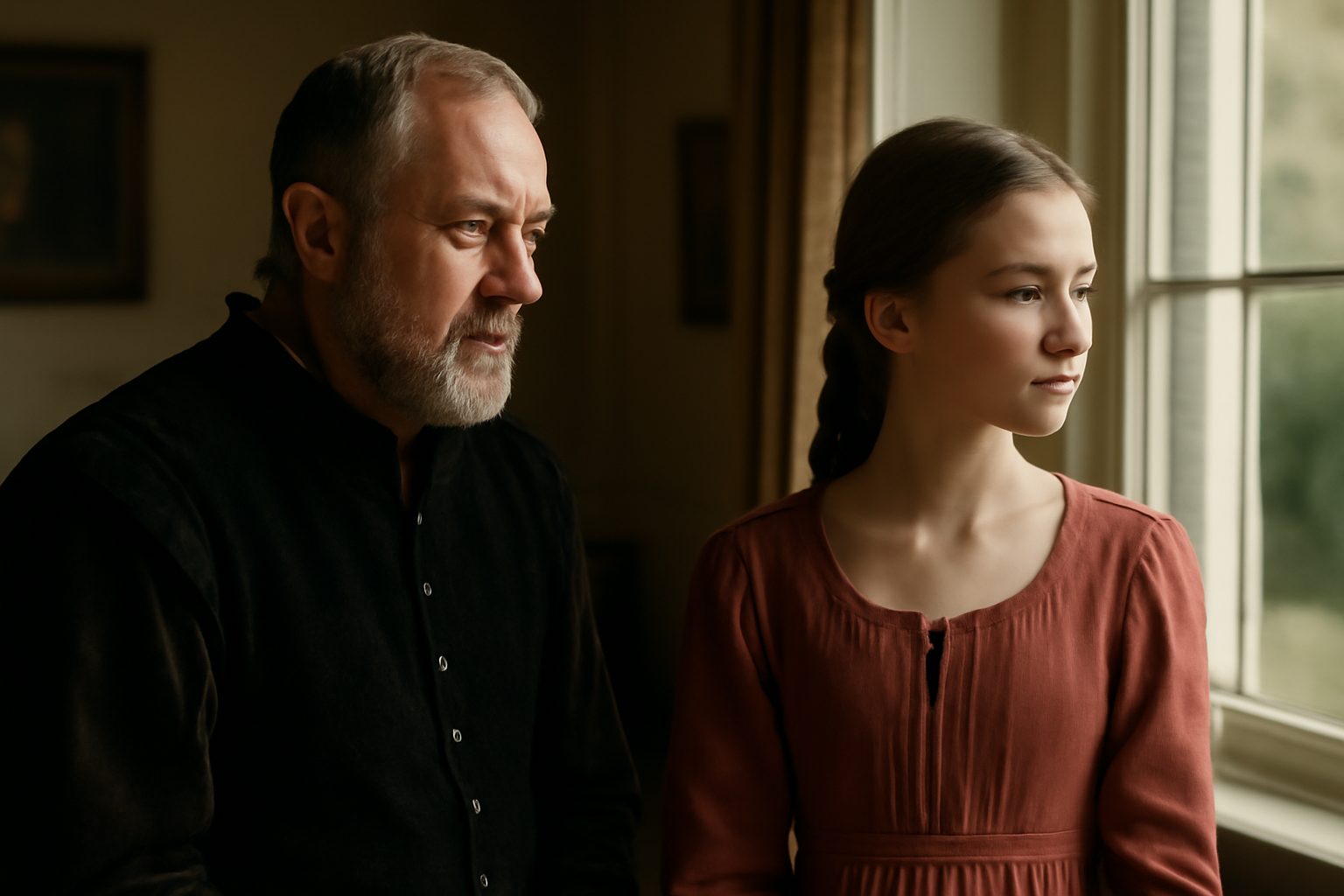
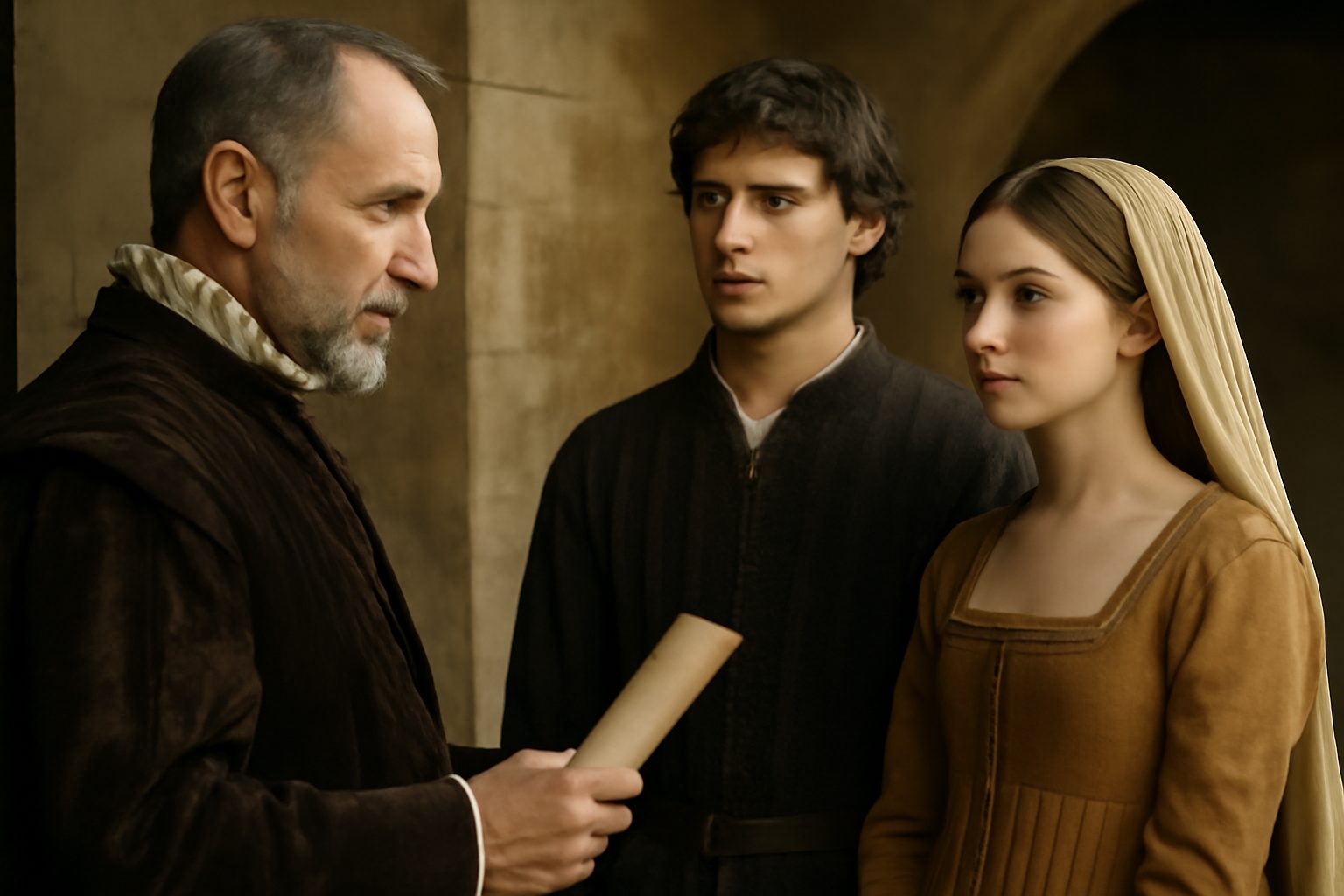
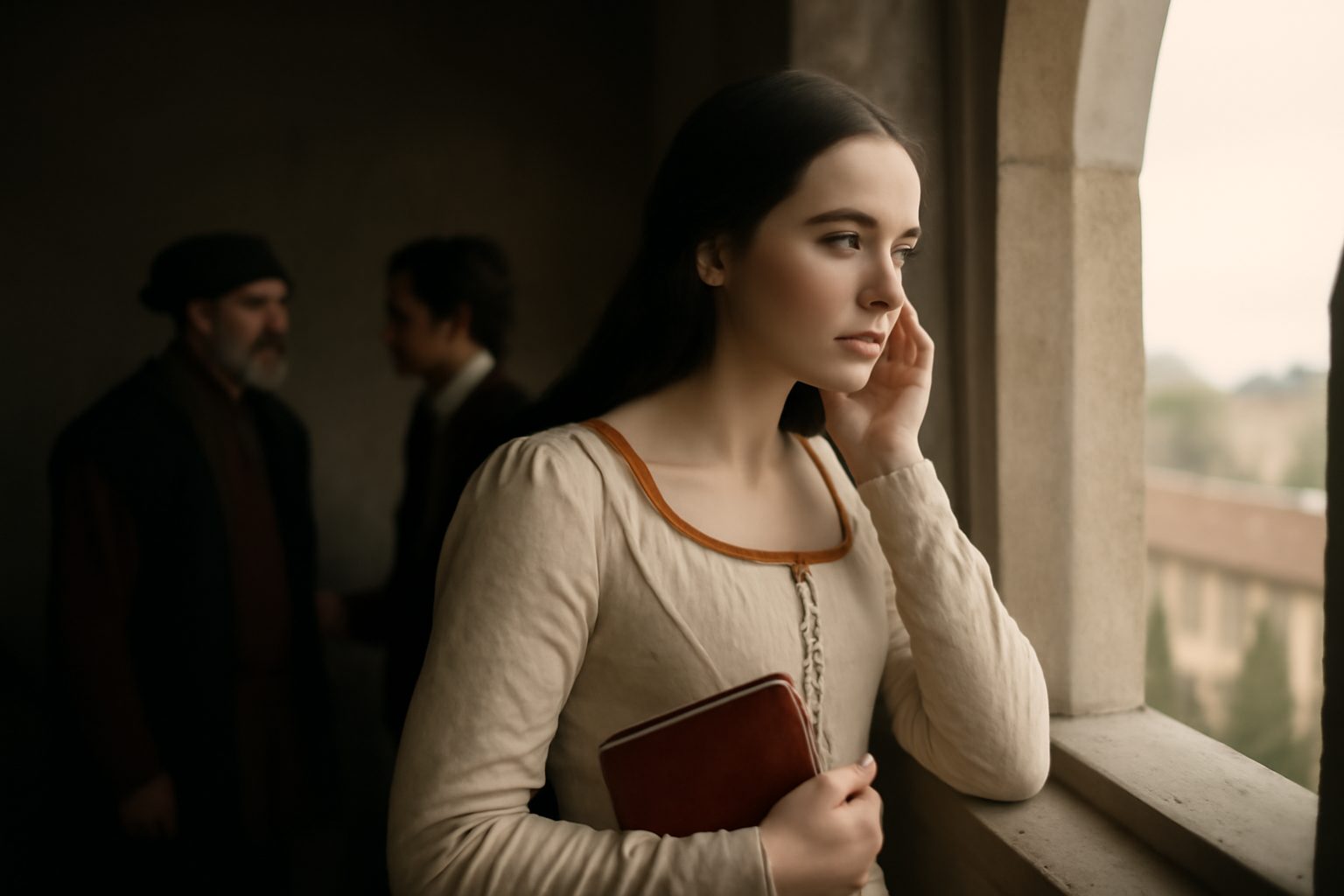
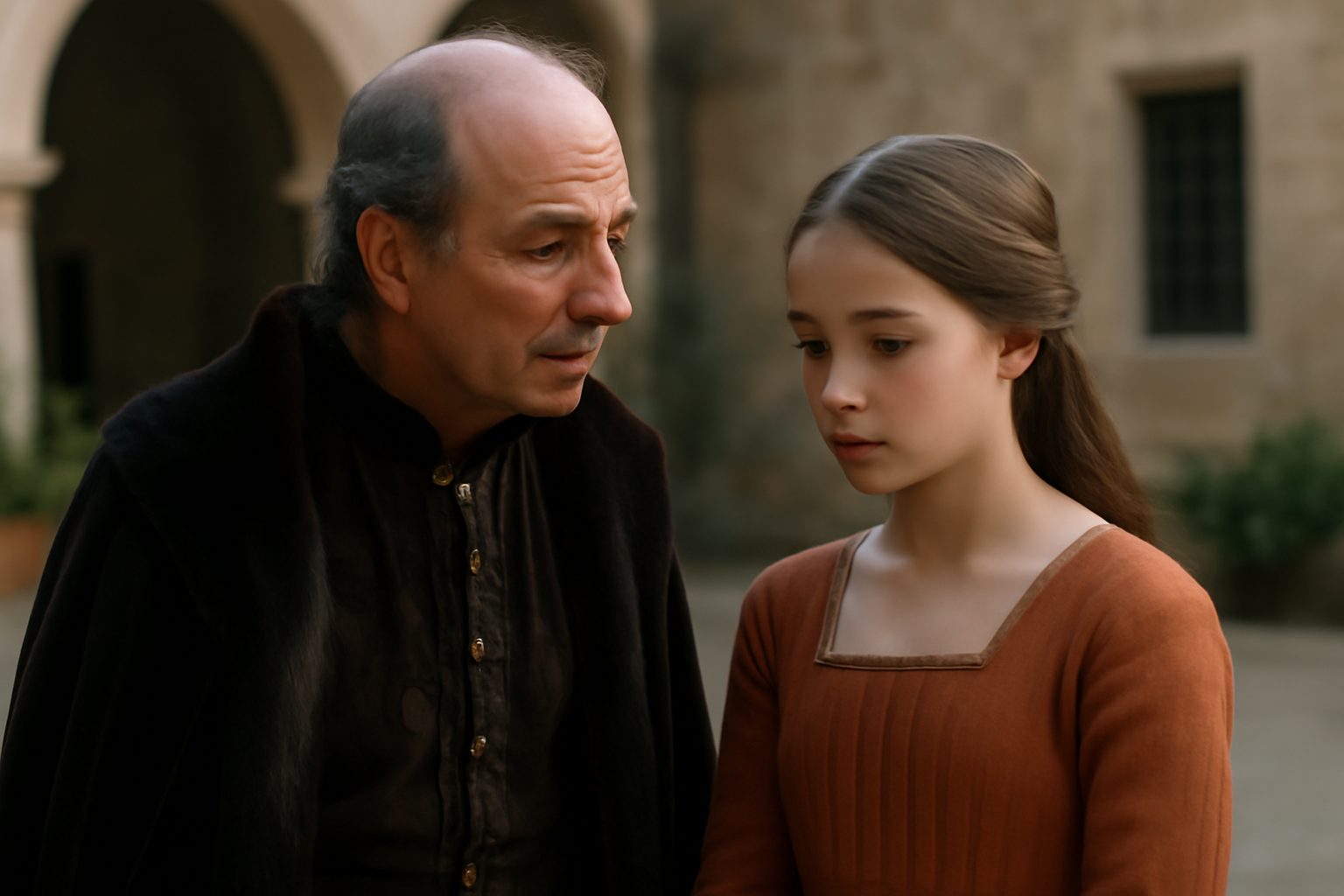
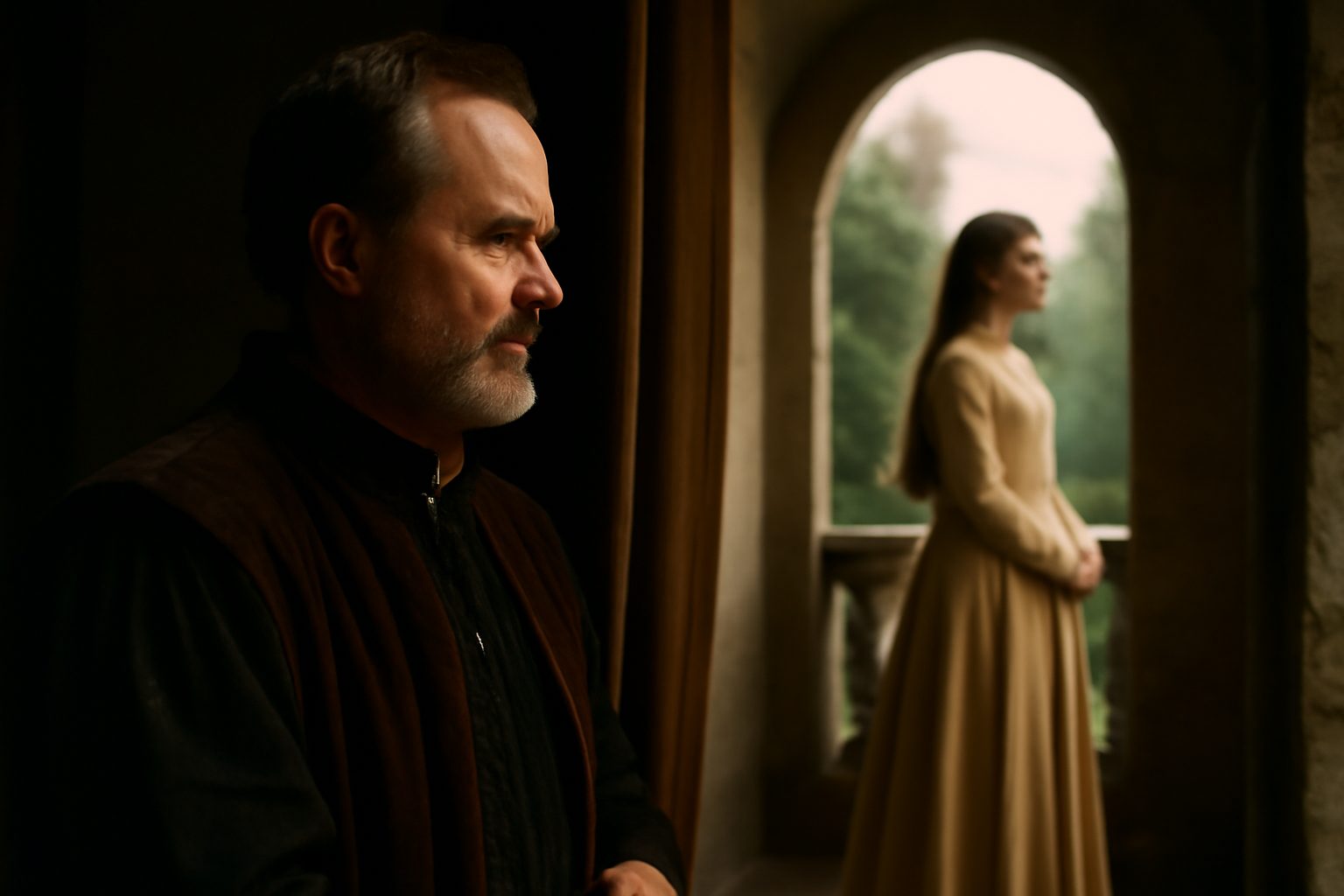
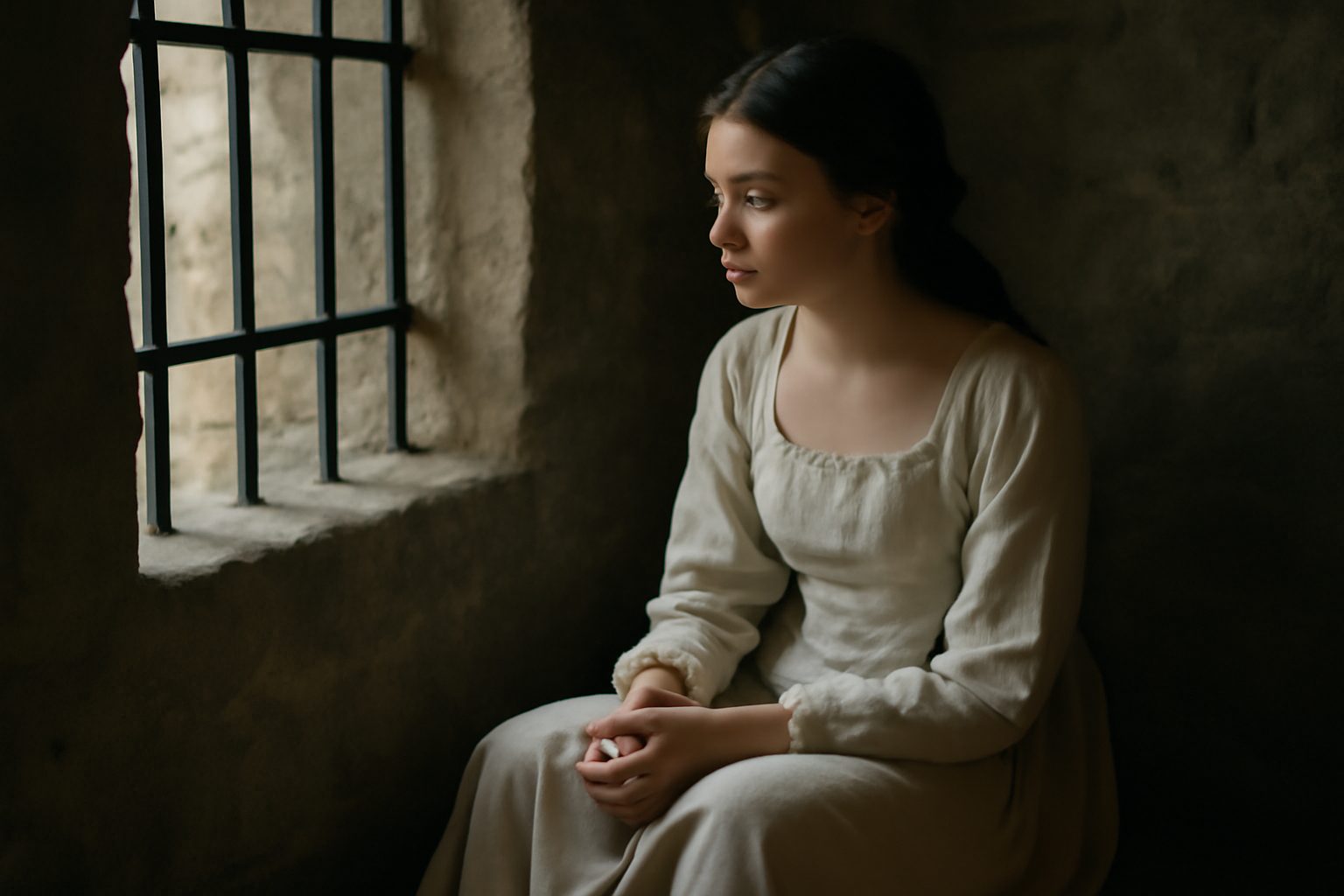
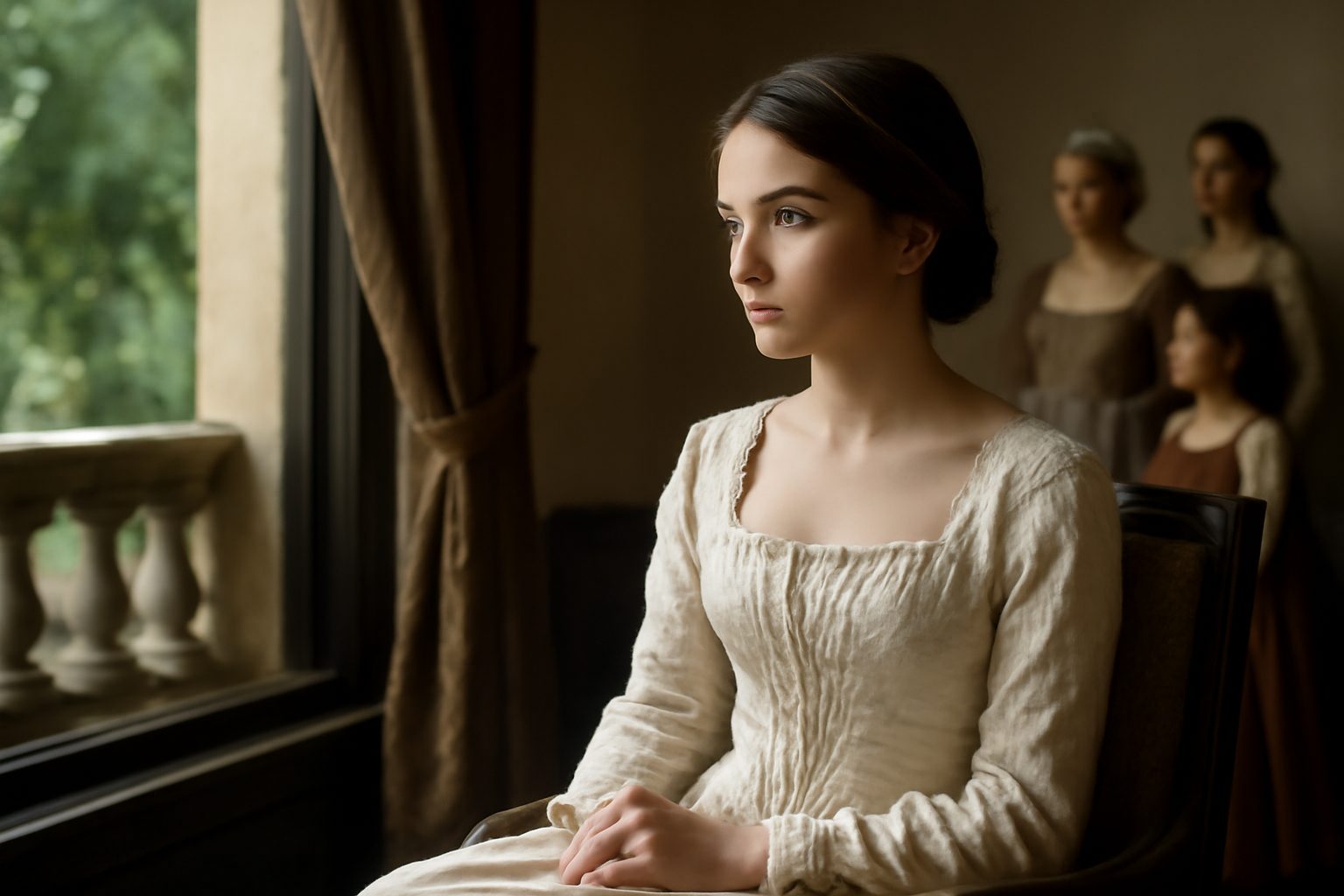
In Act 1, Scene 2 of Romeo and Juliet, Paris speaks to Lord Capulet about marrying Juliet, who is still very young. Capulet responds with caution, suggesting that those who marry too early often face ruin, as youth and haste can lead to misfortune. This line reflects his protective, though somewhat dismissive, attitude toward his daughter's readiness for marriage.
Capulet: "And too soon marr'd are those so early made."
In modern day english, we would say:
Young girls who marry too soon have their happiness ruined too quickly.
Frequently Asked Questions
What does Capulet mean when he says that marrying too young can be harmful?
Capulet is expressing his belief that getting married at a very young age can lead to problems or unhappiness because the individuals are not mature enough to handle the responsibilities of marriage.
Connections to other verses:
Connections to "And too soon marr'd are those so early made"
This verse from Romeo & Juliet Act 1 Scene 2 reflects Lord Capulet's caution about early marriage, expressing concern that youthful unions can lead to ruin. It connects thematically and contextually with several other verses in the same scene.
Parental Concern and Juliet's Youth
Capulet's worry about premature marriage is echoed in his description of Juliet's age and inexperience. In "My child is yet a stranger in the world", he emphasizes her youth, while "She hath not seen the change of fourteen years" specifies her tender age. His insistence on waiting, "Let two more summers wither in their pride" and "Ere we may think her ripe to be a bride", reinforces his cautious stance, contrasting with Paris's perspective in "Younger than she are happy mothers made".
Juliet's Value and Autonomy
Capulet's protective attitude extends to valuing Juliet's consent and happiness. In "She is the hopeful lady of my earth", he highlights her importance to him, while "My will to her consent is but a part" and "An she agree, within her scope of choice" show his respect for her autonomy, underpinning his concern about early marriage.
The Feast as a Turning Point
The scene's focus on the feast introduces potential change. Verses like "This night I hold an old accustom'd feast" and "Among fresh female buds shall you this night" set the stage for new romantic possibilities, subtly challenging Capulet's caution by exposing characters to new experiences and choices.