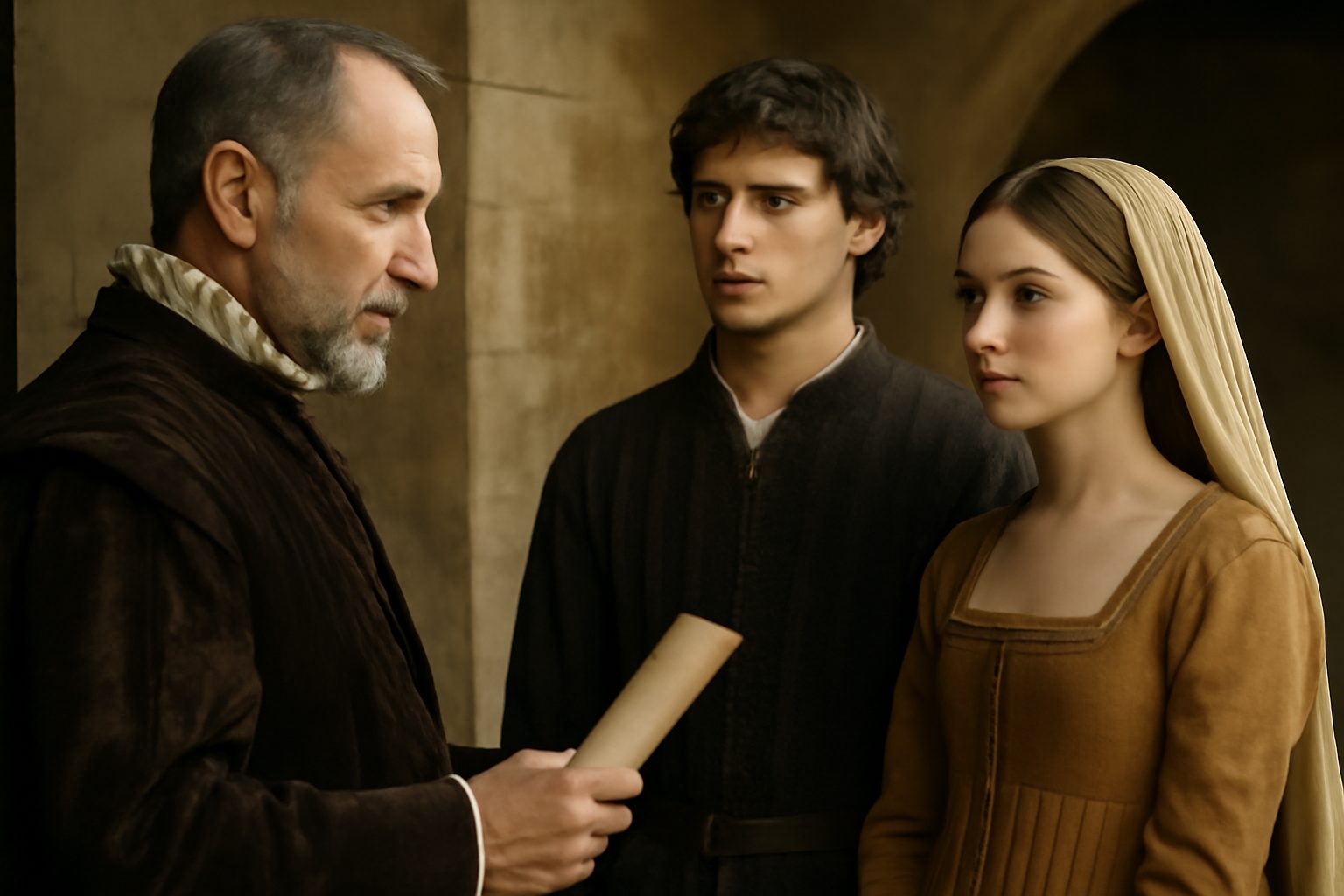
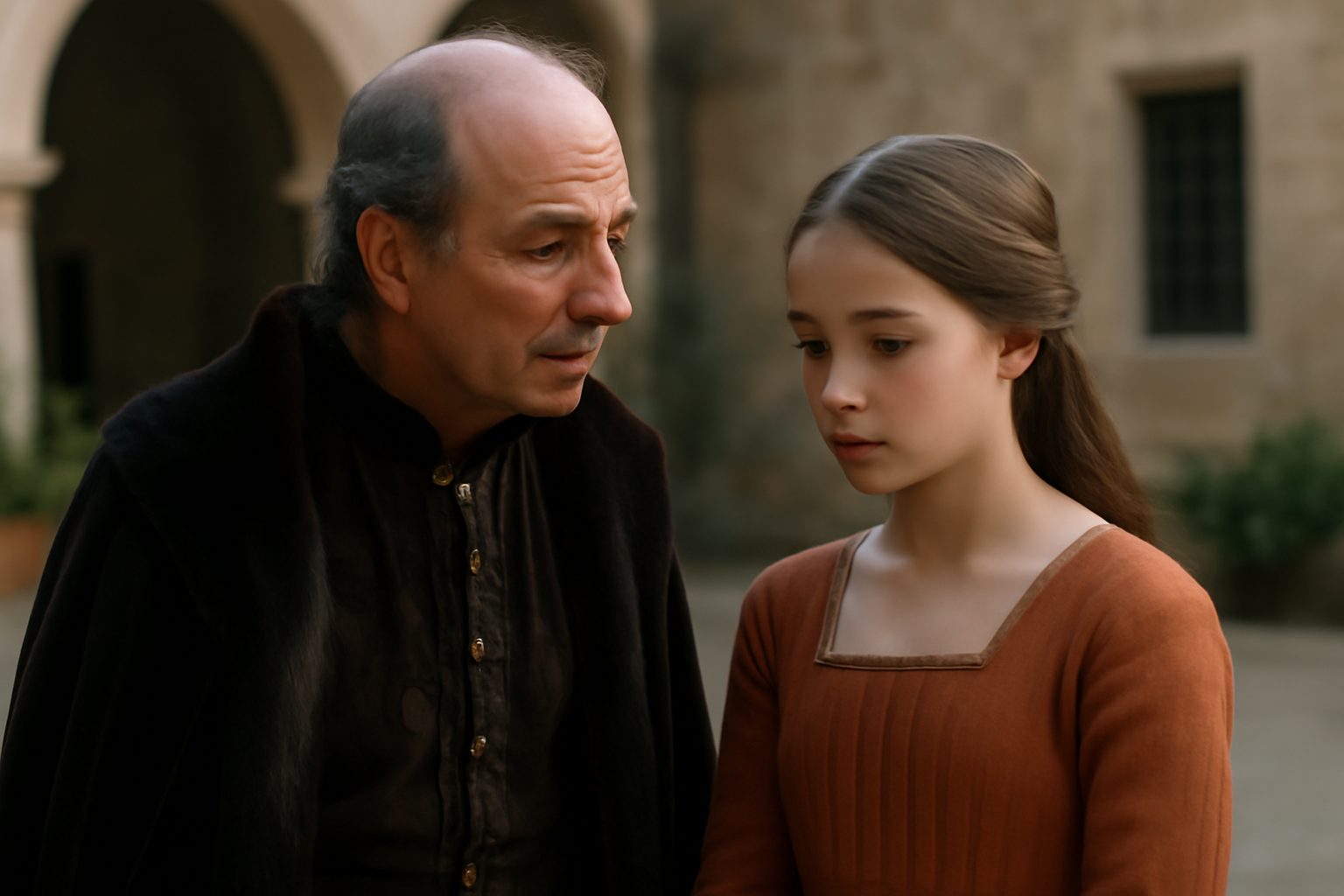
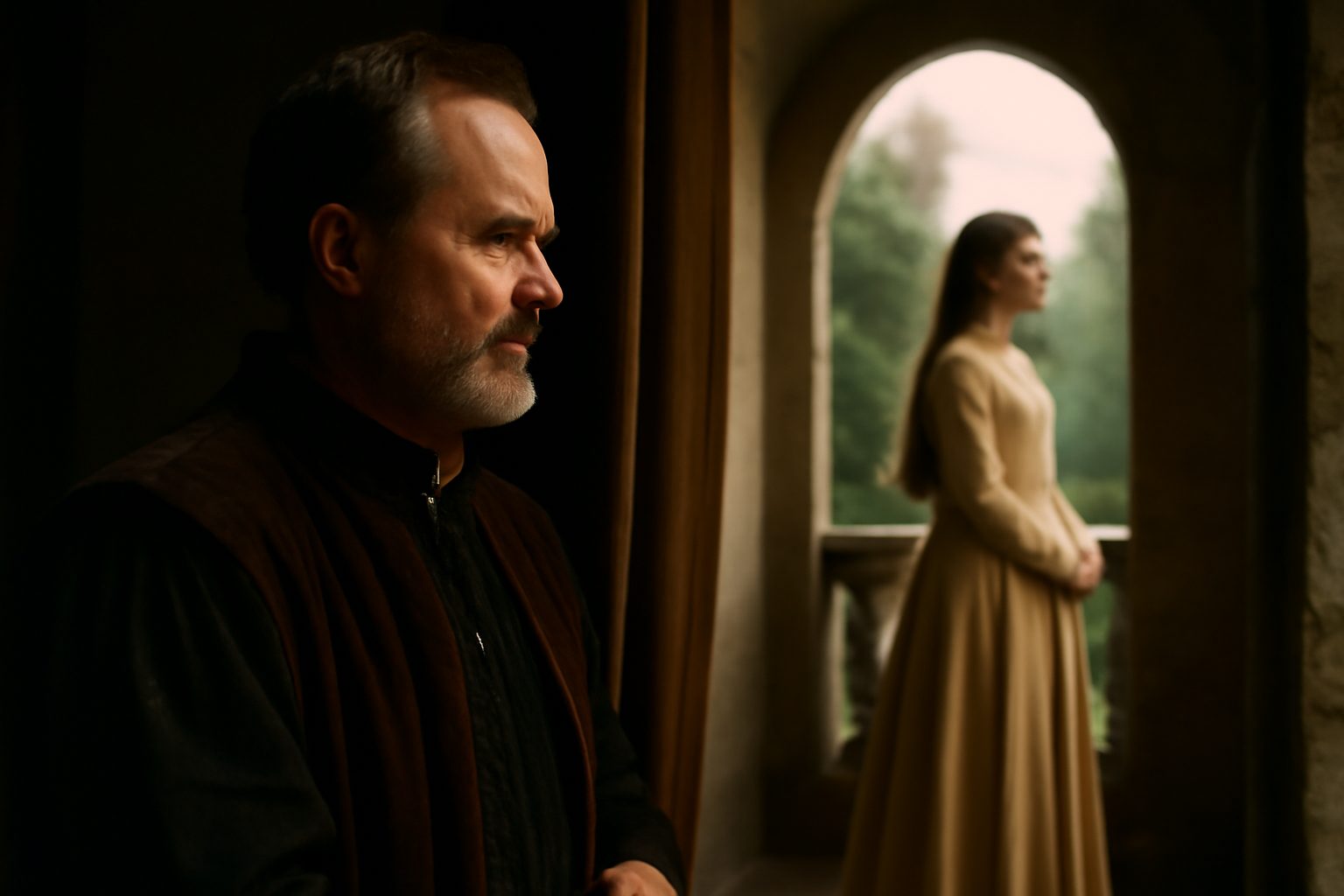
In Act 1, Scene 2 of Romeo and Juliet, Paris speaks to Capulet about his desire to marry Juliet. Capulet, cautious about rushing the union, uses metaphorical language to describe young women like Juliet who, though pursued, remain unclaimed. This line reflects his belief that Juliet is still too young for marriage, comparing her to those who evade capture despite constant pursuit.
Romeo: "And these, who often drown'd could never die,"
In modern day english, we would say:
These lovers, who seemed to drown in their passion, could never truly be destroyed by it.
Frequently Asked Questions
What does Romeo mean when he says that some people often drowned but could never die?
Romeo is talking about people who are deeply in love and feel like they are drowning in their emotions, but their love keeps them alive and passionate.
Connections to other verses:
Connections to "And these, who often drown'd could never die,"
This verse, spoken by Benvolio, is part of his advice to Romeo about overcoming his lovesick melancholy for Rosaline. It suggests that those who frequently experience emotional drowning (despair) paradoxically become resilient, never truly succumbing to death. This connects thematically and structurally to several other lines in the scene.
Connection to Themes of Love and Resilience
Benvolio’s counsel here echoes his earlier advice in "Tut, man, one fire burns out another's burning," where he argues that new passions can extinguish old ones. Similarly, "One pain is lessen'd by another's anguish;" and "Turn giddy, and be holp by backward turning;" reinforce the idea that emotional extremes can be counteracted by their opposites. These lines collectively frame love as a tumultuous yet survivable experience.
Contrast with Capulet’s Views on Youth and Maturity
Capulet’s caution about early marriage in "And too soon marr'd are those so early made." provides a contrasting perspective: where Benvolio sees resilience in emotional trials, Capulet warns of the fragility of youth. This dichotomy highlights the scene’s exploration of how different characters perceive love and suffering.
Foreshadowing and Irony
The notion of drowning yet not dying ironically foreshadows the play’s tragic ending, where literal and emotional drowning themes resurface. Additionally, Benvolio’s attempt to cure Romeo’s fixation with Rosaline by showing him other beauties at the feast ("Go thither; and, with unattainted eye,") ties directly to this resilient outlook, suggesting that exposure to new experiences can heal old wounds.
Link to Romeo’s Hyperbolic Language
Romeo’s own despairing declaration in "Shut up in prison, kept without my food," exemplifies the "drowning" Benvolio describes, yet Benvolio’s response undermines Romeo’s hyperbole, insisting such feelings are survivable. This dynamic reinforces Benvolio’s role as a pragmatic foil to Romeo’s romantic idealism.