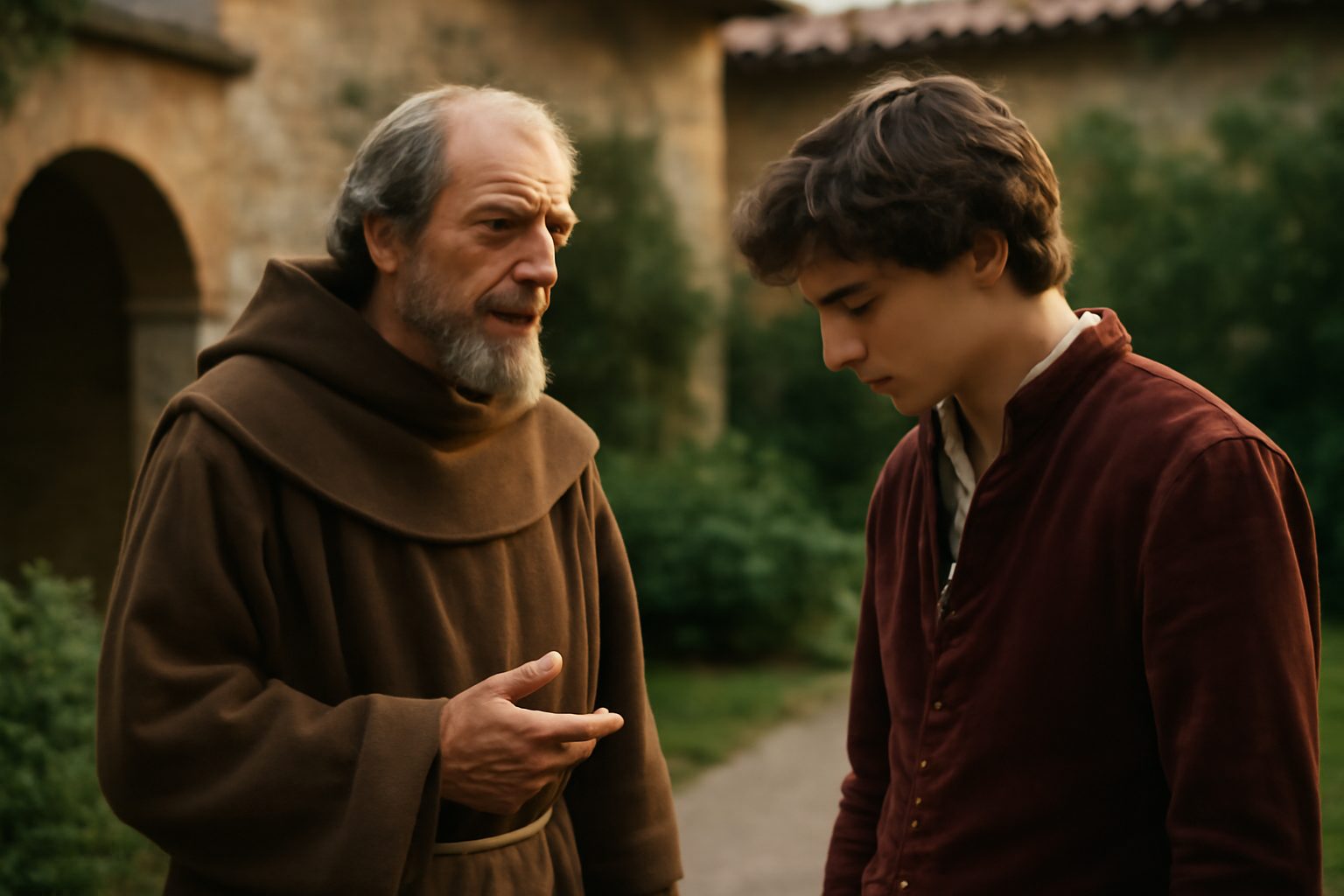
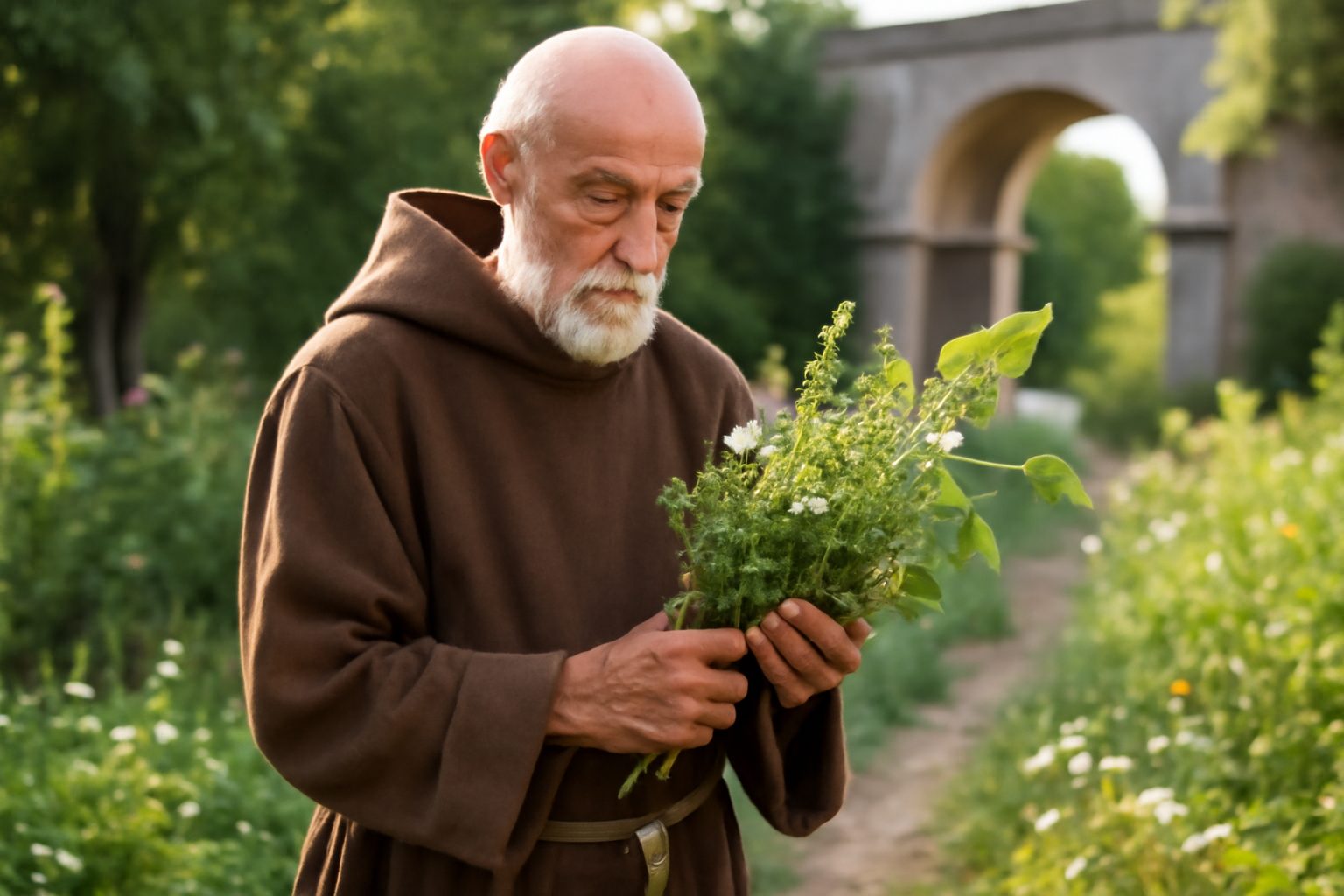
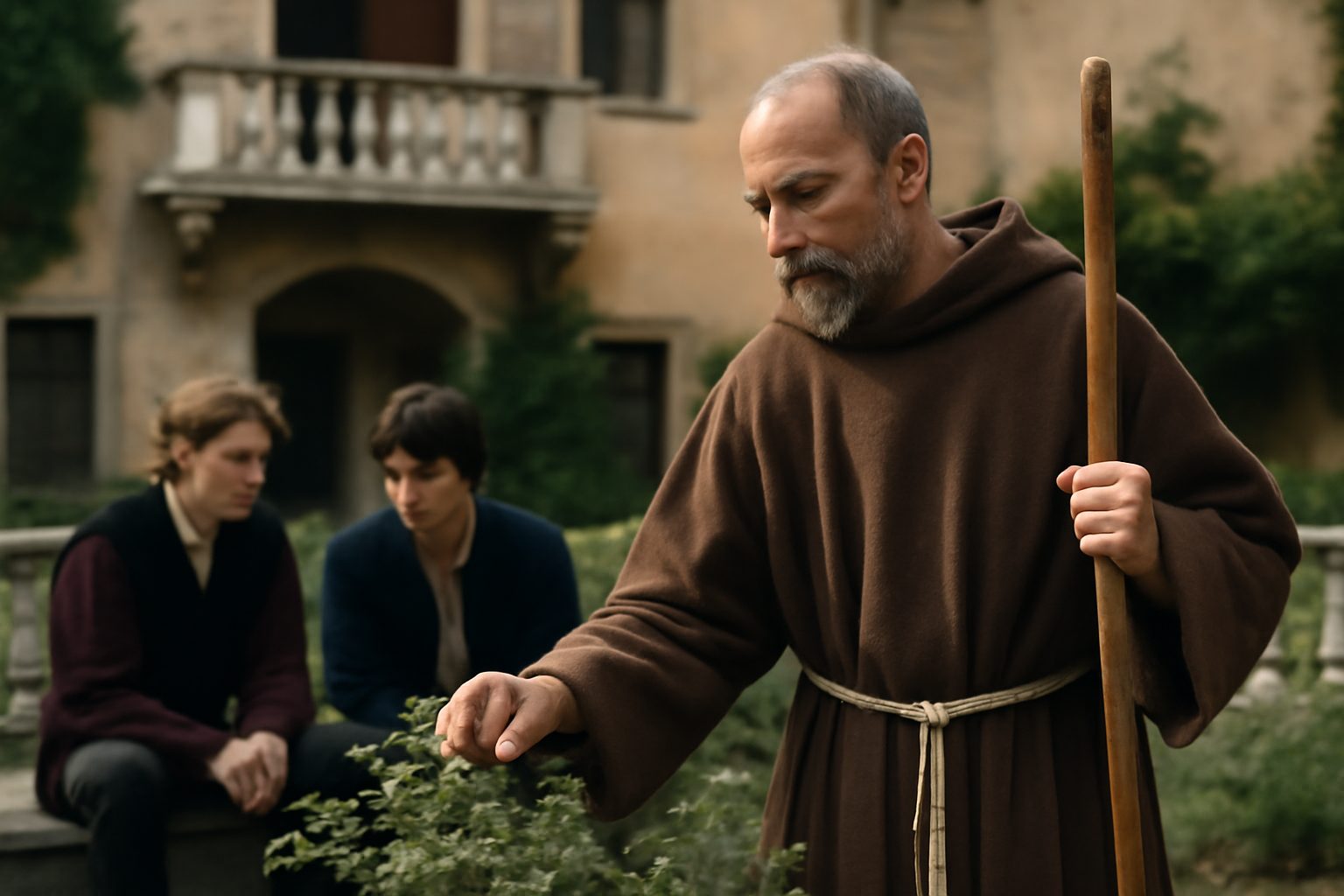
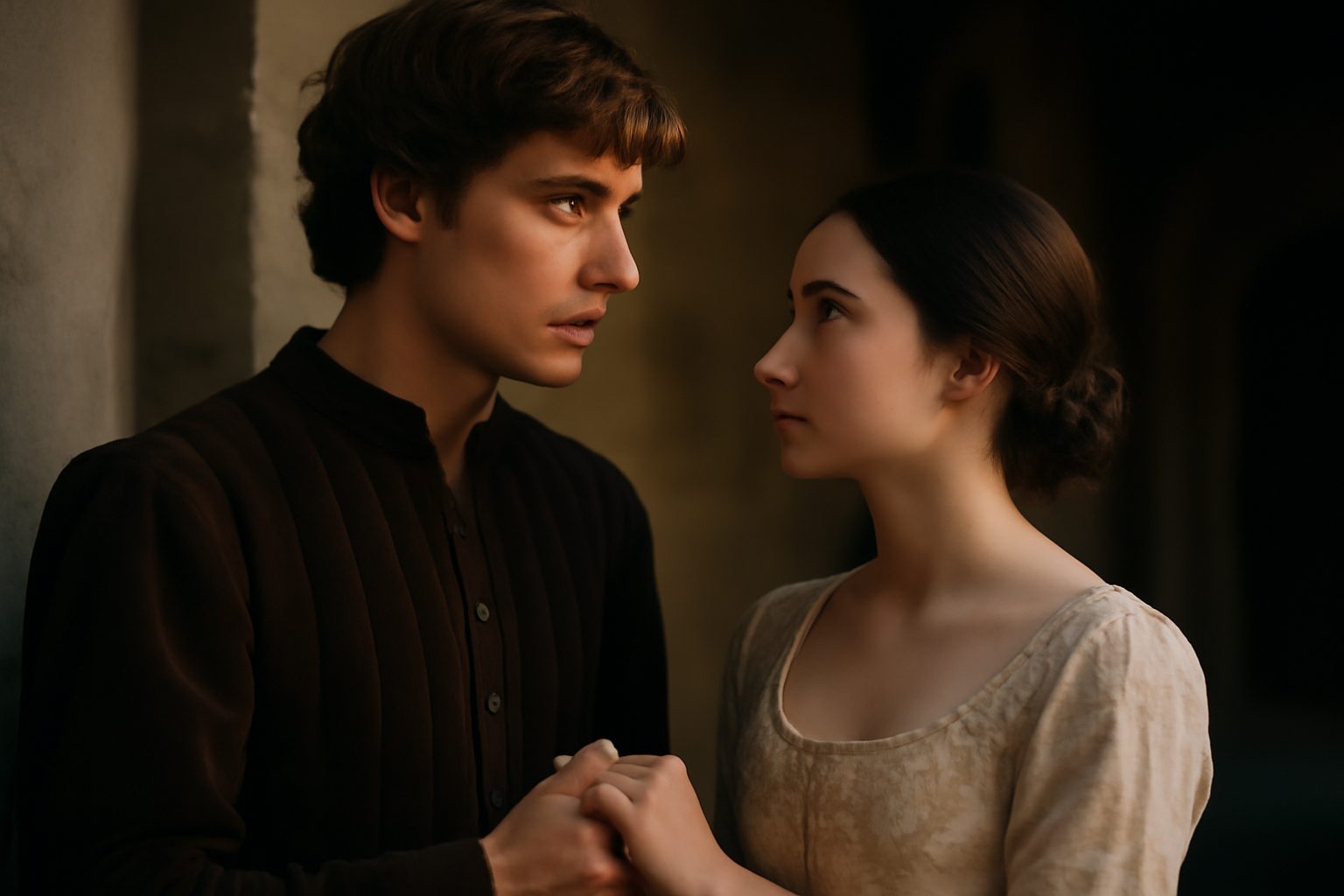
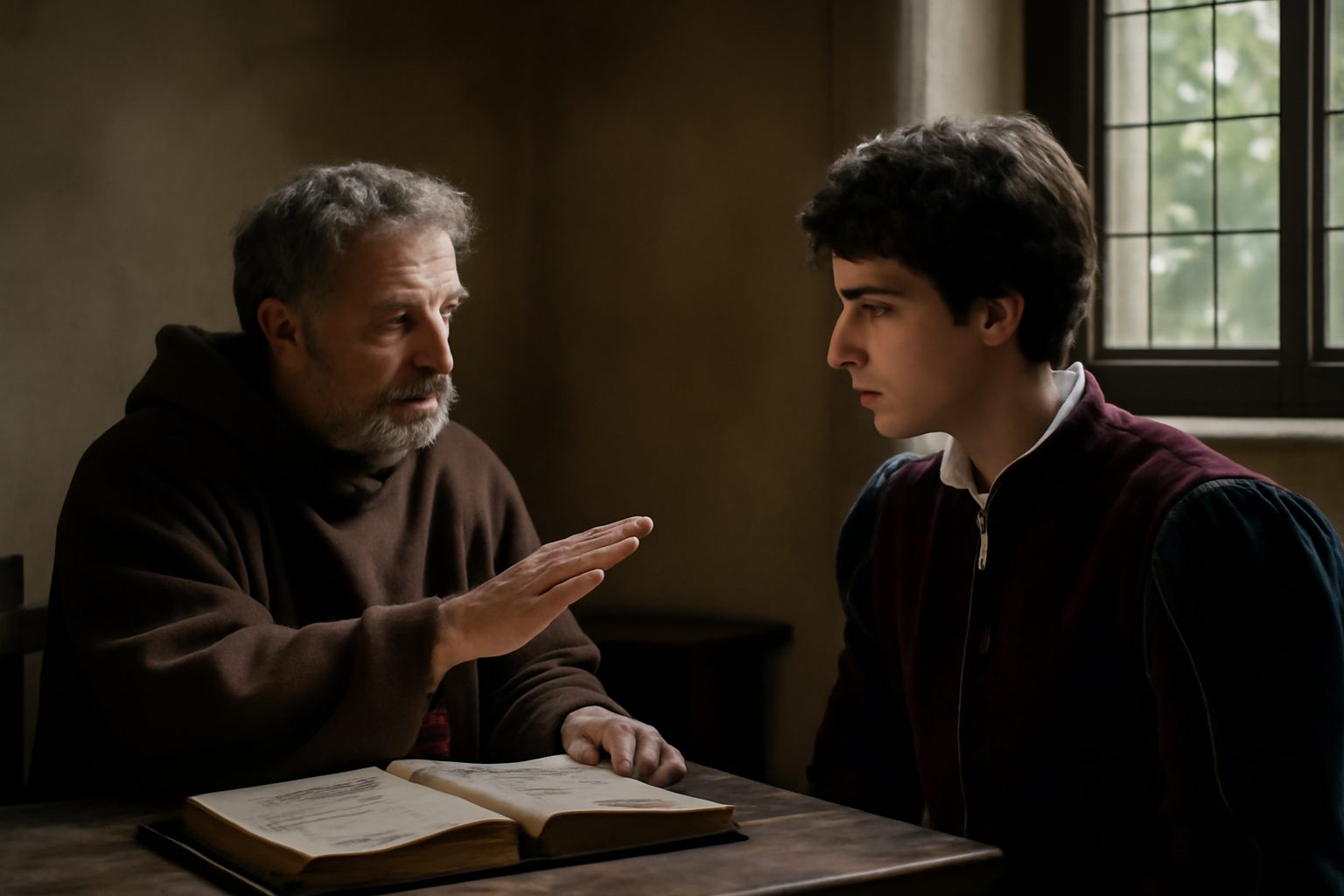
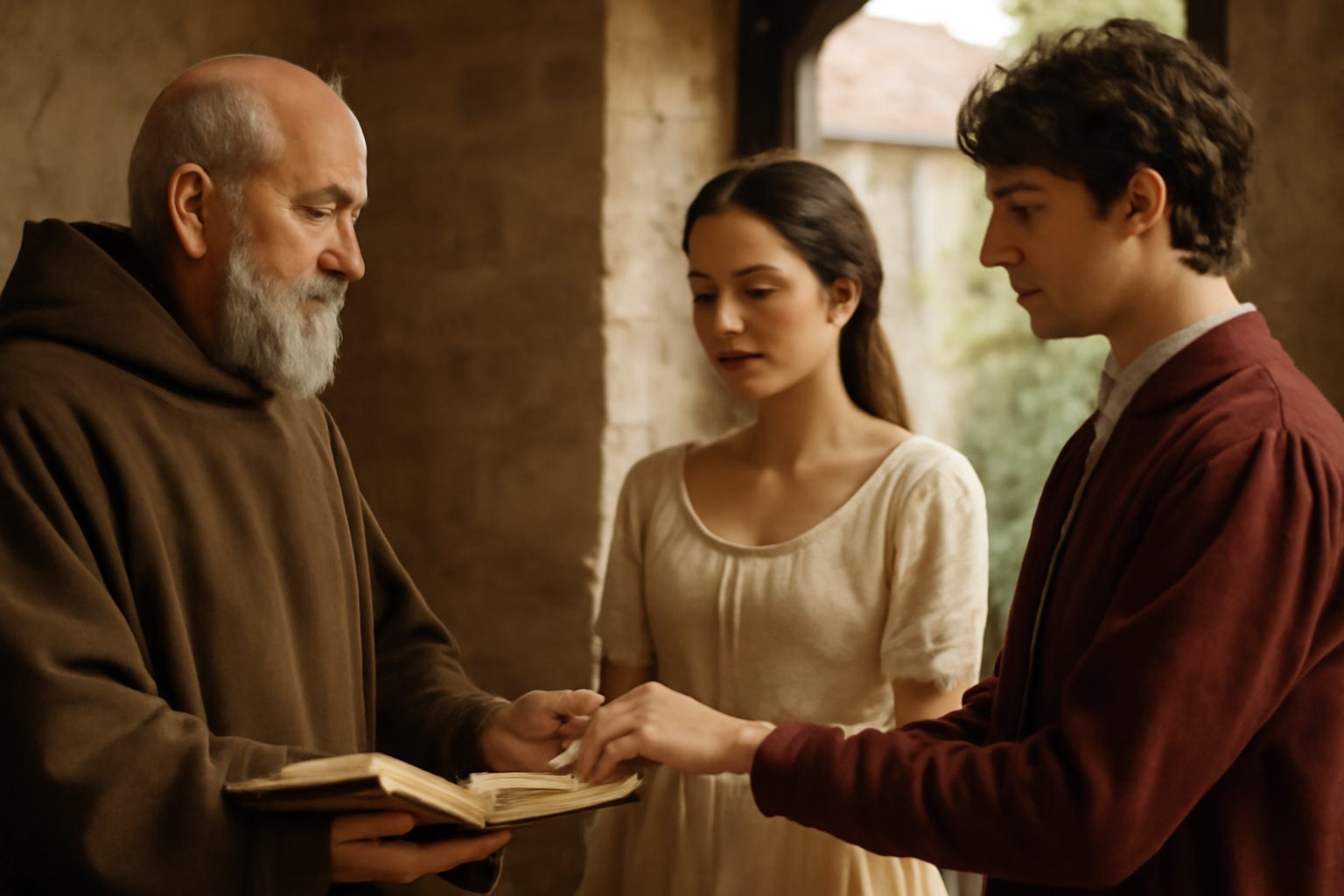
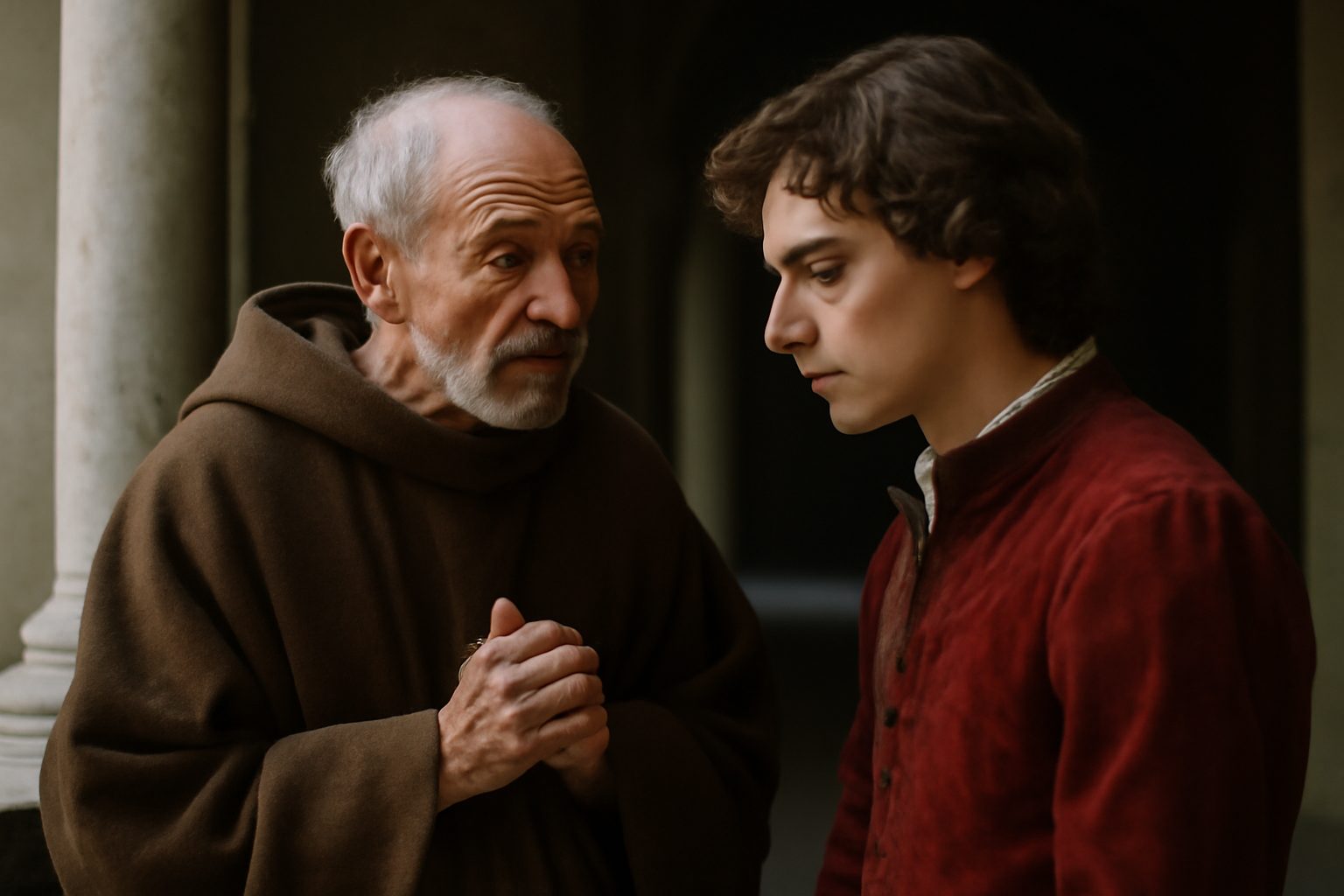
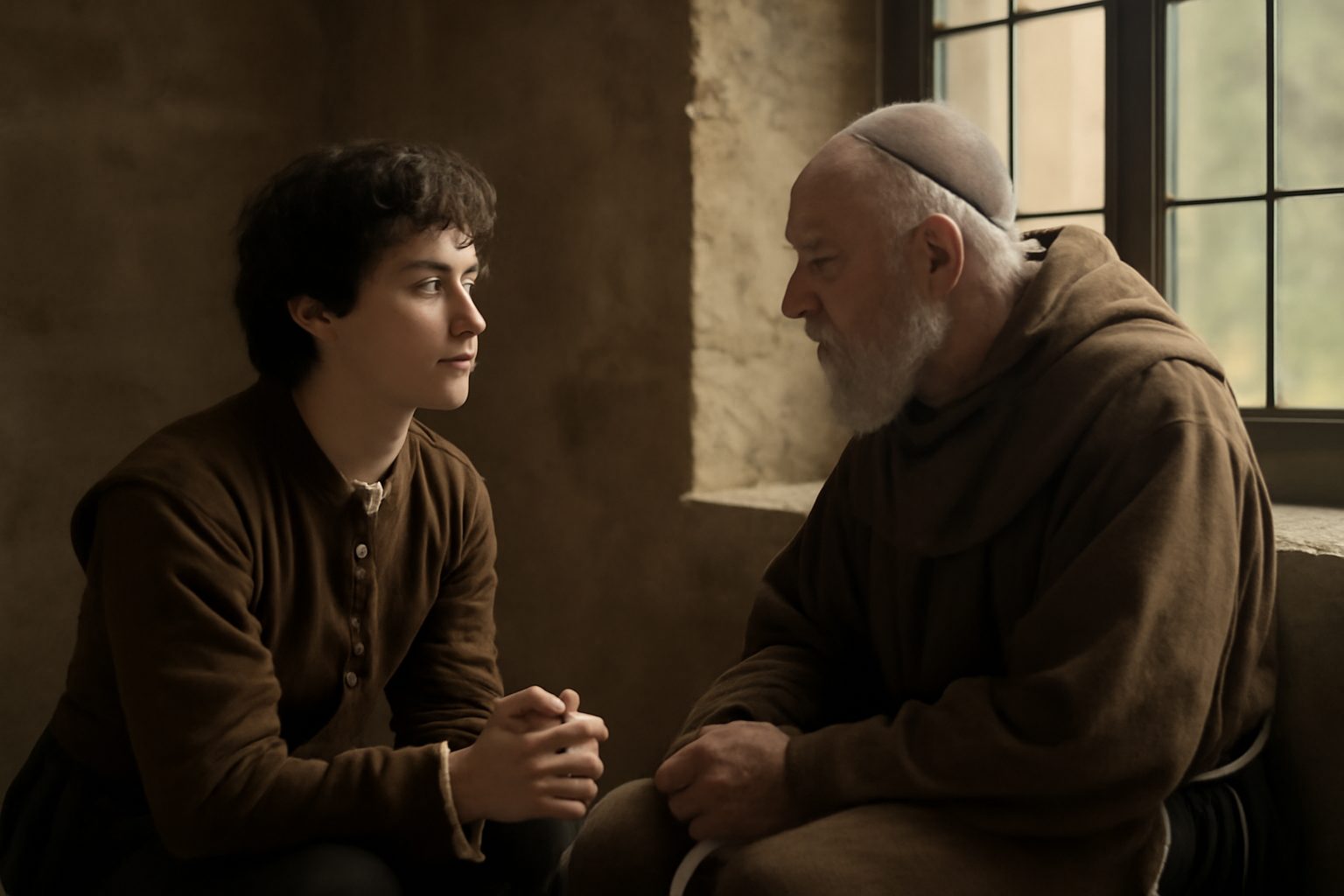
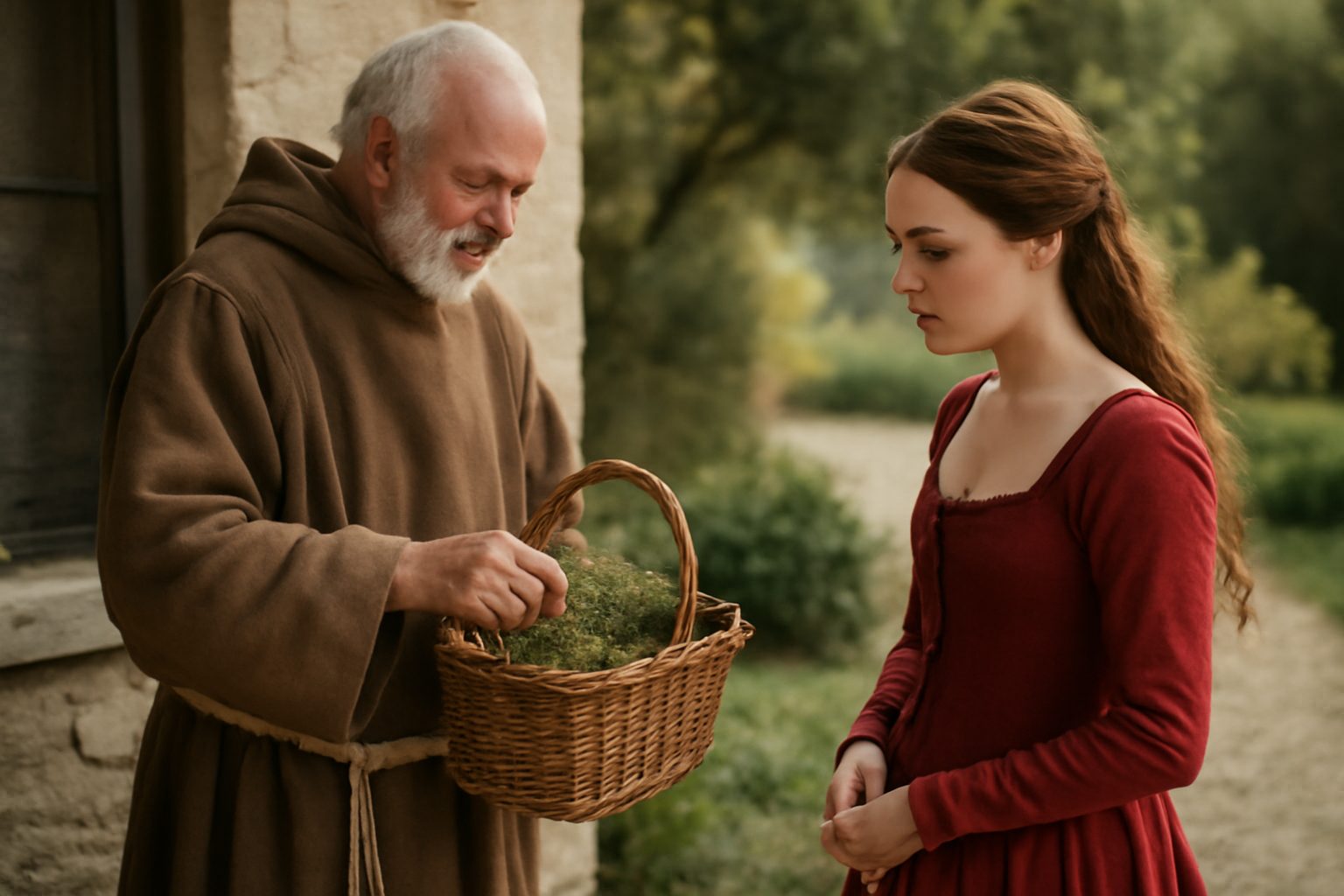
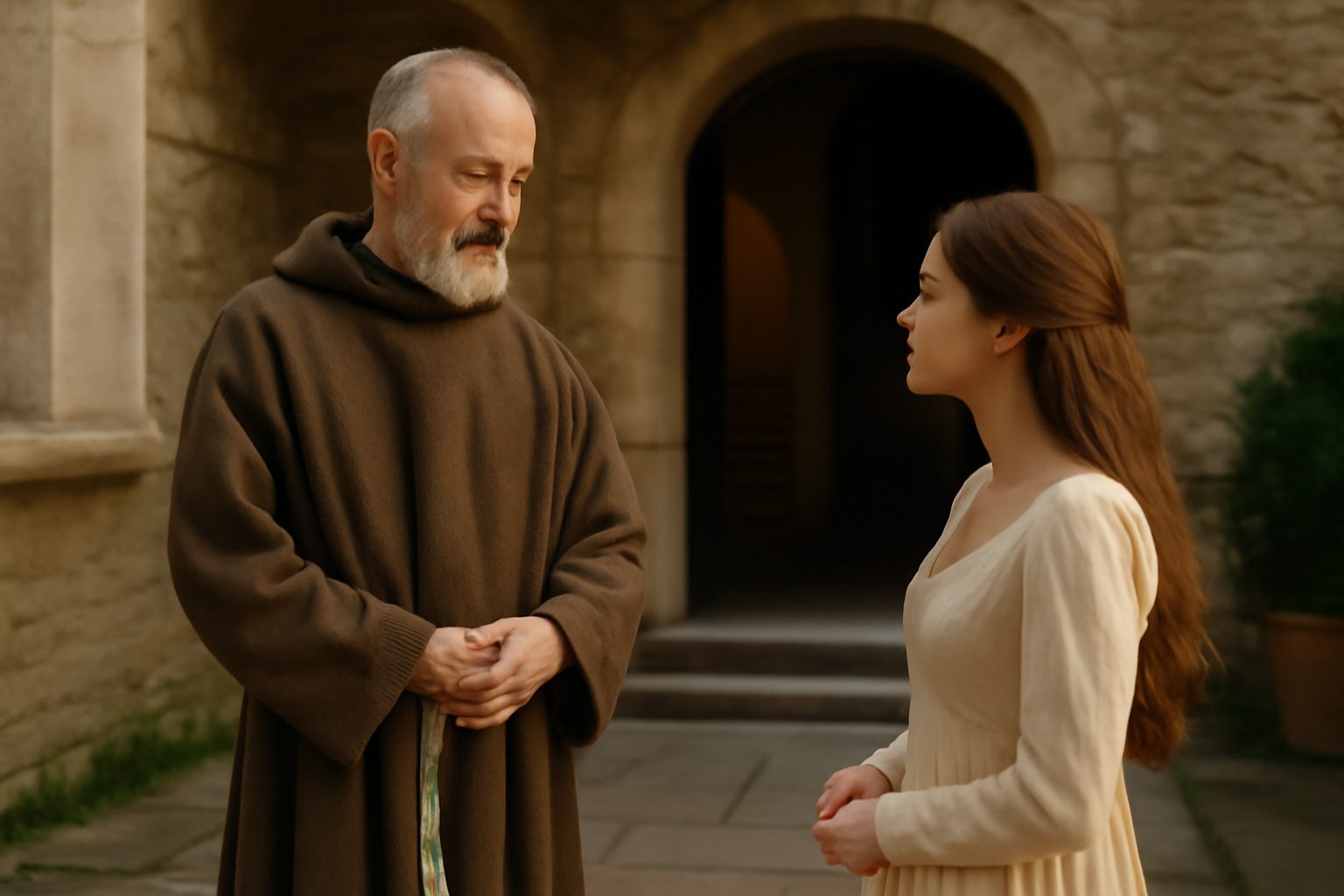
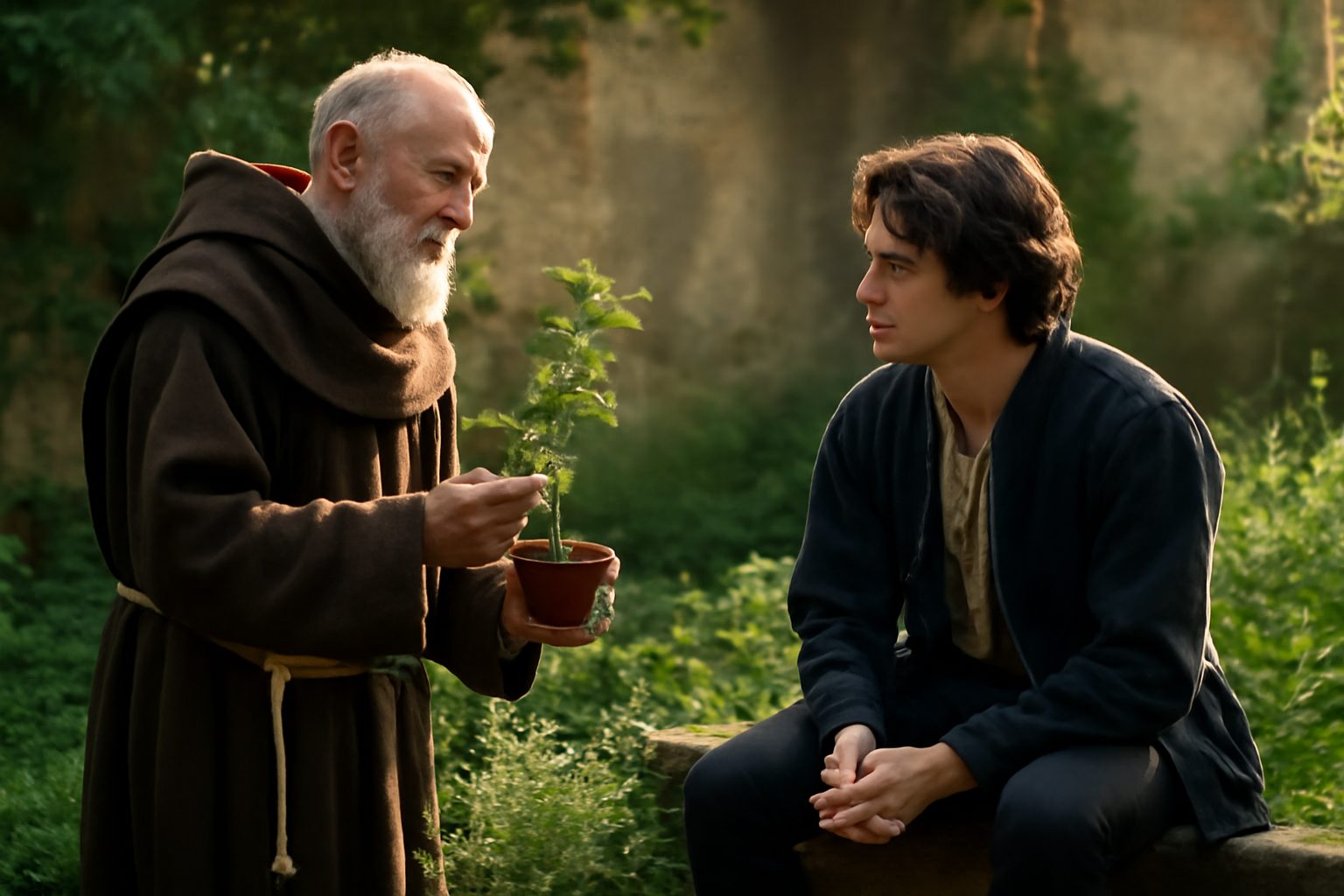
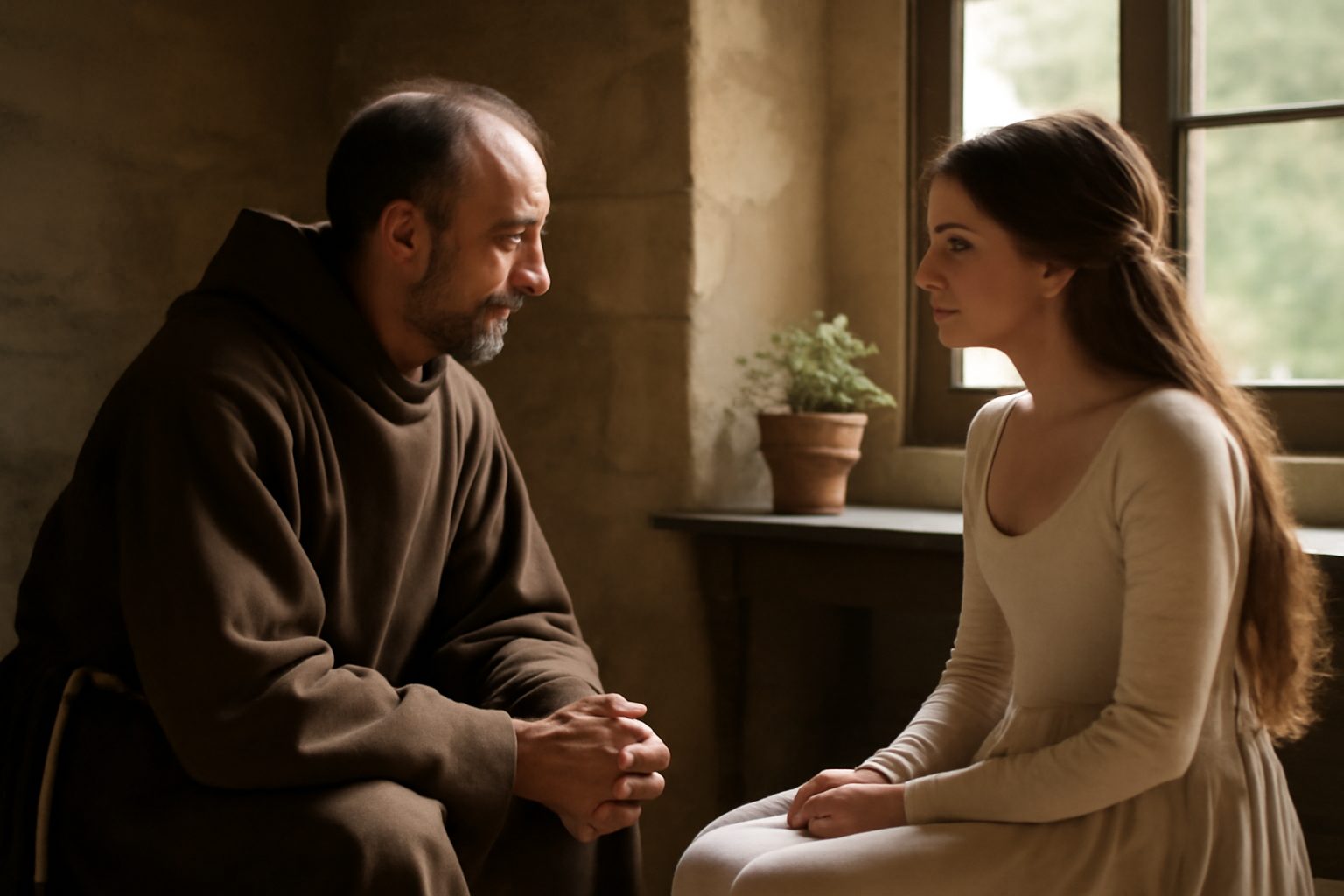
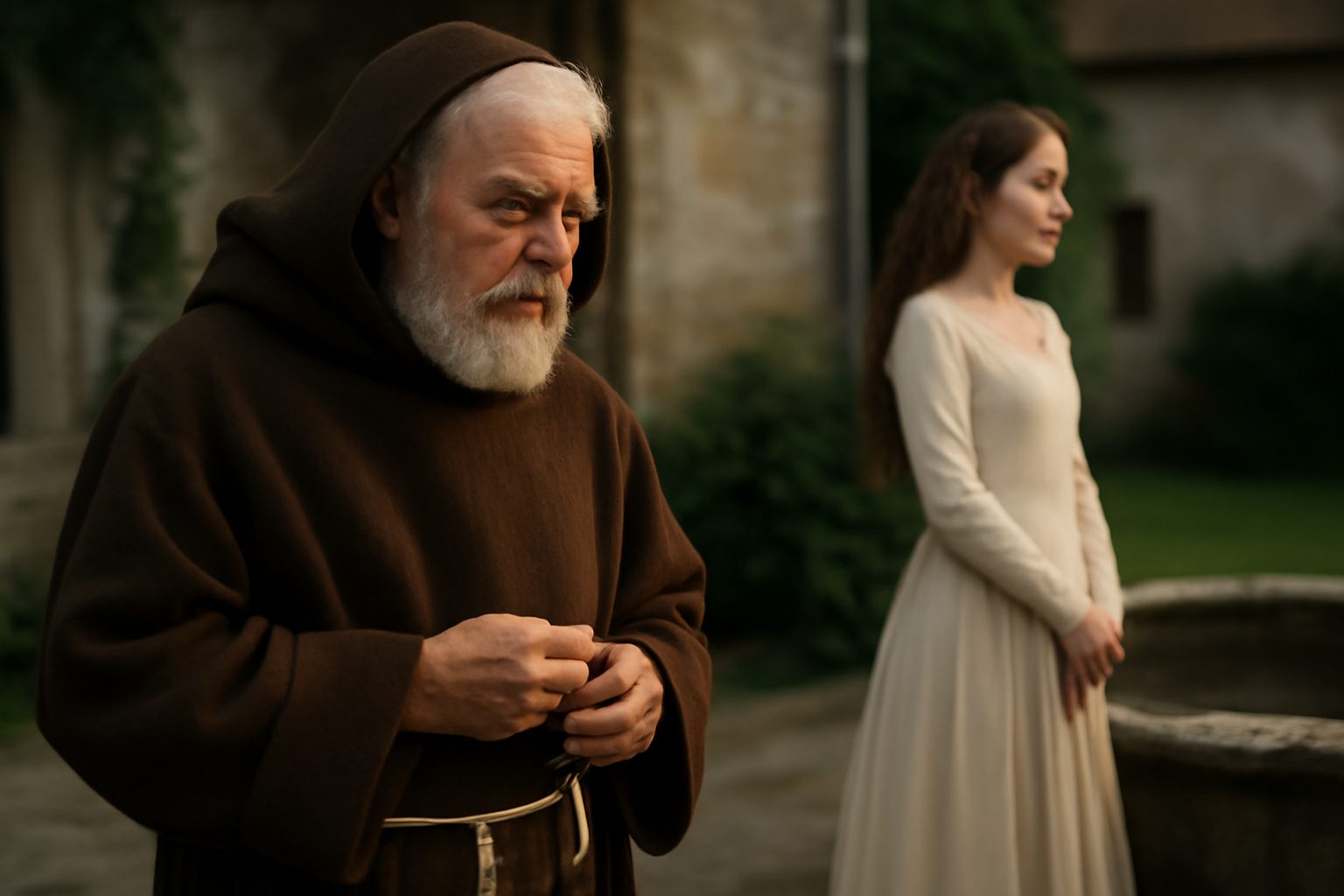
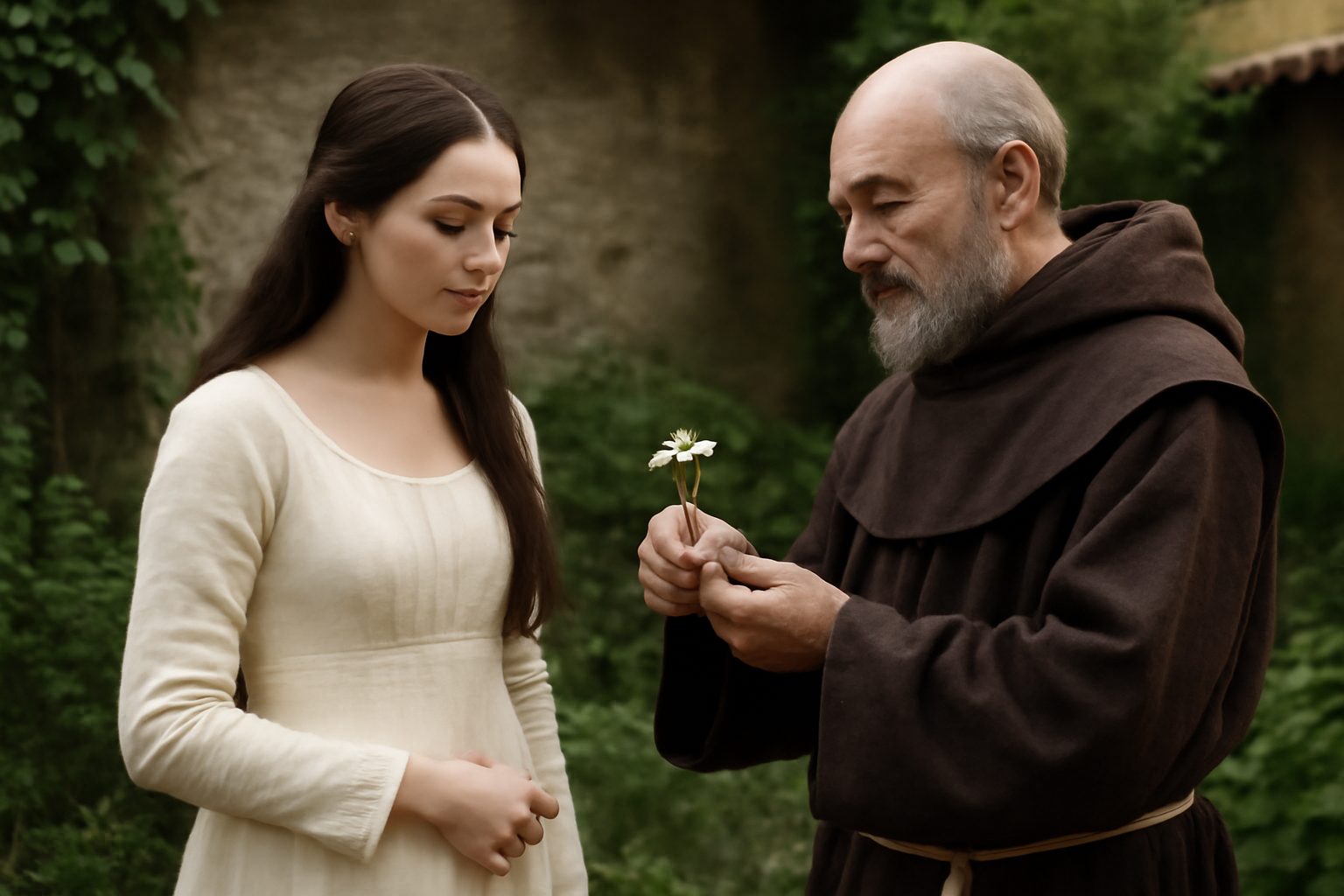
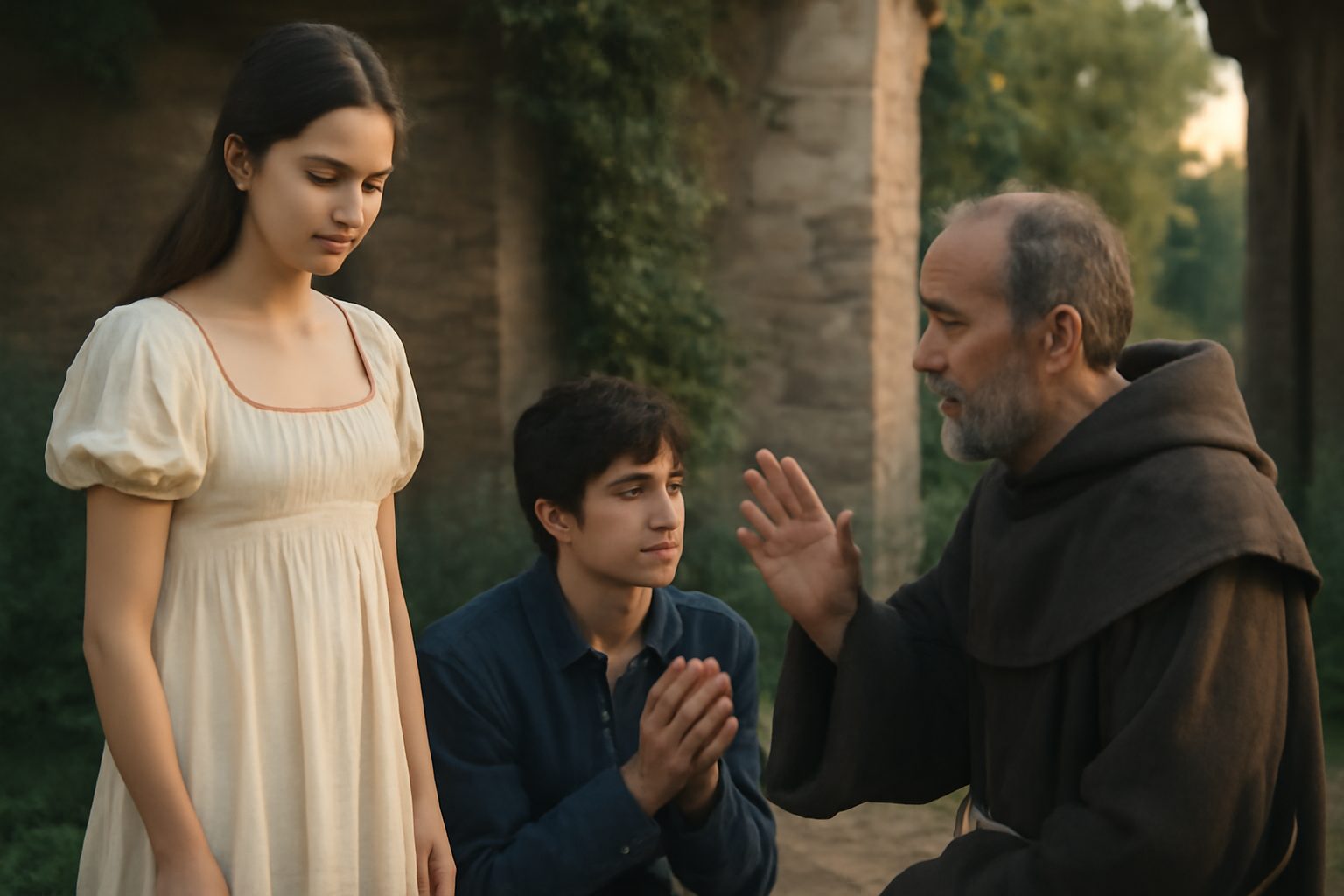
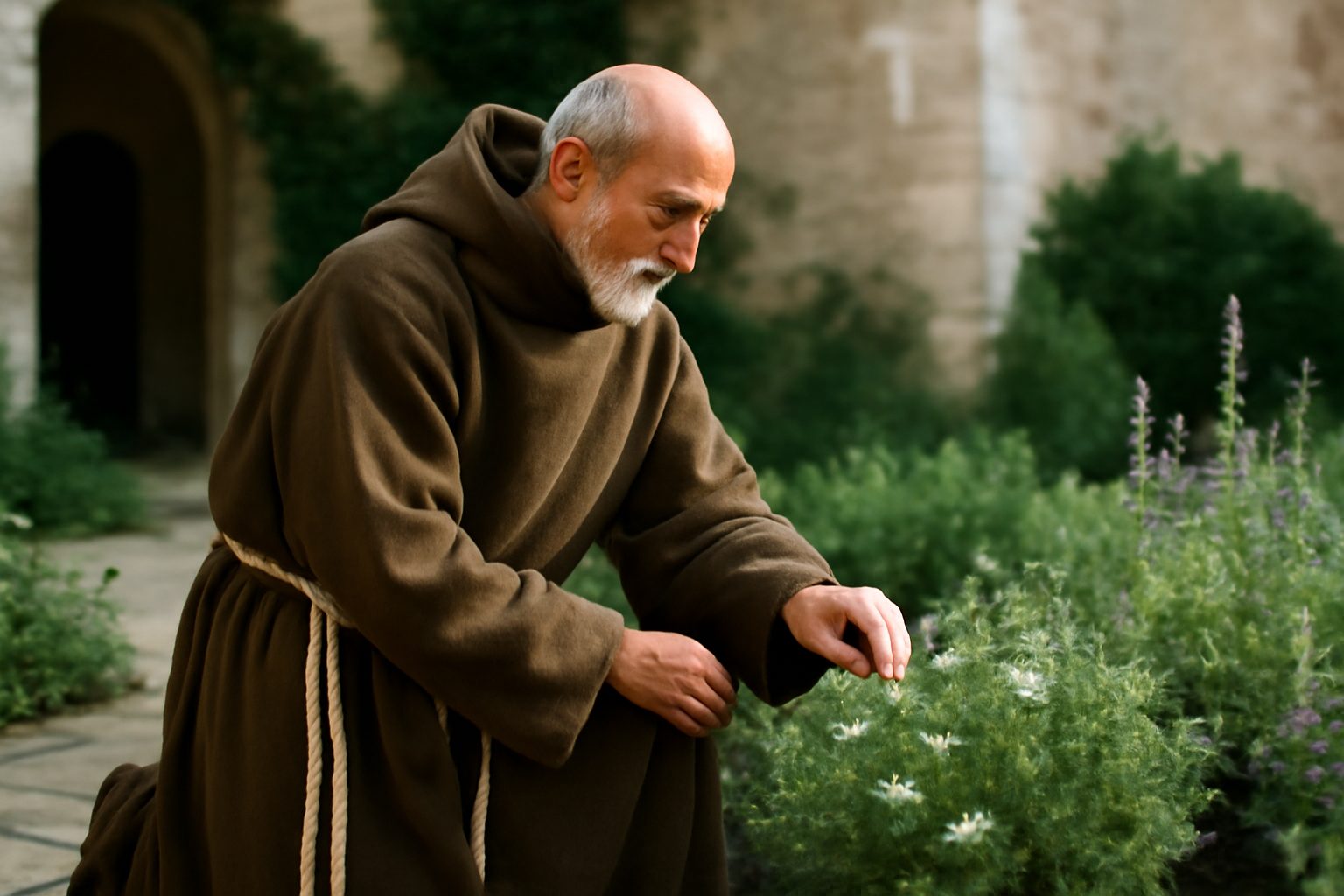
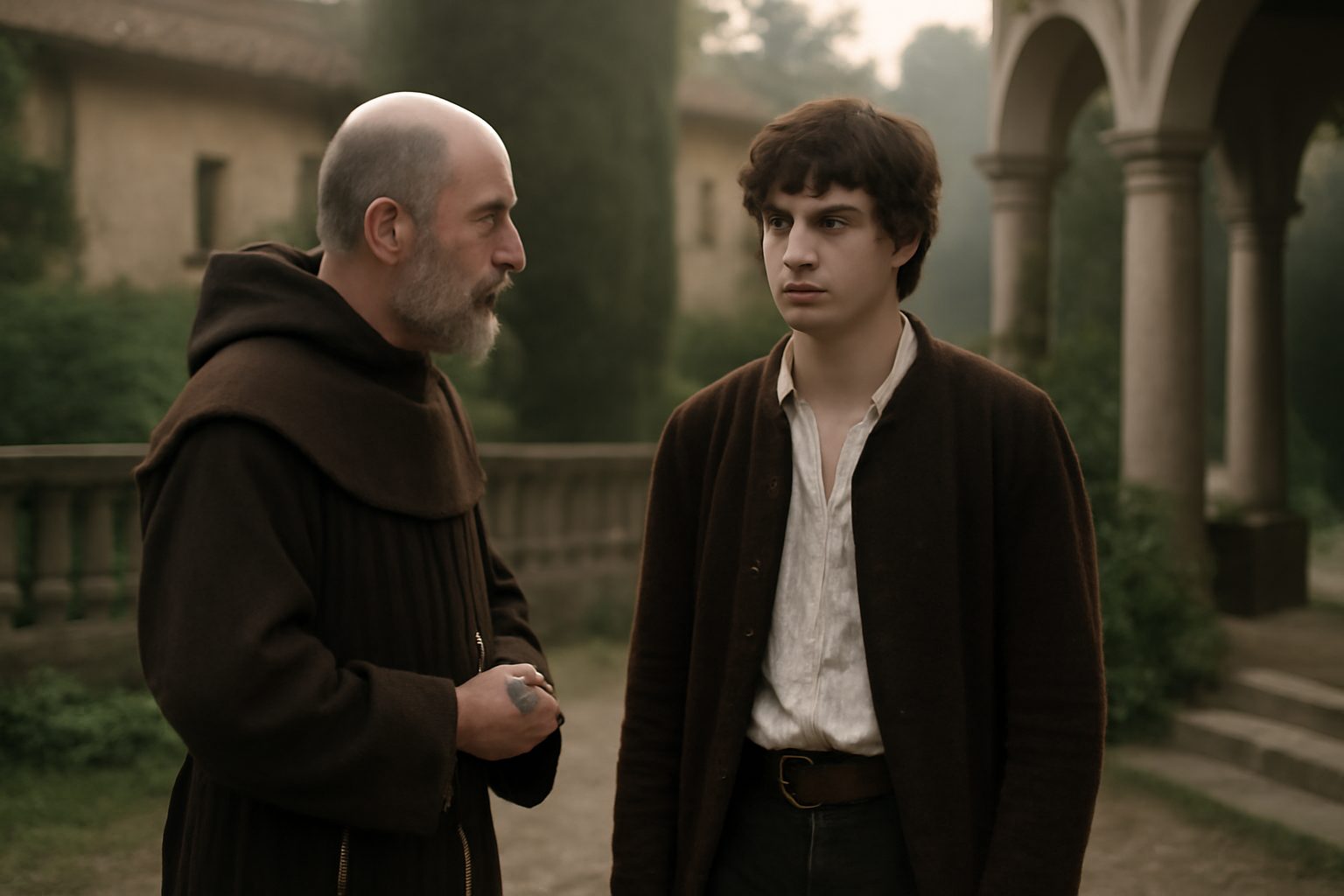
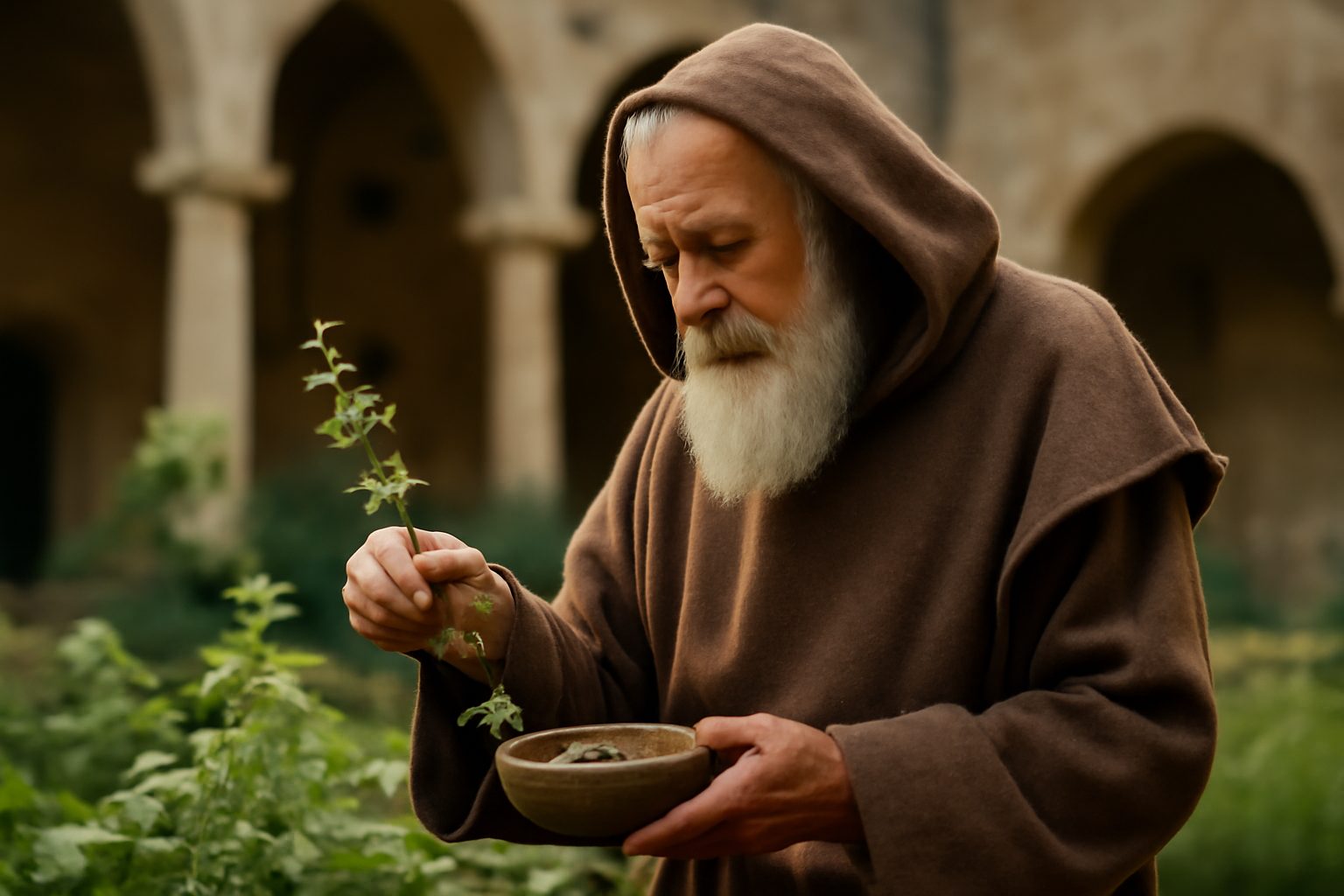
In Act 2, Scene 3 of Romeo and Juliet, Friar Laurence speaks these words after Romeo confesses his newfound love for Juliet, despite having recently pined for Rosaline. The friar, who serves as both a spiritual guide and a reluctant accomplice, reflects on how Romeo's sudden shift in affection may bring healing to the feud between their families. His remark captures the duality of love as both a wound and a potential cure, foreshadowing the tragic consequences of the lovers' union.
Romeo: "That's by me wounded: both our remedies"
In modern day english, we would say:
Romeo is saying that he has been hurt by love, but the cure for both his and Juliet’s pain lies within his power.
Frequently Asked Questions
What does Romeo mean when he says he is wounded and both need remedies?
Romeo means that he is hurt by love and both he and Juliet need a solution or cure for their love sickness.
Connections to other verses:
Connections to "That's by me wounded: both our remedies"
This verse, found at /romeo-and-juliet/two/2-3/act-2-scene-3-52/, is spoken by Romeo to Friar Laurence, revealing that he has been wounded by love for Juliet and that their union could serve as a remedy for both their families' feud. It connects thematically and narratively to several other verses in the scene.
Connection to Healing and Remedies
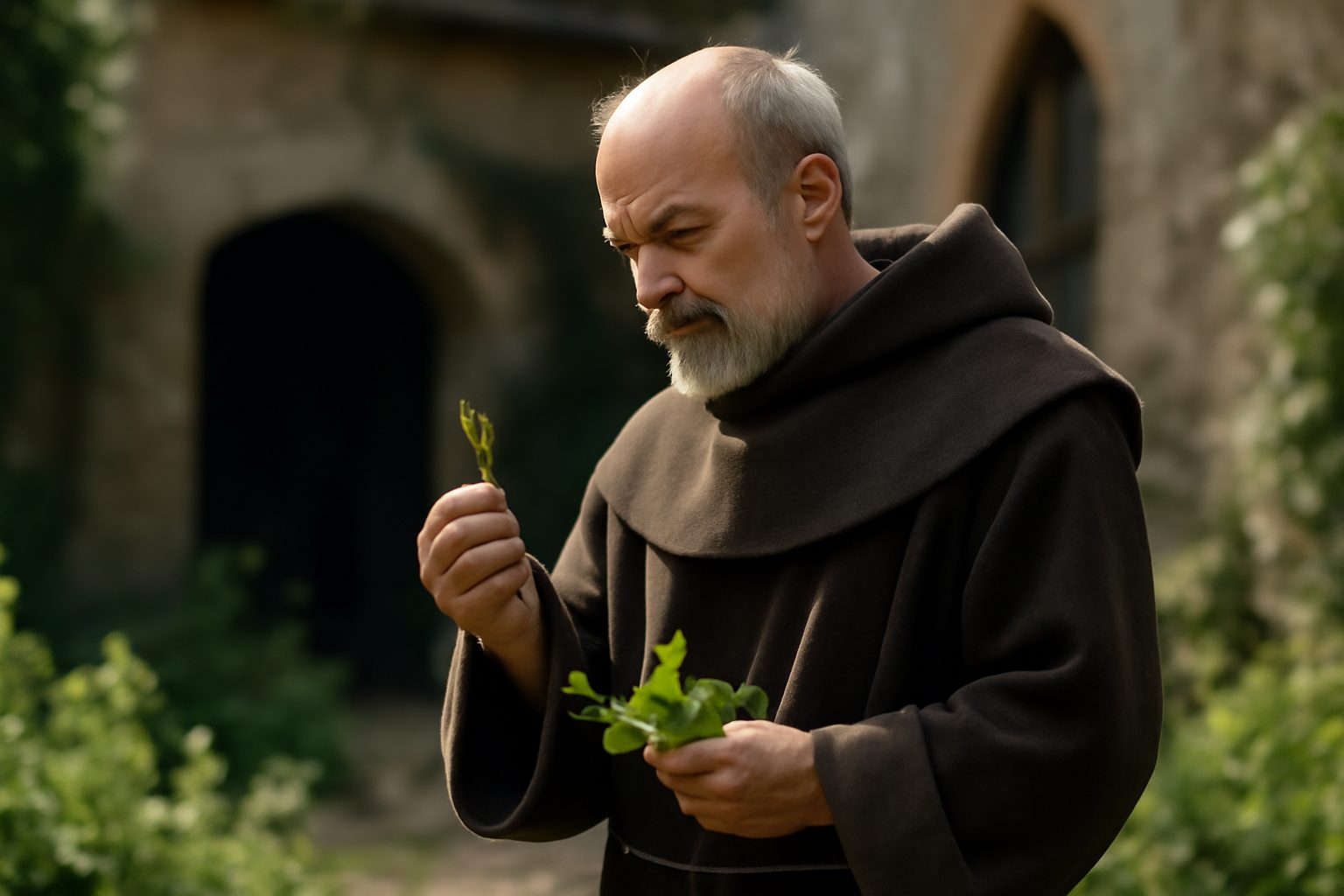
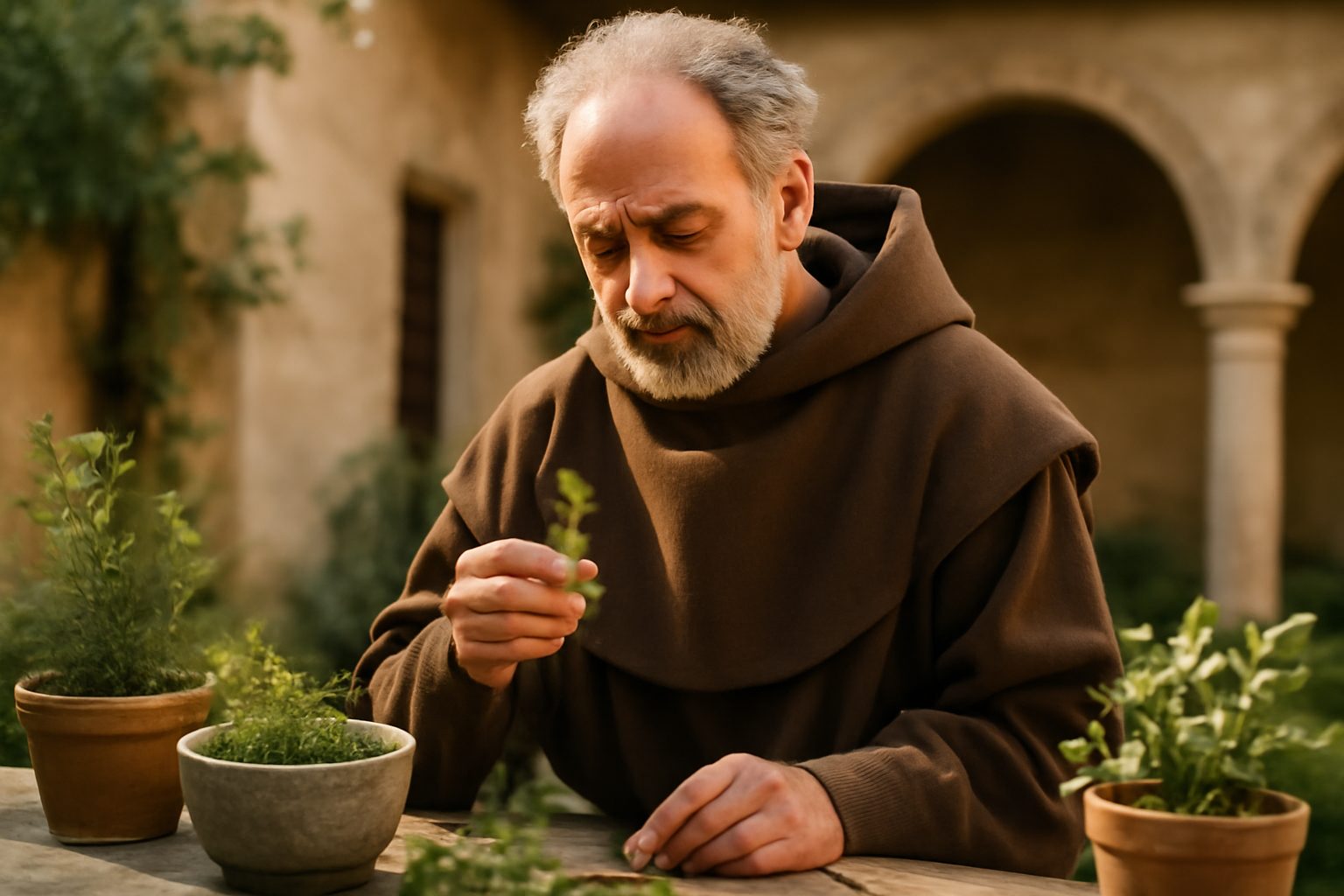
The idea of remedies is echoed in "Within thy help and holy physic lies", where Romeo implores the Friar's assistance, viewing him as a source of healing. This is further supported by the Friar's own knowledge of herbs, as seen in "In herbs, plants, stones, and their true qualities" and "Poison hath residence and medicine power", highlighting the dual nature of substances that can harm or heal—a metaphor for the love between Romeo and Juliet.
Connection to Wounding and Pain
The concept of being wounded is directly referenced in "Where on a sudden one hath wounded me", where Romeo earlier confesses to the Friar about his newfound love for Juliet. This emotional wound contrasts with his previous sorrow for Rosaline, as noted in "Thou and these woes were all for Rosaline" and "I have forgot that name, and that name's woe", emphasizing the shift in his affections.
Connection to Resolution of Conflict
The idea of remedies extending to familial reconciliation is foreshadowed in "To turn your households' rancour to pure love", where the Friar expresses hope that the marriage could end the feud. This aligns with Romeo's plea in "That thou consent to marry us to-day", seeking the Friar's role in uniting them.
Connection to Duality and Contrasts
The theme of dualities—wound and remedy, poison and medicine—is reinforced by the Friar's philosophical musings, such as "Virtue itself turns vice, being misapplied" and "And vice sometimes by action dignified", suggesting that love, like herbs, can have opposing effects based on its application.
Connection to Urgency and Haste
Romeo's sense of urgency in seeking a remedy is mirrored in "O, let us hence; I stand on sudden haste", highlighting his impulsive nature. However, the Friar cautions against rashness in "Wisely and slow; they stumble that run fast", creating a tension between immediate remedy and prudent action.