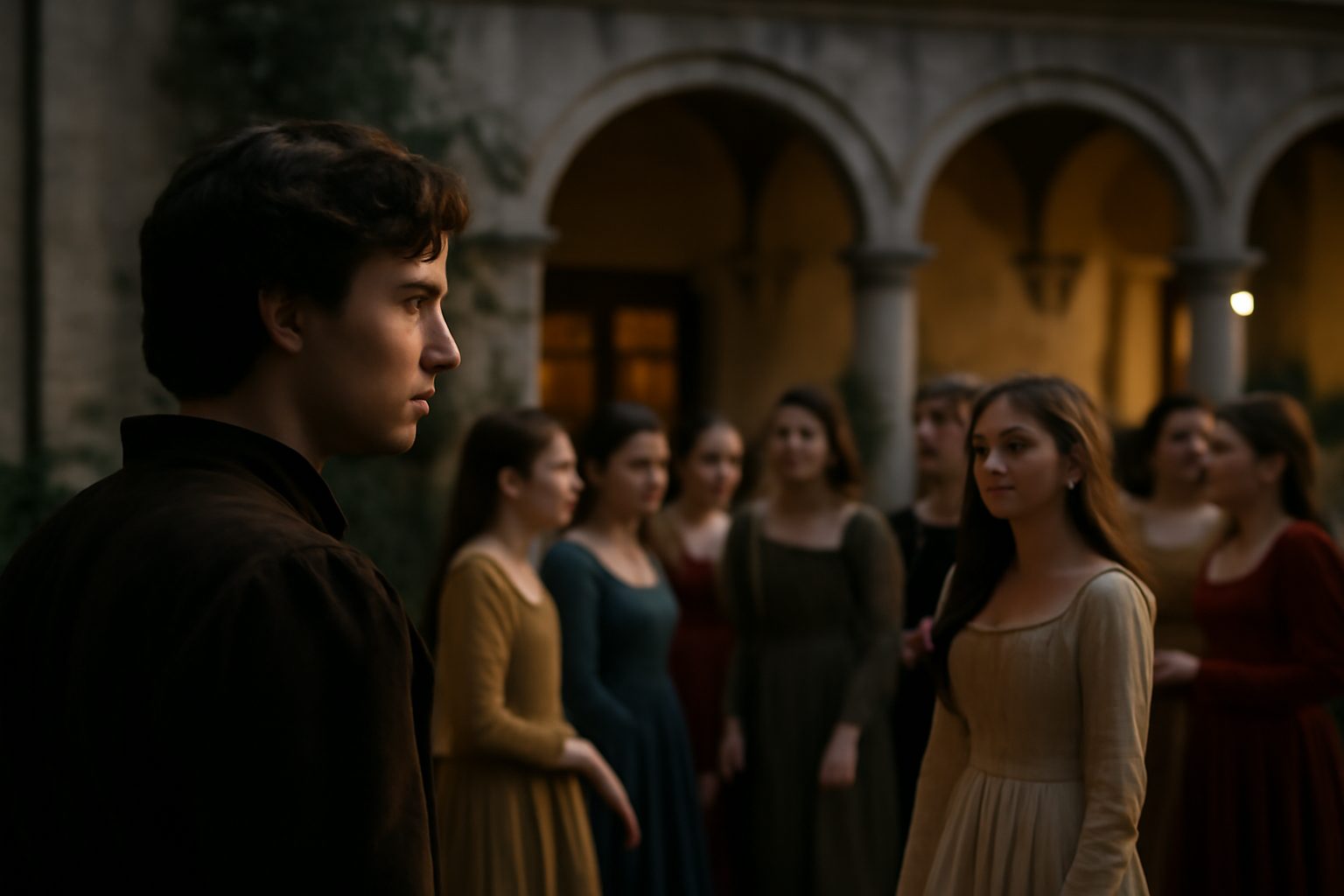
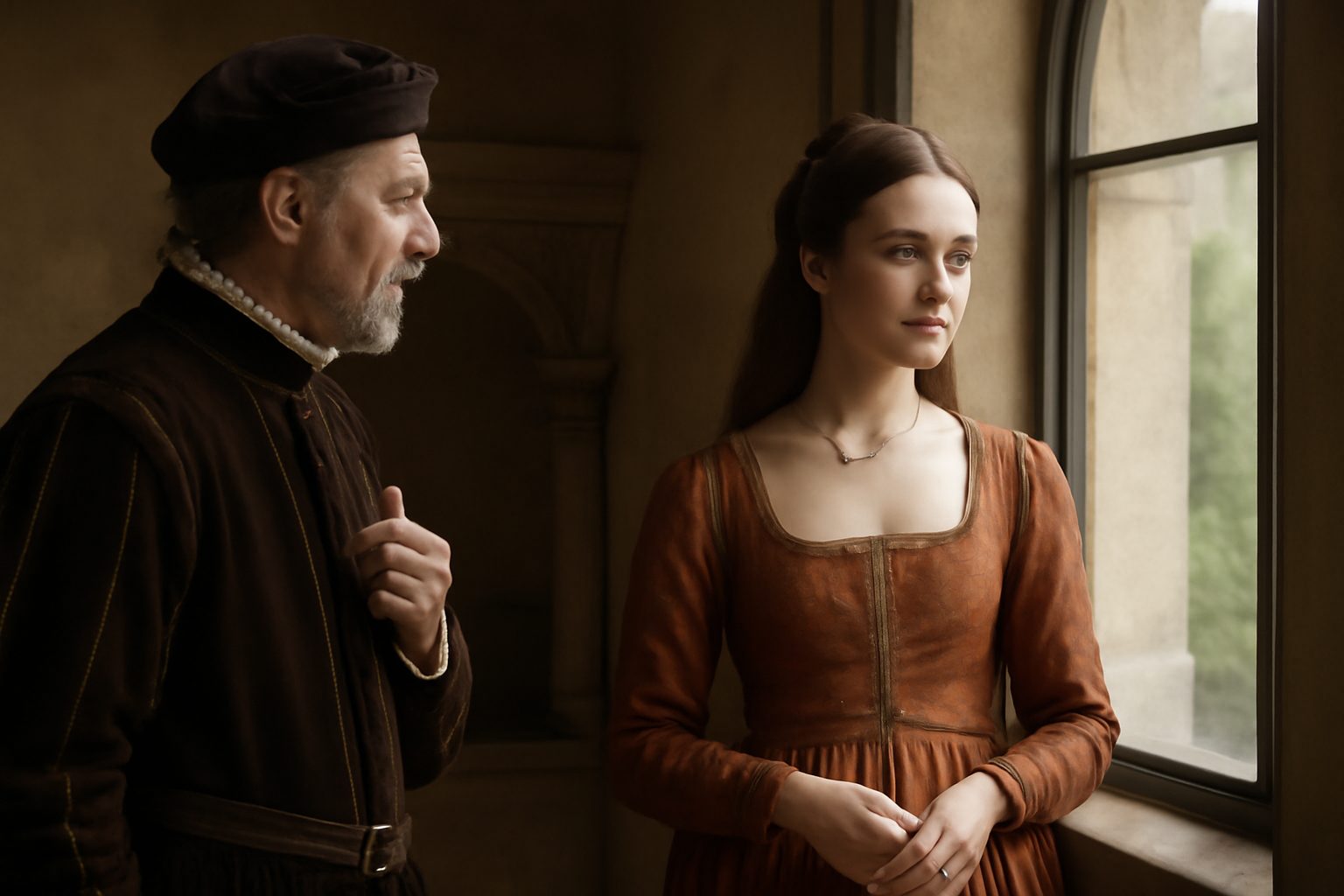
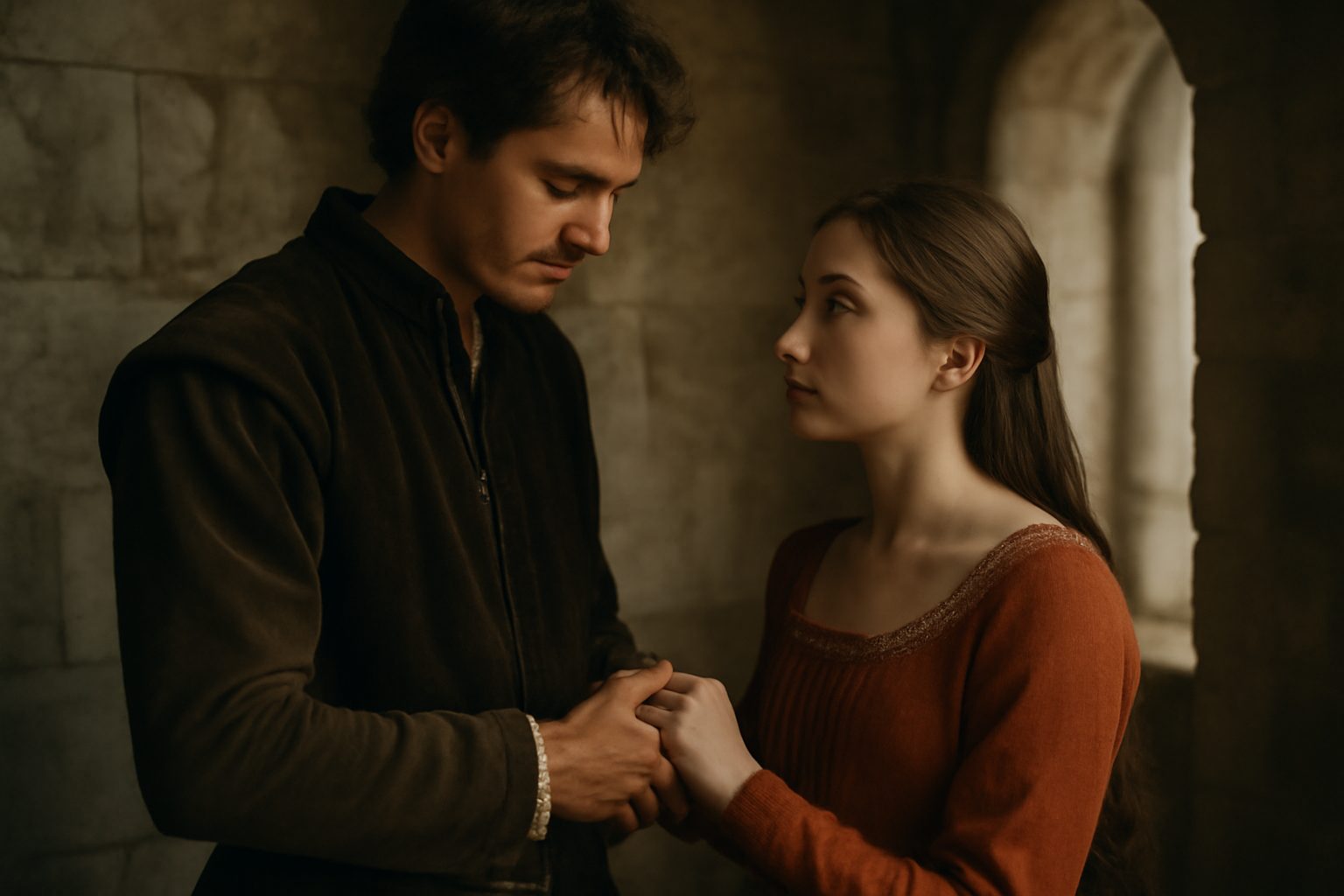
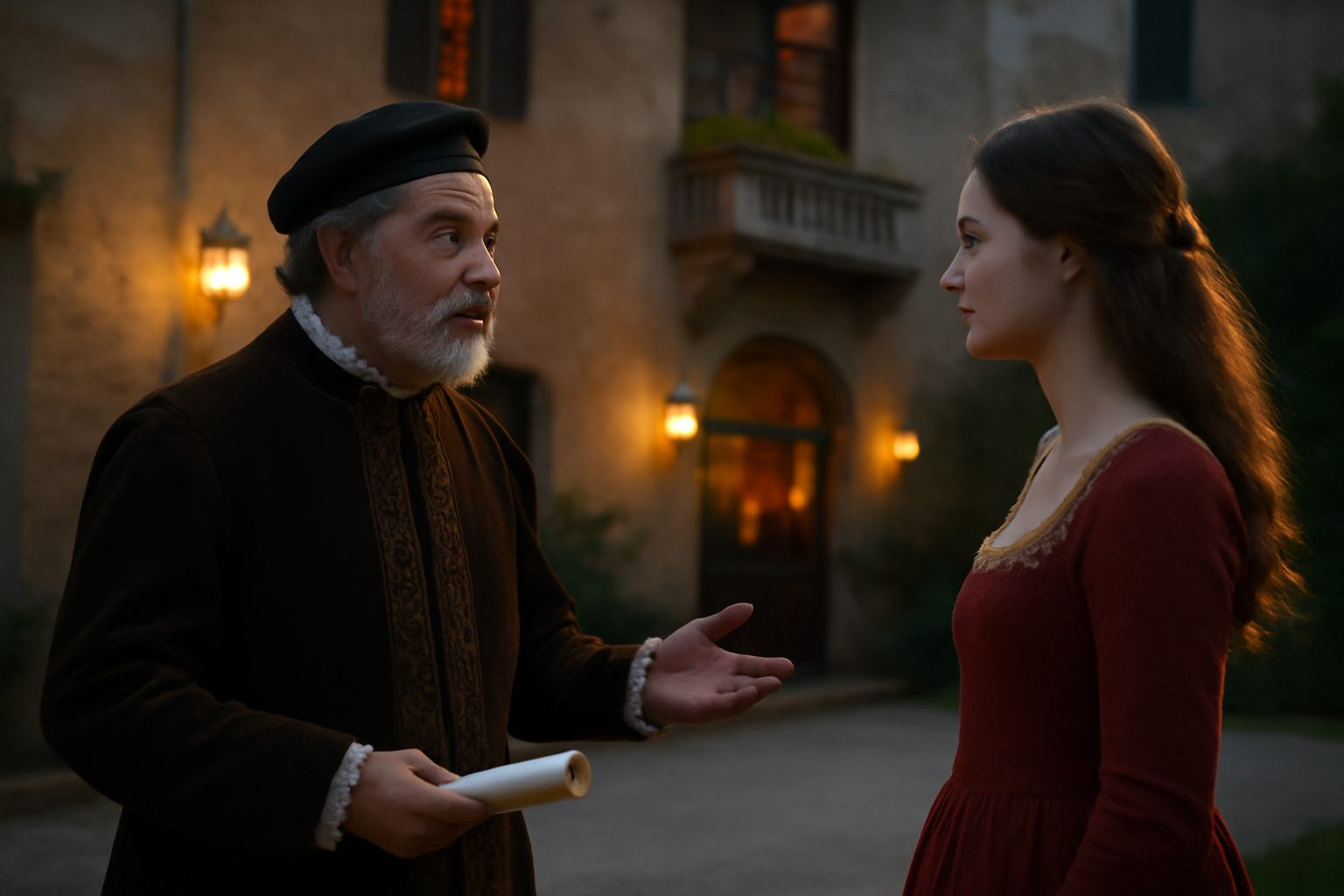
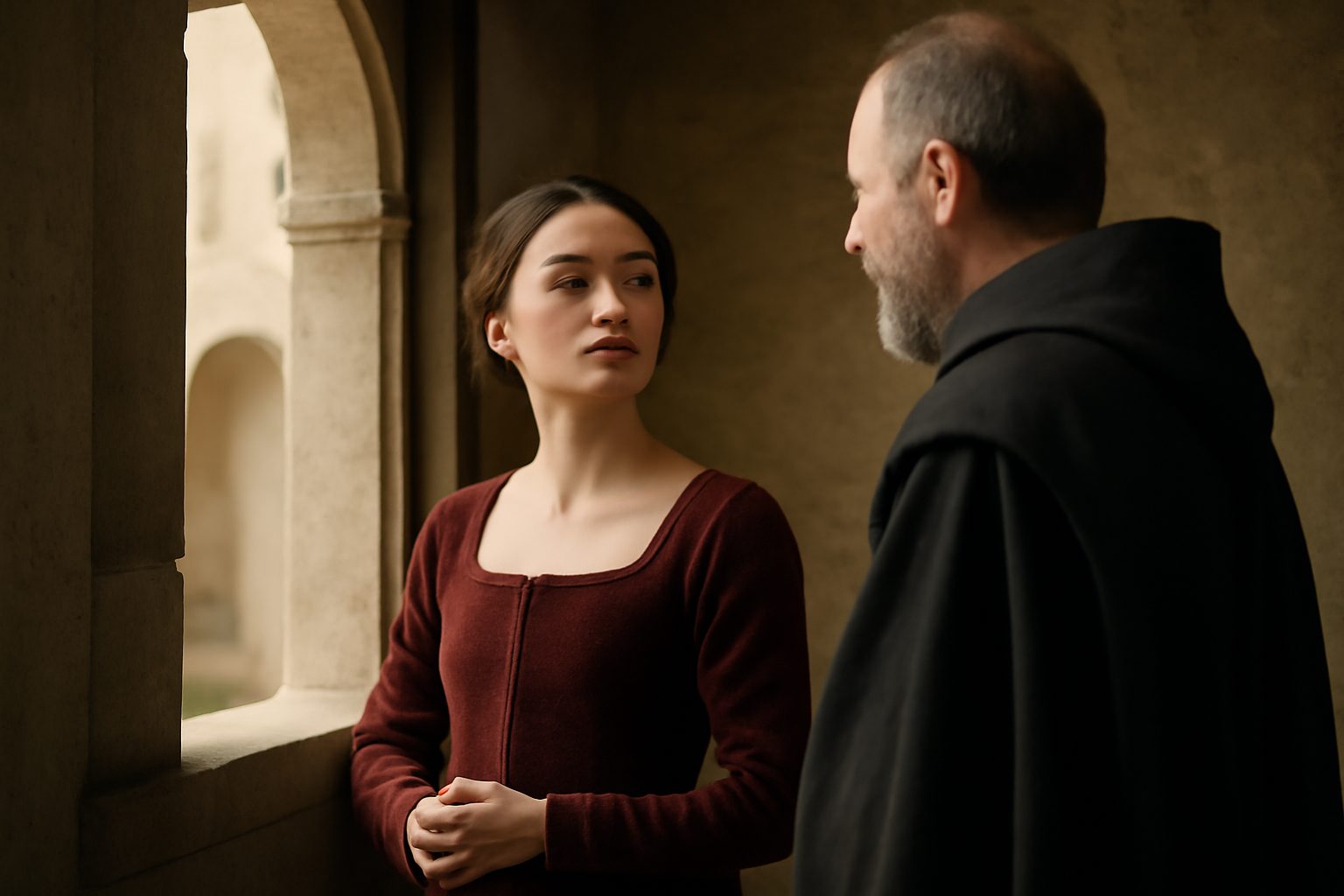
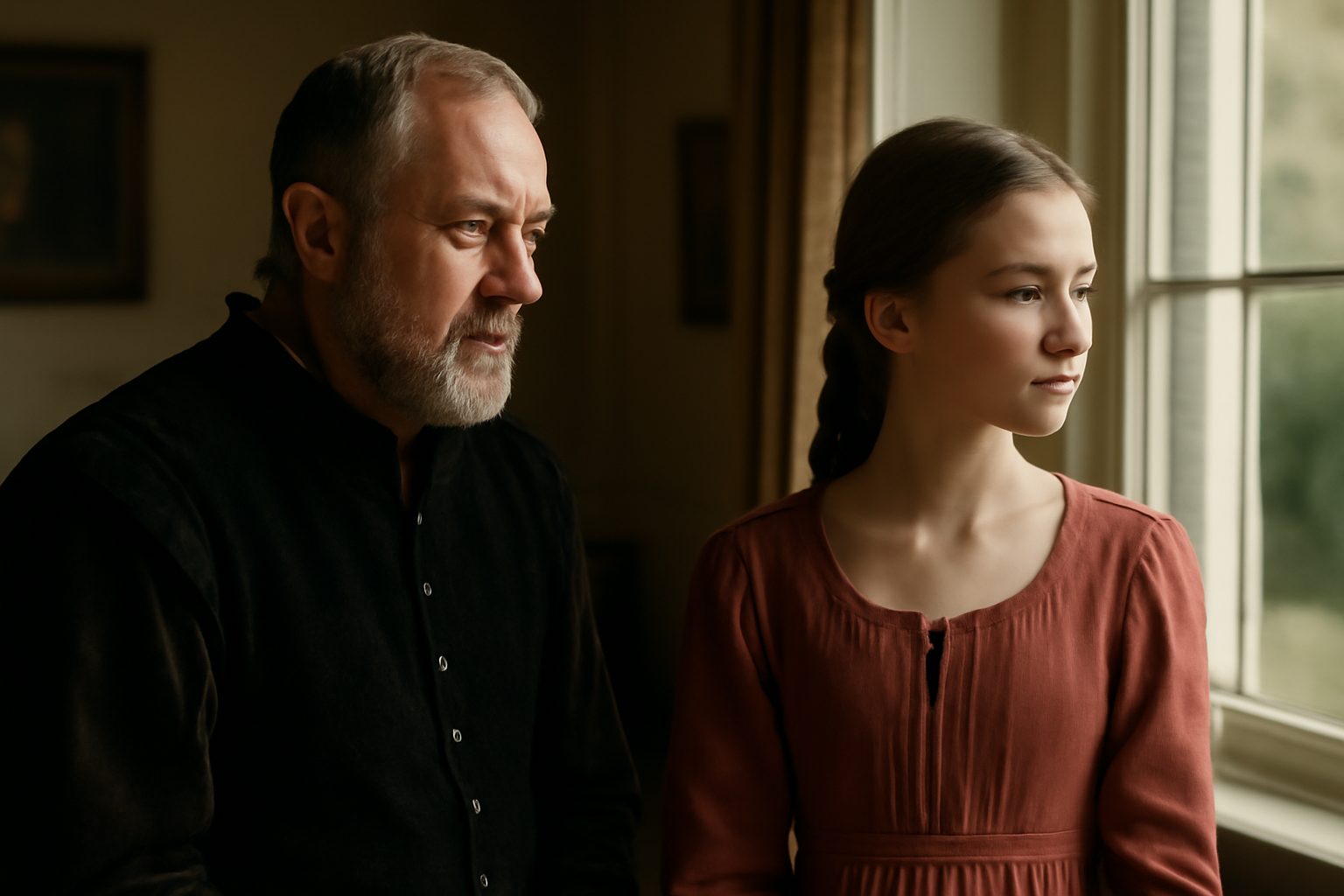
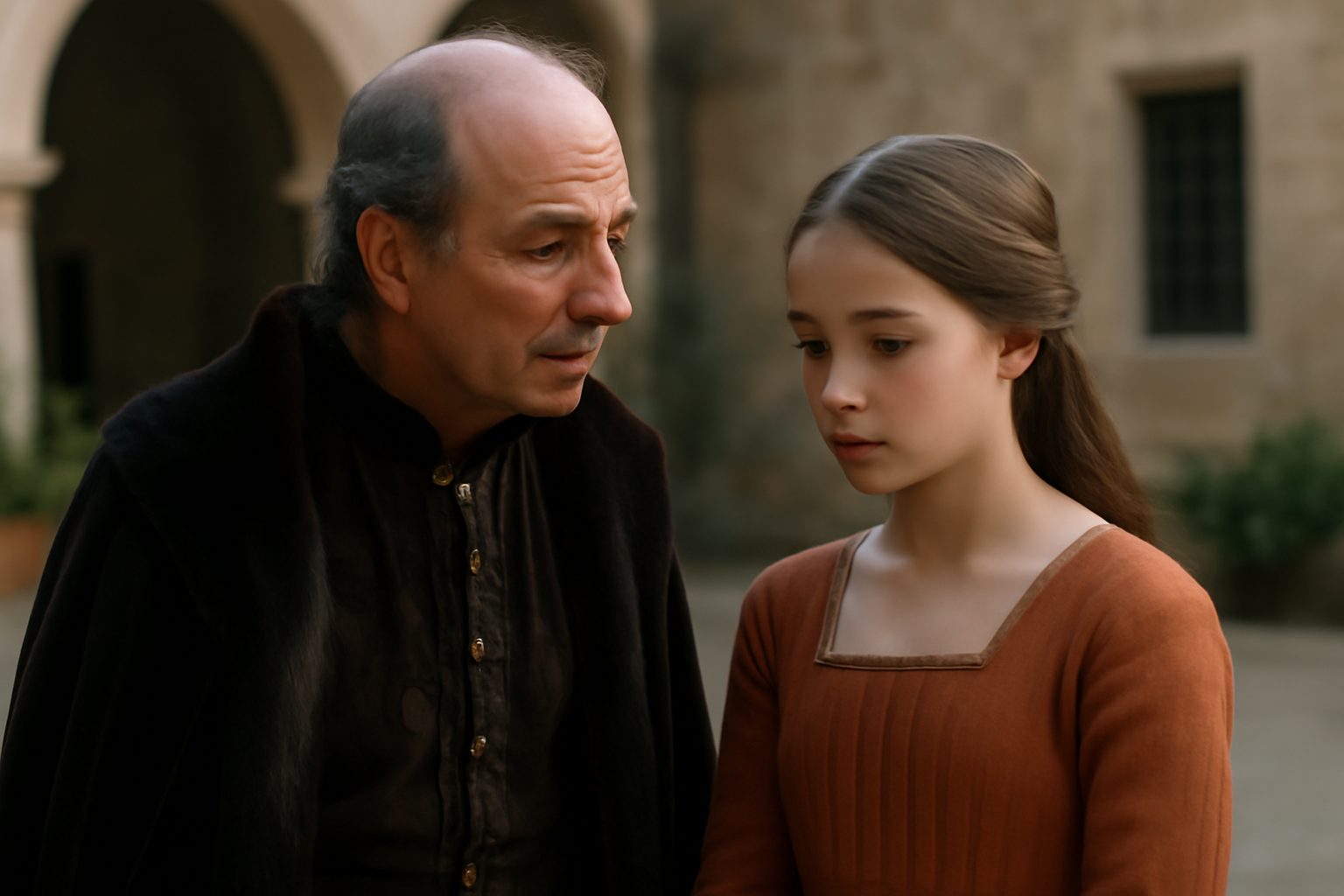
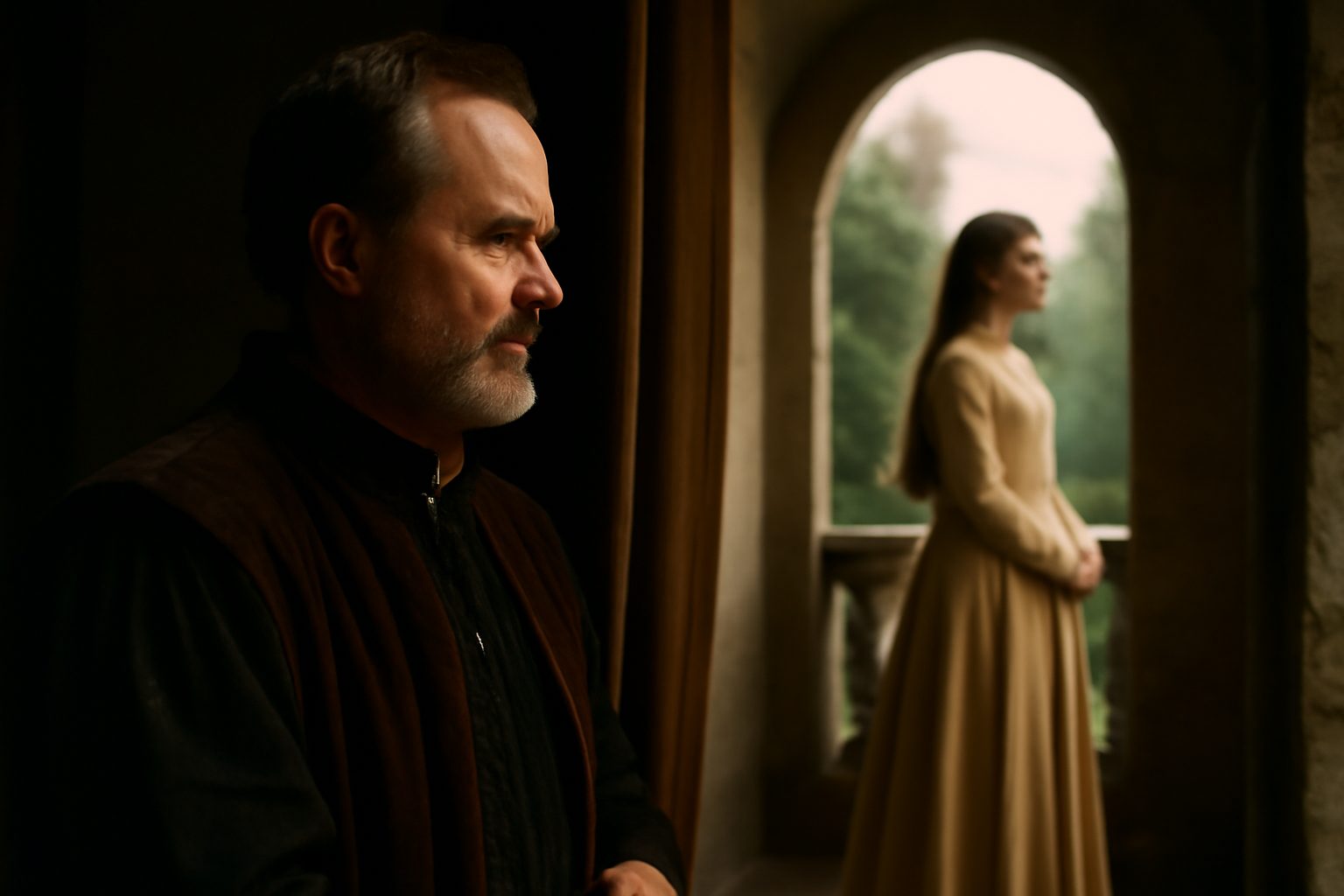
In Act 1, Scene 2 of Romeo and Juliet, Paris presses Capulet for permission to marry Juliet, arguing that younger women than her are already mothers. Capulet resists, insisting Juliet is too young and suggesting that those who appear most beautiful now may not always remain so. This line reflects his cautious belief that early admiration does not guarantee lasting worth.
Benvolio: "And she shall scant show well that now shows best."
In modern day english, we would say:
The woman who seems most beautiful now will hardly compare to others later.
Frequently Asked Questions
What does Benvolio mean when he says that the woman who looks best now will soon look less attractive?
Benvolio is suggesting that the woman Romeo currently admires will not seem as beautiful in the future, implying that Romeo's feelings are temporary and he will find someone else.
Connections to other verses:
Connections to "And she shall scant show well that now shows best"
This line spoken by Benvolio connects thematically and structurally to several other verses in Act 1 Scene 2, particularly those dealing with comparative beauty and the transitory nature of affection.
Comparative Beauty and Perspective
The verse directly relates to Benvolio's earlier promise to Romeo: And I will make thee think thy swan a crow, where he suggests Romeo's current love will pale in comparison to other women. This idea is reinforced in Compare her face with some that I shall show, establishing Benvolio's strategy of using comparison to cure Romeo's lovesickness.
The Feast as Setting for Comparison
The context for these comparisons is established through Capulet's invitation: Among fresh female buds shall you this night and his description of the guests as With all the admired beauties of Verona. The feast becomes the backdrop where Benvolio's prediction will be tested.
The Nature of Love and Perception
The verse connects to the broader theme of love's fickleness expressed in Tut, you saw her fair, none else being by, suggesting that Romeo's perception of Rosaline's beauty is dependent on isolation rather than true comparison. This idea is further developed in Herself poised with herself in either eye, which discusses how beauty is judged through comparison.
Youth and Transformation
The transient nature of youthful beauty hinted at in this verse finds resonance in Capulet's concern about early marriage in And too soon marr'd are those so early made, suggesting that both beauty and readiness for marriage are subject to change and maturation.