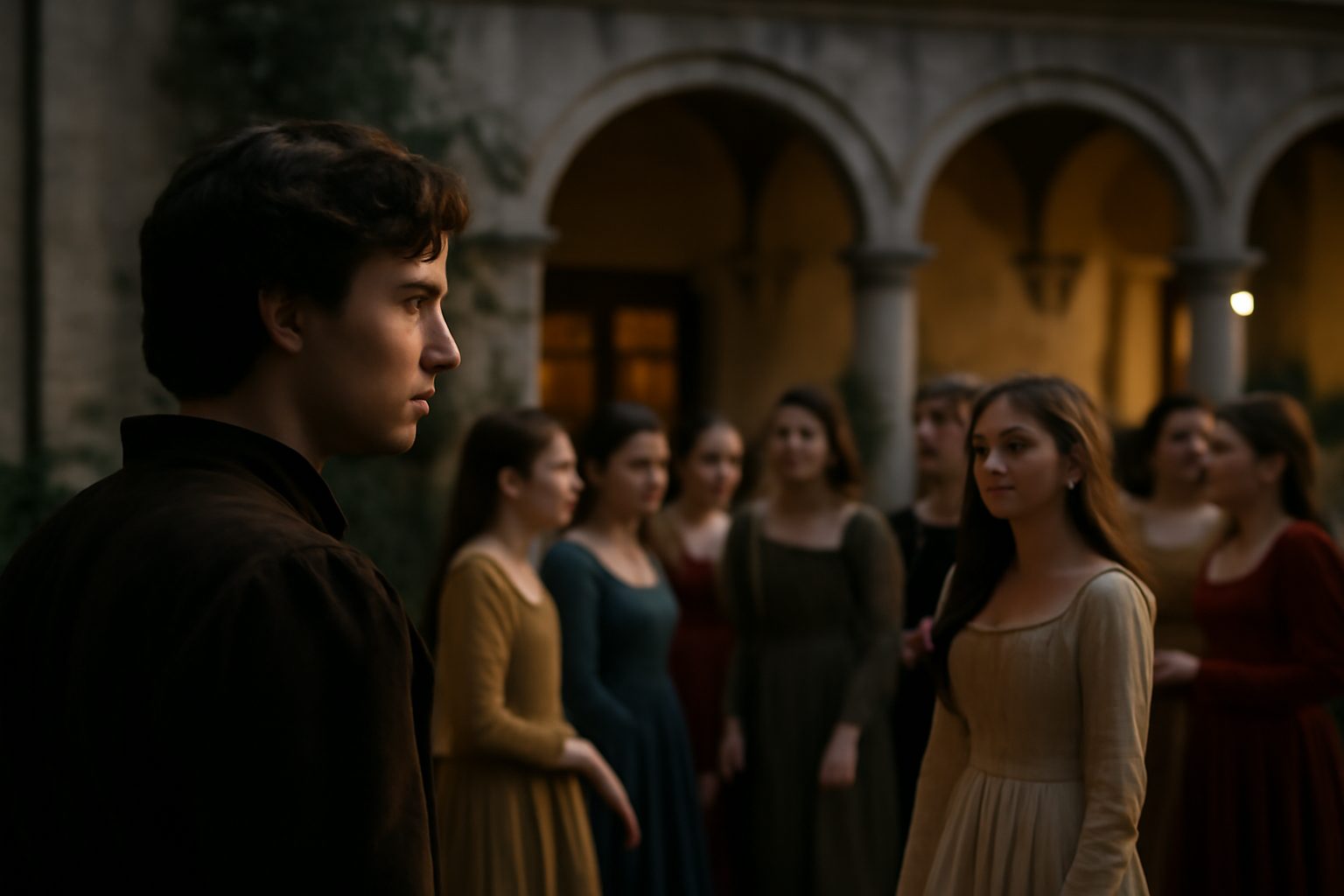
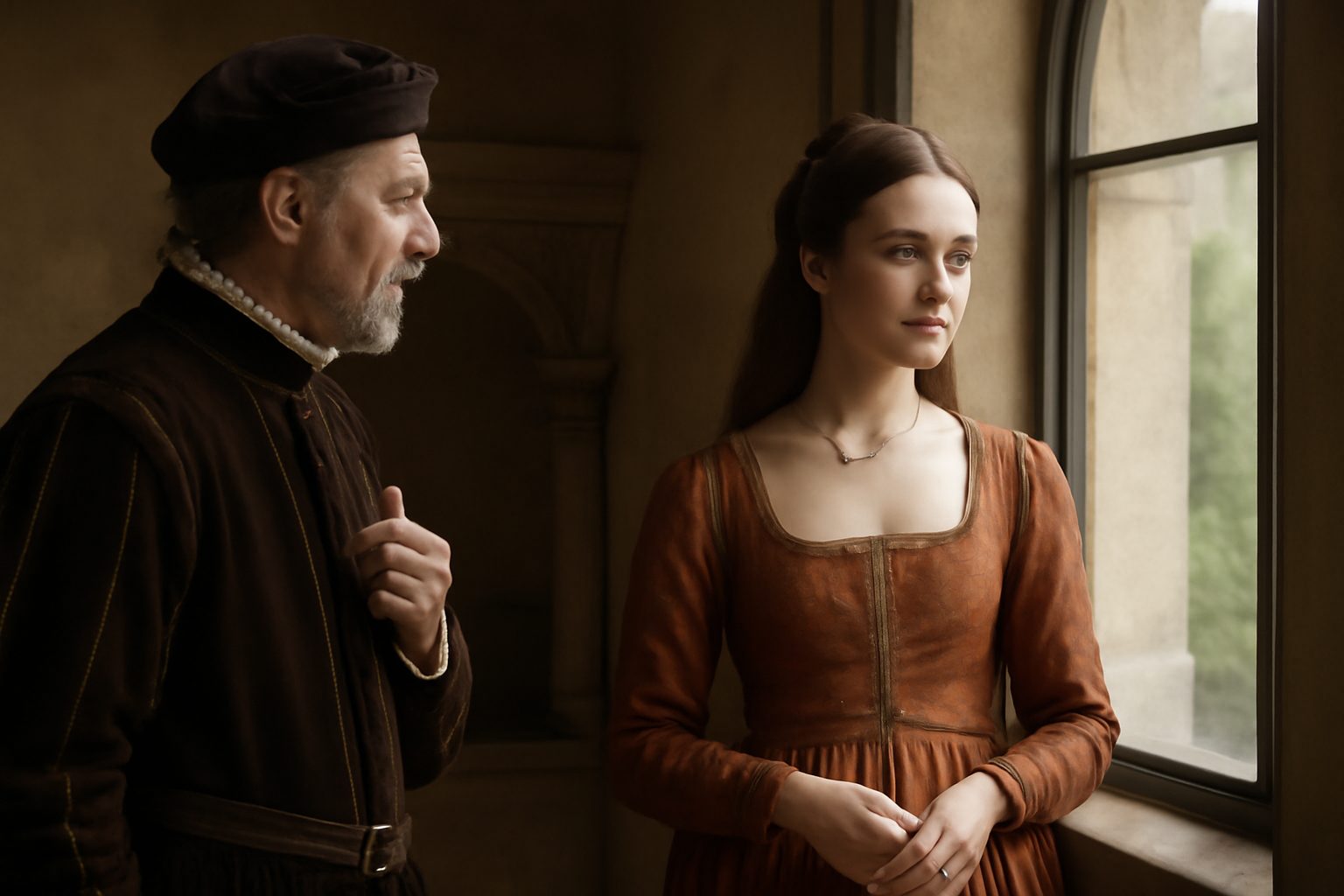
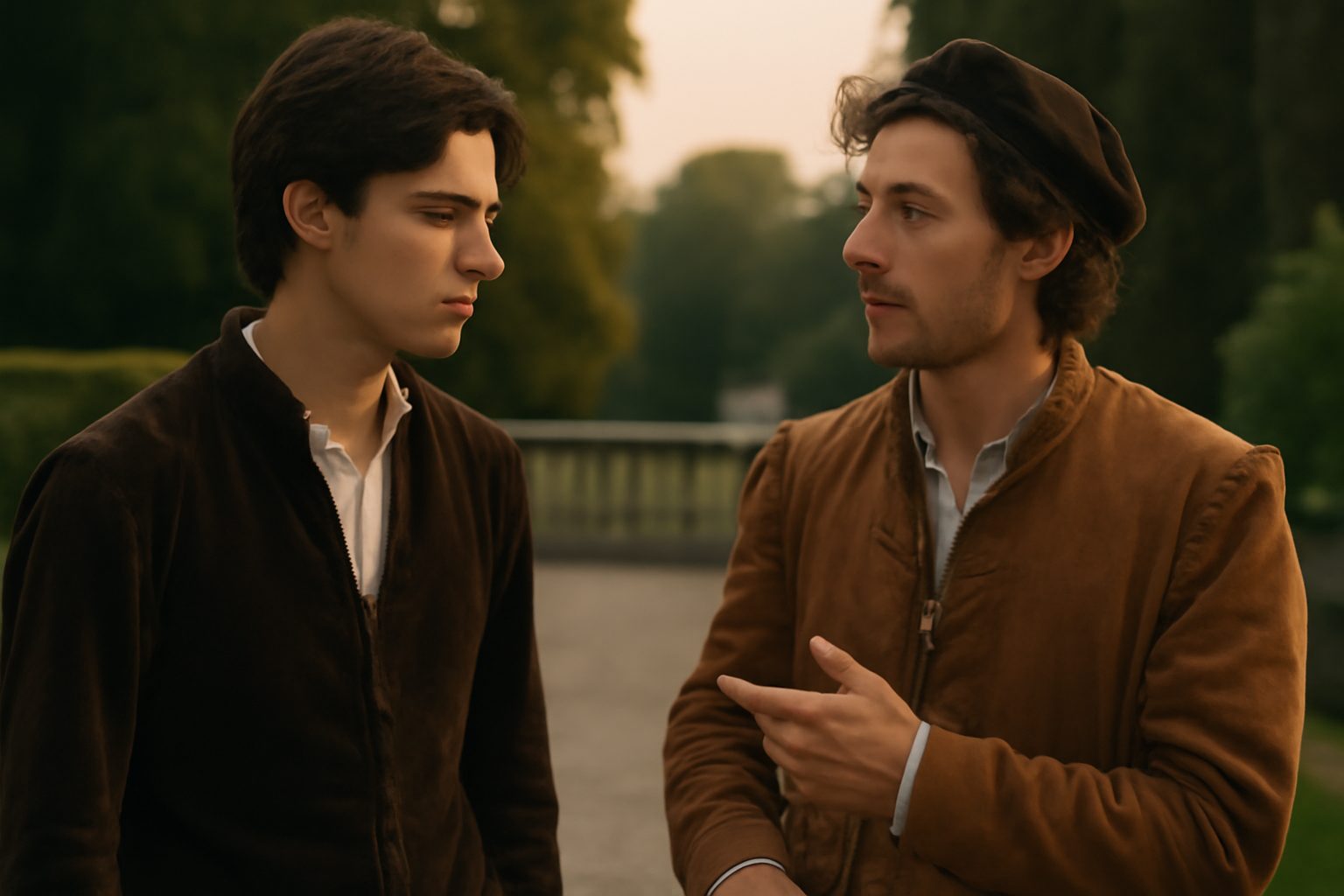
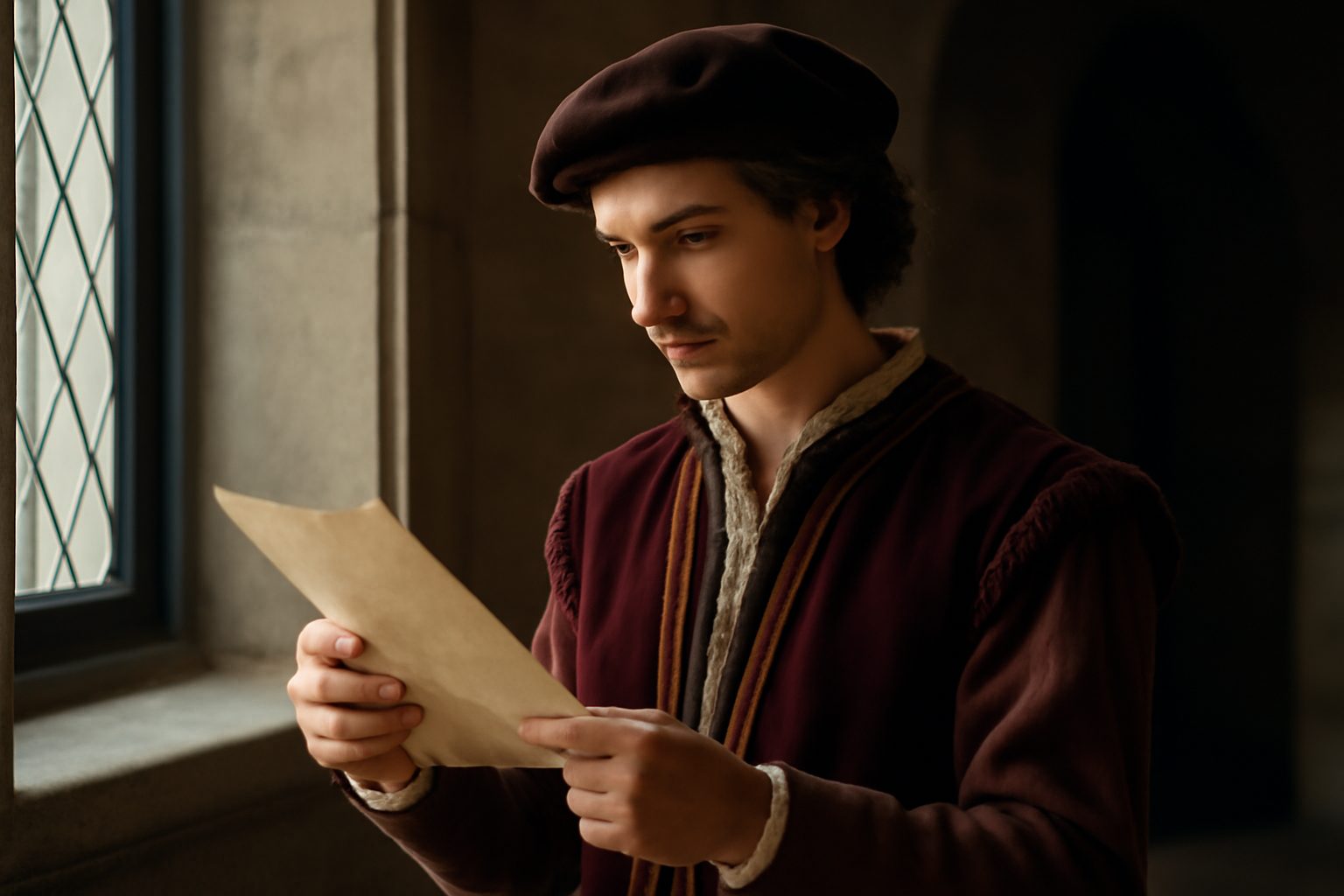
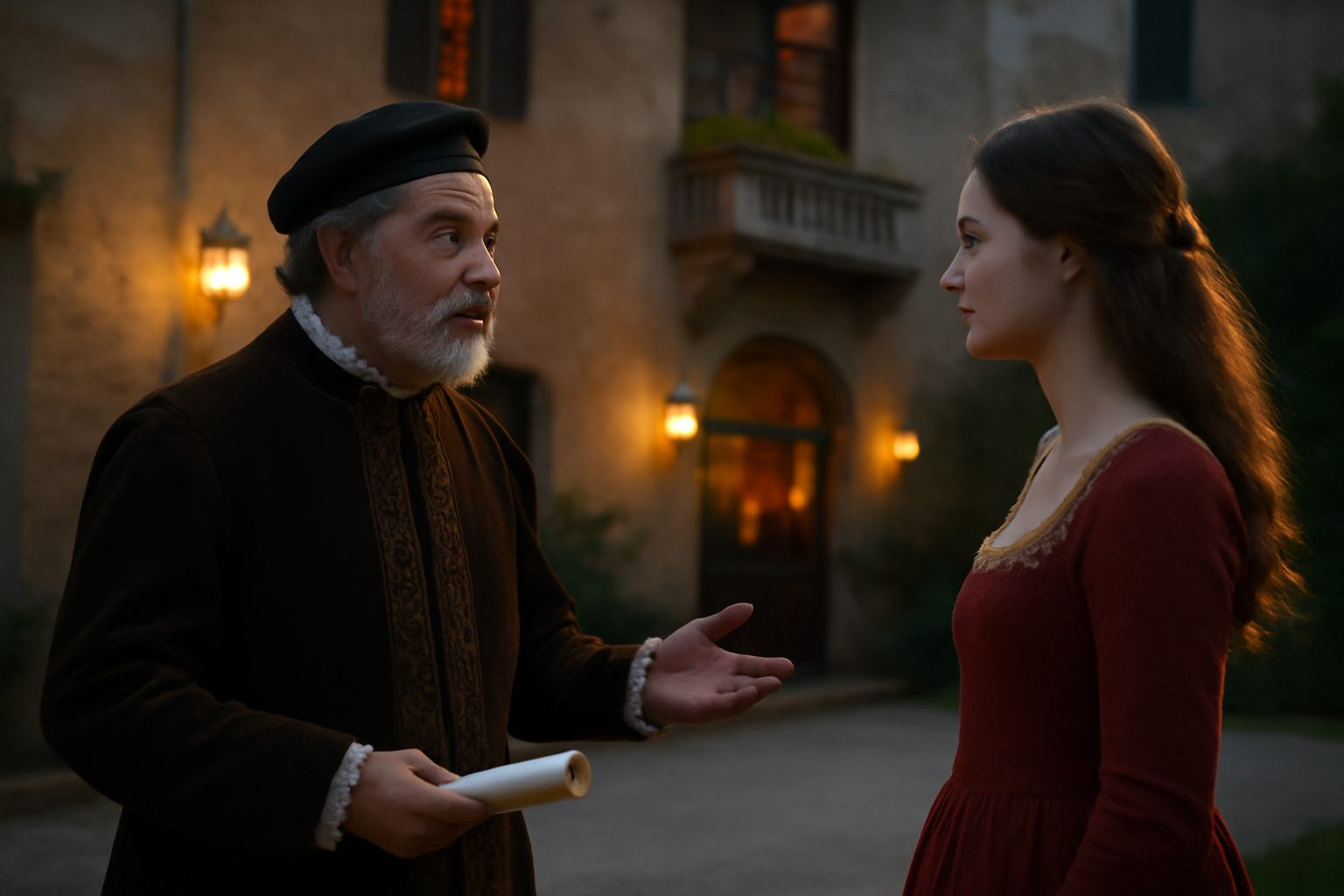
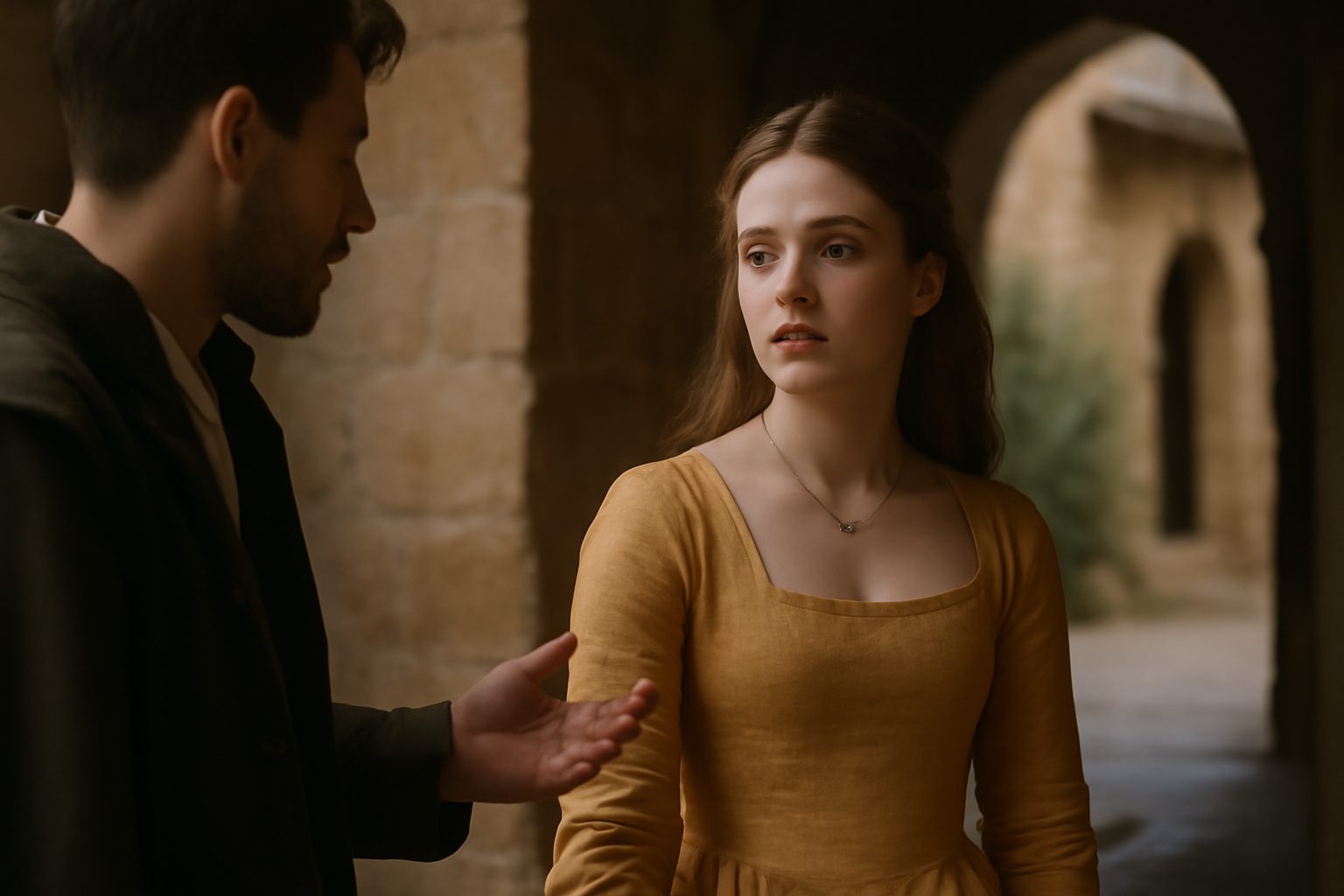
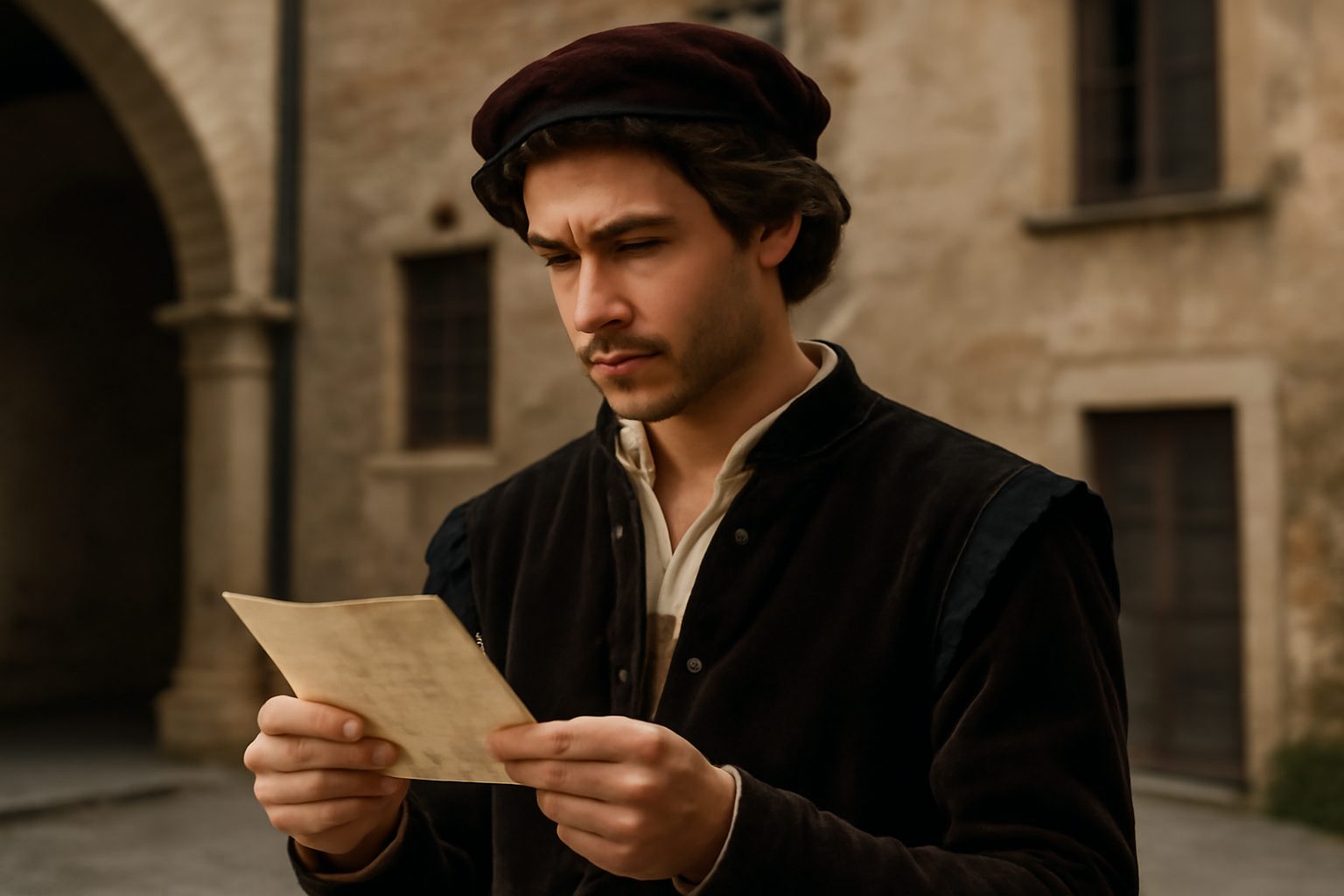
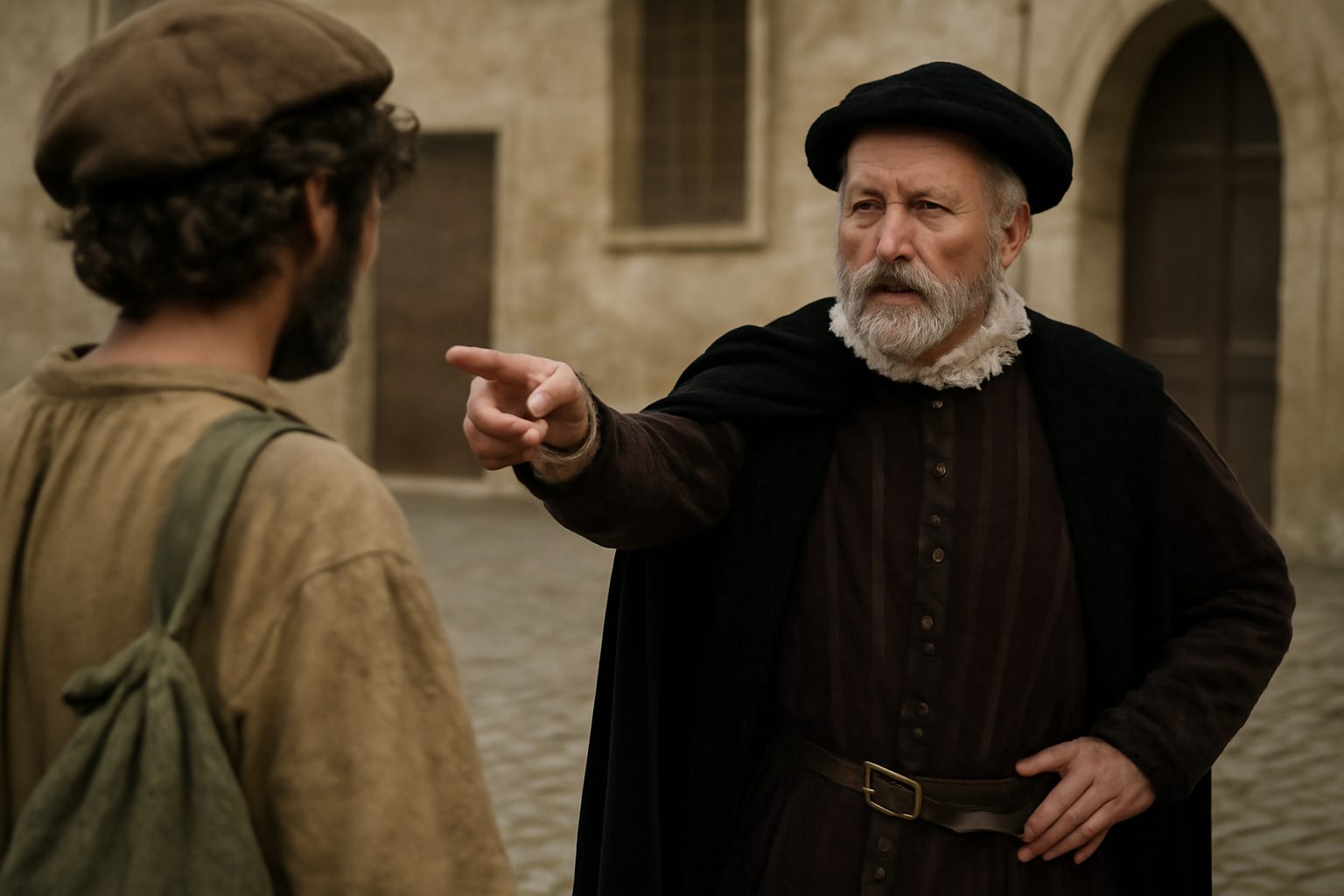
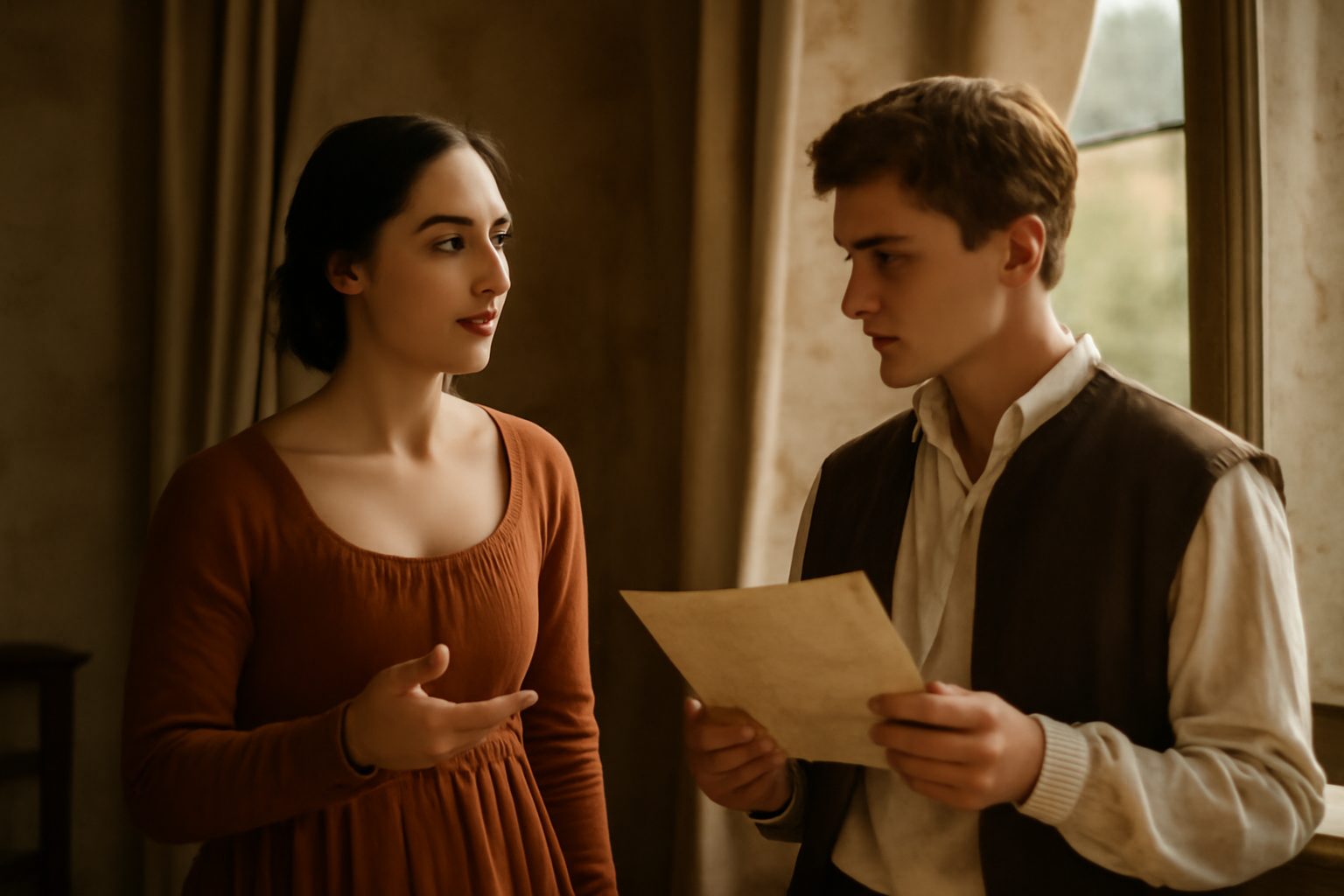
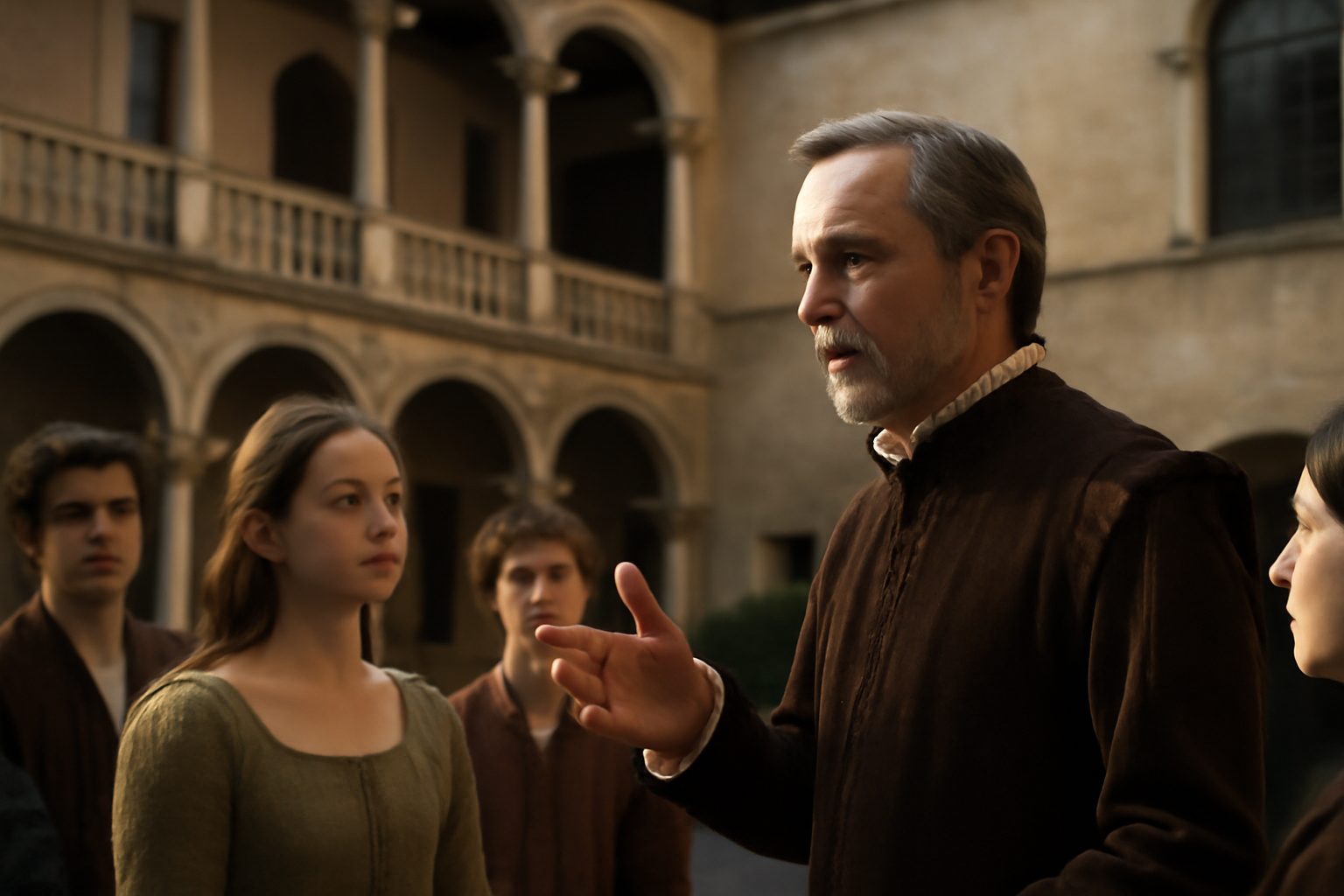
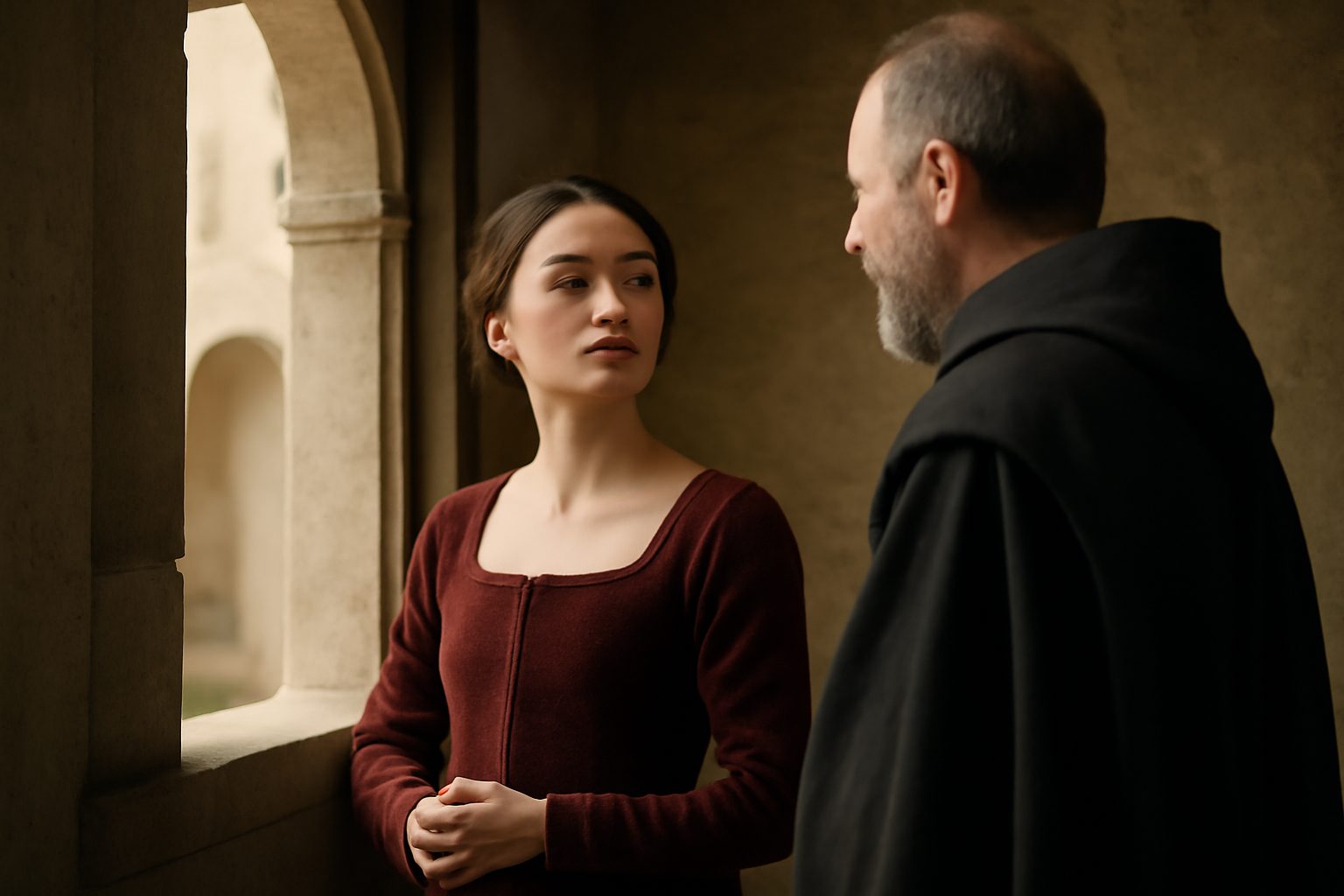
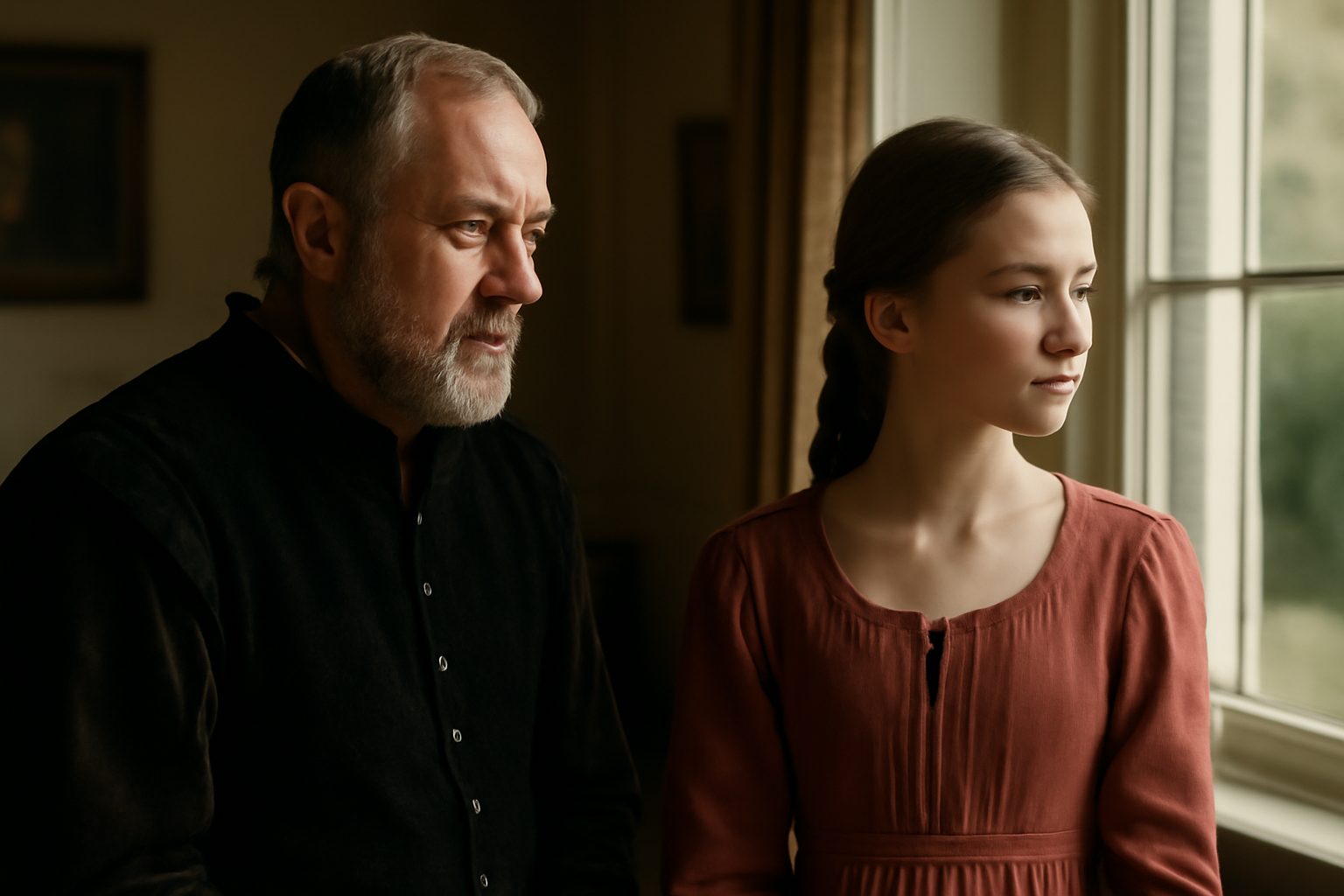
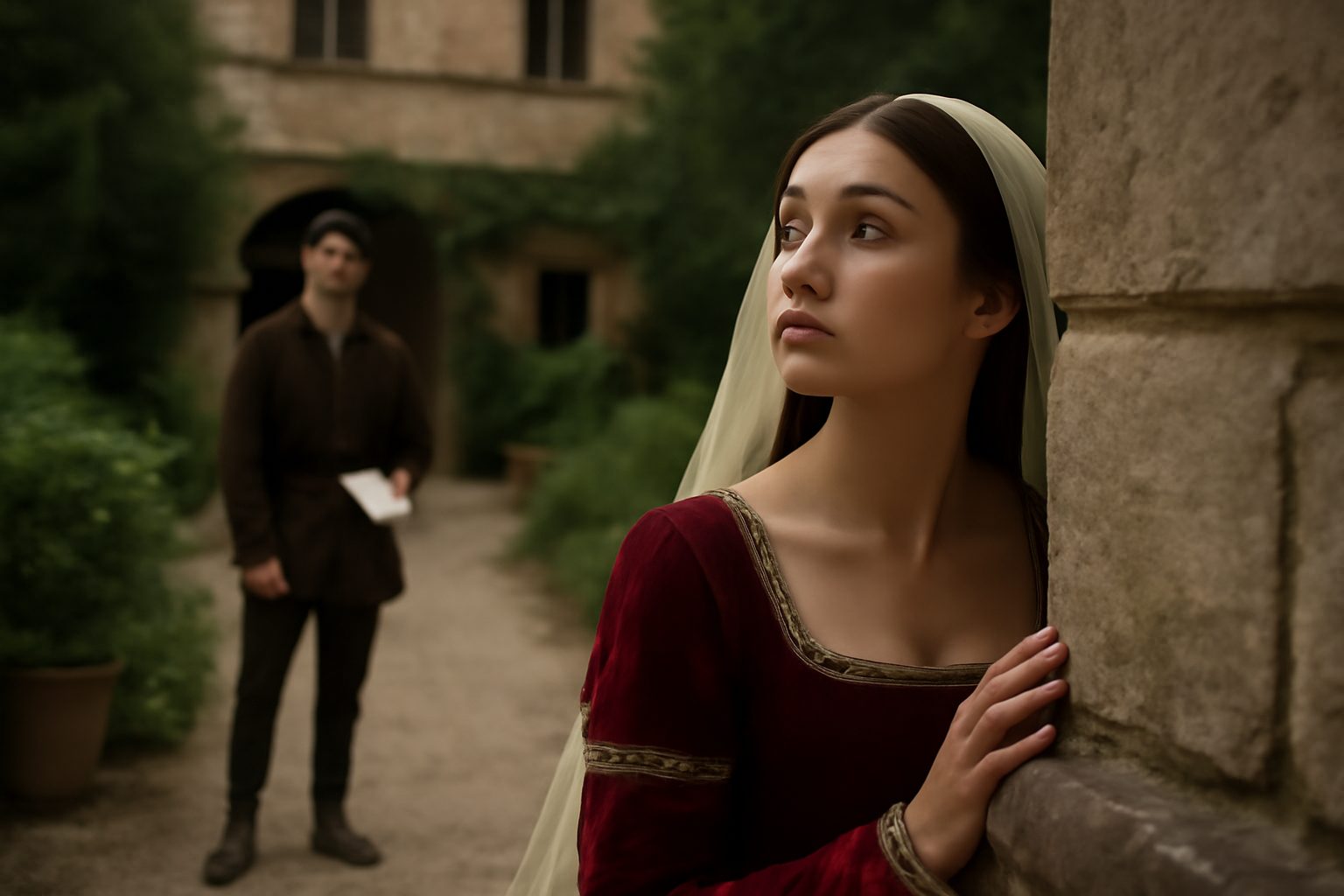
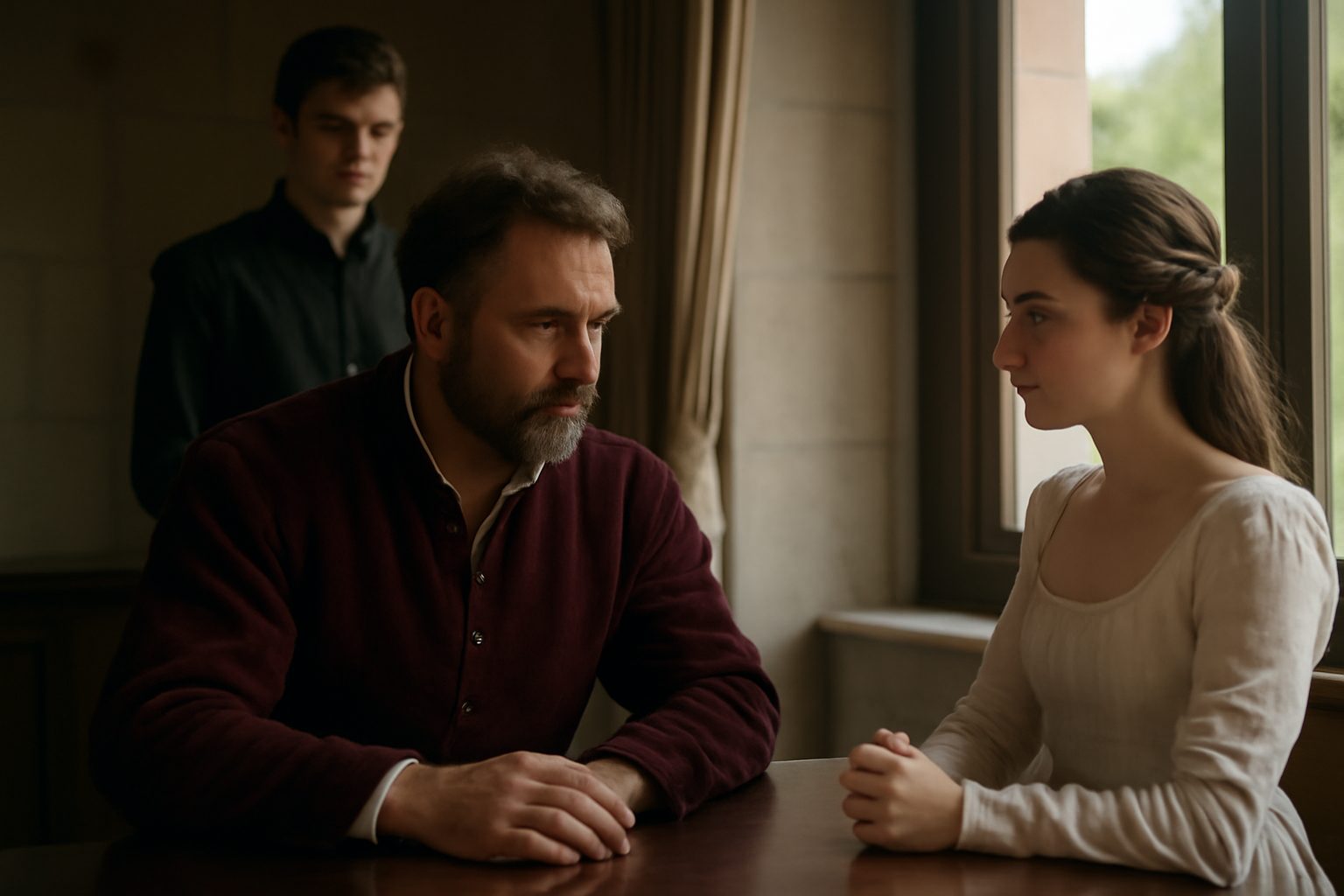
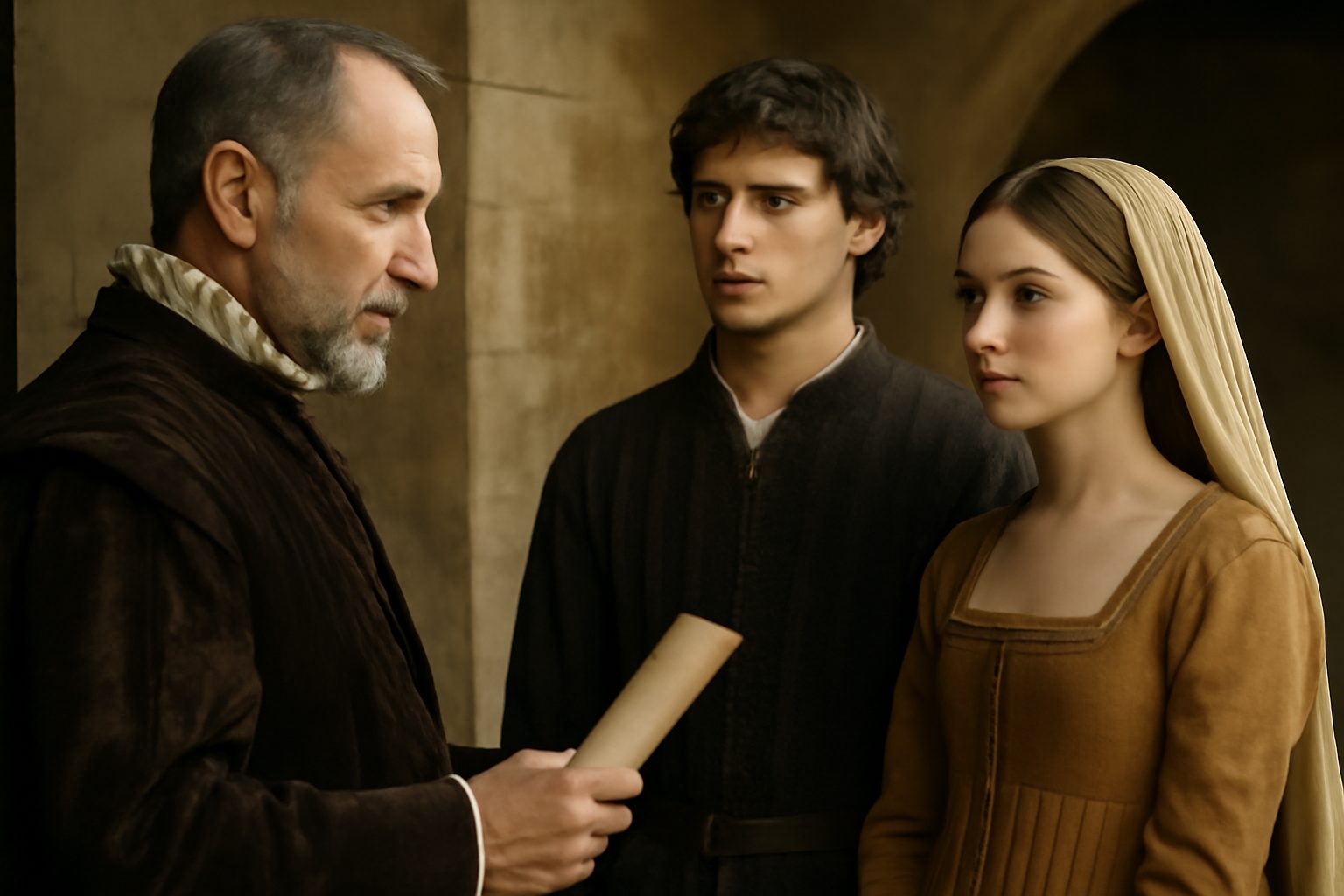
In Act 1, Scene 2 of Romeo and Juliet, Capulet speaks with Paris about the ongoing feud between their families, the Montagues and Capulets. When Paris suggests that men of their age should maintain peace, Capulet agrees, acknowledging the futility of the conflict. This line reflects the weariness of the older generation toward the violence that plagues Verona.
Capulet: "For men so old as we to keep the peace."
In modern day english, we would say:
At our age, we should be focused on maintaining peace rather than fighting.
Frequently Asked Questions
What does Capulet mean when he says that men as old as they are should keep the peace?
Capulet is suggesting that older men, like himself, should avoid fighting and maintain harmony.
Connections to other verses:
Connections to "For men so old as we to keep the peace"
The verse "For men so old as we to keep the peace" is spoken by Capulet in response to Paris's inquiry about the ongoing feud between the Montagues and Capulets. It reflects the weariness and responsibility felt by the older generation regarding the conflict.
Related Verses on the Feud and Age
This sentiment is echoed in "And pity 'tis you lived at odds so long", where Paris expresses regret over the long-standing strife, reinforcing the idea that the elders should indeed be the ones to maintain peace. Additionally, Capulet's reference to age and responsibility connects to his cautious approach to his daughter's marriage, as seen in "Let two more summers wither in their pride" and "My child is yet a stranger in the world", where he emphasizes Juliet's youth and his protective role as a father.
Contrast with Younger Characters
The theme of generational differences is further highlighted by the youthful impulsiveness seen in other parts of the scene, such as Romeo's lovesick despair in "Why, Romeo, art thou mad?" and Benvolio's advice in "Tut, man, one fire burns out another's burning", which contrasts with the elder Capulet's measured approach to conflict and marriage.
Social Context and the Feast
Capulet's efforts to keep the peace and uphold social harmony are also reflected in his preparations for the feast, as mentioned in "This night I hold an old accustom'd feast" and "Whereto I have invited many a guest". The feast serves as a symbol of temporary truce and community, aligning with the idea that elders like Capulet bear the responsibility for fostering peace.