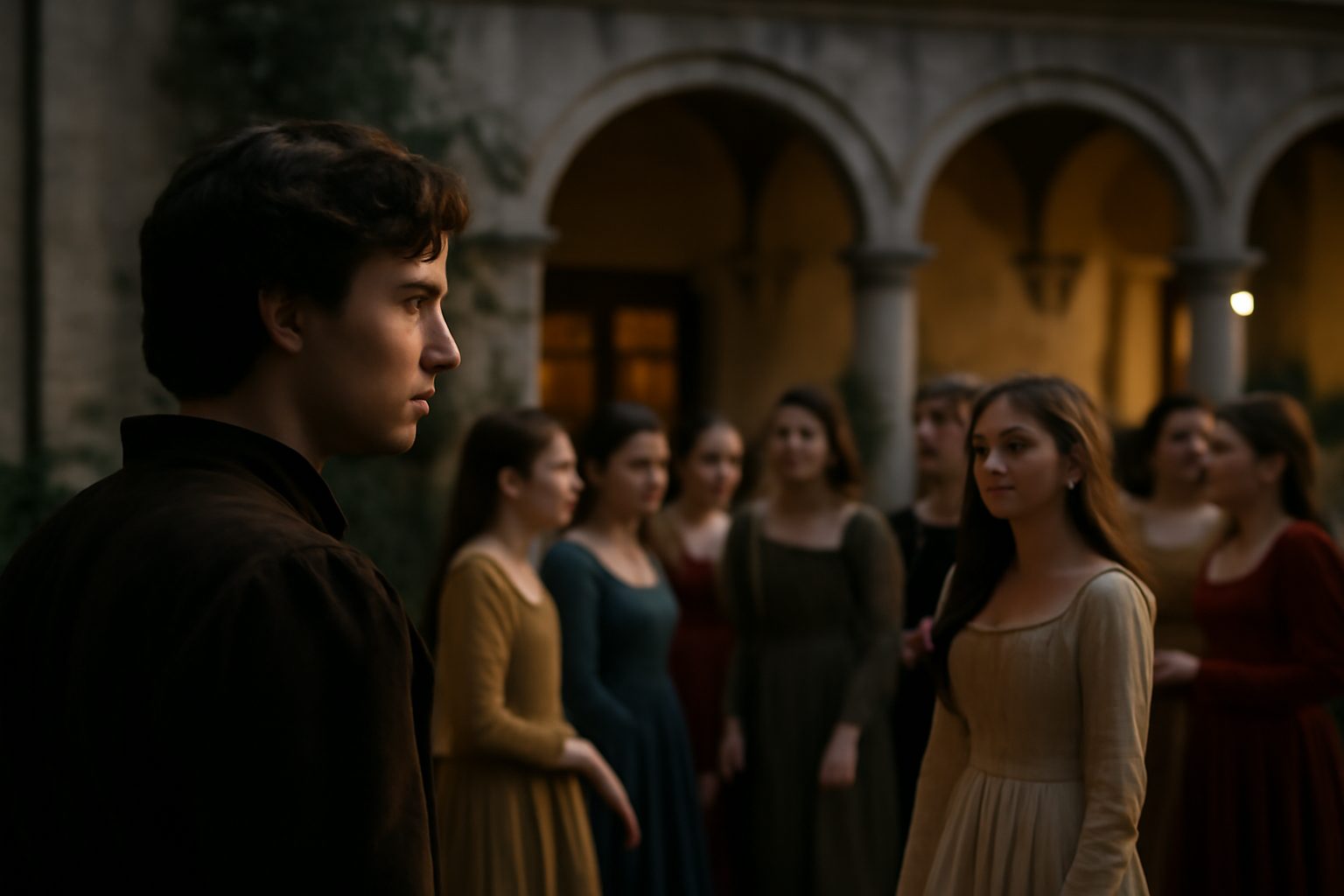
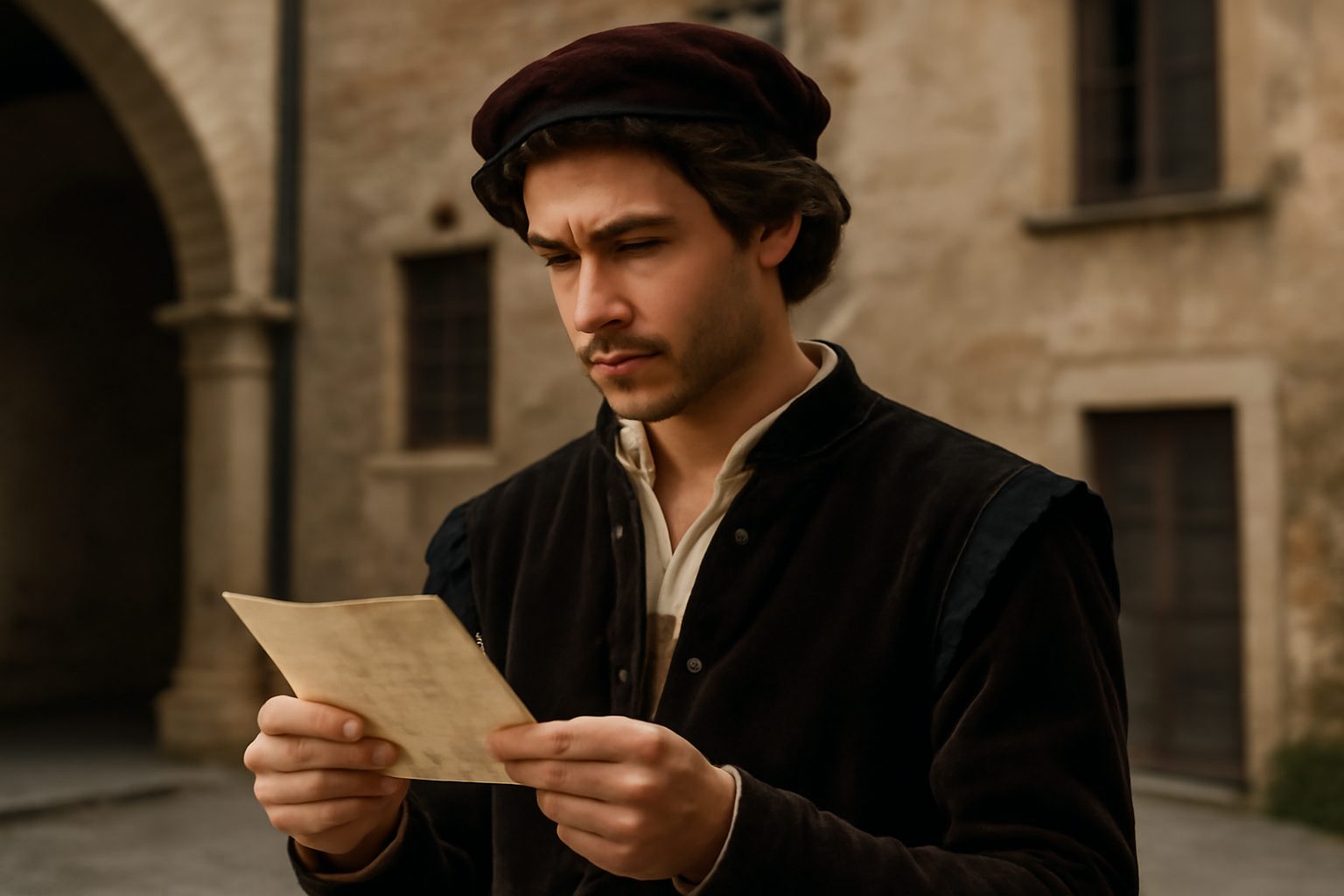
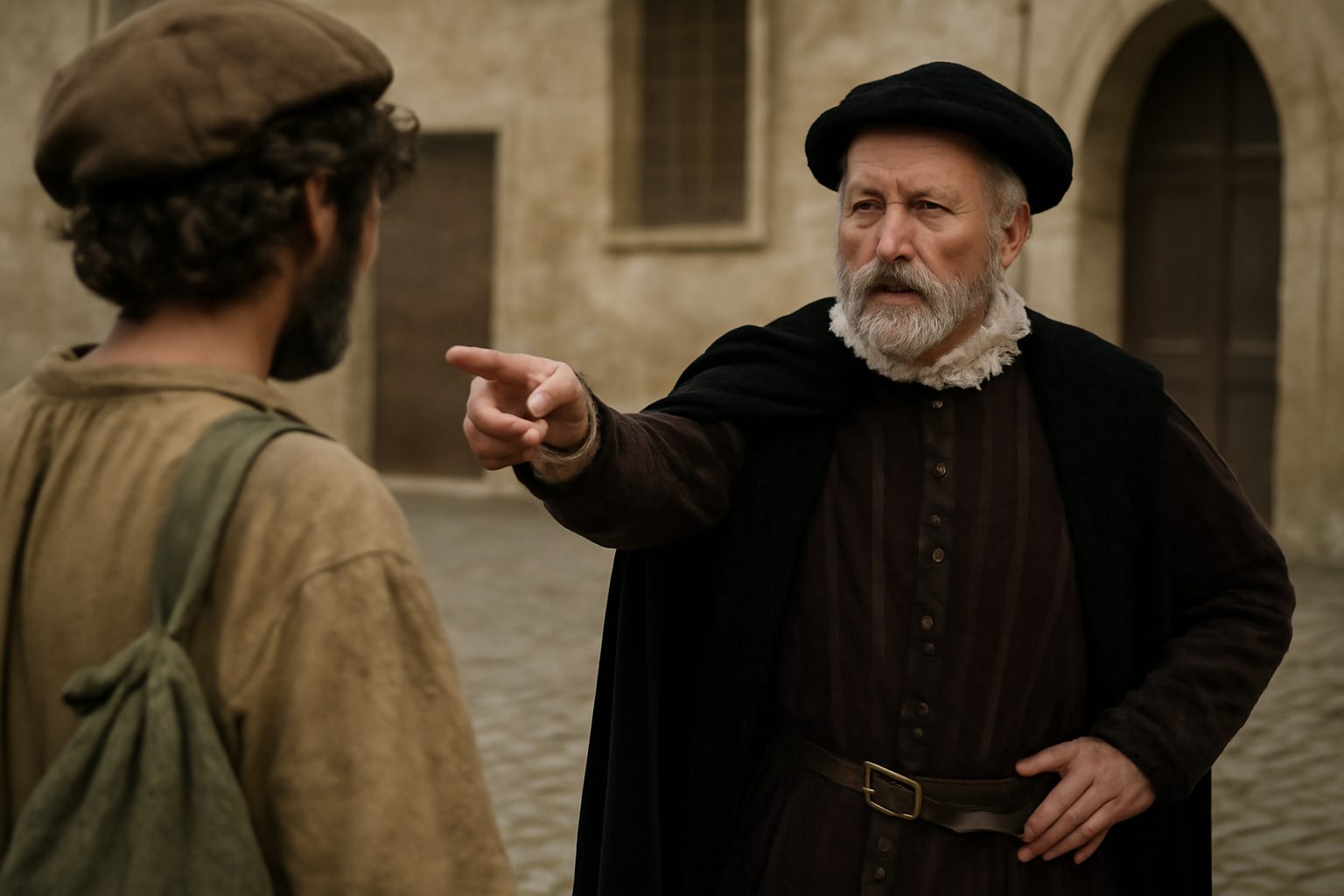
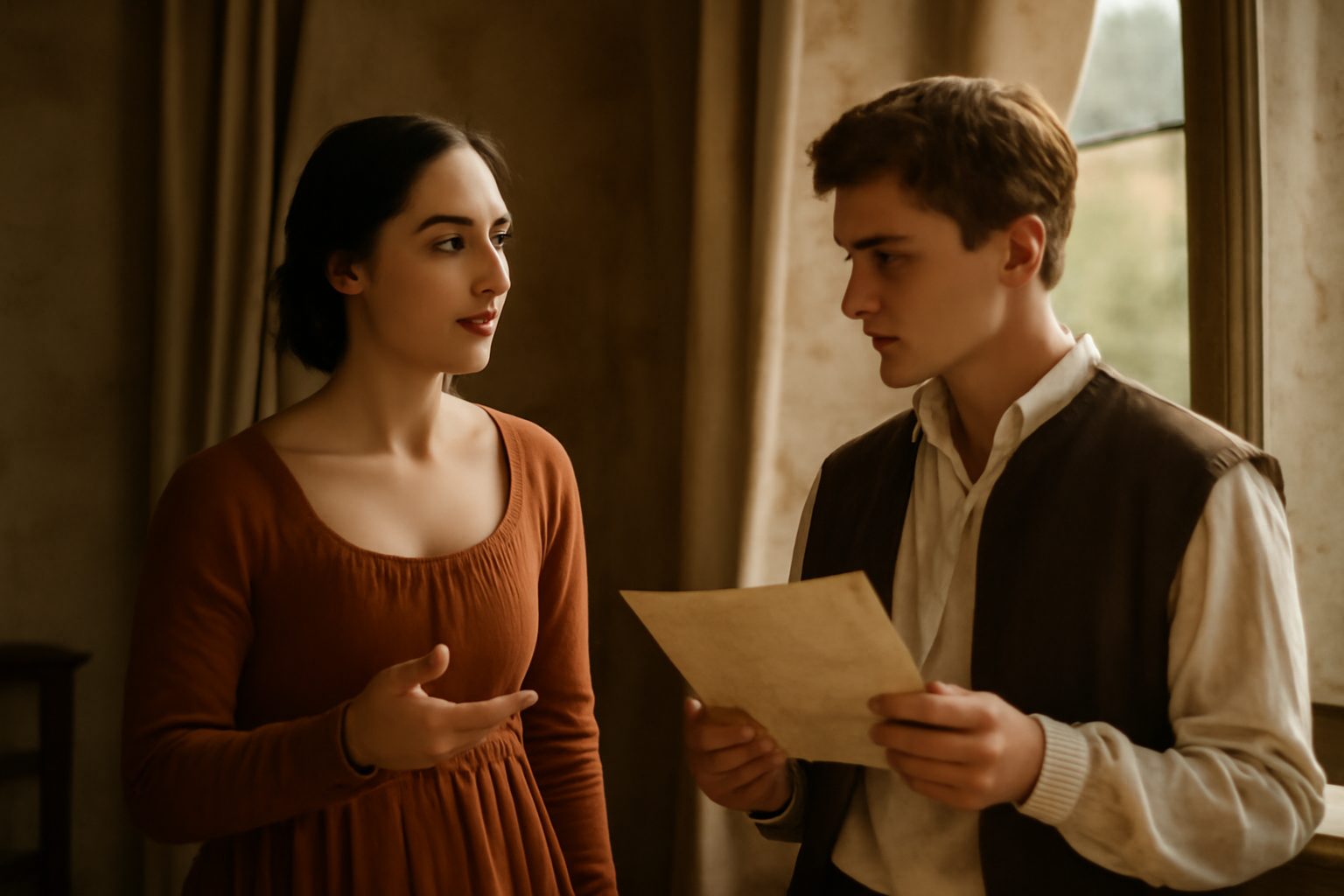
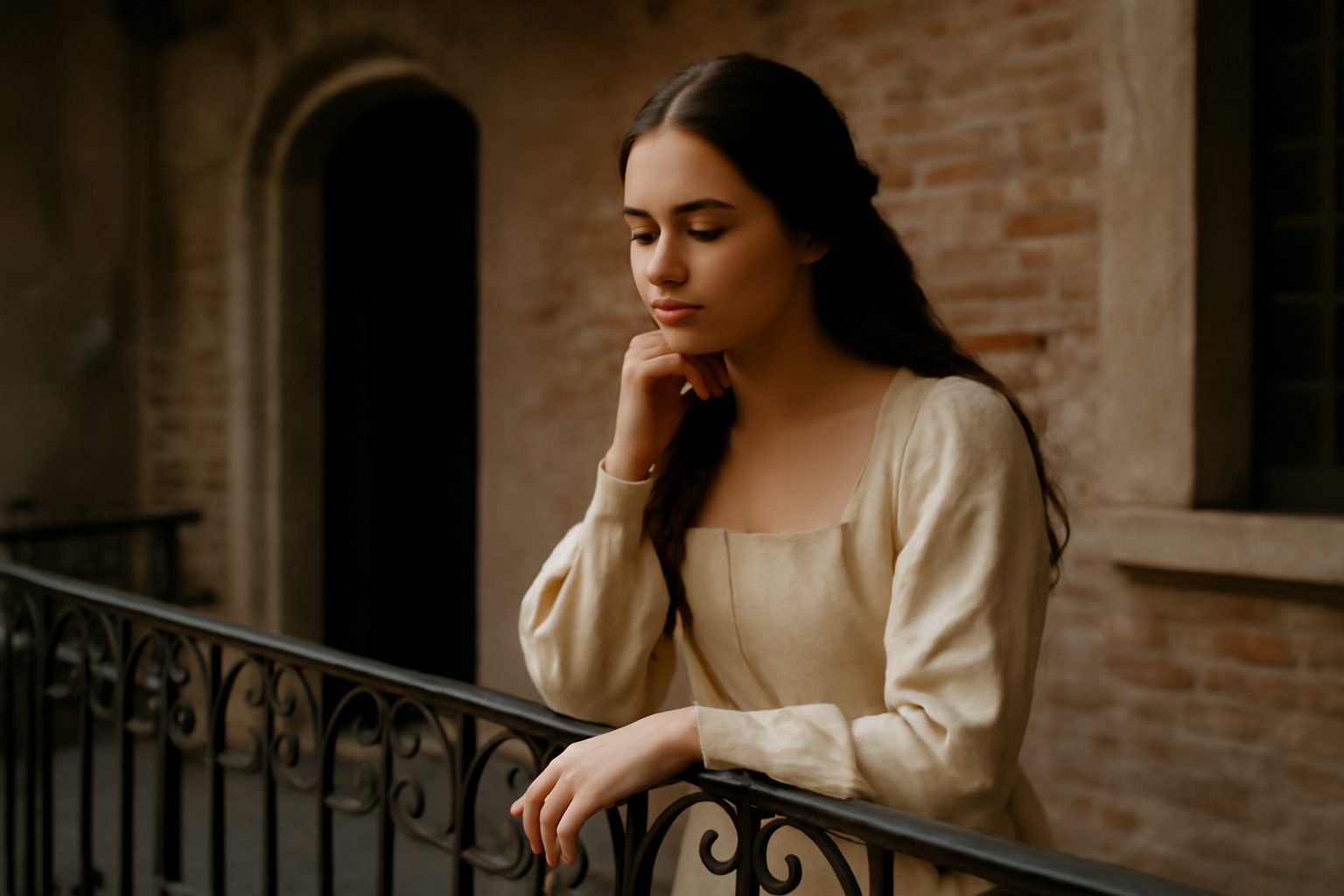
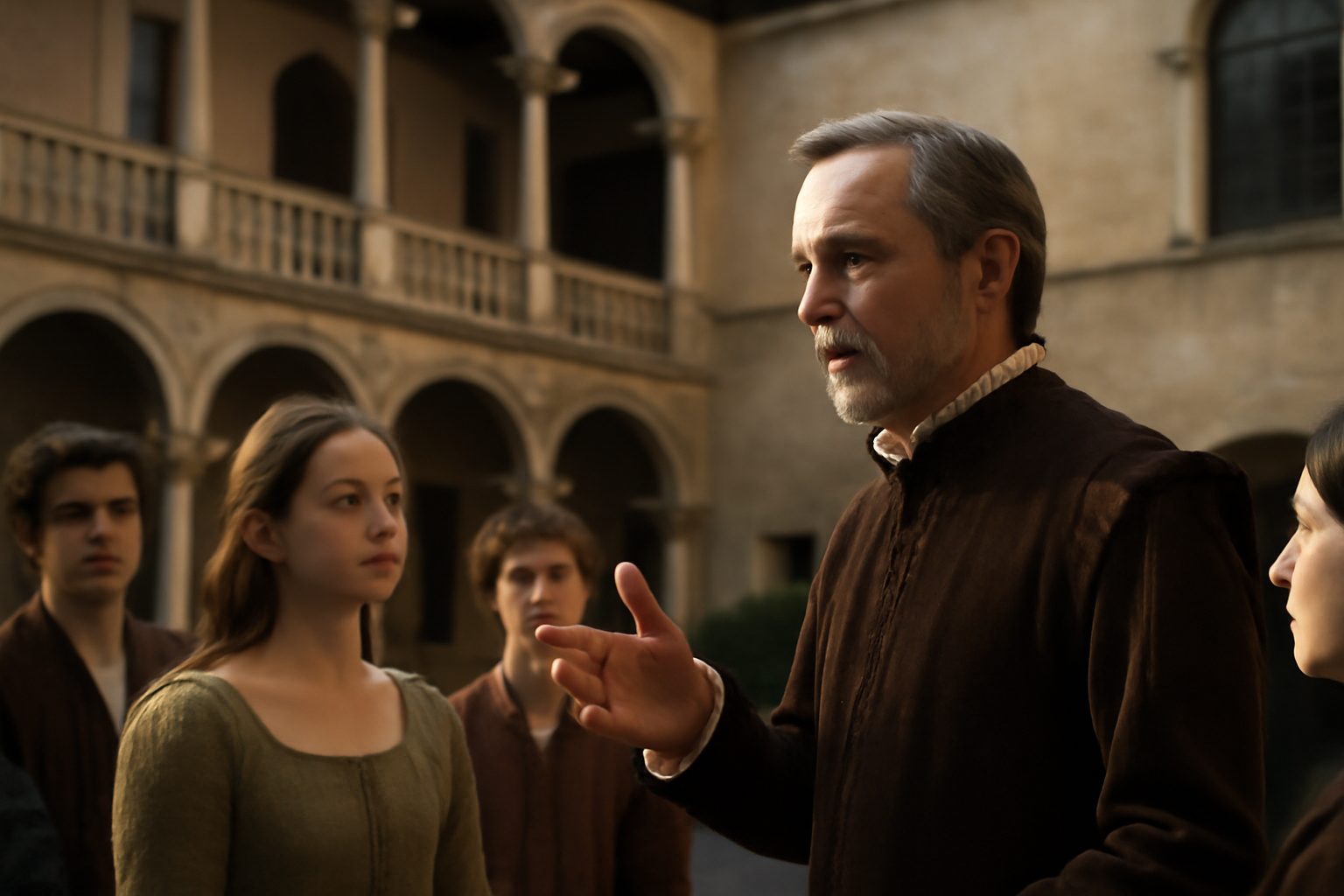
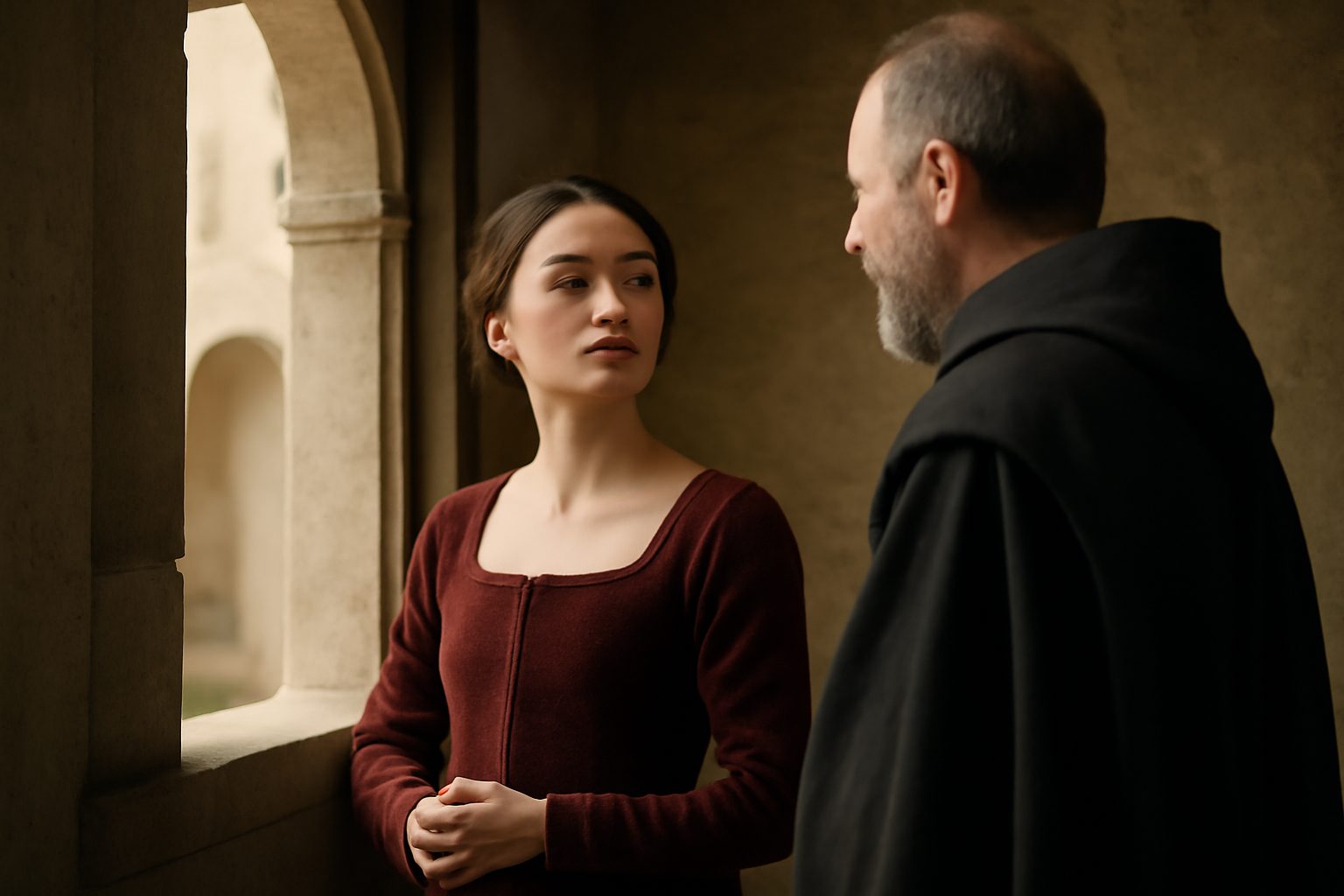
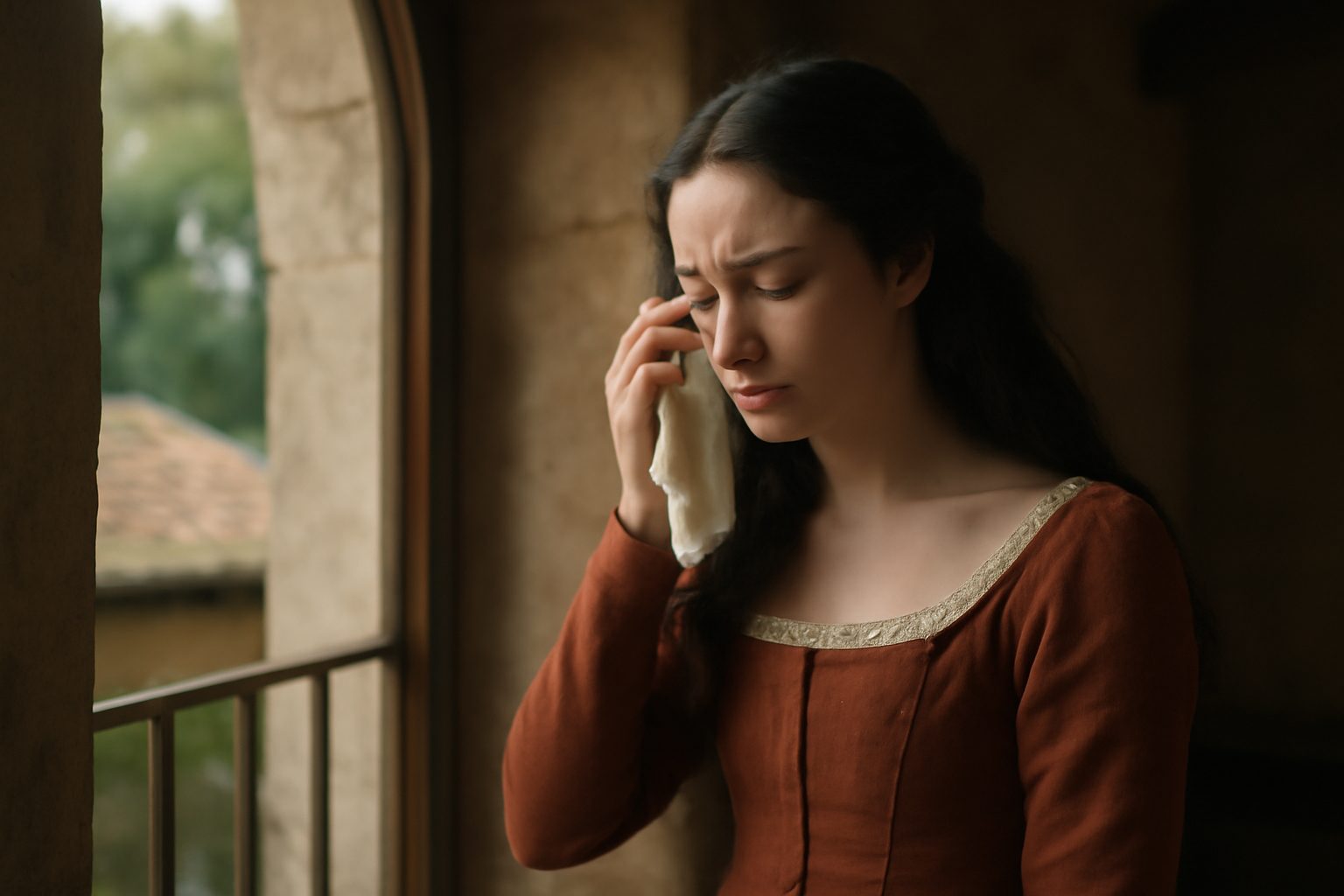
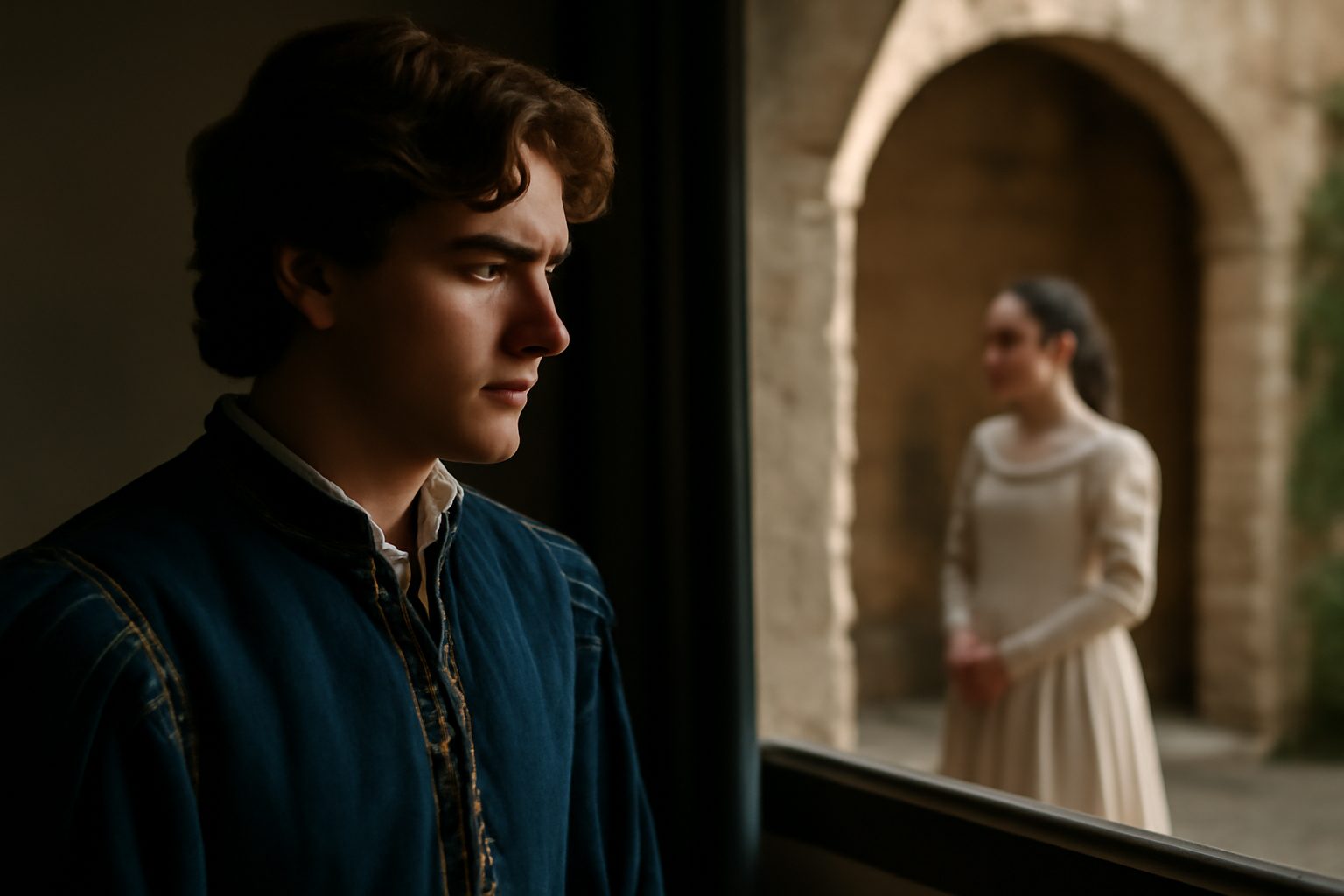
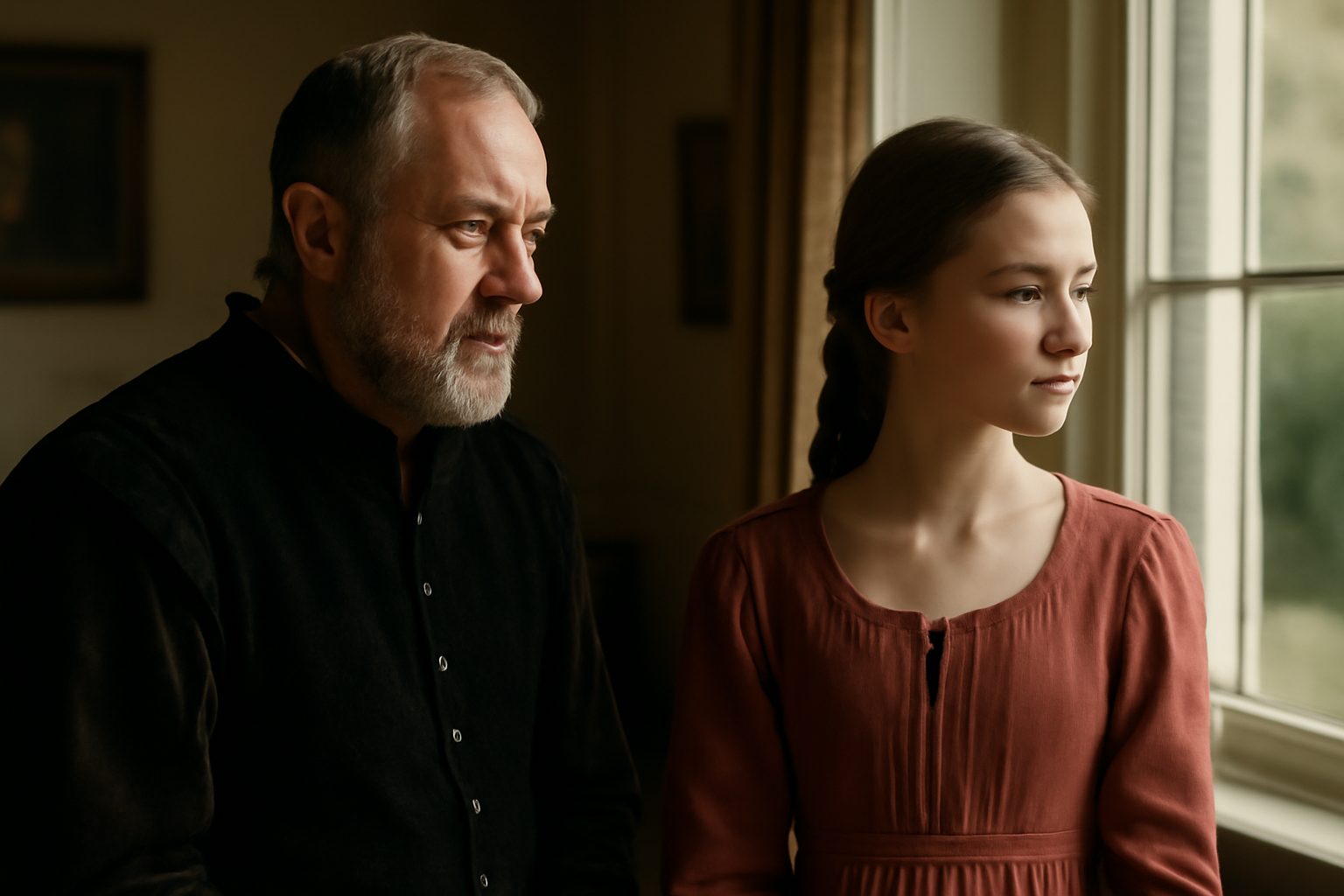
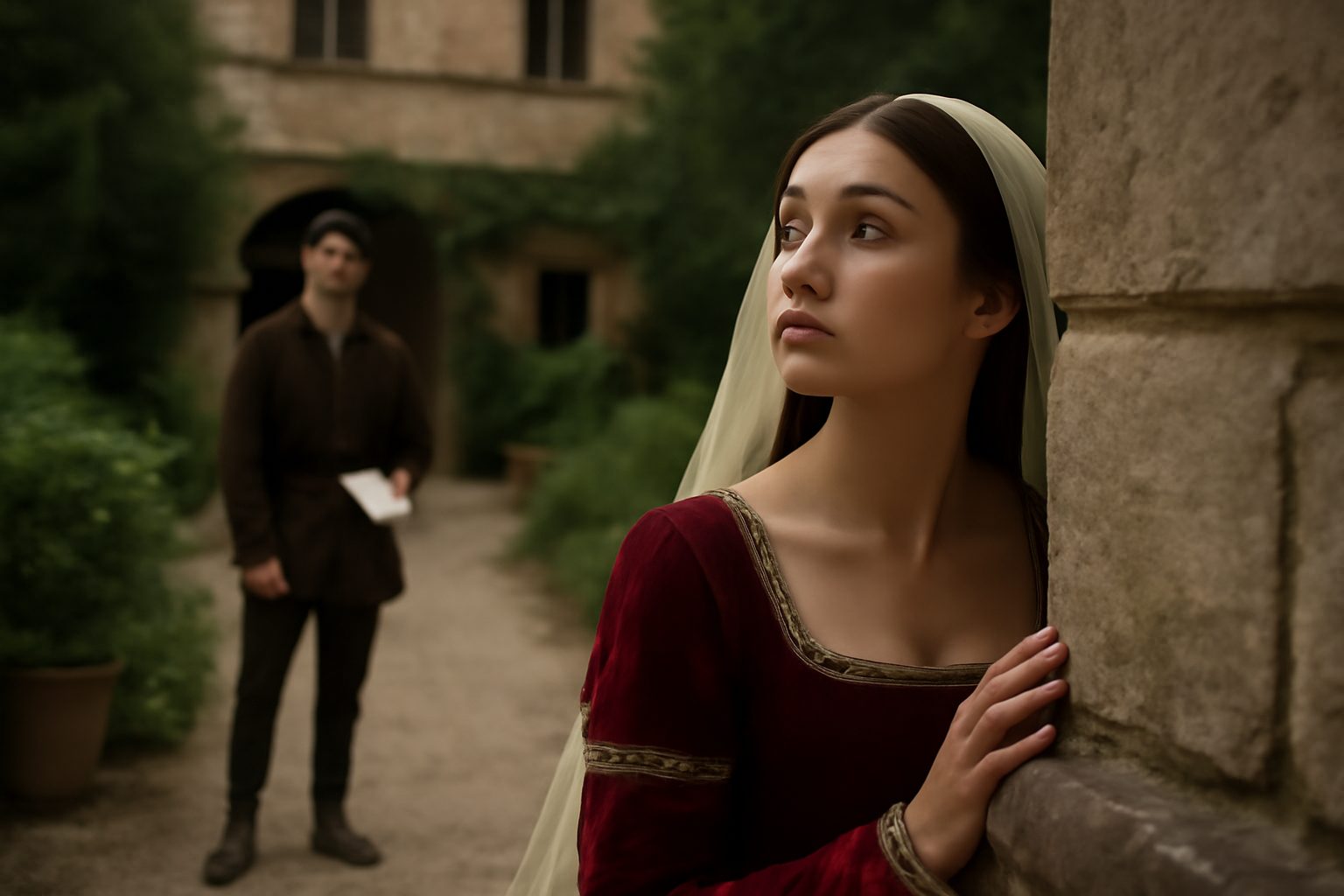
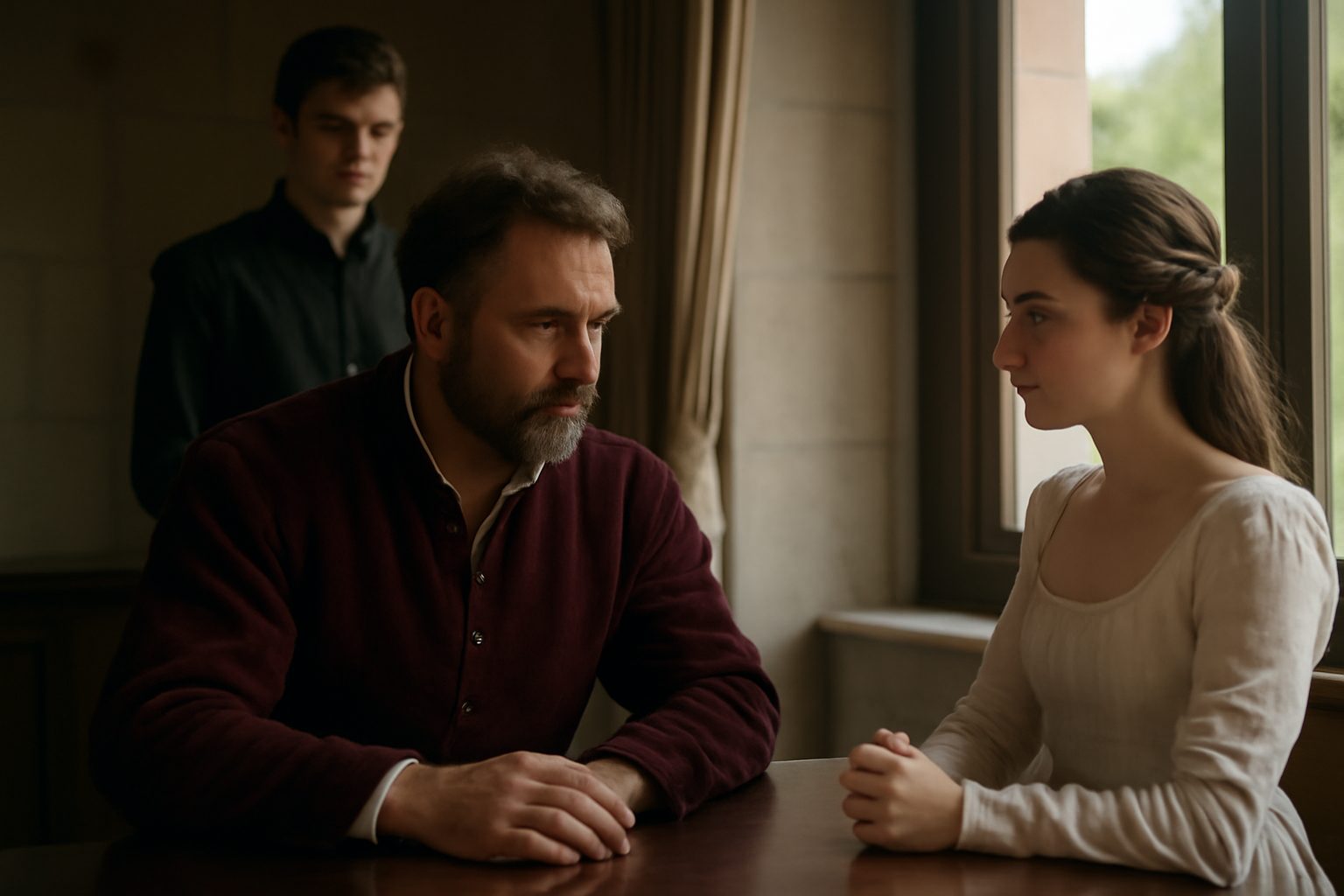
In Act 1, Scene 2 of Romeo and Juliet, Paris presses Capulet for permission to marry Juliet. Capulet, though hesitant, is planning a feast that evening and mentions this line while listing the guests he has invited. The gathering sets the stage for Romeo and Juliet’s fateful first meeting.
Capulet: "Whereto I have invited many a guest,"
In modern day english, we would say:
I’ve invited a lot of people to come.
Frequently Asked Questions
Who is speaking in this line from Romeo and Juliet?
Capulet is speaking.
What is Capulet doing in this line?
He is talking about inviting many guests to an event.
In which act and scene does this line appear?
It appears in Act 1, Scene 2.
Connections to other verses:
Connections to "Whereto I have invited many a guest"
This line, spoken by Capulet, directly follows his announcement of the feast: This night I hold an old accustom'd feast. It emphasizes the scale and tradition of the event, setting the stage for the gathering where Romeo and Juliet will meet.
Guest List and Invitations
Capulet's mention of "many a guest" connects to his detailed instructions to his servant about the invitation list: Through fair Verona; find those persons out and Whose names are written there, and to them say. The servant's struggle to read the list (writ, and can never find what names the writing) contrasts with Capulet's confident hosting.
Atmosphere and Setting
The feast is described as a vibrant event with "fresh female buds" (Among fresh female buds shall you this night) and admired beauties (With all the admired beauties of Verona), highlighting its significance in Verona's social scene.
Character Interactions
Capulet's hospitality ("many a guest") includes Paris, whom he encourages to woo Juliet: But woo her, gentle Paris, get her heart. The feast becomes a pivotal setting for both Paris's courtship and Romeo's unexpected encounter with Juliet.
Foreshadowing and Irony
Capulet's inclusive guest list ironically allows Romeo, a Montague, to attend: of Montagues, I pray, come and crush a cup of wine. This sets the scene for the tragic love story, as the feast intended for social harmony becomes the catalyst for conflict.