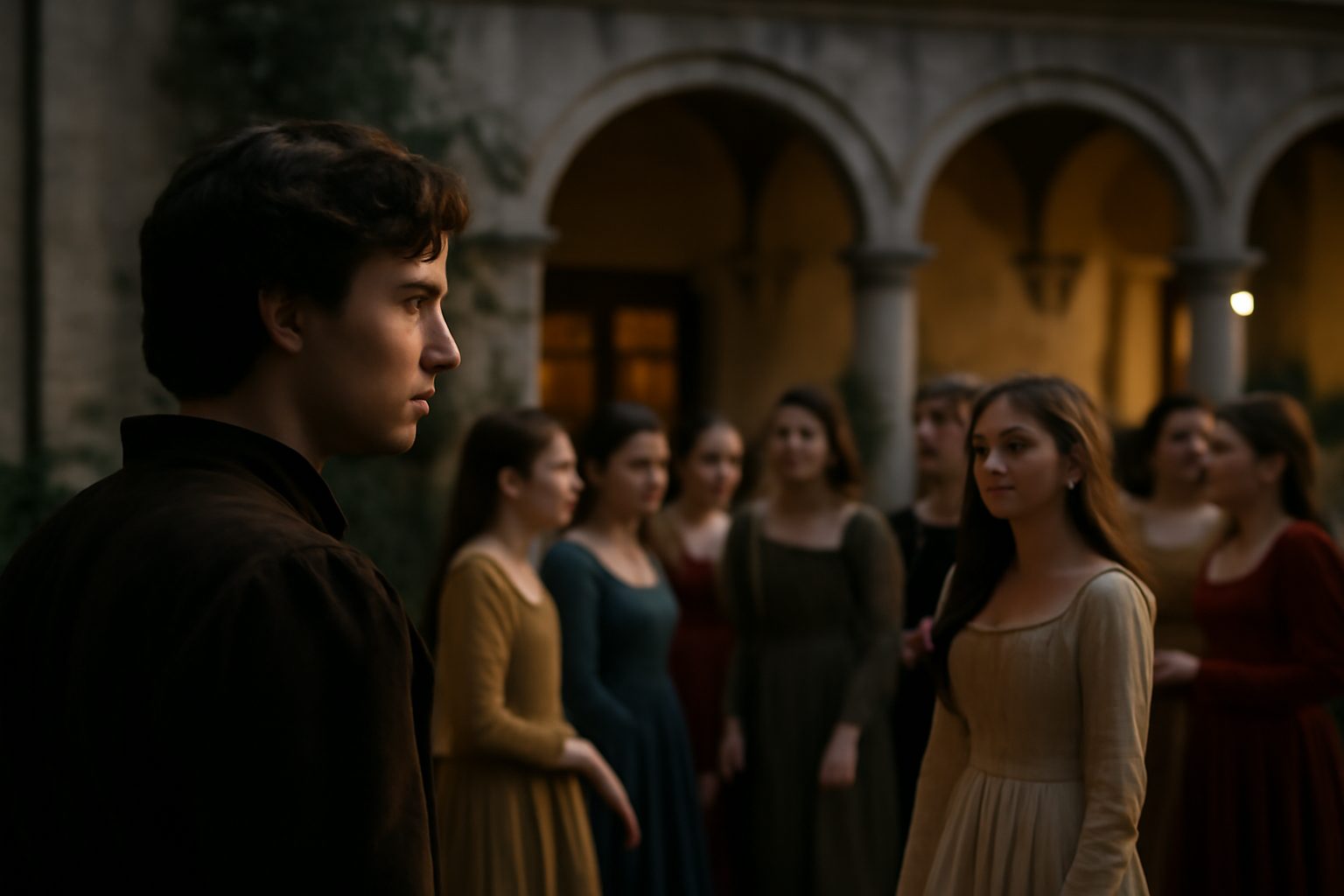
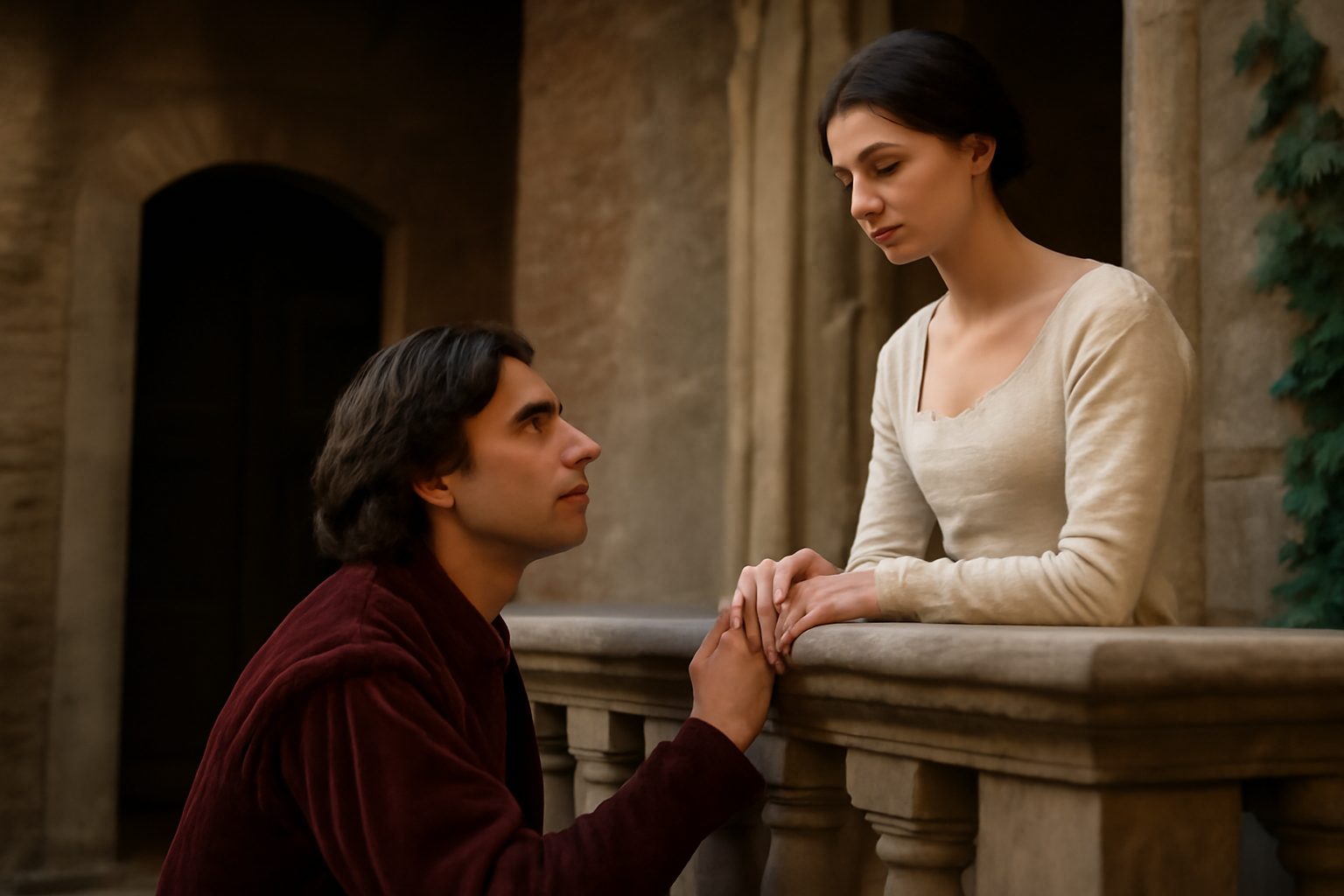
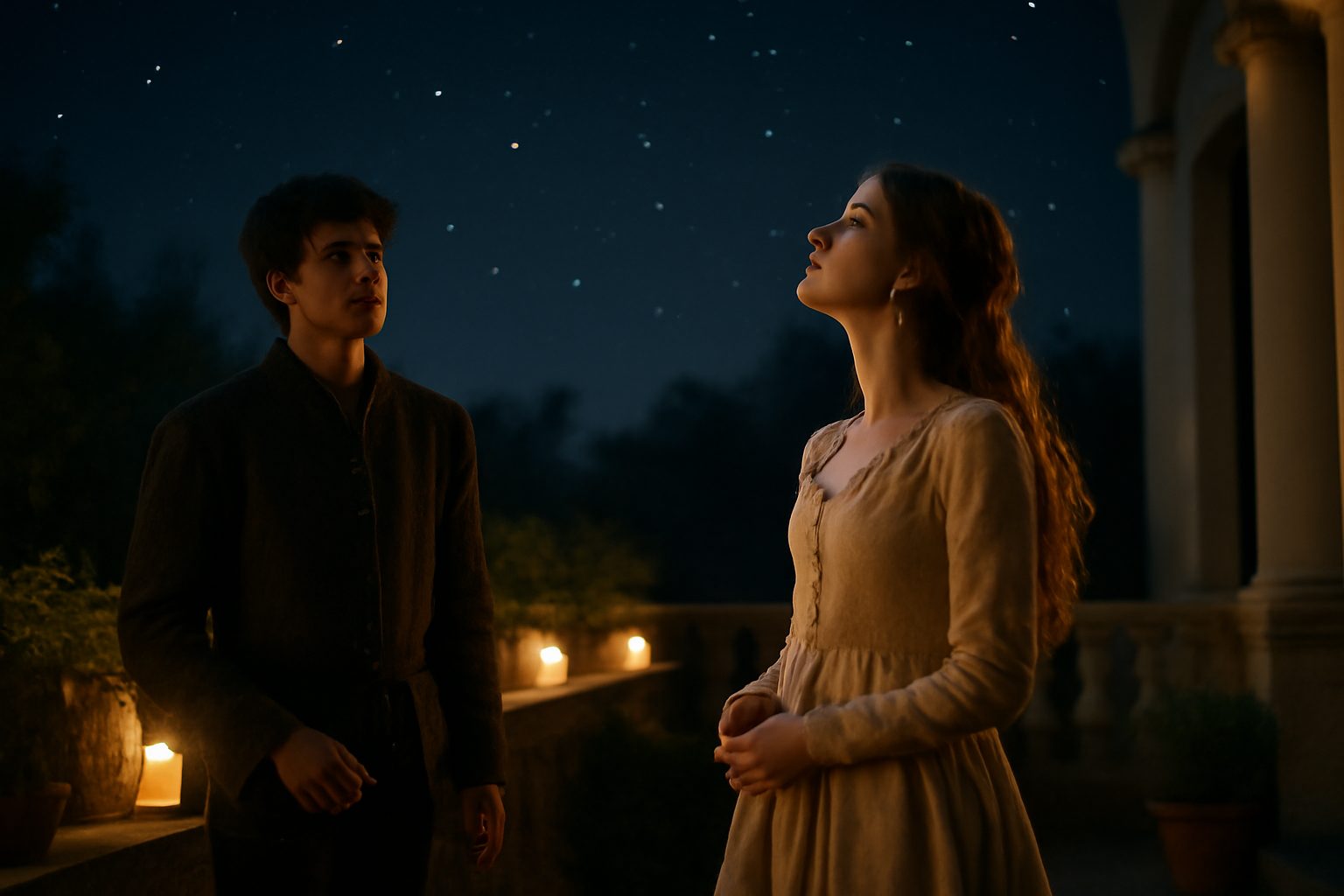
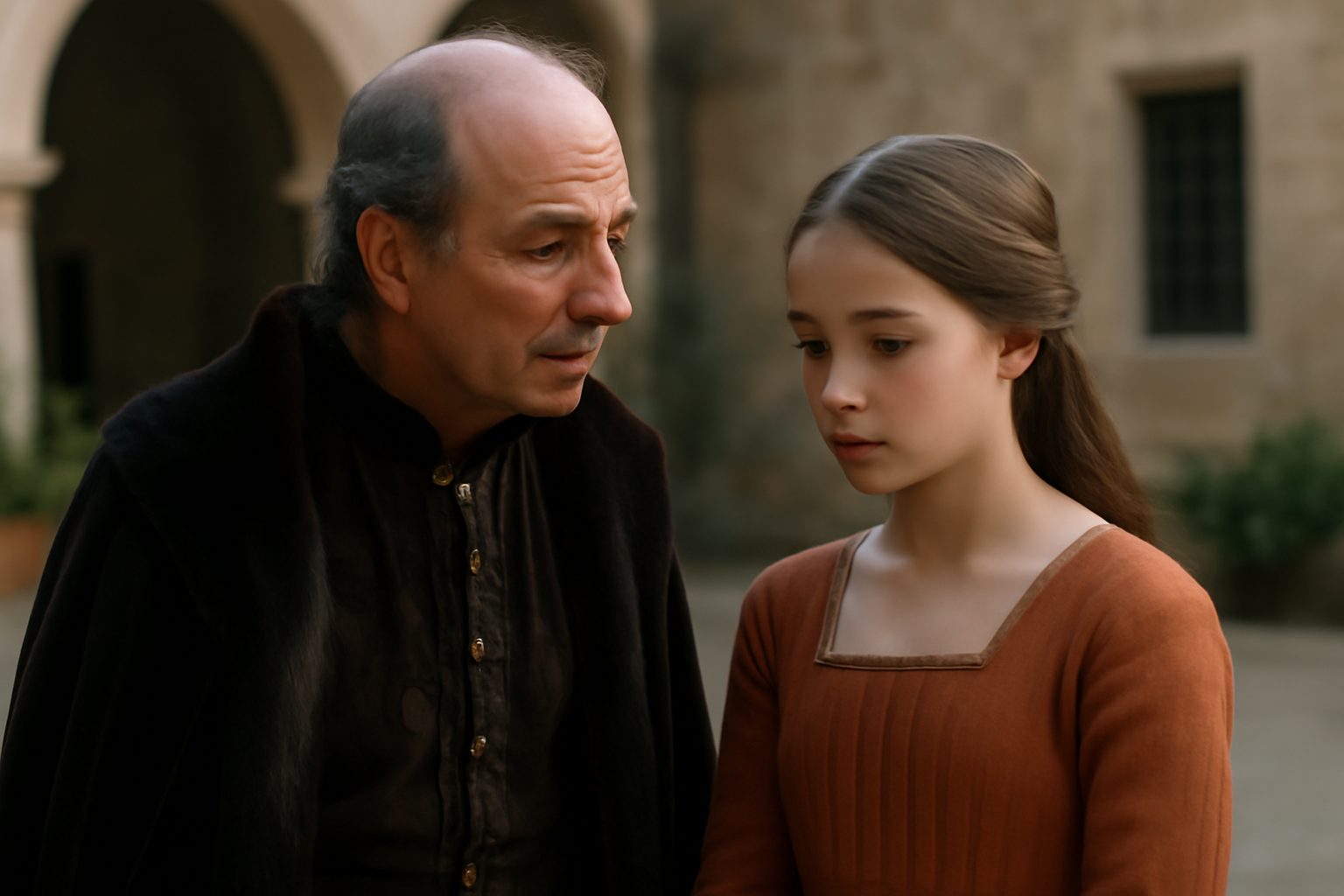
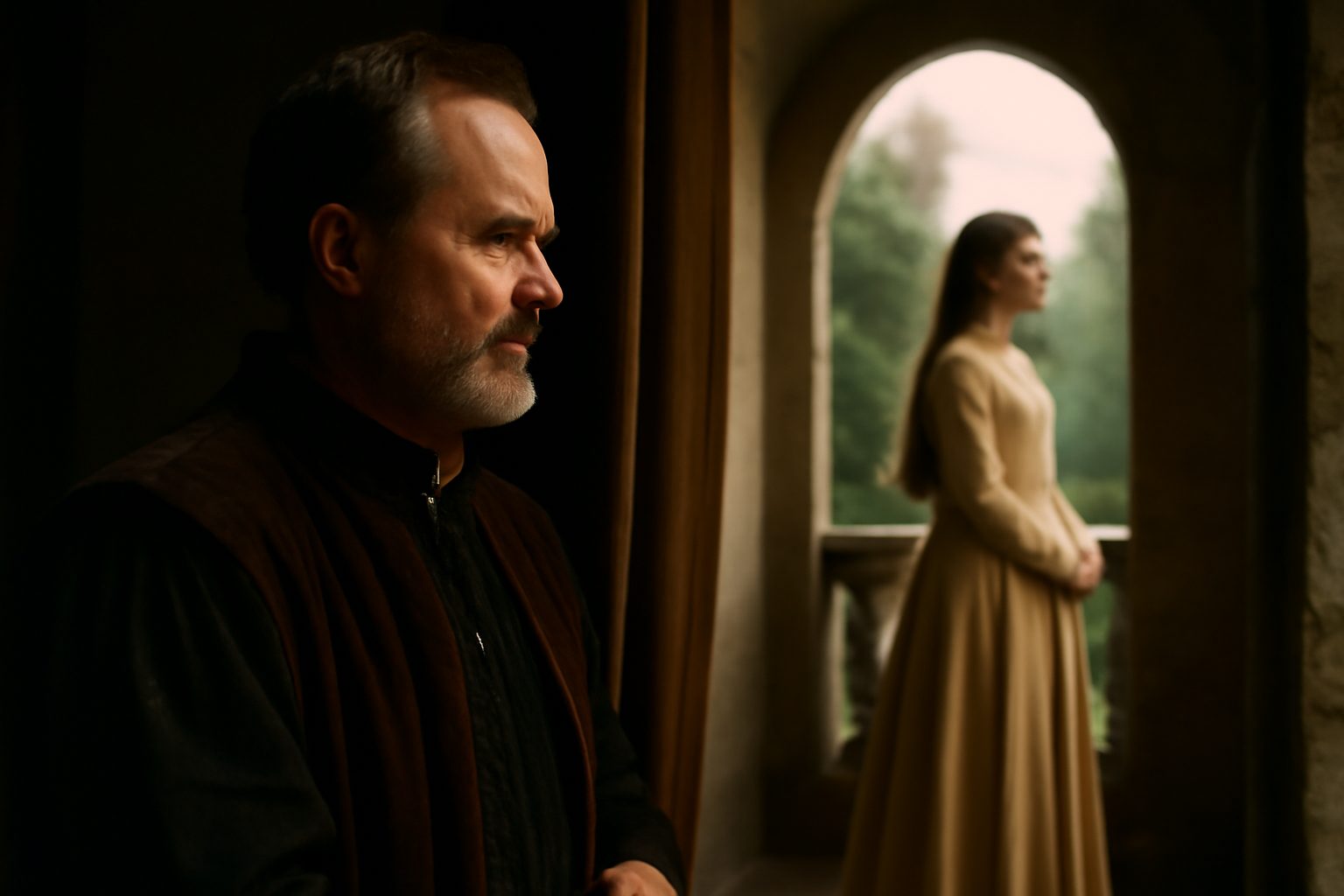
In Act 1, Scene 2 of Romeo and Juliet, Benvolio tries to console Romeo, who is heartbroken over Rosaline. He suggests that new passions can replace old ones, using the metaphor of one fire extinguishing another. This line reflects Benvolio's practical advice to distract Romeo from his unrequited love.
Benvolio: "Tut, man, one fire burns out another's burning,"
In modern day english, we would say:
One fire can put out another; one pain can lessen the hurt of a different one.
Frequently Asked Questions
What does Benvolio mean when he says one fire can put out another fire?
Benvolio is suggesting that a new love (fire) can help someone forget or overcome a previous heartbreak (burning).
Connections to other verses:
Connections to "Tut, man, one fire burns out another's burning"
This verse, spoken by Benvolio, introduces the idea that one emotional or passionate experience can displace another, particularly in the context of Romeo's lovesick melancholy. It connects thematically and narratively to several other verses in the scene.
Related to Emotional Remedies and Perspective
Benvolio's advice aligns with his earlier counsel in "One pain is lessen'd by another's anguish" and "Turn giddy, and be holp by backward turning", suggesting that distraction or a new focus can alleviate sorrow. This idea culminates in "One desperate grief cures with another's languish", reinforcing the concept of emotional substitution.
Direct Advice to Romeo
Benvolio applies this philosophy practically, urging Romeo to "Take thou some new infection to thy eye" by comparing other beauties at Capulet's feast. He promises to "Compare her face with some that I shall show" and "make thee think thy swan a crow", directly using the "fire" metaphor to advocate for moving on from Rosaline.
Contrast with Romeo's Fixed Devotion
Romeo's resistance highlights the tension; he claims "One fairer than my love! the all-seeing sun / Ne'er saw her match" (reference), and later calls doubters "Transparent heretics, be burnt for liars!", ironically employing fire imagery to defend his steadfastness, contrasting Benvolio's utilitarian view.
Narrative Foreshadowing
The "fire" metaphor also subtly prefigures the feast where Romeo will indeed find a new "fire" in Juliet, fulfilling Benvolio's prediction despite Romeo's protests. This new passion will, as Benvolio suggests, extinguish his old burning for Rosaline, though with tragic consequences beyond his advice's intent.