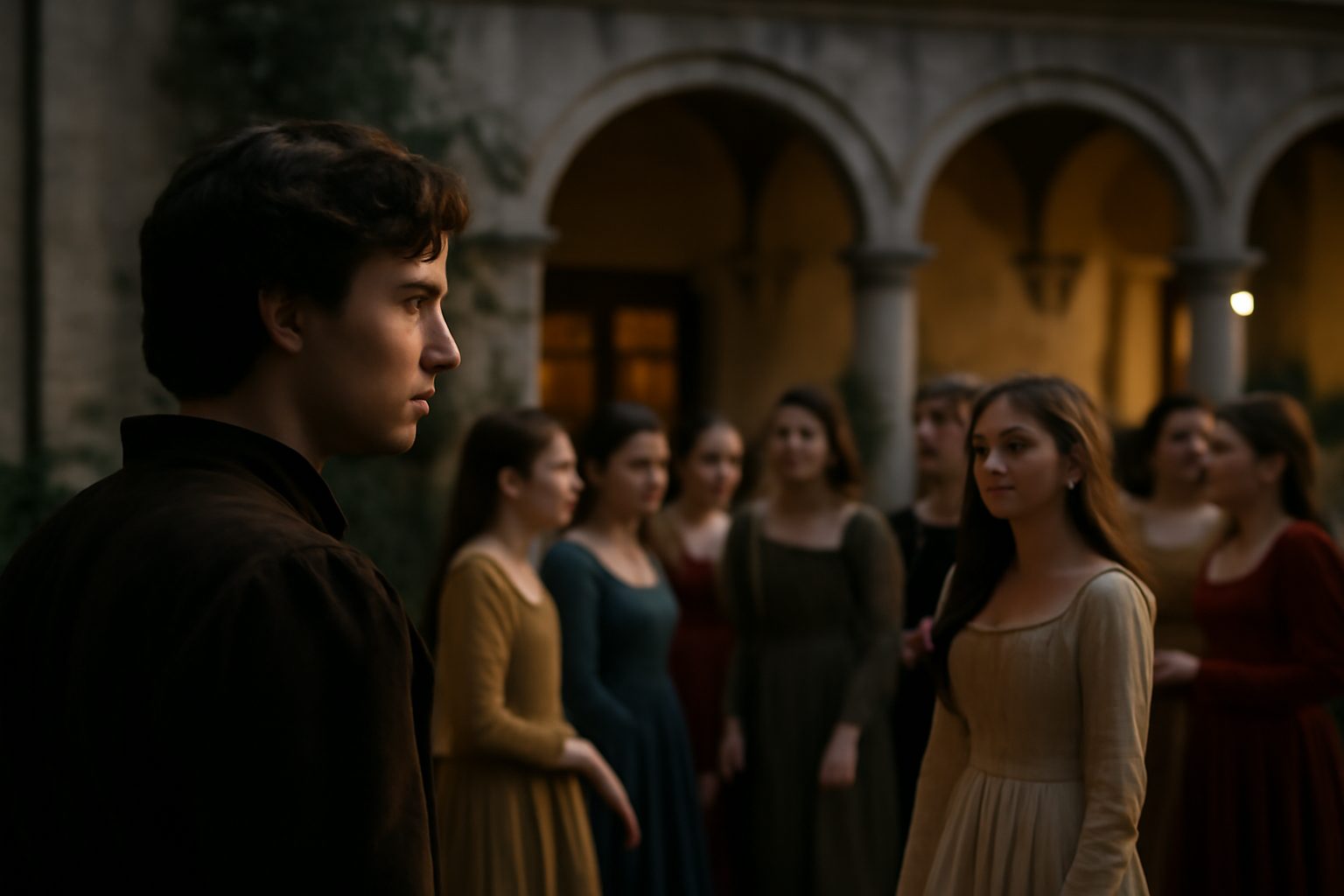
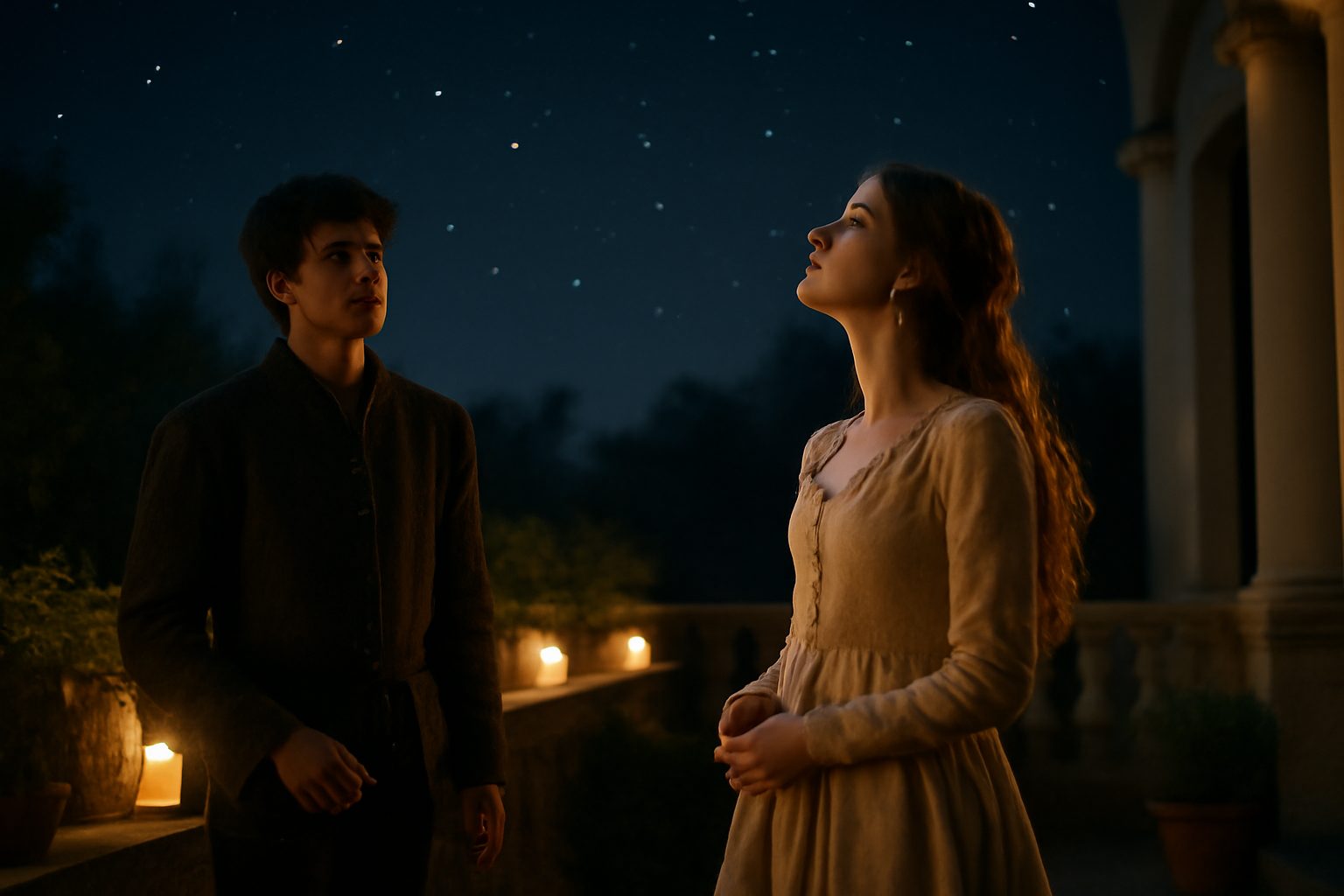
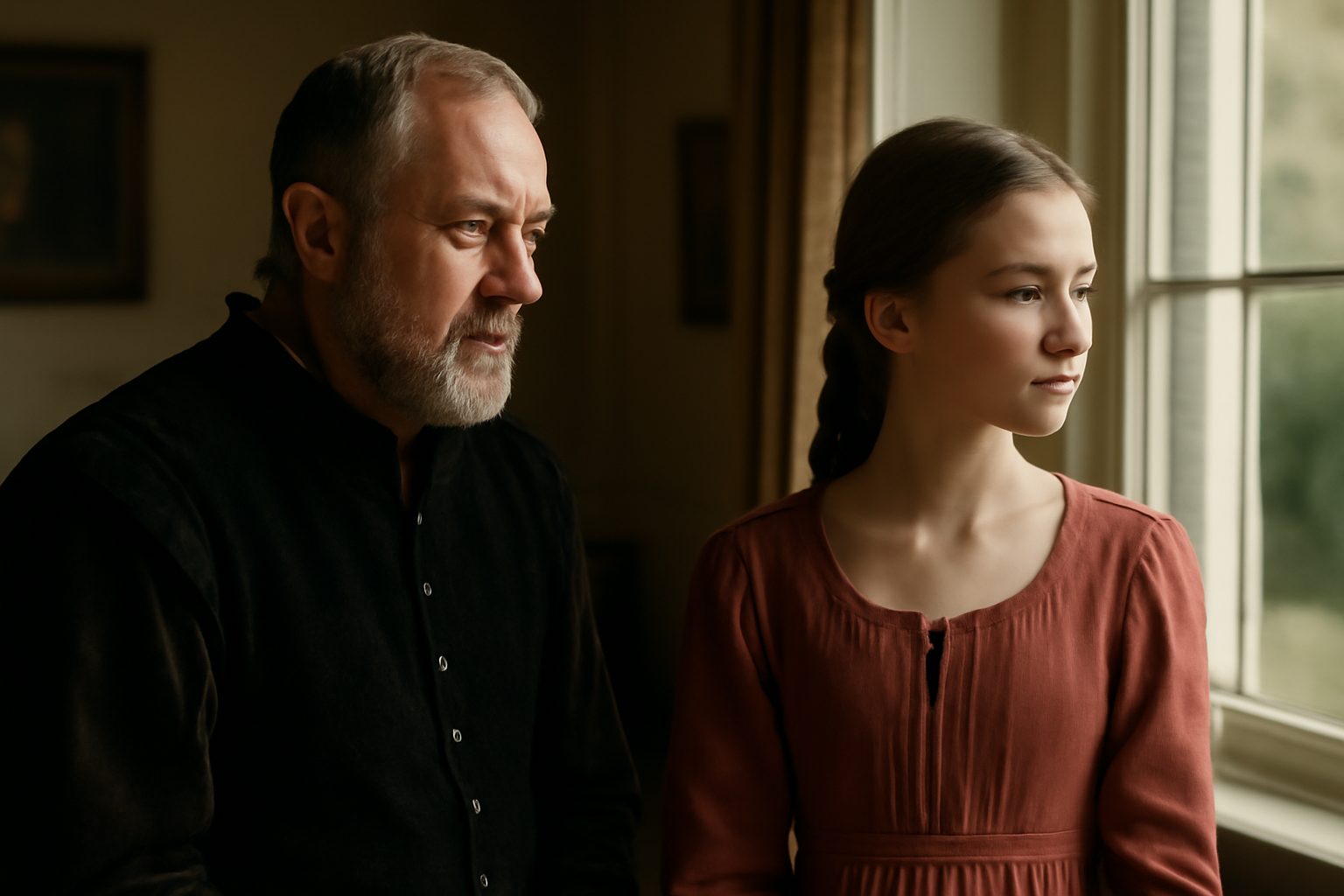
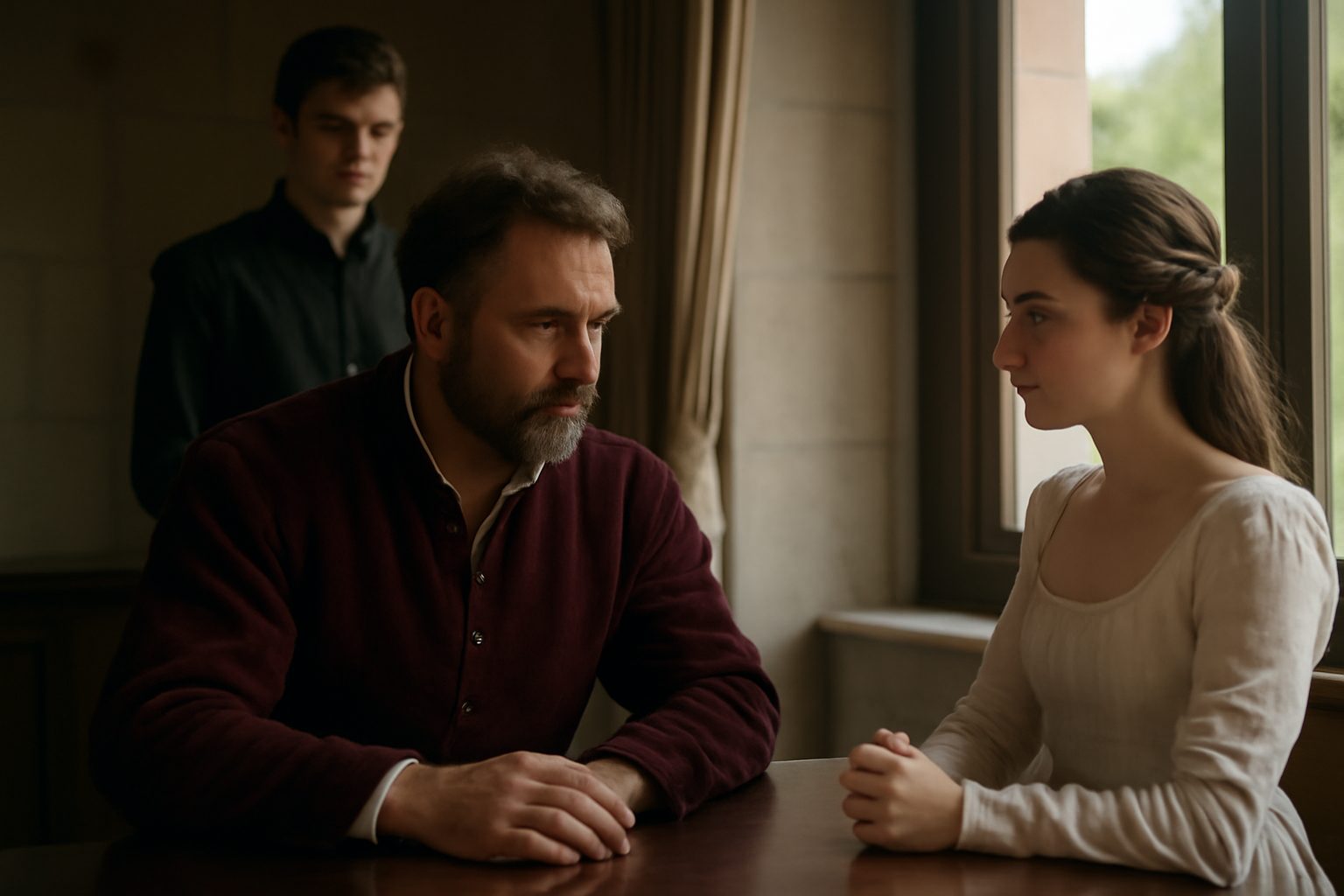
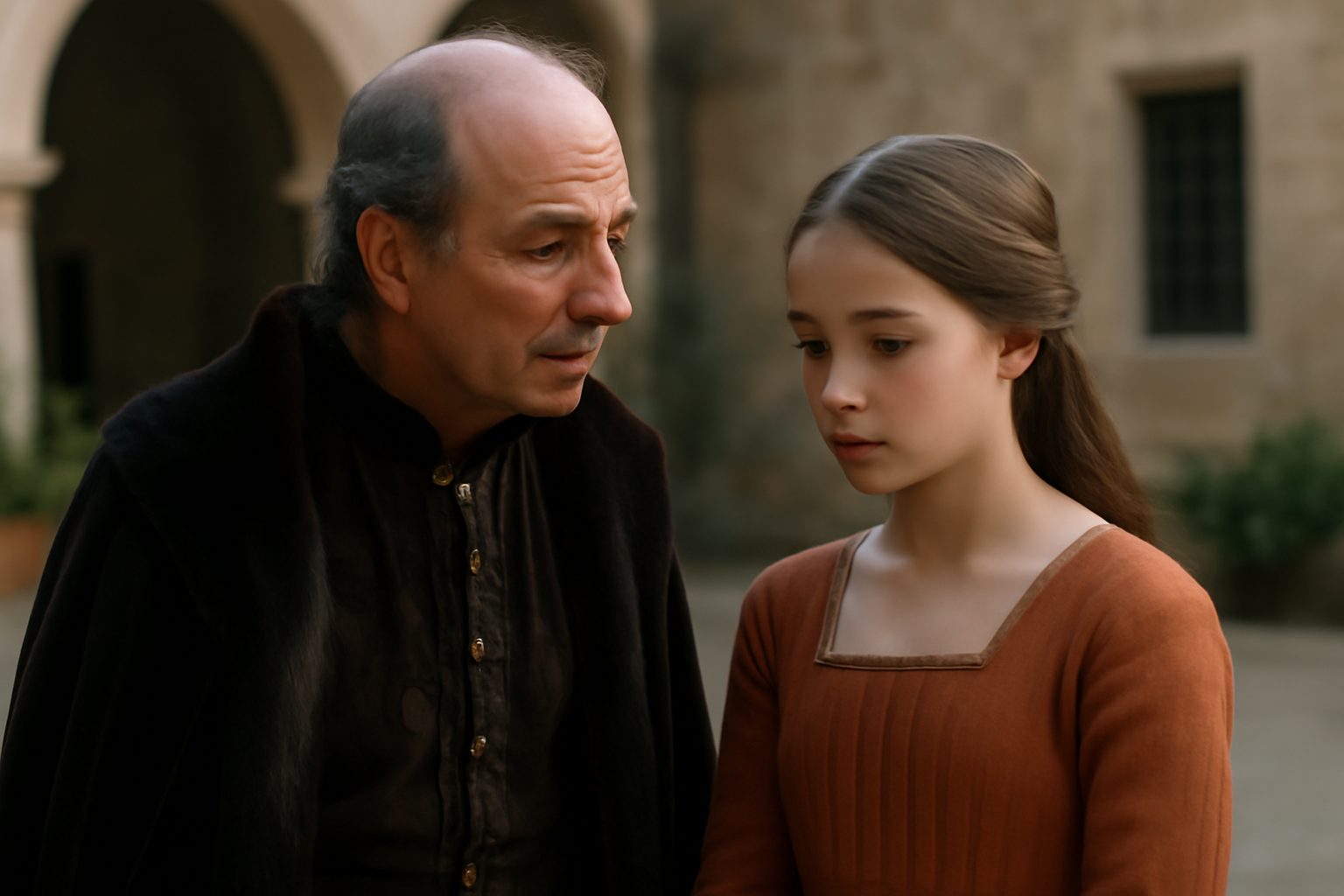
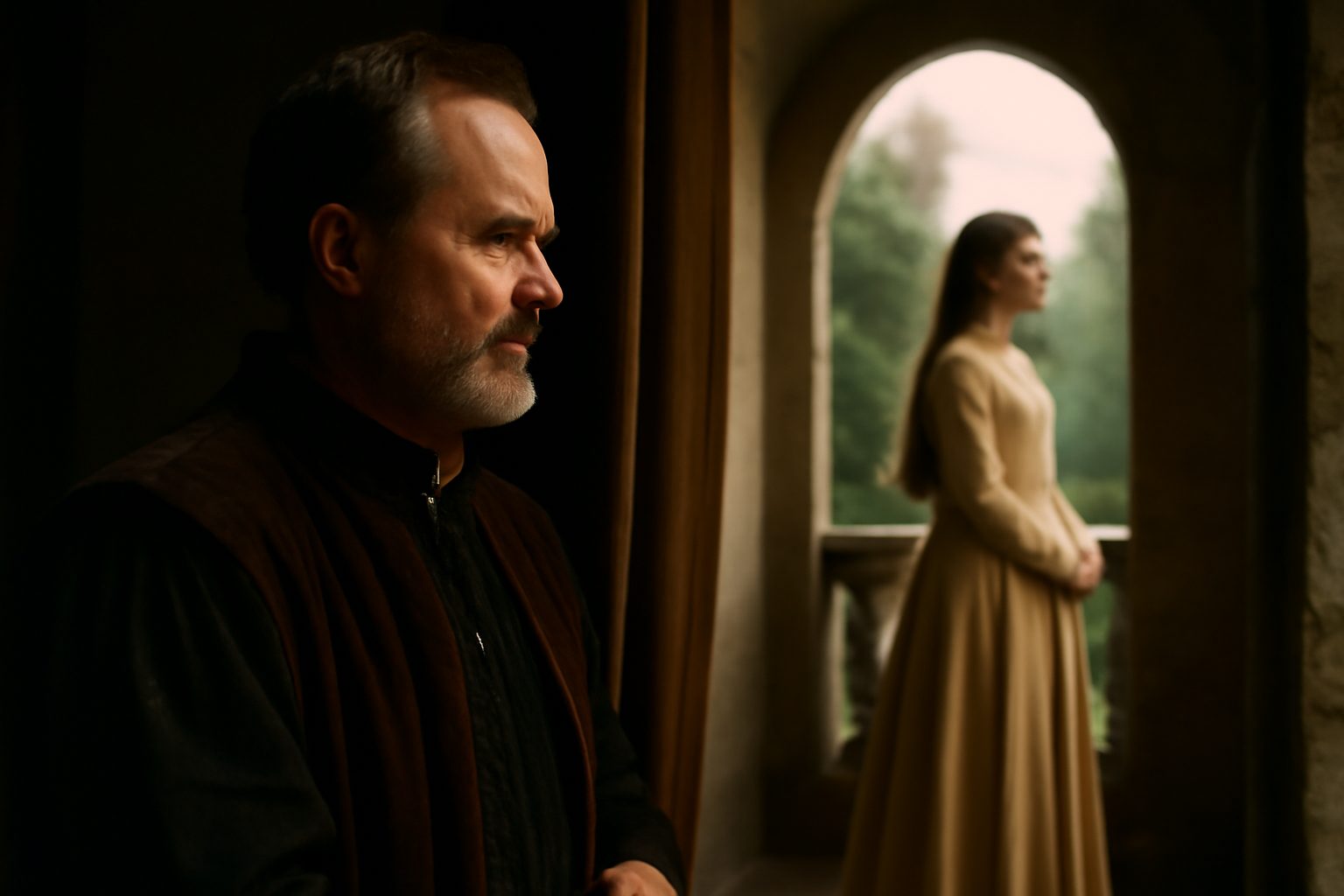
In Act 1, Scene 2 of Romeo and Juliet, Romeo is still pining for Rosaline when Benvolio encourages him to compare her to other beauties at the Capulet's feast. Romeo dismisses the idea, insisting that no one could surpass his beloved. His defiant reply emphasizes his unwavering devotion, claiming even the sun has never seen anyone as fair as Rosaline.
Romeo: "One fairer than my love! the all-seeing sun"
In modern day english, we would say:
Romeo says that the sun, which sees everything, has never seen anyone more beautiful than the woman he loves.
Frequently Asked Questions
What does Romeo mean when he says no one is fairer than his love?
Romeo is saying that his love is the most beautiful person in the world, and even the sun, which sees everything, has never seen anyone more beautiful.
Connections to other verses:
Connections to "One fairer than my love! the all-seeing sun"
This line, spoken by Romeo, expresses his disbelief that anyone could surpass Rosaline's beauty. It connects thematically and contextually with several other verses in the scene.
Contrast and Comparison
Romeo's assertion is directly challenged by Benvolio's advice to Compare her face with some that I shall show, suggesting that other women might indeed prove fairer. This idea is reinforced when Benvolio promises And I will make thee think thy swan a crow, implying that Rosaline's beauty will pale in comparison to others at the feast.
Feast and Opportunity
The context for these comparisons is Capulet's feast, mentioned in This night I hold an old accustom'd feast, where Romeo will encounter Juliet. The guest list includes With all the admired beauties of Verona, setting the stage for Romeo to see other women.
Foreshadowing and Irony
Romeo's declaration ironically foreshadows his immediate shift in affection upon seeing Juliet. His claim that Ne'er saw her match since first the world begun about Rosaline will soon be contradicted by Juliet's appearance, highlighting the fickleness of his youthful passion.
Rejection of Current Love
Benvolio's counsel to Take thou some new infection to thy eye directly opposes Romeo's steadfastness, advocating for the replacement of one love with another, which ultimately occurs despite Romeo's initial resistance.