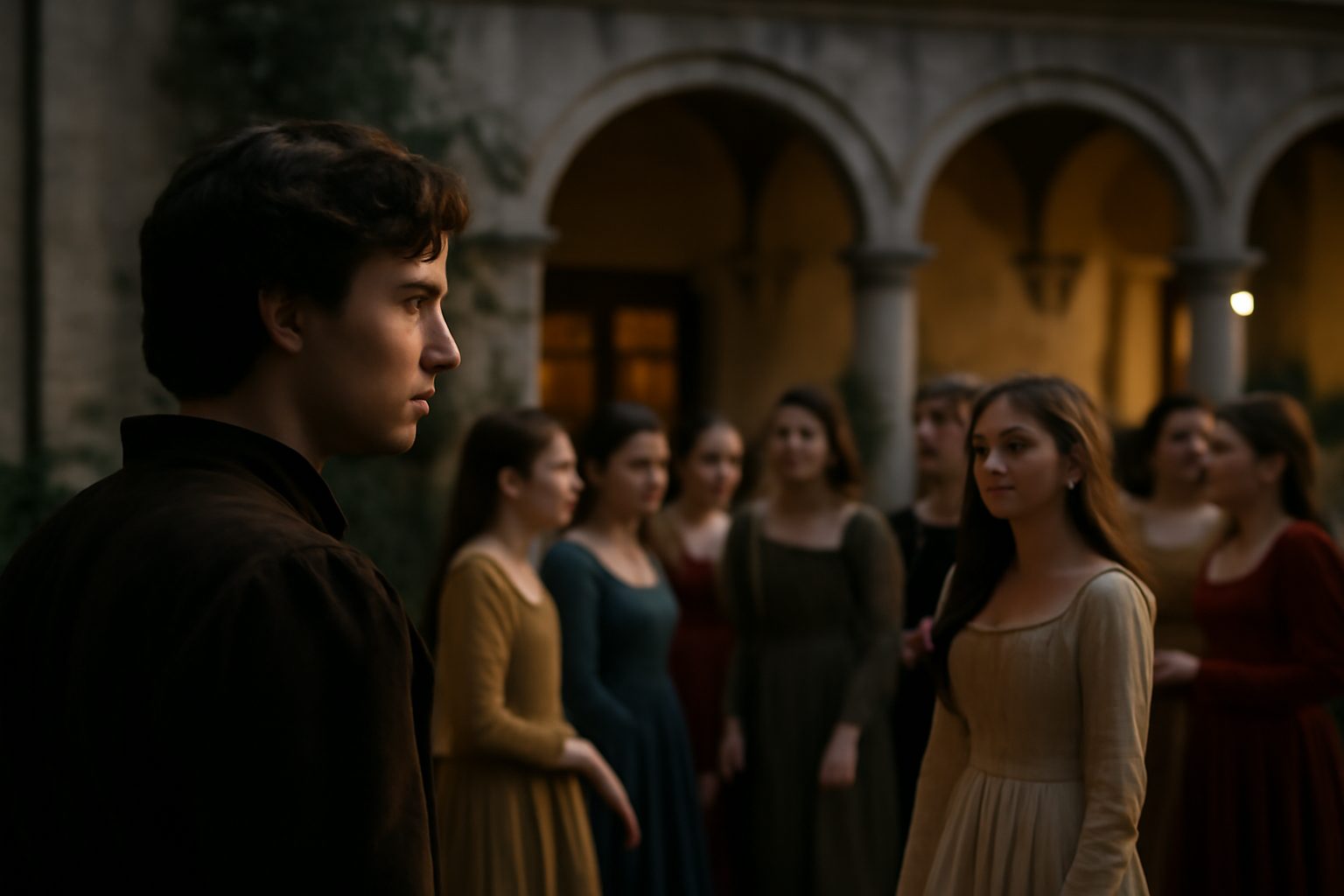
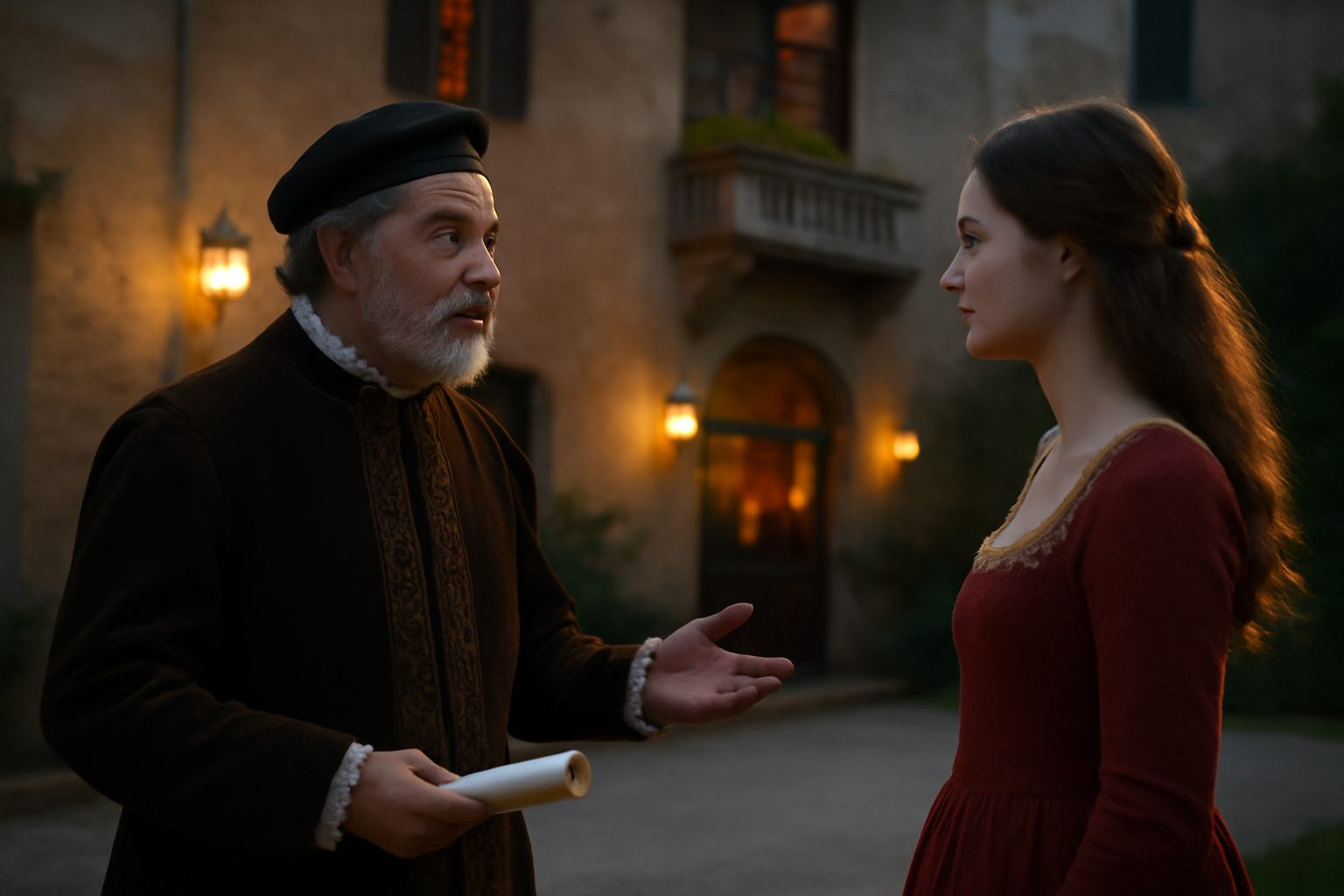
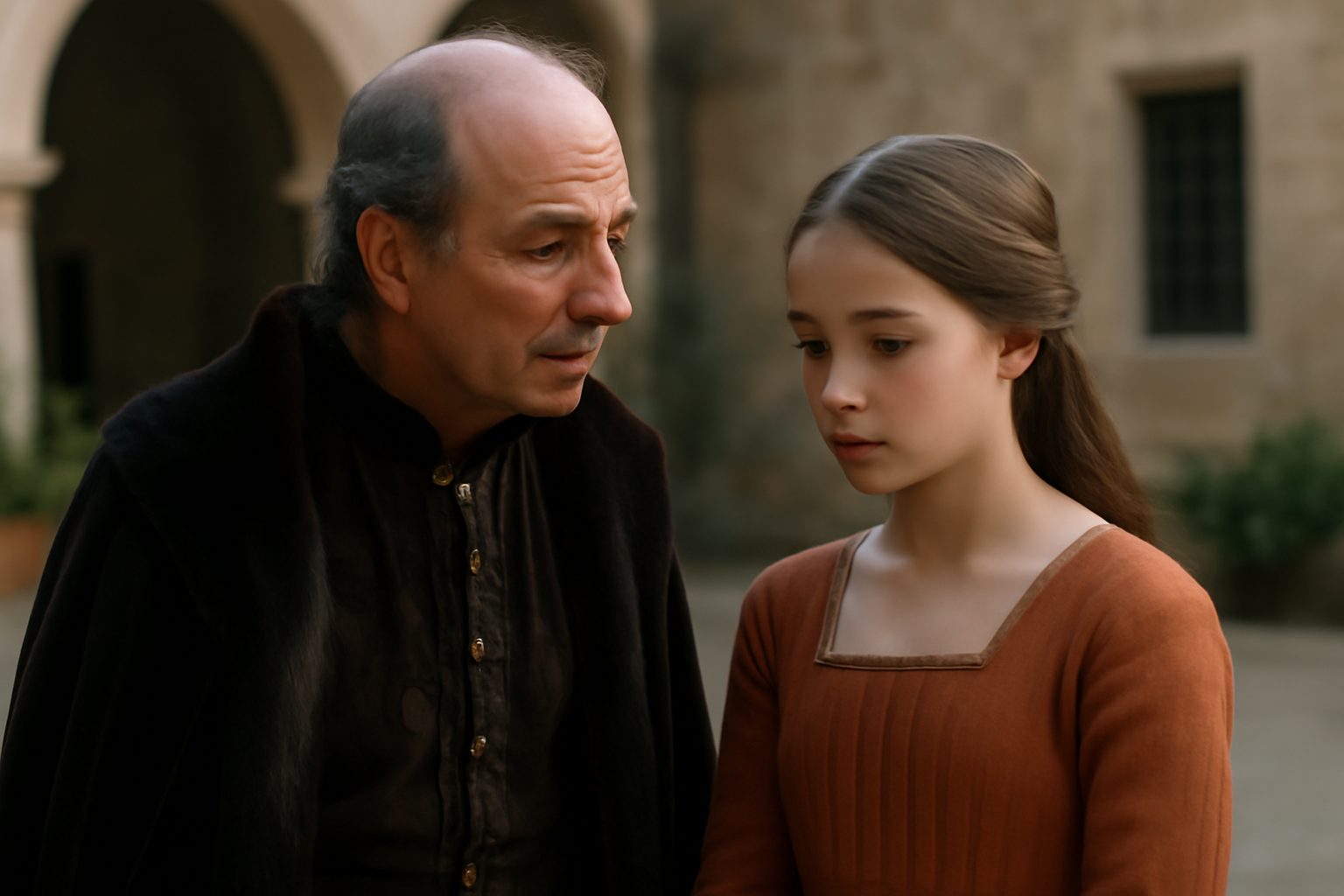
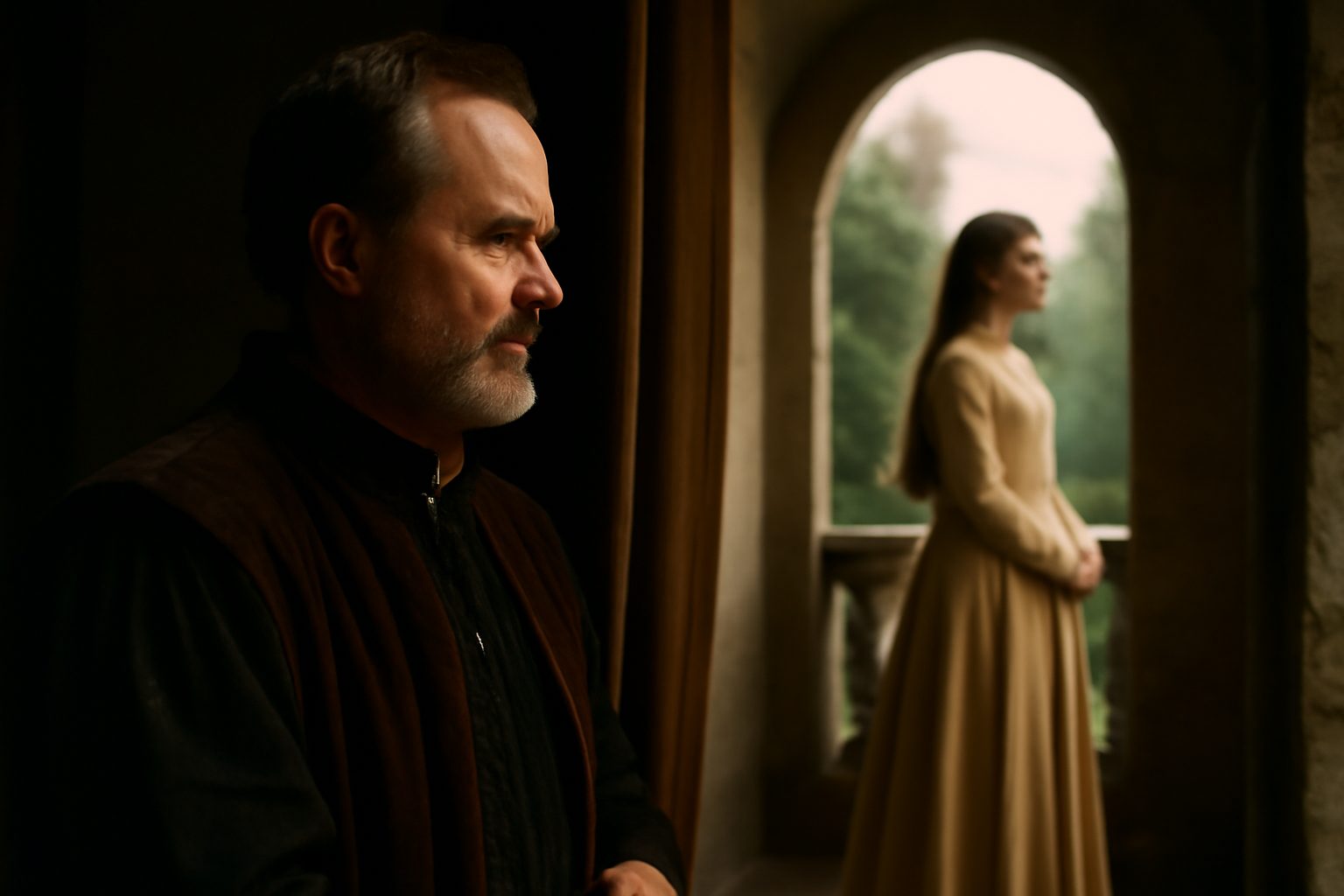
In Act 1, Scene 2 of Romeo and Juliet, Benvolio and Romeo encounter a servingman who cannot read the guest list for Capulet's feast. When the servingman complains of a broken shin, Romeo humorously suggests a plantain leaf as a remedy, referencing its known medicinal use for minor wounds. This brief exchange highlights Romeo's wit and the casual, everyday banter that contrasts with the play's later intensity.
Romeo: "Your plaintain-leaf is excellent for that."
In modern day english, we would say:
A plantain leaf works well for that wound.
Frequently Asked Questions
What does Romeo suggest the plantain leaf is good for?
Romeo suggests the plantain leaf is excellent for healing wounds or bruises.
Connections to other verses:
Connections to "Your plaintain-leaf is excellent for that."
The verse "Your plaintain-leaf is excellent for that." is spoken by Romeo in response to Benvolio's suggestion to find a new love to cure his heartache. This line humorously refers to a folk remedy for minor wounds, metaphorically addressing Romeo's emotional pain.
Related Verses on Remedies and Cures
This connects thematically to "Tut, man, one fire burns out another's burning," where Benvolio advises replacing one love with another. Similarly, "One pain is lessen'd by another's anguish" and "One desperate grief cures with another's languish" reinforce the idea of using new experiences to heal old wounds. Romeo's sarcastic reply about the plantain-leaf mocks this simplistic advice.
Links to Romeo's Emotional State
Romeo's melancholic demeanor is evident in "Why, Romeo, art thou mad?", highlighting his despair. His feeling of being trapped is echoed in "Not mad, but bound more than a mad-man is" and "Shut up in prison, kept without my food", emphasizing his self-imposed emotional confinement.
Contrast with the Feast Invitation
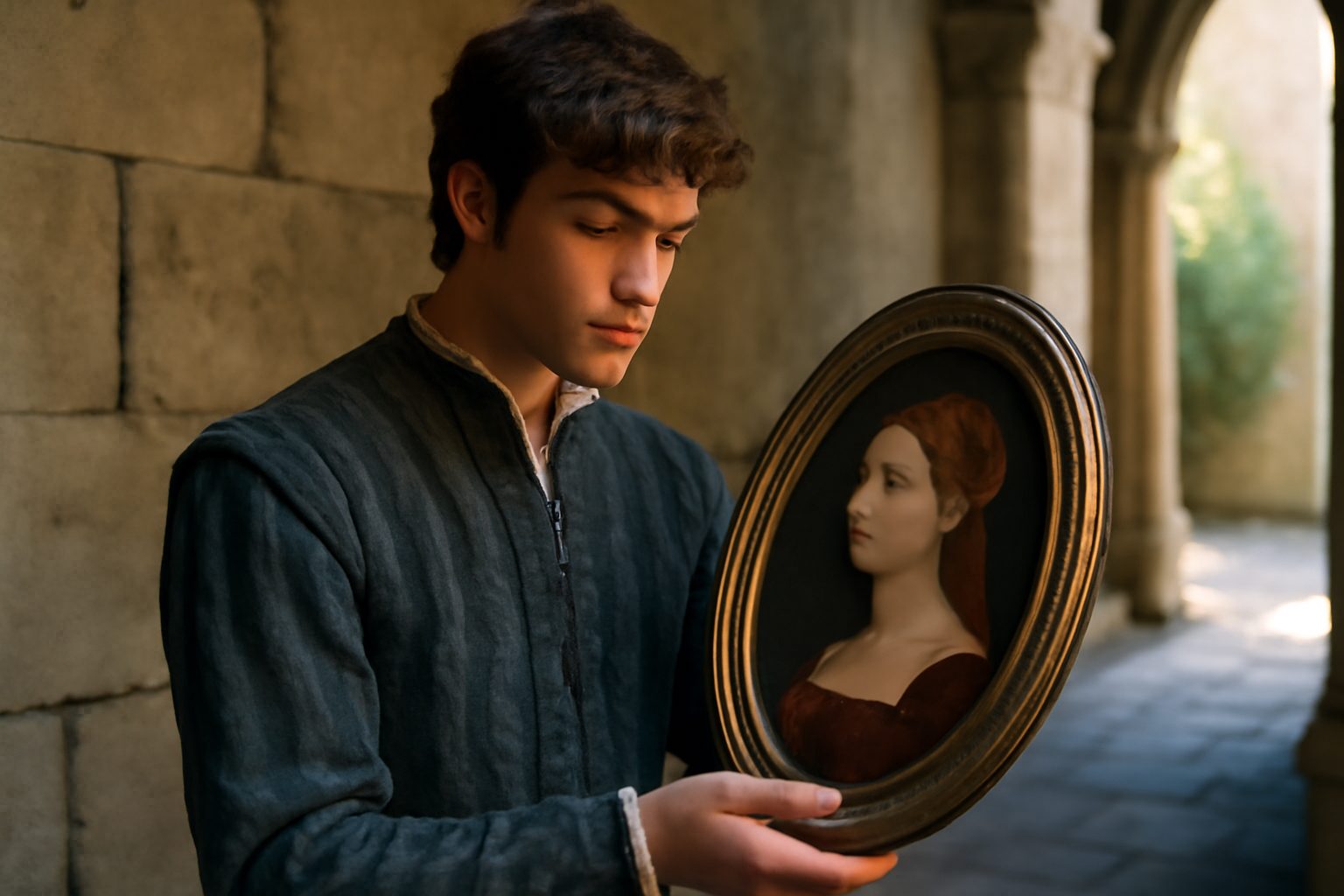
Benvolio's plan to show Romeo other beauties at Capulet's feast, as in "With all the admired beauties of Verona" and "Compare her face with some that I shall show", contrasts with Romeo's skepticism. The plantain-leaf remark underscores his disbelief that such a remedy—or the feast—can cure his lovesickness.
Foreshadowing and Irony
Ironically, Romeo's attendance at the feast, hinted in "I'll go along, no such sight to be shown", does lead him to Juliet, fulfilling Benvolio's advice despite Romeo's initial resistance. This connects to the broader theme of fate overriding personal skepticism.