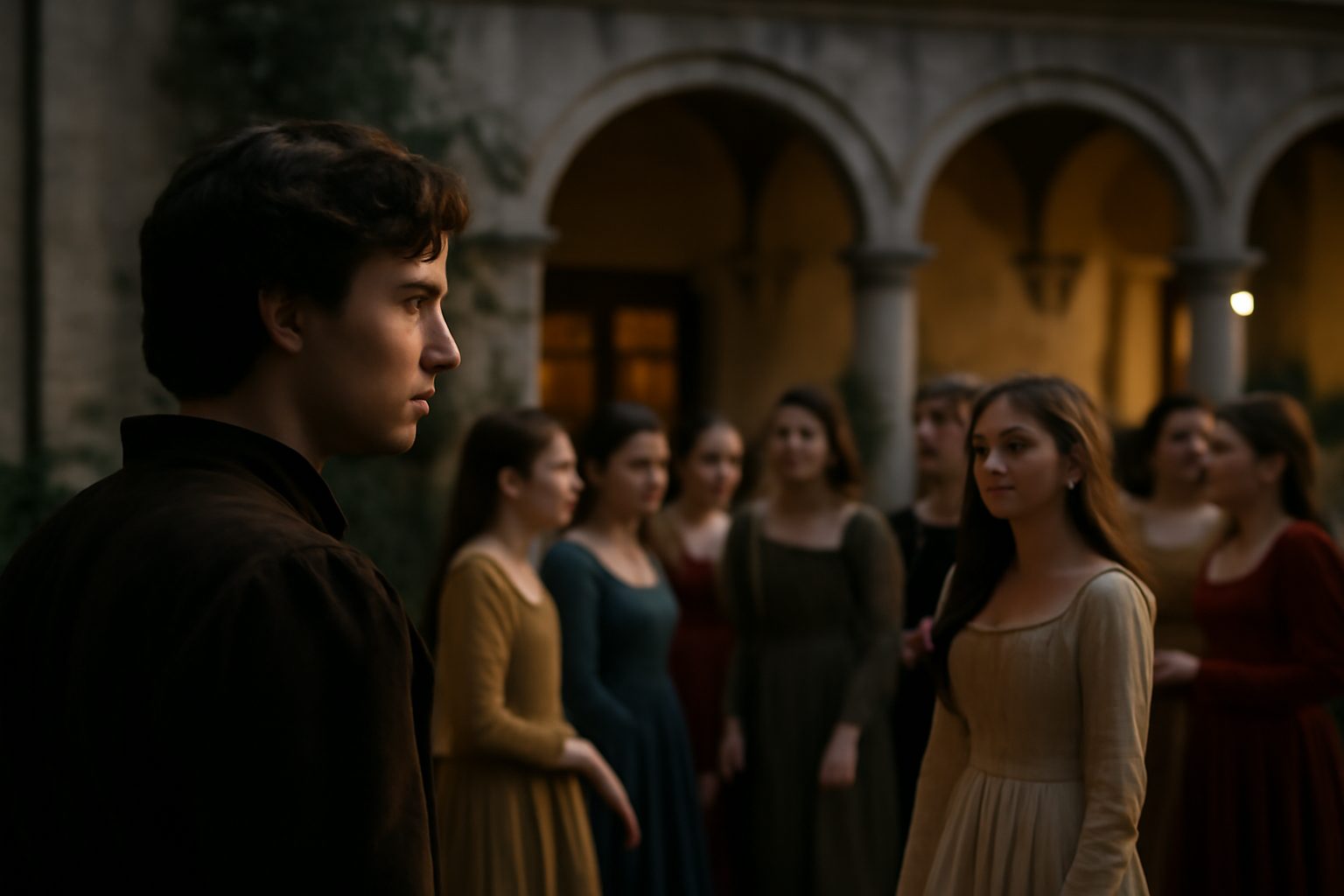
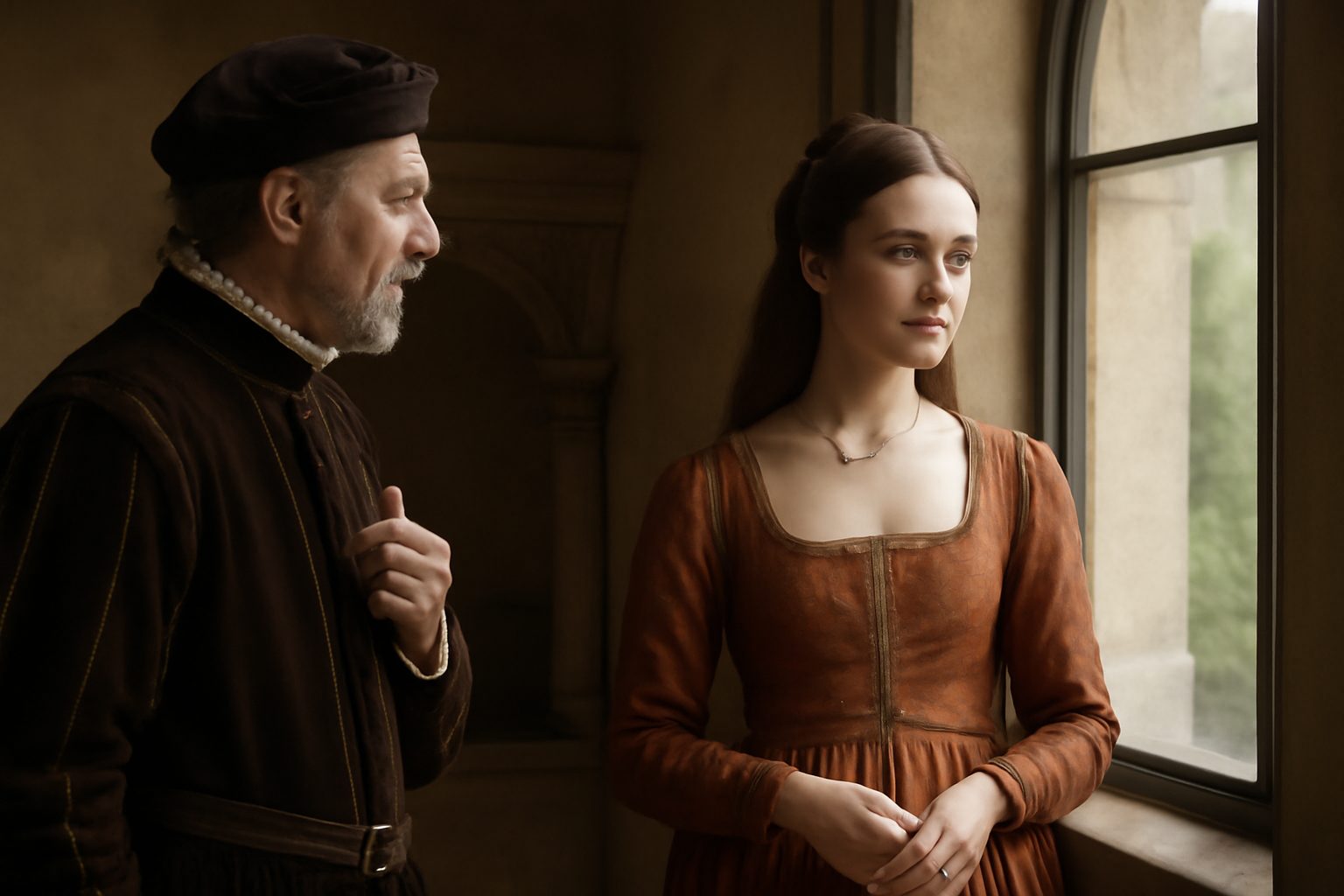
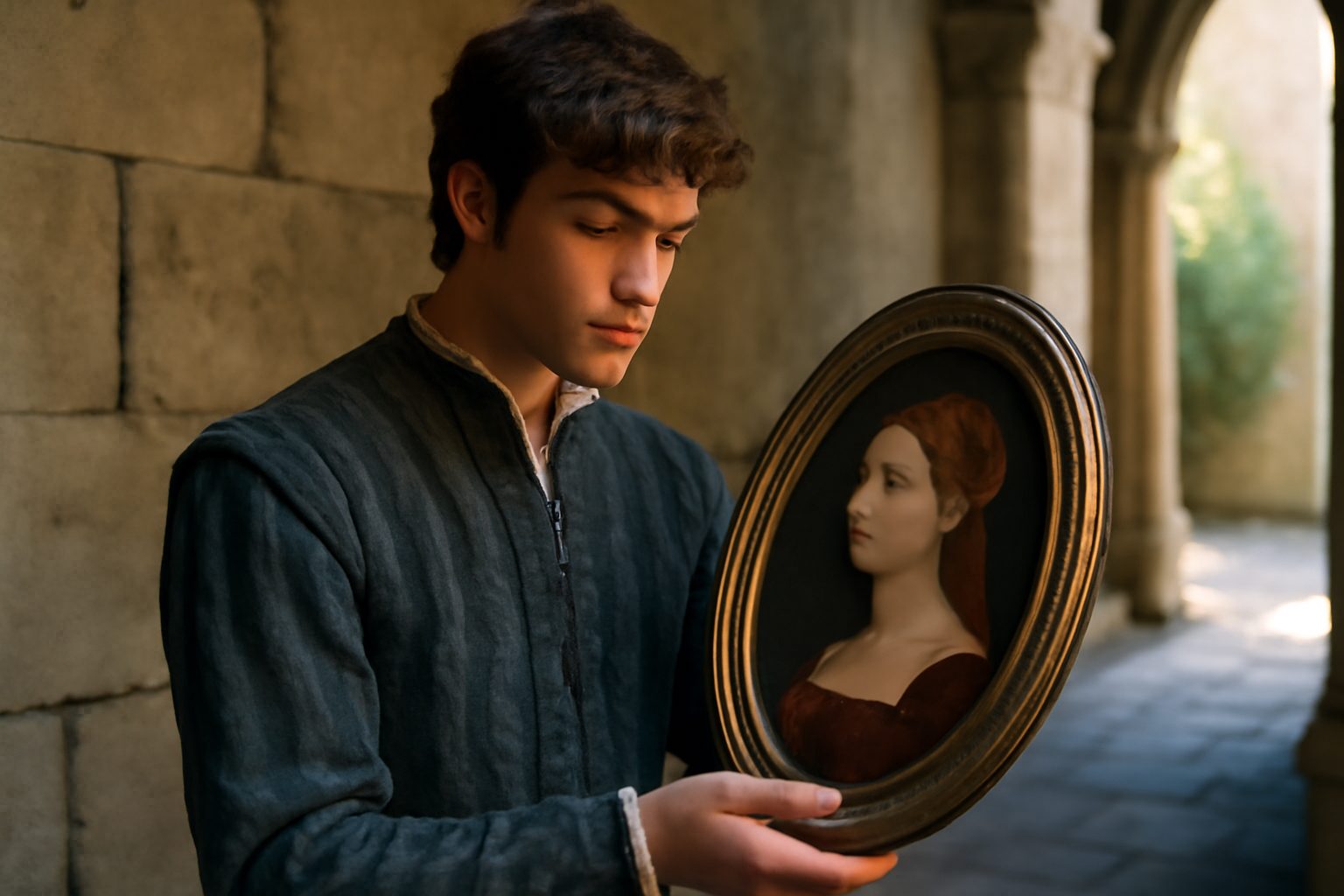
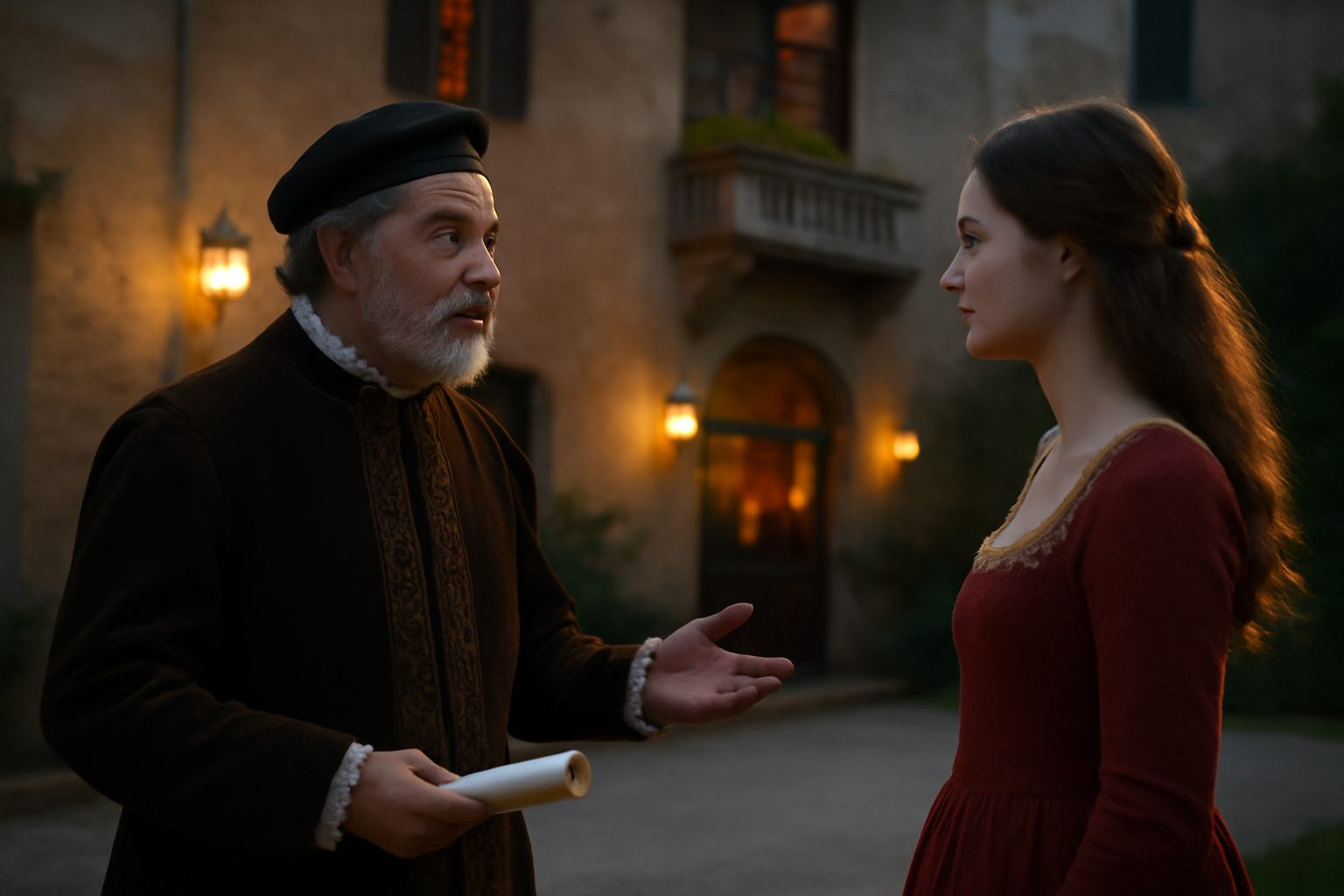
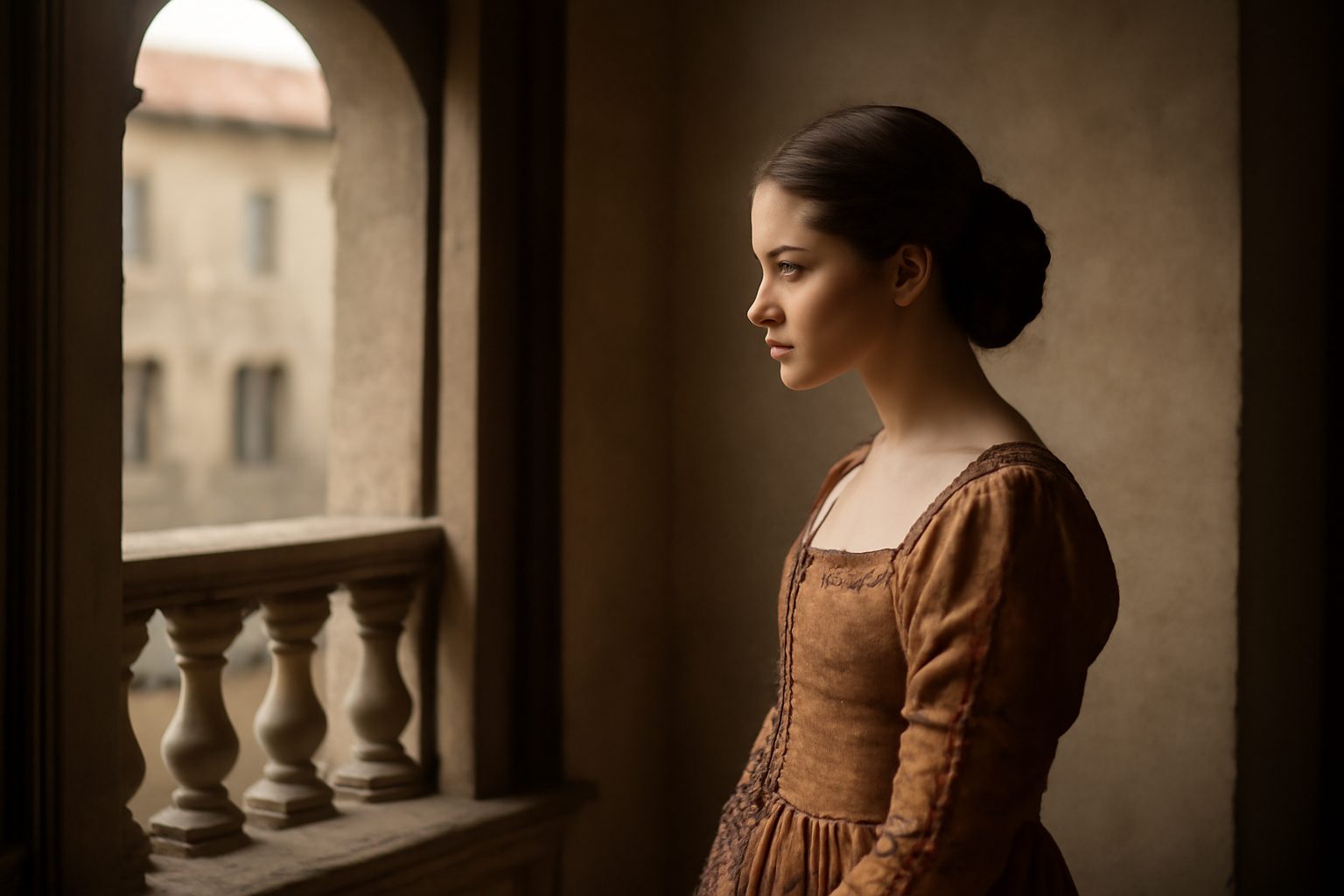
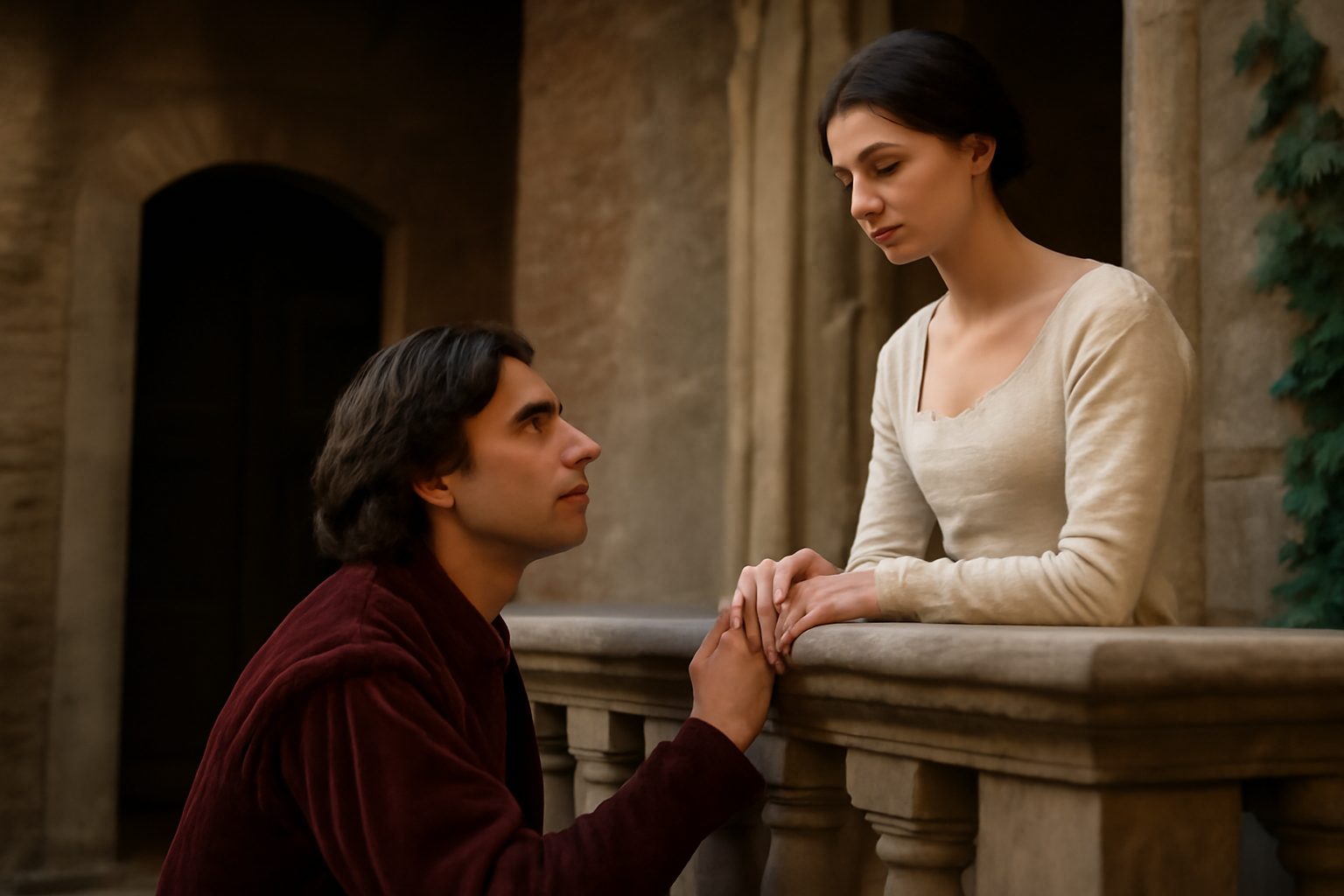
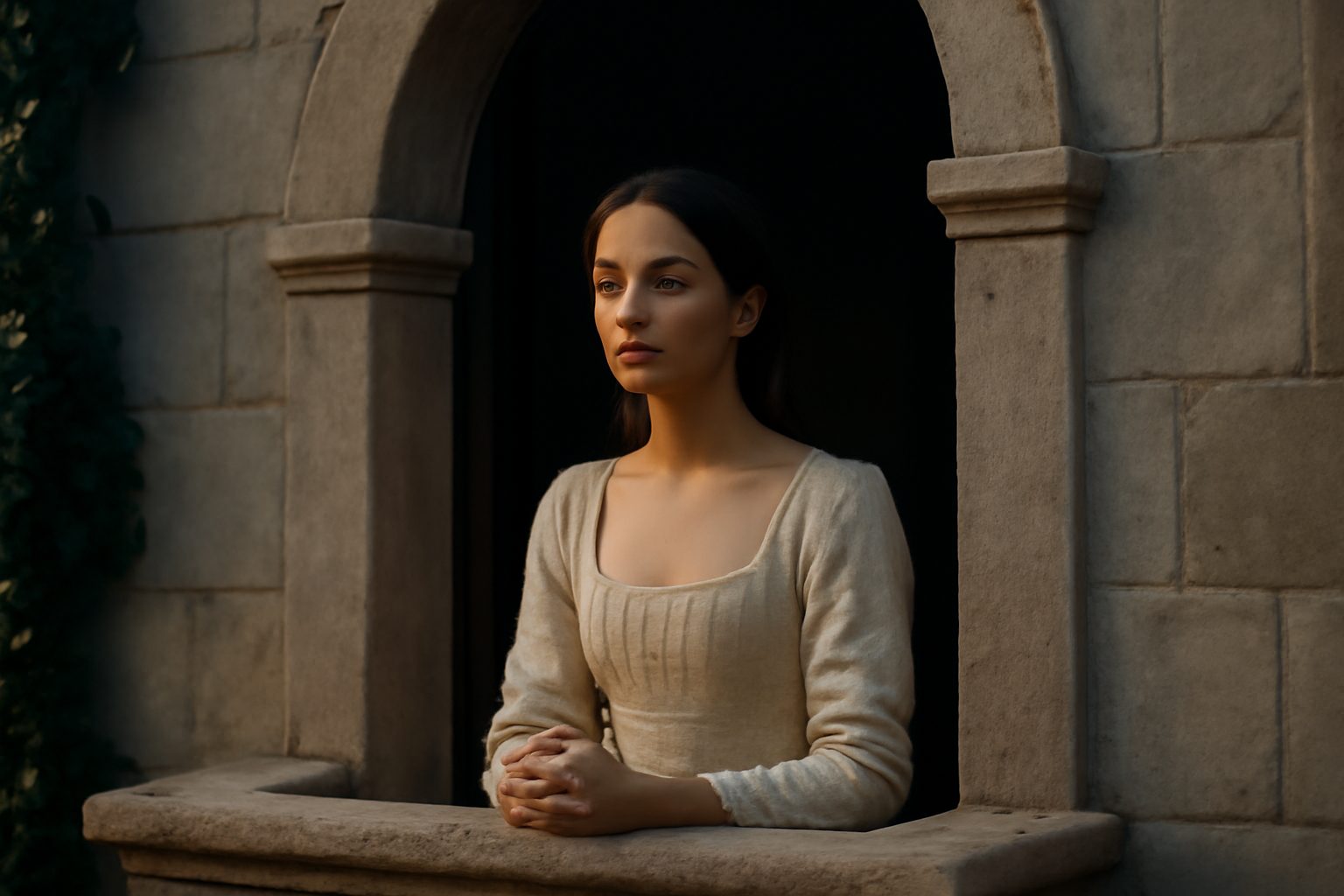
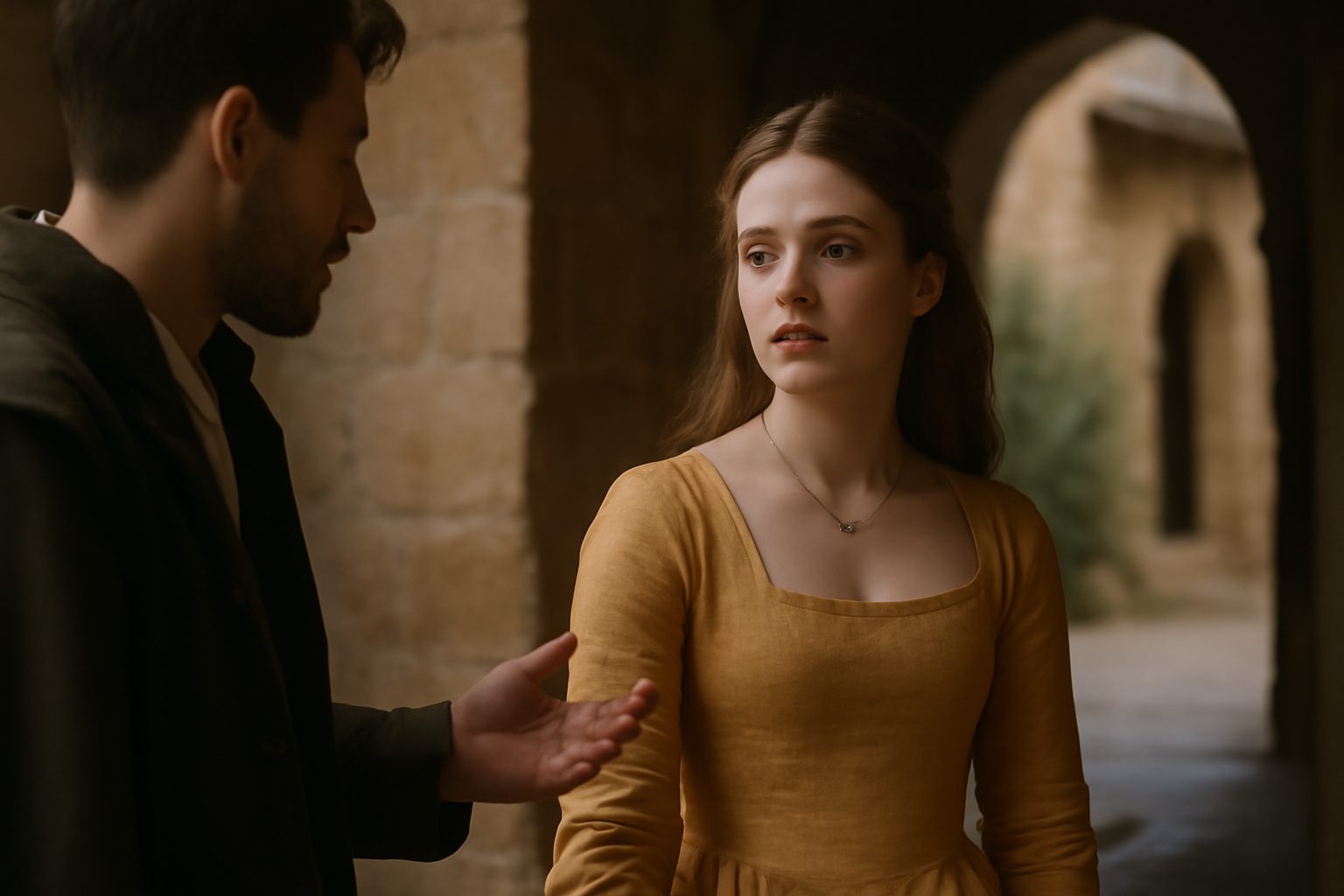
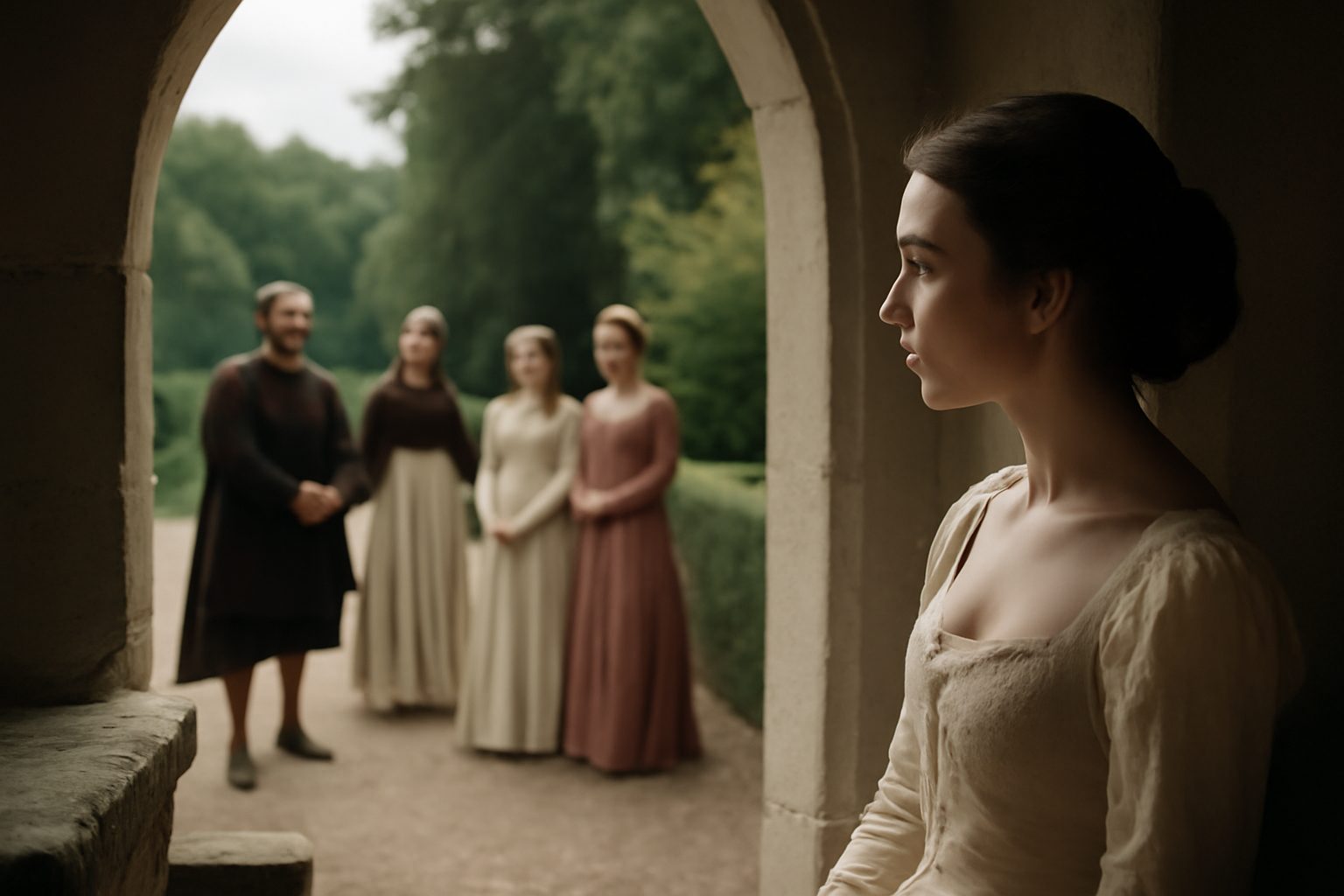
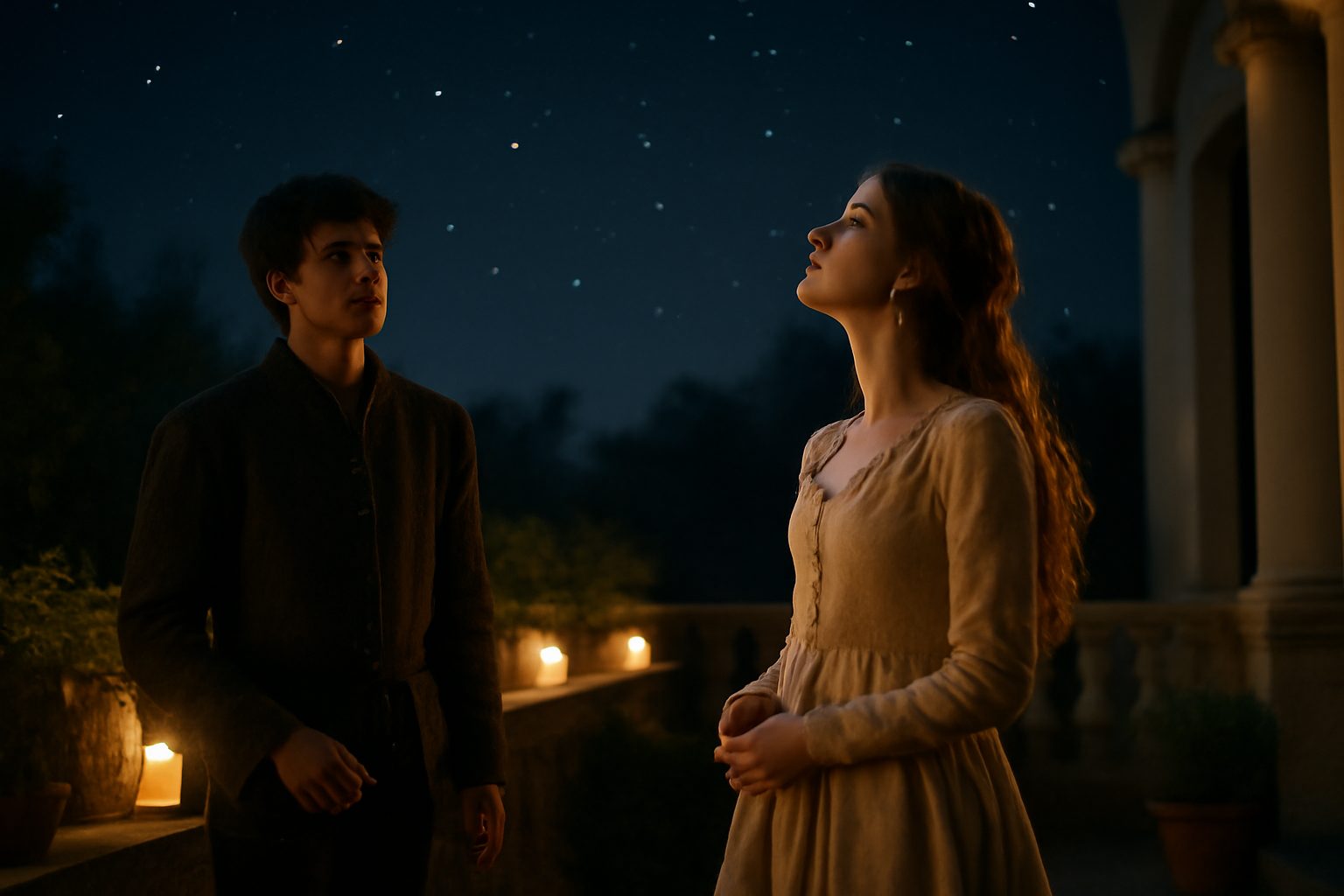
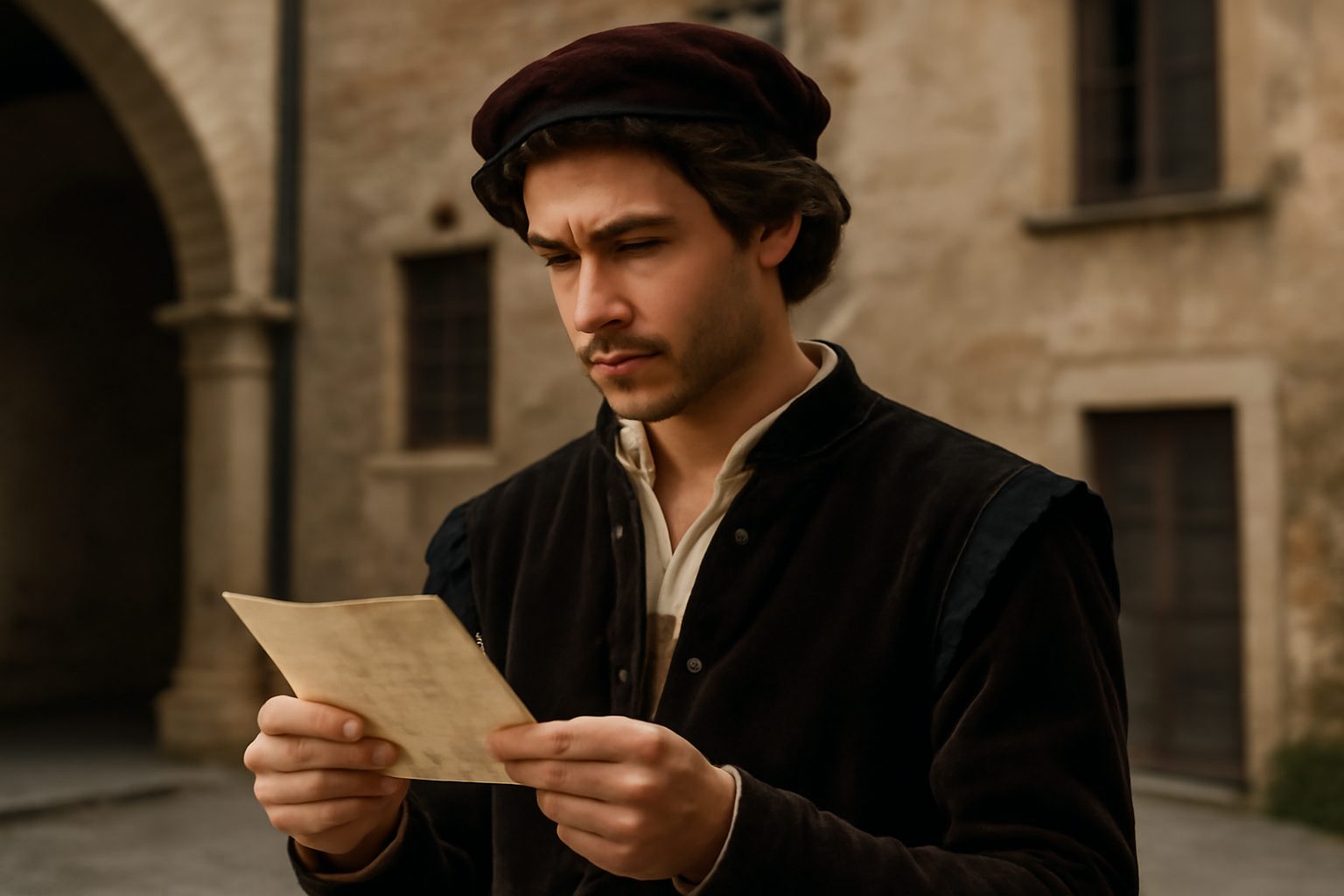
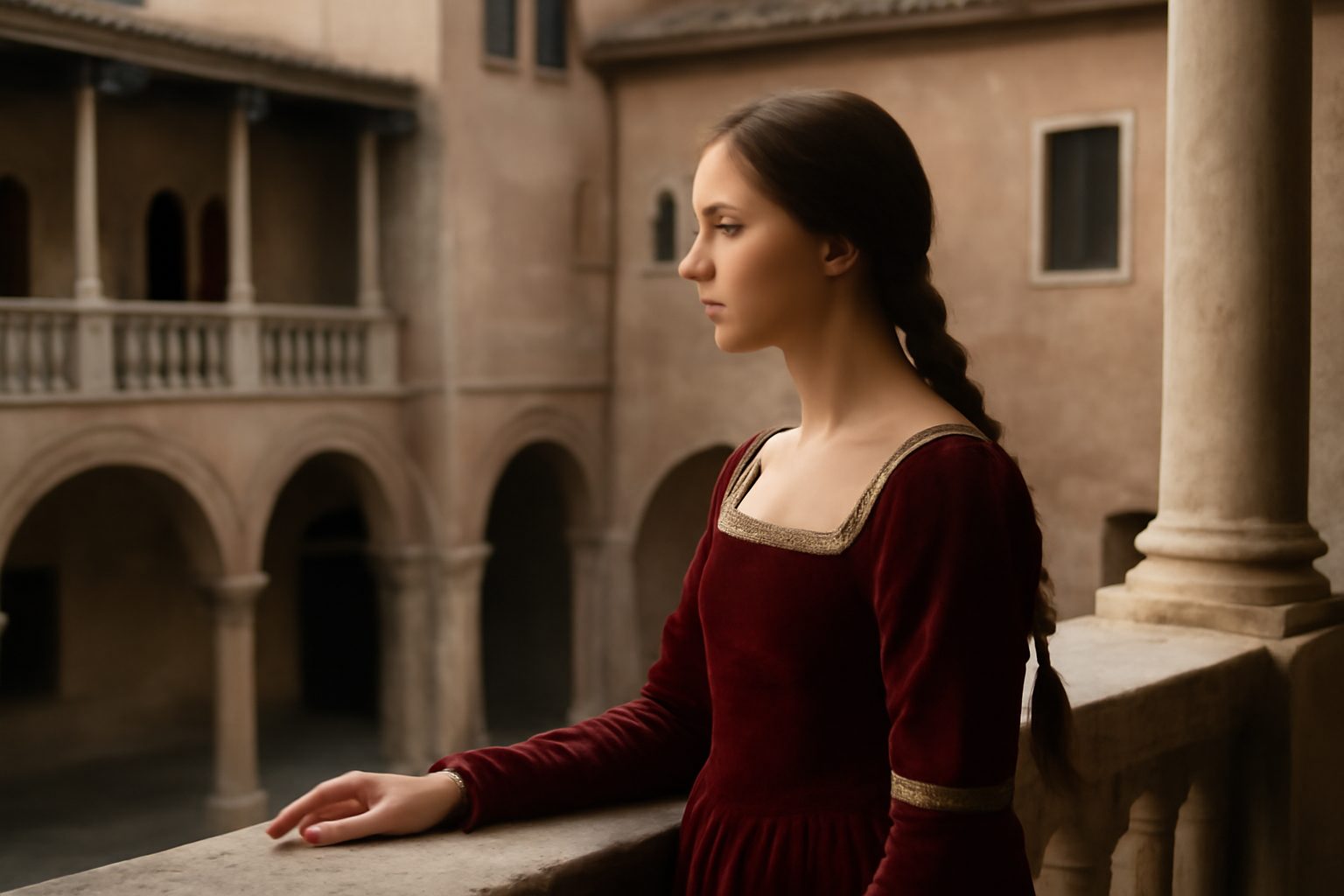
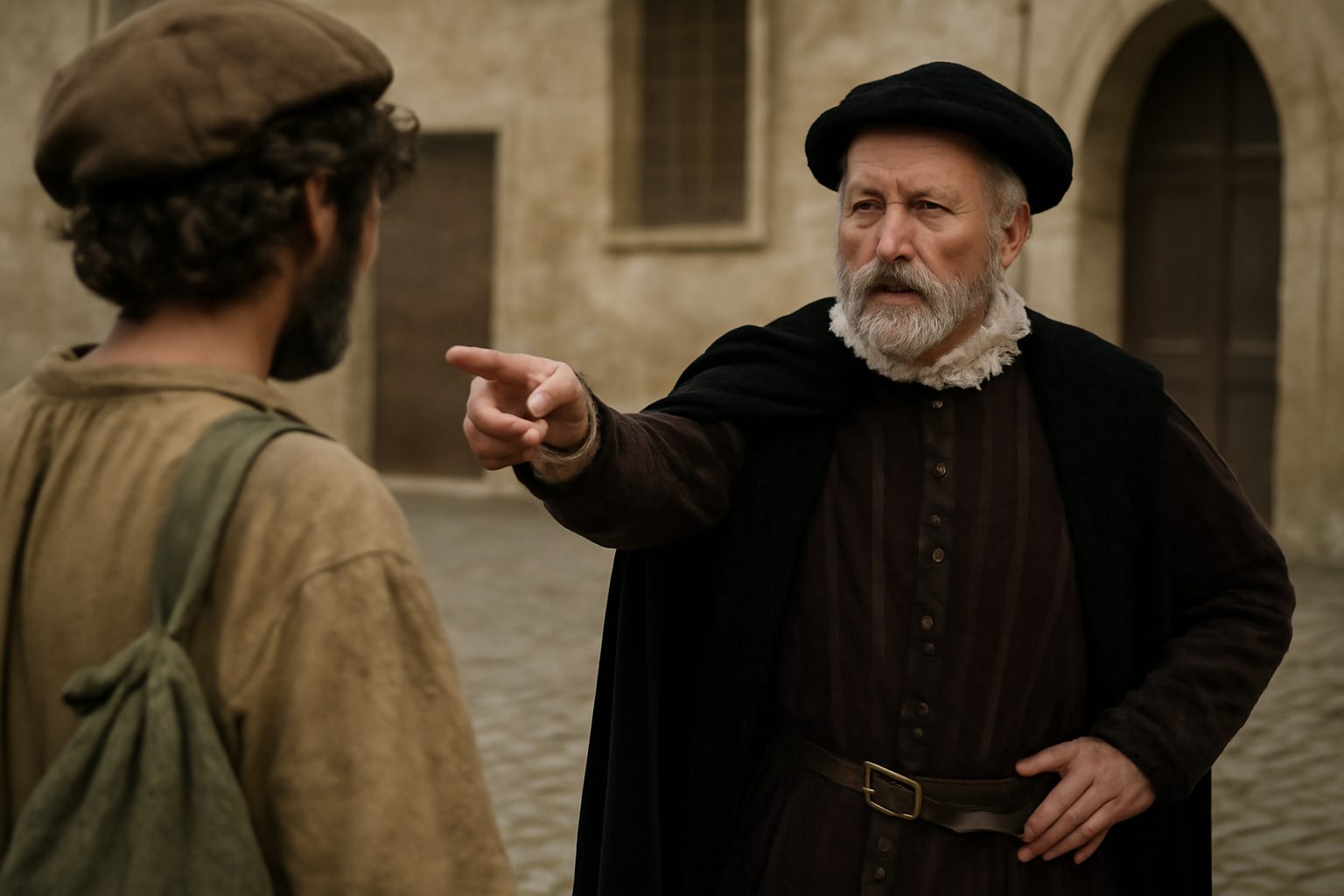
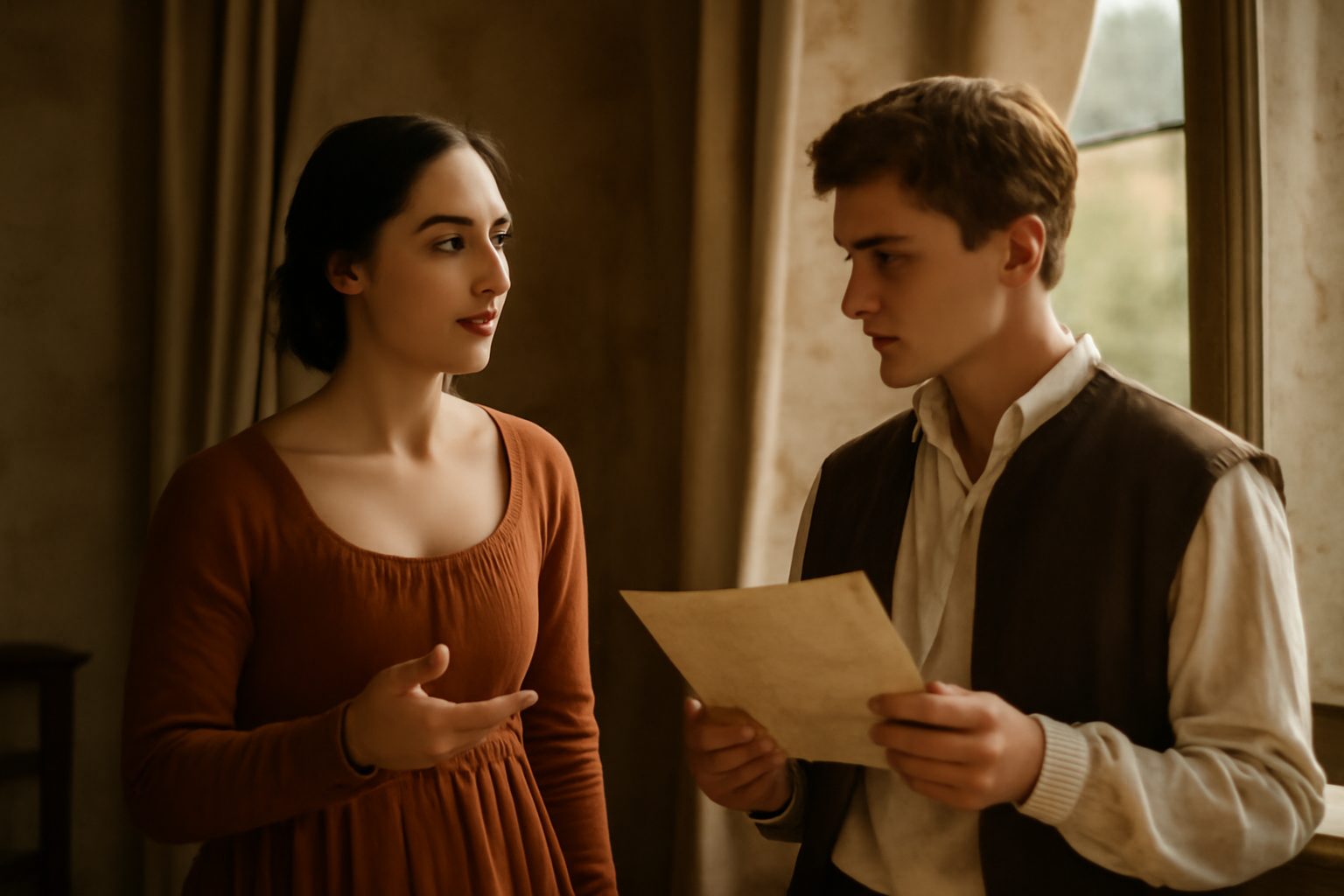
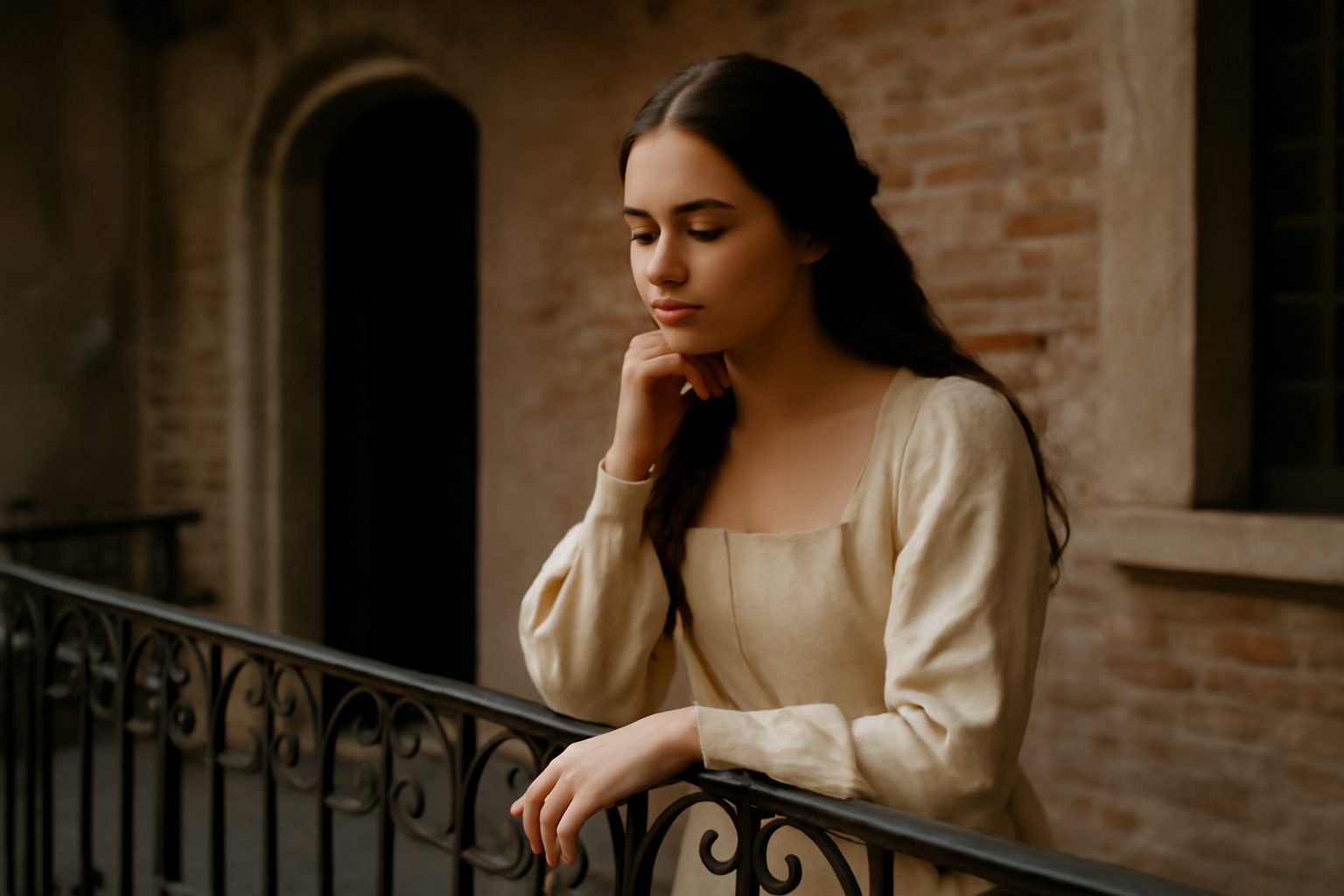
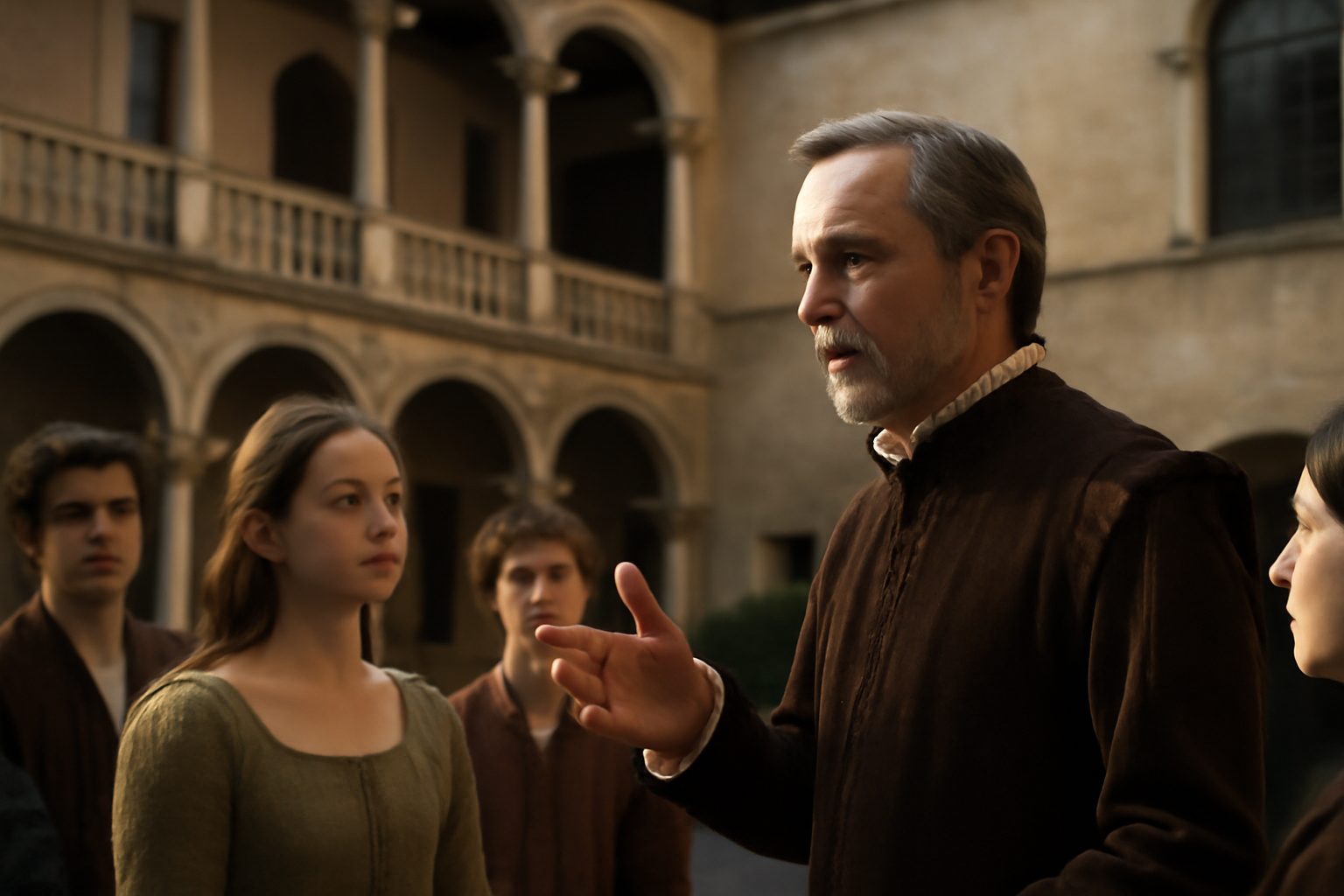
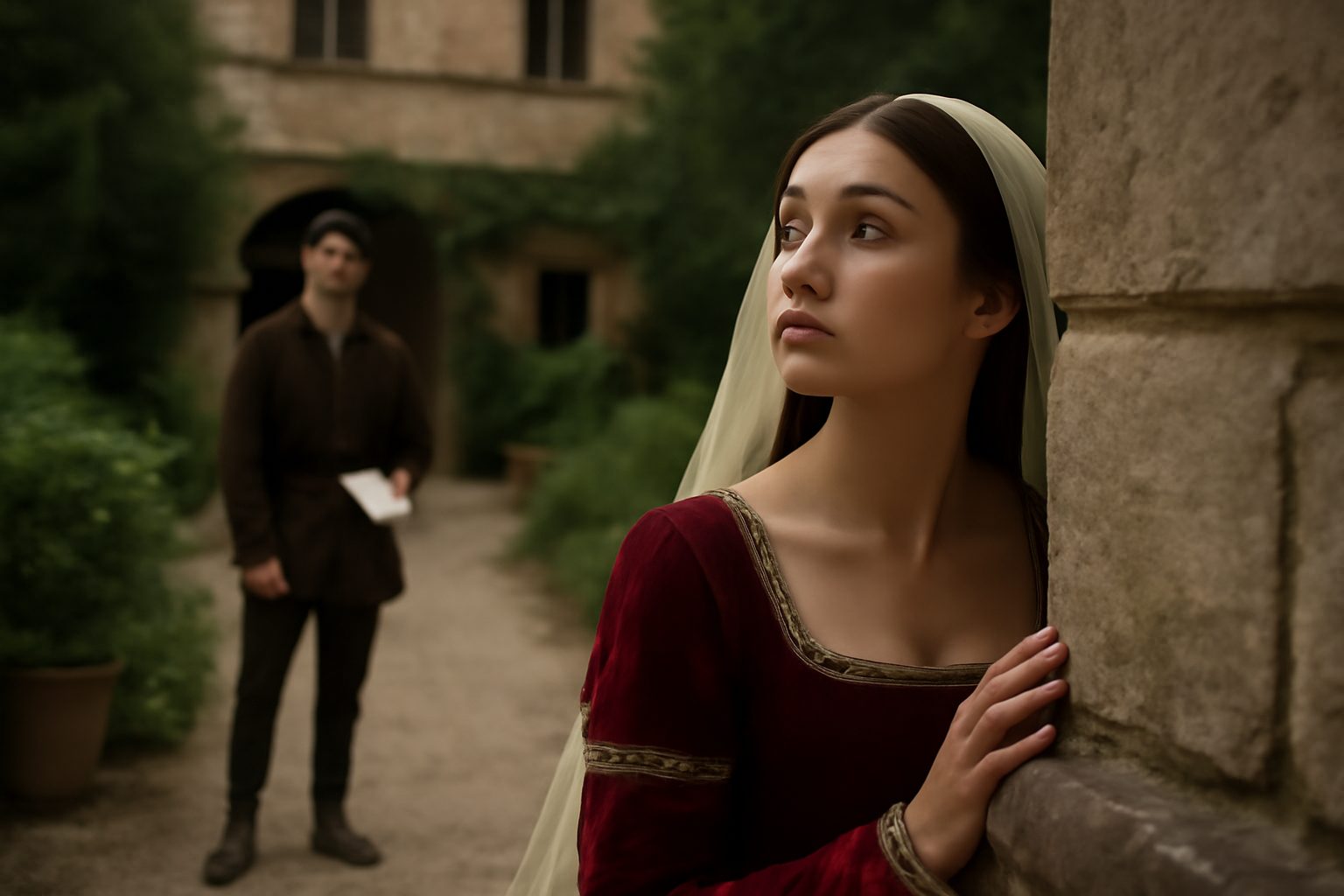
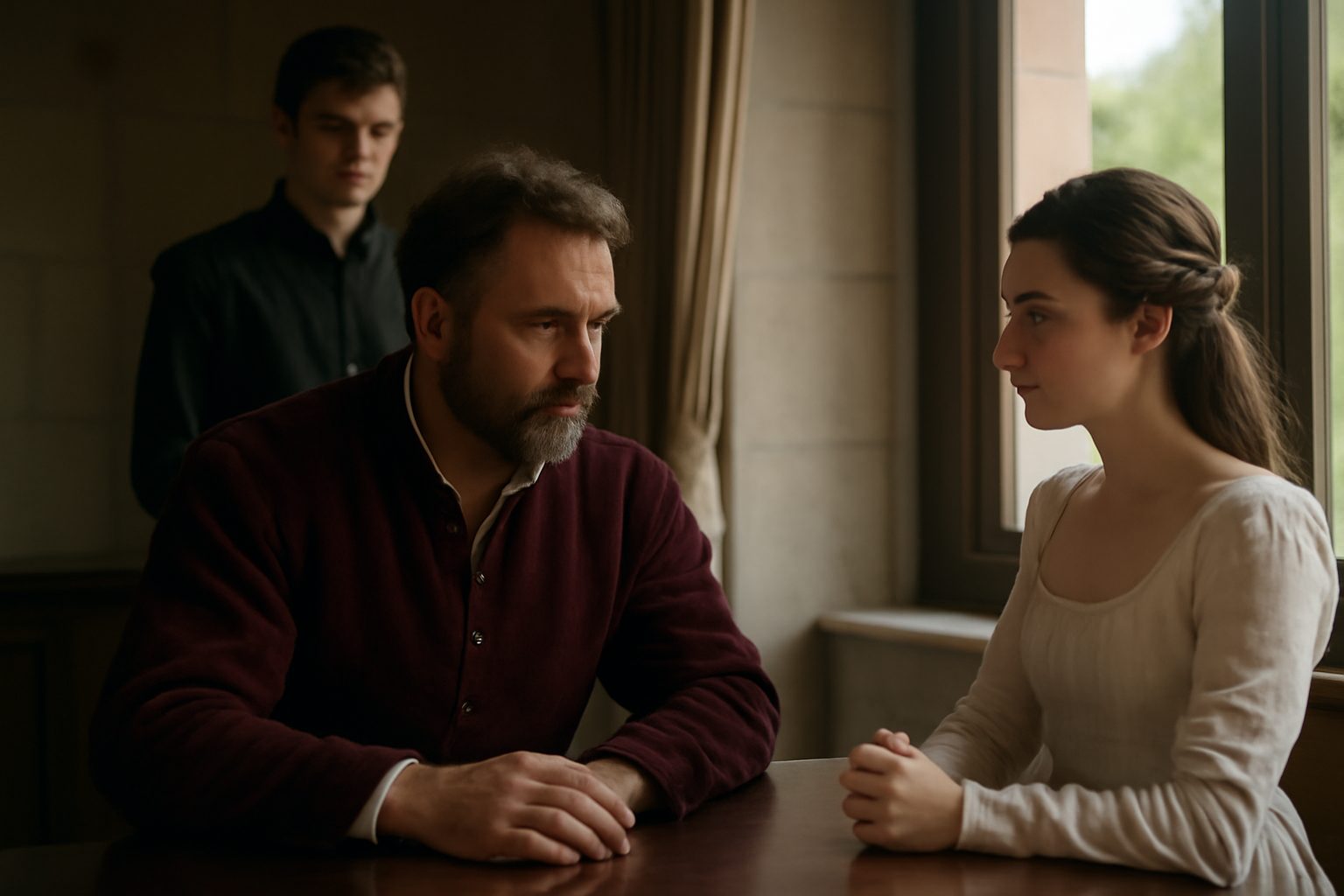
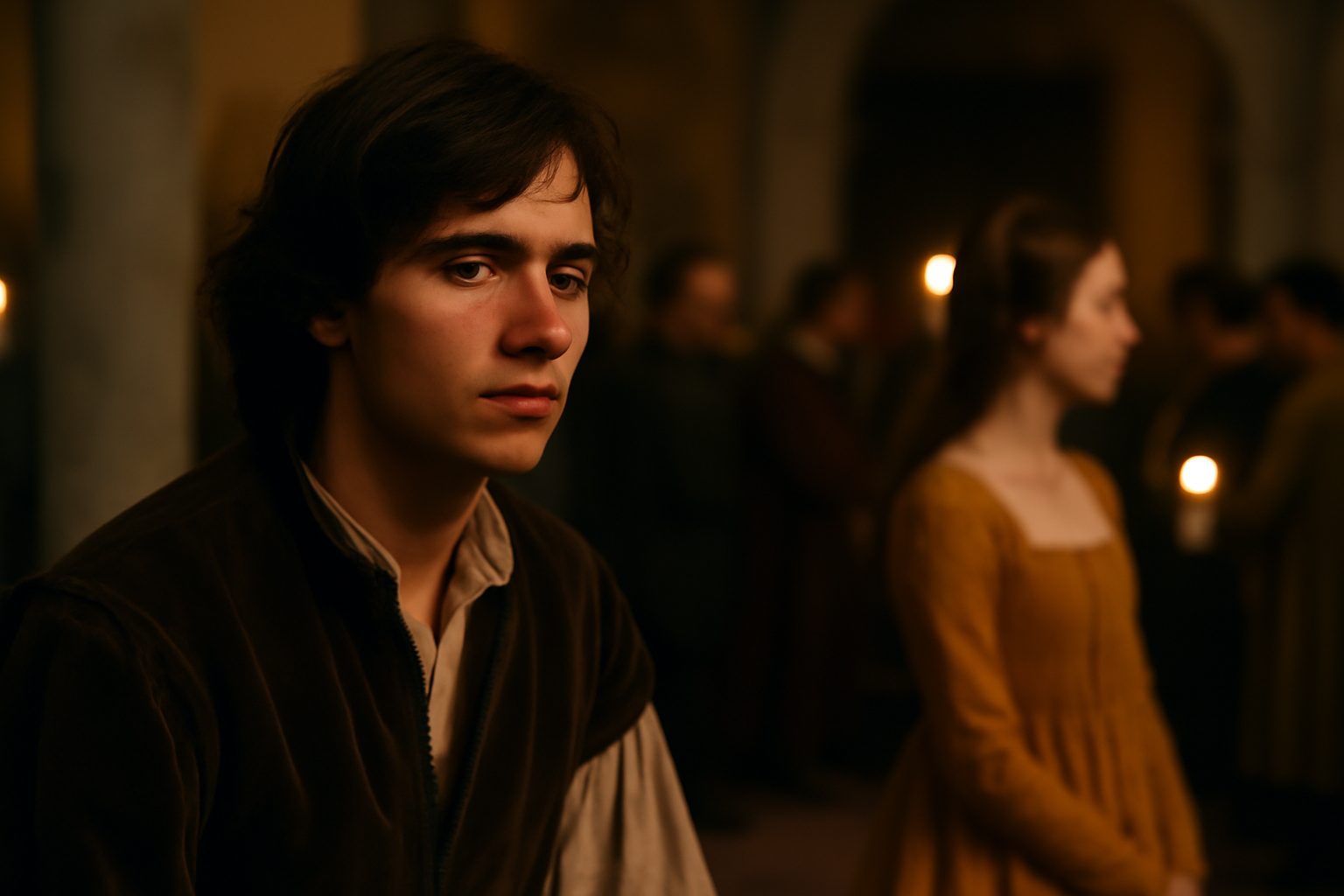
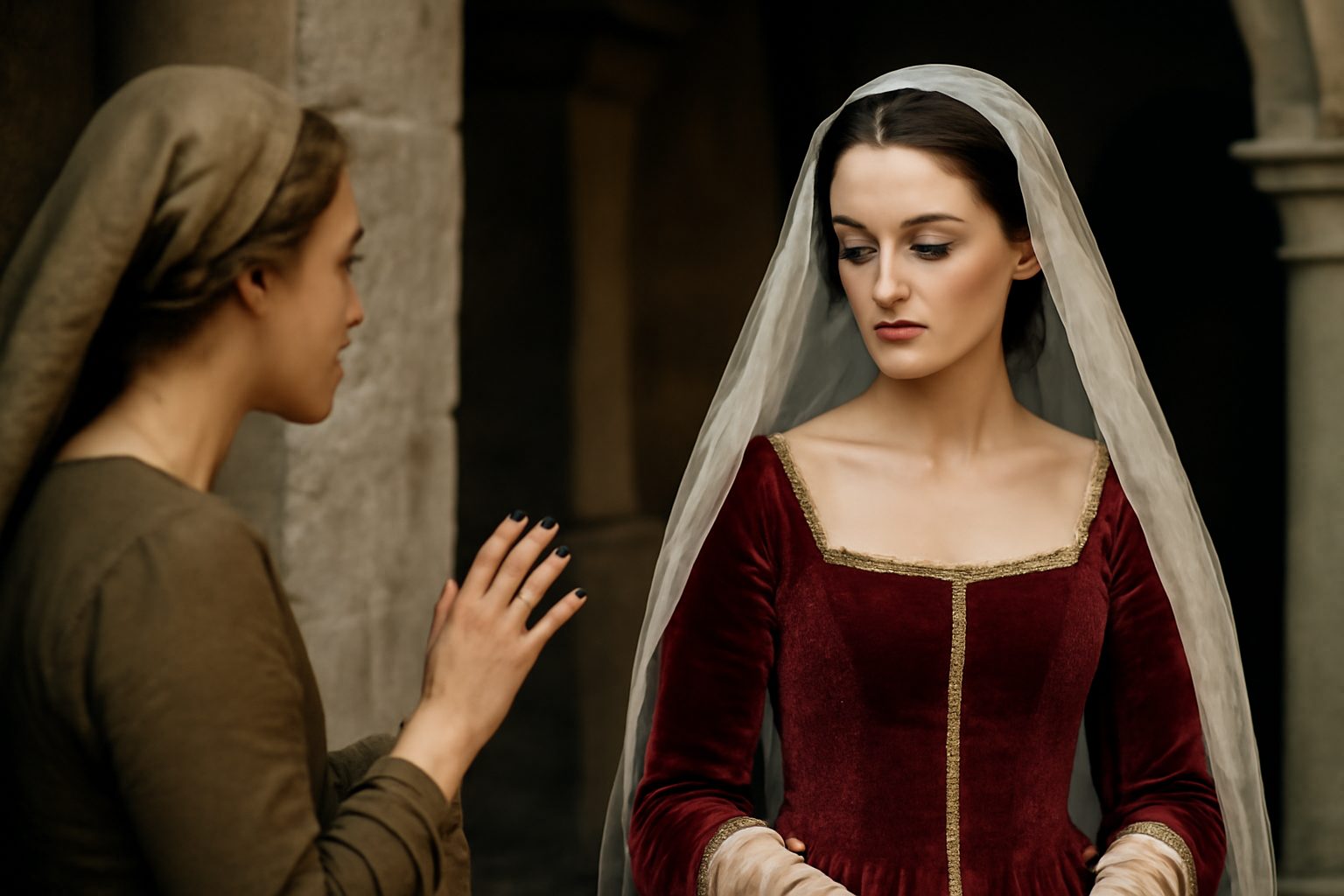
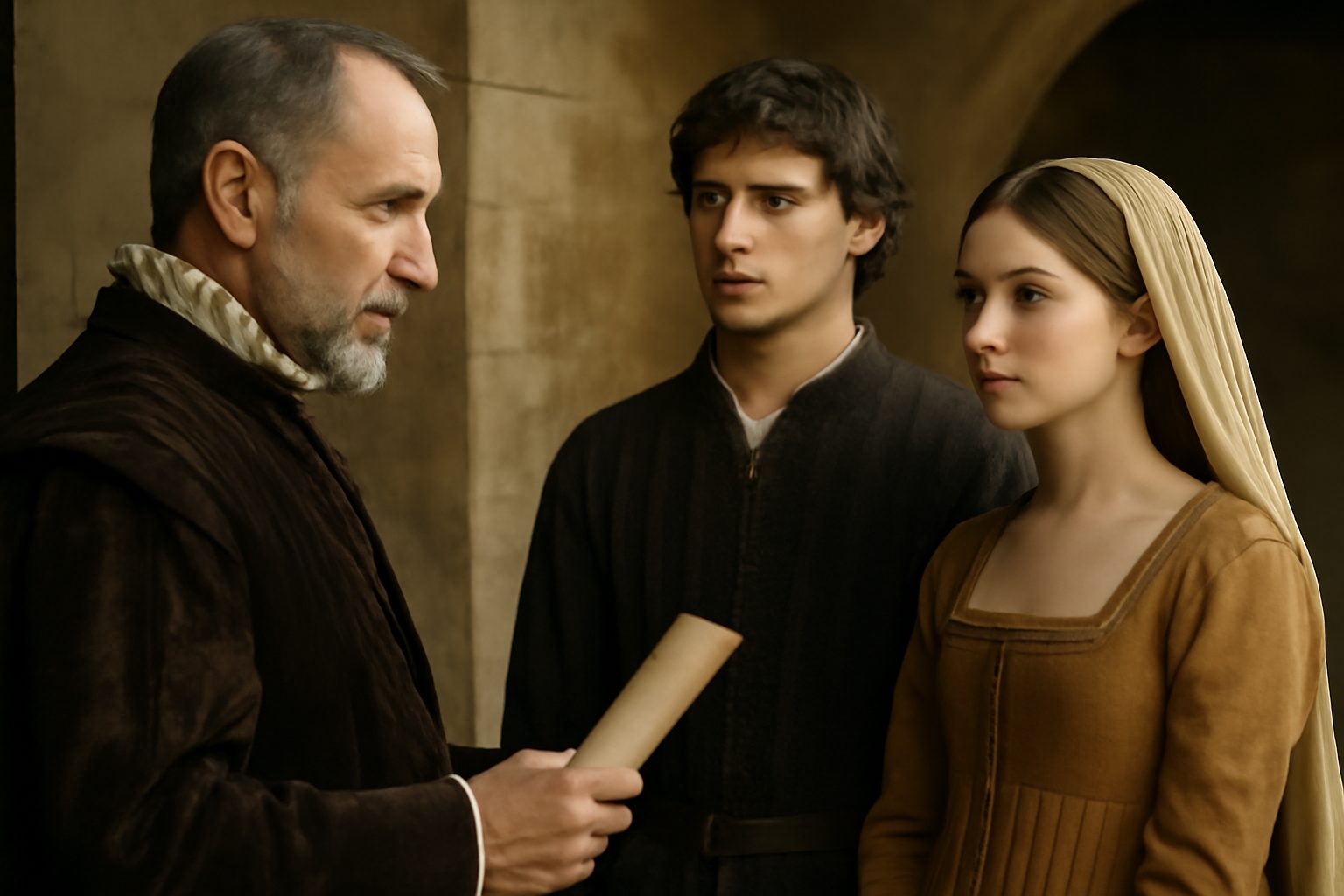
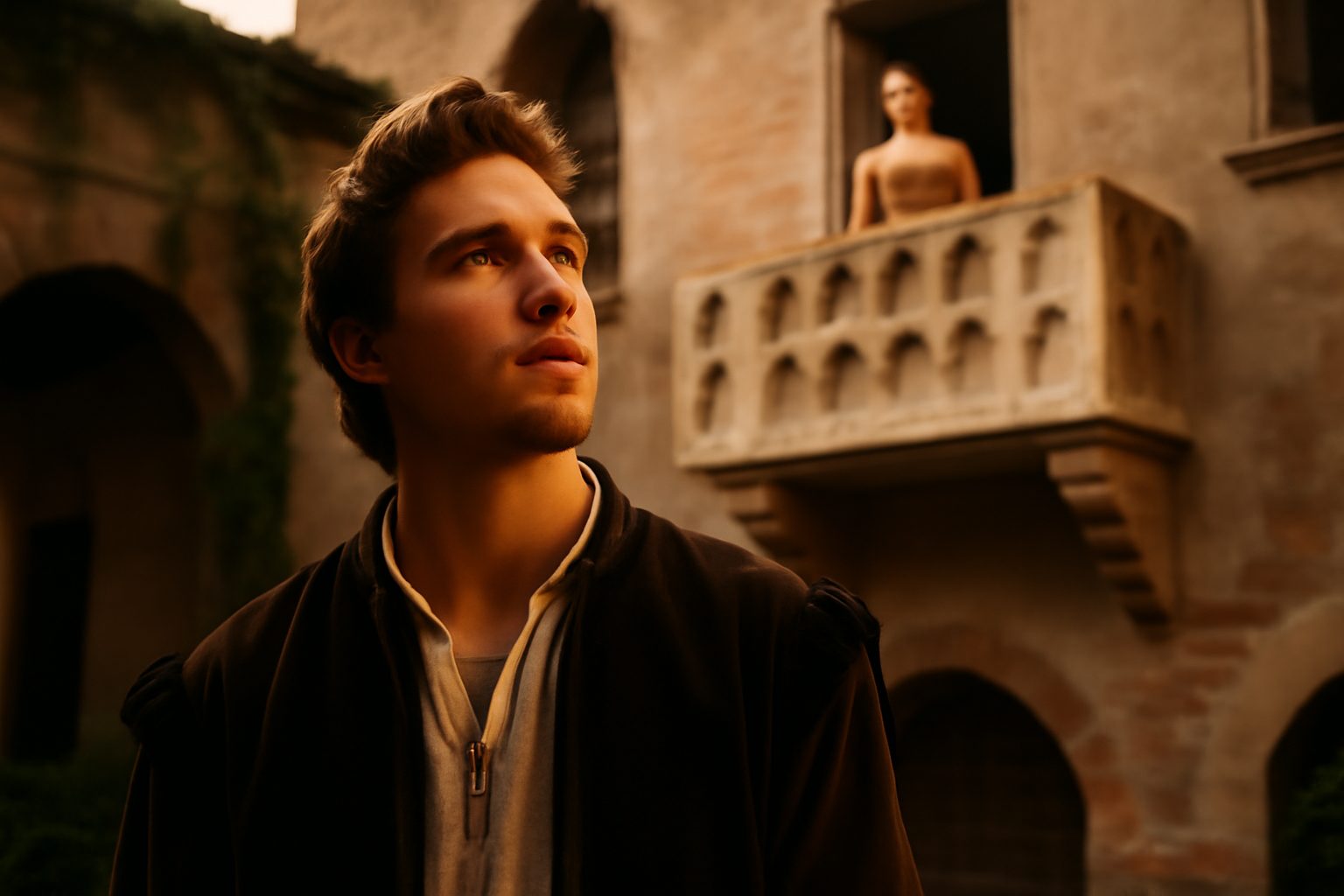
In Act 1, Scene 2 of Romeo and Juliet, Paris discusses with Lord Capulet his desire to marry Juliet. Capulet mentions the upcoming feast his household is preparing, an annual event that brings together Verona's elite. This reference to the feast sets the stage for Romeo's fateful decision to attend, where he will first meet Juliet.
Benvolio: "At this same ancient feast of Capulet's"
In modern day english, we would say:
At the same old Capulet party that happens every year.
Frequently Asked Questions
Who is hosting the feast mentioned by Benvolio?
The Capulet family is hosting the feast.
Connections to other verses:
Connections to "At this same ancient feast of Capulet's"
The verse At this same ancient feast of Capulet's refers to the longstanding tradition of the Capulet family's feast, which serves as a central event in this scene. It connects thematically and narratively to several other verses:
Feast Invitations and Preparations
This line directly relates to This night I hold an old accustom'd feast, where Capulet first announces the feast, establishing it as an annual tradition. The guest list mentioned in Whereto I have invited many a guest shows the feast's importance, while At my poor house look to behold this night reinforces the location and anticipation.
Paris's Courtship and Juliet's Introduction
The feast becomes the setting where Paris hopes to woo Juliet, as indicated in But woo her, gentle Paris, get her heart. Capulet's description of Juliet as She is the hopeful lady of my earth underscores why this feast matters for her potential marriage.
Romeo's Uninvited Presence
Benvolio's plan to cure Romeo's lovesickness by attending the feast (Go thither; and, with unattainted eye) ties directly to this verse. The mention of Sups the fair Rosaline whom thou so lovest shows Romeo's initial motive, while That I will show you shining at this feast hints at the transformative encounter with Juliet.
Social Gathering and Conflict
The feast's inclusive nature appears in of Montagues, I pray, come and crush a cup of wine, suggesting unexpected guests might attend, which foreshadows the party crash. This contrasts with the earlier tension in And pity 'tis you lived at odds so long, highlighting how the feast temporarily masks familial strife.