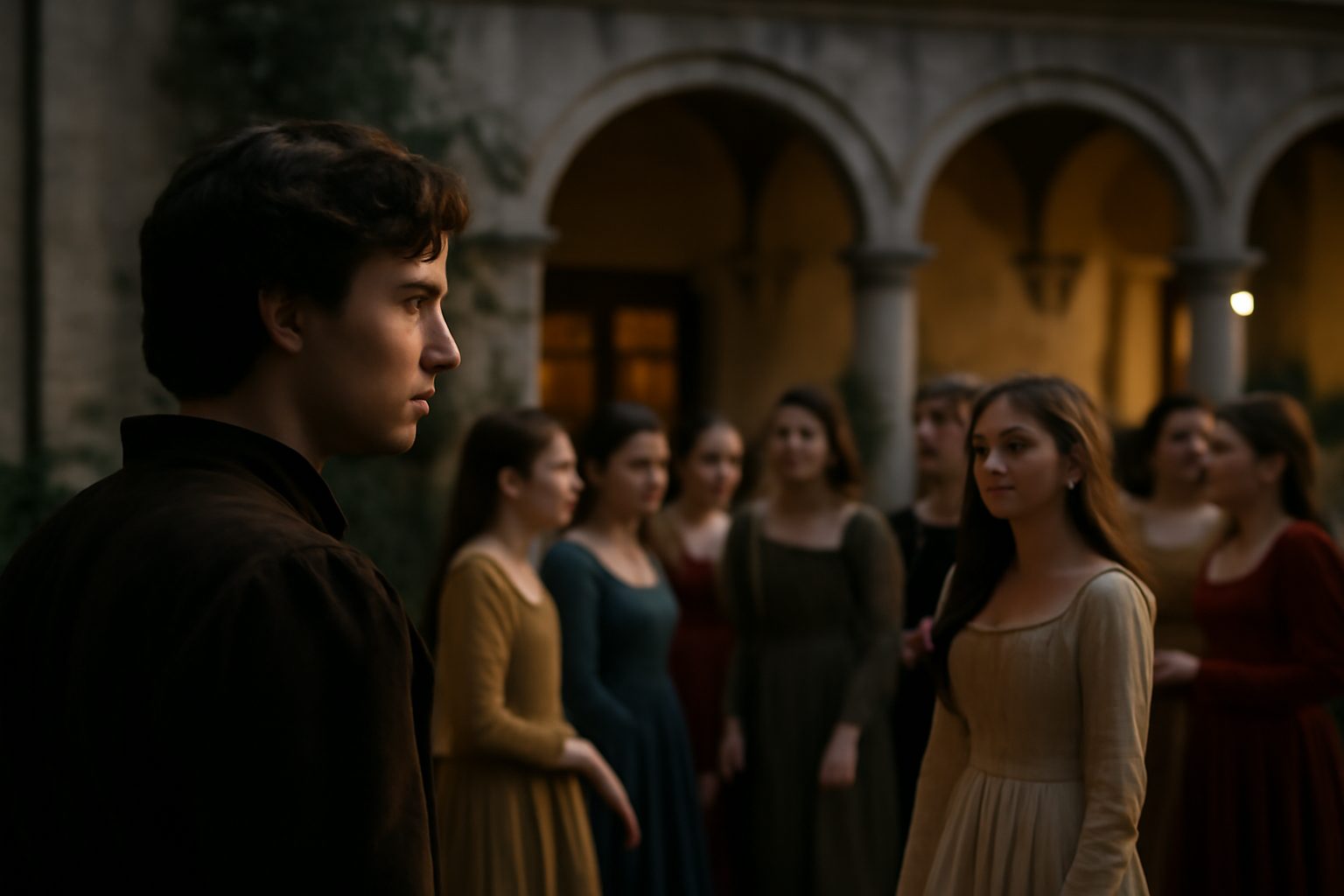
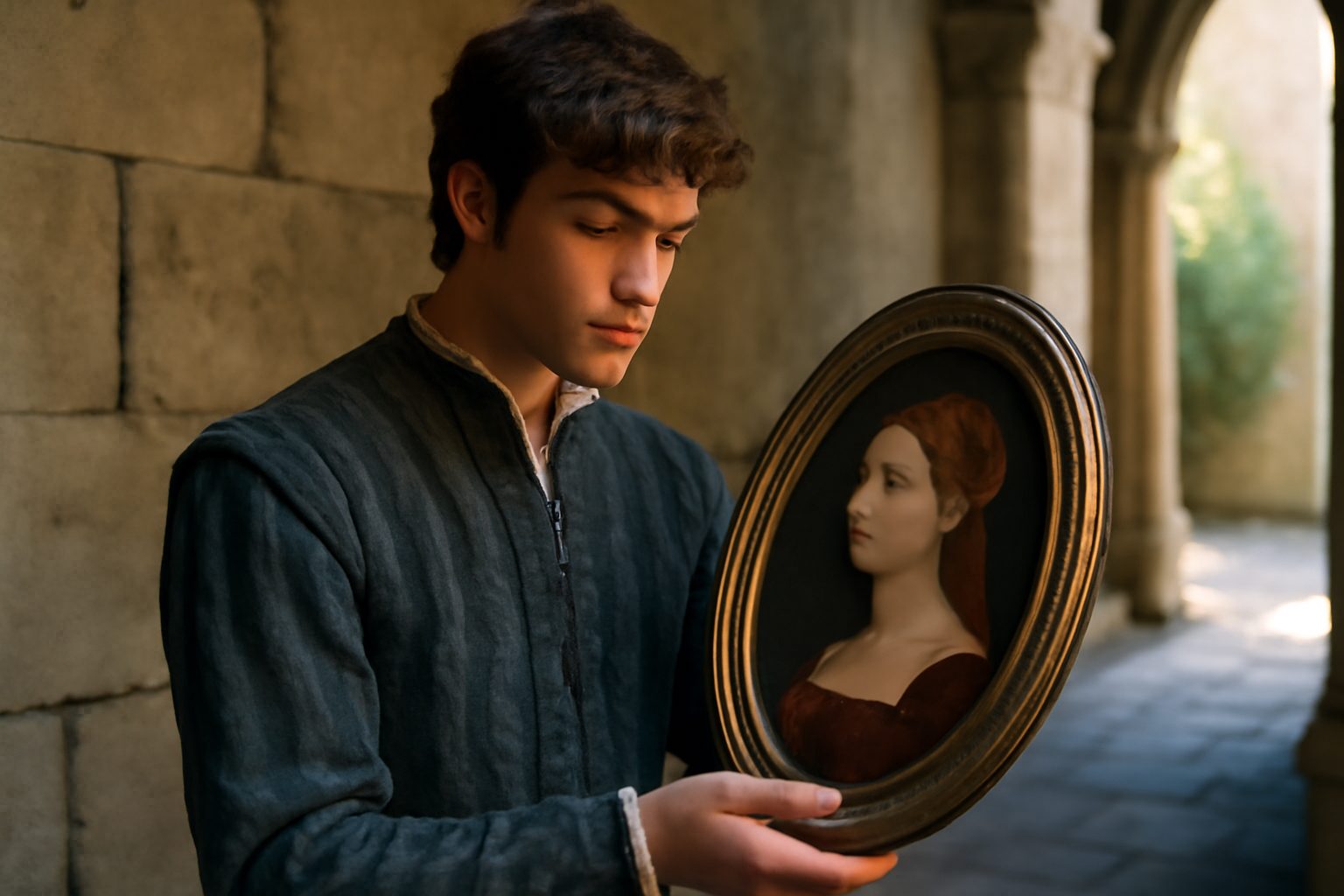
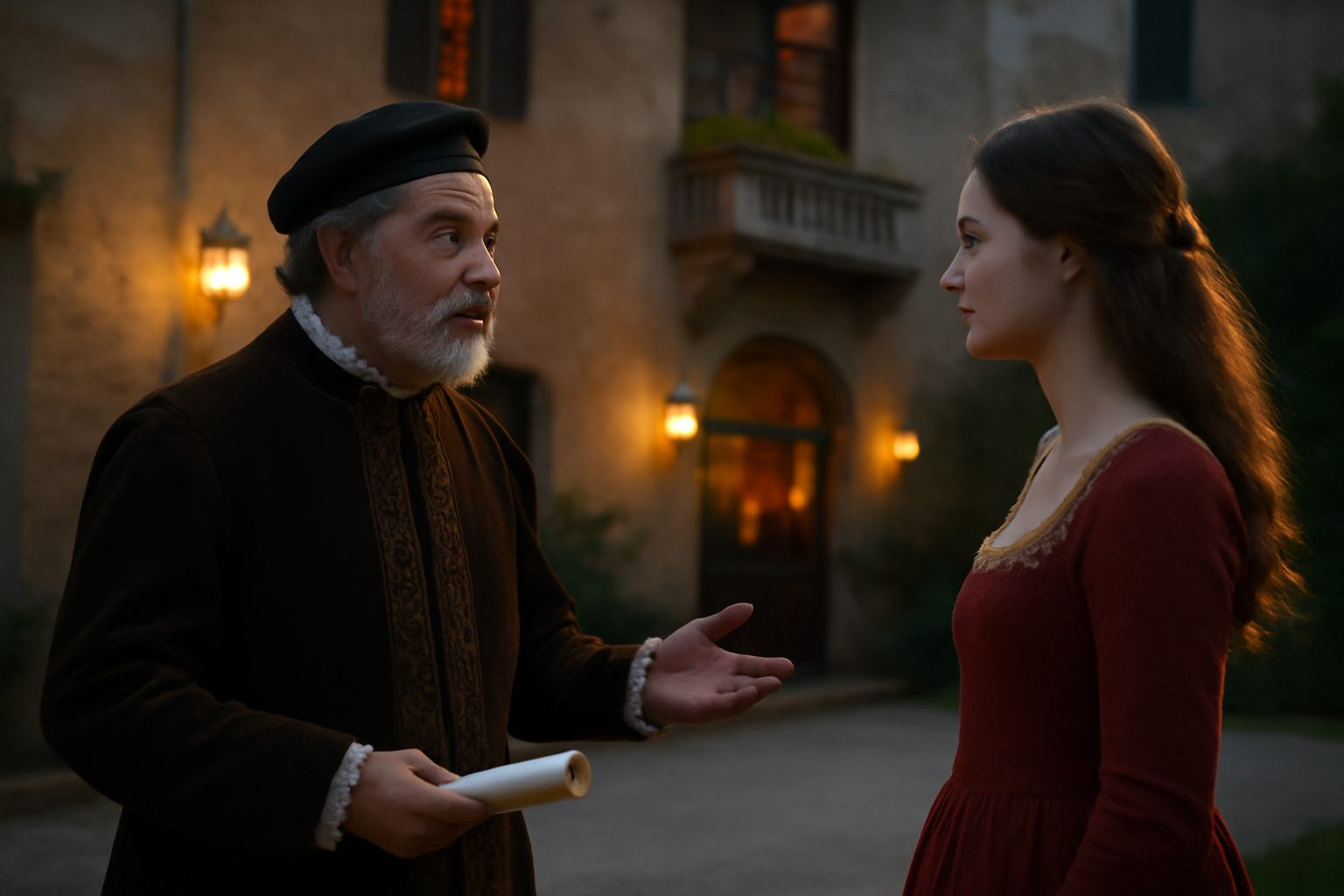
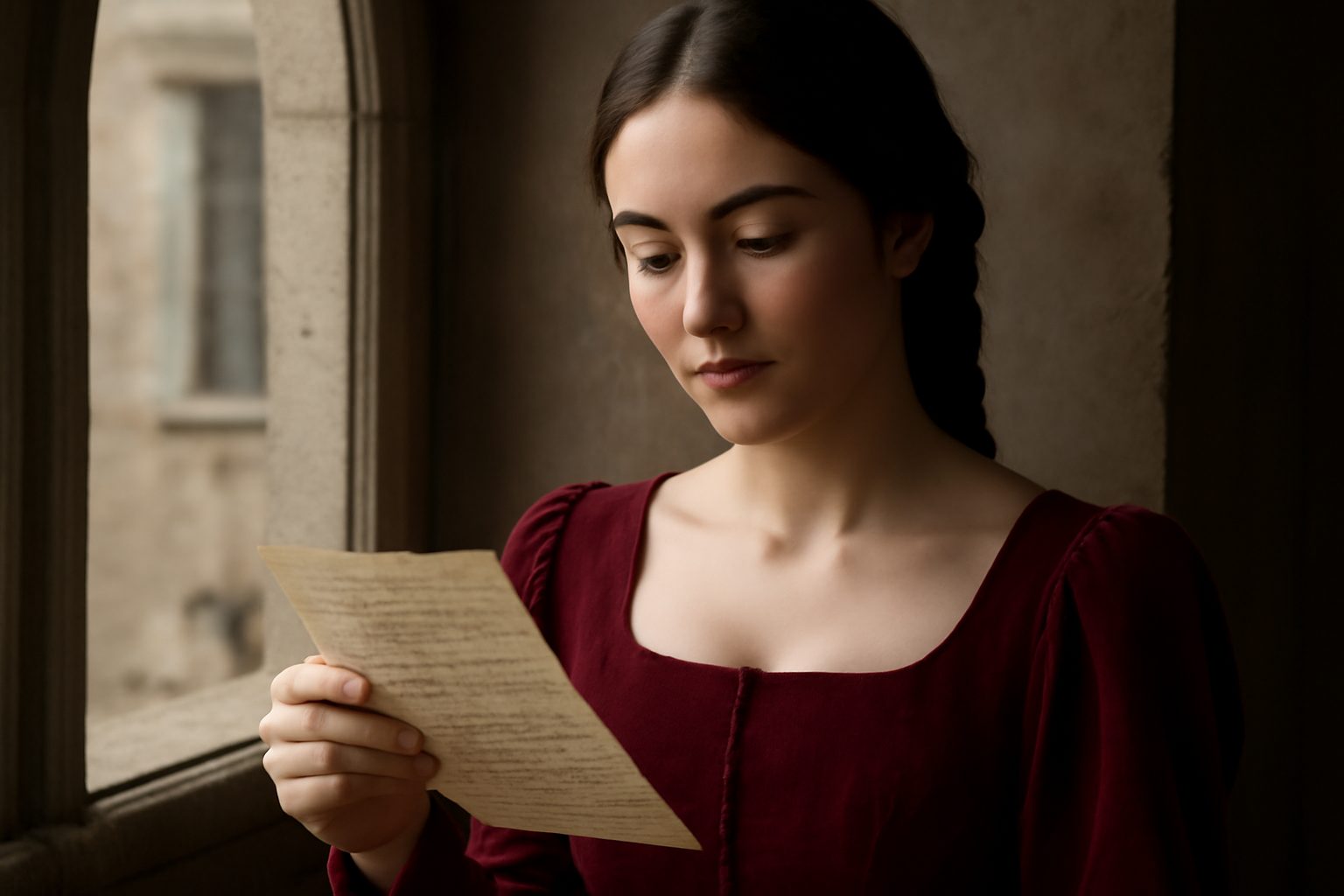
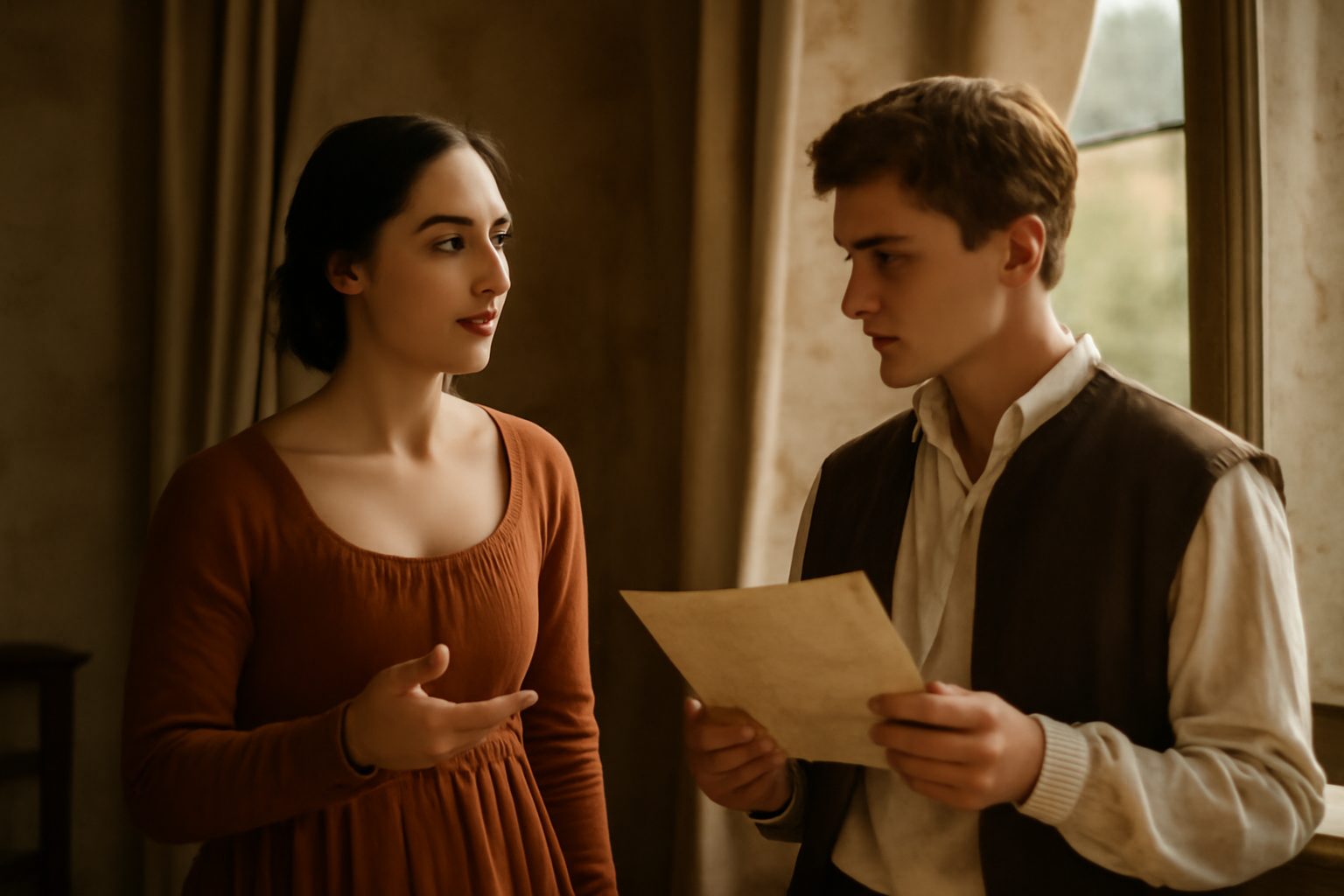
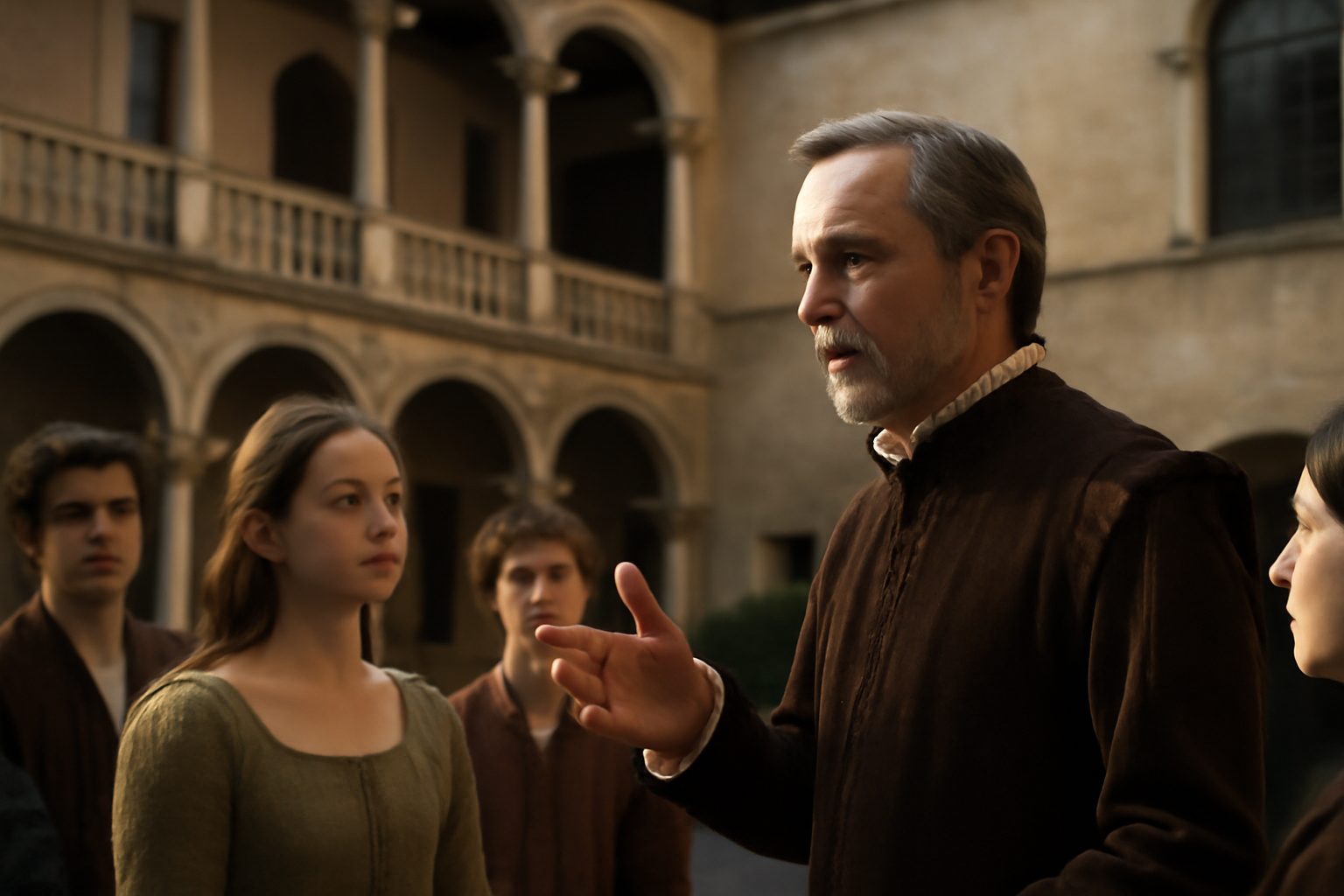
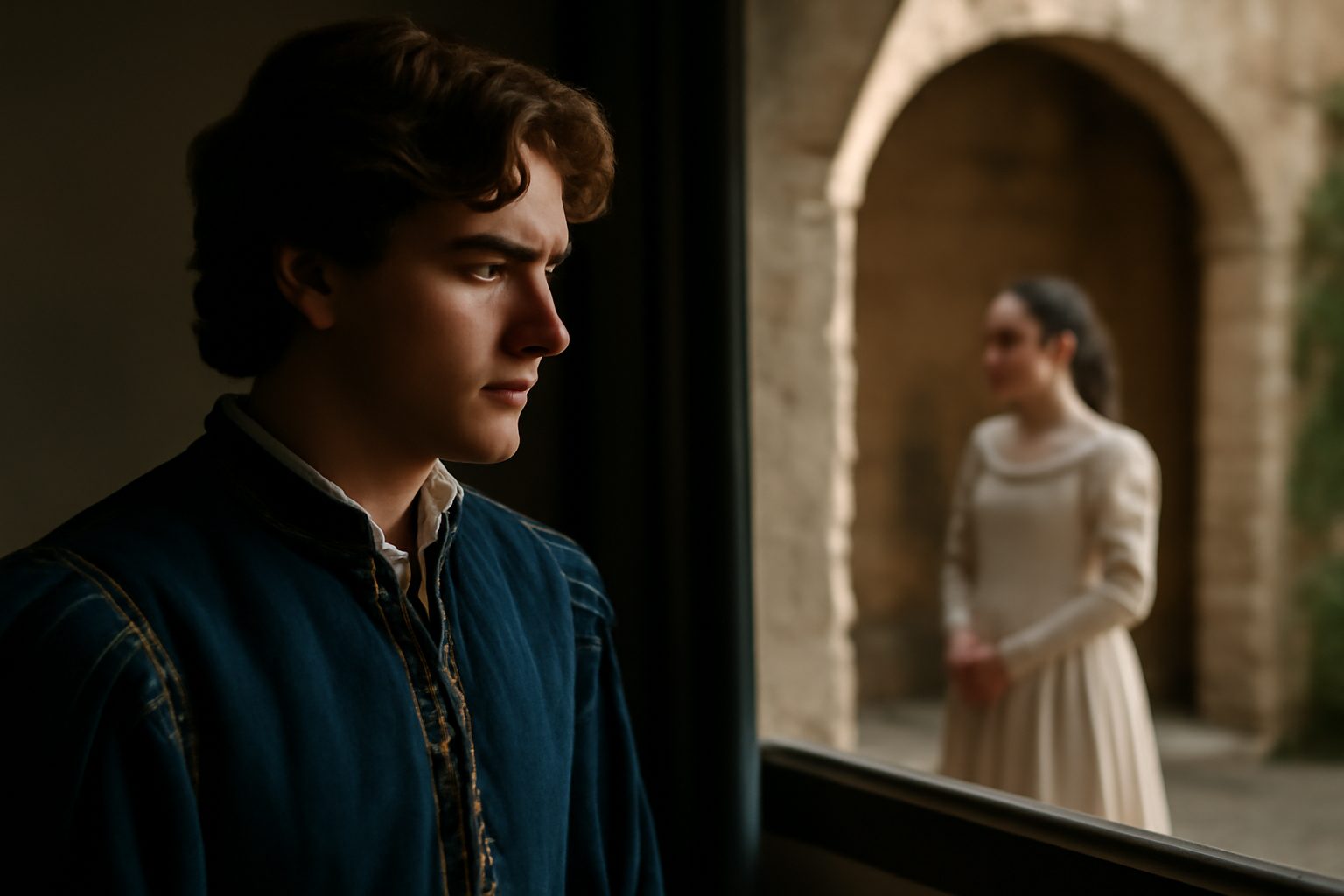
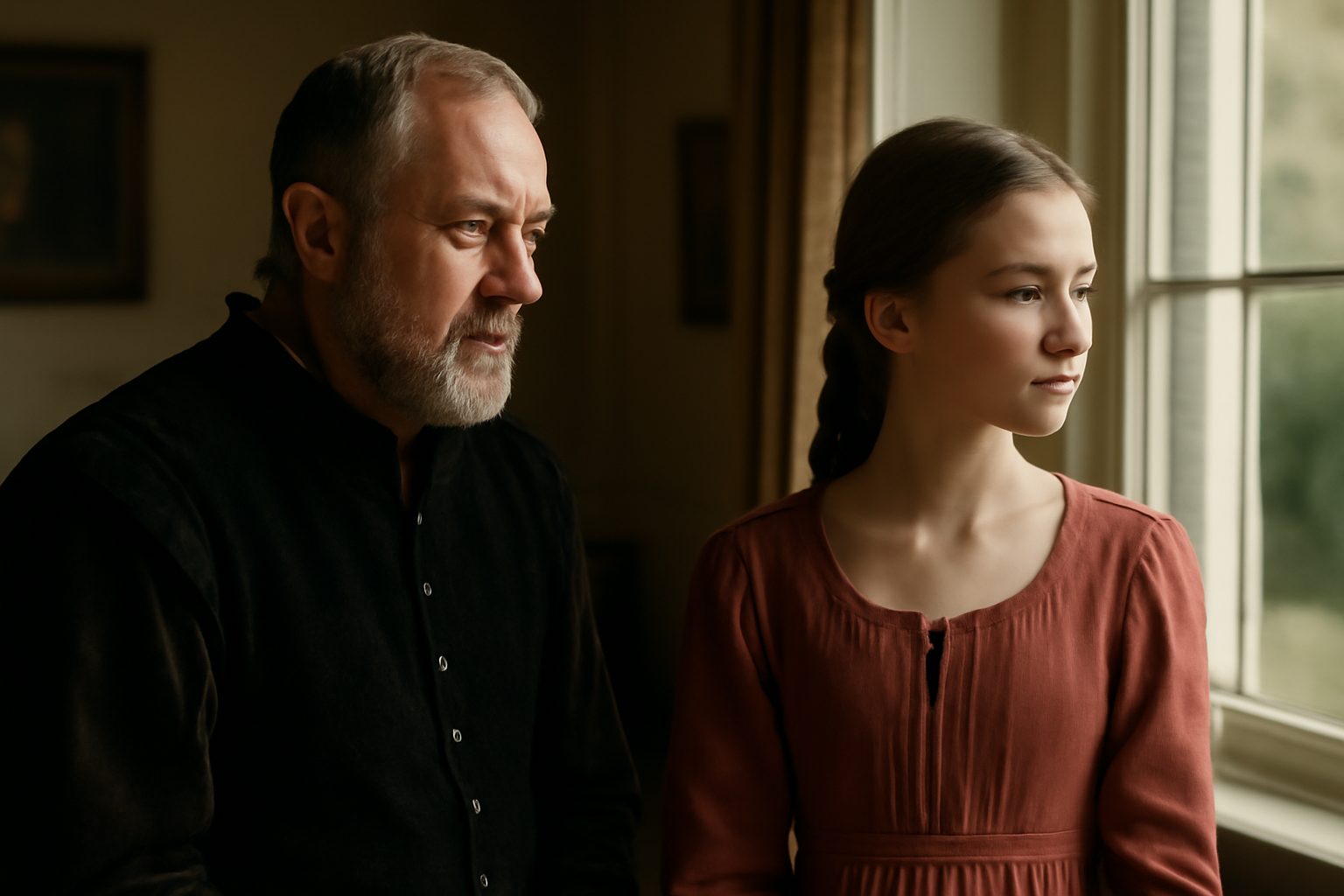
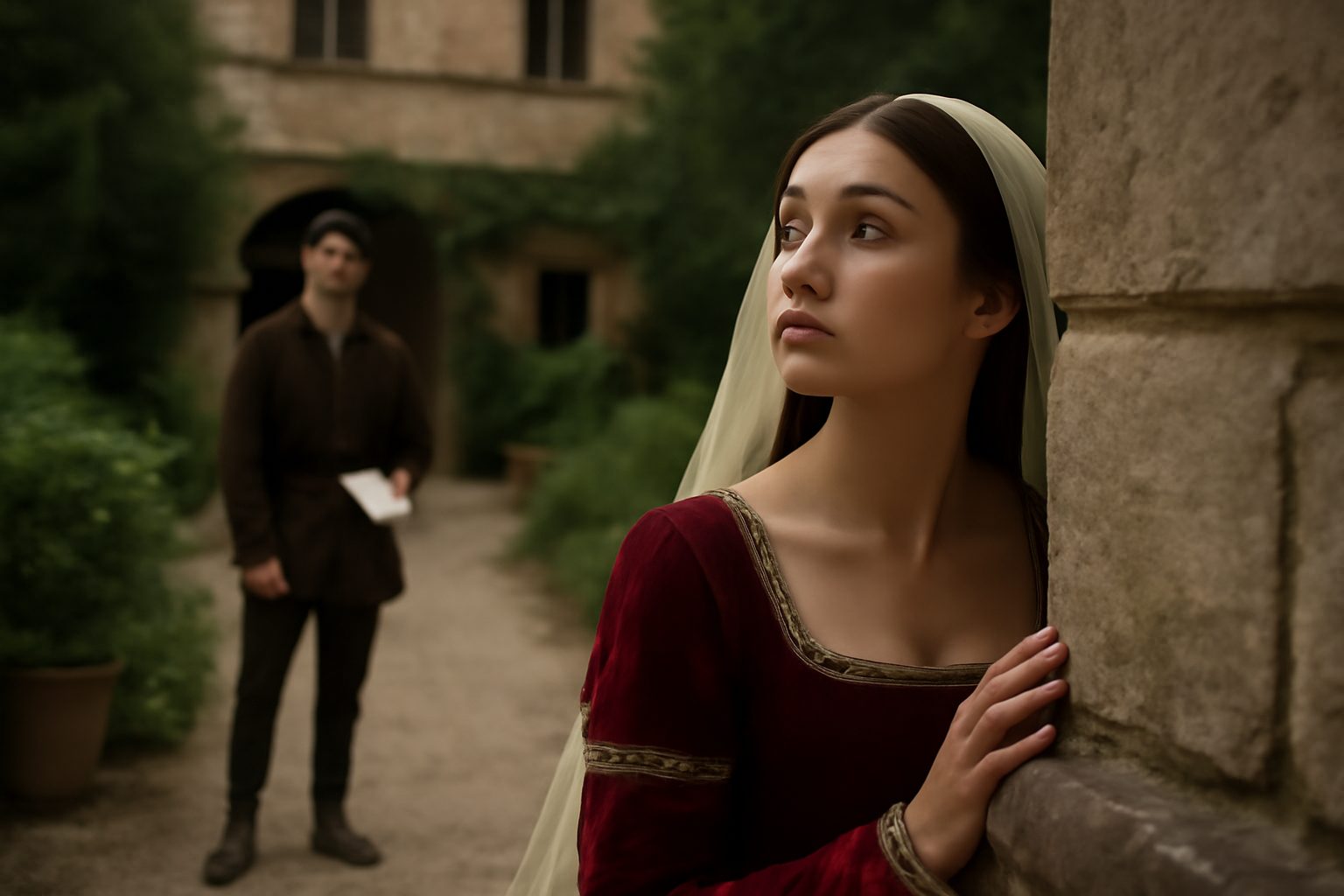
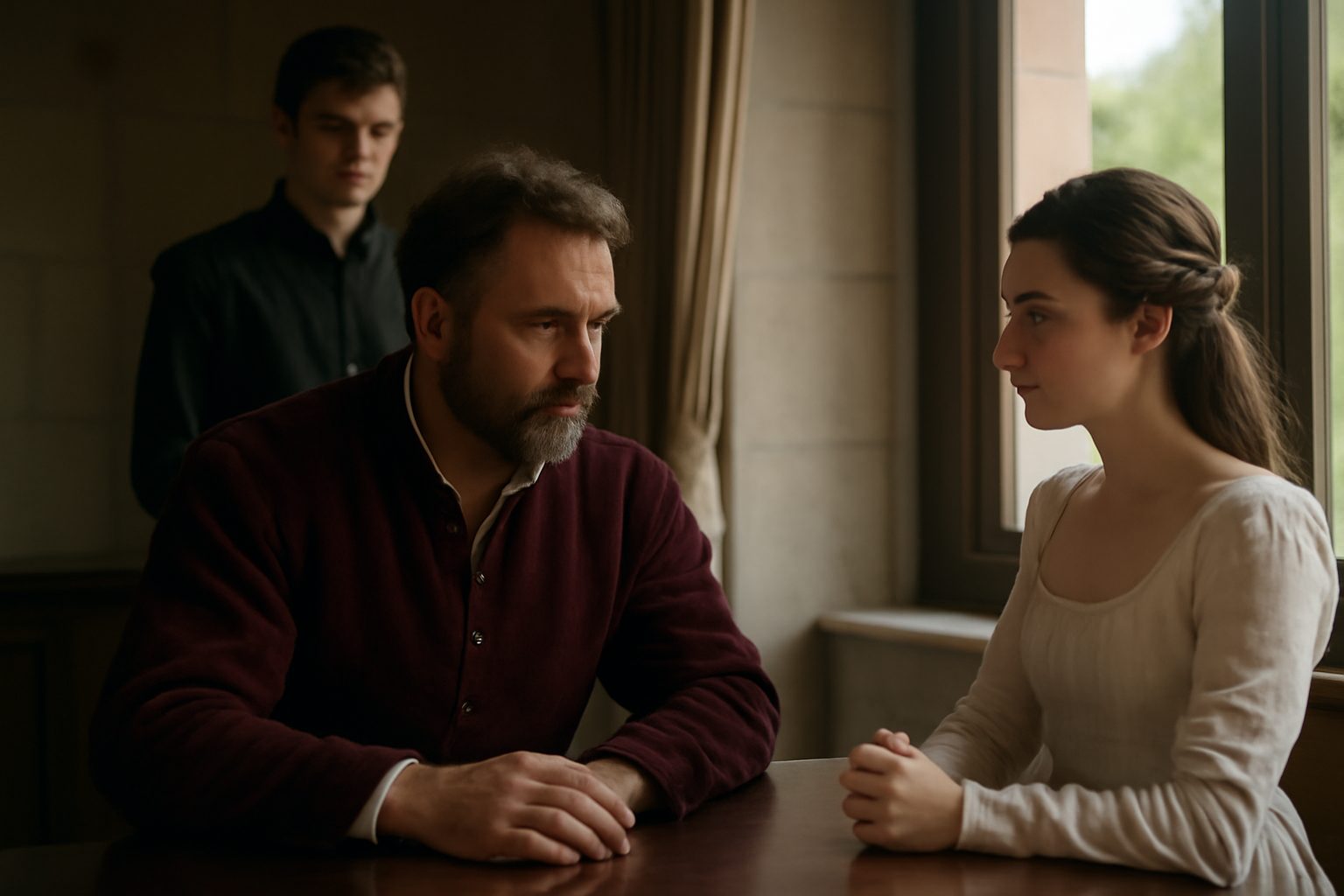
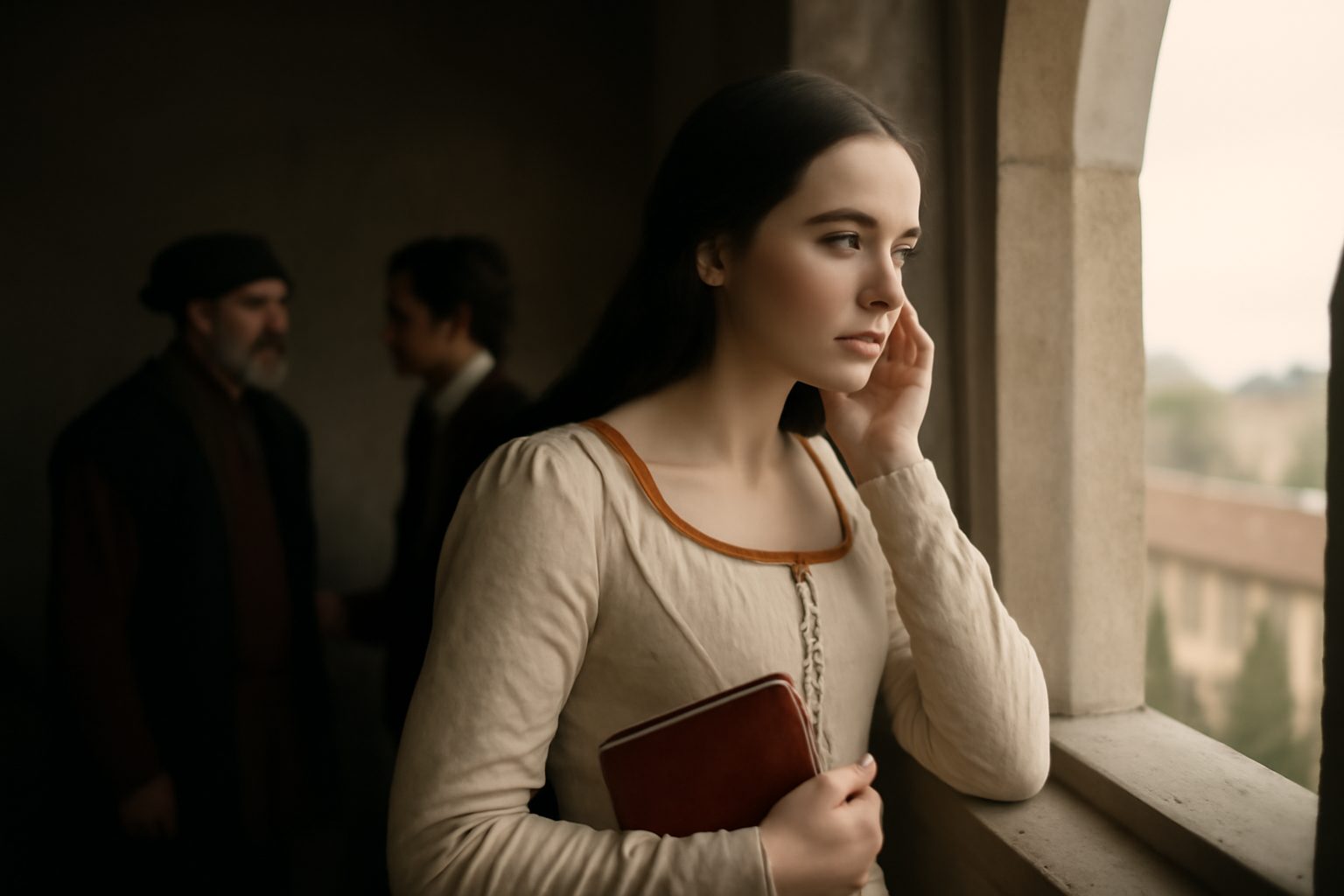
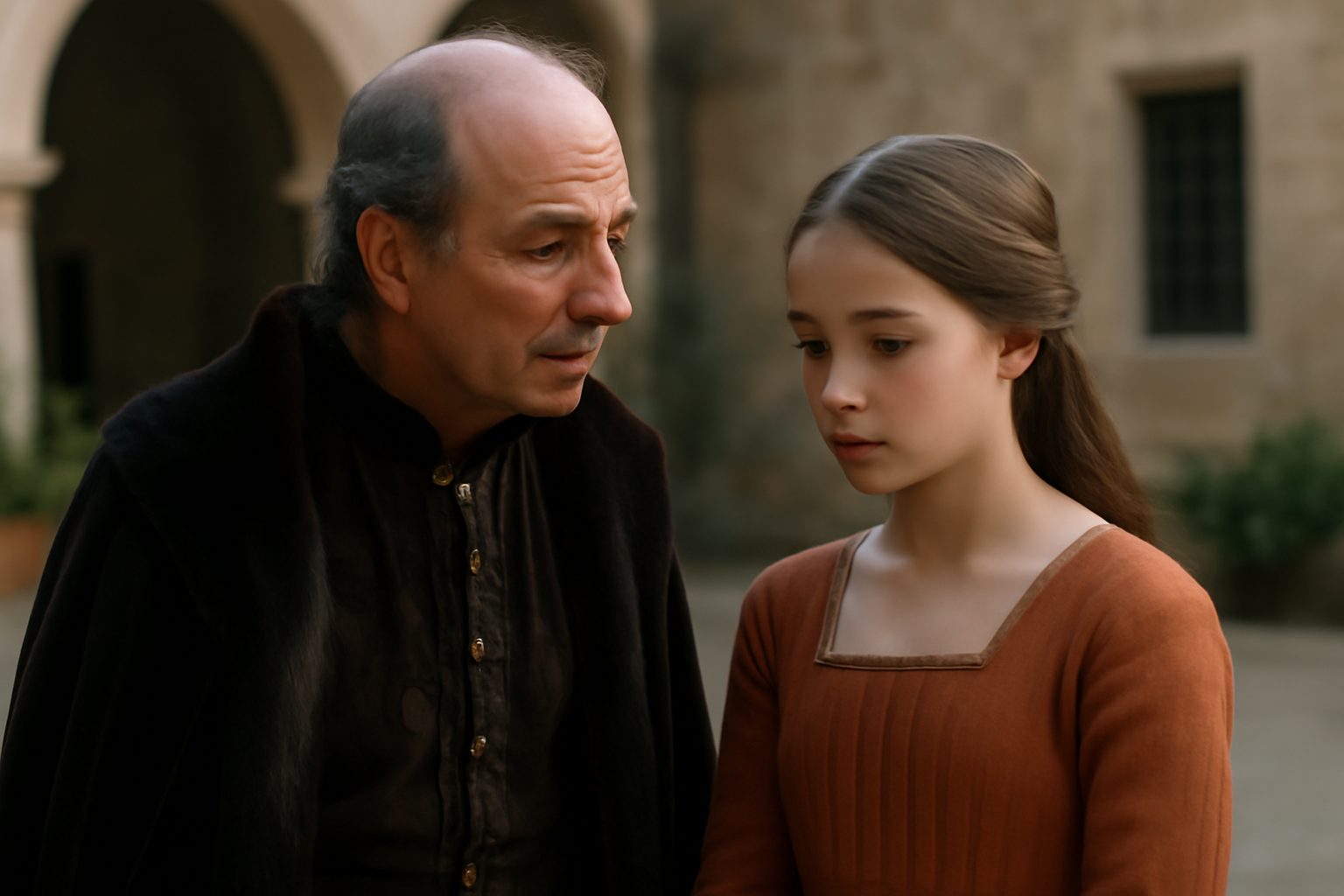
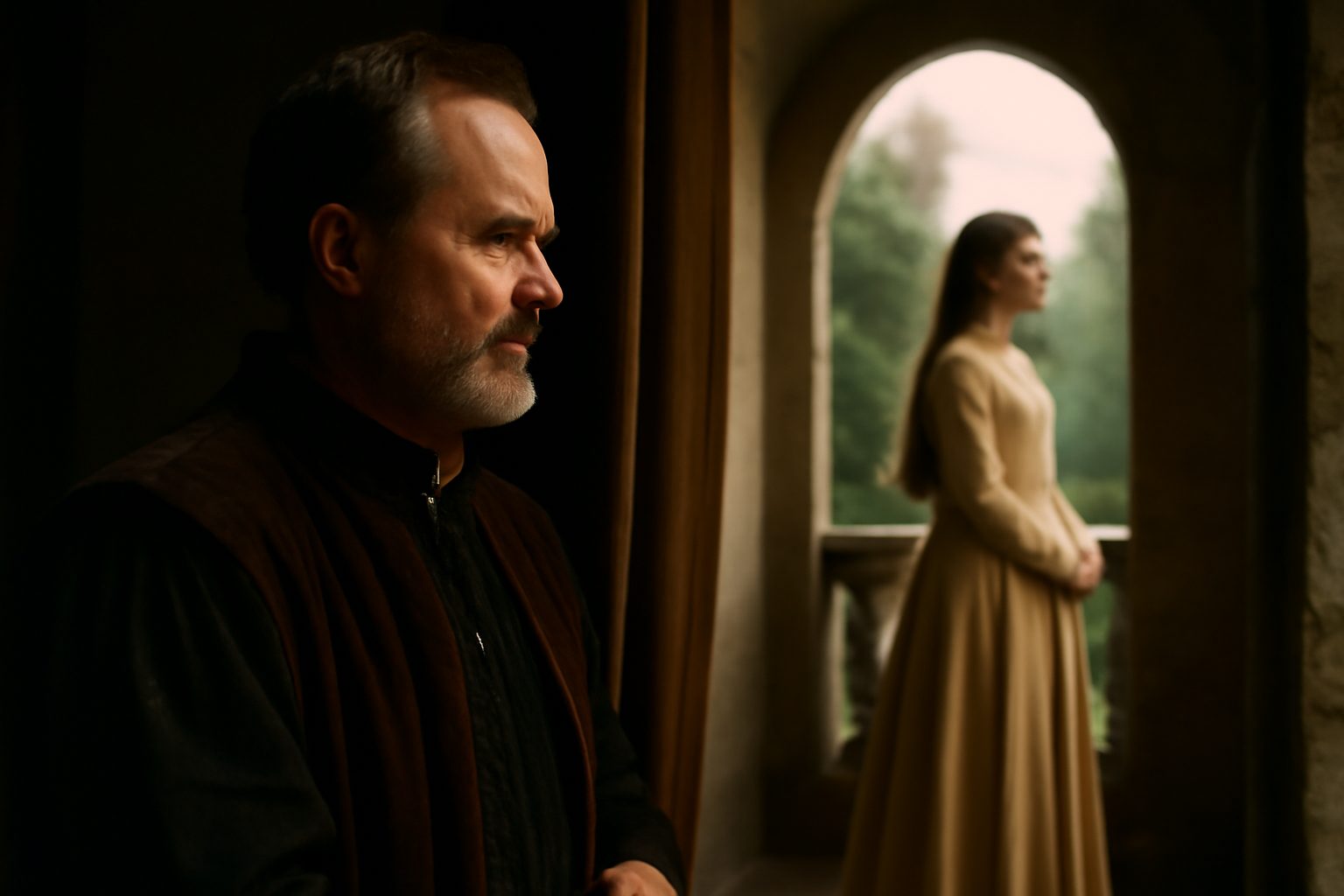
In Act 1, Scene 2 of Romeo and Juliet, Paris and Capulet discuss Juliet's potential marriage. As they walk through the streets of Verona, Capulet spots Romeo's kinsman Benvolio and his cousin Montague approaching. In a rare moment of lightheartedness, Capulet extends an invitation to them, jestingly suggesting they share a drink despite the feud between their families.
Servant: "of Montagues, I pray, come and crush a cup of wine."
In modern day english, we would say:
Come over, you Montagues, and have a drink with me.
Frequently Asked Questions
What does the servant invite the Montagues to do?
The servant invites the Montagues to come and share a cup of wine.
Connections to other verses:
Connections to Other Verses in Act 1 Scene 2
The verse of Montagues, I pray, come and crush a cup of… is spoken by the servant, who is extending an invitation to the Capulet feast. This line directly connects to the broader context of the scene, where Capulet is organizing a gathering that inadvertently becomes the catalyst for Romeo and Juliet's meeting.
Invitation and Festivity
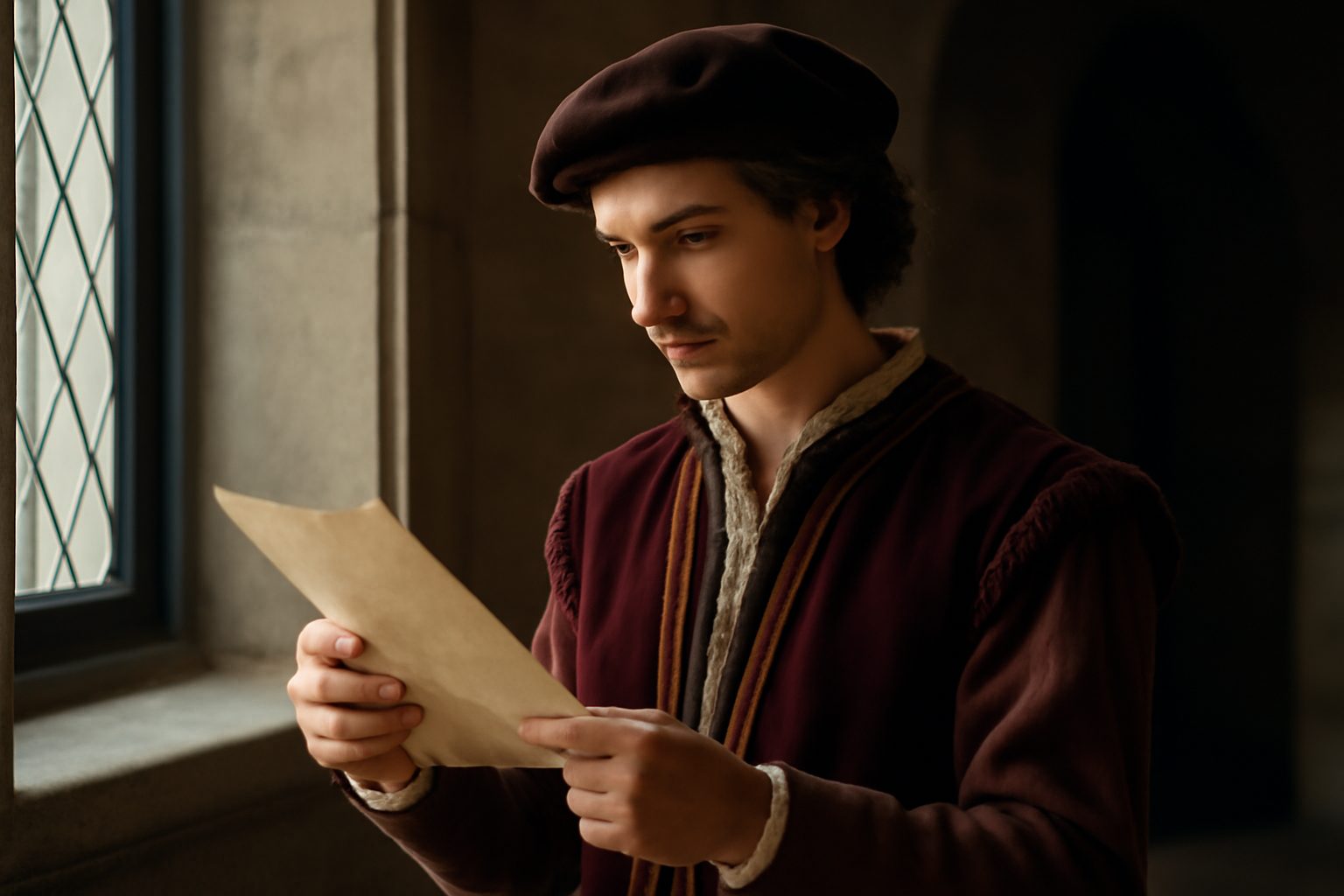
This invitation is part of Capulet's instructions to his servant, as seen in Through fair Verona; find those persons out, where he commands the servant to locate the guests on the list. The servant's struggle with reading the list, humorously depicted in writ, and can never find what names the writing, leads to his encounter with Romeo and Benvolio, setting the stage for Romeo's attendance at the feast.
Capulet's Generosity and Peace
Capulet's inclusive attitude, even toward Montagues, reflects his desire for peace, hinted at in For men so old as we to keep the peace. This openness contrasts with the ongoing feud but aligns with his welcoming nature, as he says in My house and welcome on their pleasure stay.
Foreshadowing and Irony
The servant's unknowing invitation to Romeo, a Montague, creates dramatic irony, as Romeo's presence at the feast will lead to his meeting Juliet. This connects to Sups the fair Rosaline whom thou so lovest, where Benvolio encourages Romeo to compare Rosaline to other beauties at the feast, ultimately leading him to Juliet.
Social Gathering and Themes
The feast itself is described in This night I hold an old accustom'd feast, emphasizing its tradition and importance. The guest list includes many notable figures, as mentioned in County Anselme and his beauteous sisters; the lady, highlighting the social significance of the event where Romeo and Juliet's fateful encounter occurs.