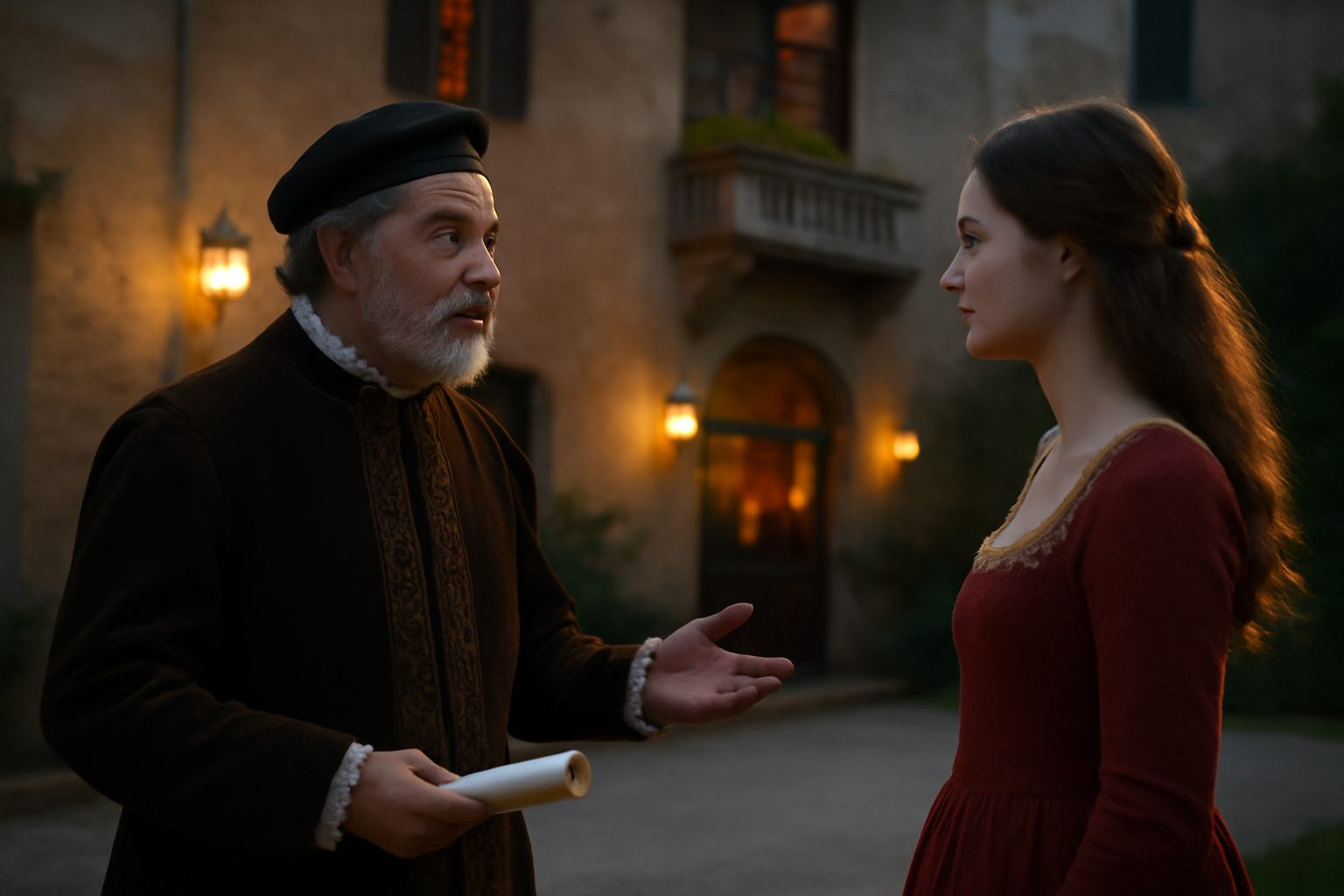
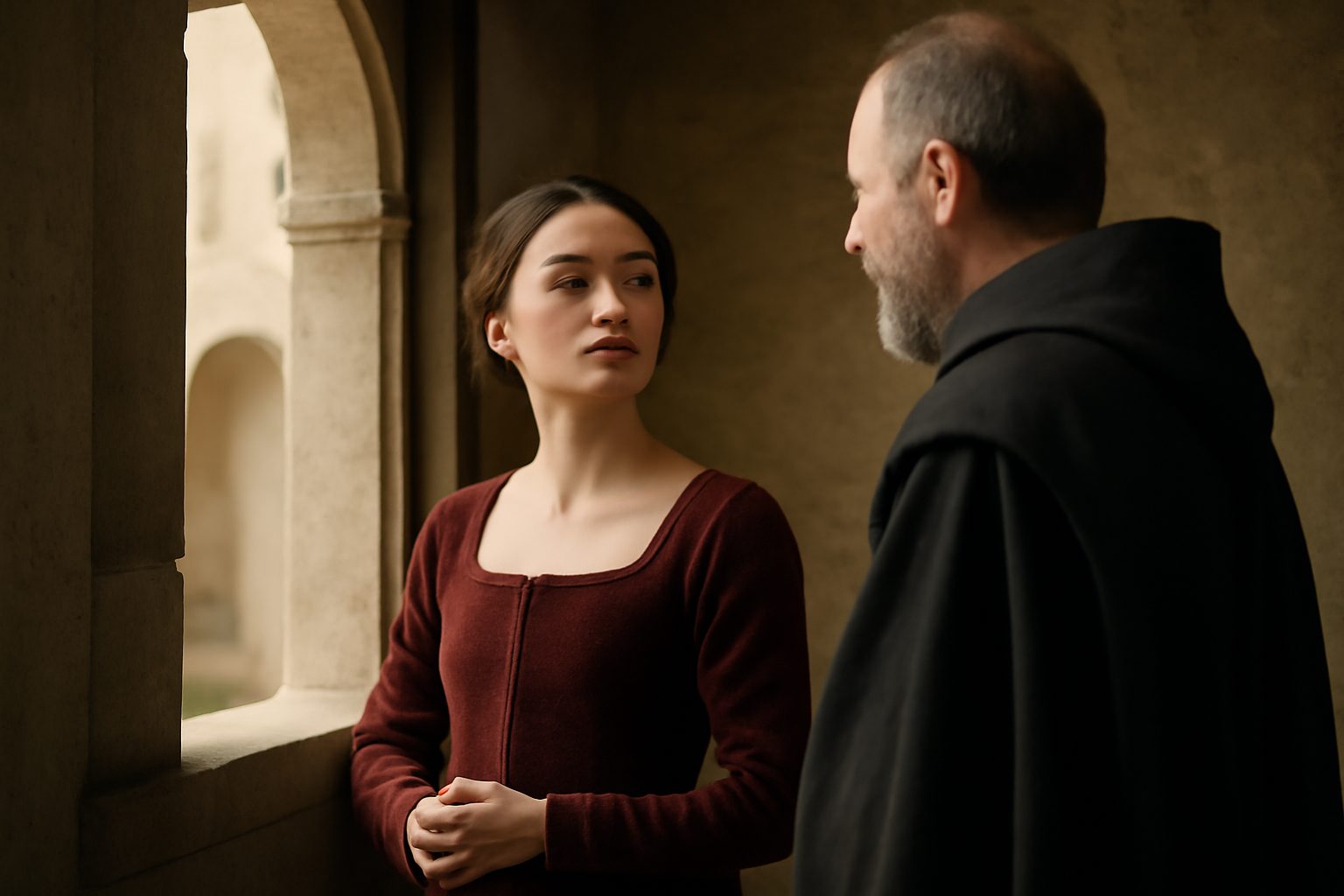
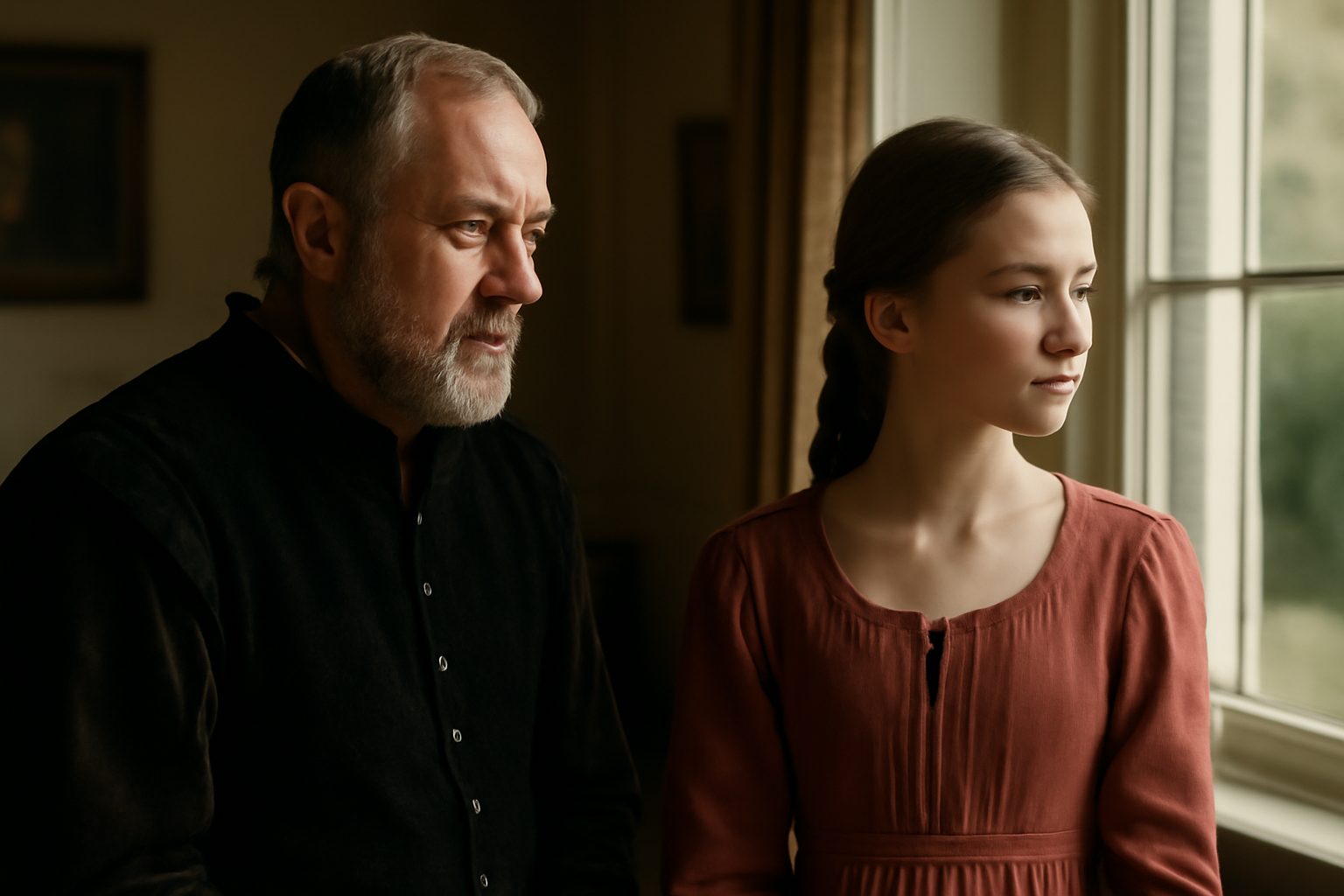
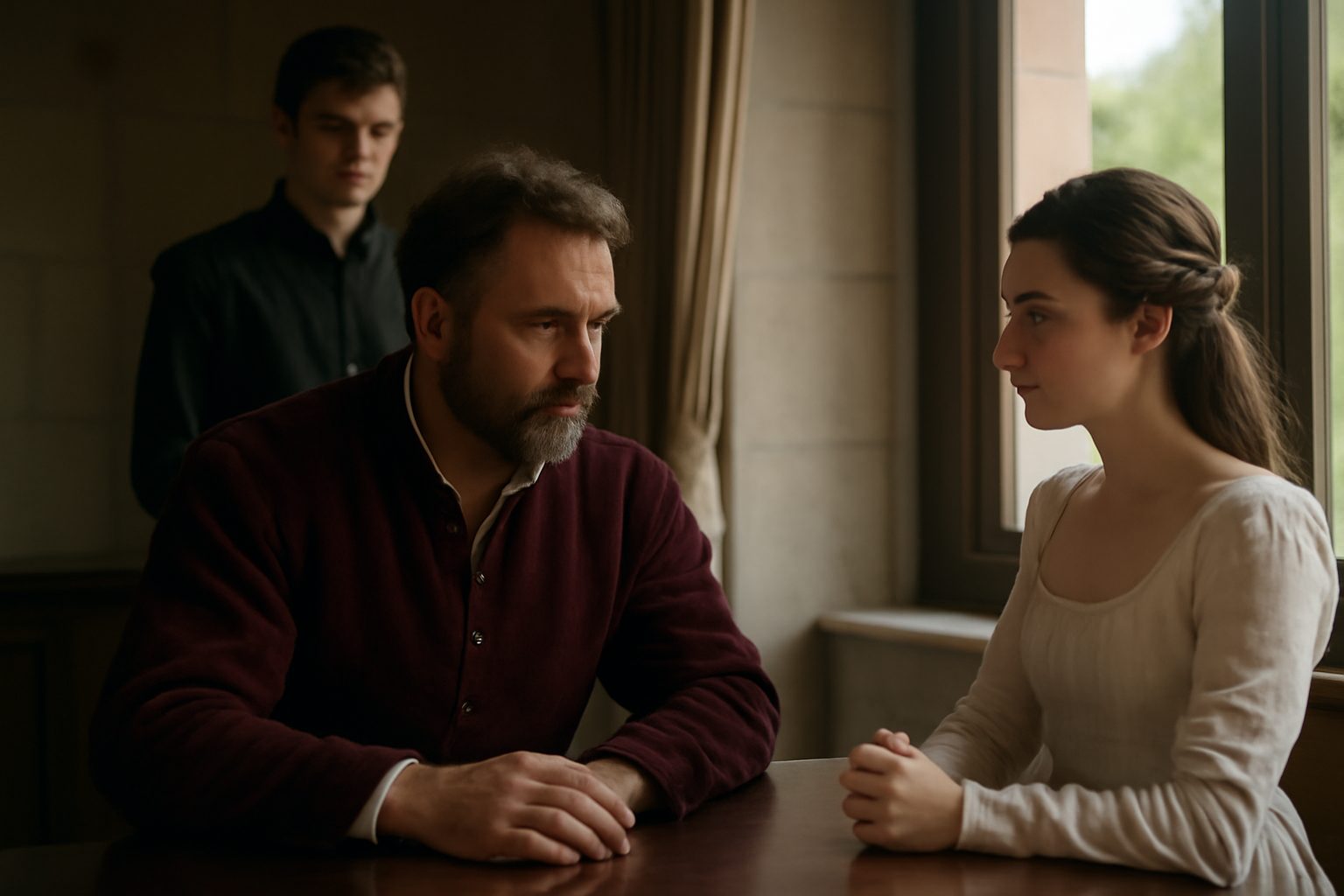
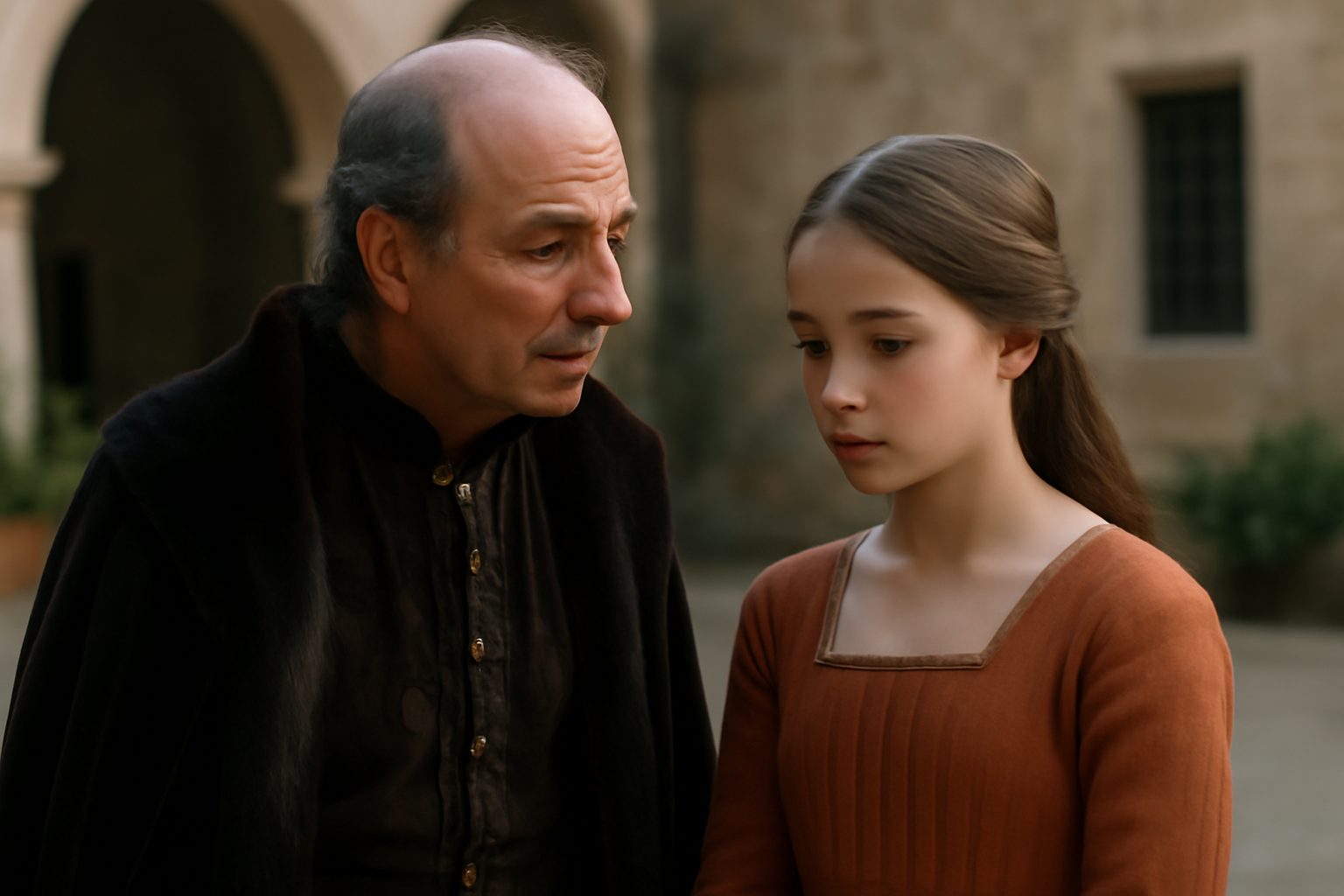
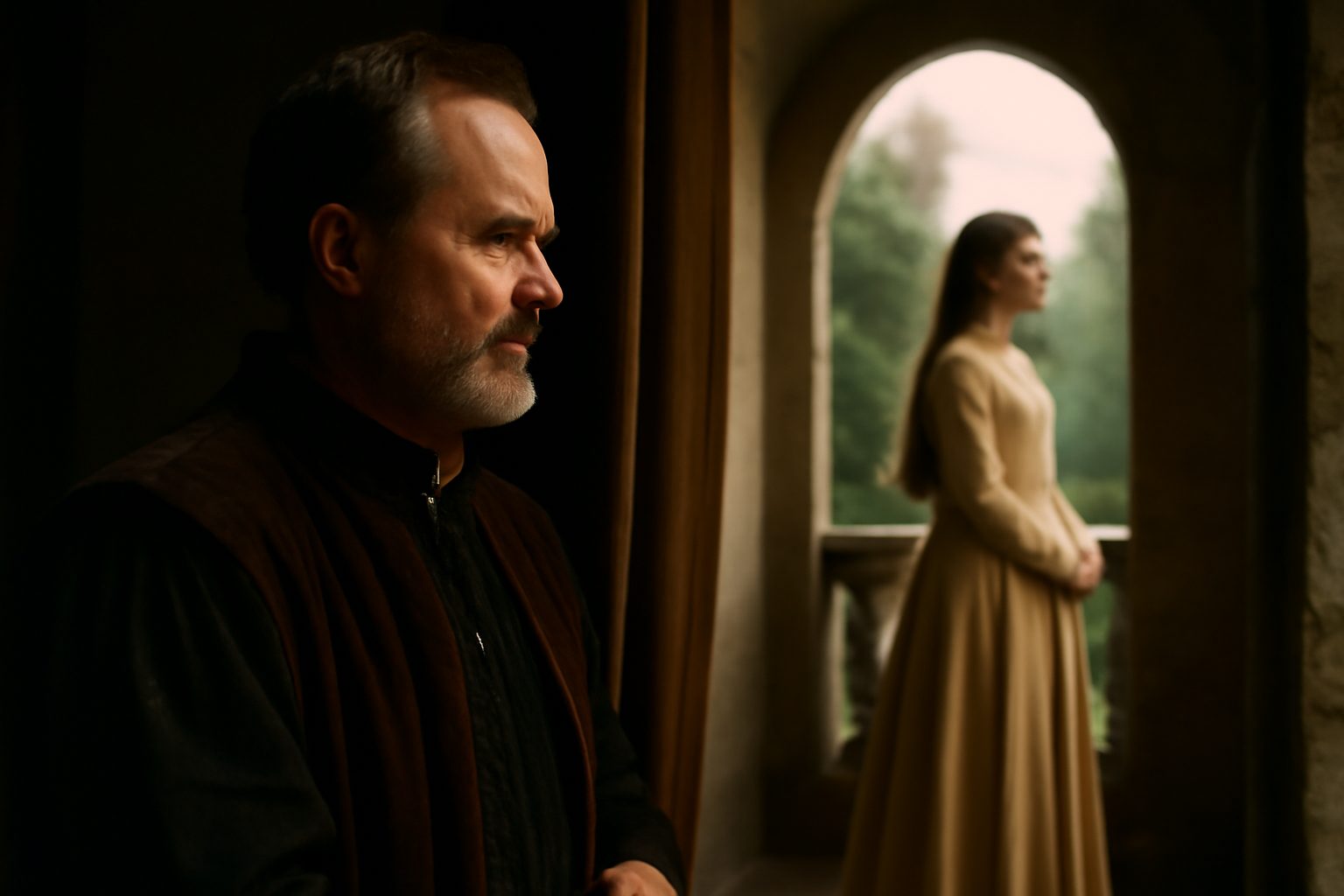
In Act 1, Scene 2 of Romeo and Juliet, Paris, a nobleman, presses Lord Capulet for permission to marry Juliet. Capulet, though cautious about rushing his young daughter into marriage, acknowledges the vigor and eagerness typical of youthful suitors. The line reflects Capulet's amusement at Paris's persistence while hinting at the impetuous nature of young love in the play.
Capulet: "Such comfort as do lusty young men feel"
In modern day english, we would say:
The kind of joy that energetic young men experience.
Frequently Asked Questions
What does Capulet mean when he says that young men feel comfort?
Capulet is saying that young men find comfort in the excitement and energy of their youth.
Connections to other verses:
Connections to "Such comfort as do lusty young men feel"
Context of the Feast and Youthful Joy
The verse "Such comfort as do lusty young men feel" is spoken by Capulet as he invites guests to his feast, emphasizing the youthful energy and delight expected. This connects directly to his description of the event in "This night I hold an old accustom'd feast", where he sets the scene for revelry. The anticipation of joy is further echoed in "Earth-treading stars that make dark heaven light", which poetically describes the beautiful attendees who will illuminate the night.
Youth and Inexperience
Capulet's focus on "lusty young men" ties into his earlier concerns about youth and maturity, particularly regarding Juliet. In "My child is yet a stranger in the world", he expresses caution about her readiness for marriage, contrasting the impulsive energy of young men with the need for patience. This theme is reinforced in "And too soon marr'd are those so early made", warning against premature commitments.
Romantic and Social Expectations
The idea of youthful comfort and attraction is mirrored in Paris's suit for Juliet's hand. Capulet's conditional agreement in "An she agree, within her scope of choice" shows his respect for her will, while "But woo her, gentle Paris, get her heart" emphasizes winning her affection genuinely—aligning with the natural, heartfelt joy referenced in the original verse.
Contrast with Romeo's Melancholy
While Capulet celebrates youthful exuberance, Romeo's sorrow over Rosaline provides a stark contrast. Benvolio's advice in "Take thou some new infection to thy eye" suggests replacing one love with another, hinting that the feast's lively atmosphere could cure Romeo's despair—a direct link to the "comfort" young men might find there.
Feast as a Catalyst
The feast itself, described in "Among fresh female buds shall you this night", promises new romantic possibilities, tying back to the comfort and excitement Capulet highlights. Benvolio's plan to show Romeo other beauties, as in "Compare her face with some that I shall show", directly leverages this environment to provoke change, embodying the verse's essence.