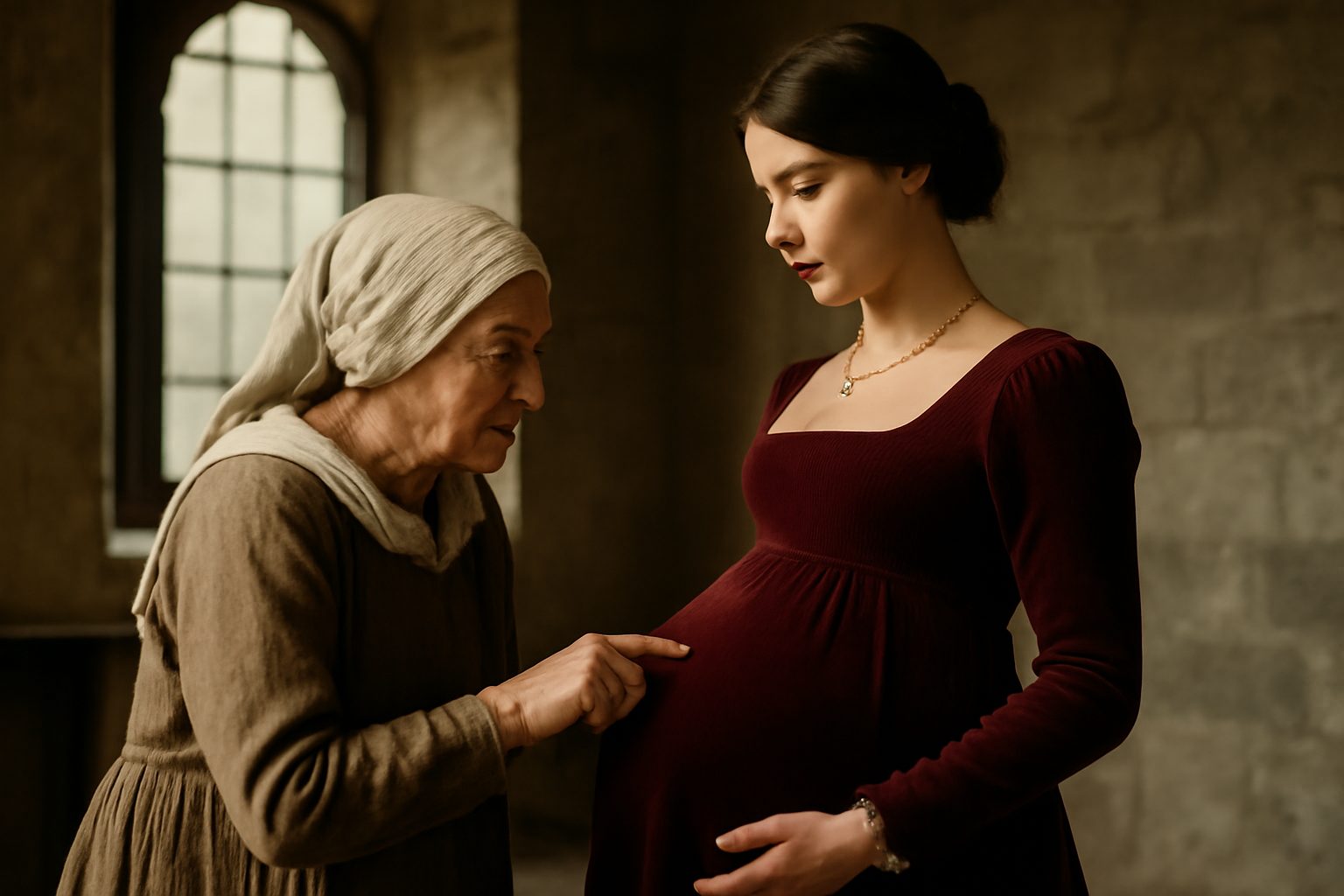
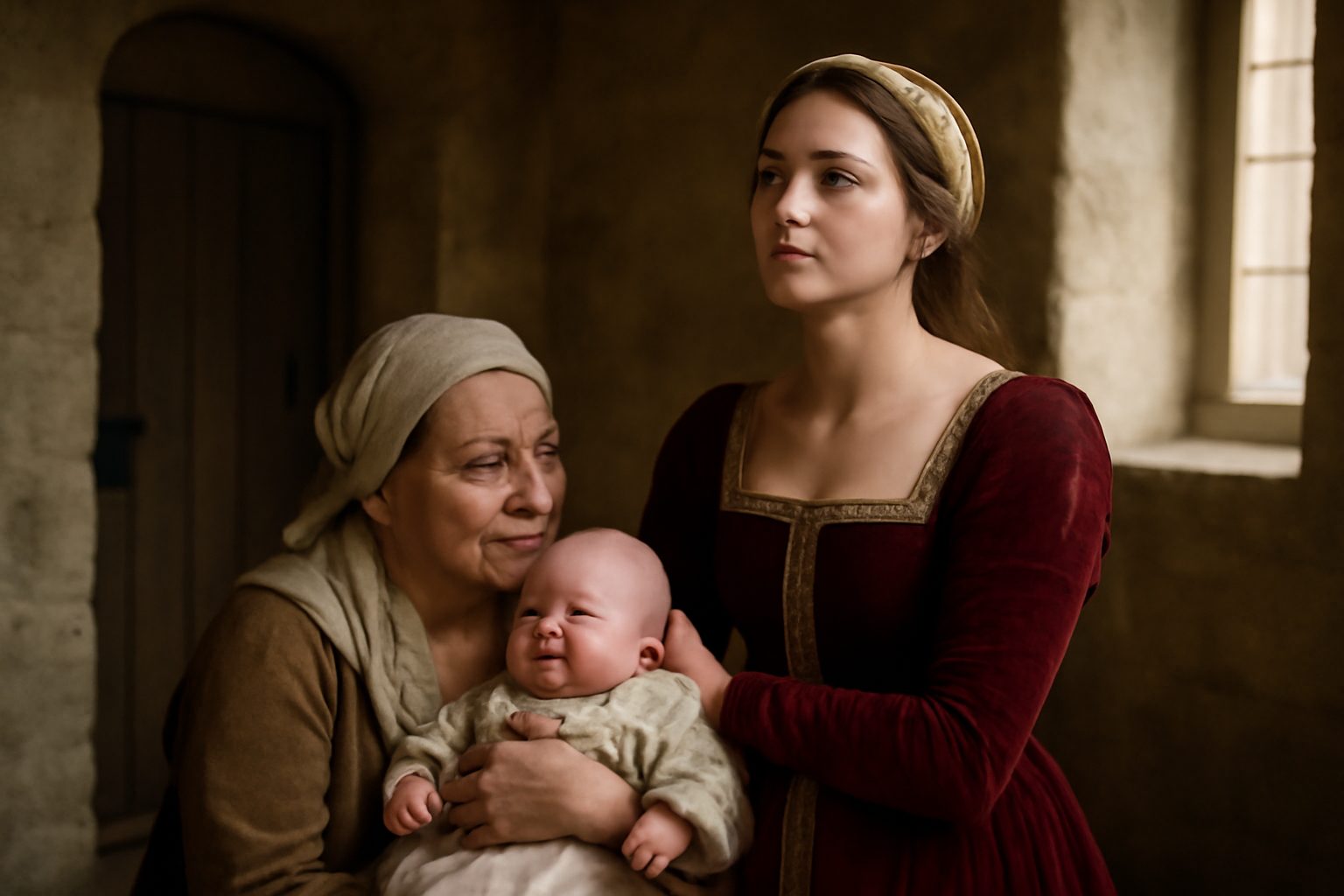
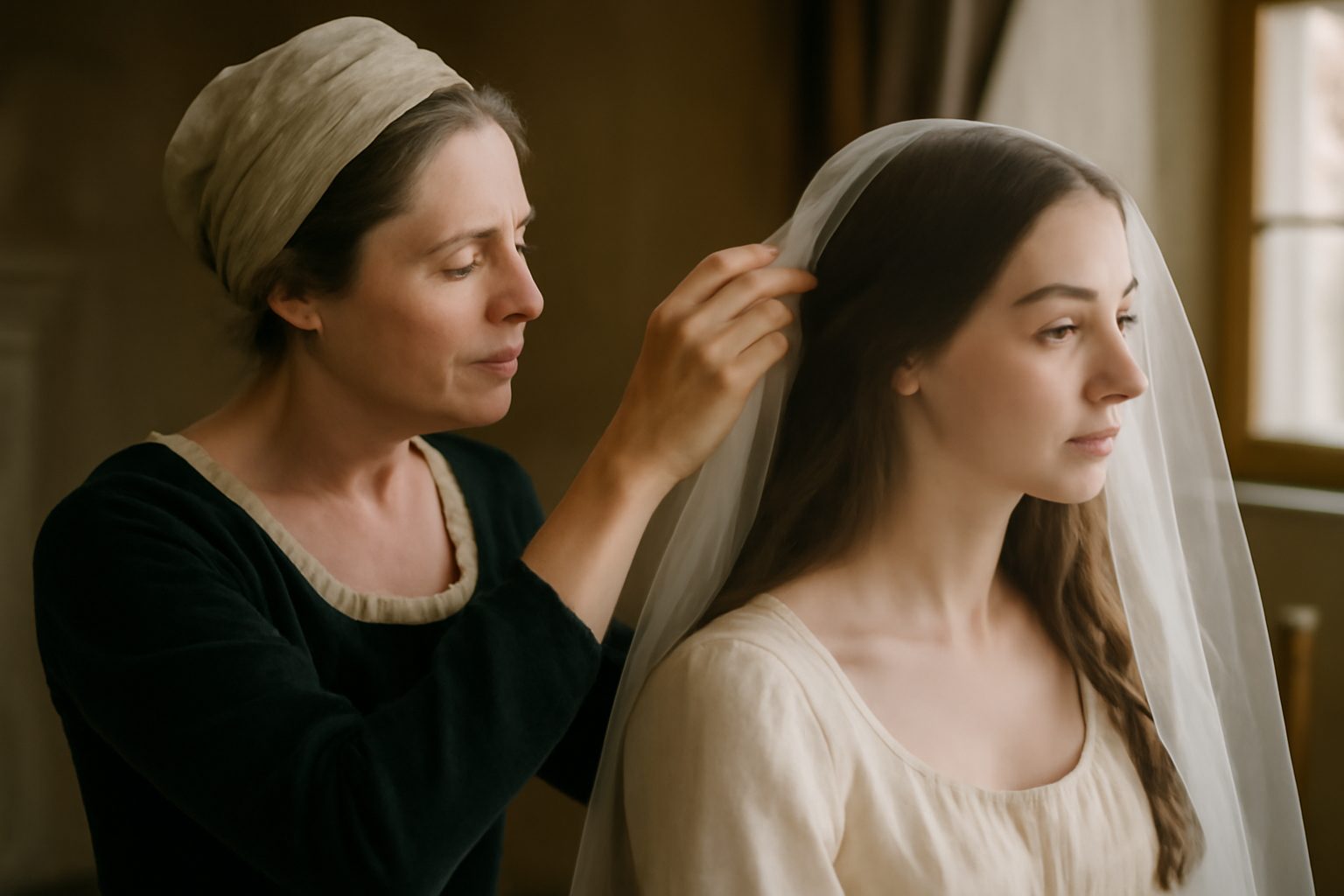
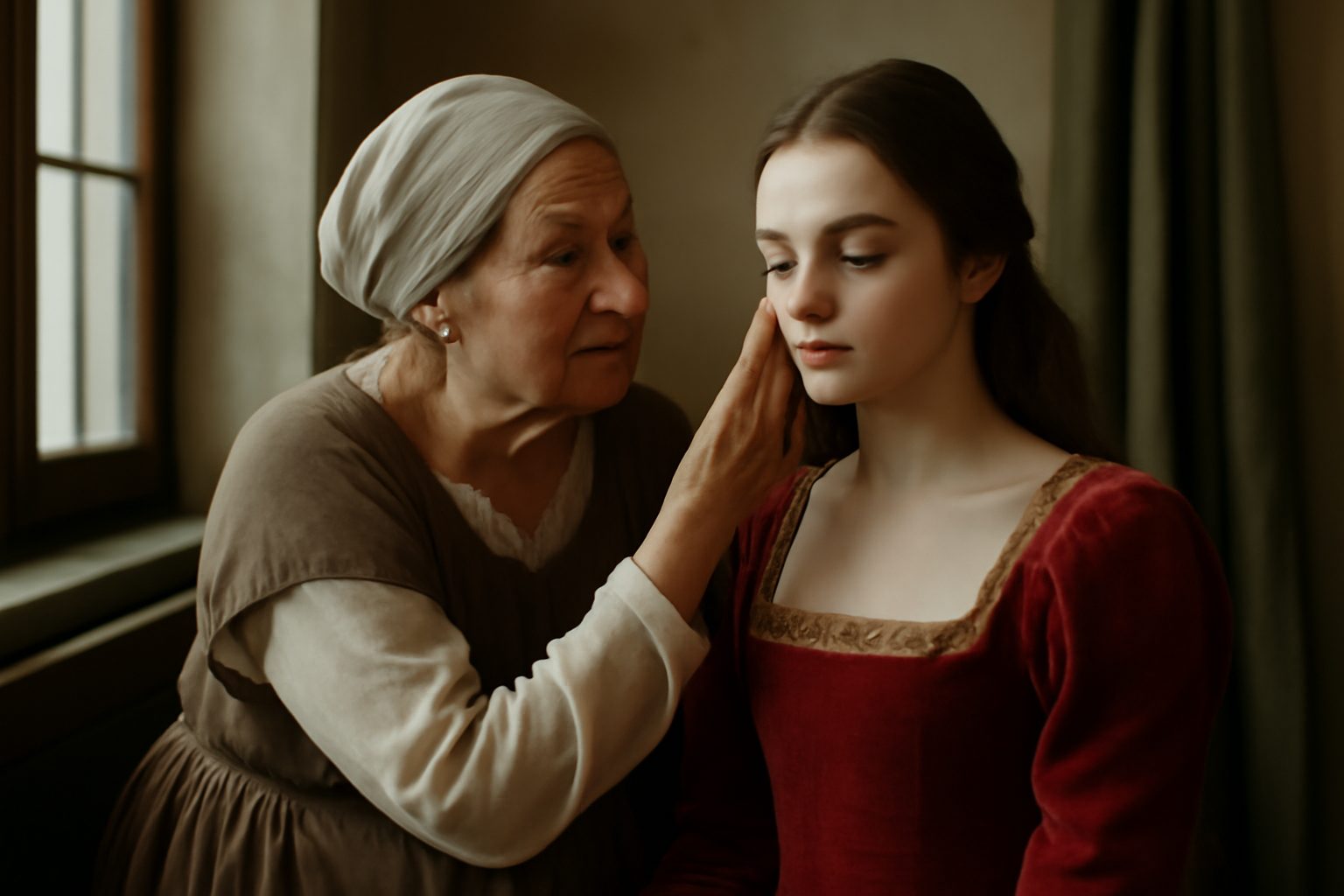
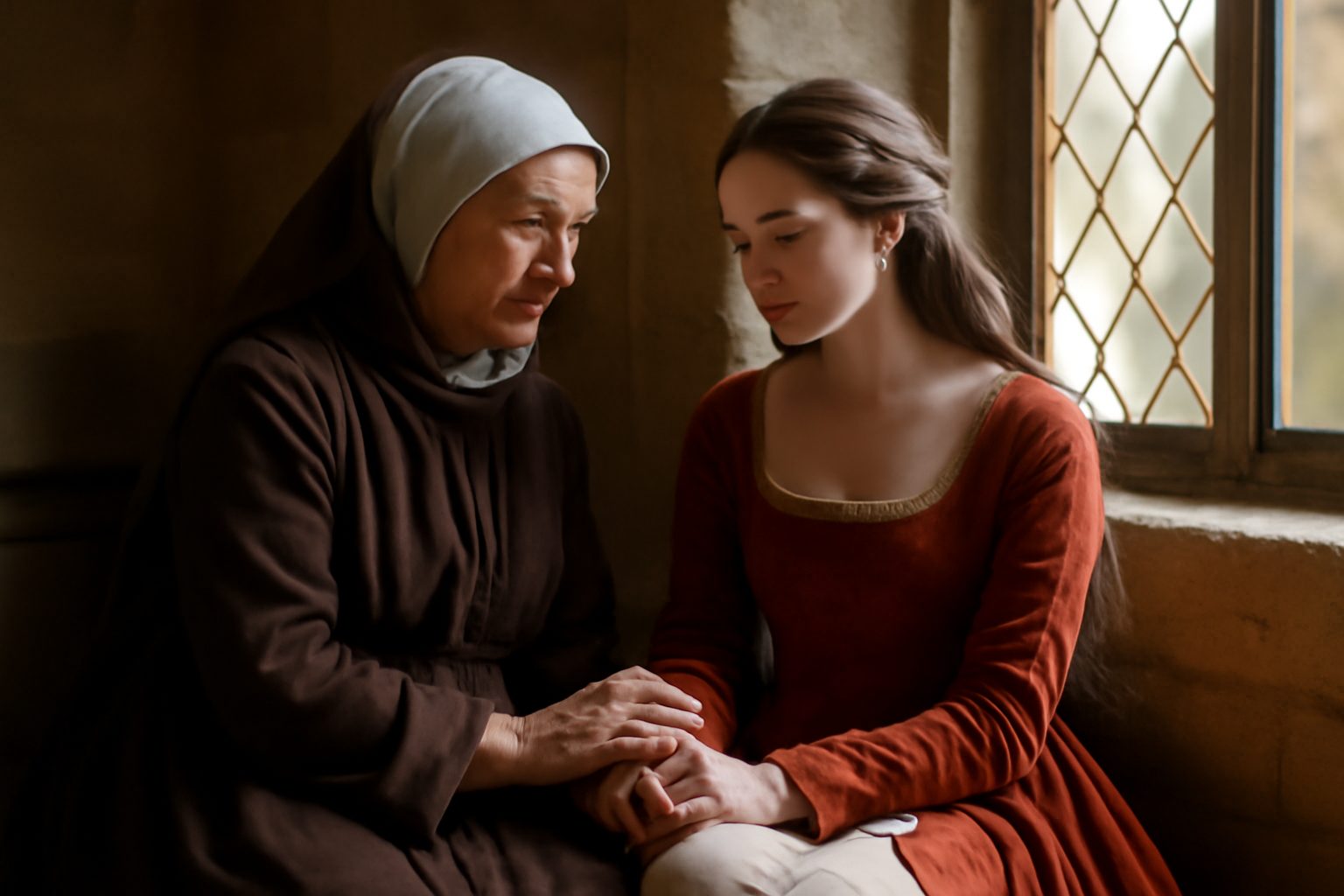
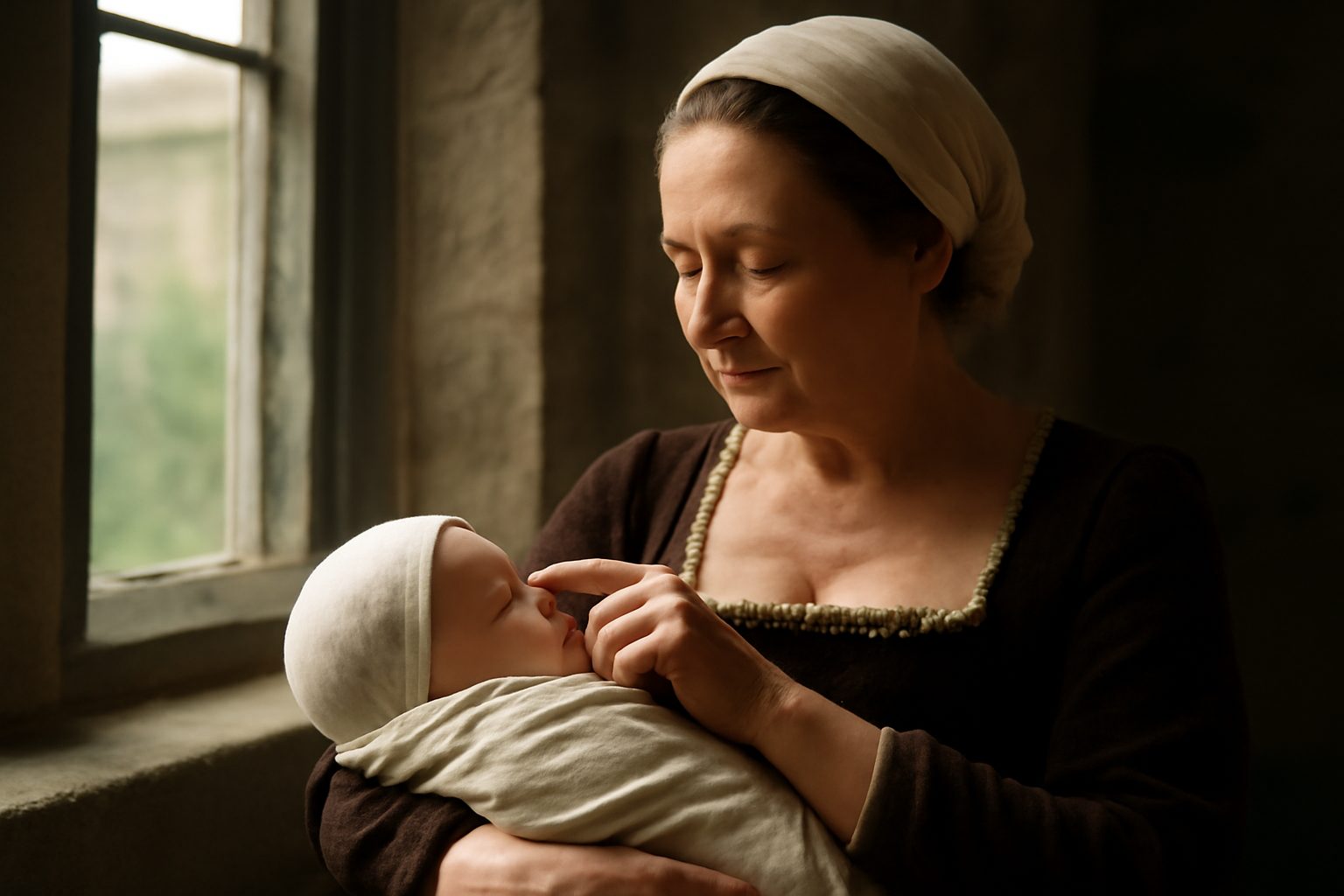
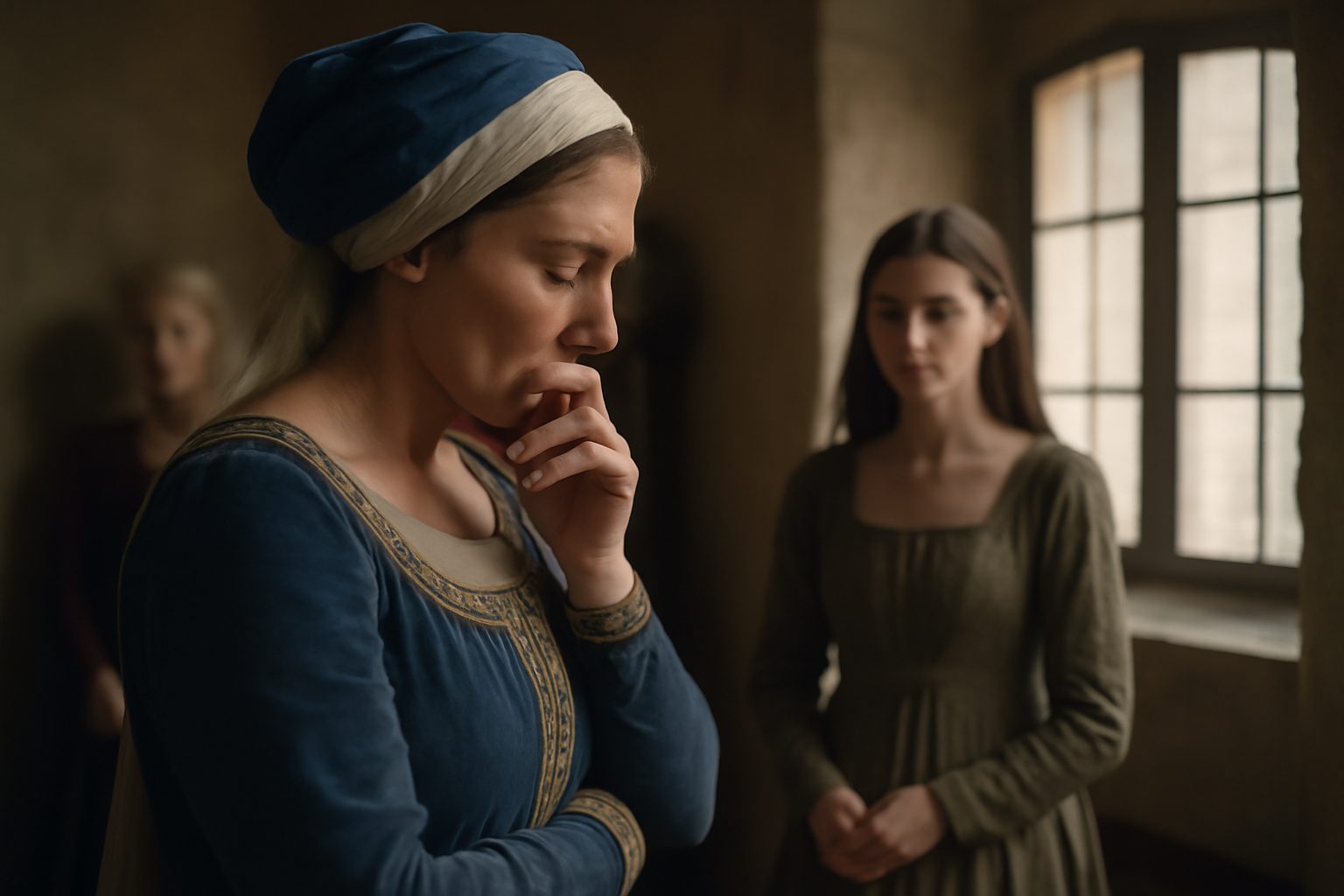
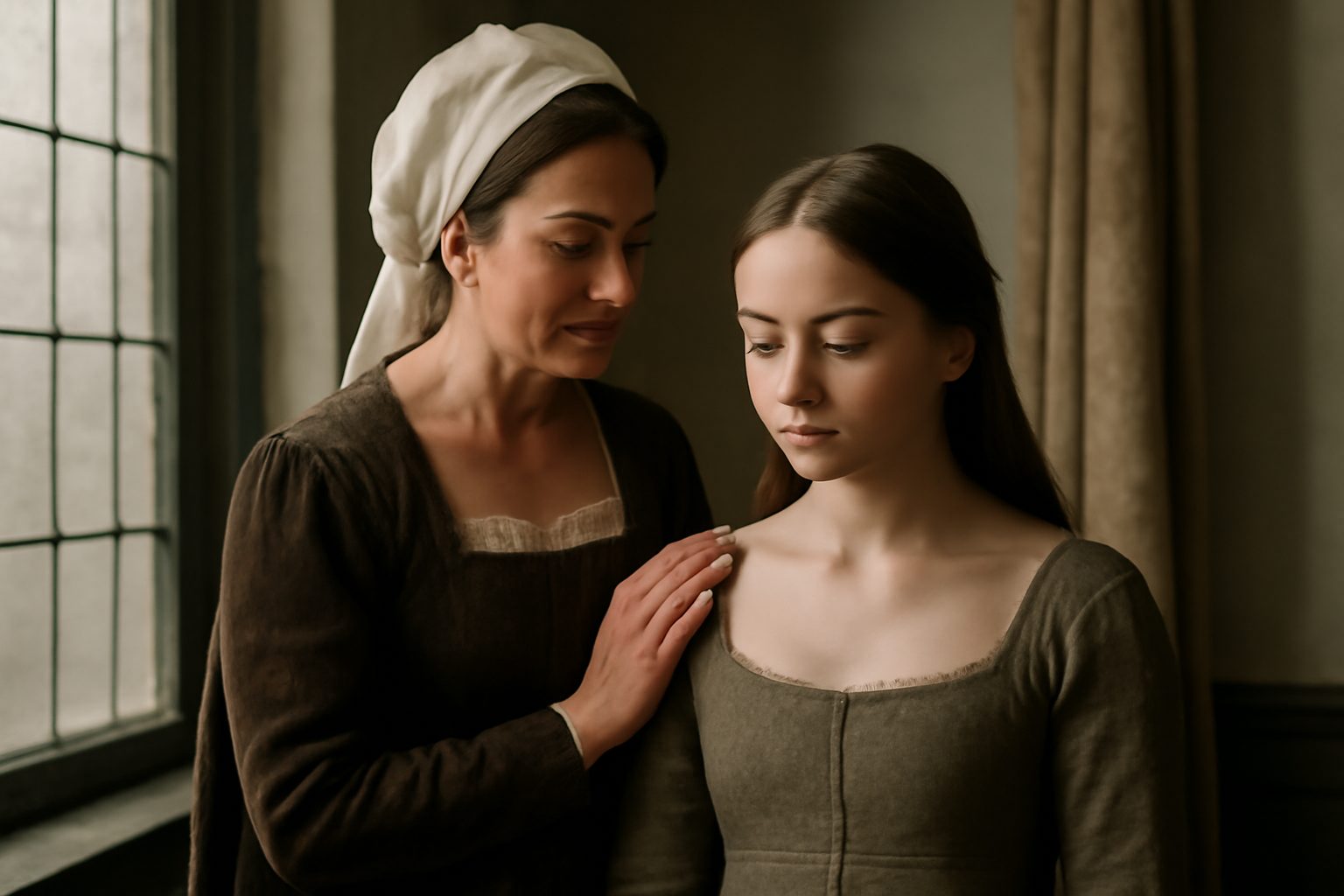
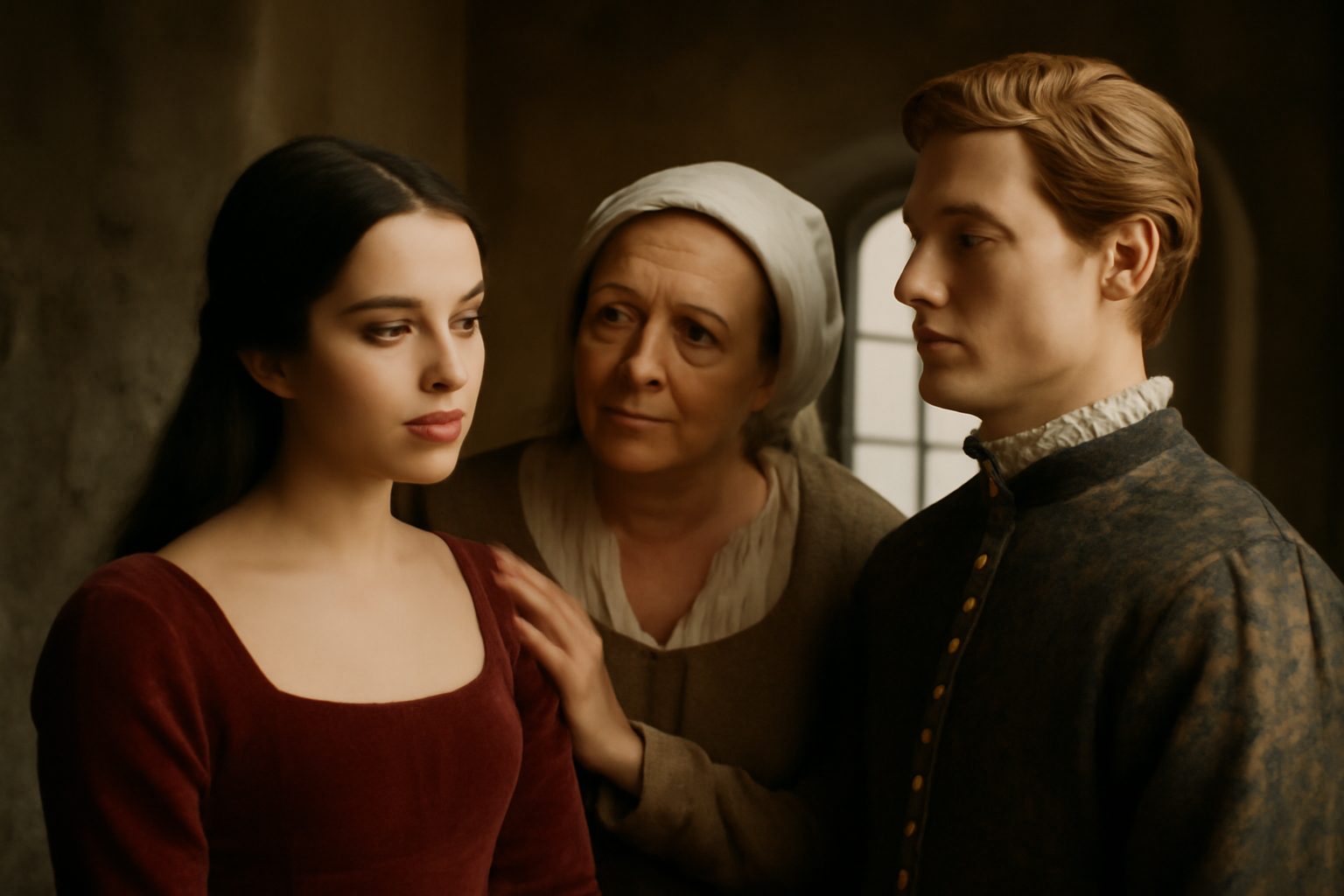
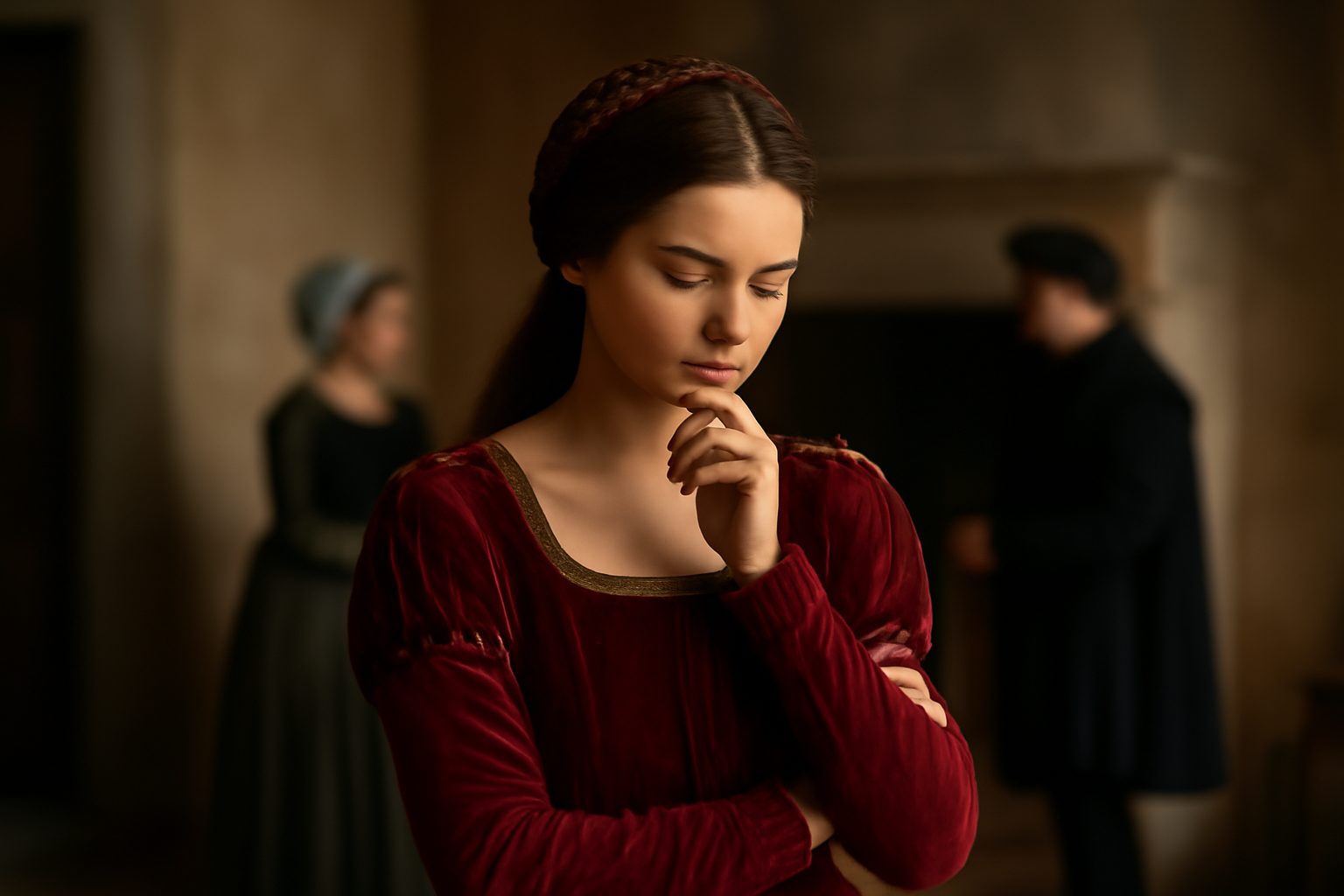
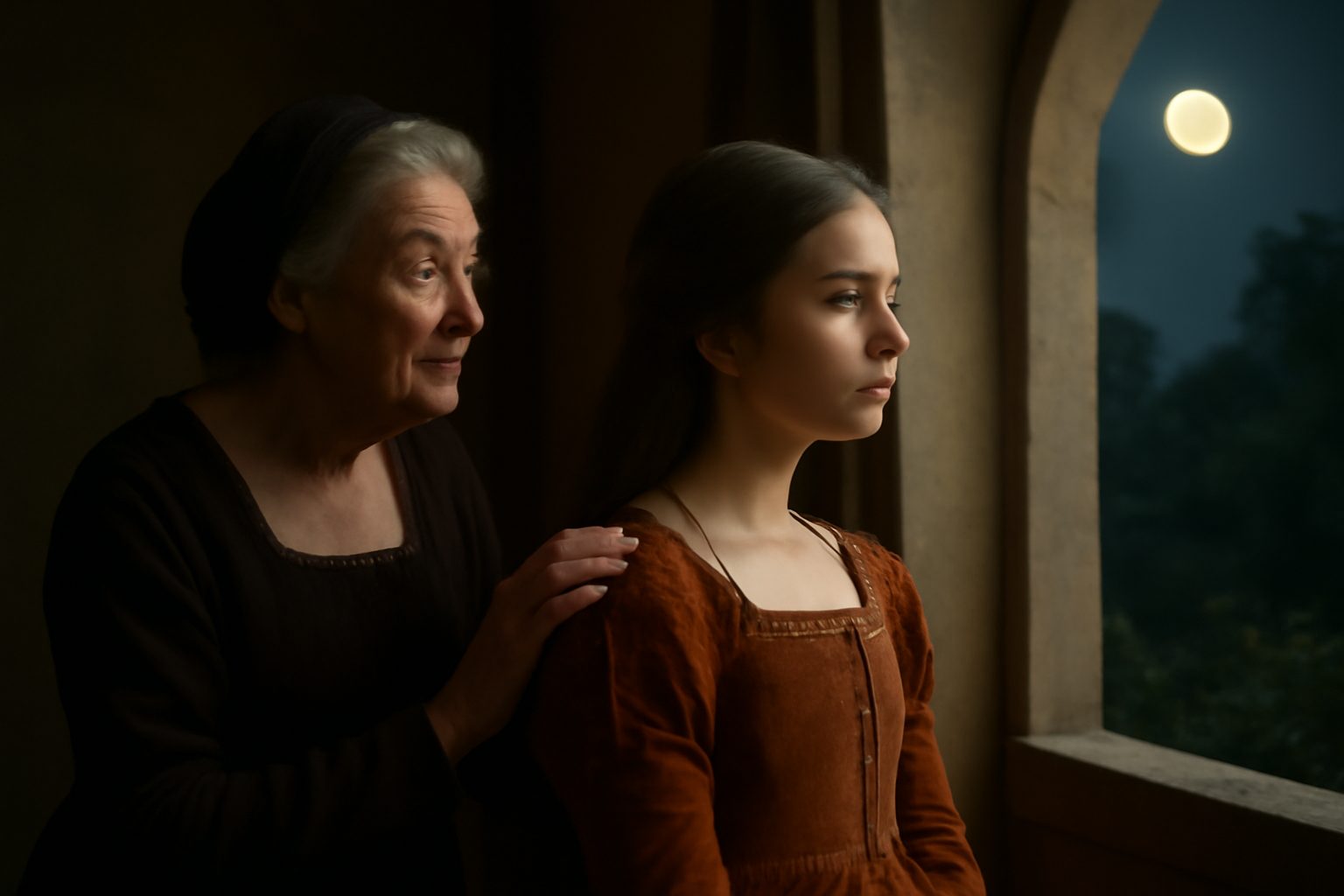
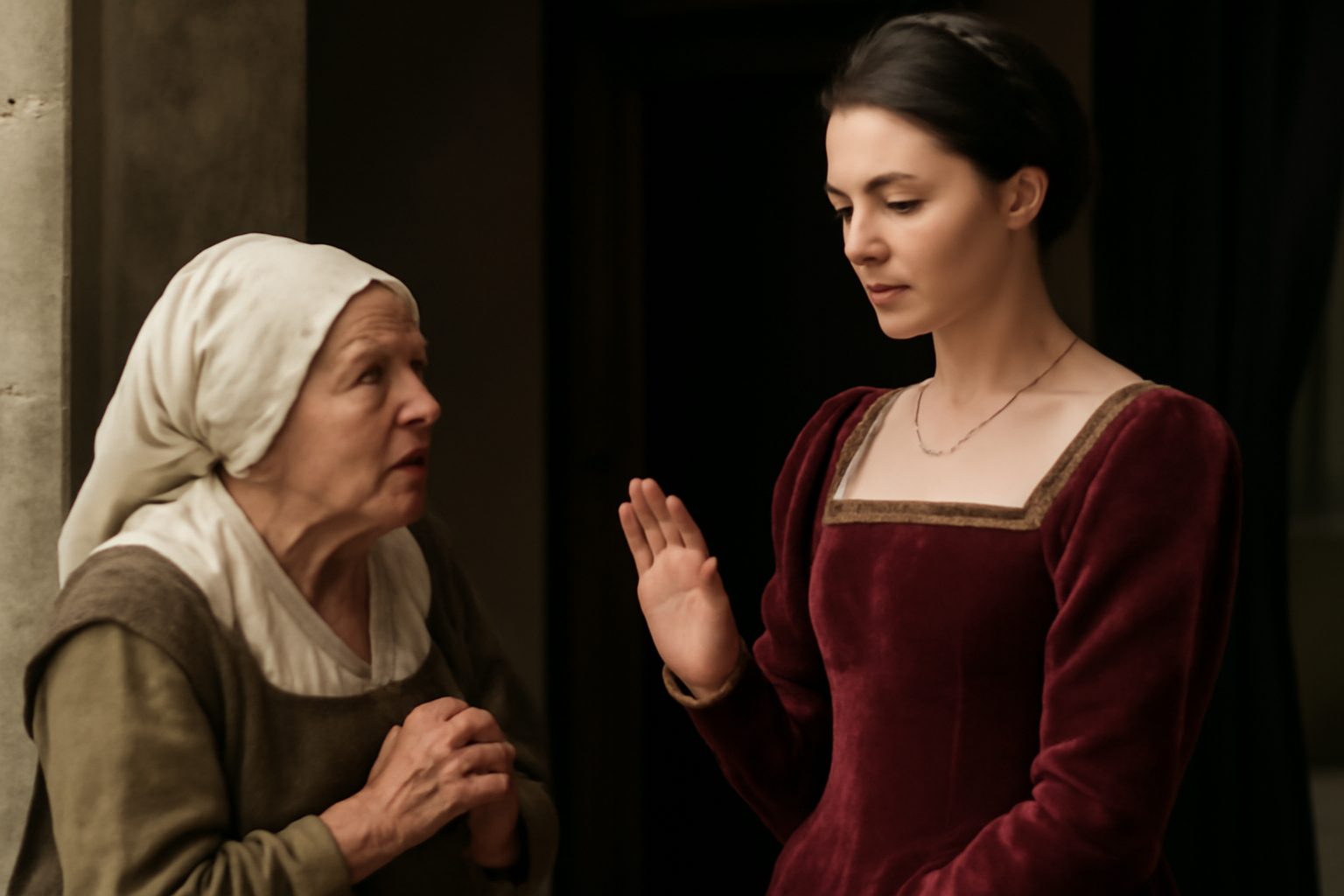
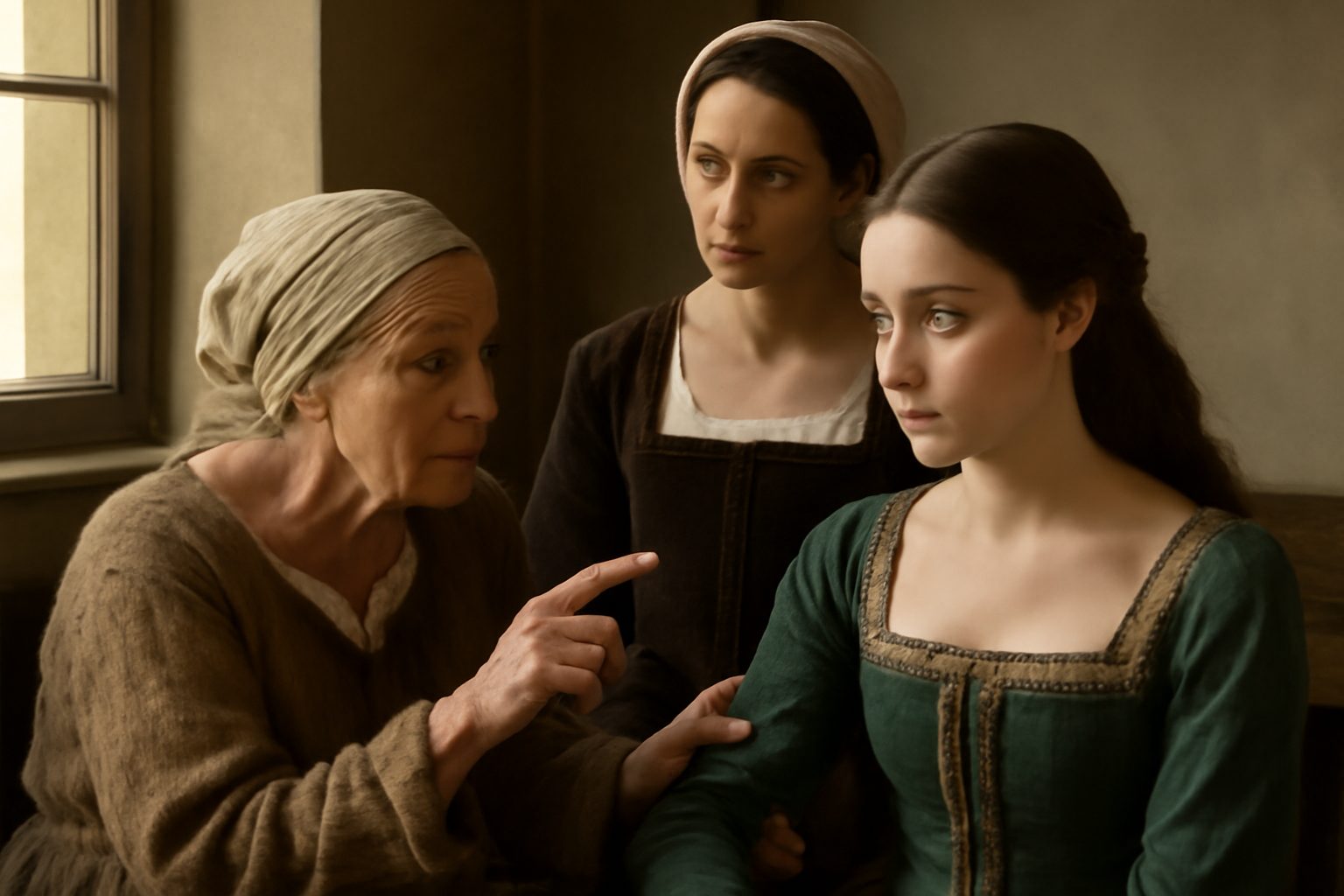
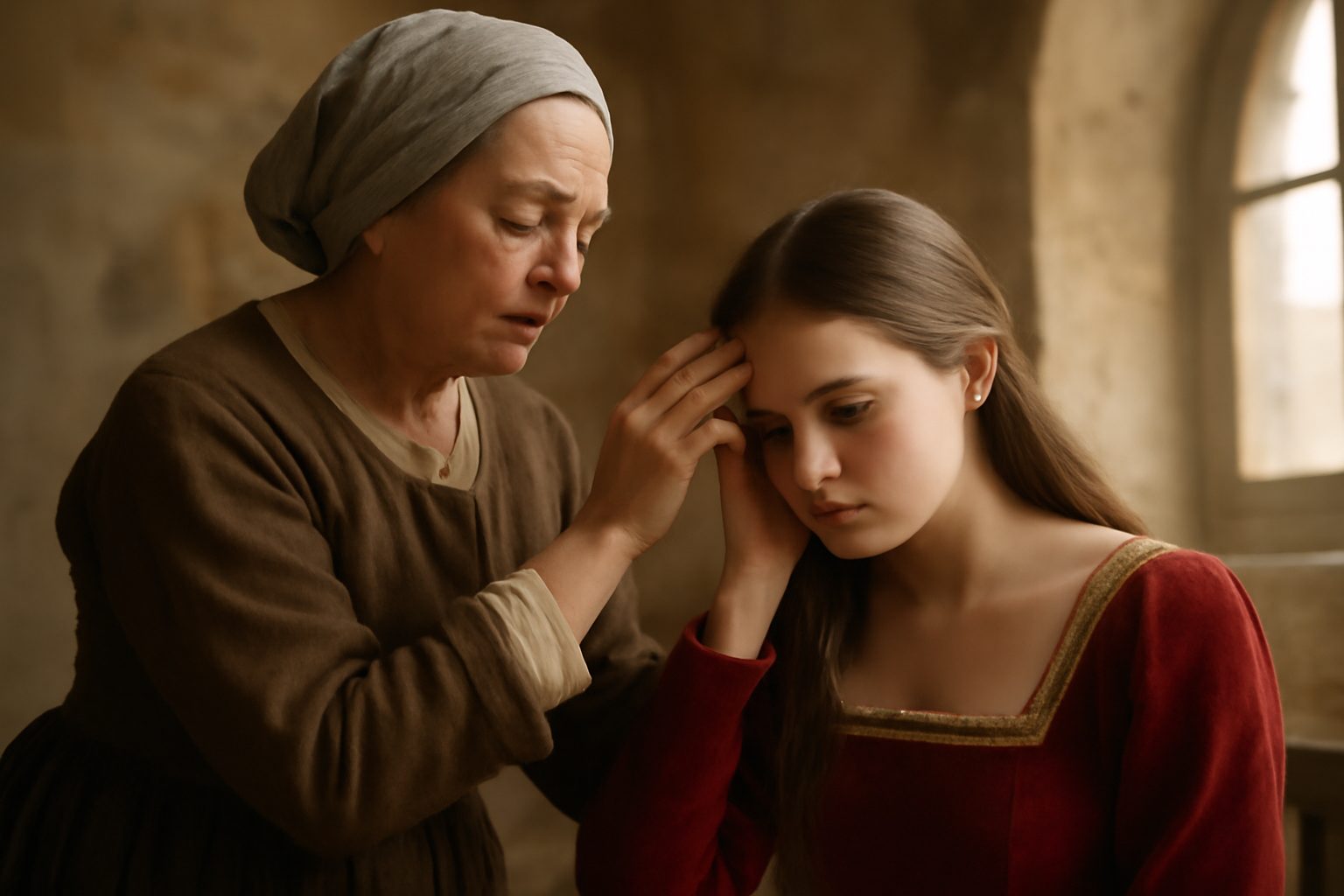
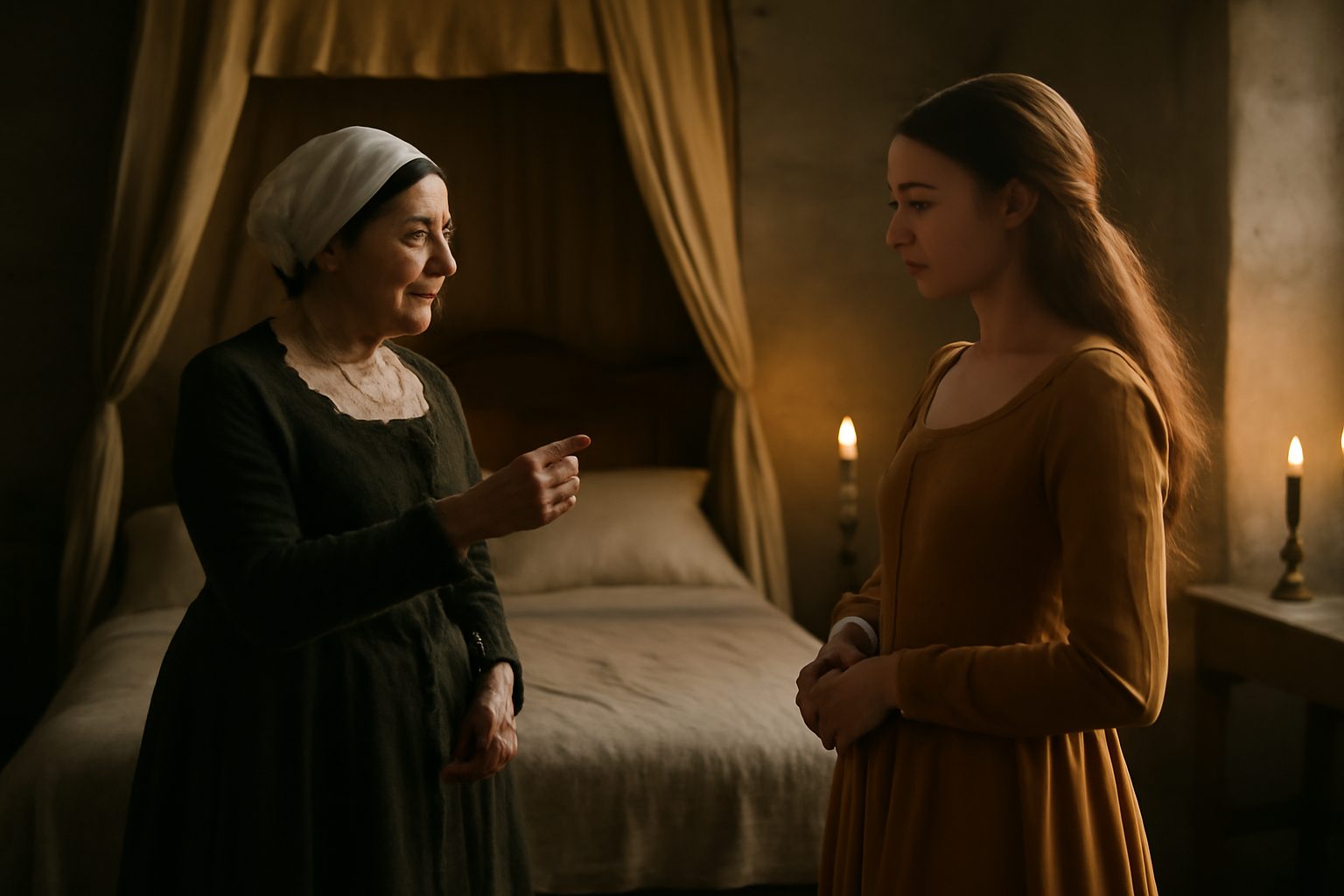
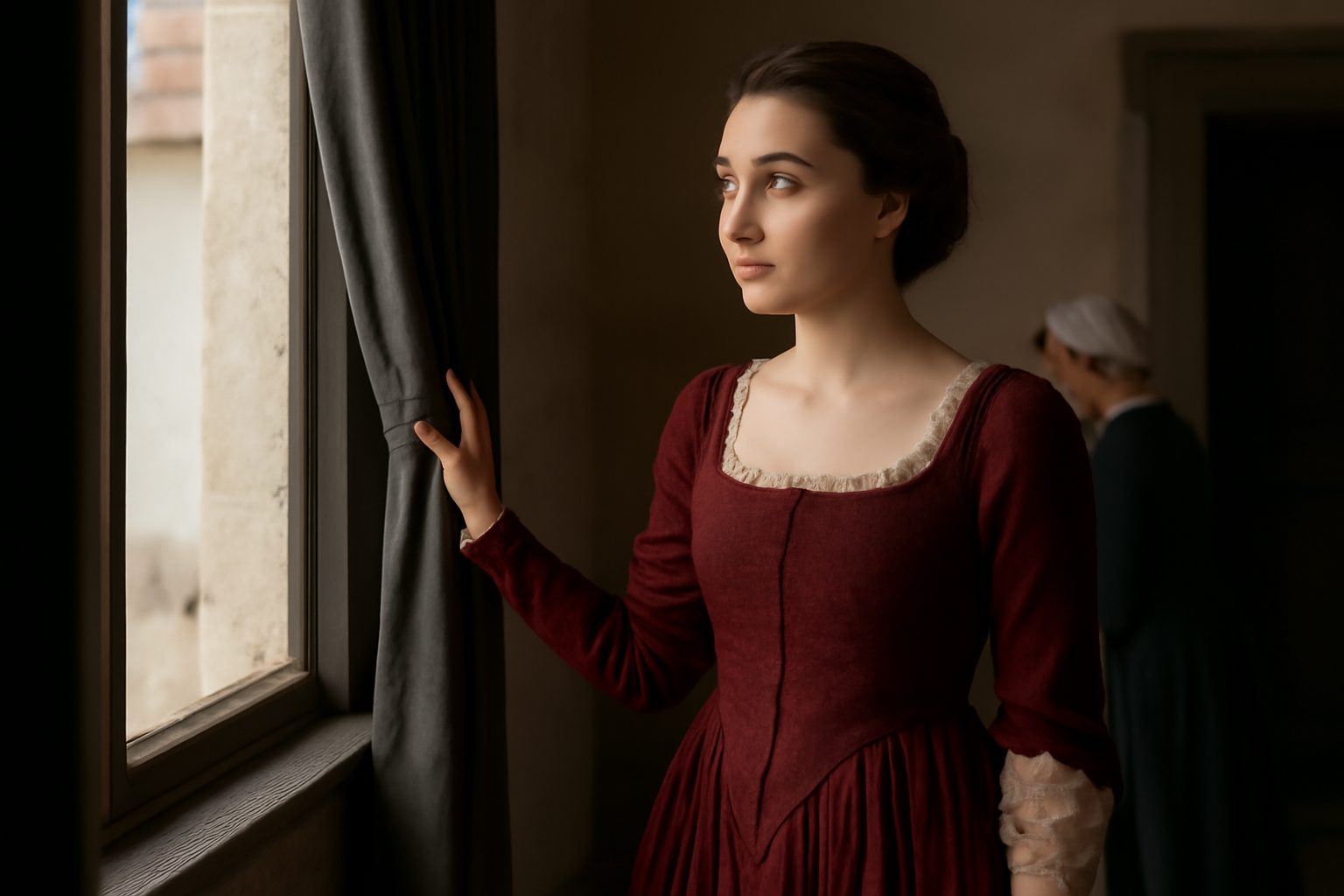
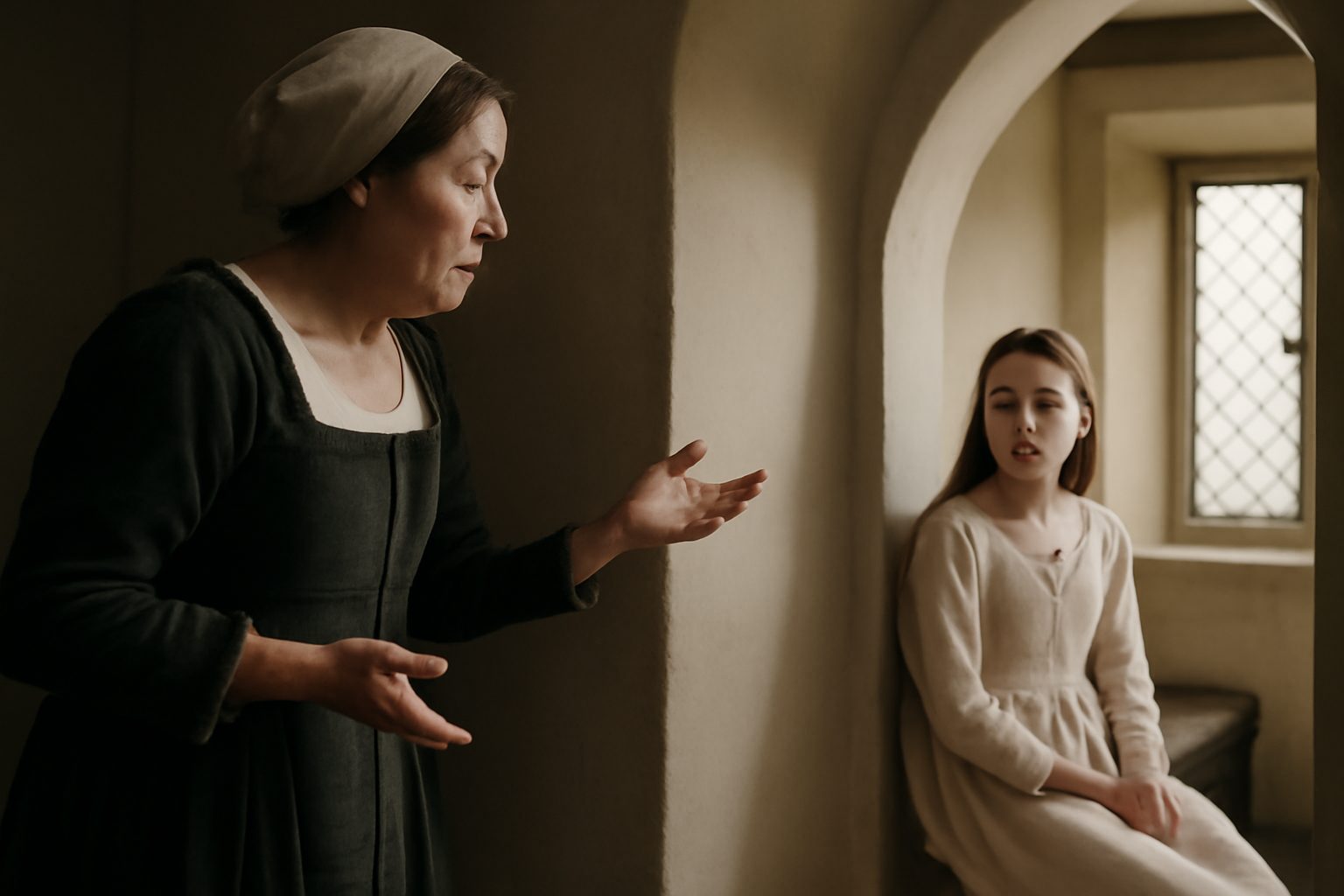
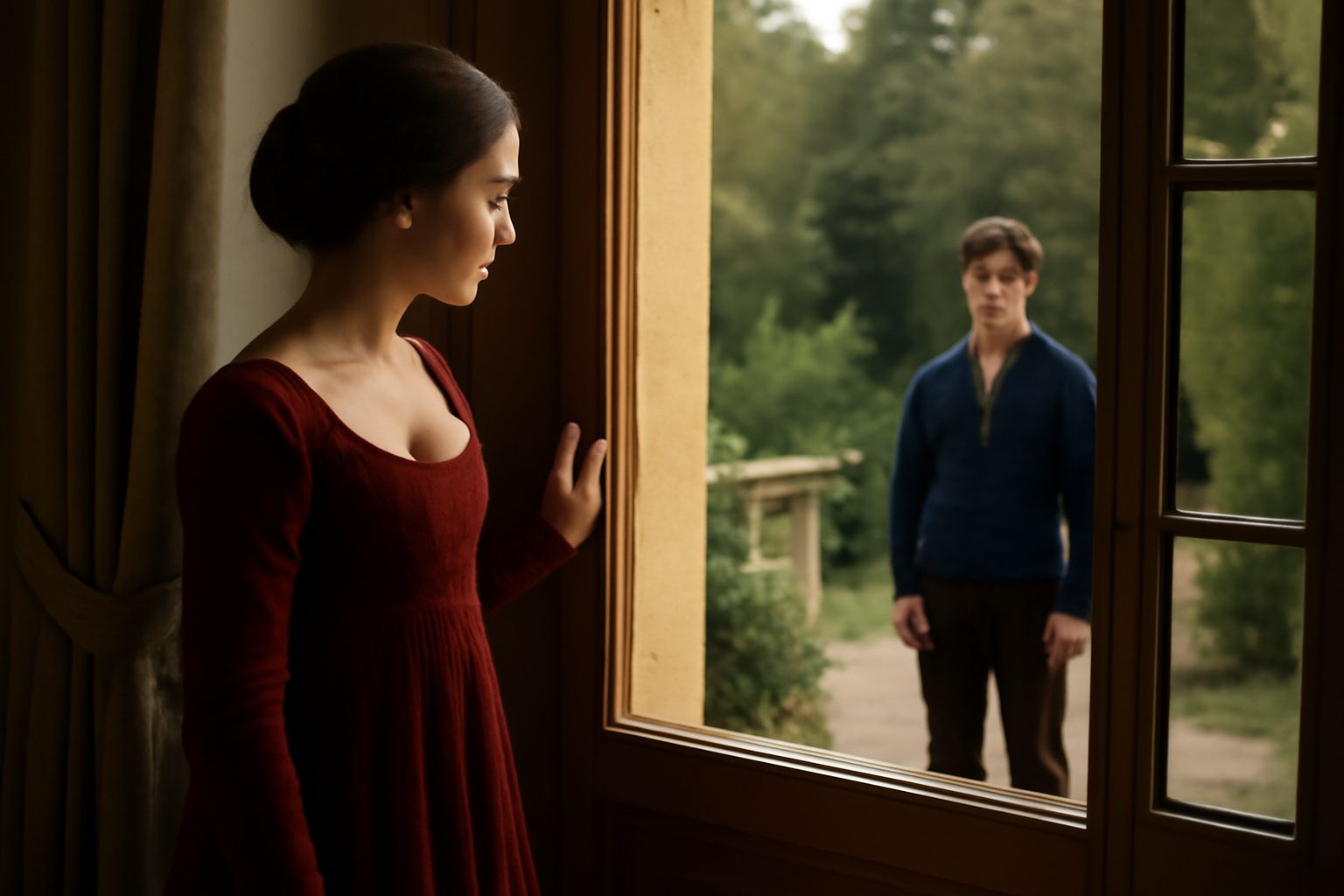
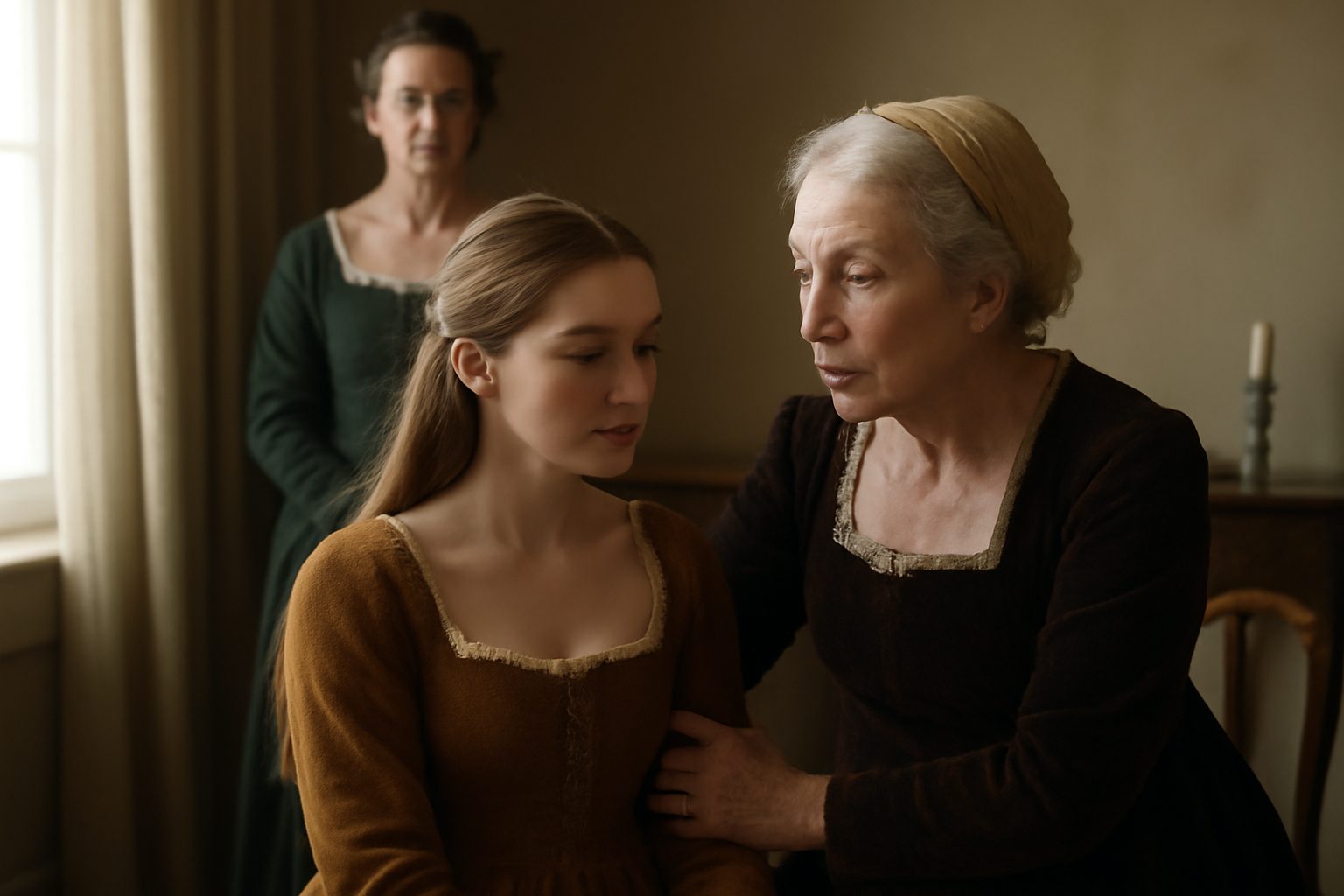
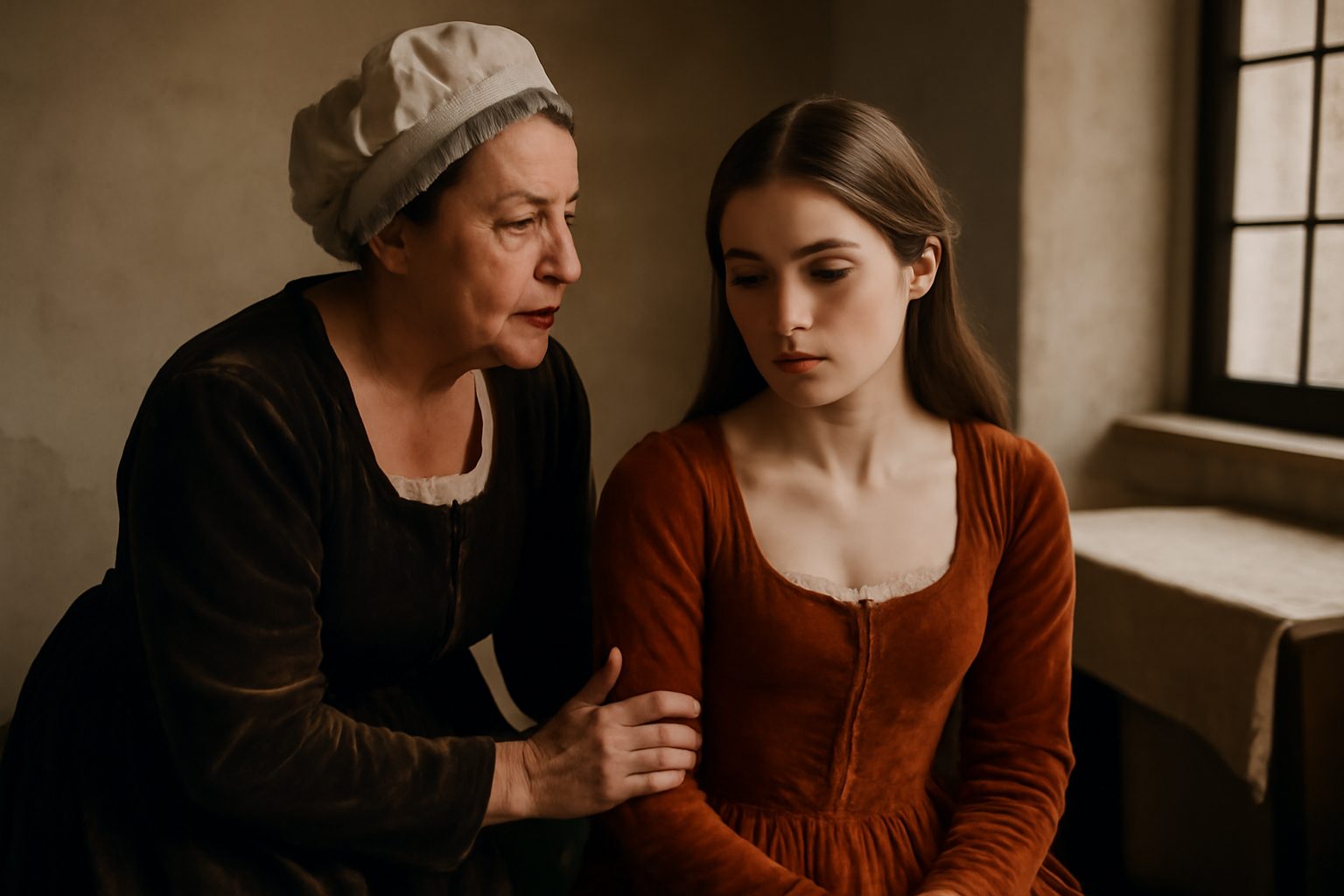
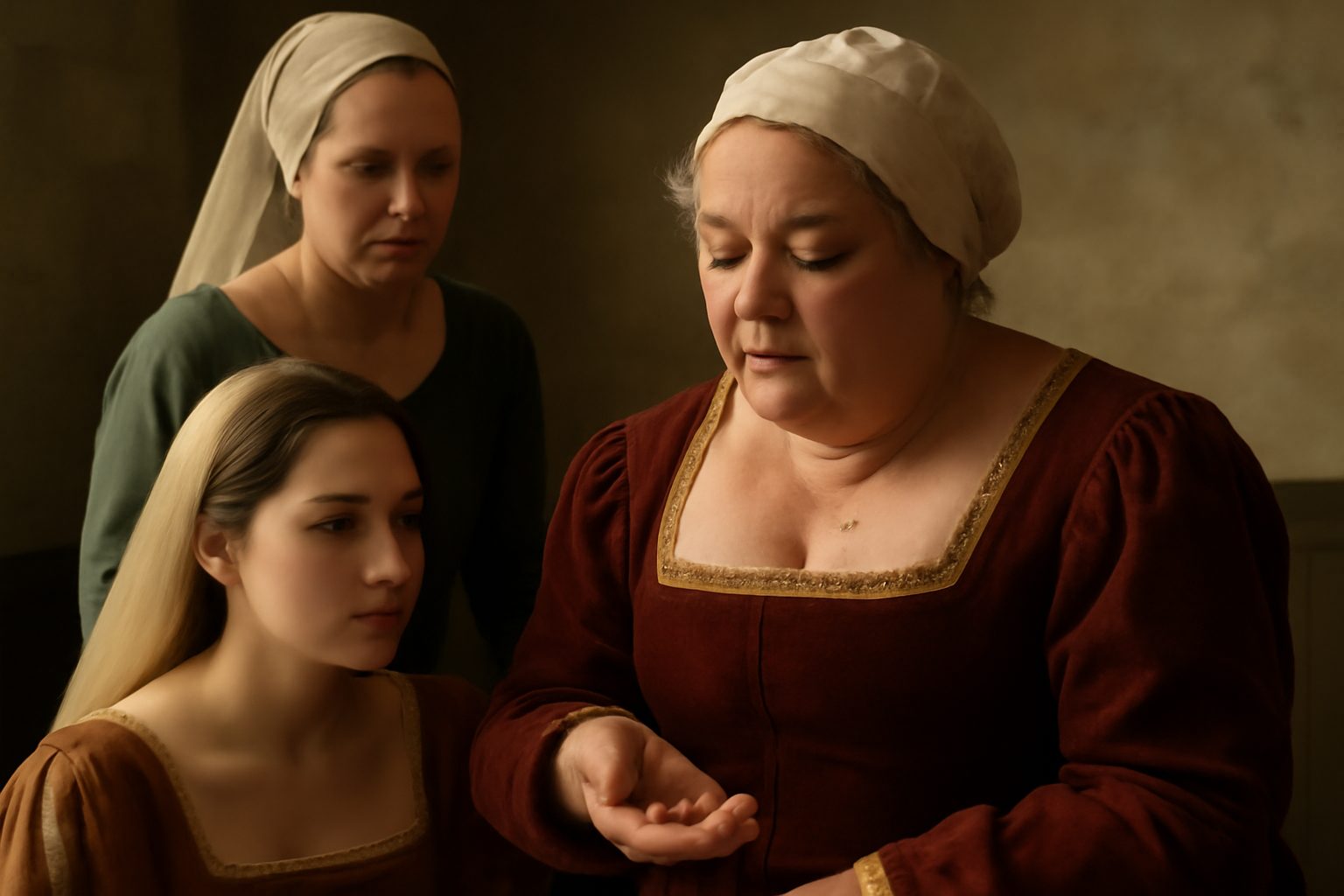
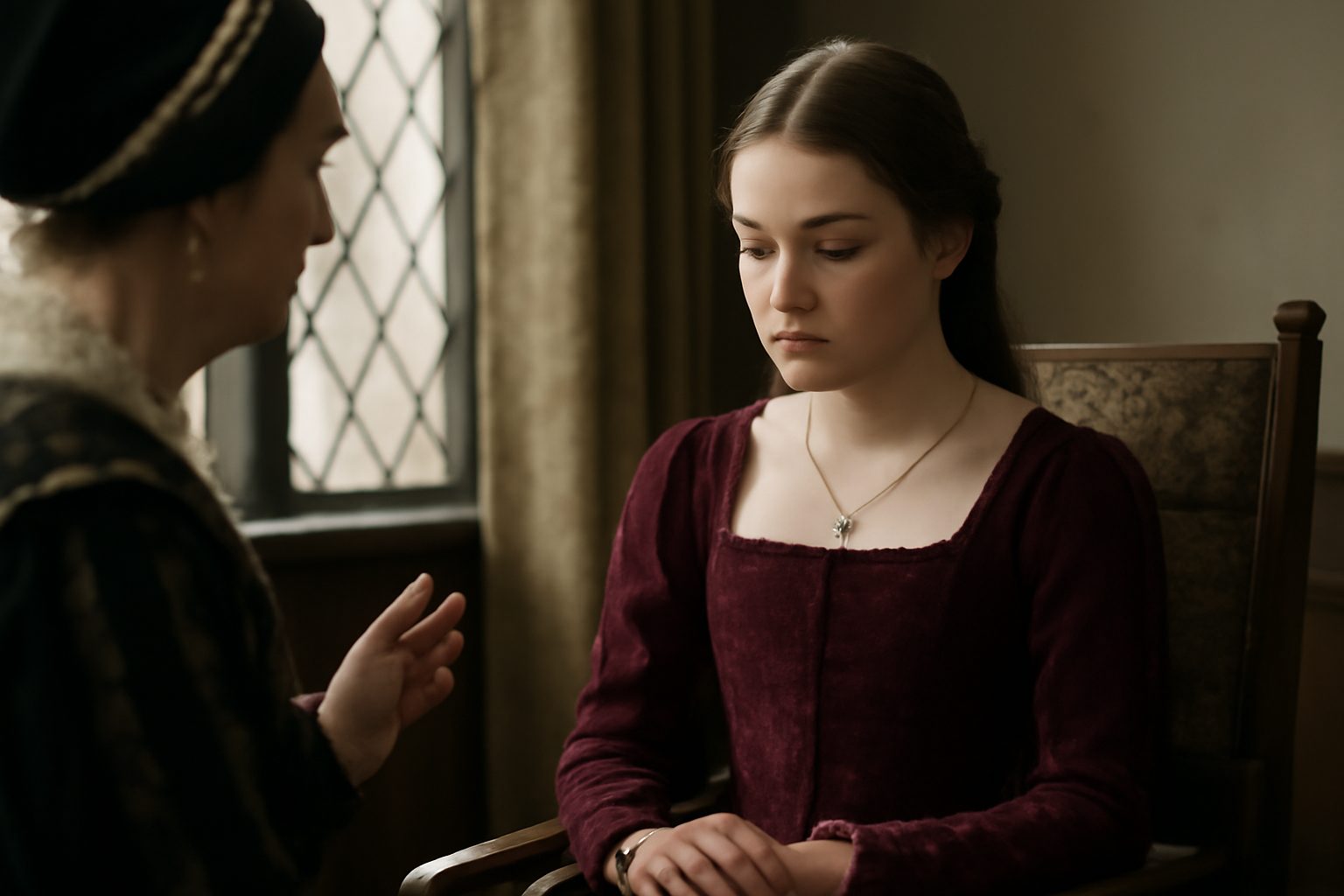
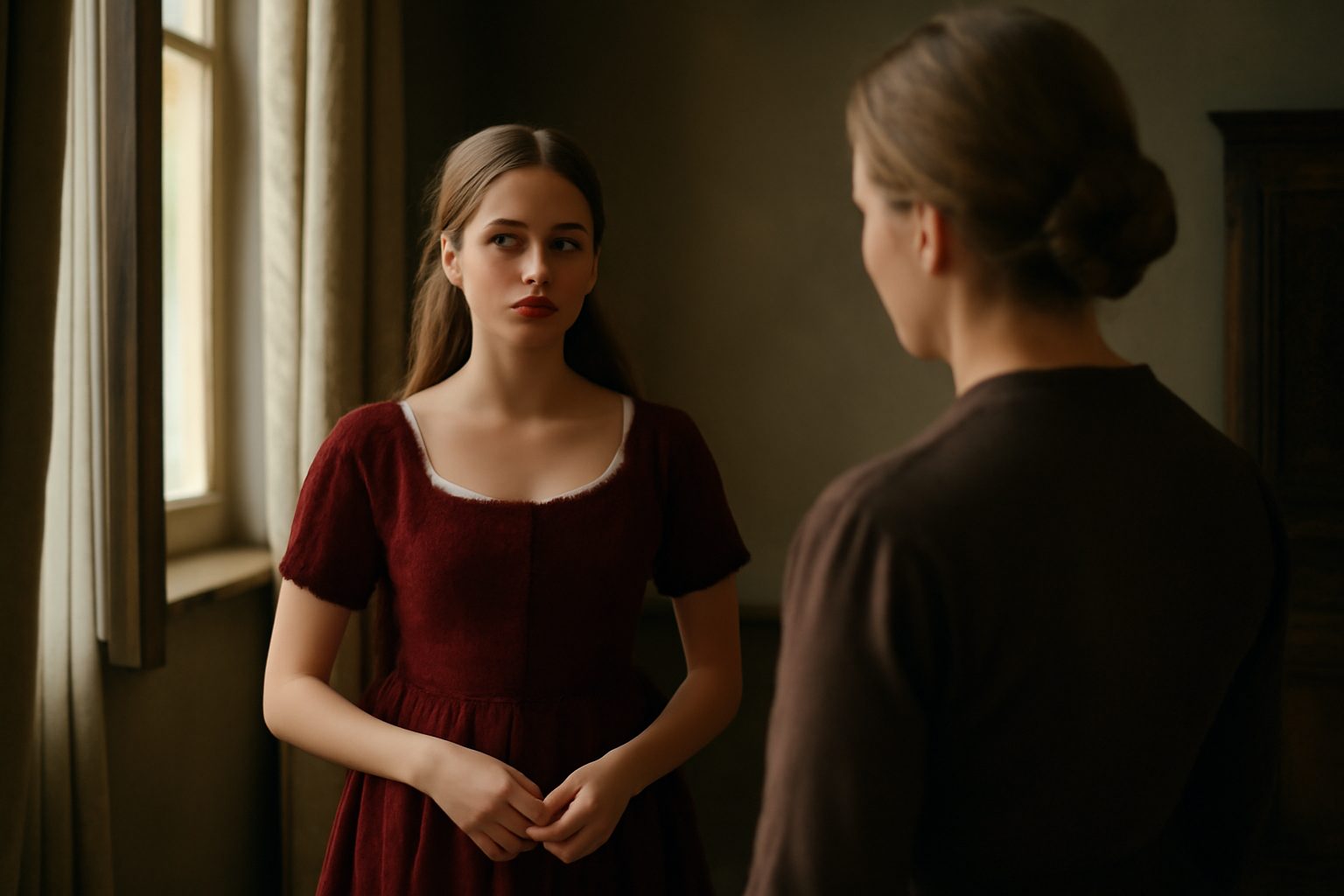
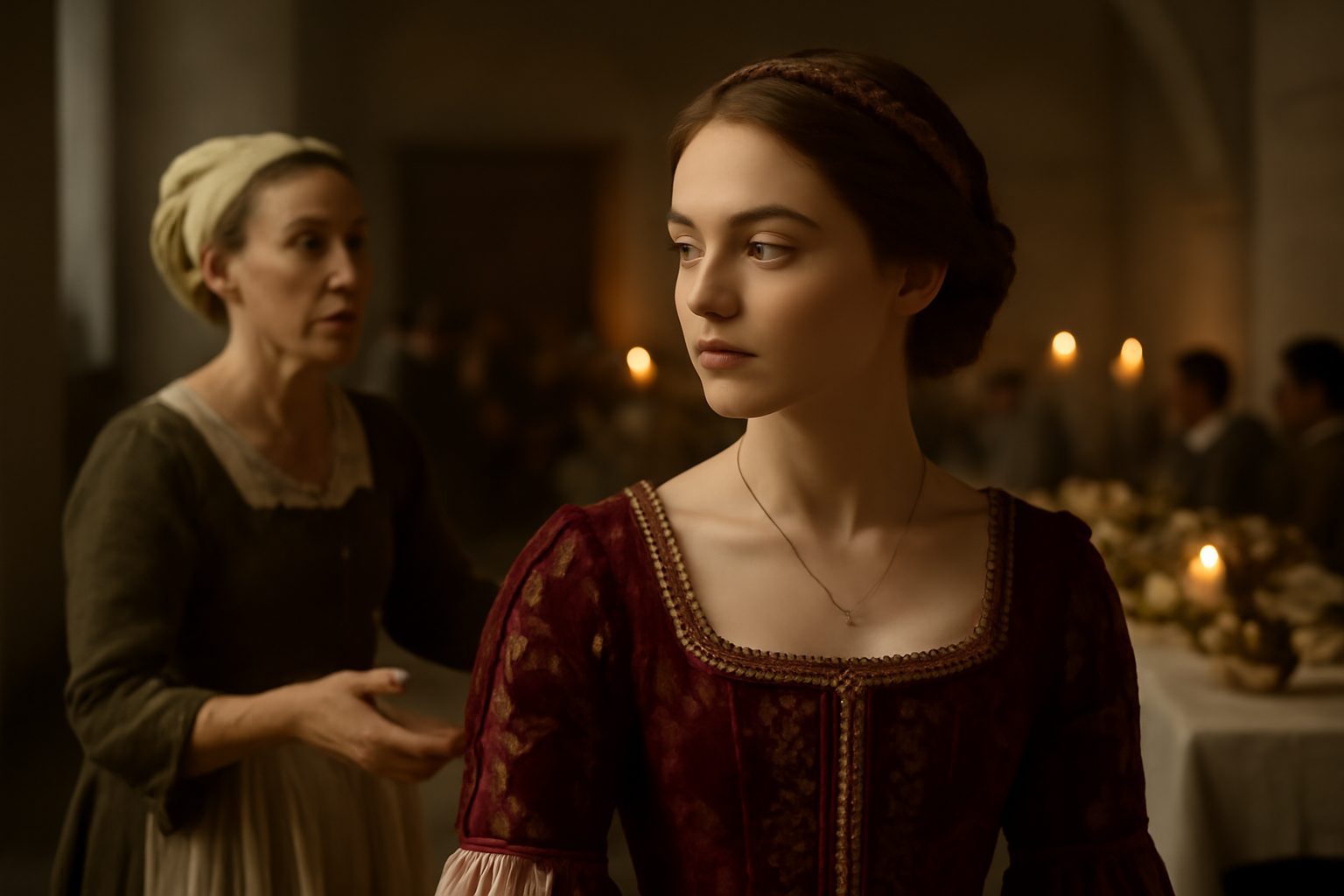
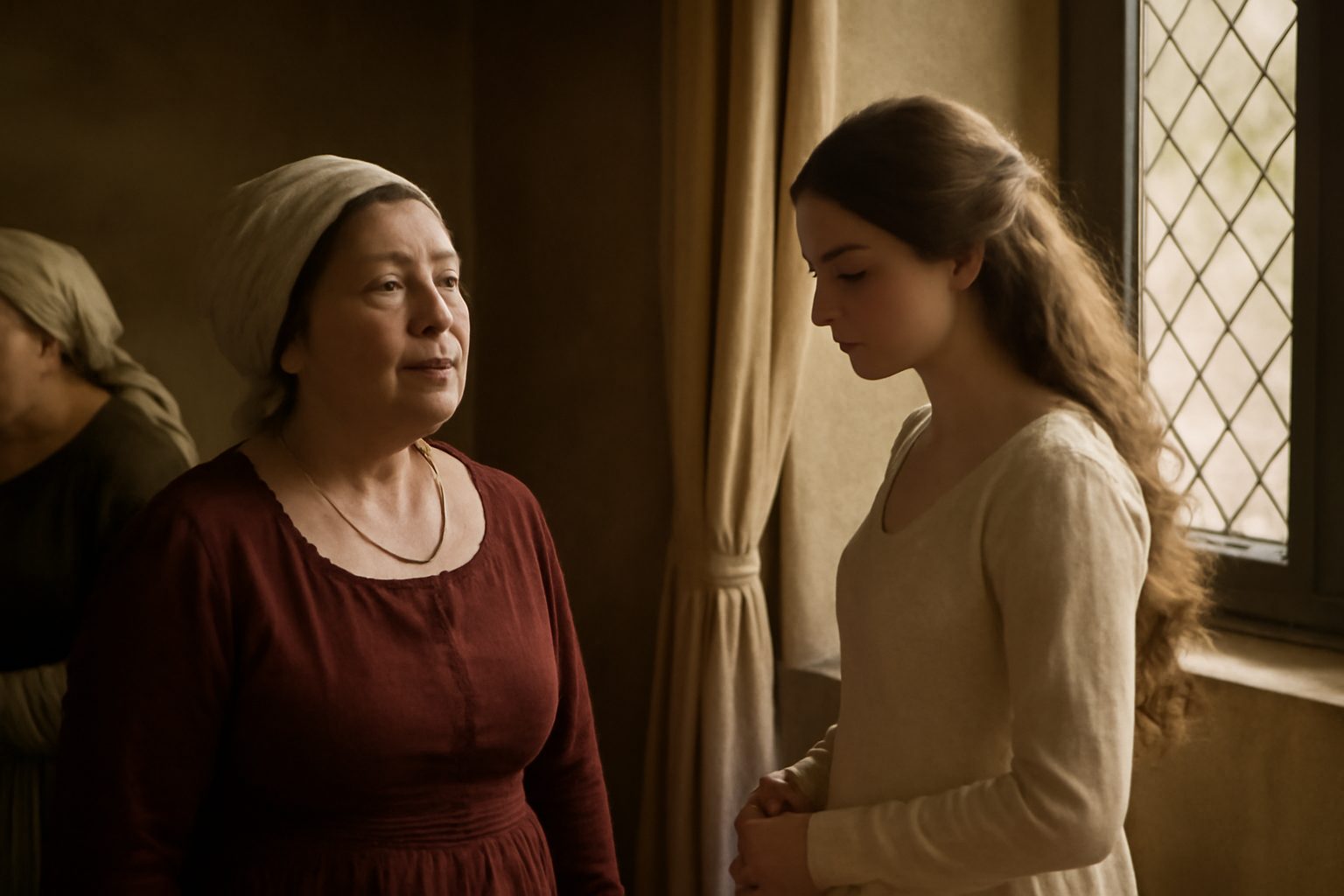
In Act 1, Scene 3 of Romeo and Juliet, Lady Capulet enters to speak with her daughter about marriage. This line marks the beginning of a conversation where she urges Juliet to consider Paris as a suitor. The scene highlights the expectations placed on young women in Verona's noble families.
Lady Capulet: "I came to talk of. Tell me, daughter Juliet,"
In modern day english, we would say:
I want to discuss something with you—listen, Juliet, my daughter.
Frequently Asked Questions
Who is speaking to Juliet in this line?
Lady Capulet, Juliet's mother, is speaking to her.
What does Lady Capulet want to talk to Juliet about?
Lady Capulet wants to have a conversation with Juliet, though the specific topic isn't mentioned in this line.
Connections to other verses:
Connections to "I came to talk of. Tell me, daughter Juliet,"
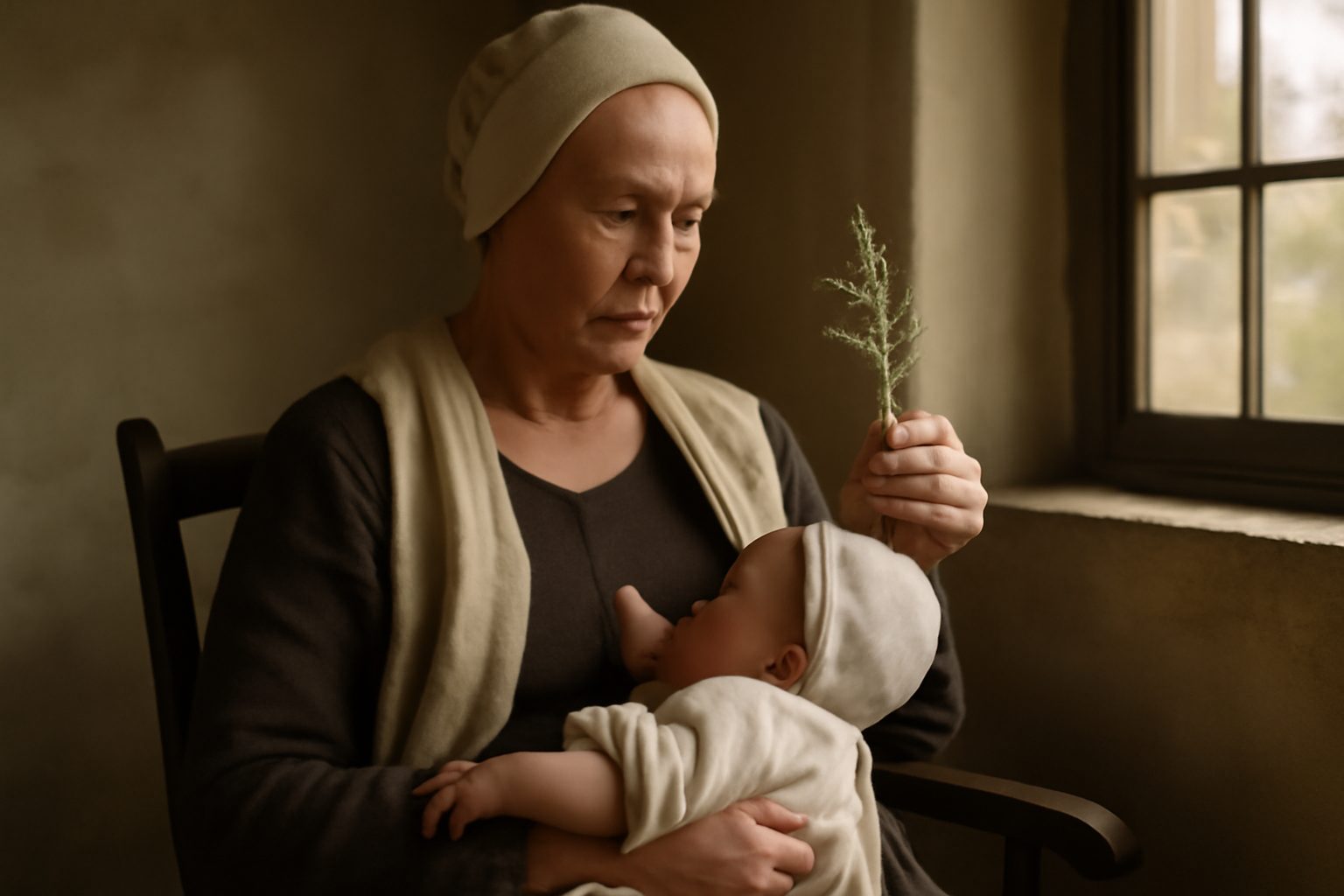
This line, spoken by Lady Capulet, serves as a transition from the Nurse's rambling anecdotes to the central purpose of the scene: discussing Juliet's potential marriage to Paris. It directly follows Marry, that 'marry' is the very theme, where Lady Capulet introduces the topic of marriage, and precedes her inquiry in How stands your disposition to be married?.
Contextual and Thematic Links
The verse connects thematically to The valiant Paris seeks you for his love, as Lady Capulet proceeds to praise Paris after this introductory remark. It also relates to Juliet’s obedient but reserved response in It is an honour that I dream not of, highlighting the generational and emotional divide between mother and daughter.
Contrast with the Nurse’s Character
Lady Capulet’s formal and purposeful tone starkly contrasts with the Nurse’s earthy, humorous recollections, such as those in The pretty wretch left crying and said 'Ay.' and And yet, I warrant, it had upon its brow, emphasizing the difference in their relationships with Juliet.
Structural Role
This line acts as a pivot, redirecting the conversation back to Lady Capulet’s agenda after the Nurse’s digressions, which include references to Juliet’s infancy, such as And she was wean'd,--I never shall forget it,-- and For then she could stand alone; nay, by the rood.