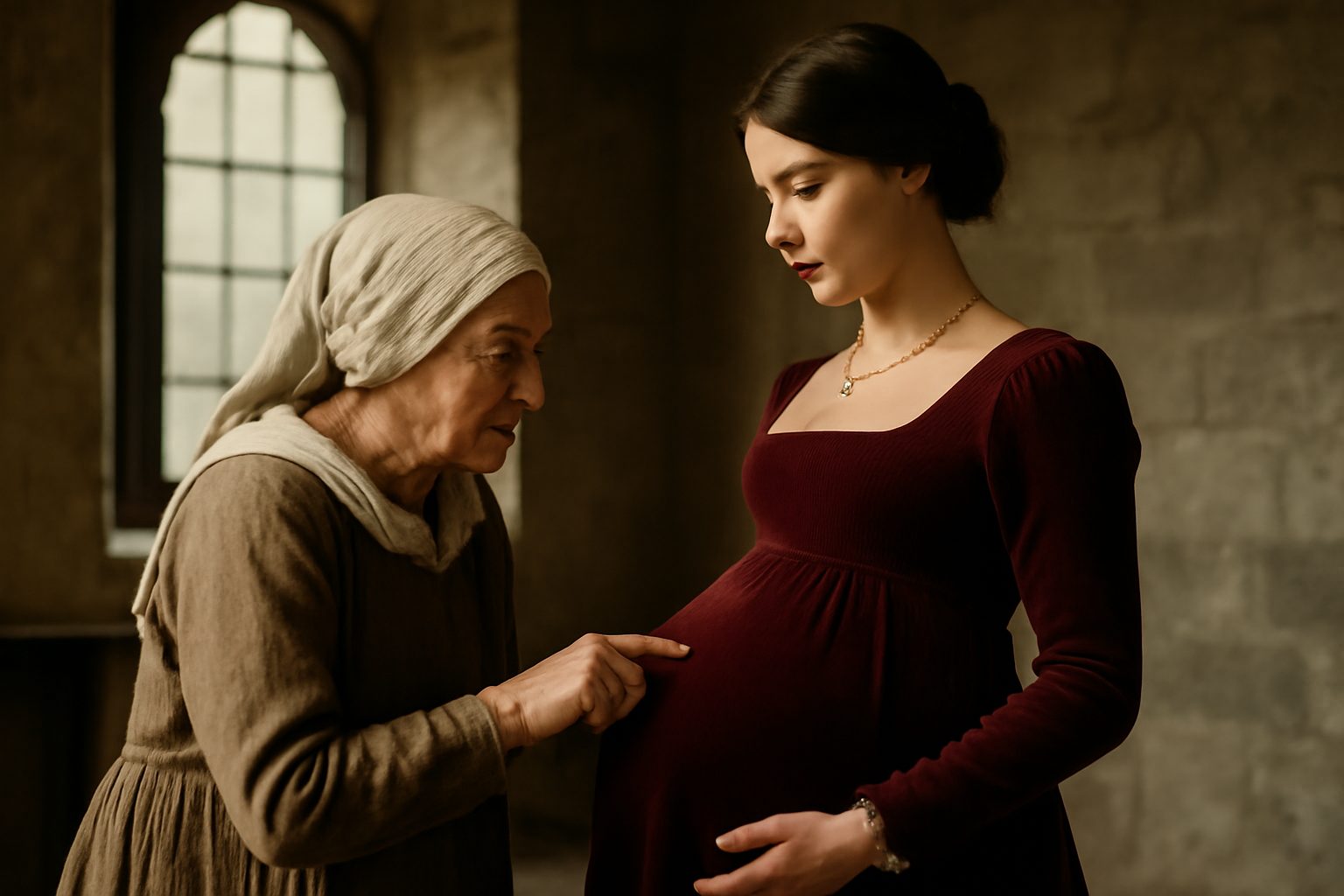
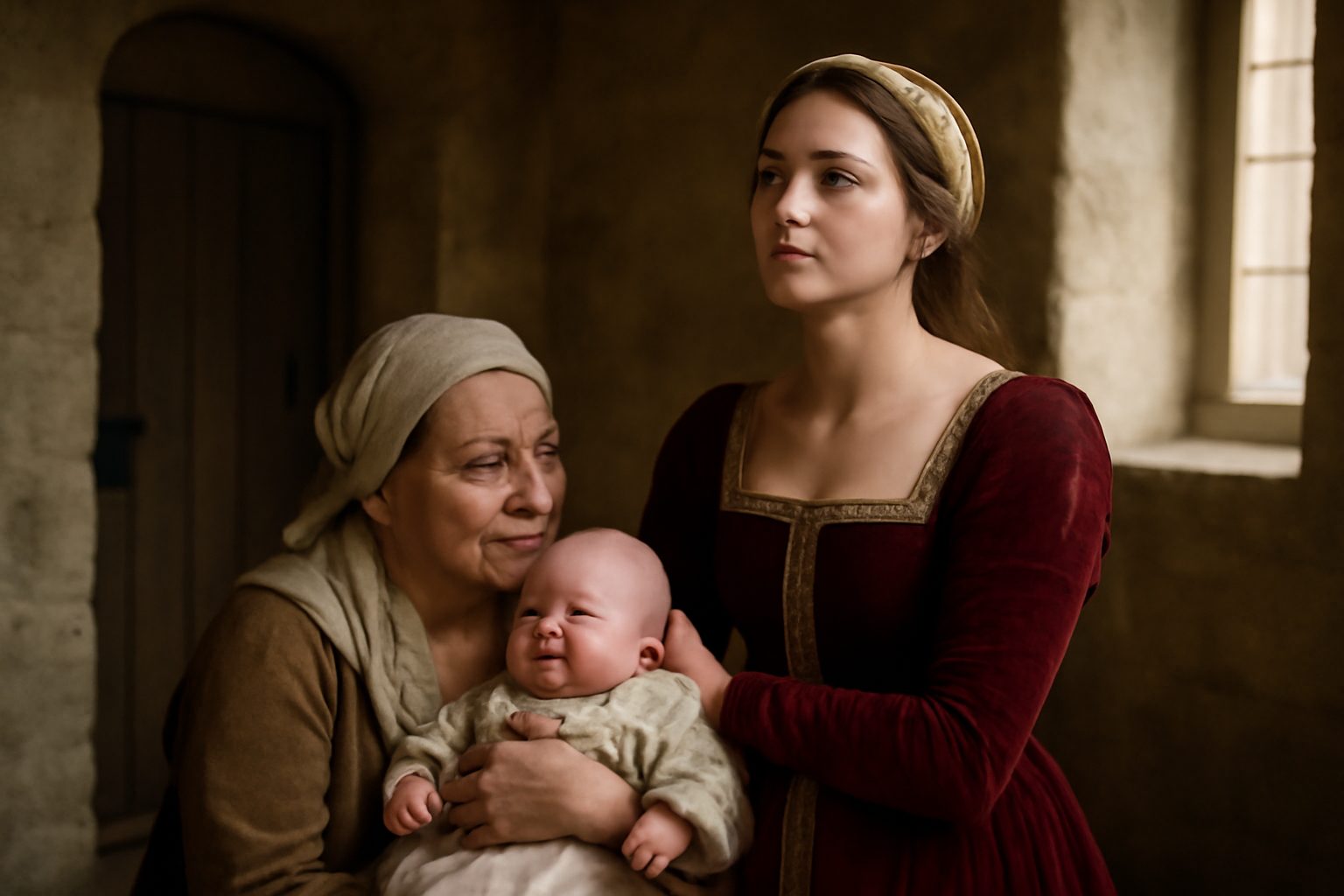
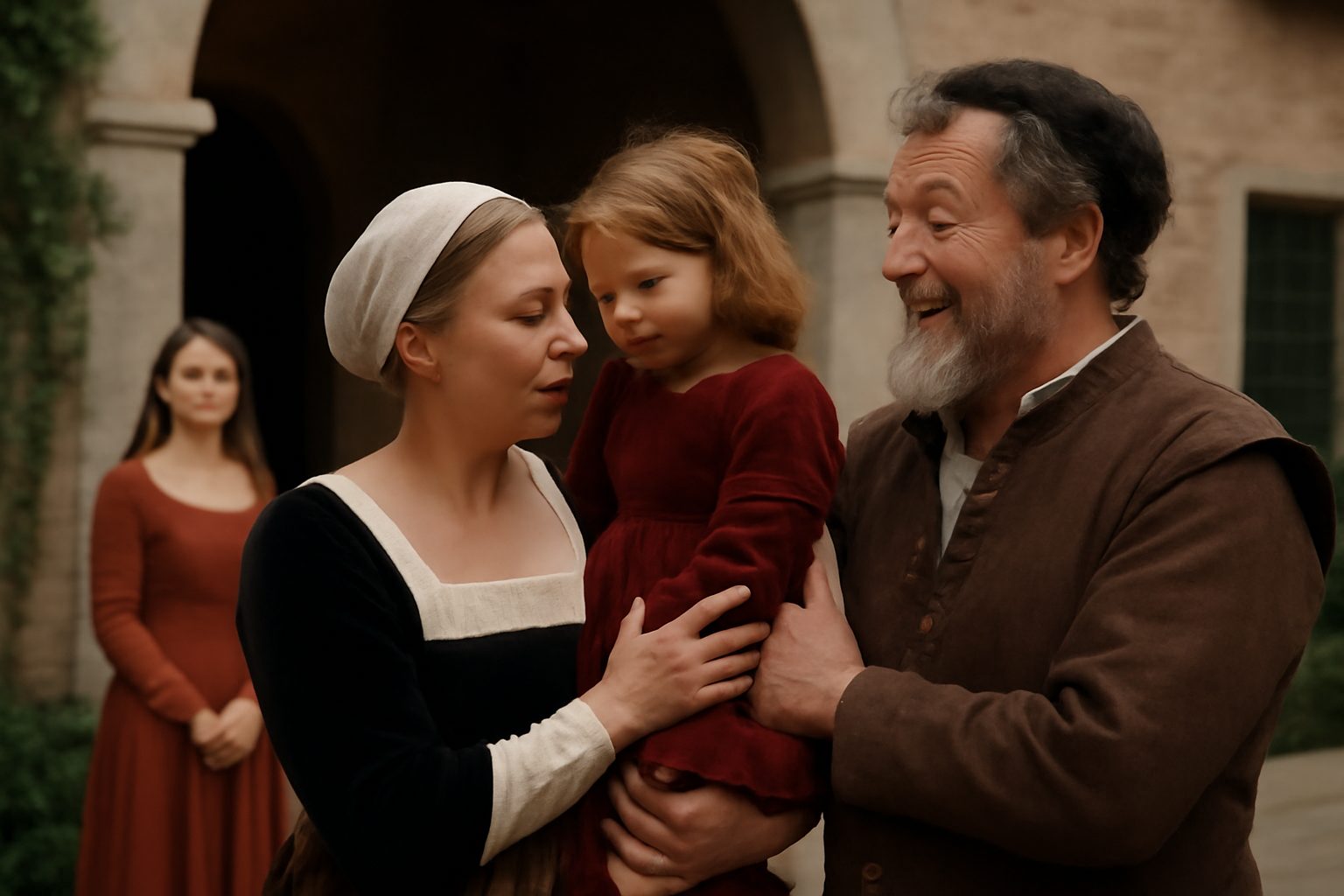
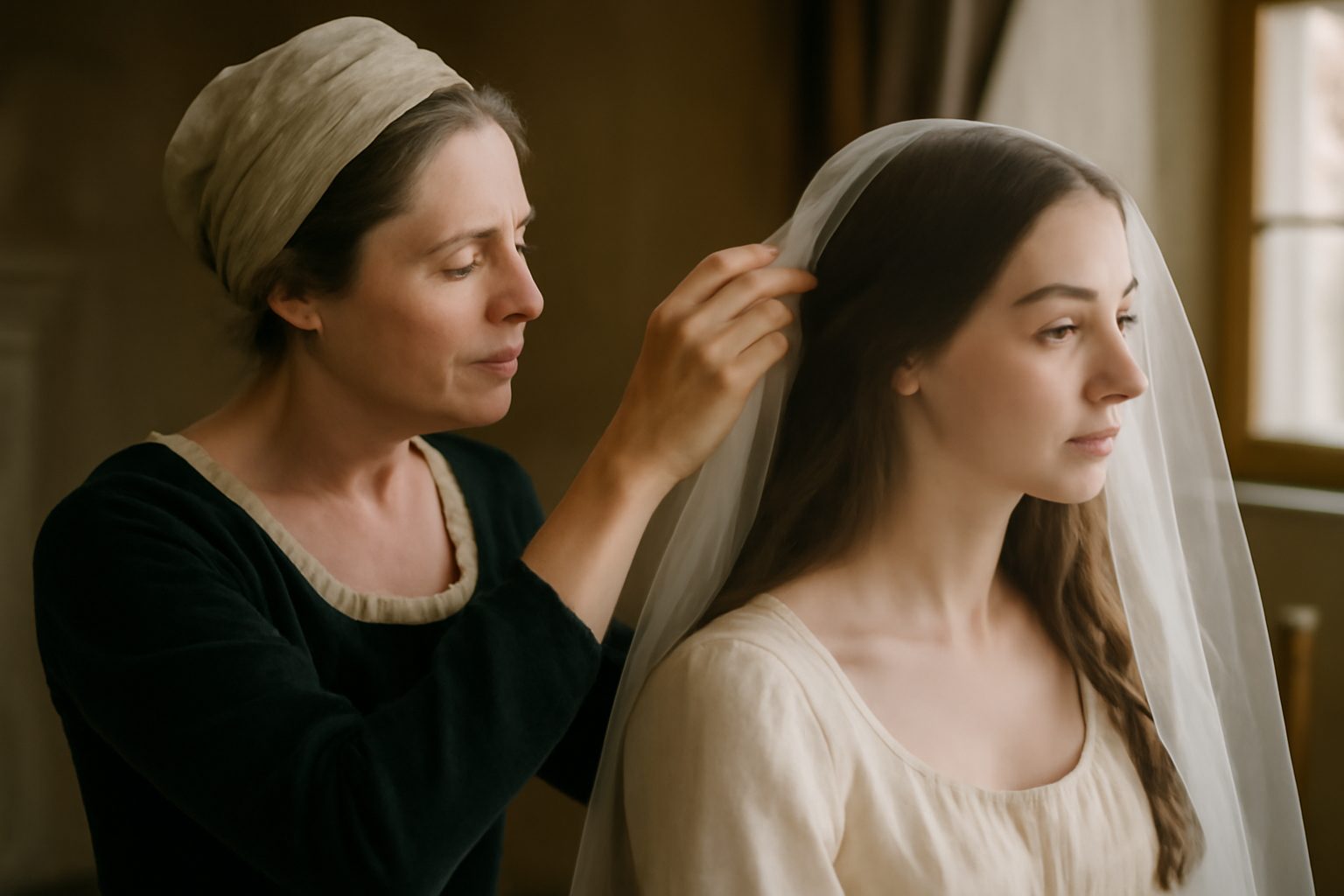
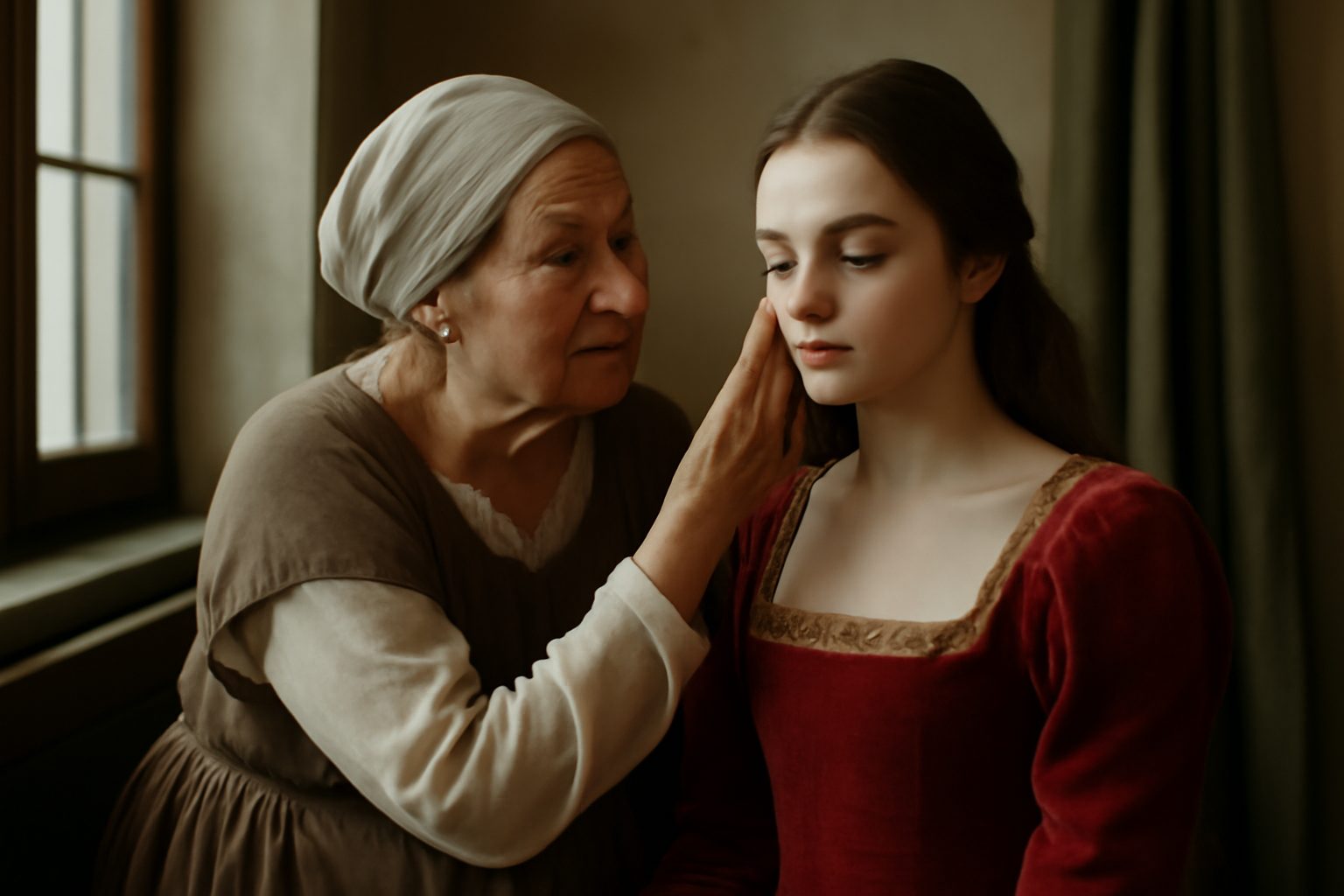
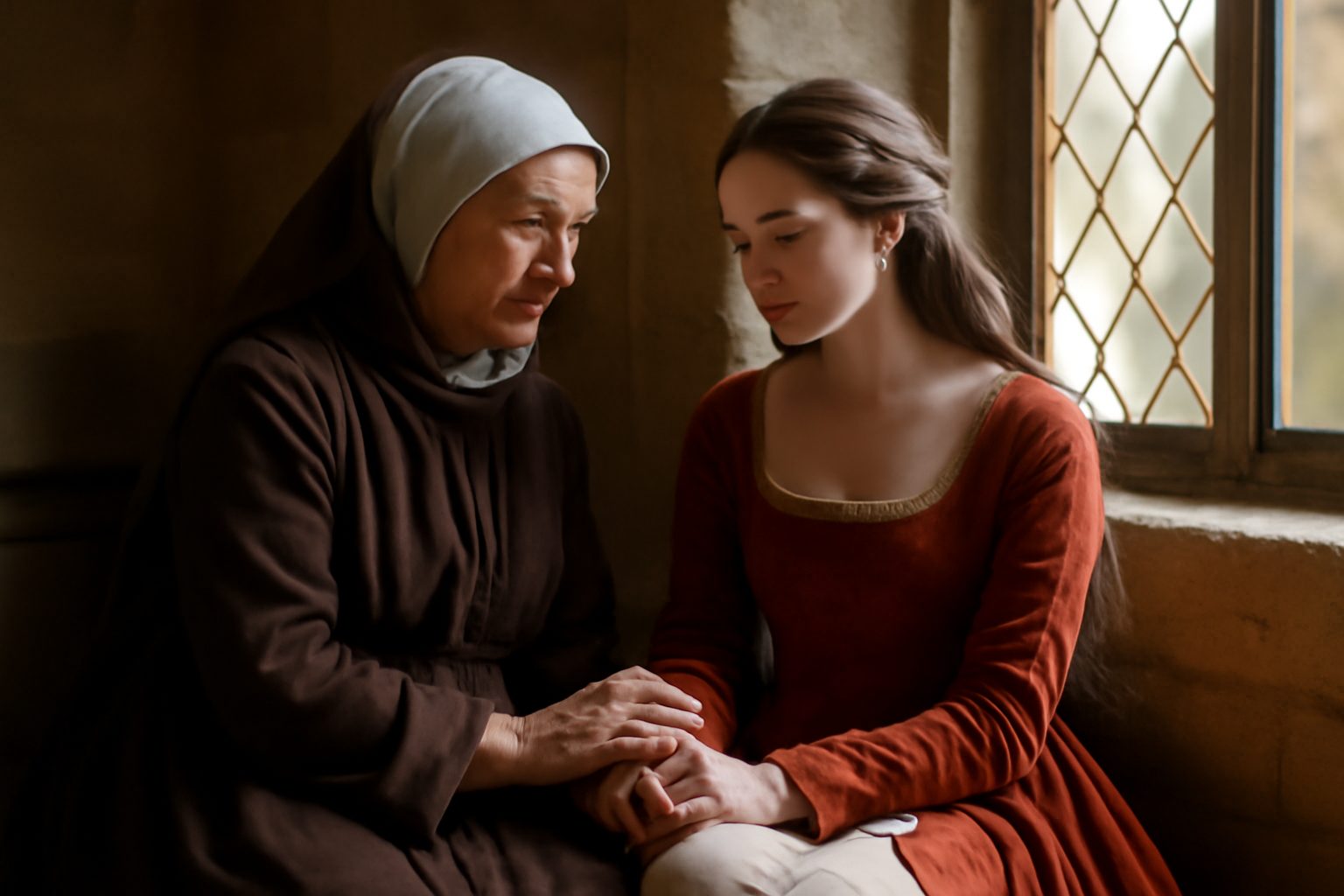
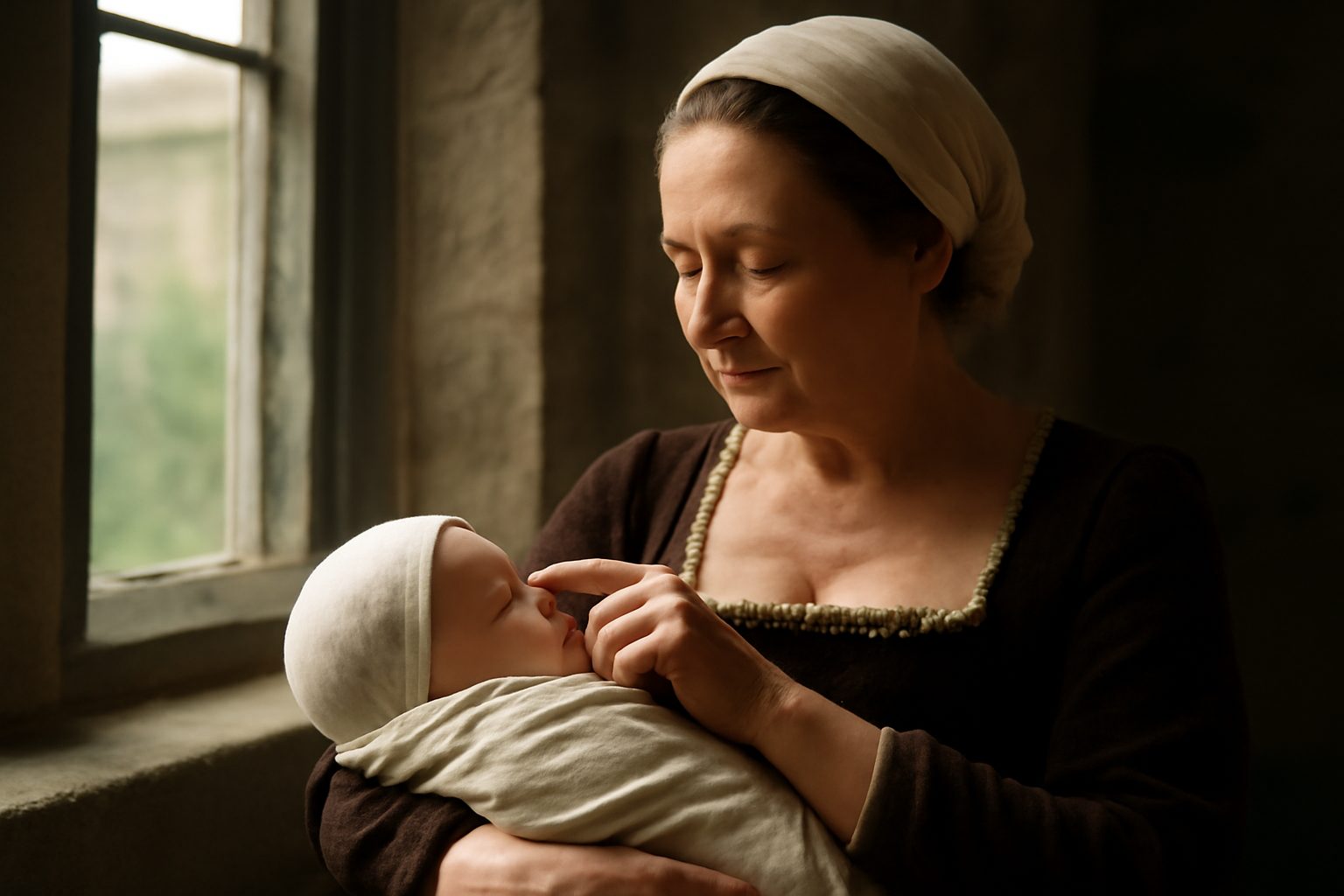
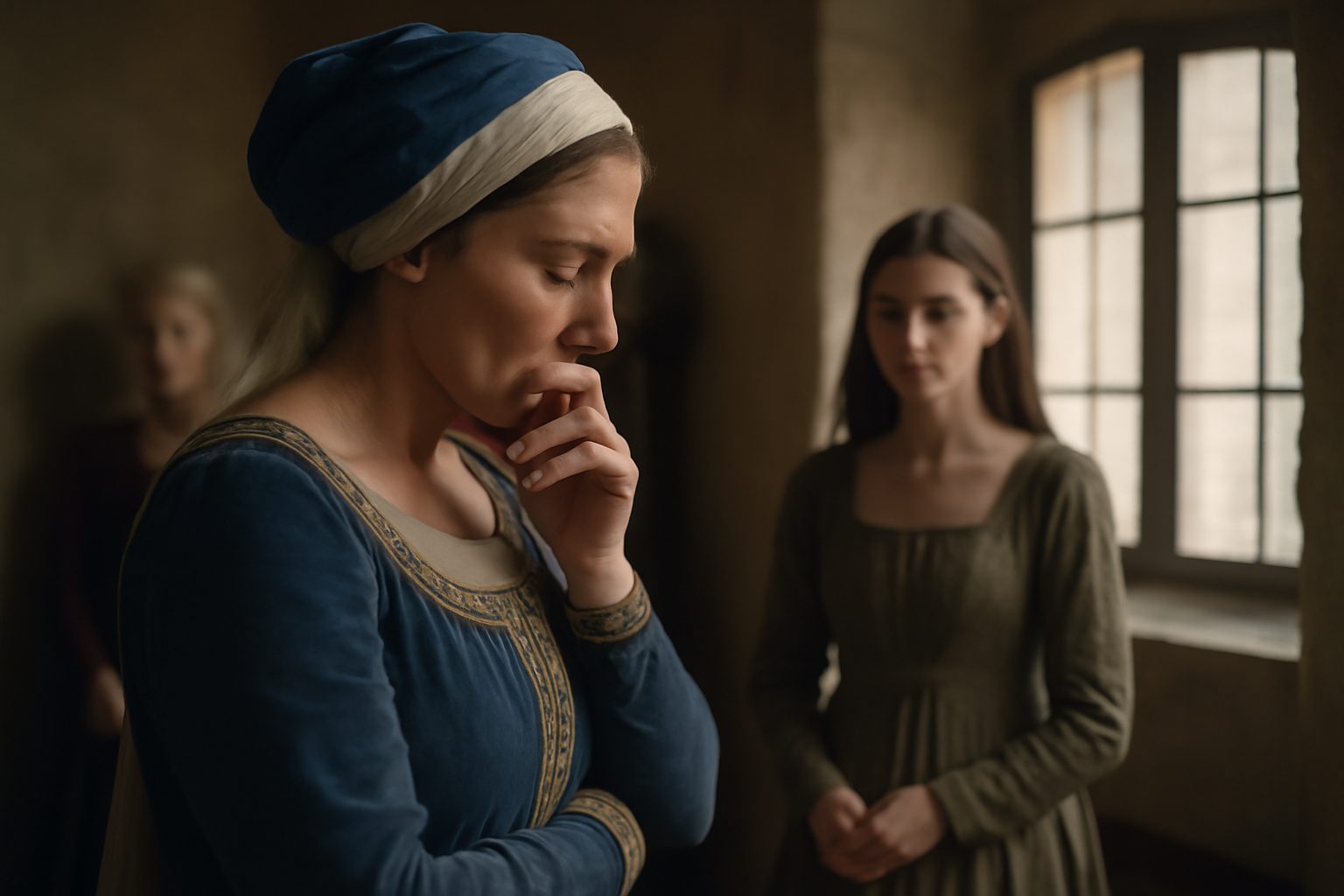
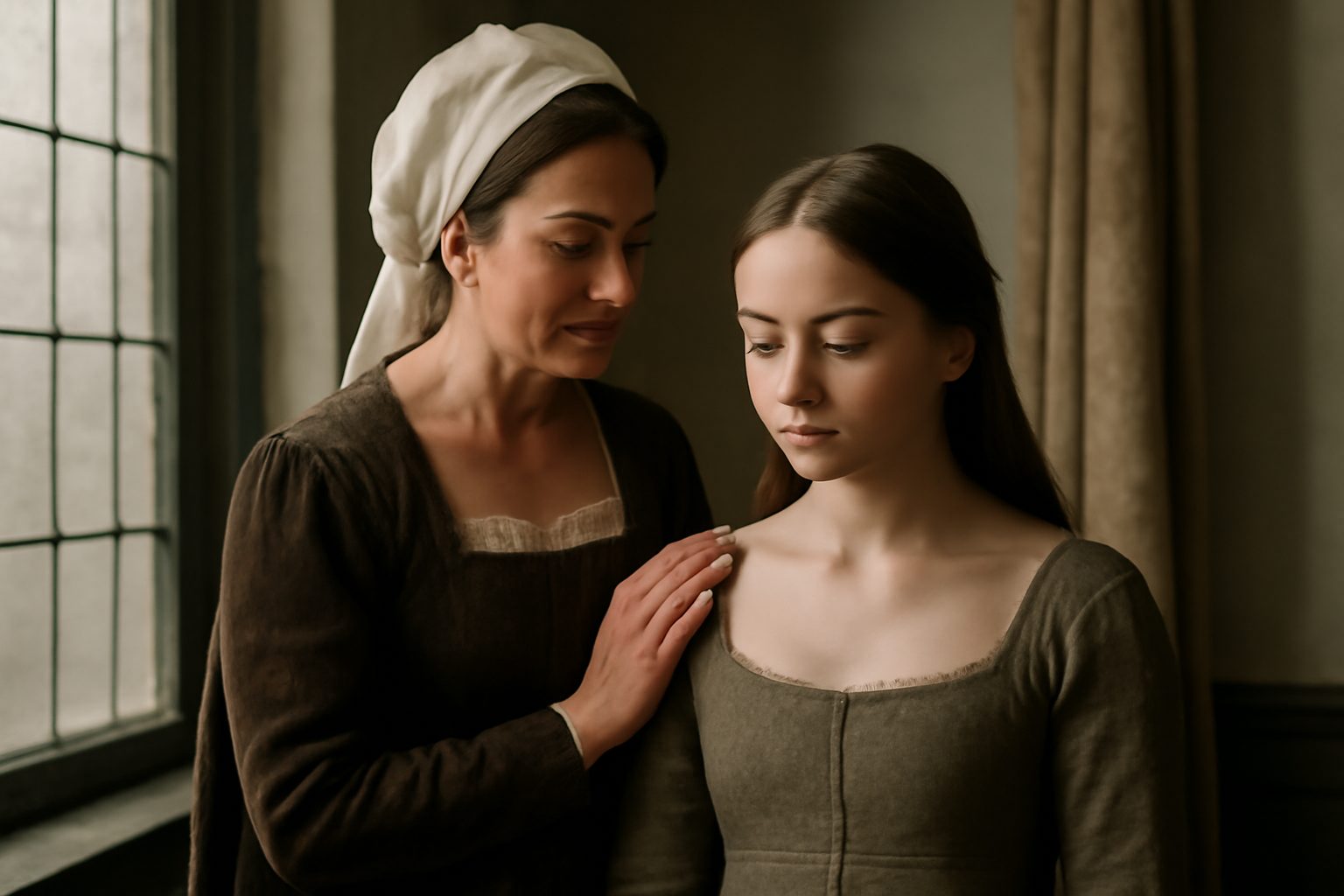
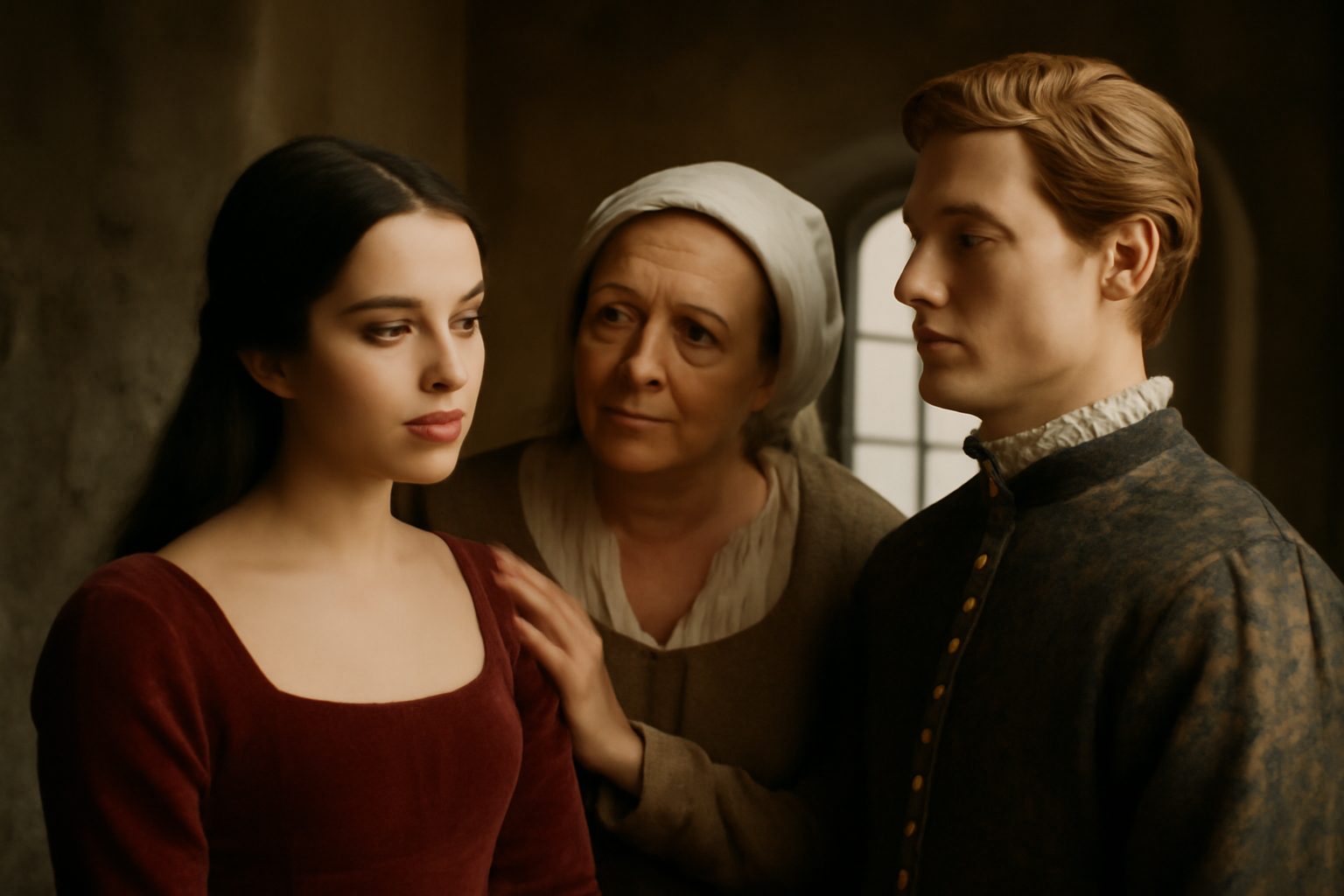
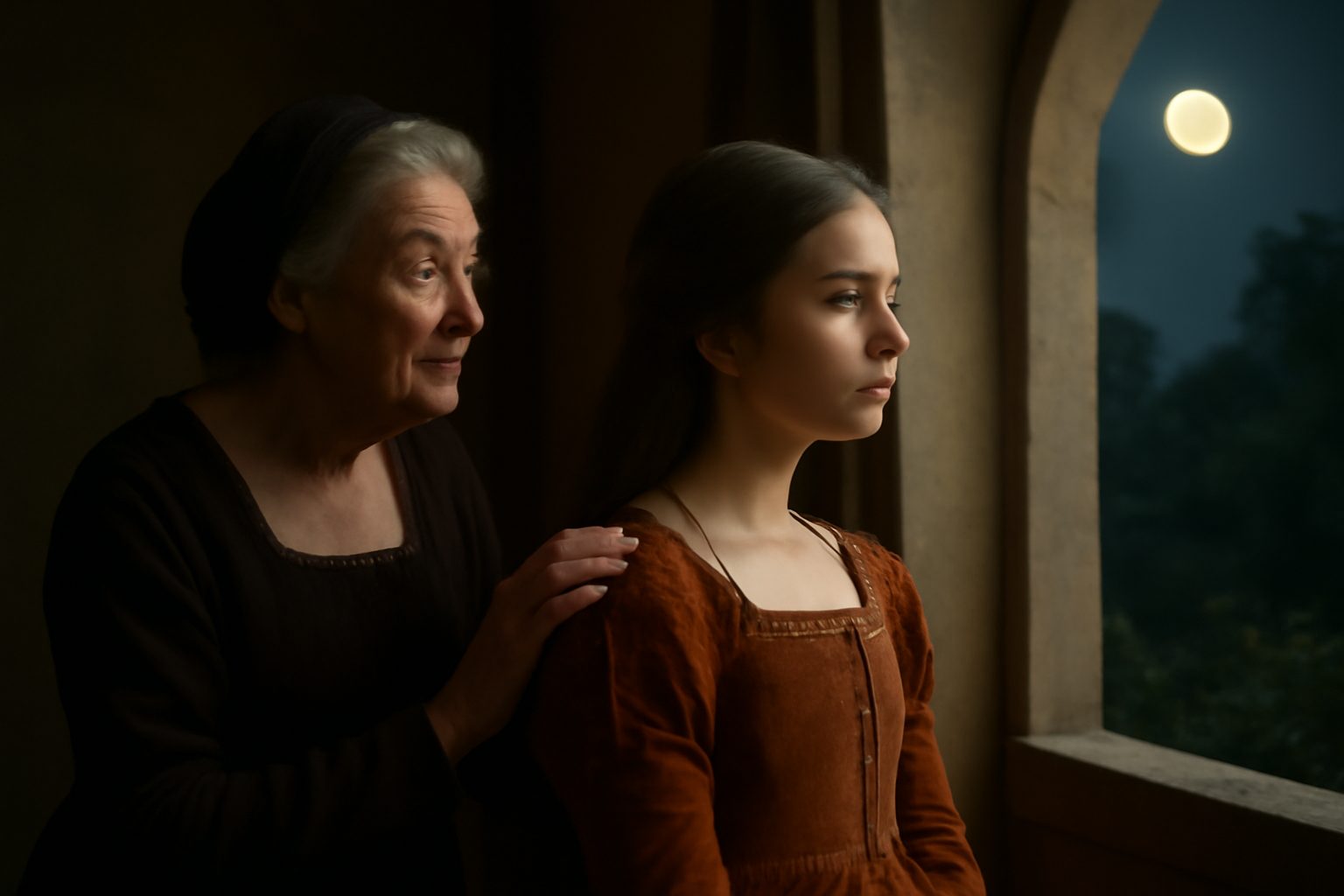
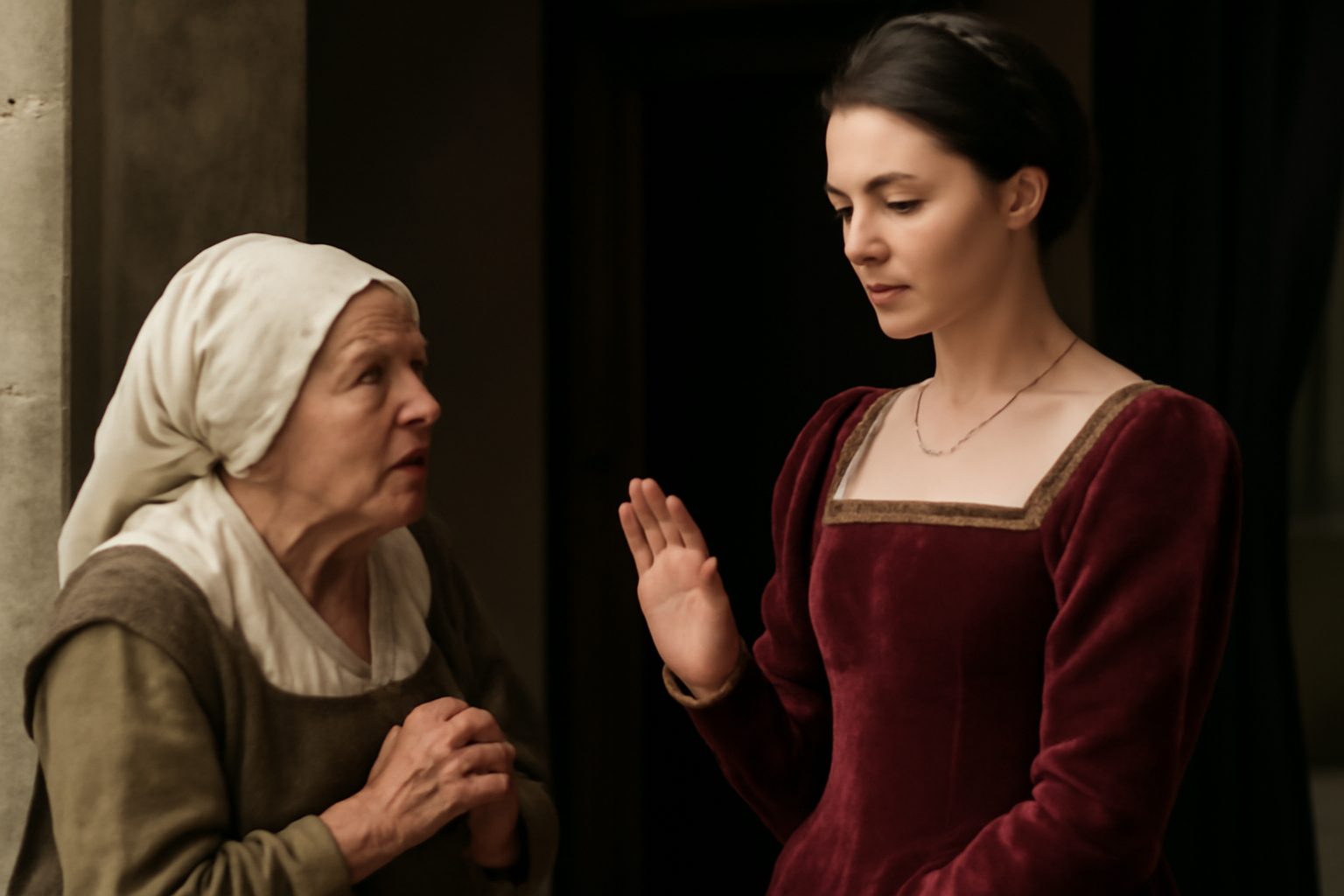
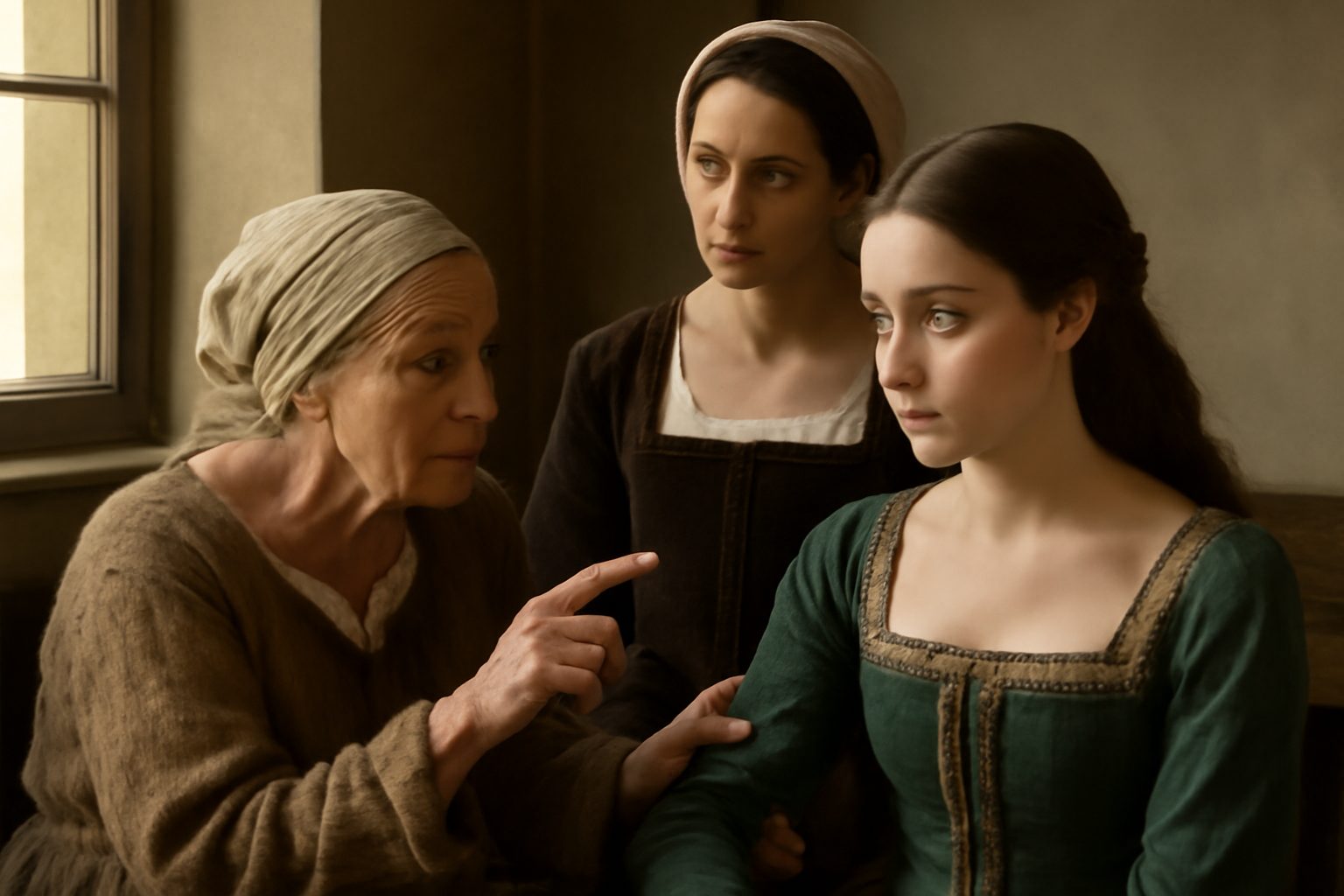
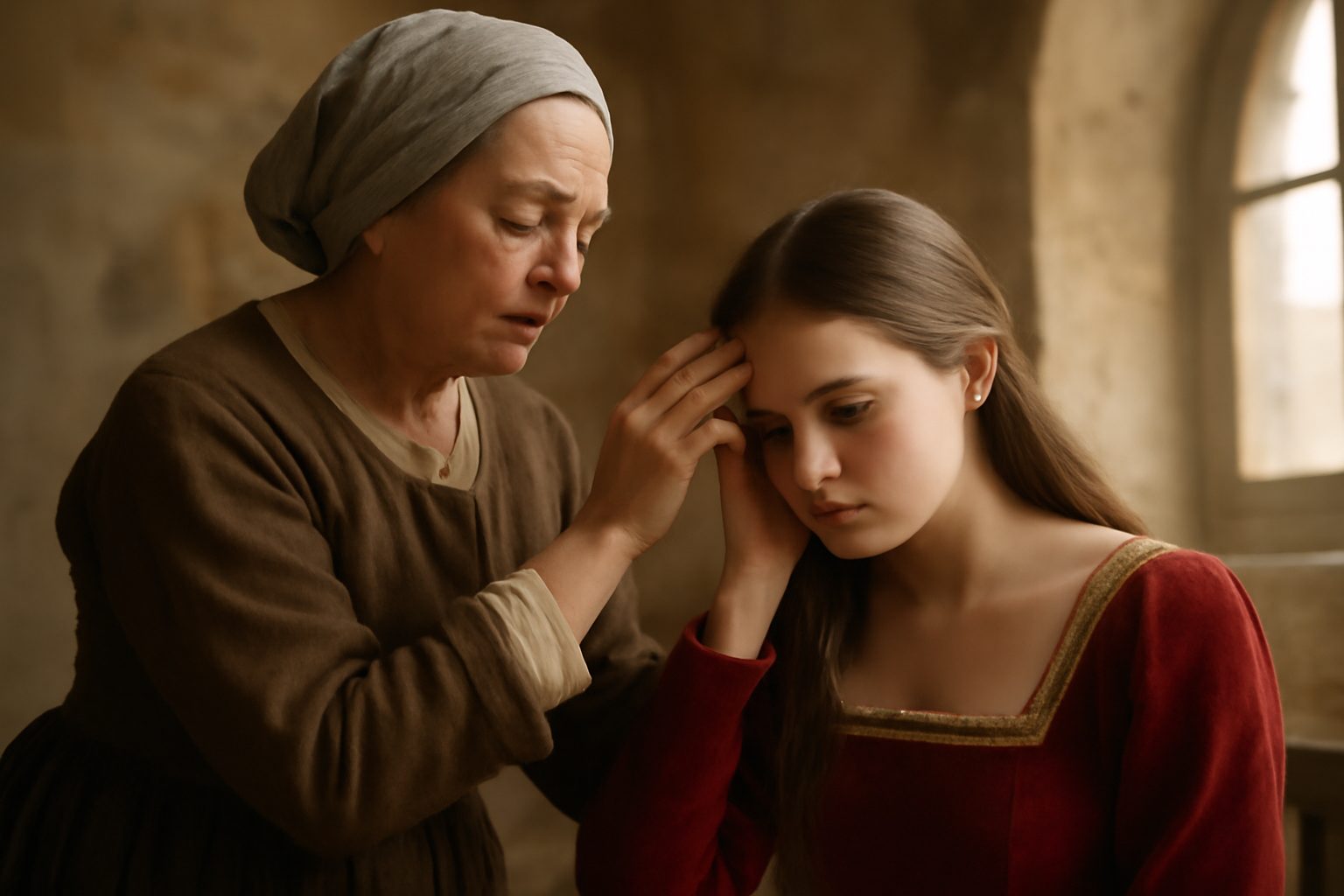
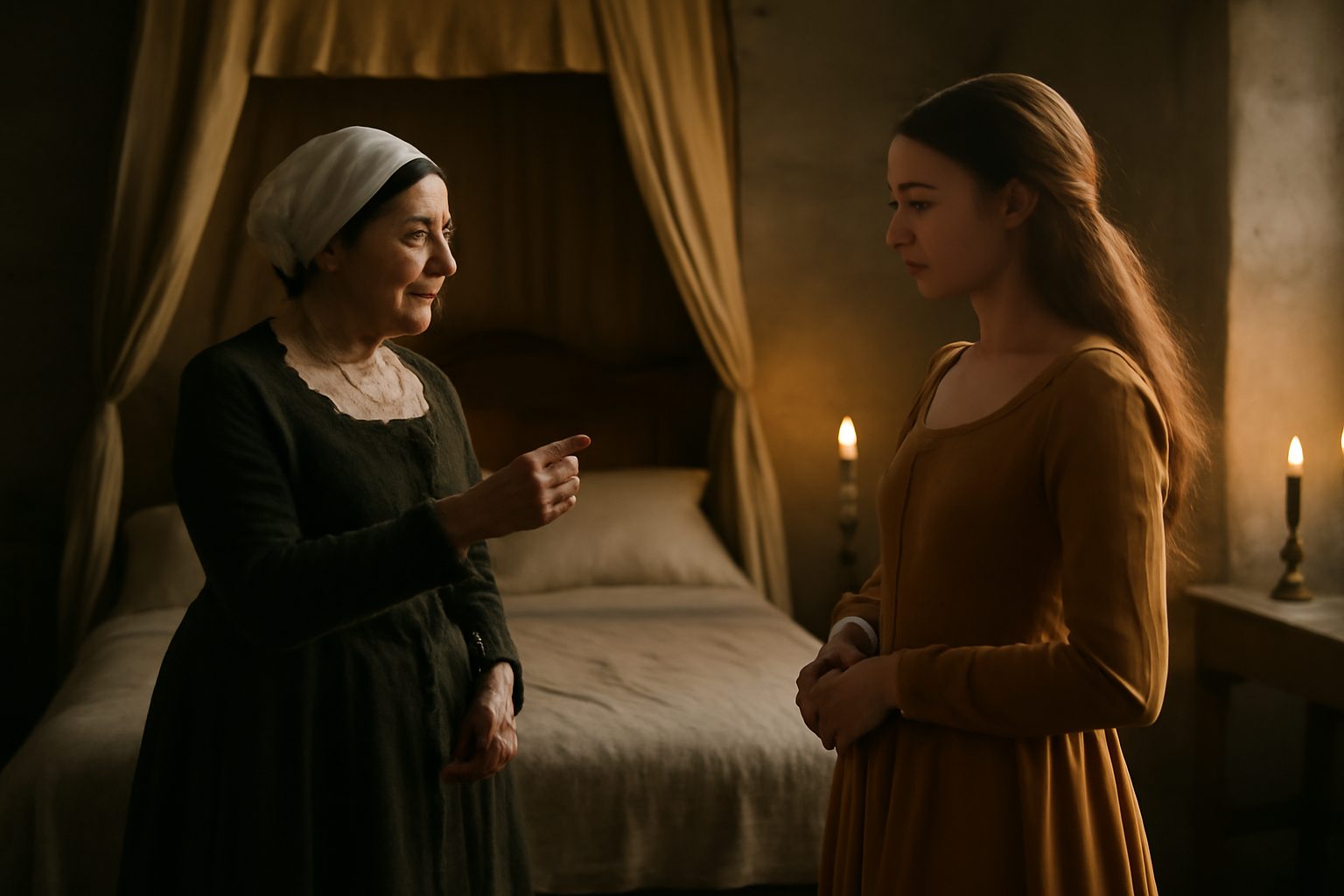
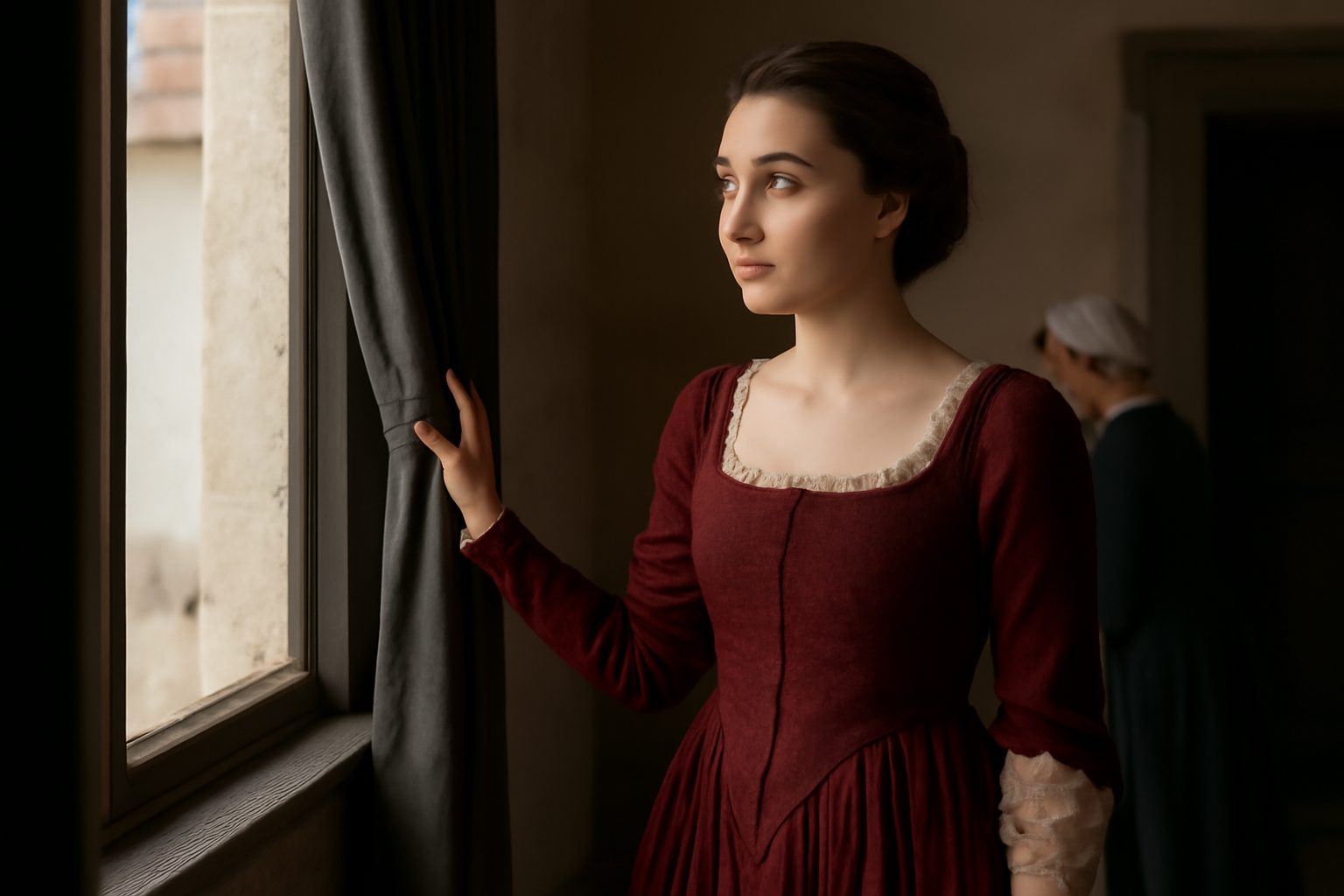
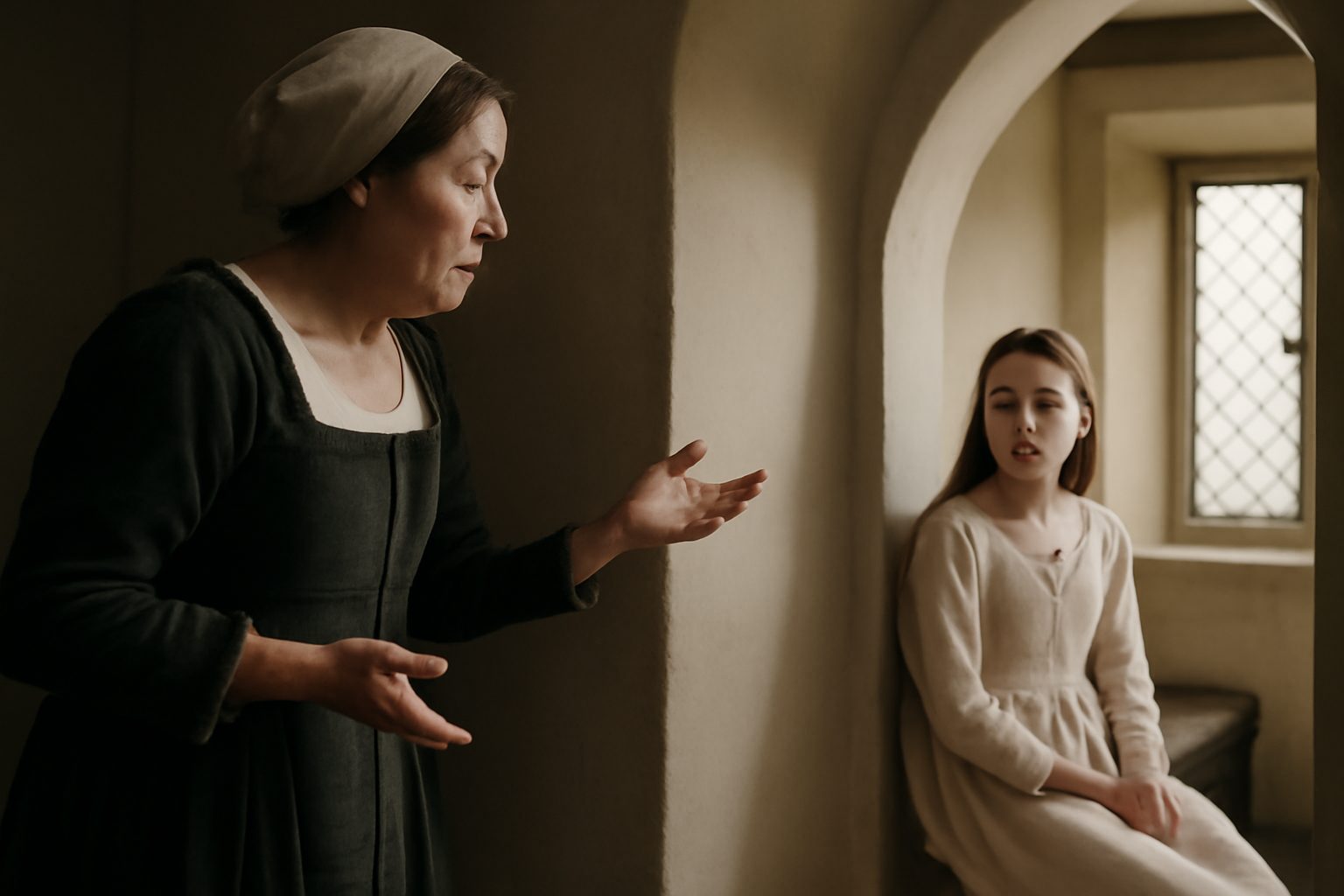
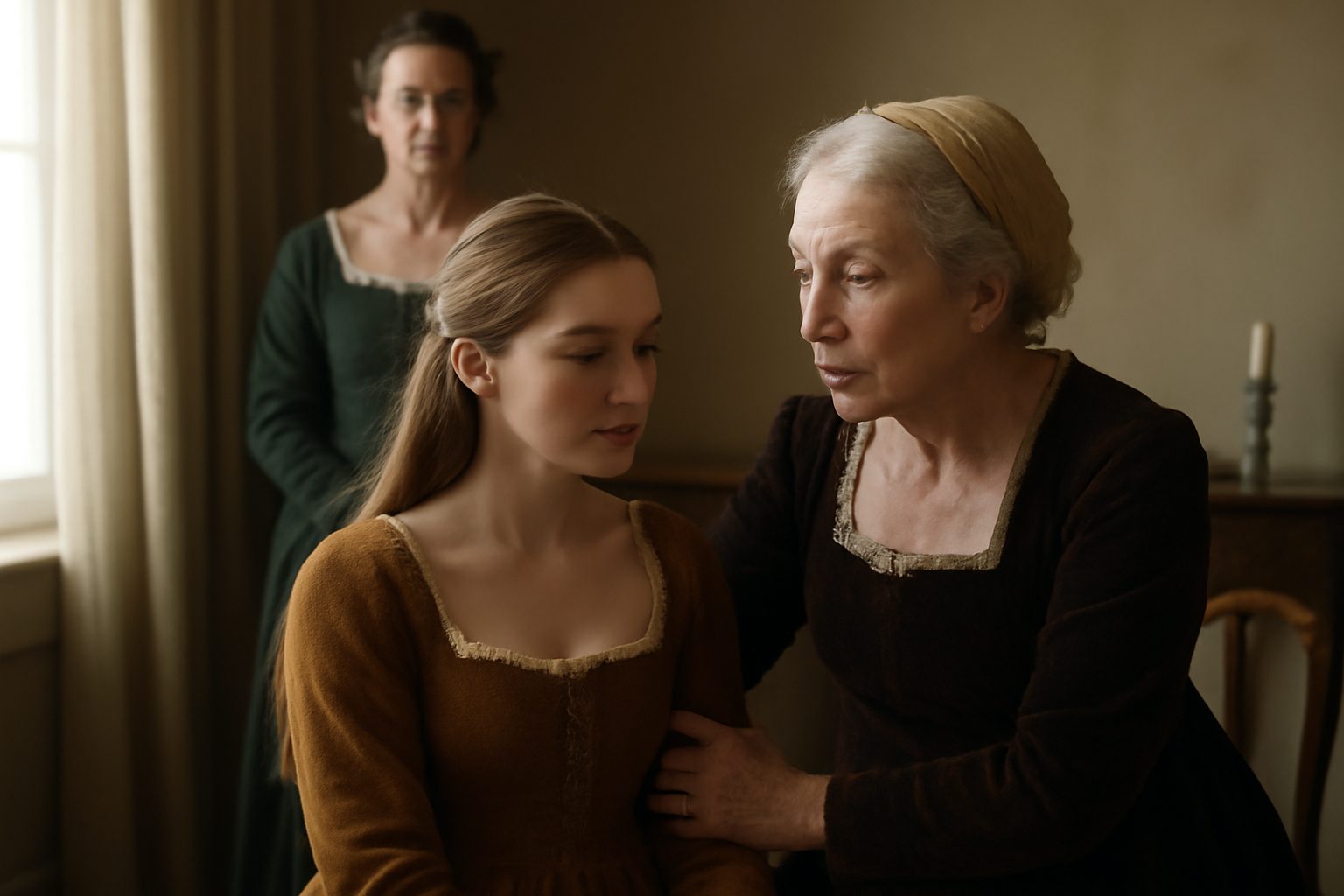
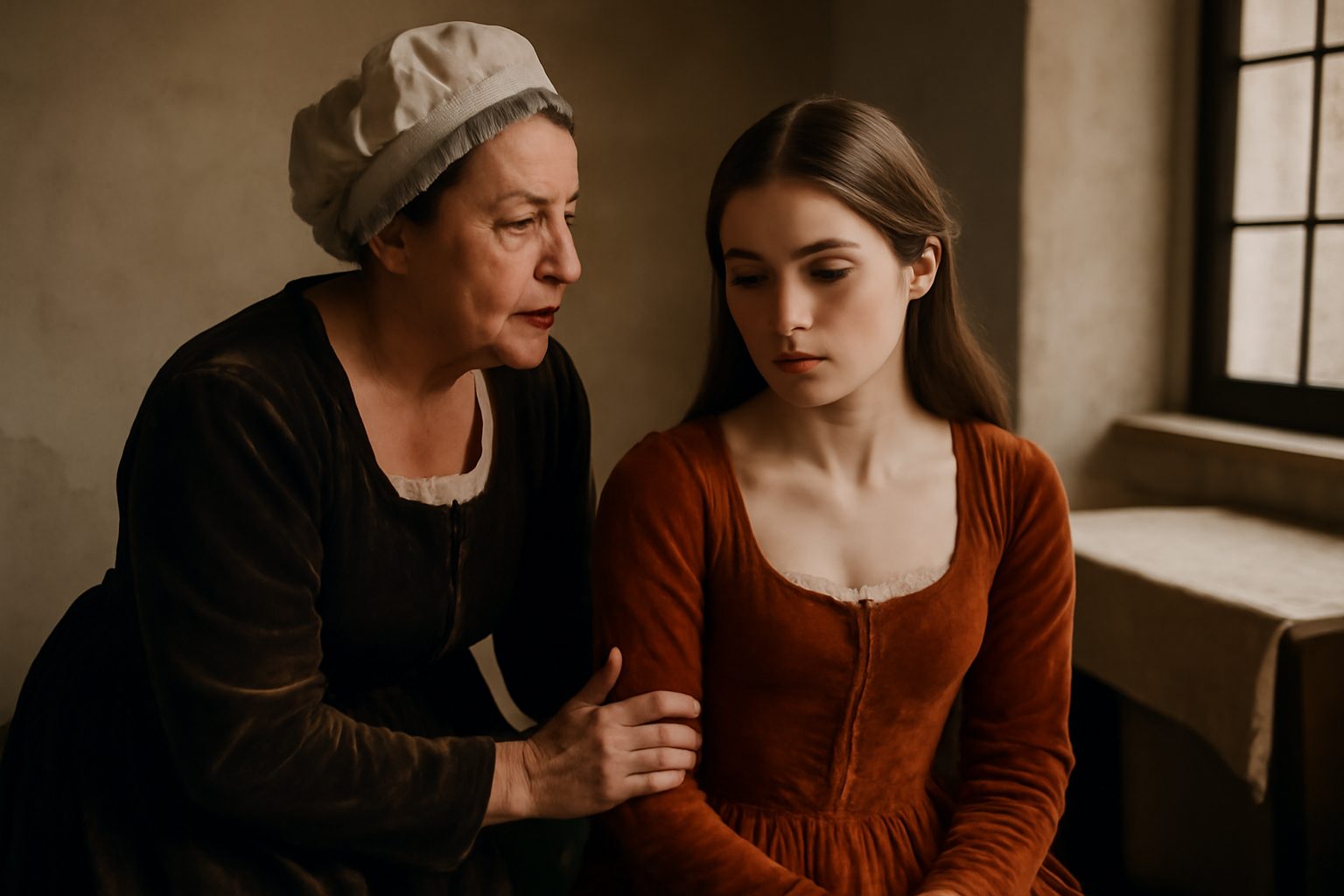
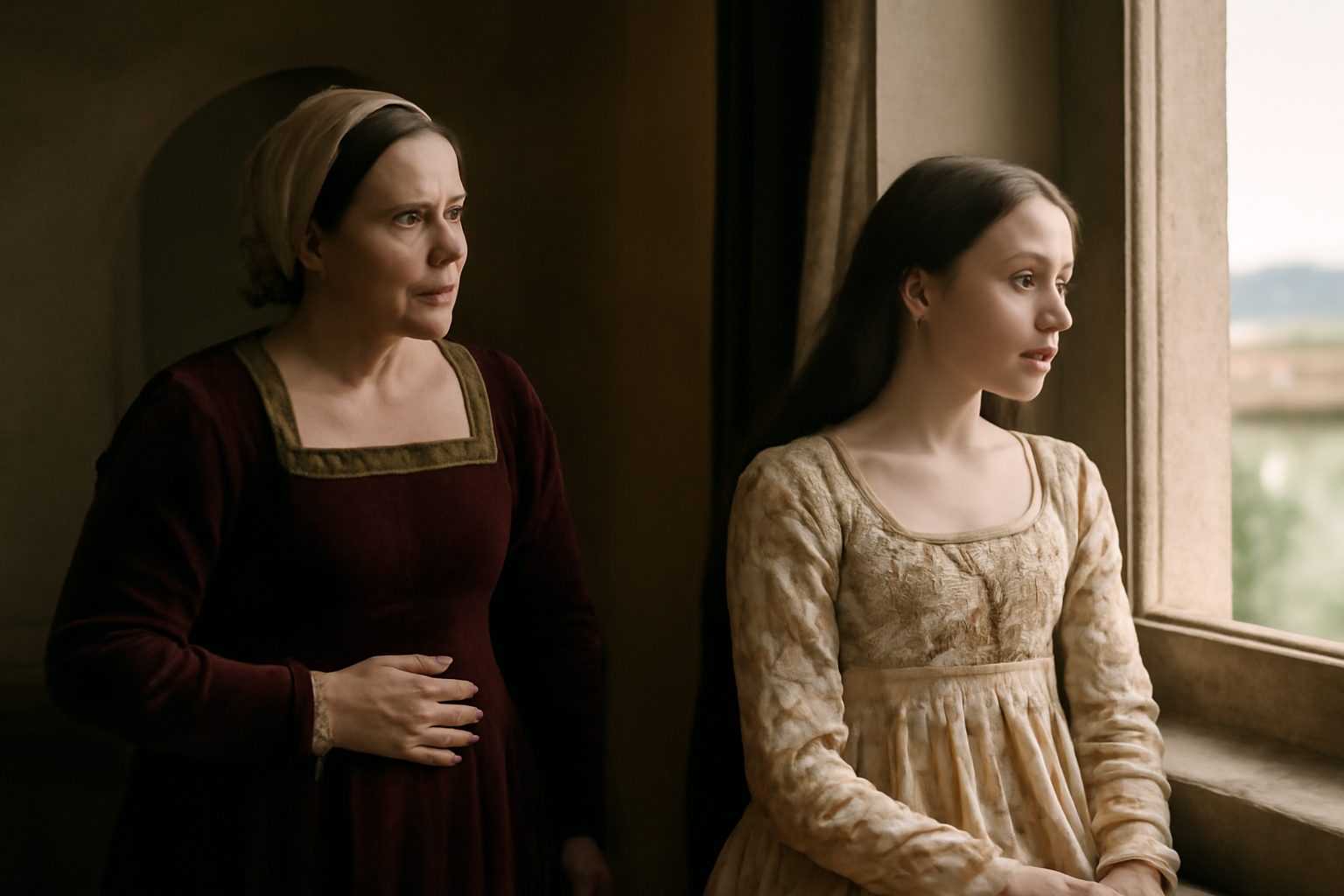
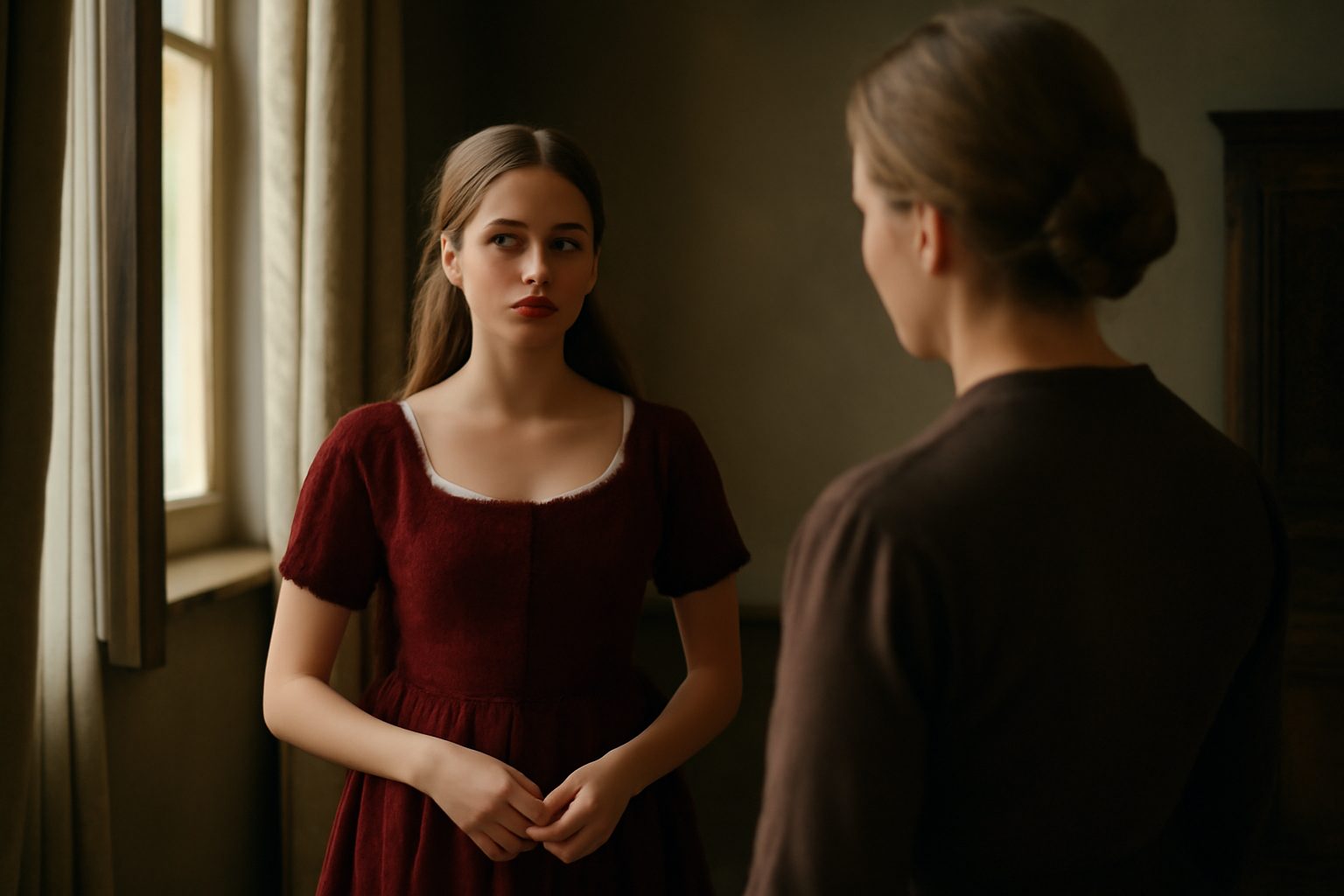
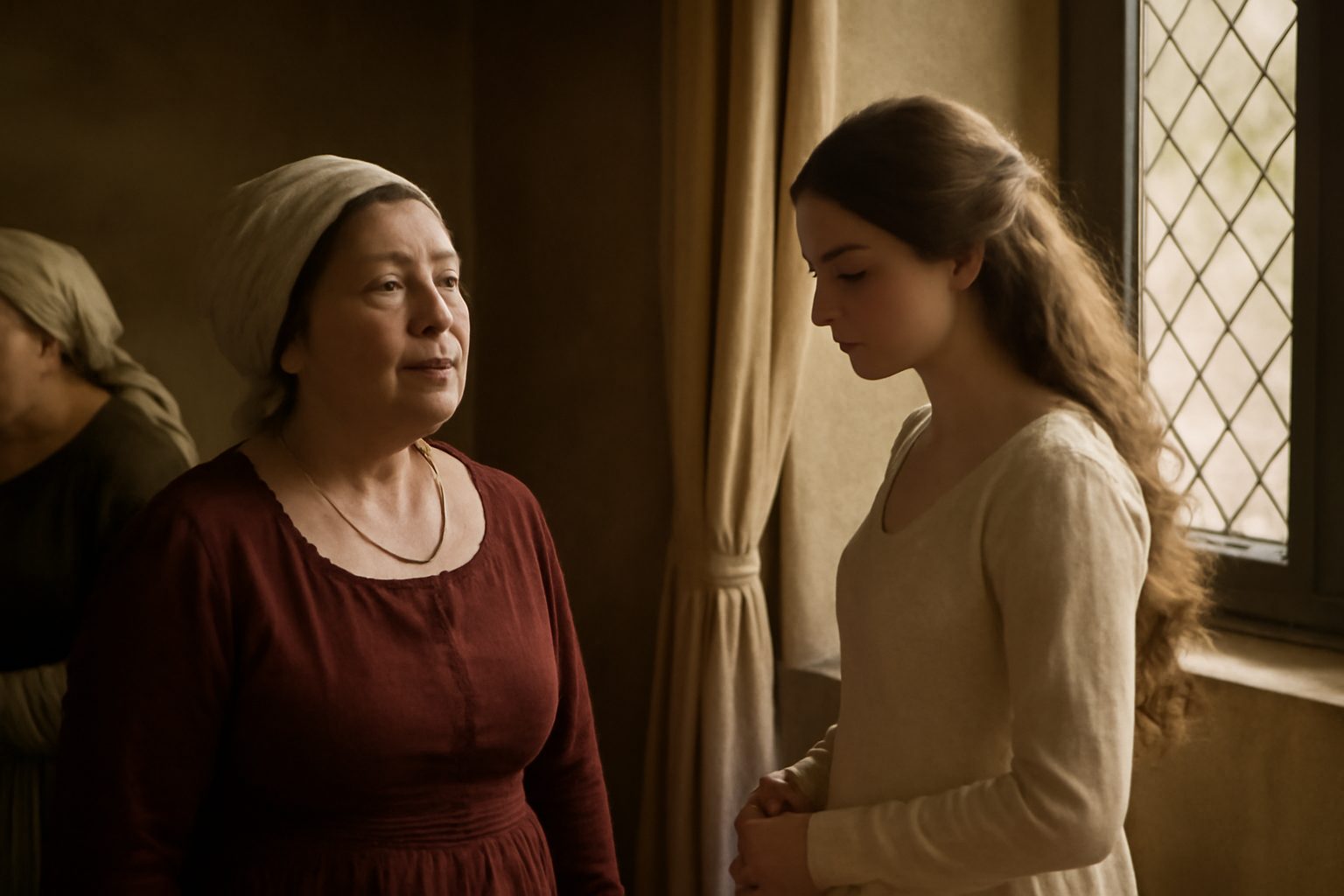
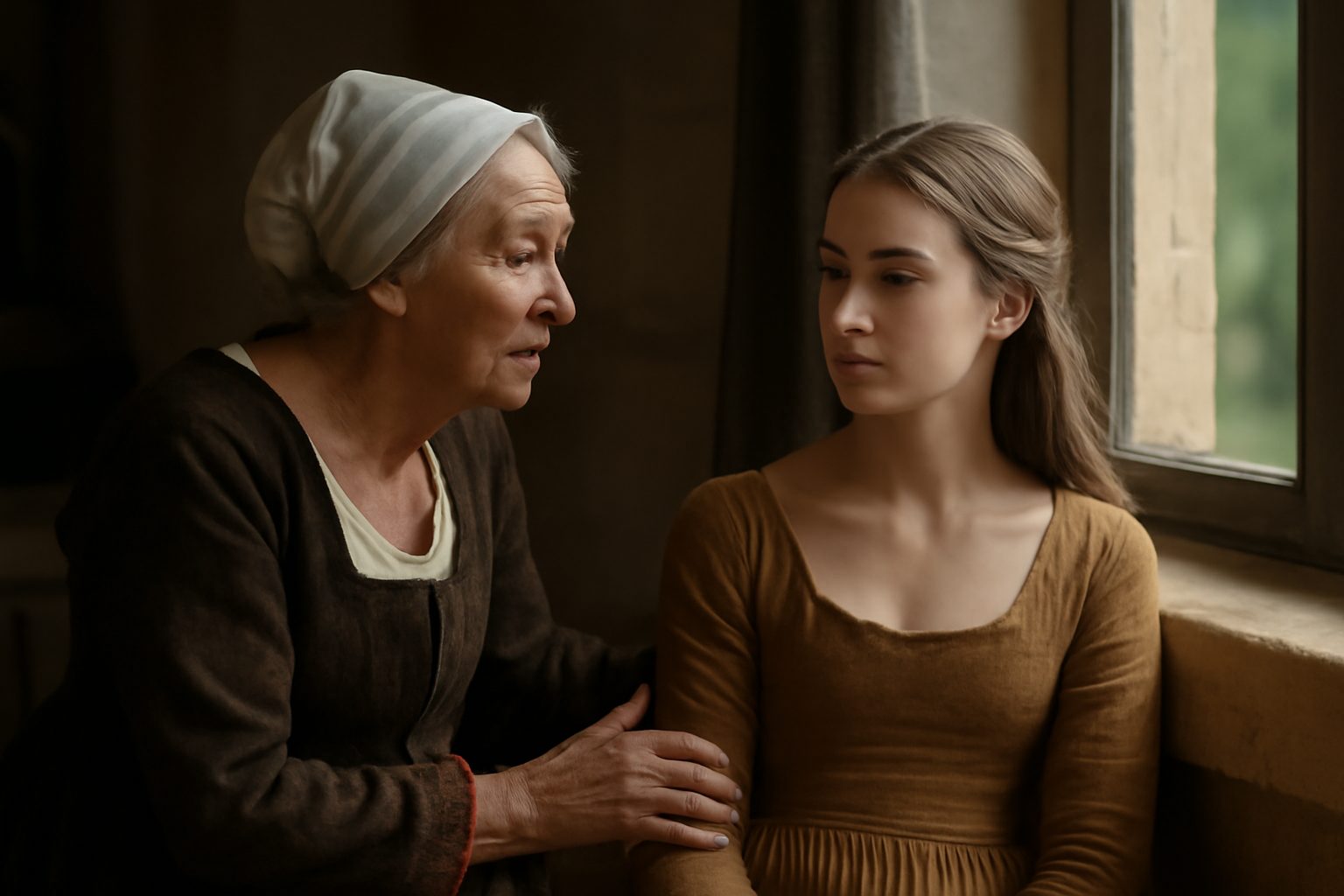
In Act 1, Scene 3 of Romeo and Juliet, Lady Capulet asks her daughter, Juliet, if she has considered marriage. Juliet, still young and inexperienced in matters of love, responds with a reserved and dutiful tone, suggesting that marriage is not something she has actively desired or imagined for herself. This moment highlights Juliet's innocence and the societal expectations placed upon her as a noble young woman in Verona.
Juliet: "It is an honour that I dream not of."
In modern day english, we would say:
I don’t dream of or care about getting married.
Frequently Asked Questions
What does Juliet mean when she says she does not dream of marriage?
Juliet means that she has not thought about or desired marriage yet, as she is still young and it is not something she has considered for herself.
Connections to other verses:
Connections to "It is an honour that I dream not of"
Juliet's line, It is an honour that I dream not of, reflects her initial reluctance and lack of interest in marriage, which contrasts sharply with the expectations and pressures placed upon her by her mother and the Nurse in this scene.
Direct Prompting and Expectations
Lady Capulet directly introduces the topic of marriage to Juliet, asking How stands your disposition to be married?, to which Juliet's response is hesitant and non-committal. This sets up the central conflict of the conversation.
Earlier, Lady Capulet states Marry, that 'marry' is the very theme I came to talk of, emphasizing that marriage is the purpose of their discussion and highlighting the societal expectation for Juliet to consider it an honor.
Nurse's Perspective on Marriage
The Nurse, who has a more earthy and practical view, expresses her wish for Juliet's marriage in An I might live to see thee married once, showing her personal investment in Juliet's future, which contrasts with Juliet's own dreams.
She also comments on the honor of marriage in An honour! were not I thine only nurse, reinforcing the idea that marriage is seen as a prestigious step, further underscoring Juliet's isolation in her lack of enthusiasm.
Juliet's Acquiescence
Despite her initial reluctance, Juliet agrees to comply with her parents' wishes, stating in I'll look to like, if looking liking move, showing her obedient nature, though it contrasts with her earlier statement about not dreaming of the honor.
She further defers to her mother's authority in Than your consent gives strength to make it fly, indicating that her actions will be guided by parental approval, not personal desire, which connects back to her neutral stance on the honor of marriage.
Contrast with Paris' Description
Lady Capulet's lavish praise of Paris in As all the world--why, he's a man of wax and the Nurse's agreement in Nay, he's a flower; in faith, a very flower present marriage to him as highly desirable, making Juliet's lack of interest in the honor all the more striking.