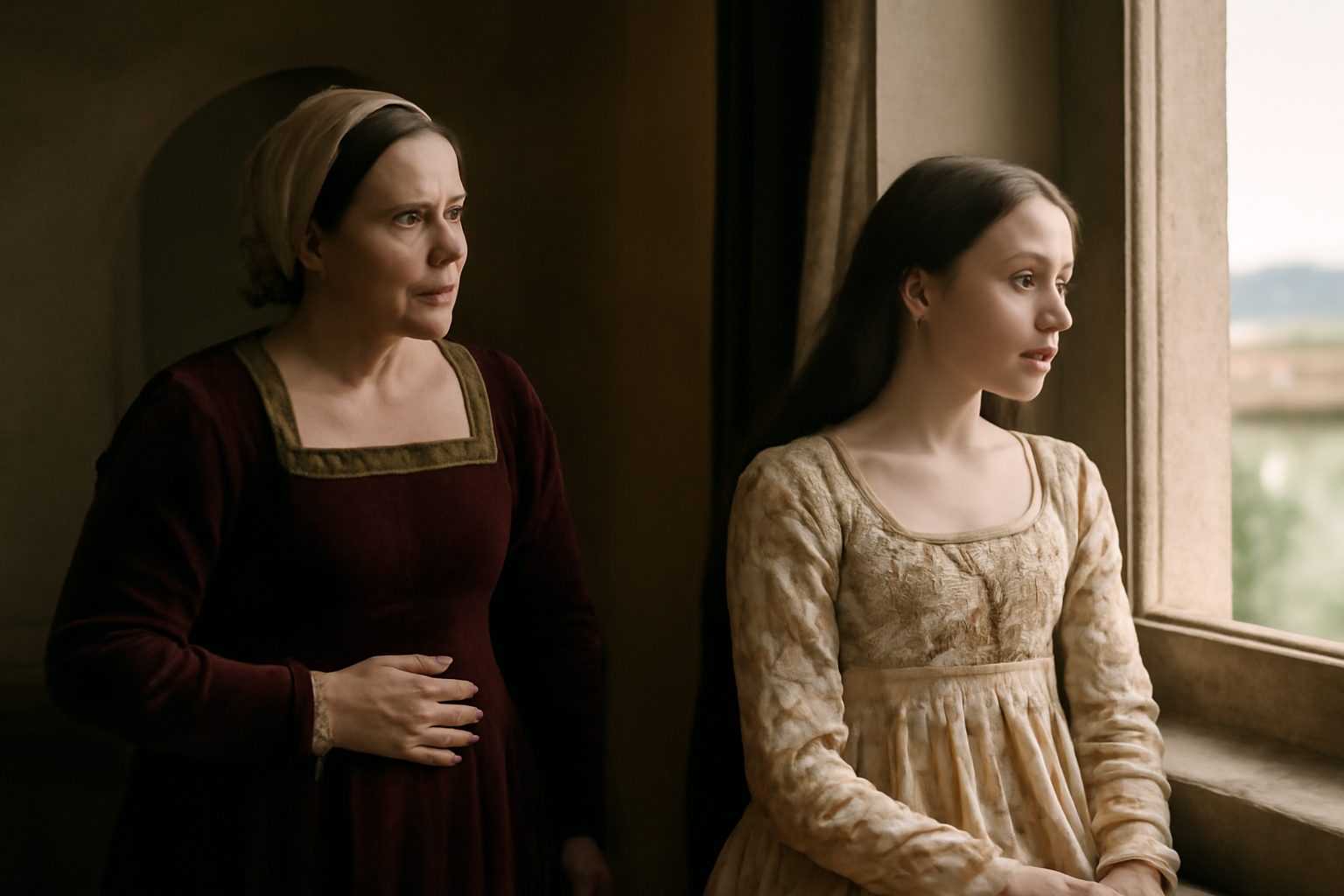
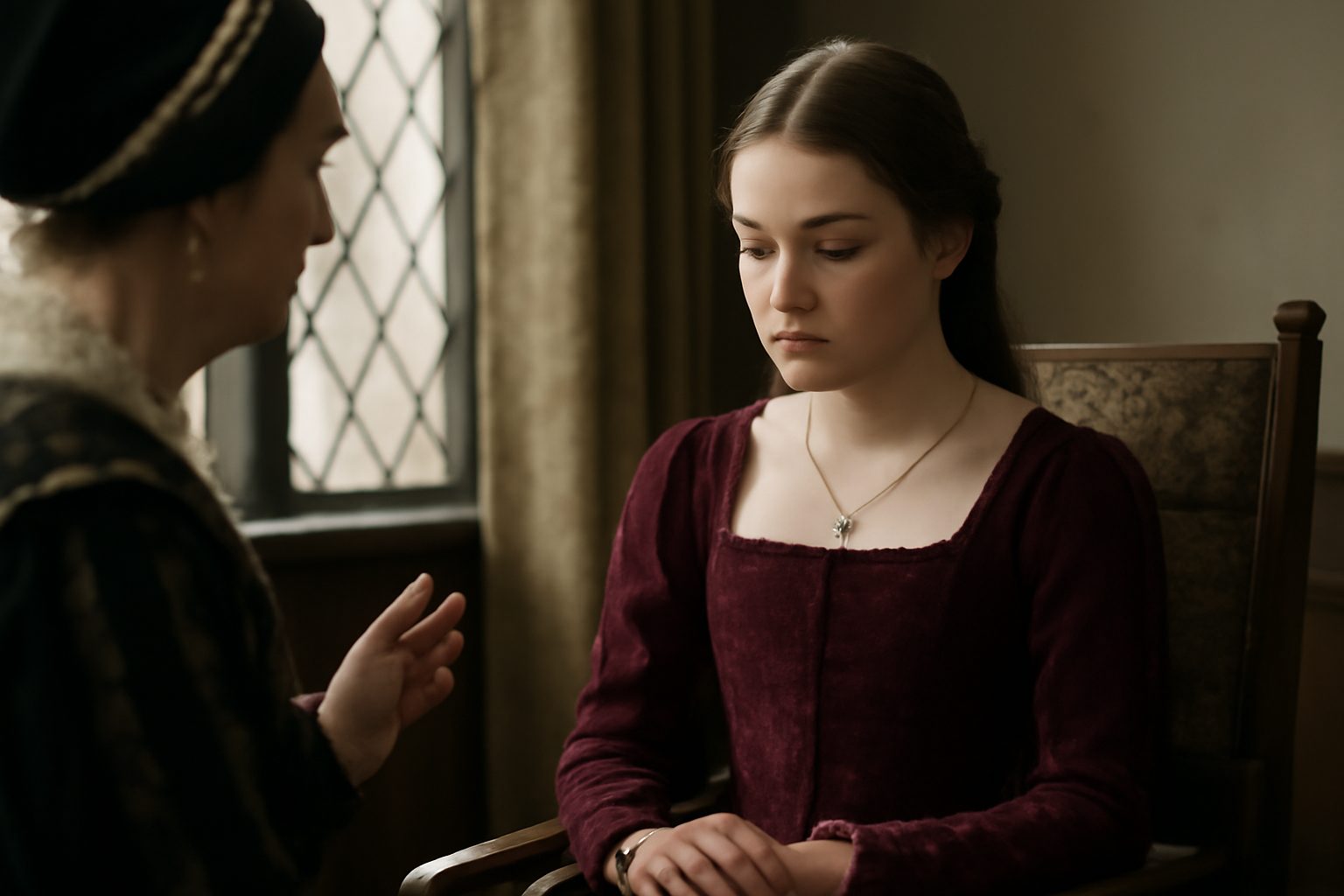
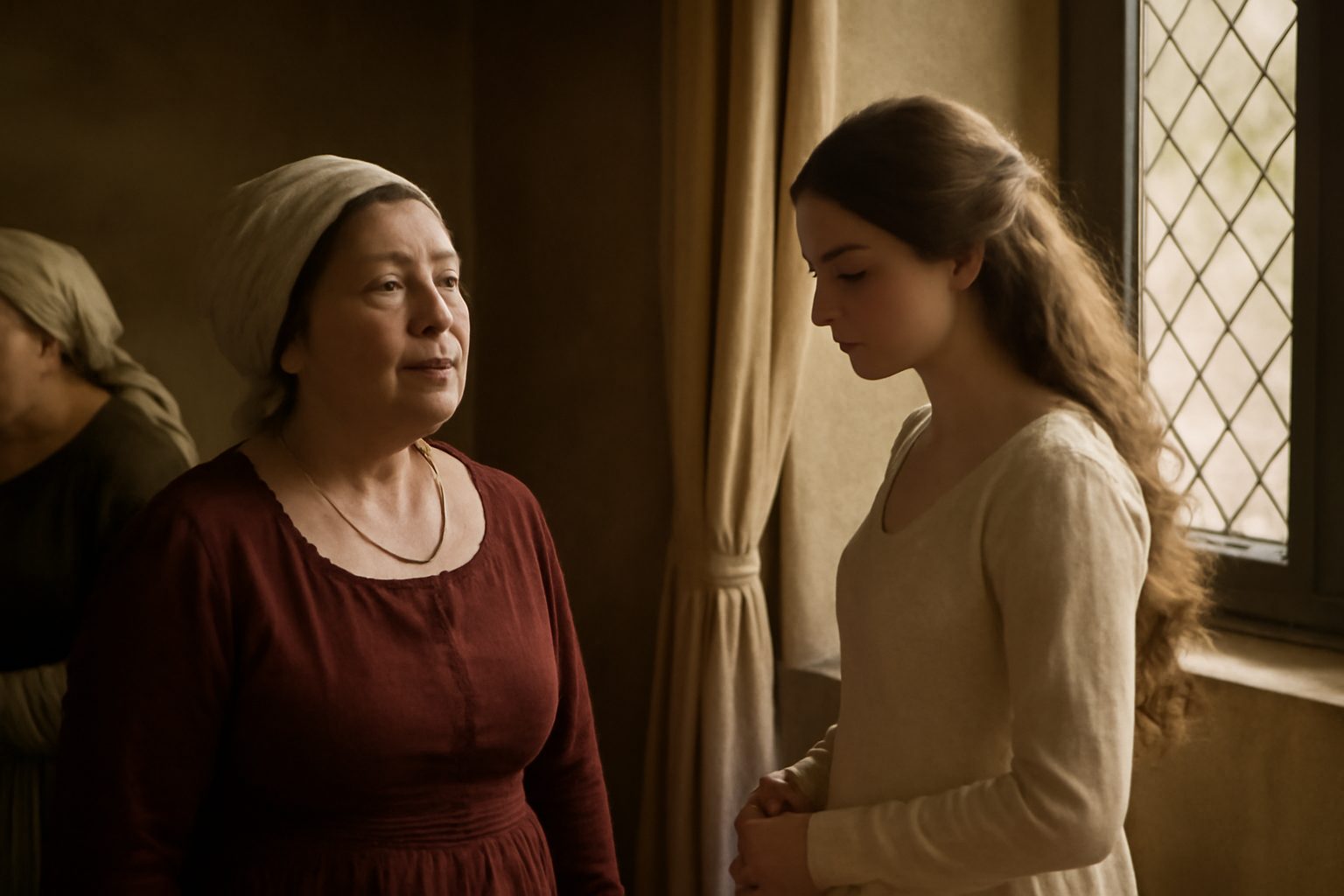
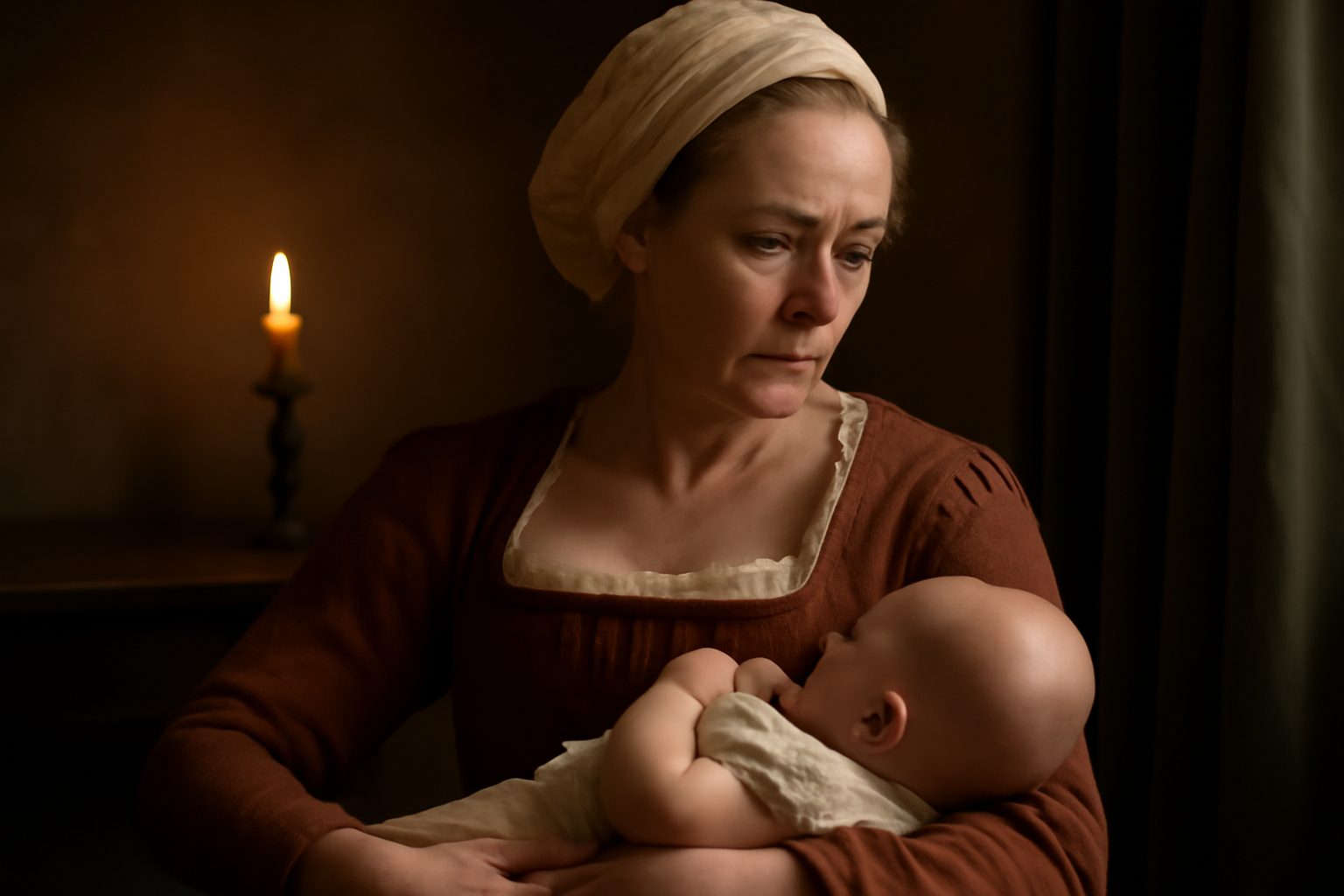
In Act 1, Scene 3 of Romeo and Juliet, the Nurse reminisces about Juliet's childhood in a long, humorous monologue. When Lady Capulet tries to steer the conversation back to Juliet's potential marriage to Paris, the Nurse interrupts herself, insisting she still has a sharp memory despite her rambling. This line captures her playful, self-assured tone as she defends her ability to stay on topic.
Nurse: "Nay, I do bear a brain:--but, as I said,"
In modern day english, we would say:
I do have a brain—but like I said before.
Frequently Asked Questions
What does the Nurse mean when she says she bears a brain?
She means that she is still sharp-minded and capable of thinking clearly.
Connections to other verses:
Connections to "Nay, I do bear a brain:--but, as I said,"
The line Nay, I do bear a brain:--but, as I said, is spoken by the Nurse, emphasizing her sharp memory and tendency to digress into nostalgic anecdotes. This phrase recurs as a refrain throughout her speech, linking to several other verses where she recalls Juliet's infancy and childhood.
Recurring Phrase and Memory
The Nurse repeats variations of "as I said" to anchor her storytelling, such as in She was too good for me: but, as I said,, showing her habit of circling back to key memories. This reinforces her role as a keeper of Juliet's personal history.
Connection to Juliet's Infancy
Her claim to "bear a brain" is demonstrated through detailed recollections, like And she was wean'd,--I never shall forget it,--, which highlights her vivid memory of Juliet's early life. Similarly, When it did taste the wormwood on the nipple ties directly to this memory, illustrating the Nurse's anecdotal style.
Digressions and Humor
The Nurse's rambling stories include humorous asides, such as To see, now, how a jest shall come about!, which follows her recollection of Juliet's childhood reactions. This connects to the playful tone in Yea,' quoth he, 'dost thou fall upon thy face?, where she laughs at past incidents.
Structural Links
The phrase also serves as a transition to other memories, like the earthquake mentioned in Tis since the earthquake now eleven years;, which the Nurse uses to date events. This chronological anchor is echoed in And since that time it is eleven years;, showing how her memory structures the narrative.
Emotional Underpinning
Beneath the Nurse's boastful tone lies affection, evident in Thou wast the prettiest babe that e'er I nursed:, which complements her claim to retain clear memories. This sentimental connection is further emphasized in An honour! were not I thine only nurse,, underscoring her maternal pride.