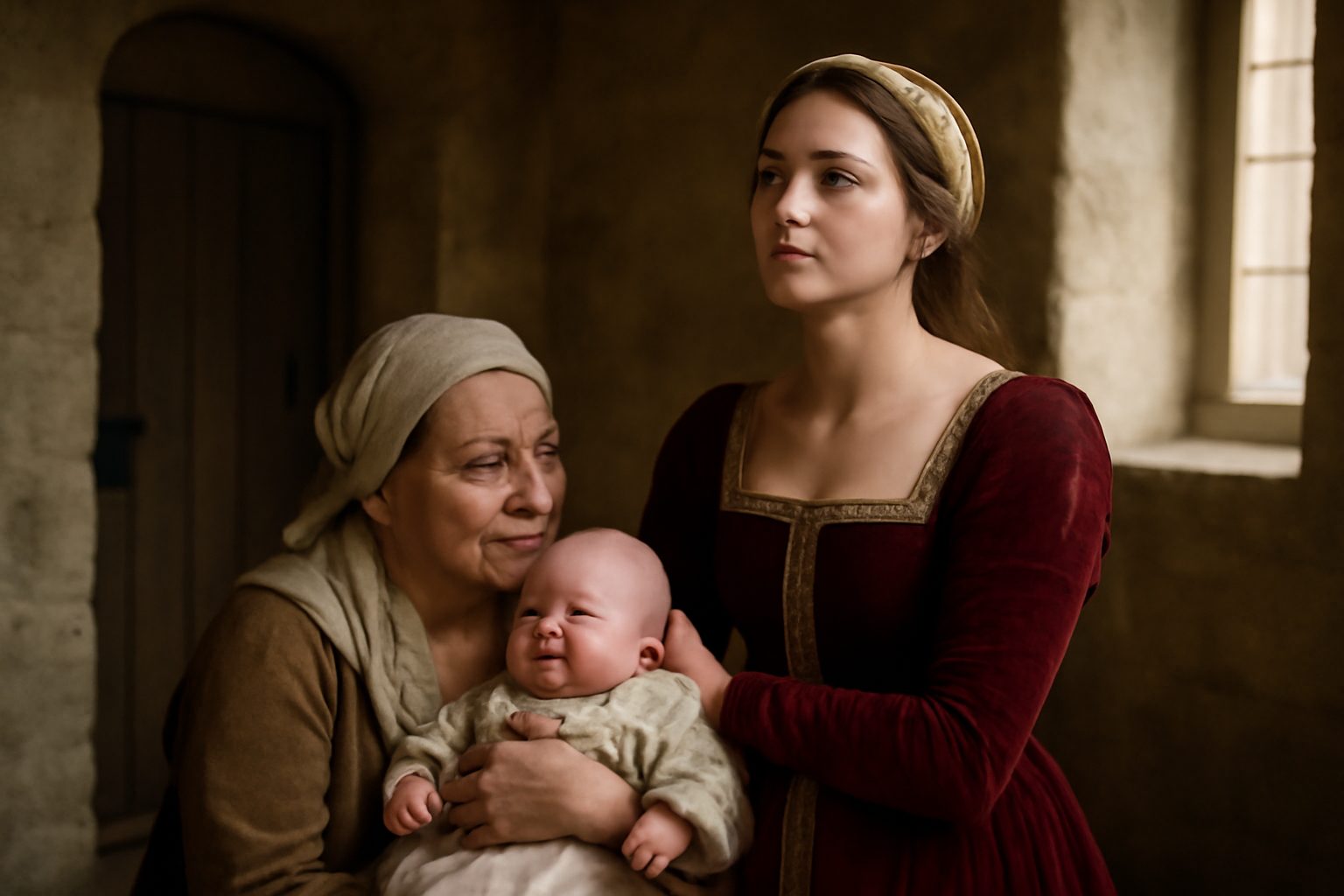
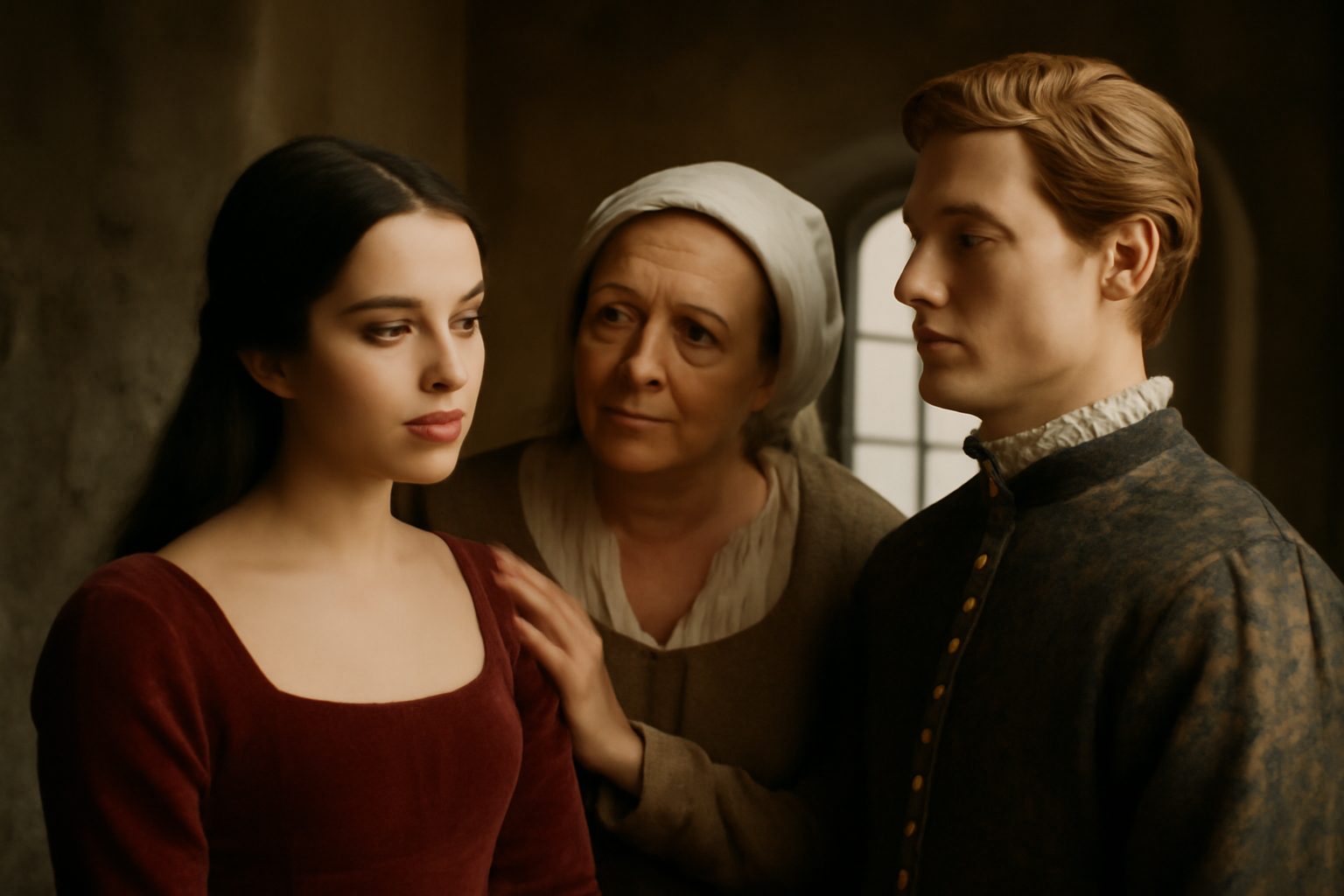
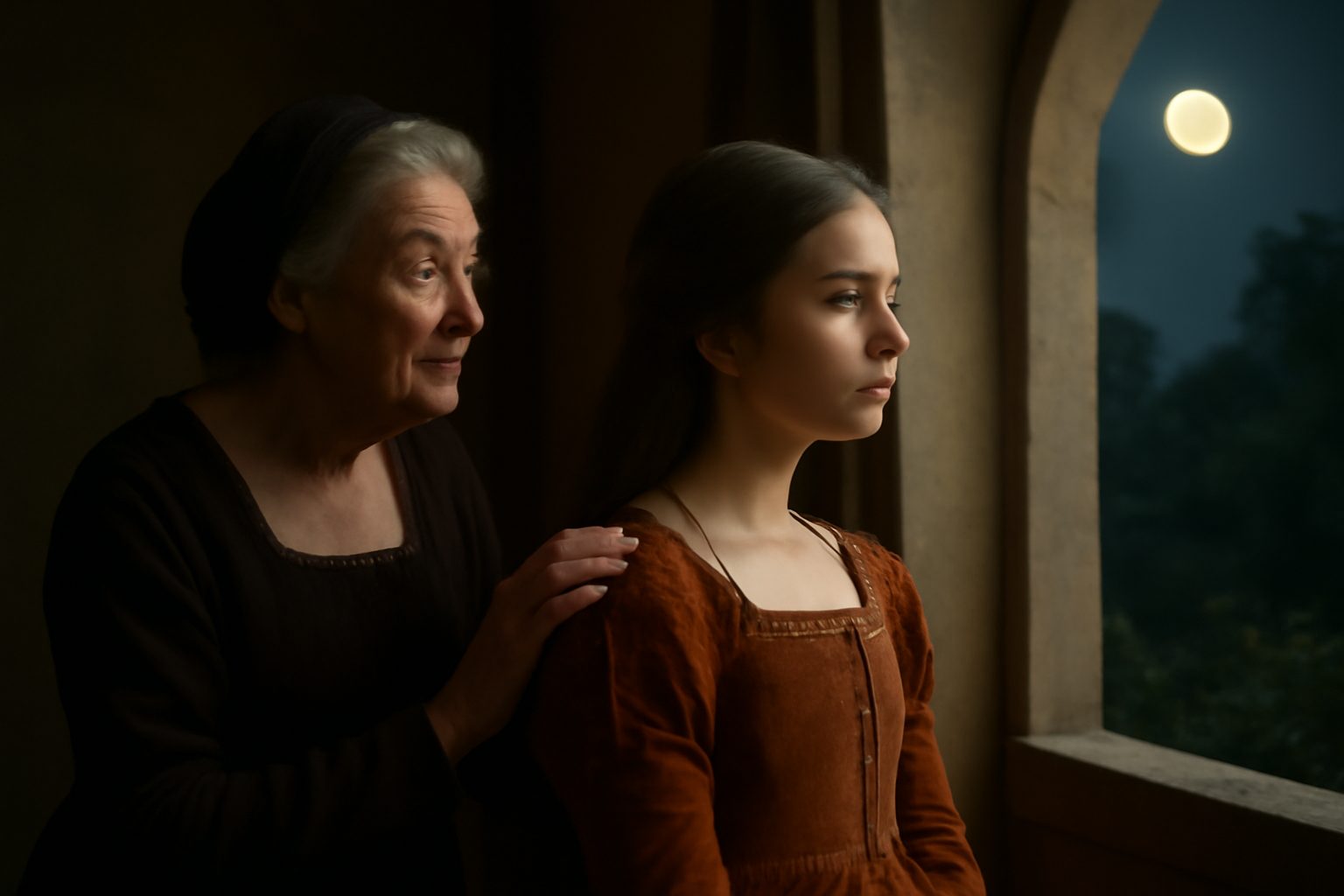
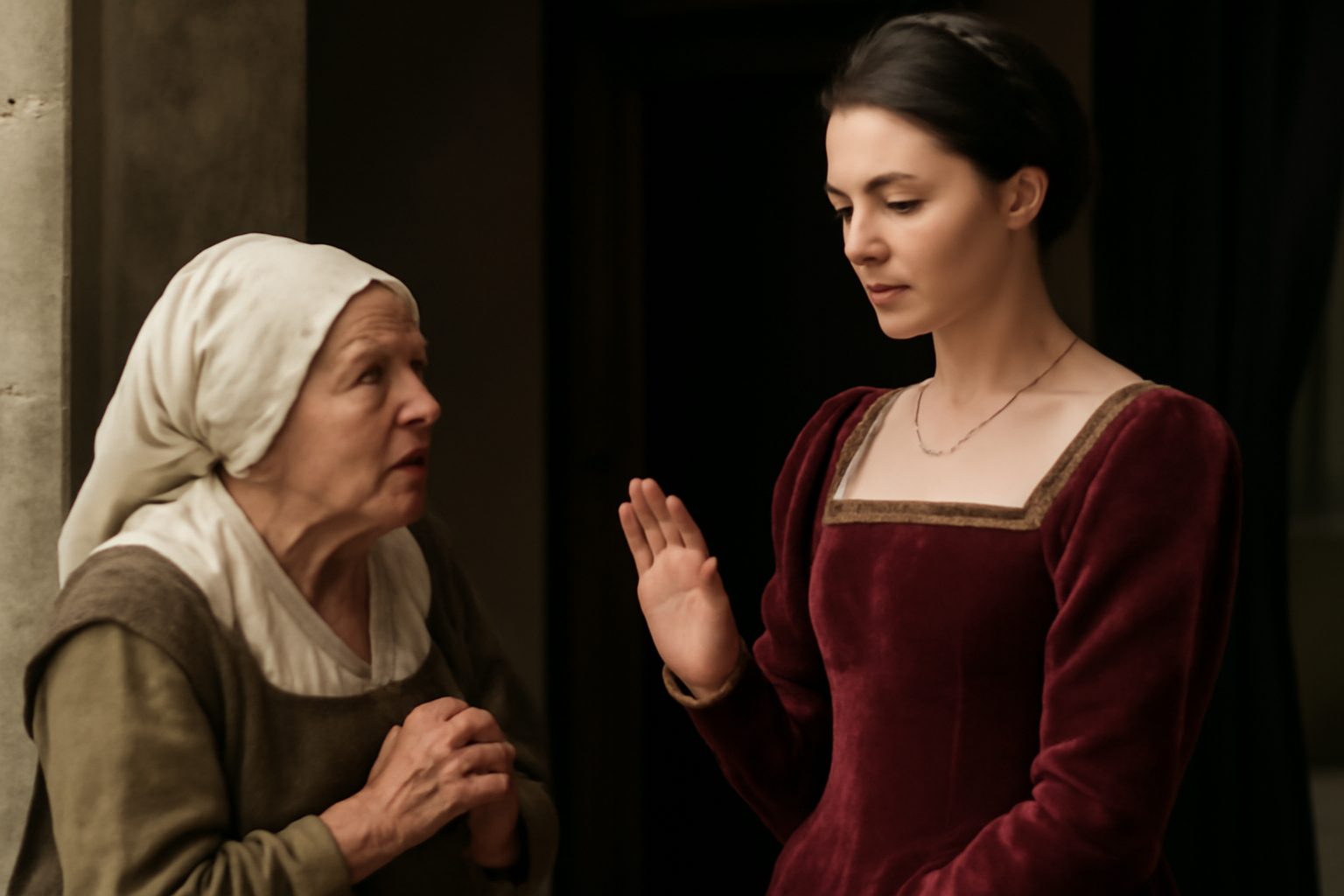
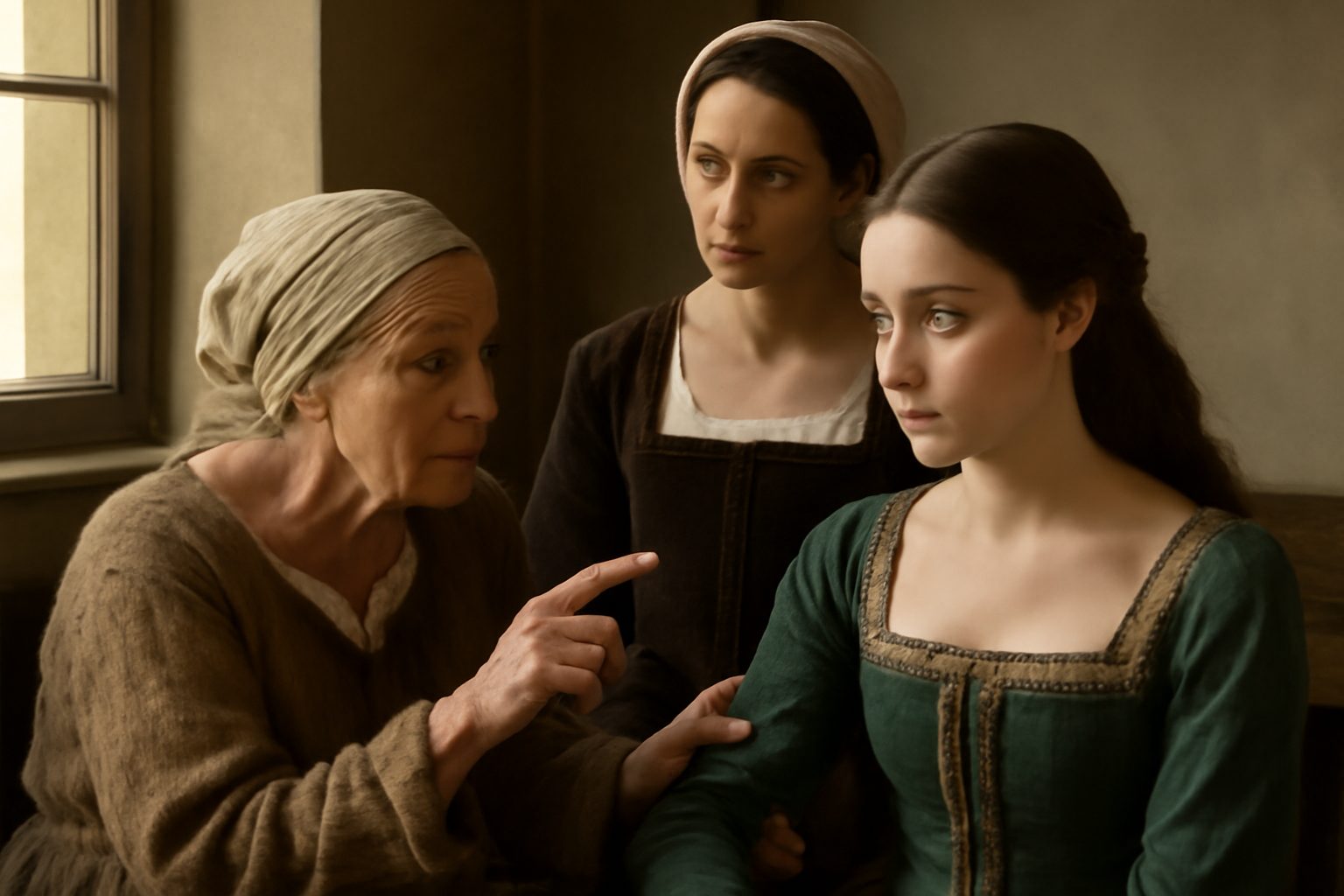
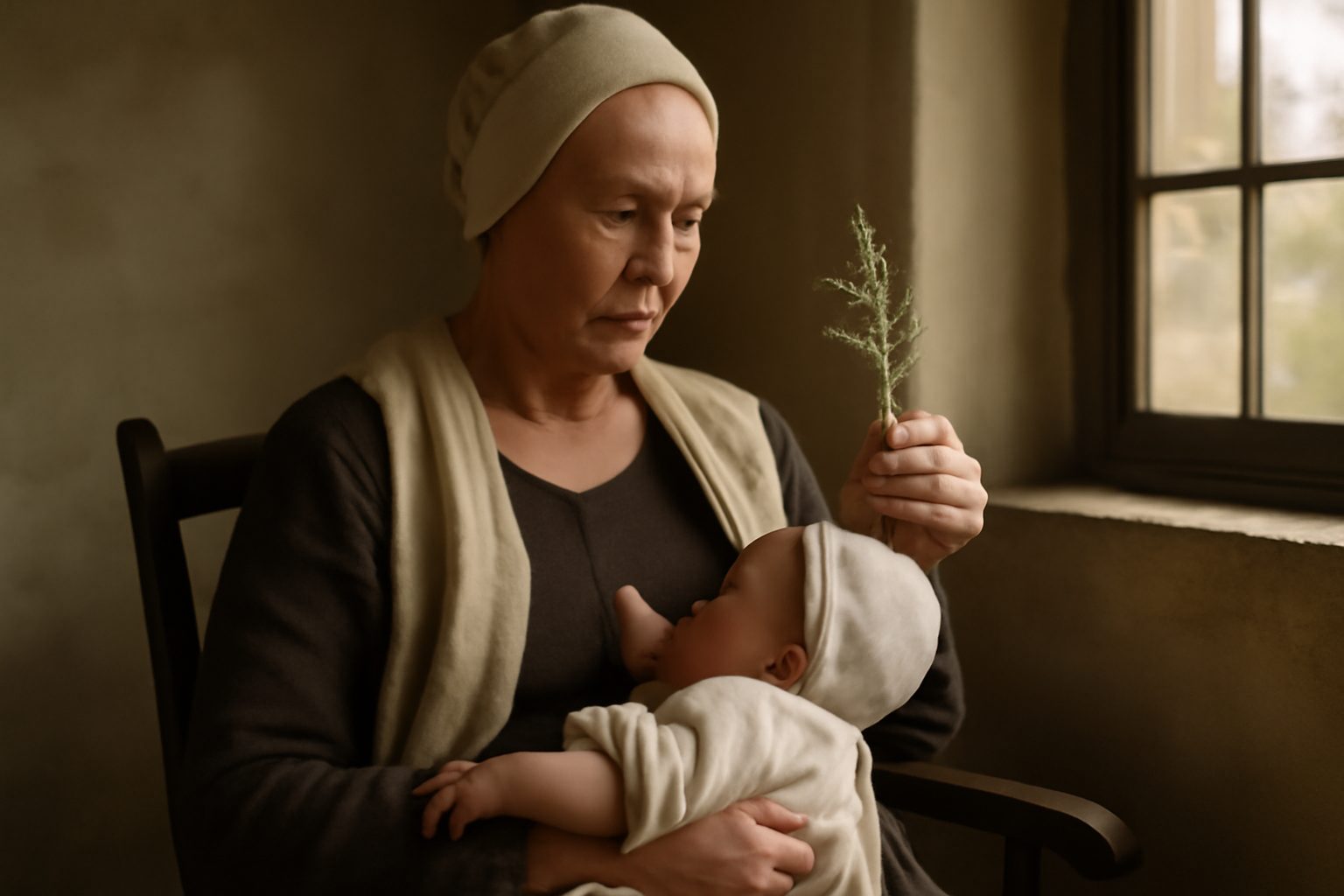
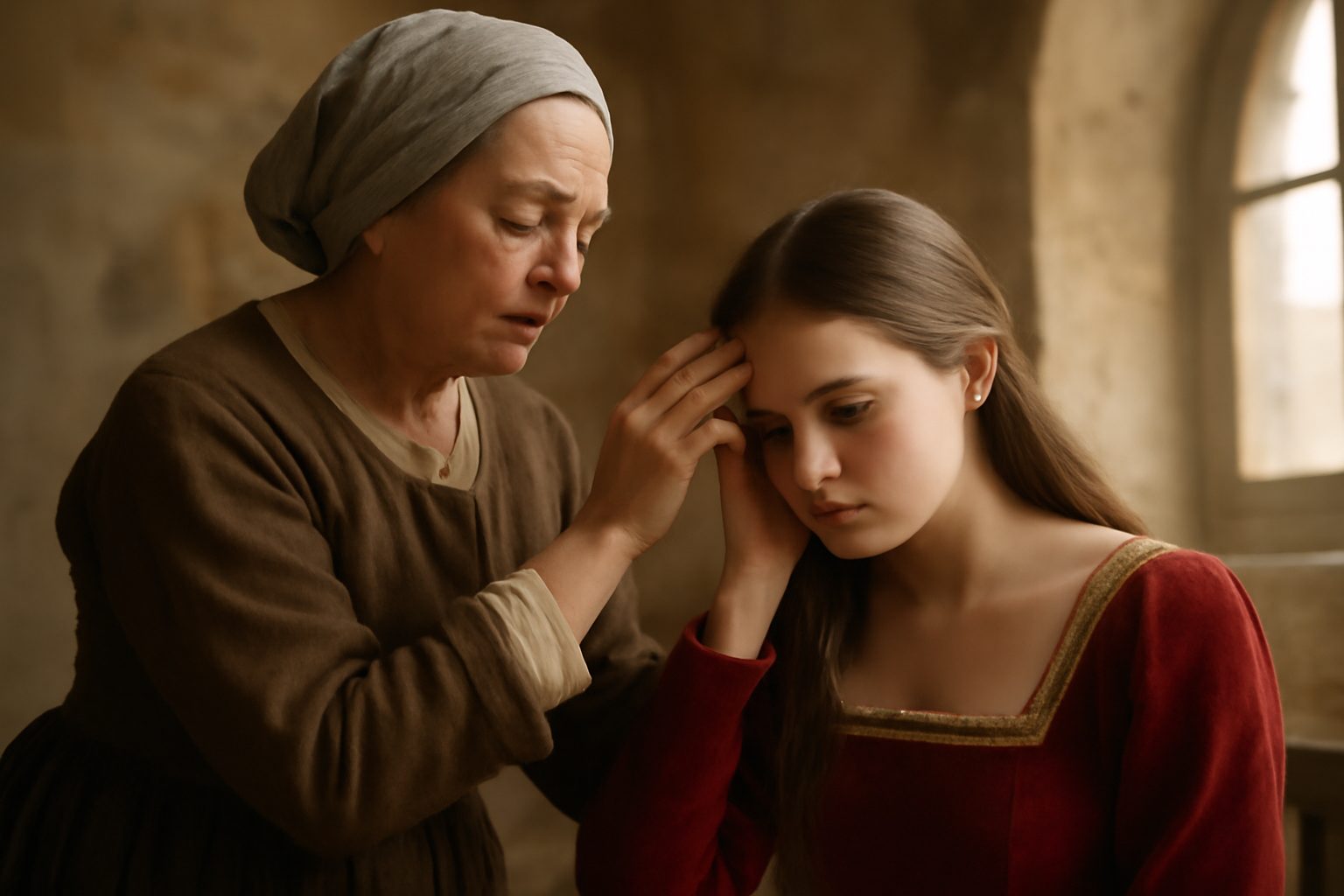
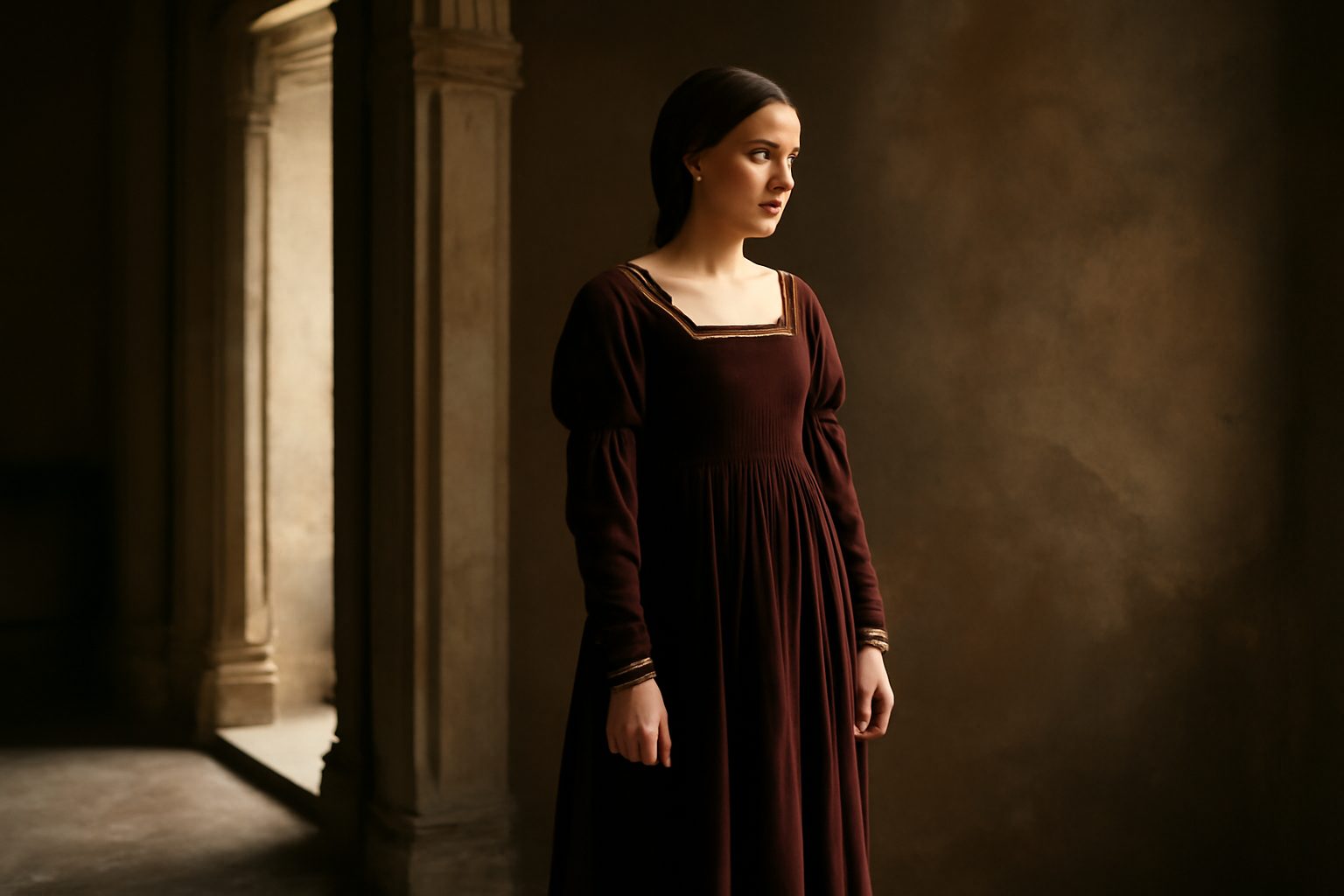
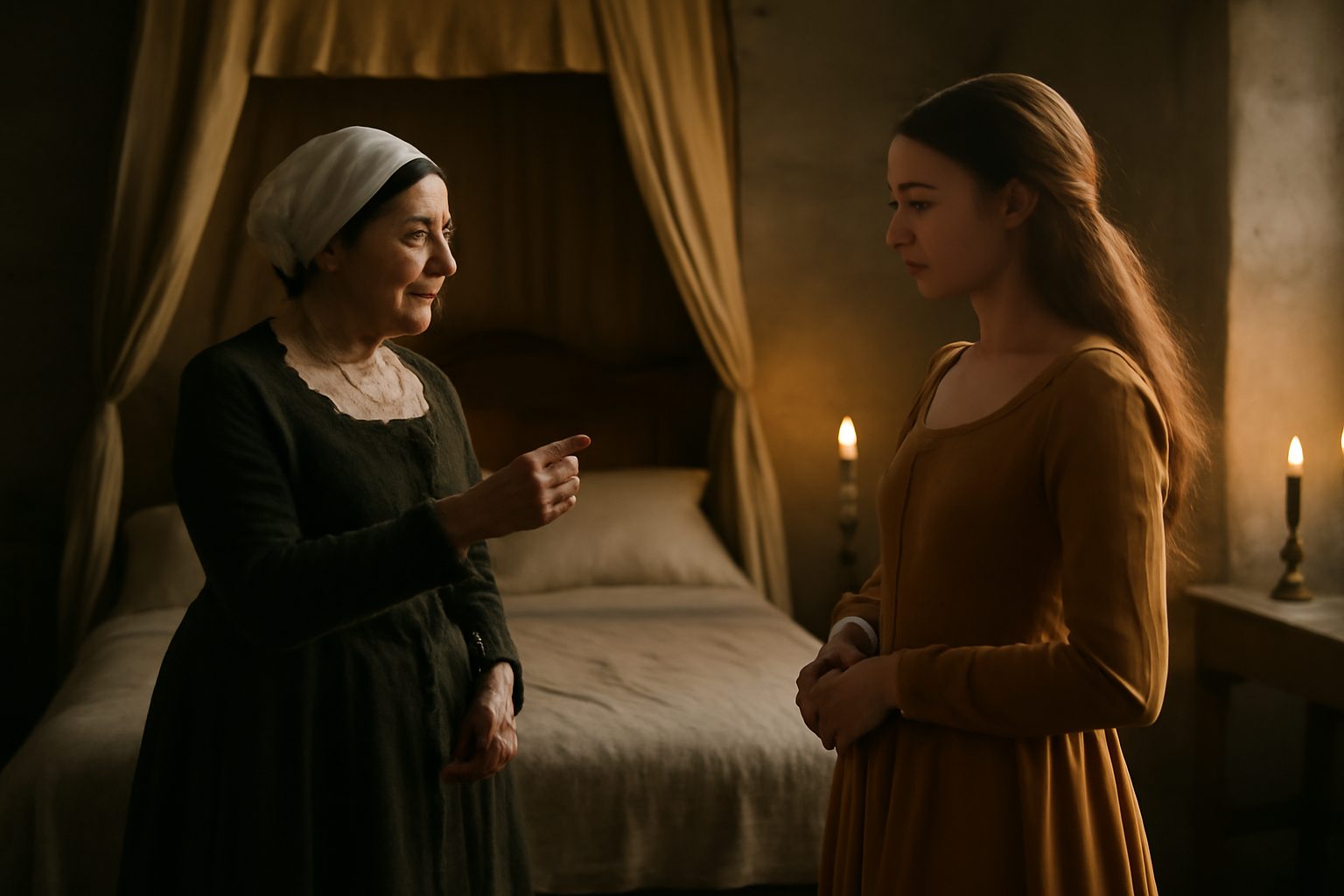
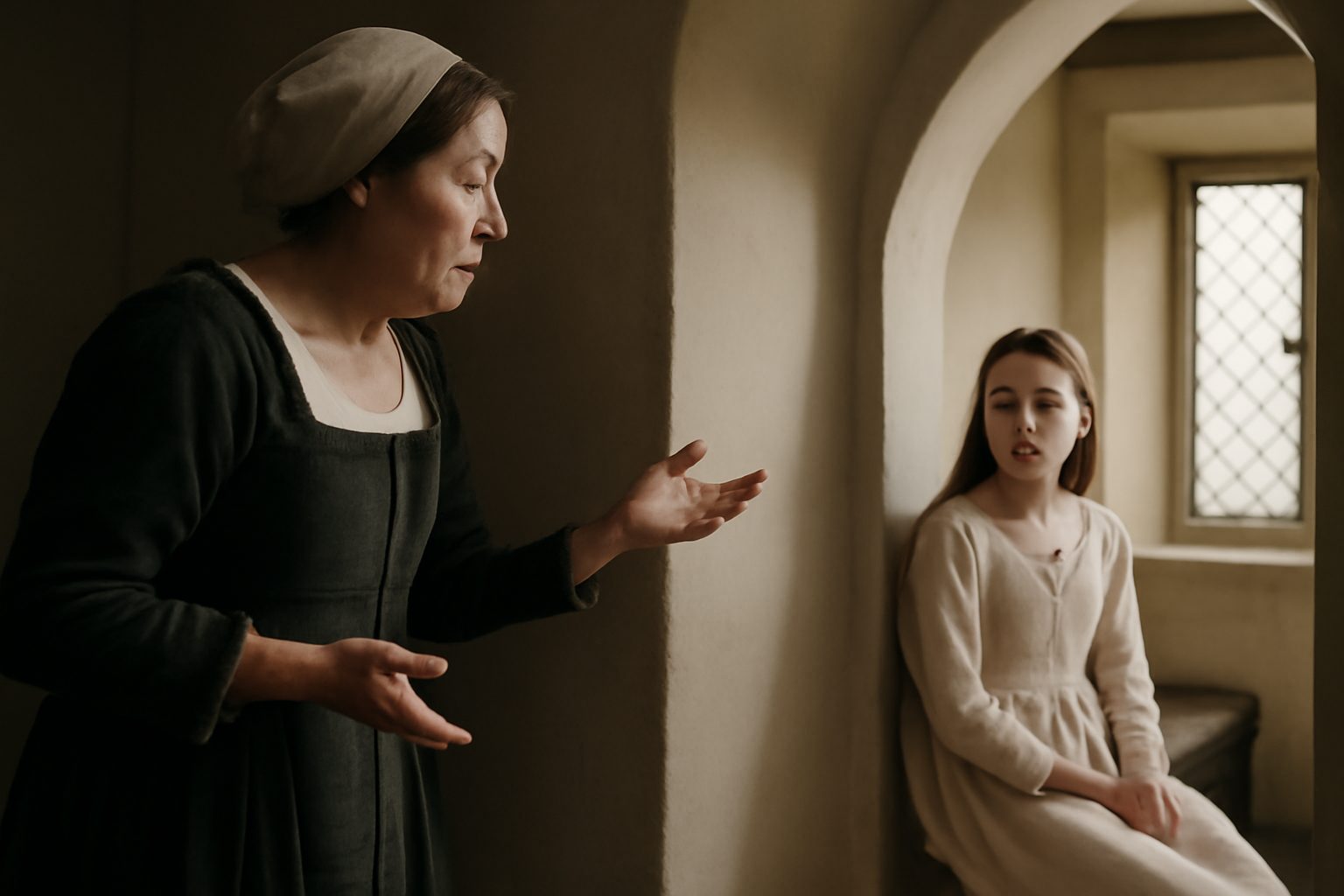
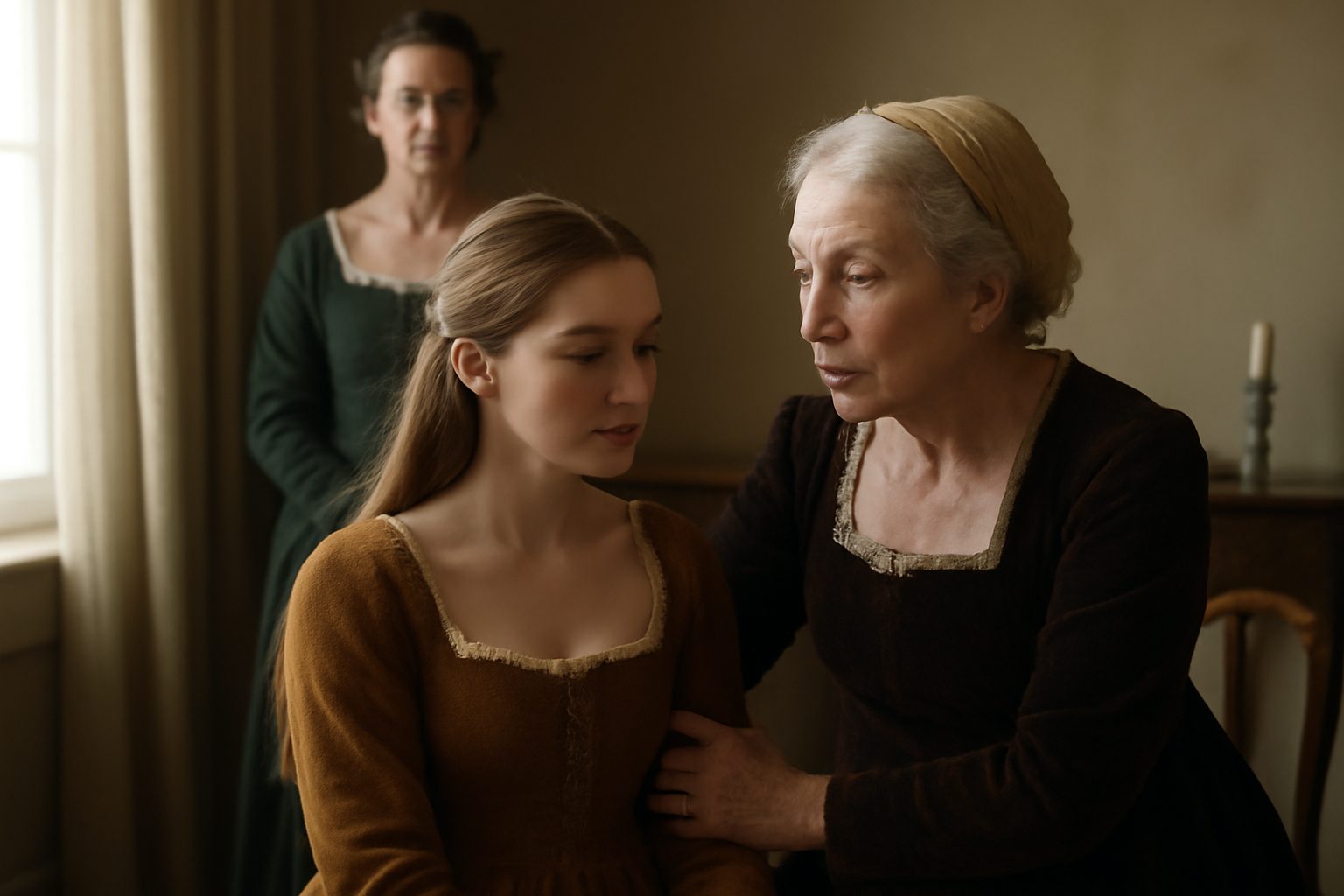
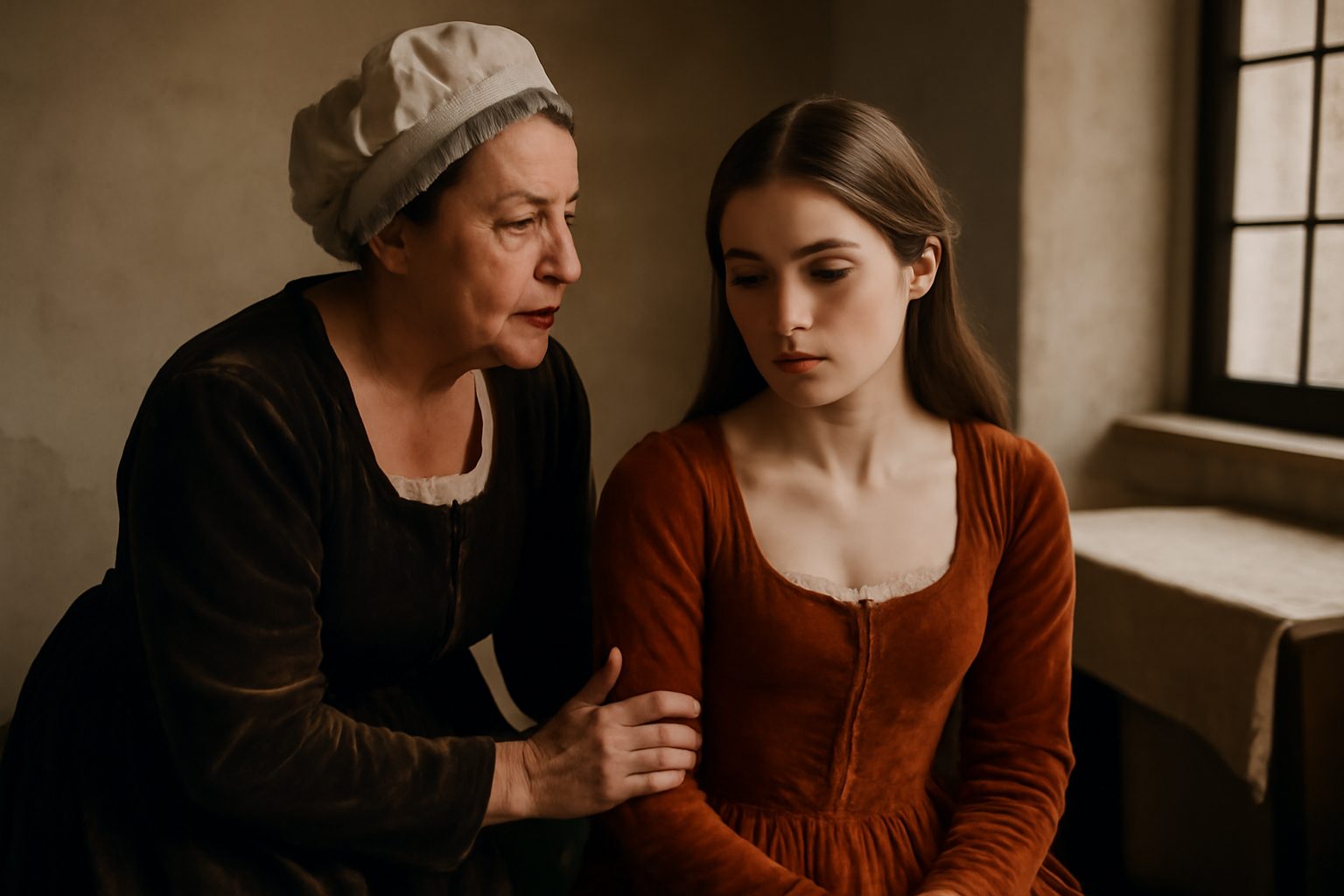
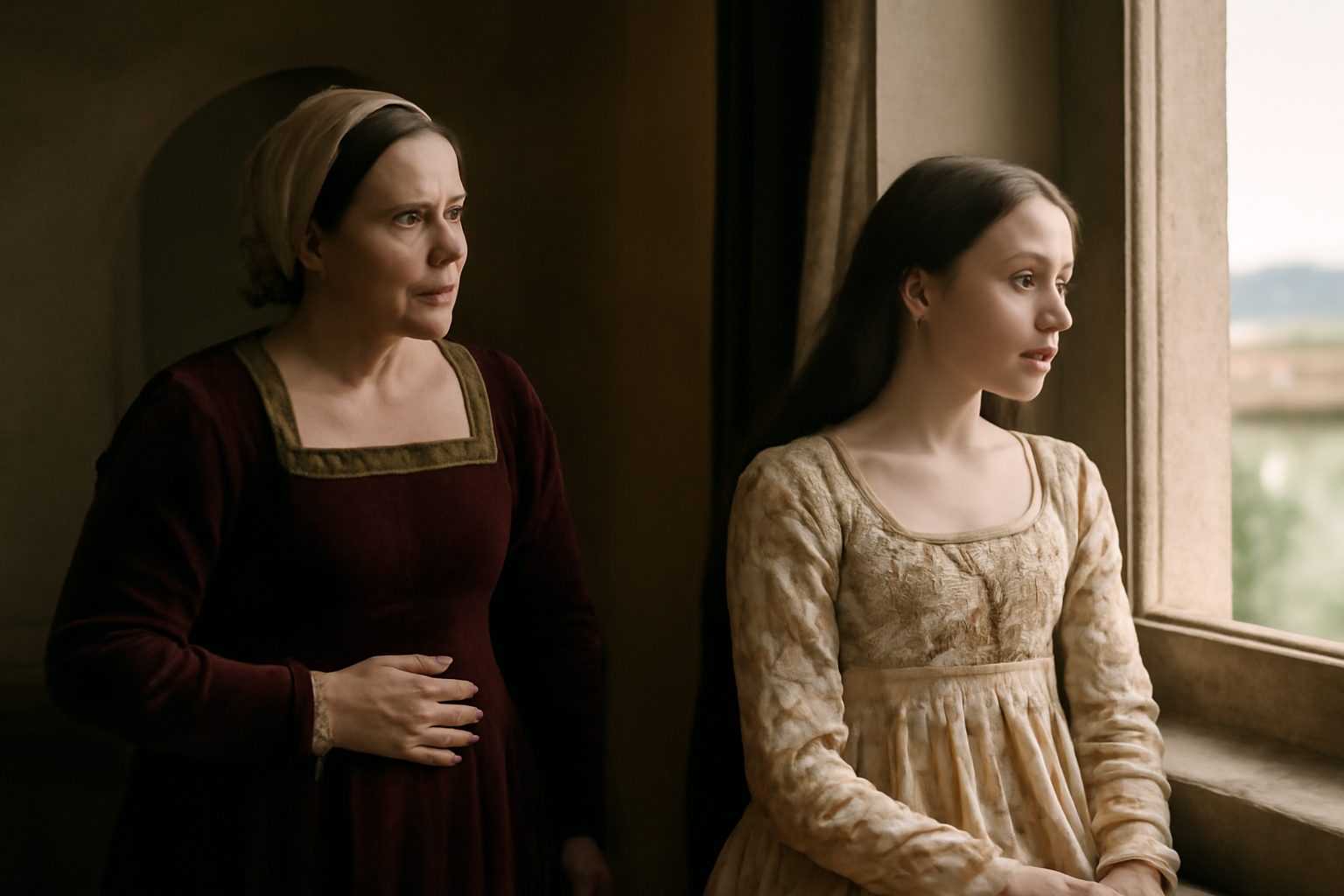
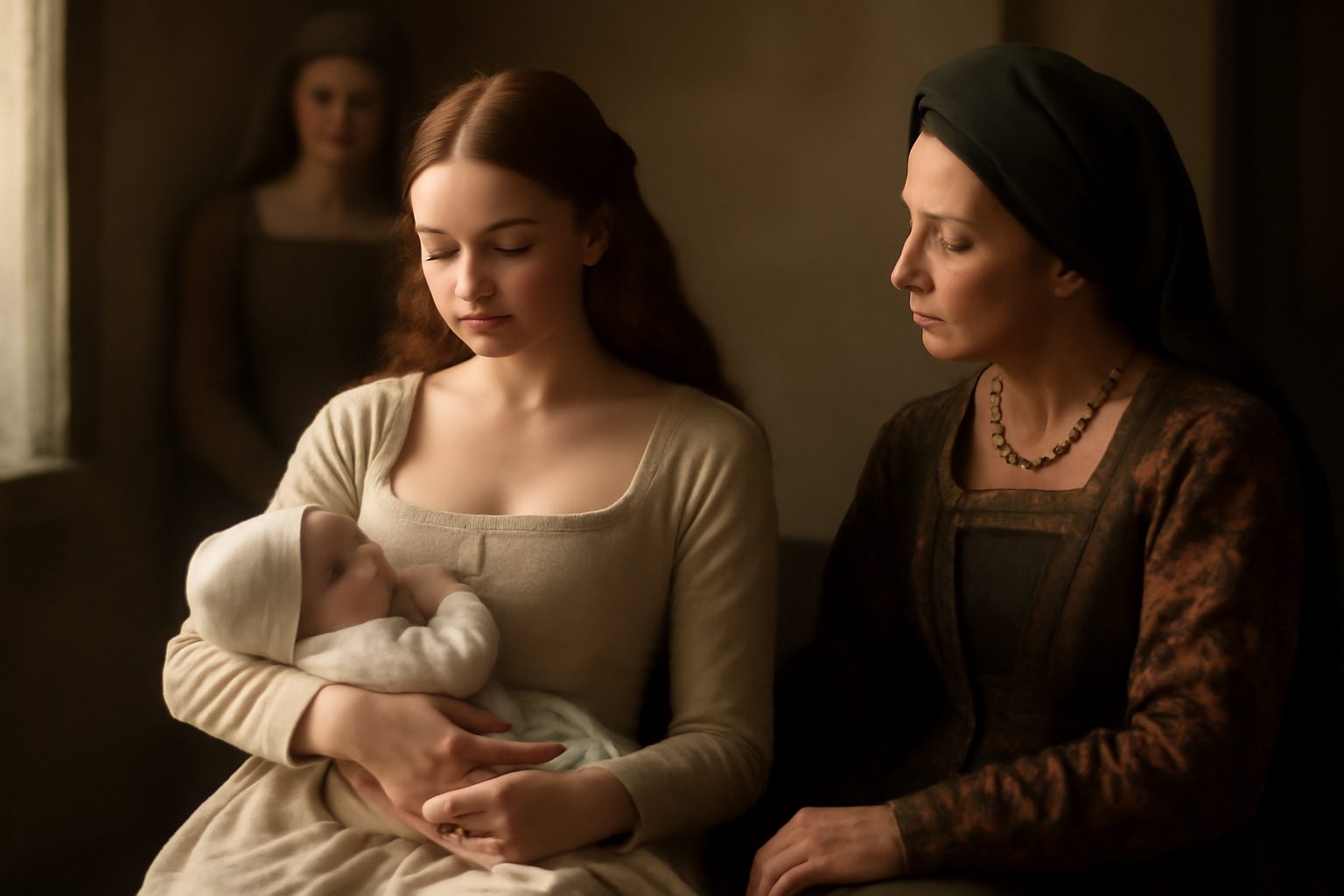
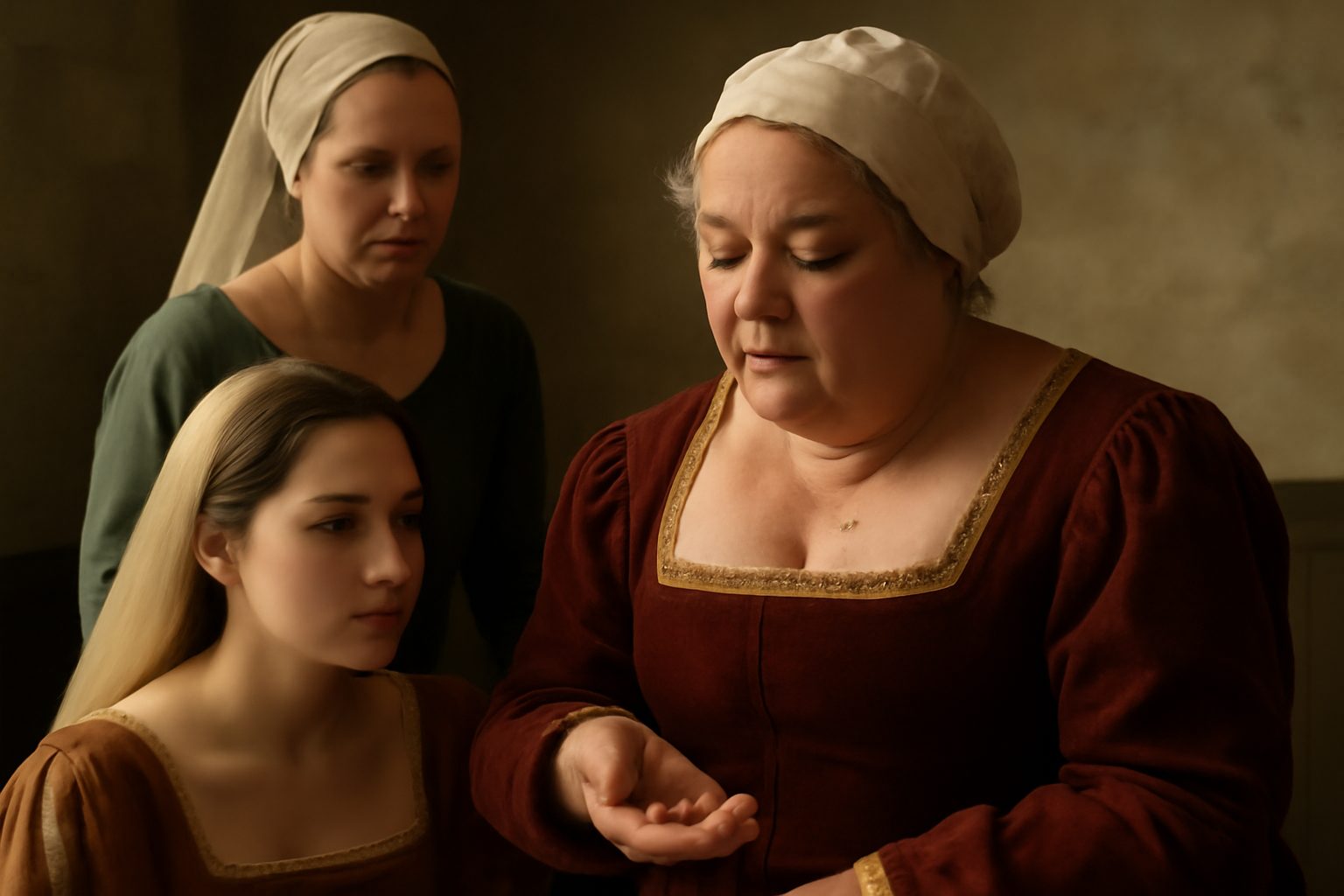
In Act 1, Scene 3 of Romeo and Juliet, the Nurse reminisces about Juliet's childhood while speaking to Lady Capulet. She recalls a specific moment, noting that Juliet will soon turn fourteen on Lammas-eve, a harvest festival marking the end of summer. This line highlights the Nurse's affectionate, nostalgic tone while subtly emphasizing Juliet's youth, a key detail in the unfolding story.
Nurse: "On Lammas-eve at night shall she be fourteen;"
In modern day english, we would say:
On the night before Lammas Day, she will turn fourteen.
Frequently Asked Questions
How old will Juliet be on Lammas-eve?
Juliet will be fourteen years old on Lammas-eve.
Connections to other verses:
Connections to Juliet's Age and Lammas-tide
The verse "On Lammas-eve at night shall she be fourteen;" is directly linked to several other lines that establish Juliet's age and the timing of her birthday. For instance, in "She's not fourteen.", the Nurse confirms Juliet has not yet reached that age. The question "To Lammas-tide?" refers to the same harvest festival, connecting the timeline. Additionally, "Come Lammas-eve at night shall she be fourteen." is a near repetition, emphasizing the significance of this date.
Nurse's Recollections and Anecdotes
The Nurse's memory of Juliet's infancy and childhood provides context for her statement about Lammas-eve. She recalls in "And she was wean'd,--I never shall forget it,--" and mentions the earthquake eleven years prior in "Tis since the earthquake now eleven years;", which aligns with Juliet's age. Her humorous anecdote about Juliet falling backward in "Thou wilt fall backward when thou hast more wit;" and "Thou wilt fall backward when thou comest to age;" foreshadows her maturity and the themes of love and marriage discussed later in the scene.
Marriage and Future Prospects
Juliet's approaching fourteenth birthday is a catalyst for the discussion of marriage. Lady Capulet states in "Well, think of marriage now; younger than you,", highlighting that girls Juliet's age are already mothers. She praises Paris in "As all the world--why, he's a man of wax." and urges Juliet to "Go, girl, seek happy nights to happy days.". Juliet's cautious response in "I'll look to like, if looking liking move:" shows her willingness to consider Paris, but with reservation.
Nurse's Affection and Loss
The Nurse's deep affection for Juliet is evident in her recollections, such as "Thou wast the prettiest babe that e'er I nursed:". Her mention of her own deceased child, Susan, in "Susan and she--God rest all Christian souls!--" and "Were of an age: well, Susan is with God;" adds a layer of personal loss, making her attachment to Juliet more poignant and explaining her detailed memory of Juliet's upbringing.