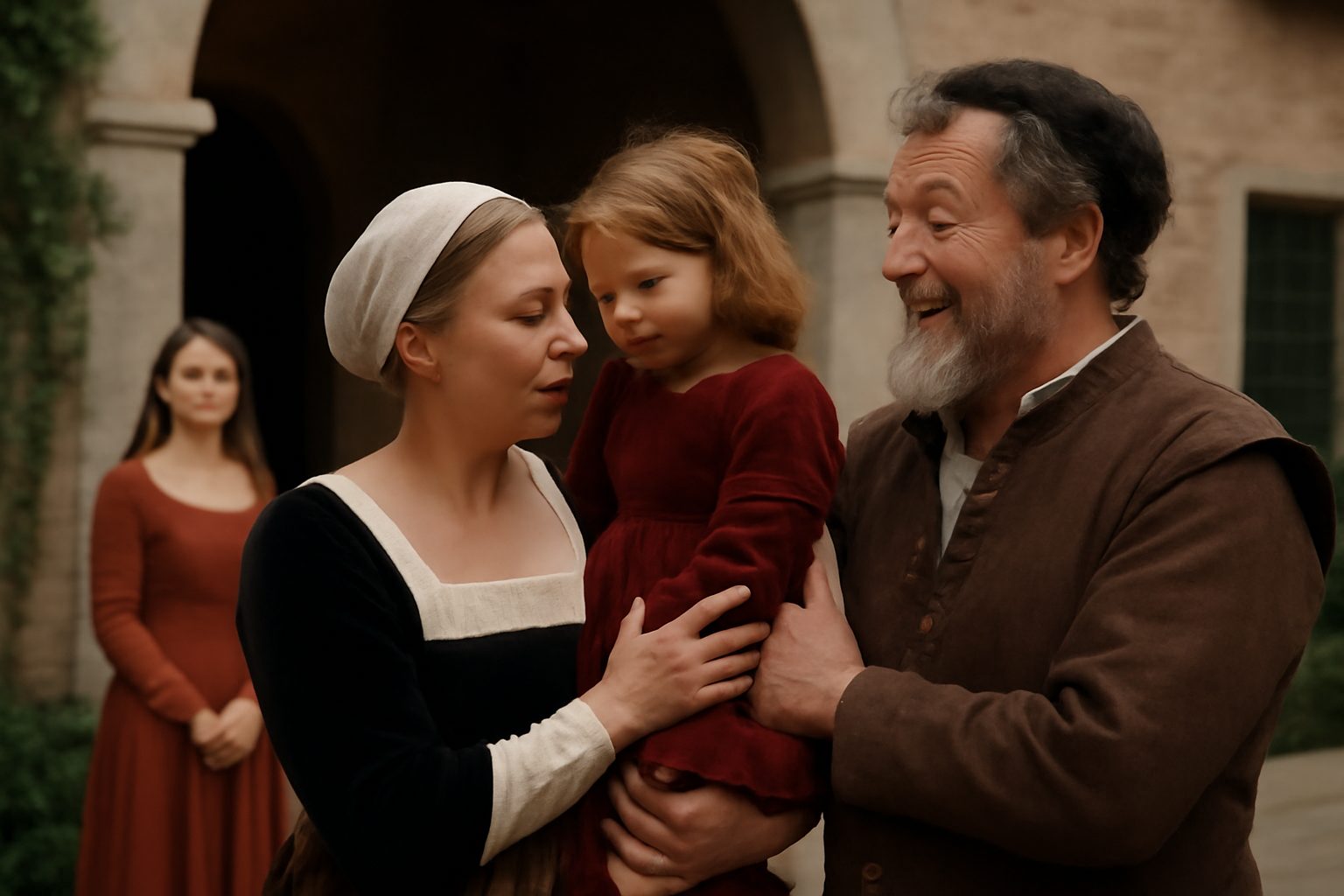
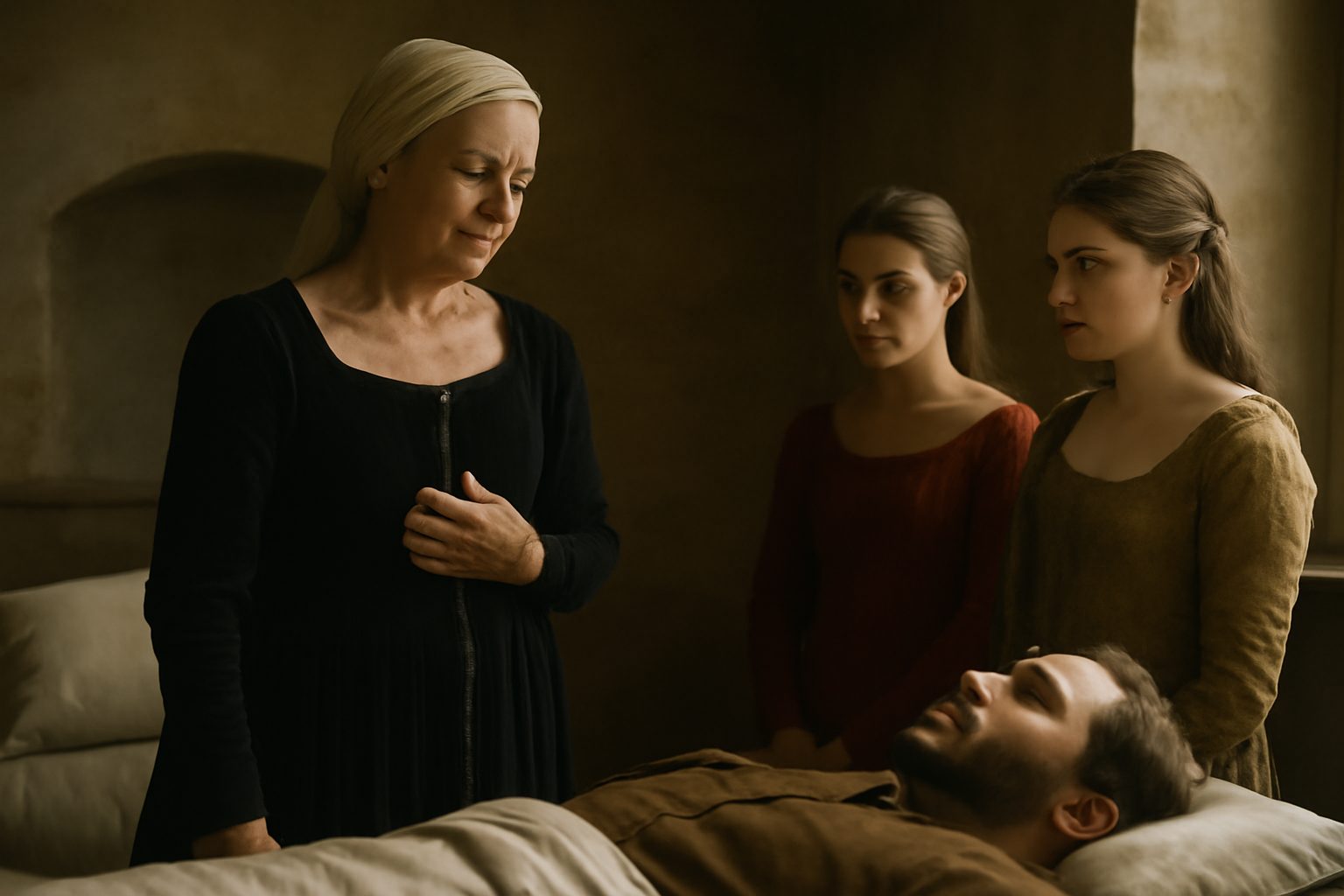
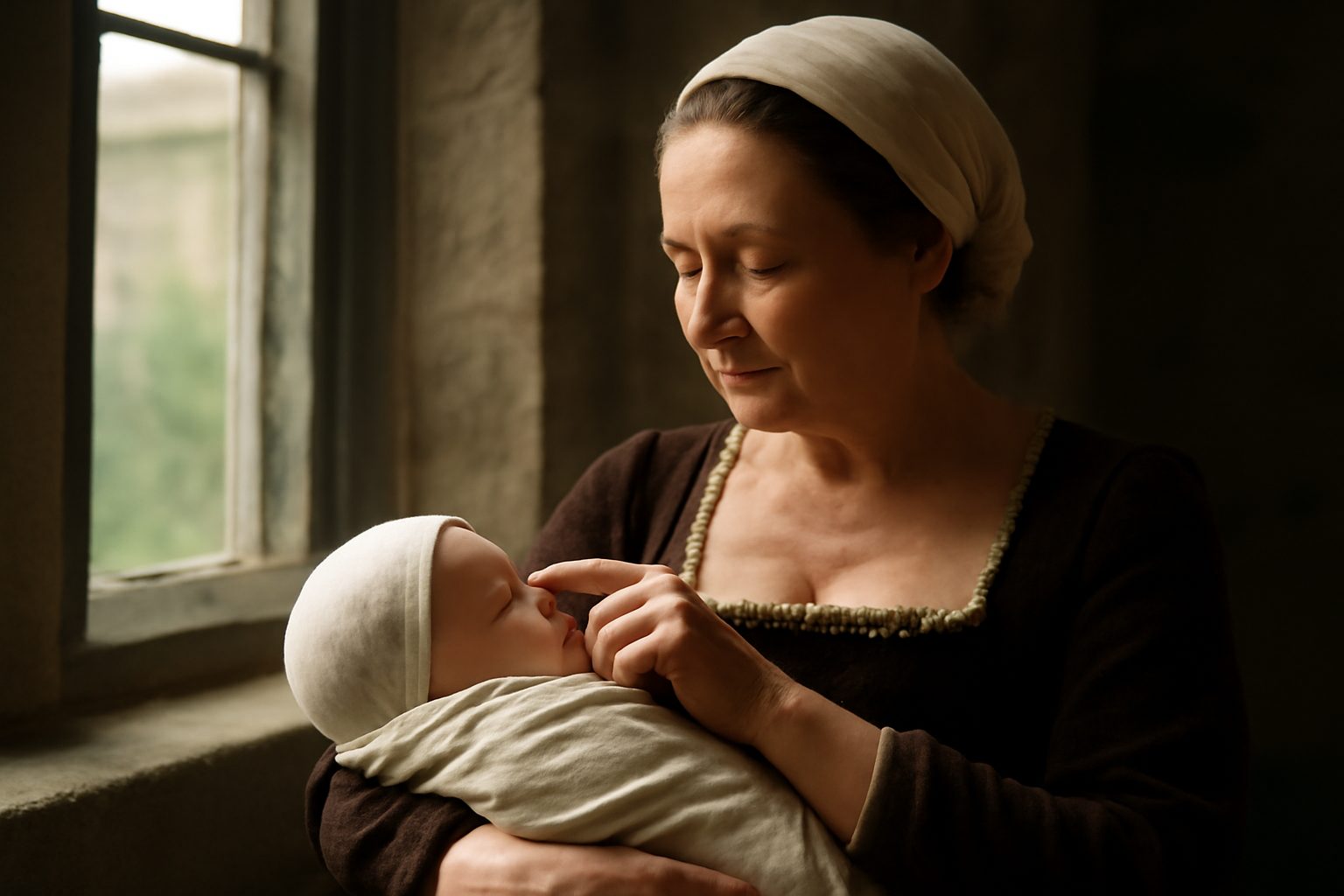
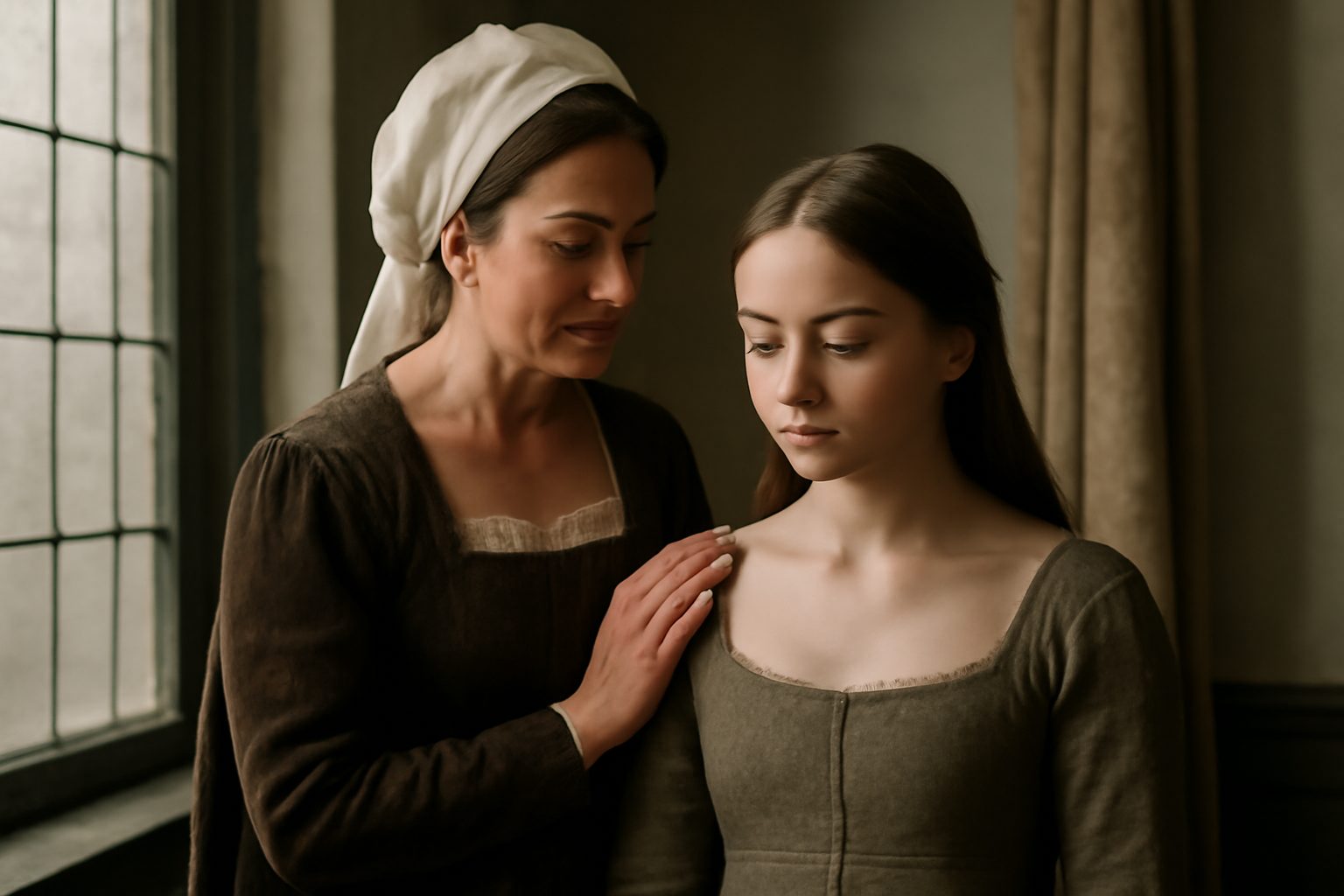
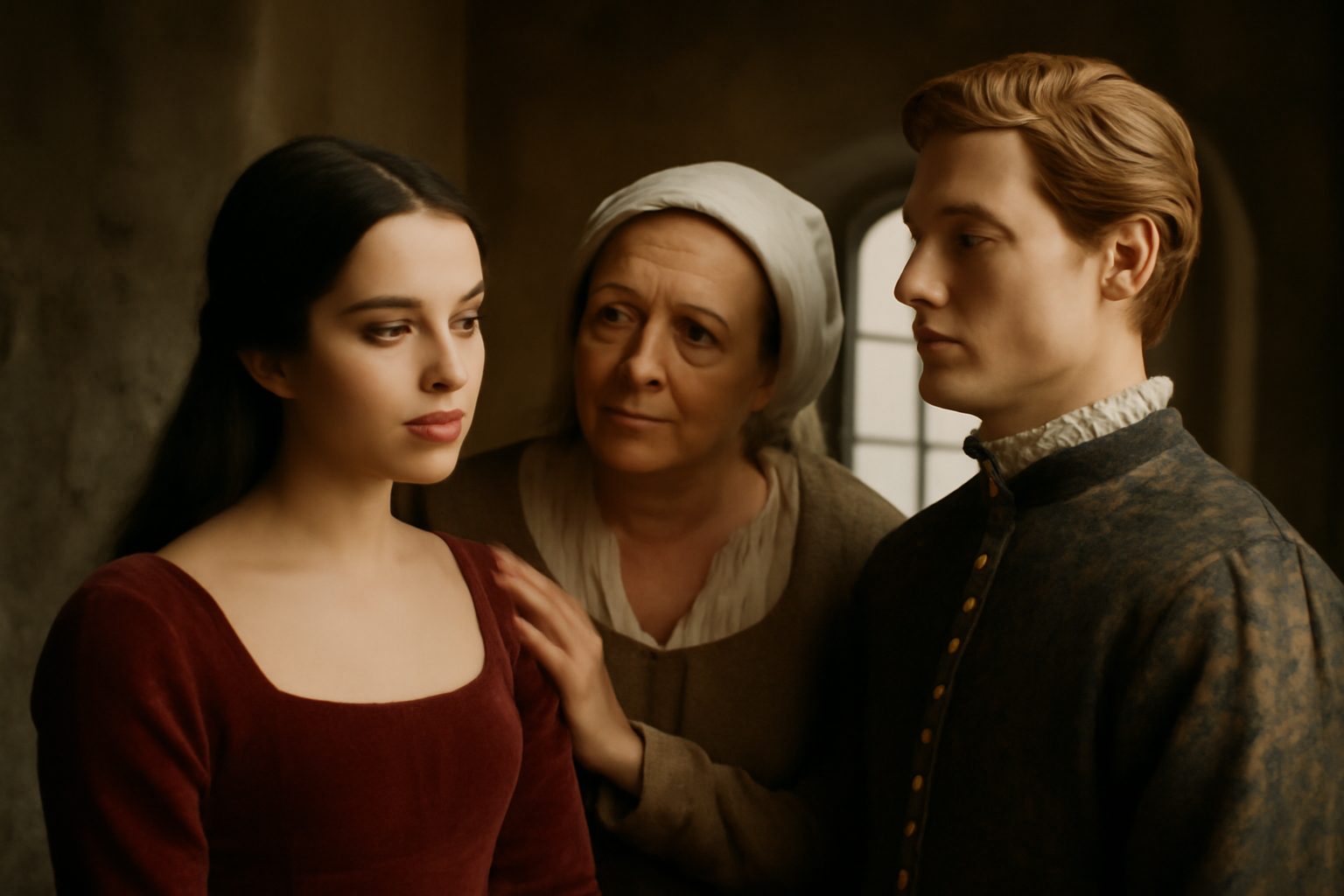
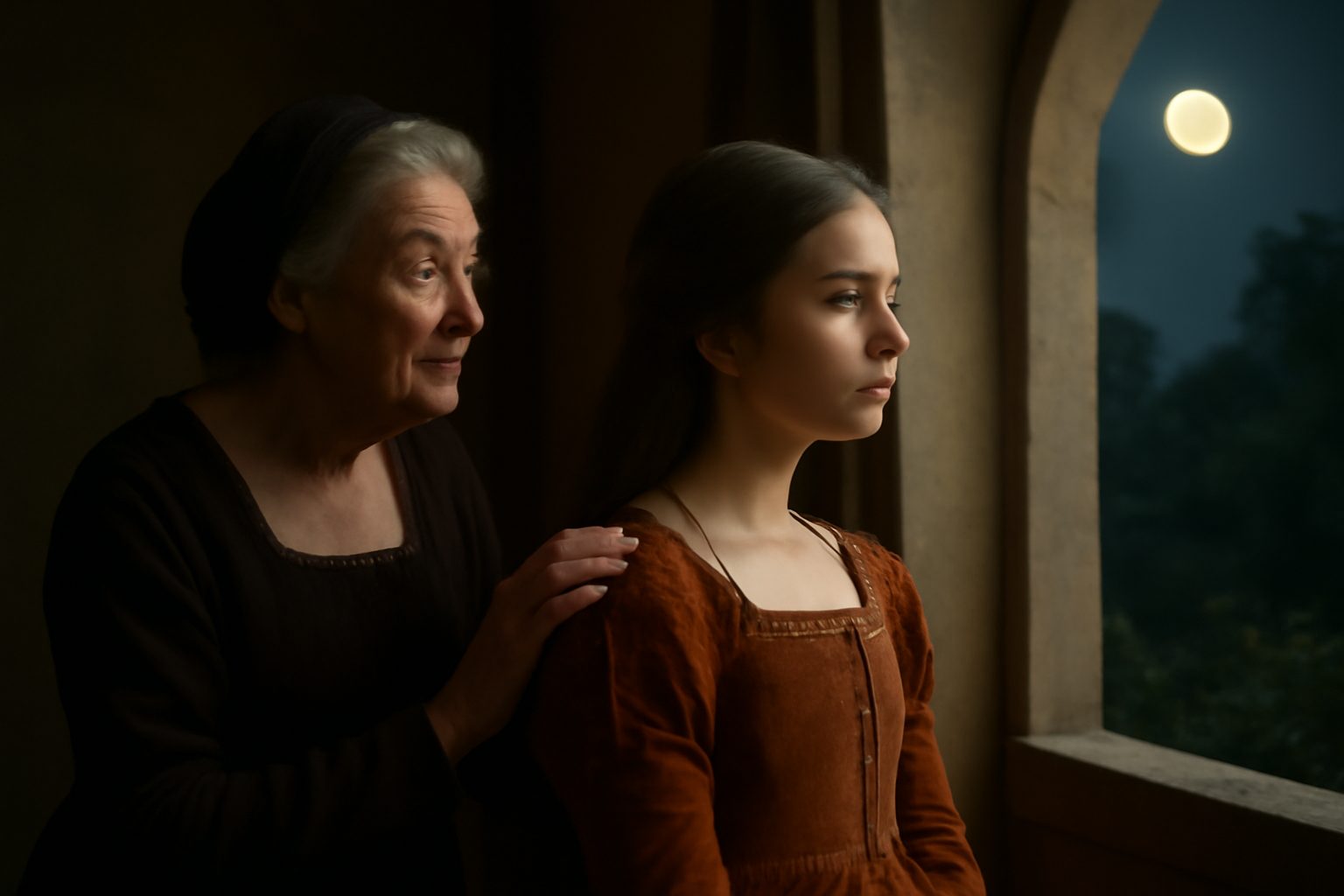
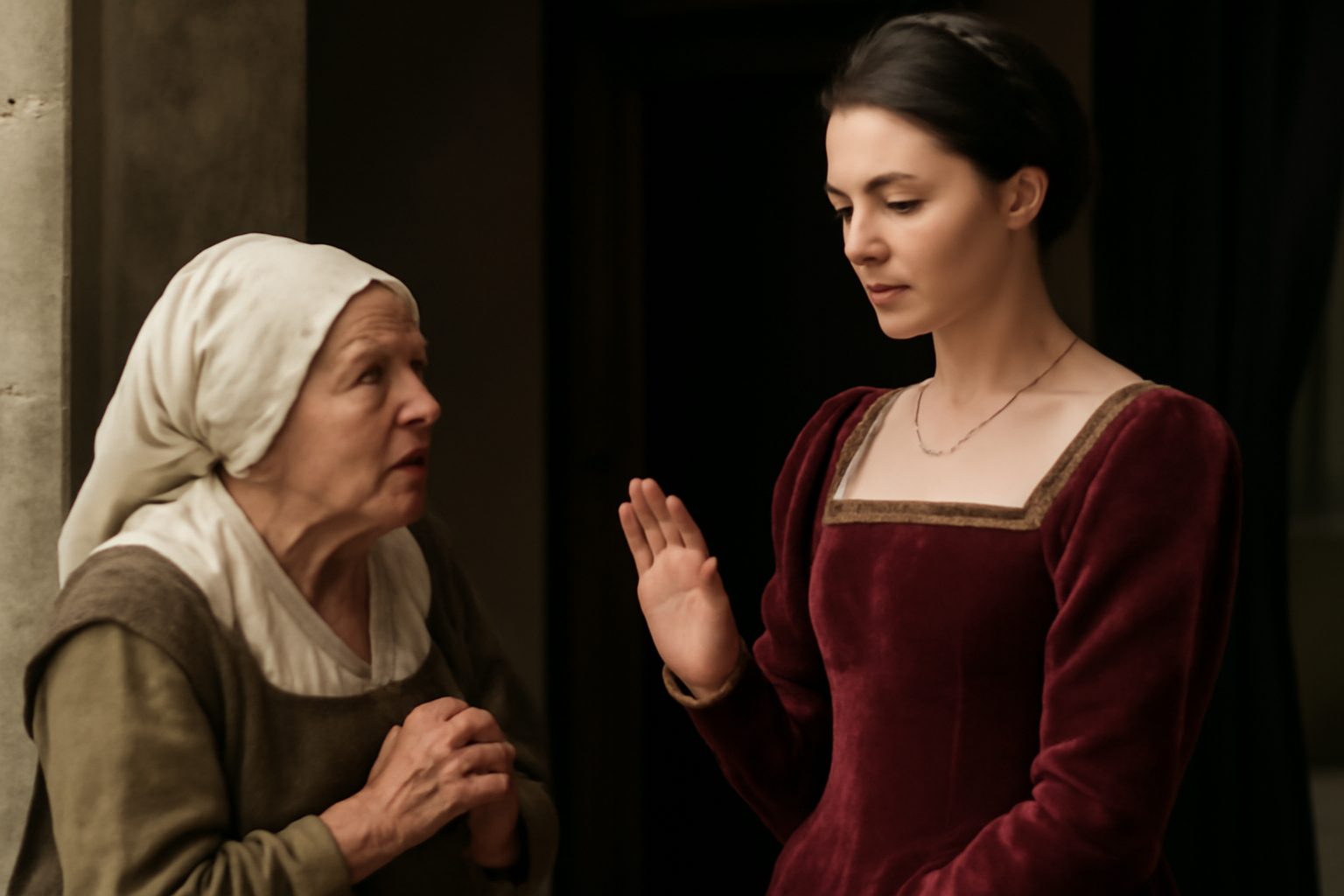
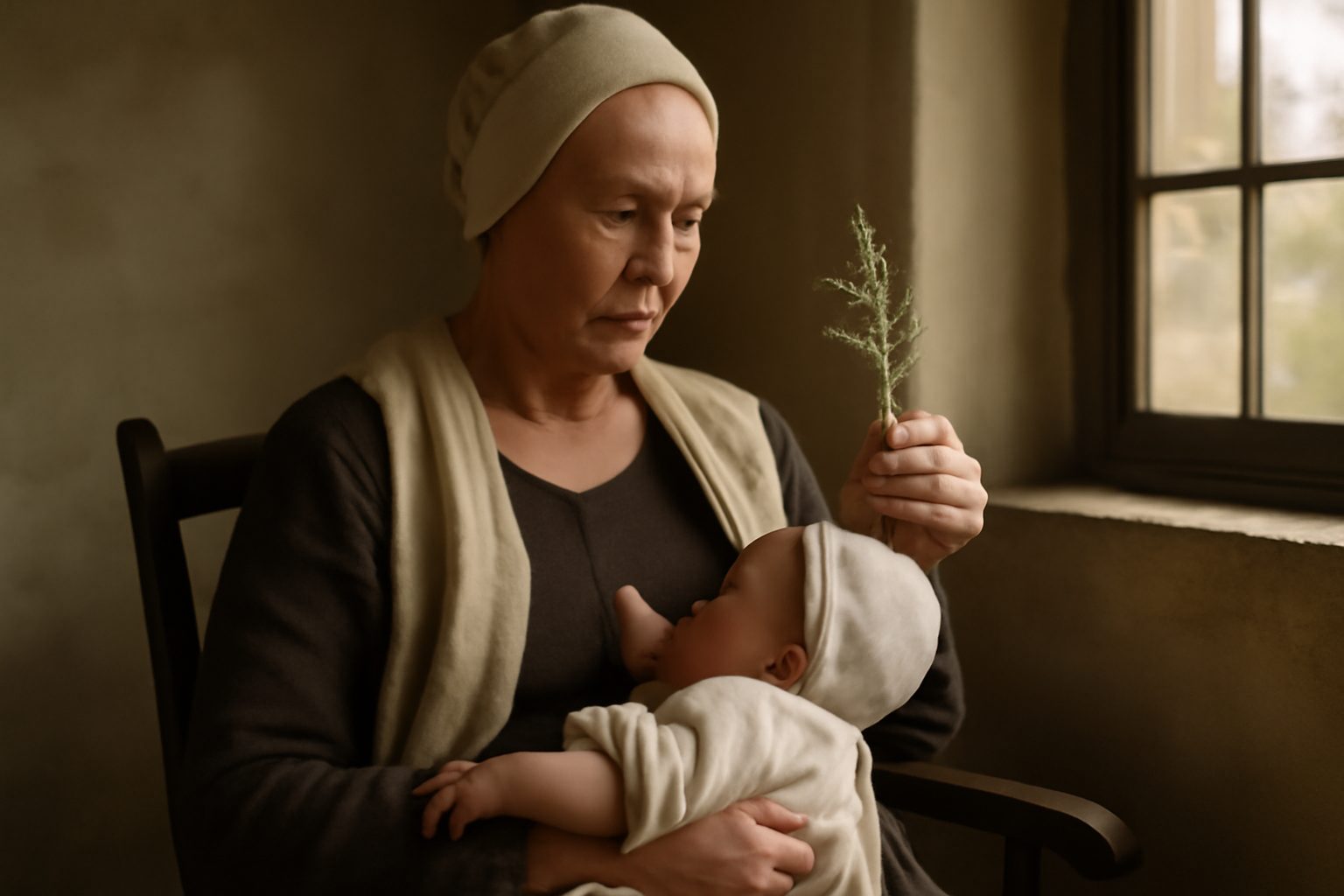
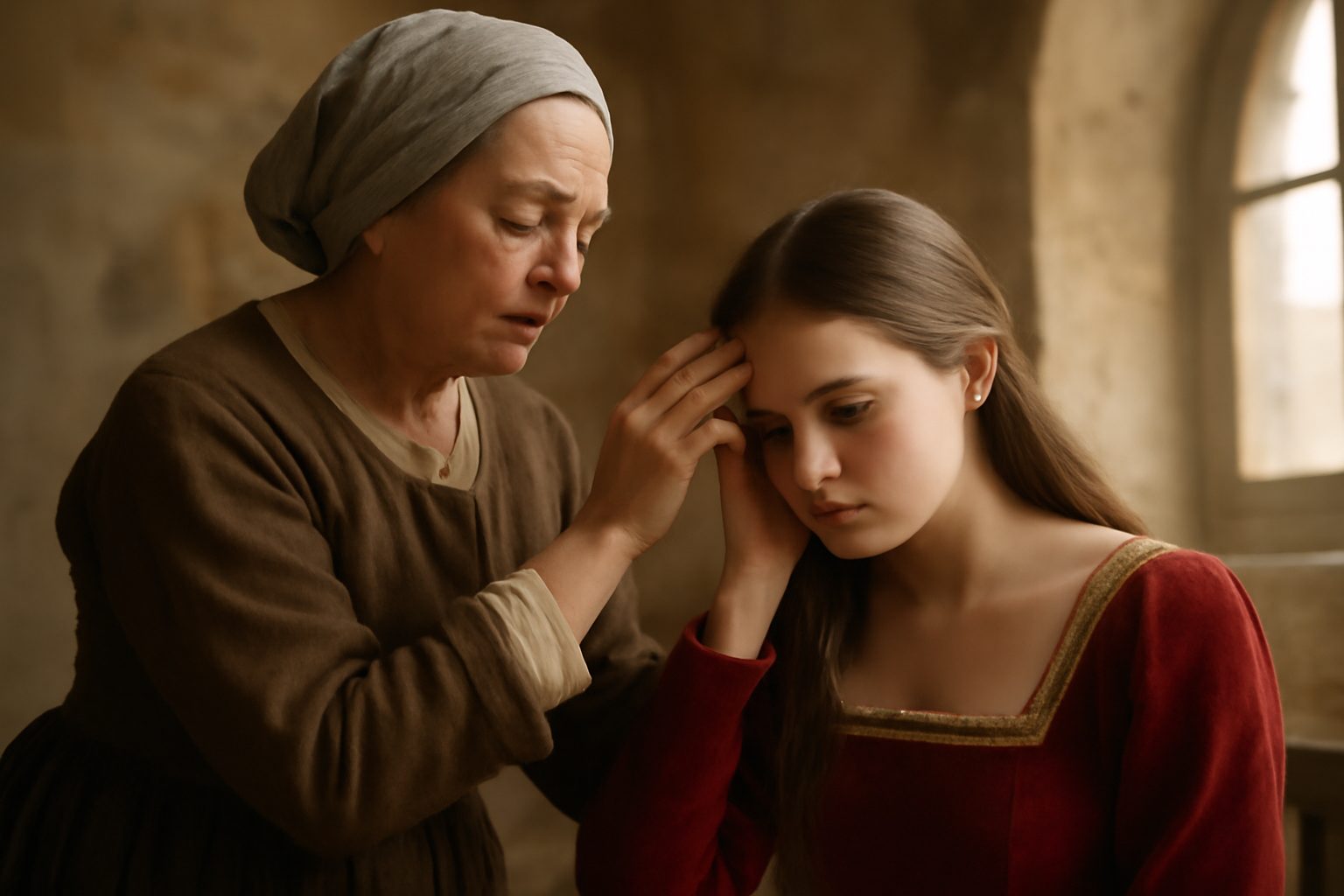
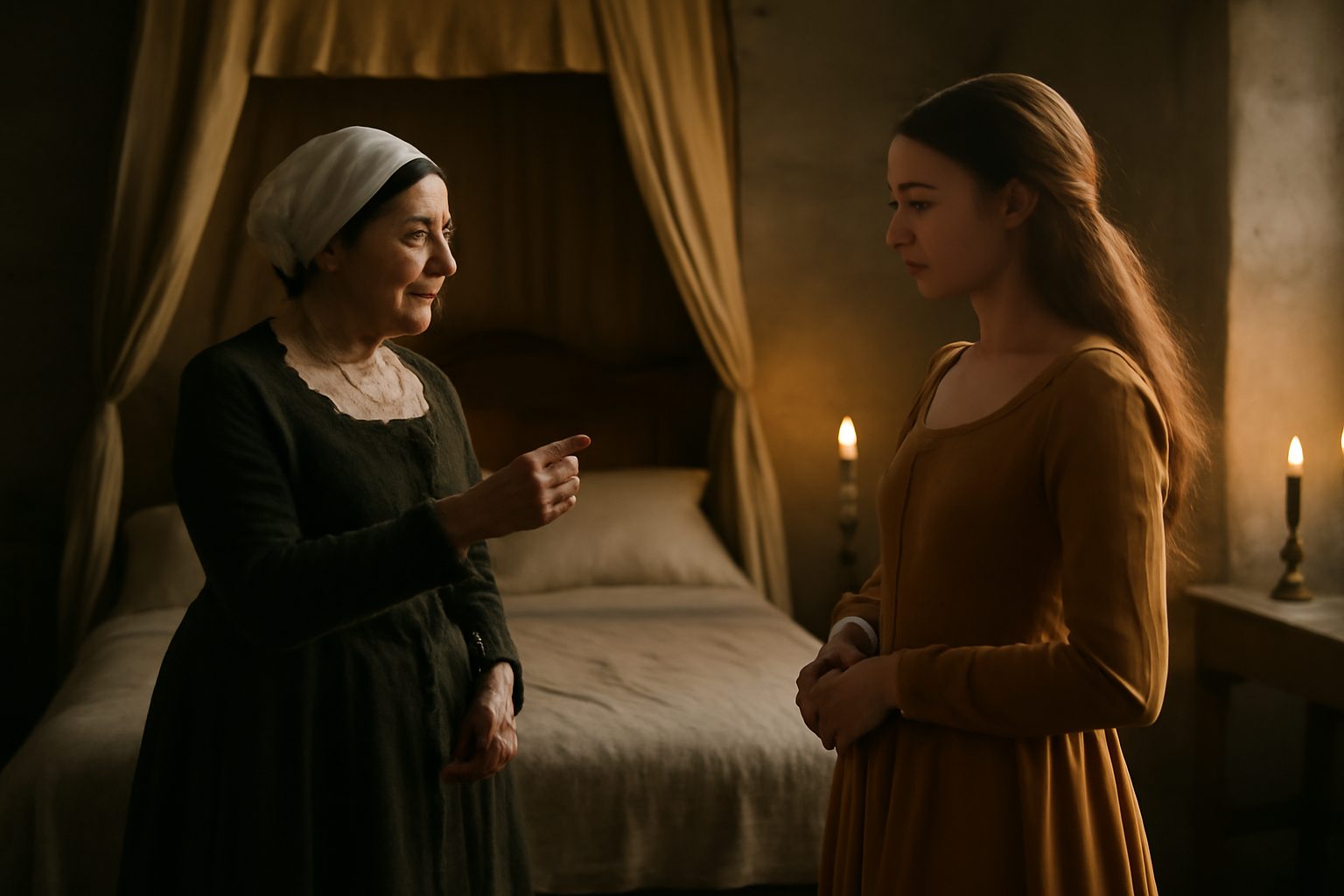
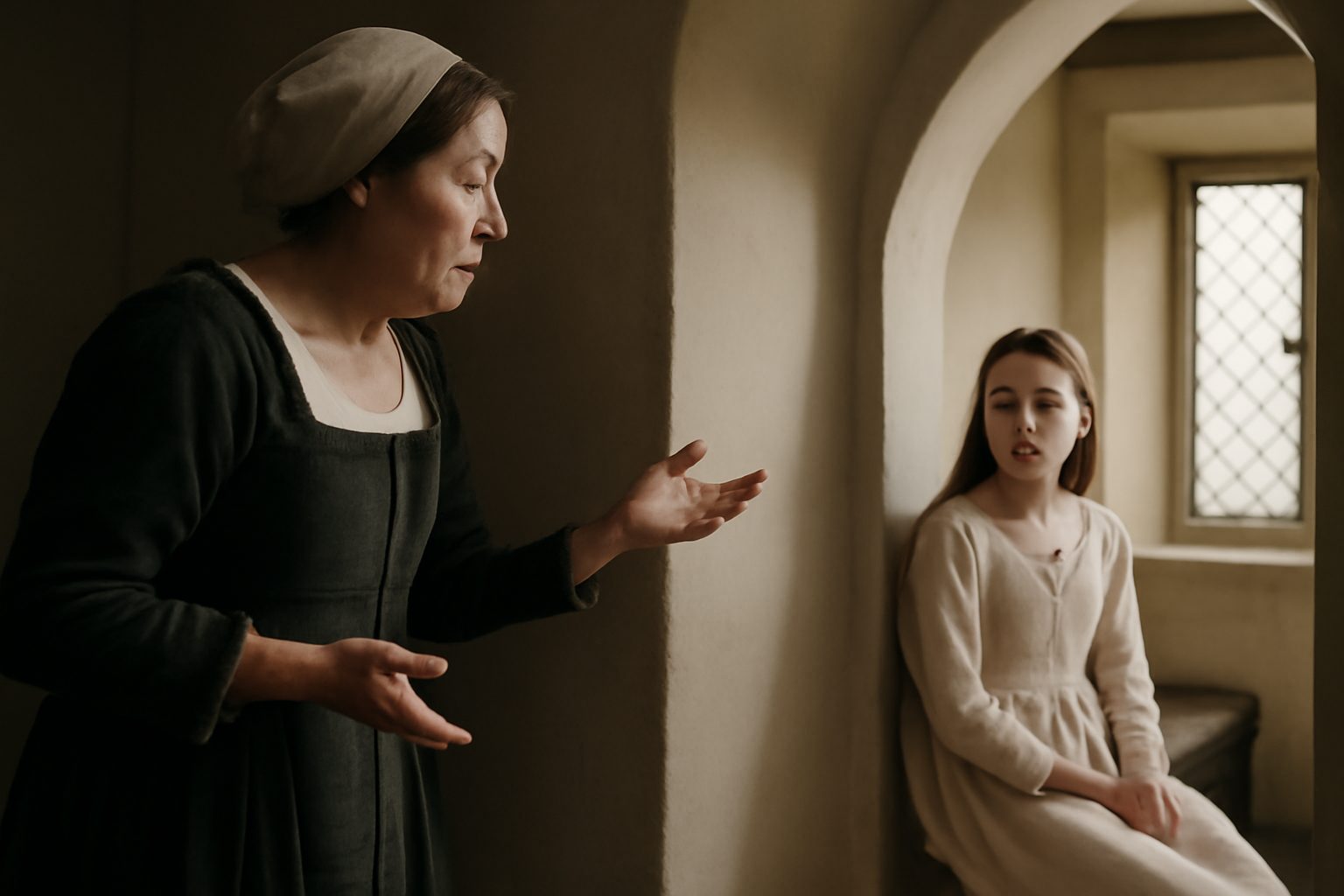
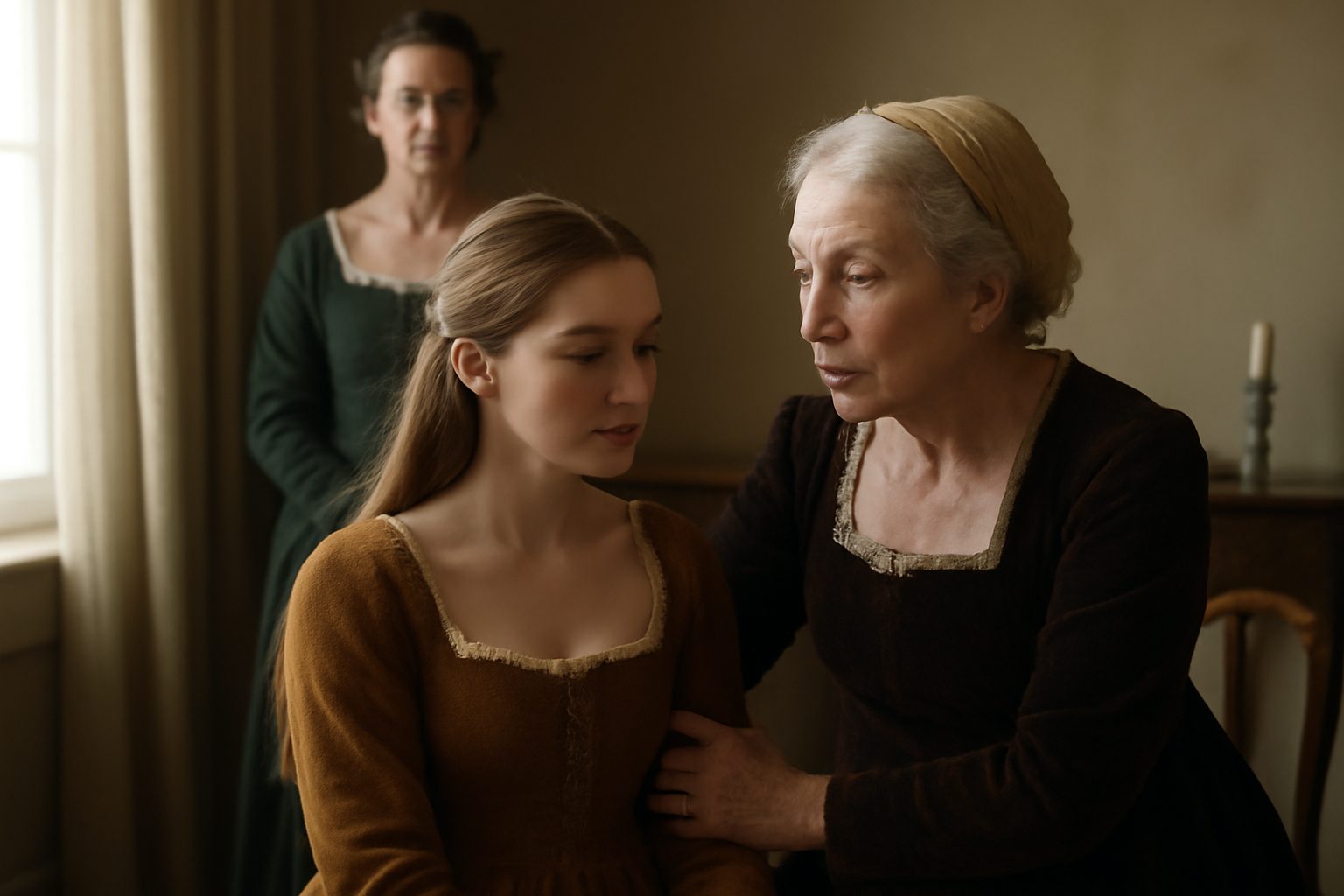
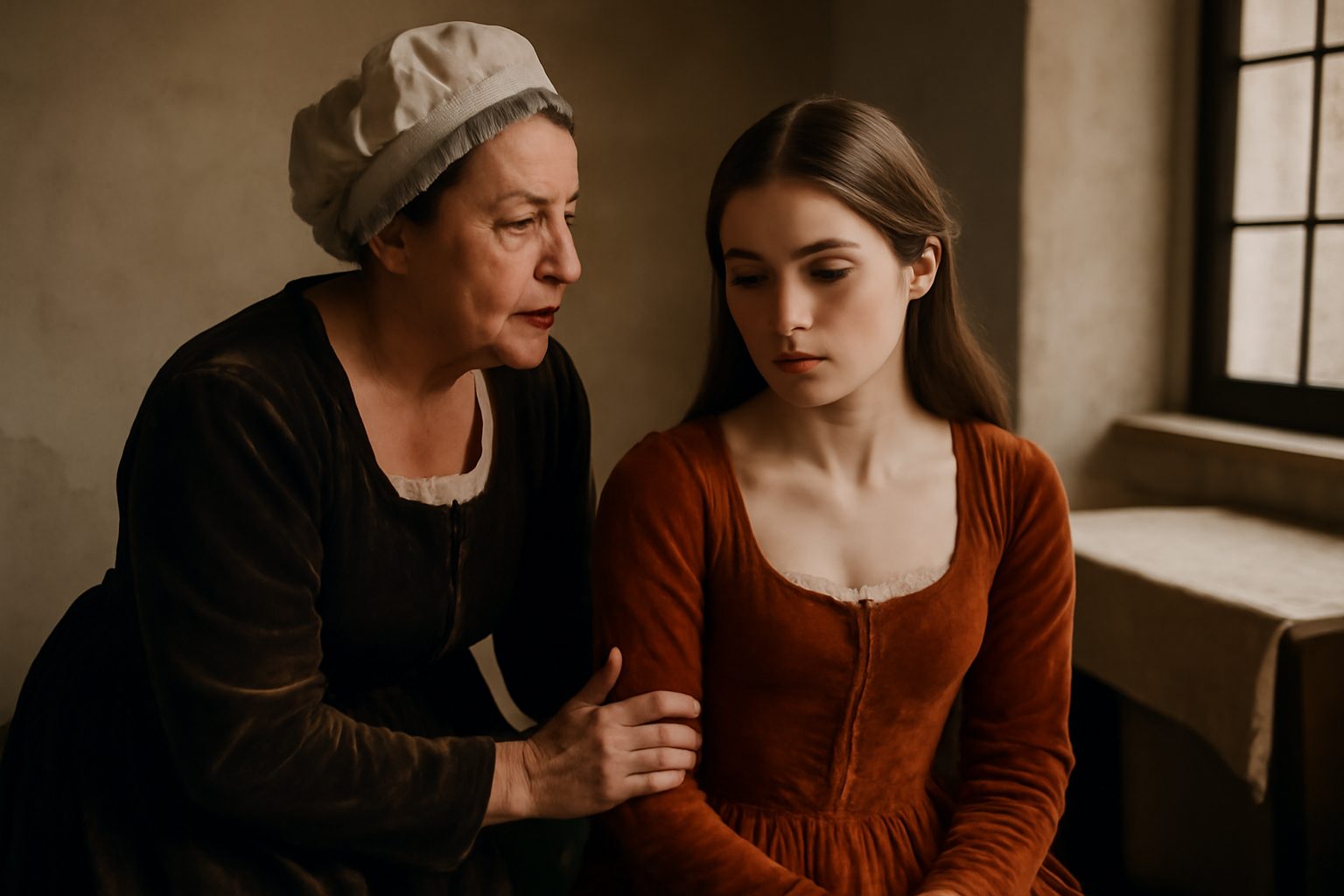
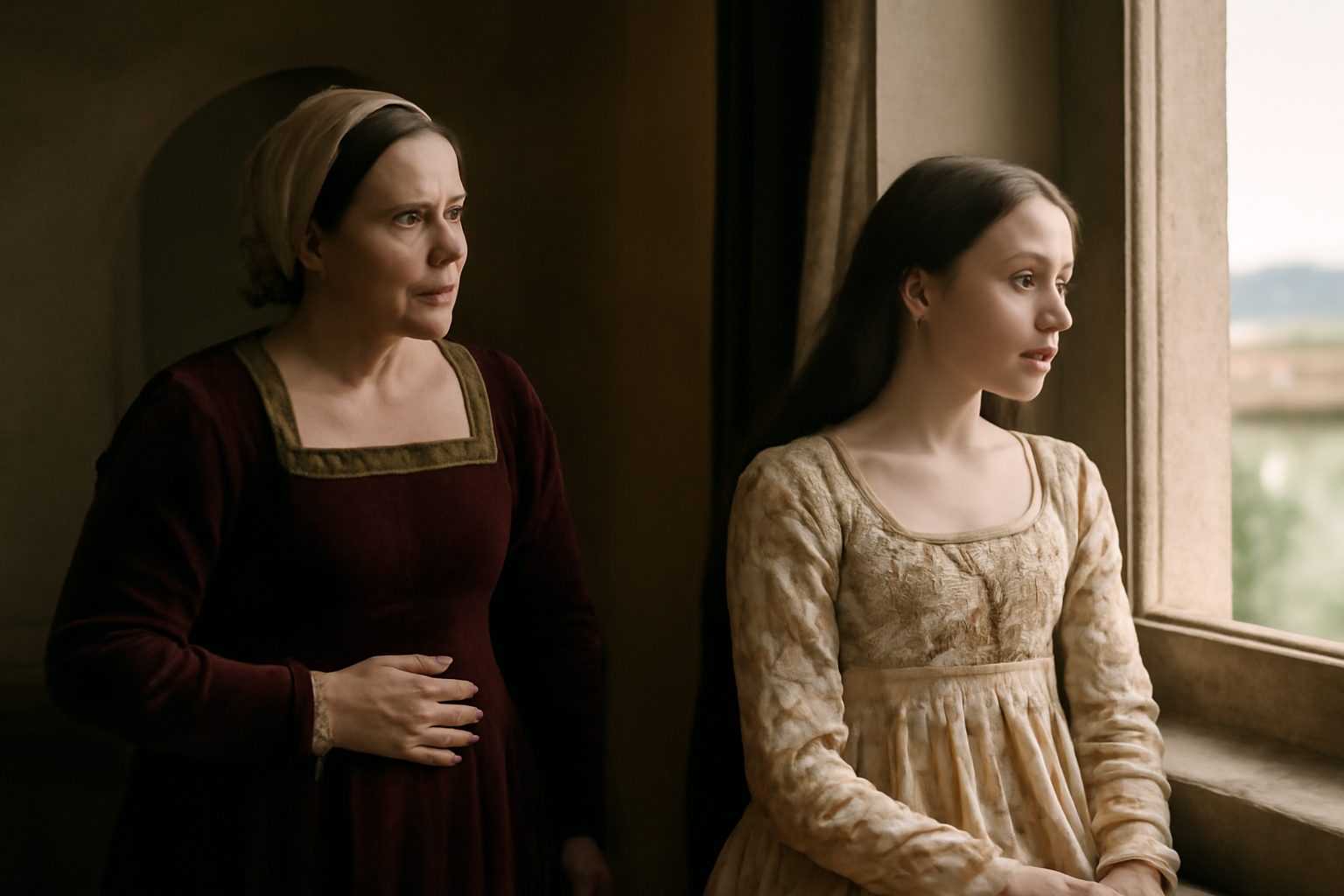
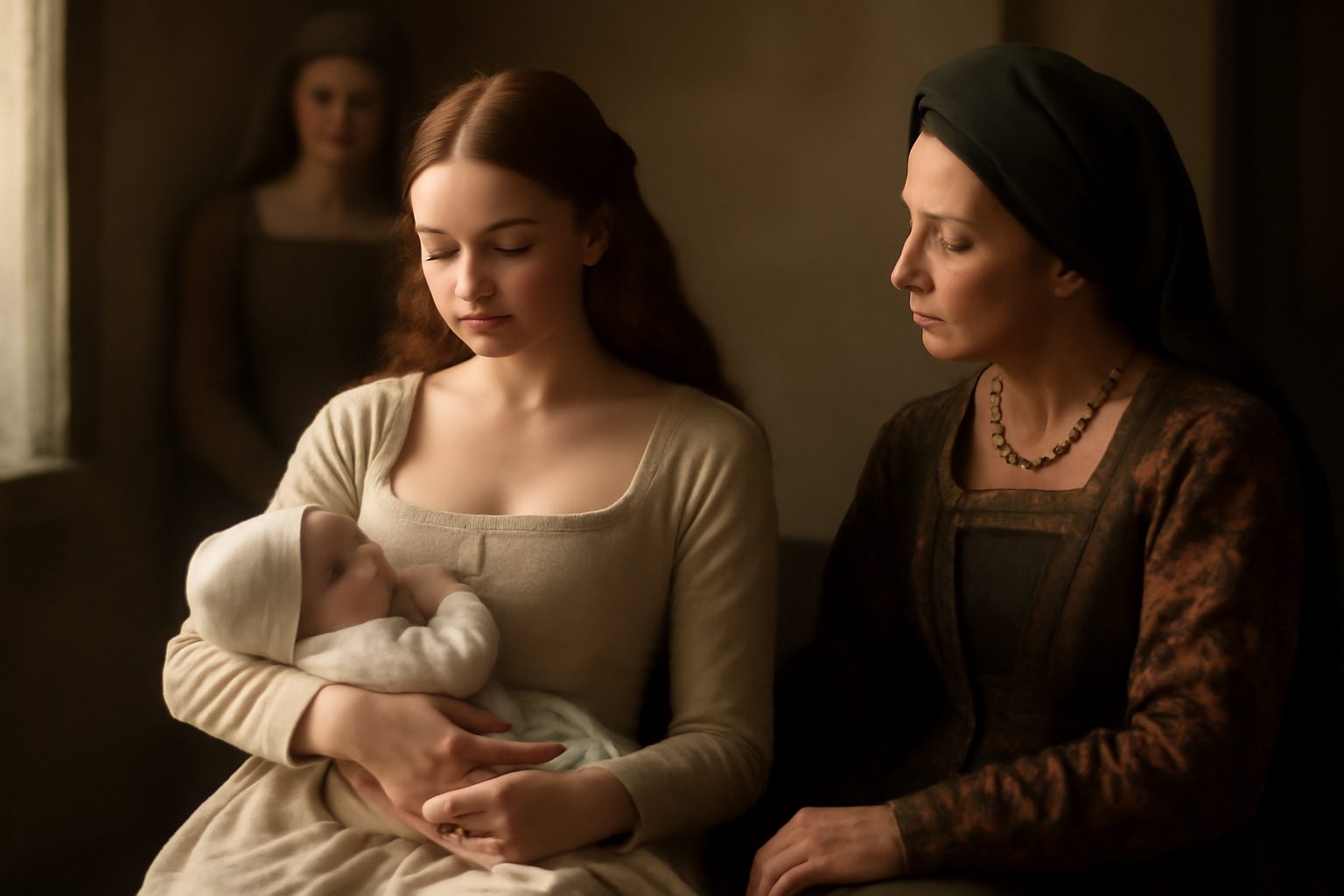
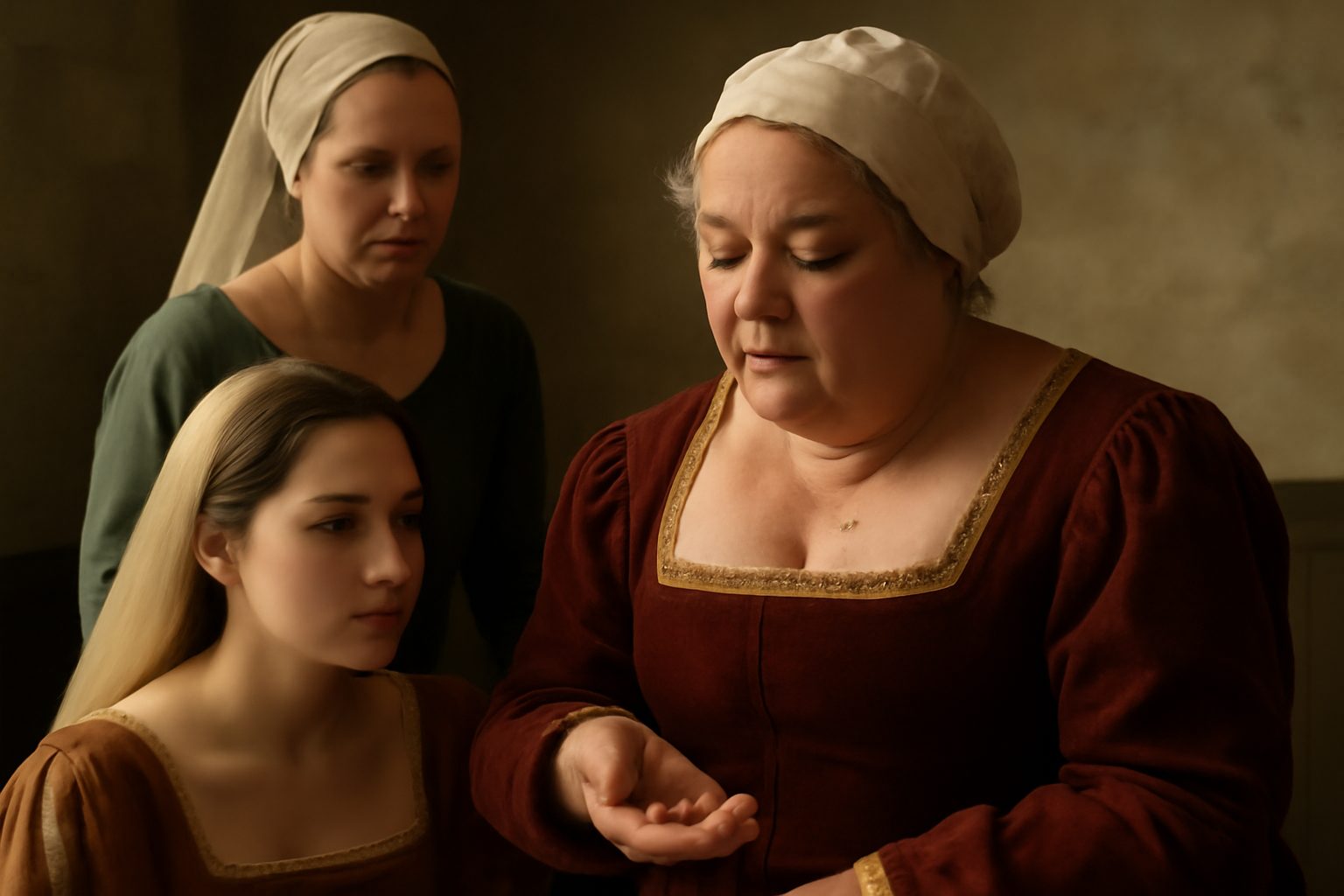
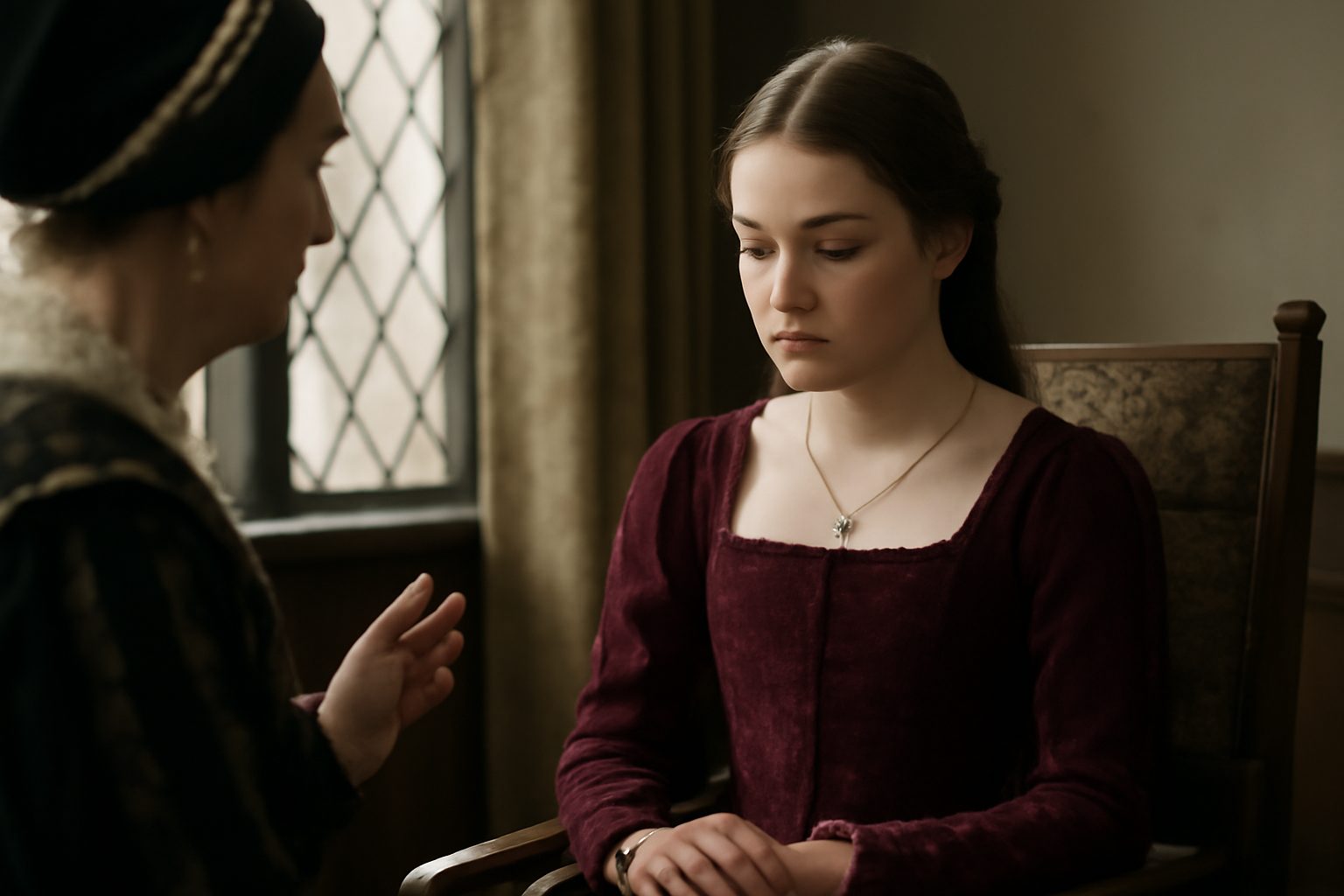
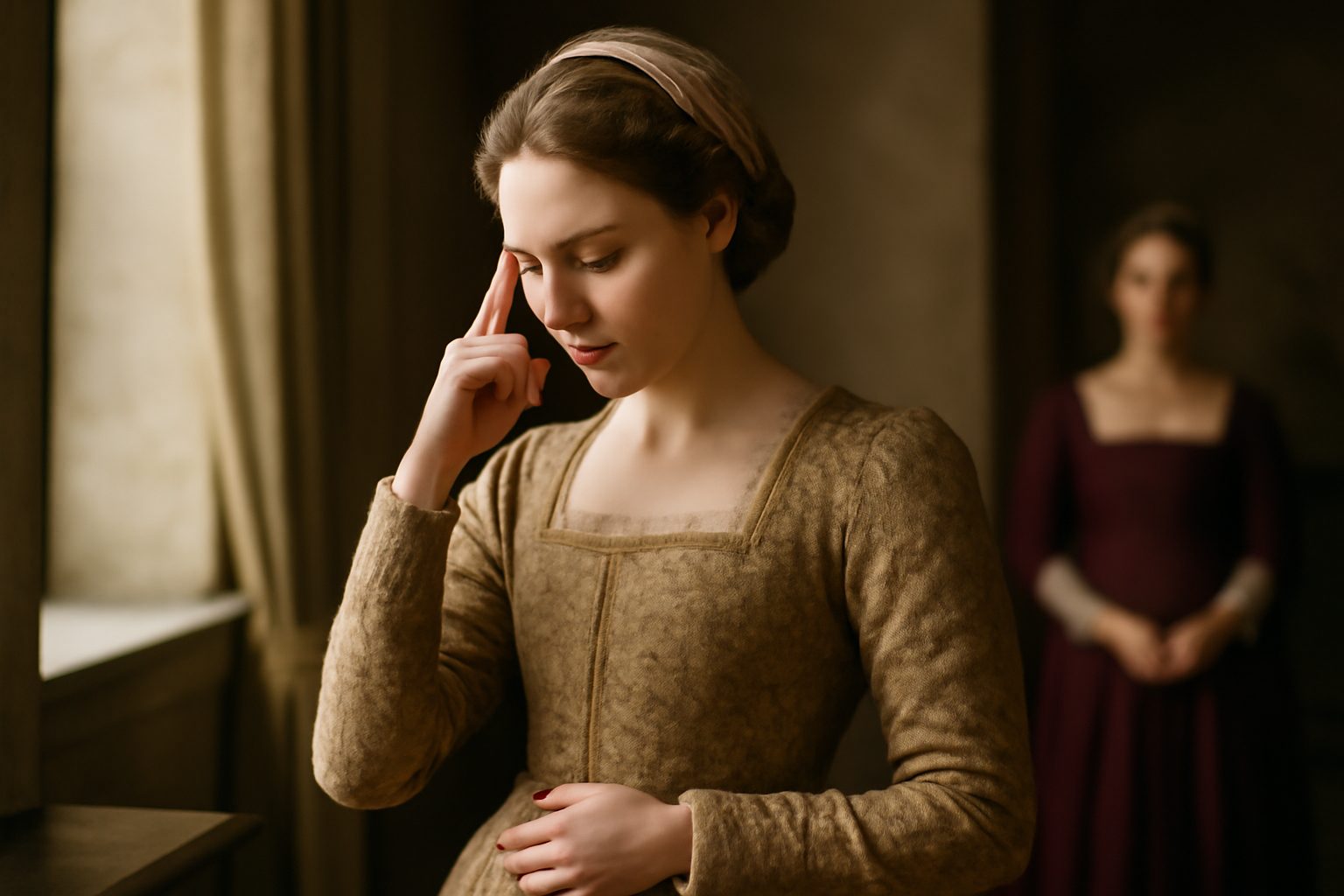
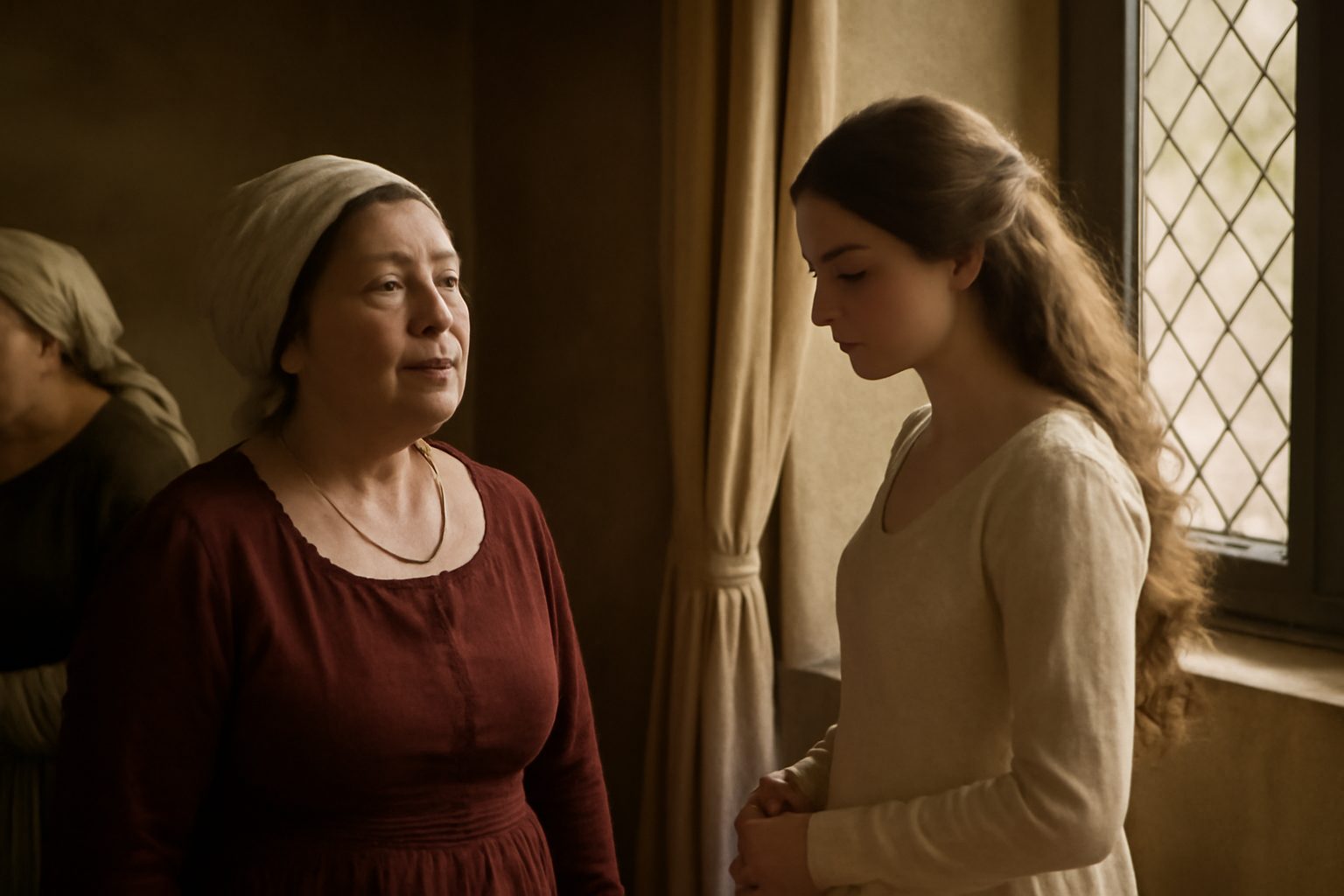
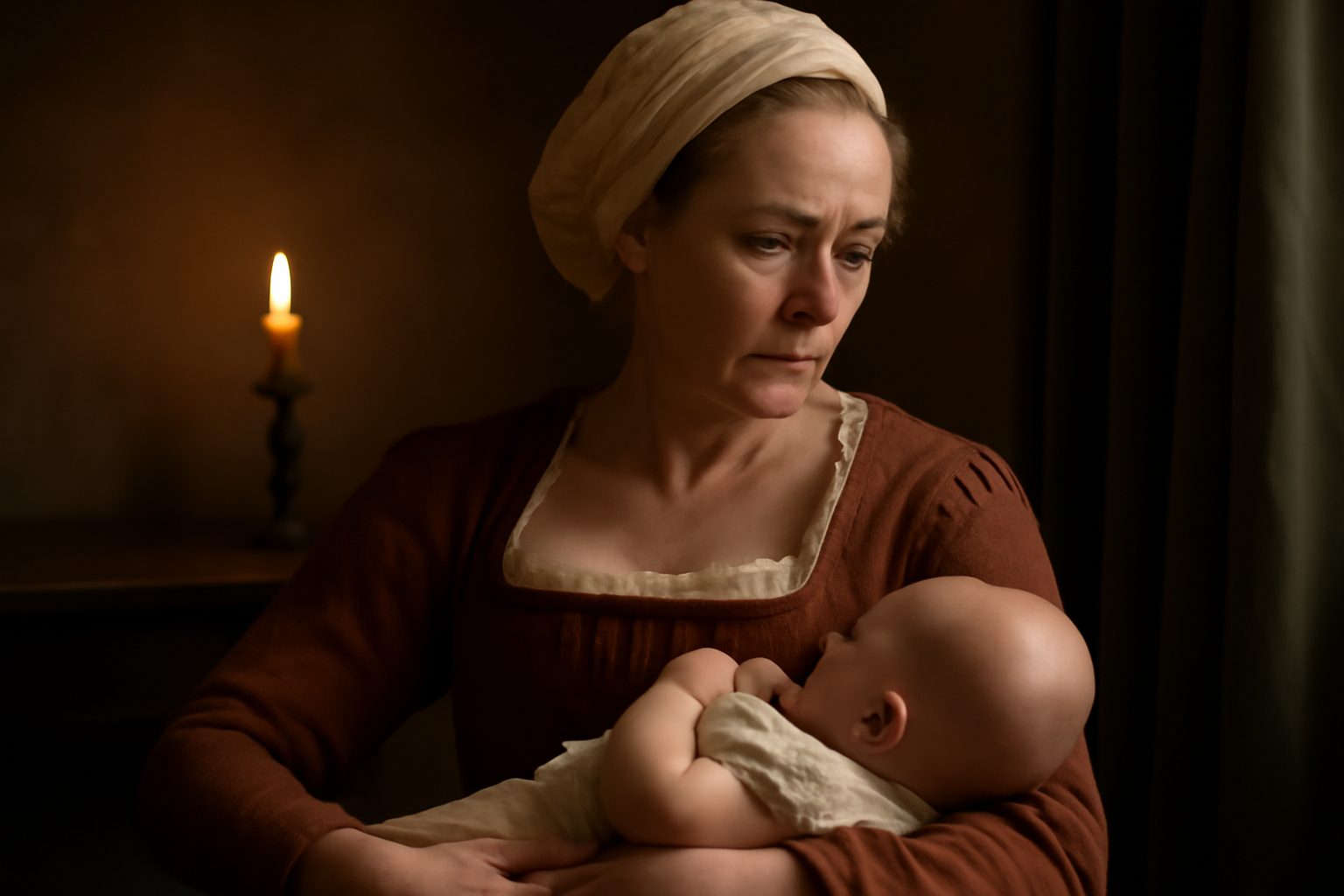
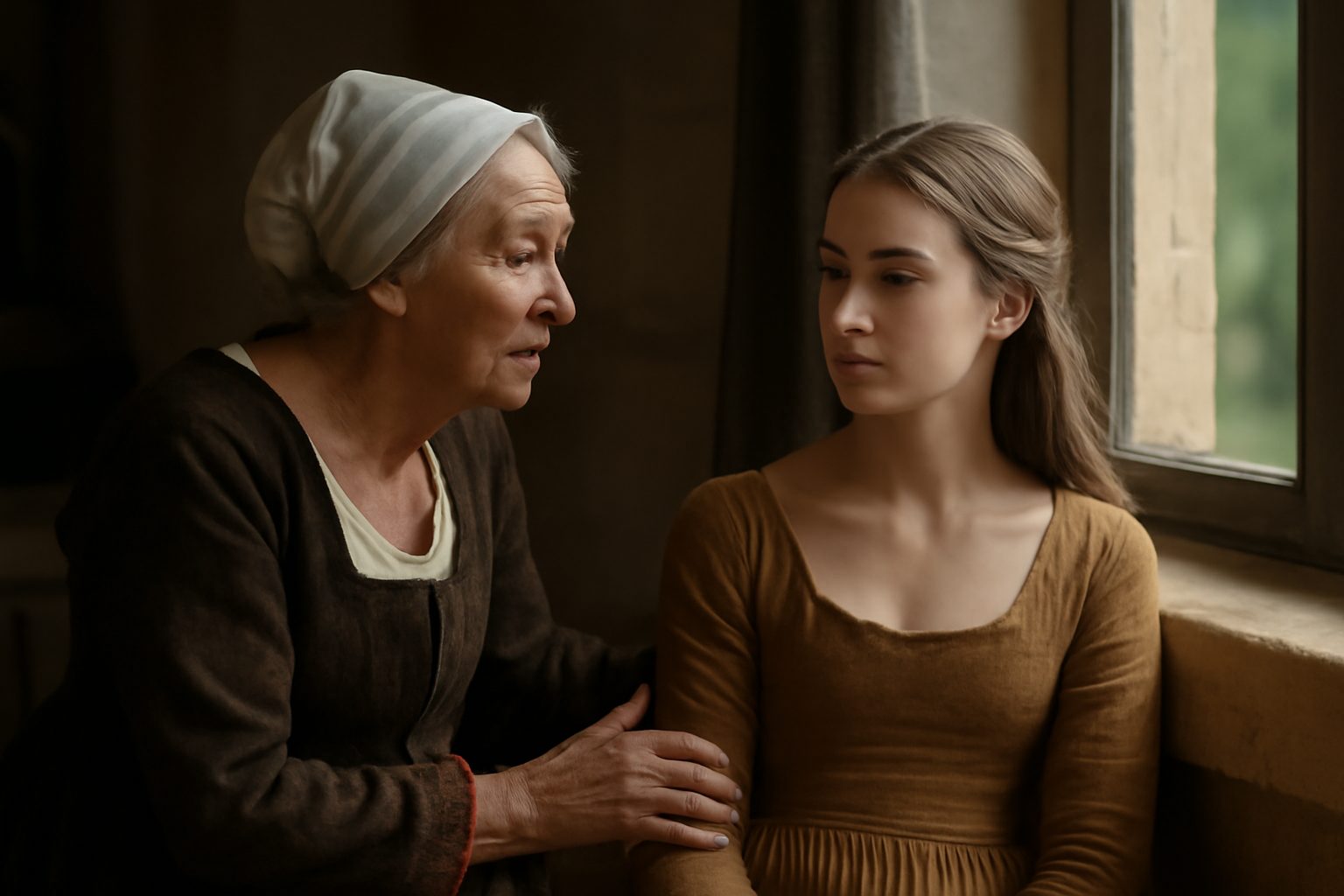
In Act 1, Scene 3 of Romeo and Juliet, the Nurse fondly reminisces about Juliet's childhood, showcasing her deep affection and long-standing connection to the Capulet family. When she boasts about knowing Juliet's age down to the hour, it highlights her role as both a caregiver and a comic figure, adding warmth to the scene. This moment also subtly contrasts the Nurse's earthy humor with Lady Capulet's more formal demeanor as they discuss Juliet's impending marriage.
Nurse: "Faith, I can tell her age unto an hour."
In modern day english, we would say:
Honestly, I know exactly how old she is, down to the hour.
Frequently Asked Questions
What does the Nurse mean when she says she knows Juliet's age down to the hour?
The Nurse means she knows exactly how old Juliet is, even to the specific hour she was born, showing how close she is to Juliet and her family.
Connections to other verses:
Connections to "Faith, I can tell her age unto an hour"
The Nurse's confident assertion in "Faith, I can tell her age unto an hour" establishes her role as the primary source of Juliet's personal history. This claim is immediately supported by "She's not fourteen", which provides the specific age context, and further elaborated in "Come Lammas-eve at night shall she be fourteen", pinpointing the exact upcoming birthday.
Chronological Precision
The Nurse's chronological precision continues through multiple references to Juliet's infancy. She recalls "she was wean'd,--I never shall forget it--" and provides the temporal anchor point in "'Tis since the earthquake now eleven years", later confirming "since that time it is eleven years" to maintain consistent timeline references.
Developmental Milestones
Her detailed knowledge extends to Juliet's physical development, describing how "she could stand alone" and "could have run and waddled all about" at that specific age. The Nurse even remembers specific incidents like "she broke her brow" just before turning three.
Verbal Development
The Nurse's memory extends to Juliet's early speech patterns, vividly recalling how the toddler "left crying and said 'Ay'" and repeating the phrase "it stinted and said 'Ay'" multiple times, demonstrating her intimate knowledge of Juliet's earliest verbal responses.
Contextual Significance
This precise age knowledge becomes crucial when Lady Capulet references "younger than you are made already mothers", highlighting the social expectation for Juliet's marriage. The Nurse's chronological certainty supports the urgency of the marriage discussion while emphasizing her deep personal connection to Juliet's life story.