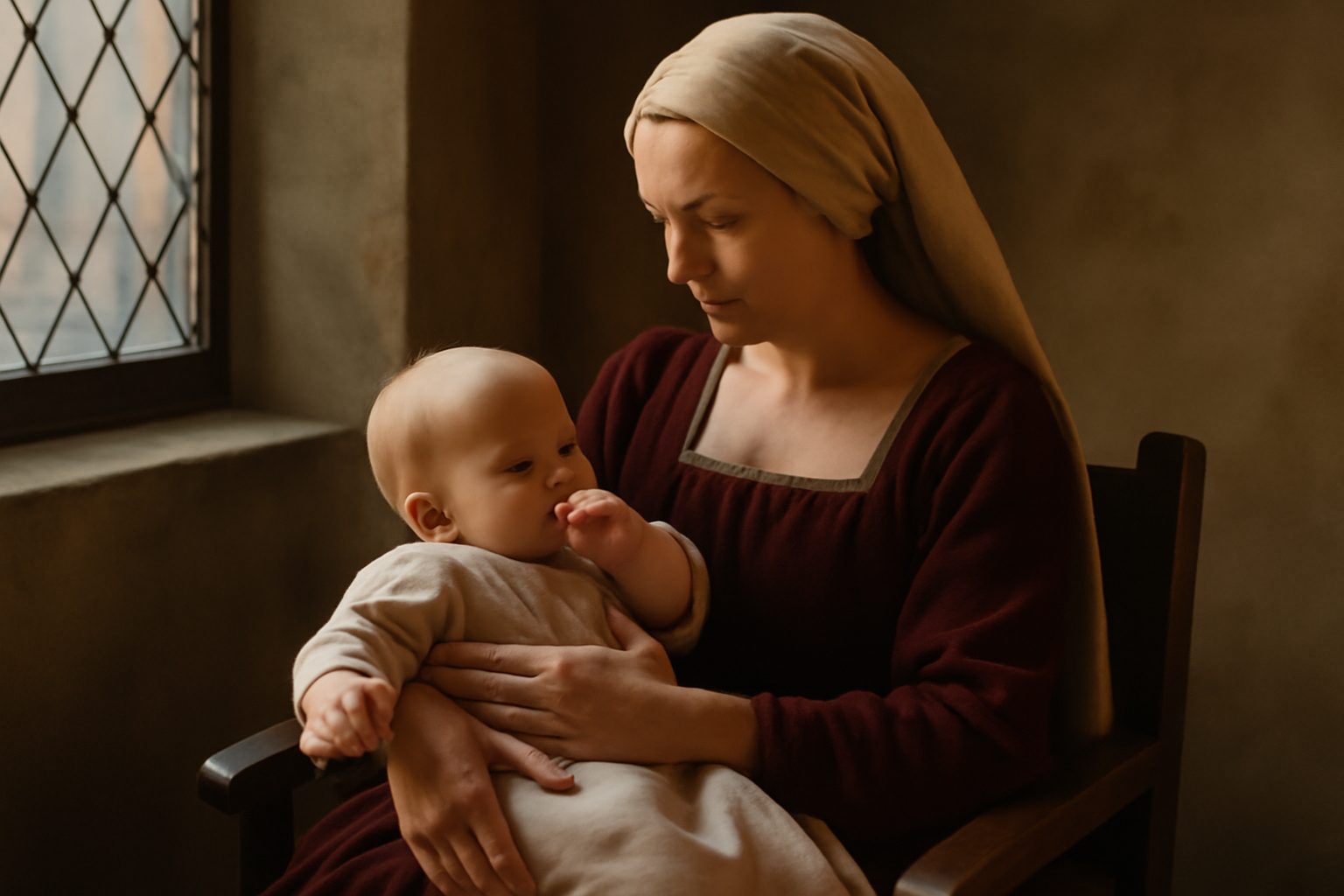
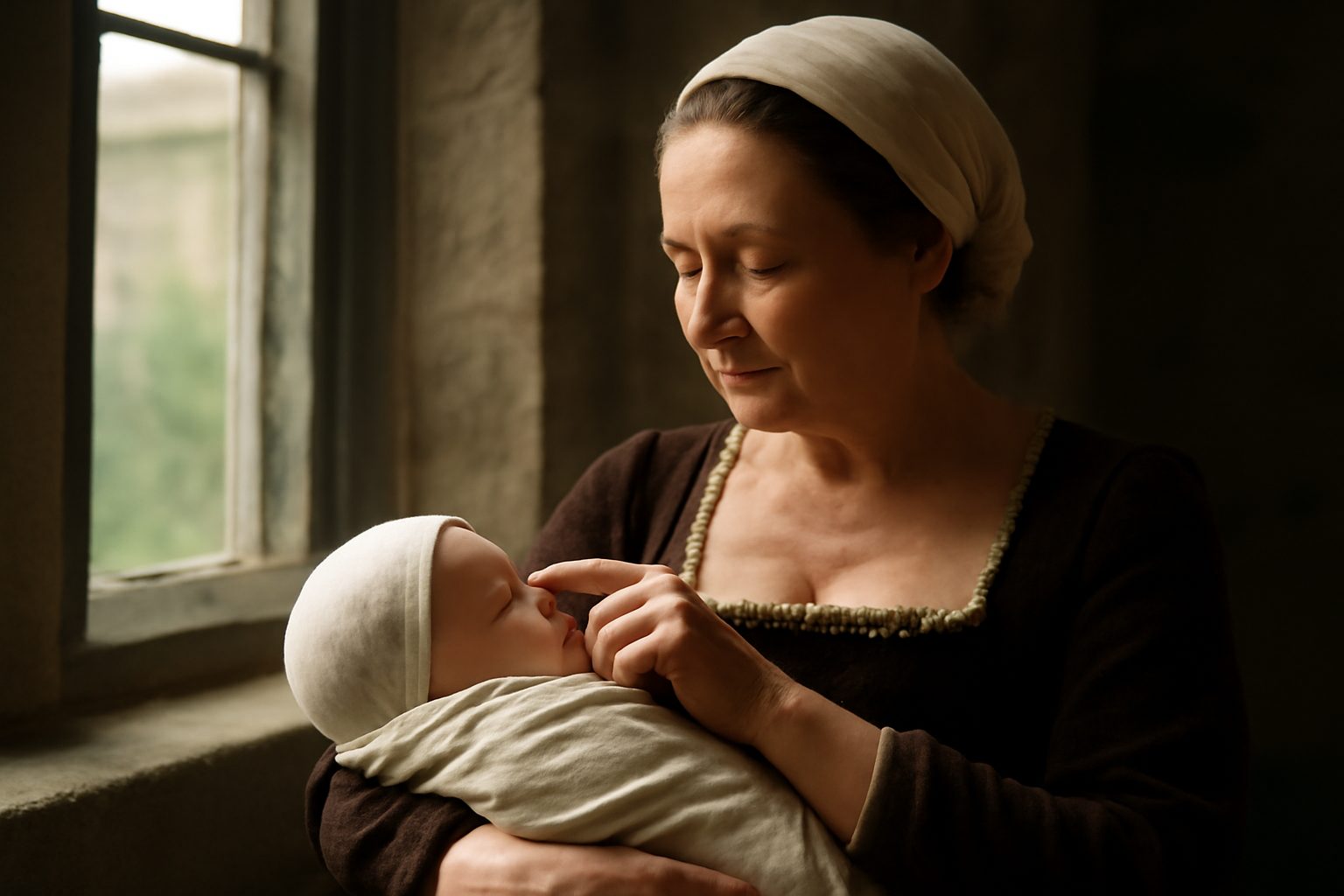
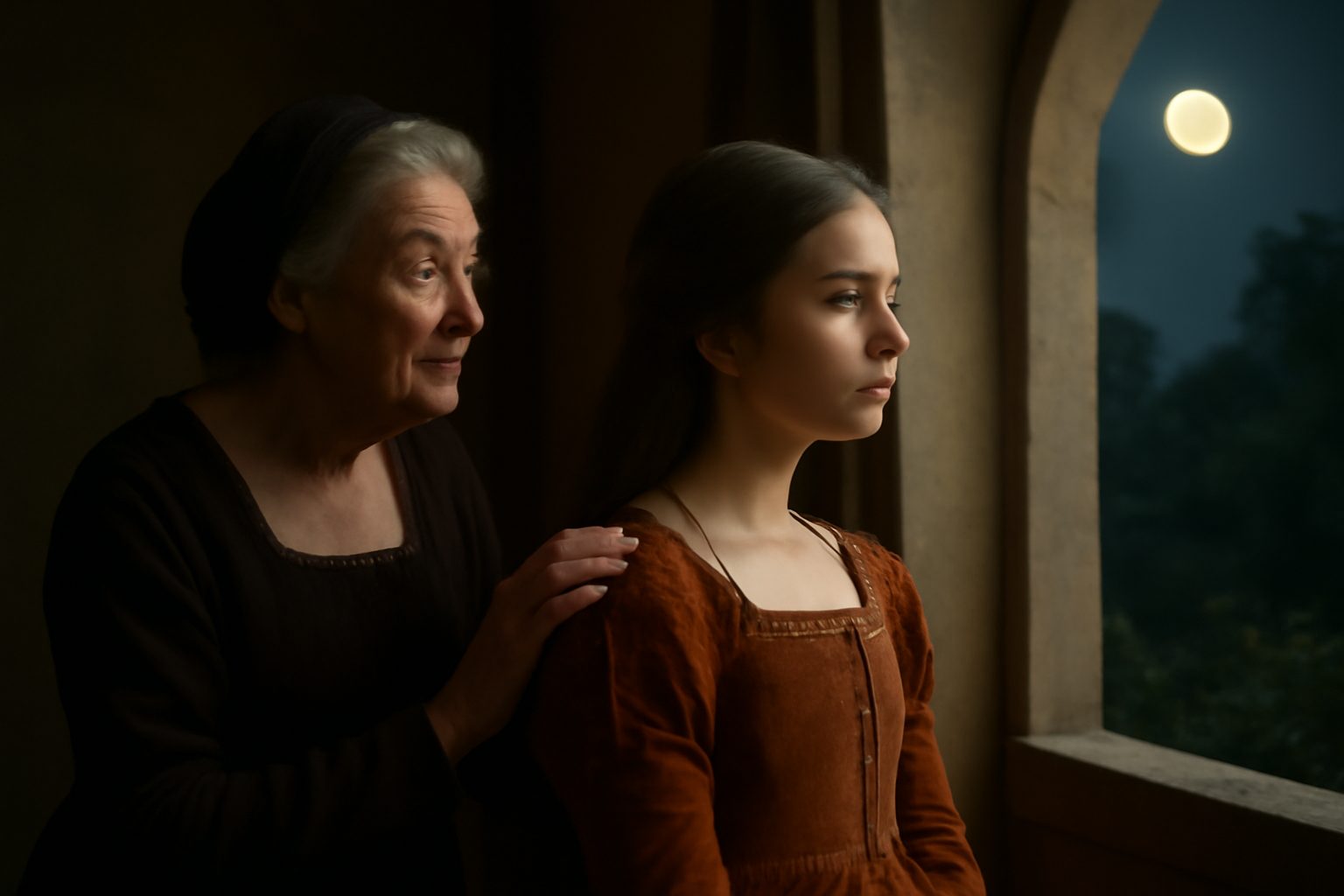
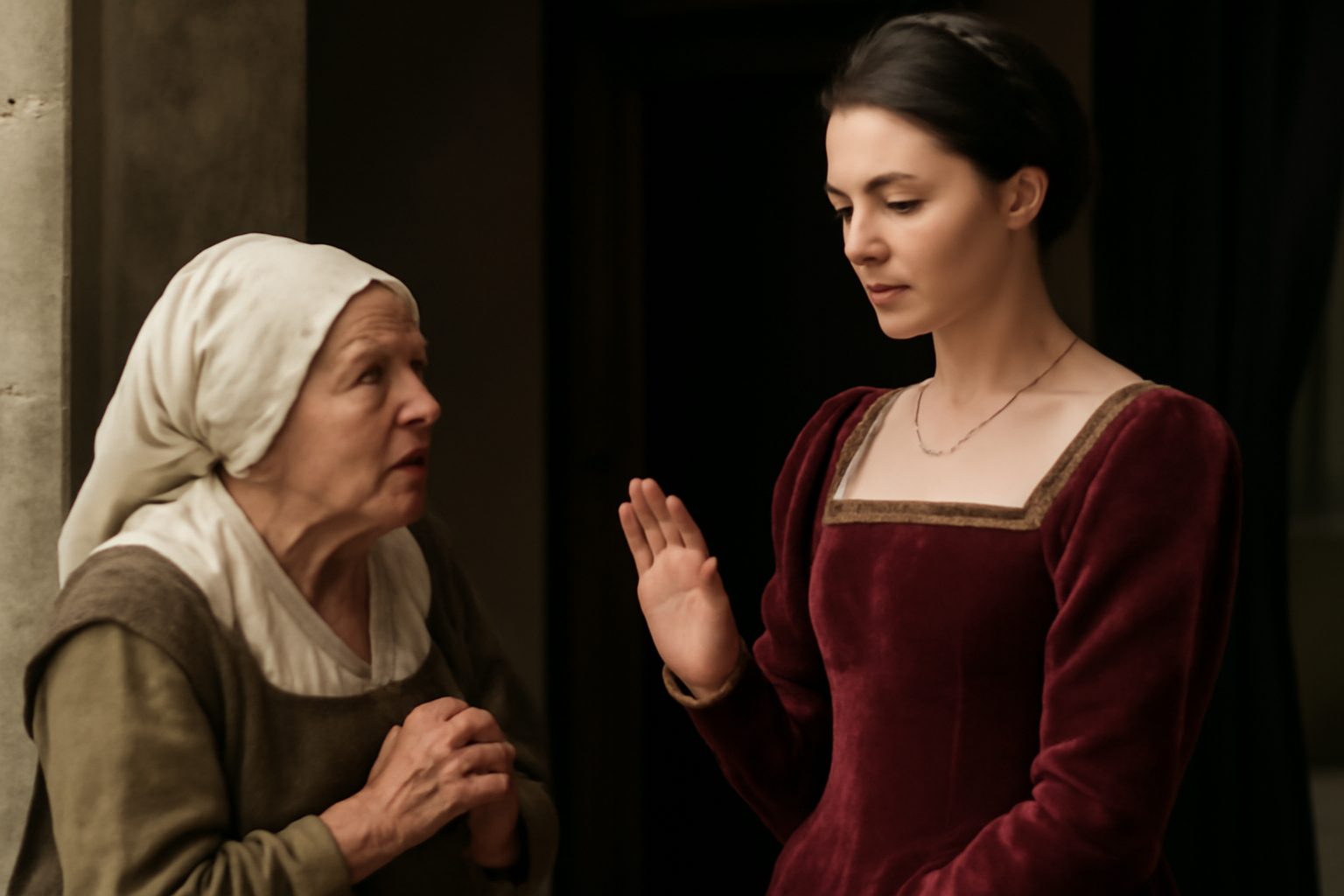
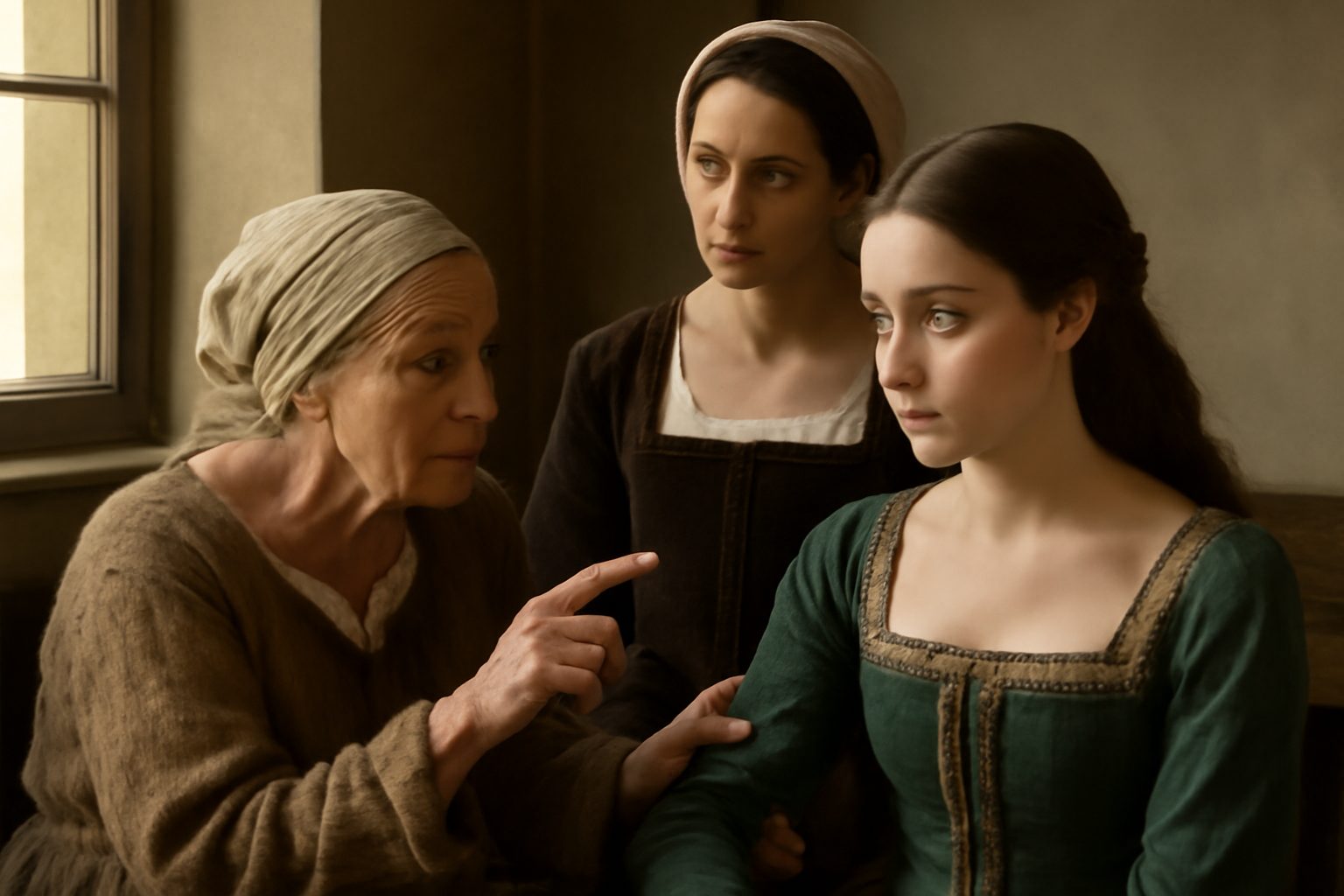
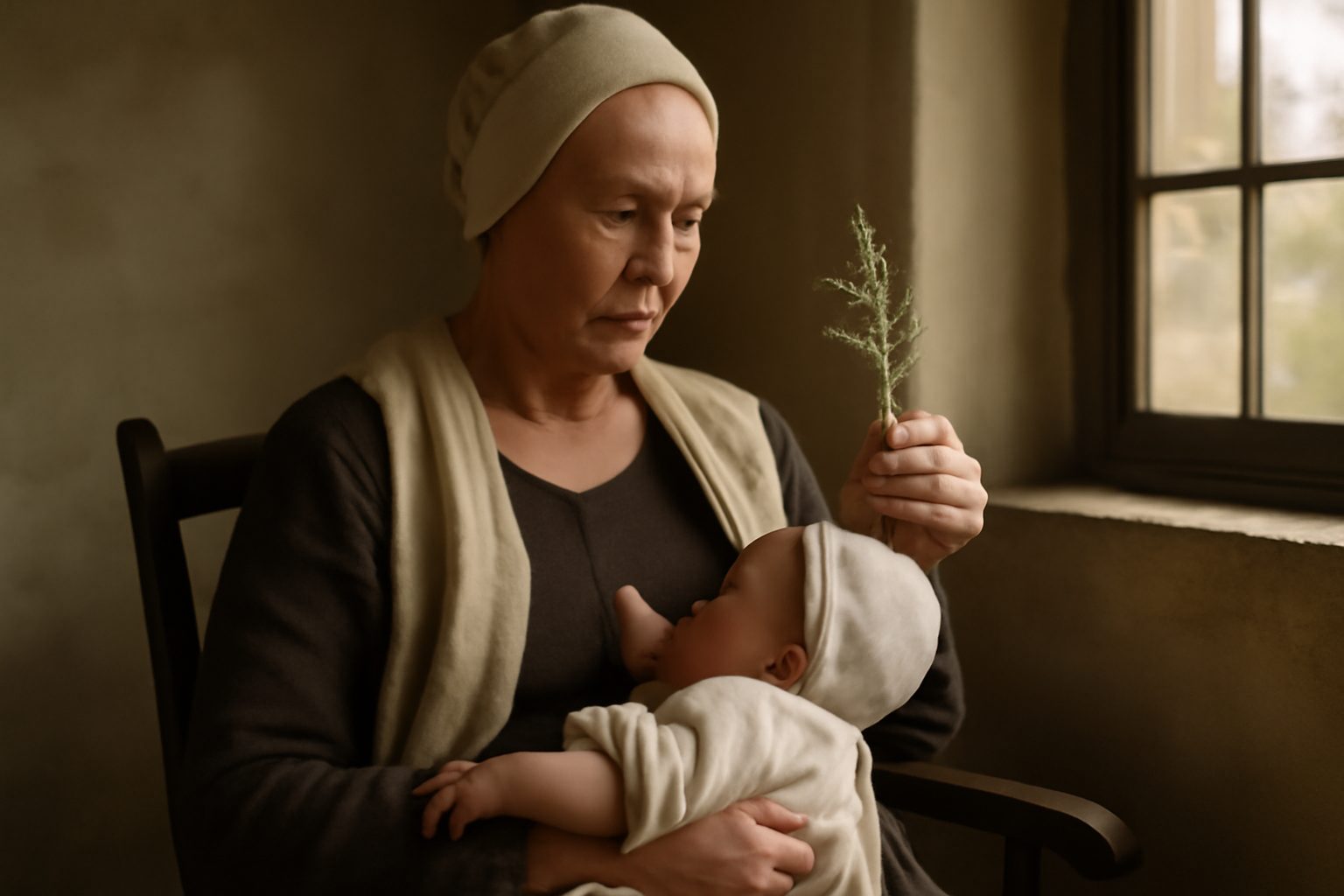
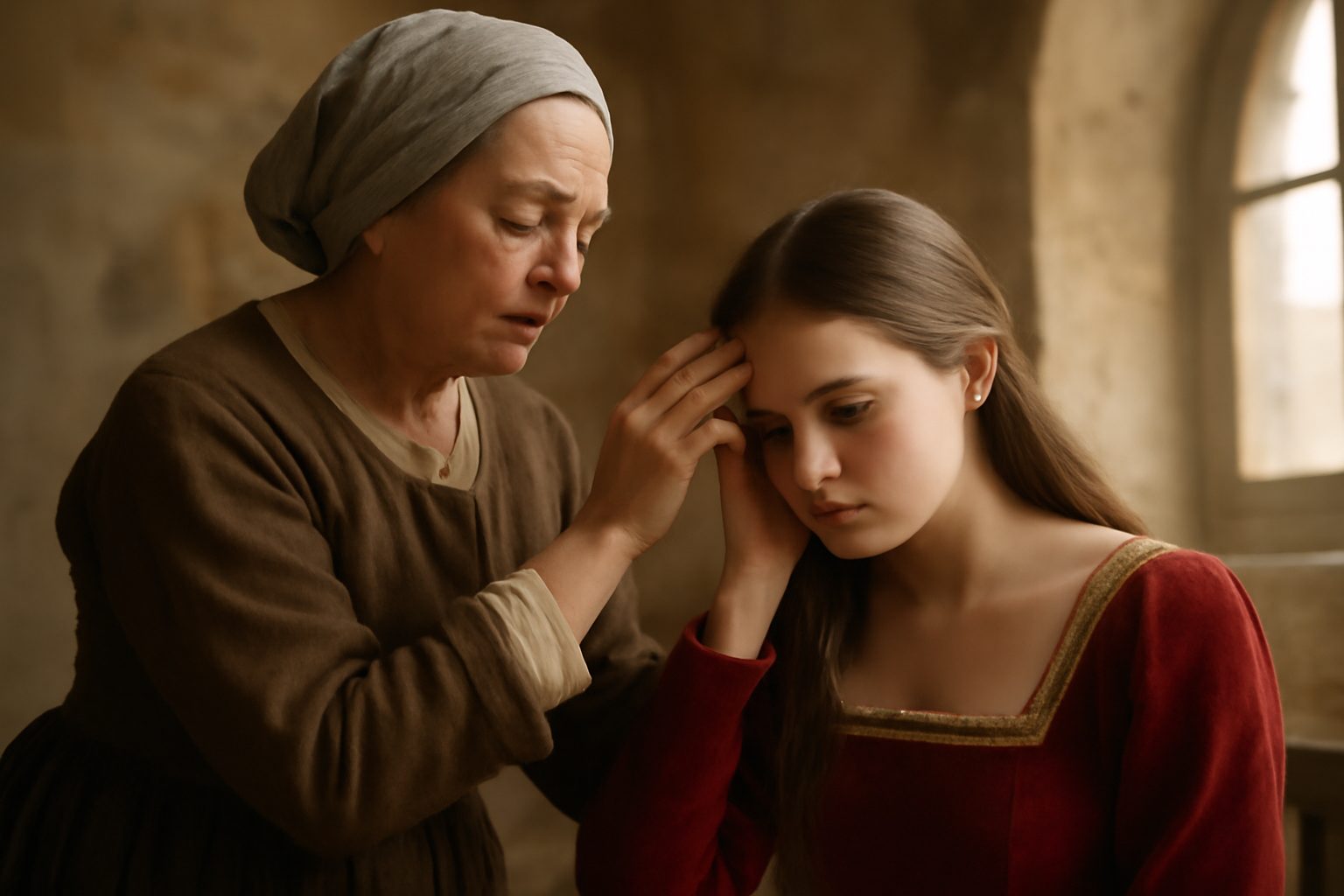
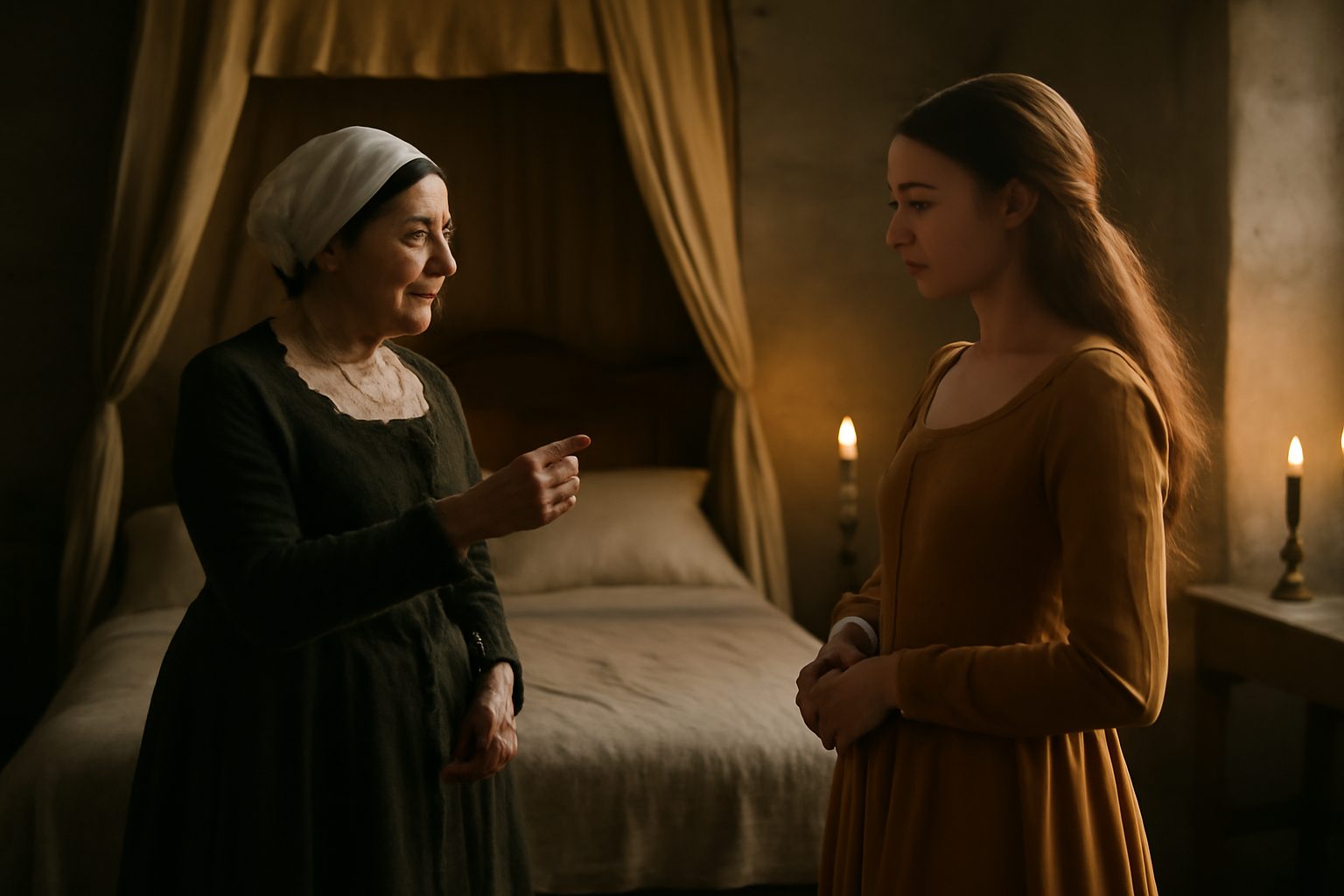
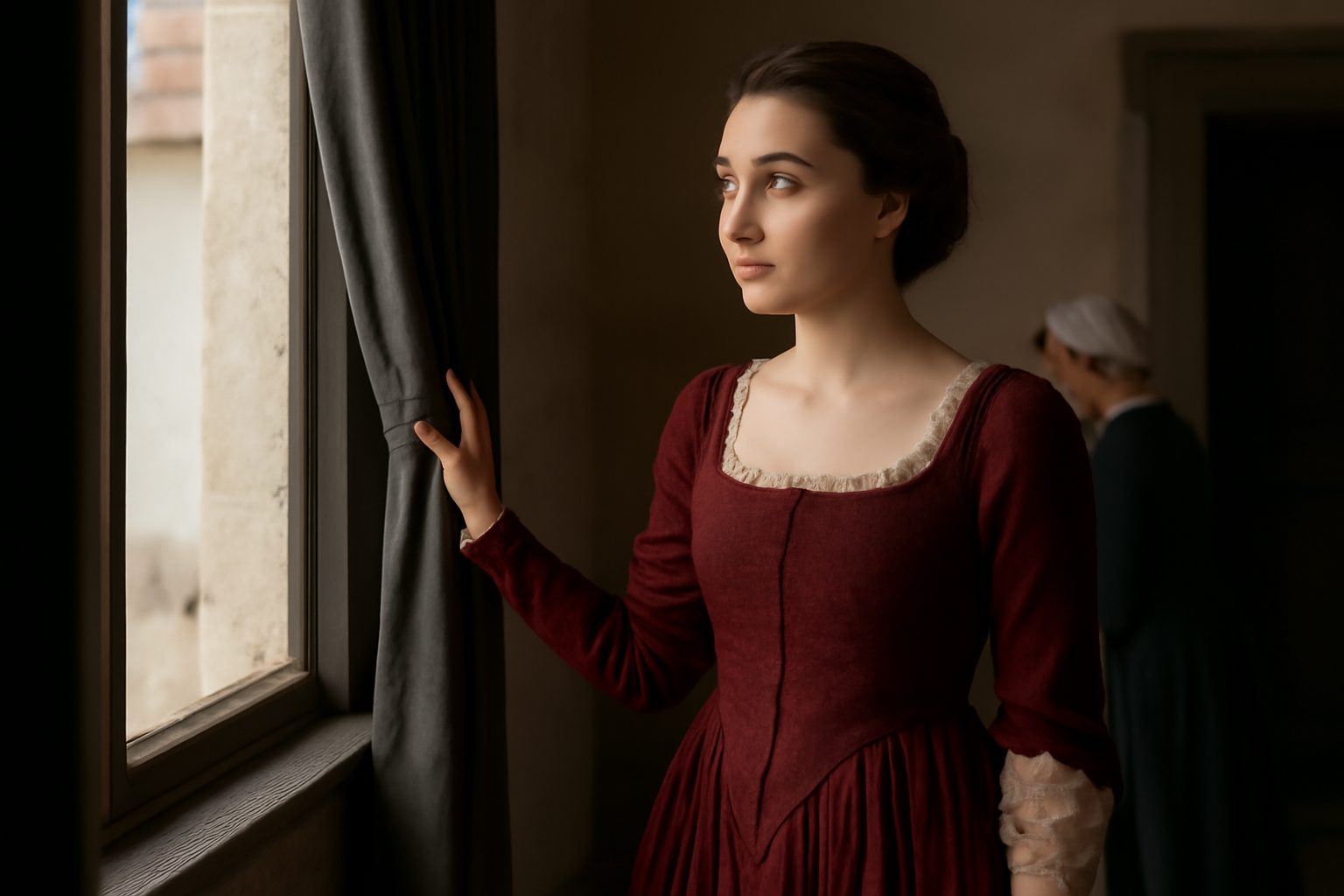
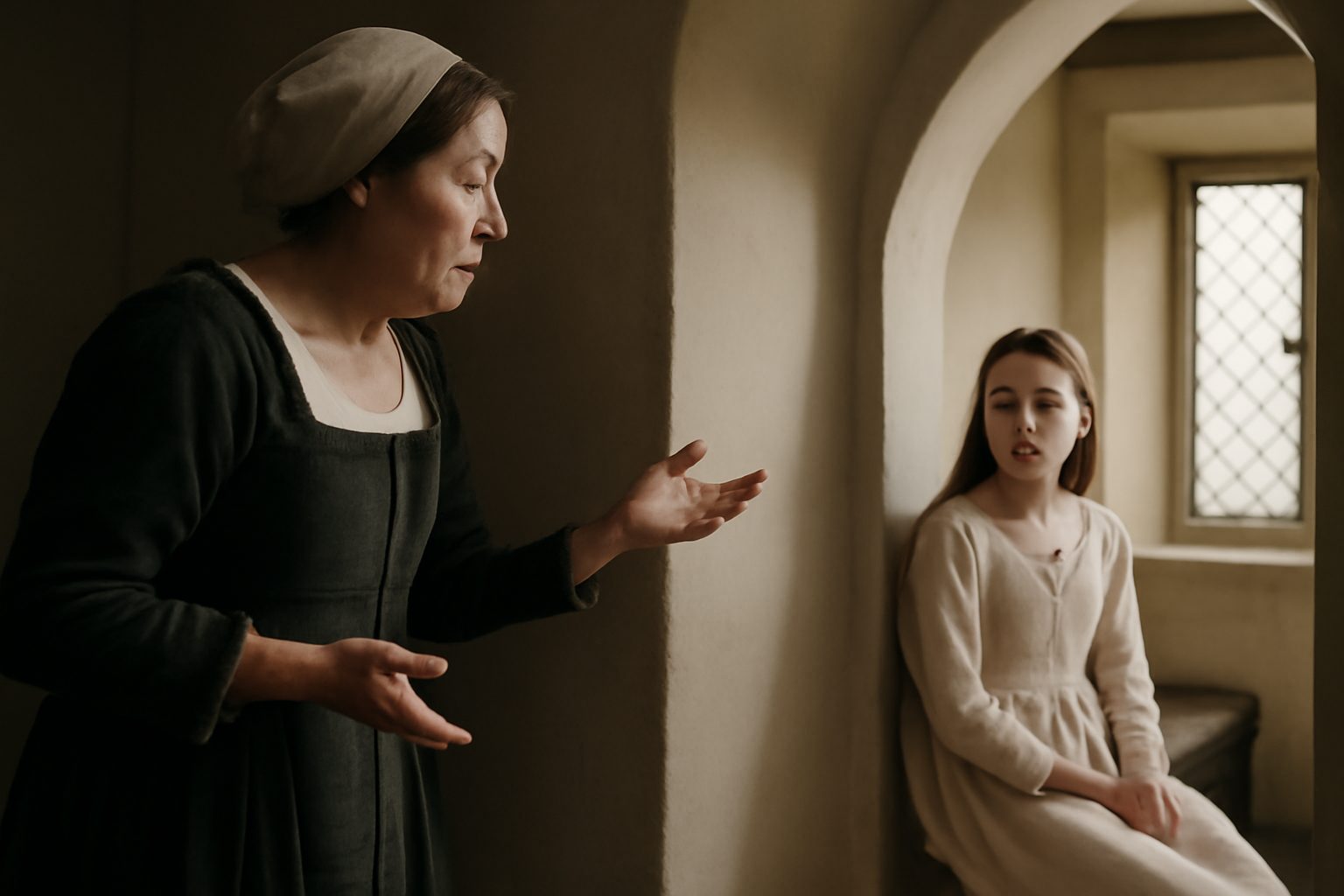
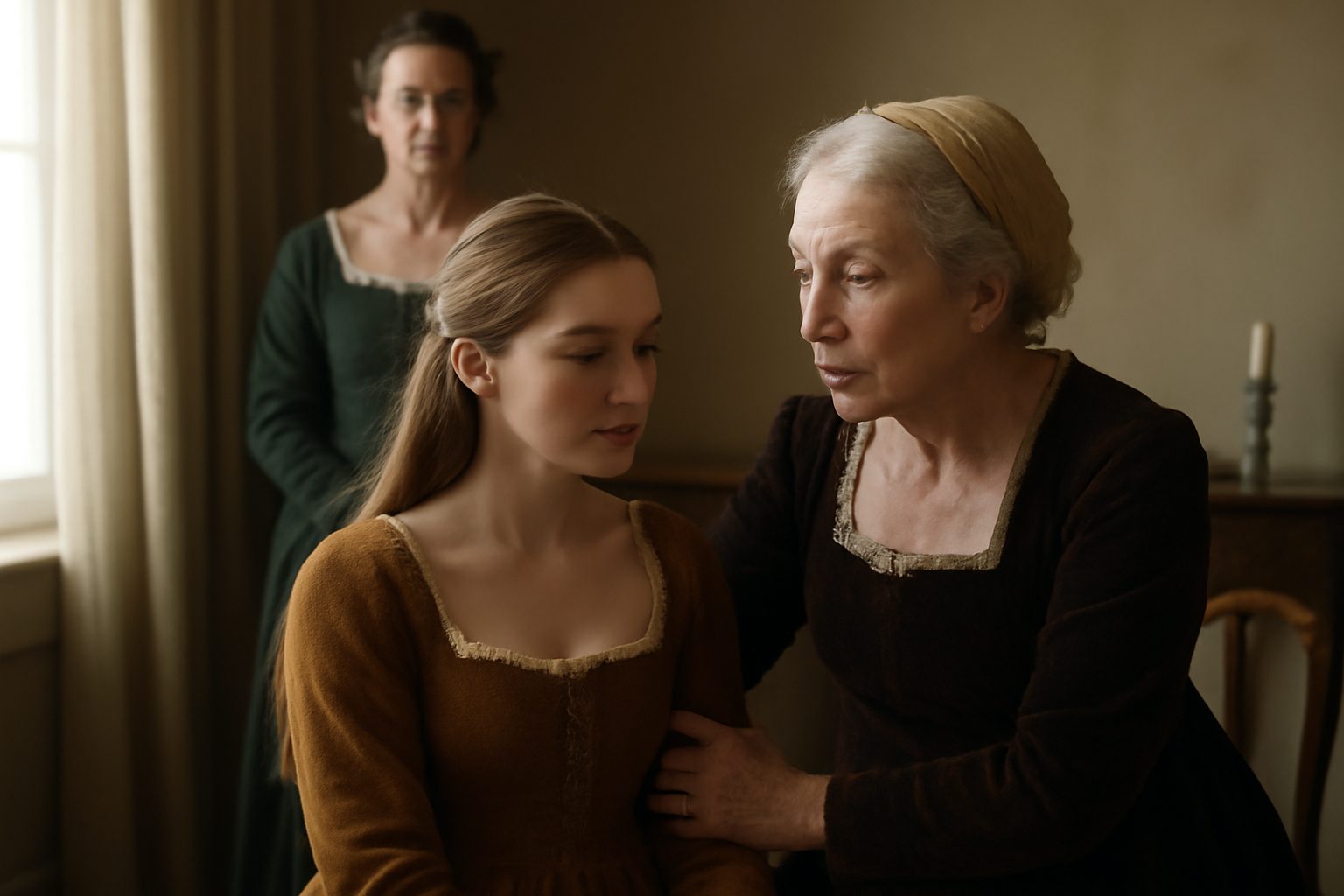
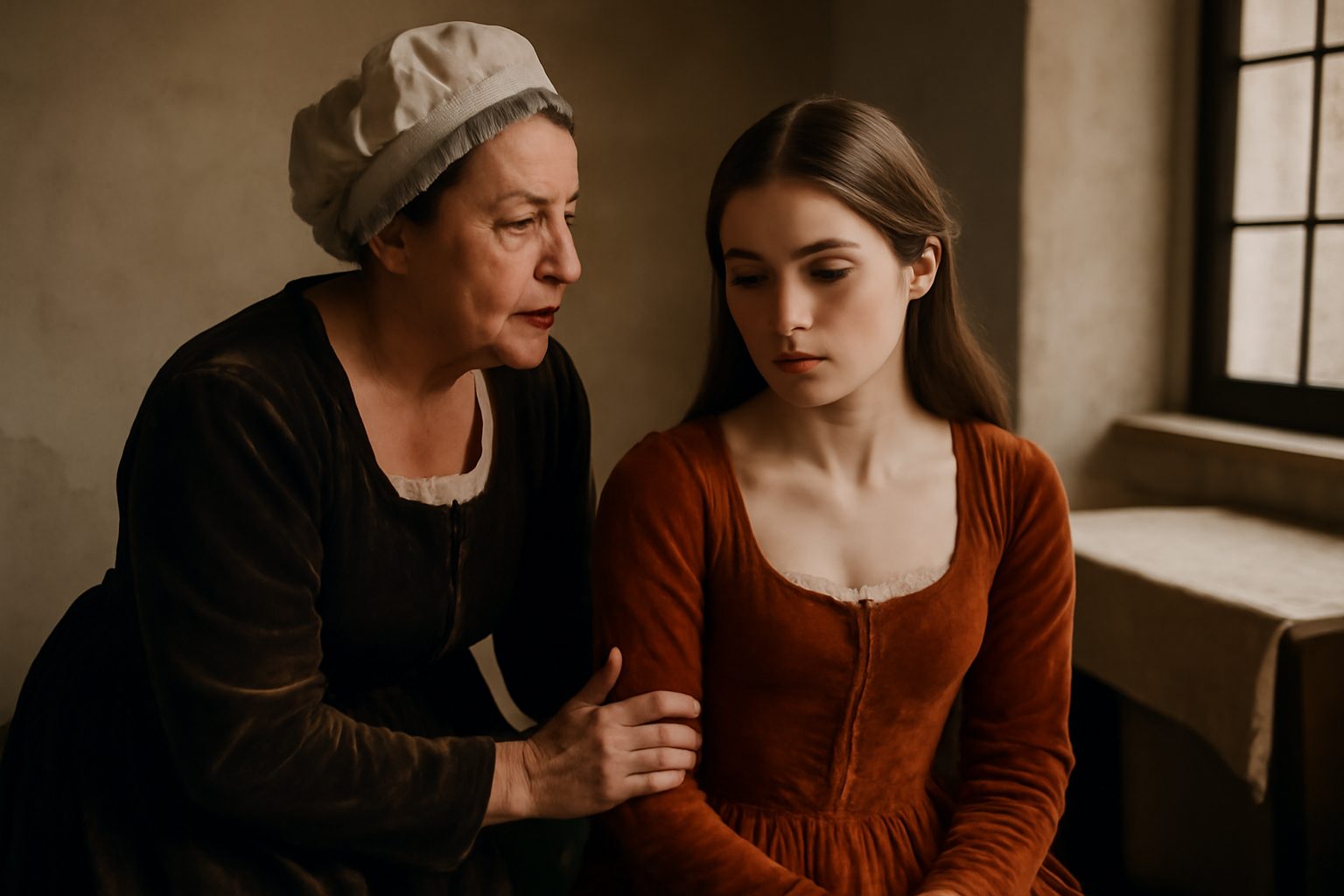
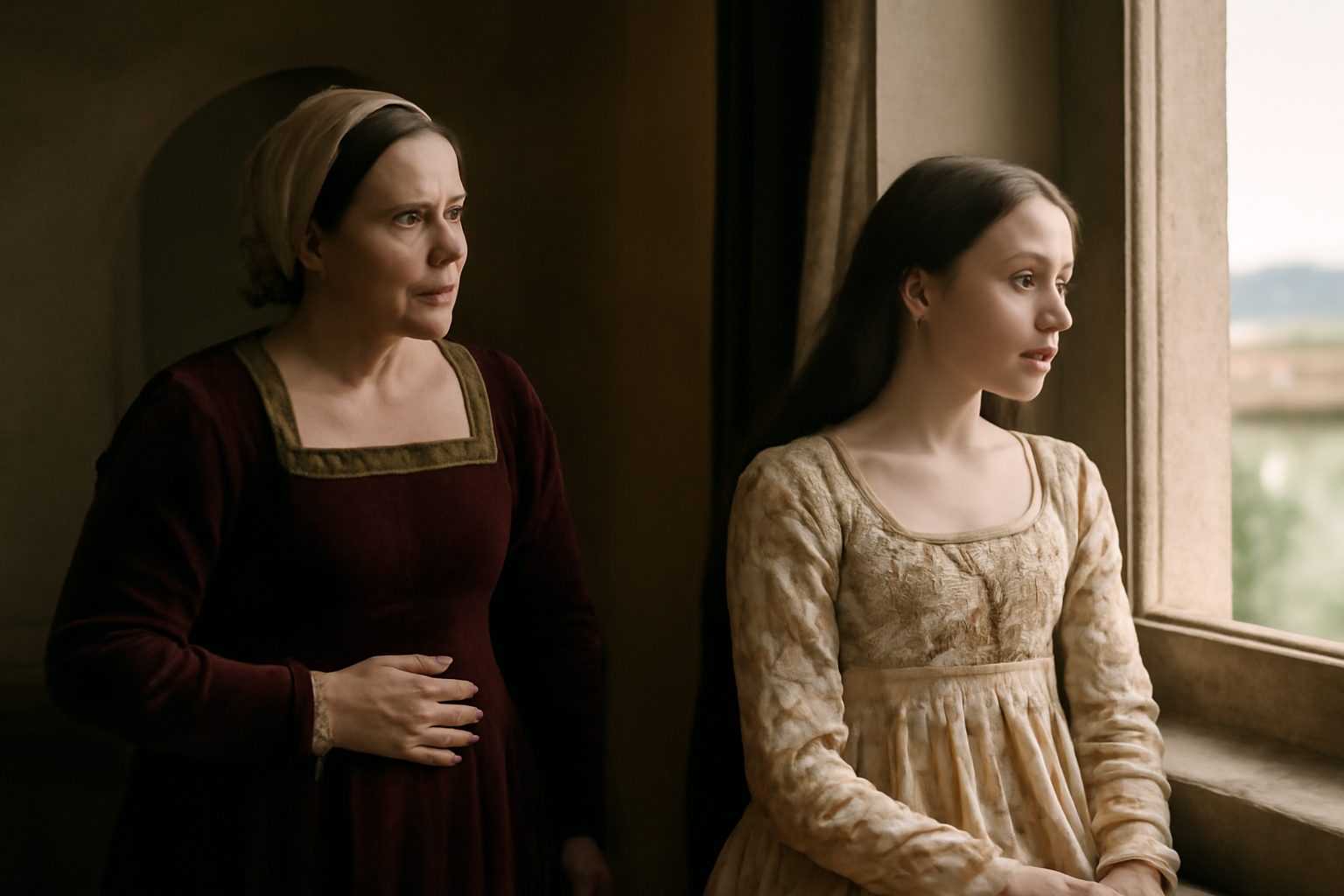
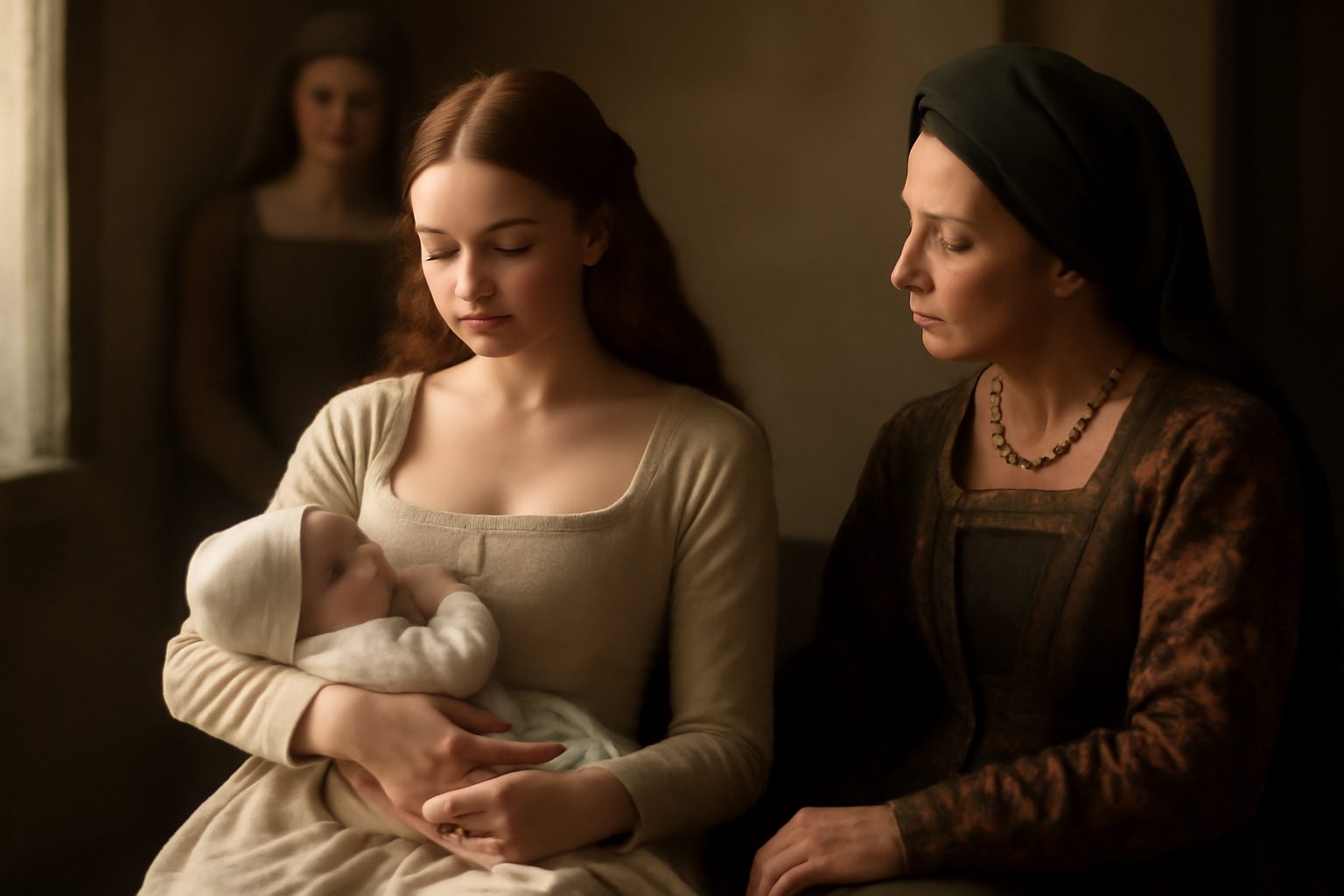
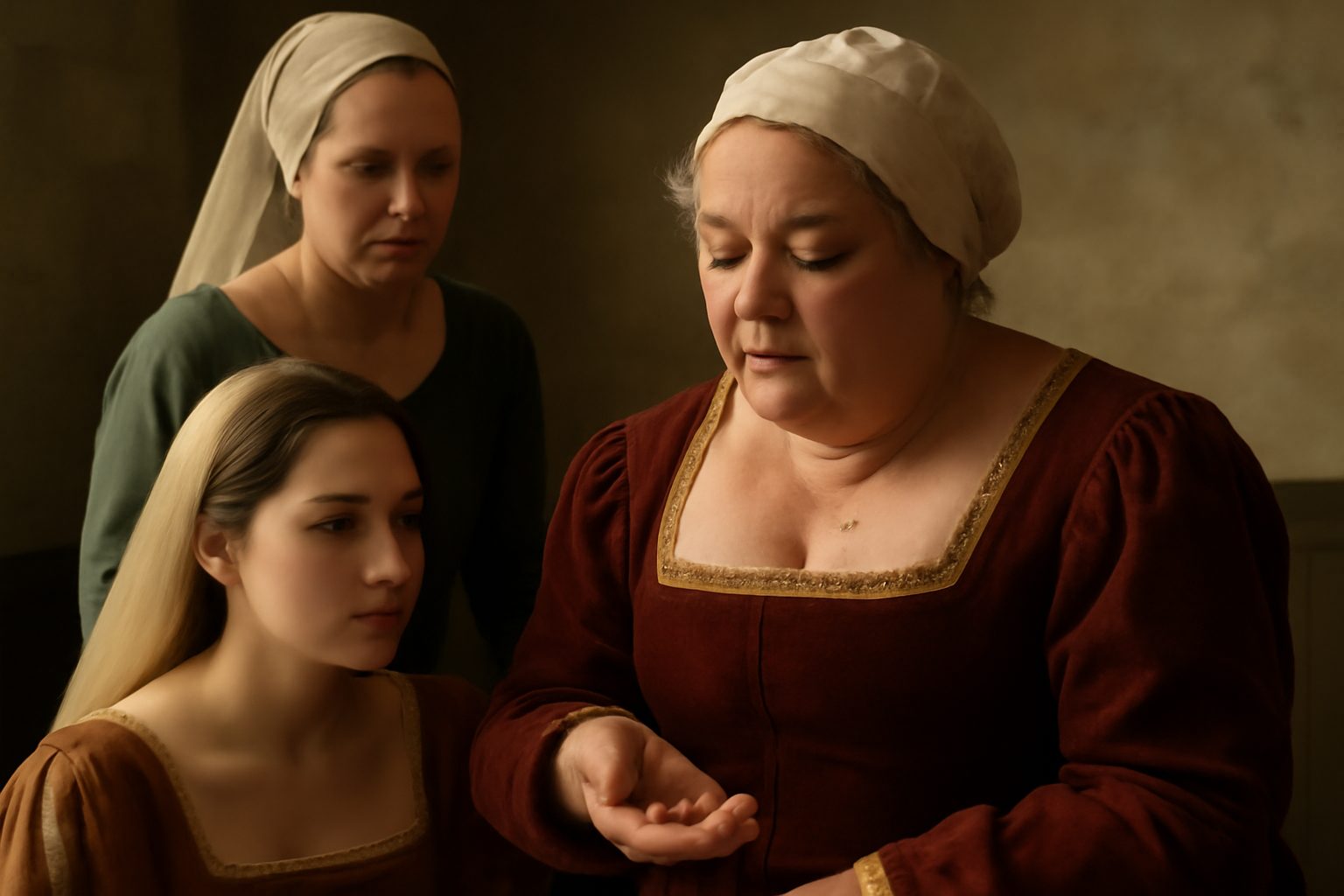
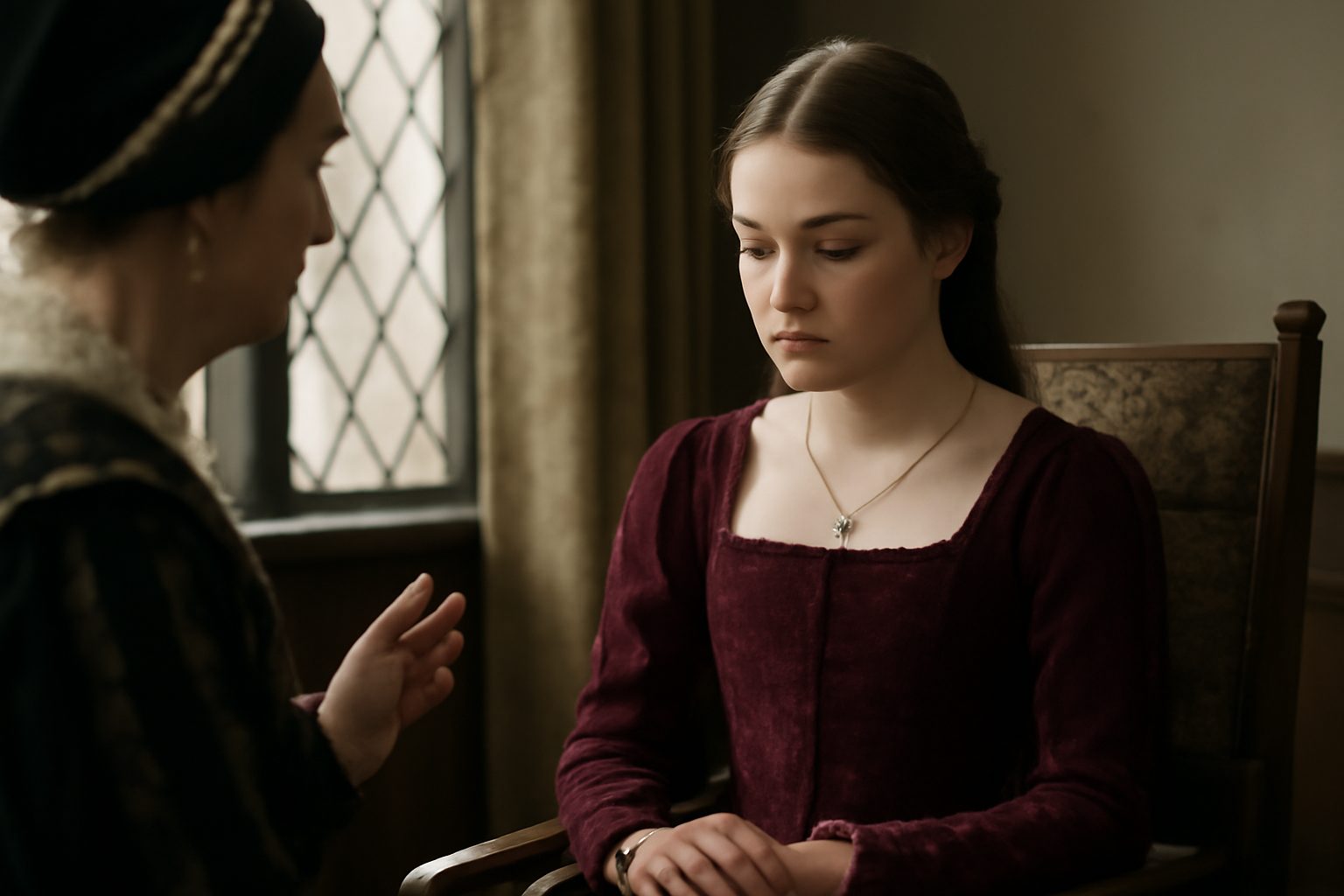
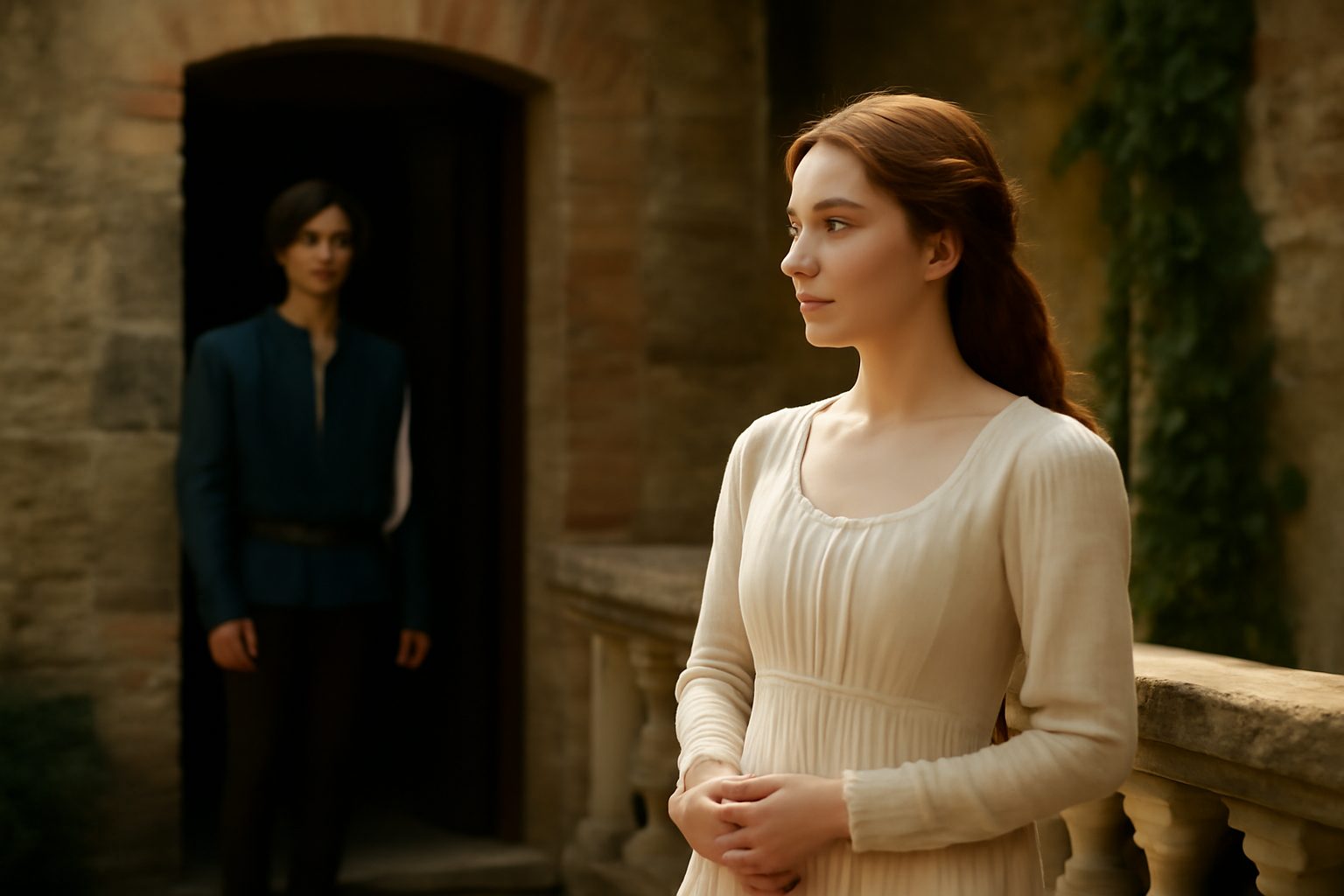
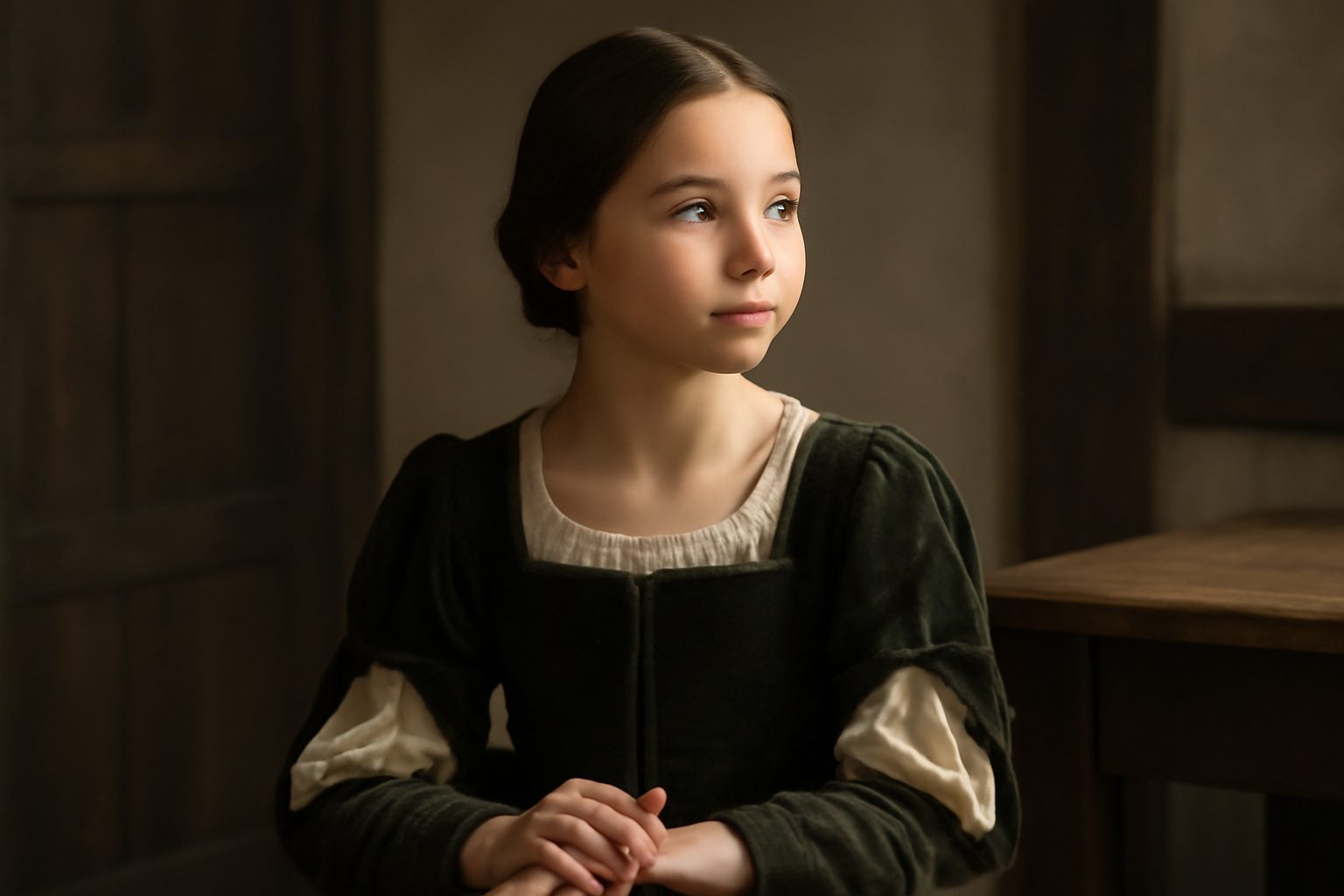
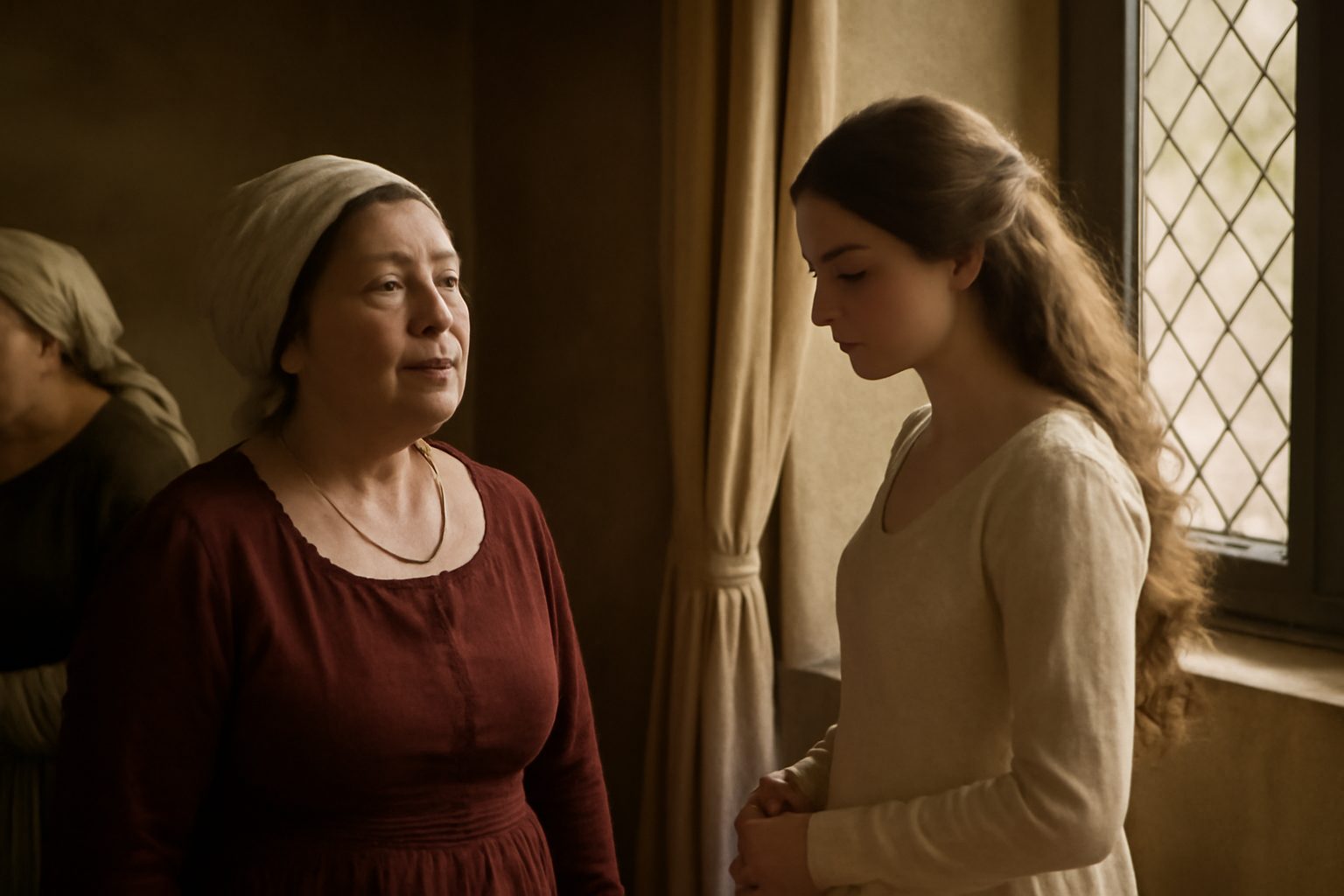
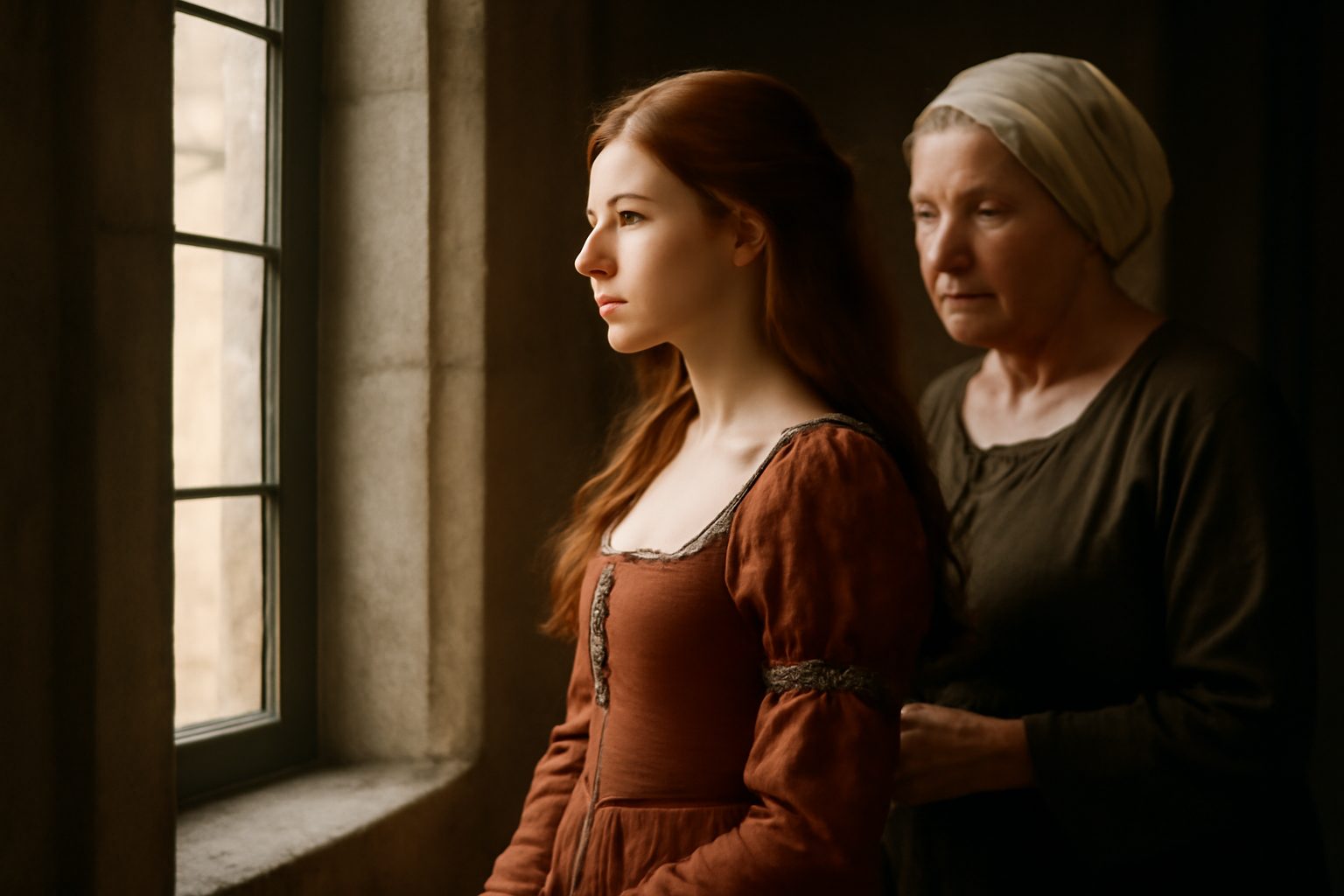
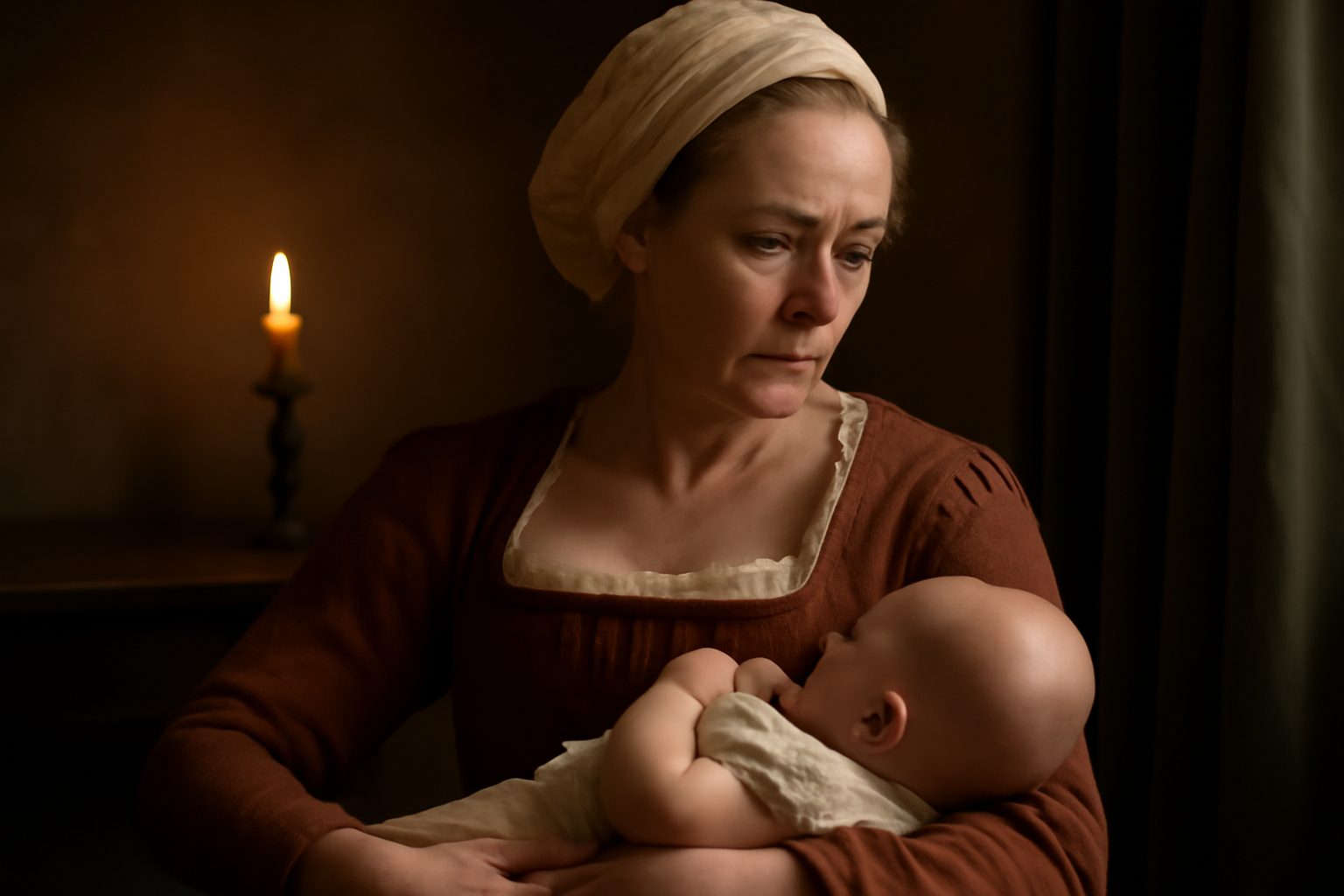
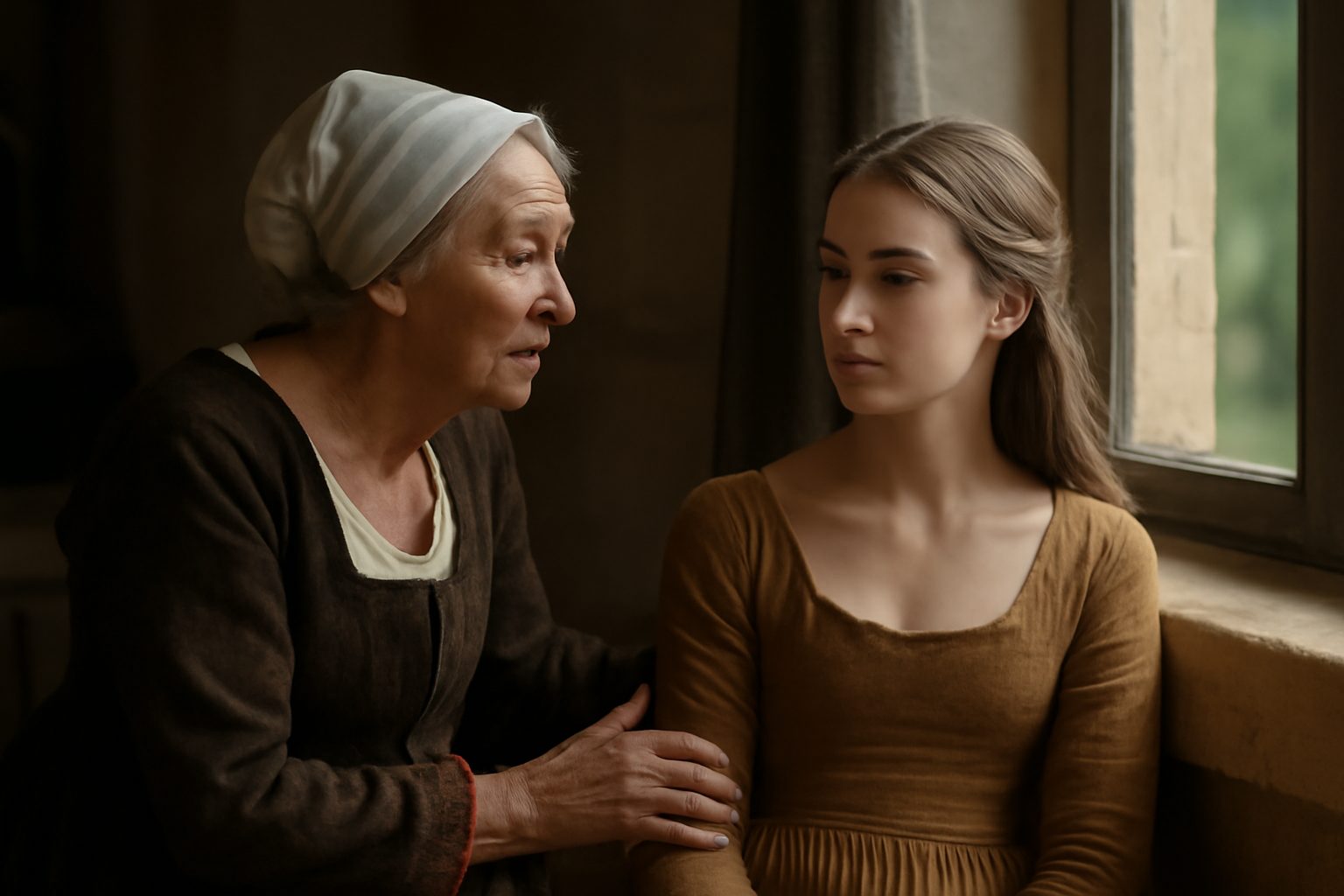
In Act 1, Scene 3 of Romeo and Juliet, the Nurse reminisces about Juliet's childhood while speaking with Lady Capulet. This line refers to the time that has passed since Juliet was weaned, a memory the Nurse recounts with affectionate detail. The moment highlights the Nurse's deep connection to Juliet and provides a glimpse into their long-standing relationship.
Nurse: "And since that time it is eleven years;"
In modern day english, we would say:
It has been eleven years since then.
Frequently Asked Questions
How many years have passed since the time the nurse is referring to?
Eleven years have passed since that time.
Connections to other verses:
Connections to "And since that time it is eleven years;"
The verse "And since that time it is eleven years;" serves as a temporal anchor in the Nurse's nostalgic recounting of Juliet's infancy. It directly follows "Tis since the earthquake now eleven years;", reinforcing the timeline and establishing the earthquake as a memorable event that coincided with Juliet's weaning. This connection emphasizes the Nurse's vivid memory and the passage of time since Juliet's early childhood.
Link to Juliet's Age and Development
The eleven-year reference ties into discussions of Juliet's current age, such as in "She is not fourteen. How long is it now" and "Come Lammas-eve at night shall she be fourteen.", highlighting that Juliet is on the cusp of adulthood, a key theme in the scene.
Nurse's Anecdotes and Memories
The verse is part of a larger narrative where the Nurse reminisces about Juliet's past, including "And she was wean'd,--I never shall forget it,--" and "For then she could stand alone; nay, by the rood,", illustrating Juliet's growth from infancy to her present state. These memories contrast with the scene's focus on marriage, underscoring Juliet's youth.
Contrast with Future Prospects
The backward-looking nature of "eleven years" contrasts with forward-looking verses like "An I might live to see thee married once,", where the Nurse expresses hopes for Juliet's future, and "How stands your disposition to be married?", where Lady Capulet broaches the subject of marriage, creating a juxtaposition between past innocence and impending adult responsibilities.