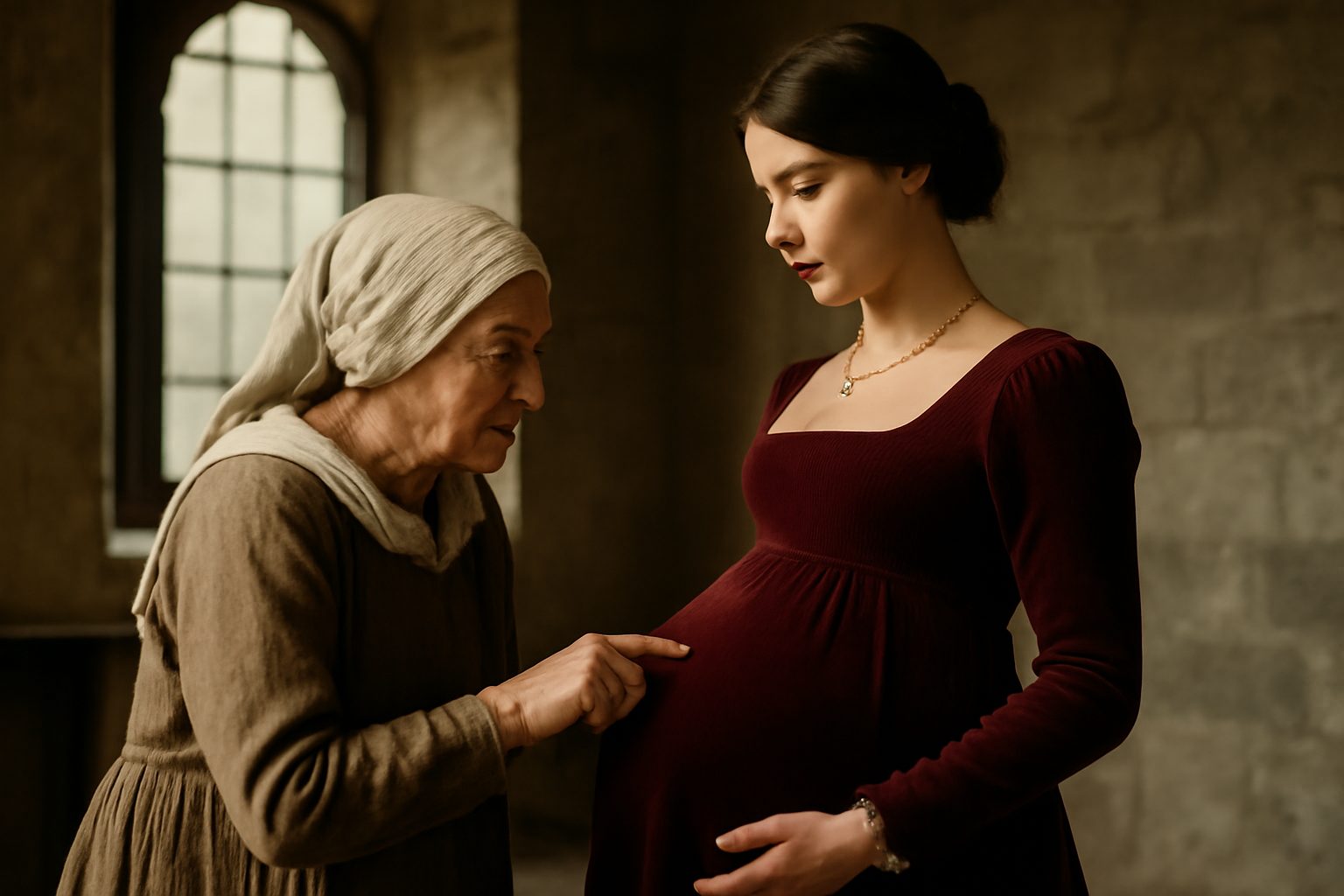
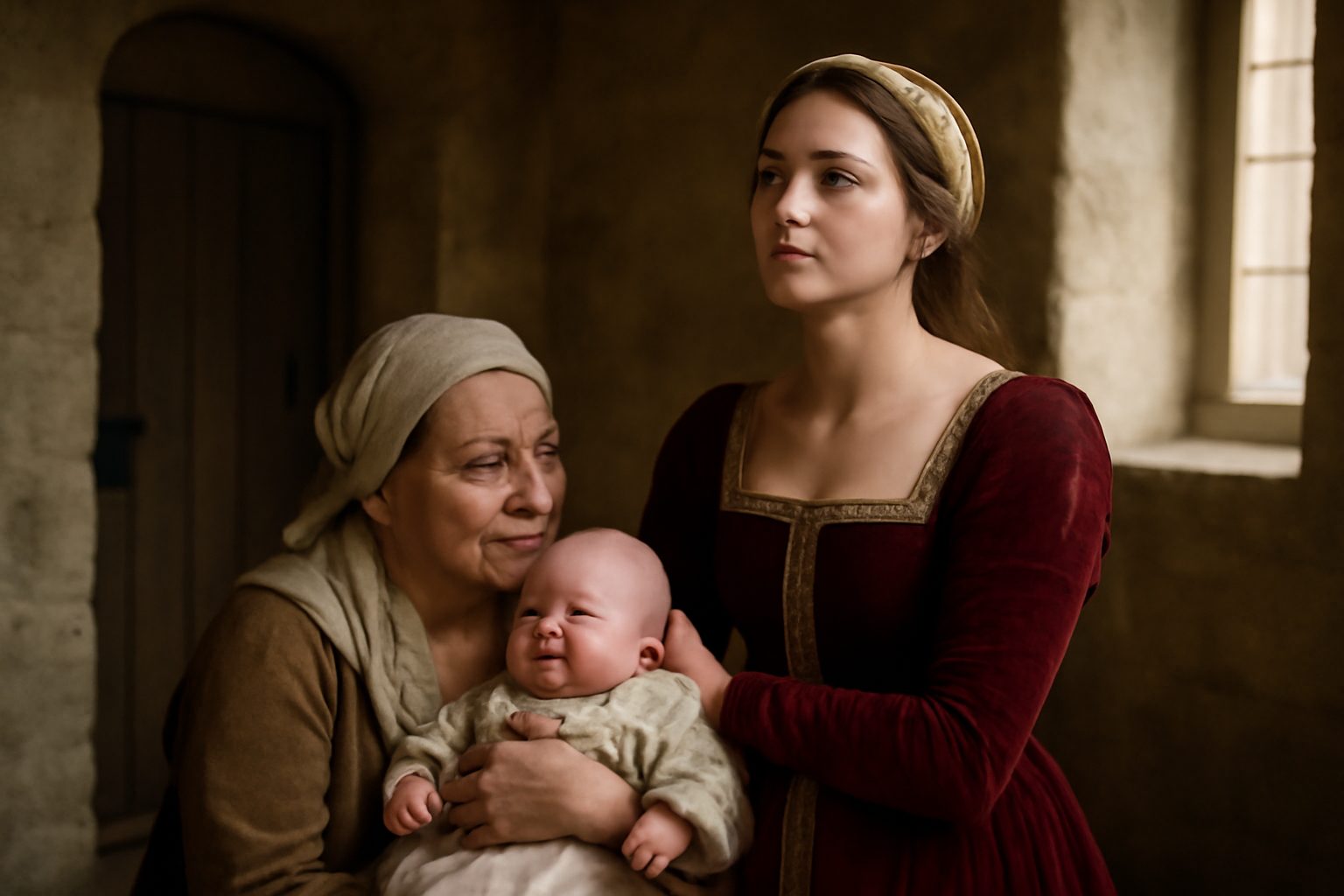
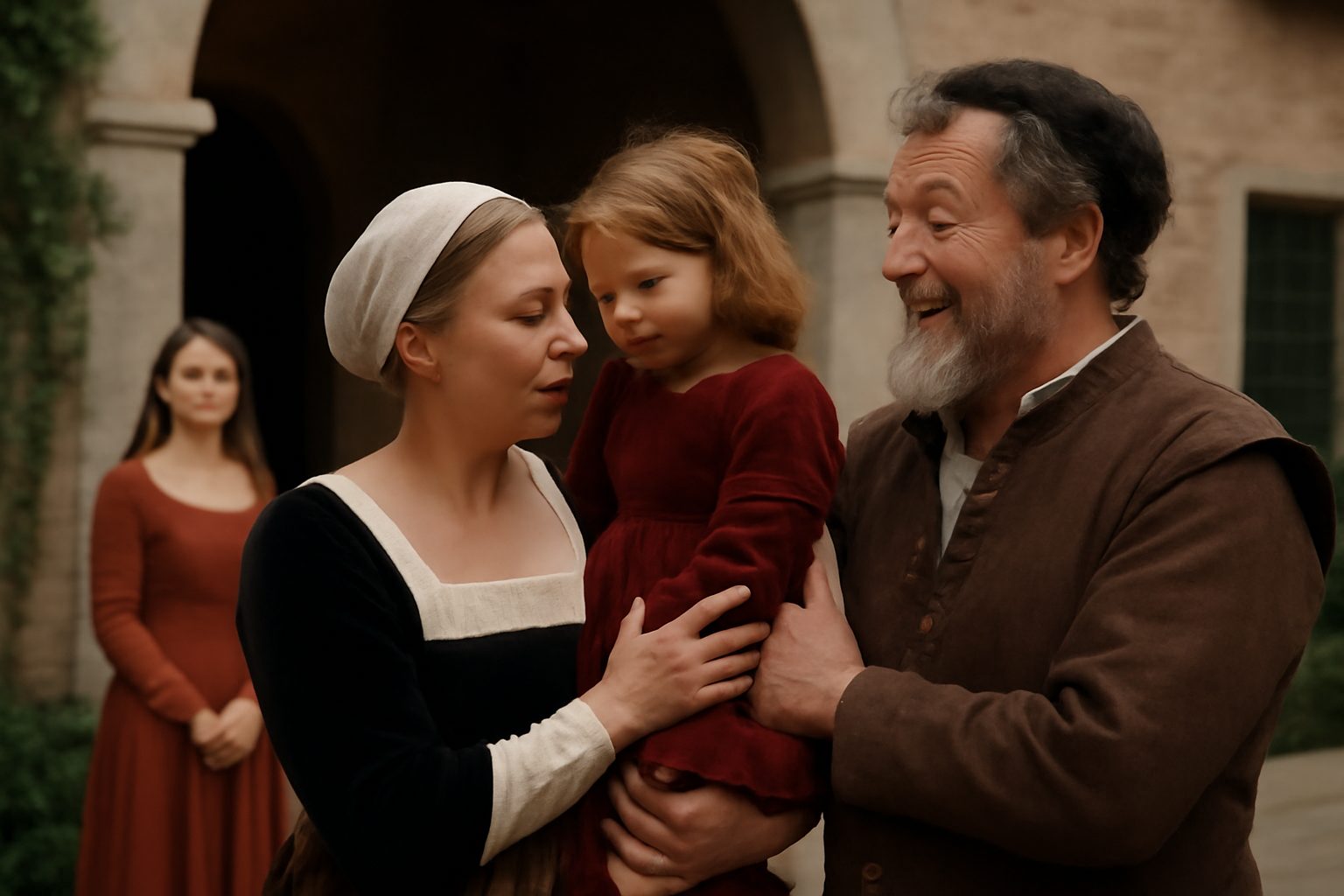
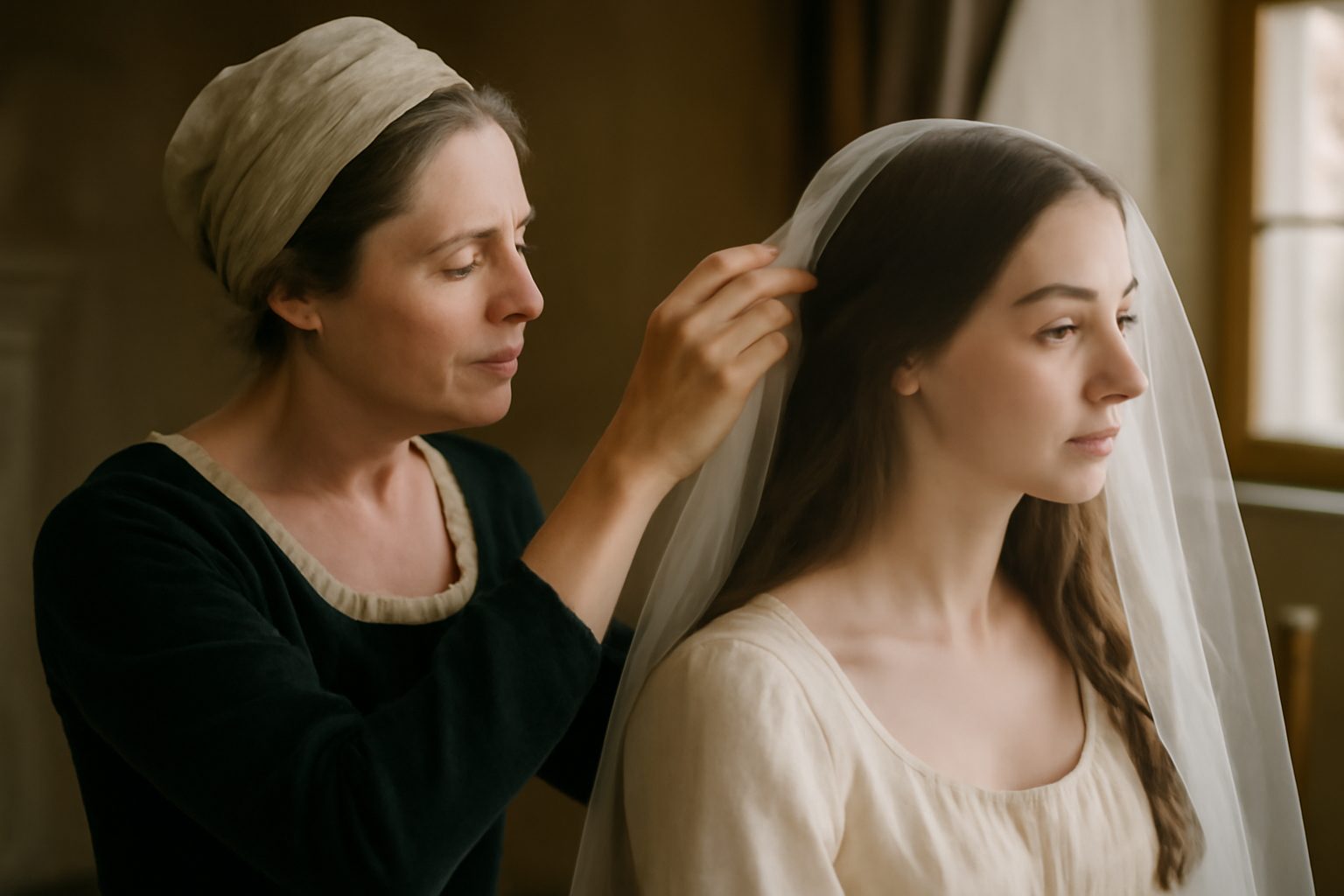
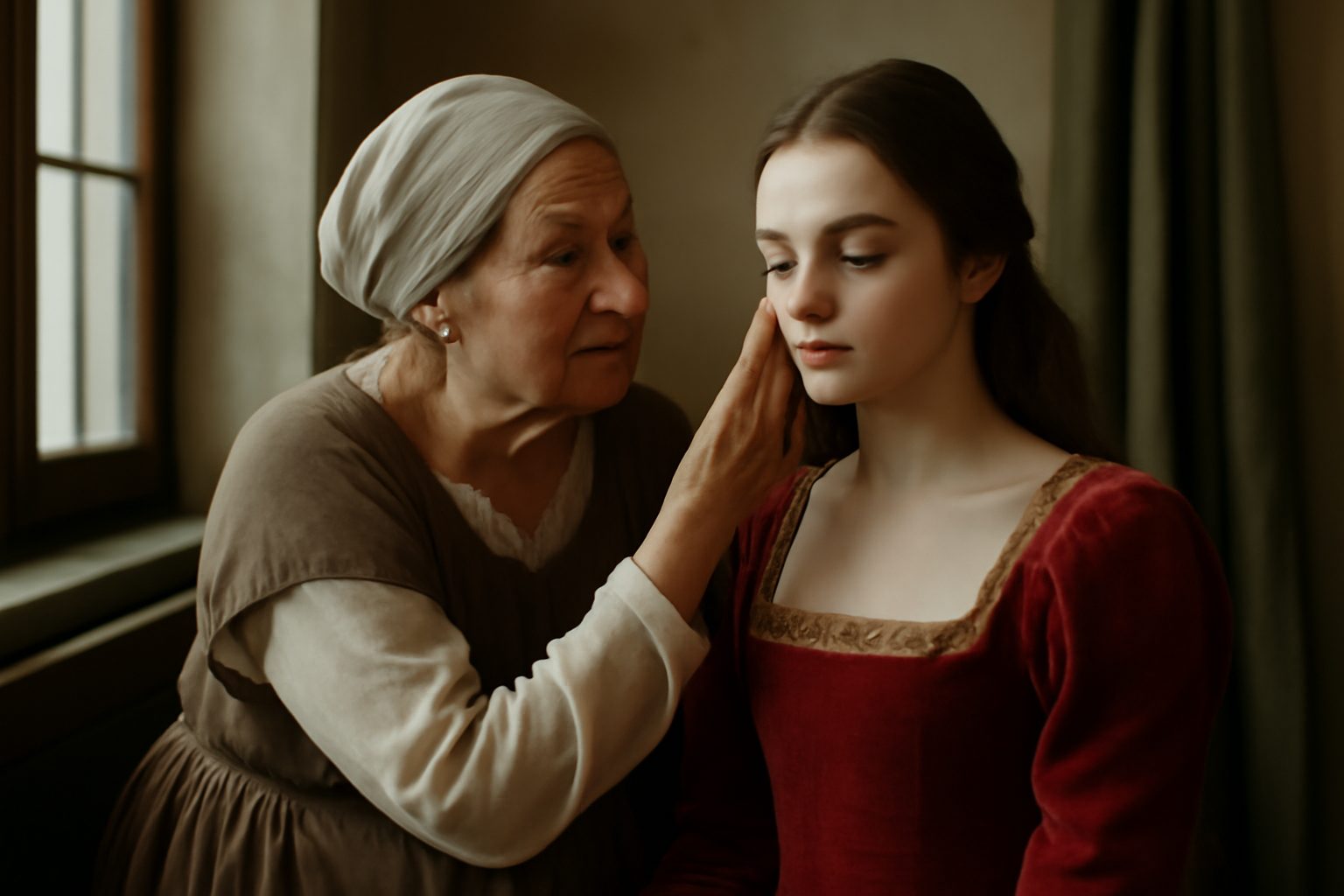
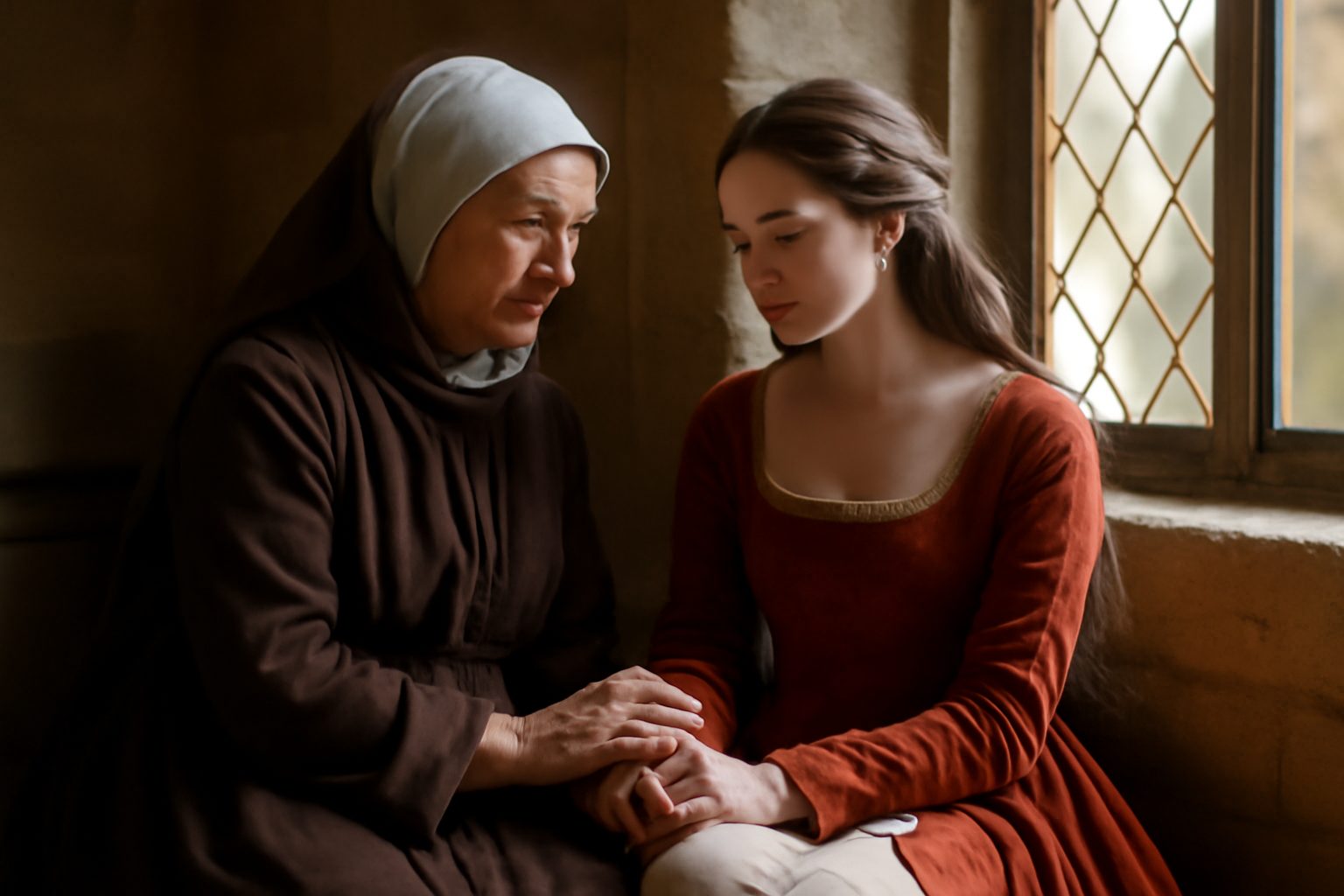
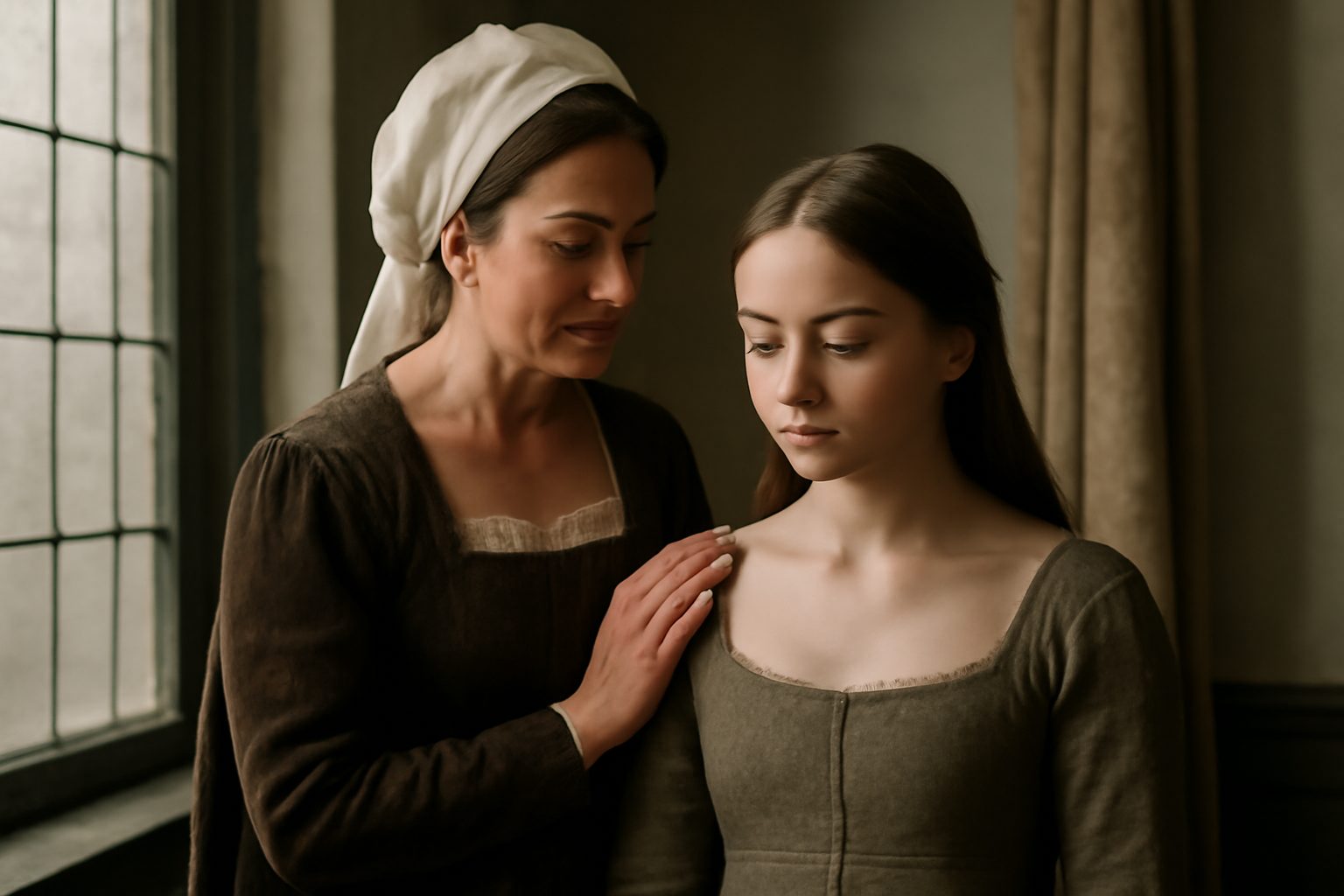
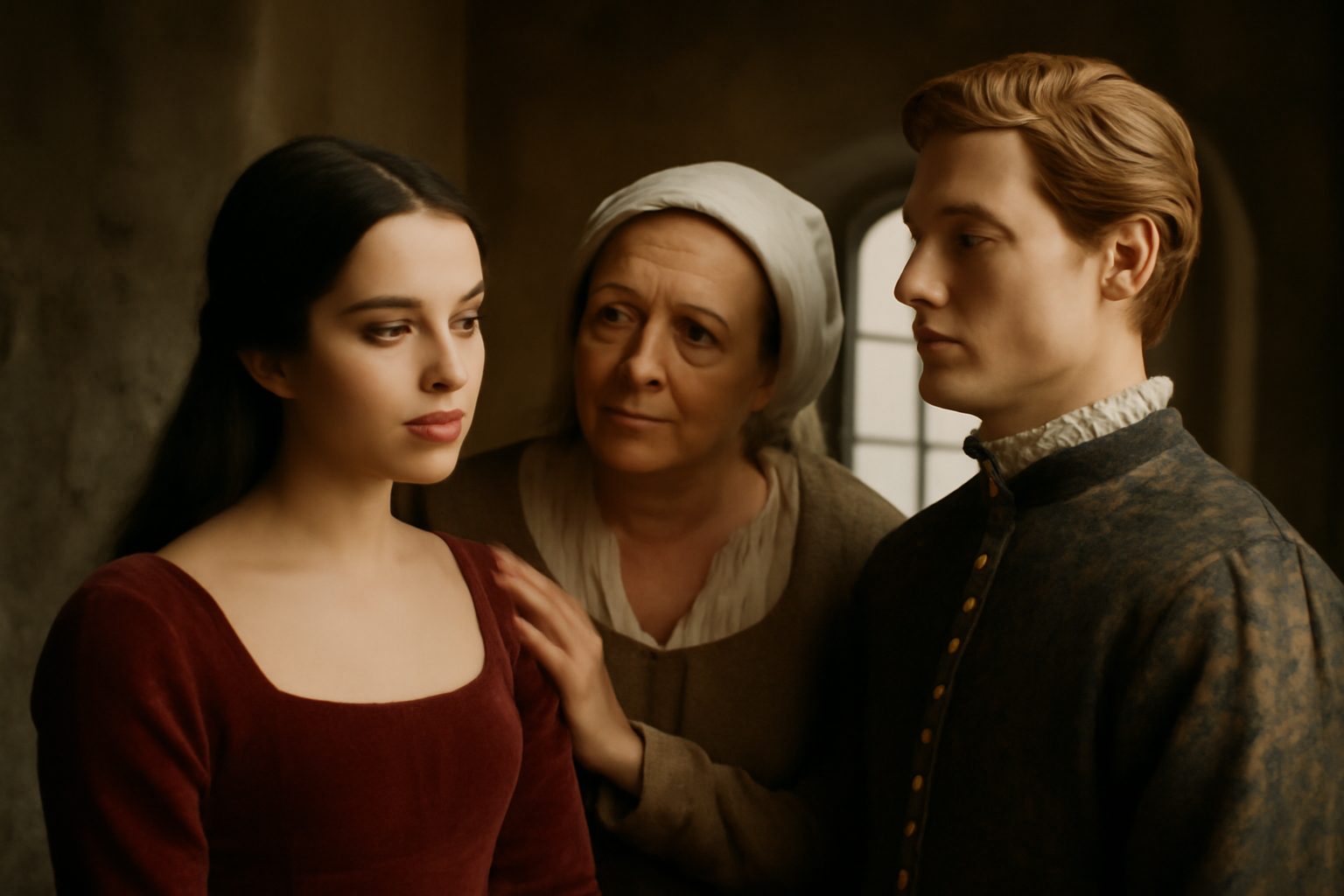
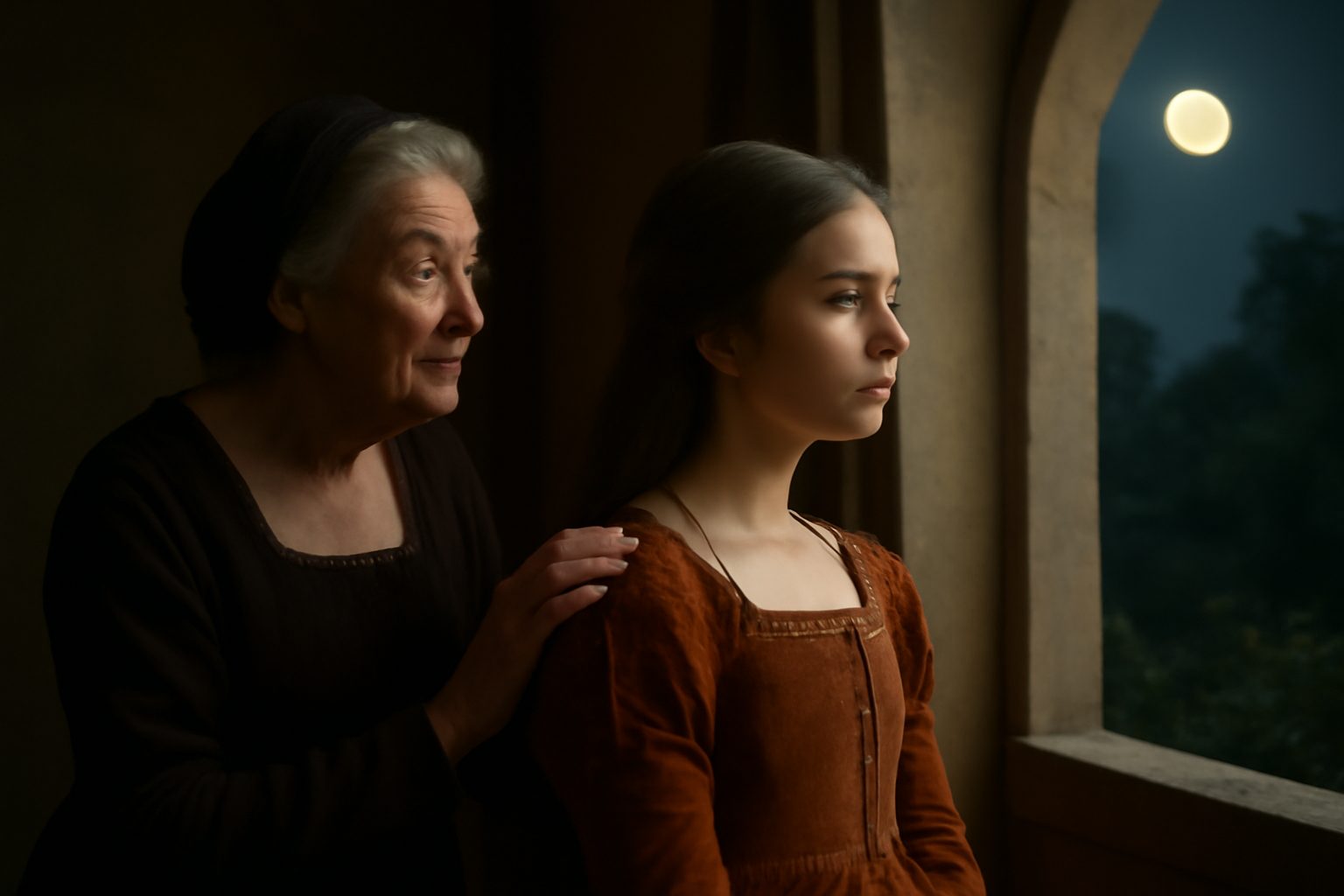
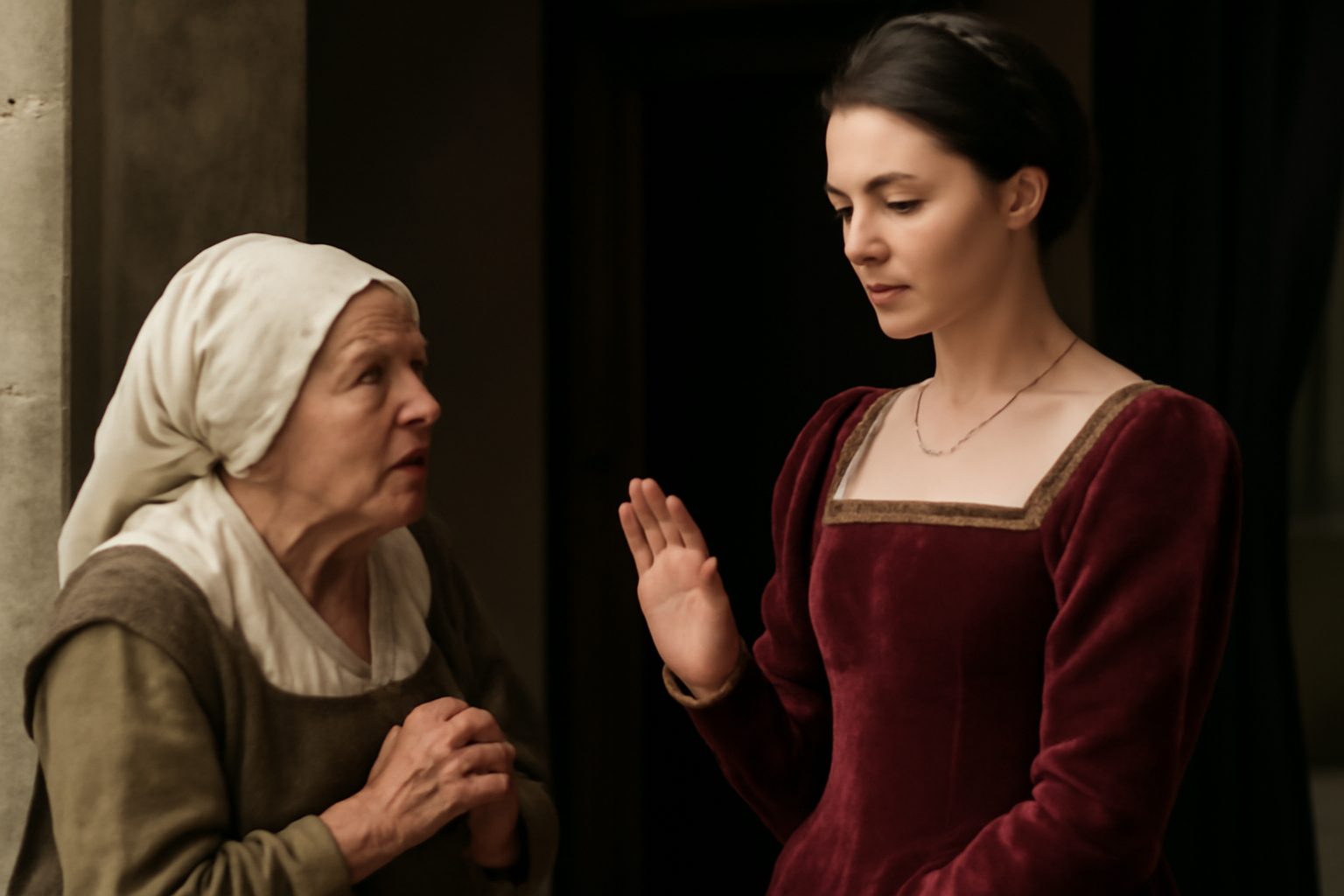
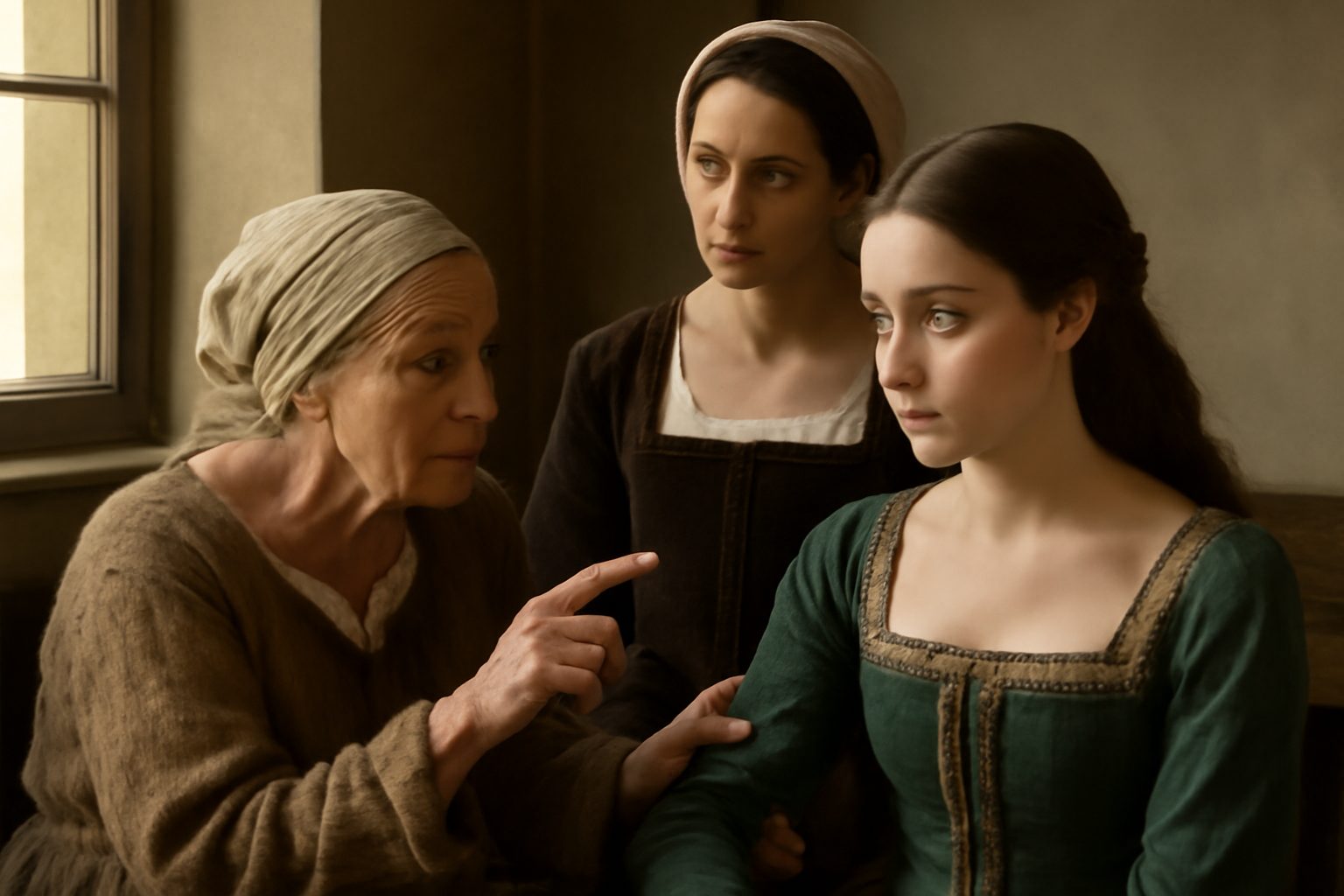
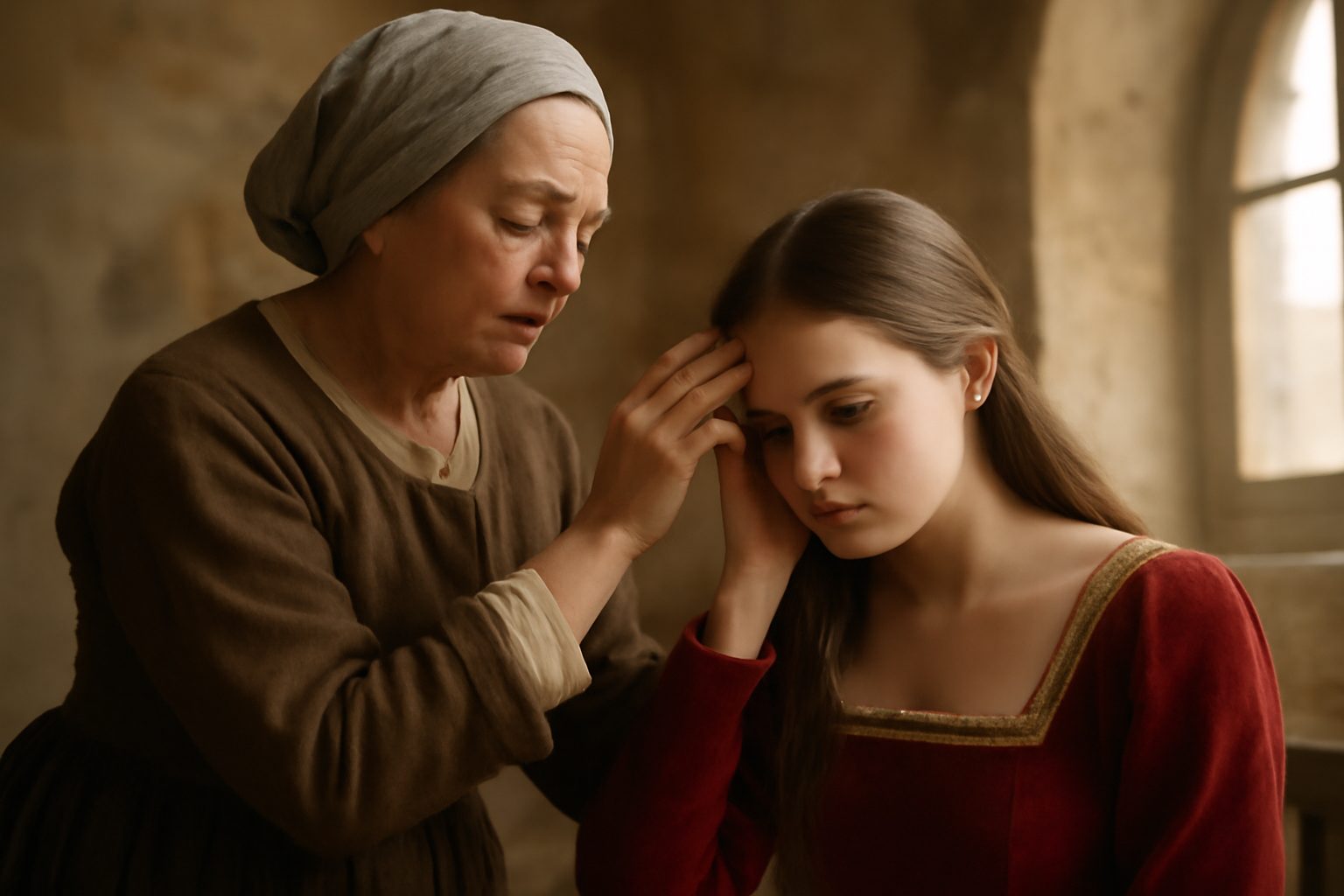
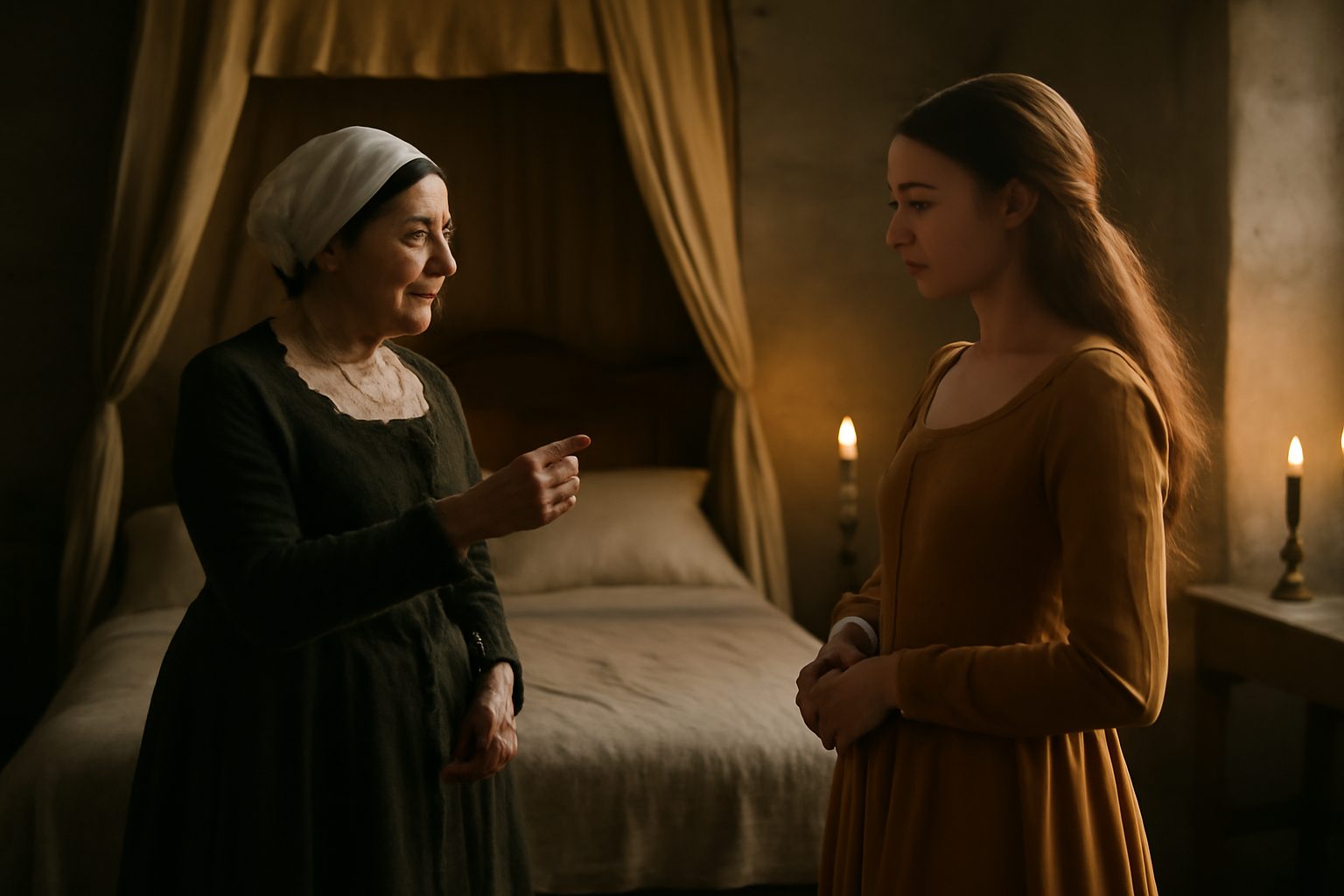
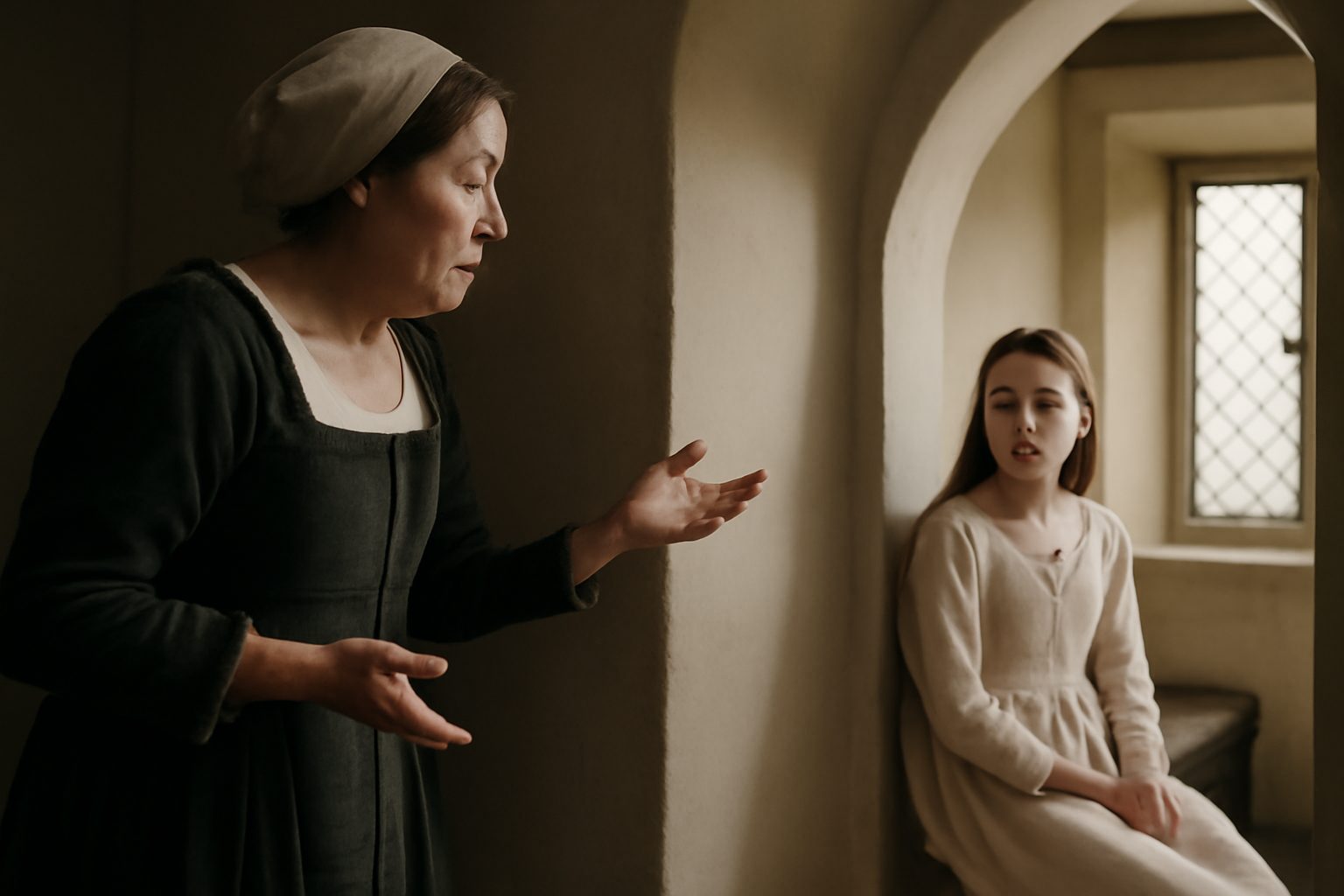
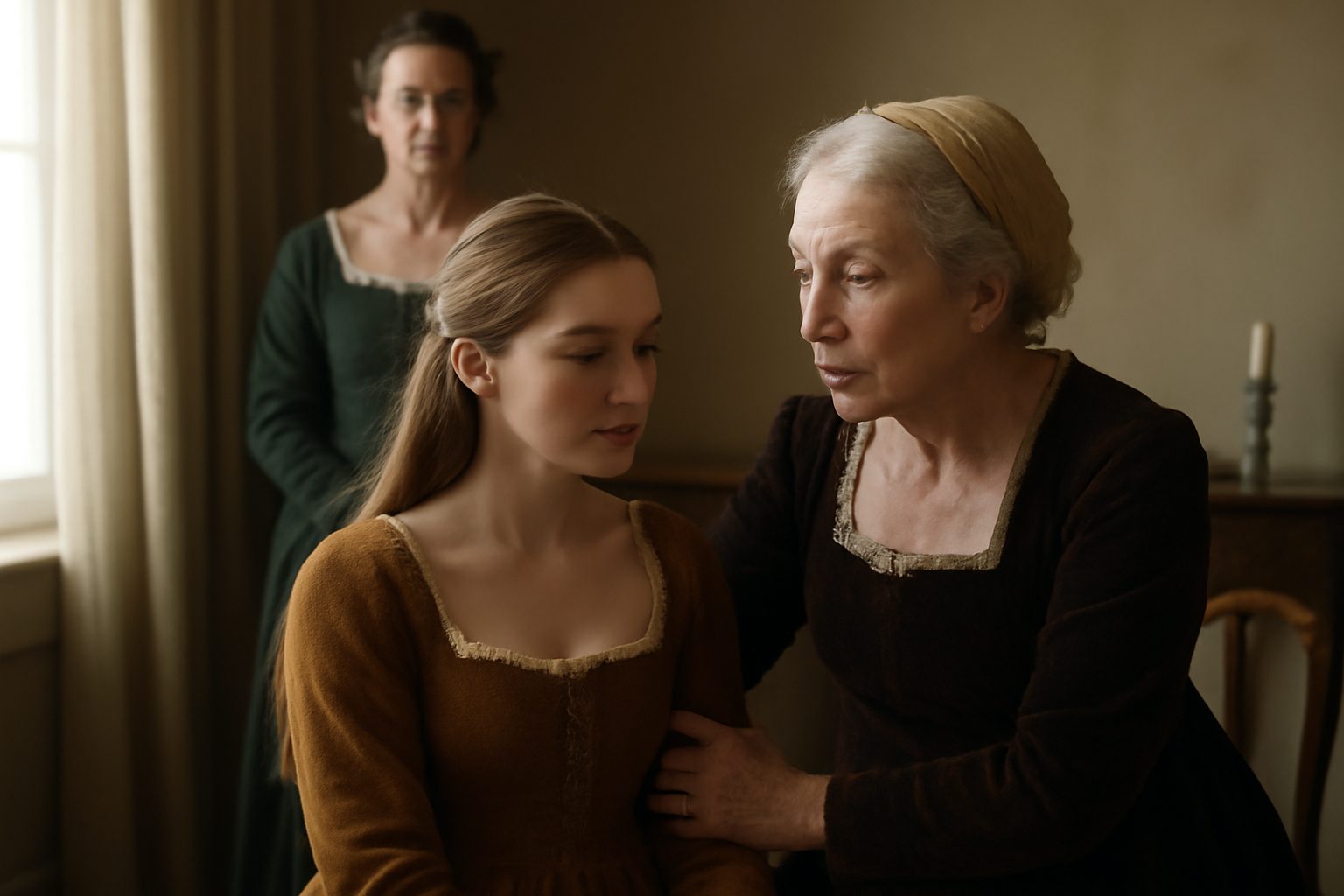
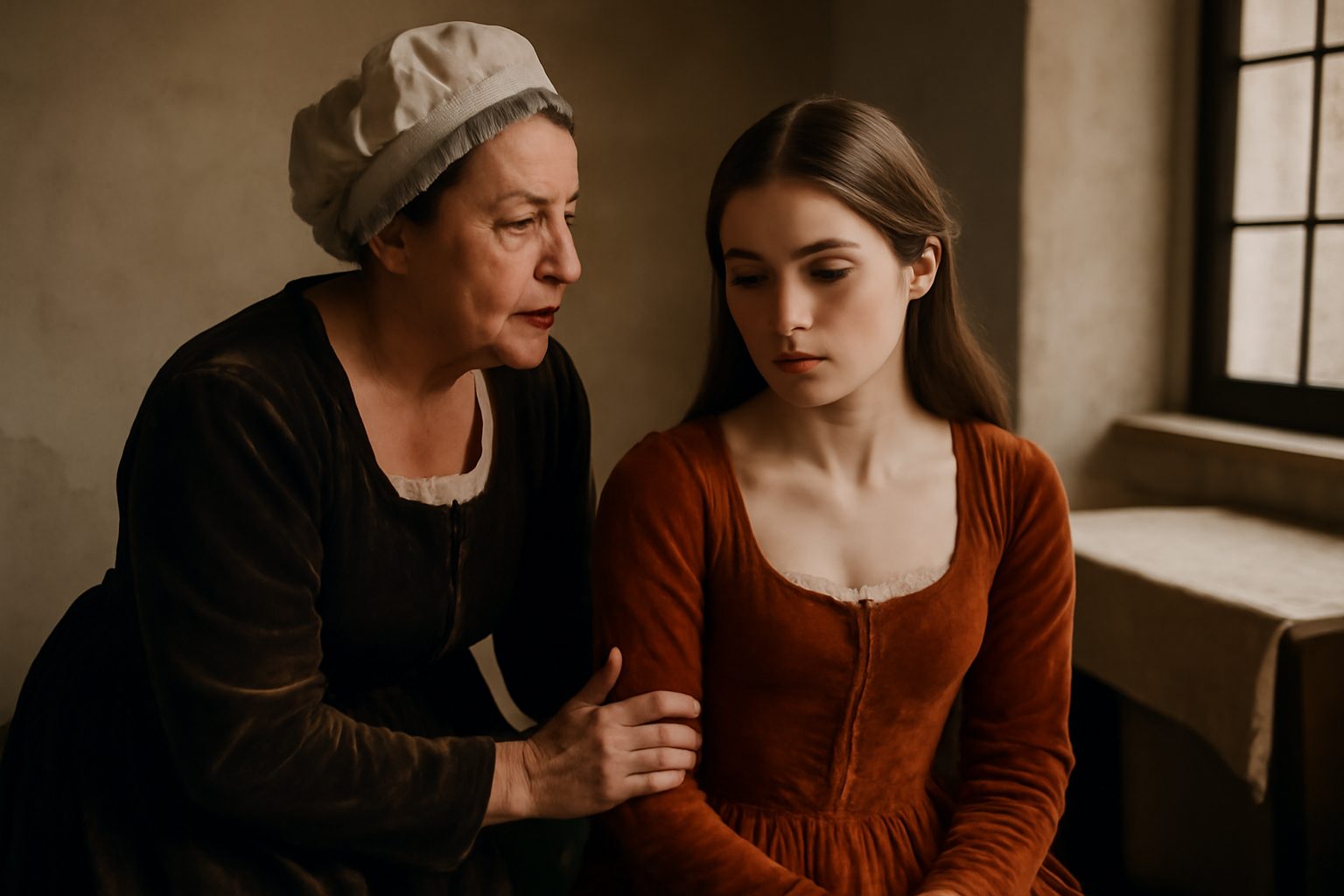
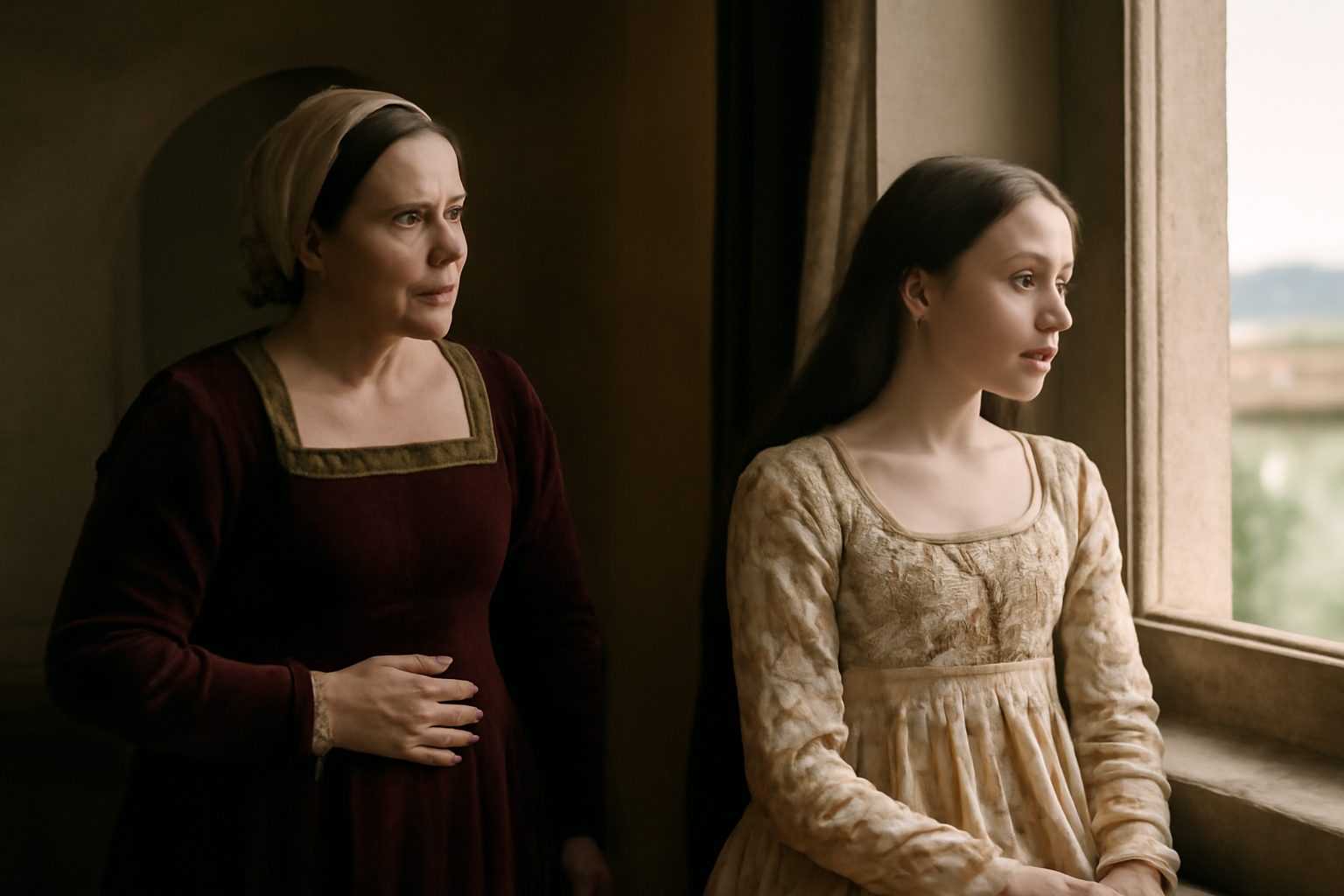
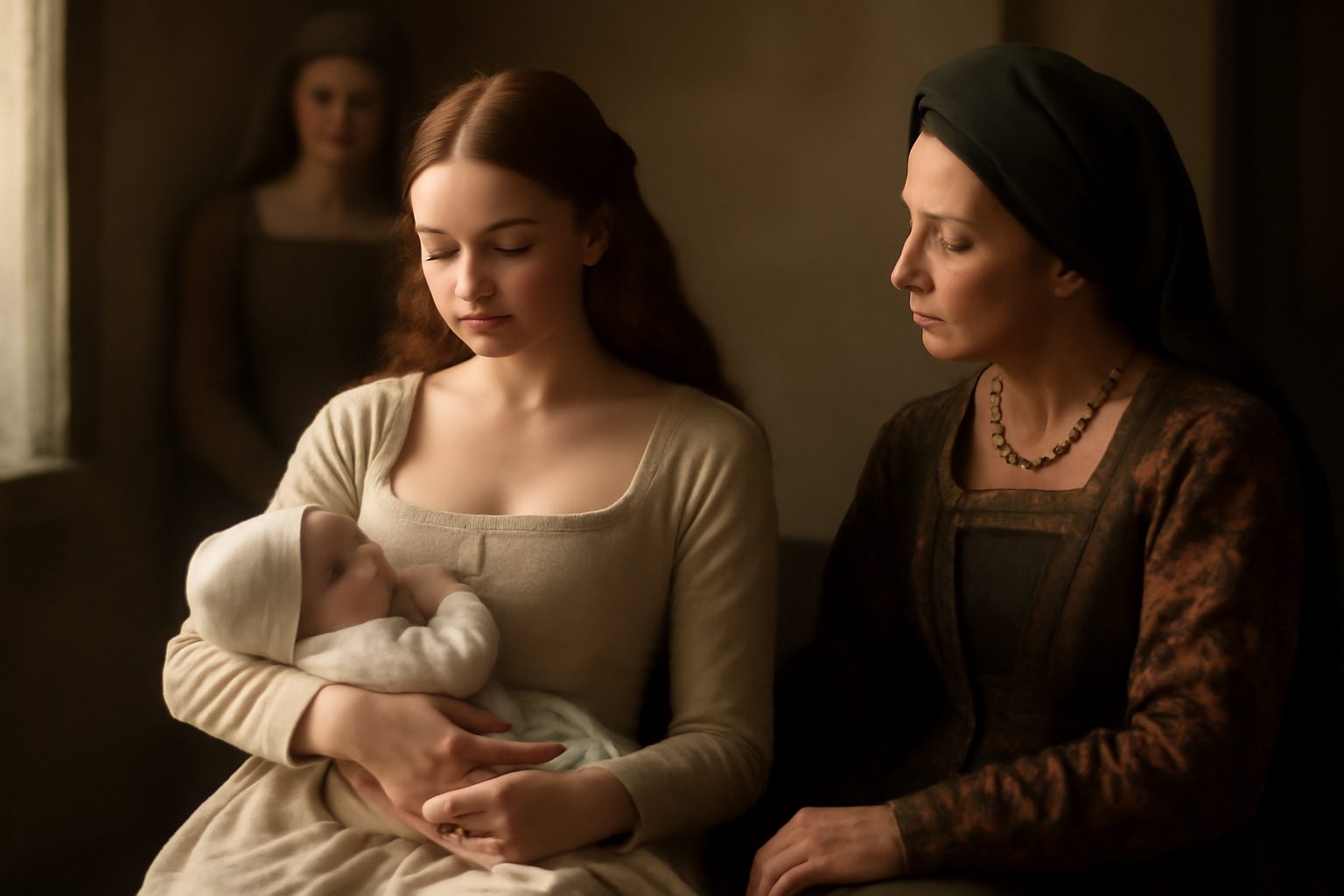
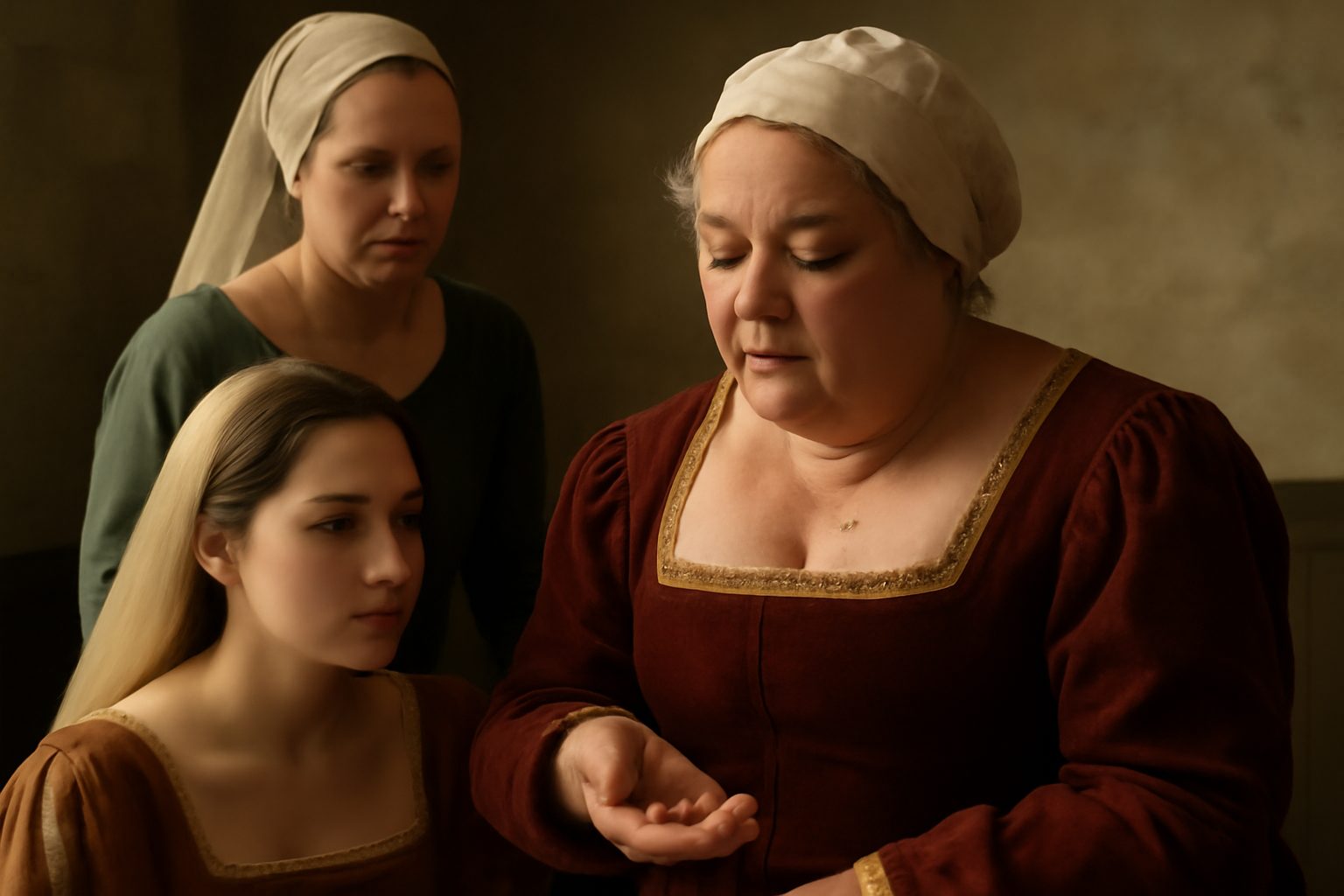
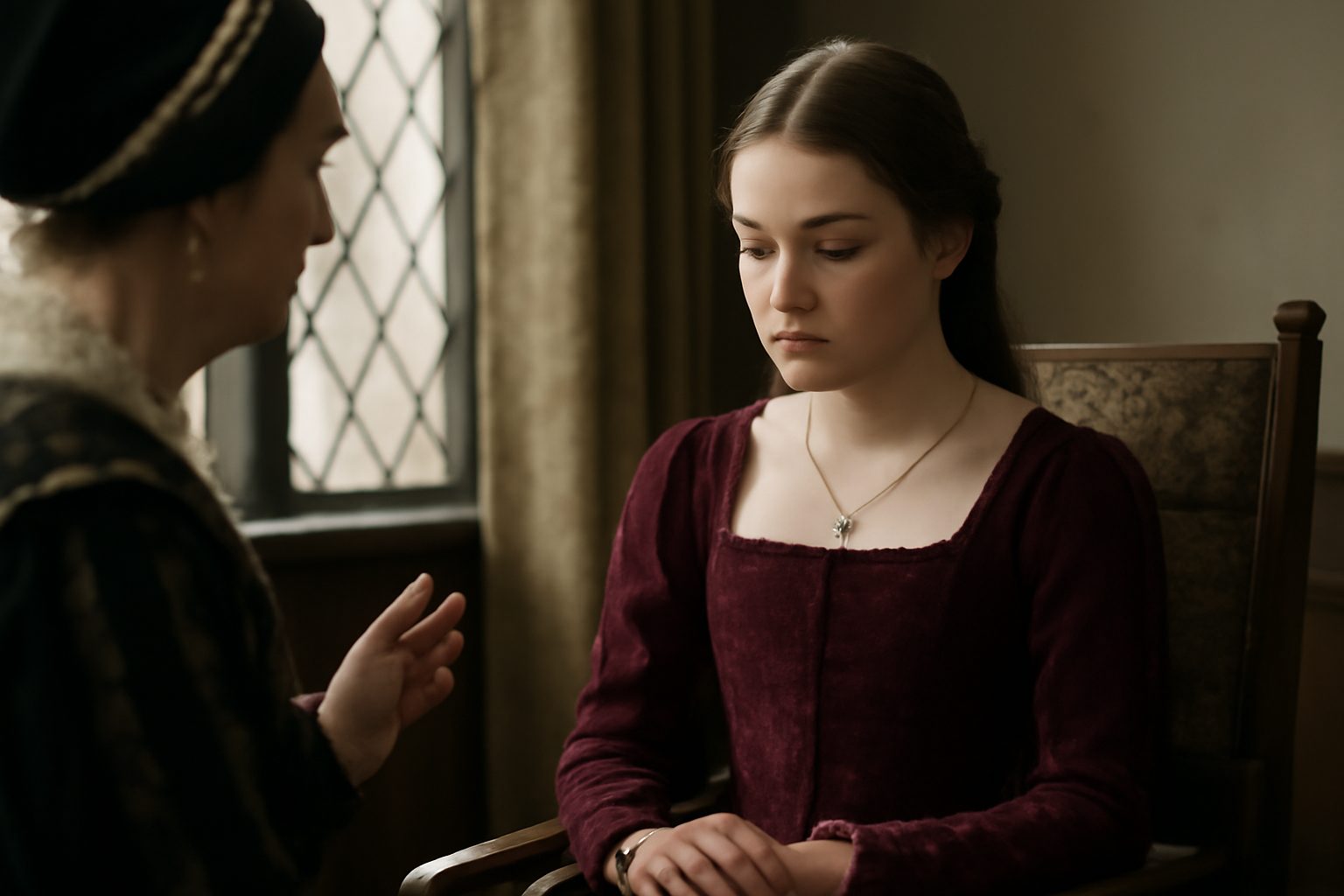
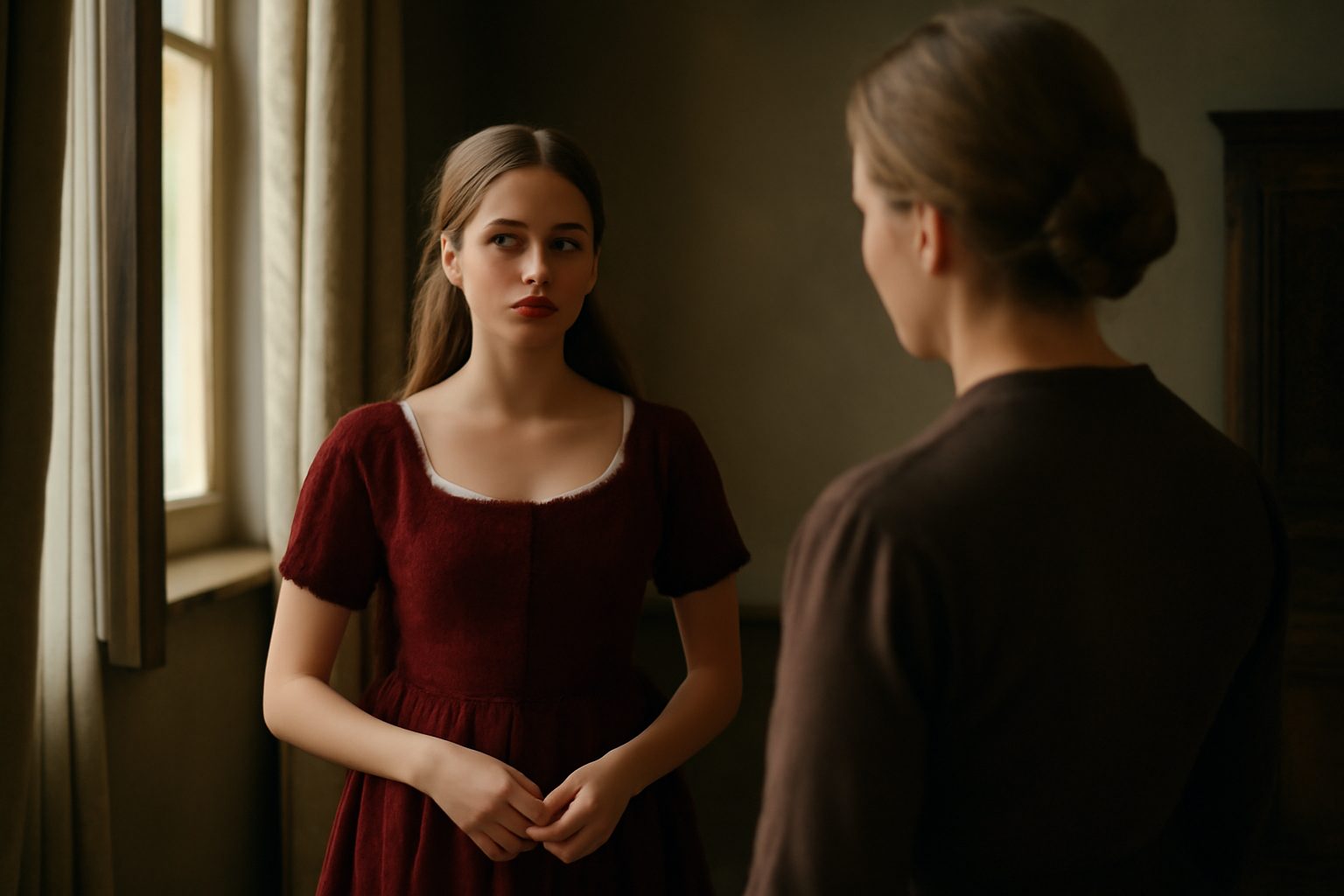
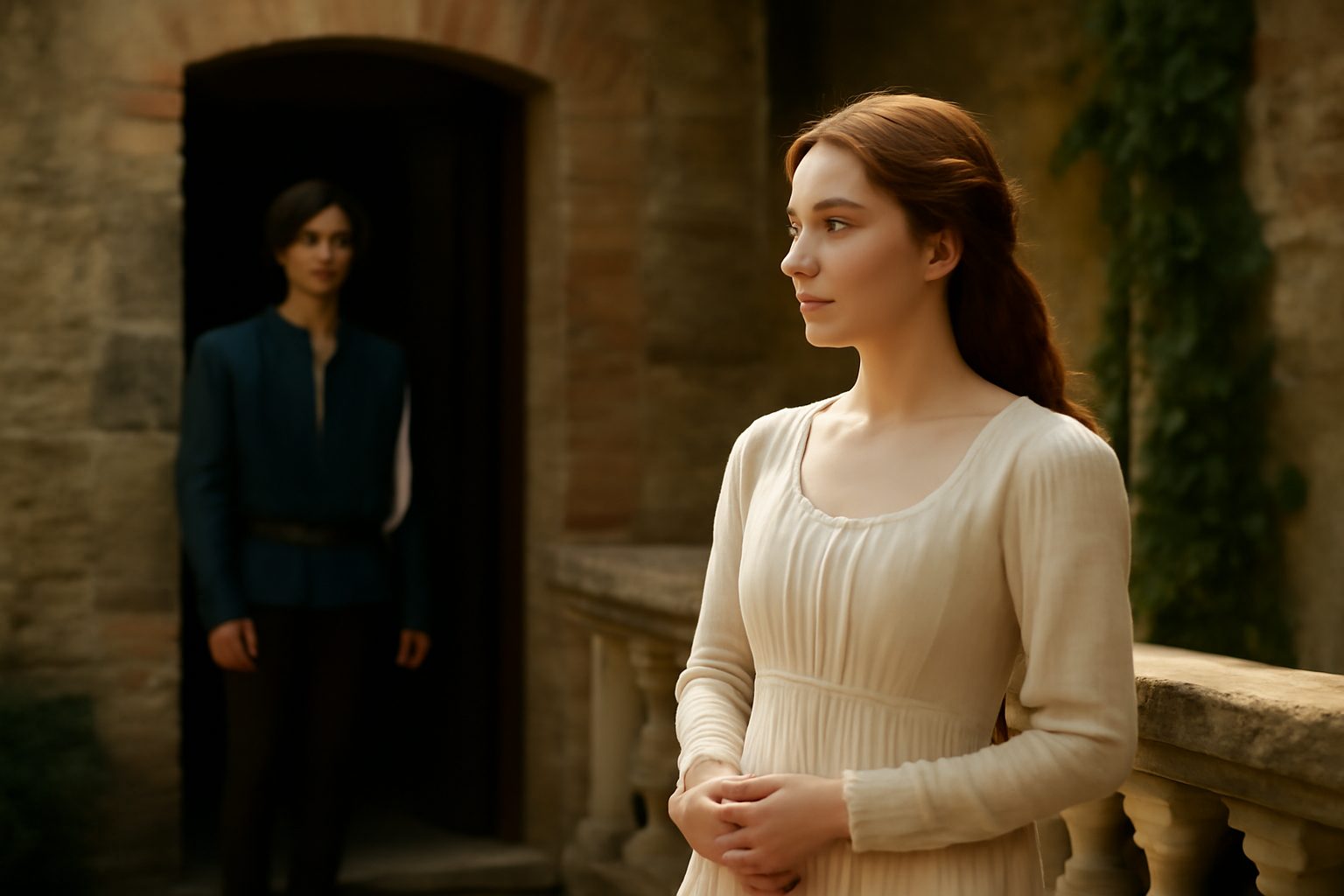
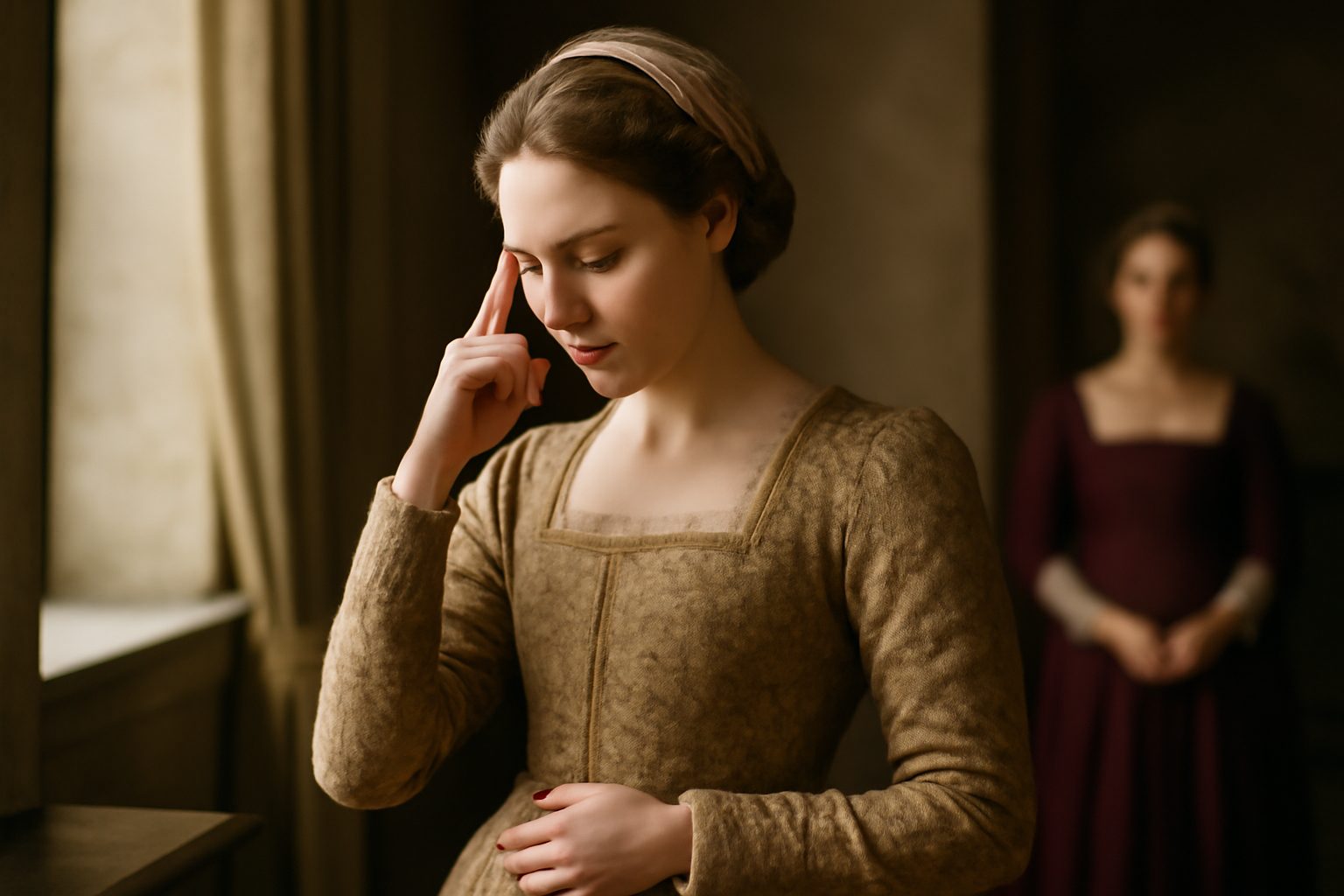
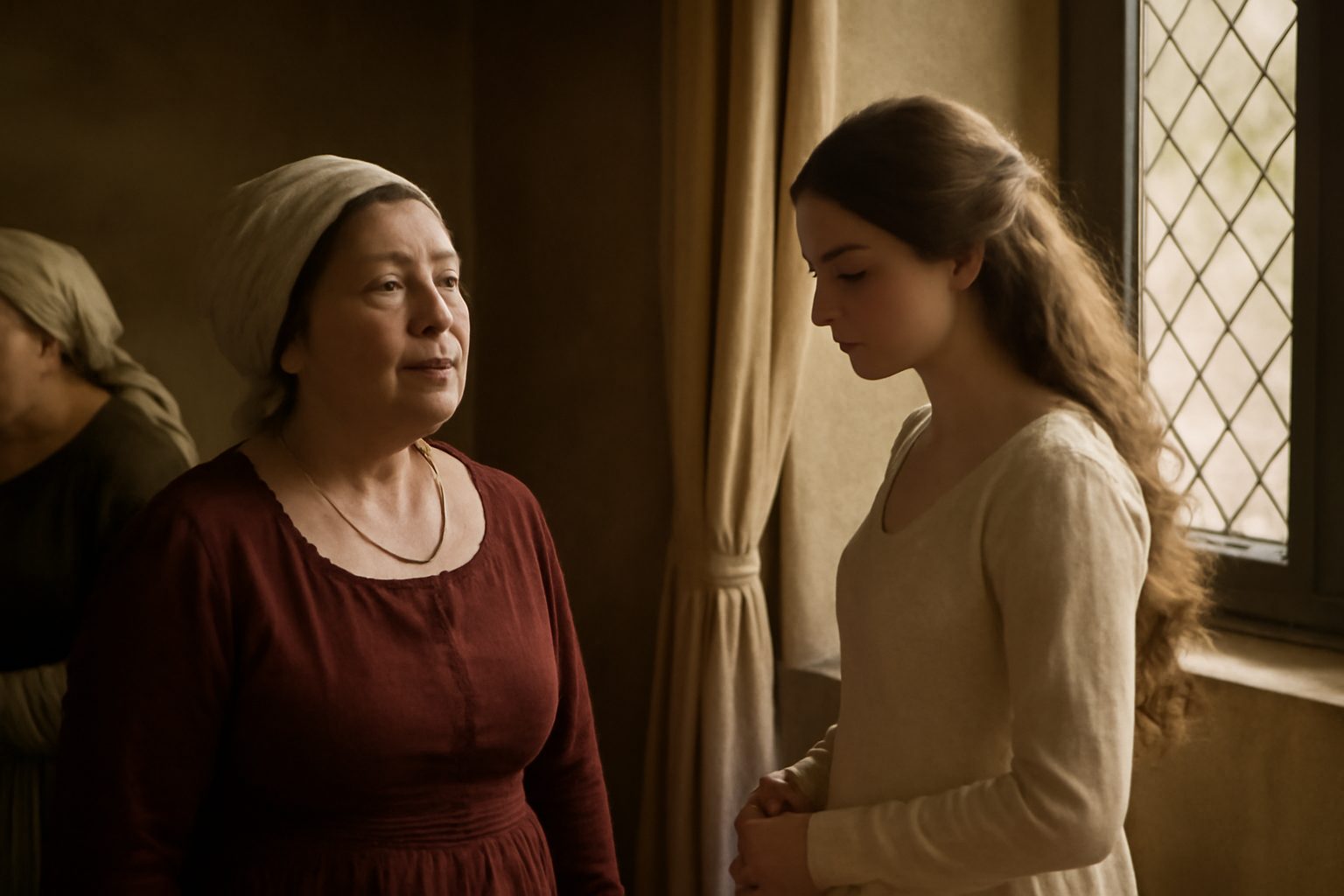
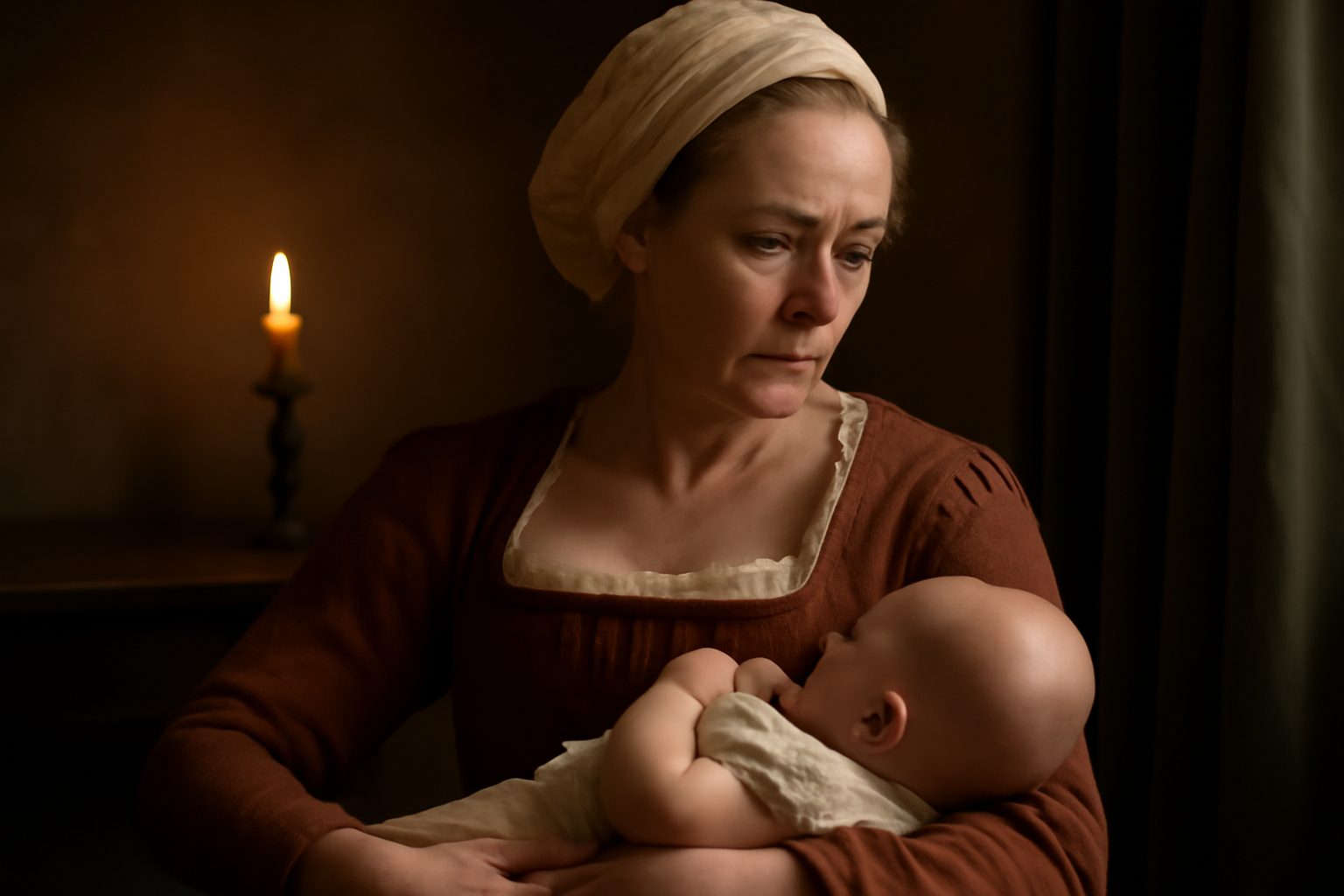
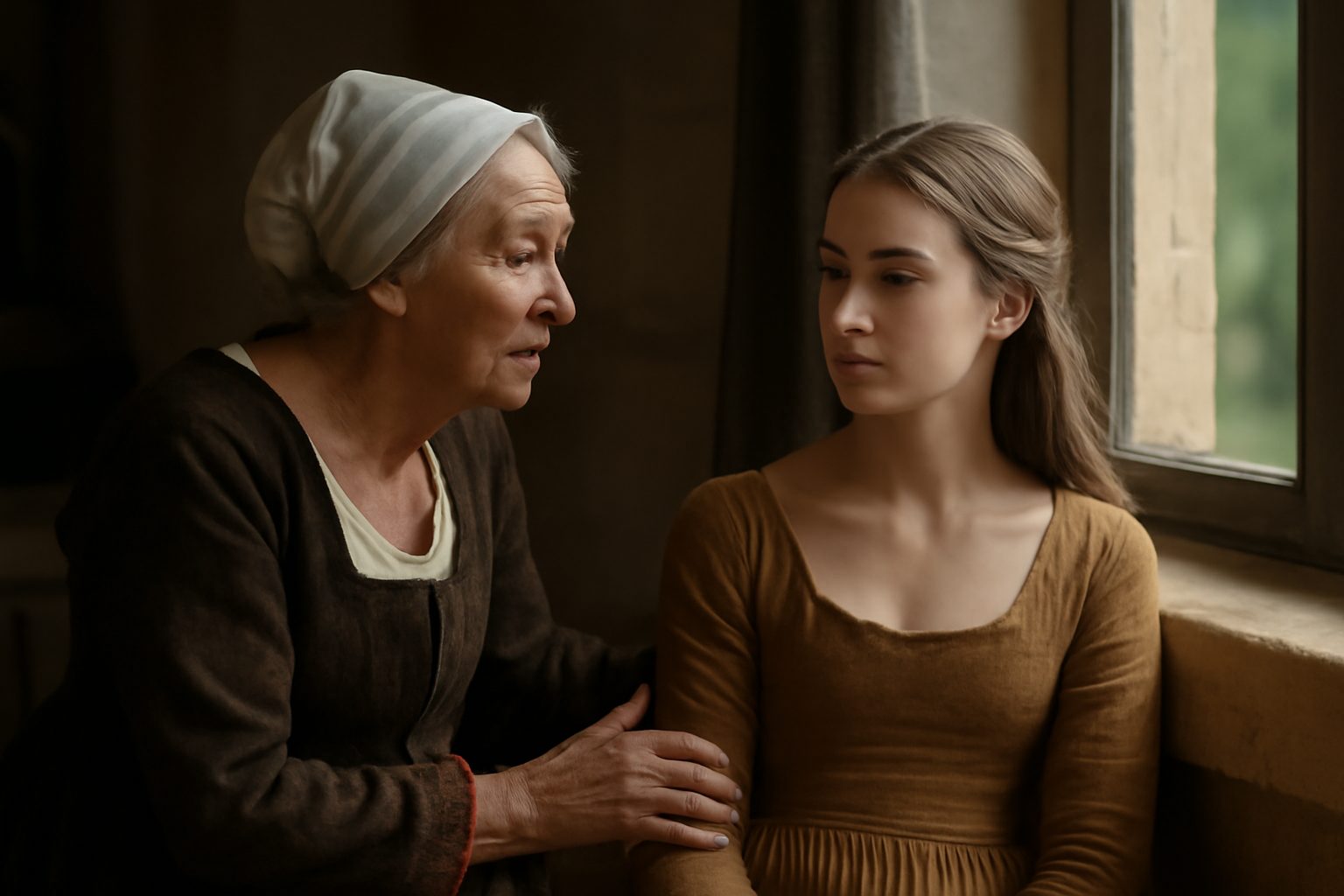
In Act 1, Scene 3 of Romeo and Juliet, Lady Capulet and the Nurse encourage young Juliet to consider marrying Paris, a wealthy suitor. Juliet, though obedient, responds cautiously, suggesting she will try to like him but makes no promises. This line captures her hesitant yet dutiful attitude toward the arranged match.
Juliet: "I'll look to like, if looking liking move:"
In modern day english, we would say:
I'll try to like him if just seeing him can make me feel that way.
Frequently Asked Questions
What does Juliet mean when she says she will try to like someone if just looking at them can make her like them?
Juliet is saying that she will try to like the person her parents want her to marry, but only if simply seeing him can make her feel that way. She is not promising to force herself to like him.
Connections to other verses:
Connections to "I'll look to like, if looking liking move:"
Juliet's cautious response in this verse reflects her passive obedience to her mother's proposal while subtly asserting her independence. It connects thematically and contextually to several other lines in the scene.
Response to Marriage Proposal
This line directly answers Lady Capulet's question in "Speak briefly, can you like of Paris' love?", showing Juliet's non-committal agreement to consider Paris, contingent on her own feelings rather than external pressure.
Contrast with Maternal Expectations
It contrasts with Lady Capulet's enthusiastic praise of Paris in verses like "he's a man of wax" and "he's a flower; in faith, a very flower", highlighting the generational difference in their attitudes toward marriage.
Foreshadowing Future Agency
Juliet's conditional statement—"if looking liking move"—hints at her later defiance and assertion of will, contrasting with her mother's declaration in "I was your mother much upon these years", which implies expectation rather than choice.
Nurse's Earthly Perspective
The Nurse's pragmatic and humorous anecdotes, such as "Thou wilt fall backward when thou comest to age", provide a bawdy counterpoint to Juliet's reserved idealism, emphasizing the societal pressures surrounding marriage.
Structural Role in the Scene
This verse serves as a pivotal moment between the Nurse's nostalgic ramblings (e.g., "she was wean'd") and Lady Capulet's urgent pragmatism ("the county stays"), encapsulating Juliet's transitional position between childhood and adulthood.