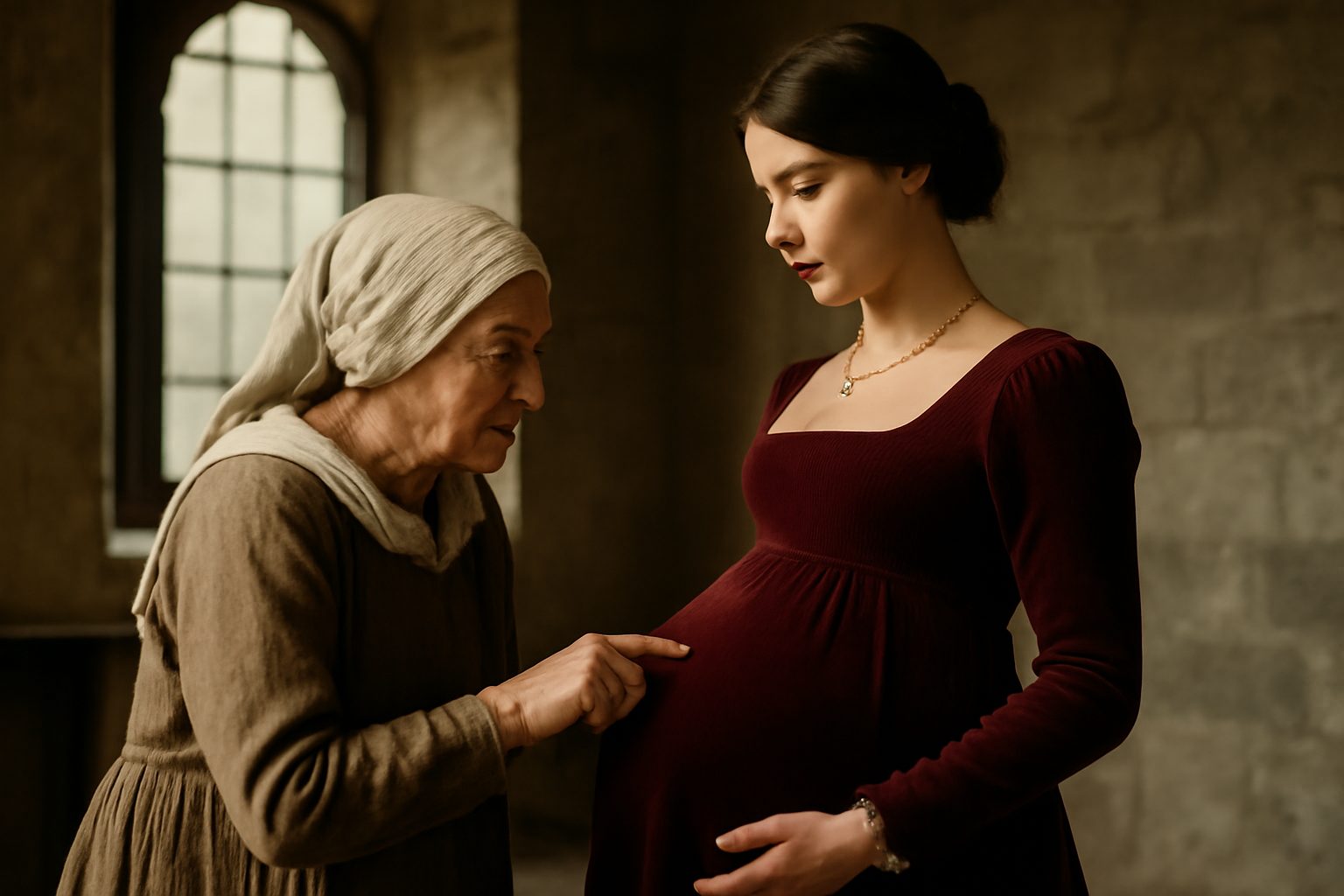
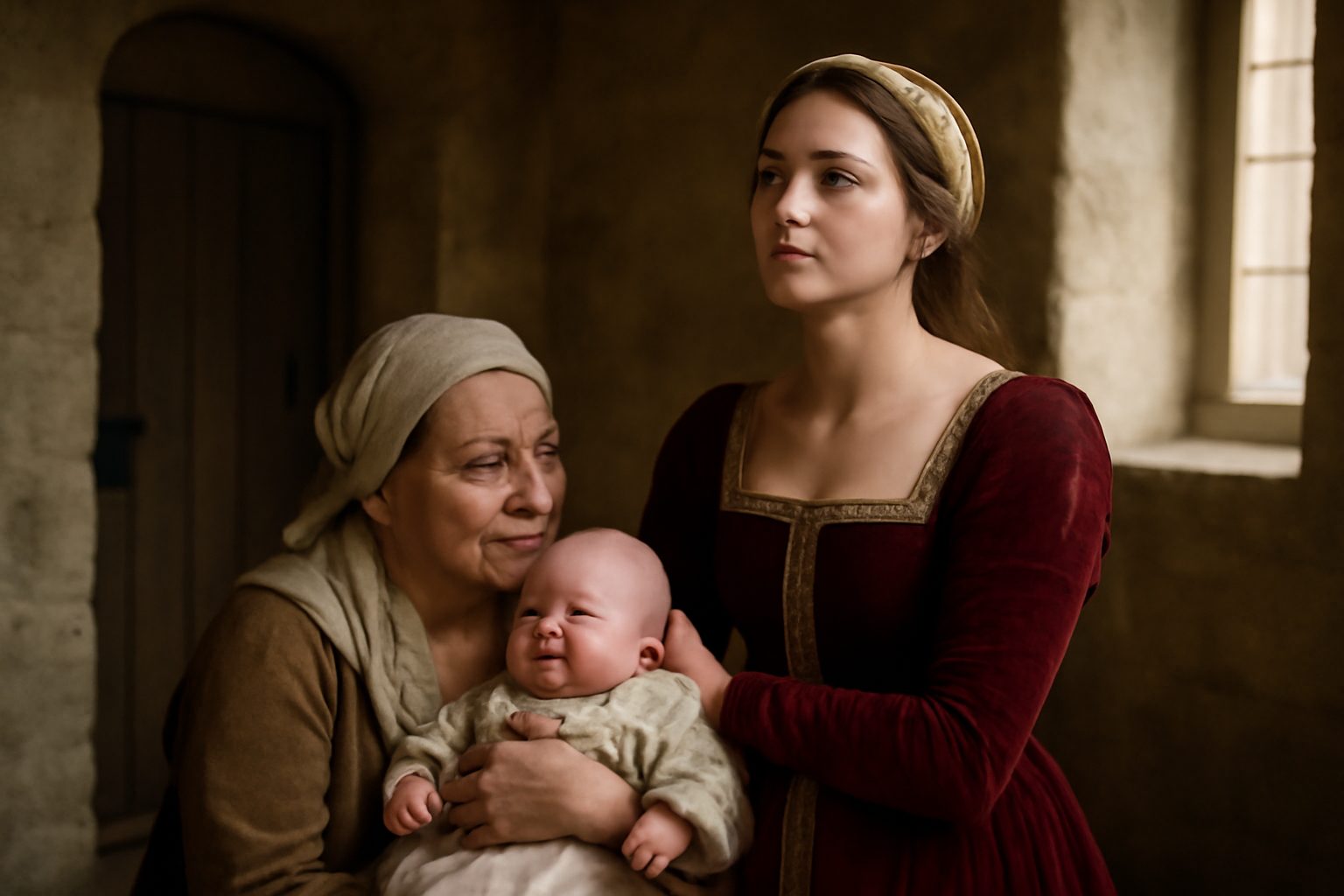
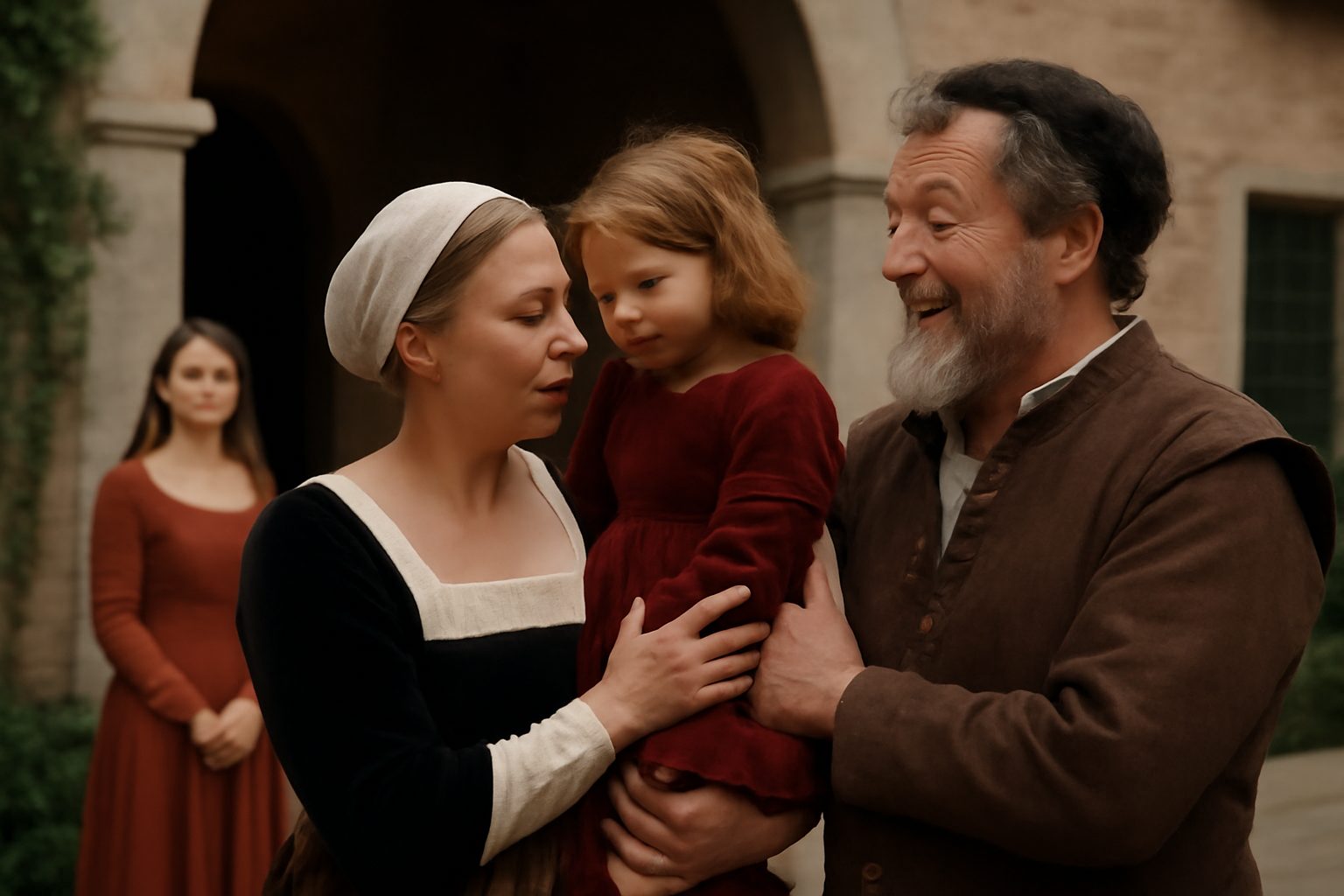
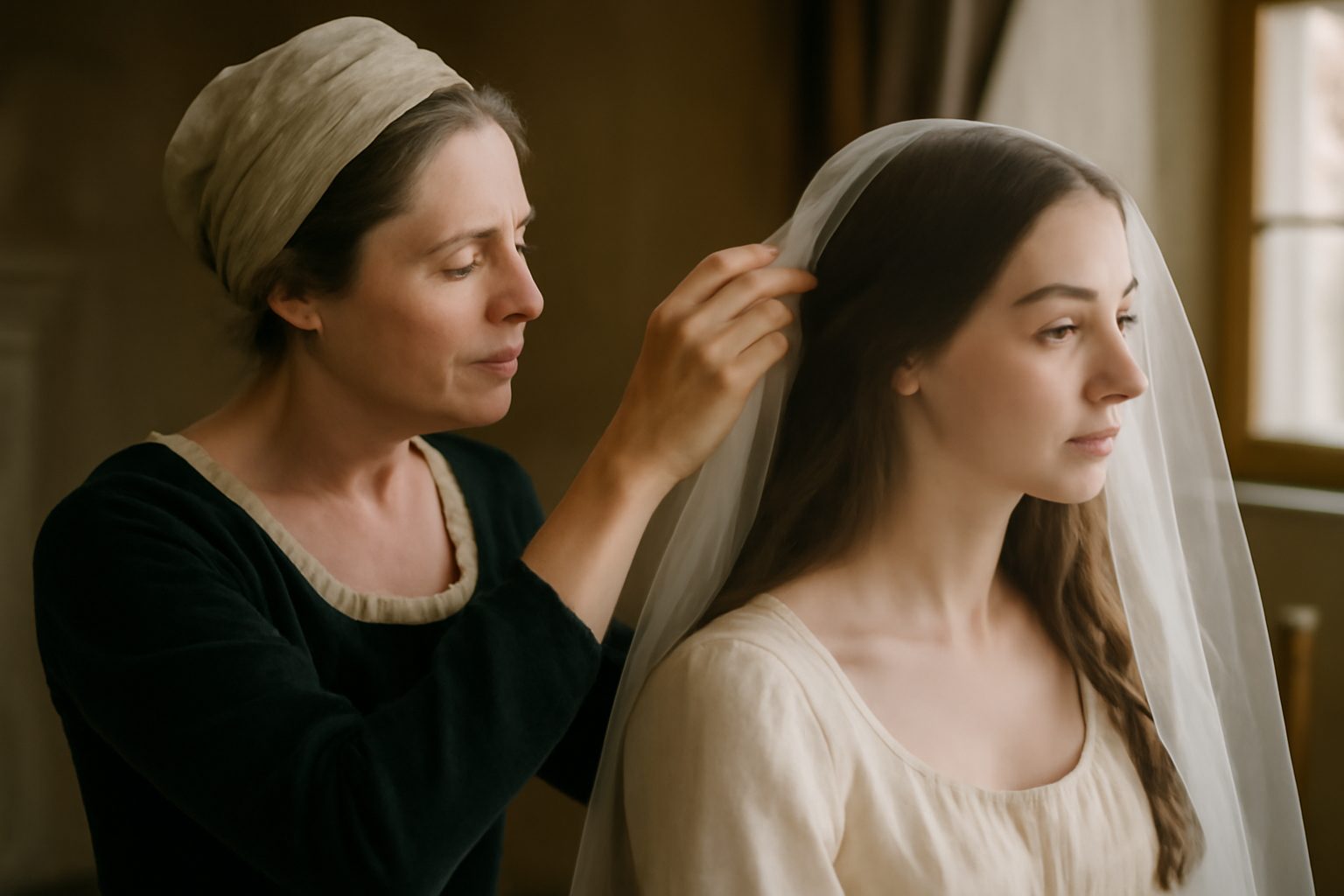
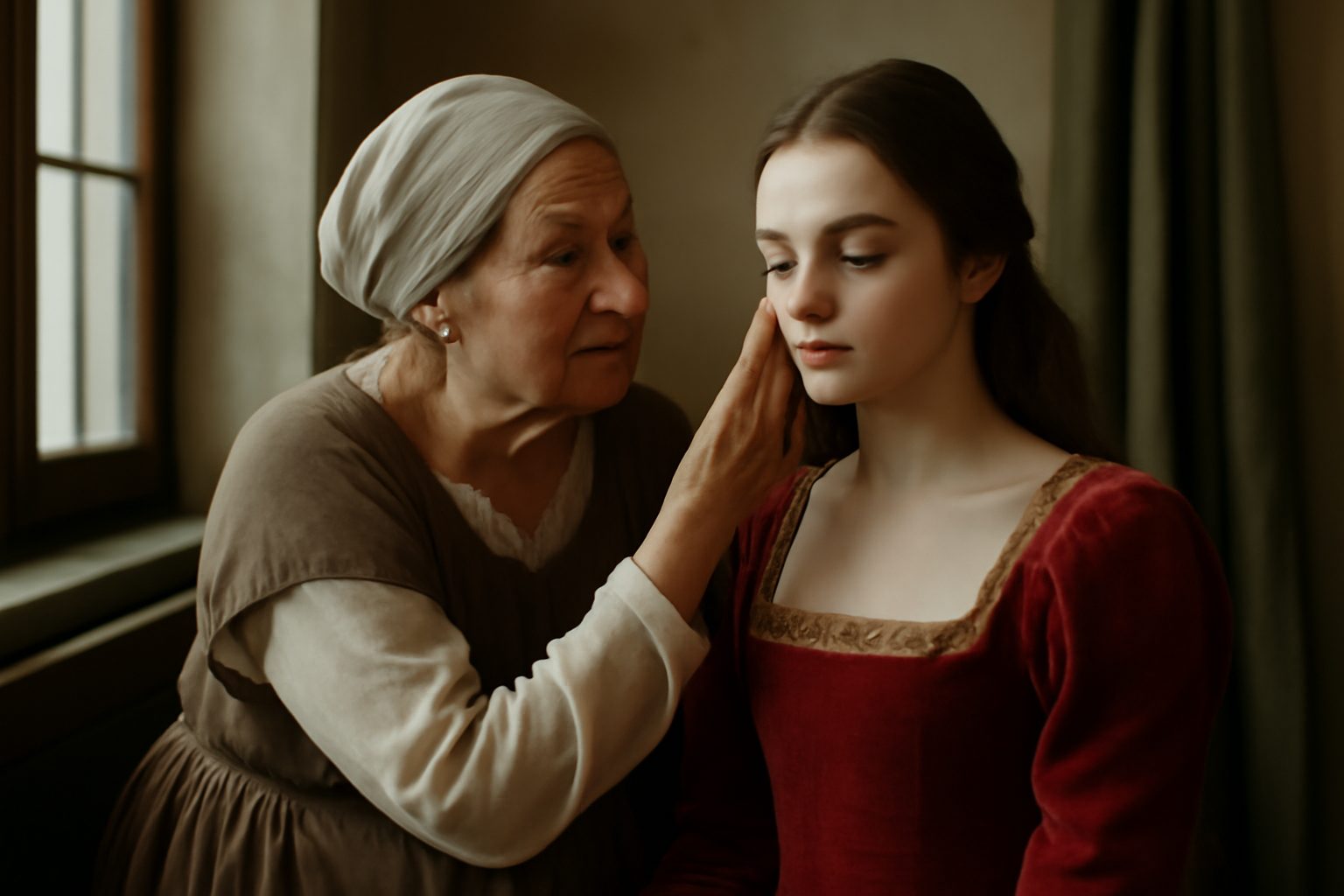
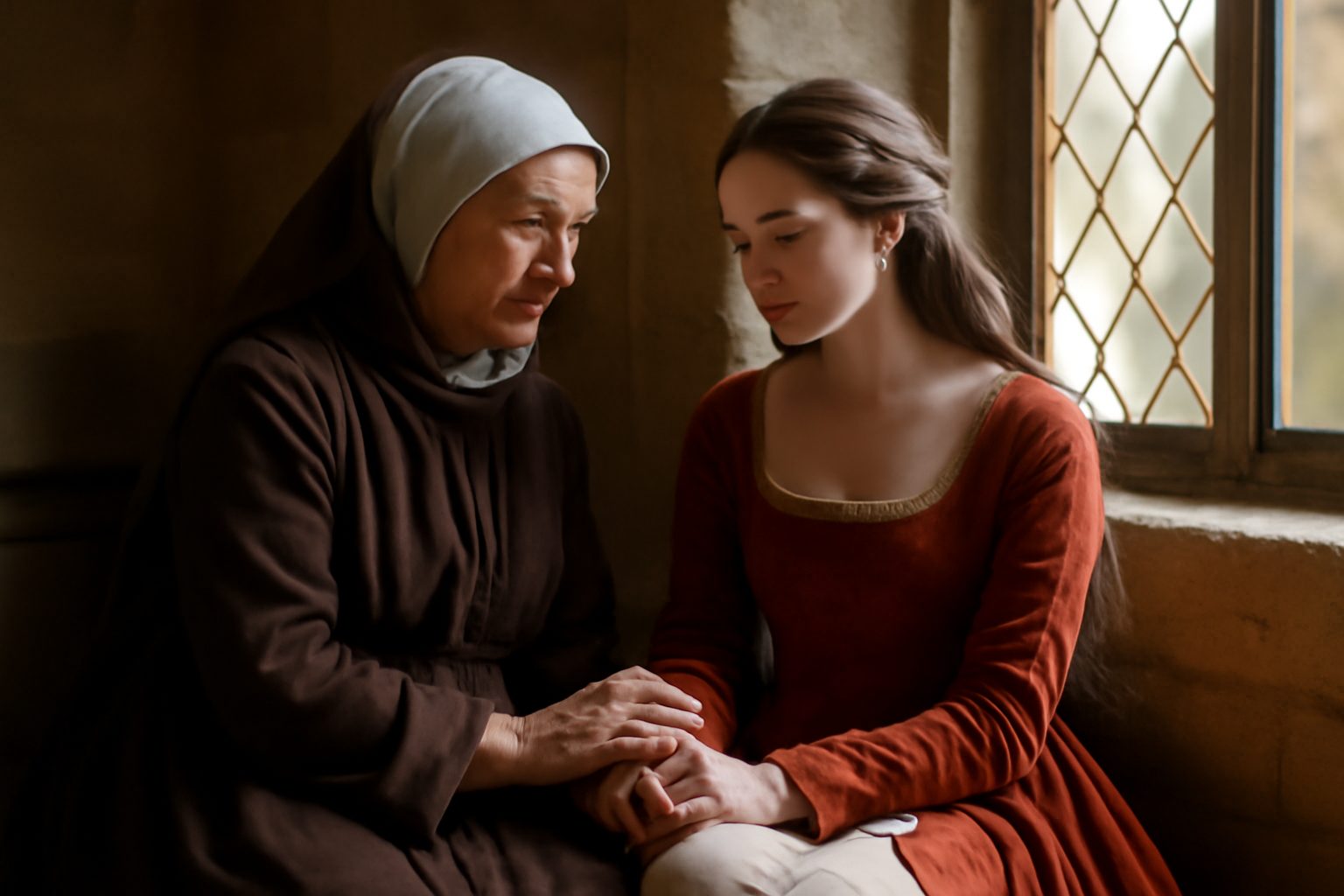
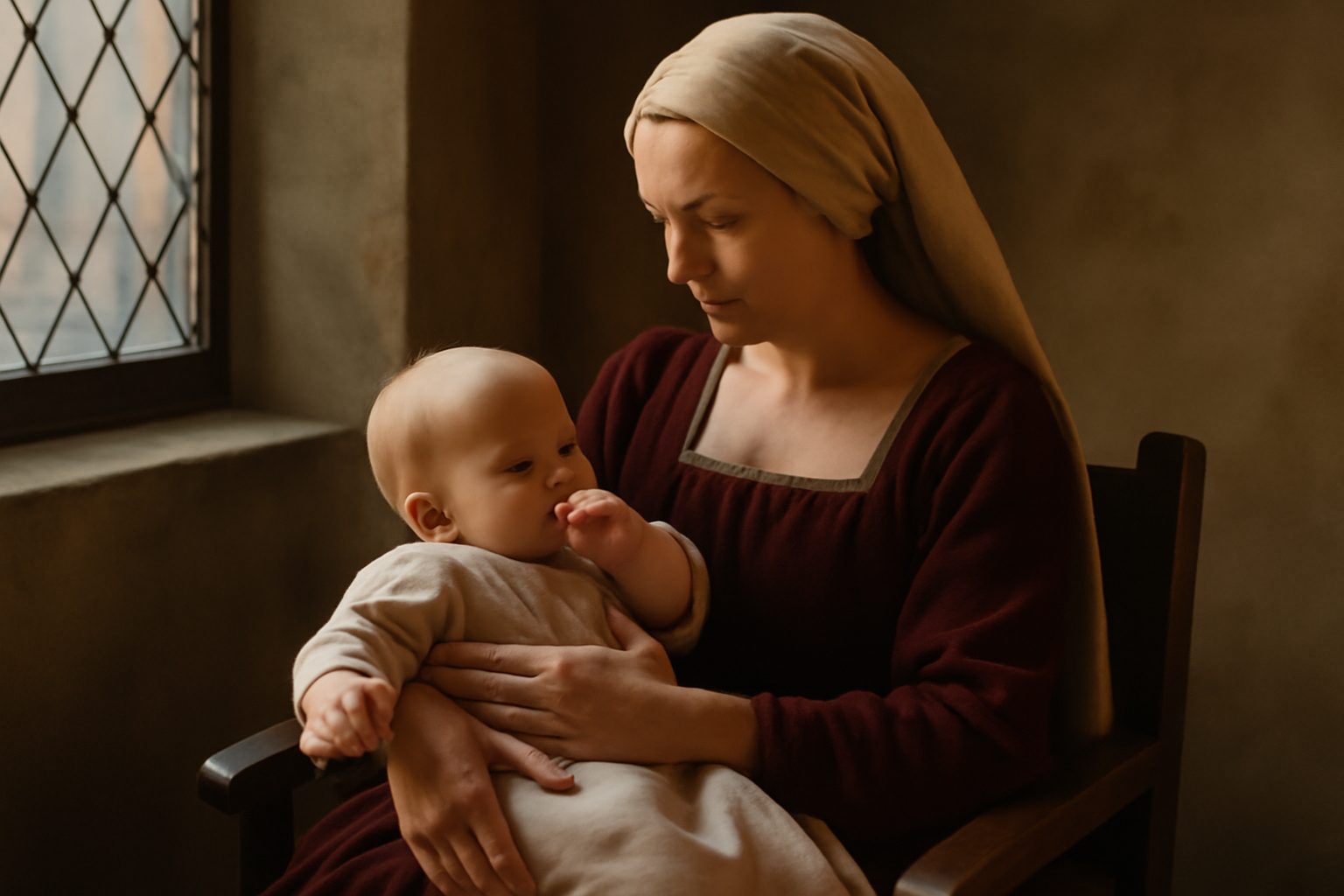
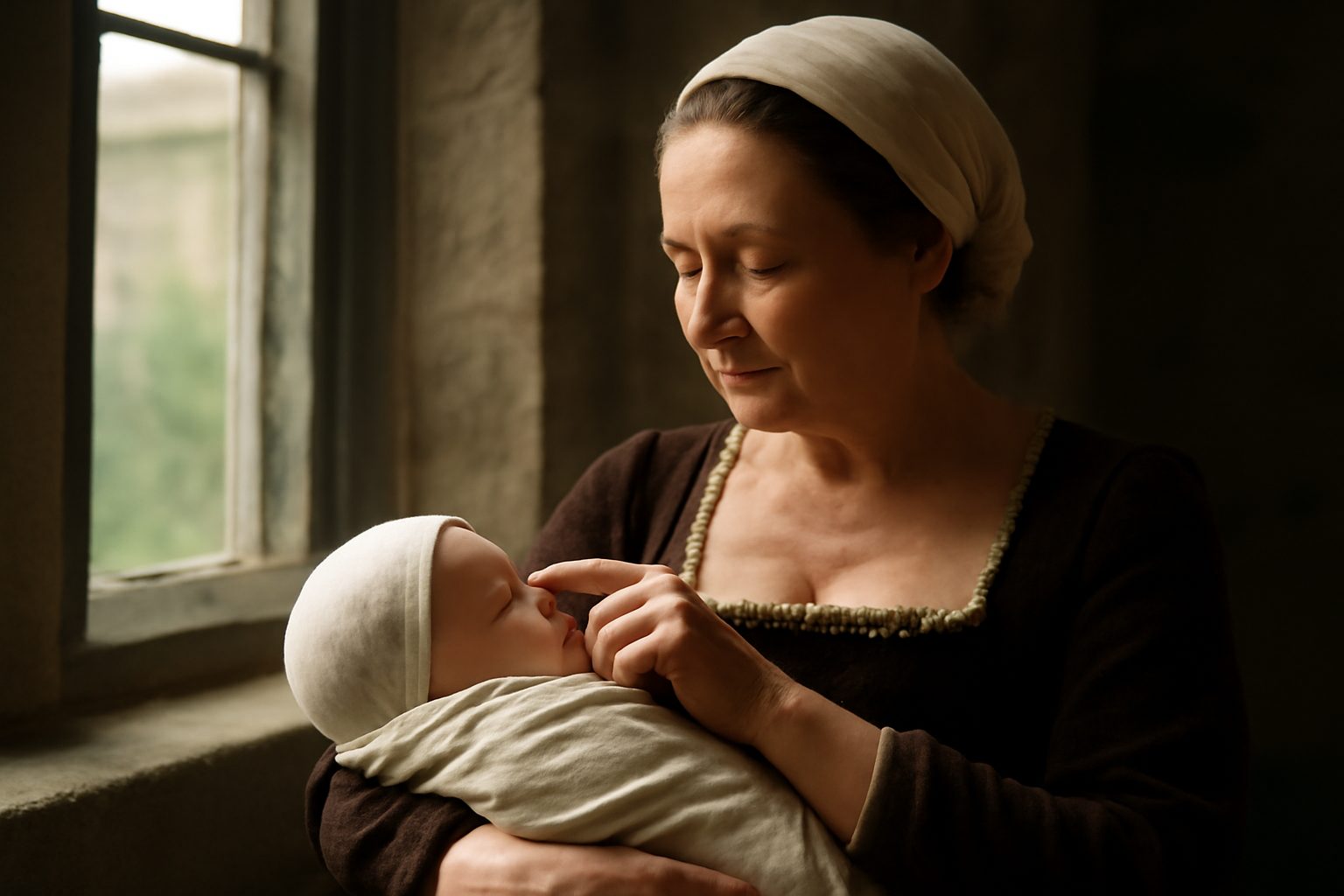
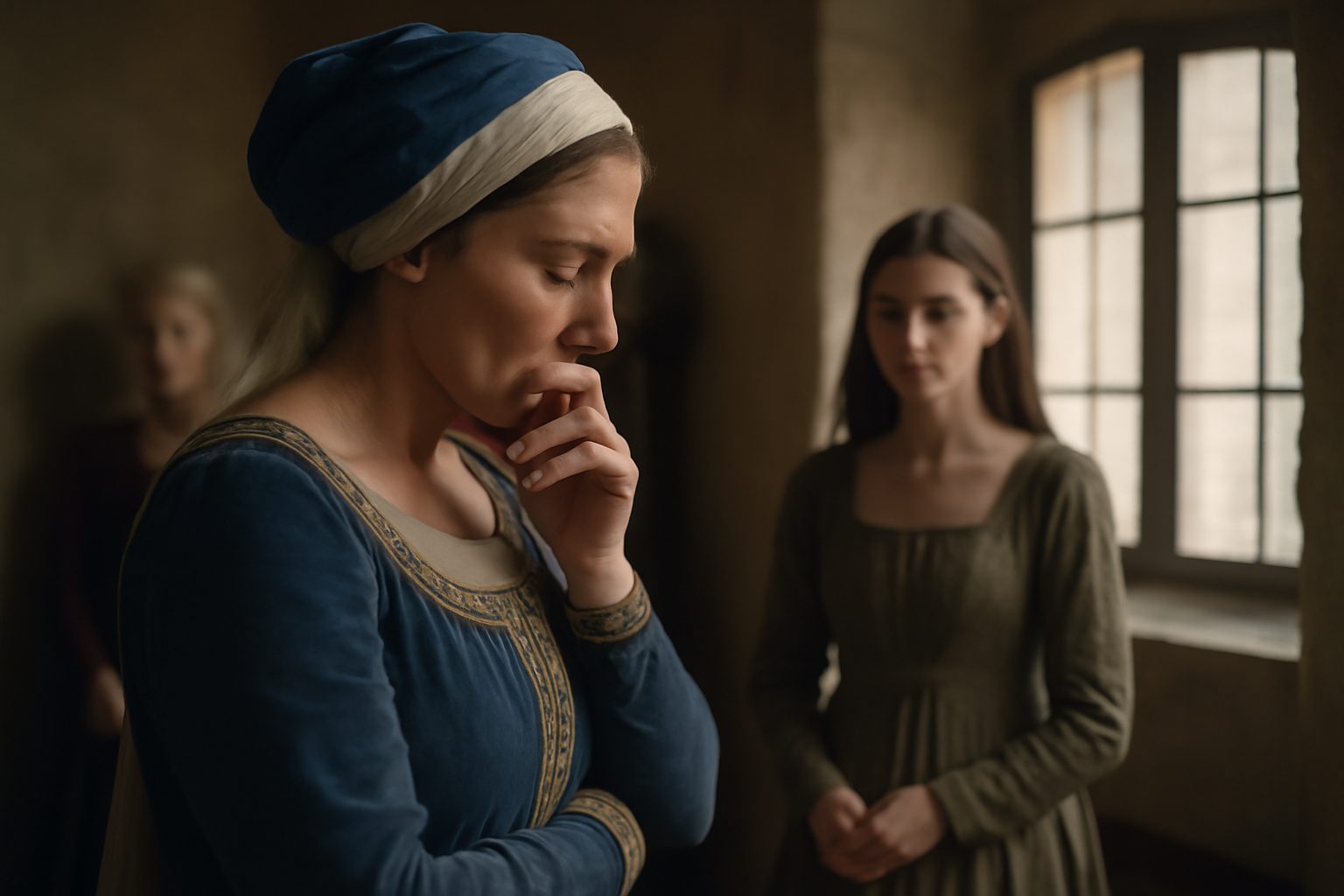
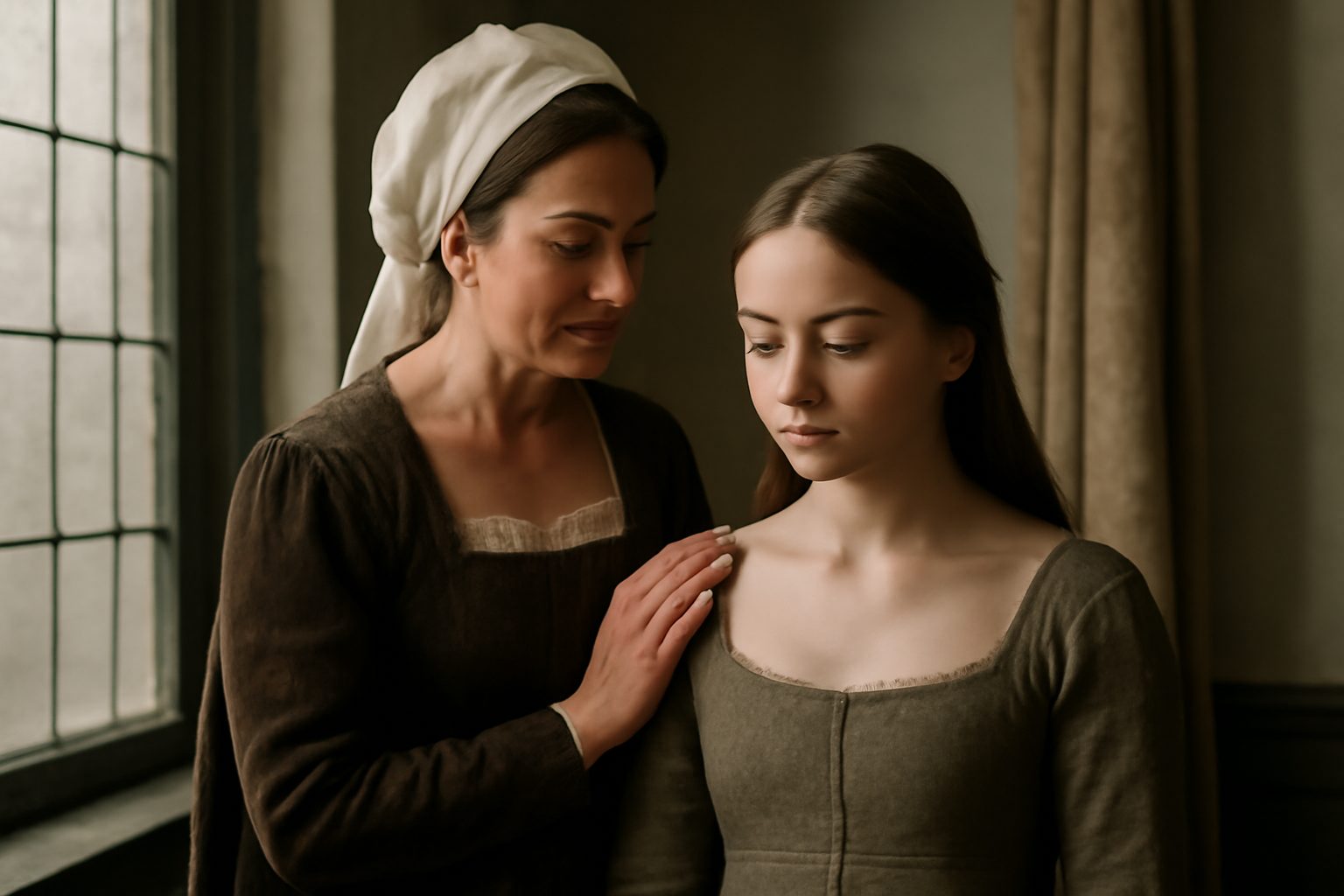
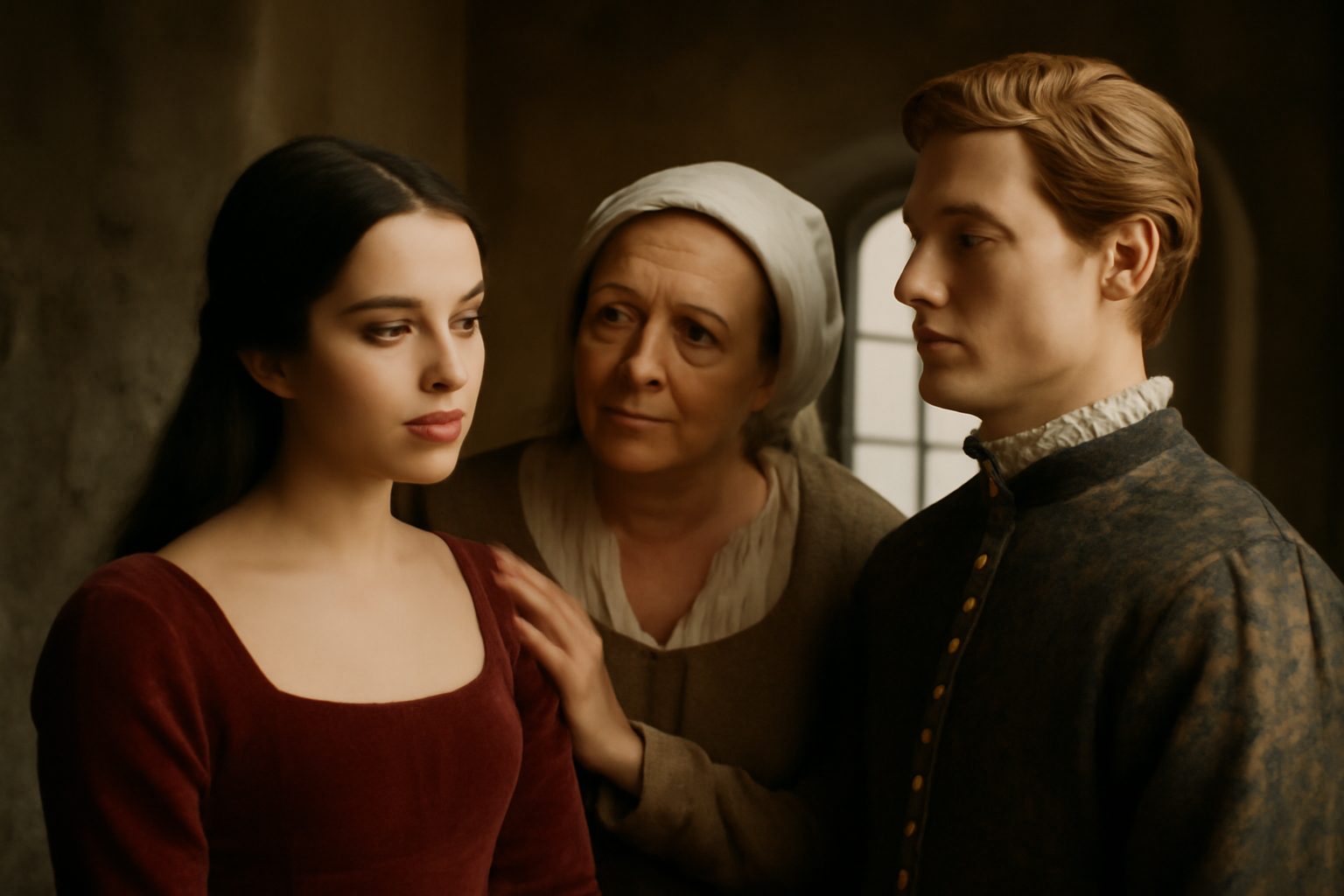
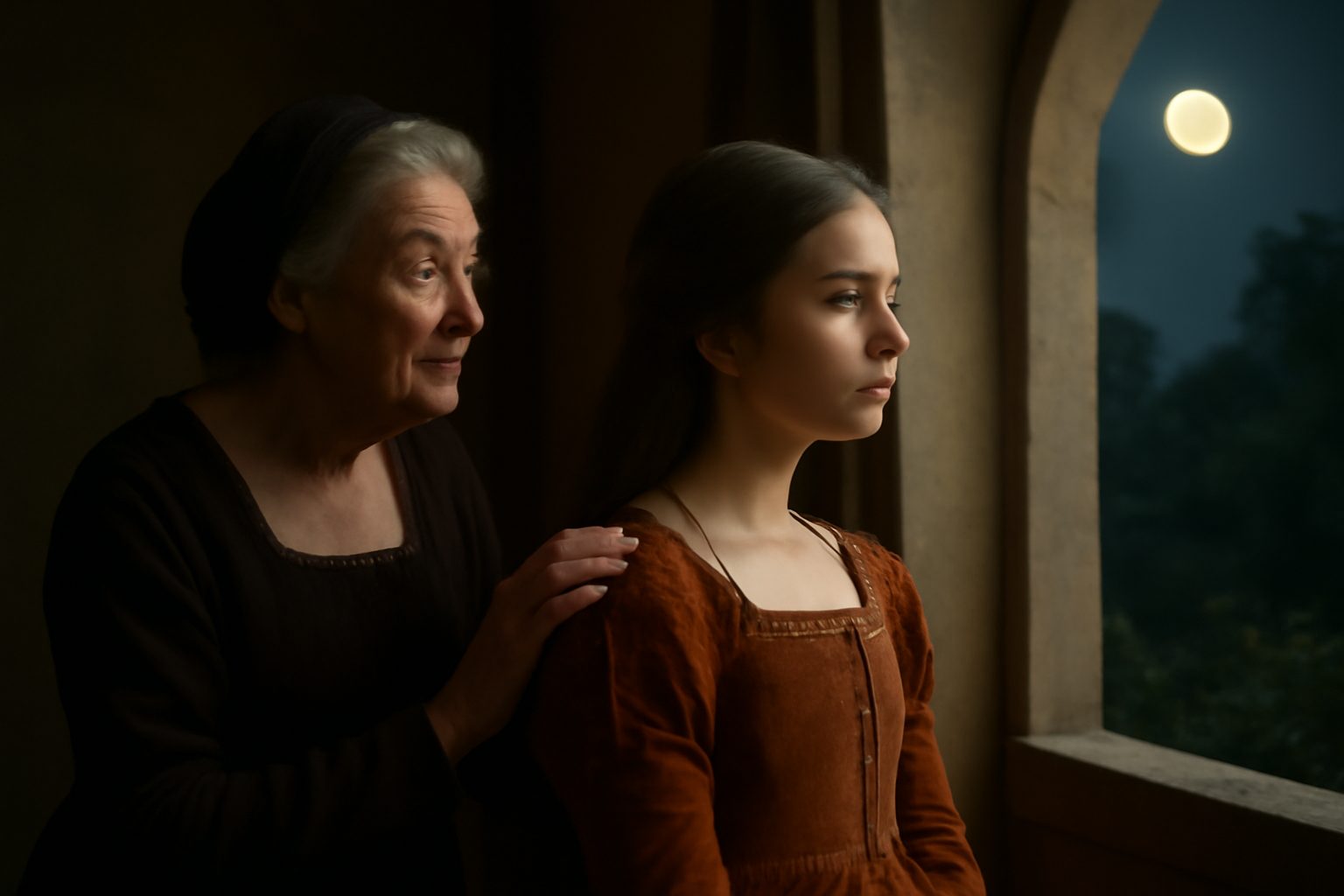
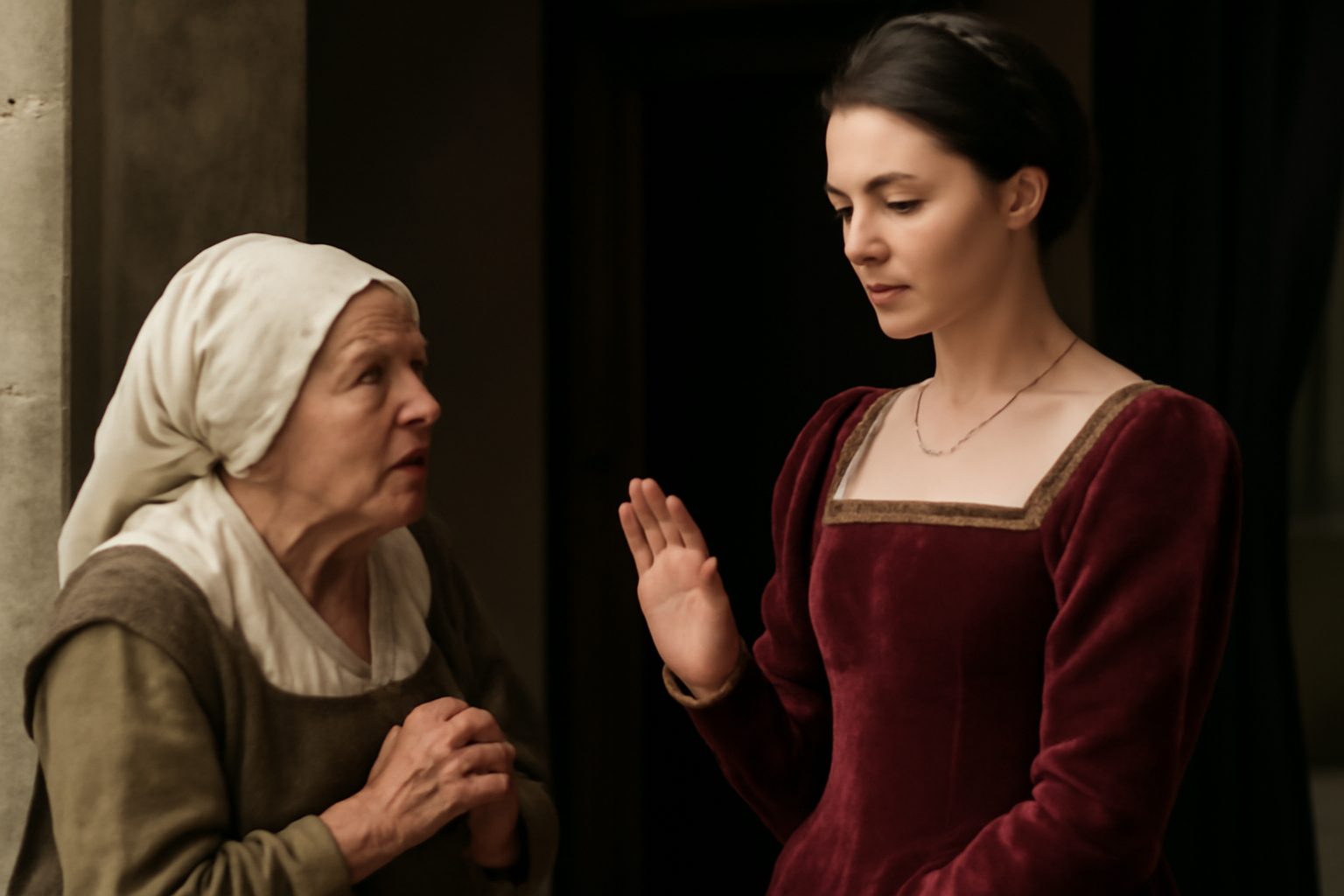
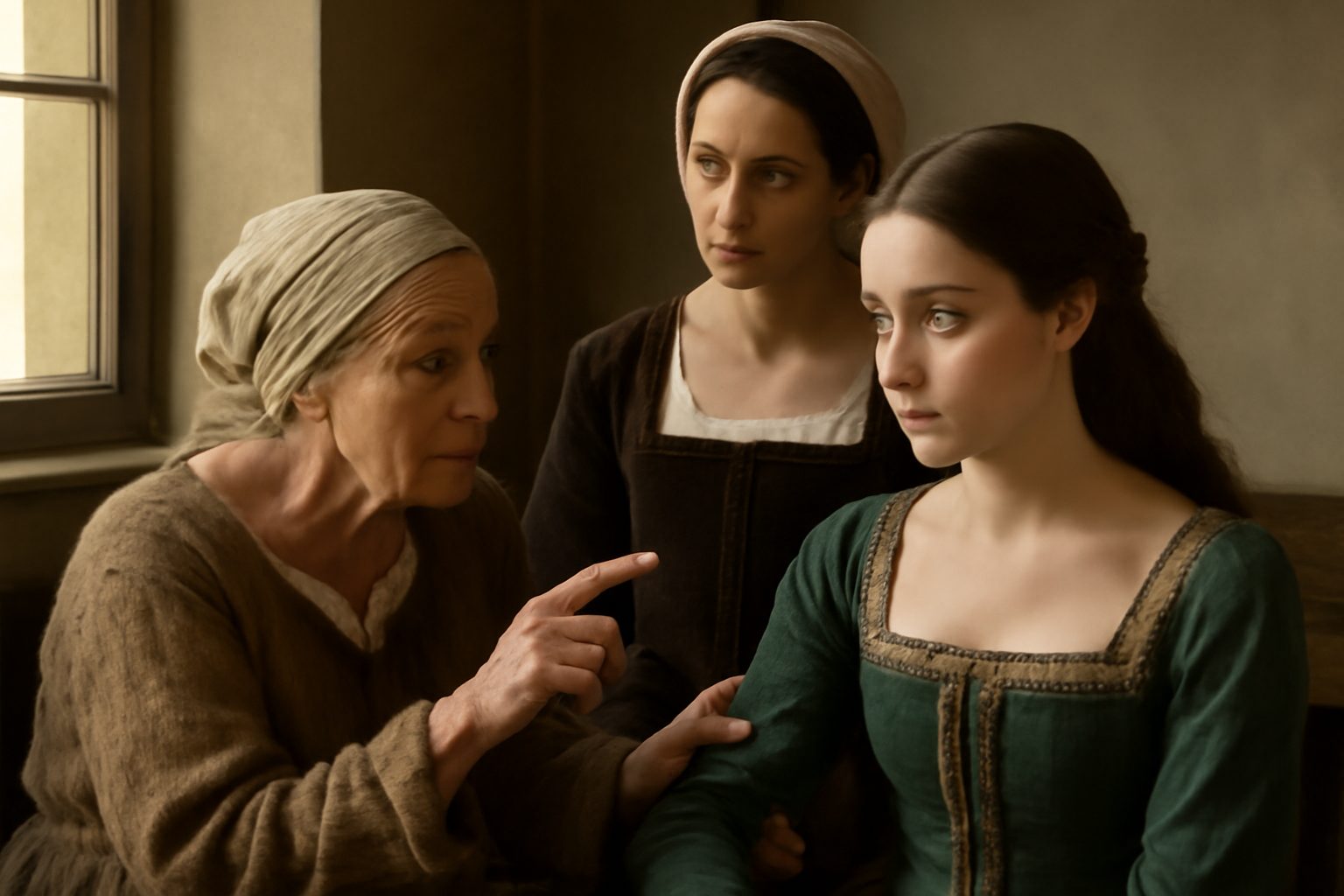
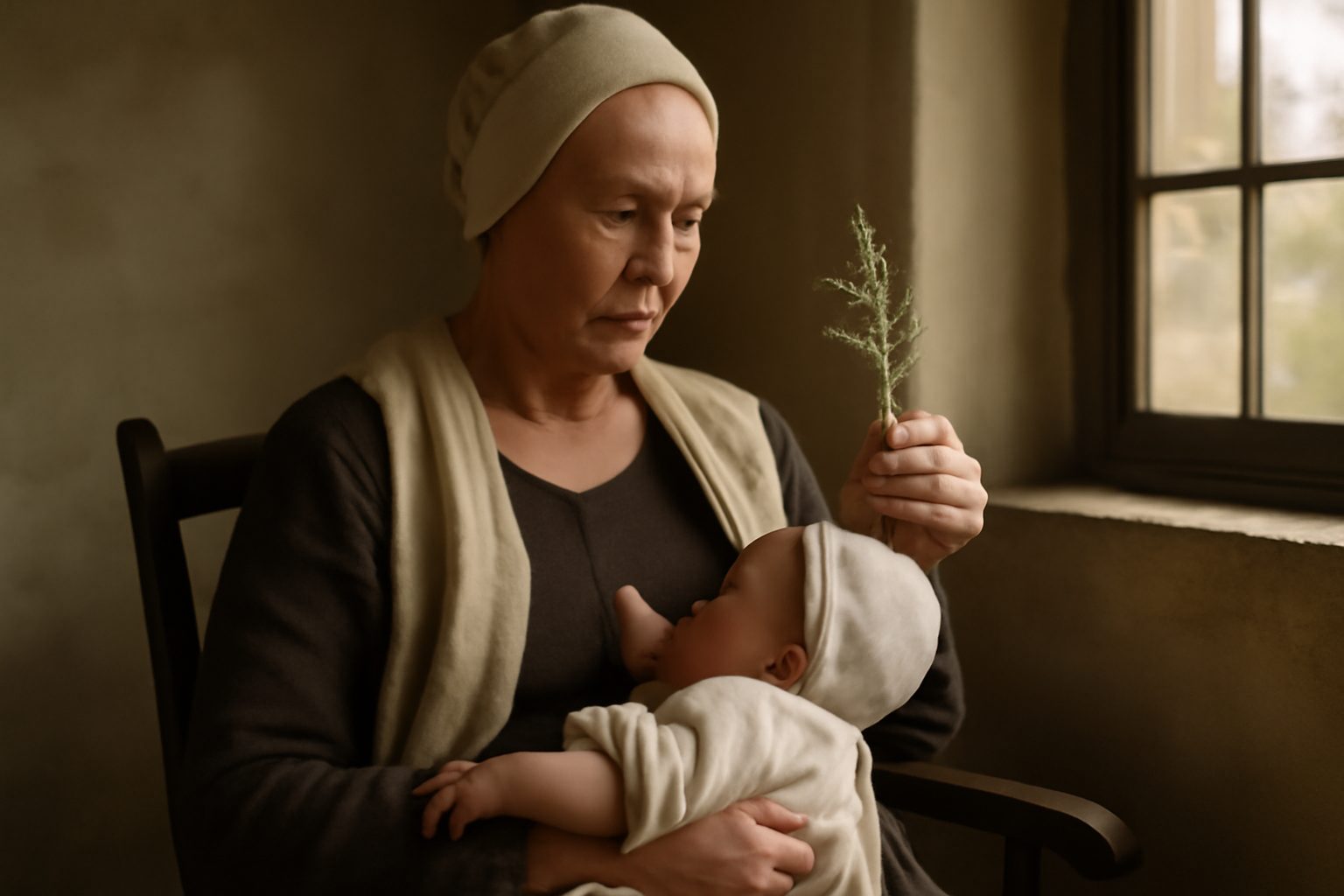
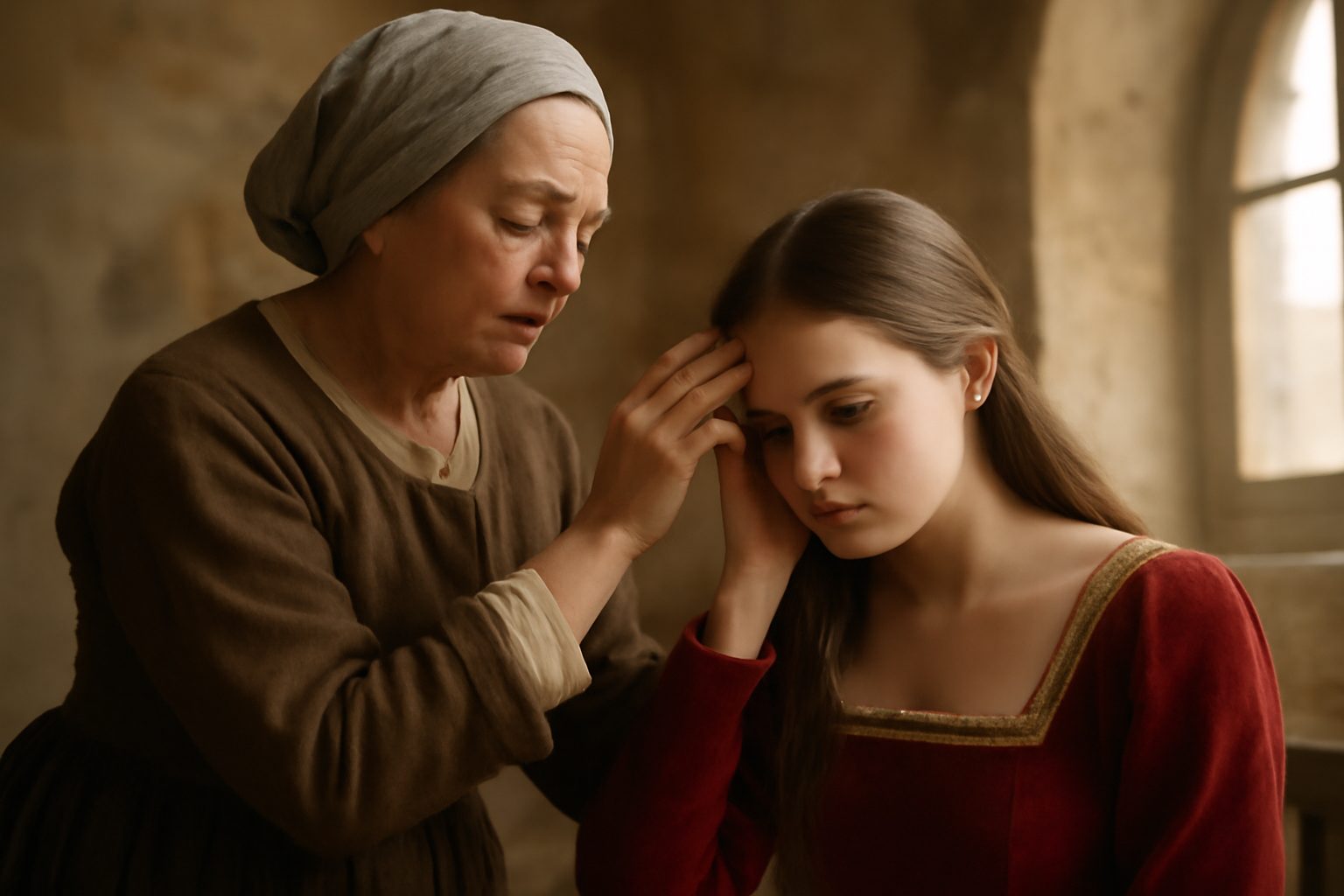
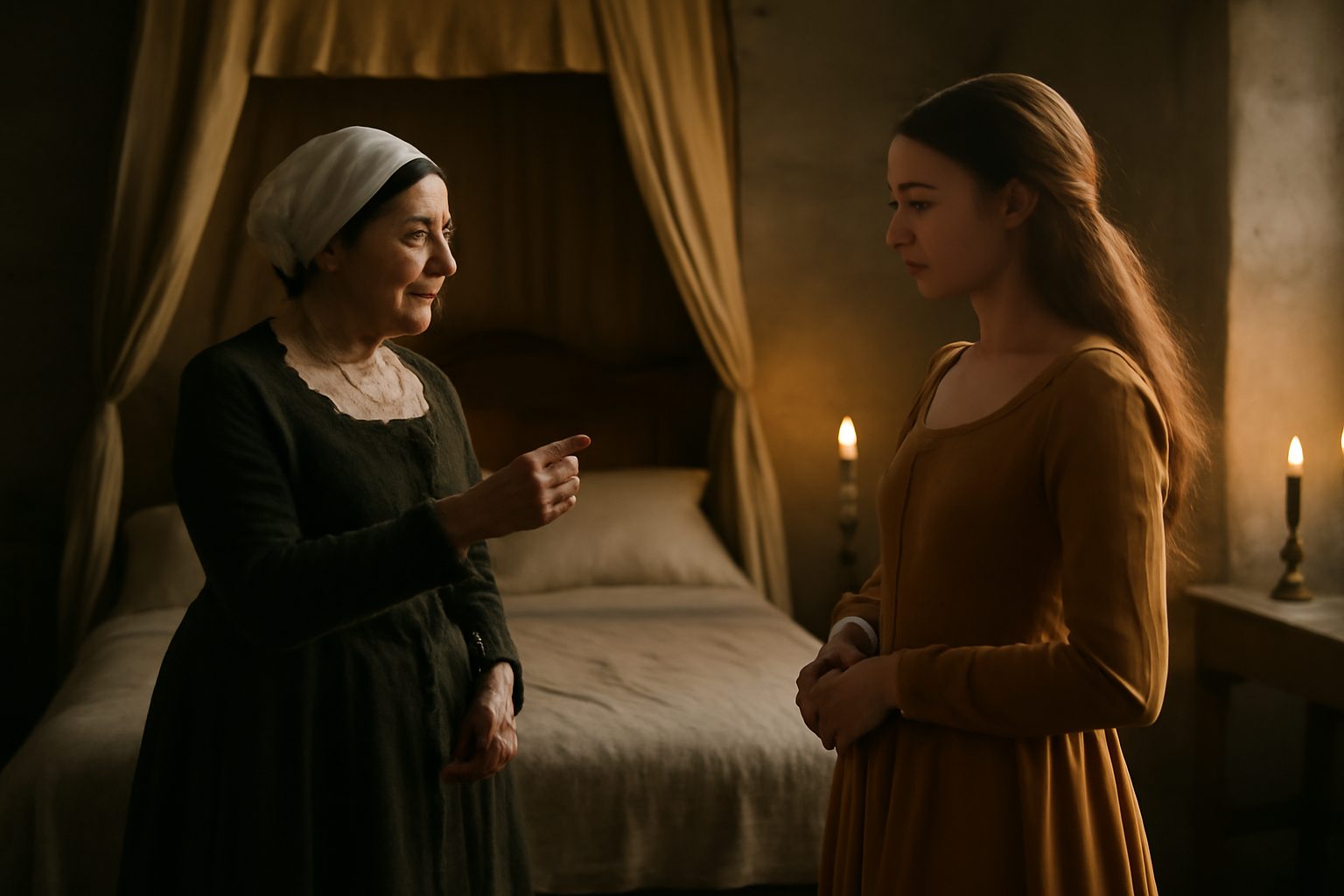
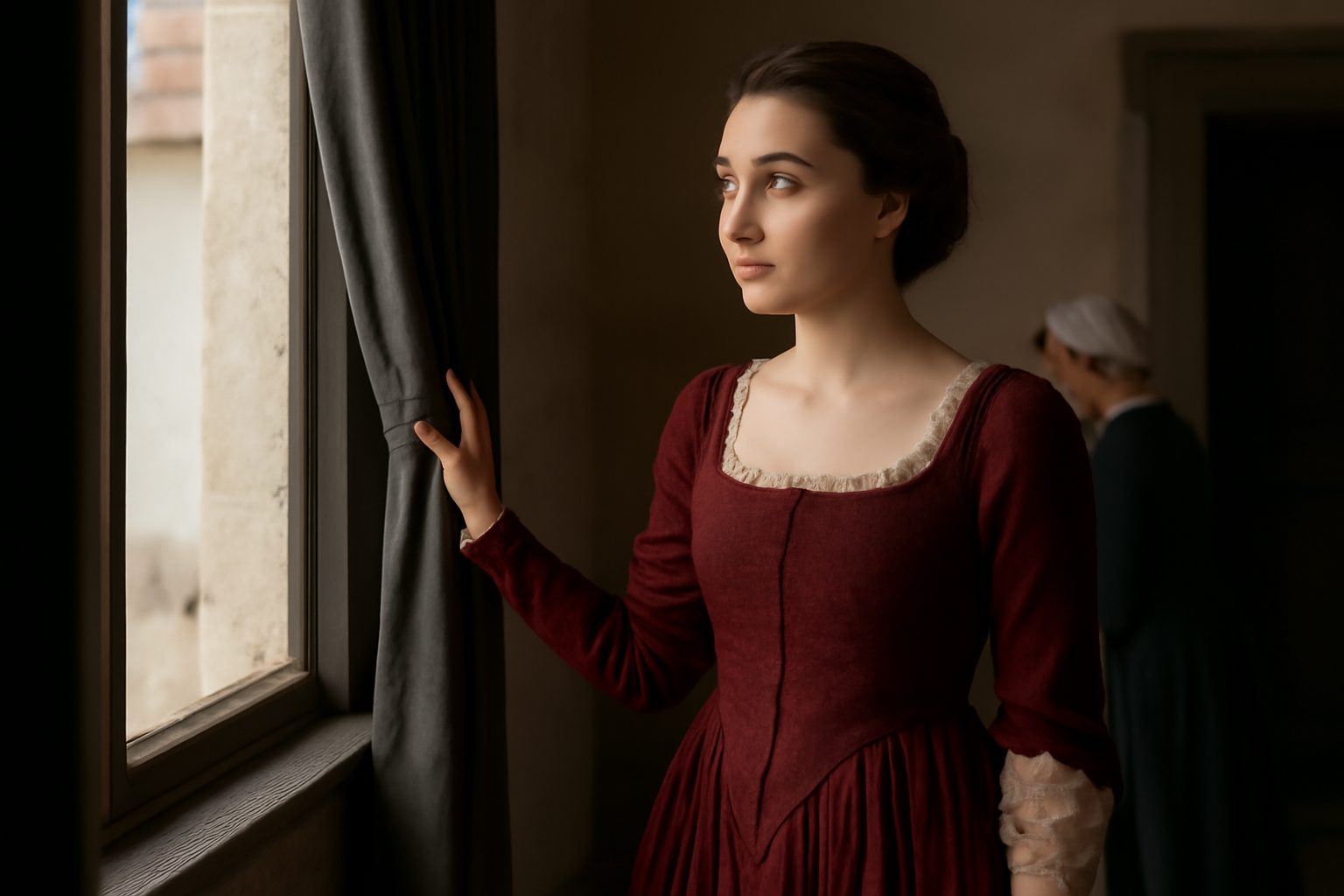
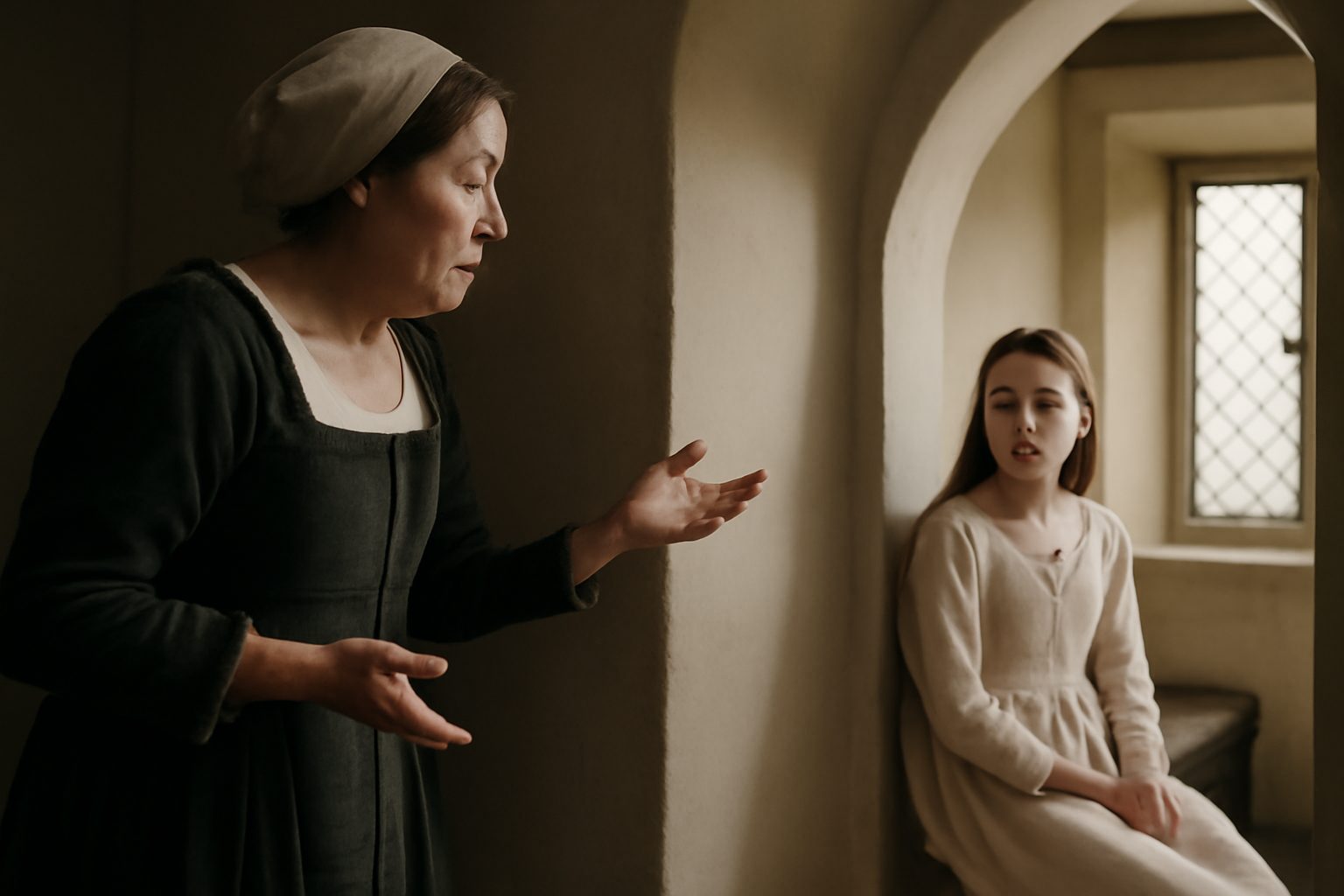
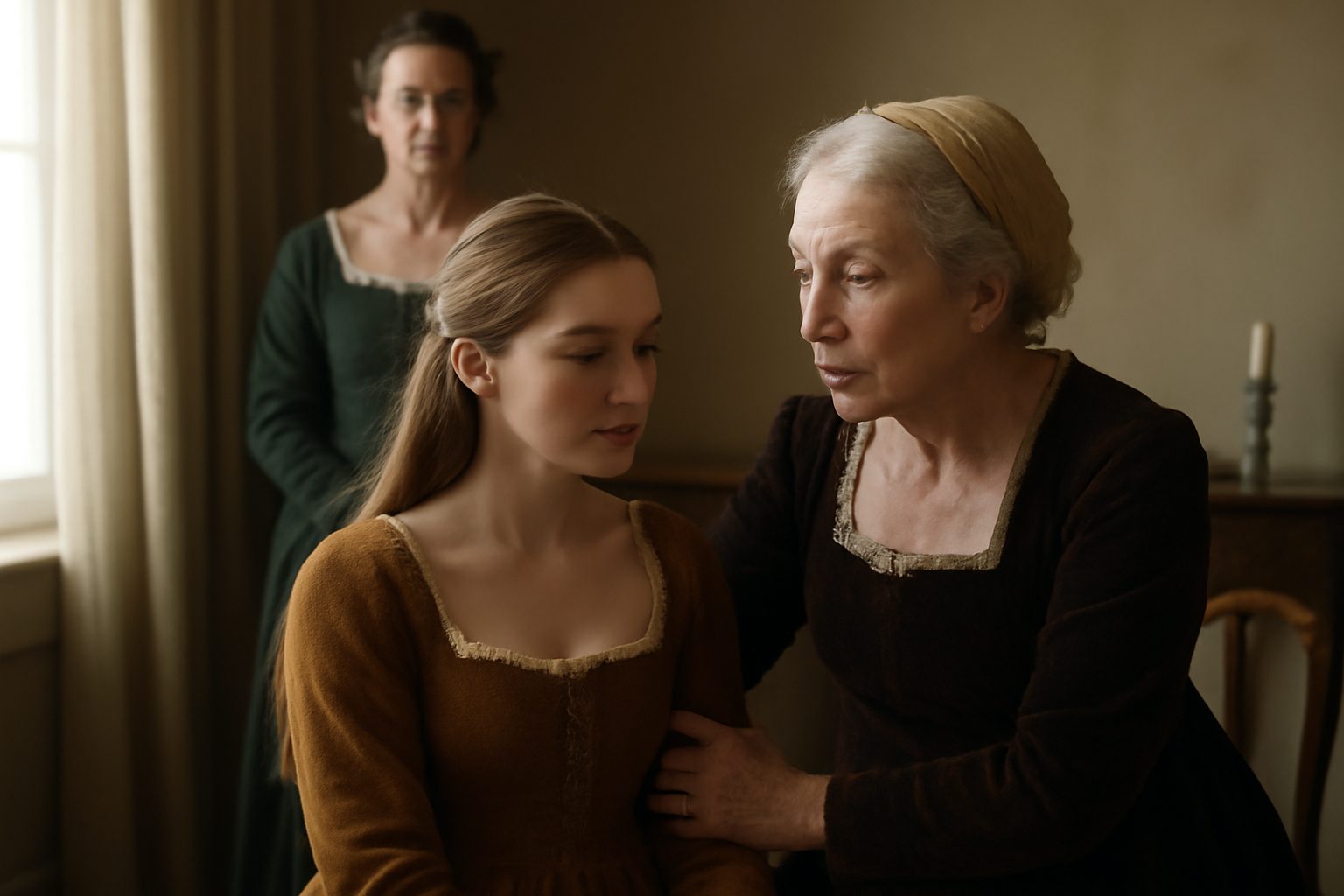
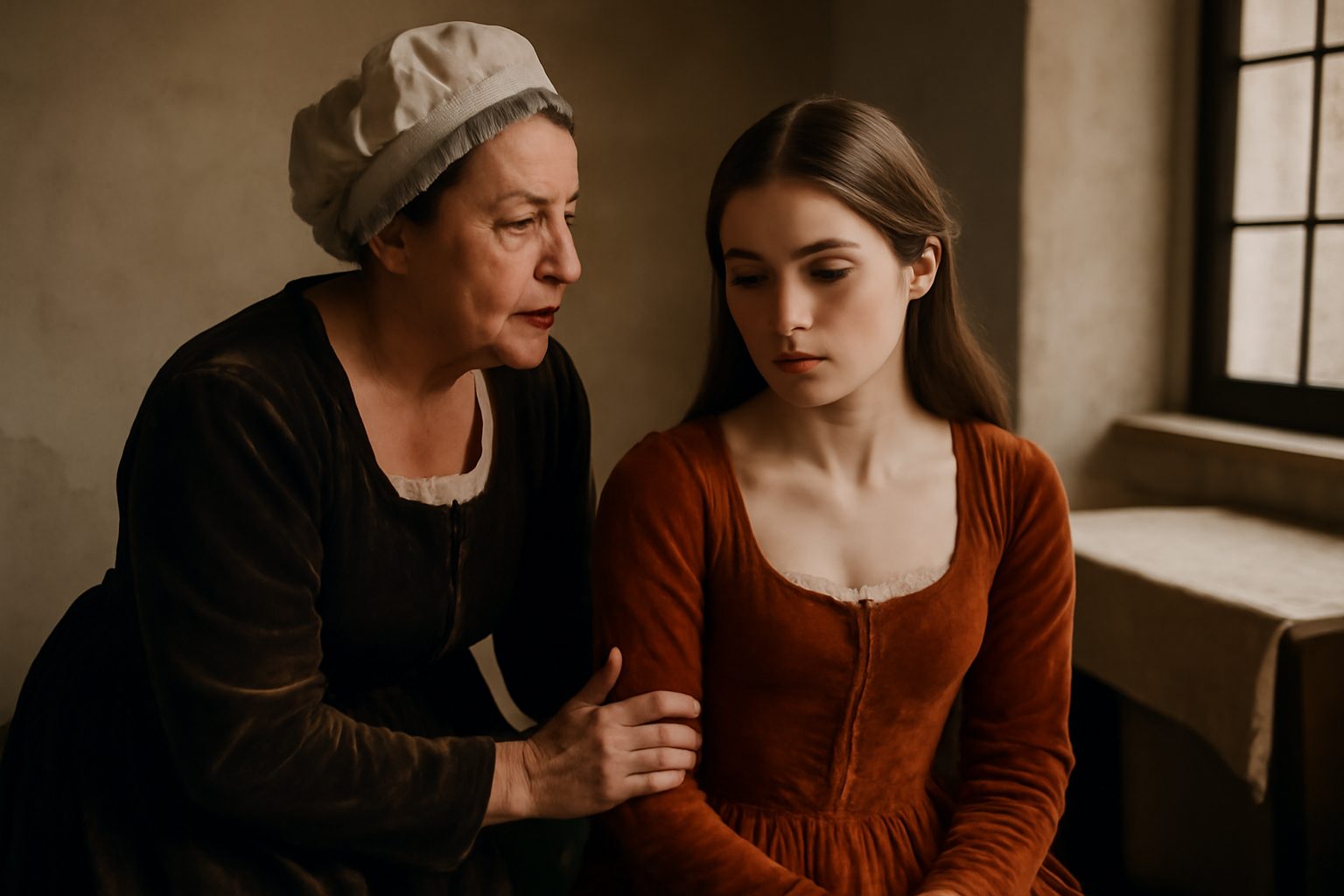
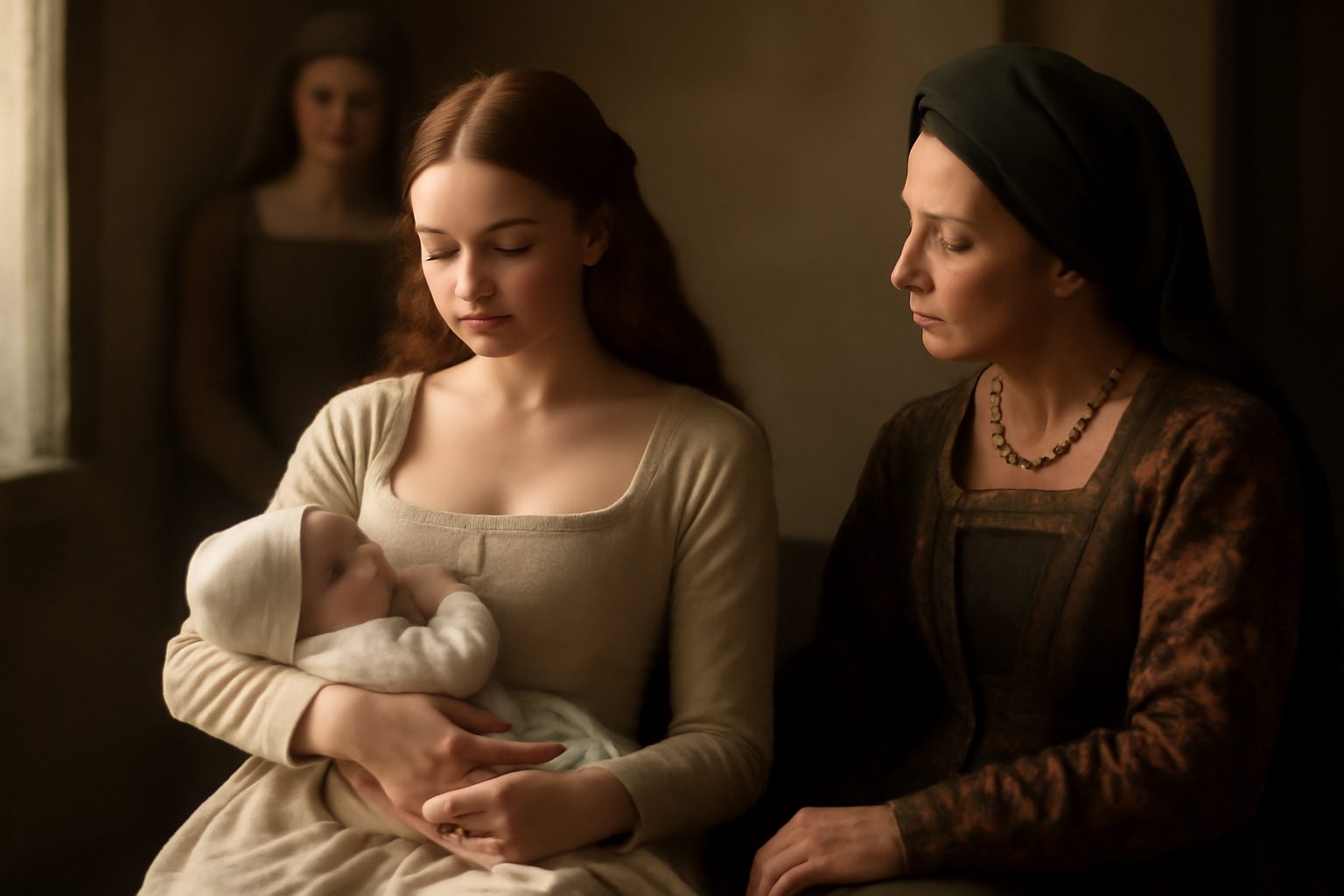
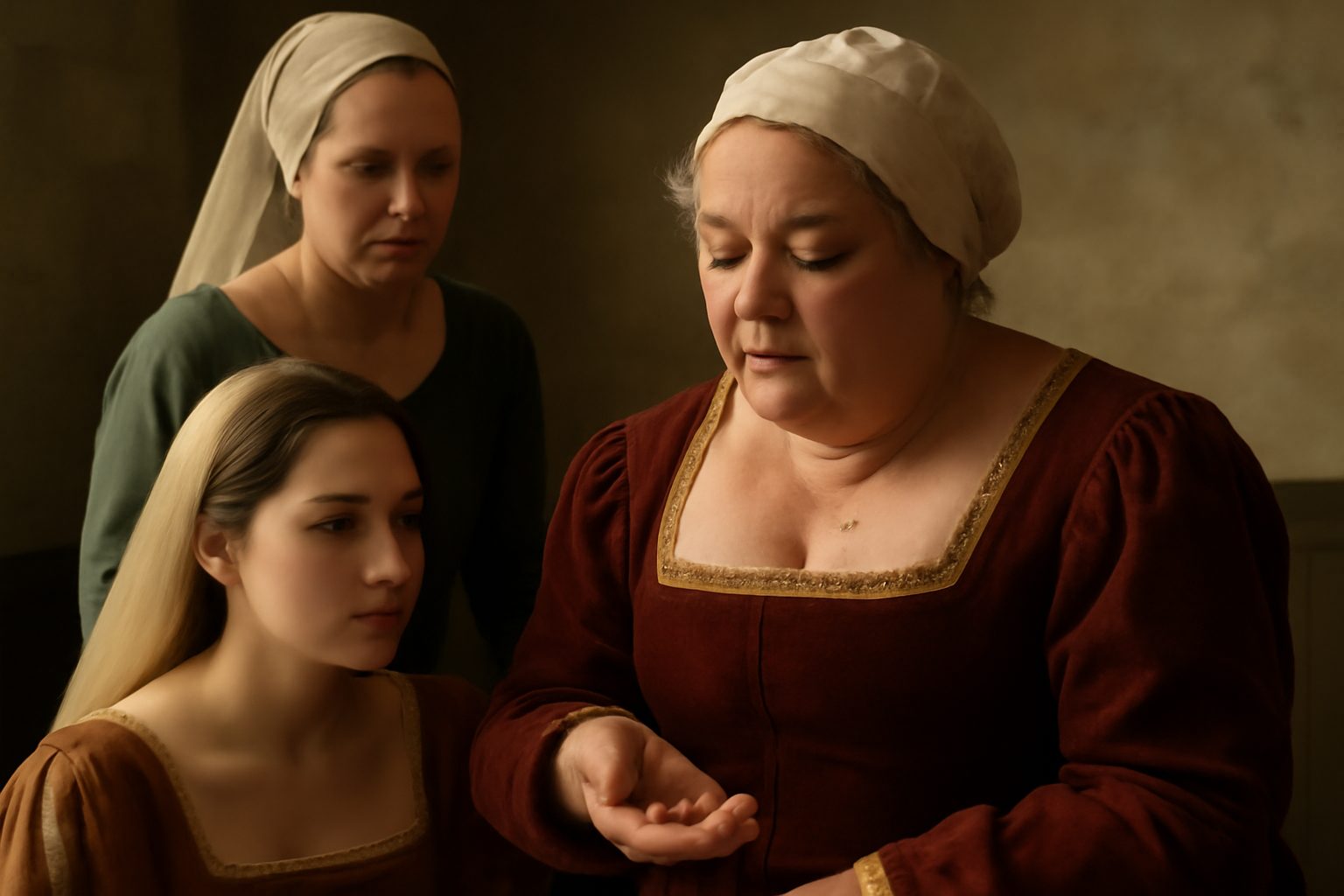
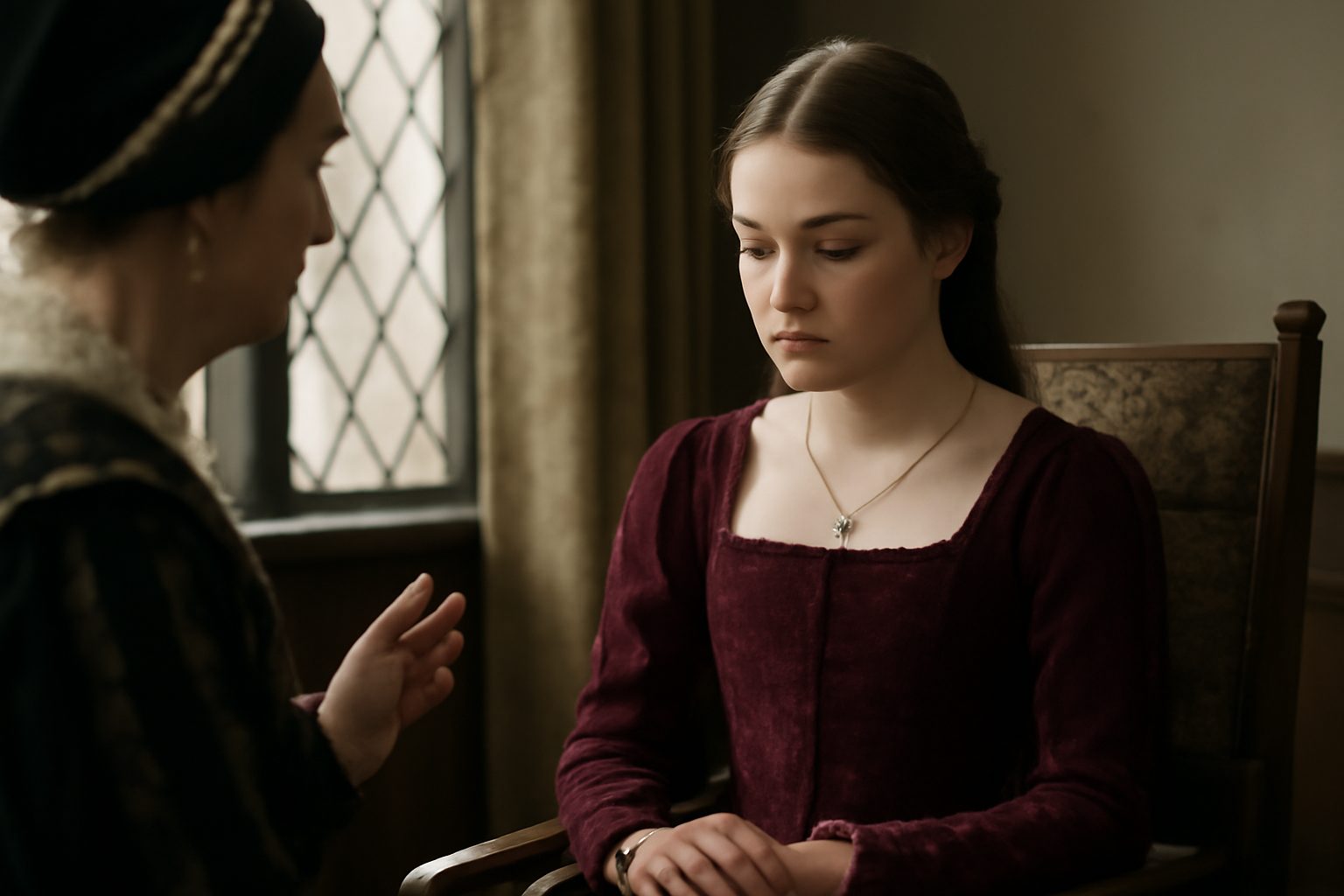
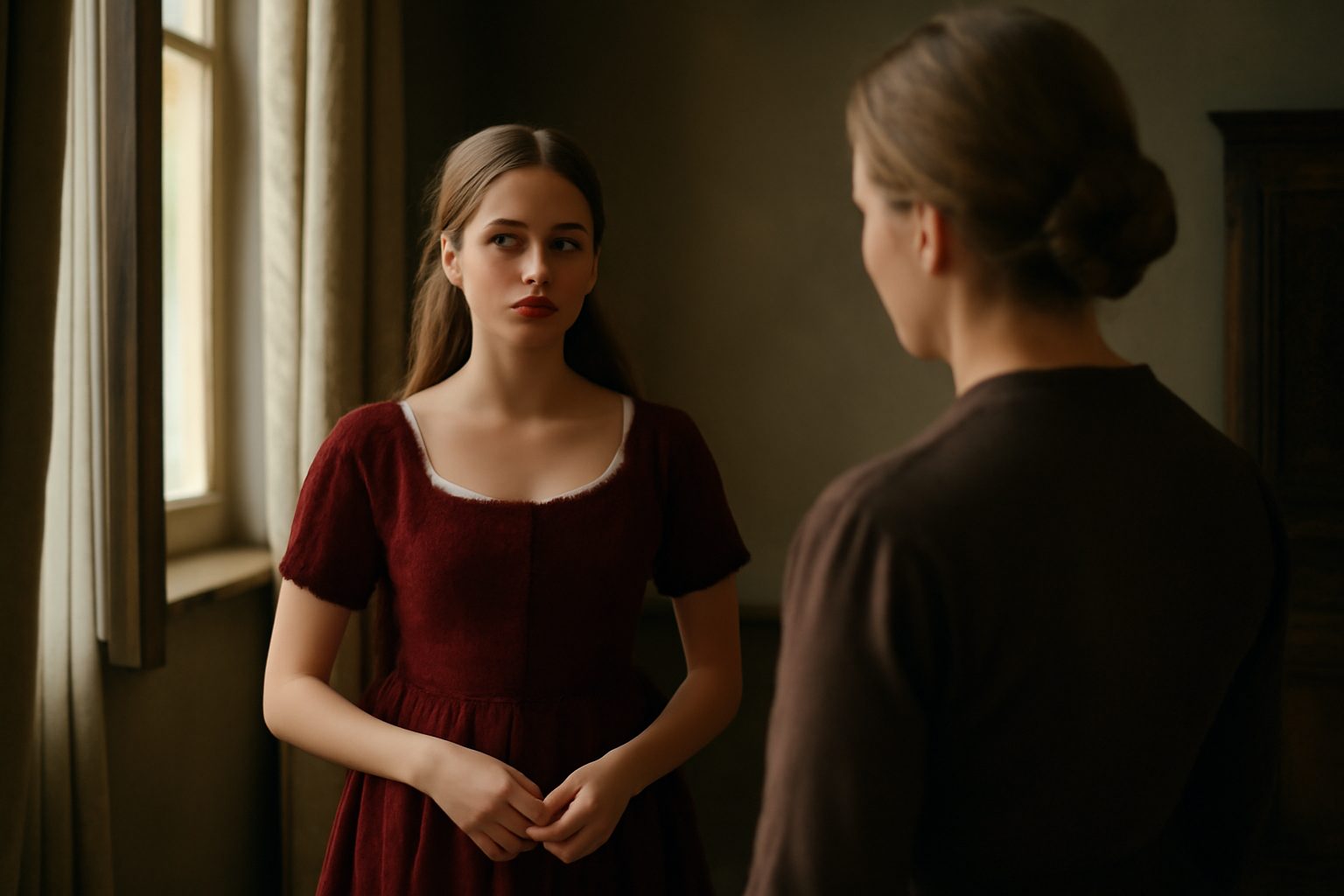
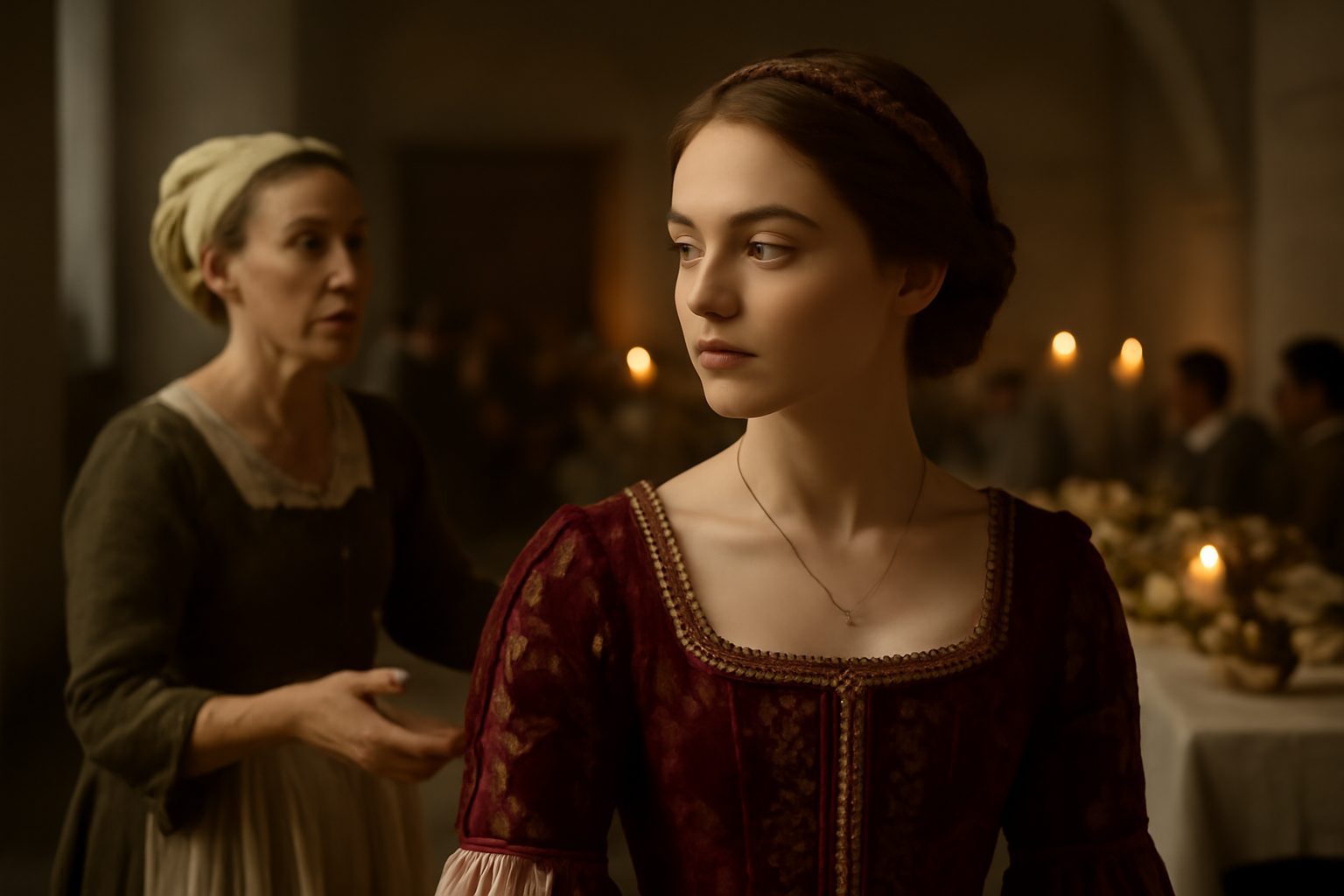
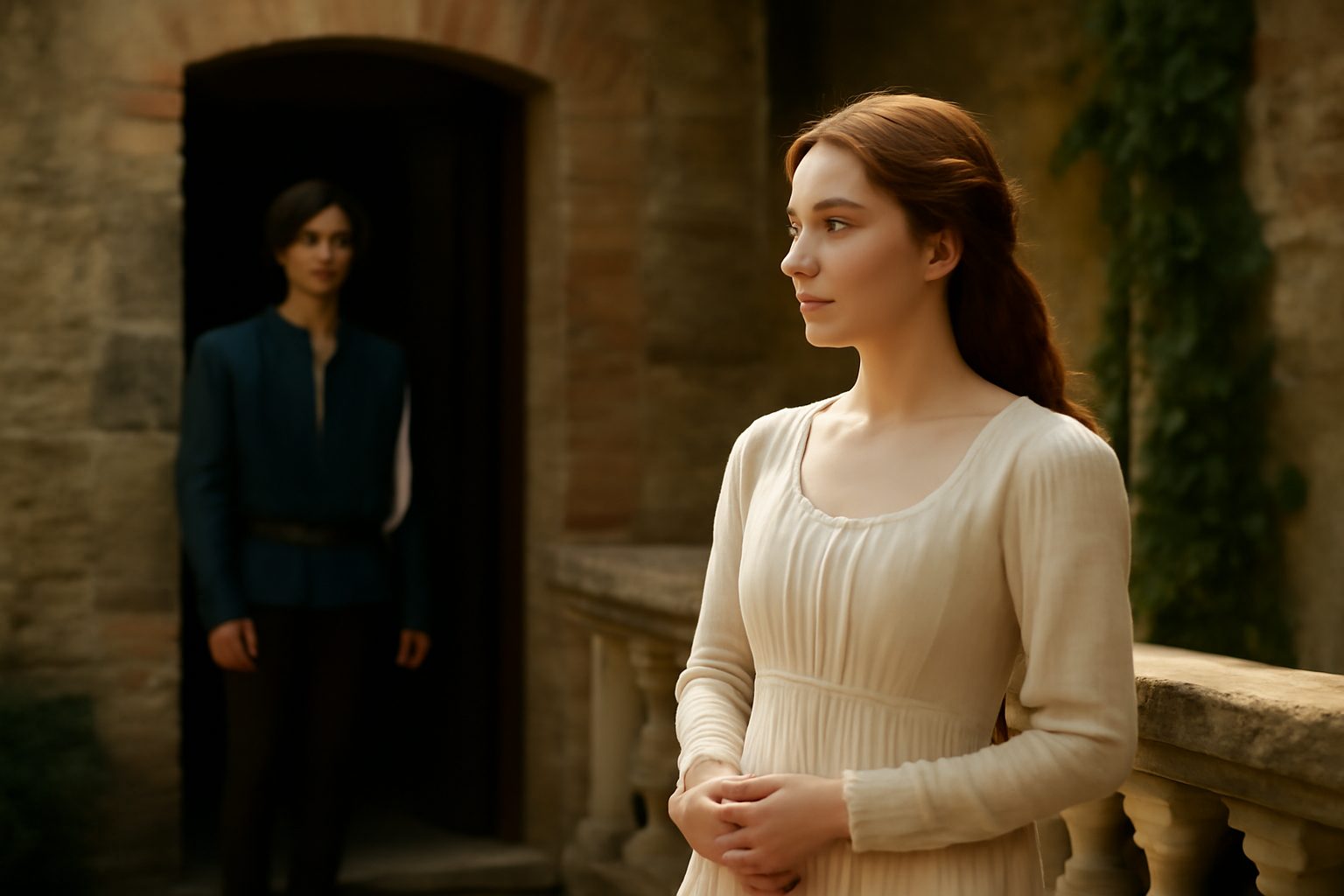
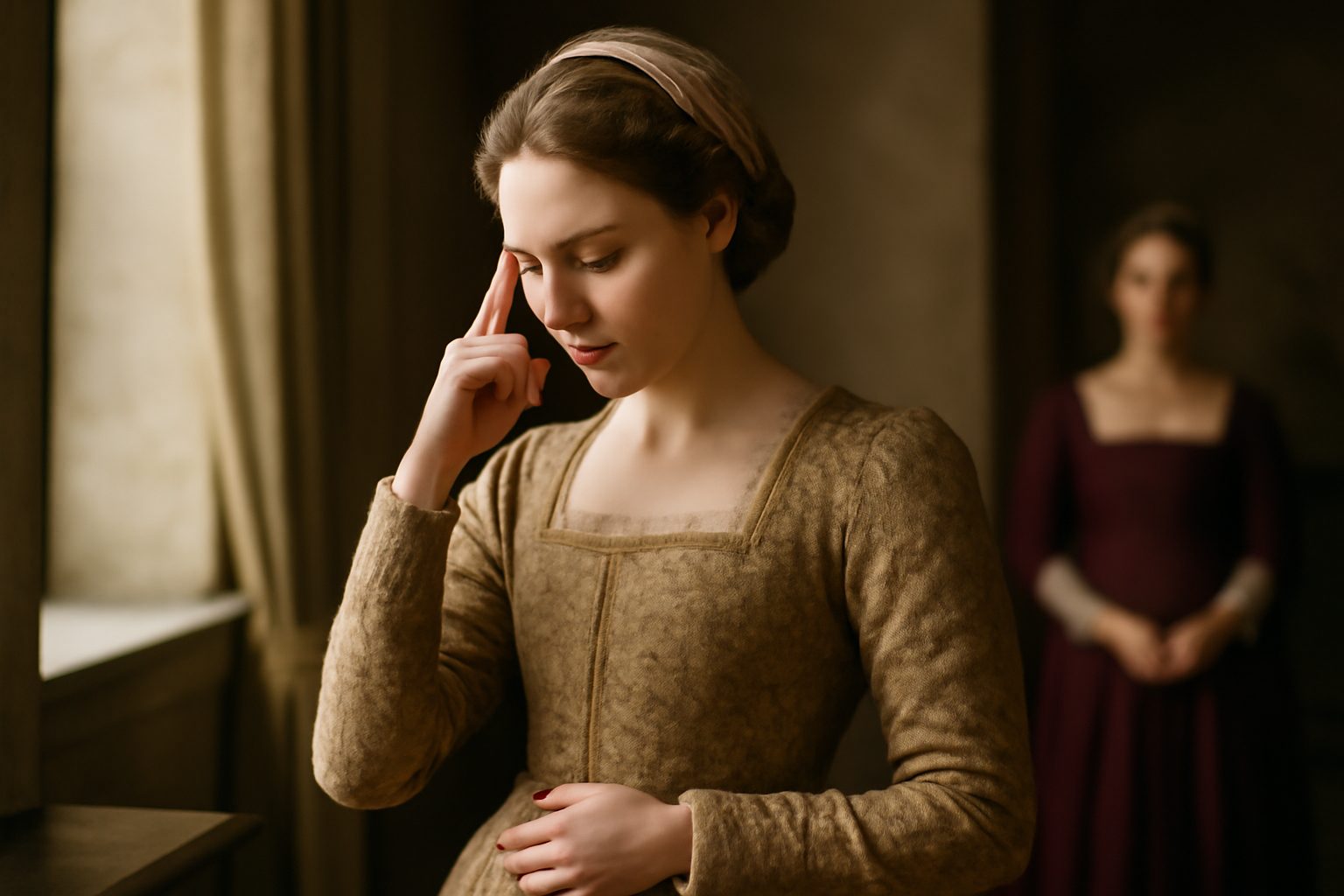
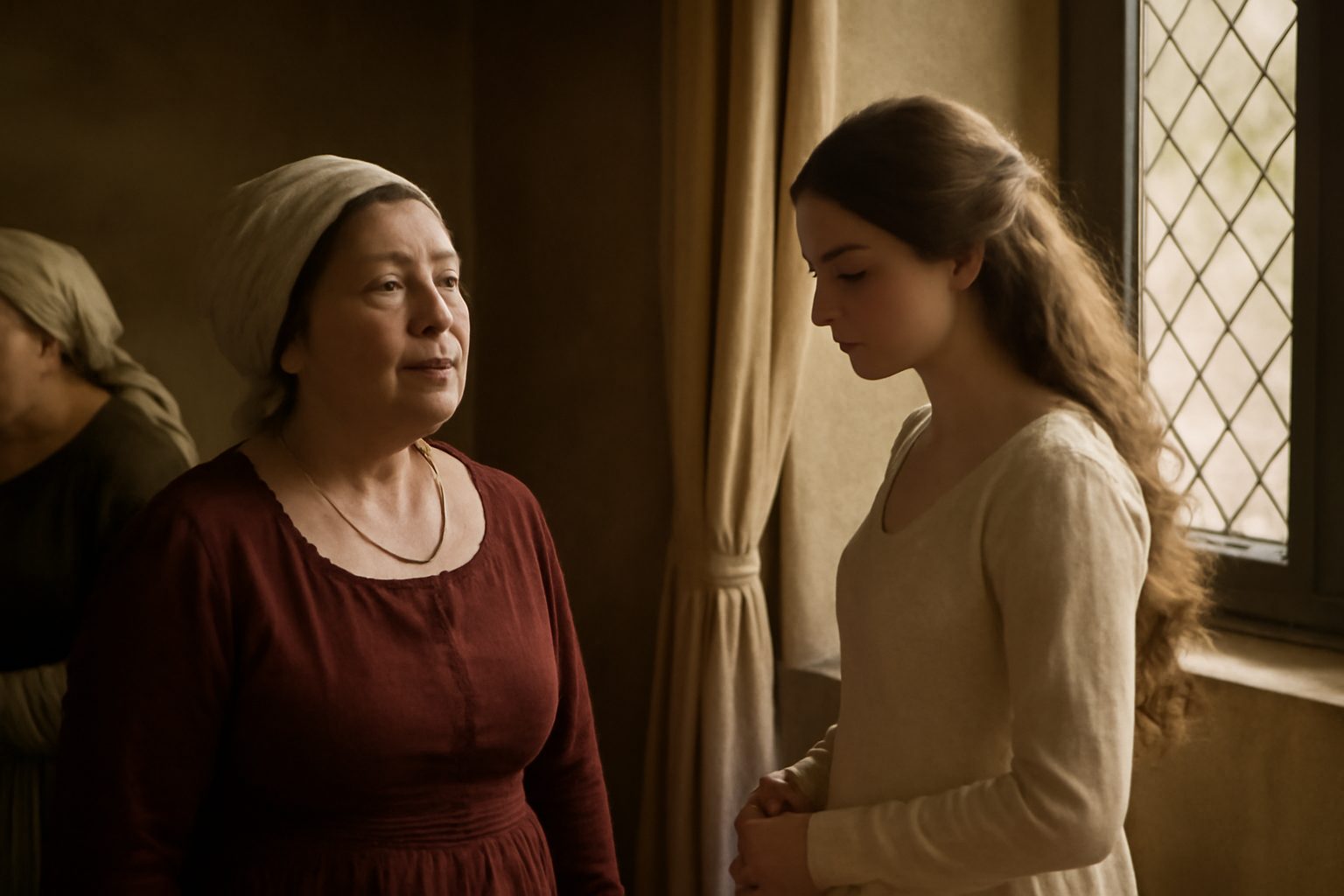
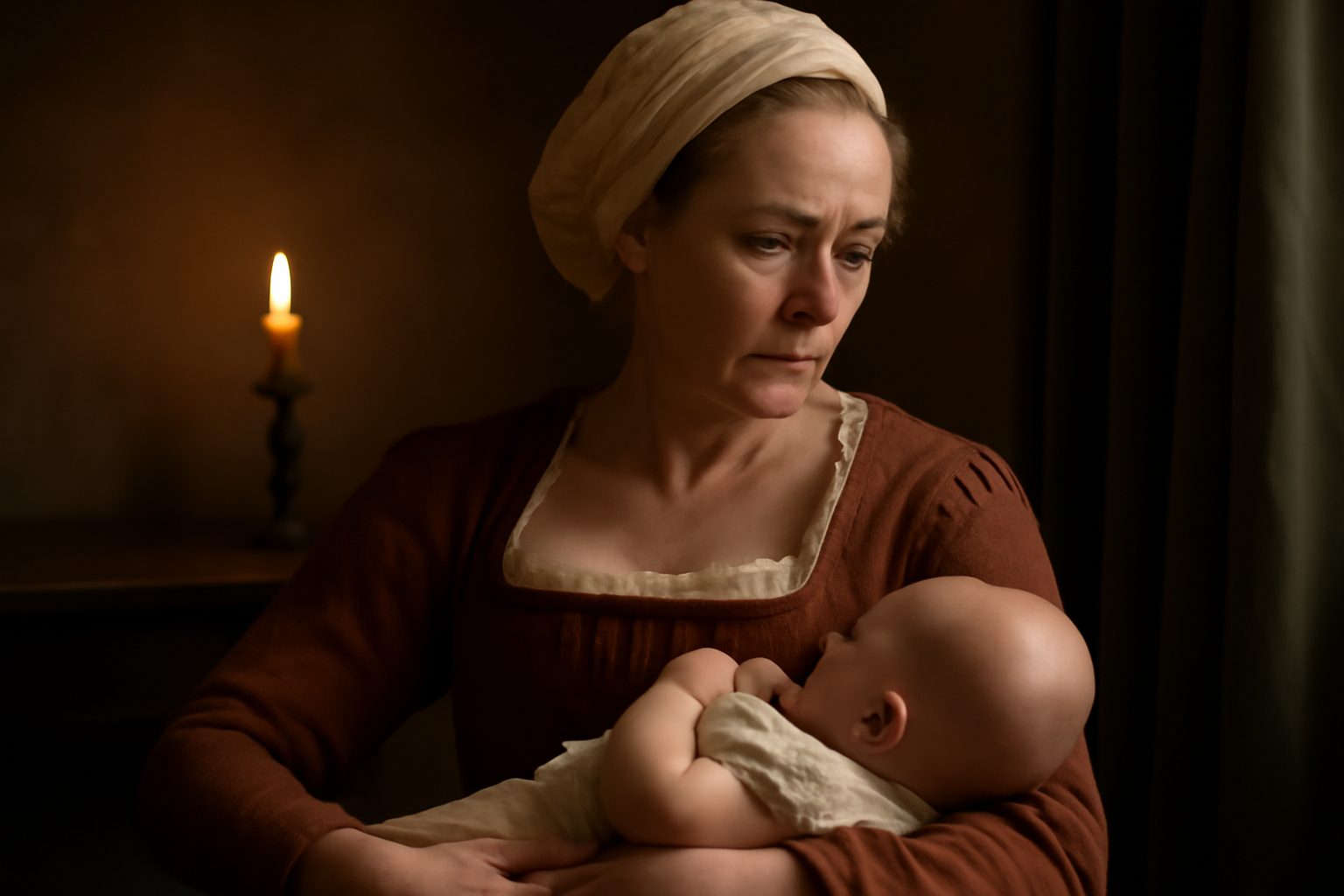
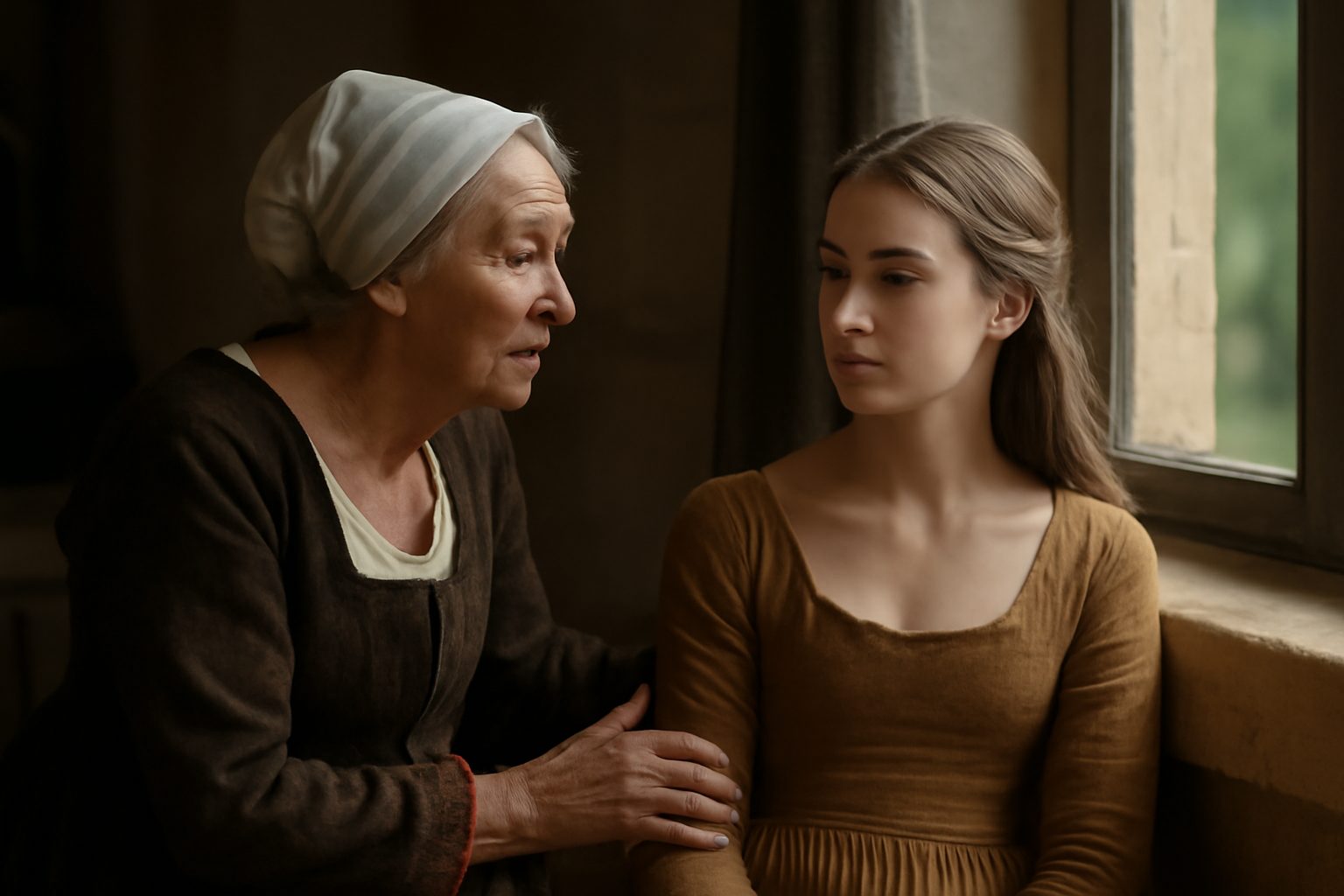
In Act 1, Scene 3 of Romeo and Juliet, Lady Capulet speaks to her daughter Juliet about the prospect of marriage, urging her to consider Paris as a suitor. When she mentions that she was already a mother at Juliet's age, she emphasizes the societal expectations placed on young women of their status. This moment highlights the generational divide between them and the pressure Juliet faces to conform to tradition.
Lady Capulet: "I was your mother much upon these years"
In modern day english, we would say:
I was about your age when I became your mother.
Frequently Asked Questions
How old was Lady Capulet when she became a mother?
Lady Capulet was about the same age as Juliet is now when she became a mother.
Connections to other verses:
Connections to "I was your mother much upon these years"
Lady Capulet's statement, "I was your mother much upon these years", serves as a pivotal moment in Act 1, Scene 3, connecting to several other verses that highlight themes of youth, marriage, and maternal experience.
Age and Maturity
This line directly relates to Juliet's current age, which is established earlier in the scene. The Nurse confirms "She's not fourteen", and later specifies "Come Lammas-eve at night shall she be fourteen". Lady Capulet's comment emphasizes that Juliet has reached the age when she herself became a mother, creating a parallel between their experiences.
Marriage Expectations
The verse connects to Lady Capulet's pressing question about marriage: "How stands your disposition to be married?" and her follow-up "What say you? can you love the gentleman?" This creates a sense of urgency, suggesting that Juliet should follow her mother's path.
Social Norms and Peer Comparison
Lady Capulet reinforces her argument by noting that "younger than you, / Are made already mothers", showing that early marriage and motherhood were common among Verona's elite. This social pressure complements her personal example.
The Nurse's Complementary Perspective
The Nurse's earthy reminiscences about Juliet's childhood, such as "Thou wast the prettiest babe that e'er I nursed", provide a contrasting but supportive view of Juliet's transition to womanhood, grounding Lady Capulet's more formal argument in personal history.
Juliet's Response
This maternal pressure leads to Juliet's cautious reply: "I'll look to like, if looking liking move", showing her obedient but reserved attitude toward the proposed match with Paris.