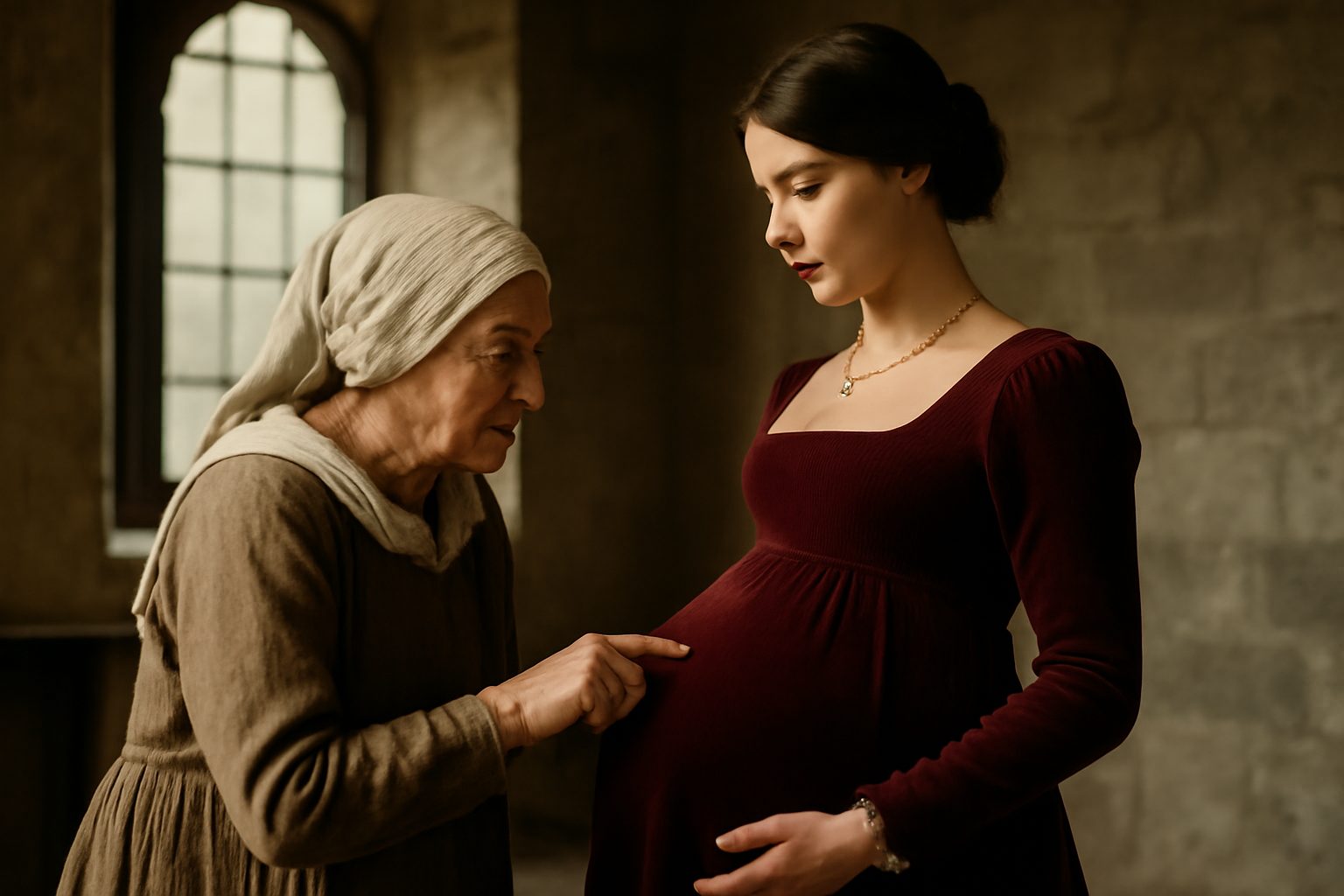
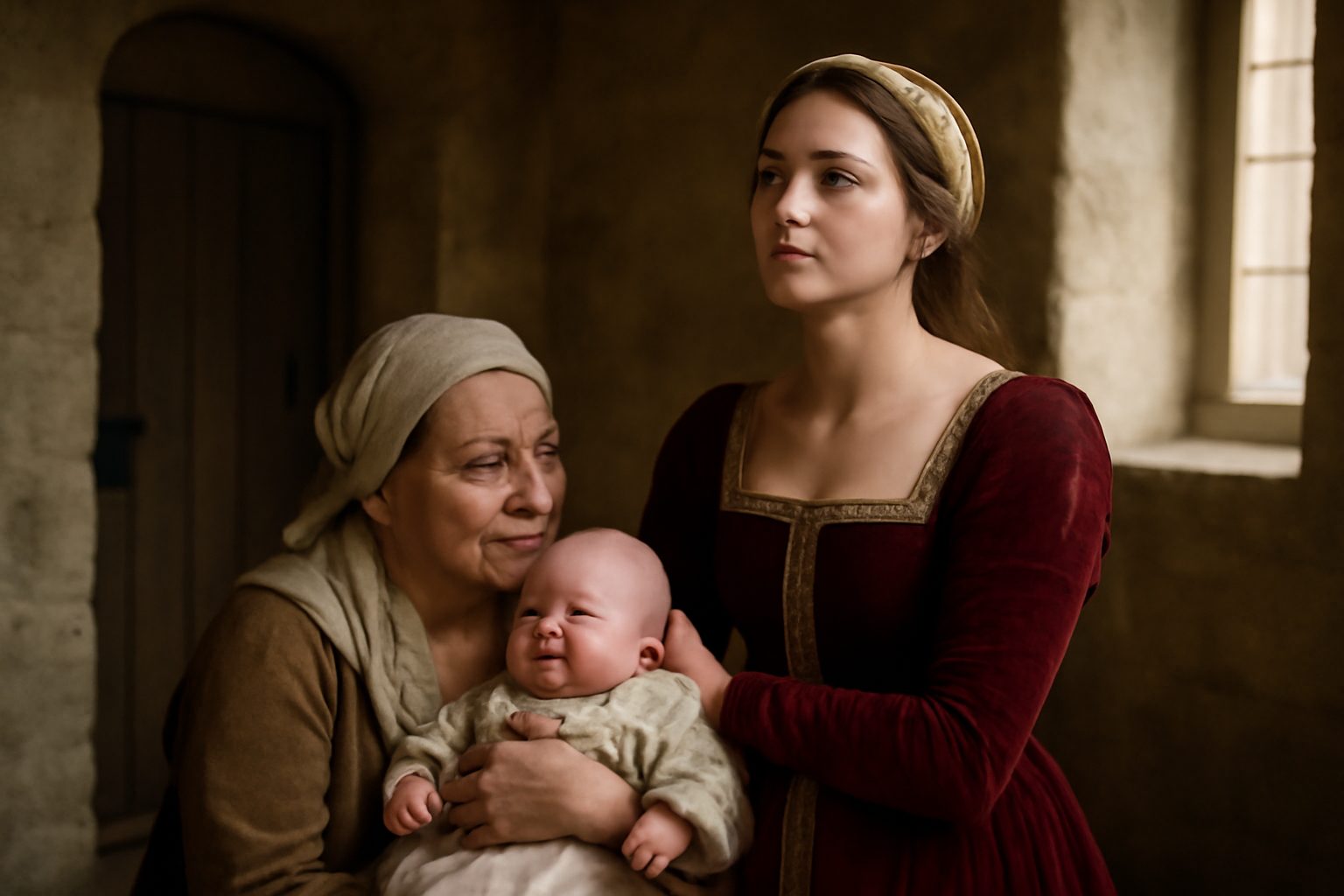
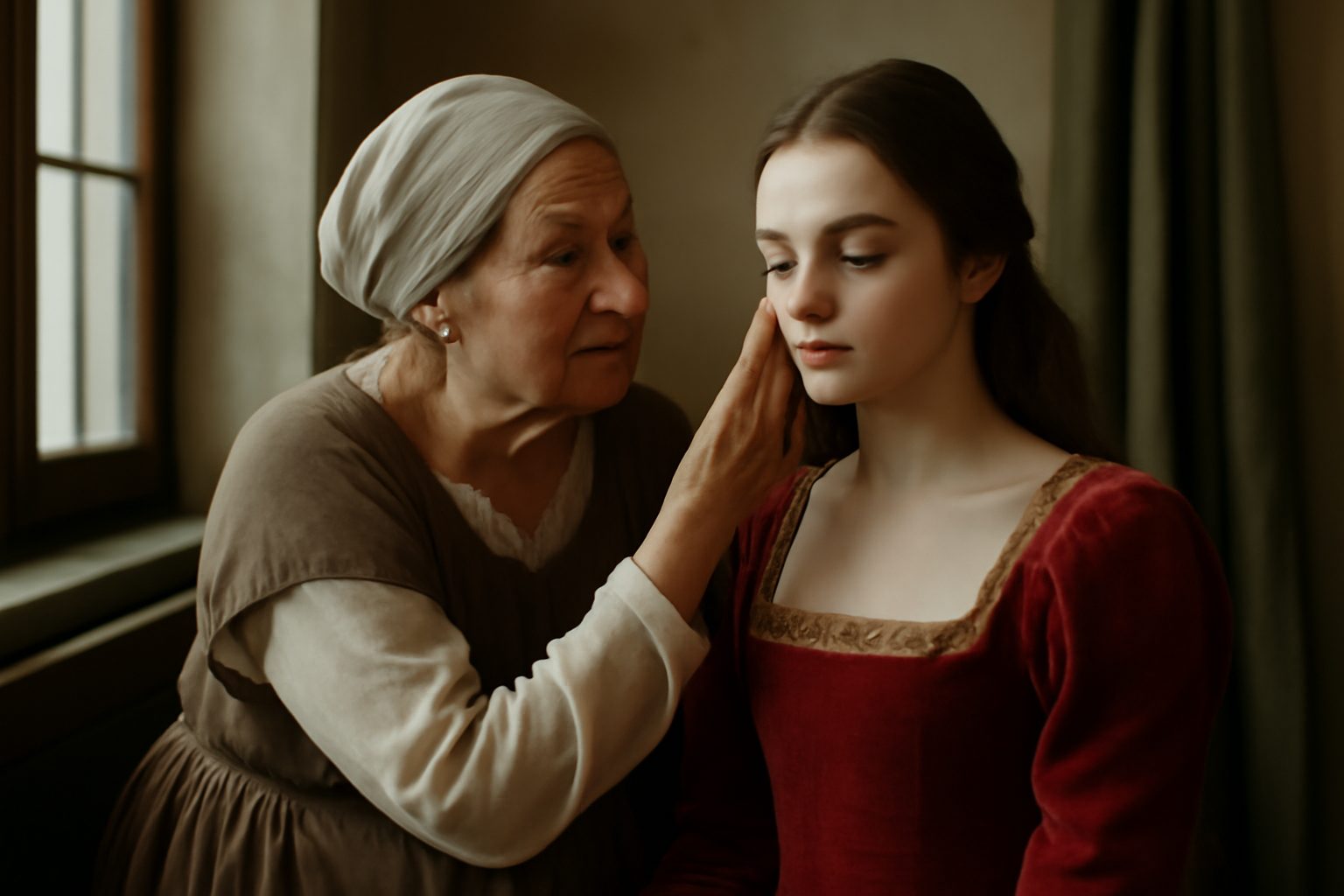
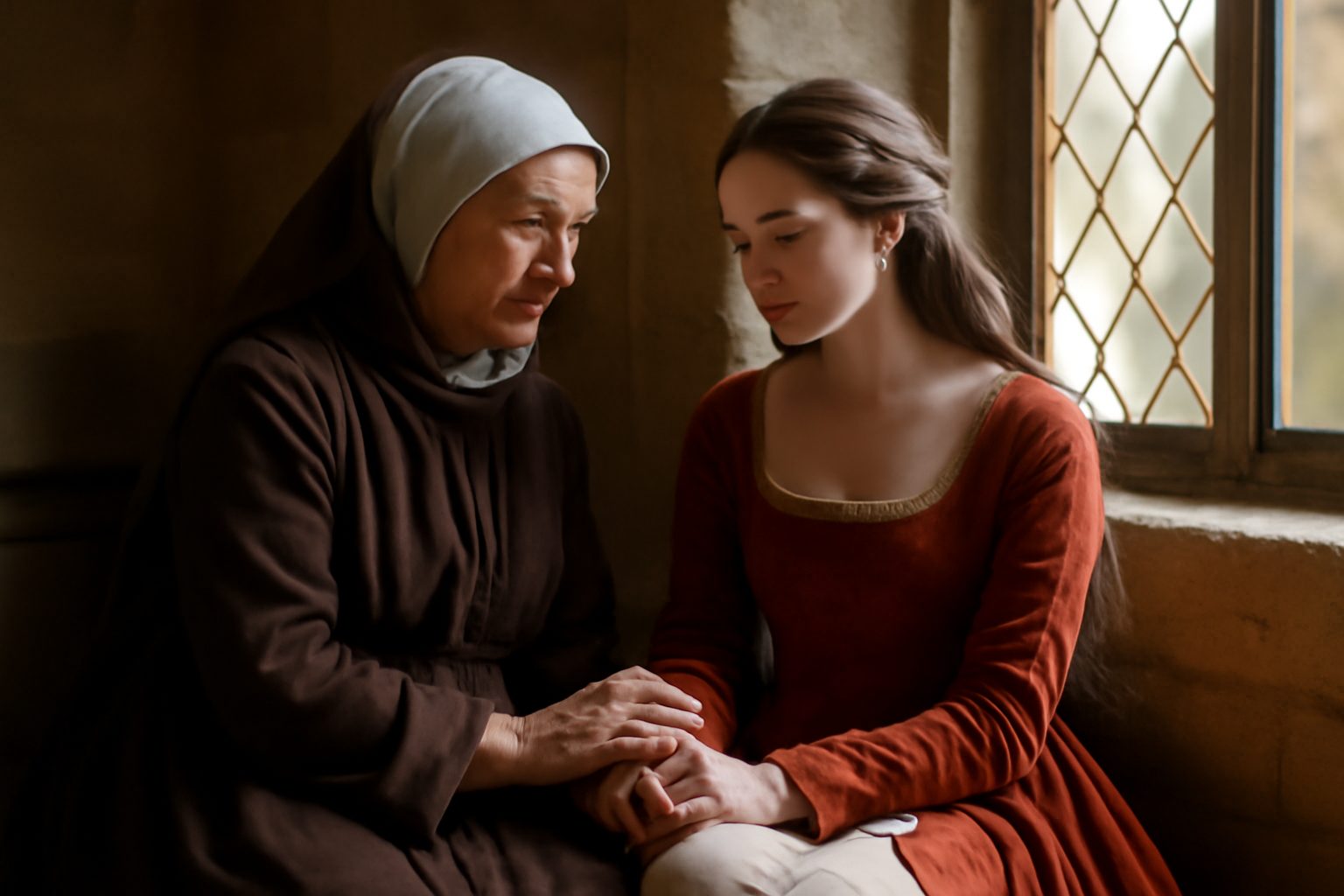
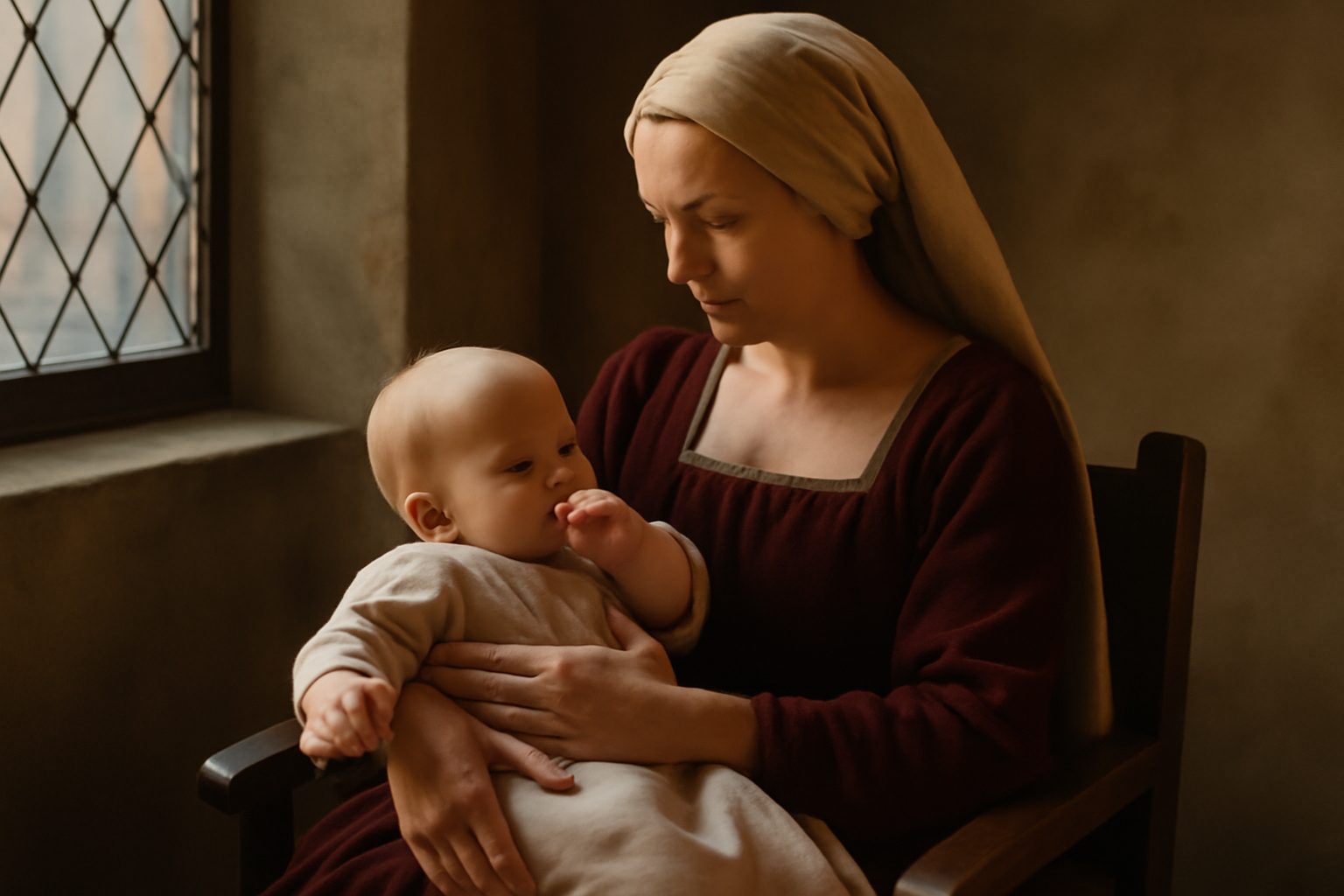
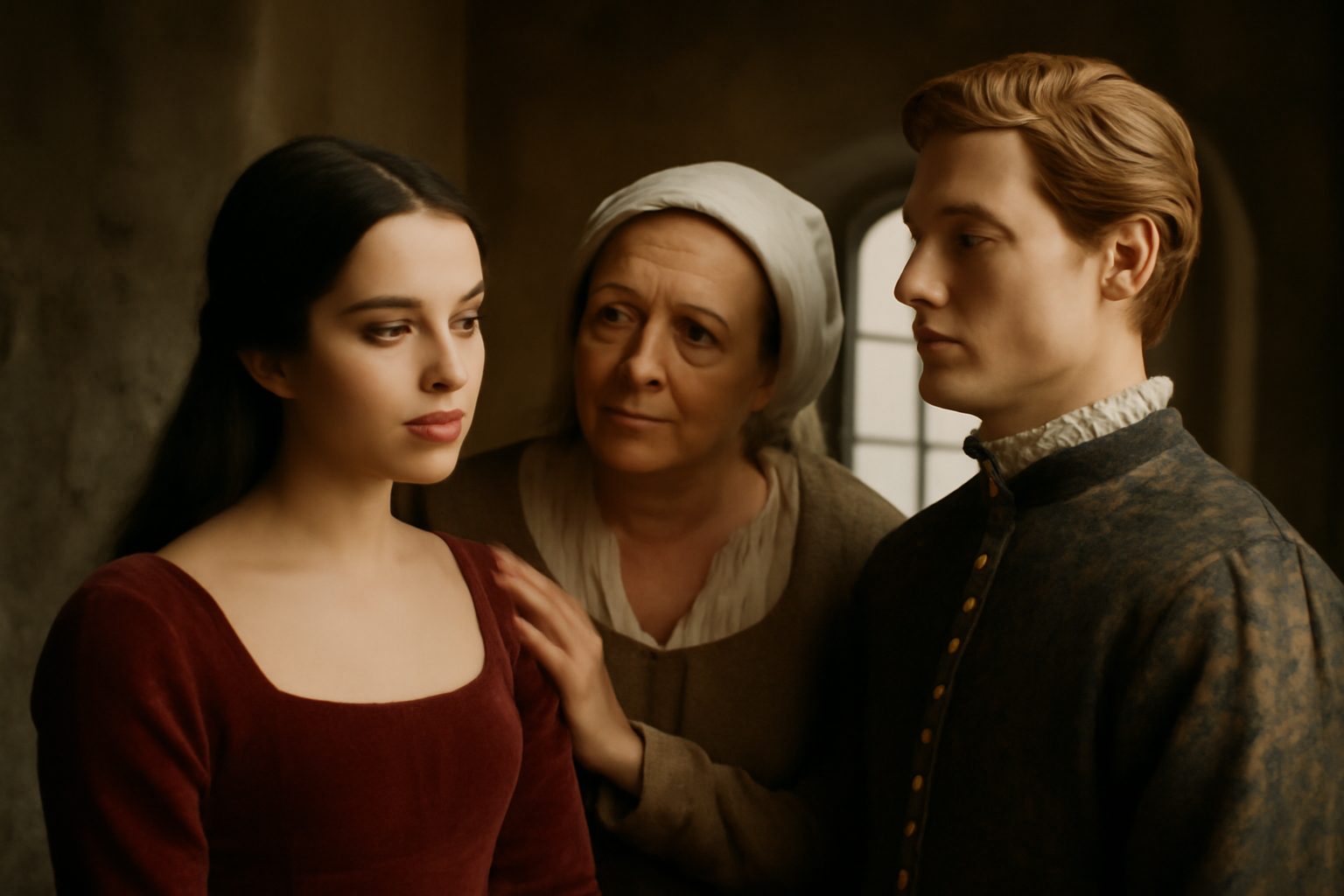
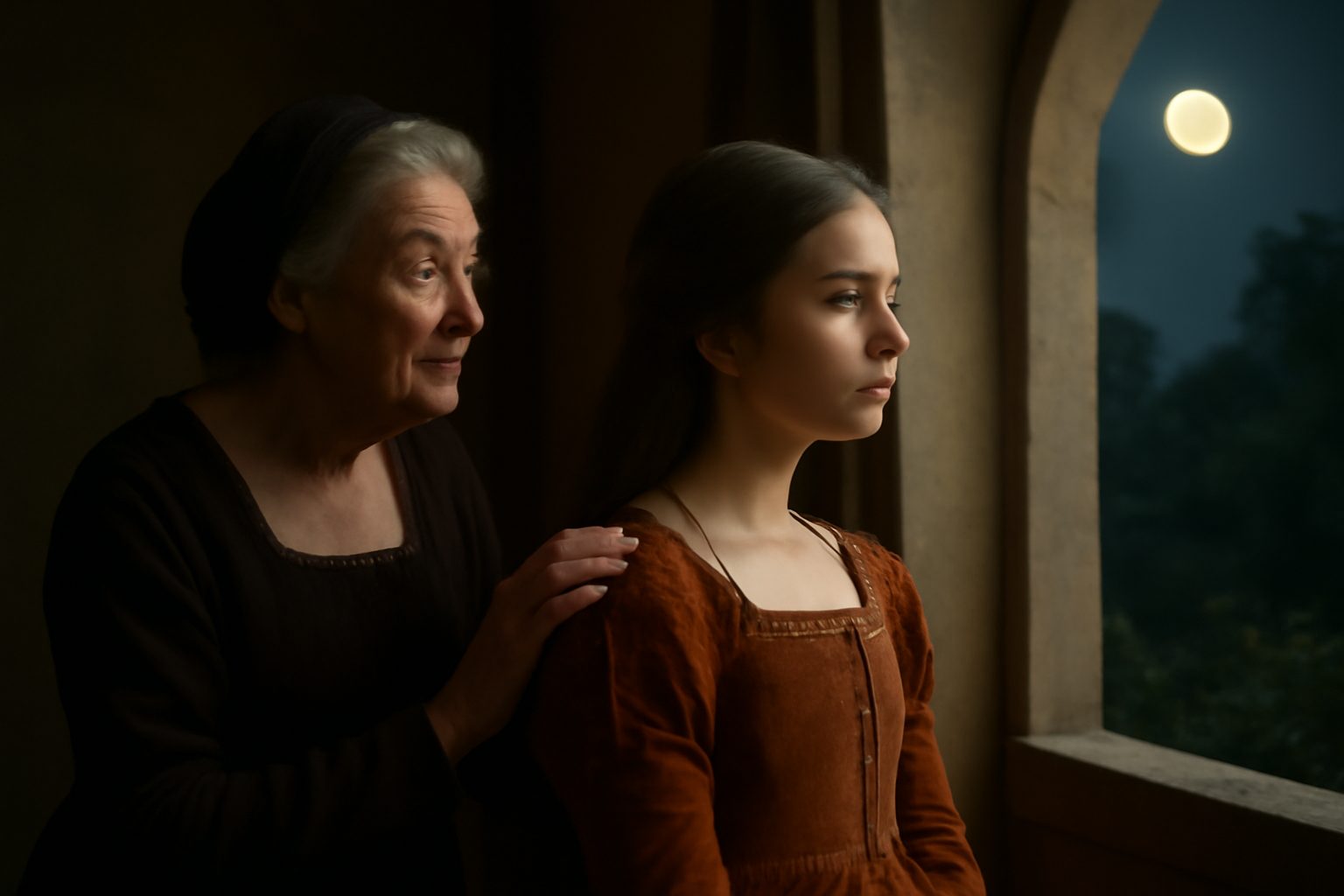
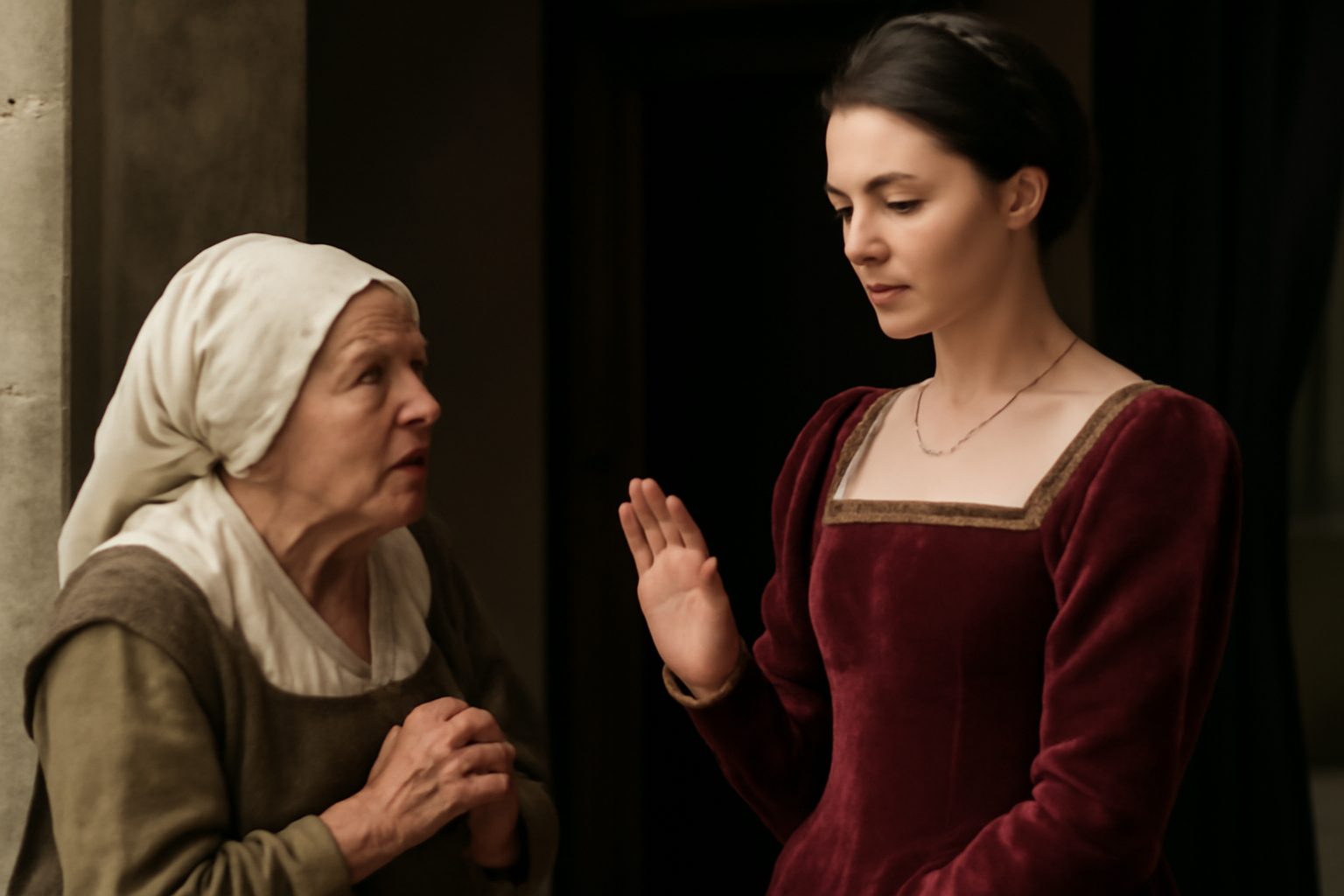
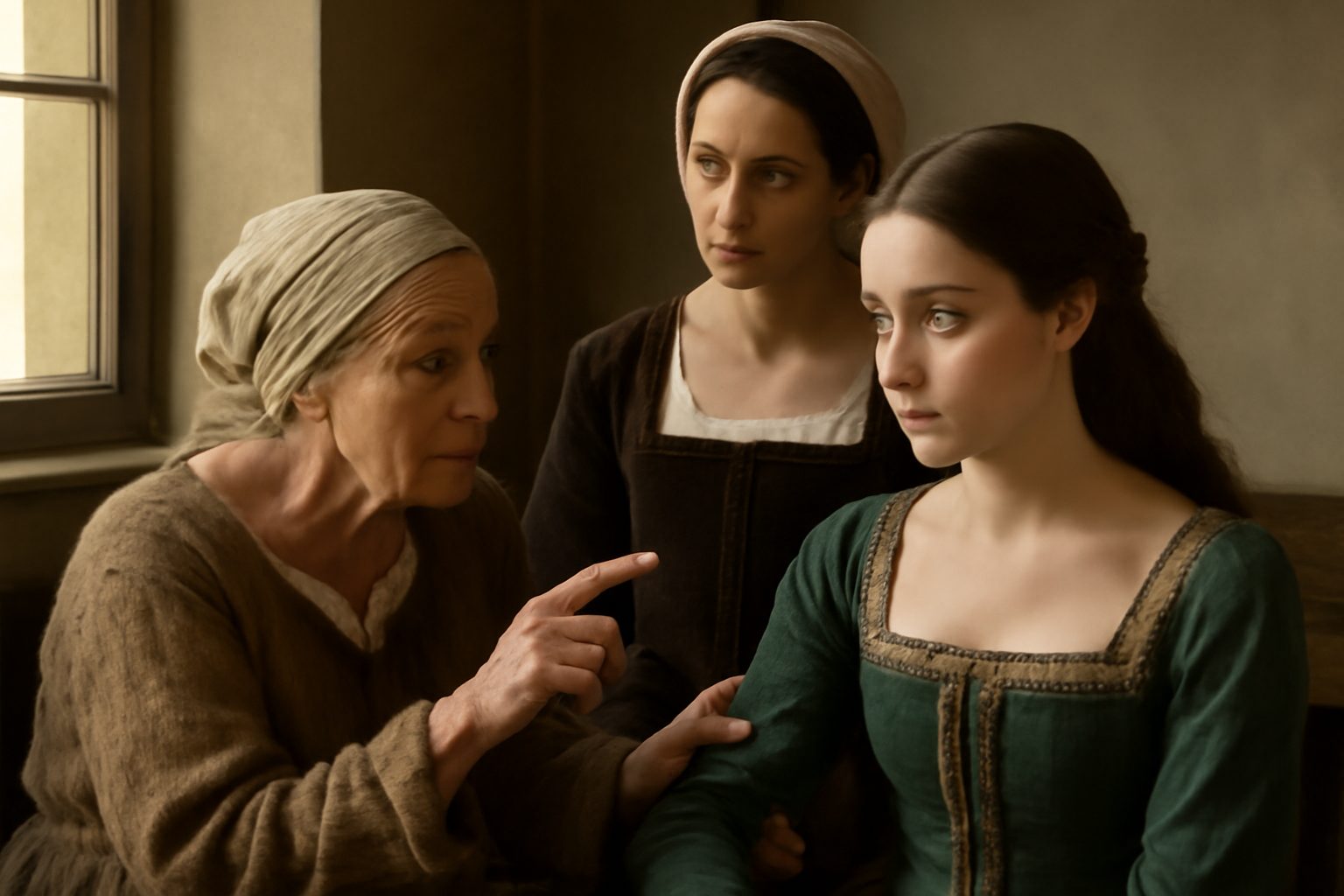
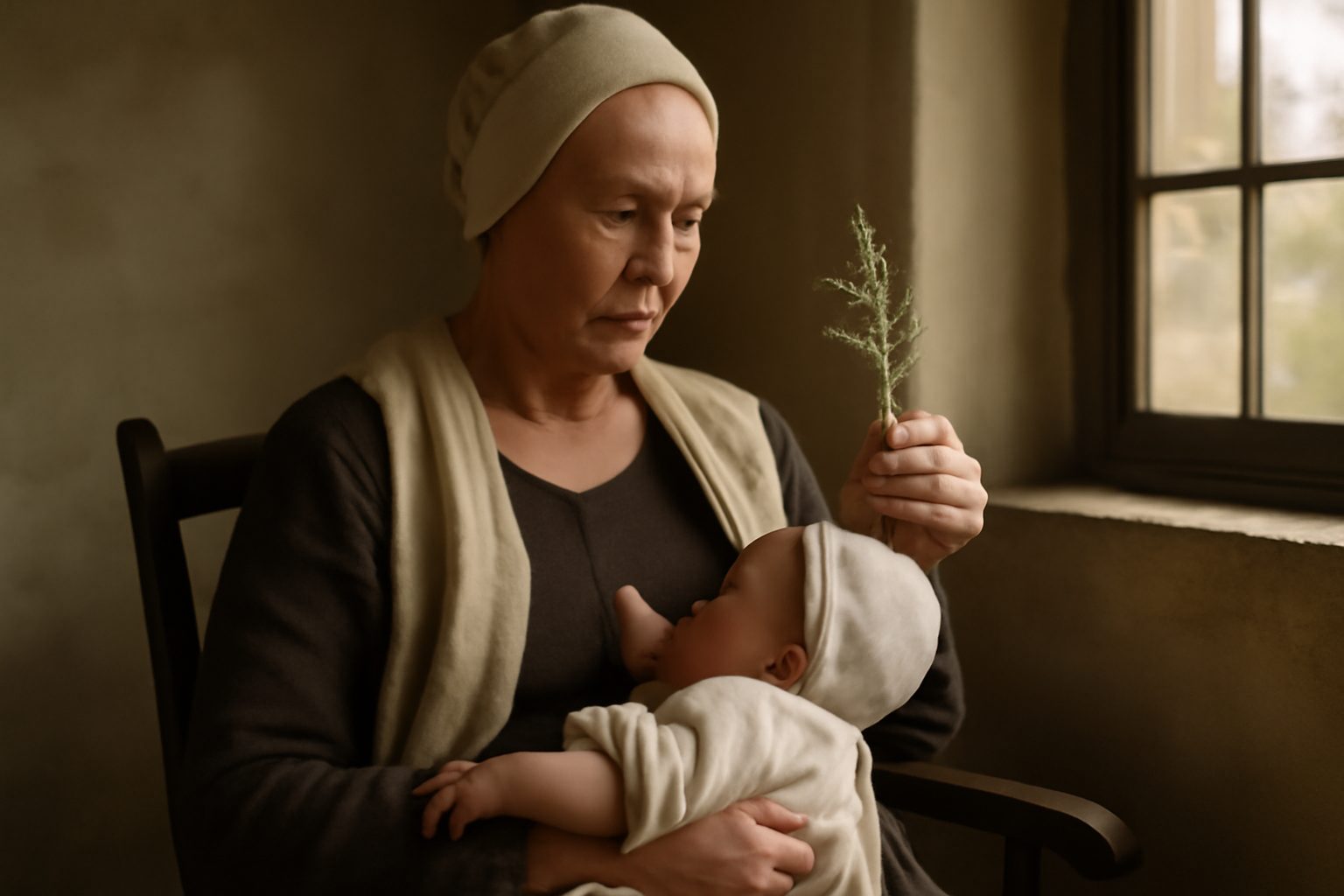
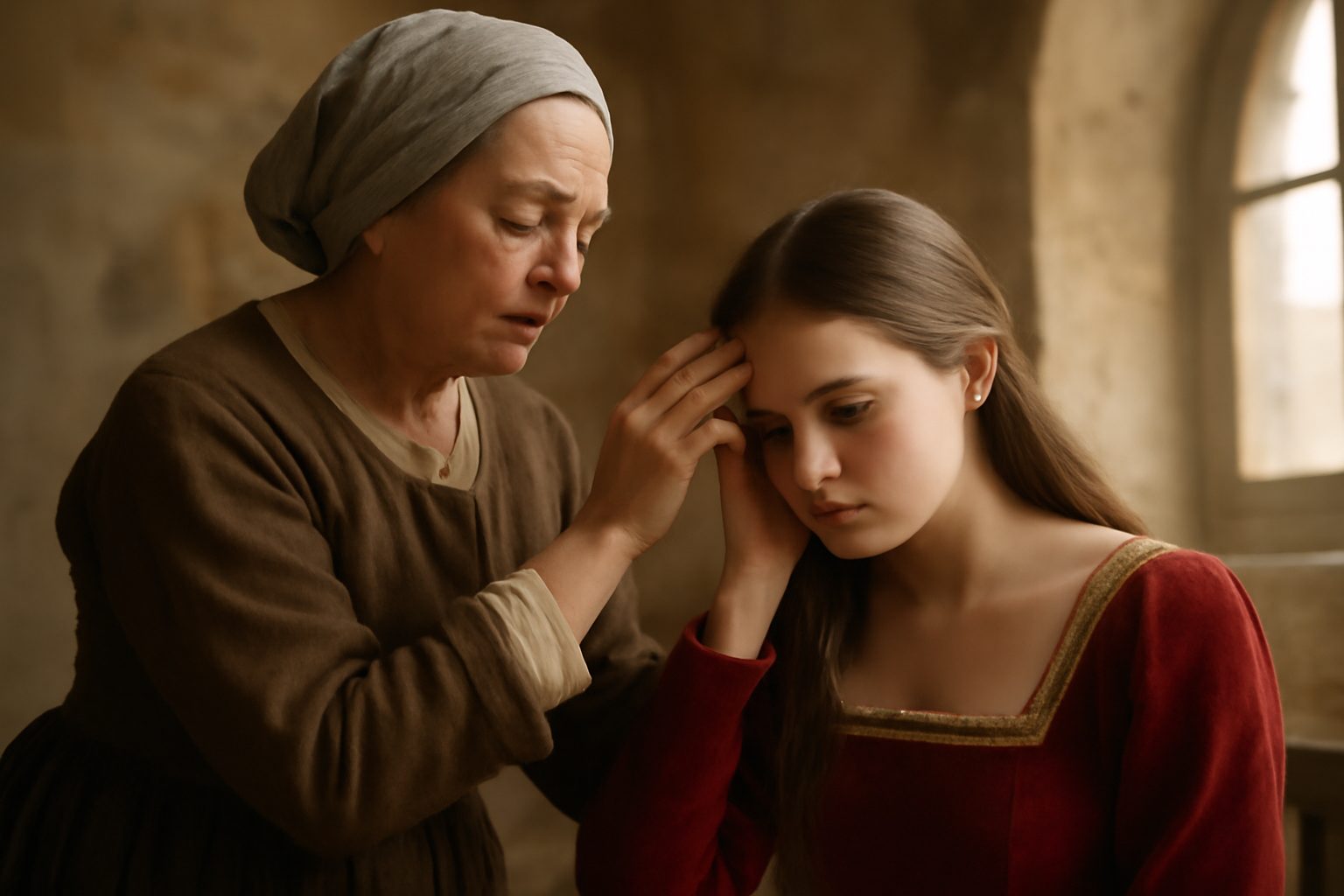
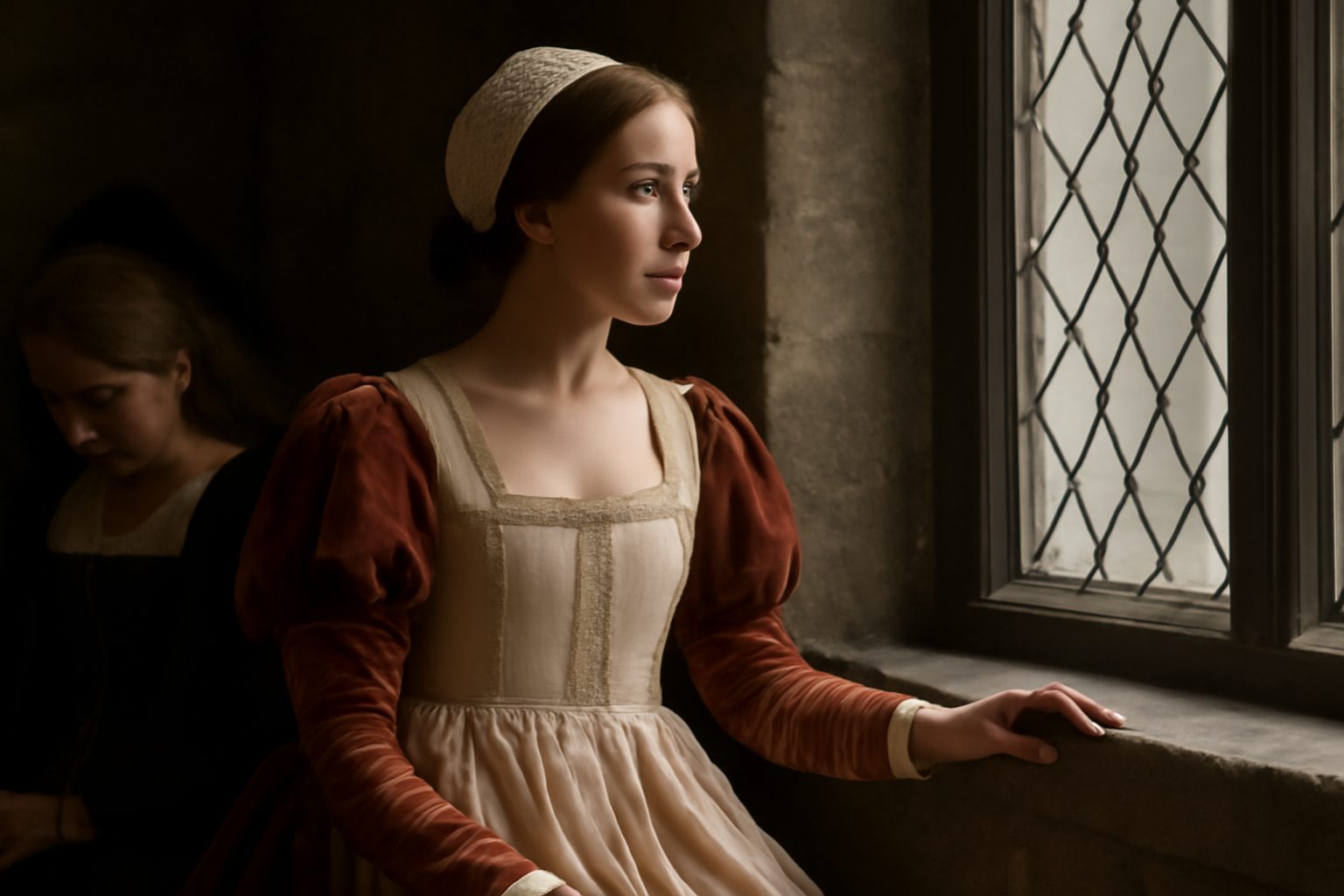
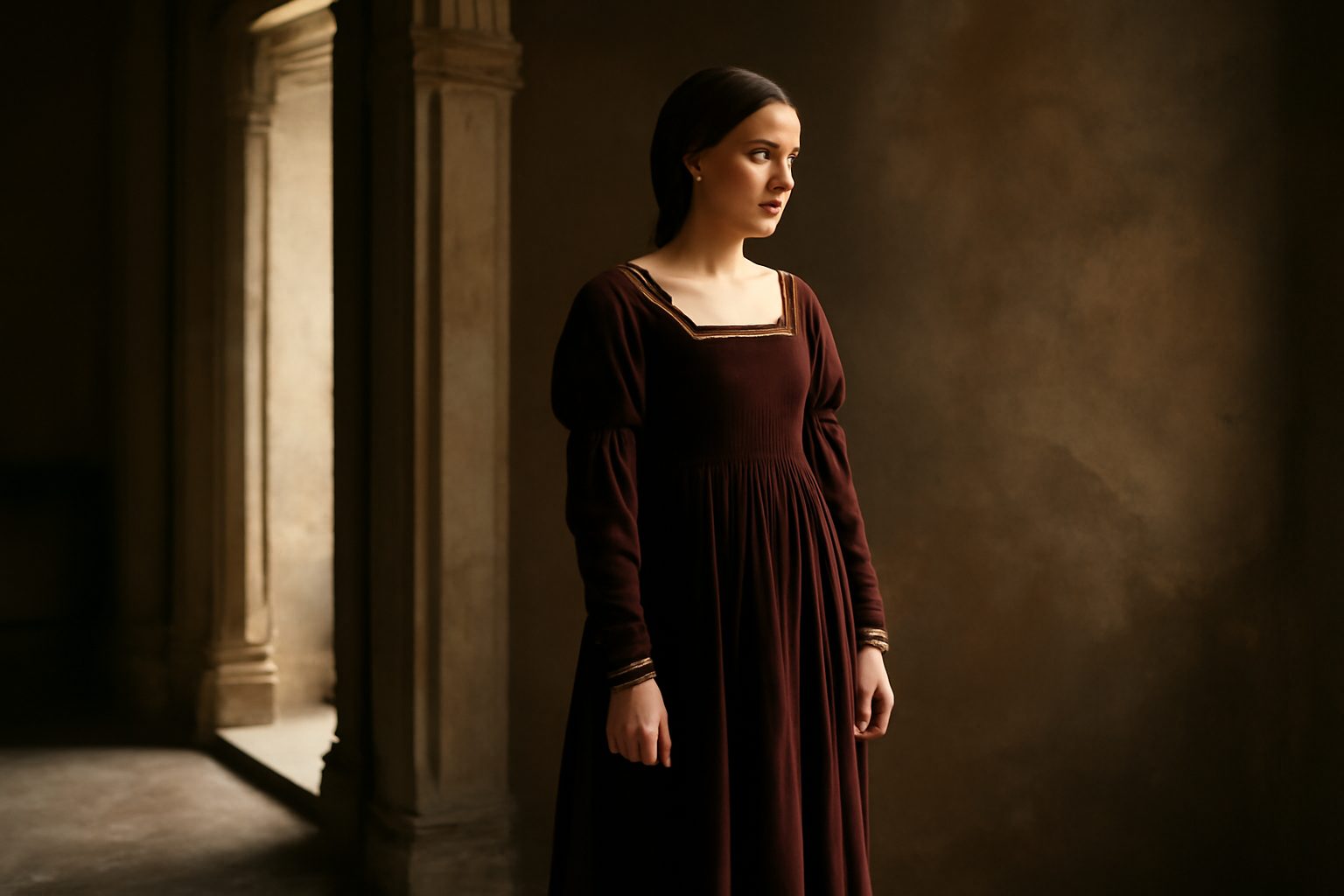
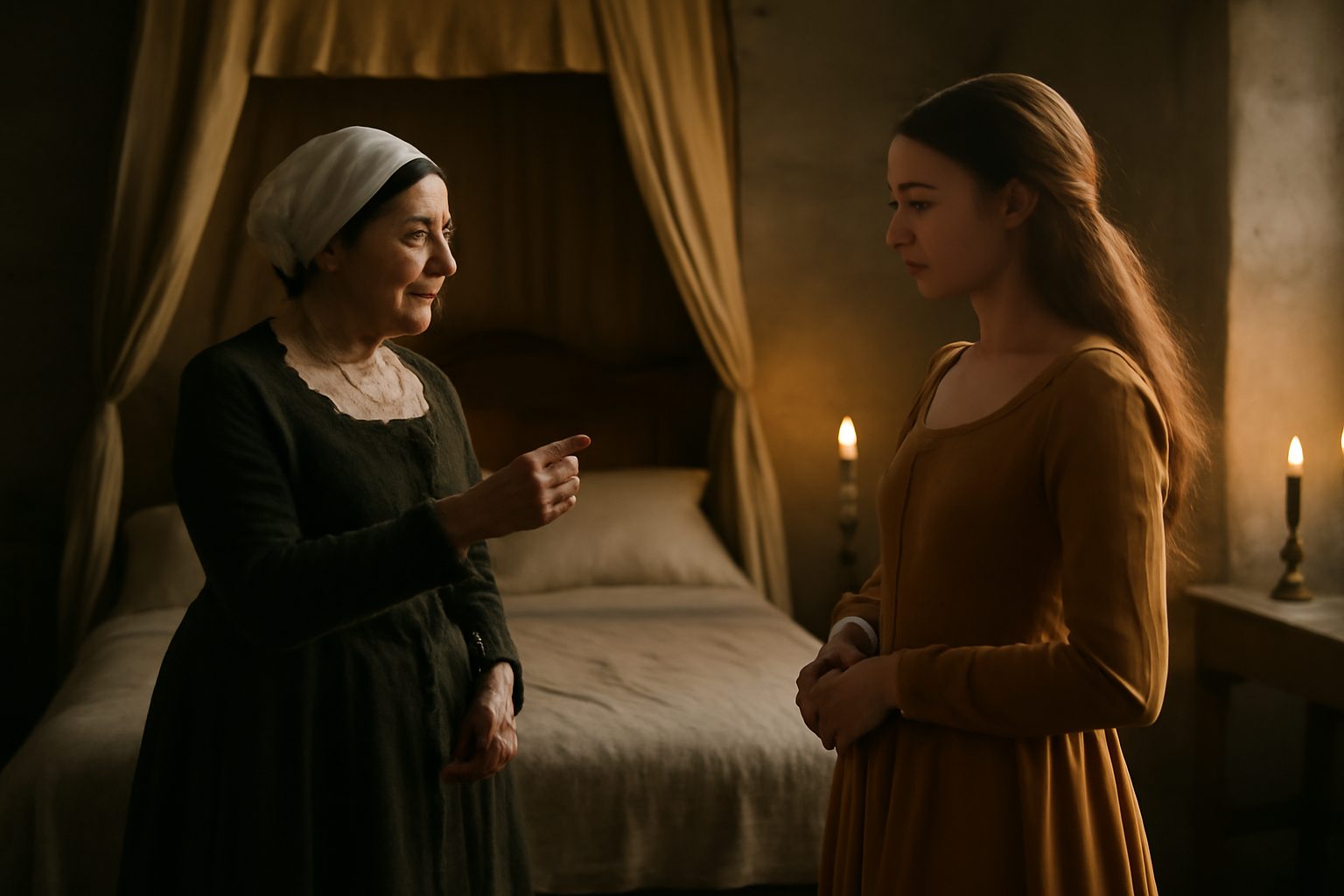
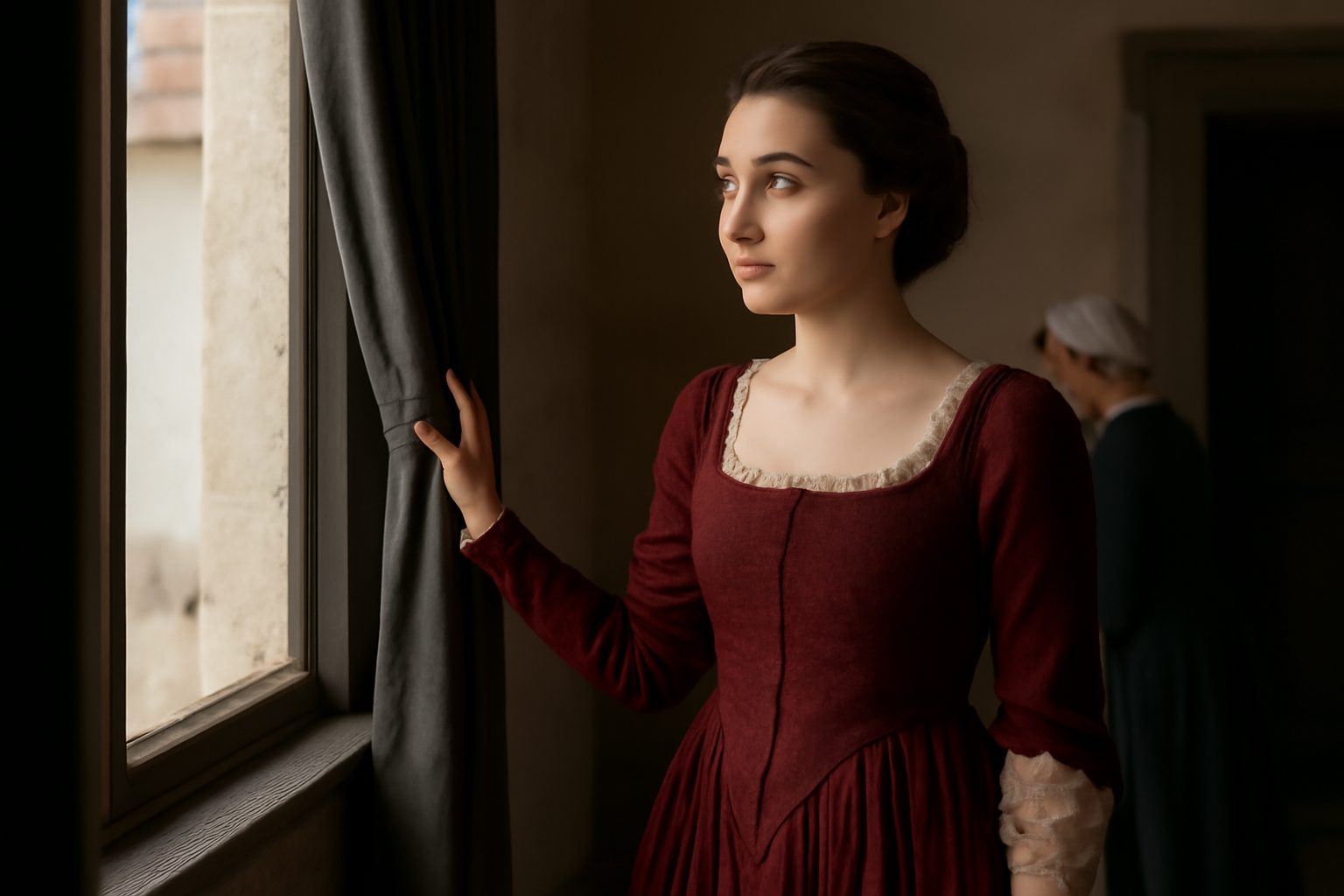
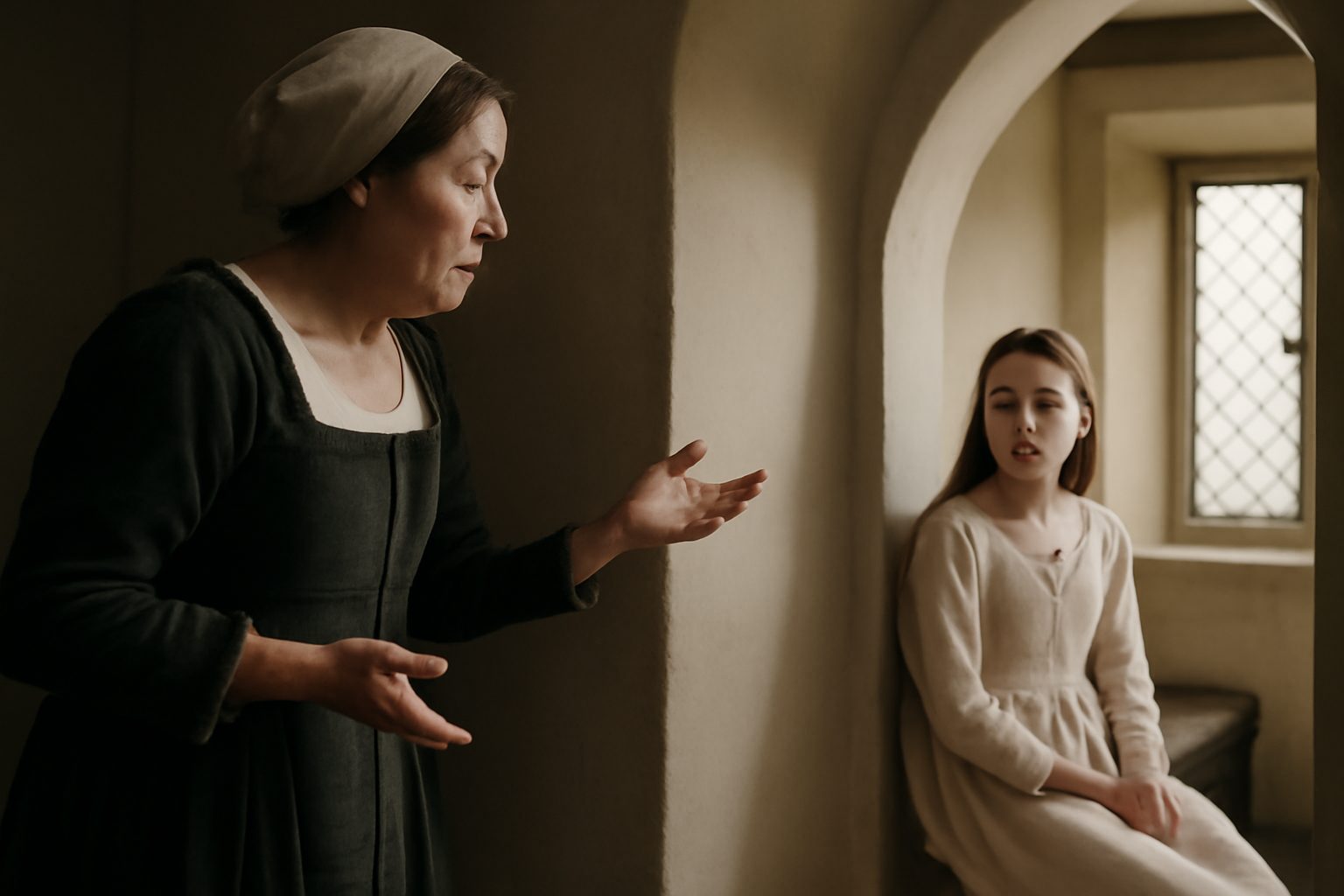
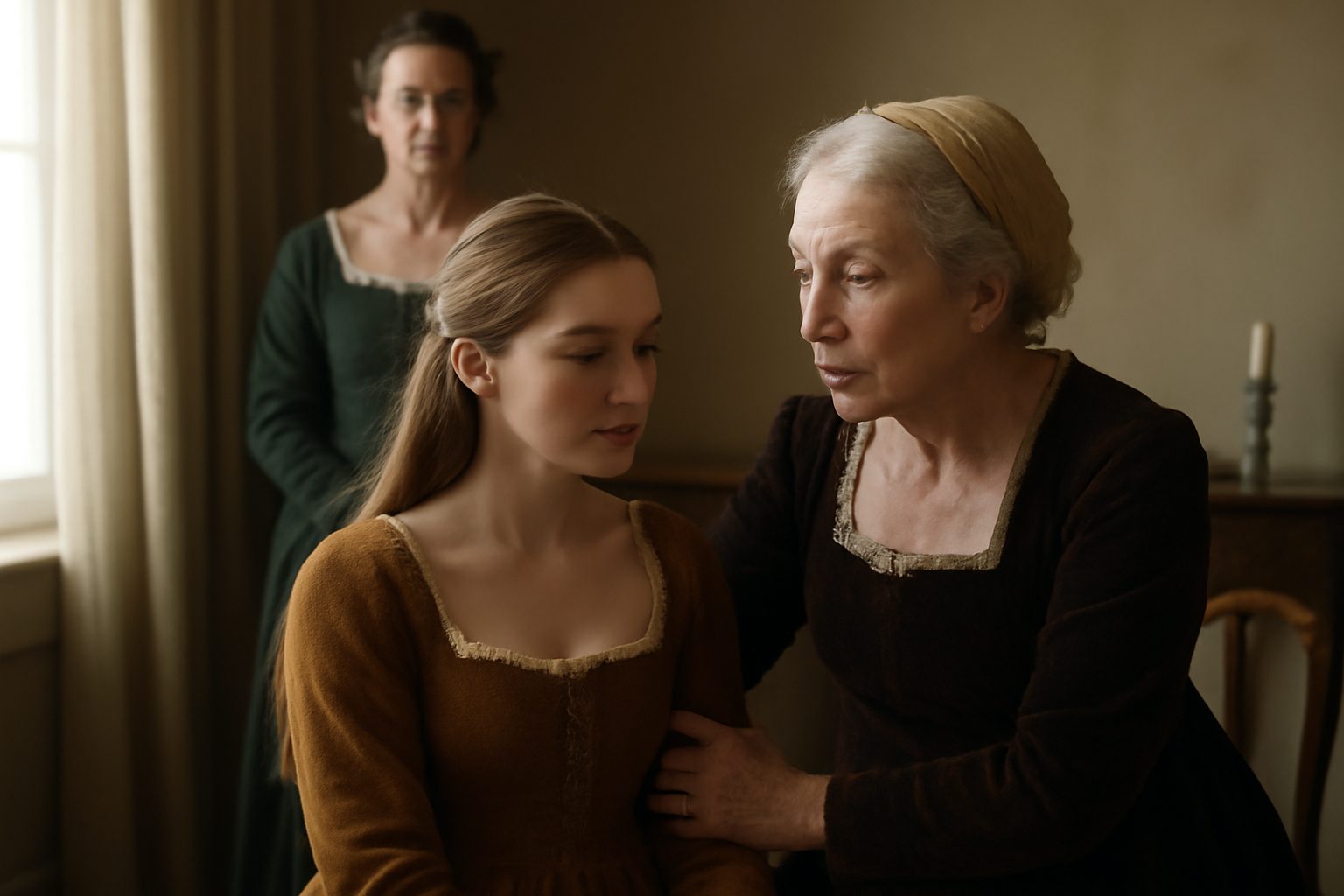
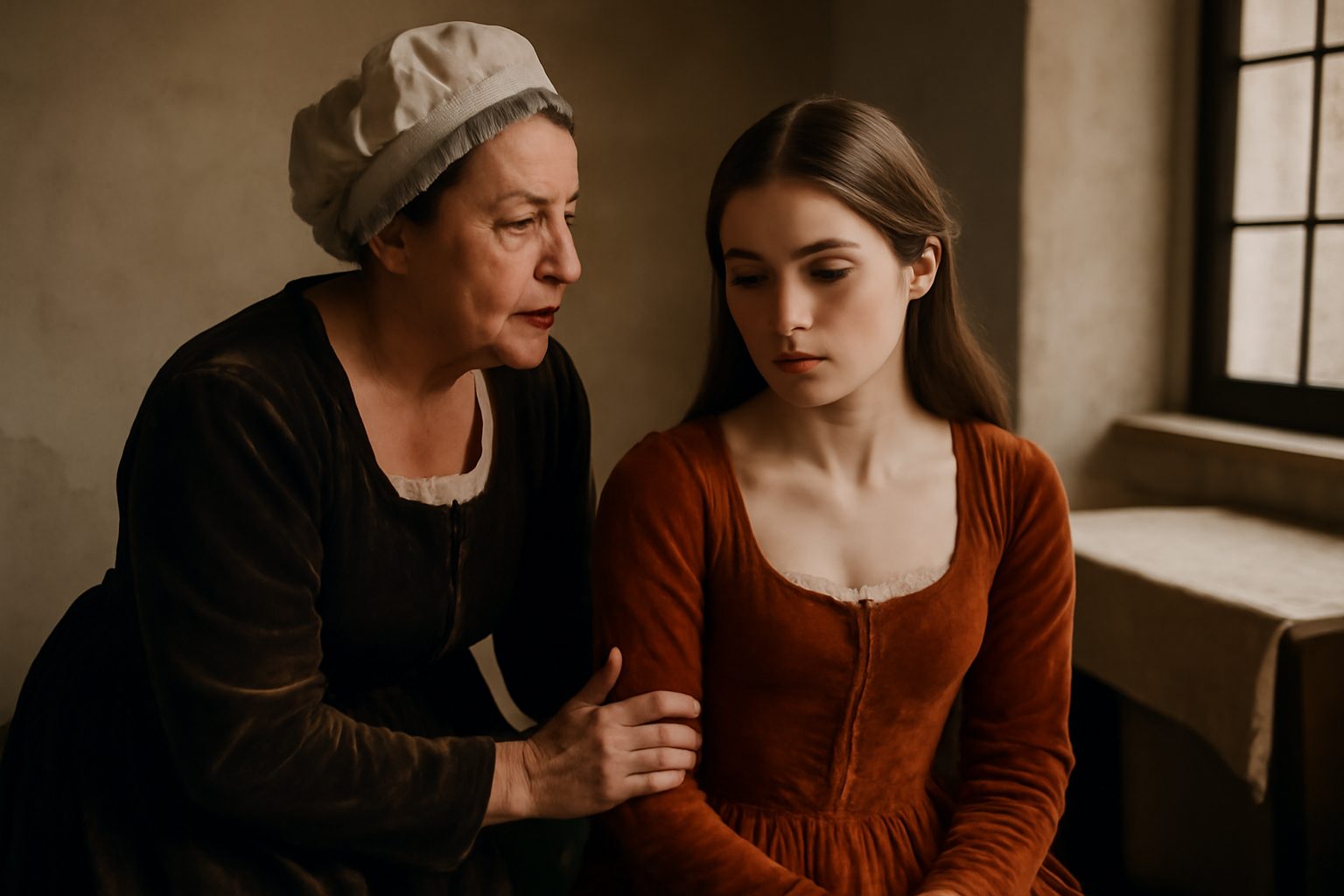
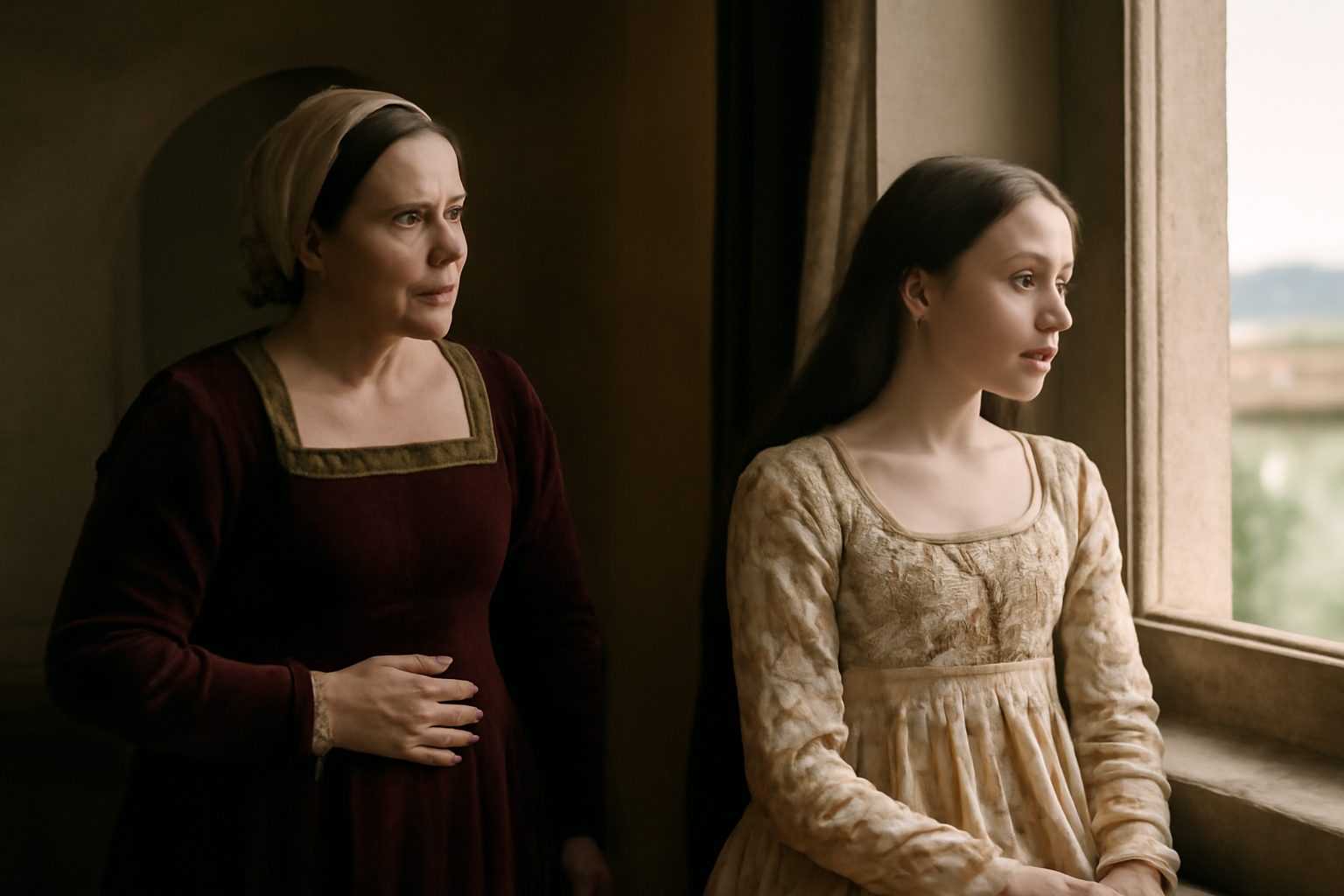
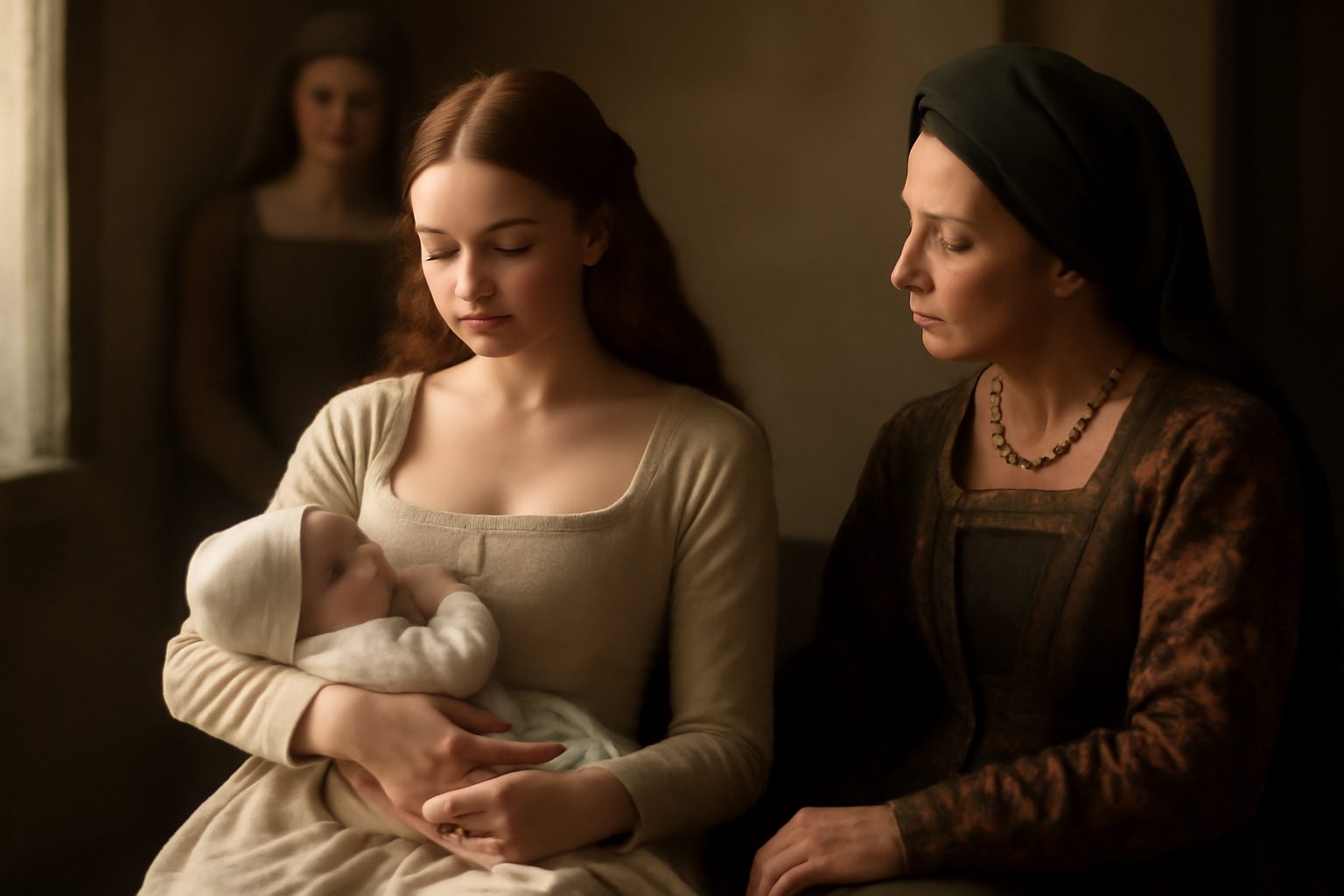
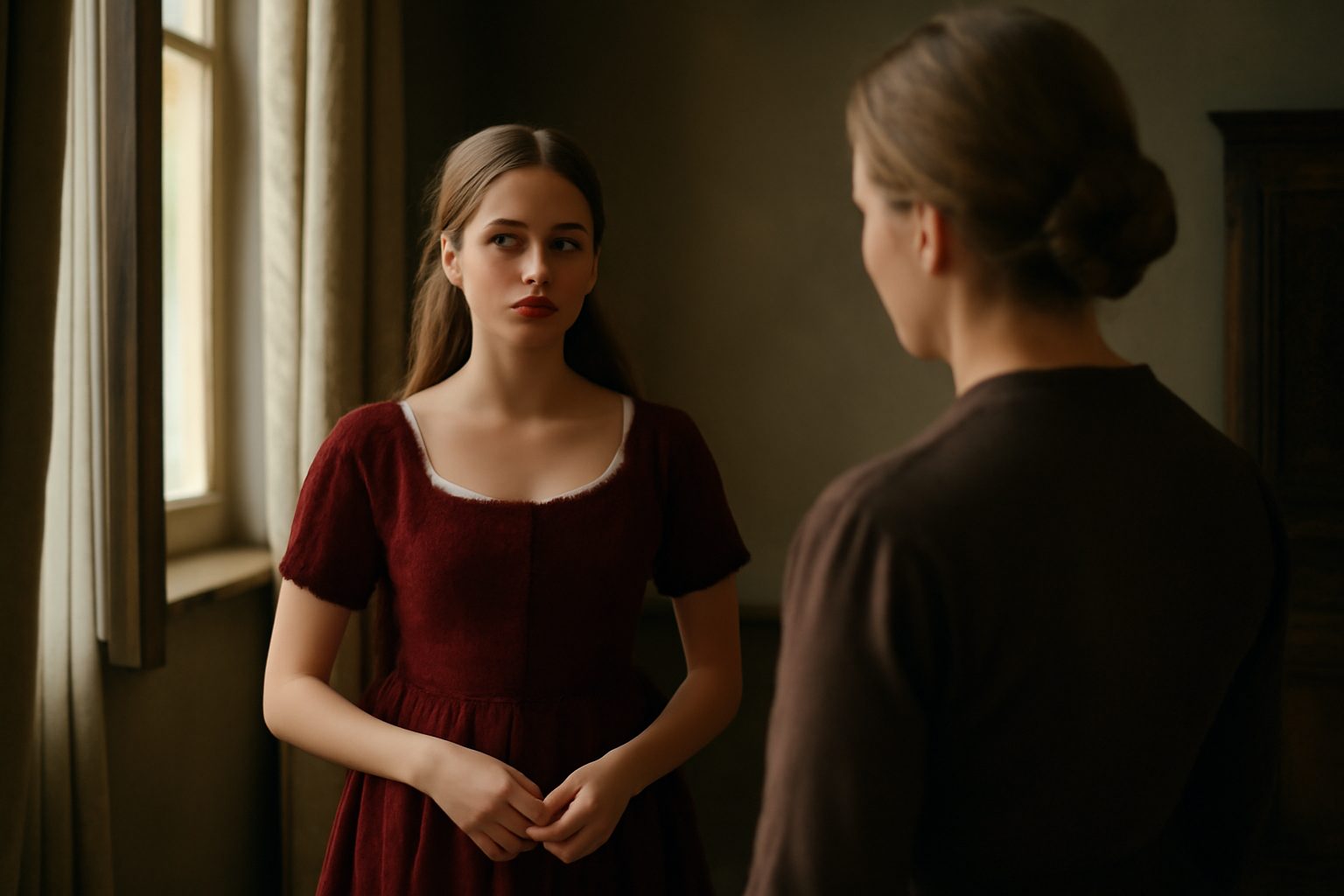
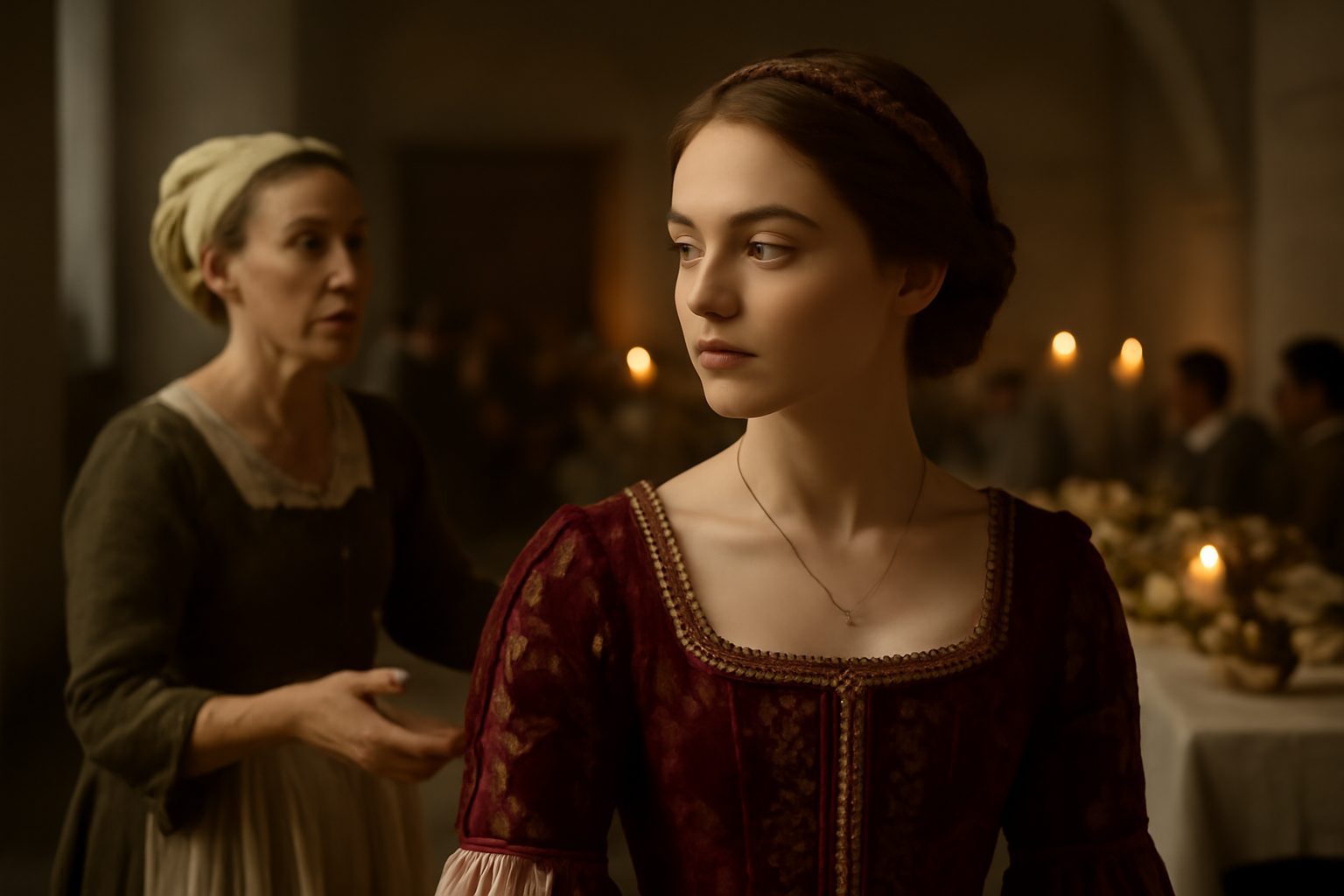
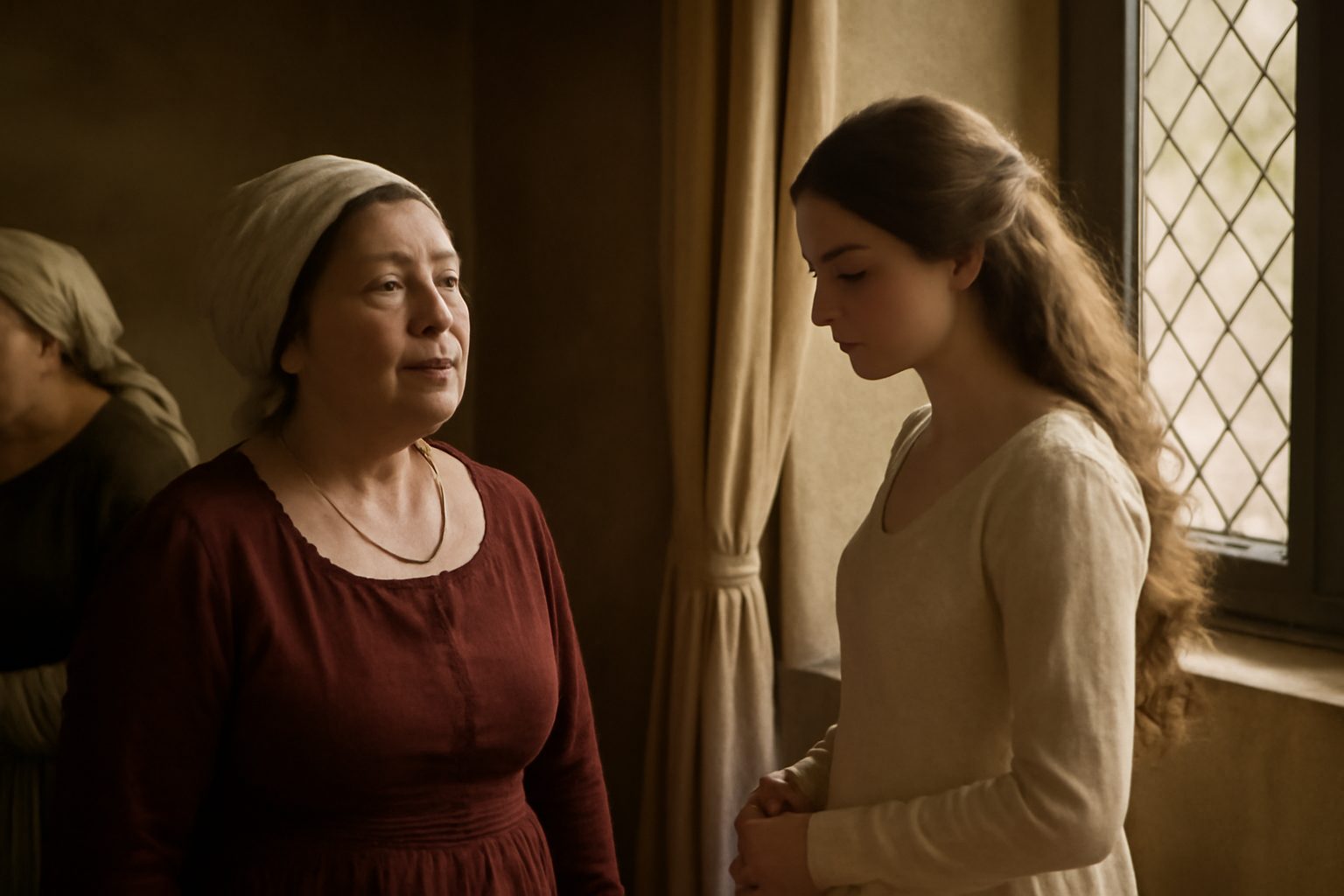
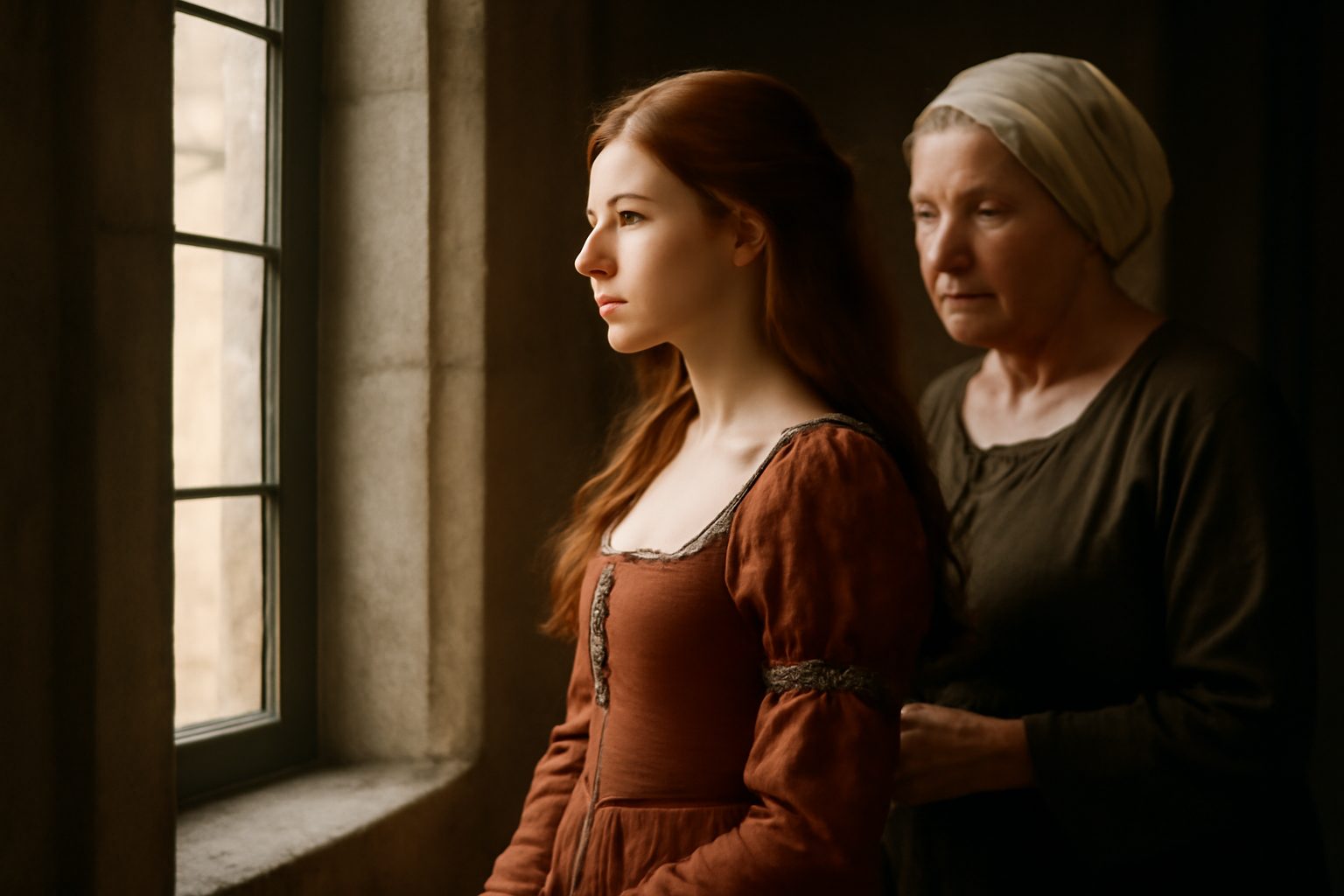
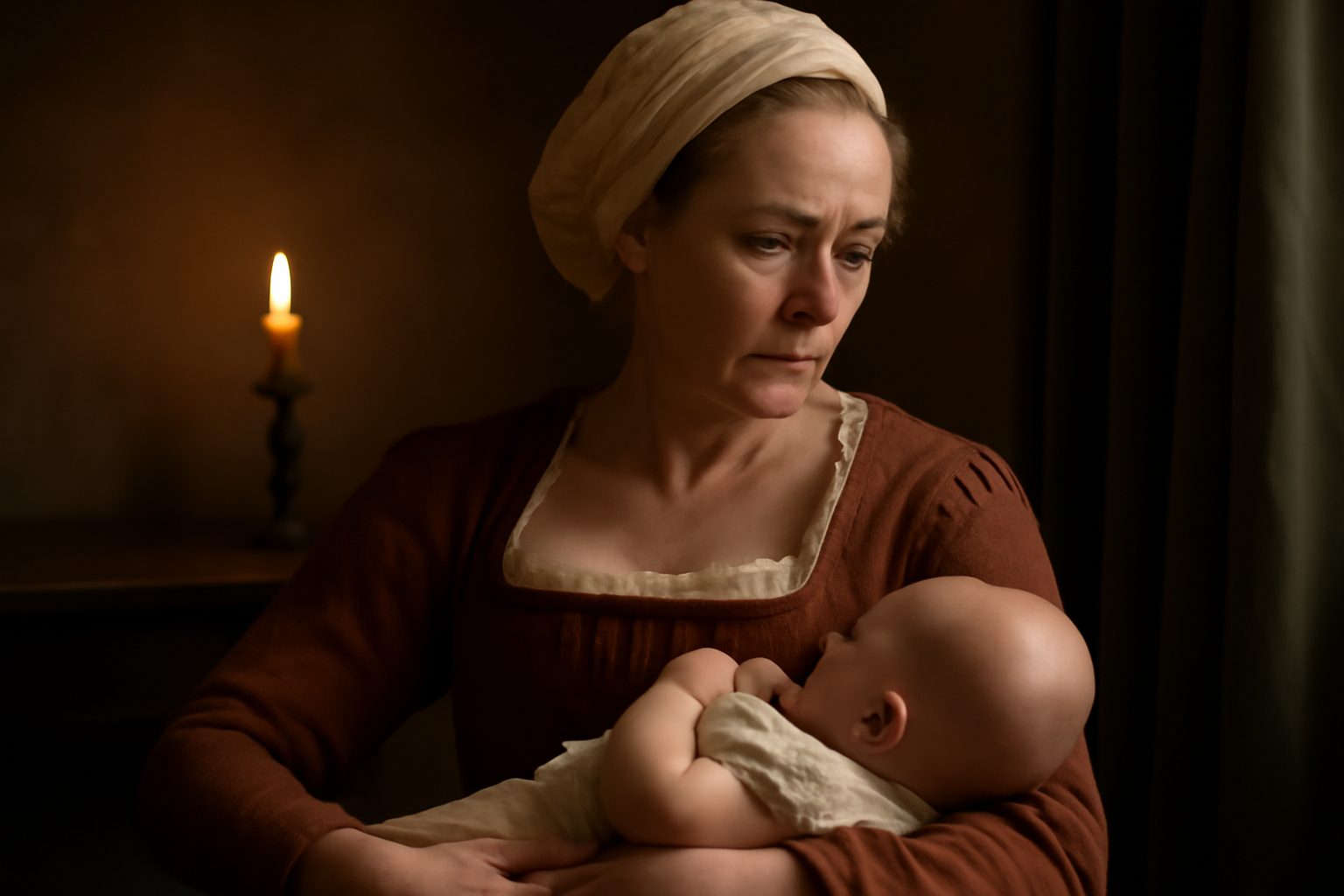
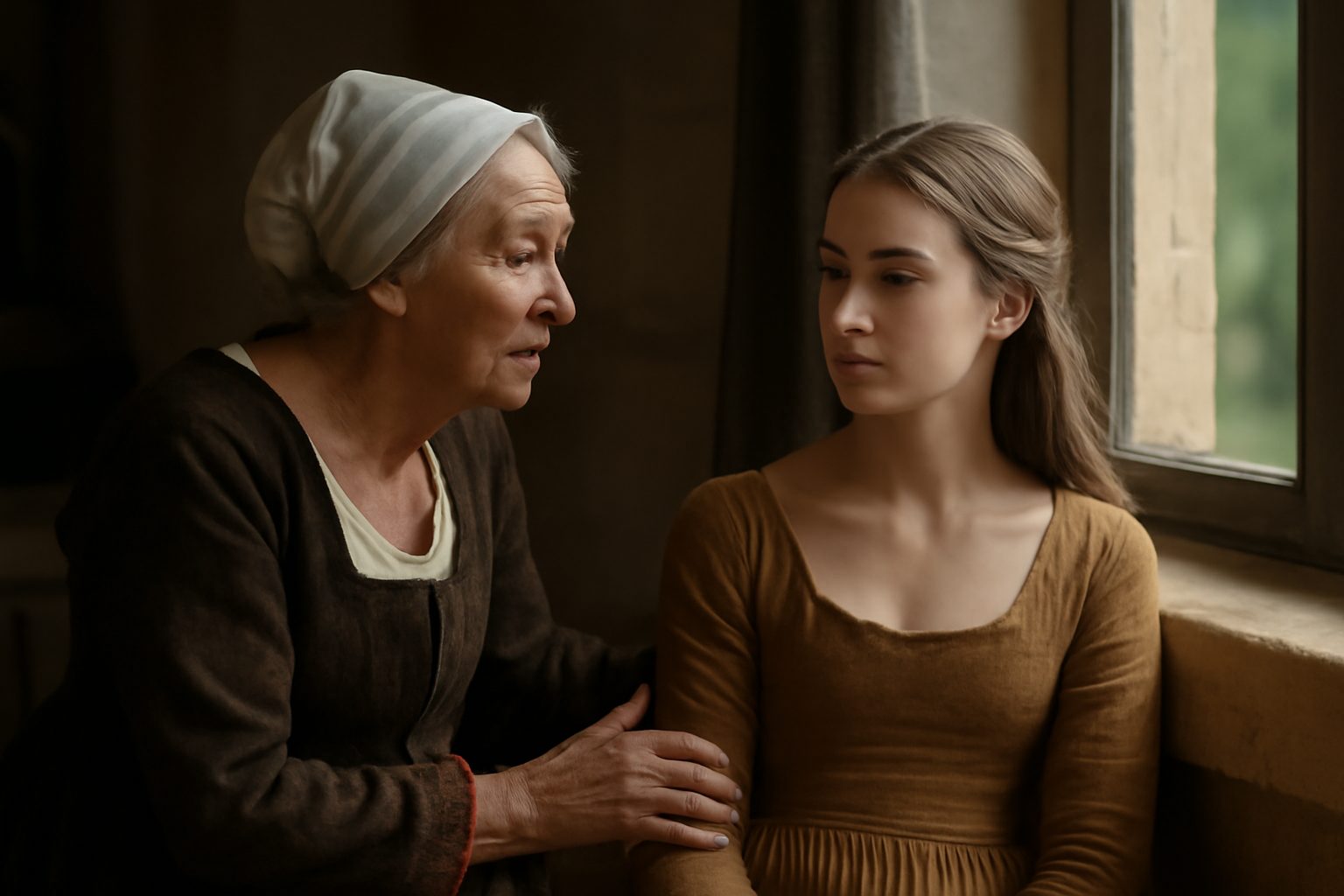
In Act 1, Scene 3 of Romeo and Juliet, Lady Capulet speaks to Juliet about the prospect of marriage, urging her to consider Paris as a suitor. This line comes as Lady Capulet reflects on how many women in Verona younger than Juliet have already become mothers, emphasizing the societal expectations placed on young women of the time. The remark underscores the pressure Juliet faces to conform to tradition and marry young.
Lady Capulet: "Are made already mothers: by my count,"
In modern day english, we would say:
They have already become mothers; according to my count.
Frequently Asked Questions
What is Lady Capulet suggesting about the other women in this line?
She is saying that many women her age have already become mothers.
Connections to other verses:
Connections to "Are made already mothers: by my count,"
This line, spoken by Lady Capulet, reflects on the youth of Juliet's peers who are already mothers. It connects thematically and contextually with several other verses in the scene.
Age and Maturity
Lady Capulet's remark about young mothers ties closely to her earlier statement in "I was your mother much upon these years", where she reveals she was a mother at Juliet's current age. This emphasizes the societal expectations placed on Juliet.
Additionally, the Nurse's detailed recollection of Juliet's age and weaning in "And she was wean'd,--I never shall forget it,--" and "And since that time it is eleven years;" reinforces the focus on Juliet's youth and the passage of time leading to marriageable age.
Marriage and Social Pressure
The idea of early motherhood is part of Lady Capulet's argument for Juliet to consider marrying Paris, as seen in "Well, think of marriage now; younger than you," where she points out that girls younger than Juliet are already married. This societal pressure is further highlighted when she asks "How stands your disposition to be married?".
Nostalgia and Foreshadowing
The Nurse's affectionate memories, such as "Thou wast the prettiest babe that e'er I nursed:", contrast with the serious tone of Lady Capulet's statement, adding depth to the discussion of Juliet's past and future. The playful anecdote in "Thou wilt fall backward when thou comest to age;" also subtly alludes to Juliet's sexual maturity, tying into the theme of motherhood.
Conclusion of the Argument
Lady Capulet's final push for the marriage is encapsulated in "So shall you share all that he doth possess," and "By having him, making yourself no less.", which directly respond to the idea of becoming a mother and gaining status through marriage.