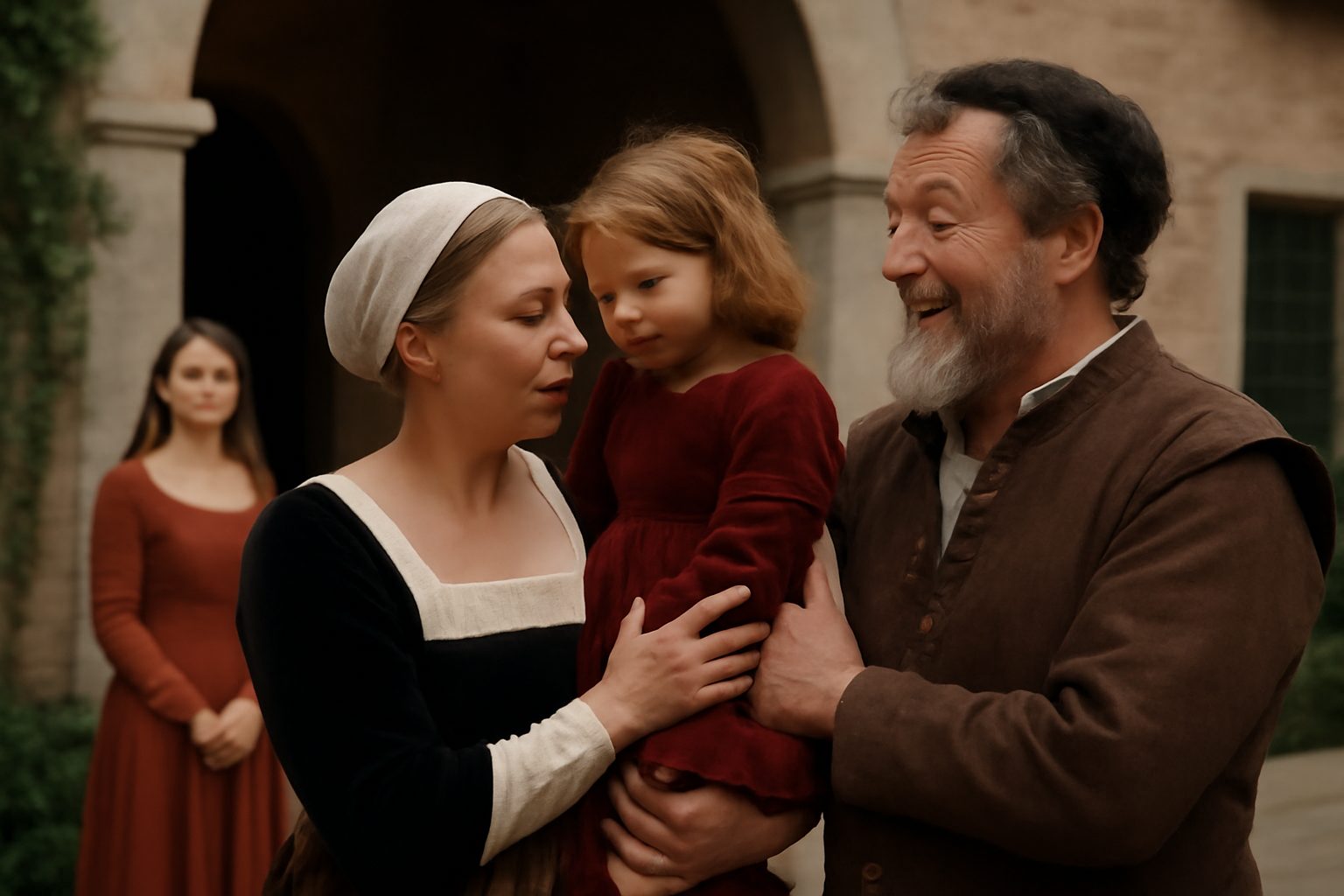
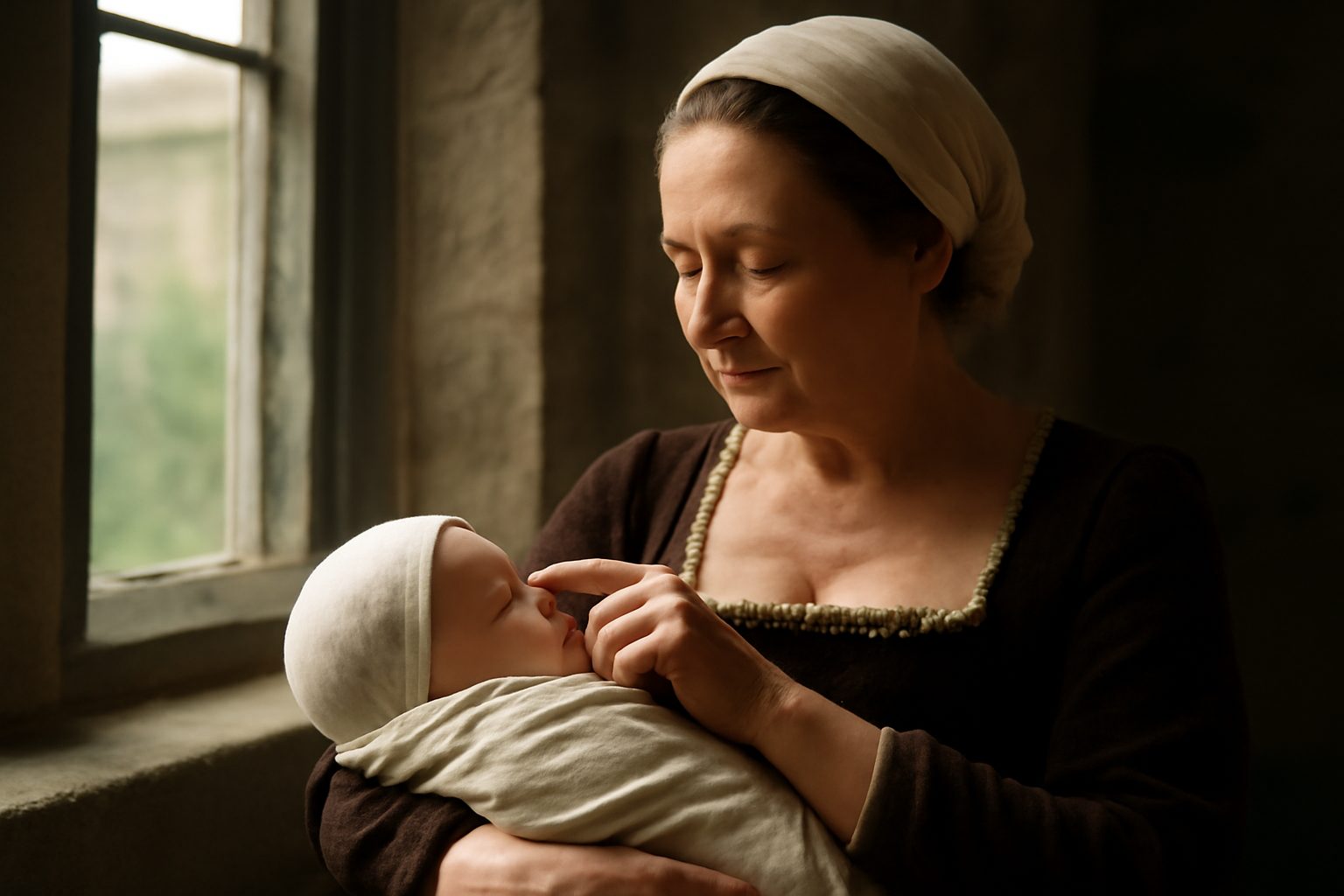
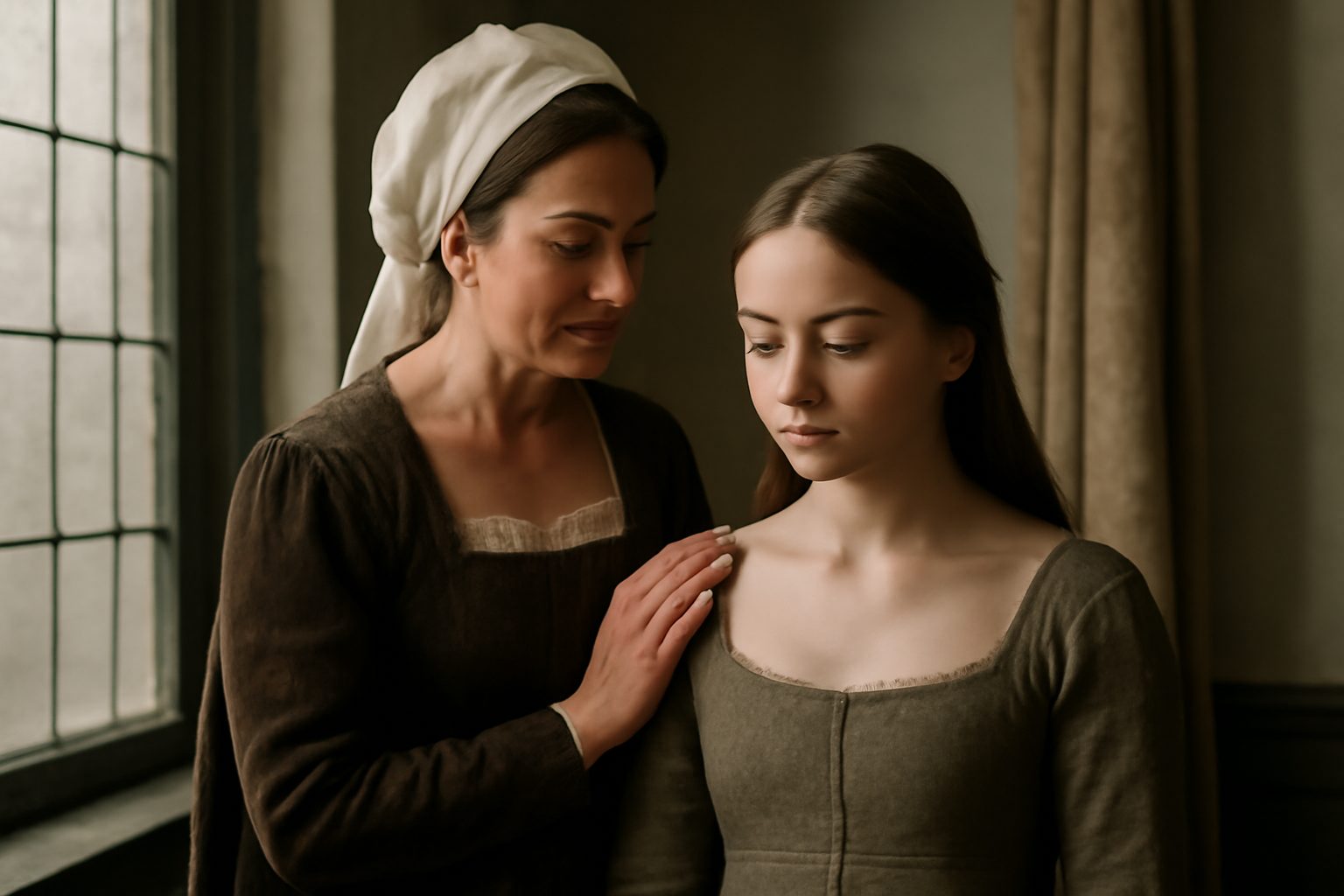
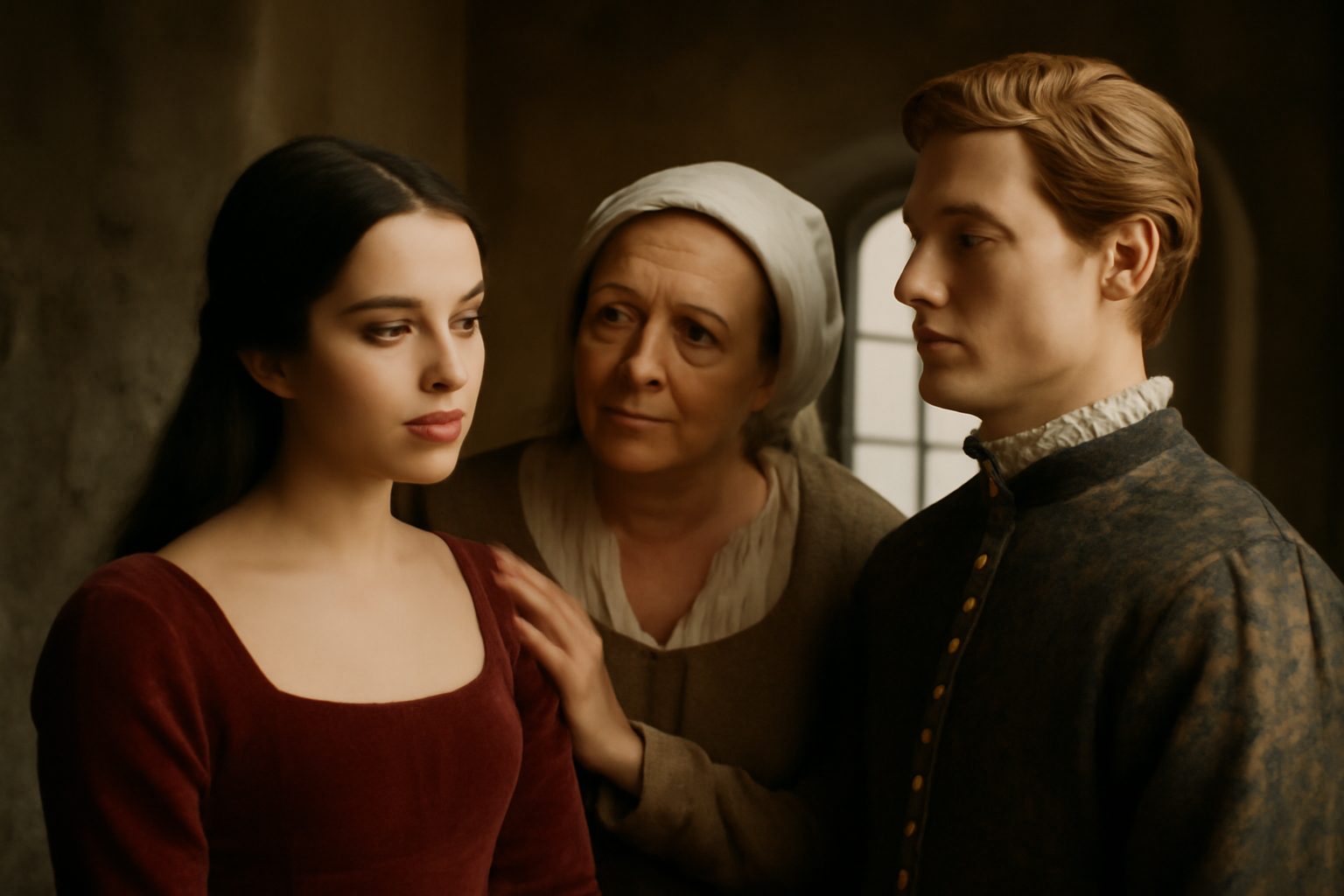
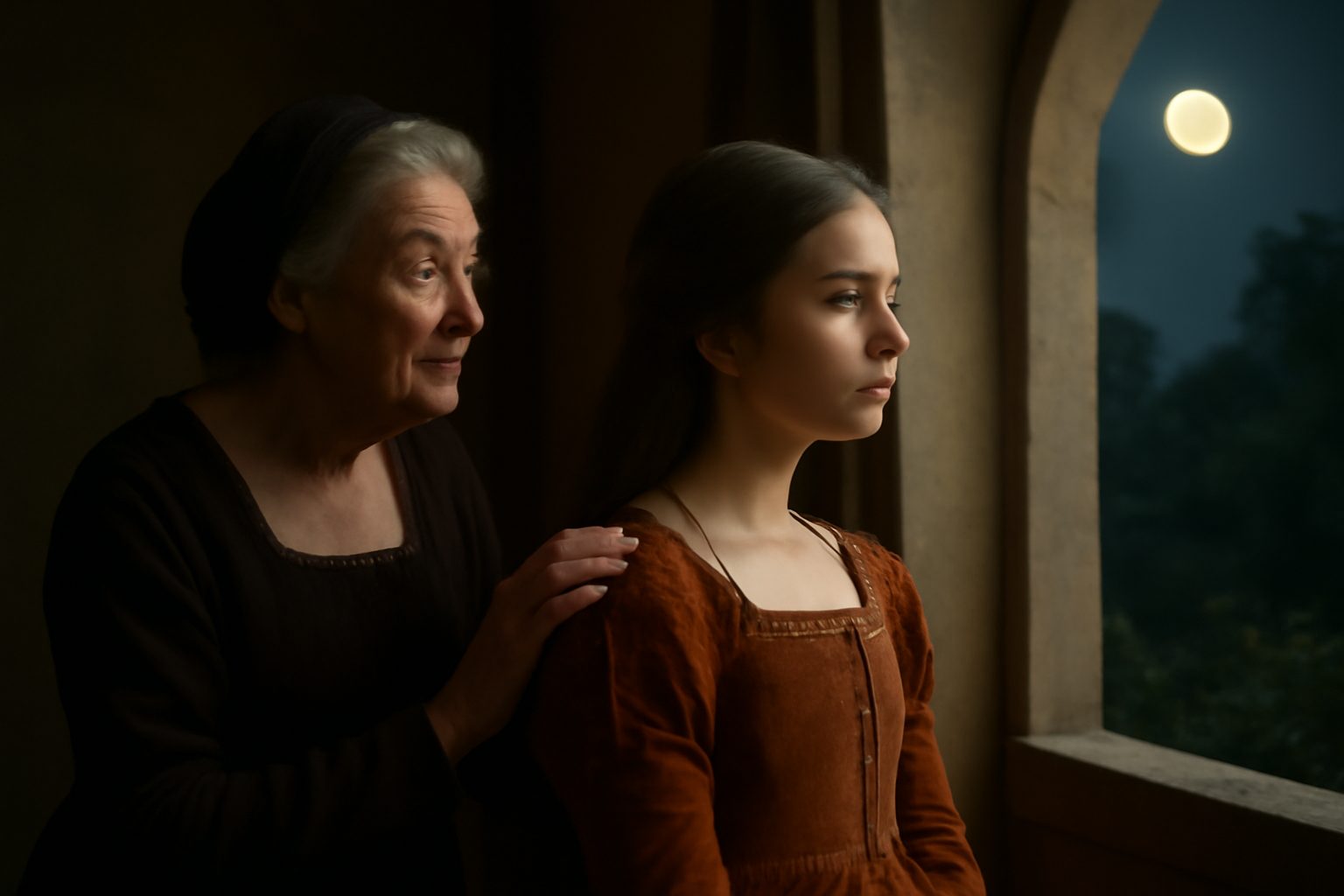
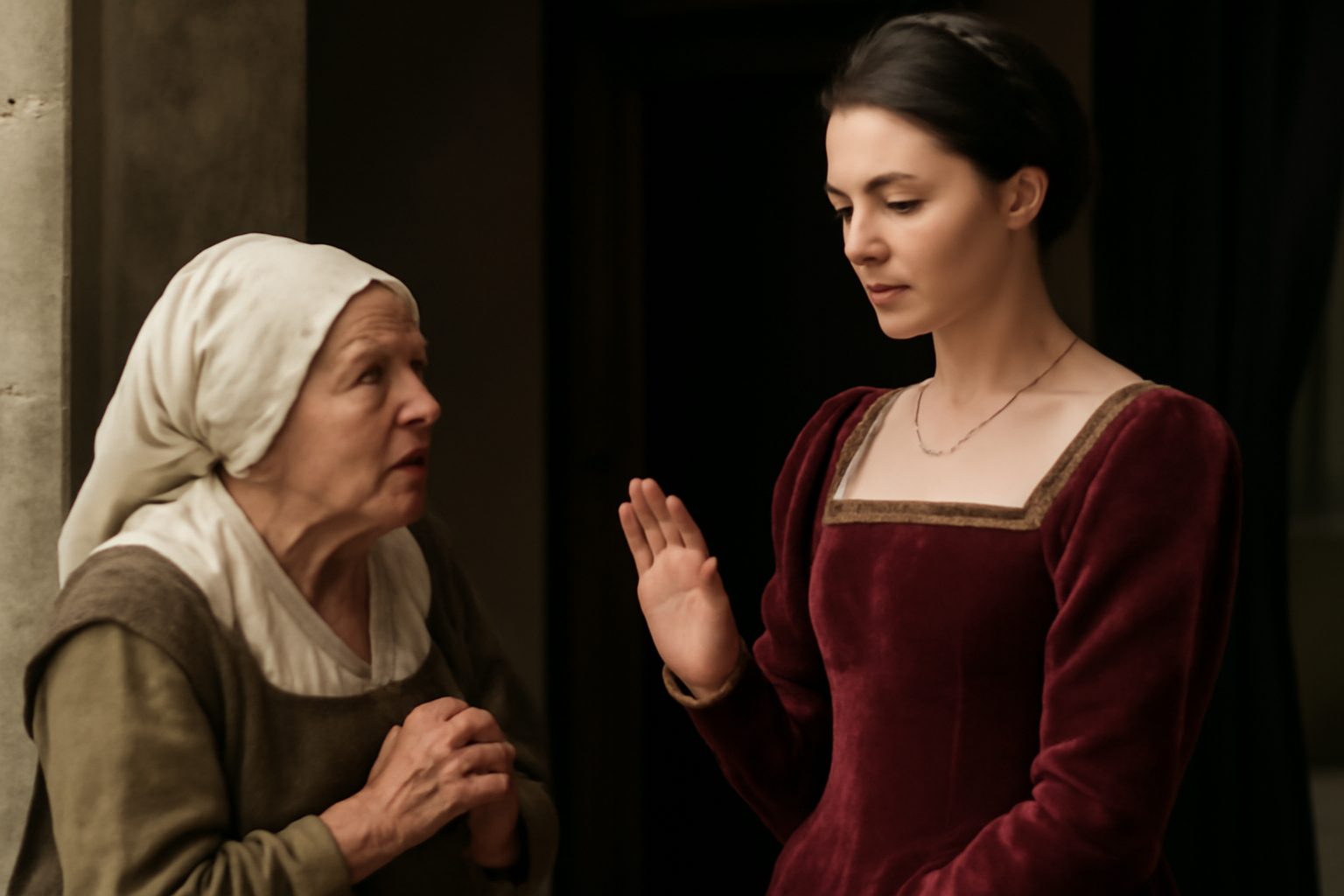
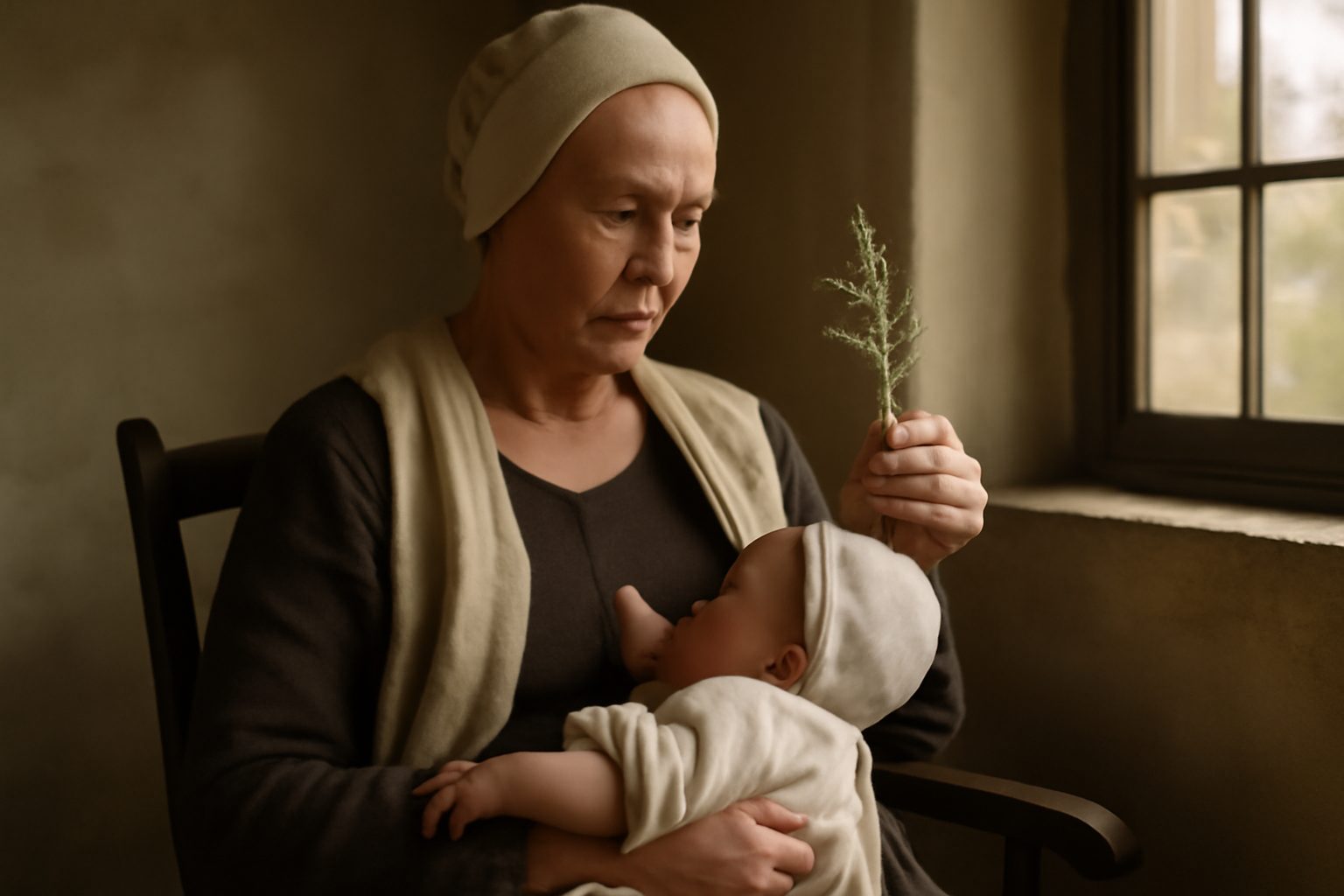
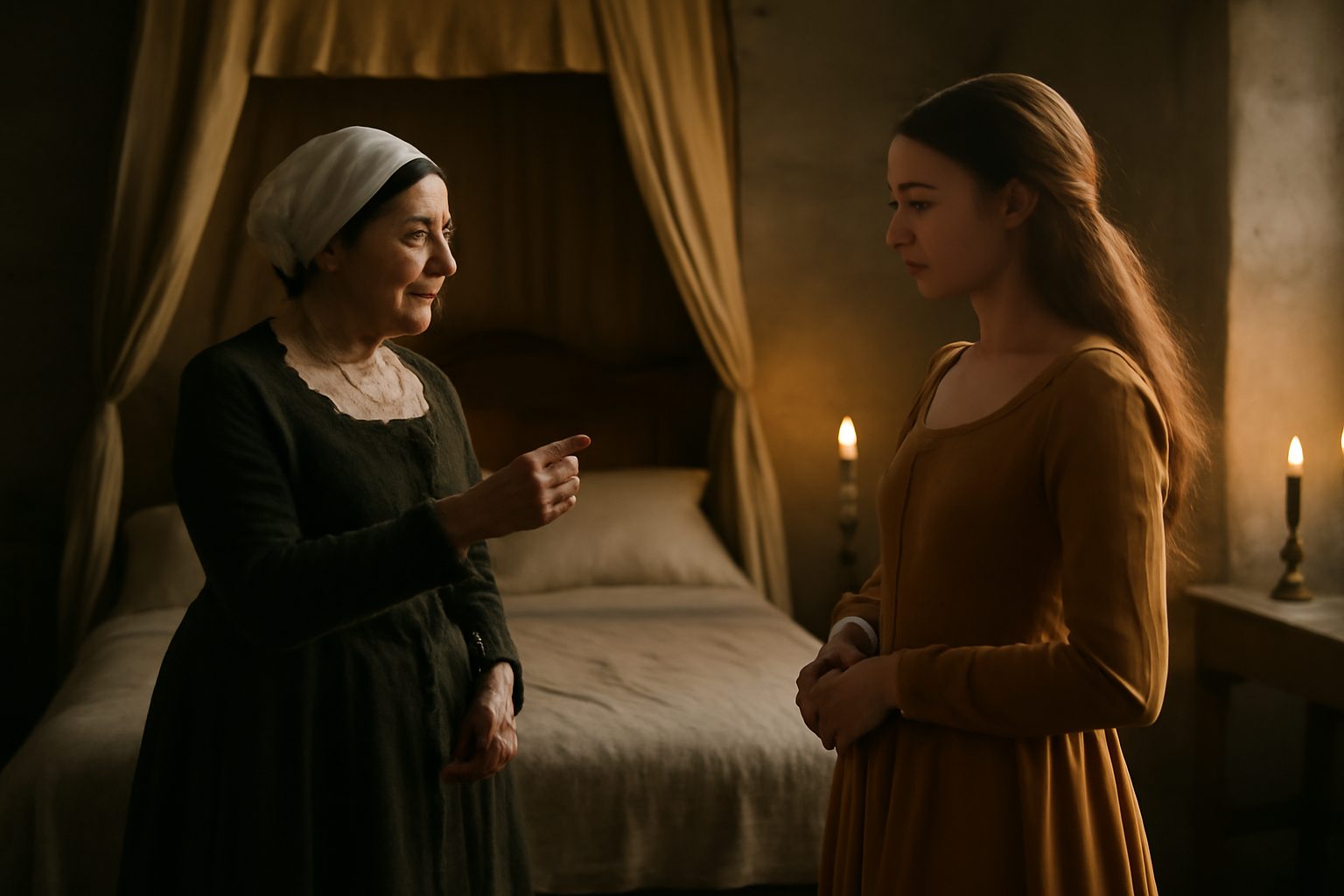
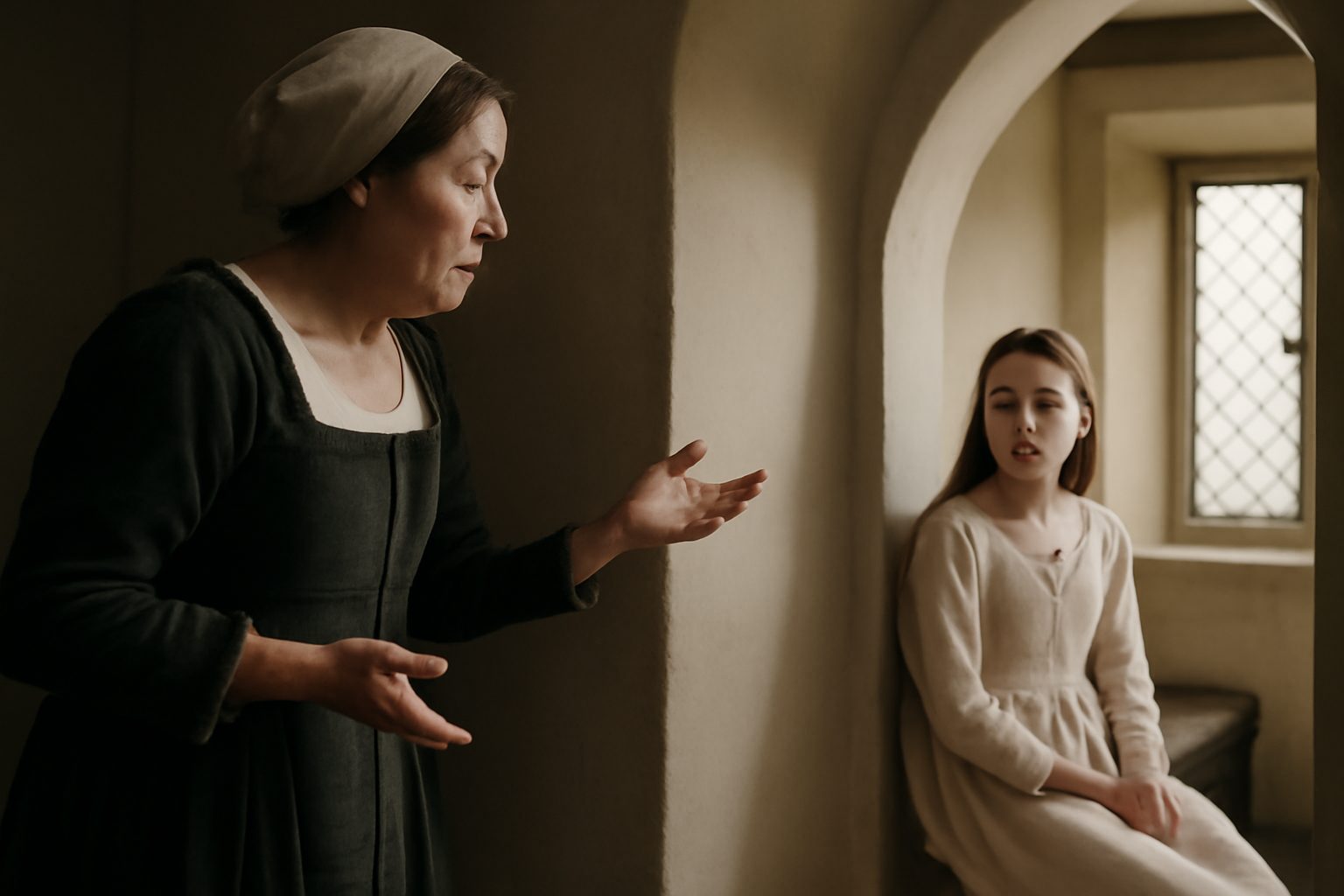
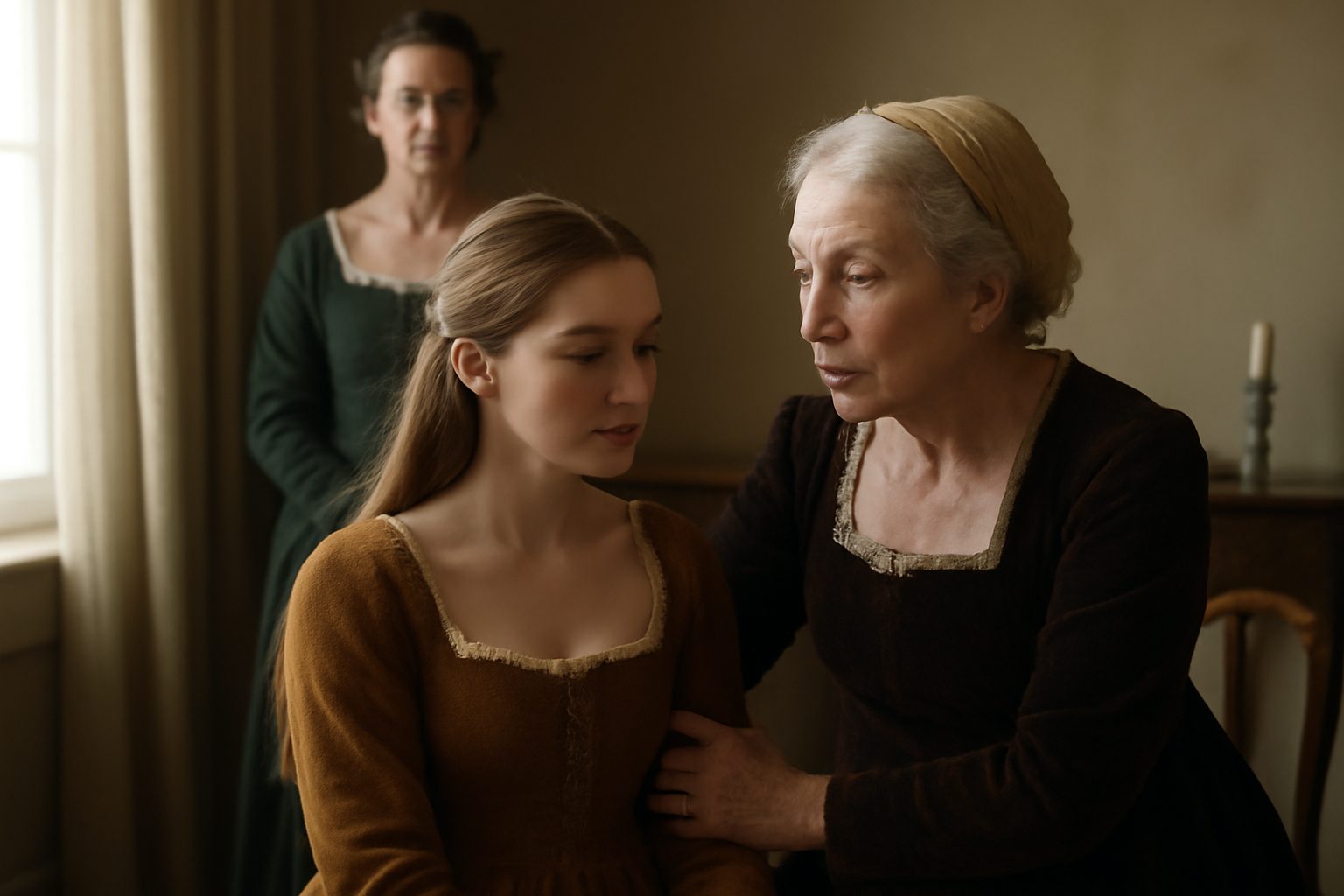
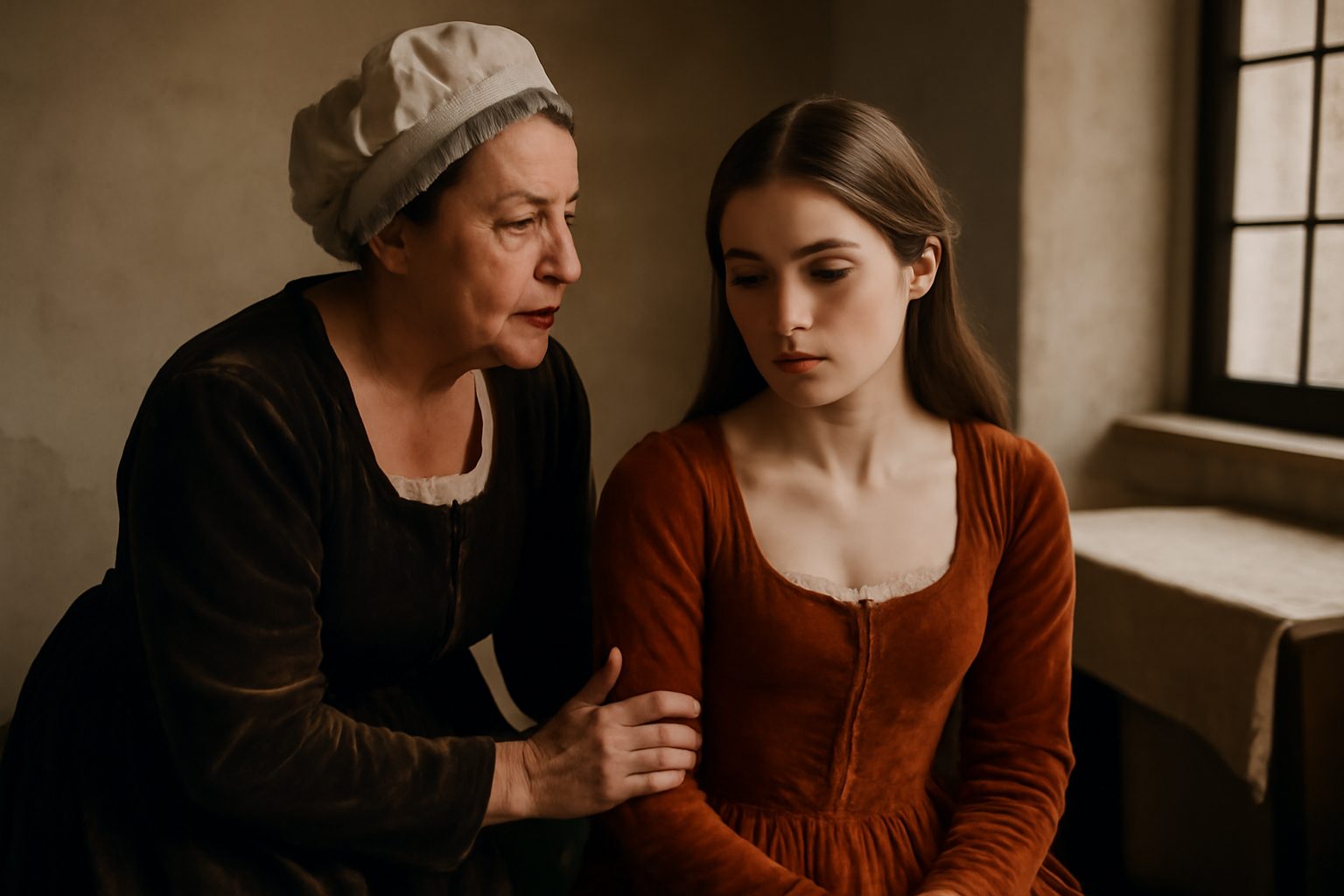
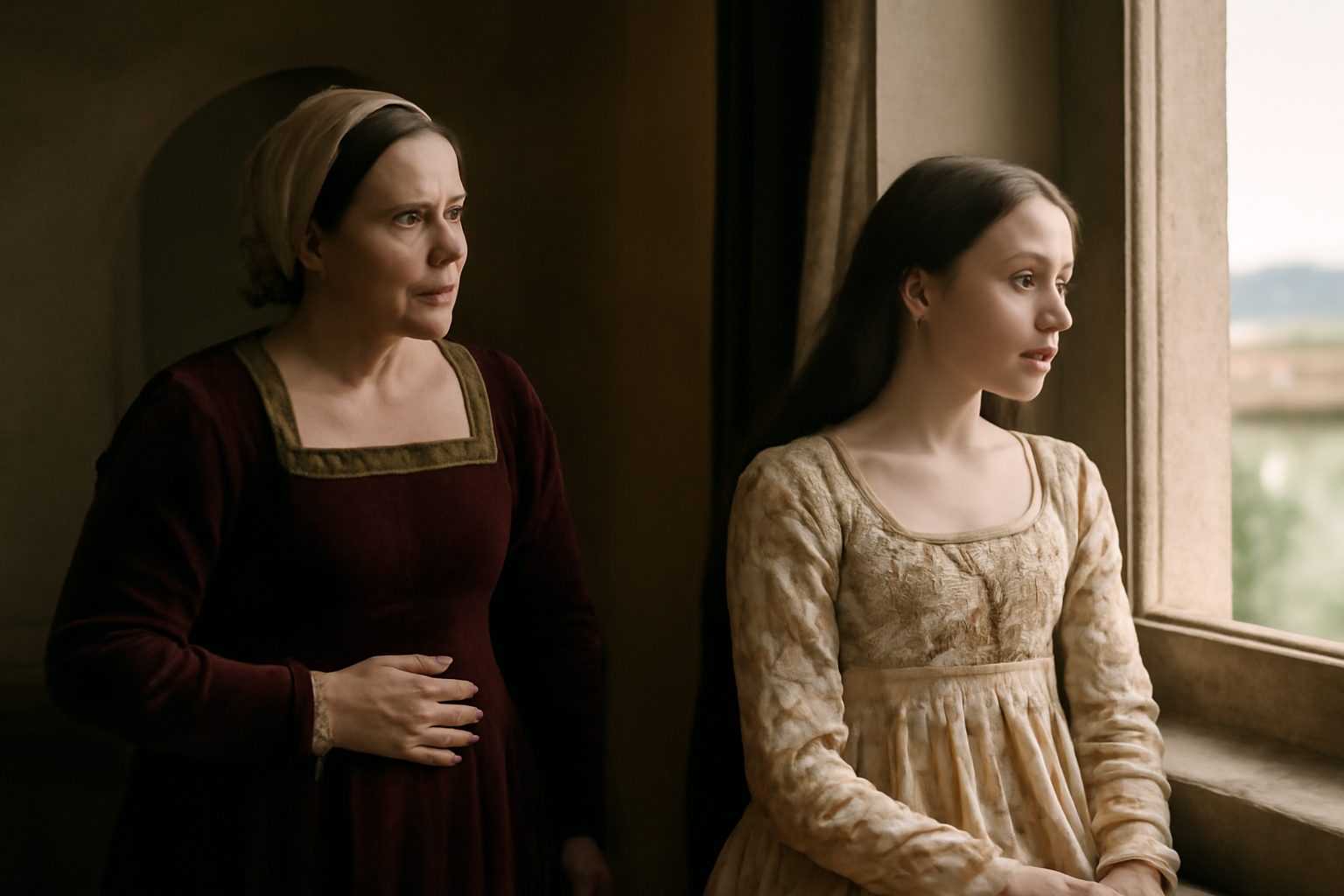
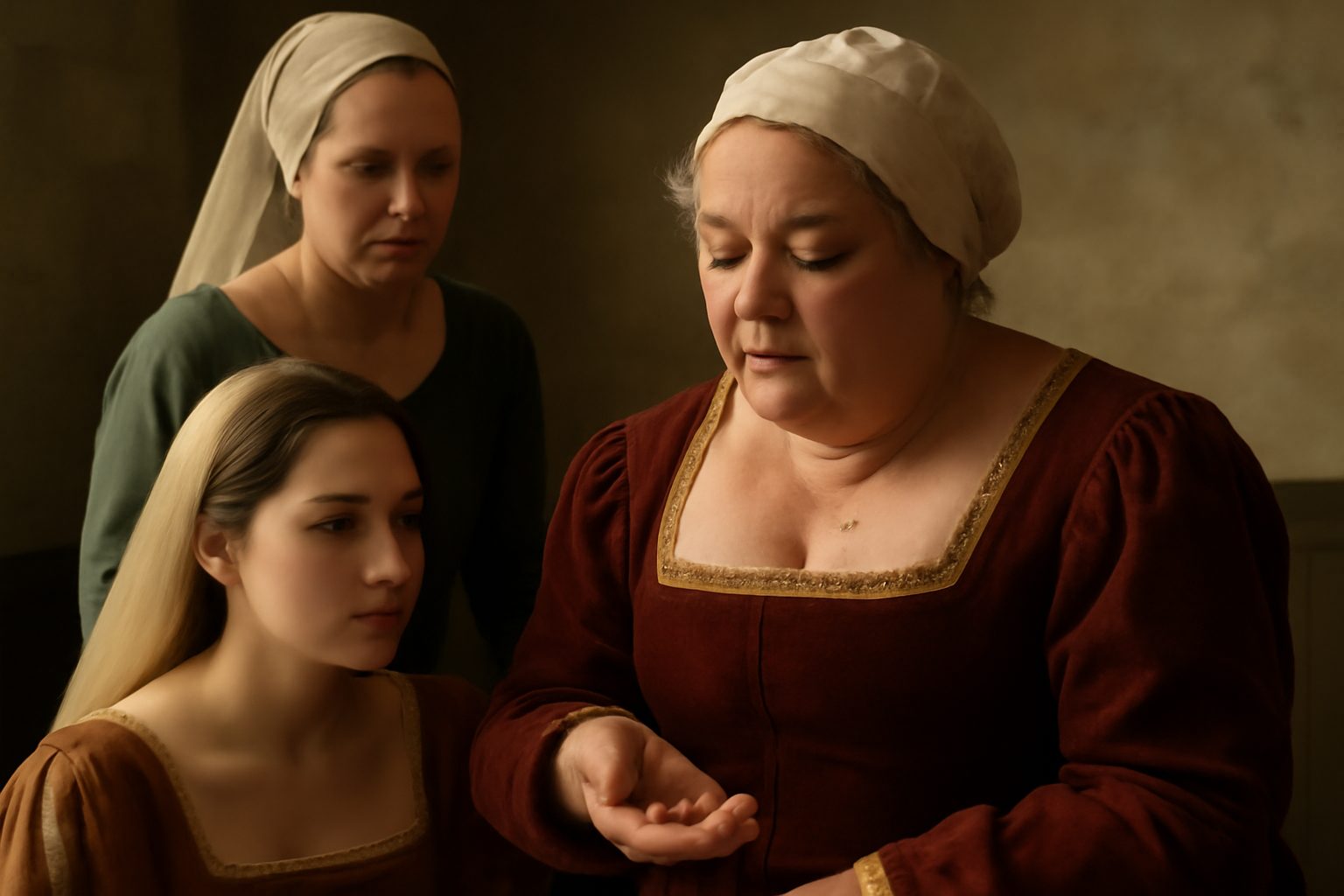
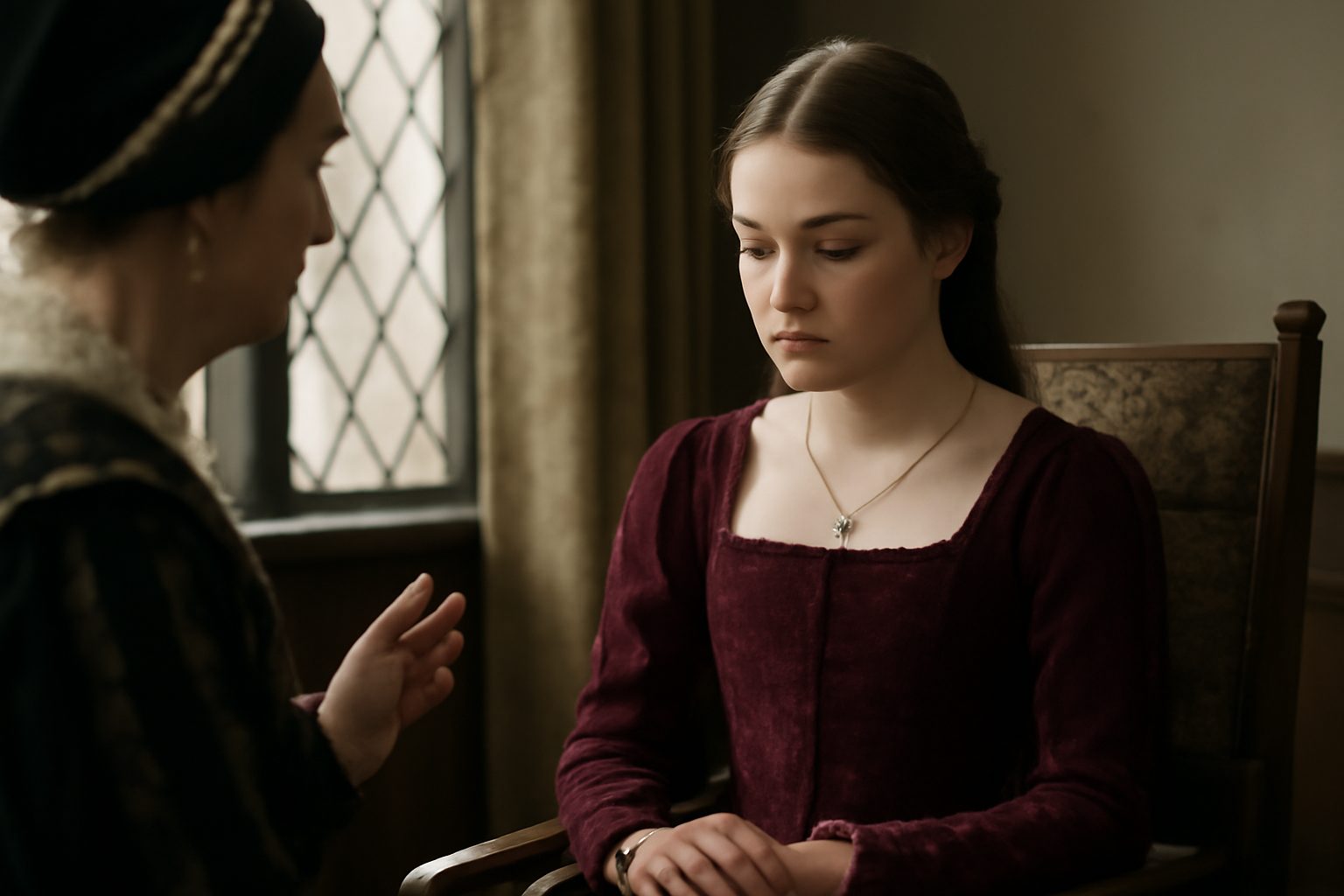
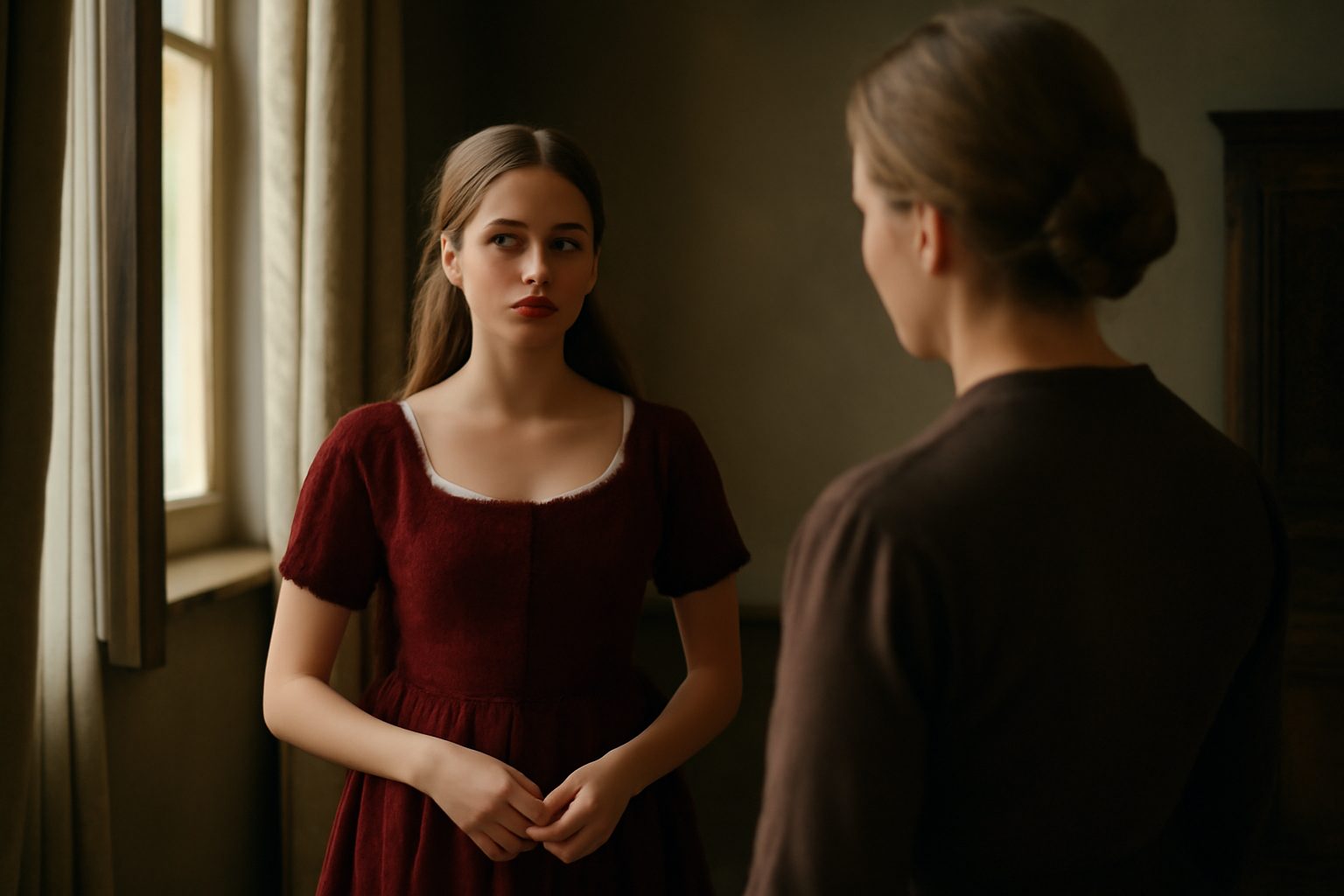
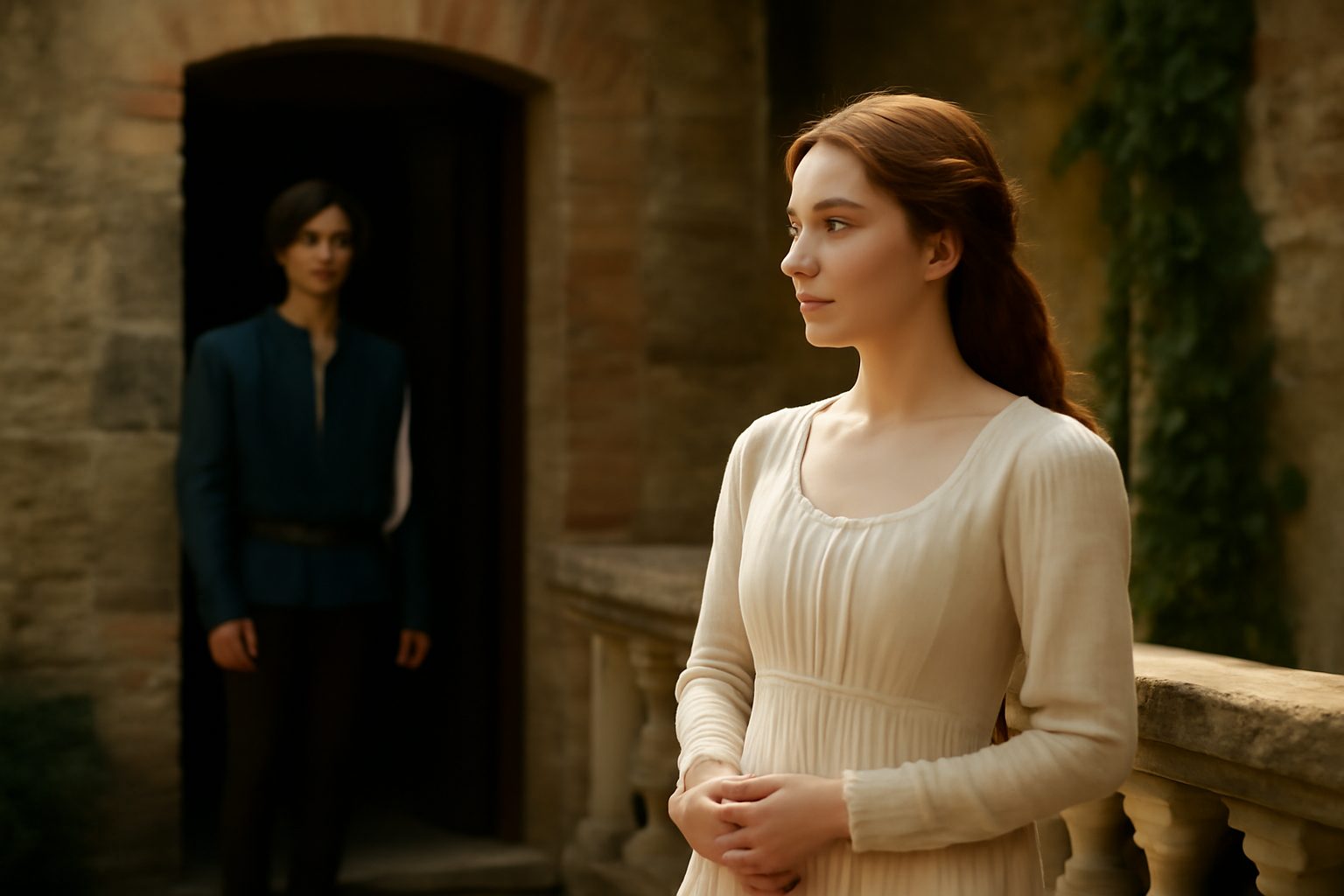
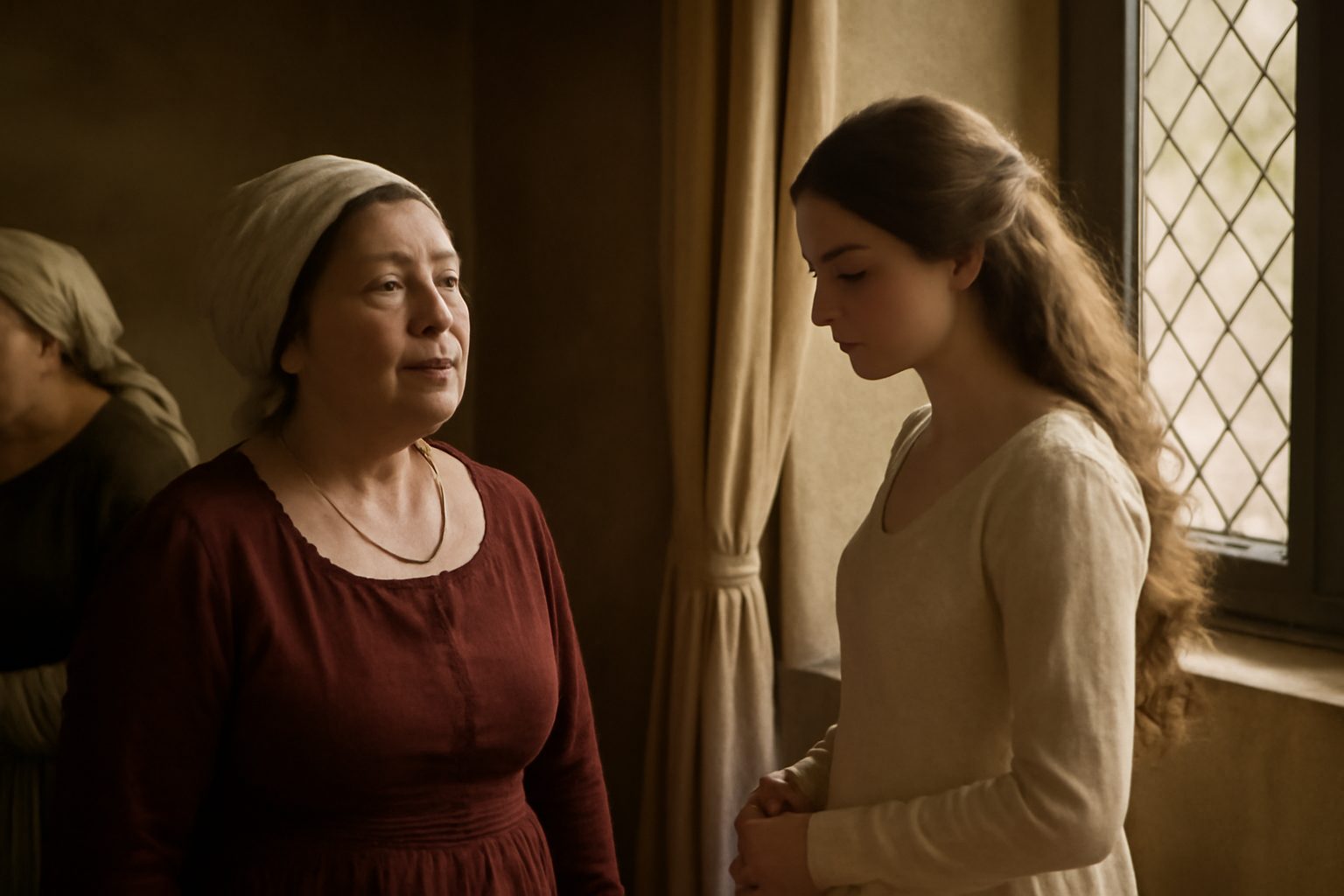
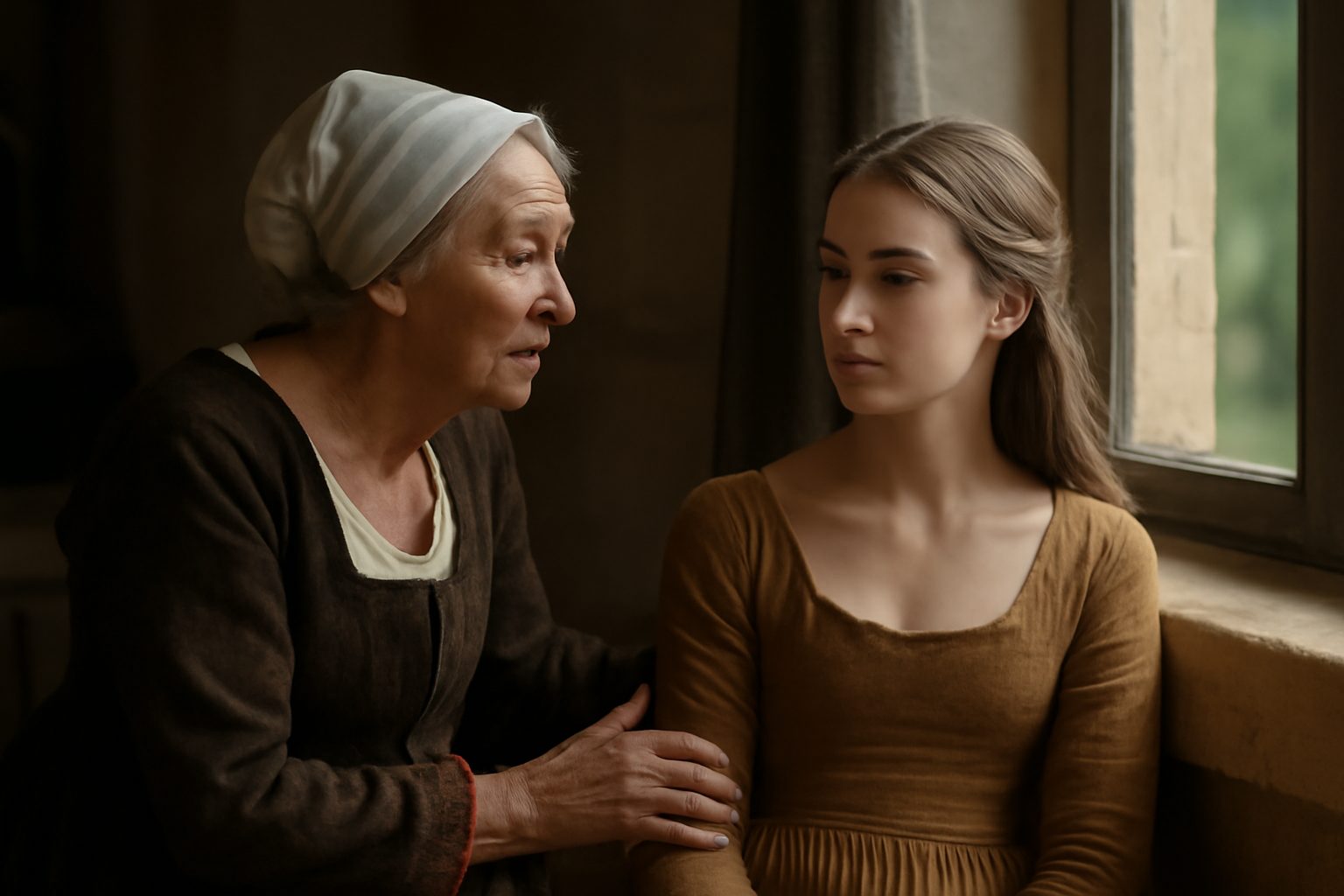
In Act 1, Scene 3 of Romeo and Juliet, the Nurse reminisces about Juliet's childhood, sharing a humorous anecdote. This line comes as she jokes about her own age and lack of teeth, adding a lighthearted moment amid Lady Capulet's serious discussion of marriage. The Nurse's earthy humor contrasts with the formality of the Capulet household.
Nurse: "And yet, to my teeth be it spoken, I have but four--"
In modern day english, we would say:
To be honest, I only have four teeth left.
Frequently Asked Questions
How many teeth does the Nurse say she has in this line?
The Nurse says she has four teeth.
Connections to other verses:
Connections to "And yet, to my teeth be it spoken, I have but…"
This line, spoken by the Nurse, is part of a larger exchange about Juliet's age and the Nurse's memory. It connects to several other verses in the scene that highlight the Nurse's character, her relationship with Juliet, and the theme of youth and marriage.
Age and Memory
The Nurse's boast about her memory and teeth is directly linked to I'll lay fourteen of my teeth, where she wagers her teeth on her accuracy. This establishes her as a humorous, earthy character. Her certainty about Juliet's age is echoed in Faith, I can tell her age unto an hour and She's not fourteen, reinforcing her role as Juliet's primary caregiver.
Juliet's Youth and Development
The Nurse's anecdotes about Juliet's childhood, such as And she was wean'd and For then she could stand alone, provide context for her intimate knowledge of Juliet. These memories contrast with Lady Capulet's focus on marriage, as seen in How stands your disposition to be married?.
Marriage and Honor
The Nurse's pragmatic view of marriage is evident in An I might live to see thee married once, where she expresses her wish for Juliet's marriage. This aligns with Lady Capulet's praise of Paris in As all the world--why, he's a man of wax. However, Juliet's reserved response in It is an honour that I dream not of highlights the generational and emotional divide.
Humor and Earthiness
The Nurse's colloquial and often bawdy humor, as in Thou wilt fall backward when thou hast more wit, complements her boast about her teeth. This earthy realism contrasts with the more formal language of Lady Capulet, emphasizing the Nurse's role as a comic yet nurturing figure.