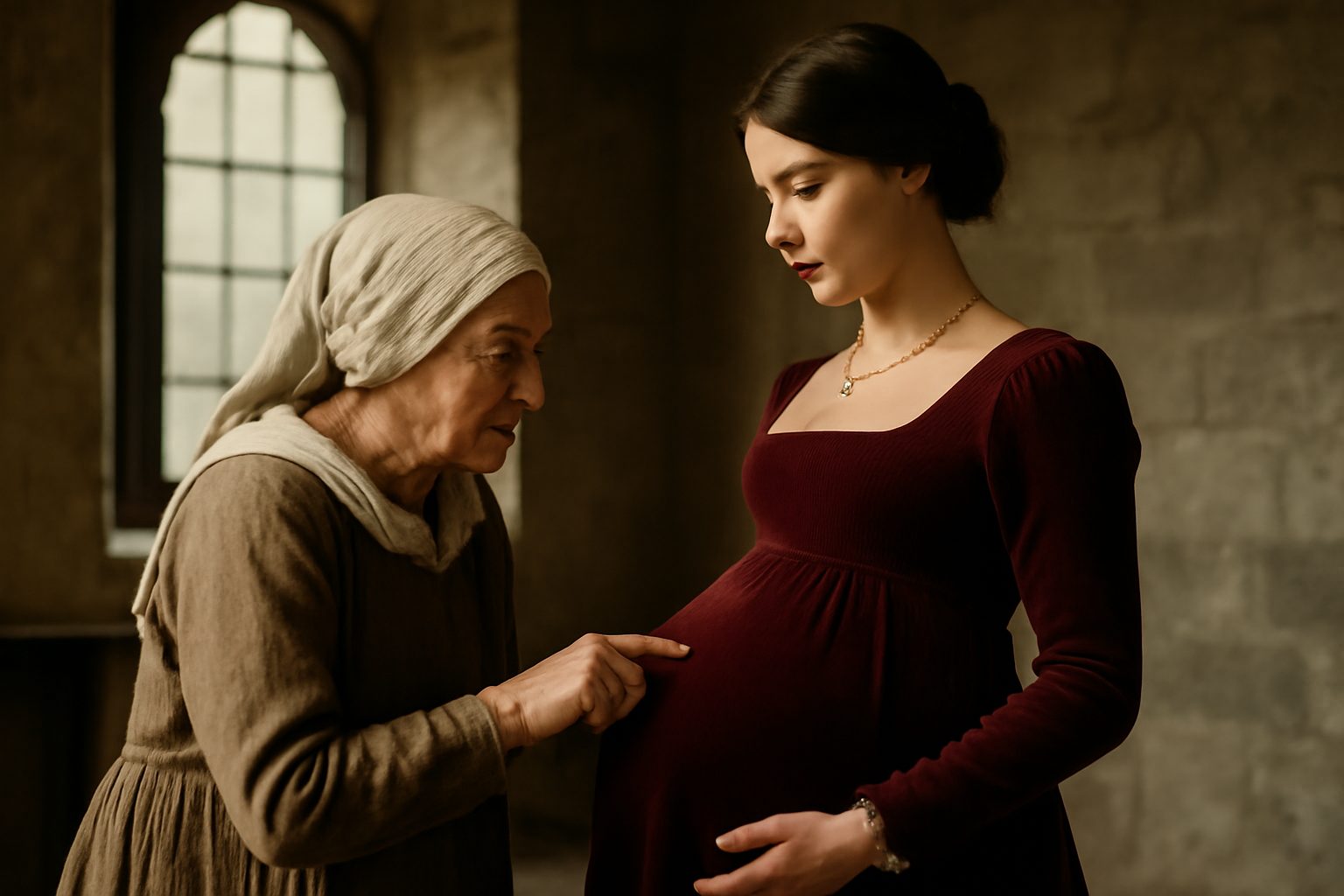
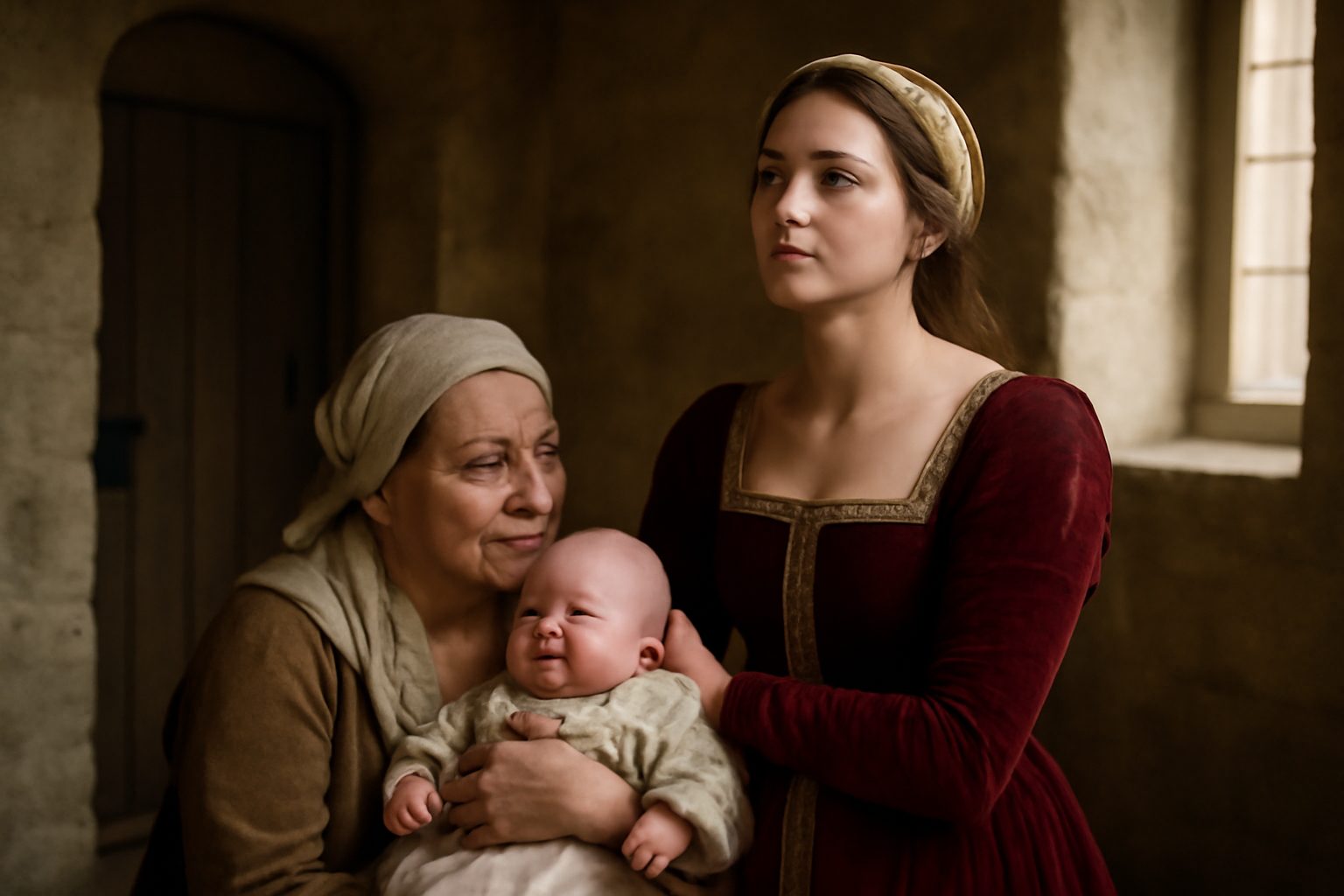
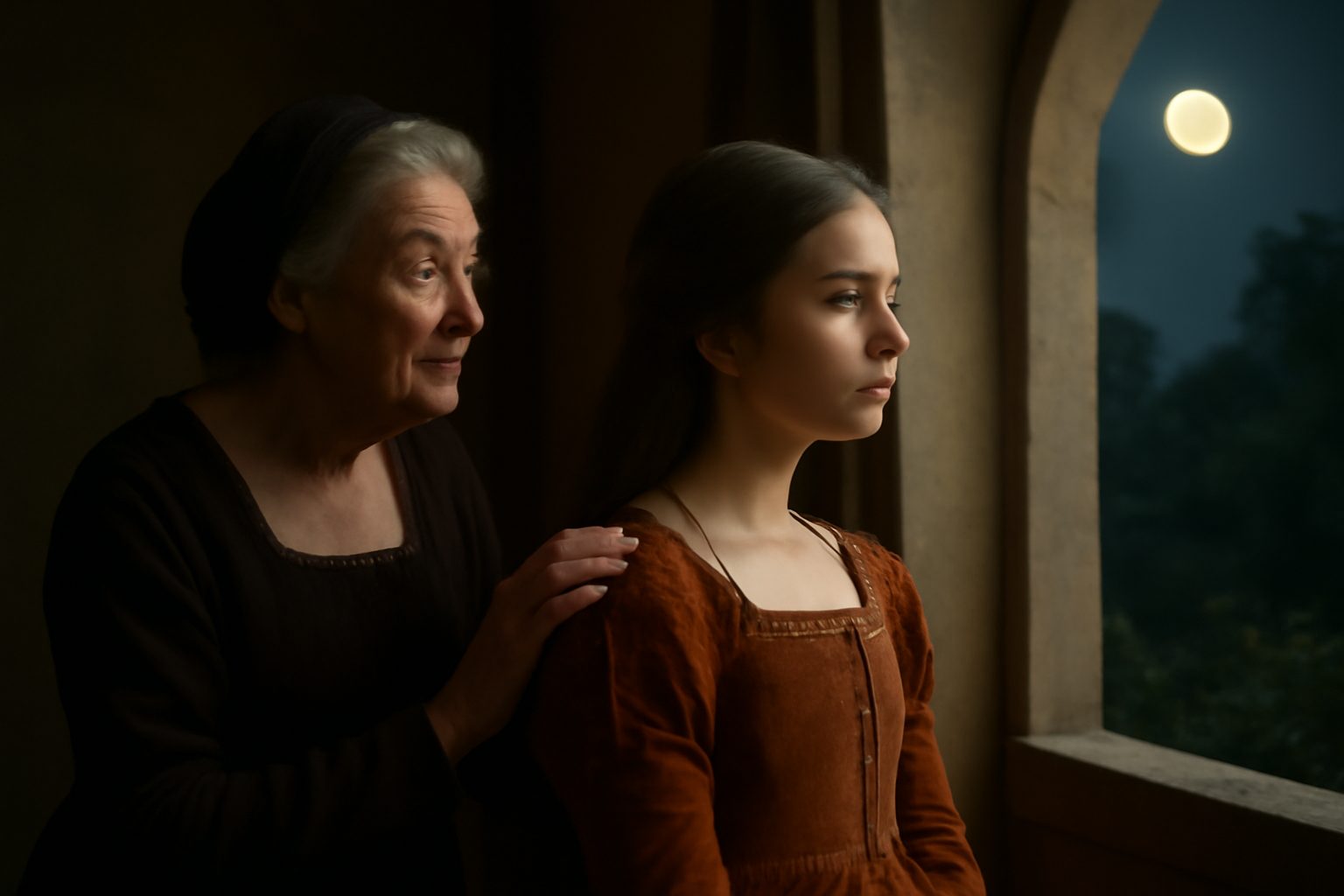
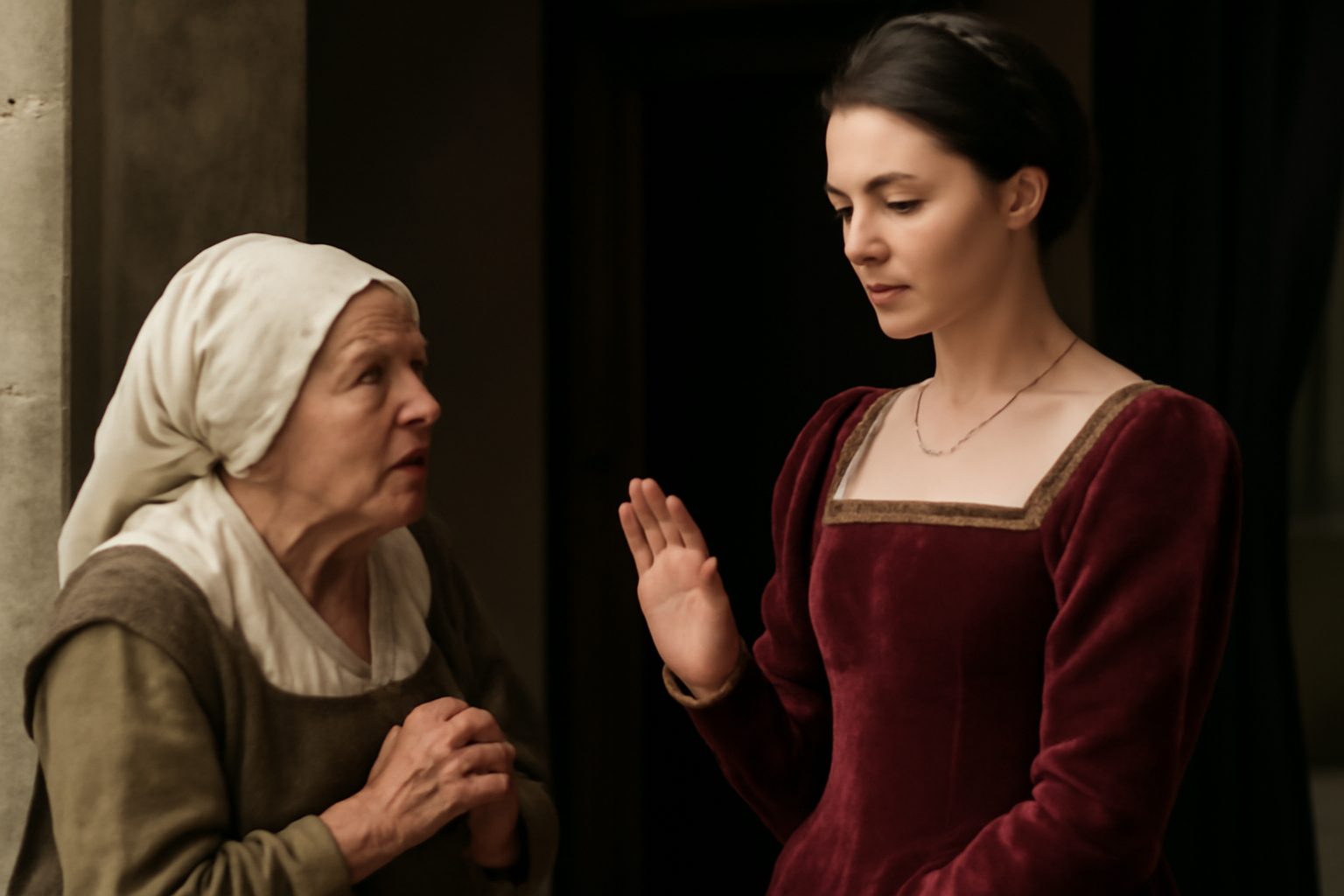
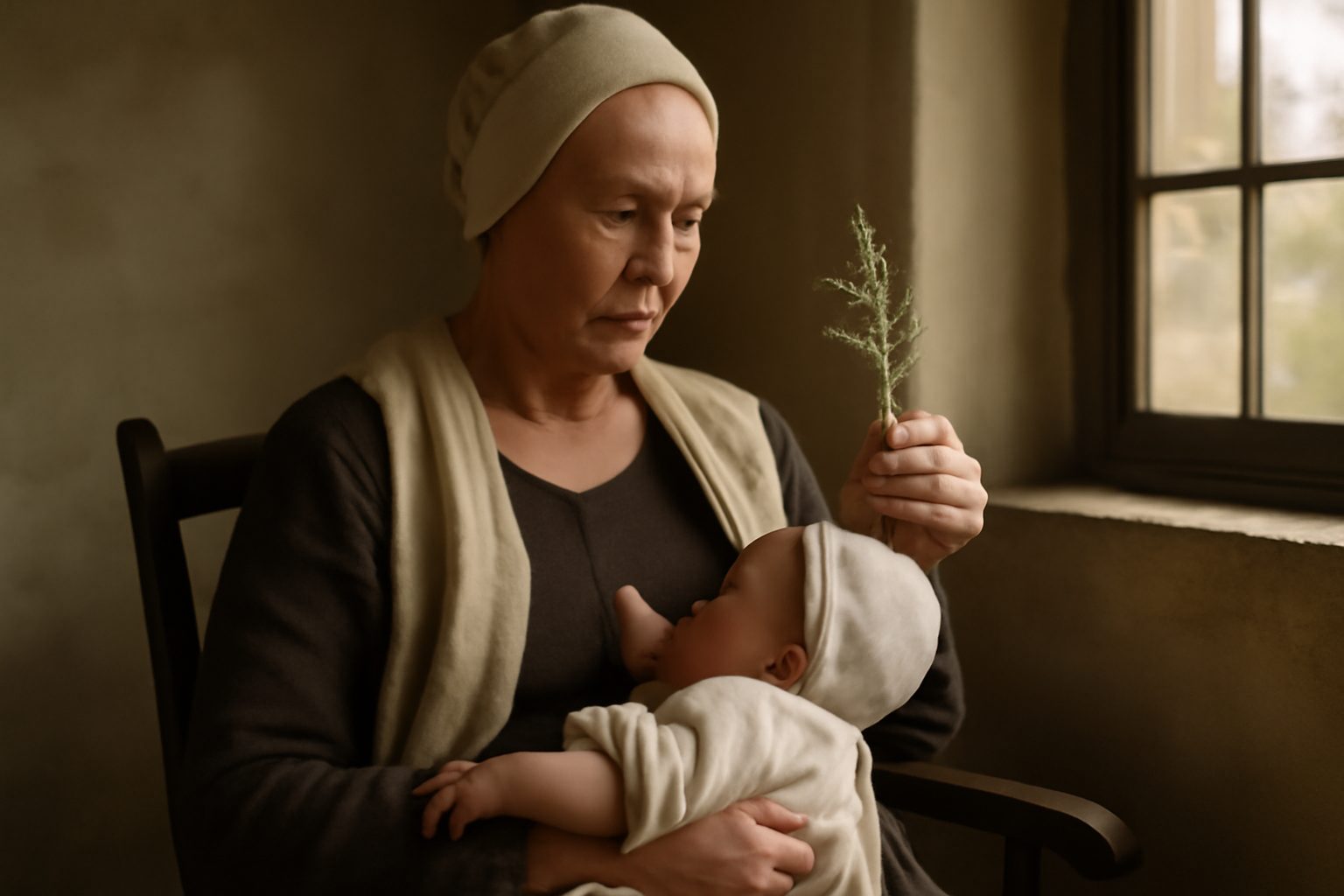
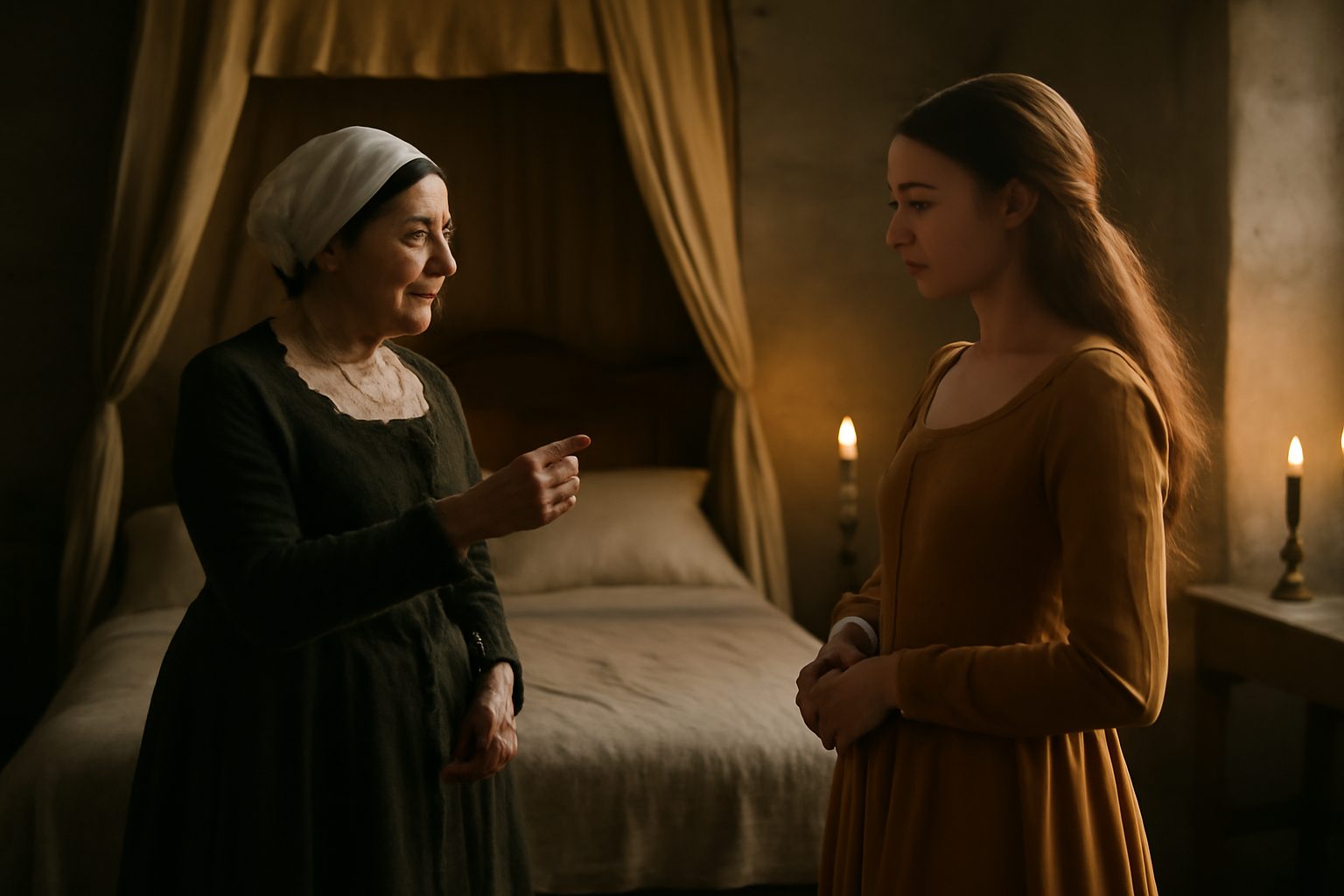
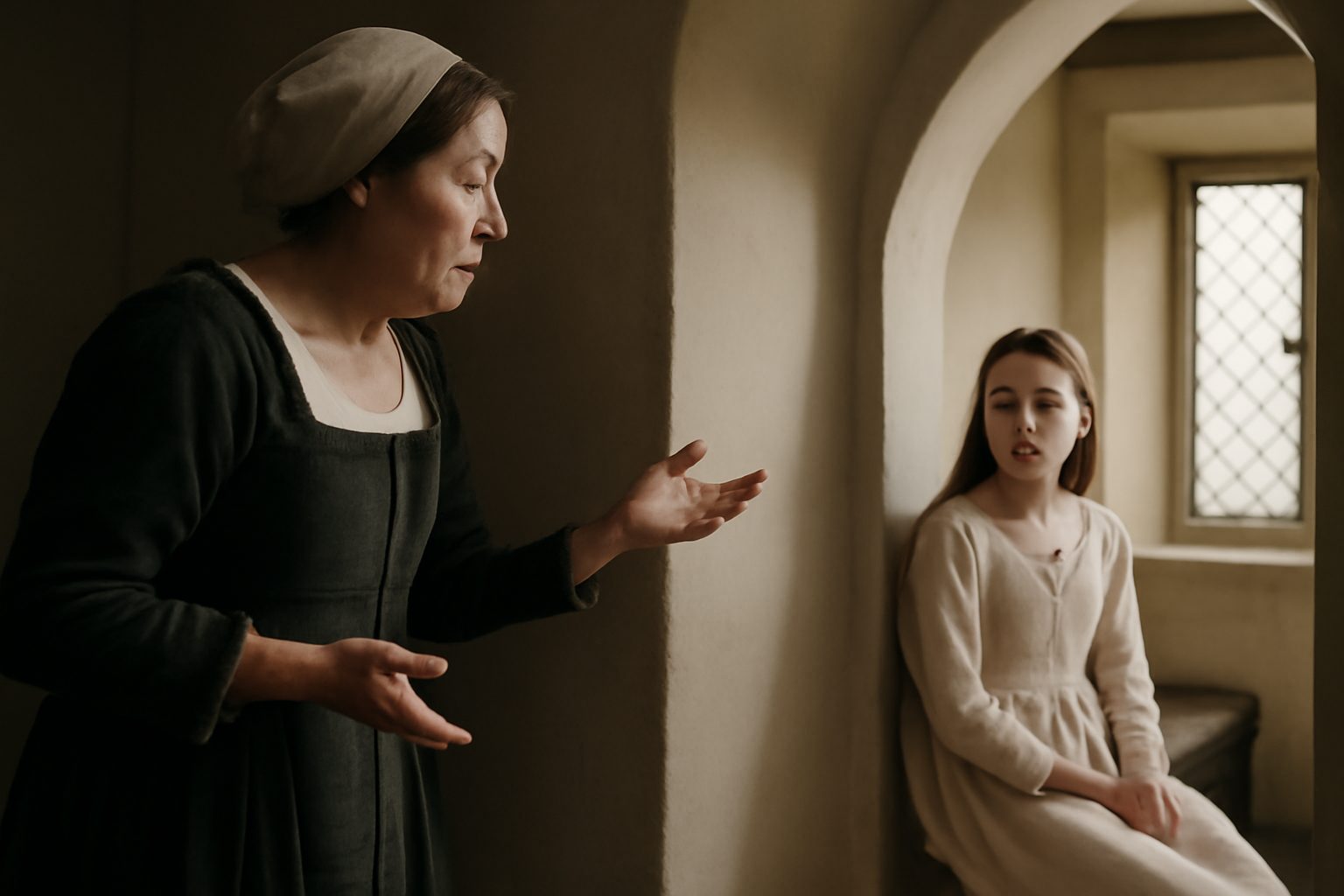
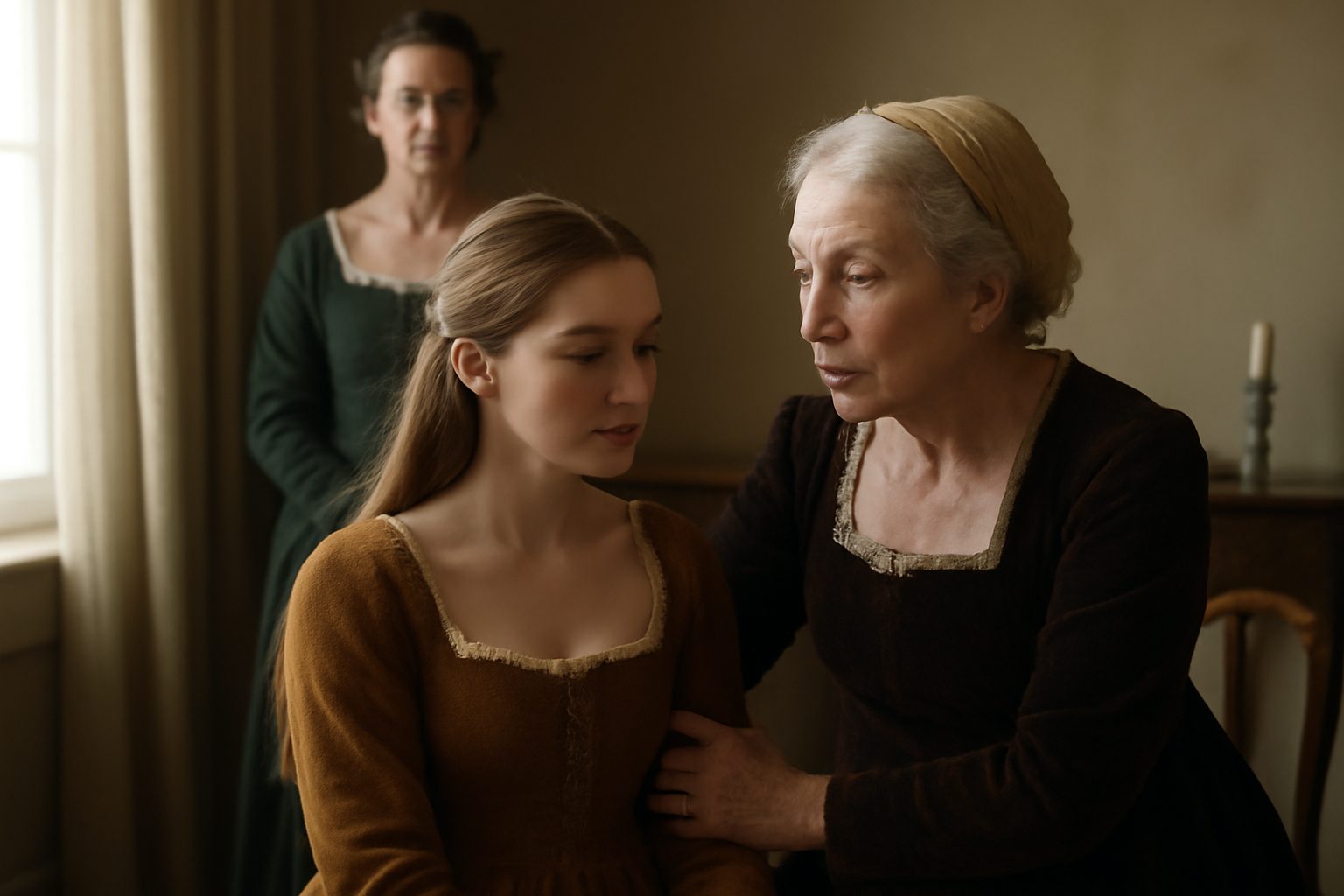
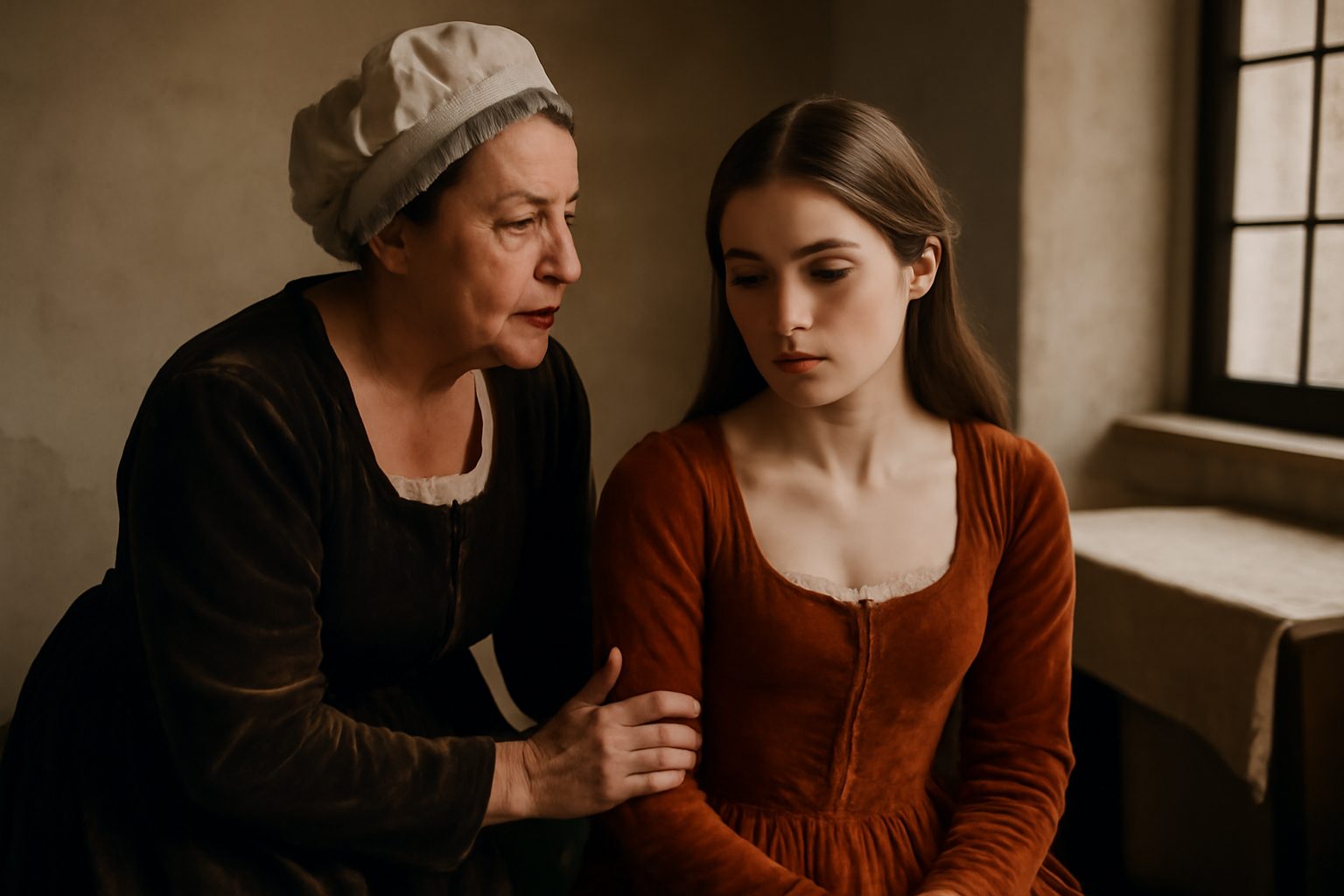
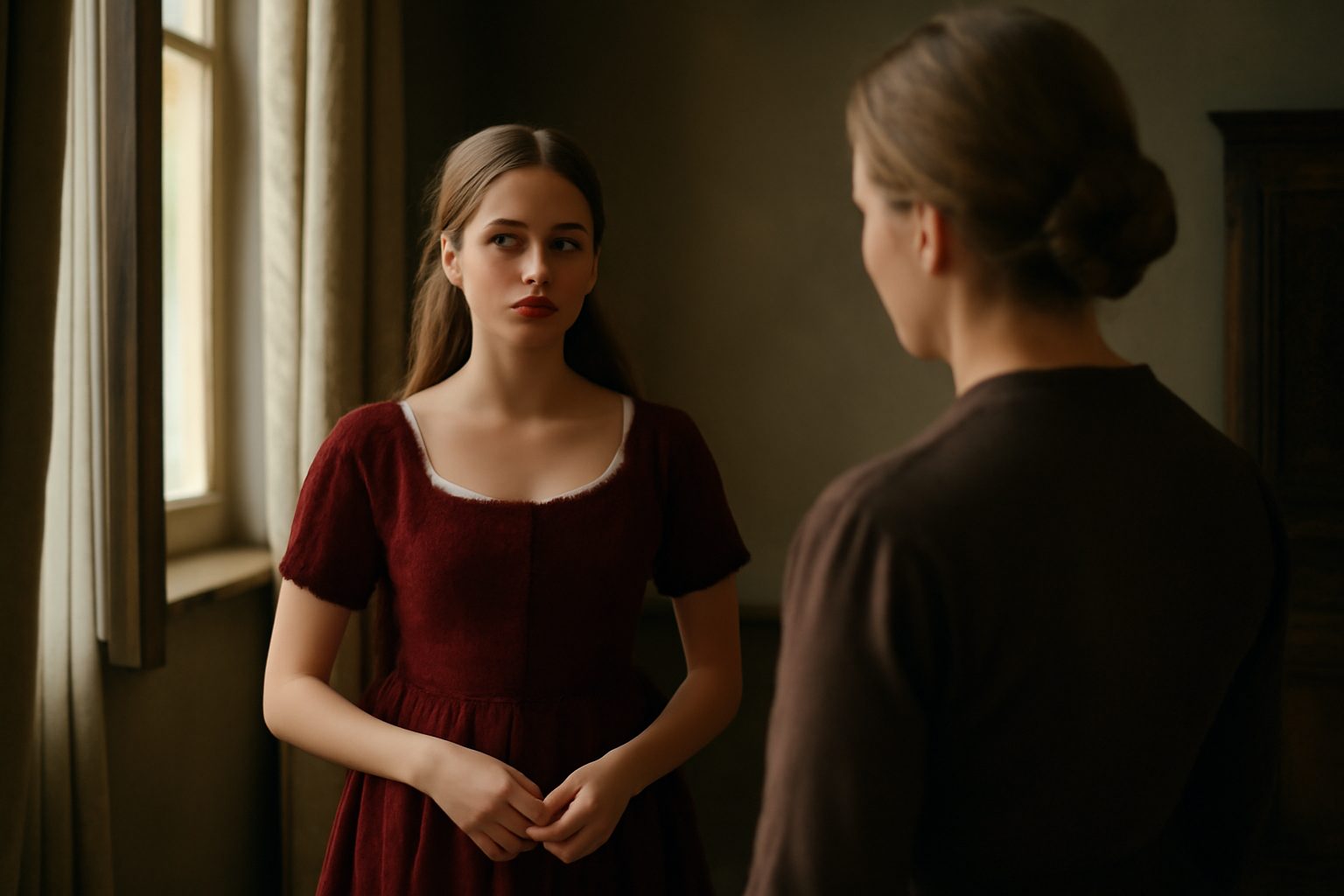
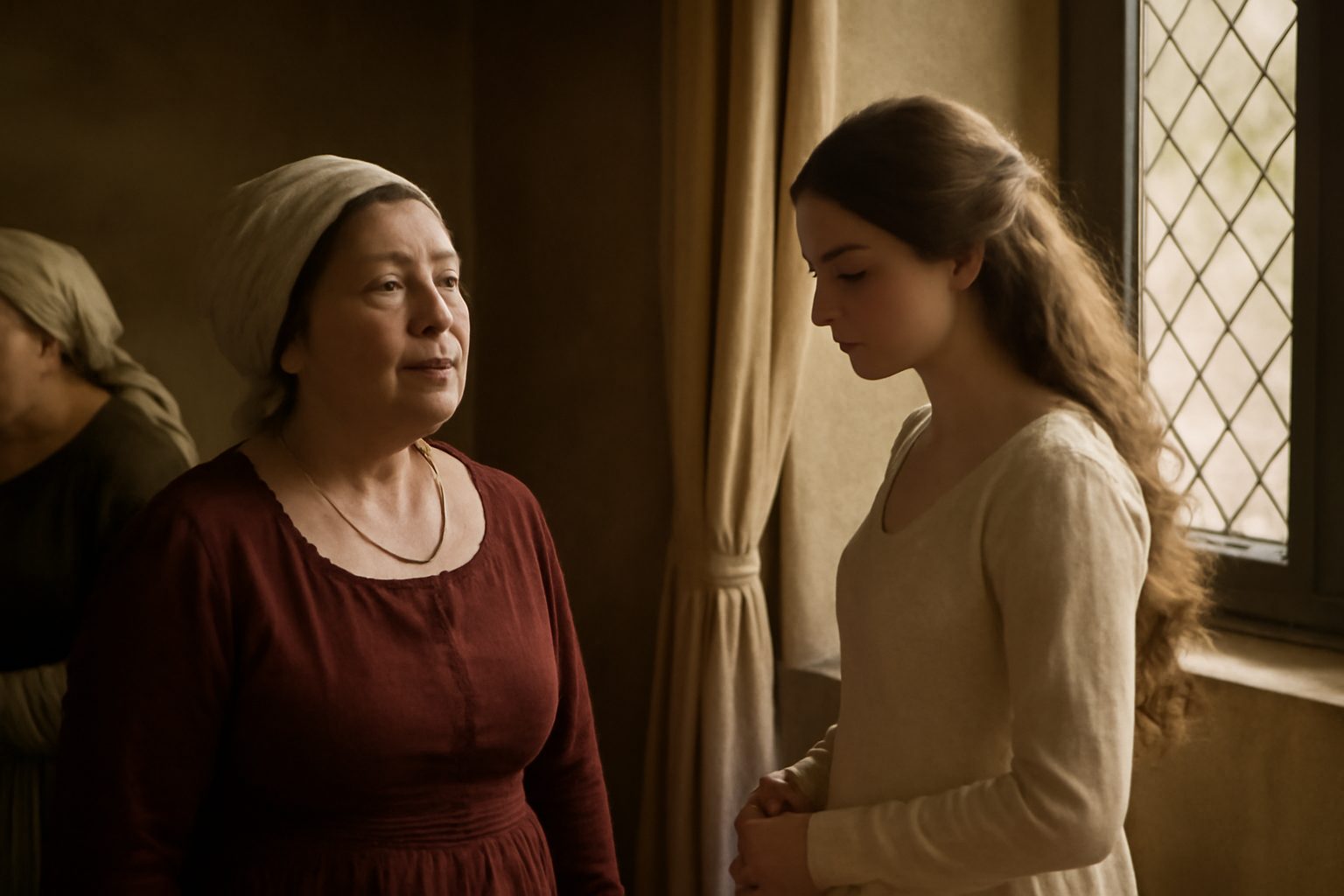
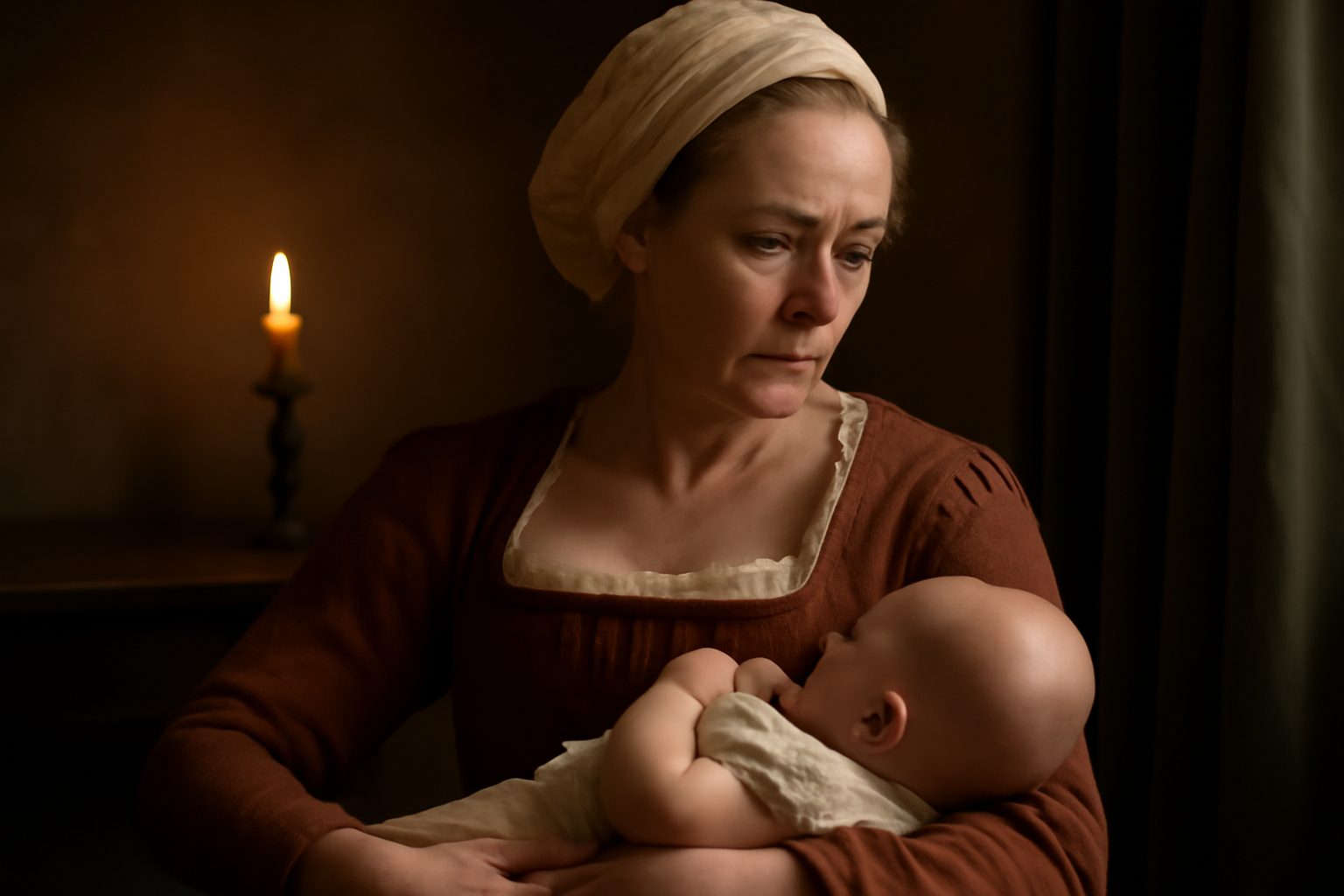
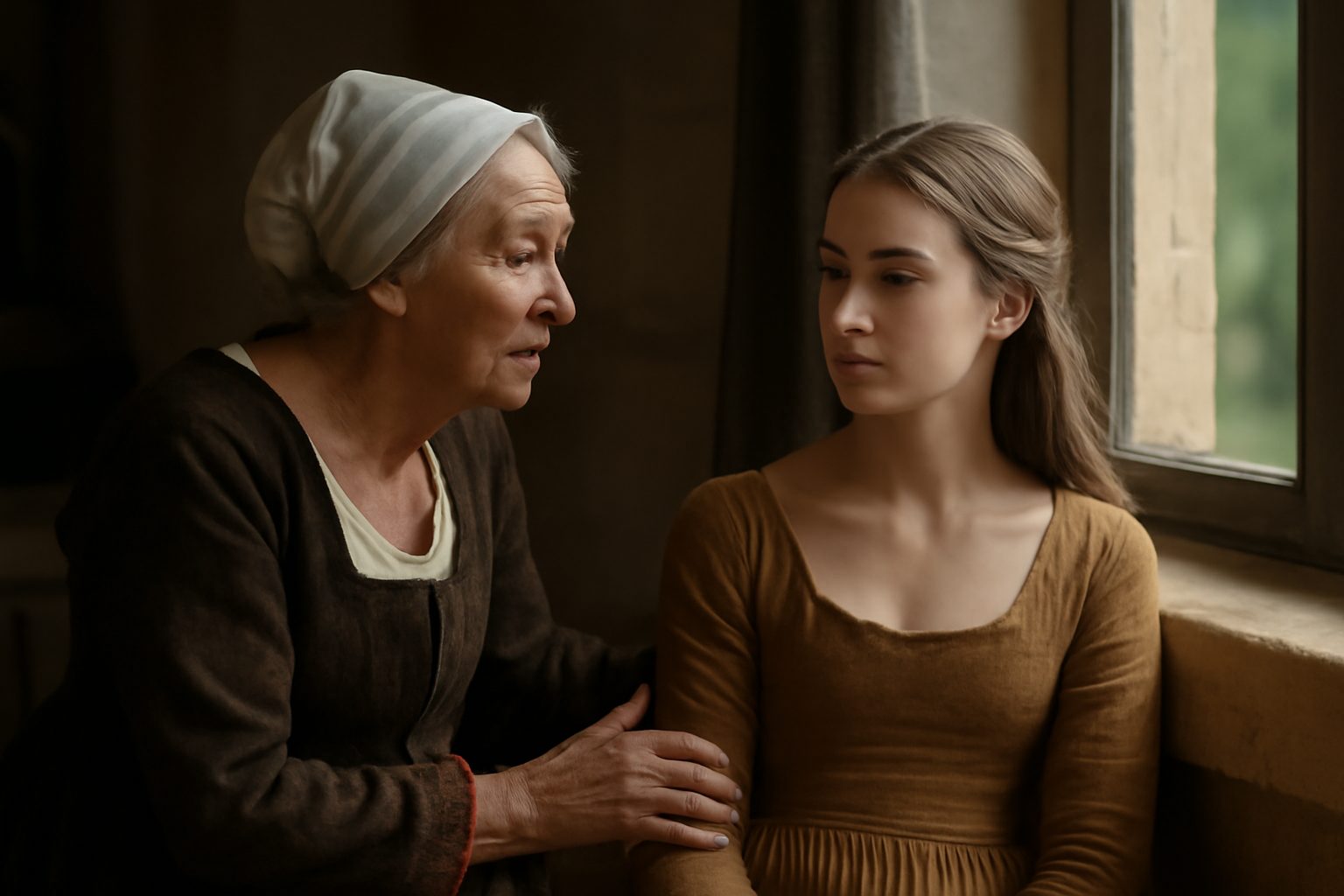
In Act 1, Scene 3 of Romeo and Juliet, the Nurse reminisces about Juliet's childhood while speaking with Lady Capulet. When Lady Capulet suggests that marriage to Paris would be an honor, the Nurse responds with playful skepticism, recalling her own close bond with Juliet. This line highlights the Nurse's affectionate, informal relationship with Juliet, contrasting with Lady Capulet's more formal demeanor.
Nurse: "An honour! were not I thine only nurse,"
In modern day english, we would say:
It would be an honor if I weren’t your only nurse.
Frequently Asked Questions
What does the Nurse mean when she says it is an honor to be Juliet's only nurse?
The Nurse is expressing her pride and deep affection for Juliet, highlighting the special bond they share since she has been Juliet's only caretaker since childhood.
Connections to other verses:
Connections to "An honour! were not I thine only nurse,"
The verse "An honour! were not I thine only nurse," is spoken by the Nurse in response to Lady Capulet's discussion of marriage as an honor for Juliet. This line highlights the Nurse's deep, almost maternal bond with Juliet, positioning herself as more than a servant but as a key figure in Juliet's upbringing.
Connection to Juliet's Age and Upbringing
This assertion of her role connects directly to earlier verses where the Nurse recounts details of Juliet's infancy, such as "And she was wean'd,--I never shall forget it,--" and "Thou wast the prettiest babe that e'er I nursed:", emphasizing her long-standing personal involvement.
Link to Themes of Marriage and Honor
The Nurse’s comment also ties into Lady Capulet’s immediate context of proposing marriage to Paris. Just before, Lady Capulet says "It is an honour that I dream not of.", to which Juliet responds modestly, and the Nurse’s interjection reinforces the weight and honor of the proposal from her perspective.
Reflection on Maternal Guidance
Furthermore, the Nurse’s remark aligns with Lady Capulet’s own reflection on youth and marriage in "I was your mother much upon these years", creating a dialogue between the two maternal figures about Juliet’s readiness for this honor.
Contrast with the Nurse’s Humorous Anecdotes
This serious claim of her role contrasts with the Nurse’s earlier humorous and earthy stories, such as Juliet falling and the husband’s jest in "Yea,' quoth my husband,'fall'st upon thy face?", yet it underscores the genuine care behind her comic demeanor.