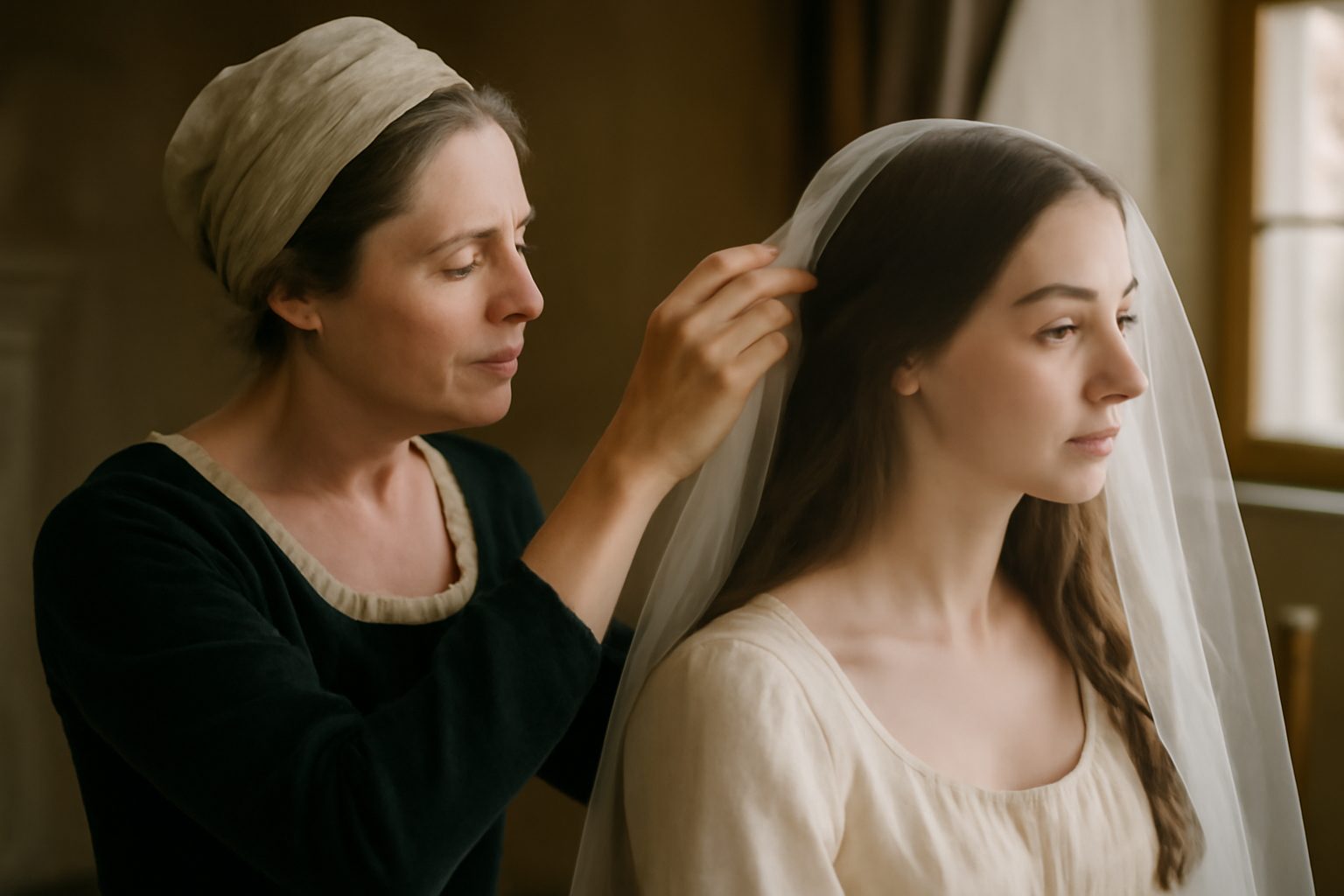
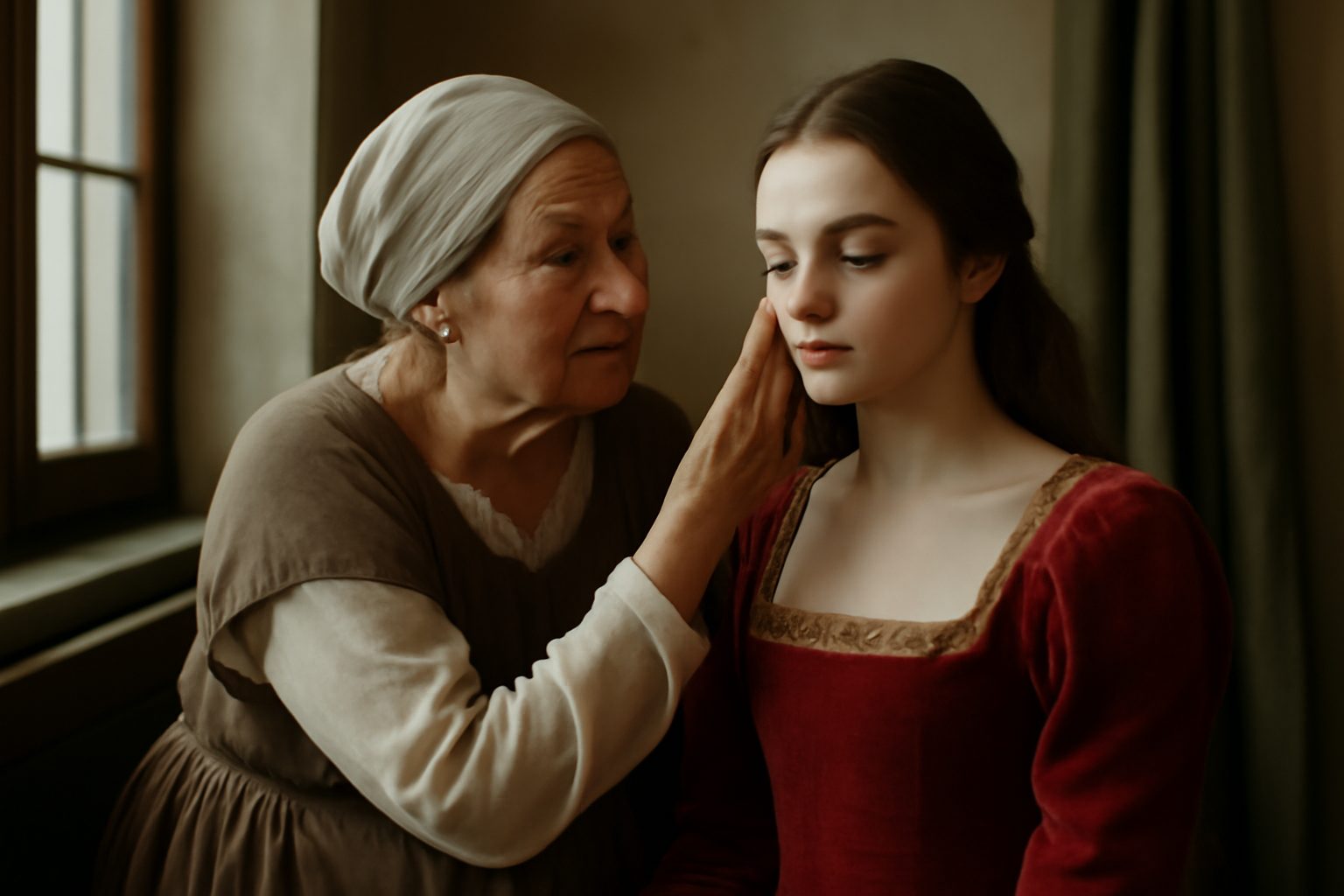
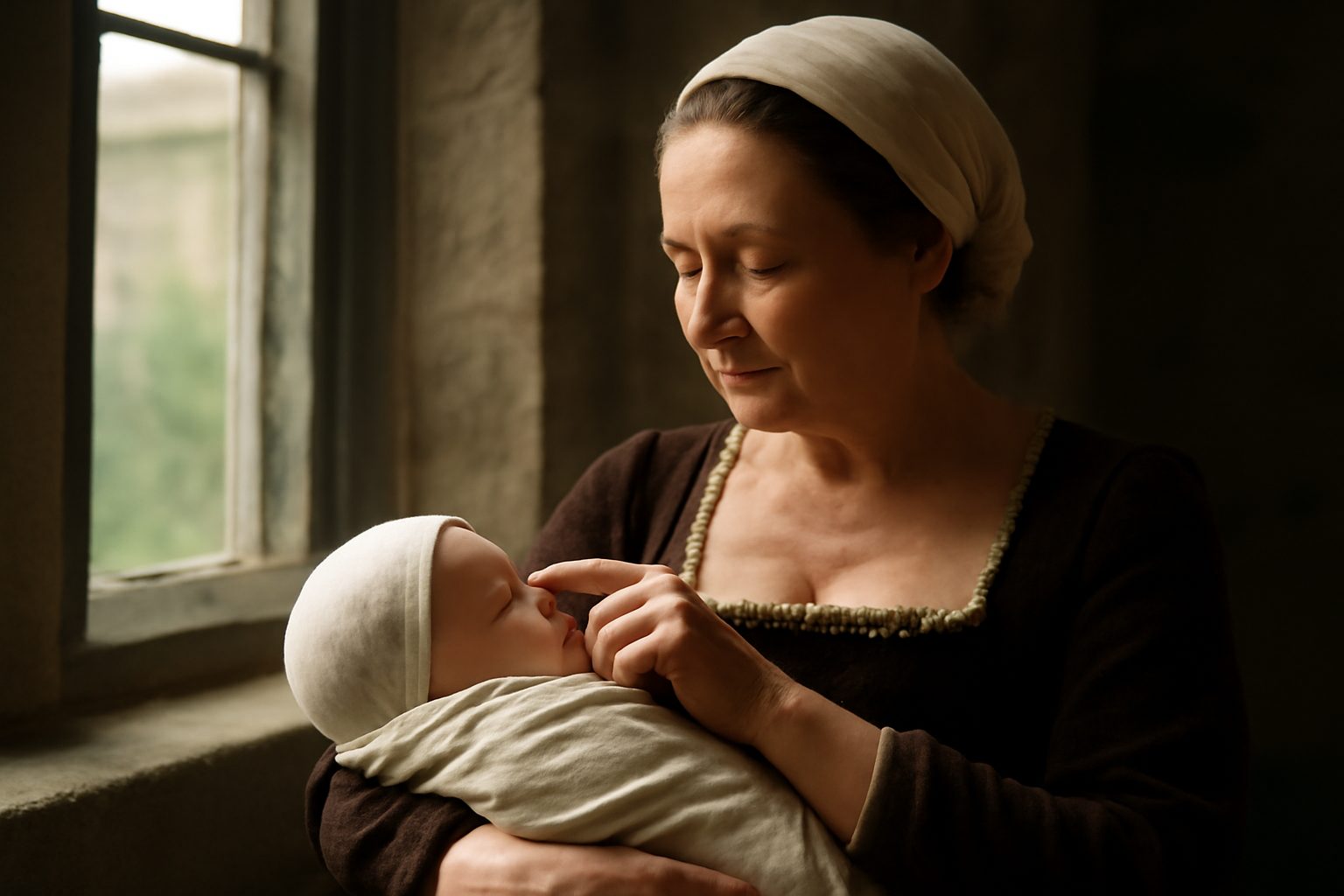
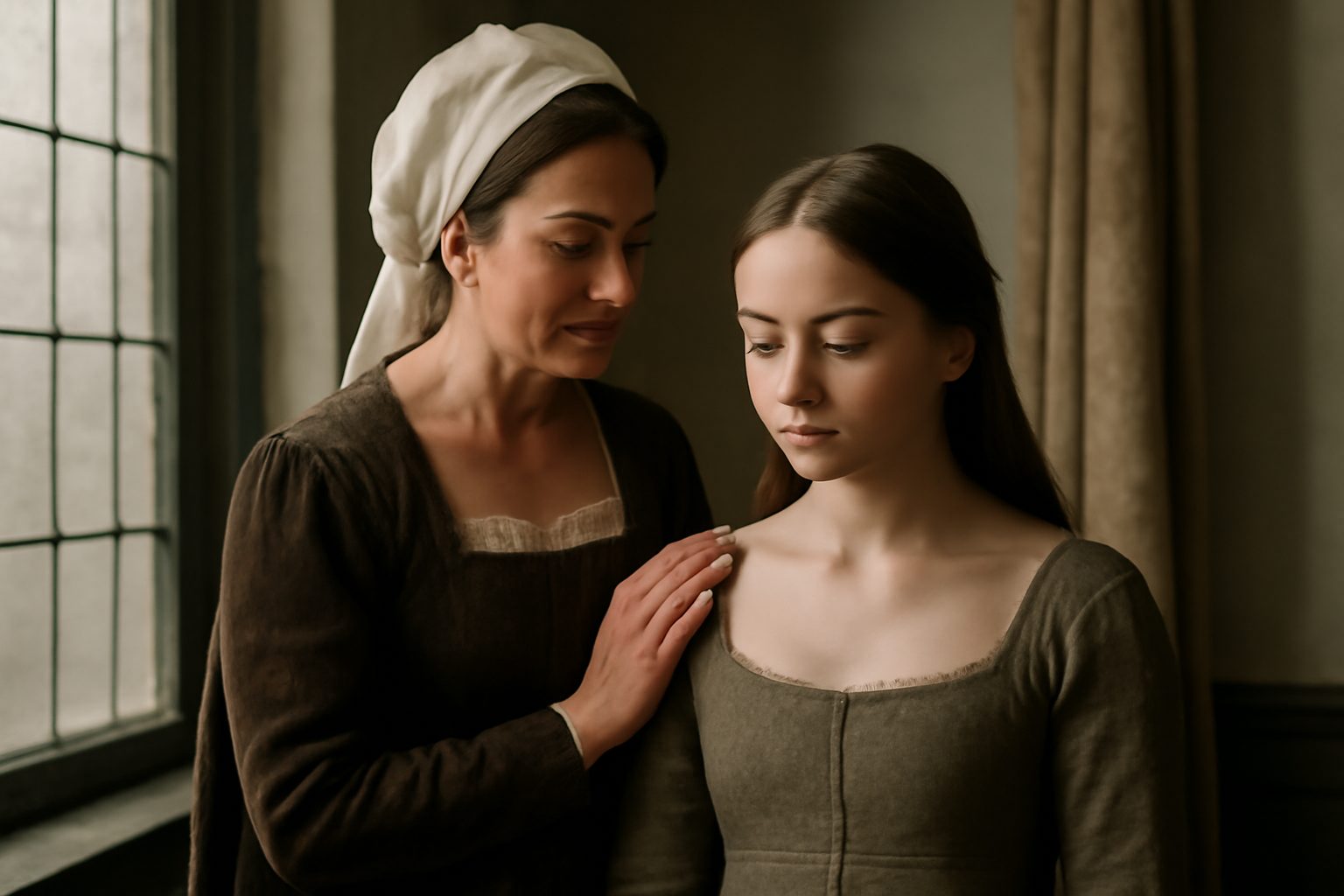
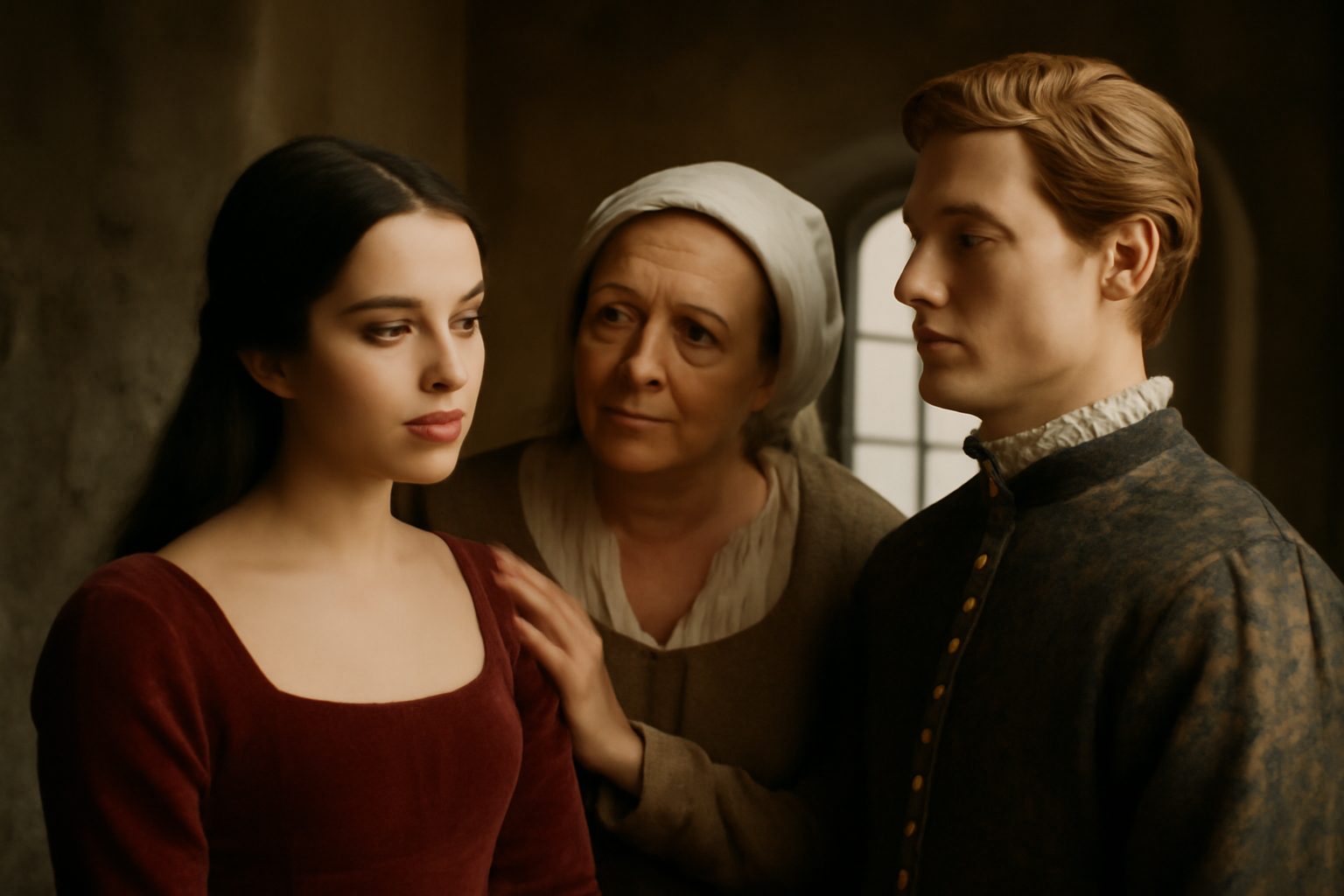
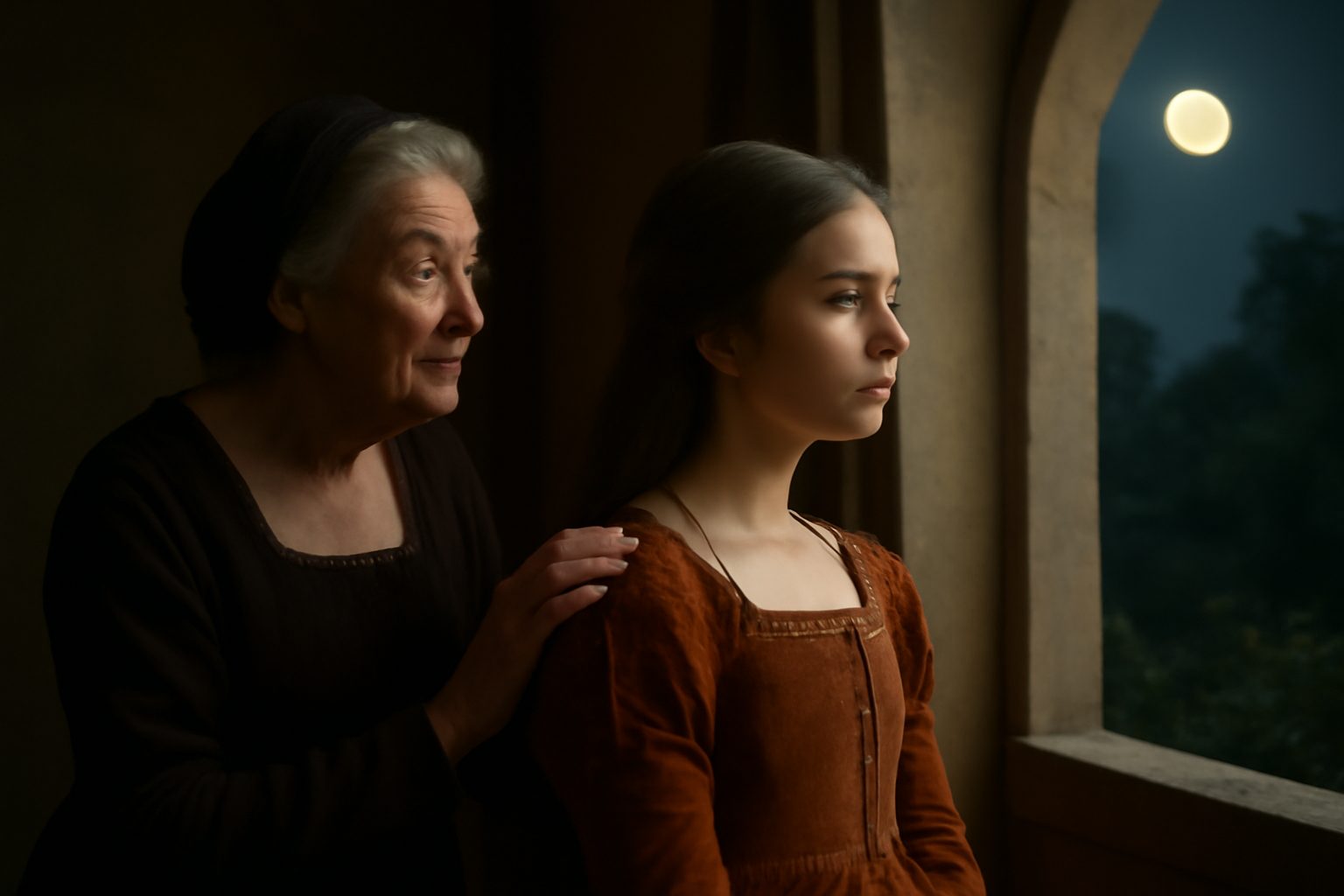
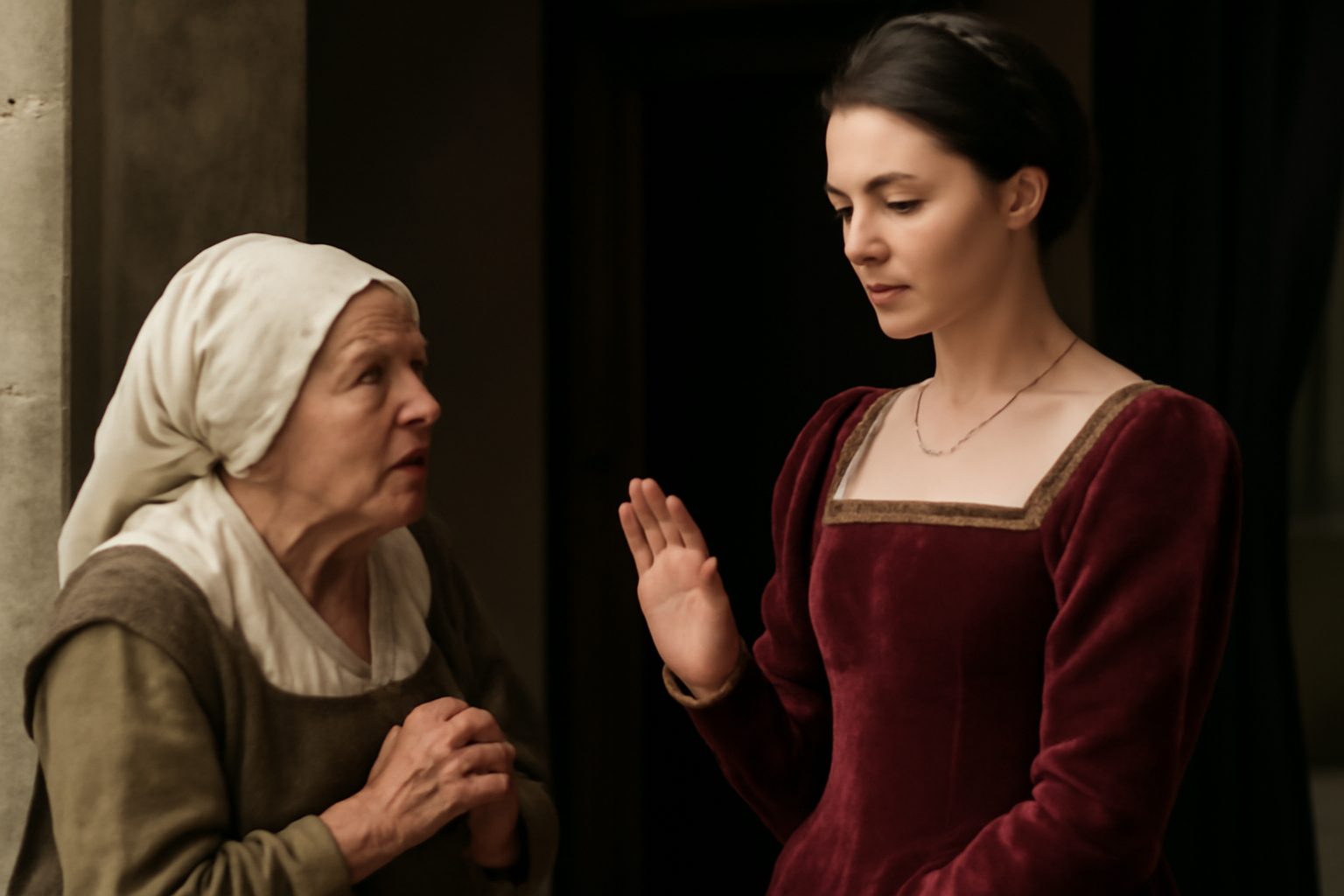
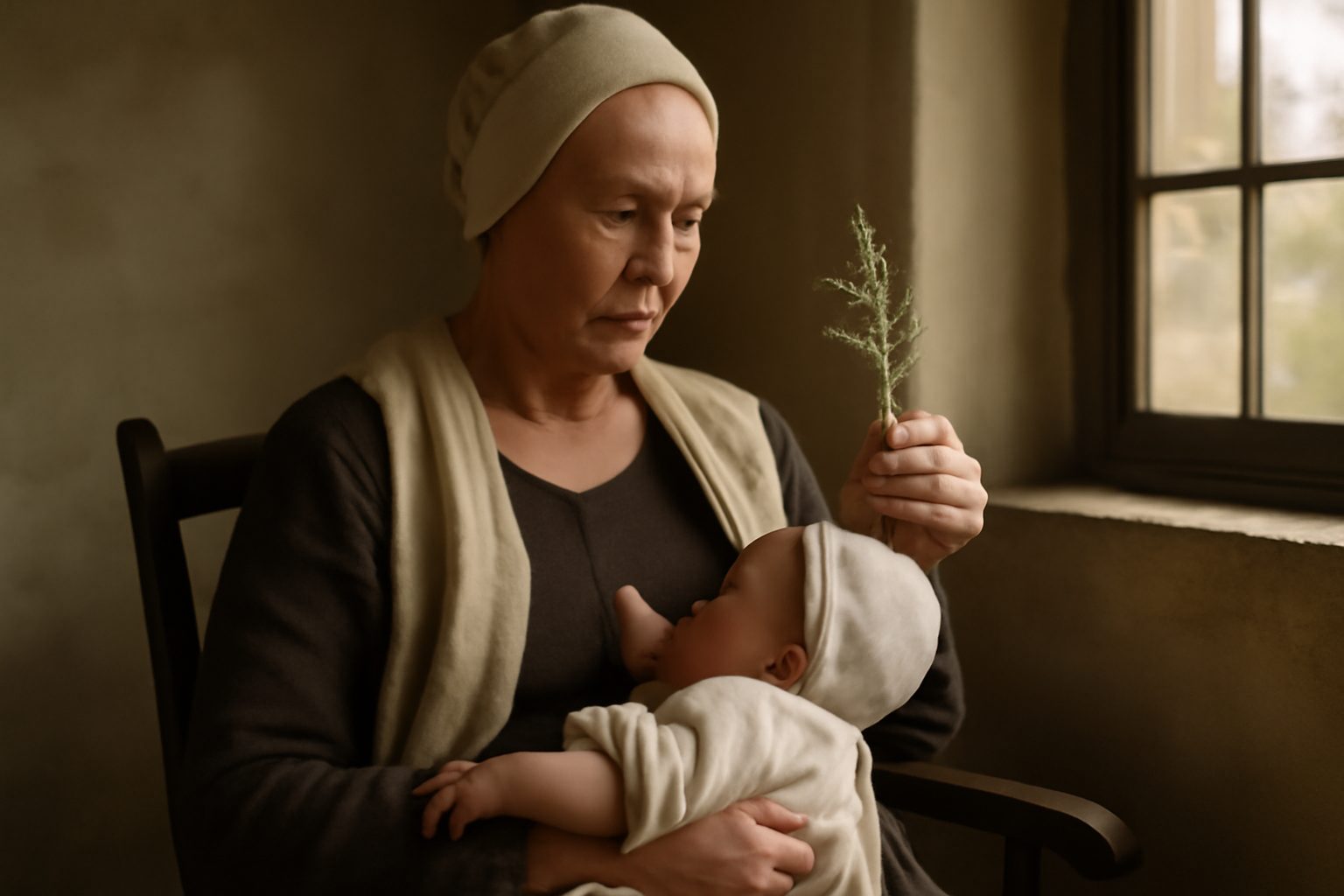
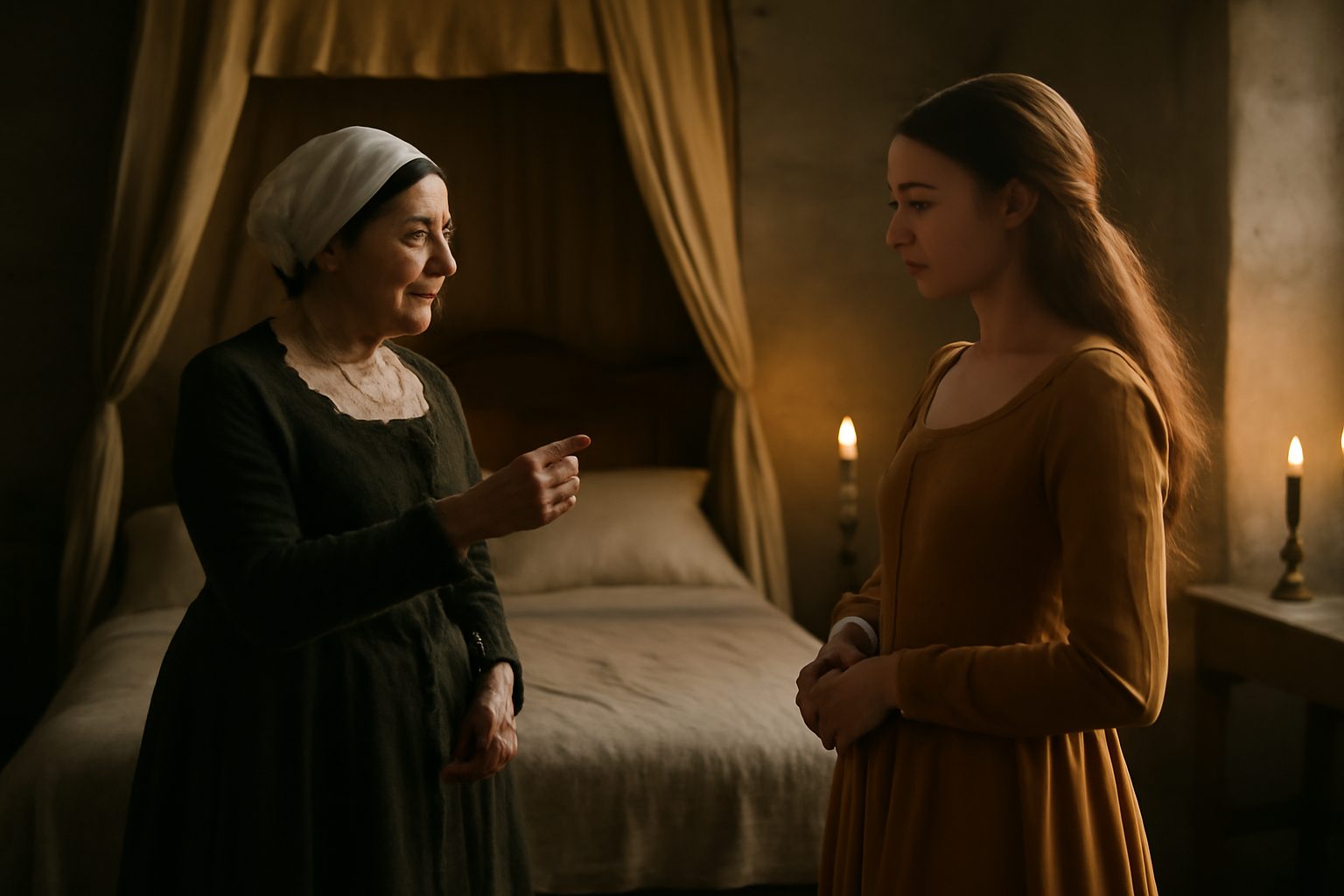
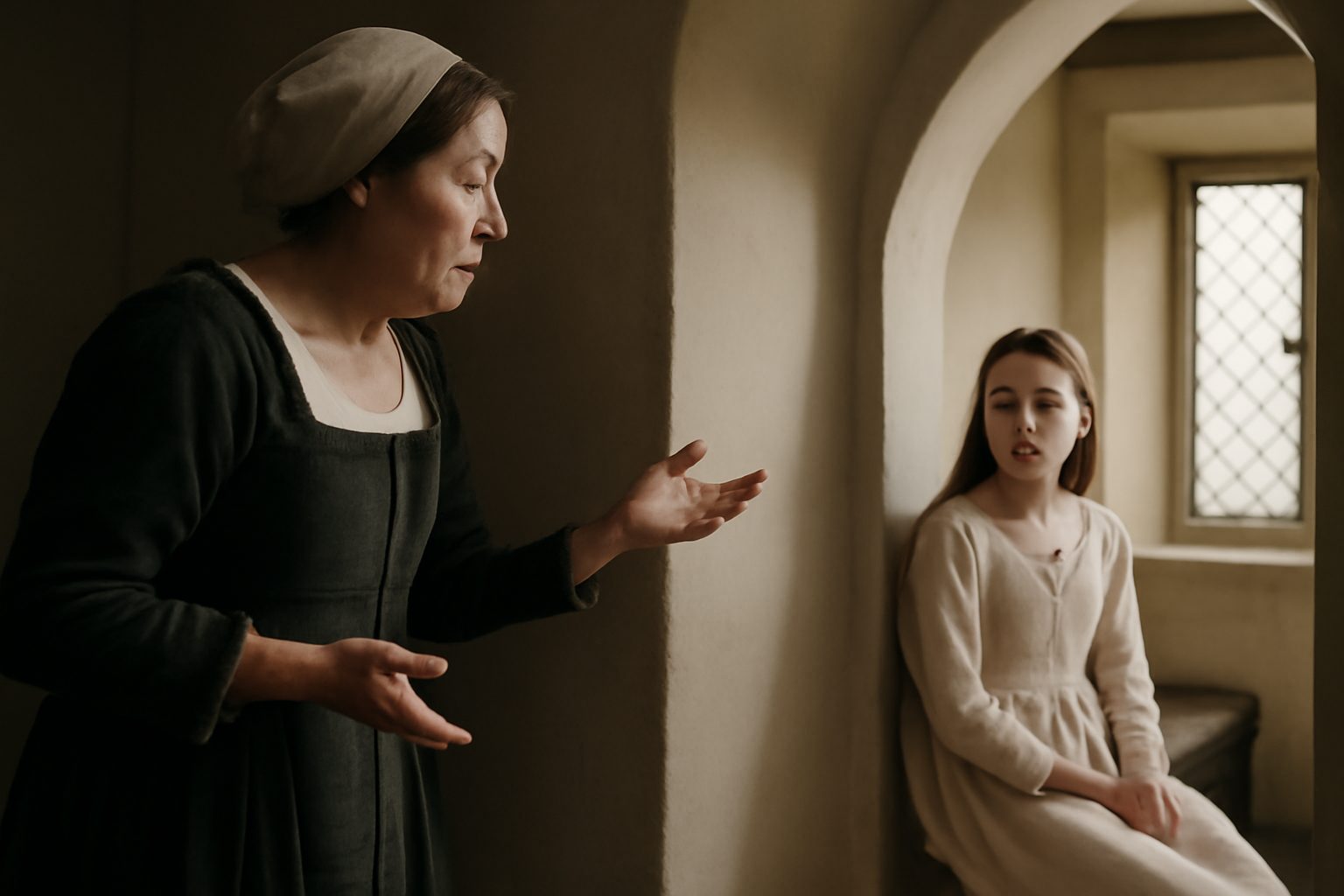
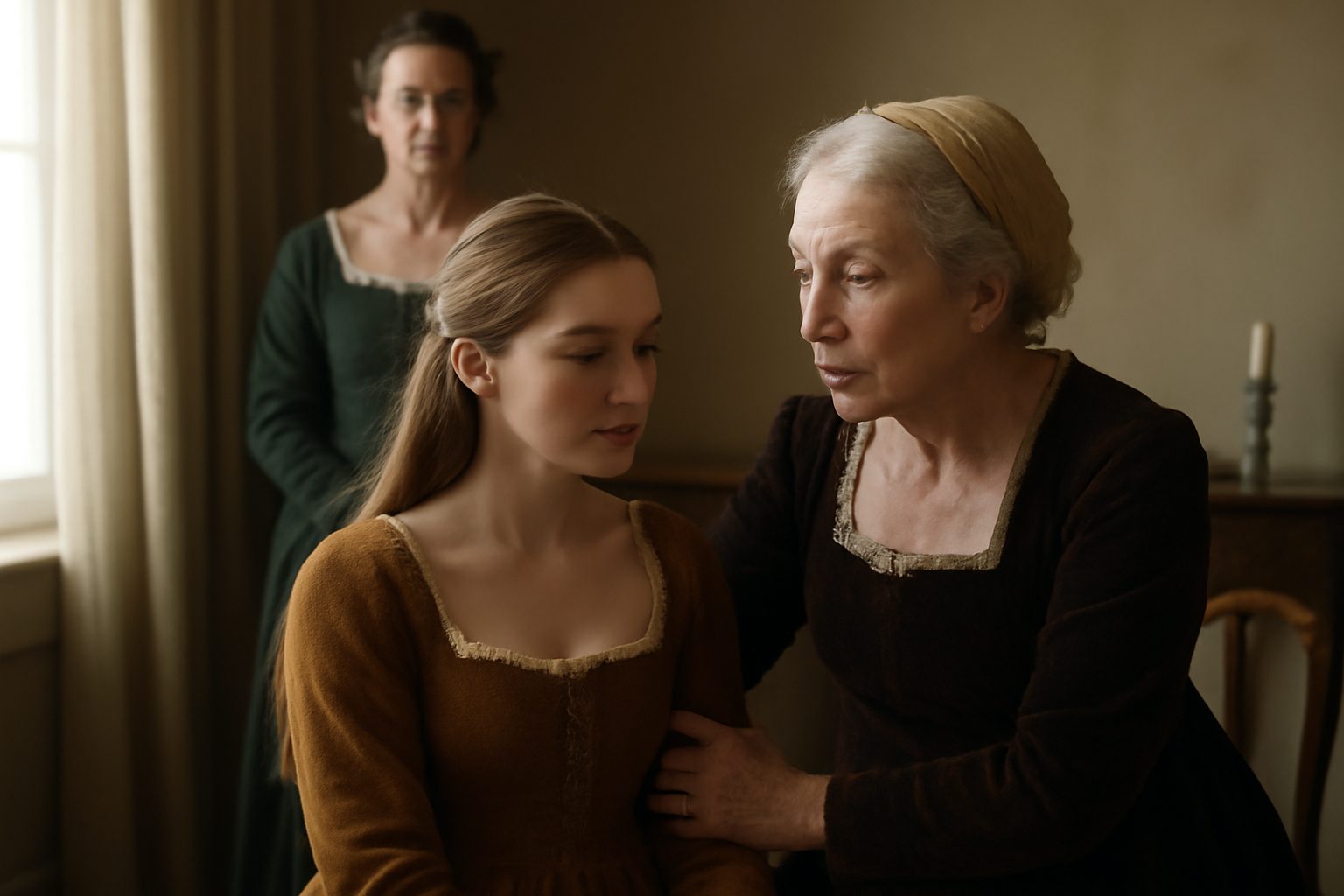
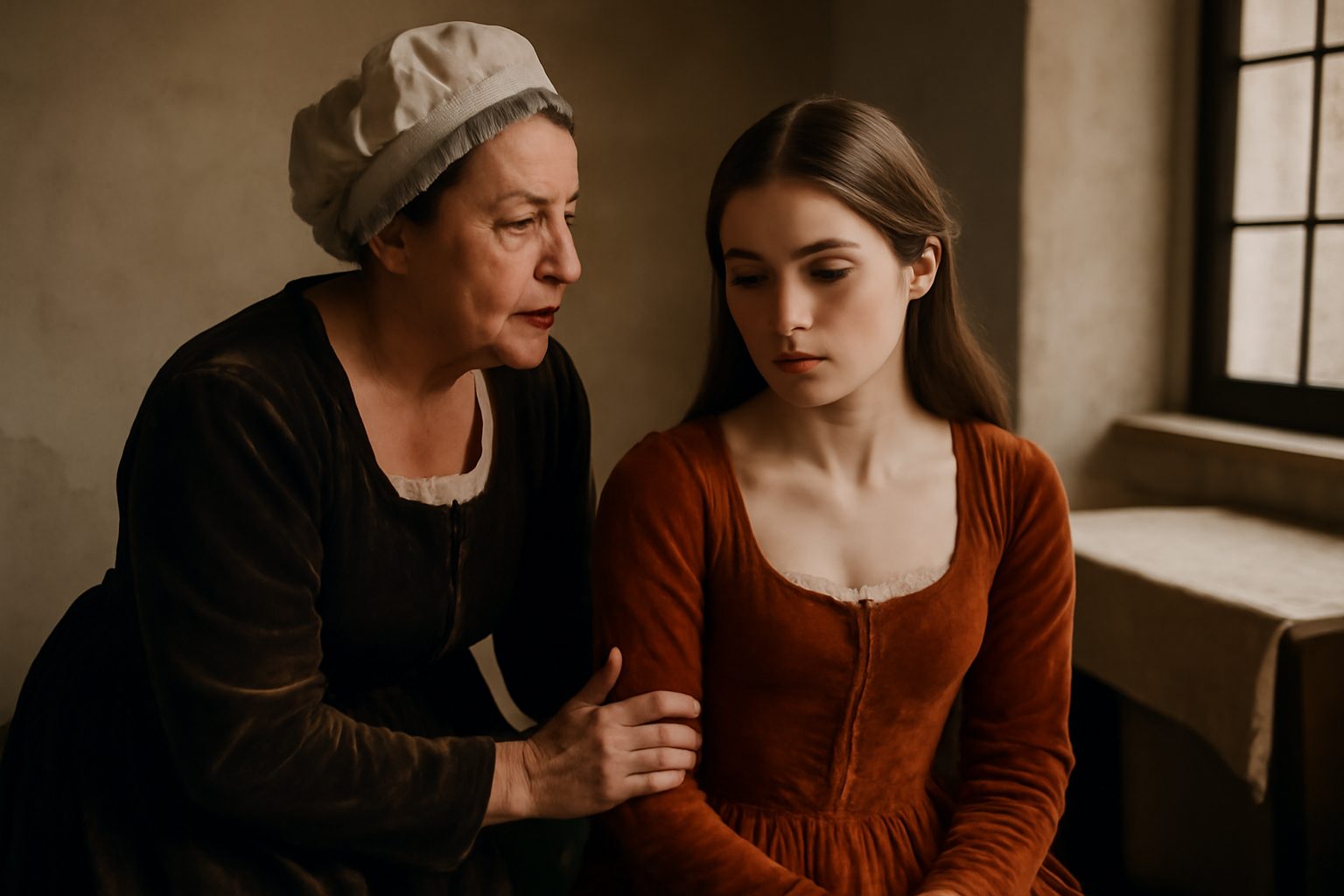
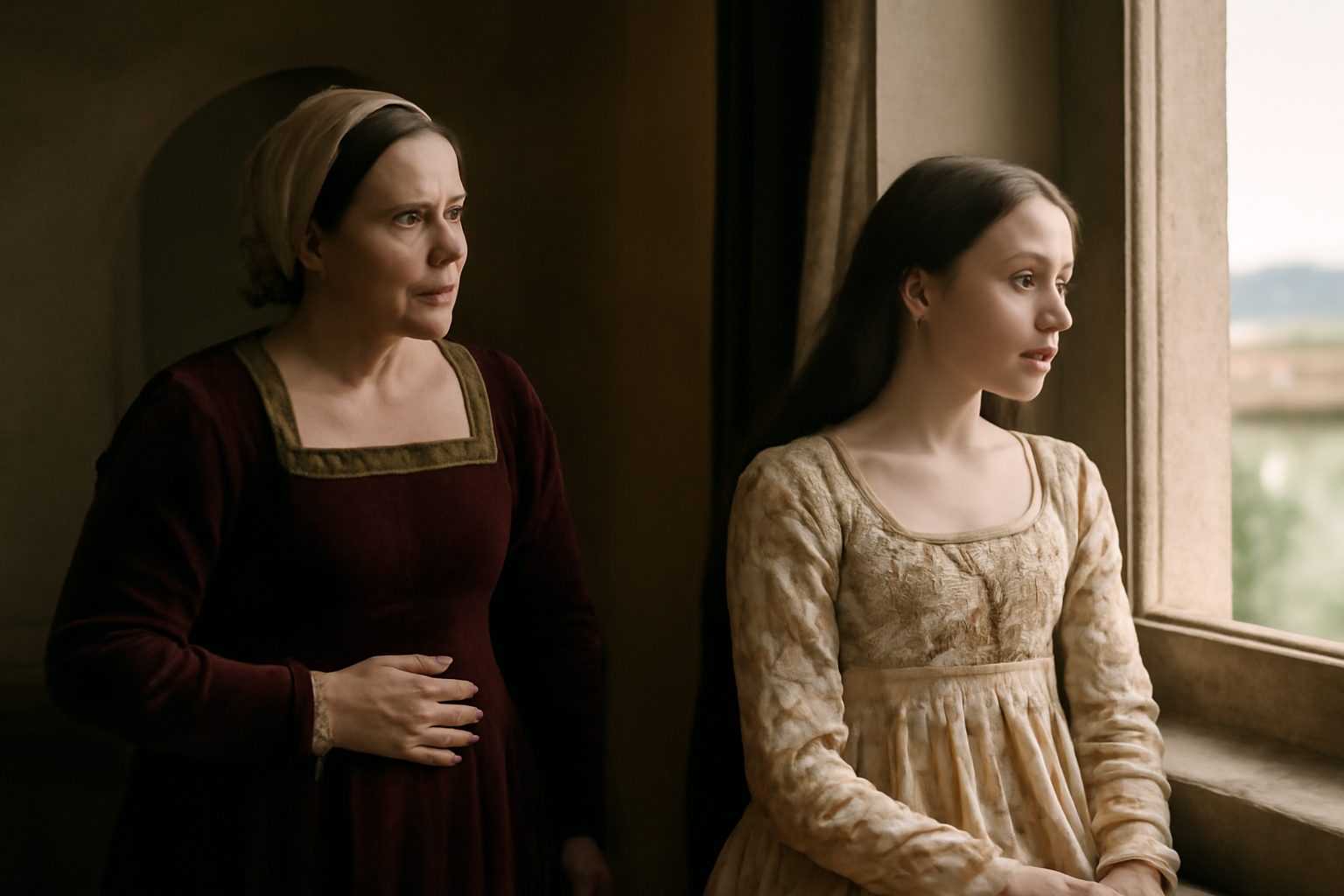
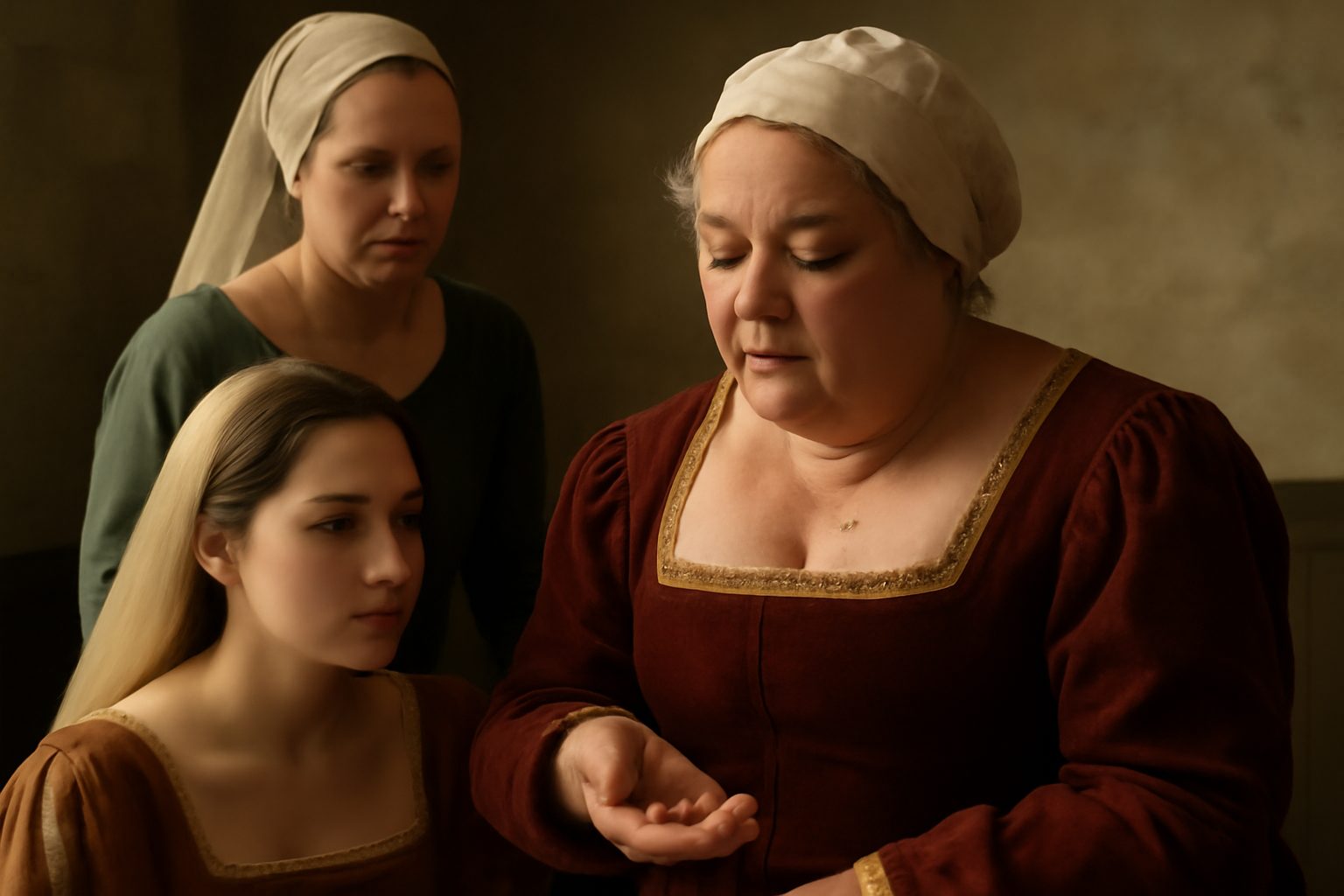
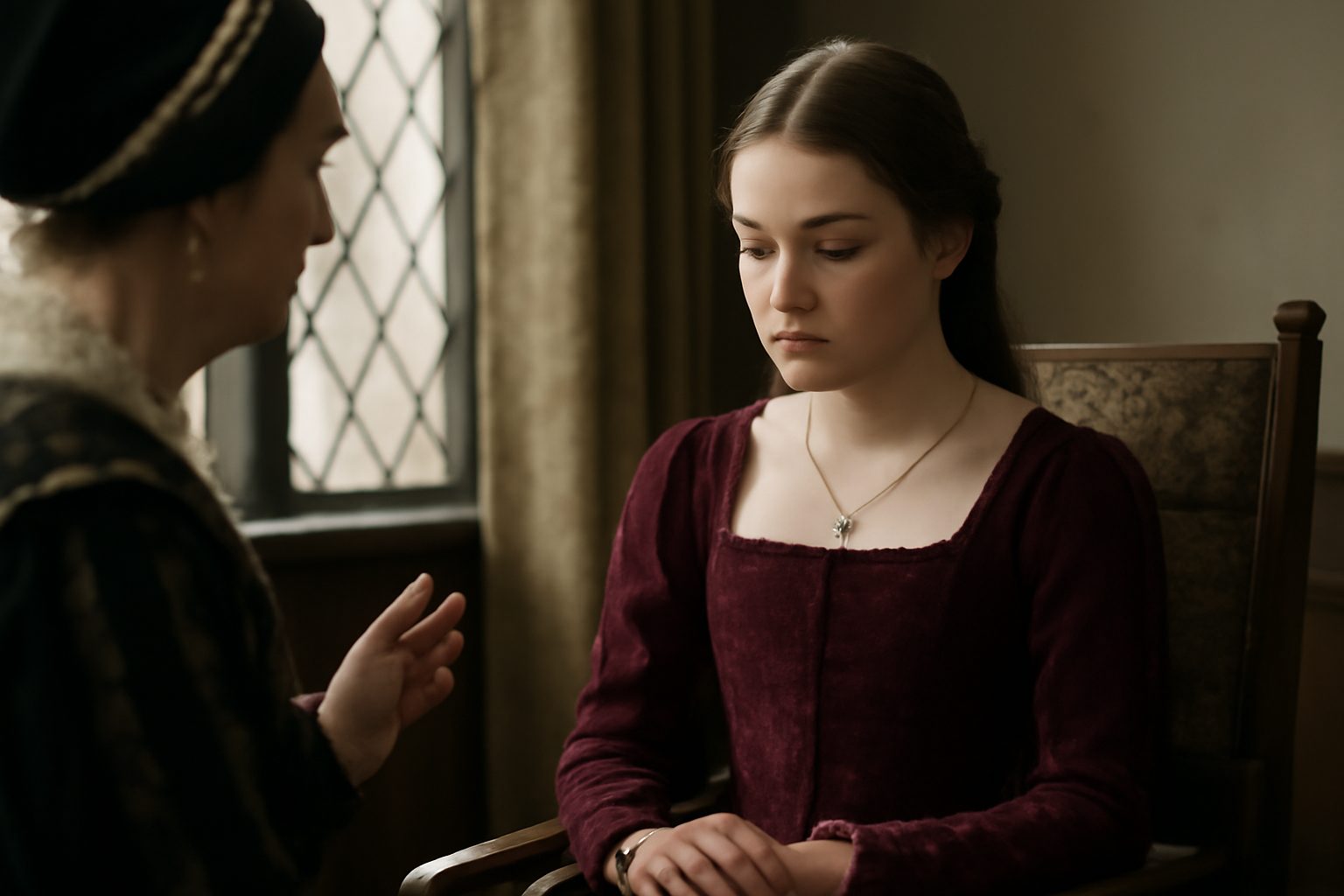
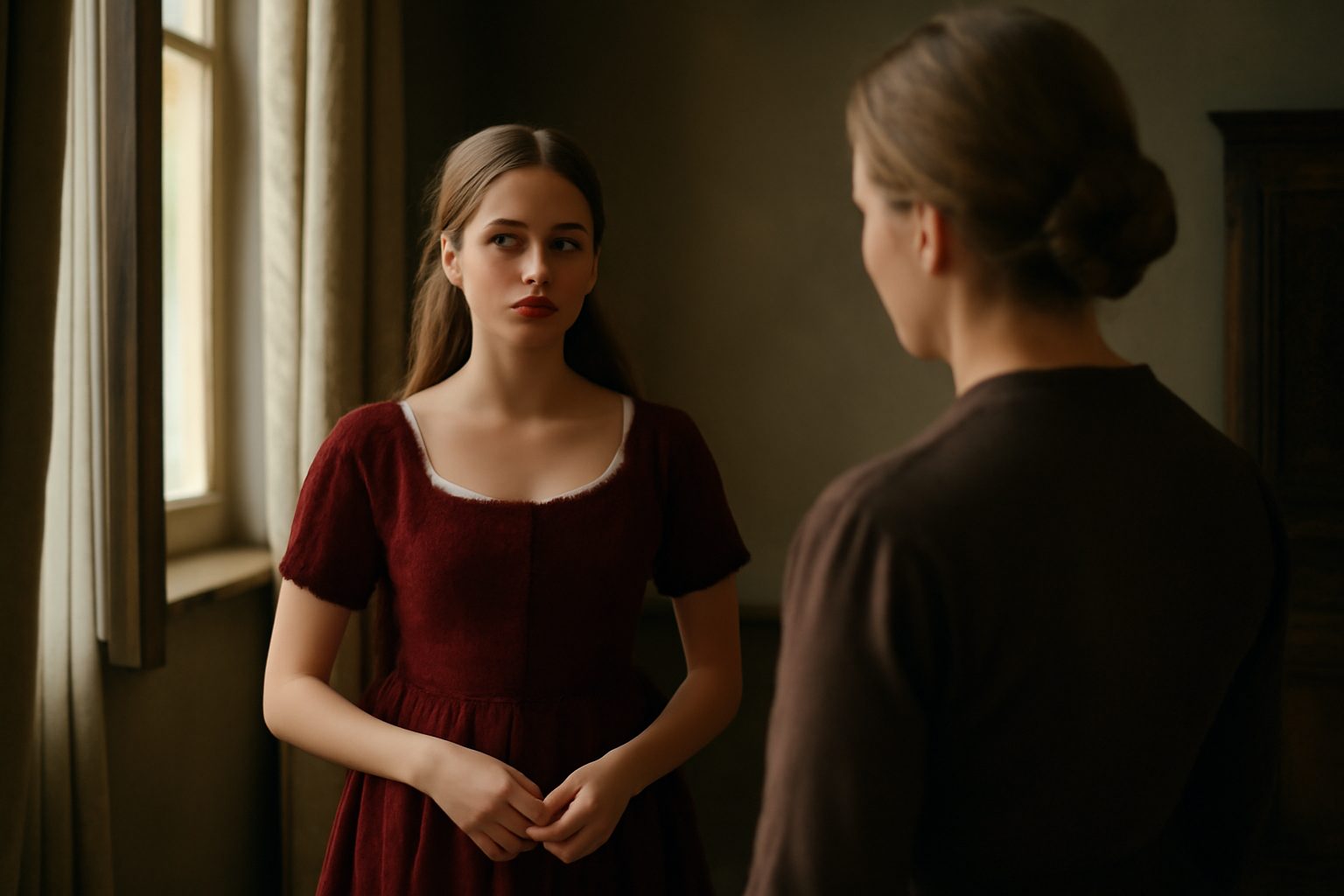
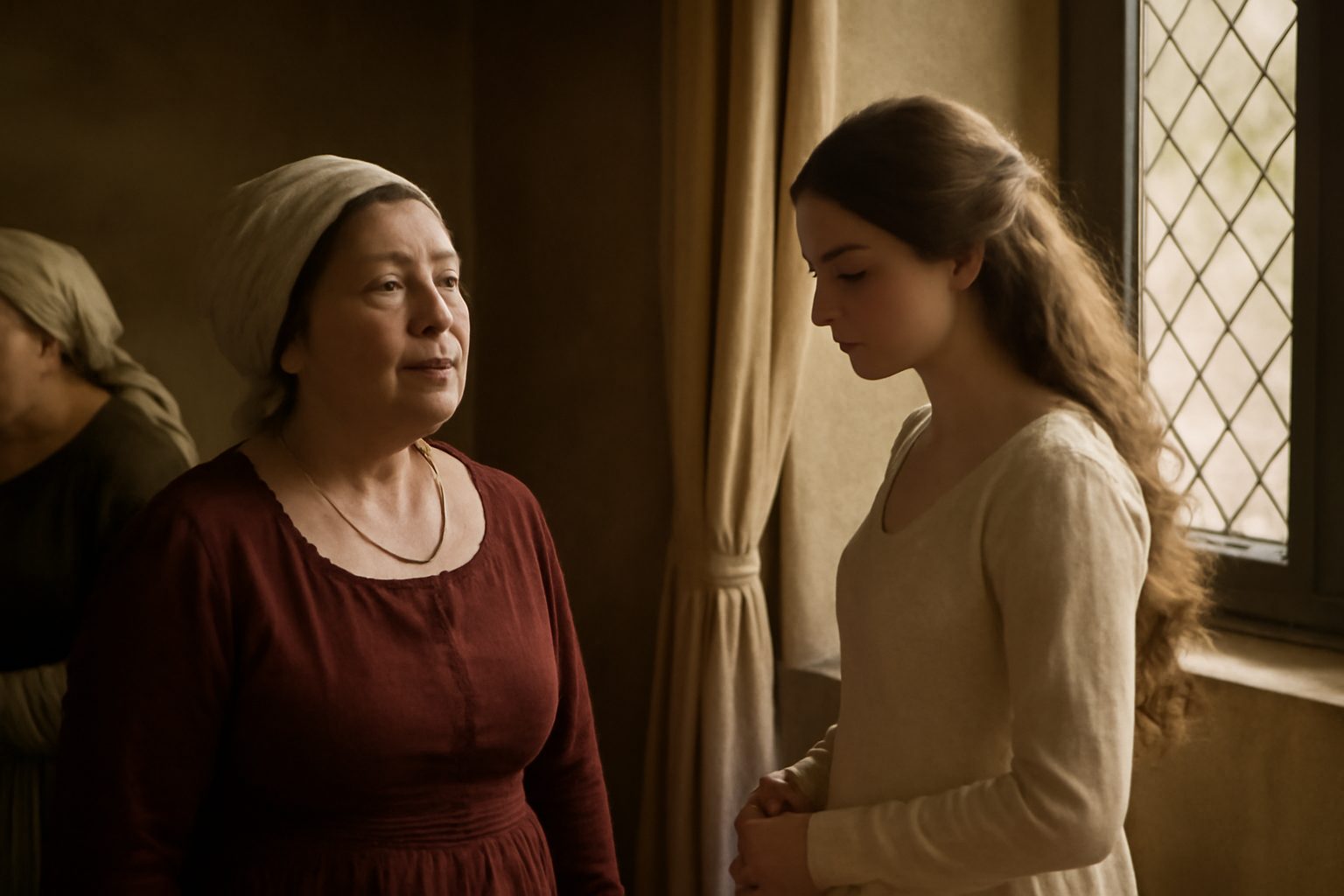
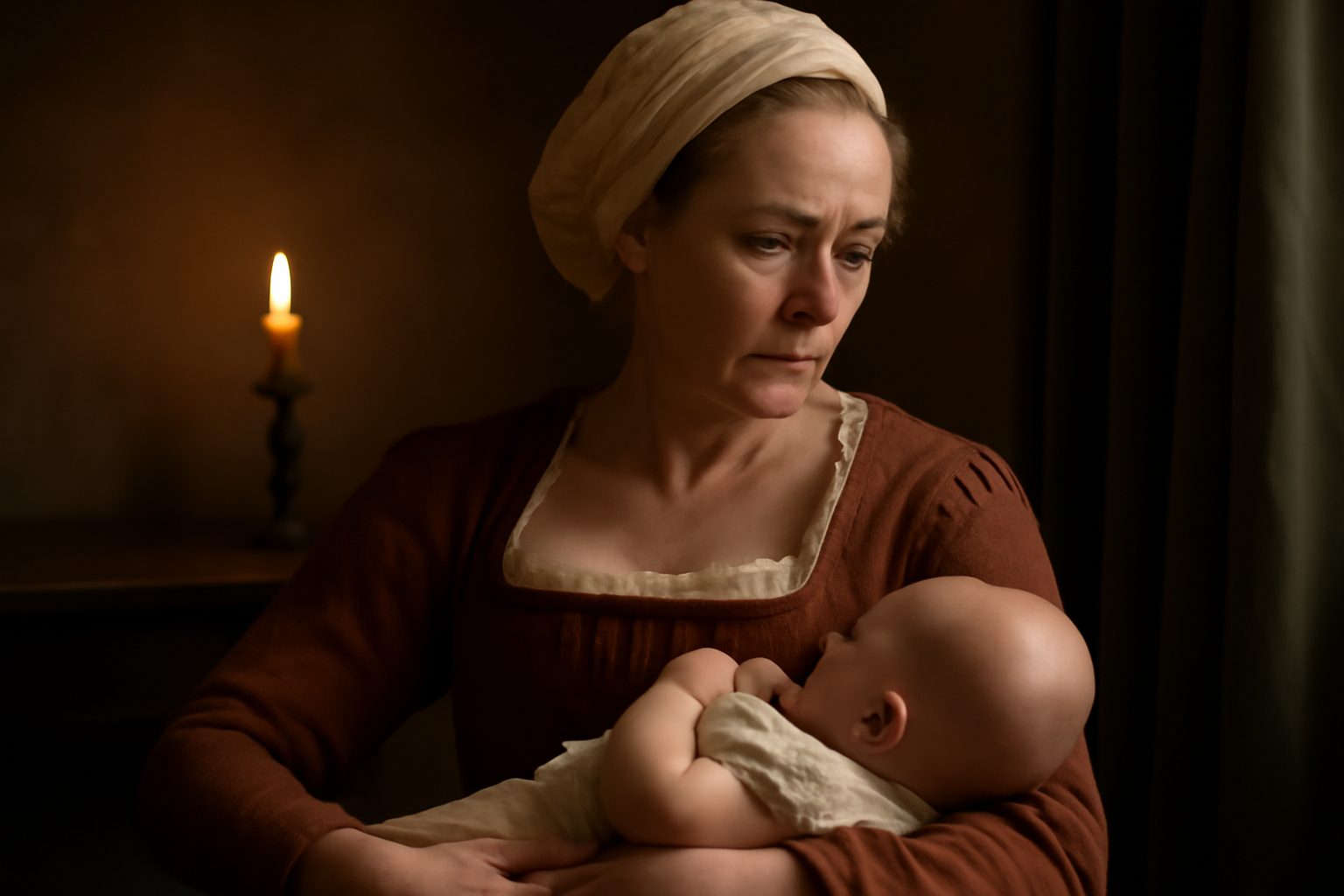
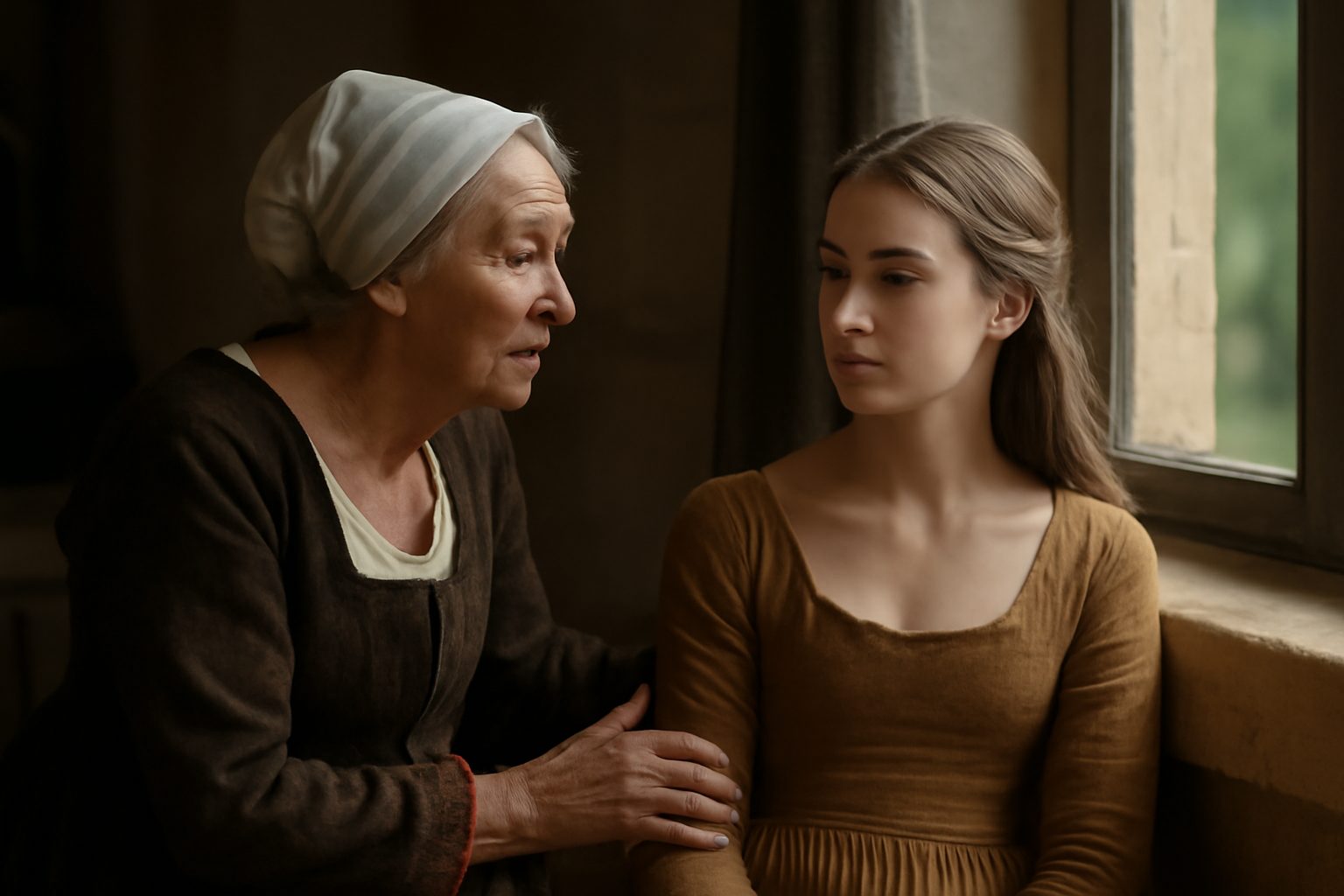
In Act 1, Scene 3 of Romeo and Juliet, the Nurse reminisces about Juliet's childhood with affectionate humor. While speaking to Lady Capulet, she fondly recalls Juliet's early years, suggesting that even as a baby, Juliet displayed remarkable intelligence. This line reflects the Nurse's playful and doting nature, highlighting her close bond with Juliet.
Nurse: "I would say thou hadst suck'd wisdom from thy teat."
In modern day english, we would say:
It seems like you learned your wisdom from your mother’s nurturing.
Frequently Asked Questions
What does the Nurse mean when she says Juliet got wisdom from her milk?
The Nurse is saying that Juliet has been wise since she was a baby, implying she was naturally intelligent from birth.
Connections to other verses:
Connections to "I would say thou hadst suck'd wisdom from thy..."
This verse, spoken by Lady Capulet, suggests that Juliet has gained wisdom through her upbringing, particularly from her nurse. It connects to several other lines in the scene that highlight the Nurse's role in Juliet's life and the themes of growth and maturity.
Nurse's Influence and Memories
The idea of Juliet "sucking wisdom" ties directly to the Nurse's recollections of Juliet's infancy. For instance, in "For I had then laid wormwood to my dug", the Nurse recalls weaning Juliet with a bitter substance, symbolizing early lessons. Similarly, "And she was wean'd,--I never shall forget it,--" emphasizes this formative moment, linking physical nourishment to metaphorical wisdom.
Juliet's Age and Readiness
Lady Capulet's comment on wisdom also relates to discussions of Juliet's age and suitability for marriage. In "Well, think of marriage now; younger than you", Lady Capulet urges Juliet to consider marriage, implying she is wise enough for it. The Nurse's exact recollection of Juliet's age in "Faith, I can tell her age unto an hour" reinforces the notion that Juliet has reached an age of understanding.
Motherly Guidance and Expectations
The verse also connects to Lady Capulet's aspirations for Juliet. In "An honour! were not I thine only nurse", Lady Capulet expresses pride in Juliet's potential honor through marriage, aligning with the idea of bestowed wisdom. Additionally, "I was your mother much upon these years" highlights that Juliet is at an age where wisdom and maturity are expected, further contextualizing the original line.