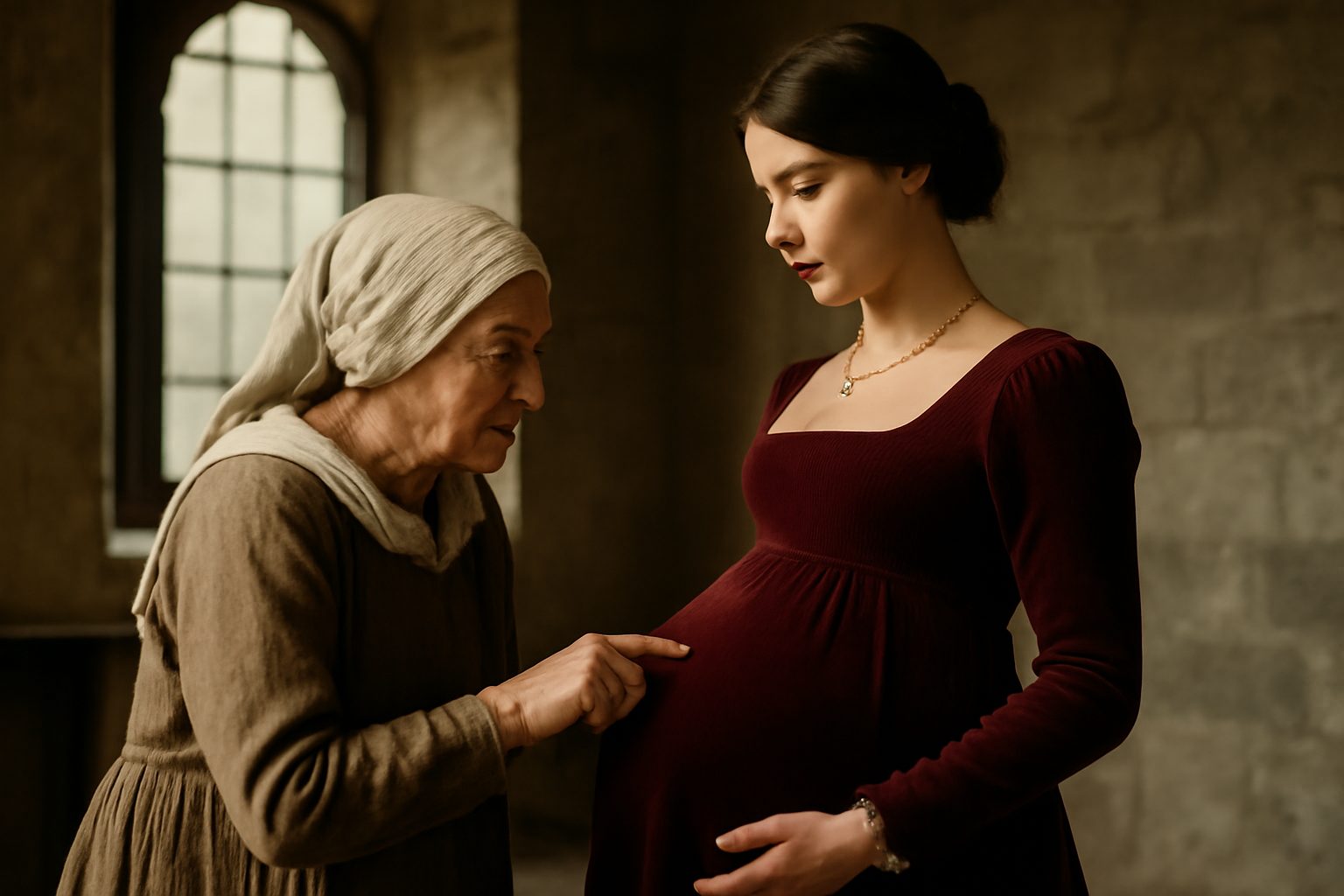
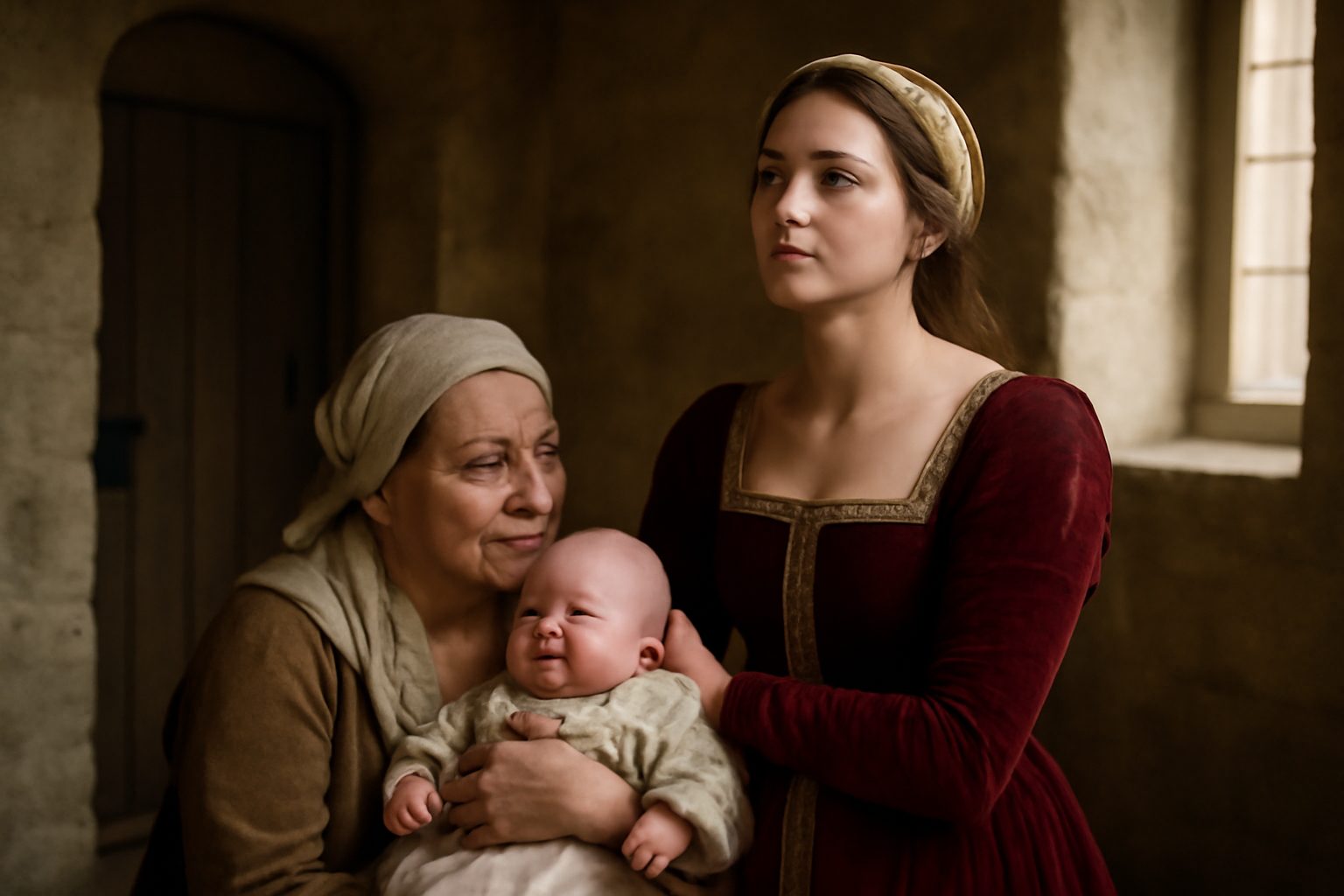
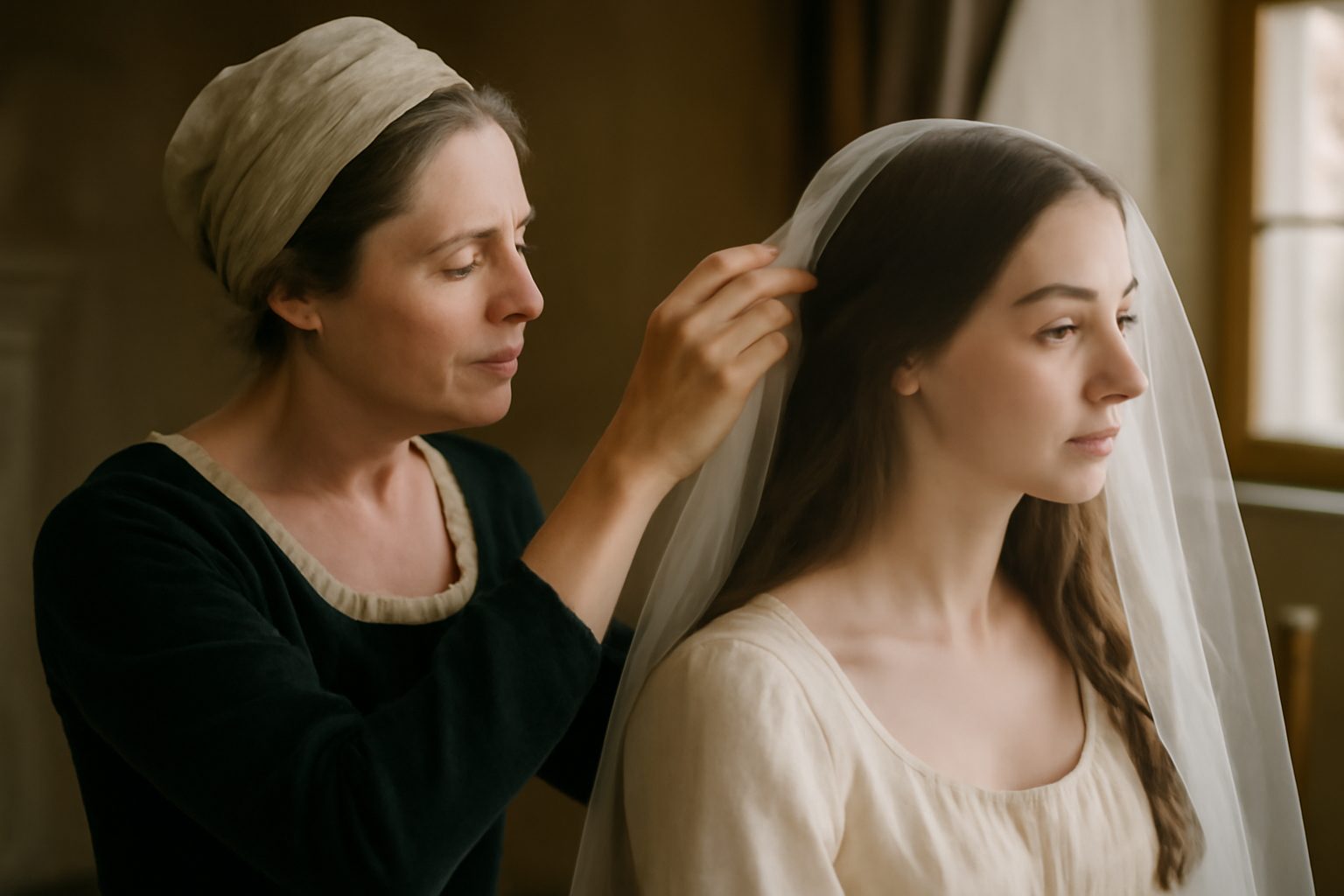
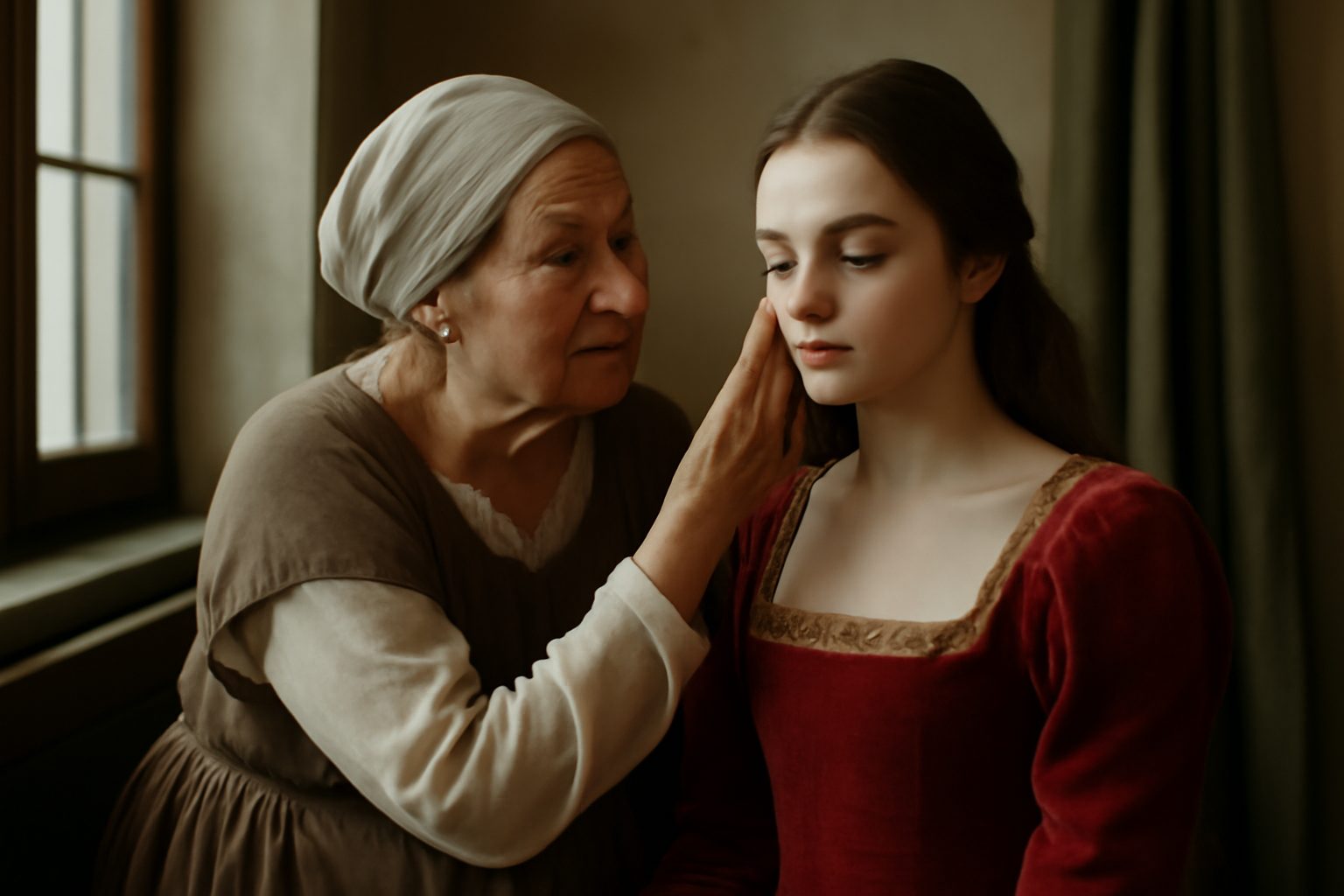
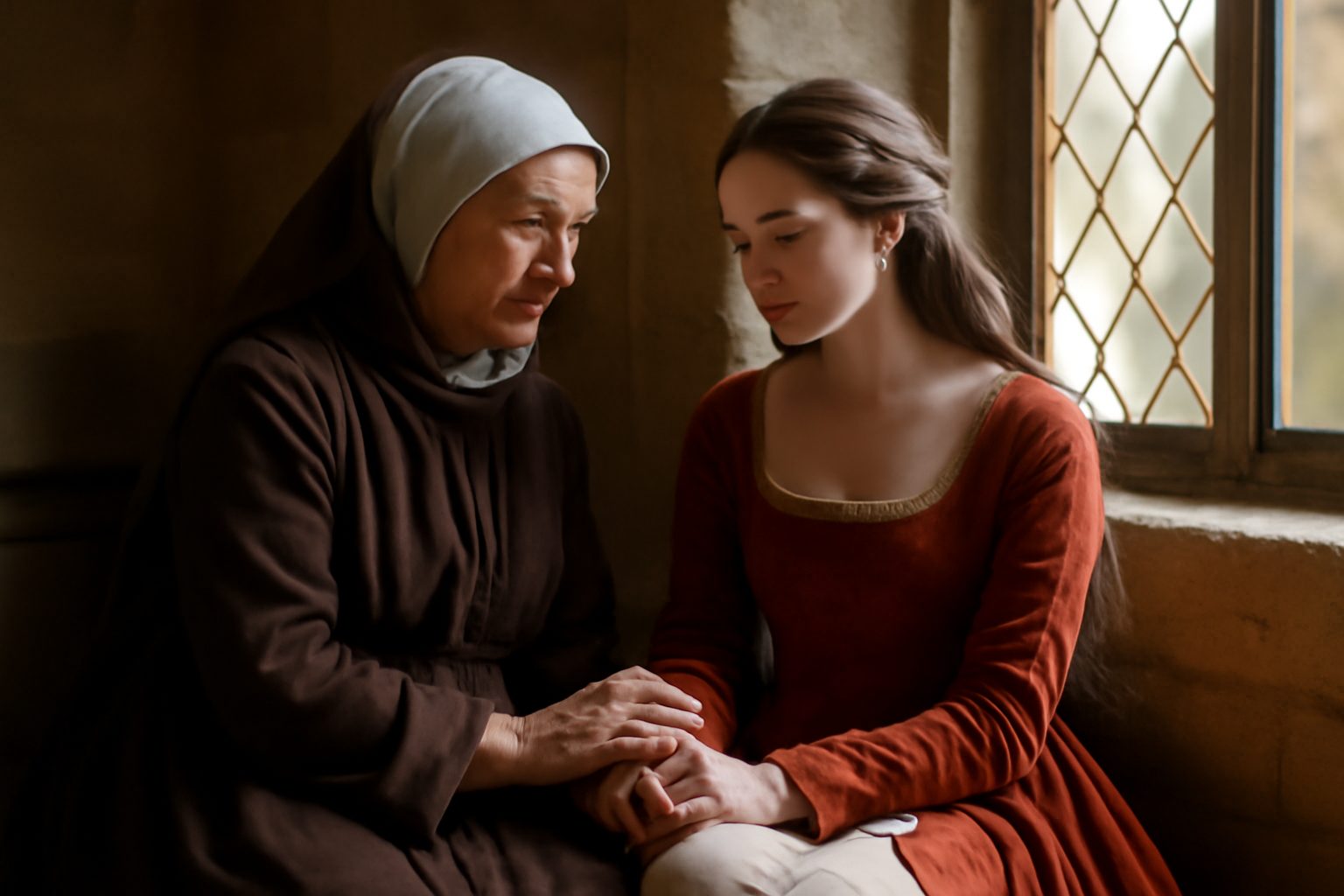
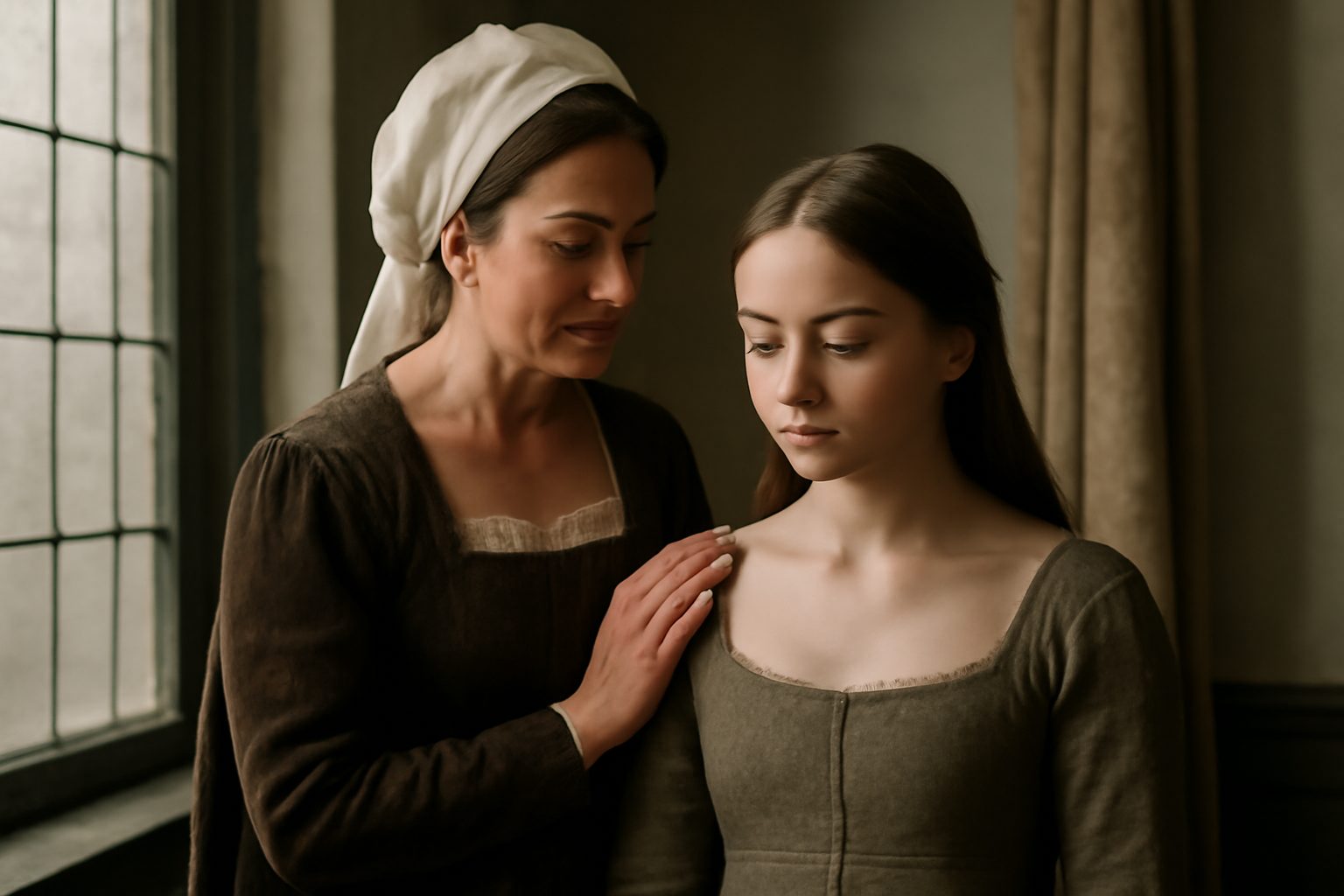
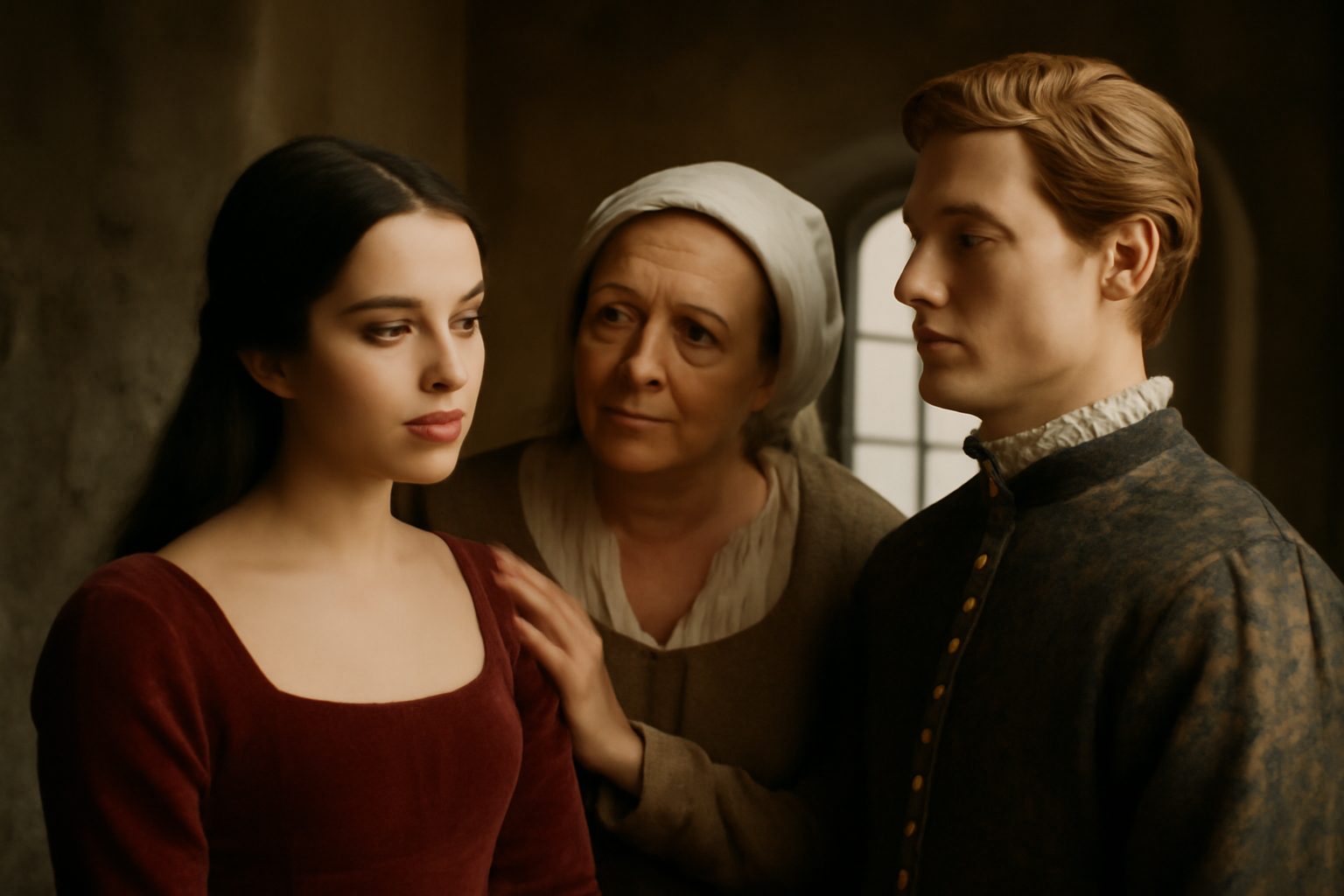
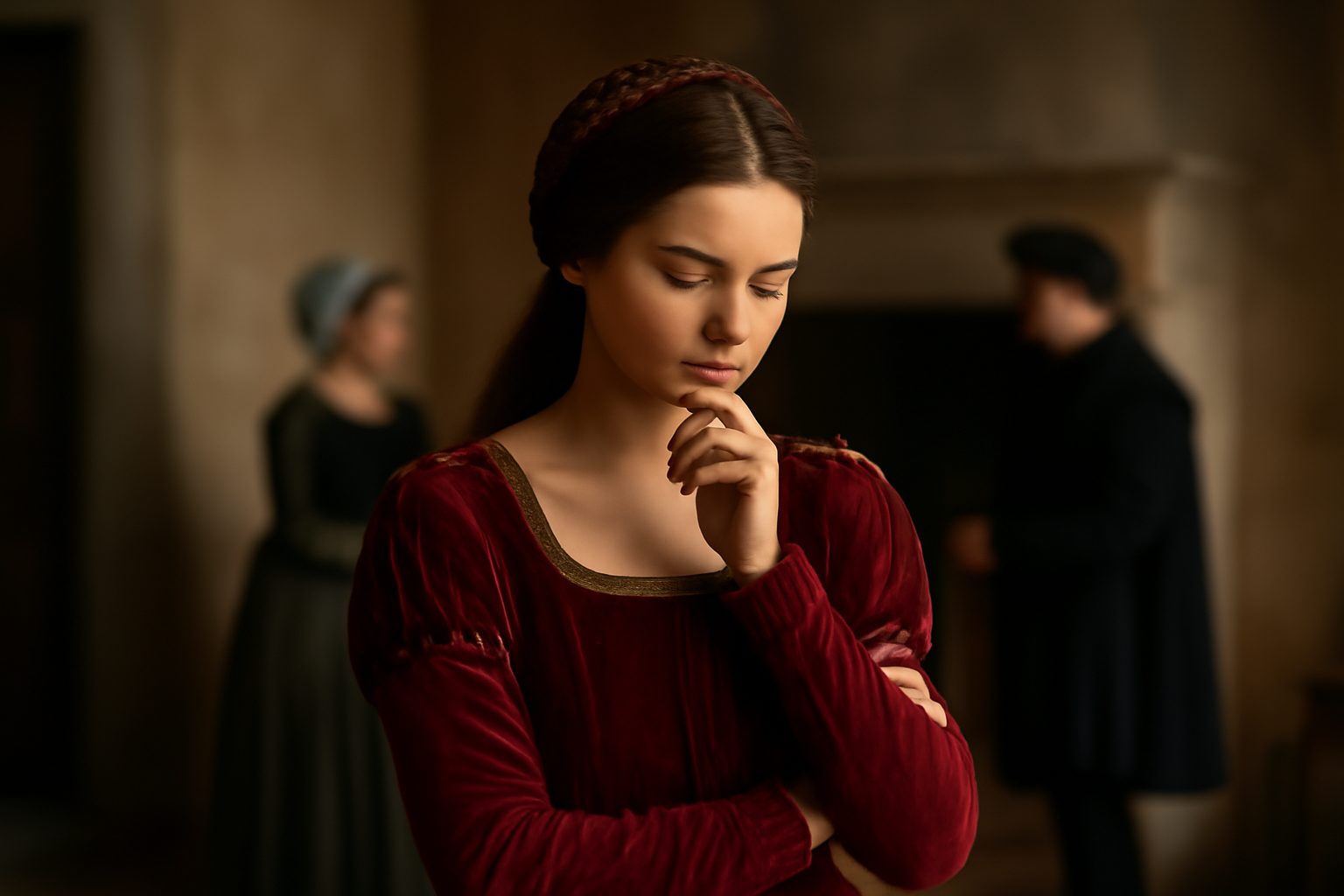
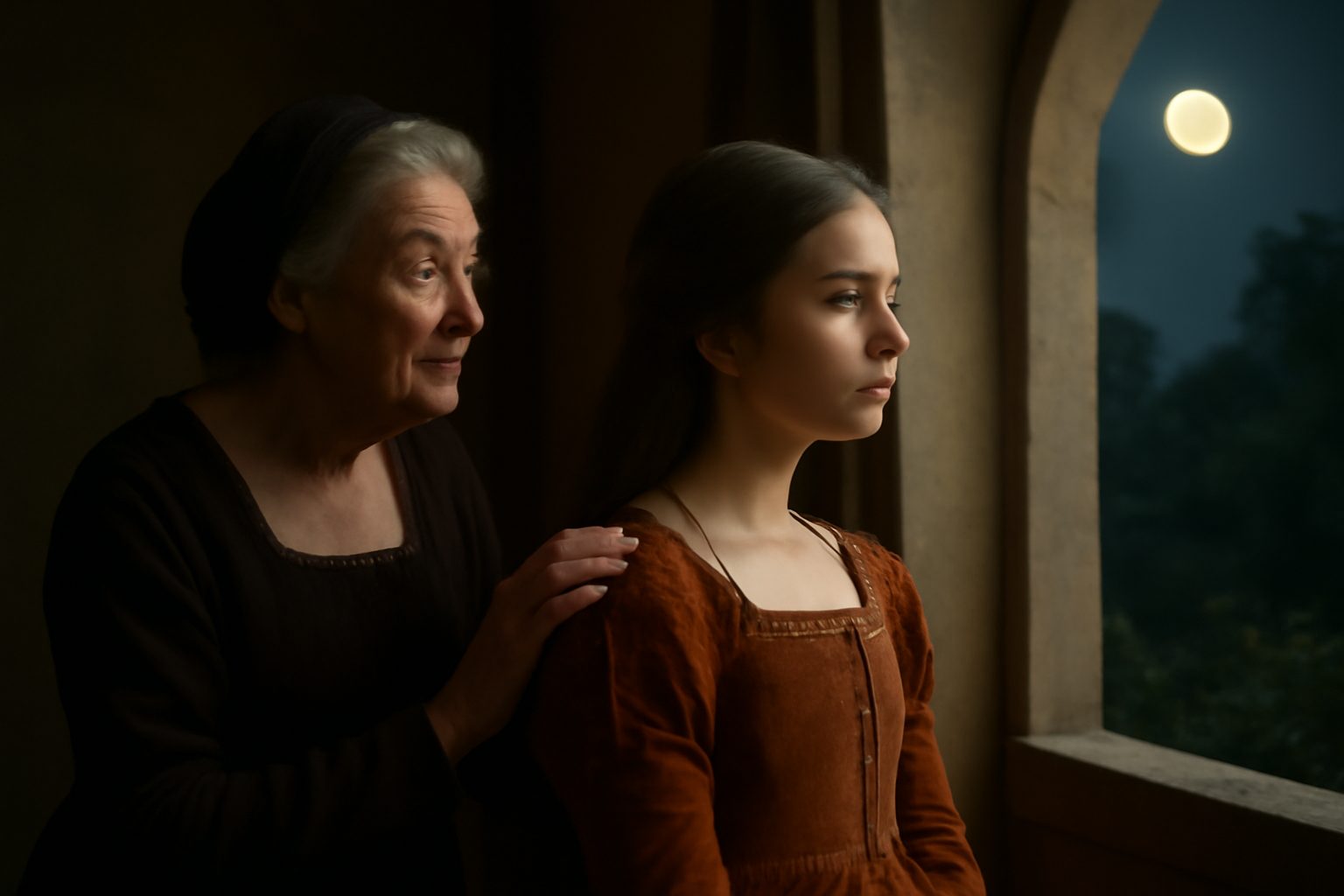
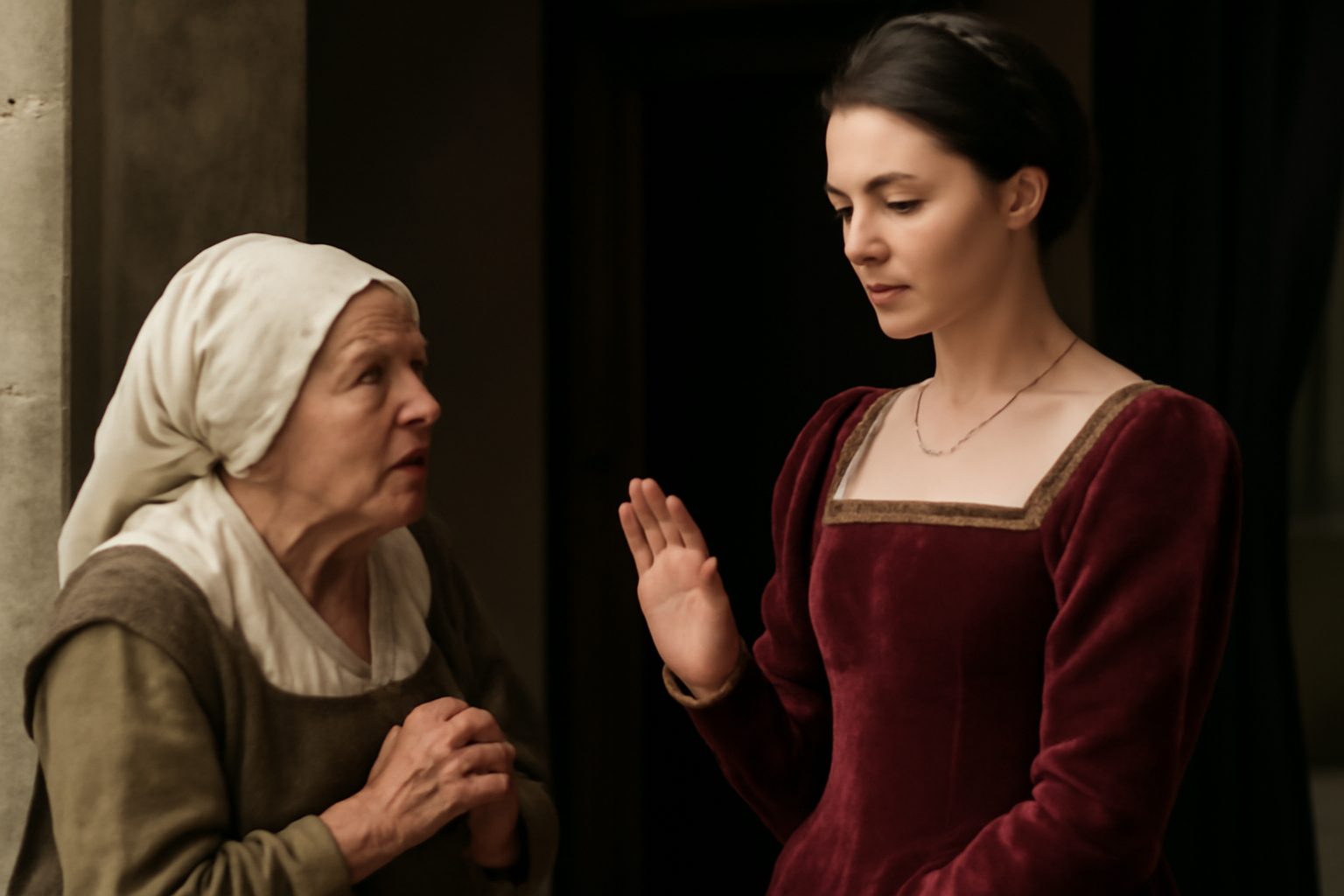
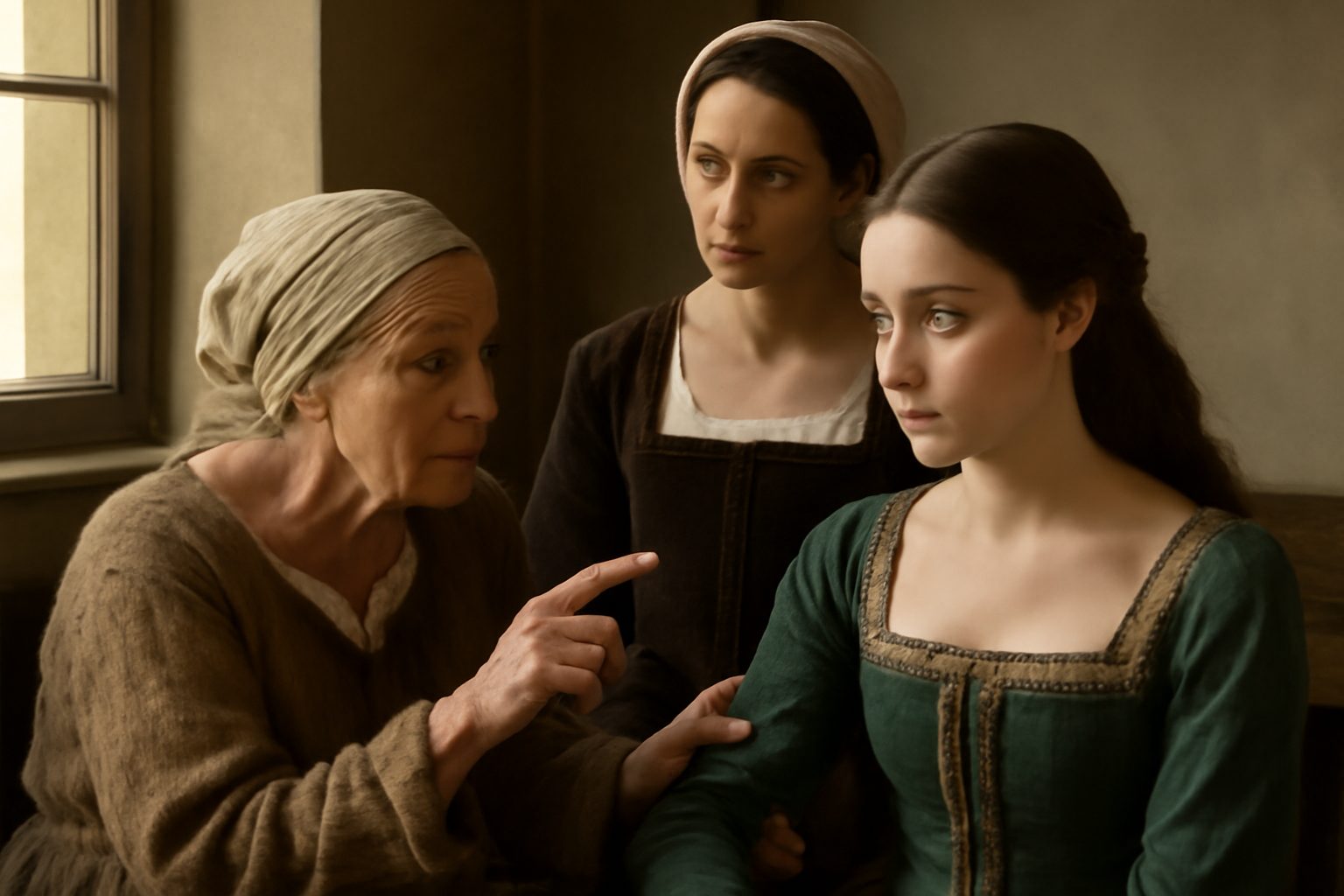
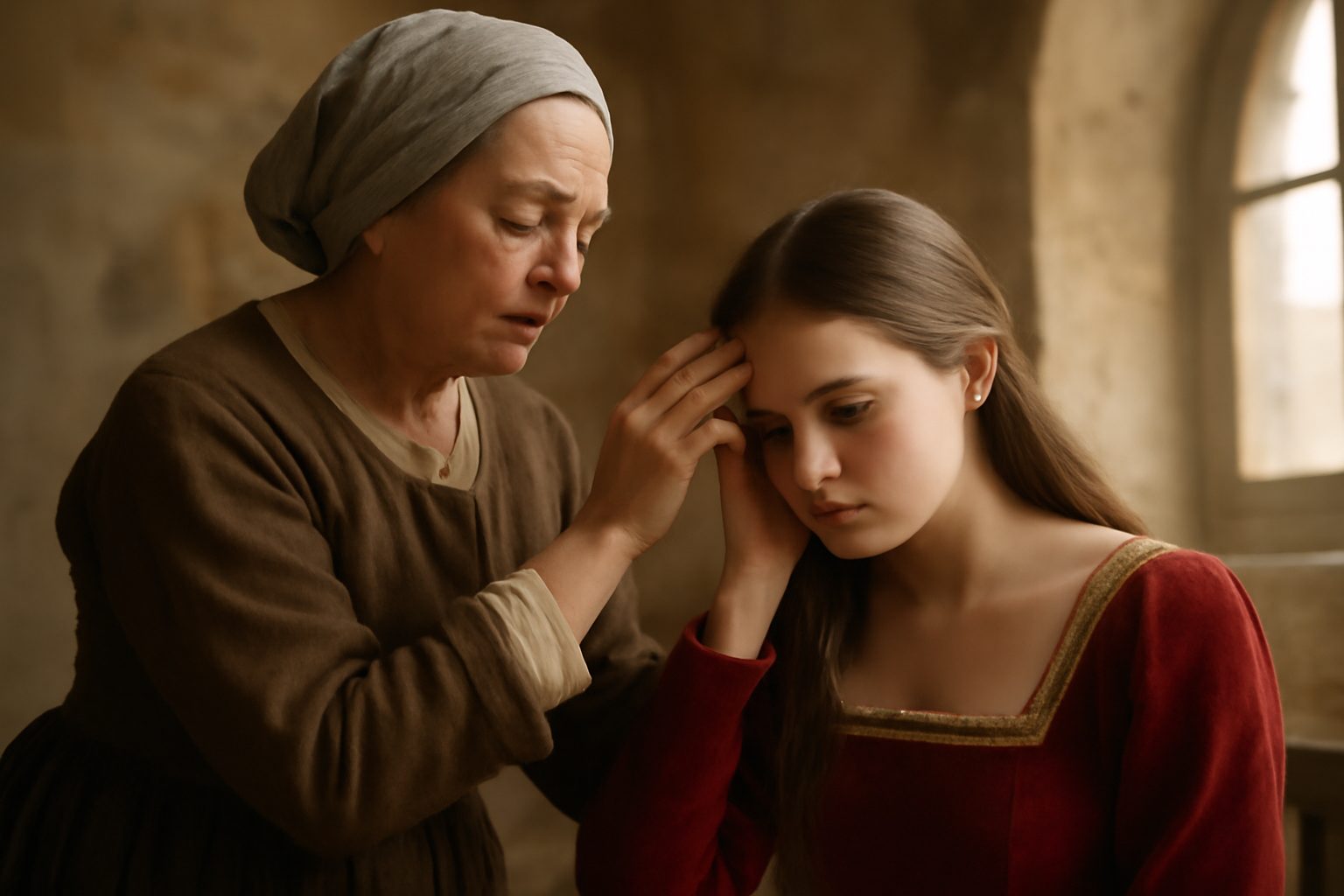
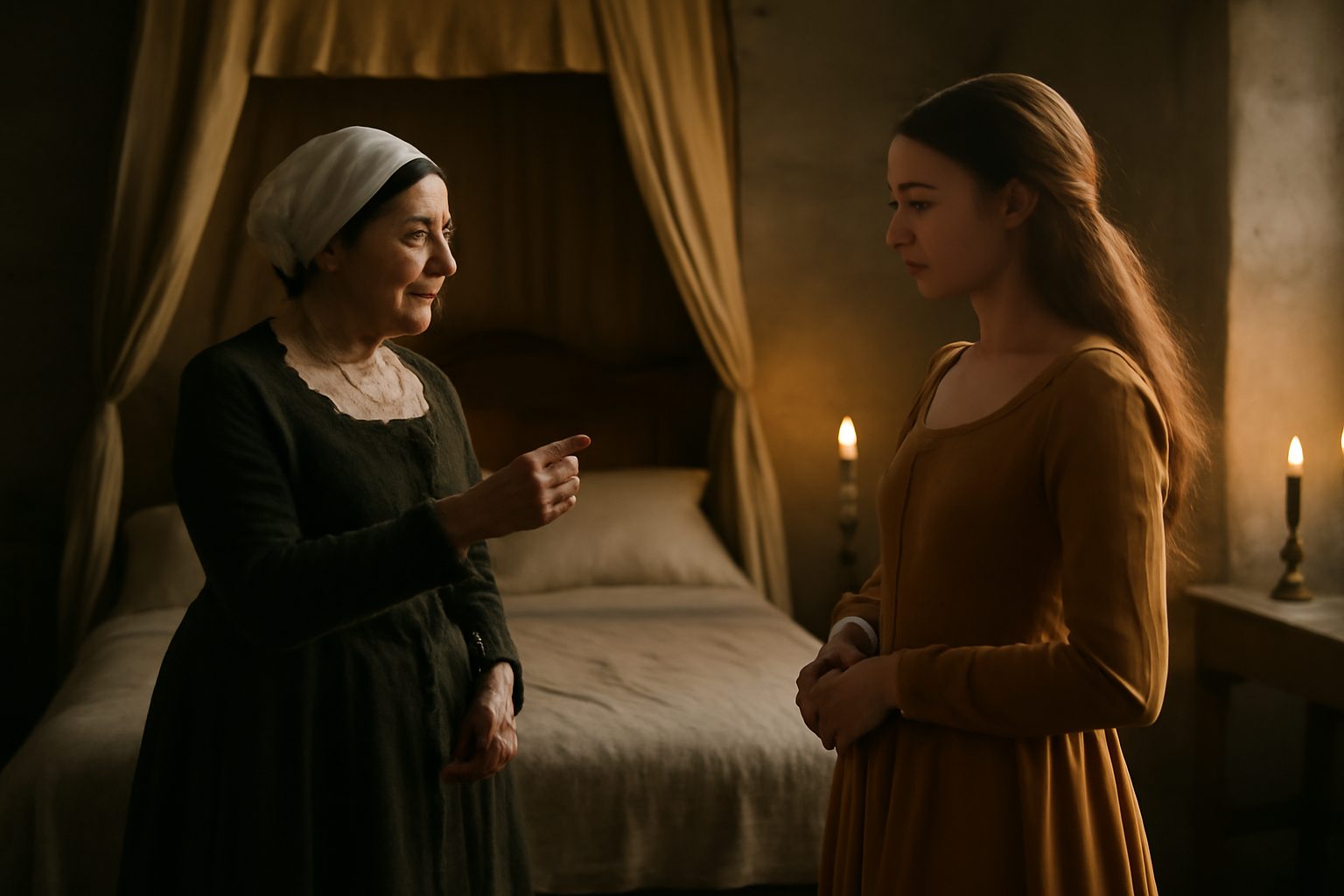
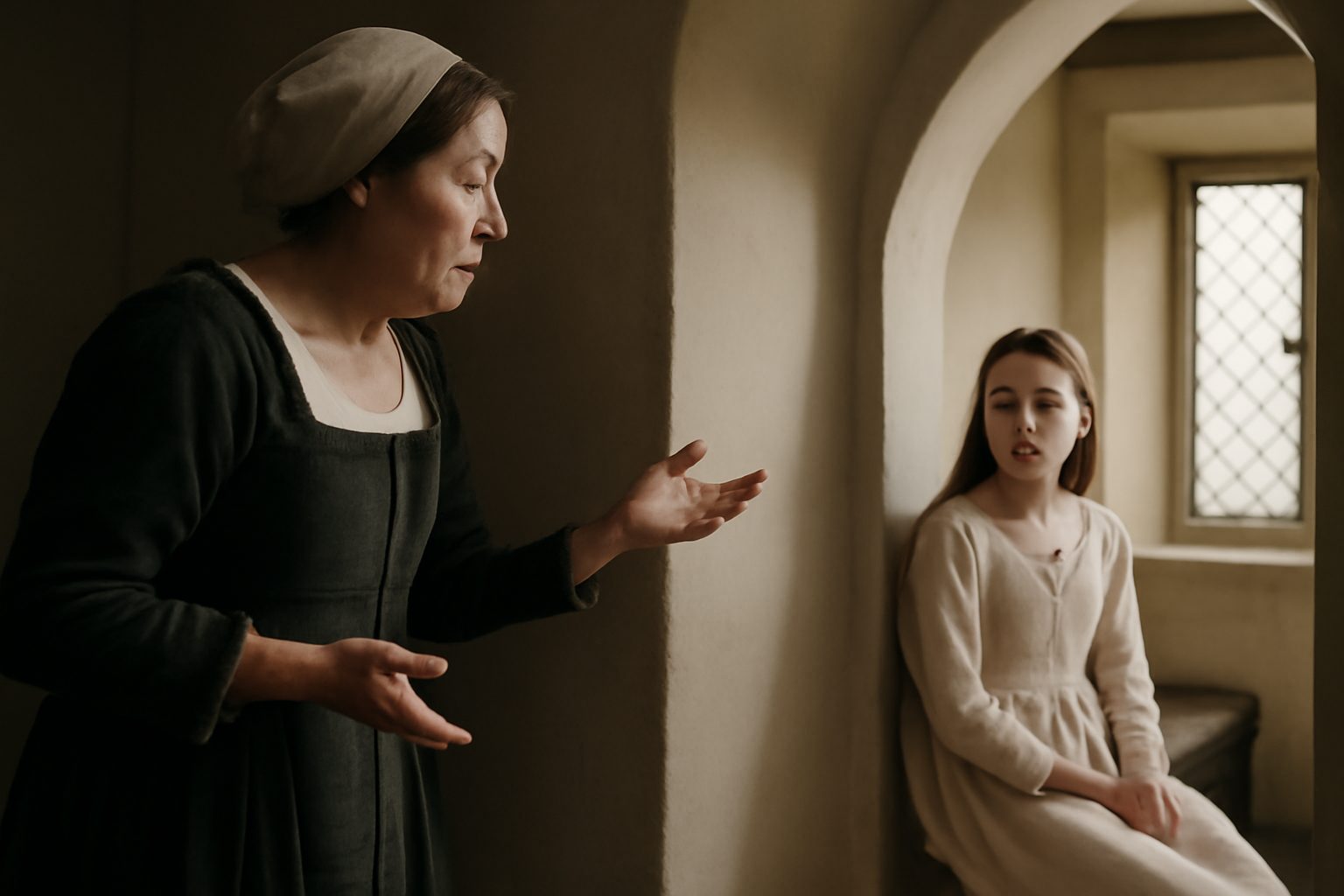
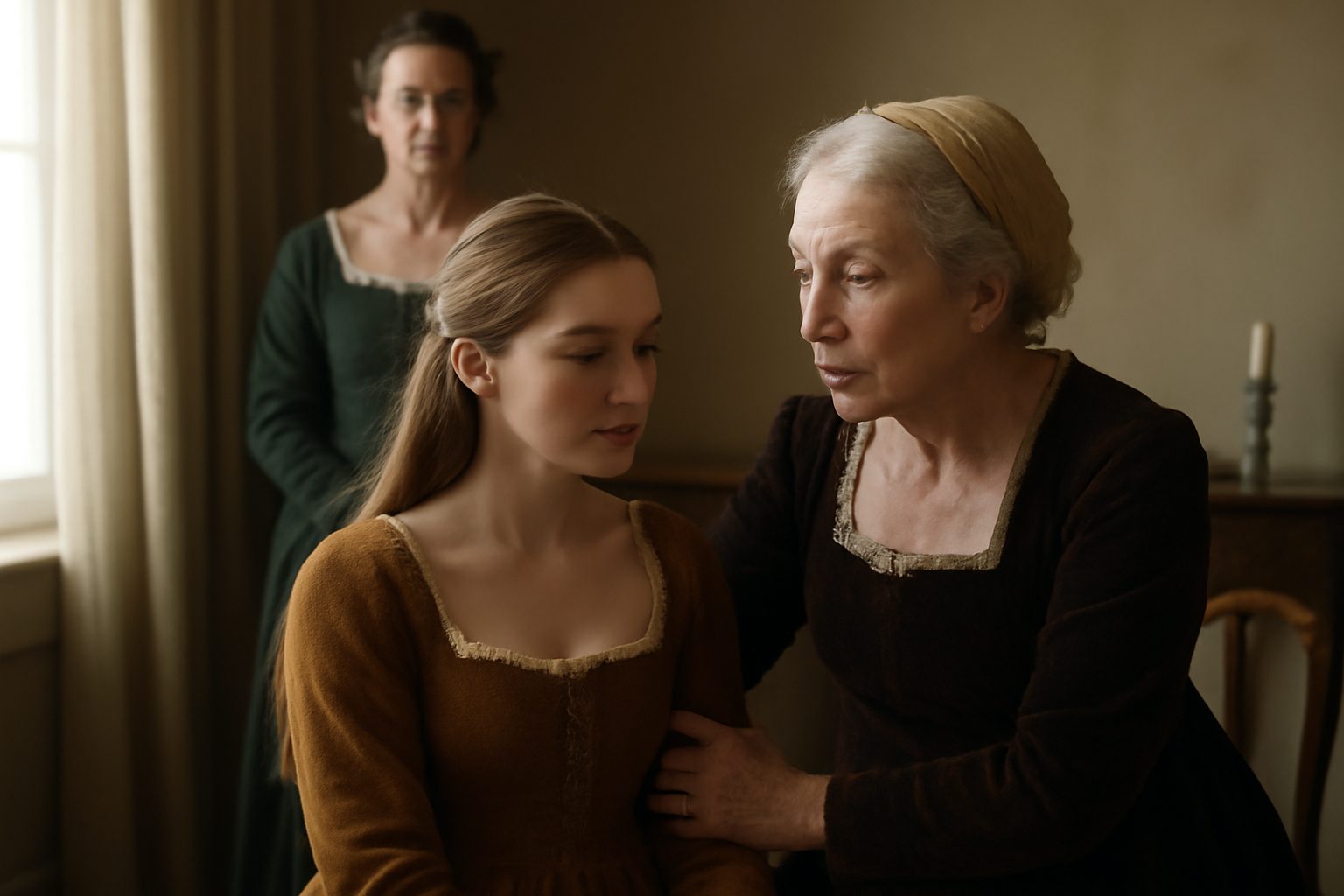
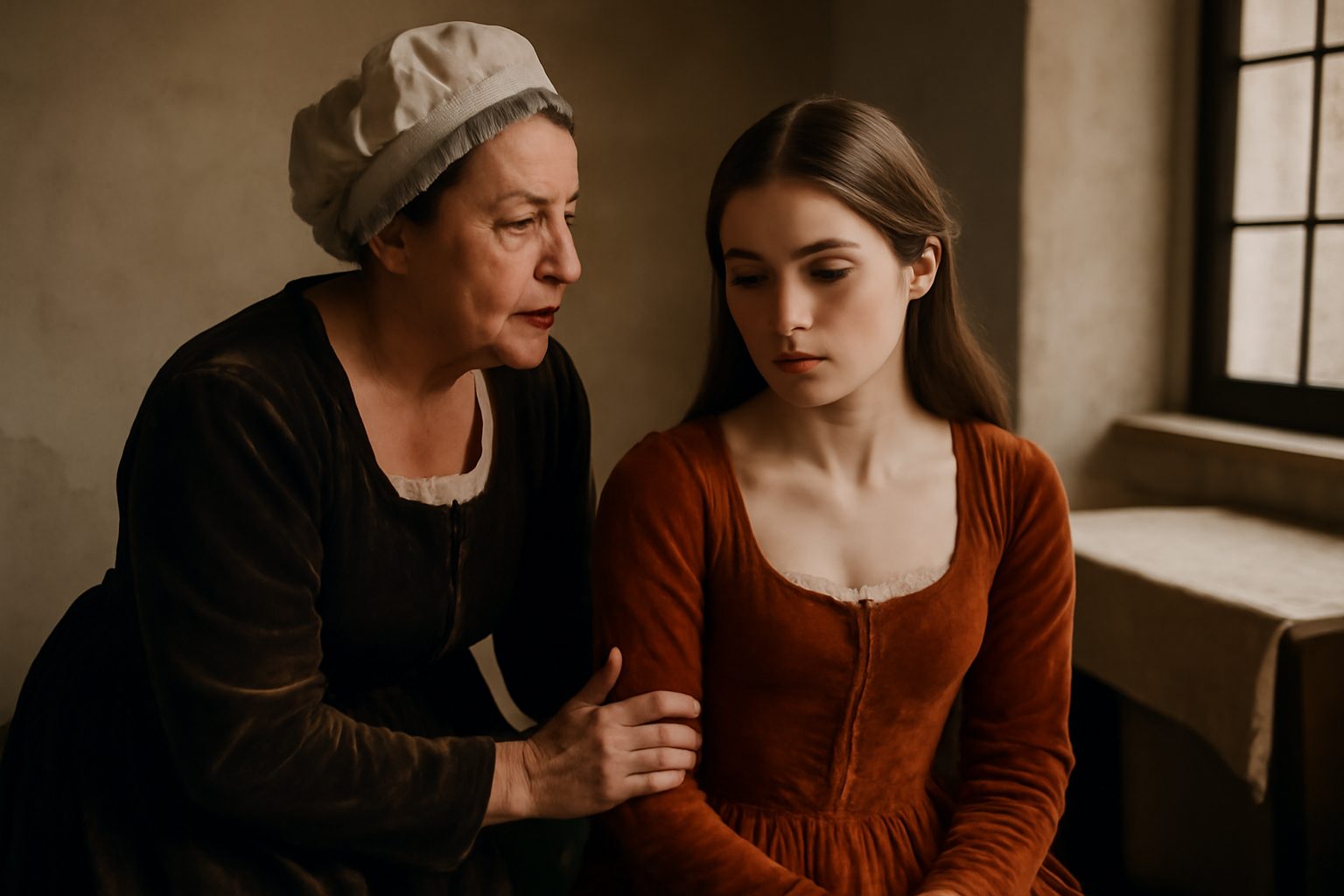
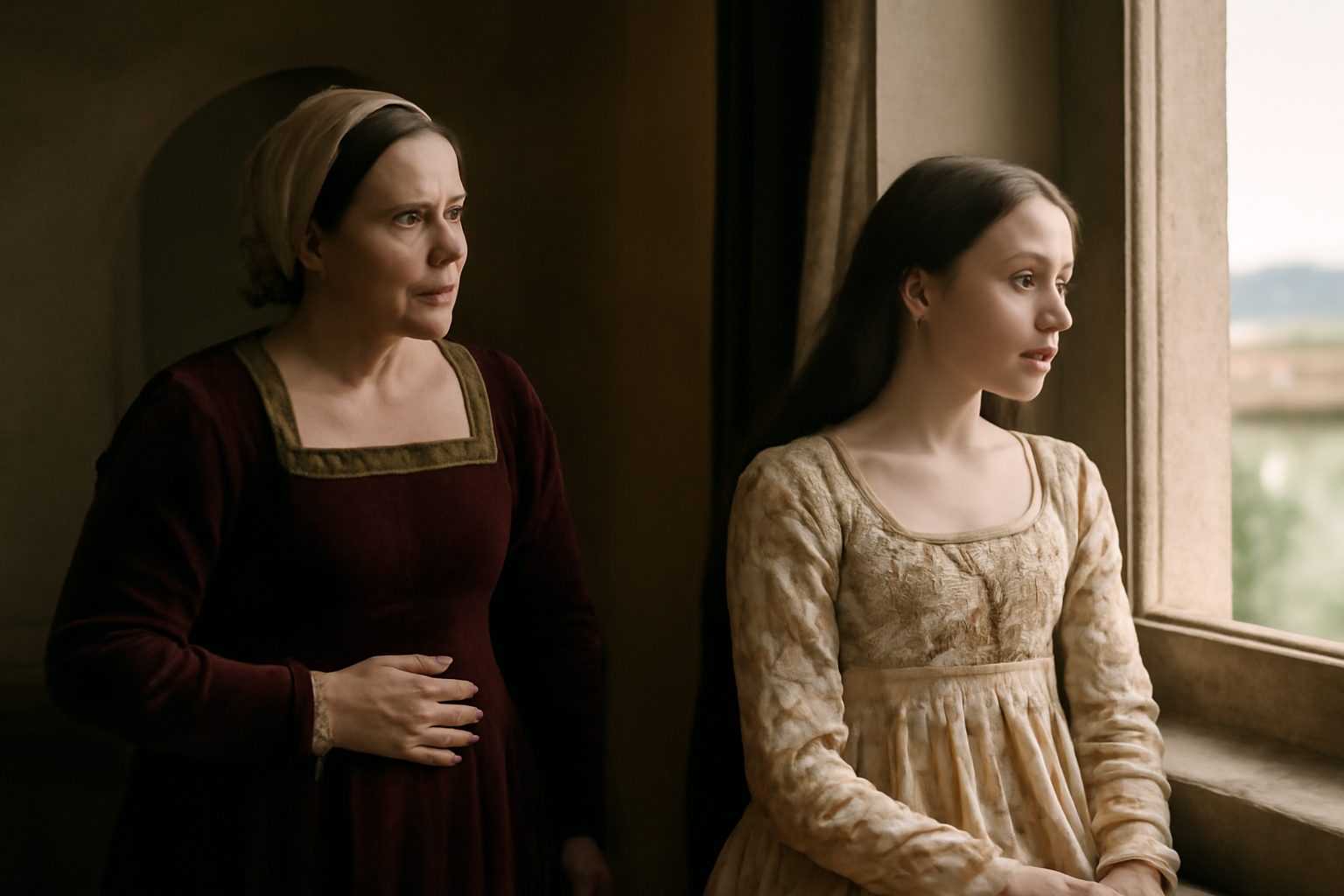
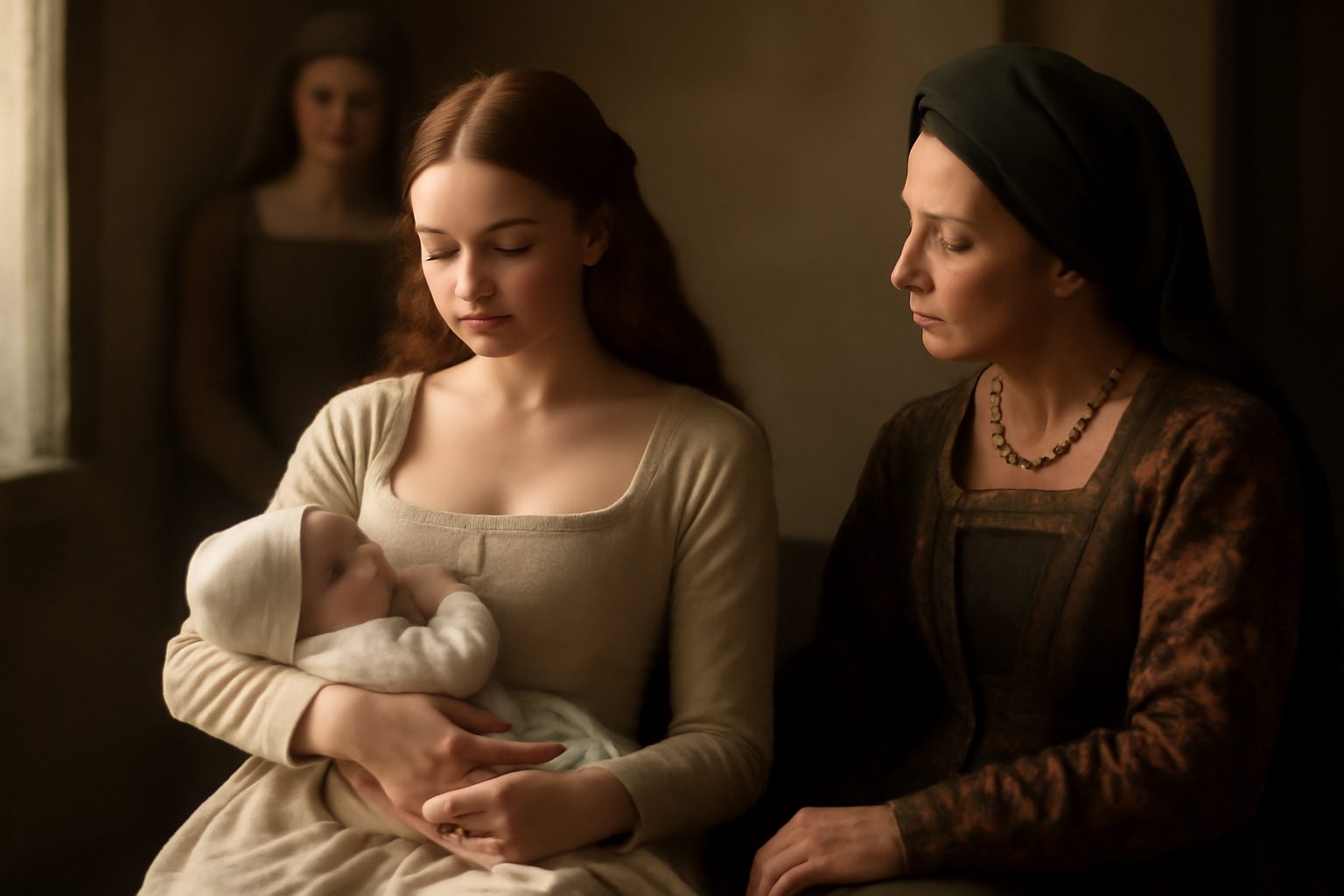
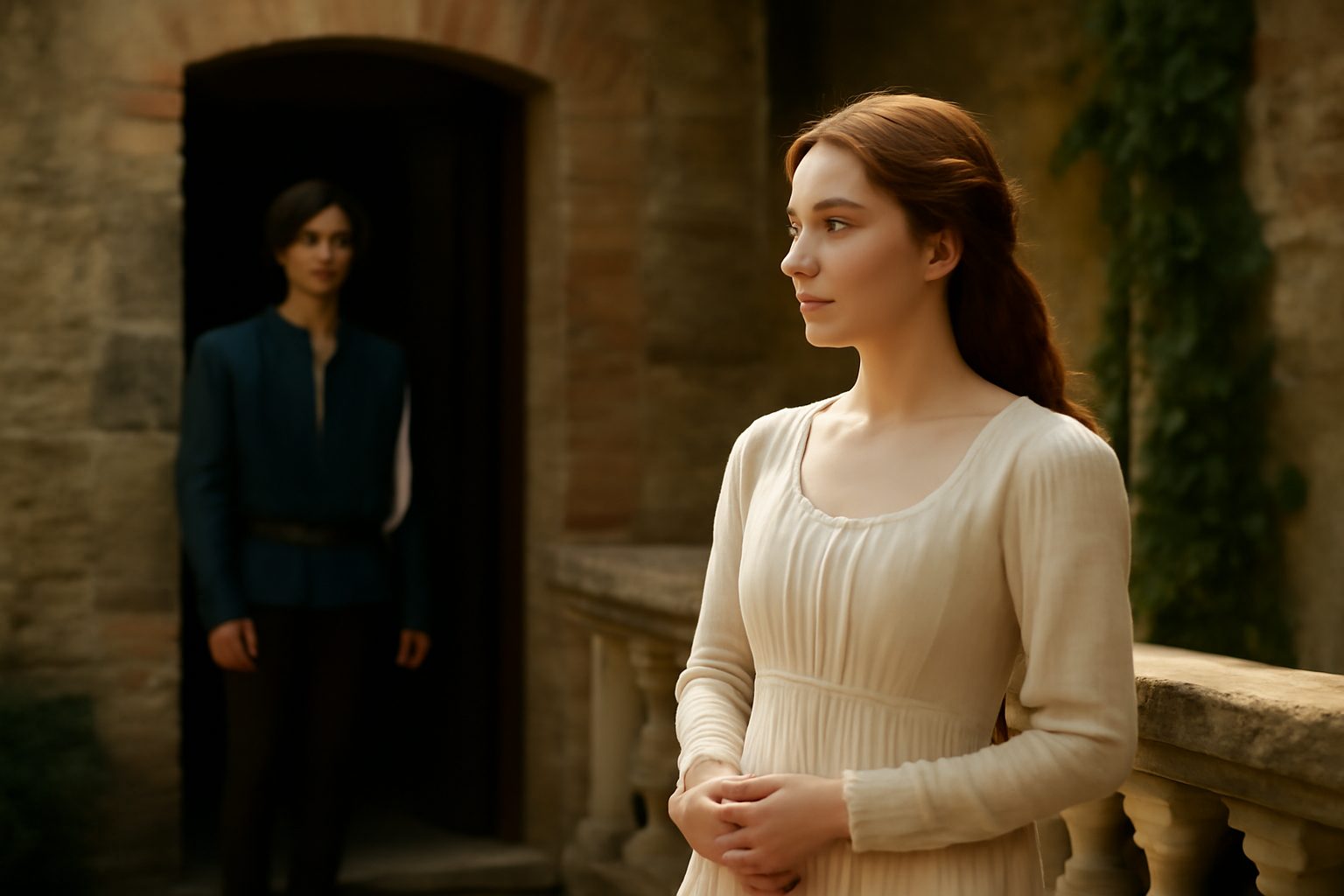
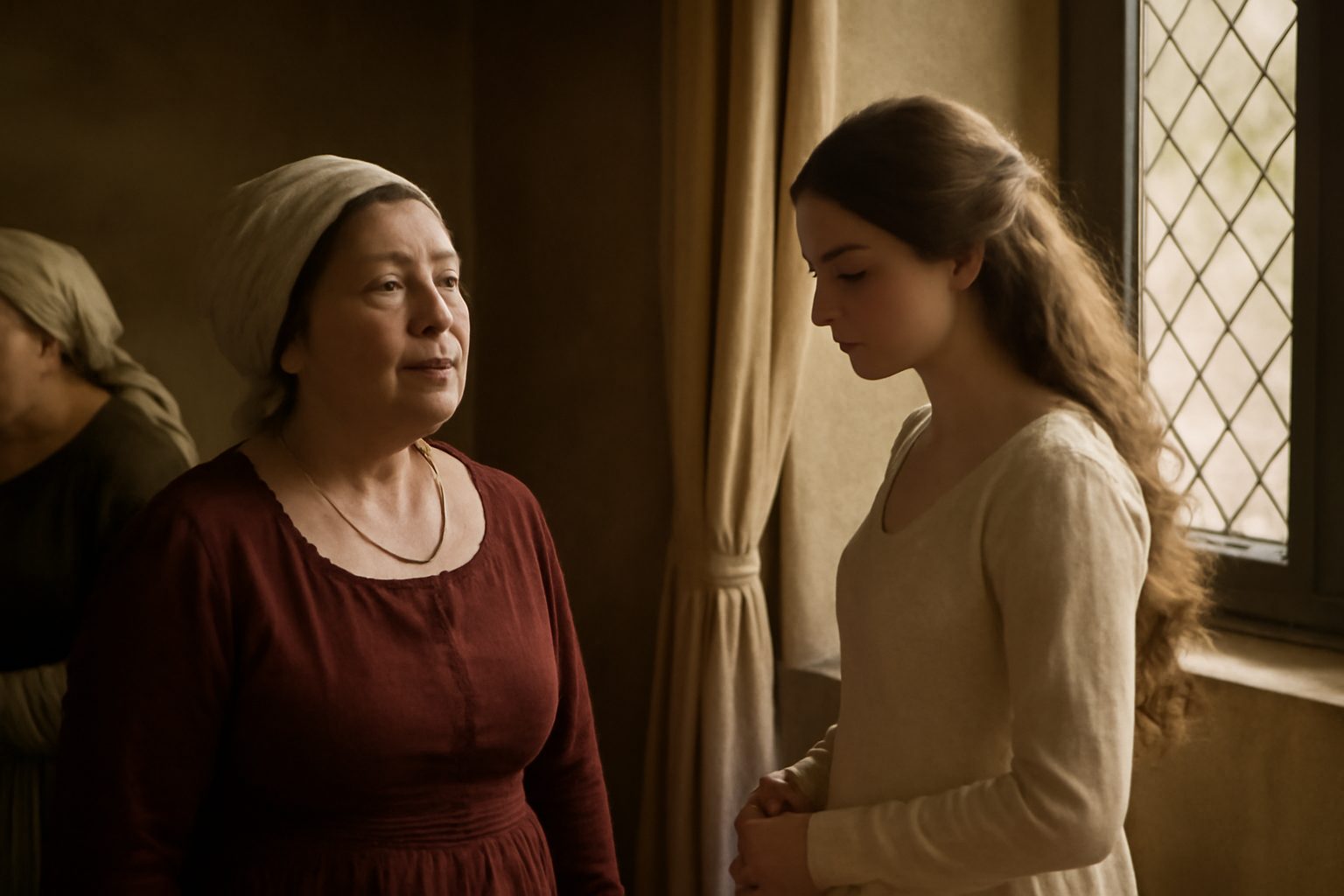
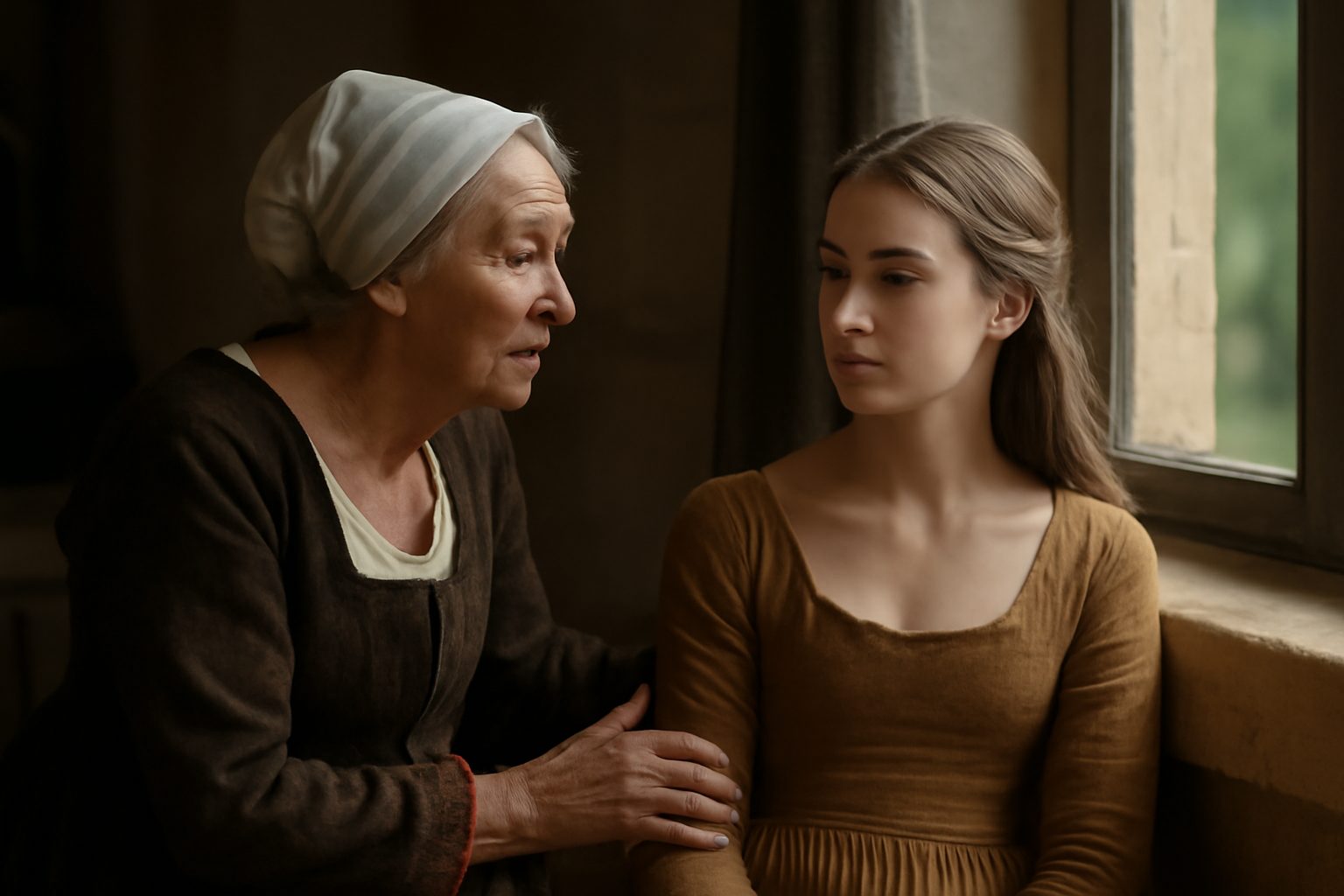
In Act 1, Scene 3 of Romeo and Juliet, Lady Capulet speaks to her daughter Juliet about the prospect of marriage. She mentions that many girls younger than Juliet are already married, subtly pressuring her to consider Paris as a suitor. This line reflects the societal expectations placed on young women in Verona to wed early.
Lady Capulet: "Well, think of marriage now; younger than you,"
In modern day english, we would say:
Consider marriage now—girls younger than you are already married.
Frequently Asked Questions
What is Lady Capulet suggesting to Juliet in this line?
Lady Capulet is suggesting that Juliet should start thinking about getting married, even though she is still young.
Connections to other verses:
Connections to "Well, think of marriage now; younger than you,"
This line from Romeo & Juliet Act 1 Scene 3 – Well, think of marriage now; younger than you, is spoken by Lady Capulet as she introduces the topic of marriage to Juliet. It connects thematically and contextually to several other verses in the same scene.
Age and Marriage
Lady Capulet's emphasis on Juliet's youth and readiness for marriage is echoed in Romeo & Juliet Act 1 Scene 3 – Are made already mothers: by my count,, where she notes that other girls Juliet's age are already mothers, reinforcing the societal expectation for early marriage. This idea is further supported by Romeo & Juliet Act 1 Scene 3 – I was your mother much upon these years, where Lady Capulet reveals she was a mother at Juliet's current age, providing a personal example to persuade her daughter.
Juliet's Reluctance and Obedience
Juliet's reserved response to the proposal is captured in Romeo & Juliet Act 1 Scene 3 – It is an honour that I dream not of., showing her initial hesitation. However, she agrees to consider Paris, as seen in Romeo & Juliet Act 1 Scene 3 – I'll look to like, if looking liking move:, demonstrating her obedience to her parents' wishes despite her personal feelings.
Nurse's Fond Memories and Support
The Nurse's affectionate recollections of Juliet's childhood, such as in Romeo & Juliet Act 1 Scene 3 – Thou wast the prettiest babe that e'er I nursed:, provide a contrast to Lady Capulet's more pragmatic approach, yet both women encourage Juliet toward marriage. The Nurse's supportive role is also evident in Romeo & Juliet Act 1 Scene 3 – An I might live to see thee married once,, where she expresses her desire to see Juliet married, aligning with Lady Capulet's sentiments.
Paris as the Suitor
The discussion about Paris's qualities begins with Romeo & Juliet Act 1 Scene 3 – The valiant Paris seeks you for his love., introducing him as a worthy match. His virtues are elaborated in Romeo & Juliet Act 1 Scene 3 – As all the world--why, he's a man of wax. and Romeo & Juliet Act 1 Scene 3 – Nay, he's a flower; in faith, a very flower., painting him as an ideal husband, which ties back to Lady Capulet's initial prompt for Juliet to think of marriage.