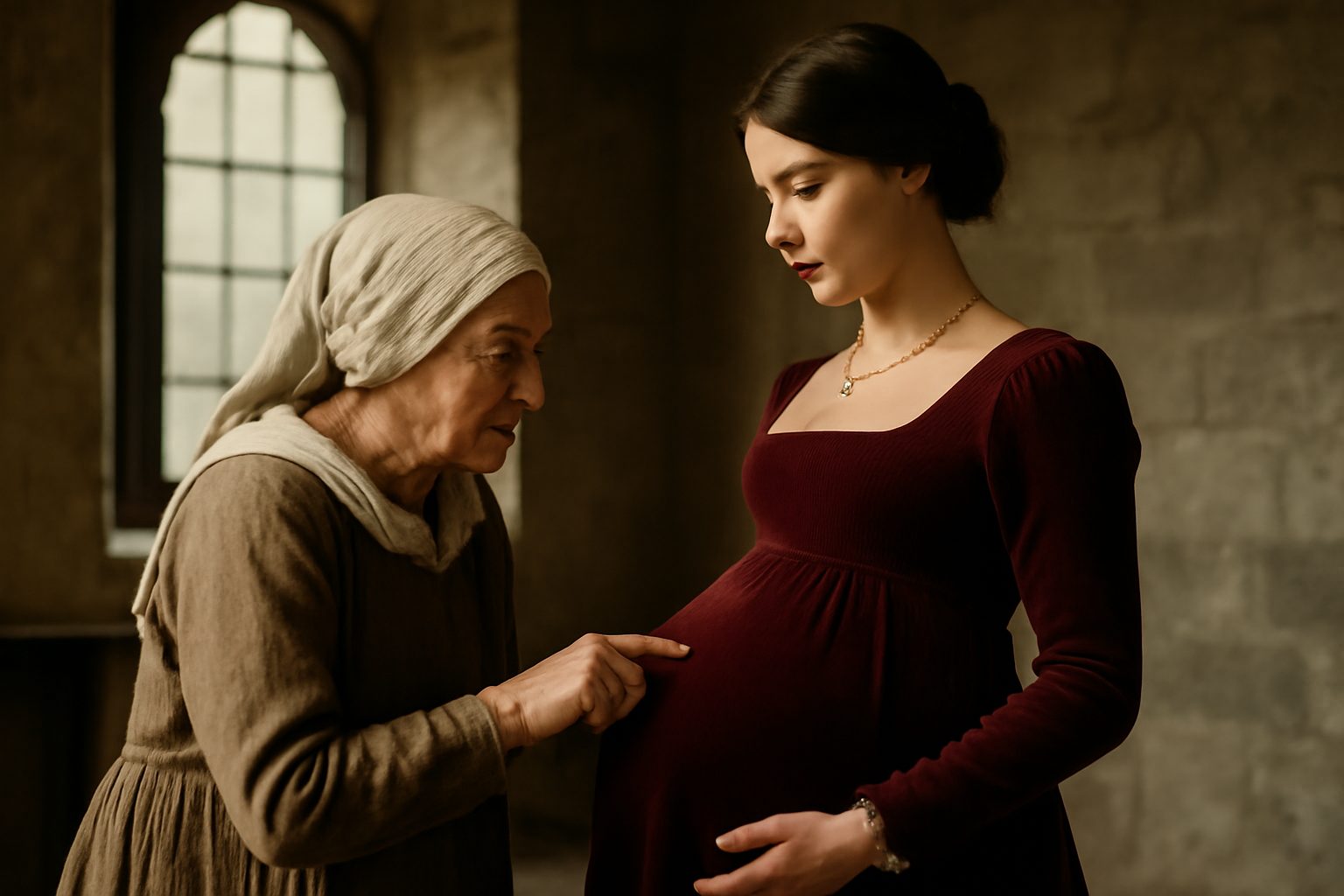
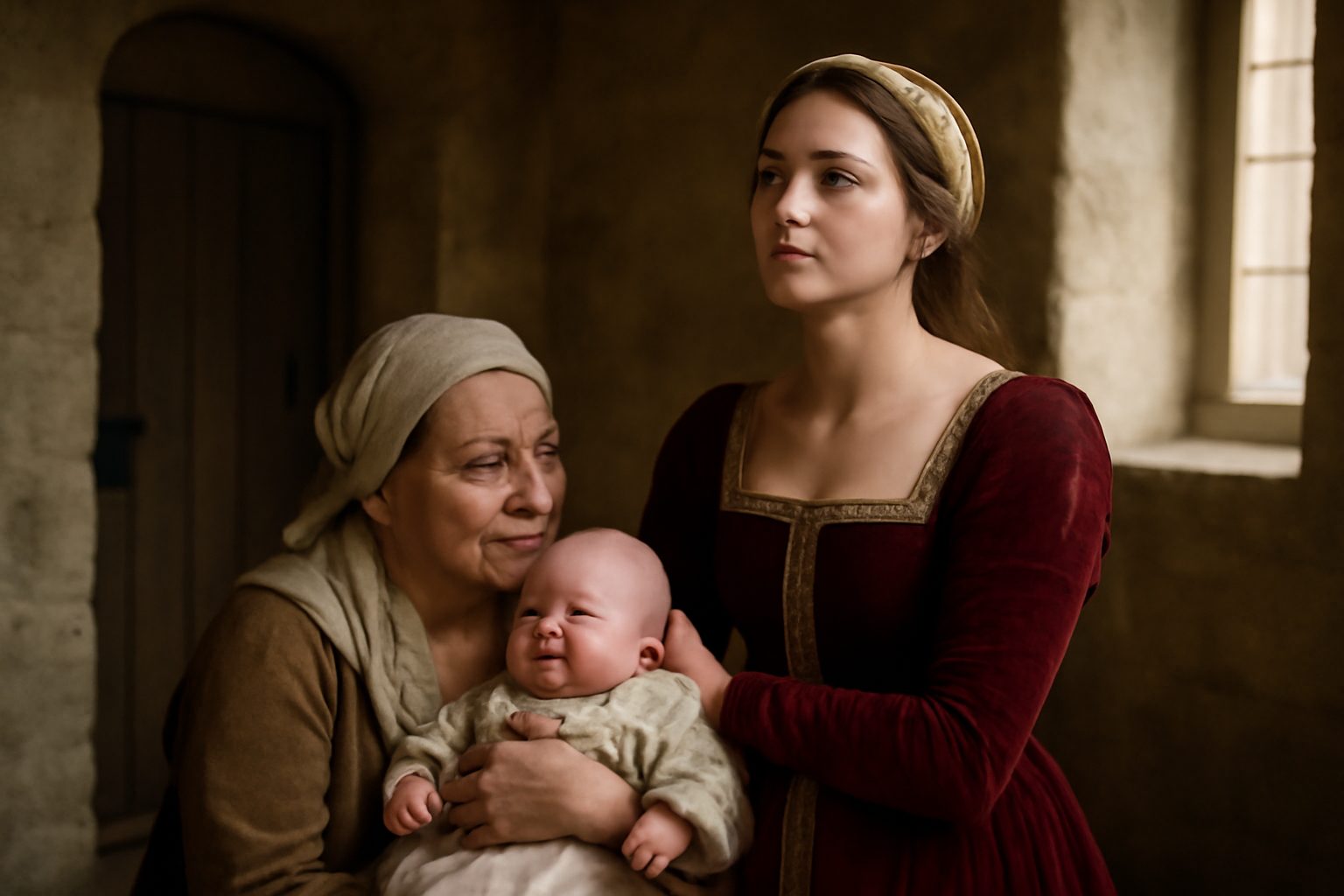
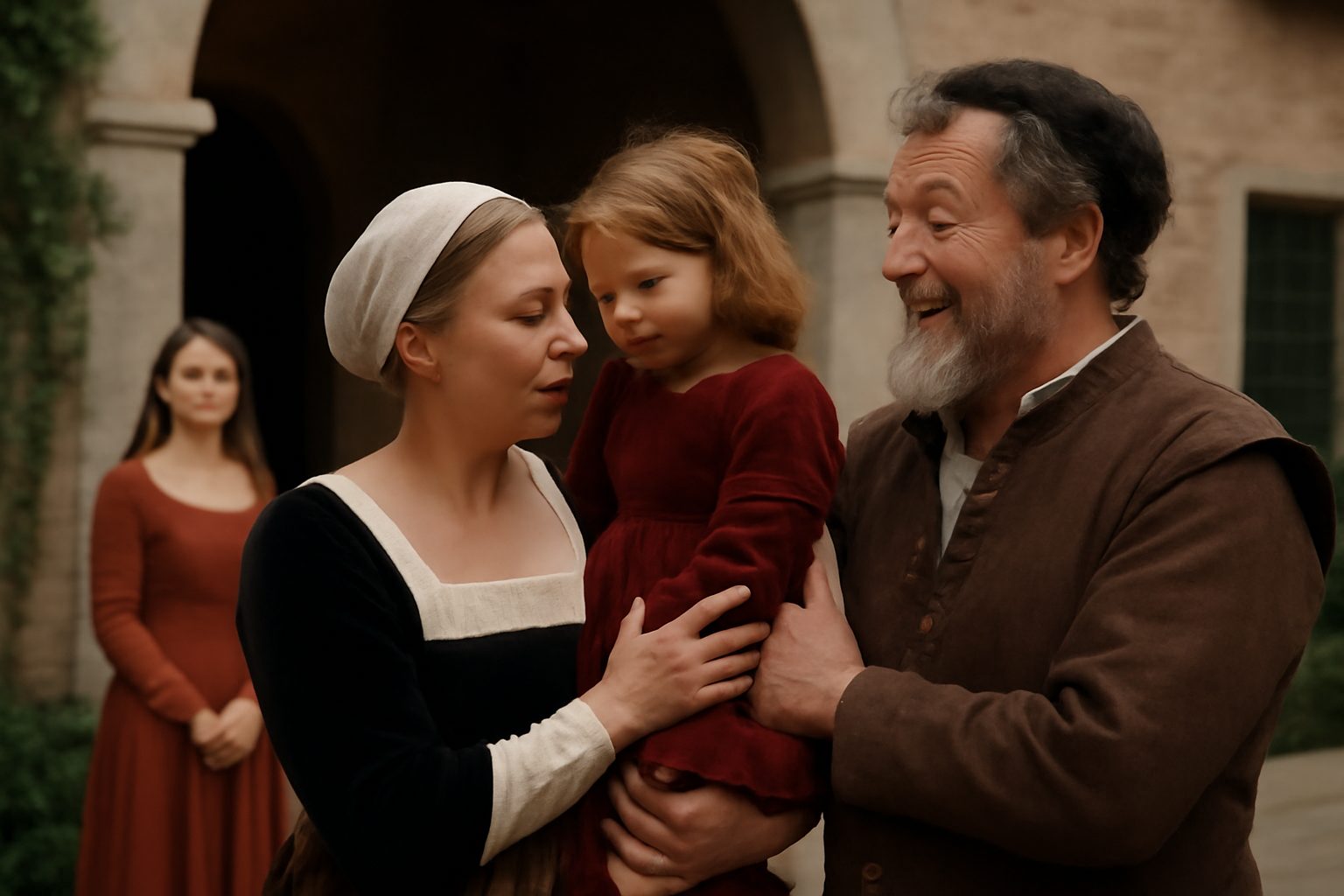
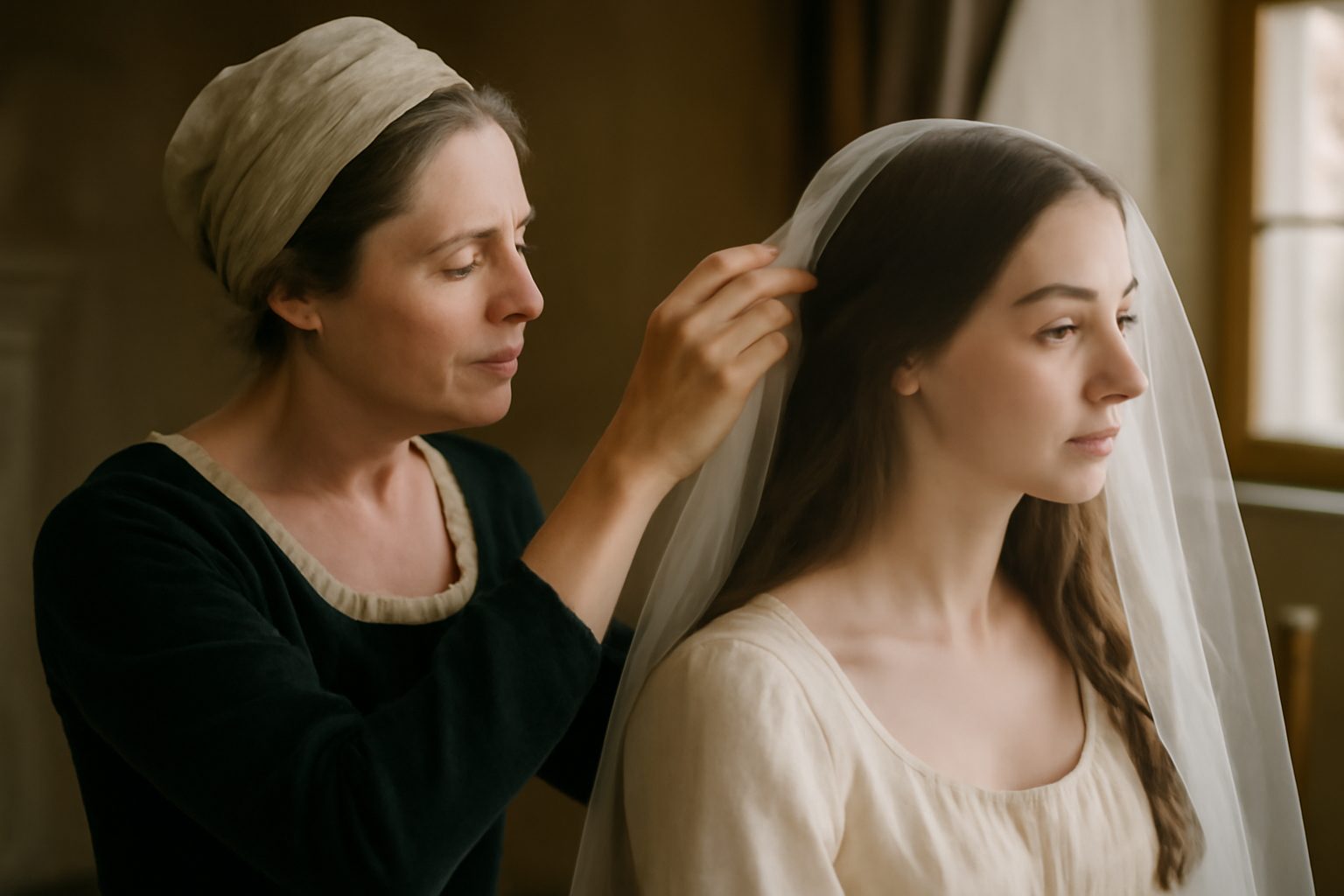
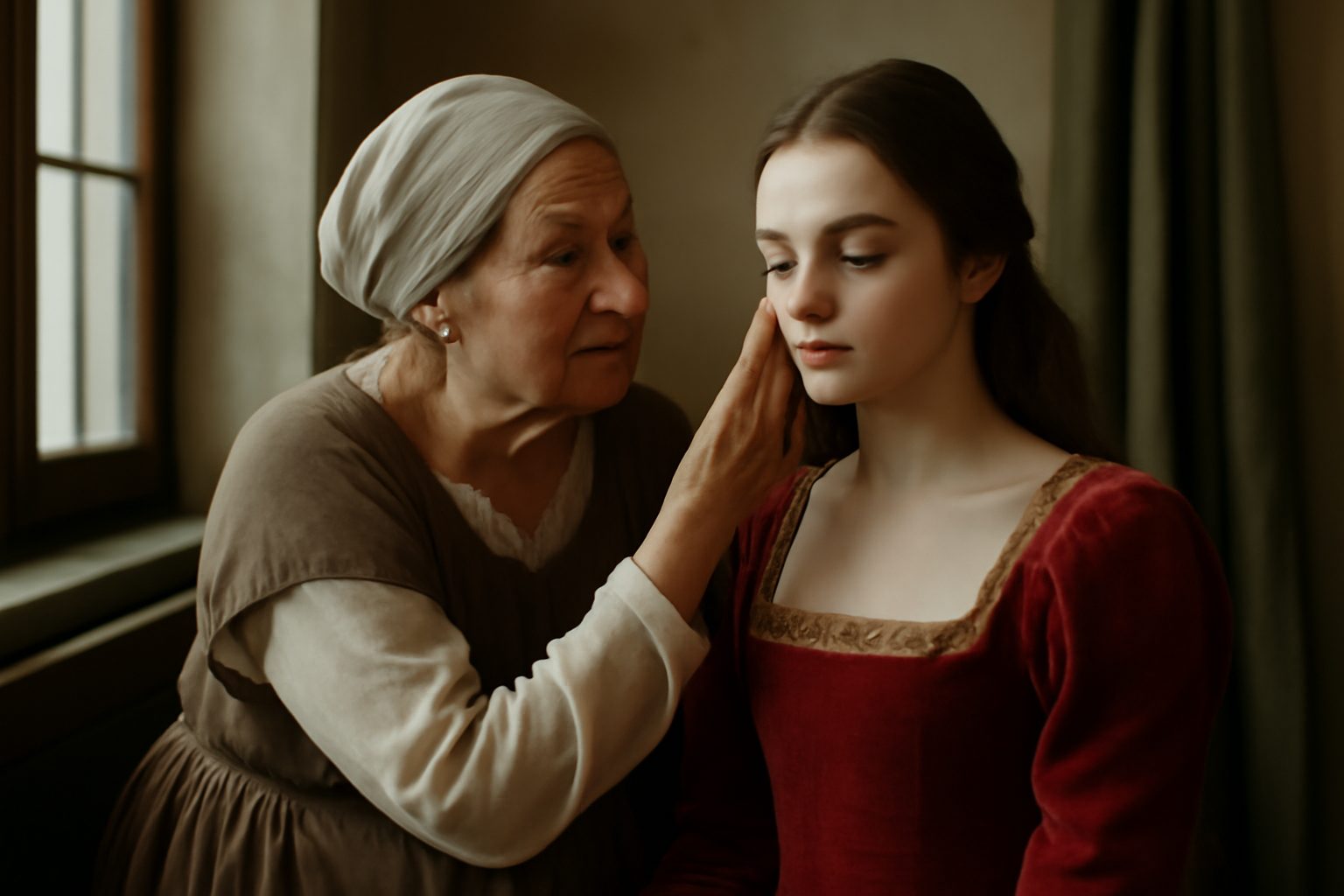
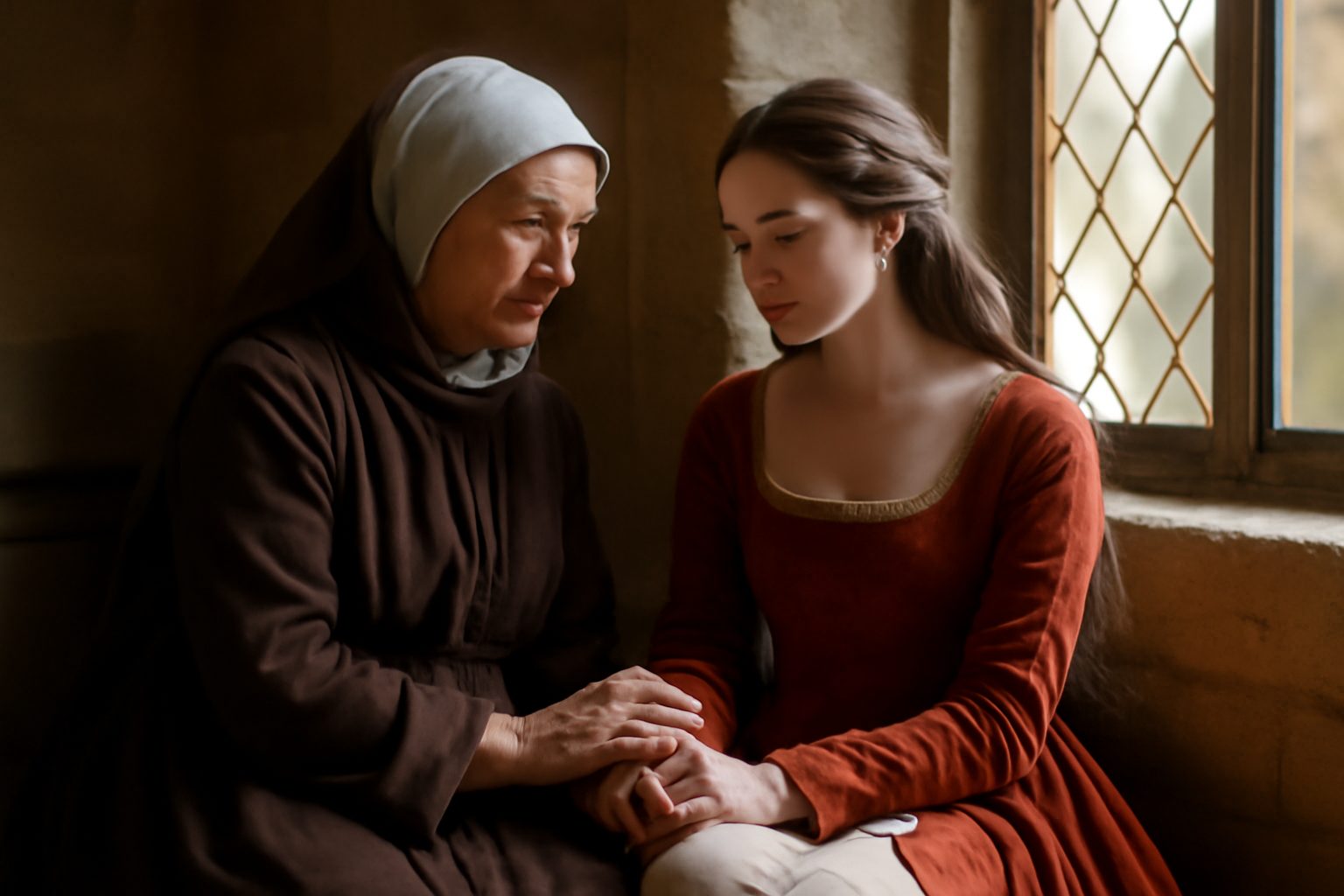
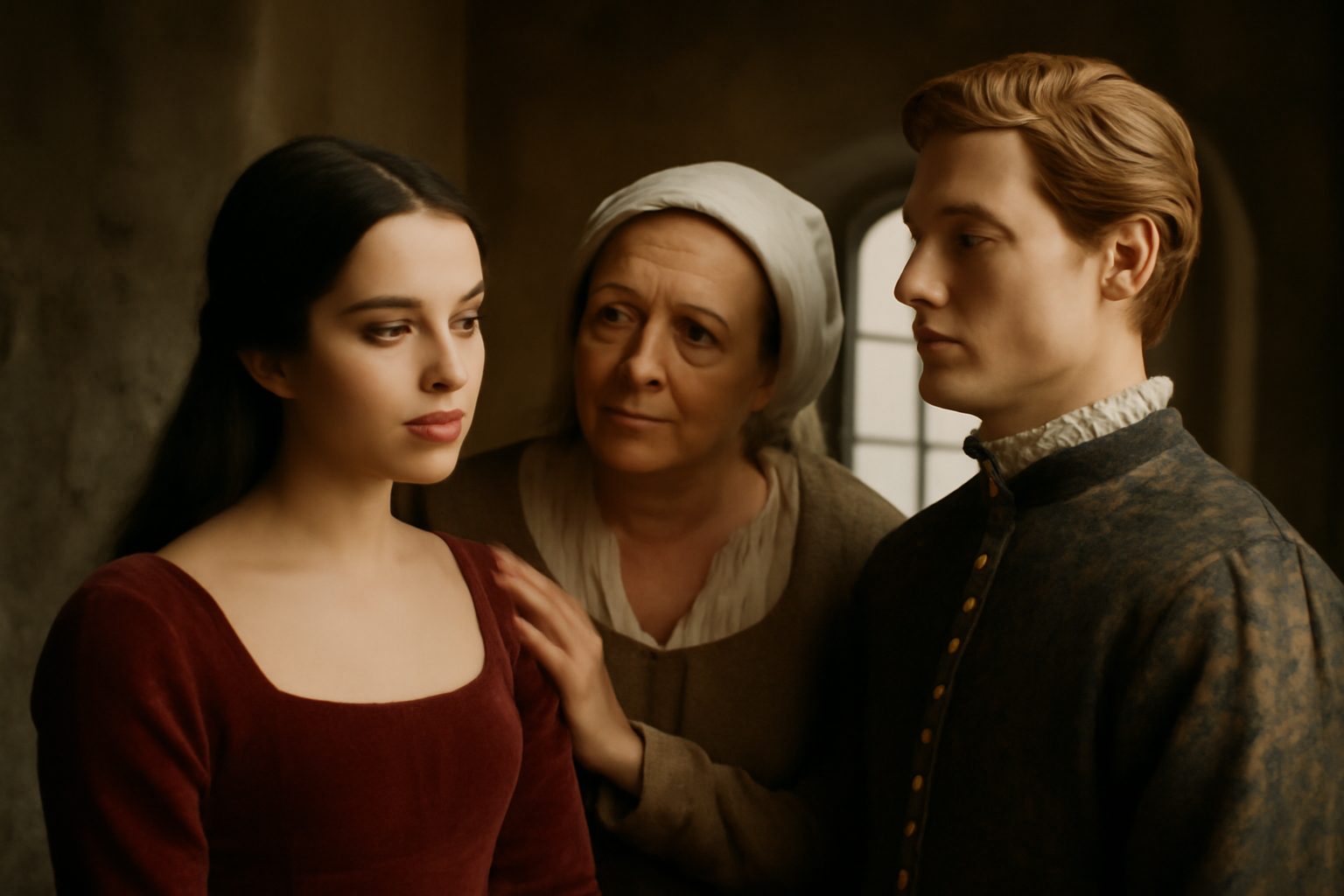
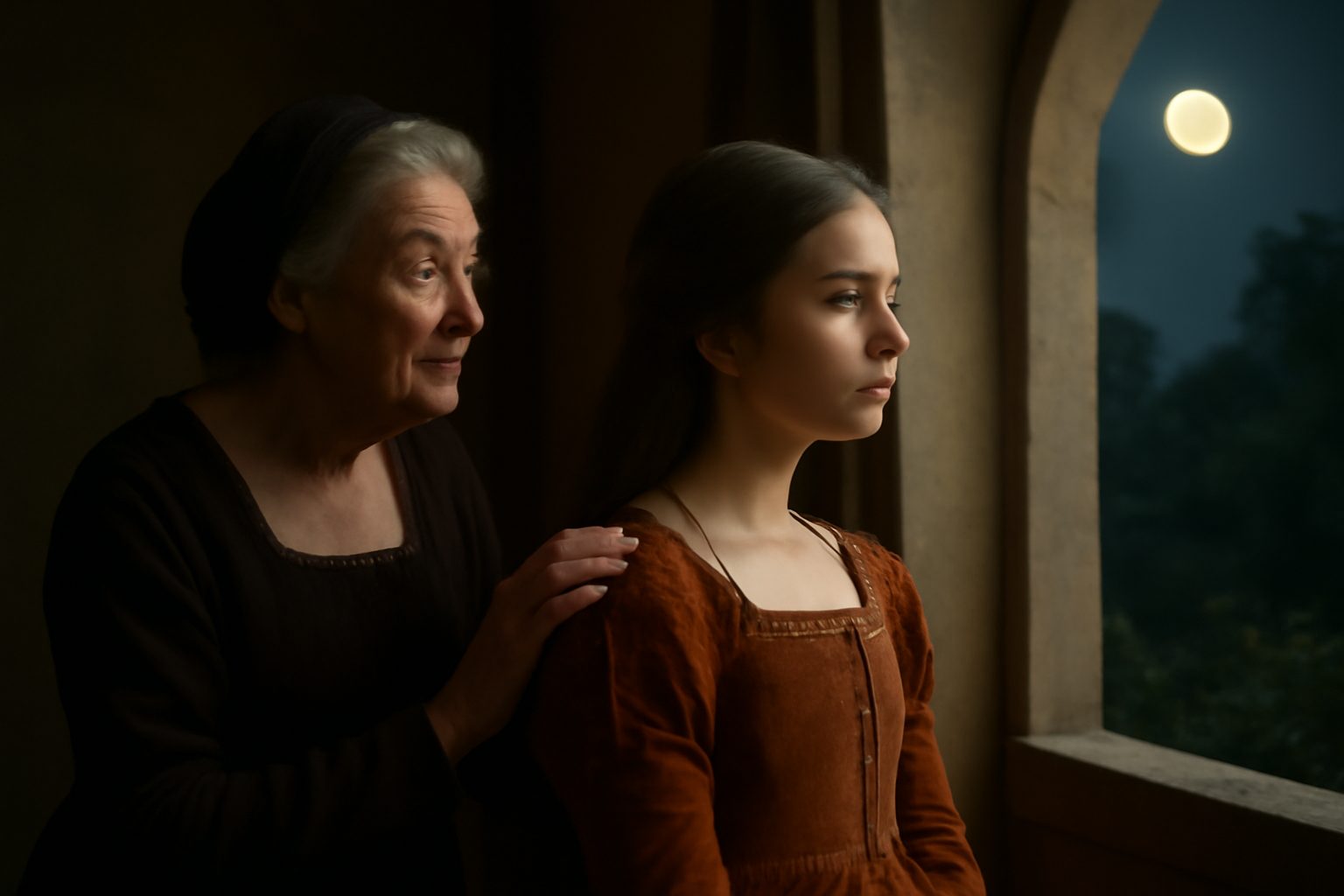
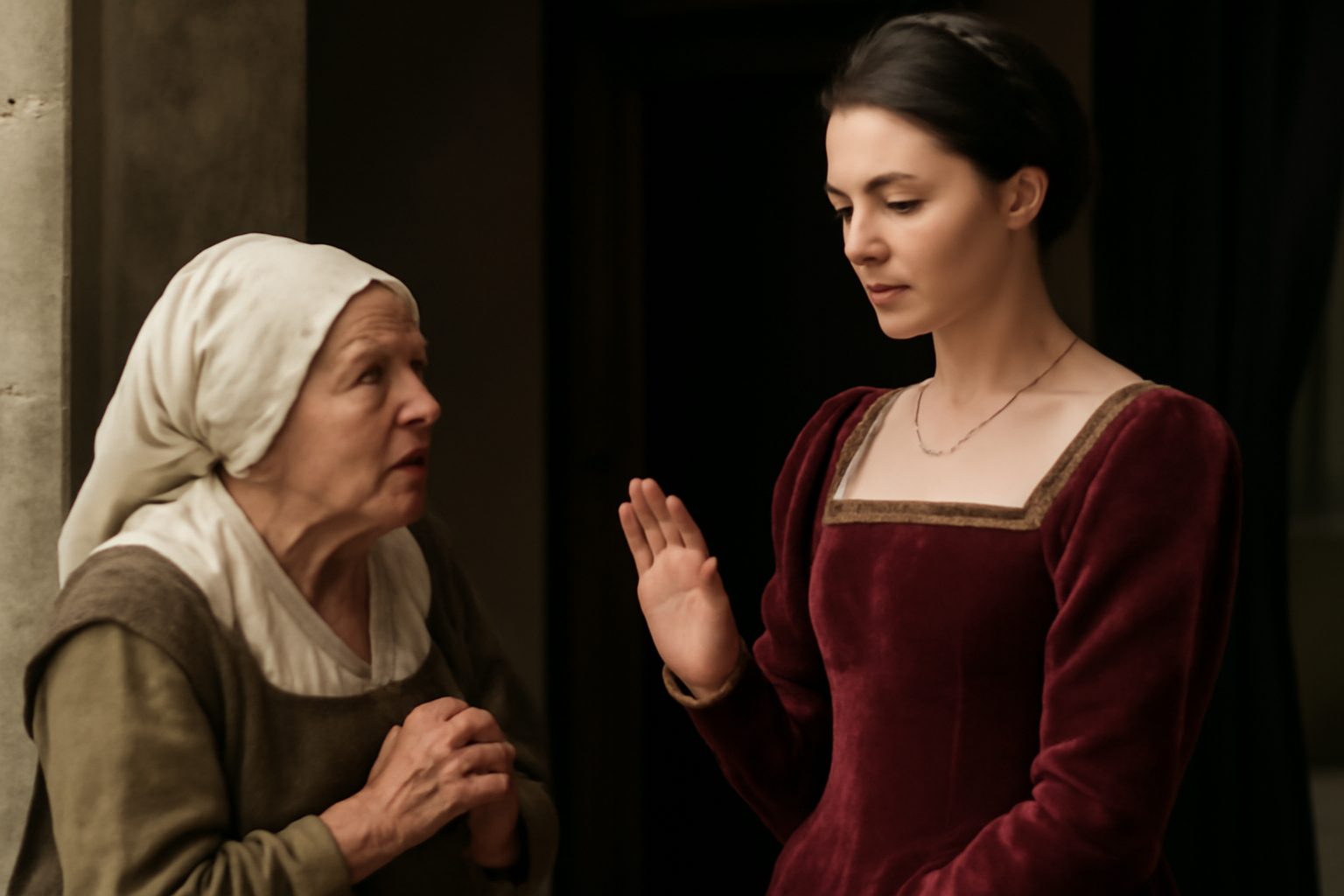
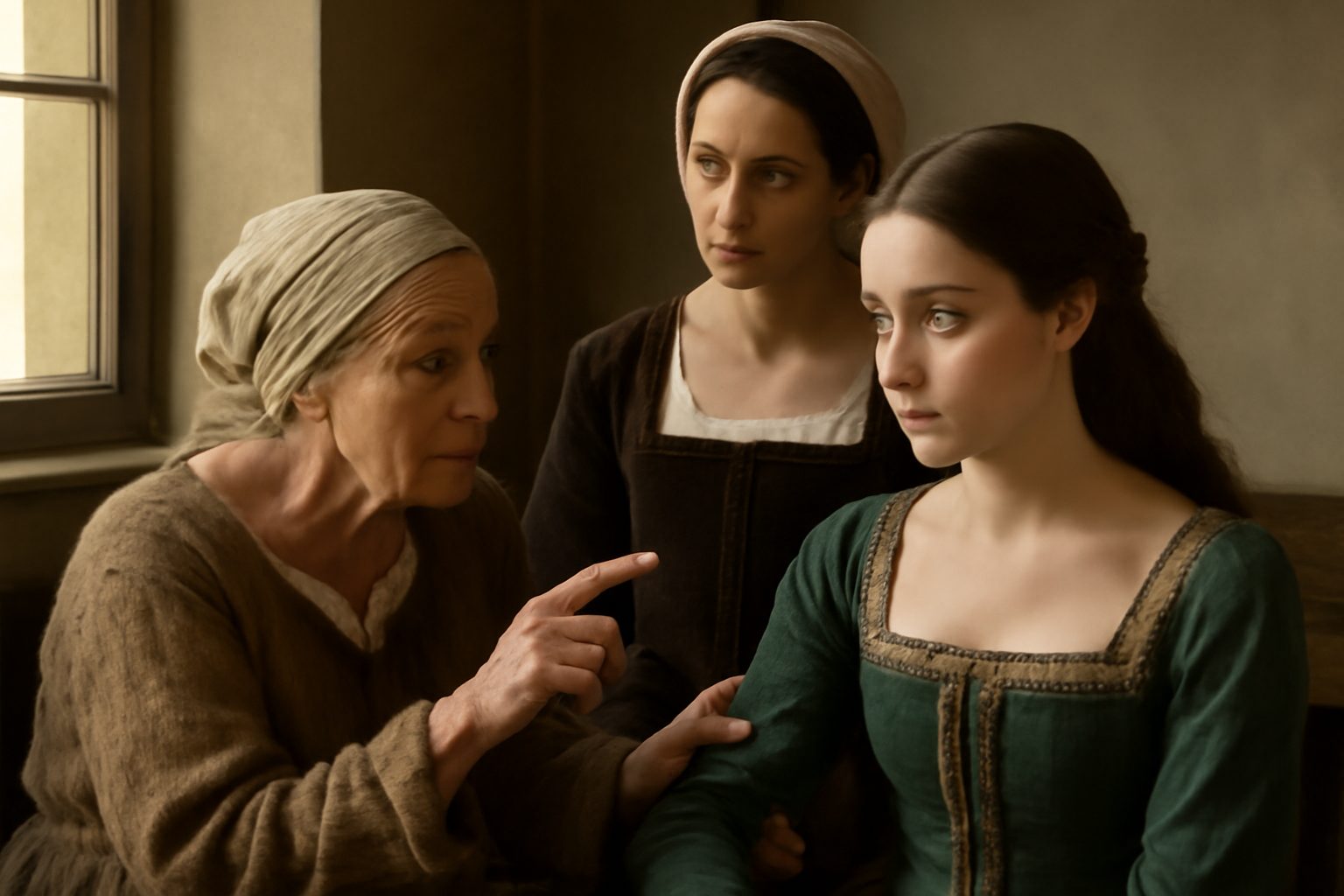
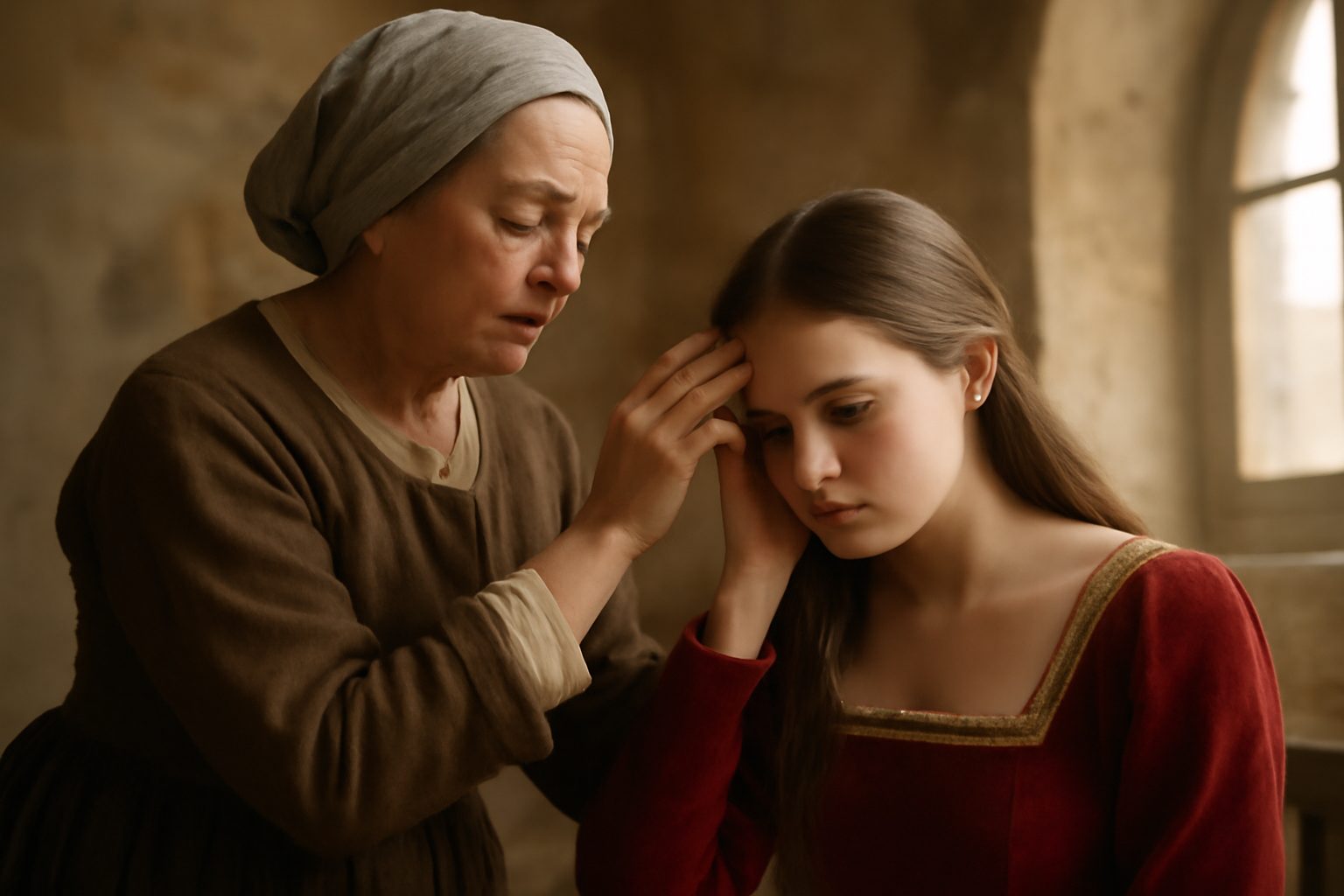
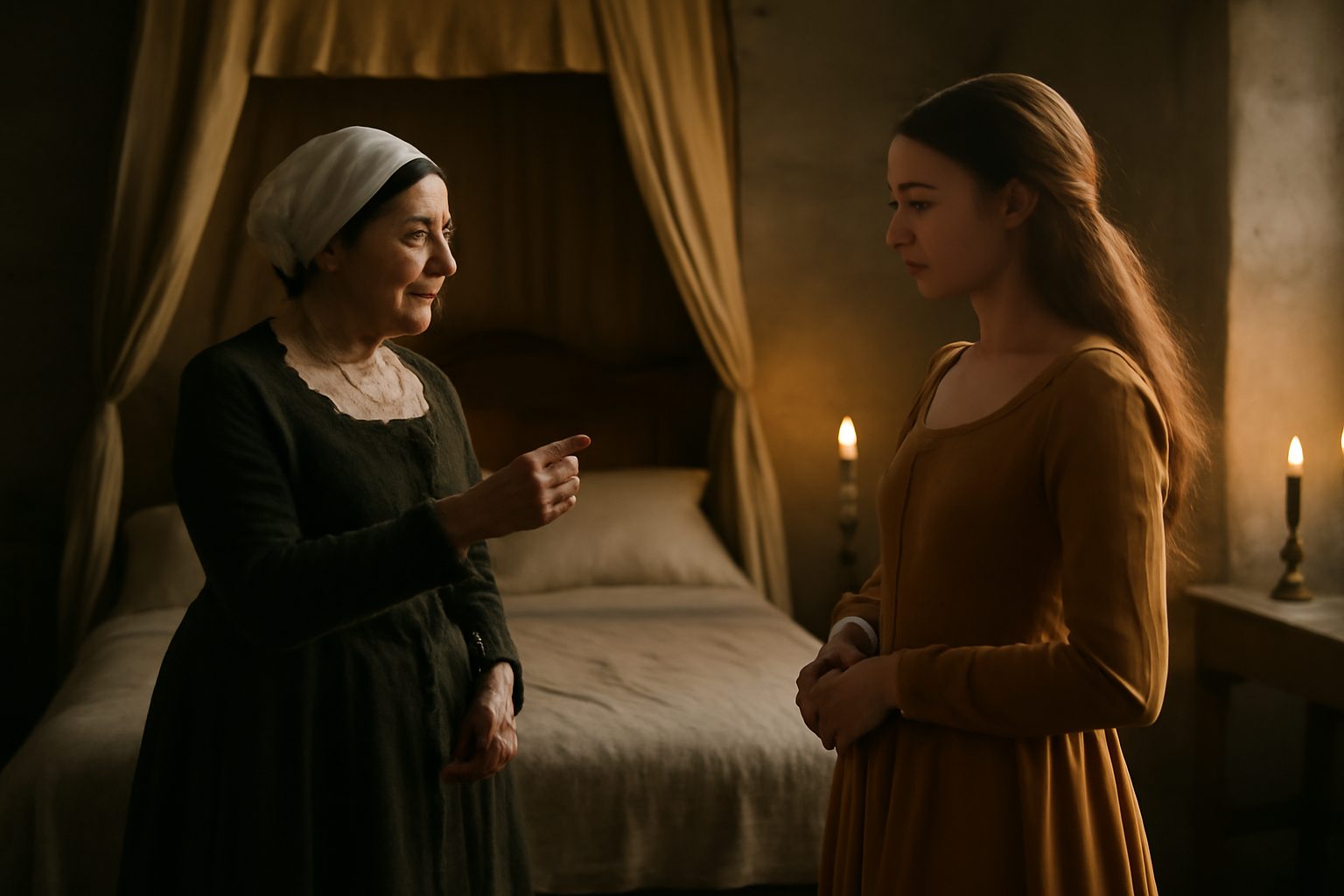
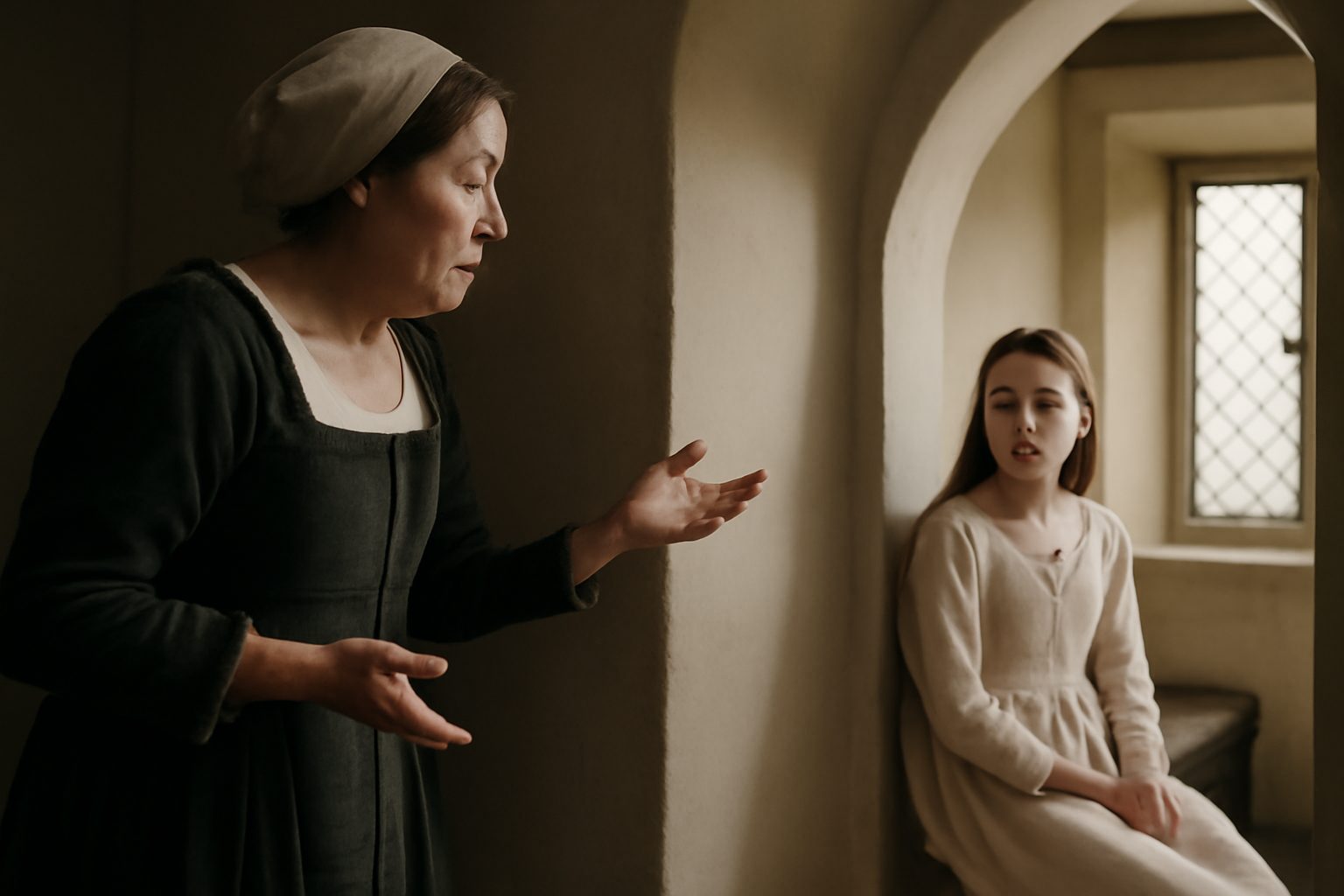
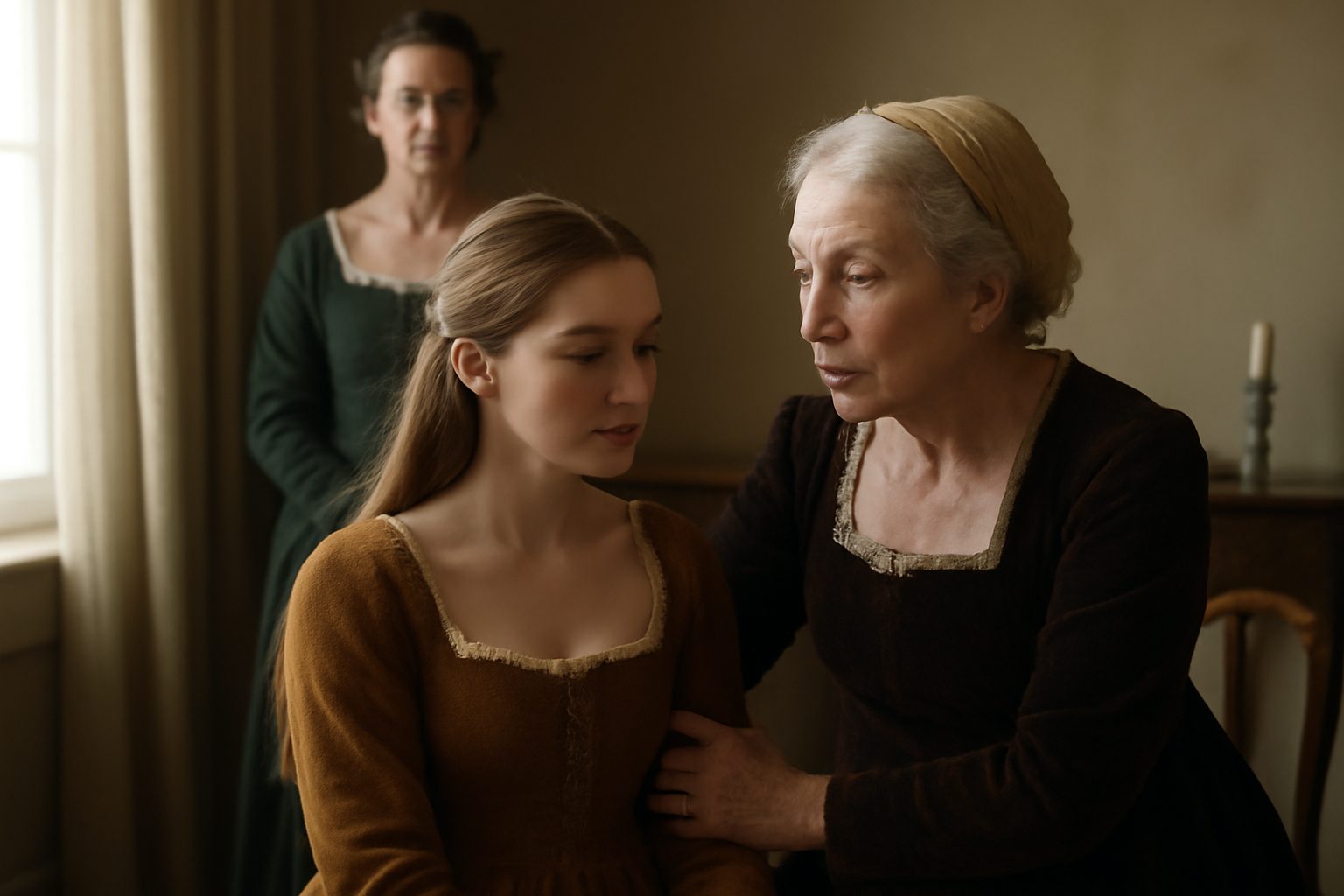
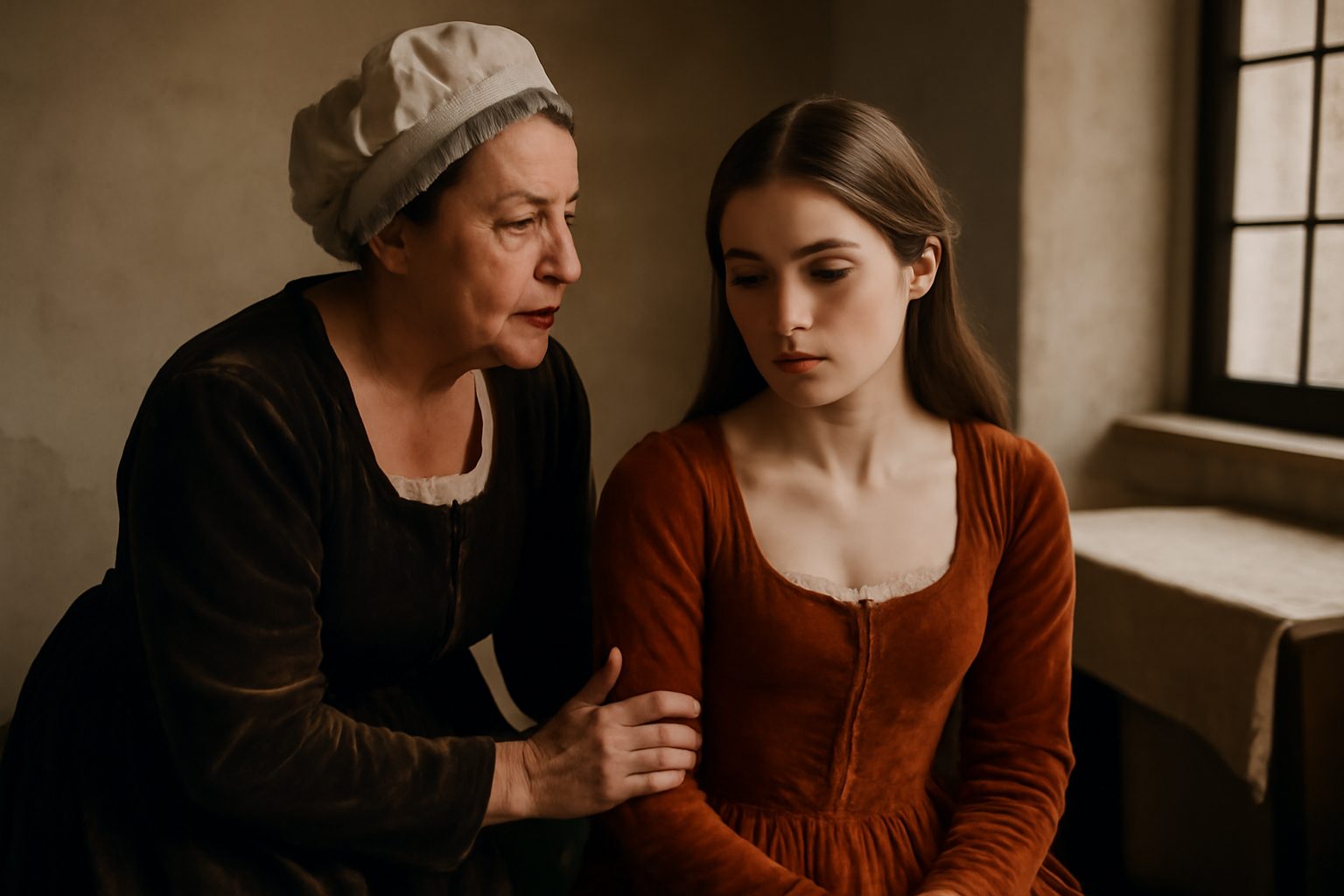
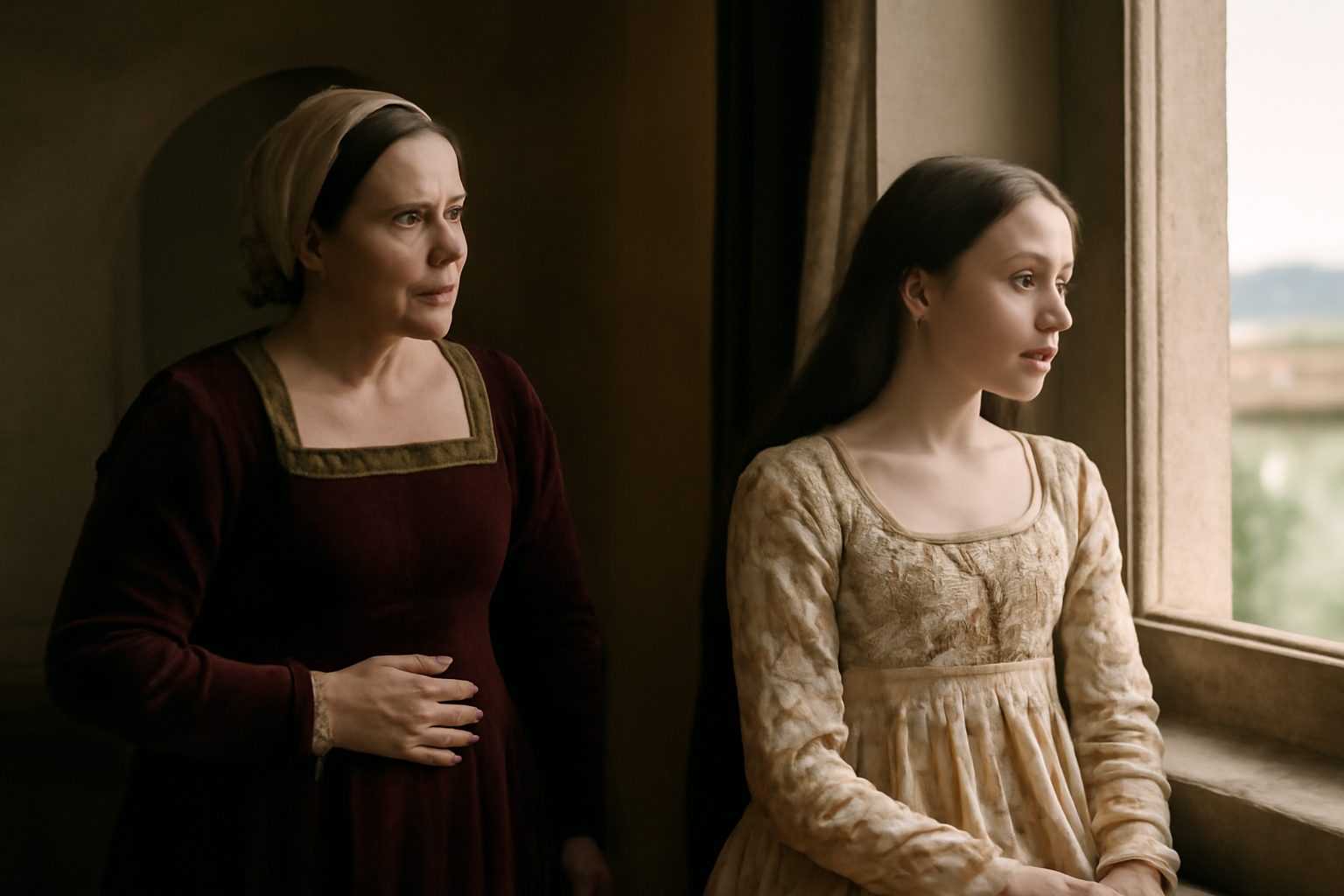
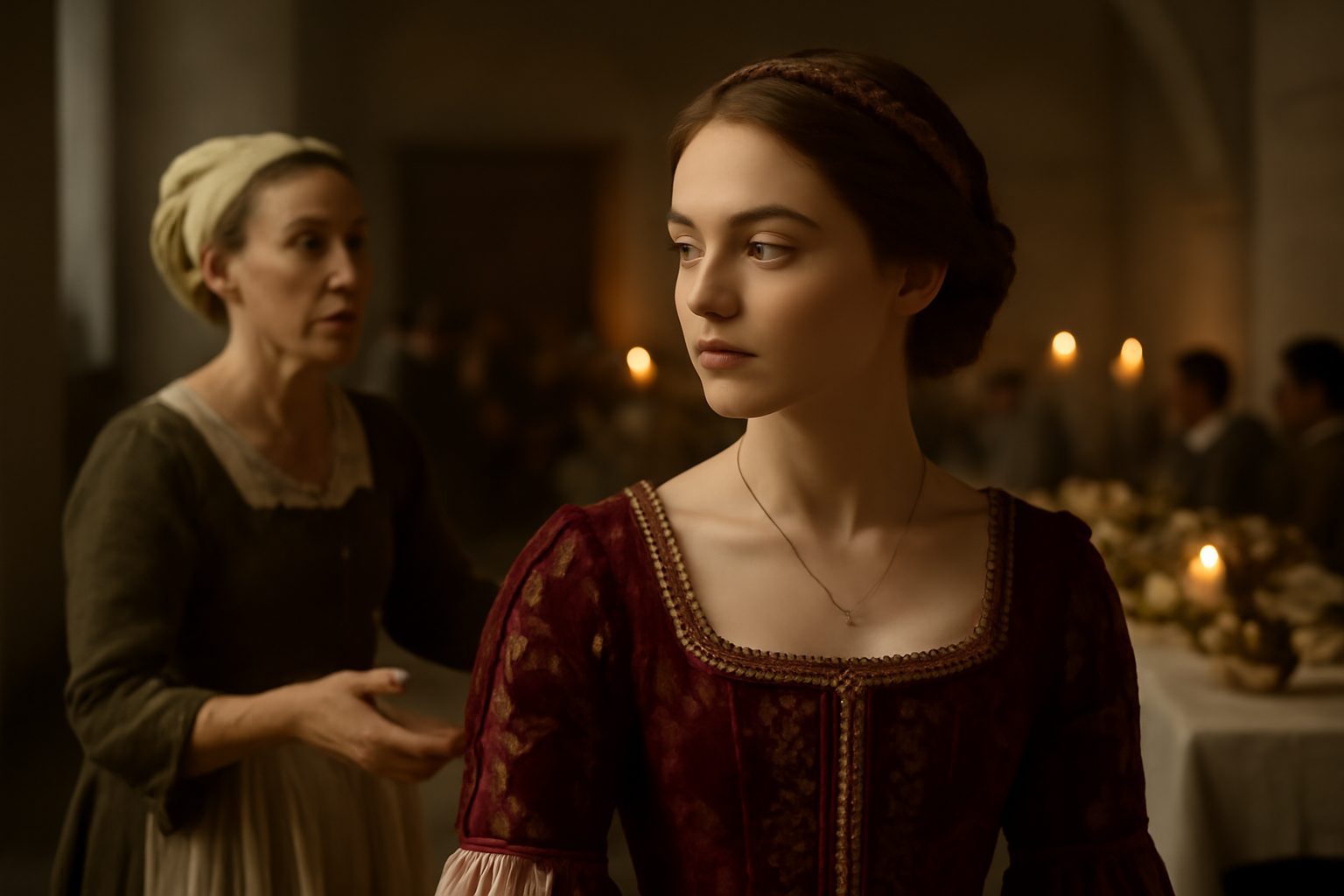
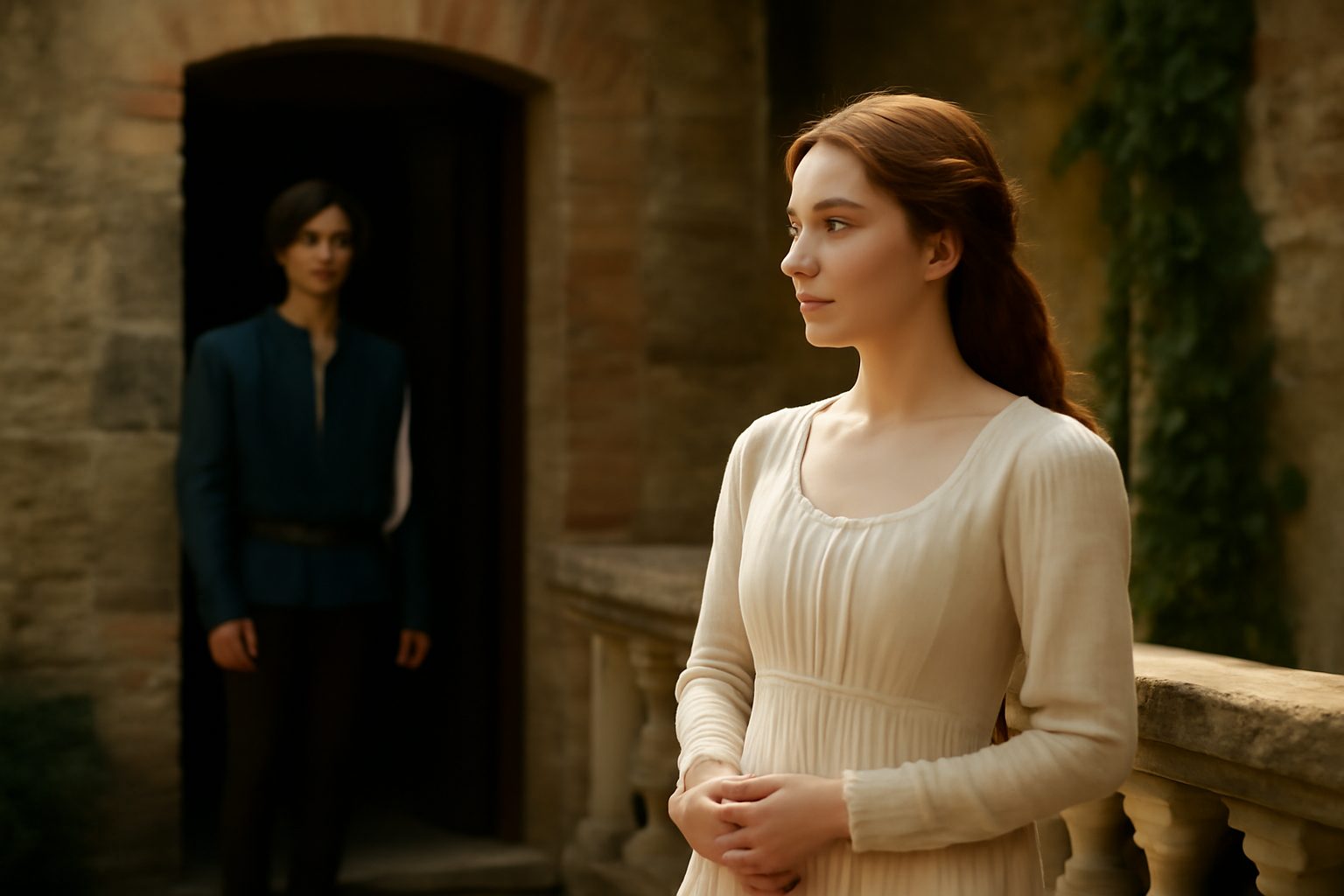
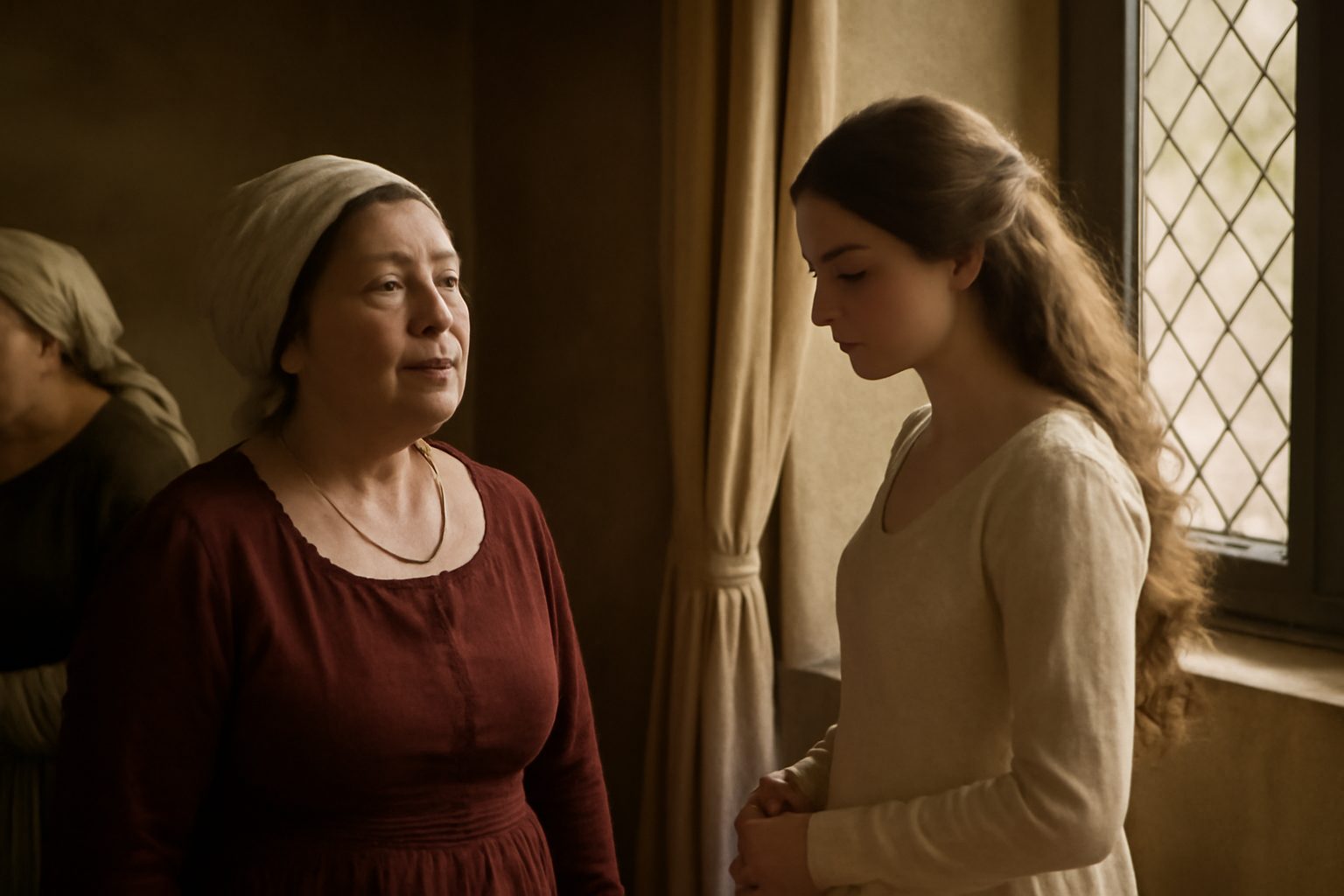
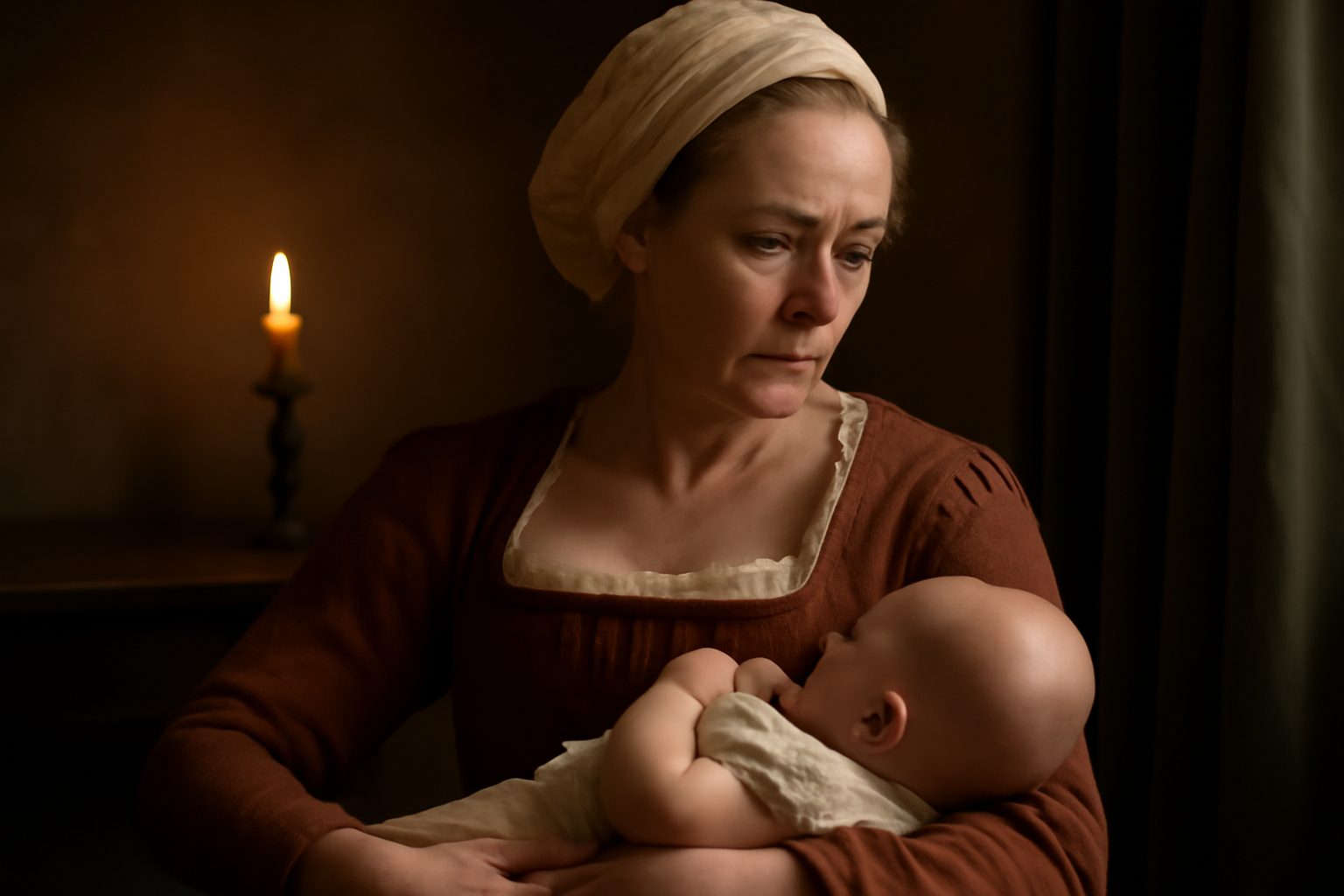
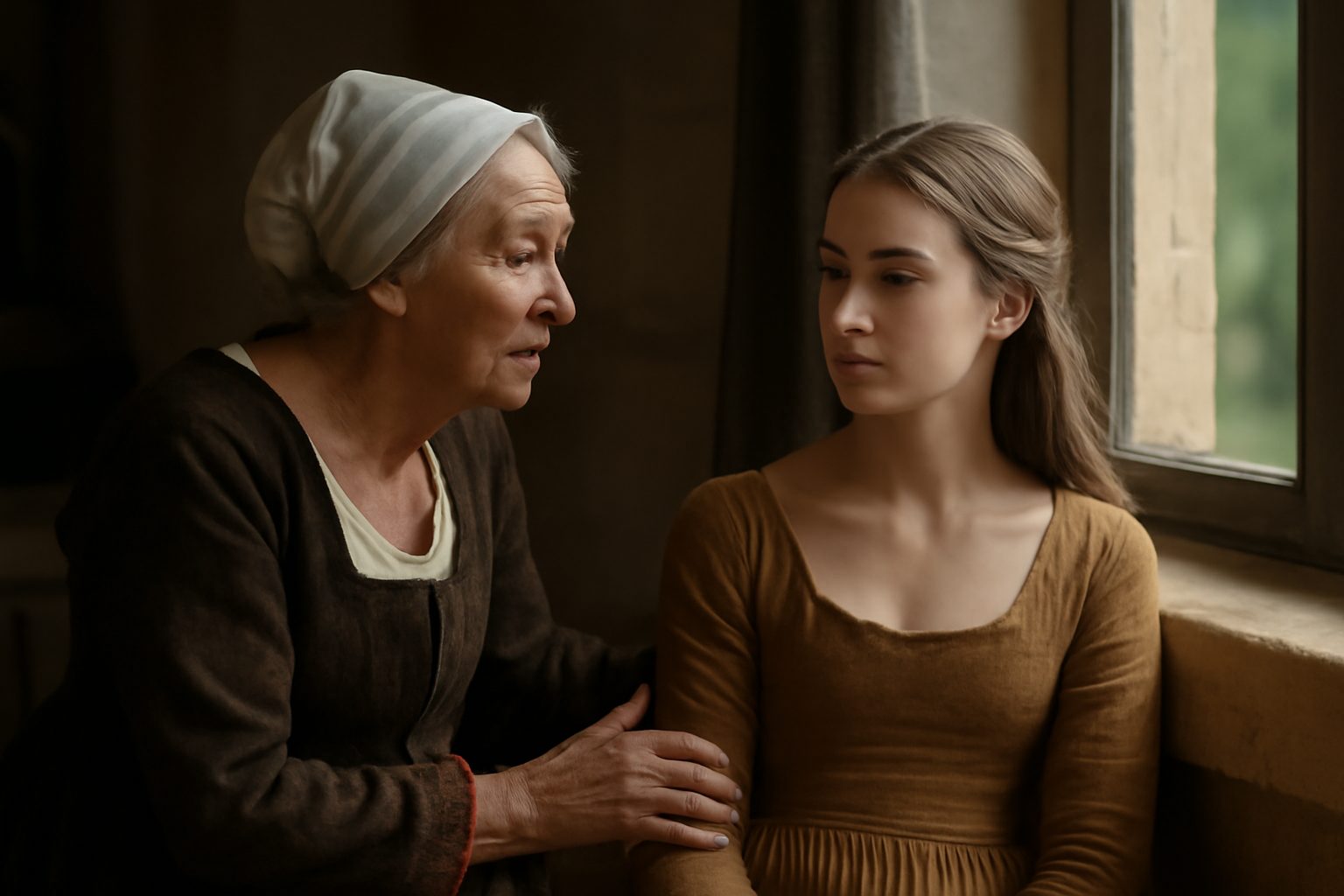
In Act 1, Scene 3 of Romeo and Juliet, Lady Capulet speaks to her daughter Juliet about Paris, a wealthy nobleman whom the Capulets hope Juliet will marry. She mentions this line while encouraging Juliet to consider Paris as a potential suitor, hinting that he will be present at the Capulets' feast that evening. The scene establishes the family's expectations for Juliet and sets the stage for her eventual meeting with Romeo.
Lady Capulet: "This night you shall behold him at our feast;"
In modern day english, we would say:
Tonight you’ll see him at our party.
Frequently Asked Questions
Who is Lady Capulet talking about in this line?
She is talking about Paris, the man they want Juliet to marry.
What event is Lady Capulet referring to in this line?
She is referring to the Capulet's feast or party that evening.
Connections to other verses:
Connections to Other Verses in Act 1 Scene 3
The verse "This night you shall behold him at our feast" serves as a pivotal moment in the scene, directly linking to Lady Capulet's efforts to persuade Juliet to consider Paris as a suitor. It connects thematically and contextually to several other verses:
Introduction of Paris
This line follows Lady Capulet's earlier description of Paris as a man of wax and a flower, building anticipation for Juliet's first view of him at the feast.
Marriage Proposal Context
The invitation to see Paris at the feast ties directly to Lady Capulet's question about marriage: How stands your disposition to be married? and her subsequent clarification that The valiant Paris seeks you for his love.
Juliet's Response
This verse sets up Juliet's cautious reply at I'll look to like, if looking liking move, showing her willingness to observe Paris while making no commitment.
Nurse's Interjections
The Nurse's enthusiastic support for the match appears in her exclamation I have my wish when Juliet agrees to look at Paris, reinforcing the significance of this viewing opportunity.
Feast Preparation
The verse also connects to the practical arrangements mentioned later by the Nurse: Madam, the guests are come, supper served up, which confirms the feast is imminent and heightens the anticipation created by this line.