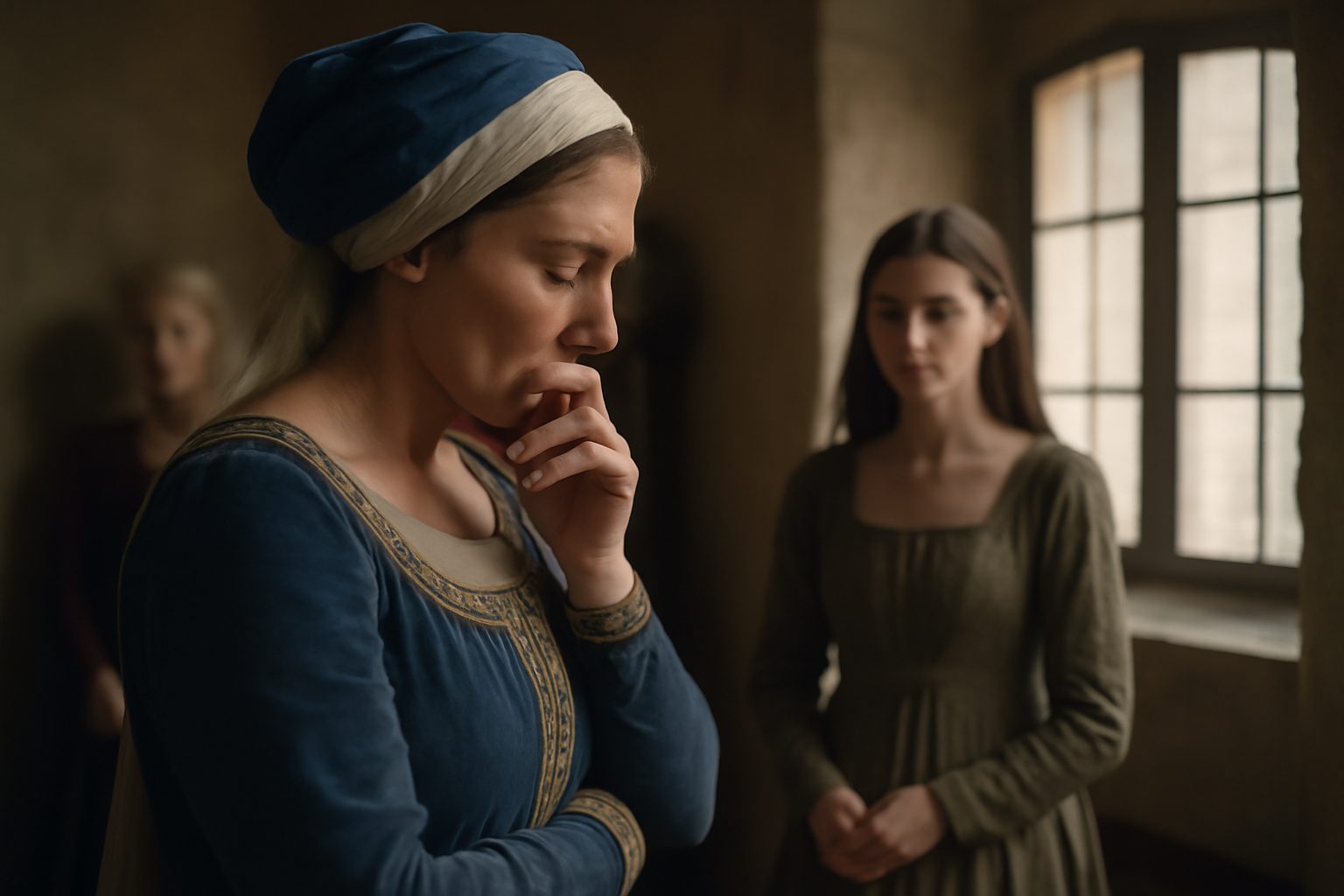
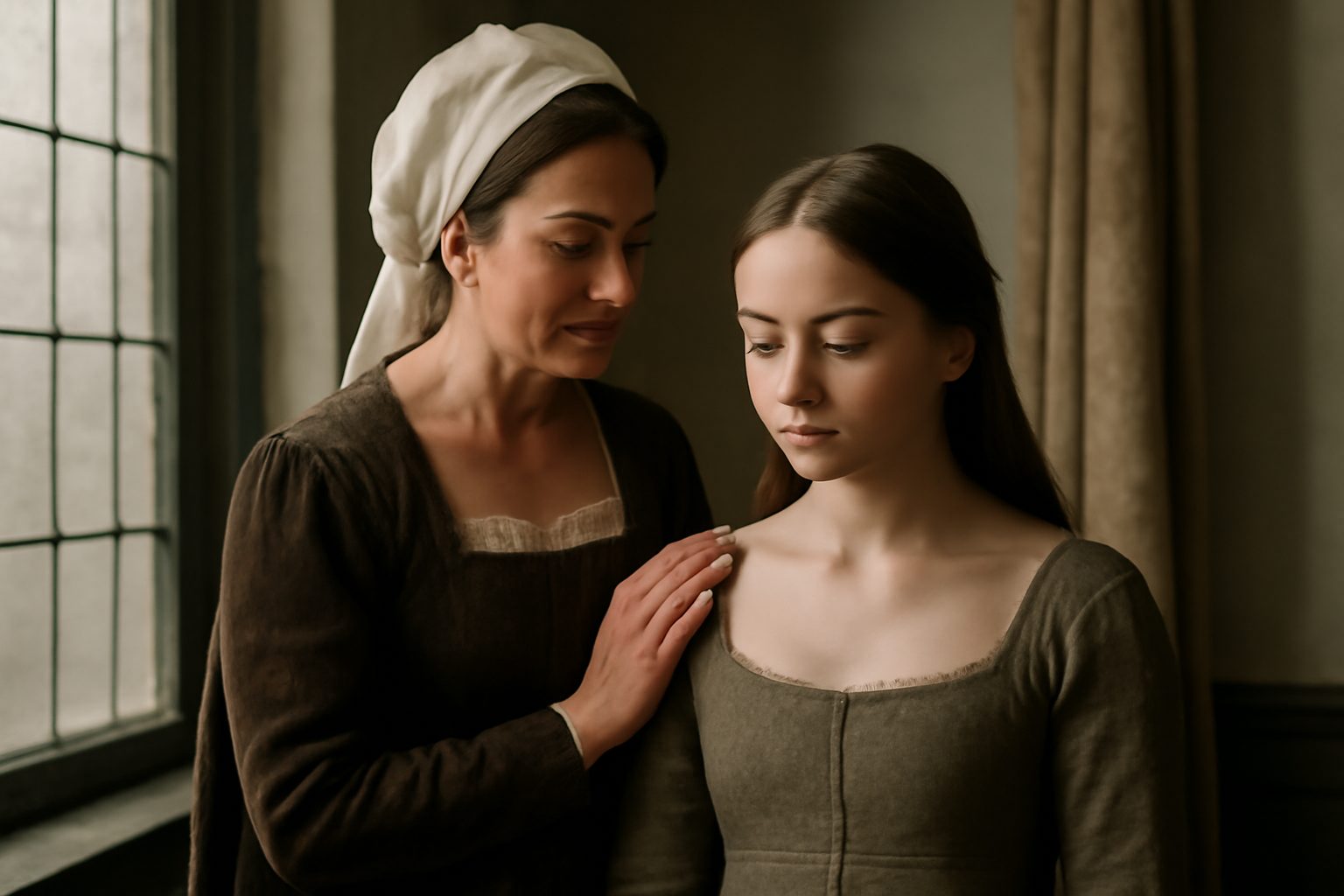
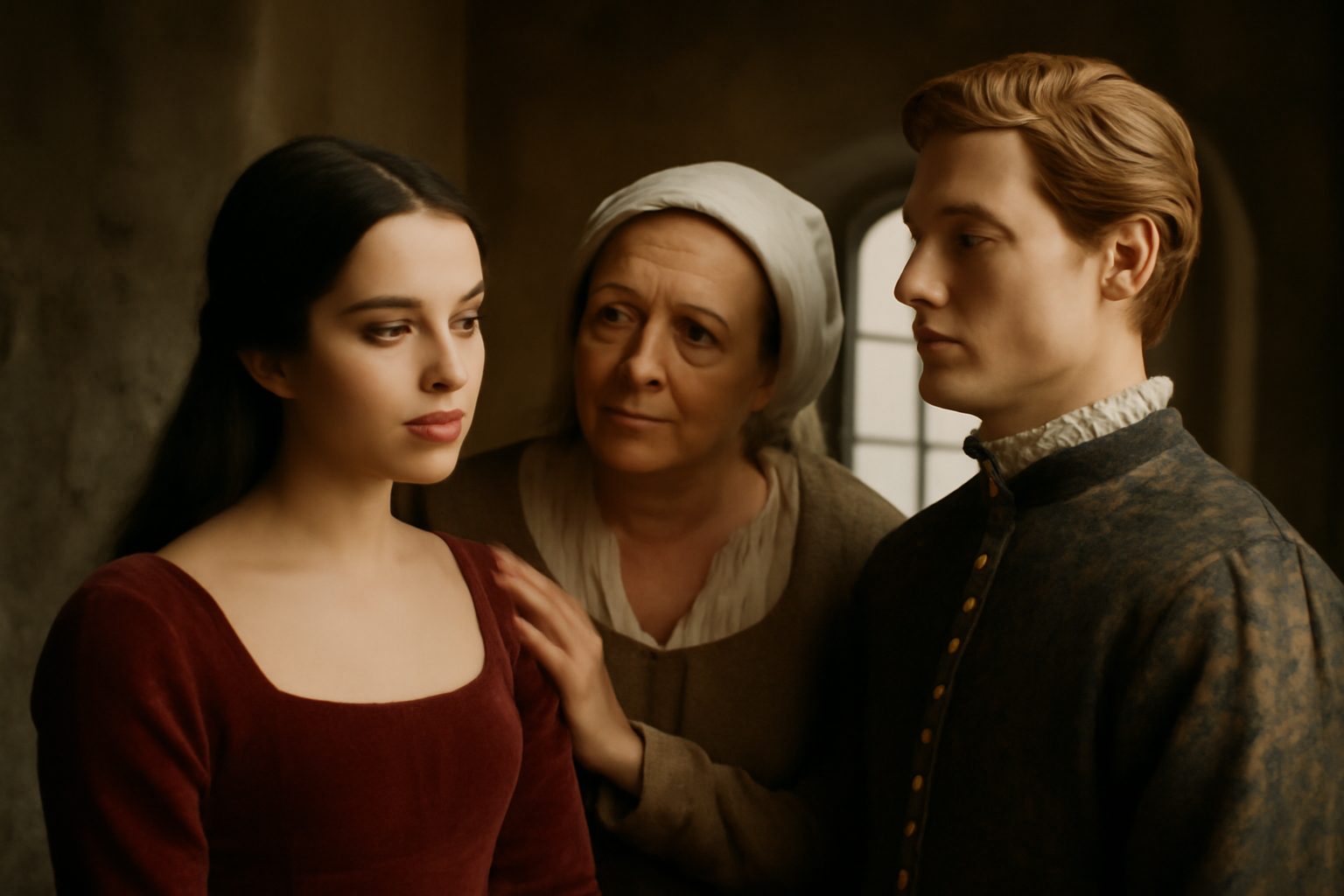
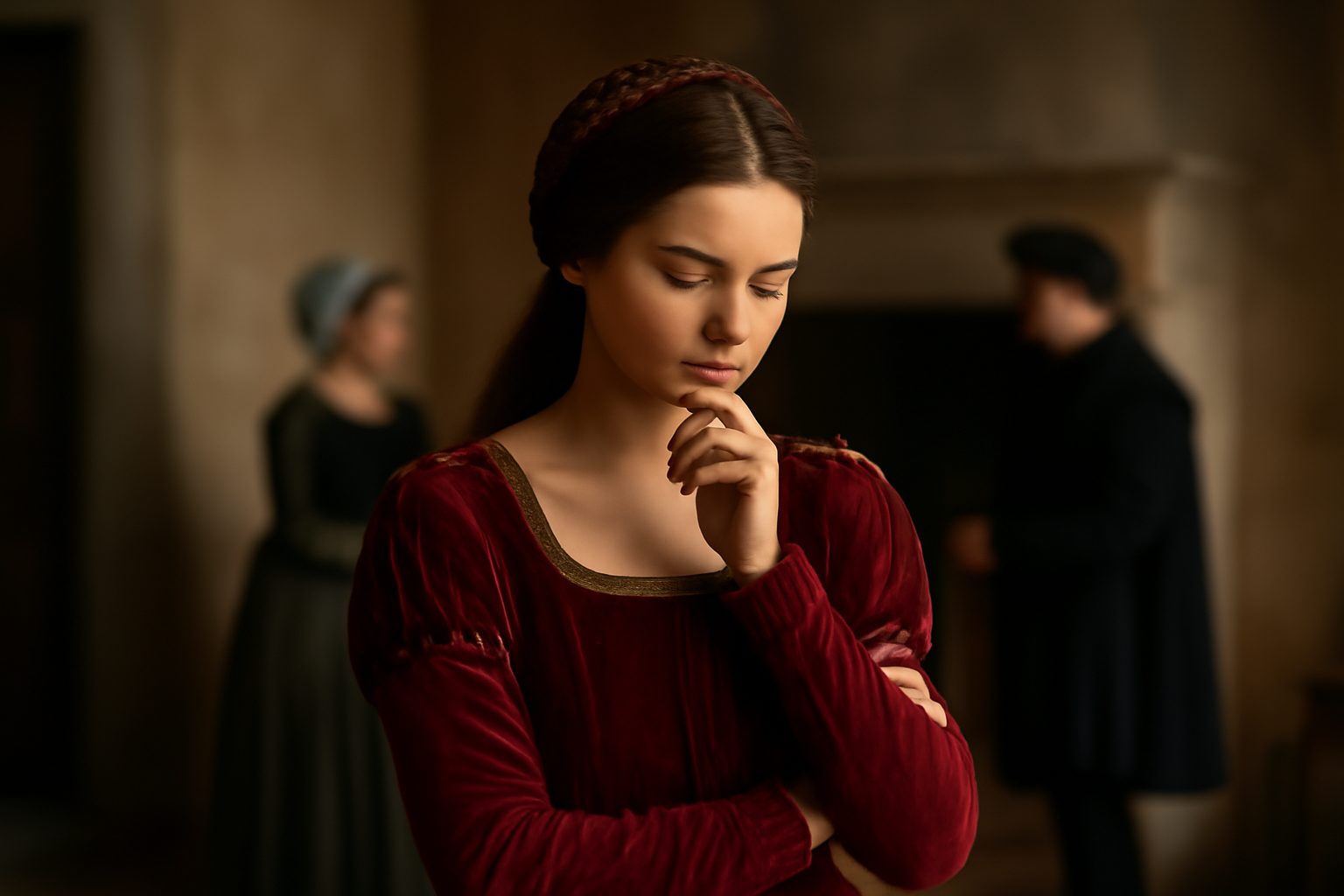
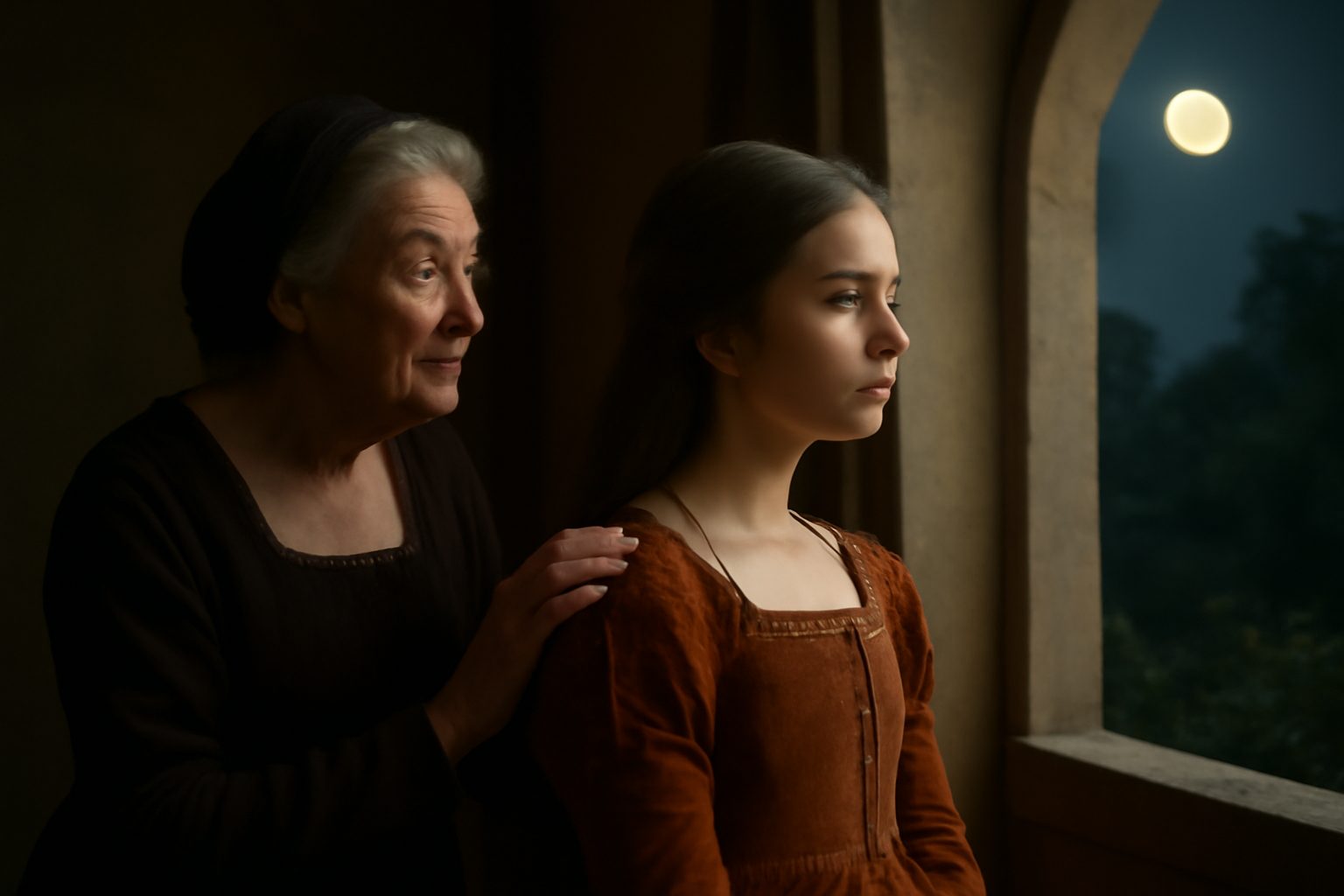
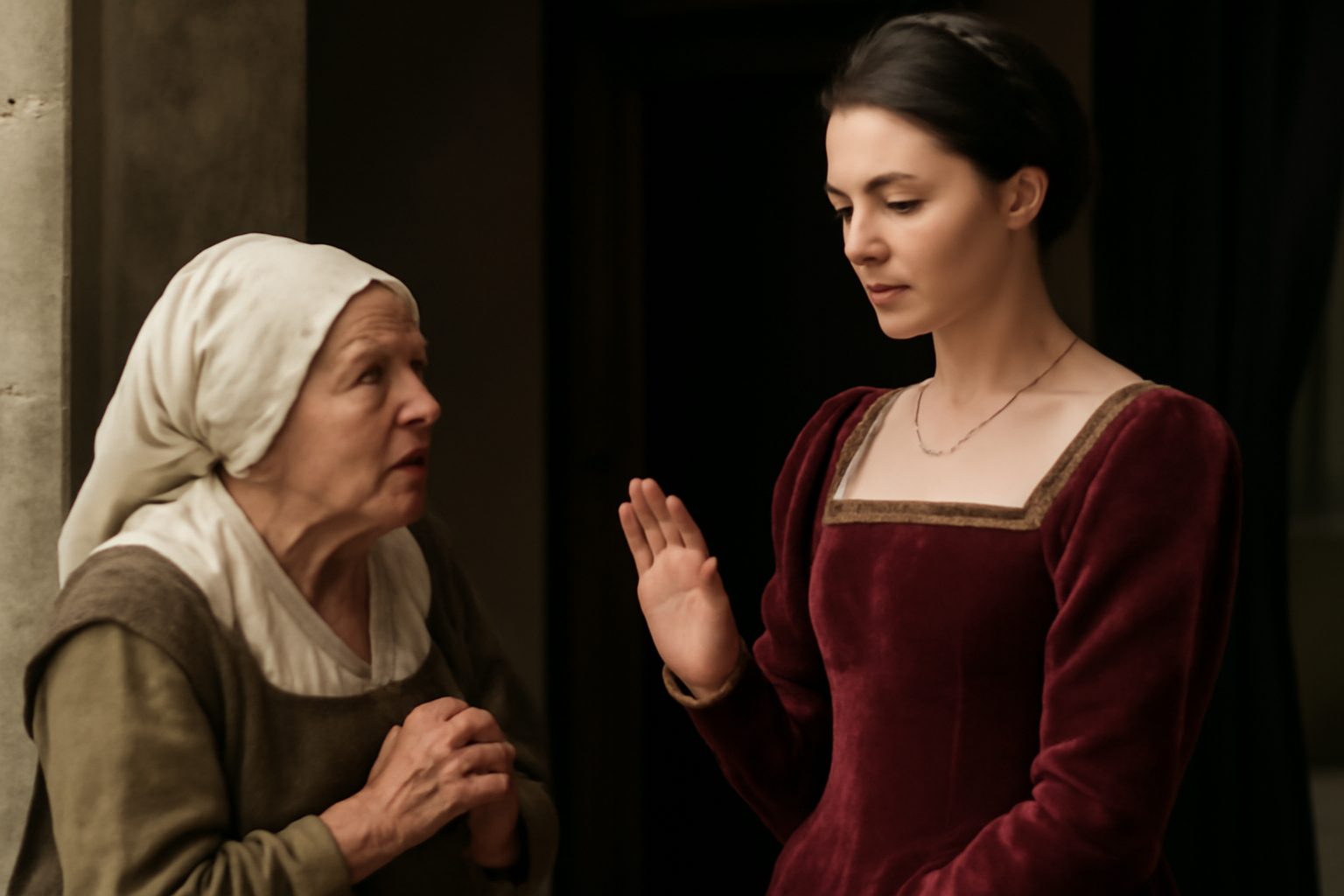
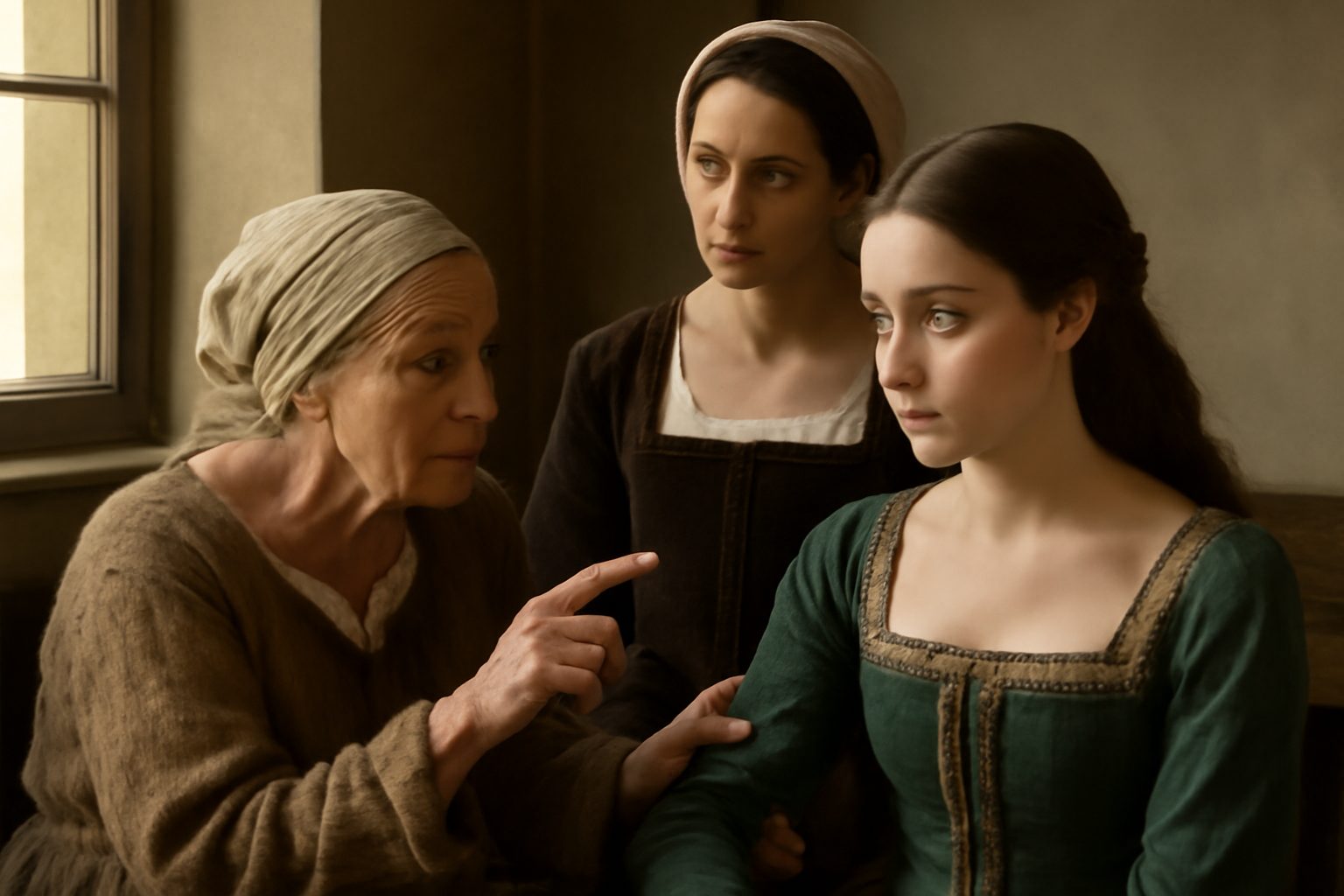
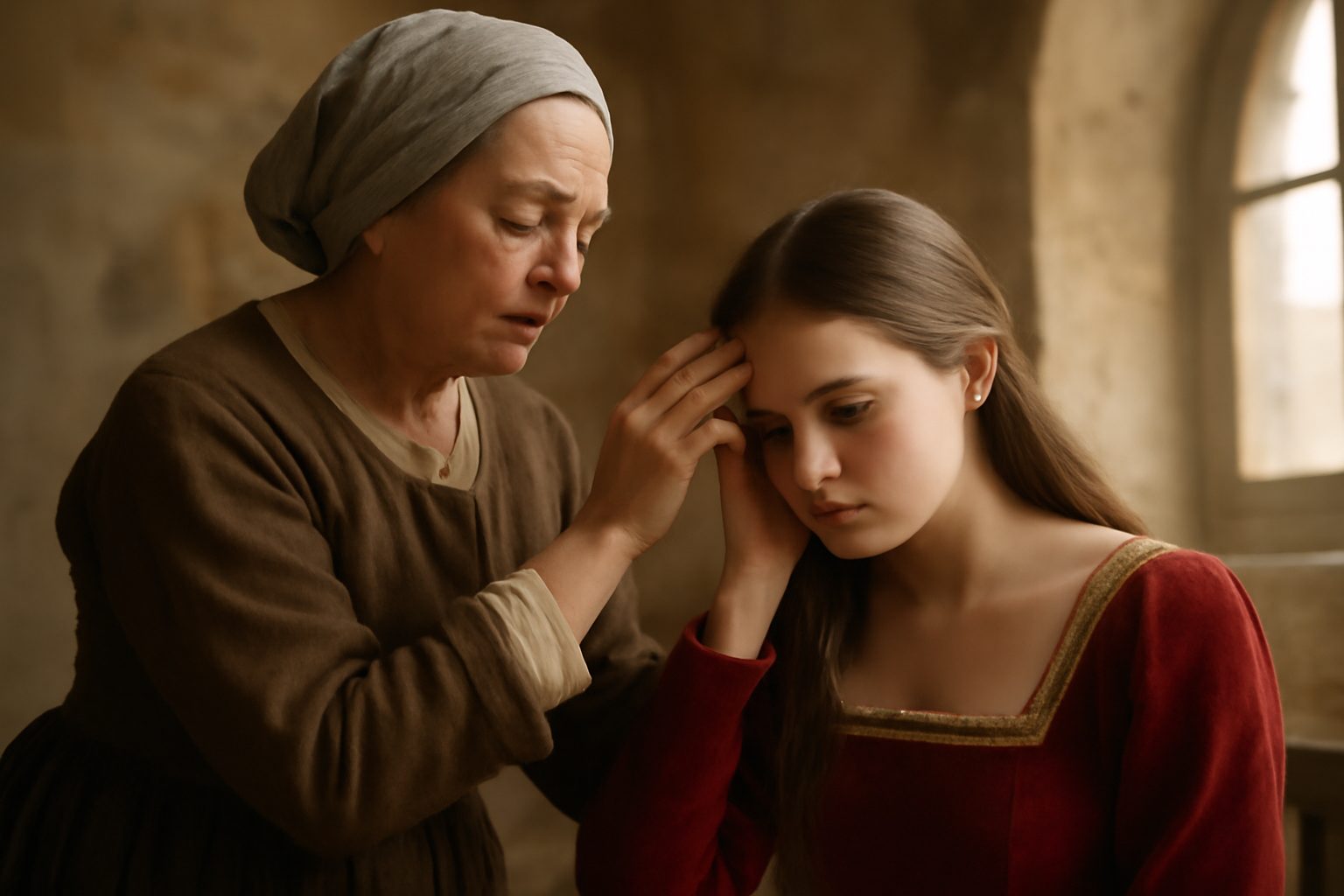
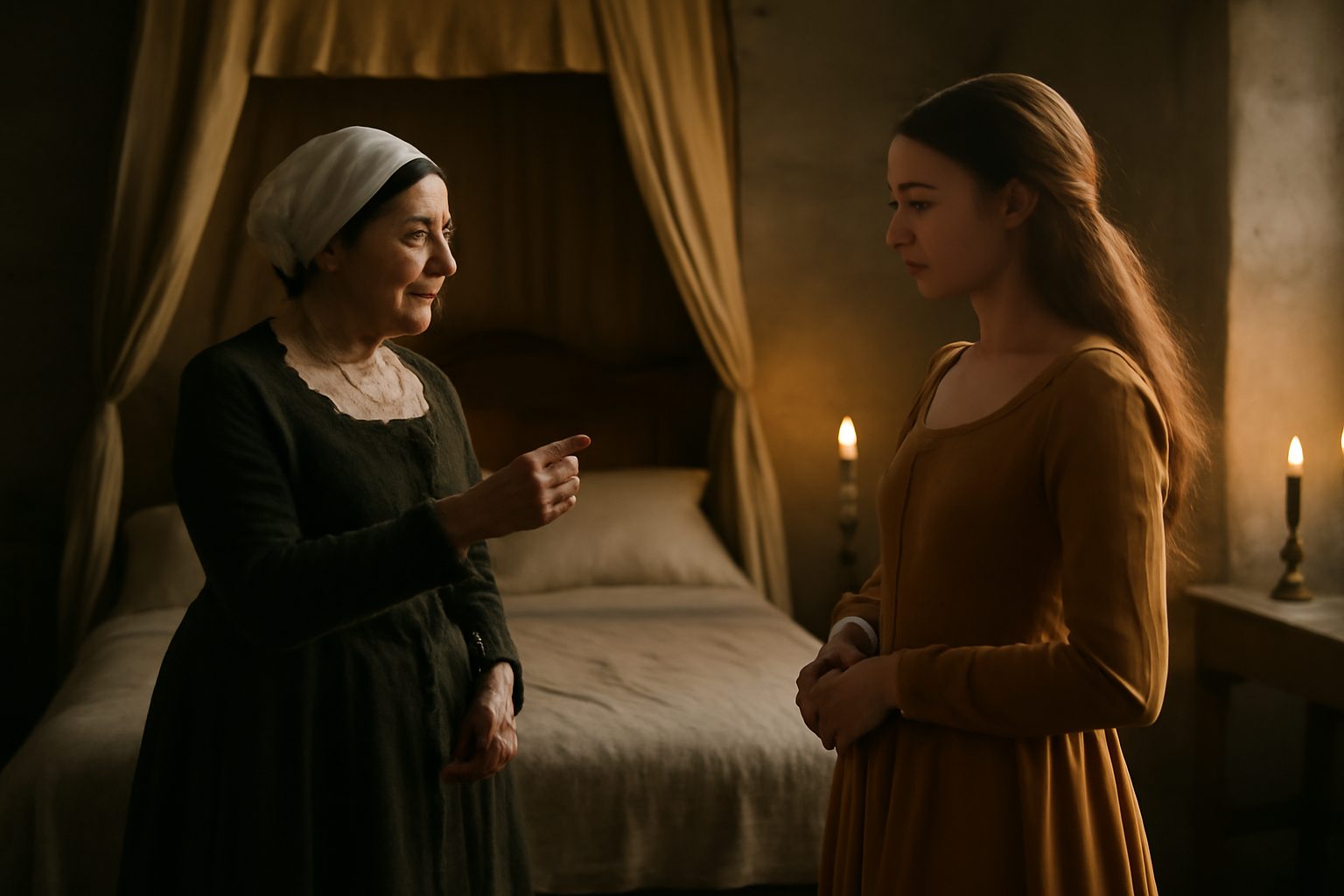
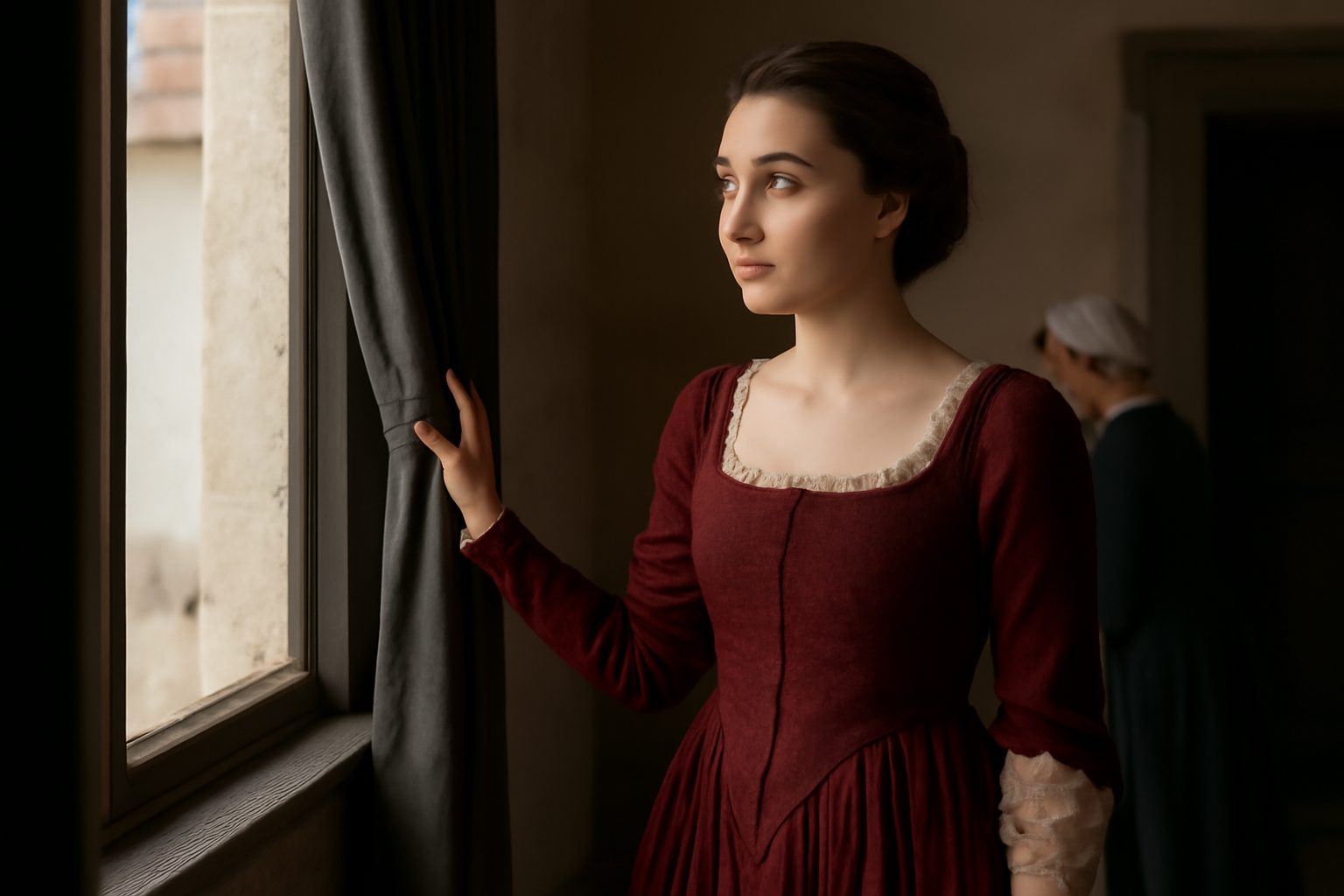
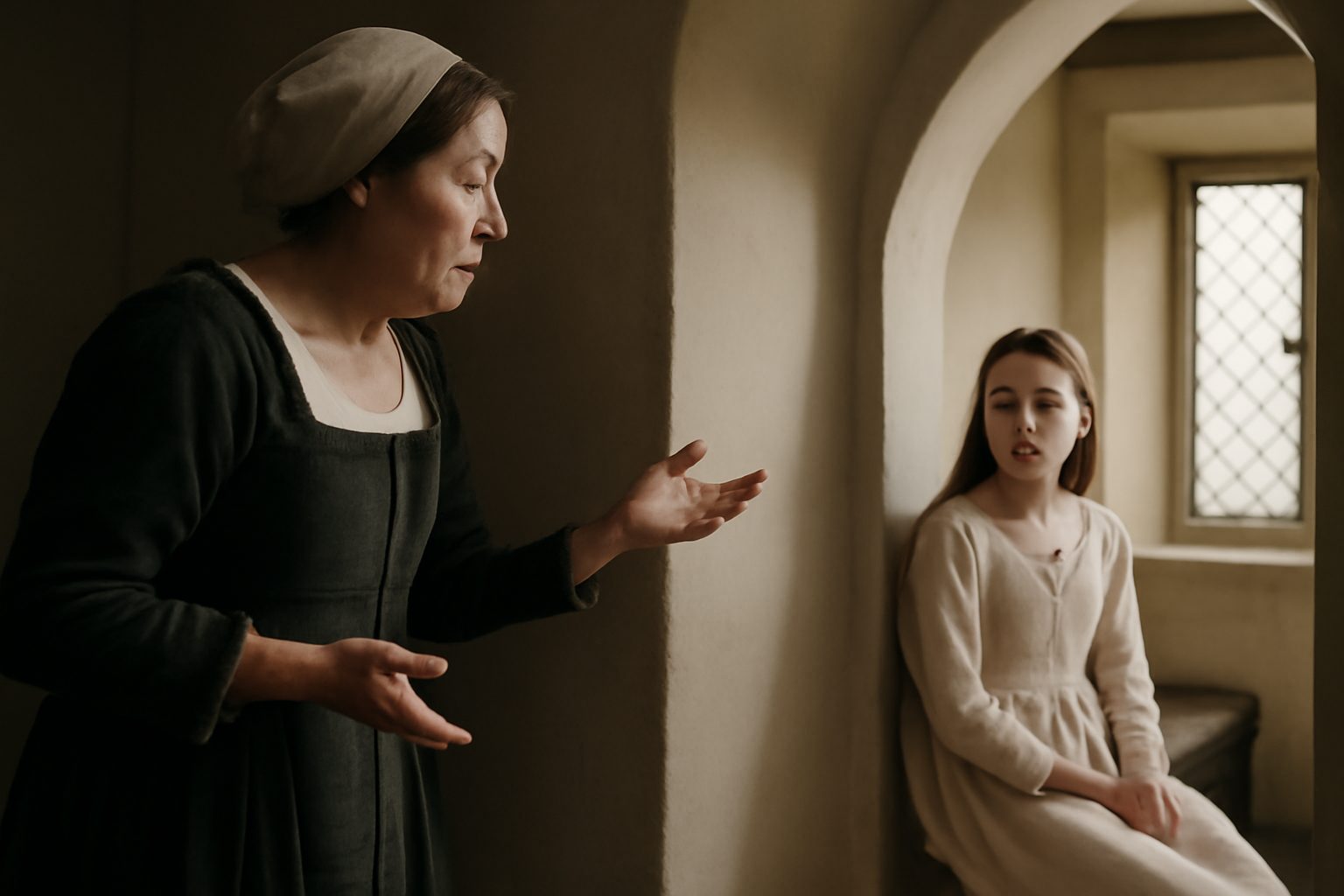
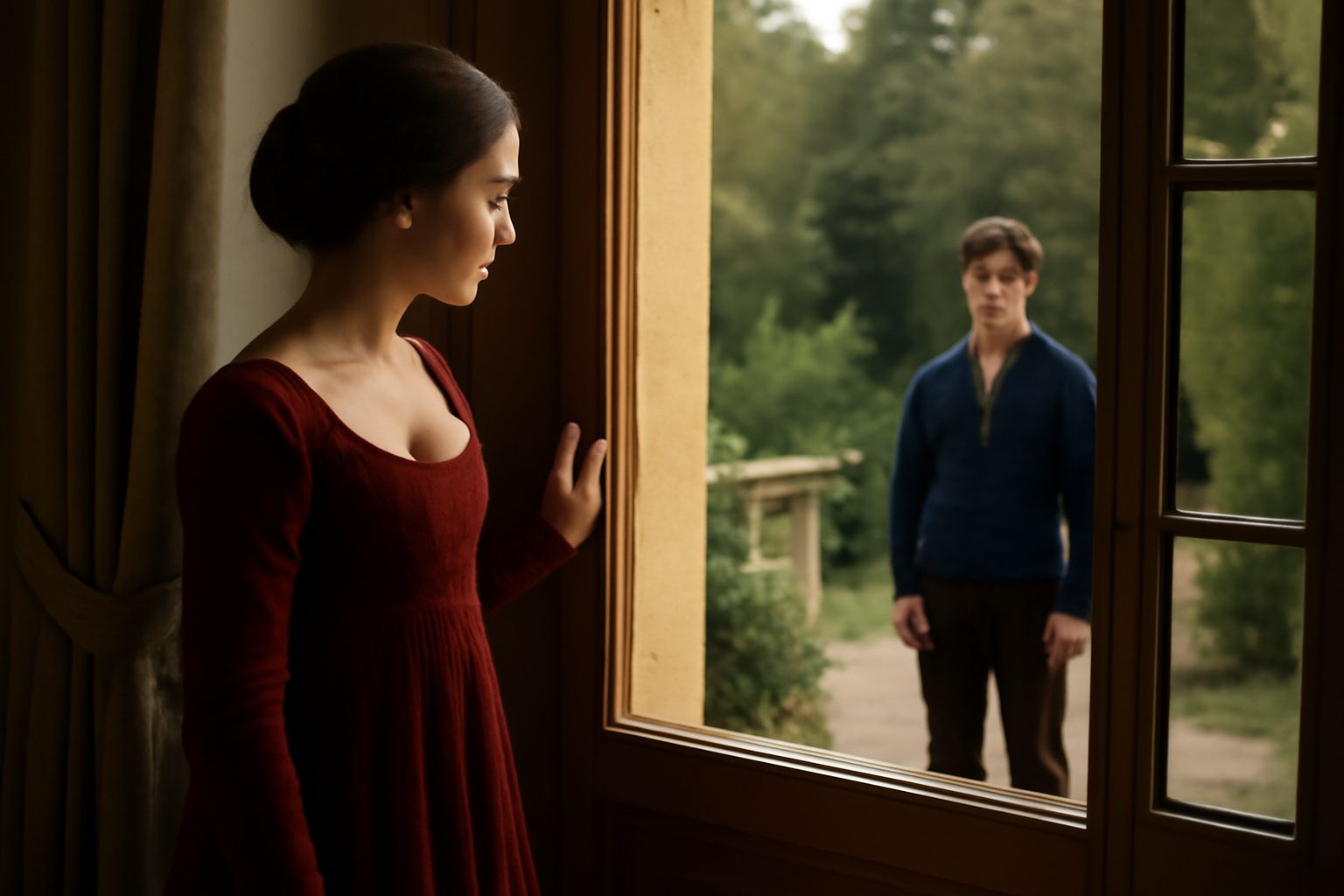
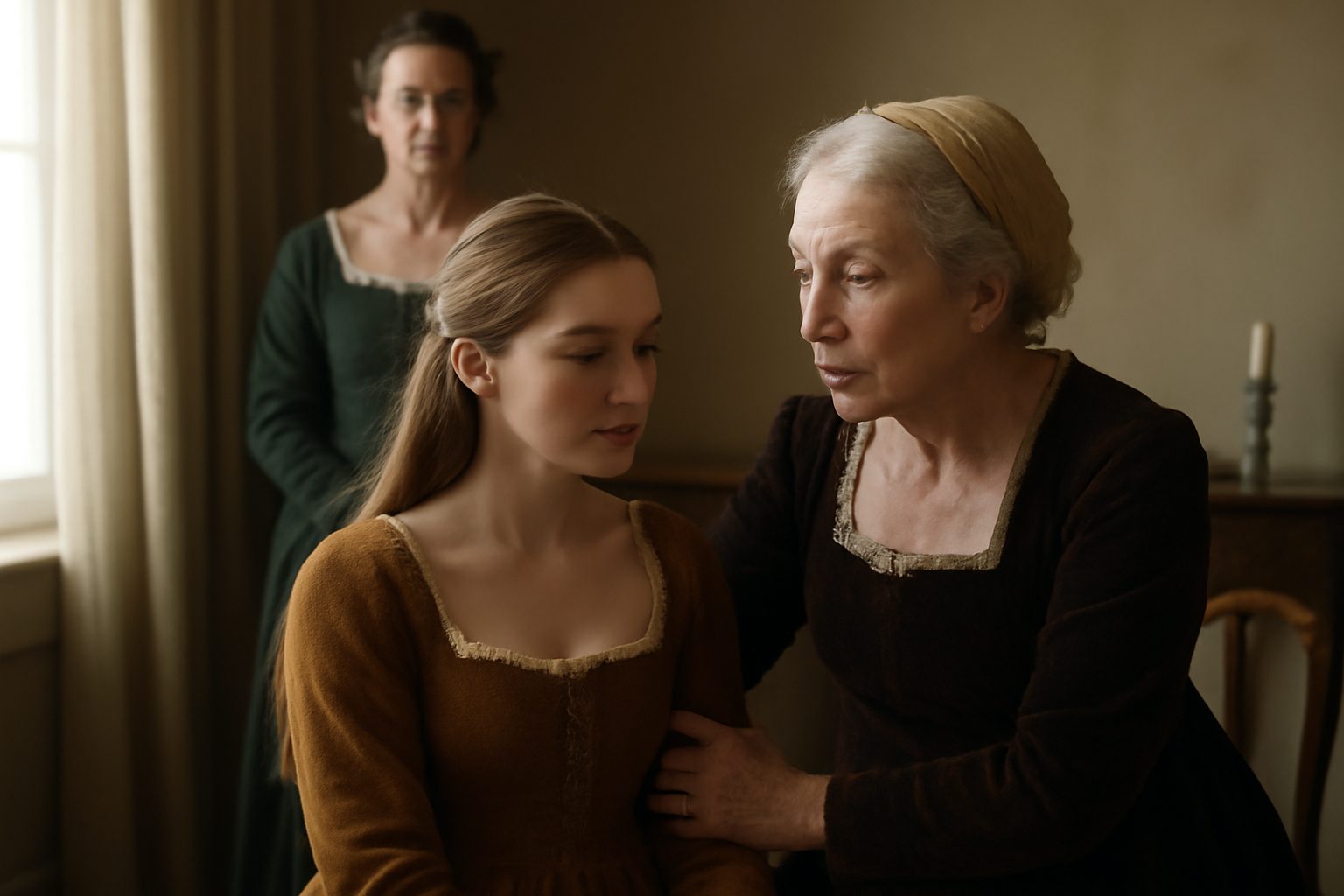
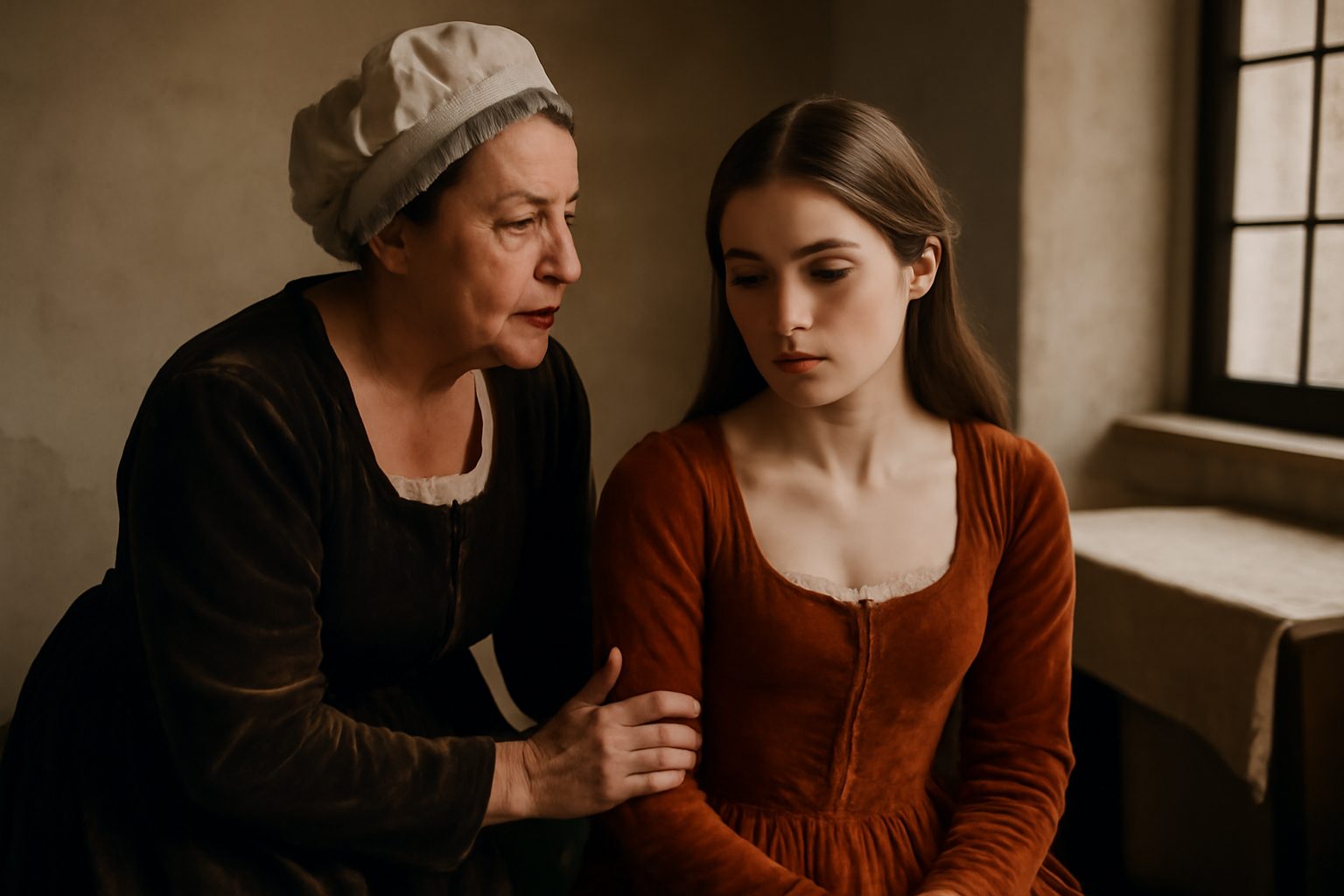
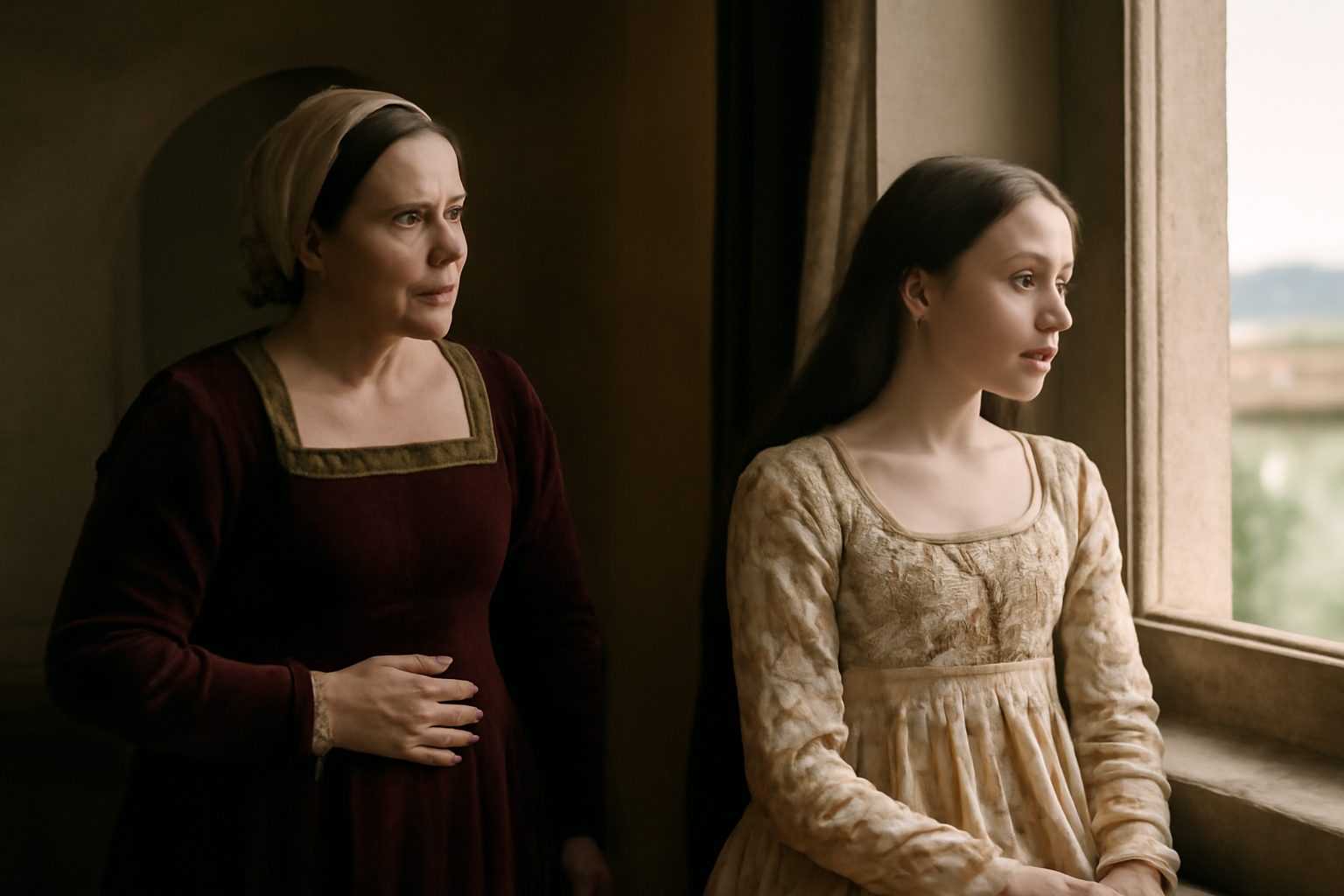
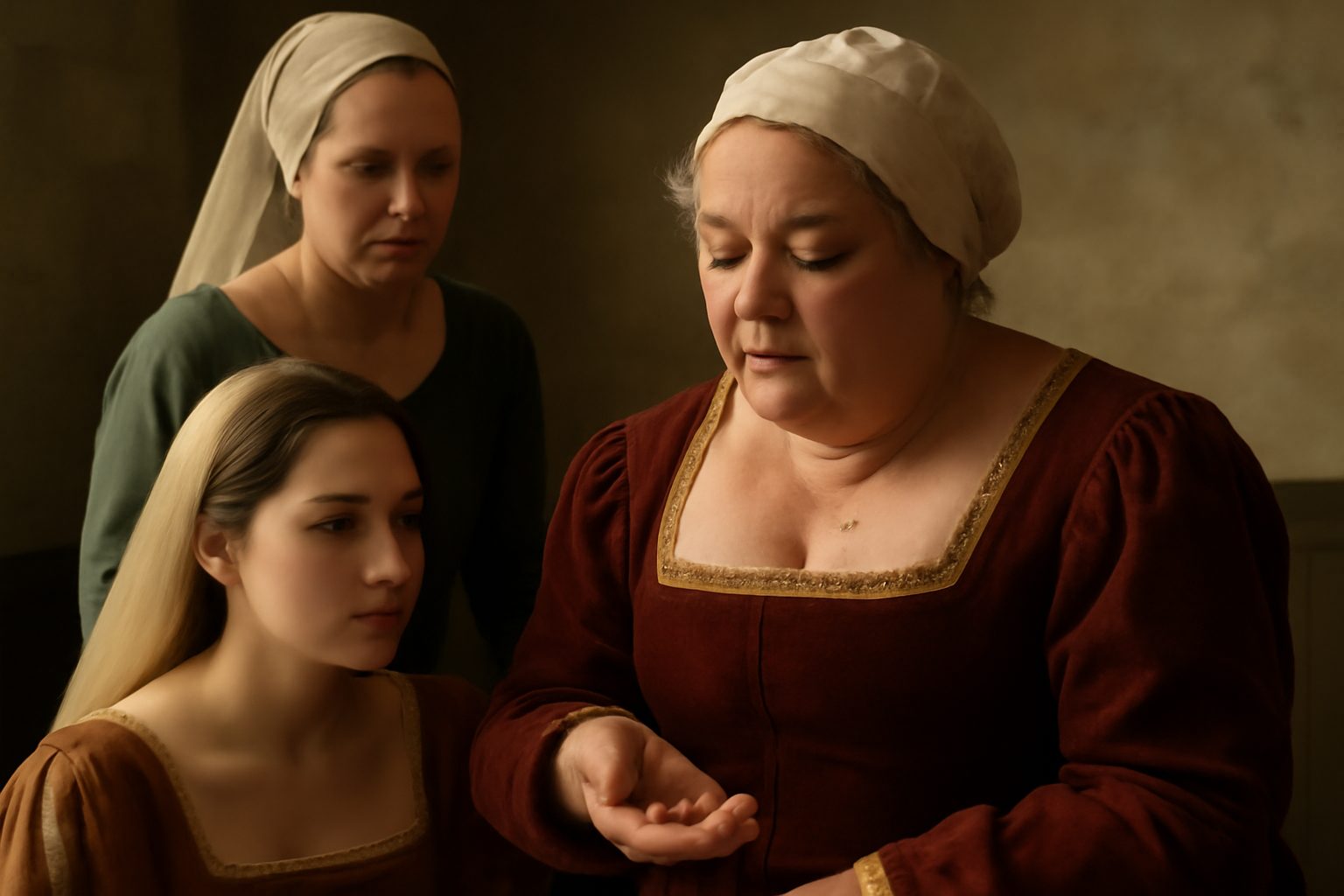
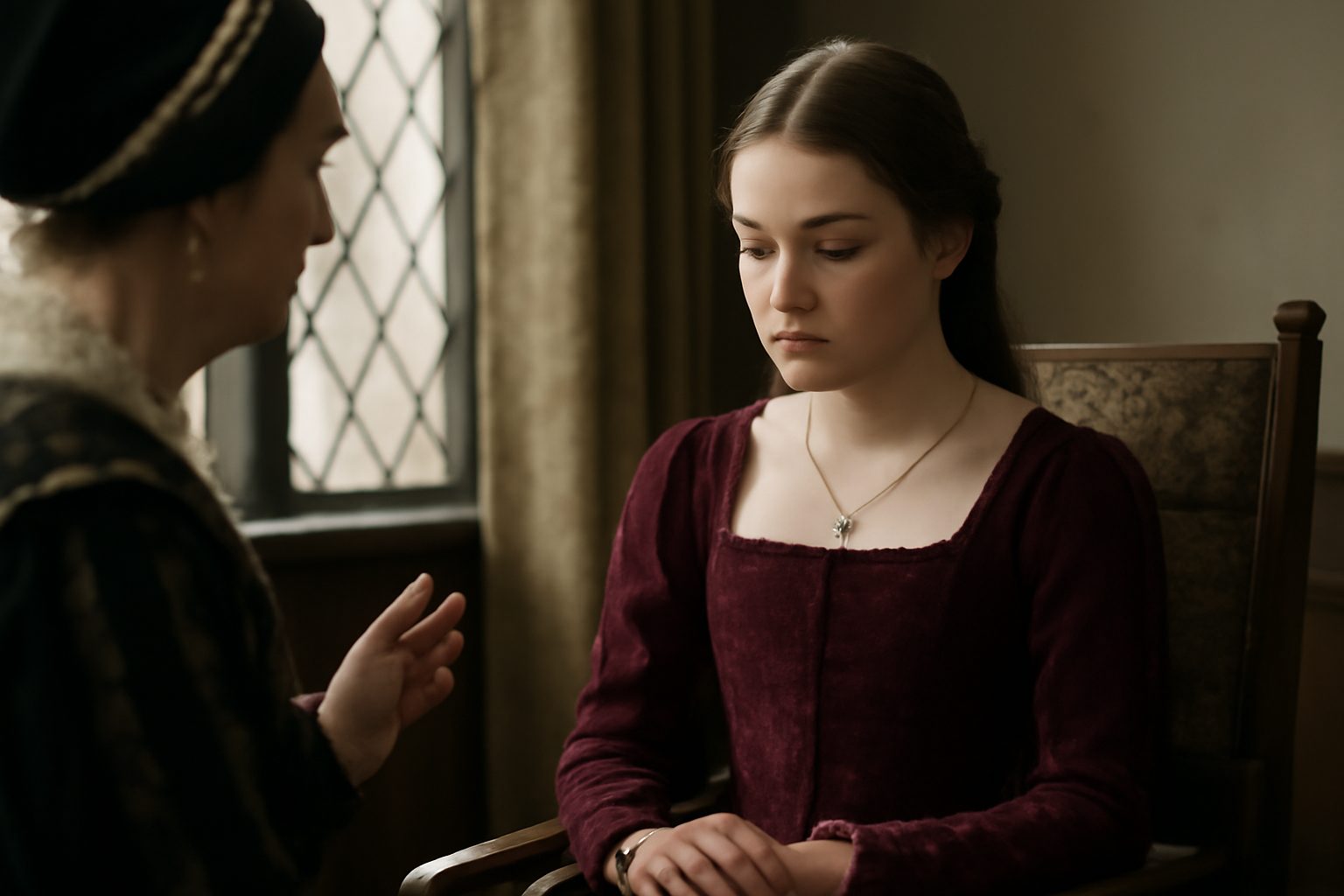
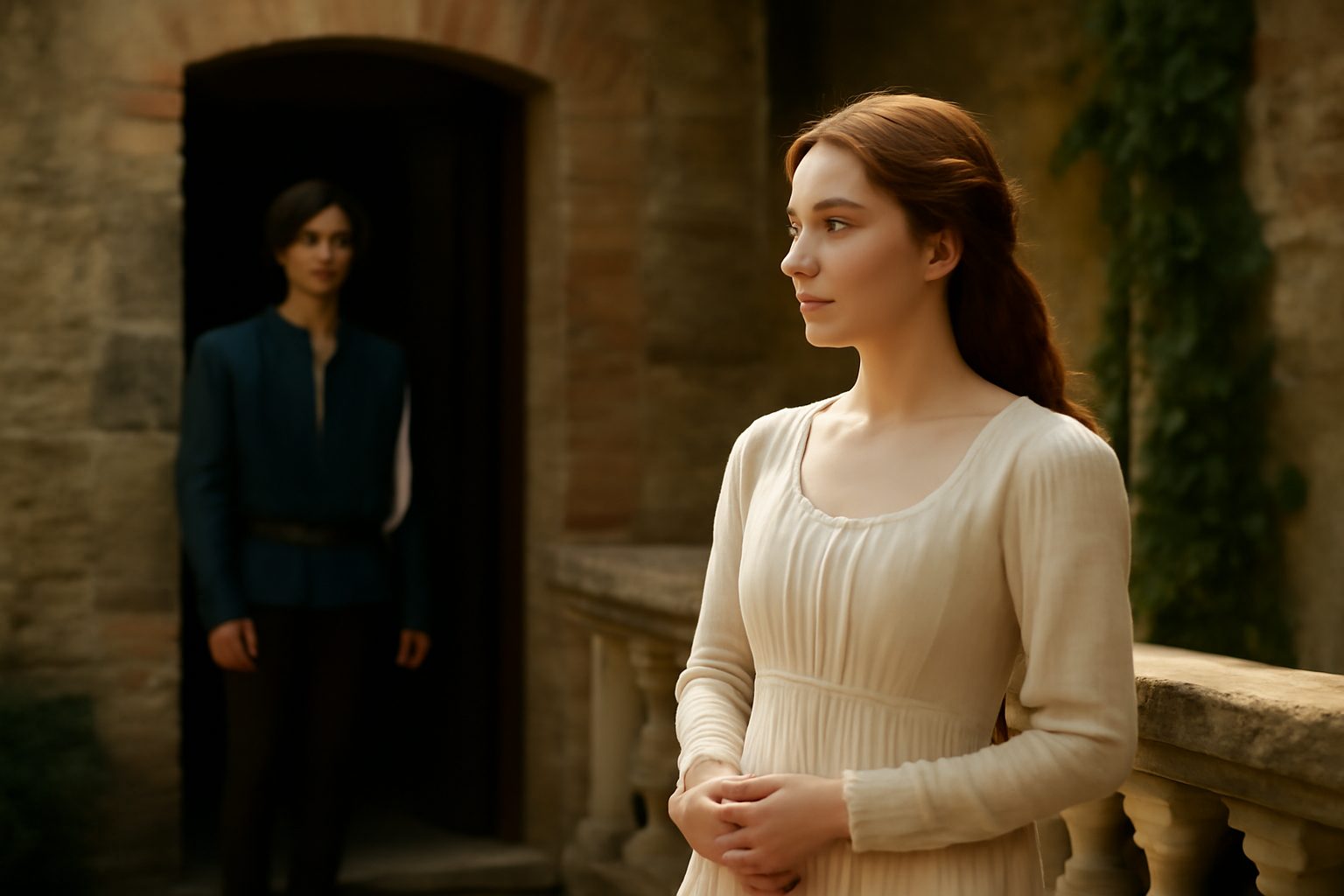
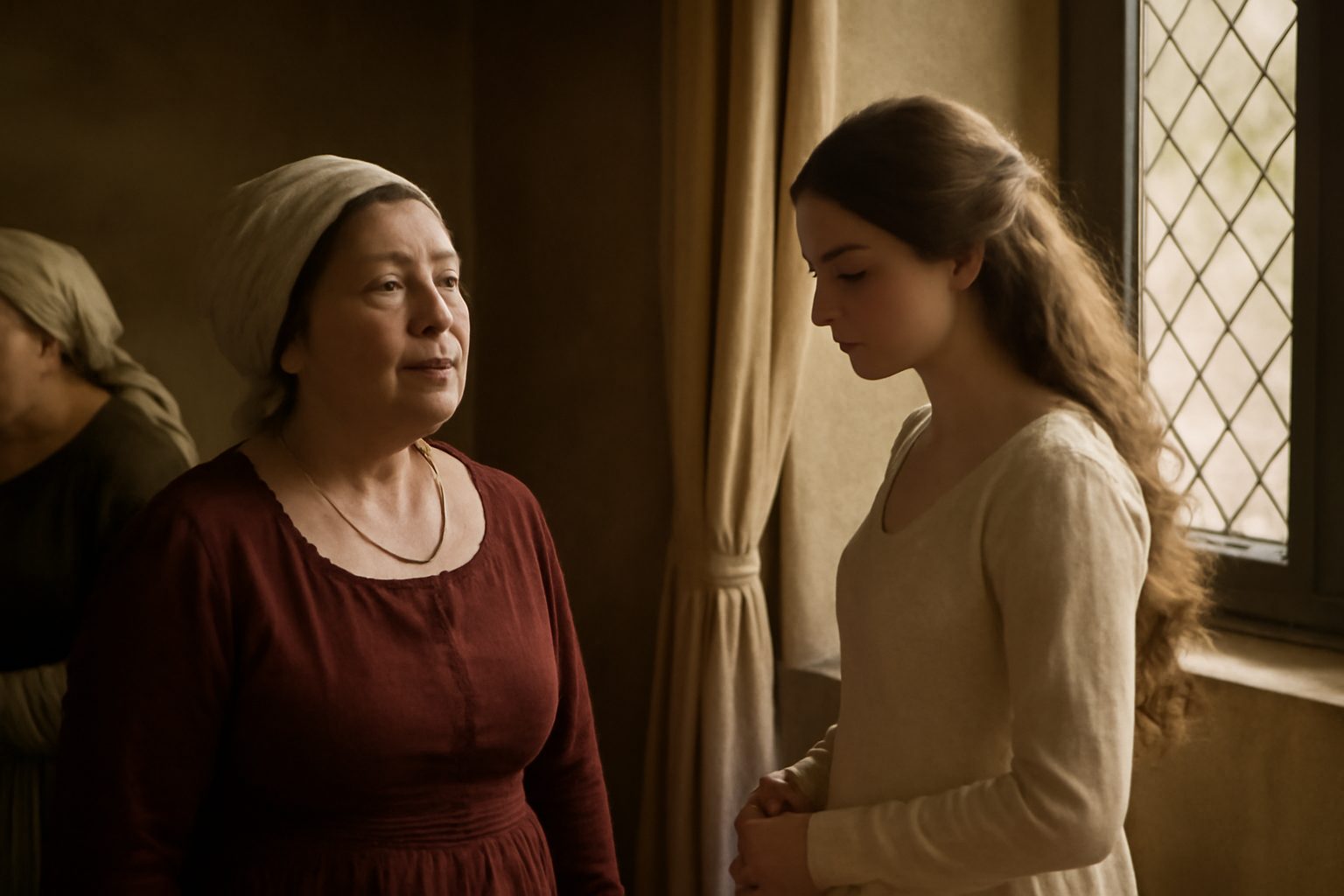
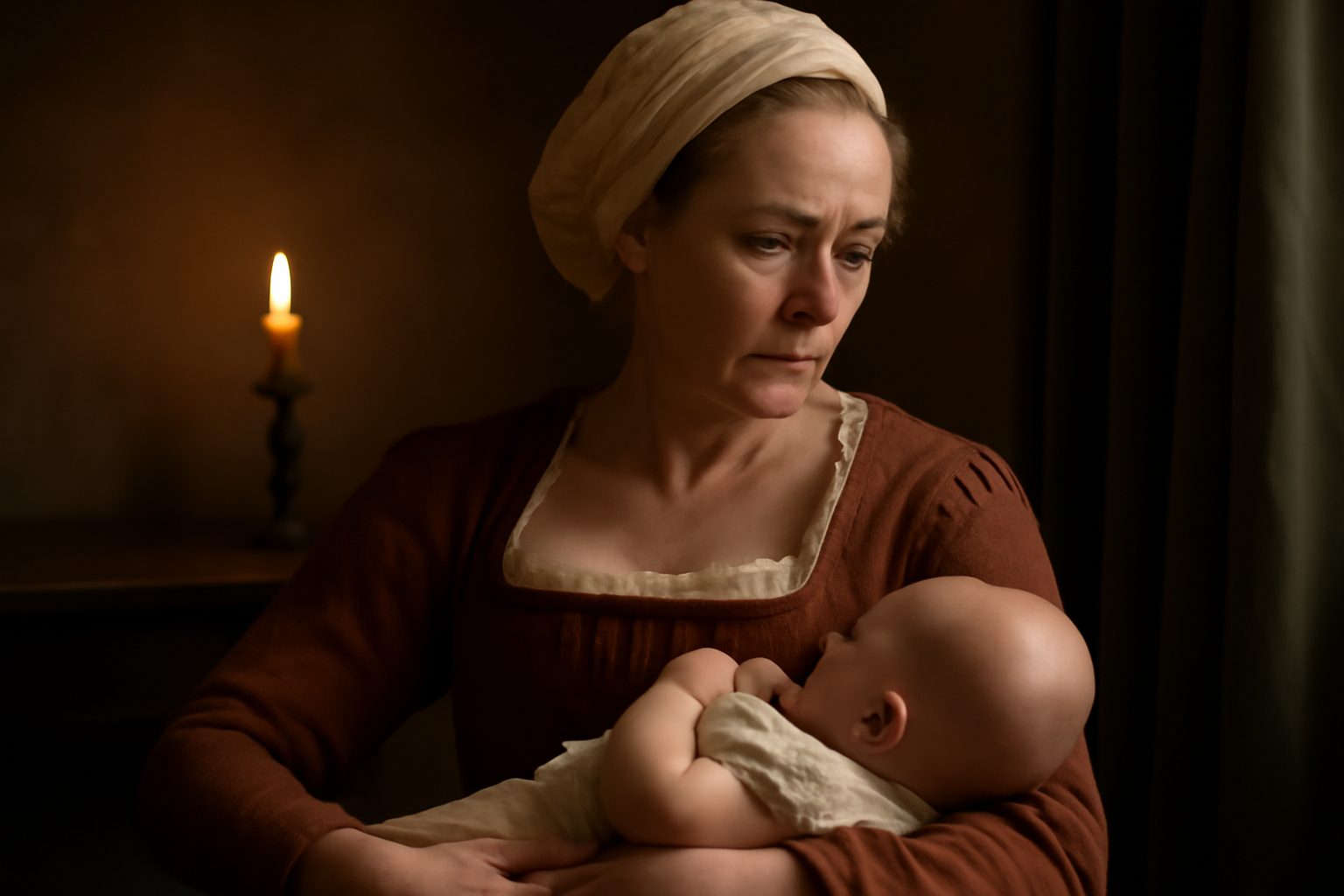
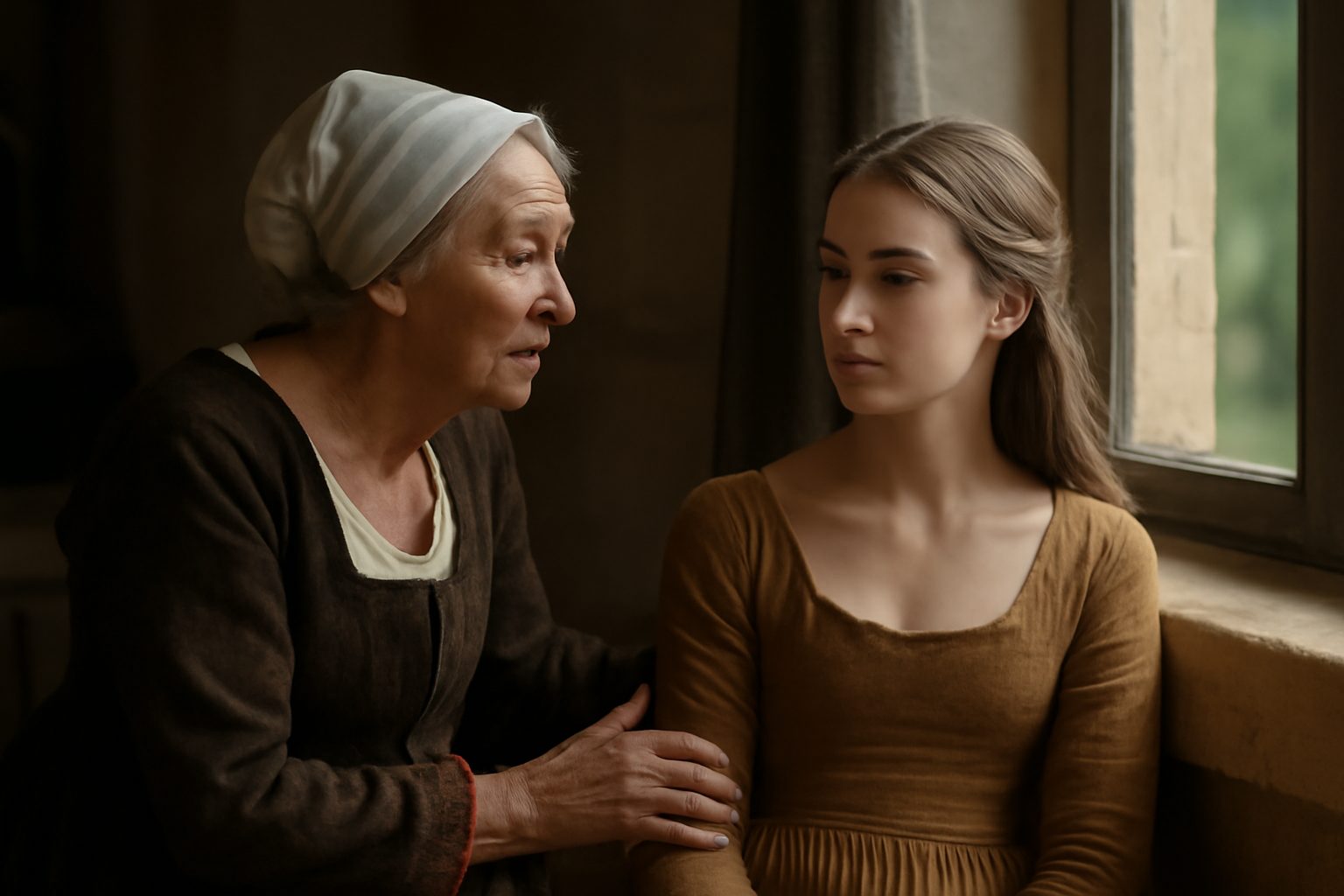
In Act 1, Scene 3 of Romeo and Juliet, Lady Capulet speaks to her daughter Juliet about the prospect of marrying Paris, a wealthy and noble suitor. This line comes as part of her persuasive argument, suggesting that marriage to Paris would bring Juliet not only his love but also his wealth and status. The moment highlights the practical, transactional view of marriage held by many in Verona's high society.
Lady Capulet: "So shall you share all that he doth possess,"
In modern day english, we would say:
You will get everything he owns.
Frequently Asked Questions
What does Lady Capulet promise to Juliet in this line?
She promises that Juliet will share everything Paris owns if she marries him.
Connections to other verses:
Connections to "So shall you share all that he doth possess"
The verse "So shall you share all that he doth possess" is spoken by Lady Capulet as she encourages Juliet to consider marrying Paris. This line is part of a broader discussion about marriage, wealth, and social status within the scene.
Connection to Marriage and Social Advancement
This verse connects thematically to "By having him, making yourself no less", which emphasizes that marrying Paris will elevate Juliet's status without diminishing her own worth. Similarly, "No less! nay, bigger; women grow by men" reinforces the idea that marriage is a means of social and personal advancement for women.
Connection to Paris's Qualities
Lady Capulet's praise of Paris's possessions is preceded by her description of his personal attributes. For instance, she refers to him as "a man of wax", highlighting his ideal appearance, and "a flower; in faith, a very flower", emphasizing his rarity and beauty. These descriptions contextualize the material wealth mentioned in the focal verse.
Connection to Juliet's Response
Juliet's cautious reply in "I'll look to like, if looking liking move" shows her reluctance to commit without genuine affection, contrasting with her mother's emphasis on sharing possessions. This tension between pragmatic and emotional considerations is central to the scene.
Connection to the Nurse's Anecdotes
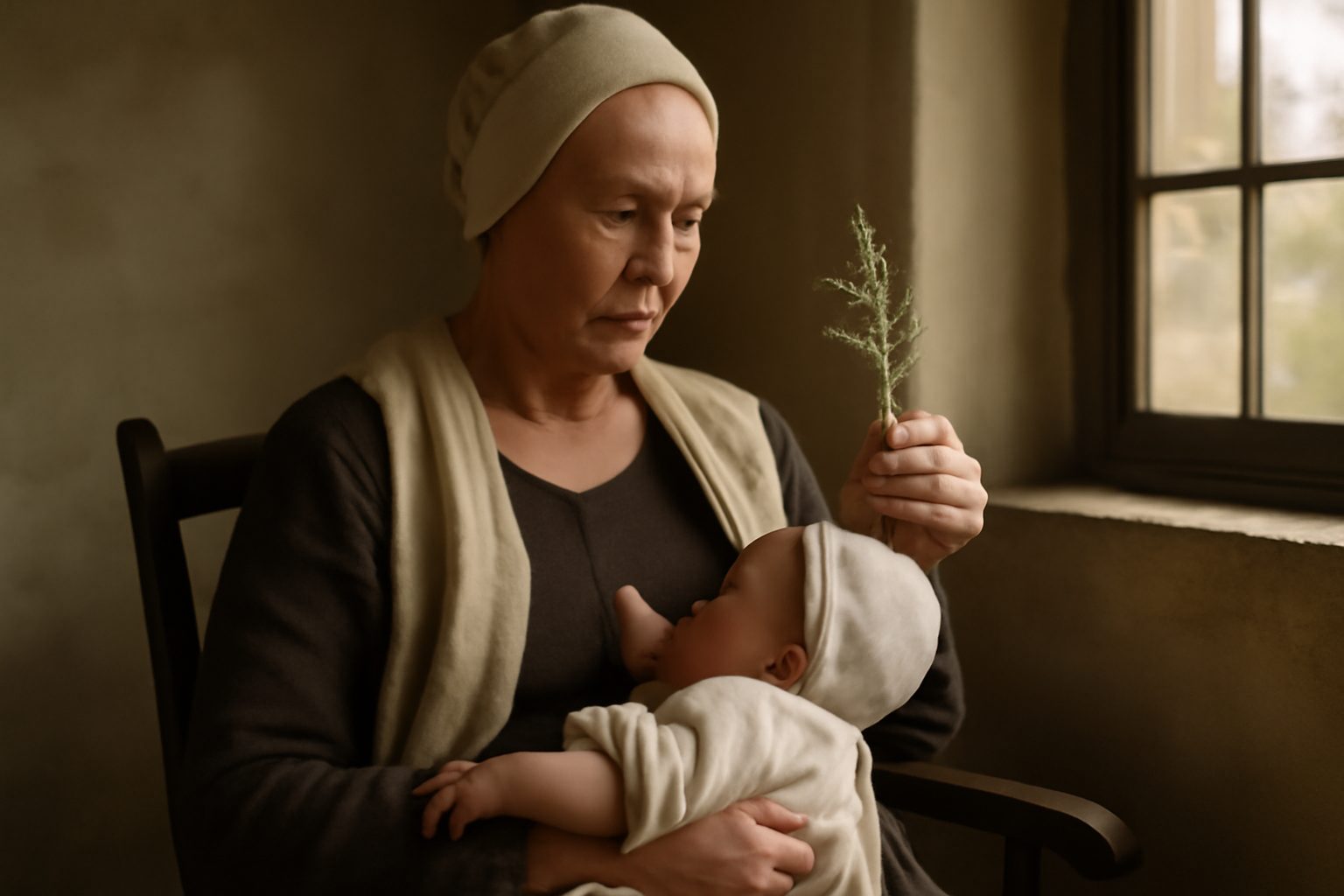
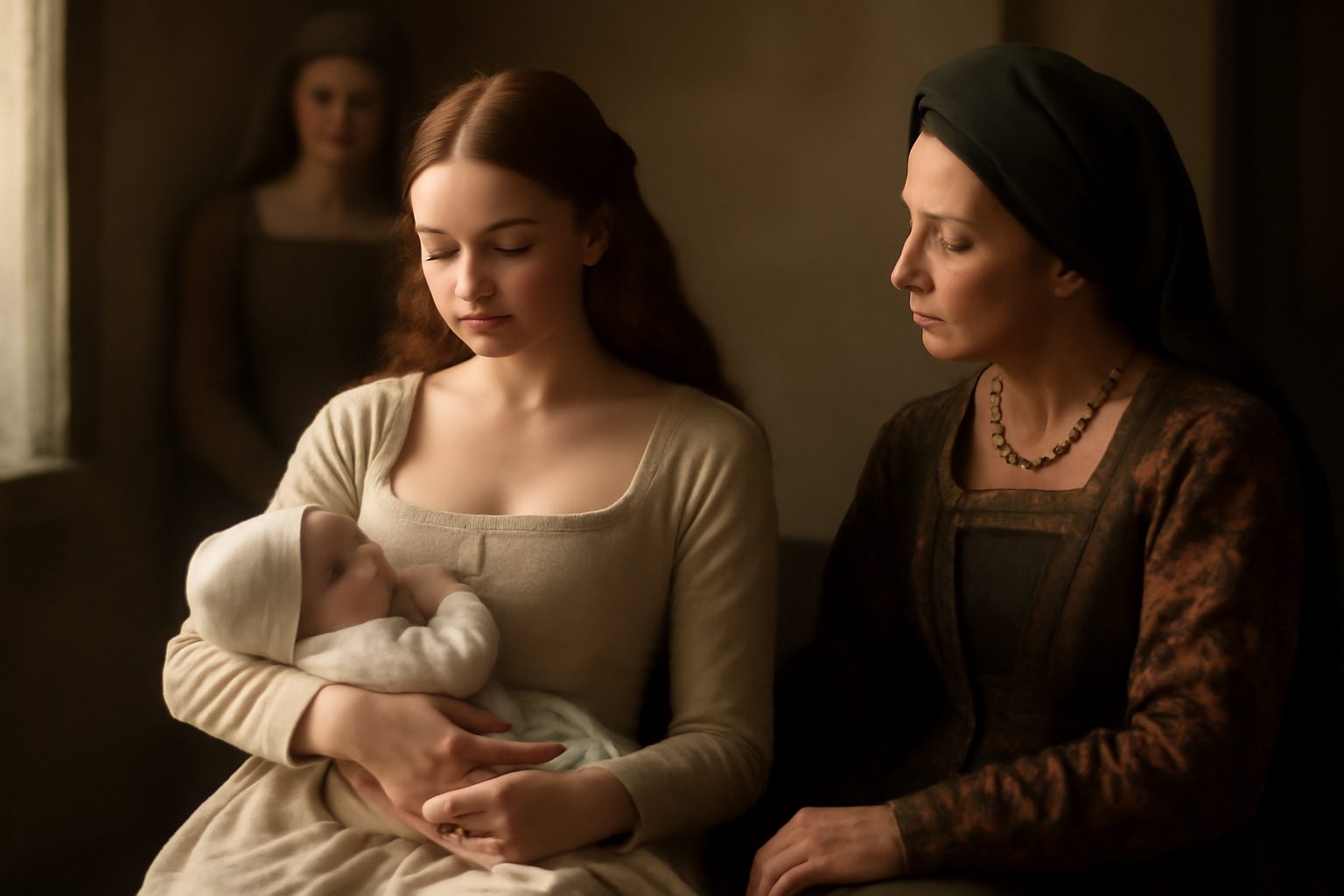
The Nurse's reminiscences about Juliet's childhood, such as "Thou wast the prettiest babe that e'er I nursed", provide a personal counterpoint to Lady Capulet's materialistic arguments, underscoring the different perspectives on Juliet's future.