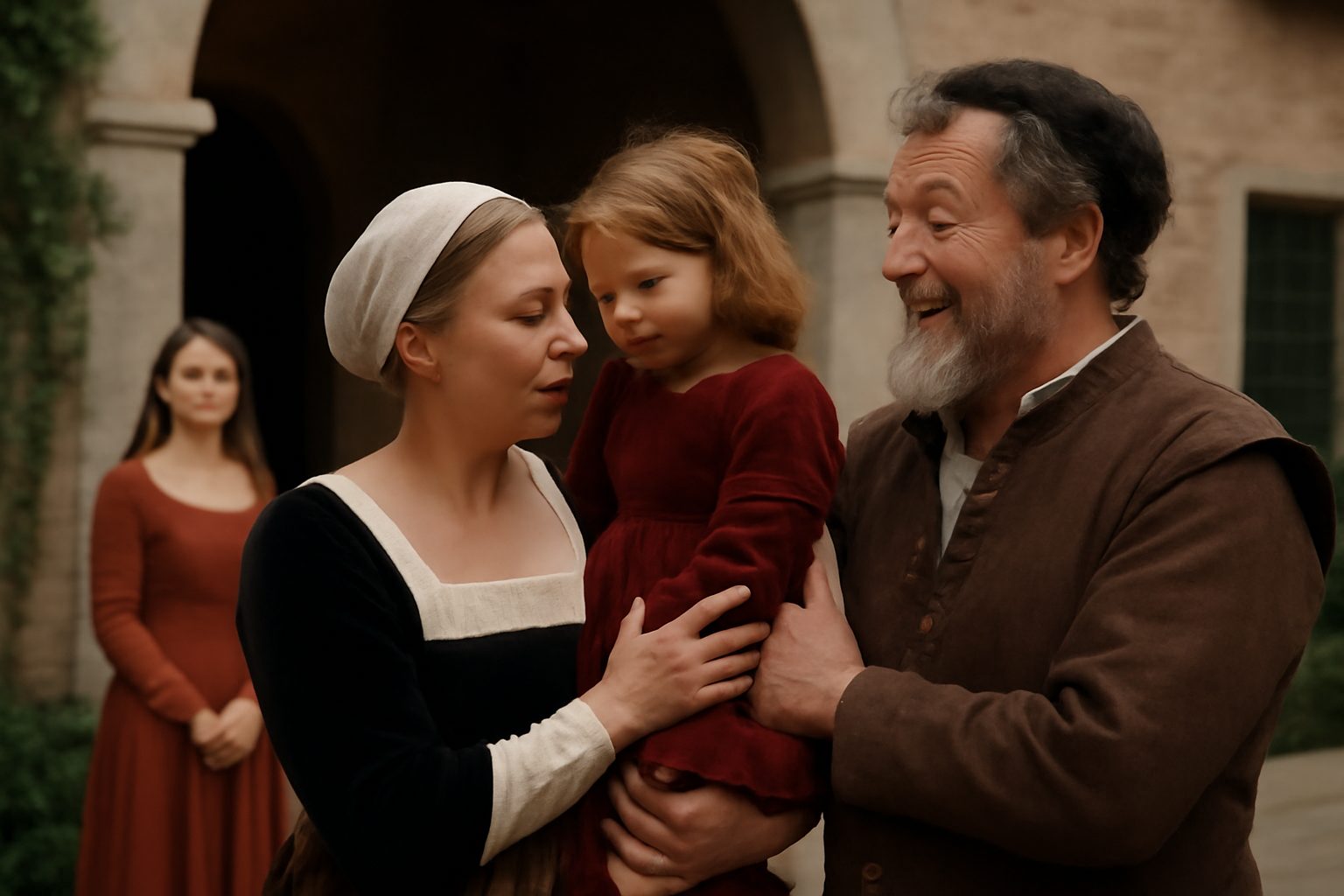
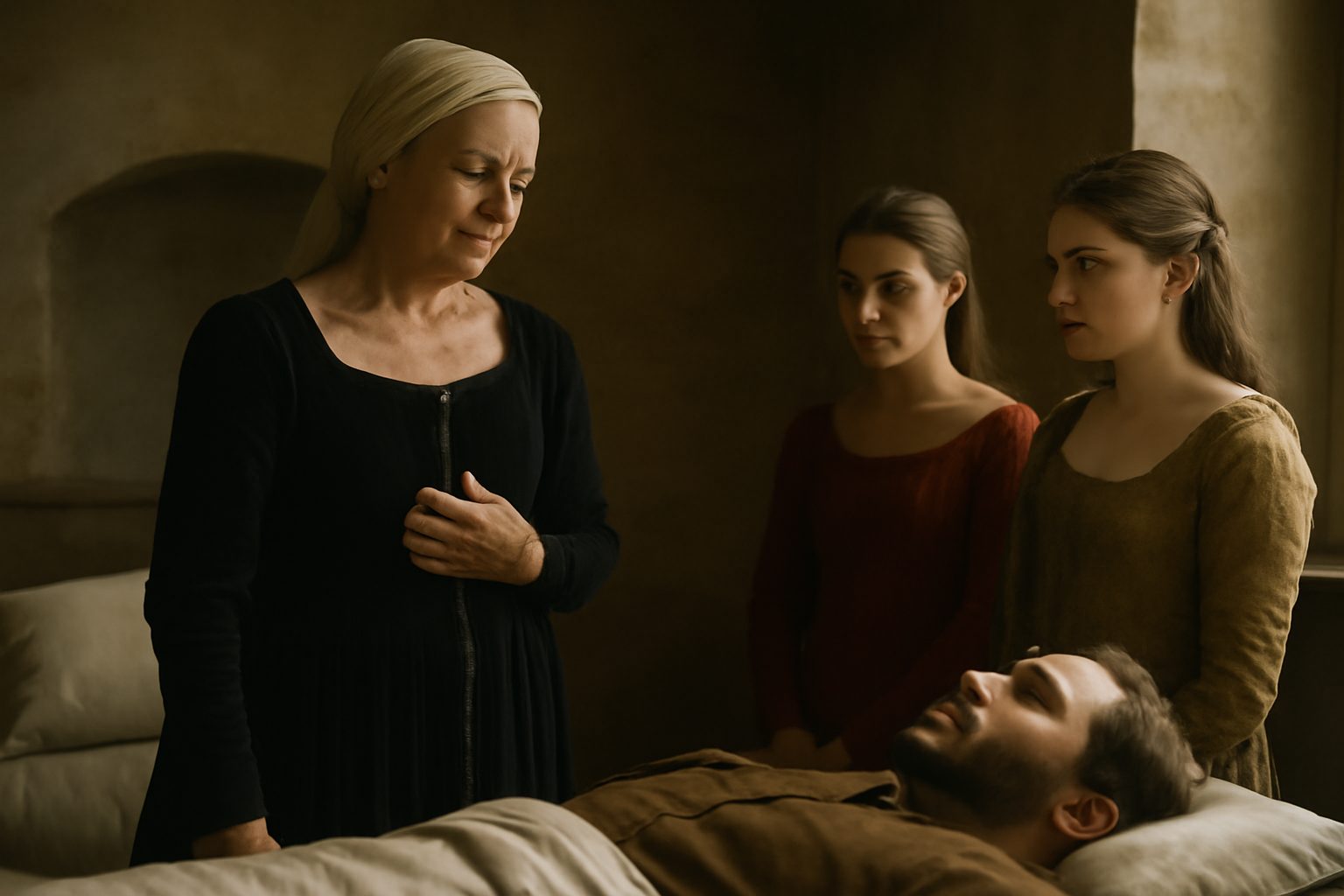
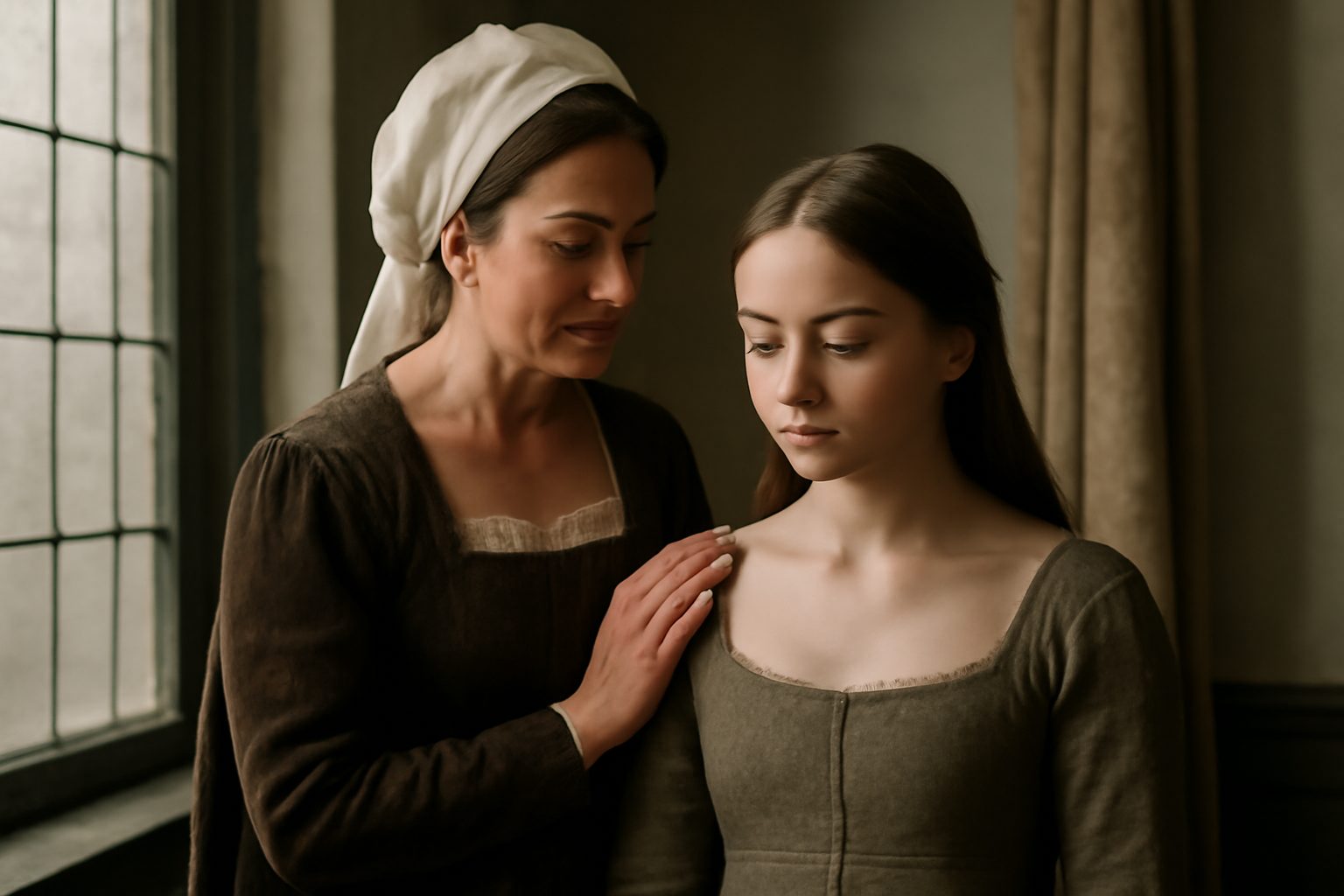
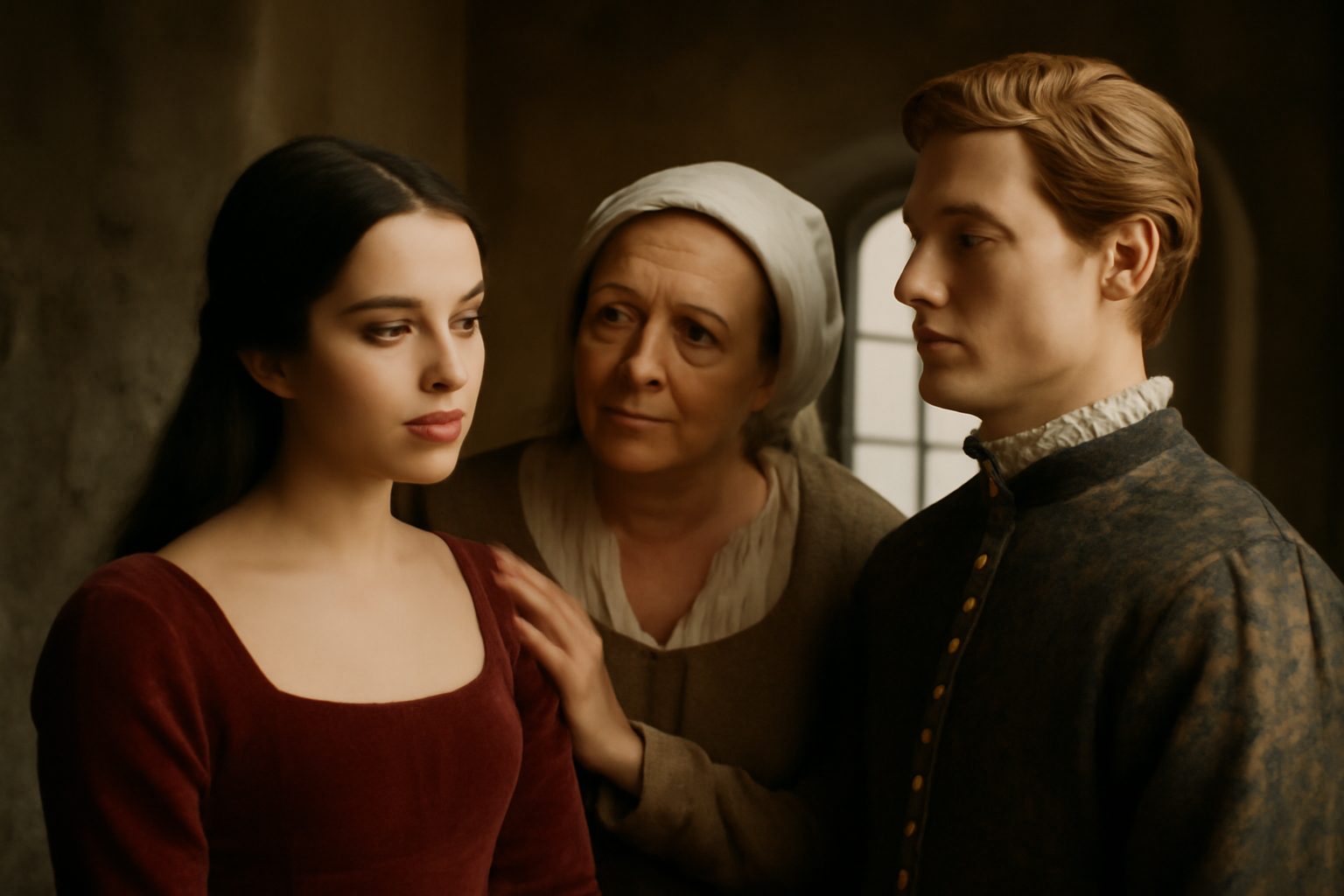
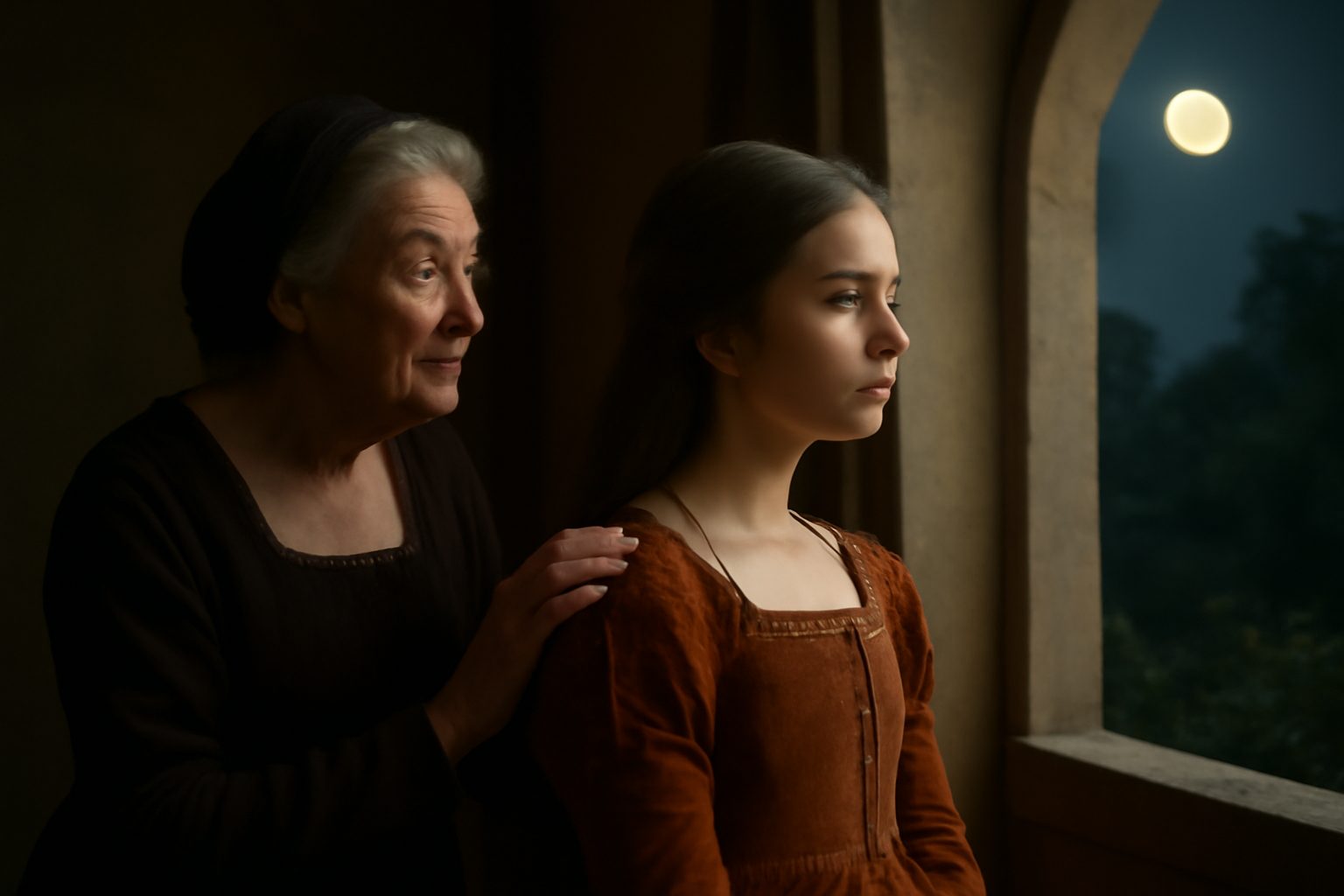
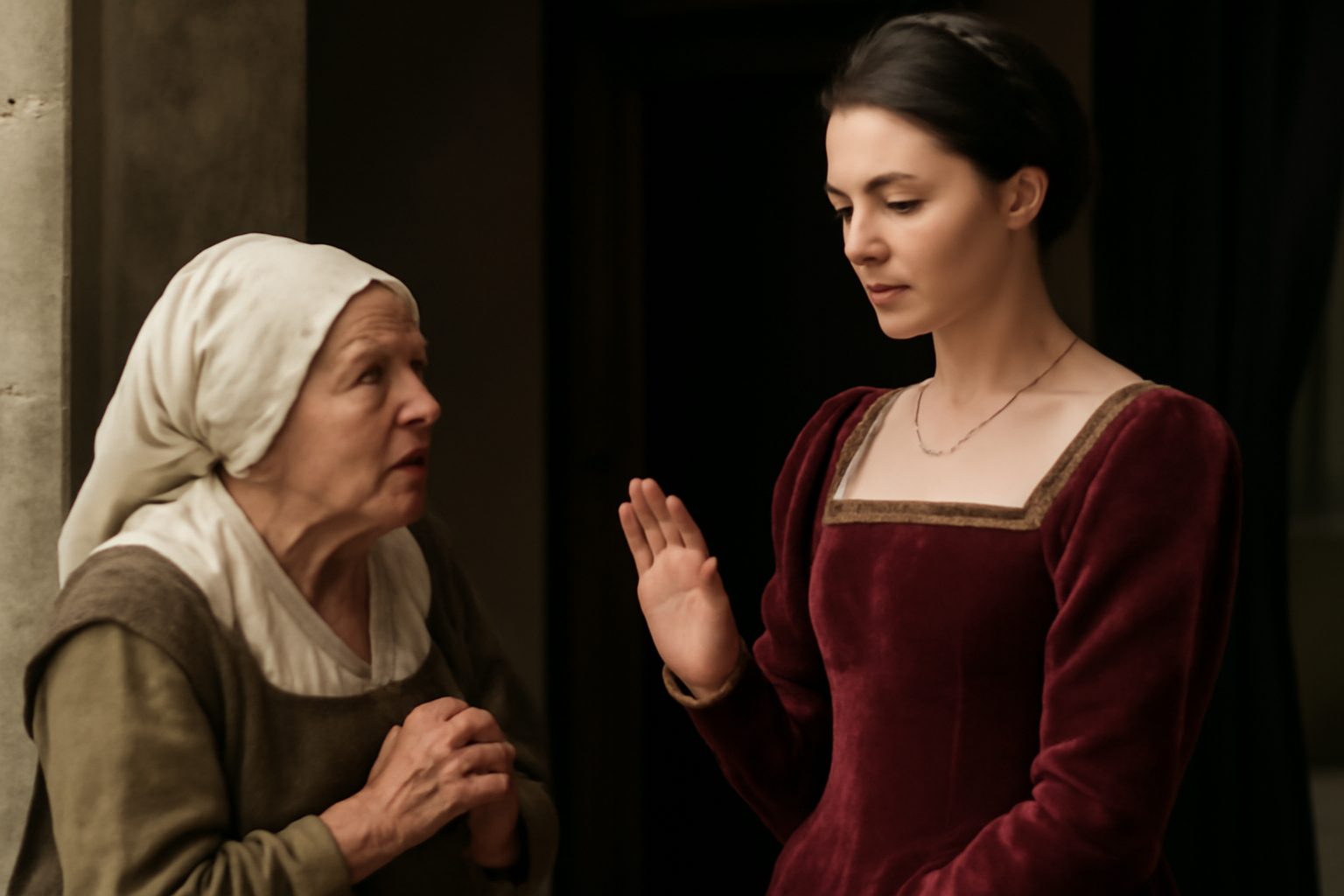
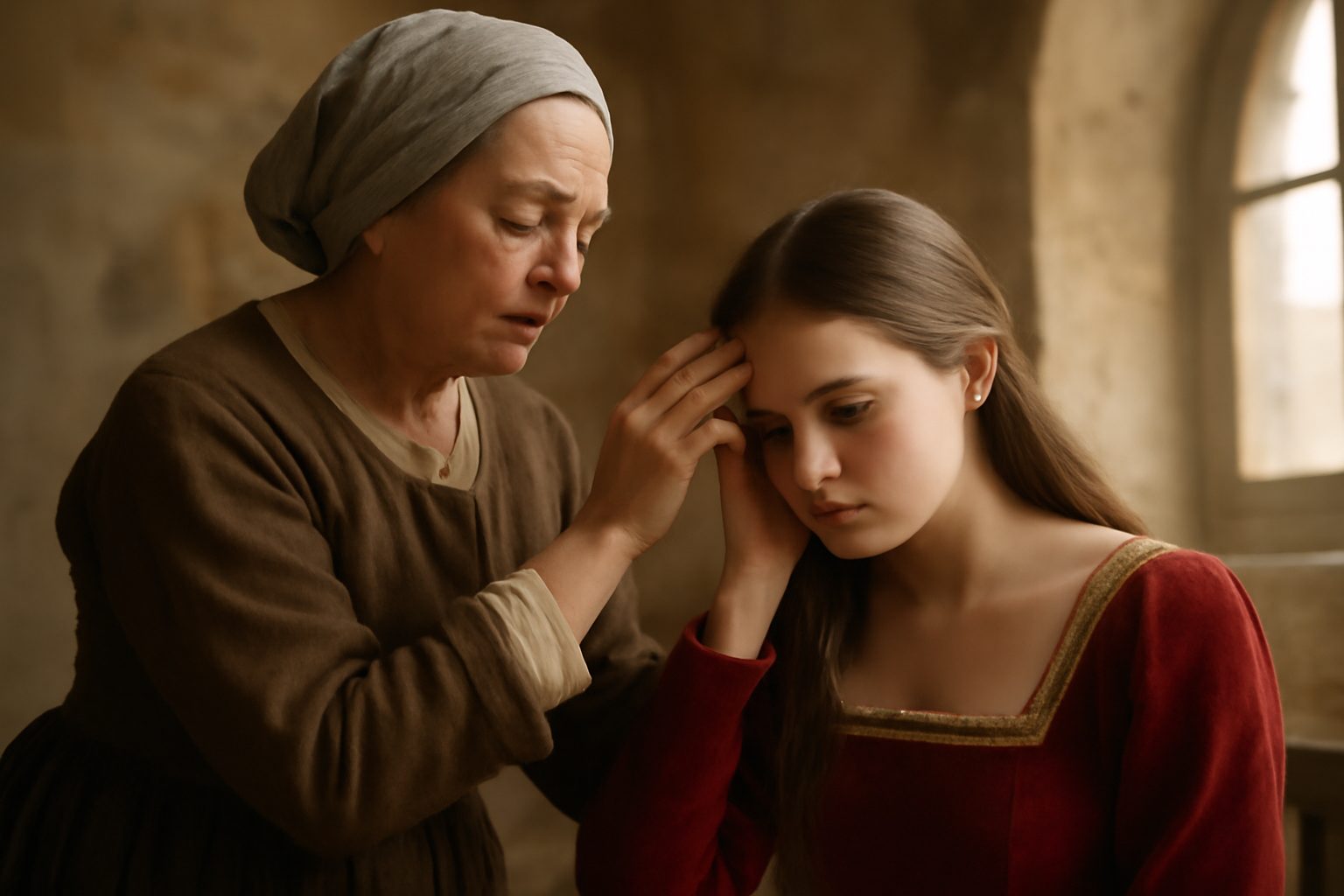
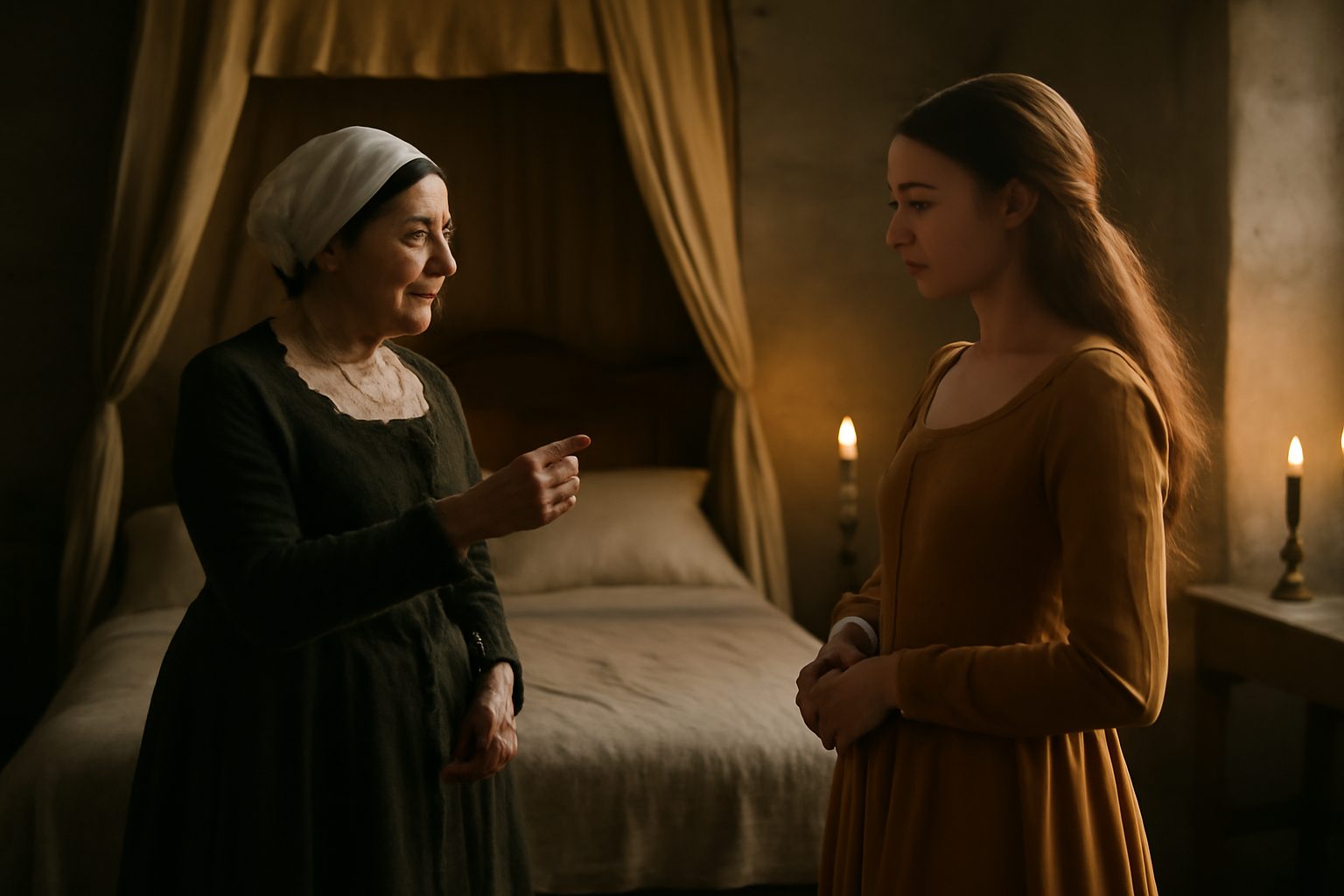
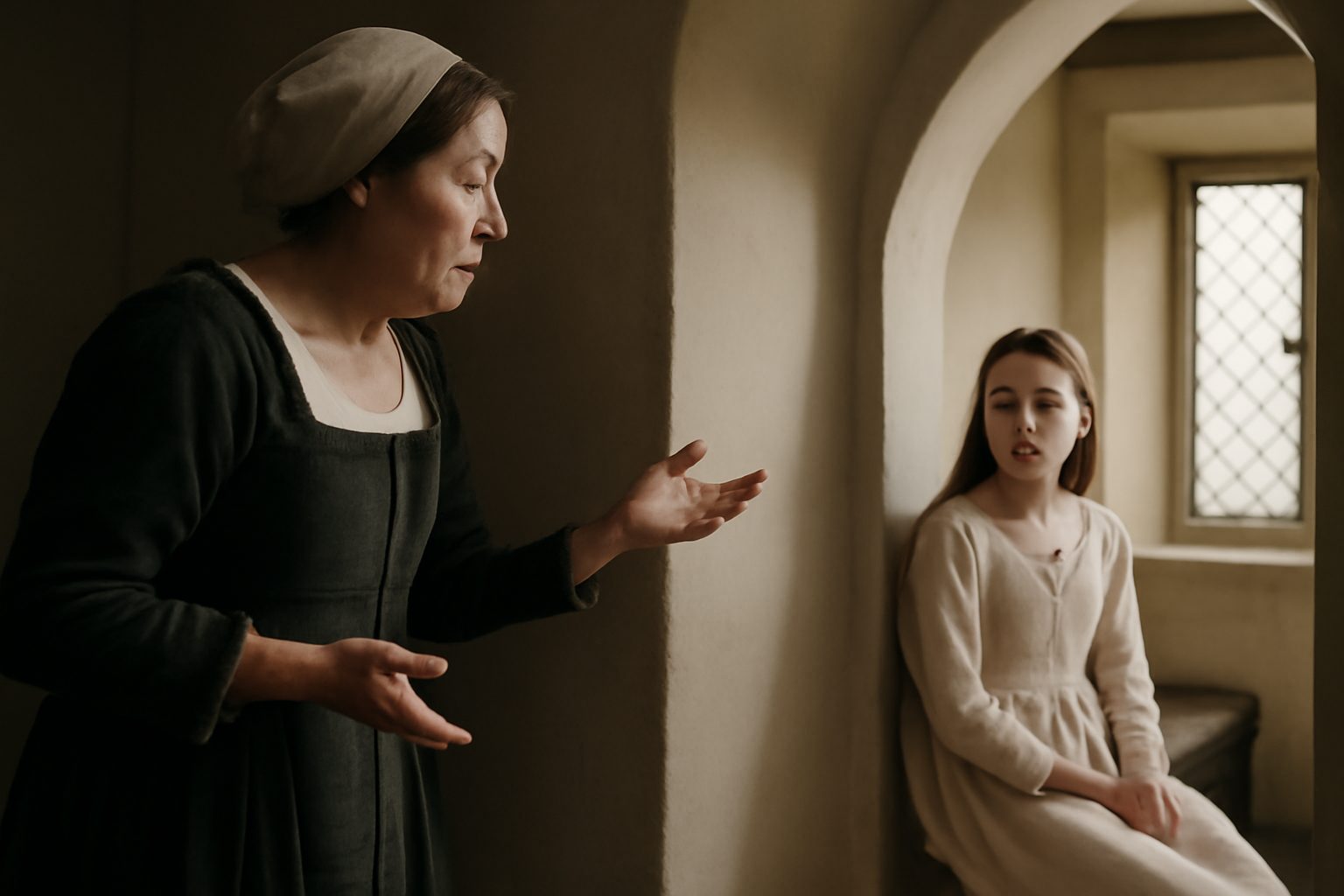
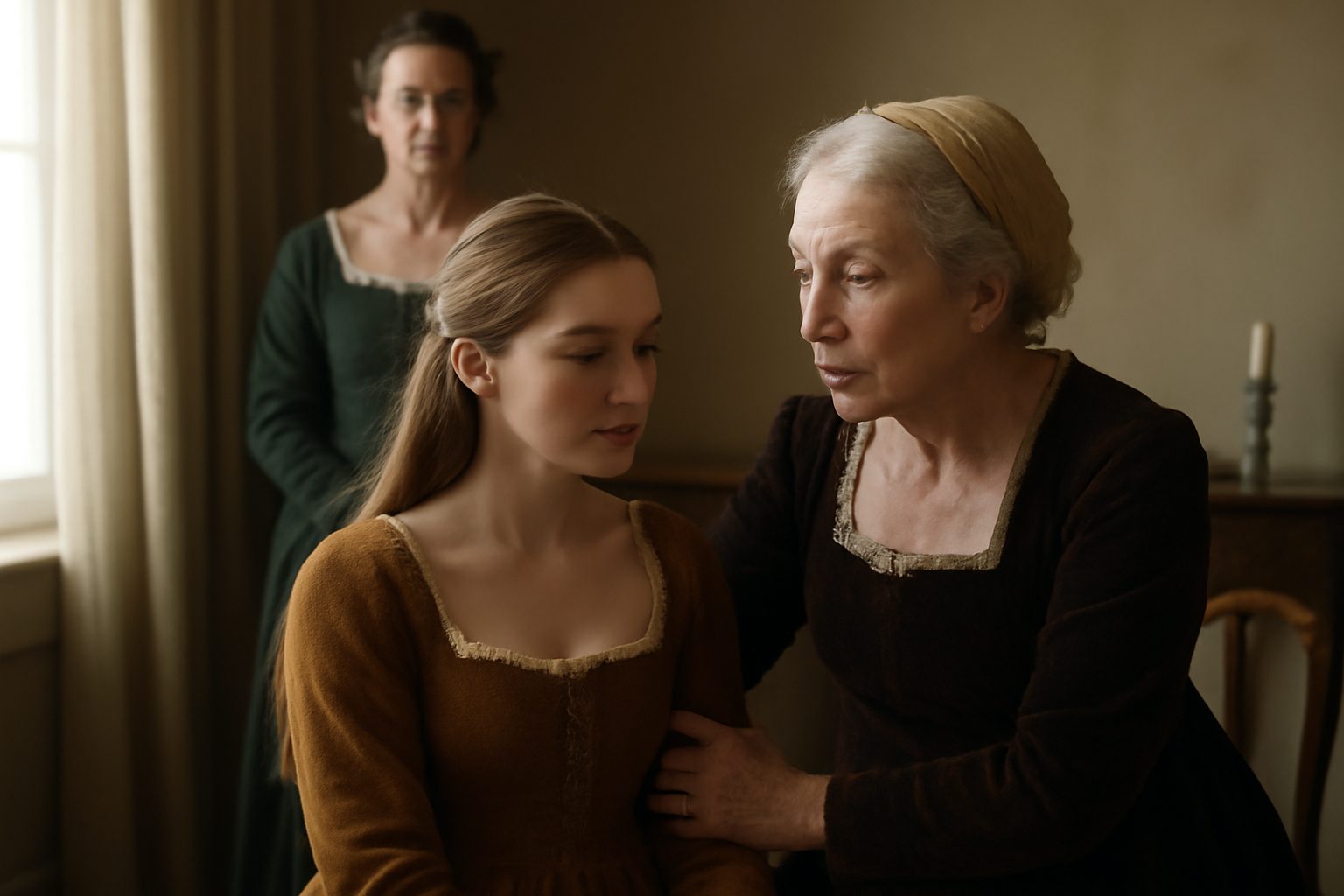
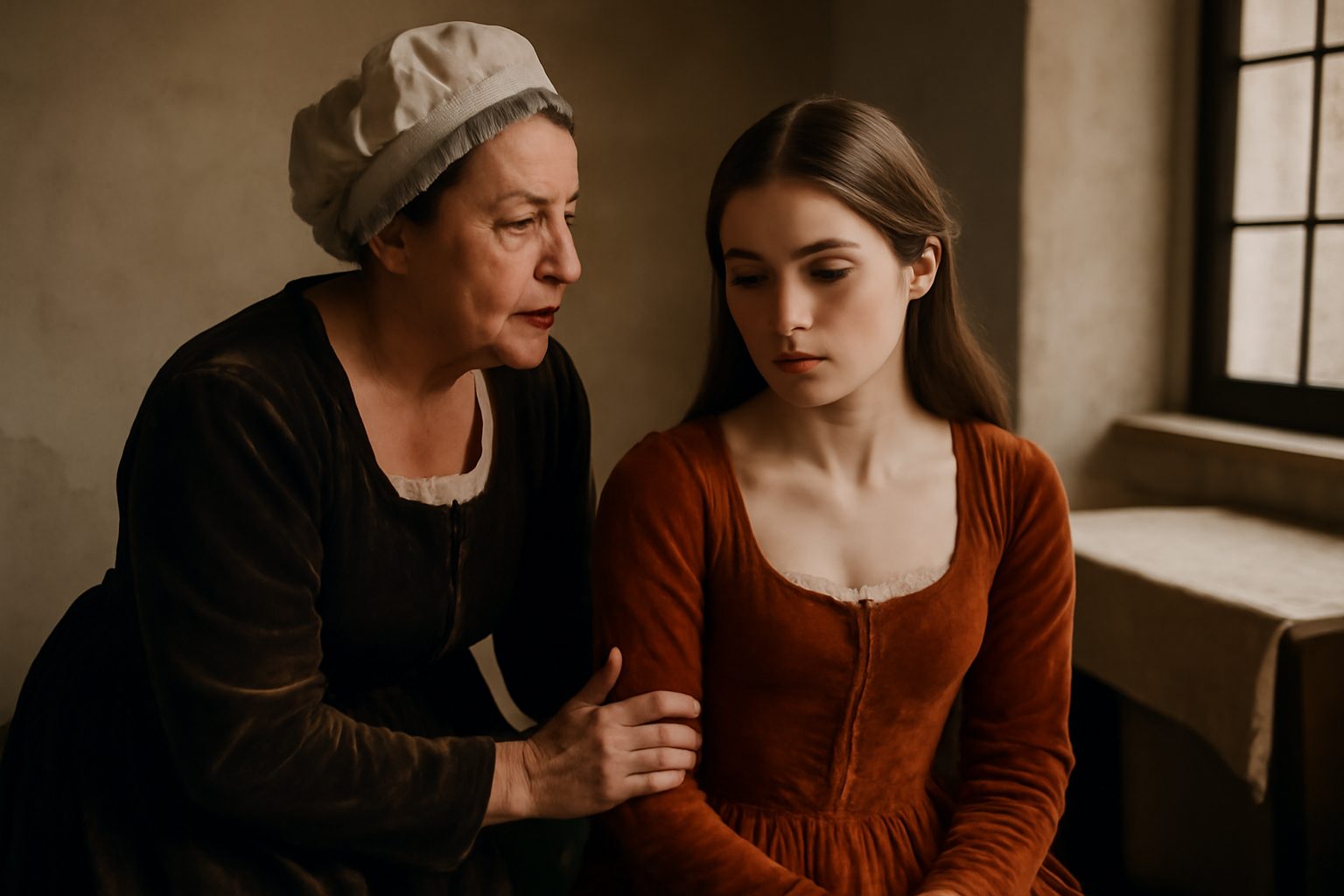
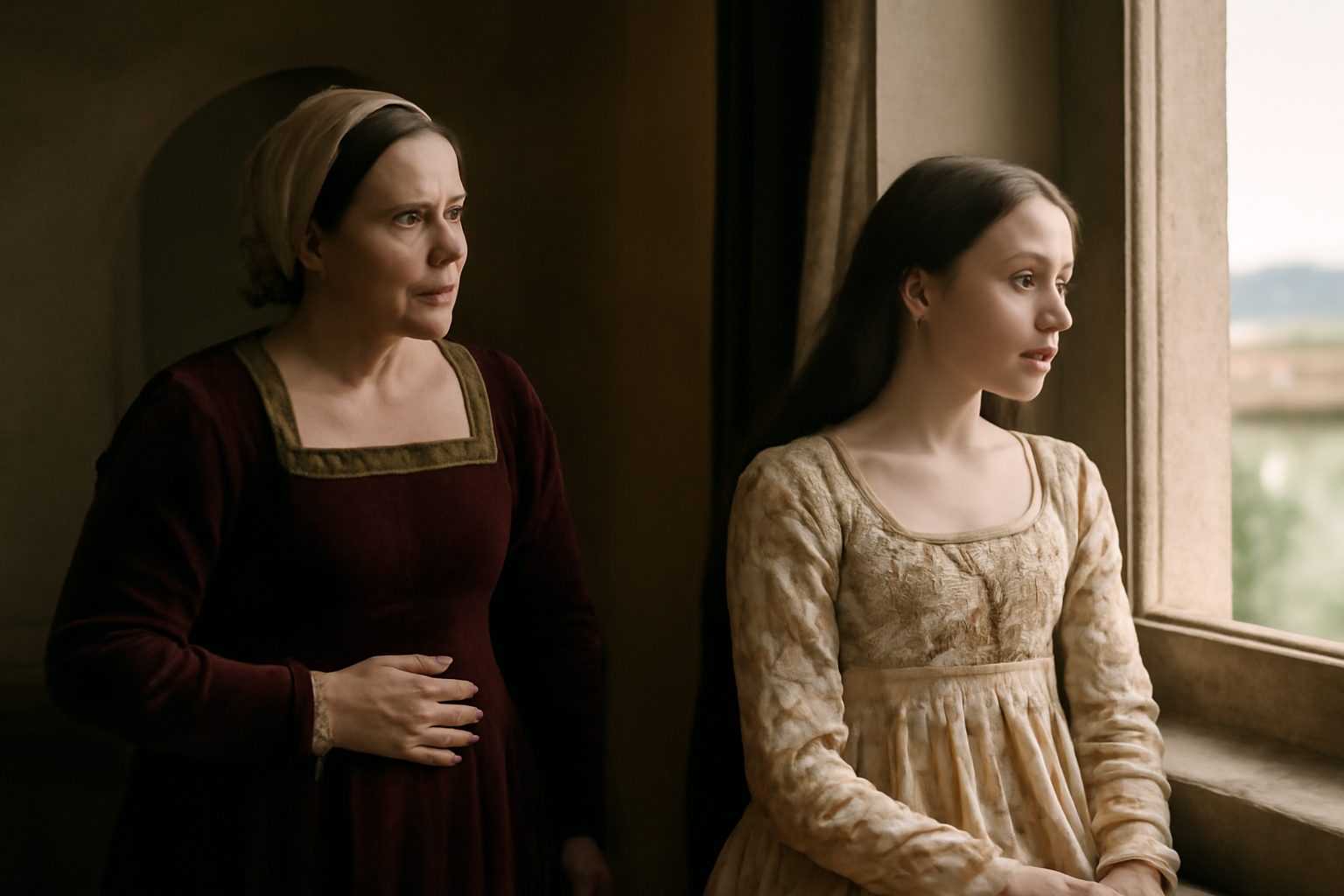
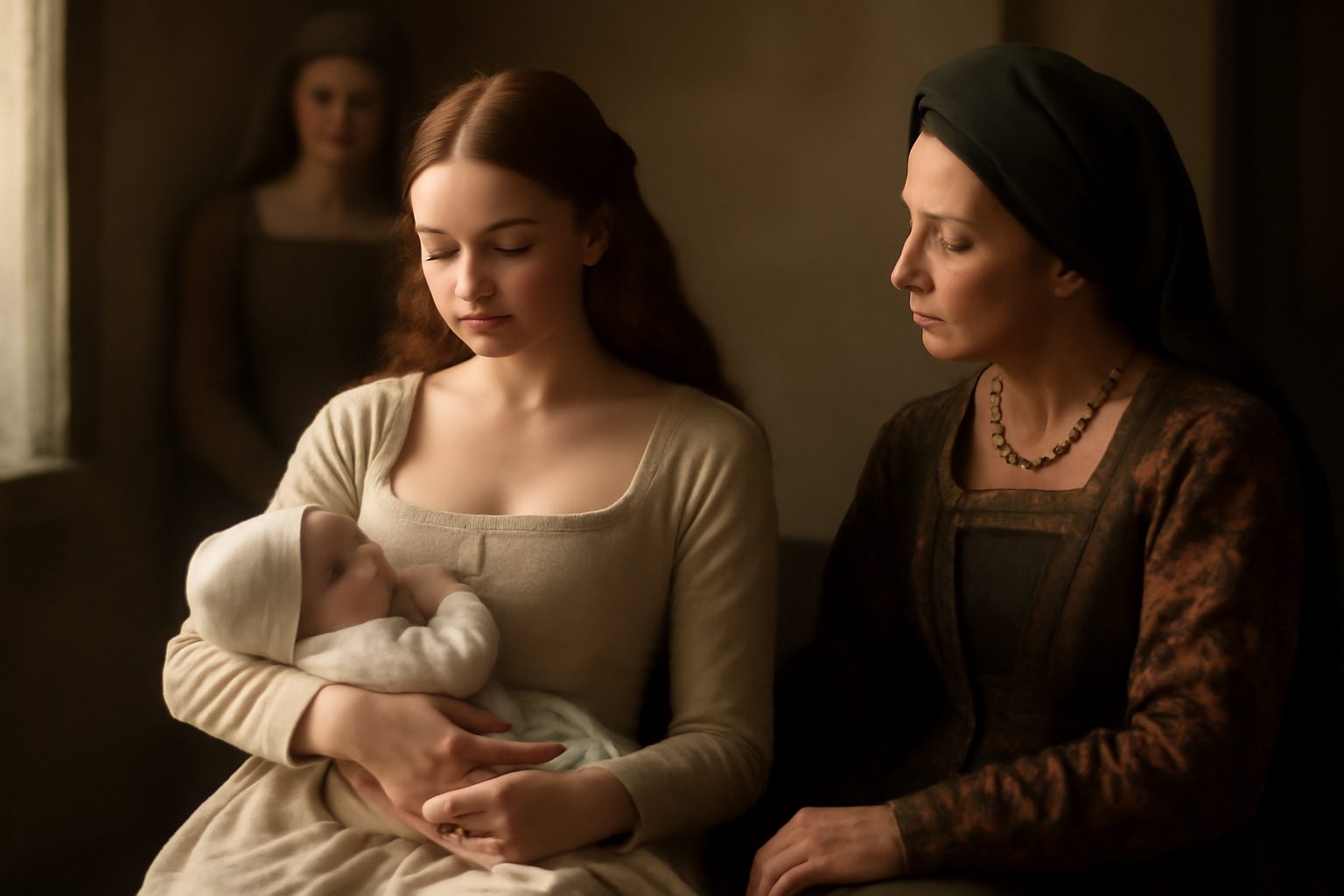
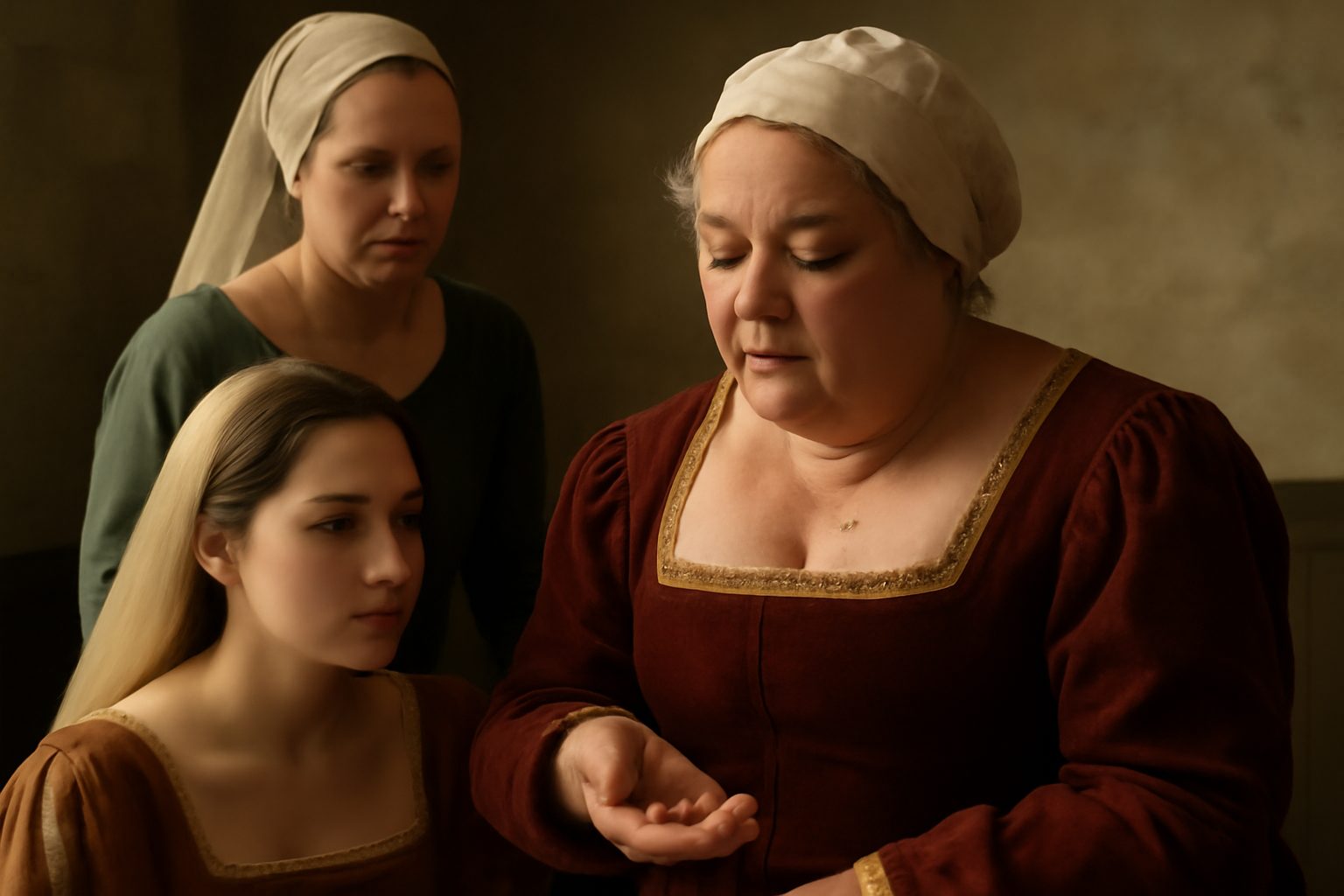
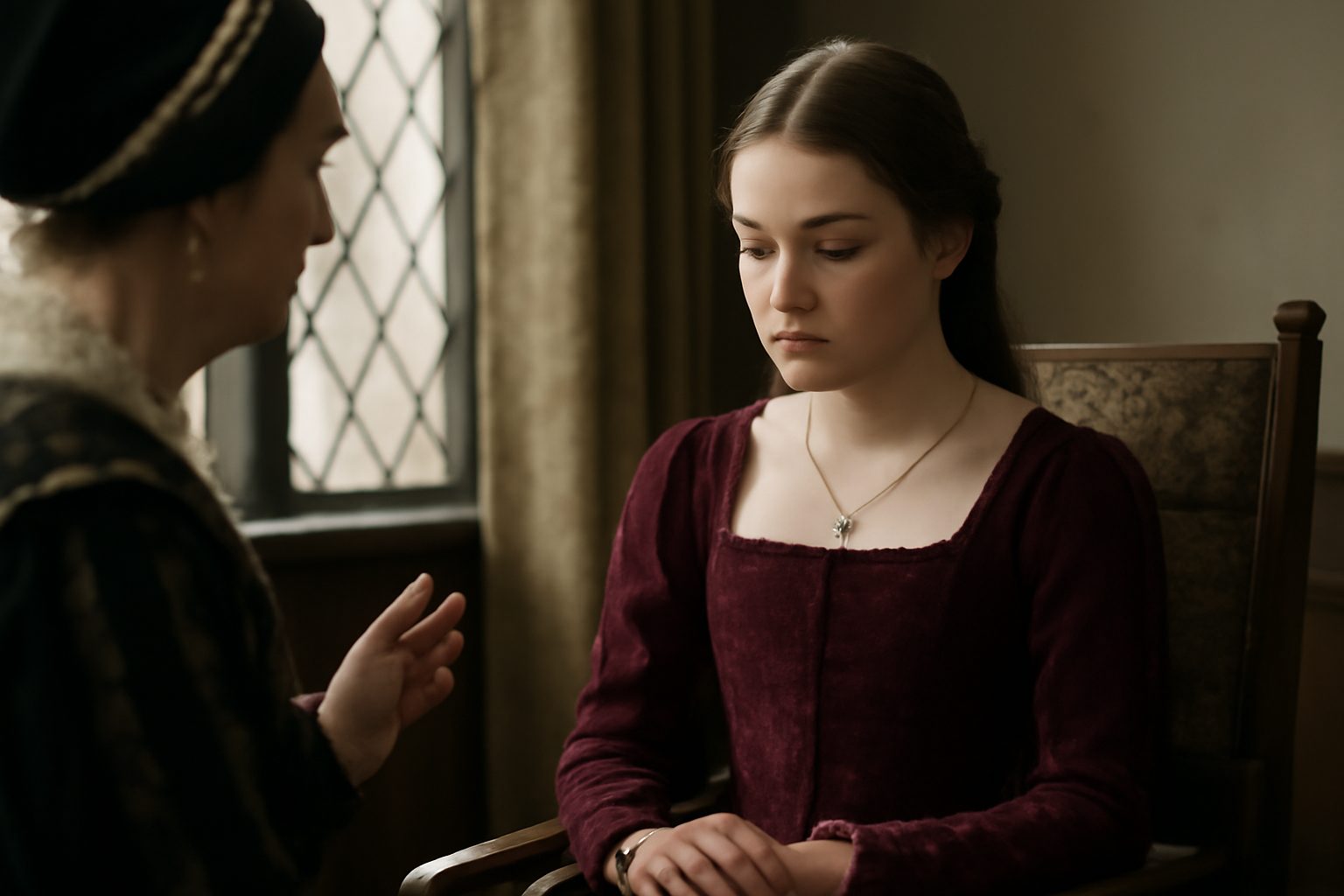
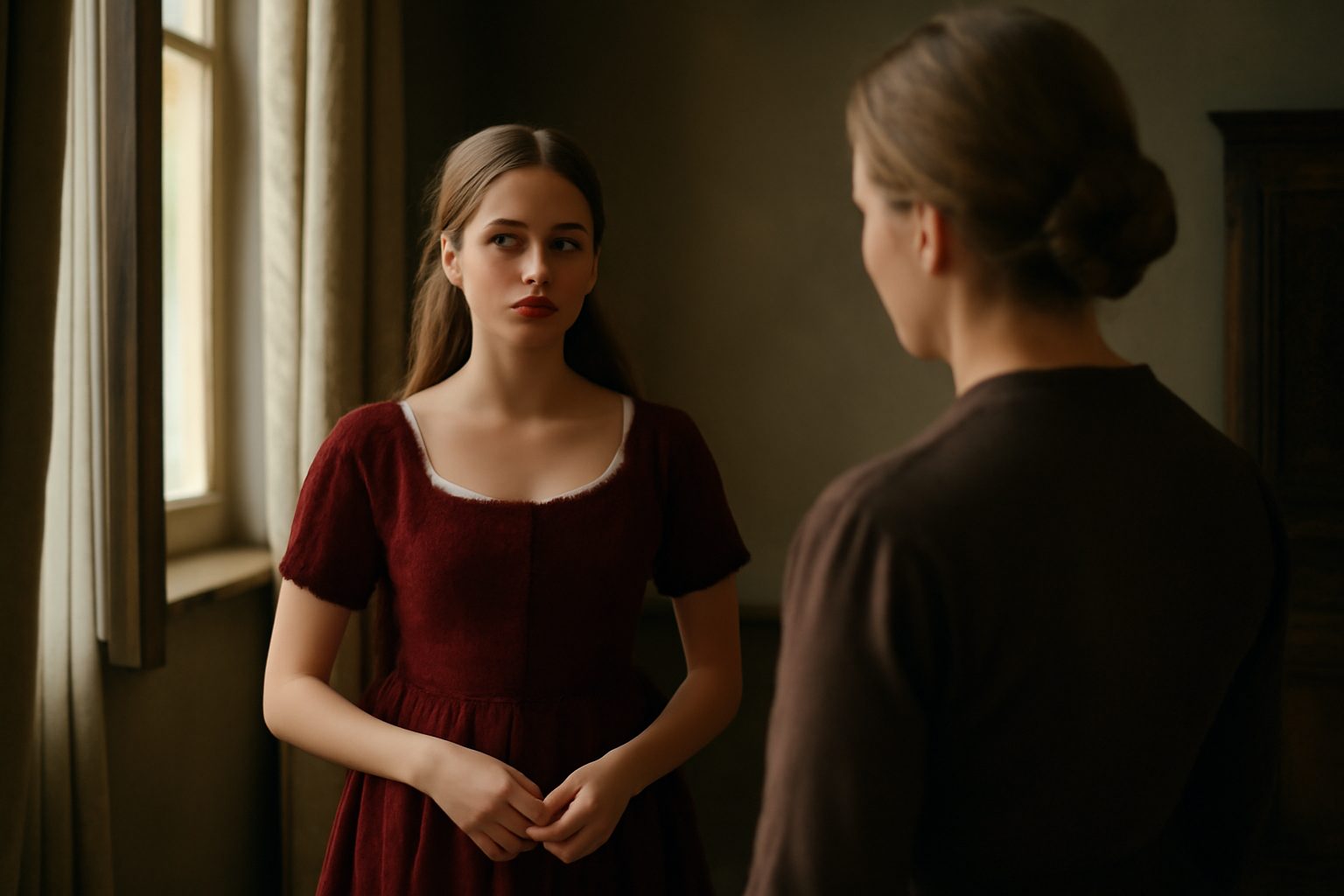
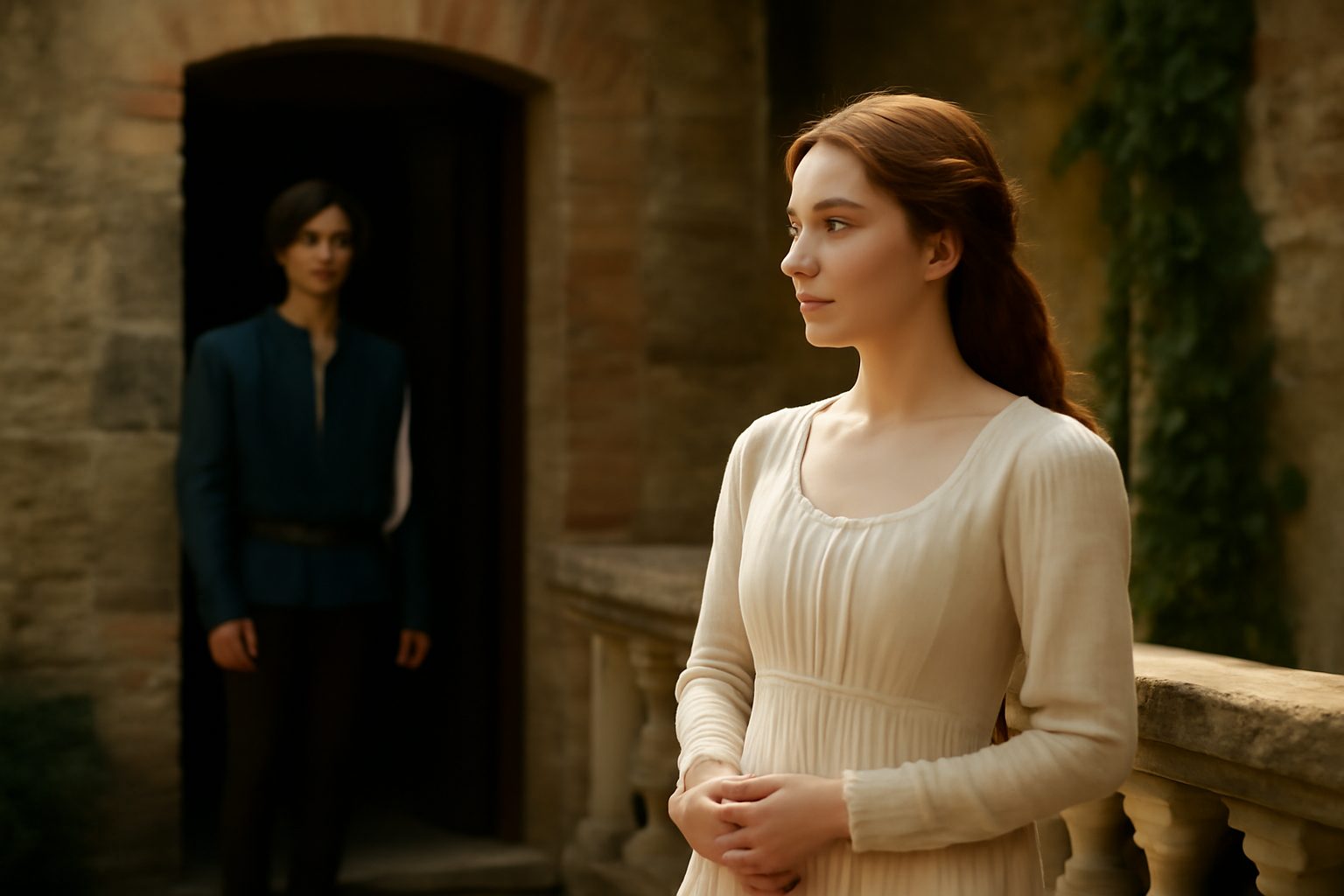
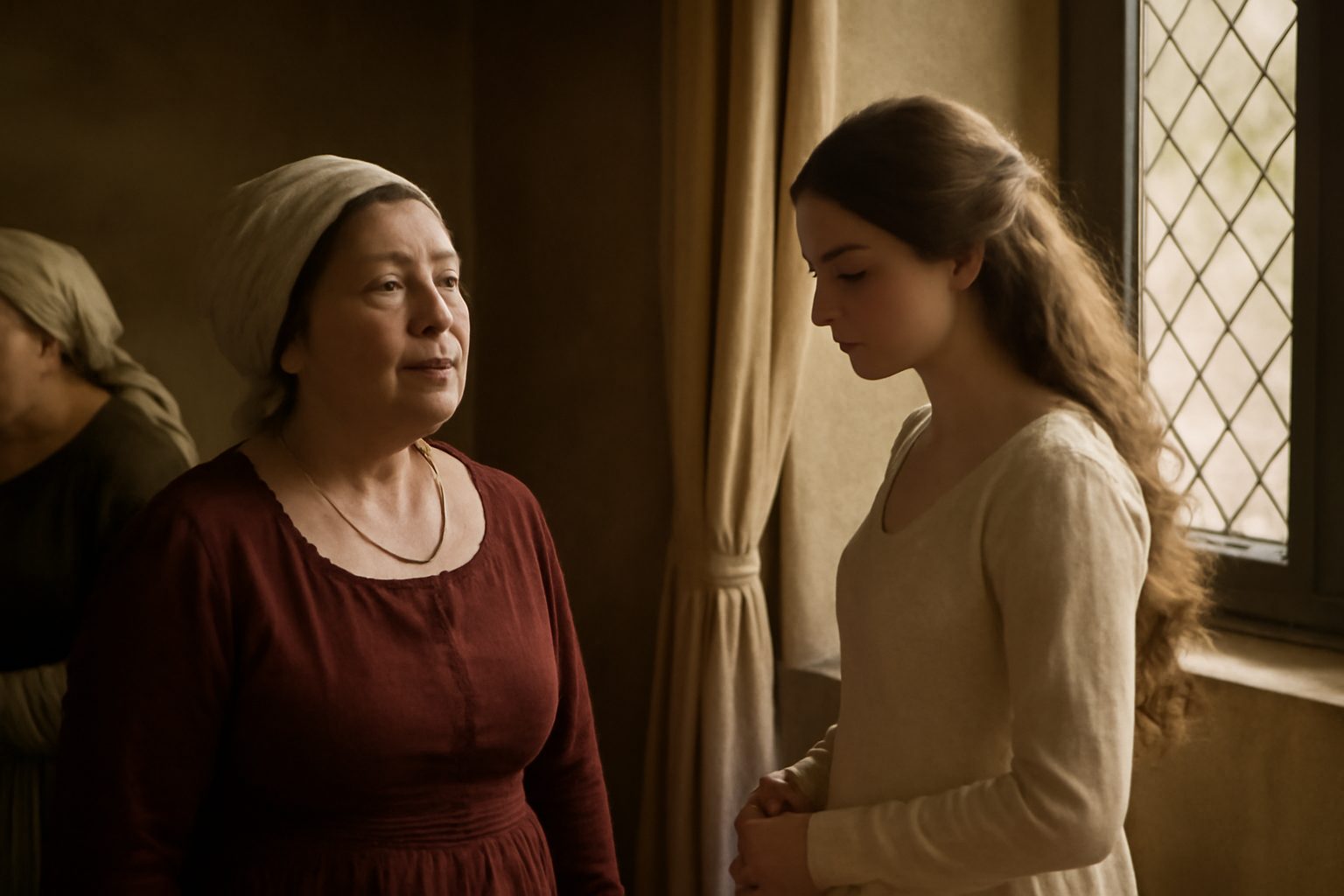
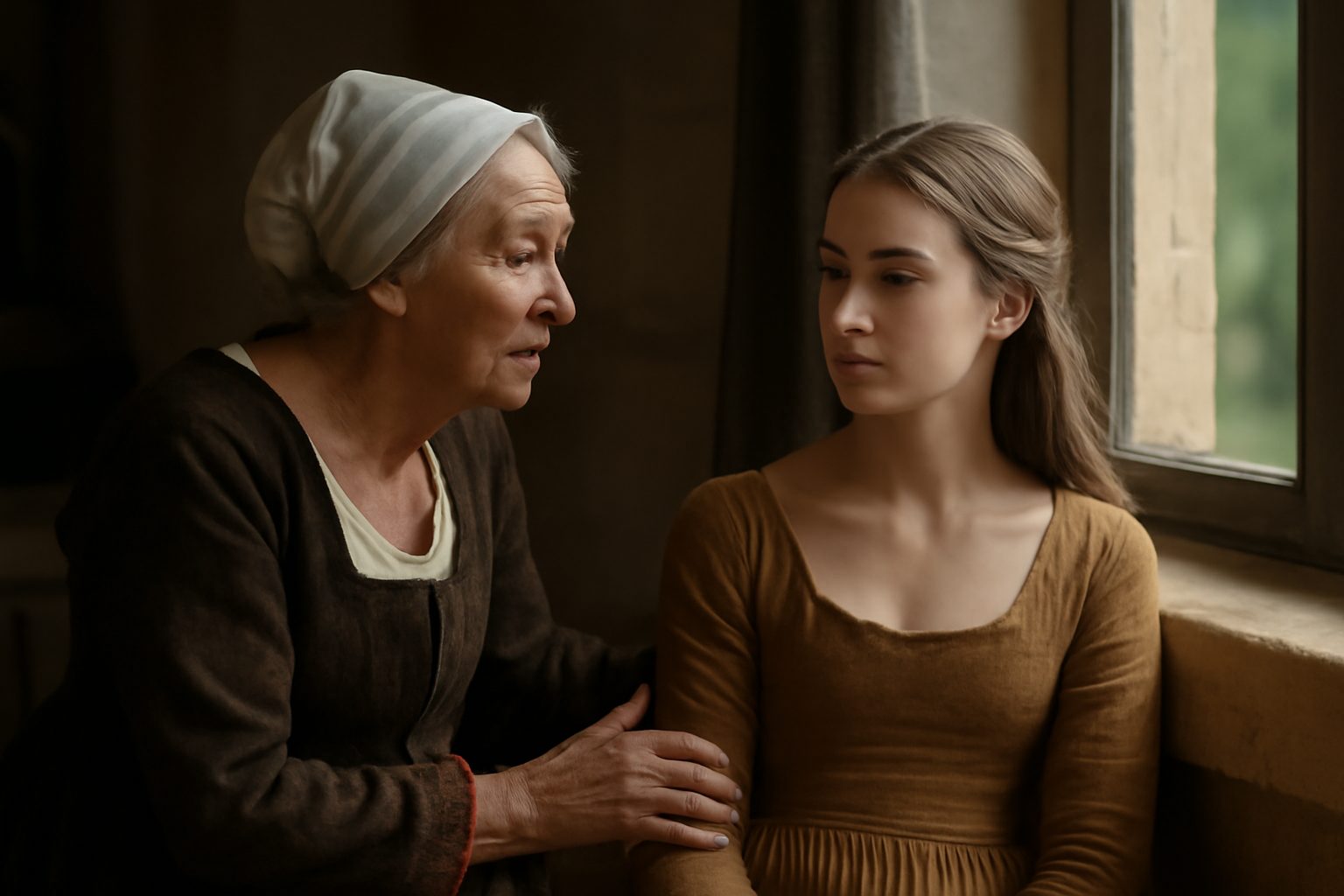
In Act 1, Scene 3 of Romeo and Juliet, Lady Capulet and the Nurse are discussing marriage with young Juliet when a servant interrupts. The line is delivered by this servant, announcing that the Capulet feast has begun and the guests have arrived. This moment shifts the scene's focus from private conversation to the bustling preparations for the party, where Romeo will later meet Juliet.
Servant: "Madam, the guests are come, supper served up, you"
In modern day english, we would say:
The nurse is telling Lady Capulet that the guests have arrived and dinner is ready.
Frequently Asked Questions
What is the servant telling Juliet's mother in this scene?
The servant is informing Juliet's mother that the guests have arrived and supper is ready.
Connections to other verses:
Connections to "Madam, the guests are come, supper served up, you"
The verse "Madam, the guests are come, supper served up, you" serves as a pivotal interruption in Act 1, Scene 3, marking a transition from the Nurse's nostalgic anecdotes and Lady Capulet's marriage proposal to the immediate social obligations of the Capulet household. This line, delivered by a servant, directly contrasts with the intimate, personal tone of the preceding dialogue, emphasizing the external pressures and formal events that frame Juliet's life.
Interruption of Personal Reflection
This announcement cuts short the Nurse's reminiscing about Juliet's childhood, such as in "And she was wean'd,--I never shall forget it,--" and "A' was a merry man--took up the child:", abruptly shifting focus from past memories to present duties.
Contrast with Lady Capulet's Proposal
The servant's entry also interrupts Lady Capulet's persuasion of Juliet to consider marrying Paris, referenced in "The valiant Paris seeks you for his love." and Juliet's hesitant response in "I'll look to like, if looking liking move:". The supper call underscores how societal expectations, like the feast, dictate Juliet's actions, paralleling the pressure to accept Paris.
Link to the Feast and Future Events
This verse sets the stage for the Capulet feast, where Juliet will first meet Romeo. It connects to "This night you shall behold him at our feast;", as the servant's announcement is the practical implementation of Lady Capulet's plan for Juliet to see Paris. The urgency in "Juliet, the county stays." further emphasizes the immediacy of the social event, pulling Juliet away from personal contemplation.
Structural Role in the Scene
The servant's line acts as a bookend to the scene's opening, where Lady Capulet calls for Juliet in "Nurse, where's my daughter? call her forth to me.", and the Nurse responds in "I bade her come. What, lamb! what, ladybird!". The supper announcement concludes the domestic discussion, moving the action toward the public sphere of the feast.