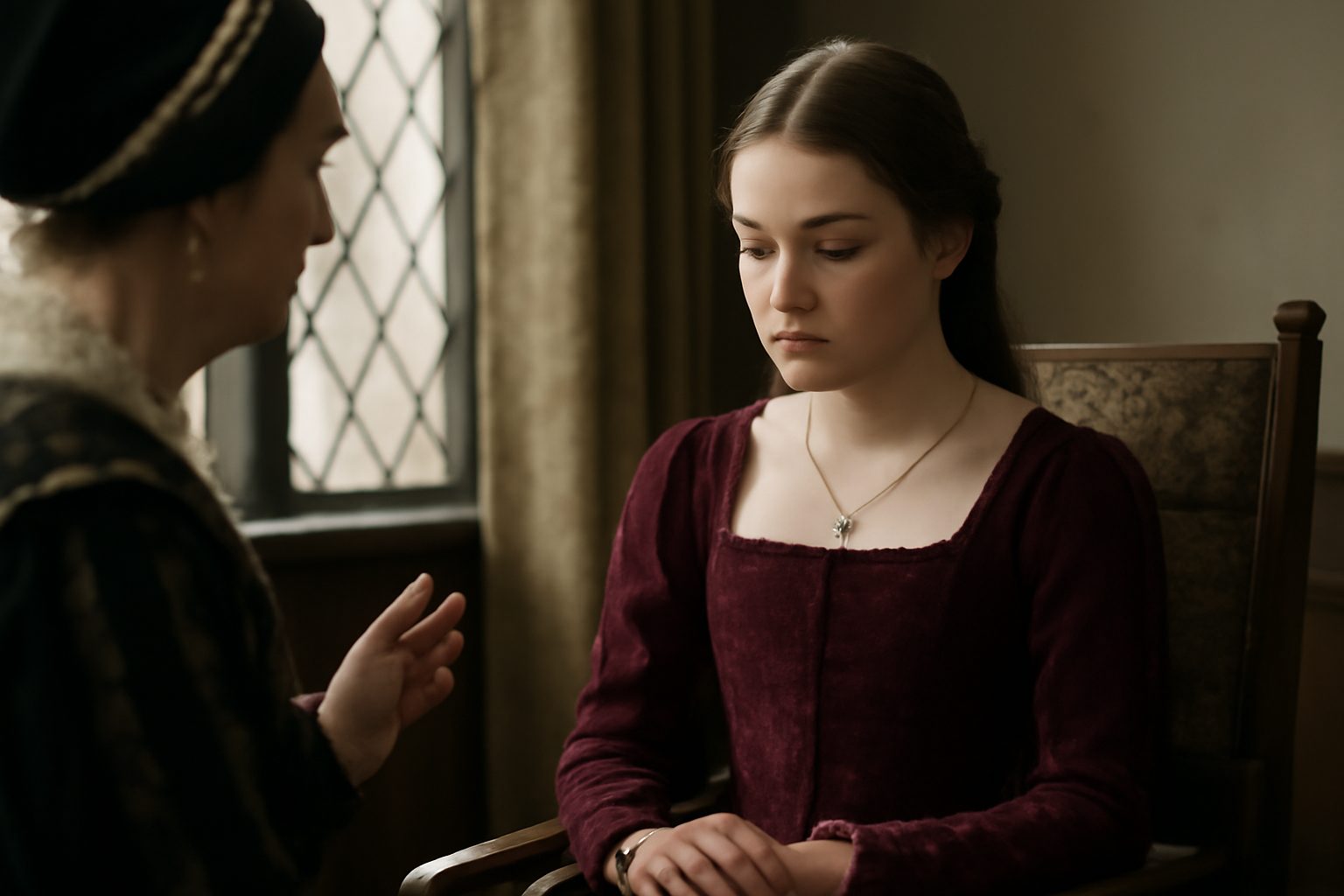
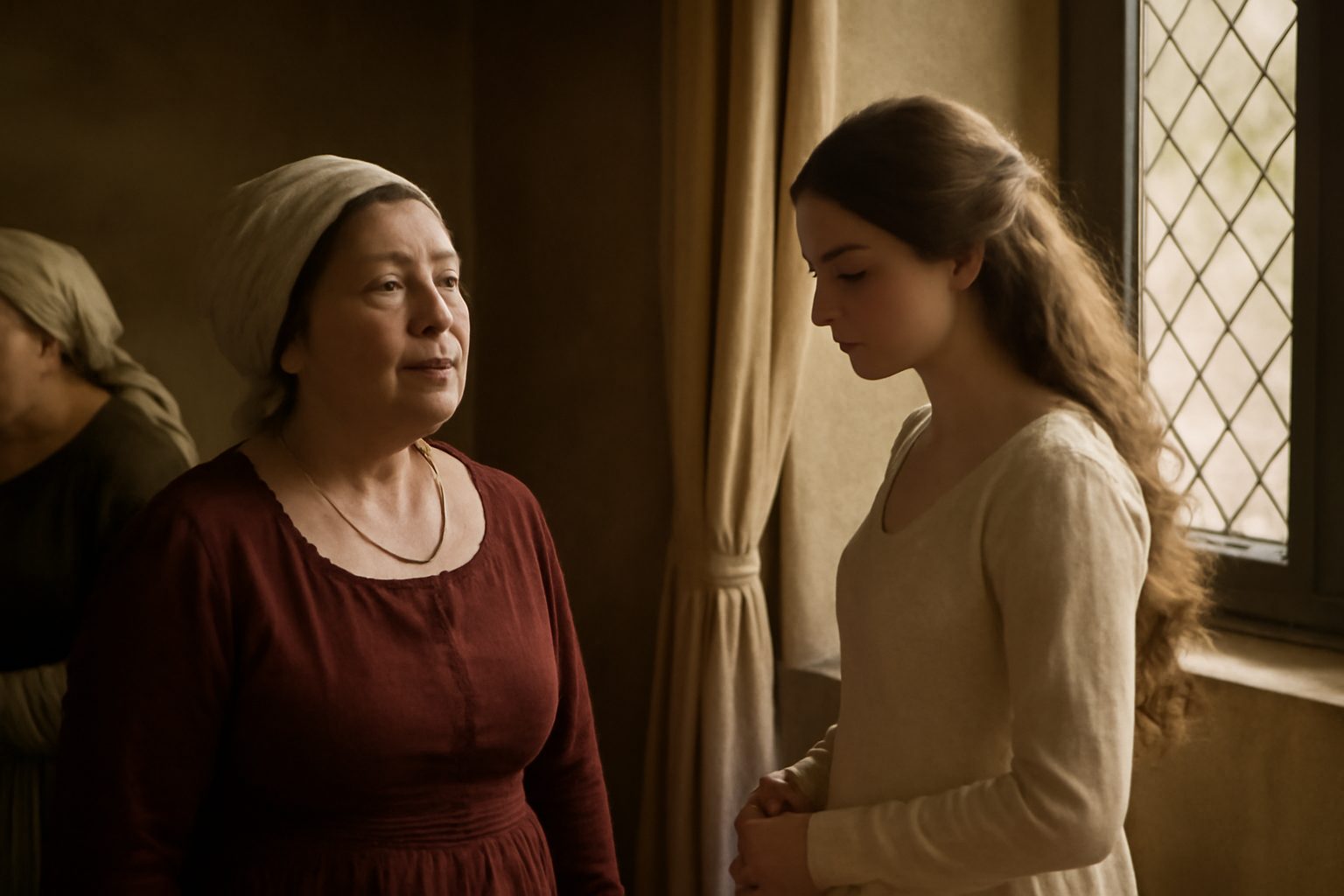
In Act 1, Scene 3 of Romeo and Juliet, the Nurse reminisces about Juliet's childhood in a playful, bawdy conversation with Lady Capulet. This line is part of a lighthearted anecdote in which the Nurse recalls Juliet's youthful innocence and predicts her future maturity in a teasing manner. The moment offers a glimpse into the Nurse's affectionate, earthy relationship with Juliet before the play's tragic events unfold.
Nurse: "Thou wilt fall backward when thou hast more wit;"
In modern day english, we would say:
You’ll learn to fall backward when you’re older and wiser.
Frequently Asked Questions
What does the Nurse mean when she says Juliet will fall backward when she is older?
The Nurse is teasingly suggesting that when Juliet grows up and becomes wiser, she will fall backward into bed, implying she will engage in romantic or sexual relationships.
Connections to other verses:
Connections to "Thou wilt fall backward when thou hast more wit"
The verse "Thou wilt fall backward when thou hast more wit" is part of the Nurse's bawdy anecdote about Juliet's childhood, reflecting themes of innocence, growth, and foreshadowing.
Direct Narrative Continuation
This line is immediately preceded by "Yea,' quoth he, 'dost thou fall upon thy face?" and followed by "Wilt thou not, Jule?' and, by my holidame", creating a continuous storytelling sequence about Juliet's toddlerhood.
Repetition and Variation
The phrase is echoed in "Thou wilt fall backward when thou comest to age", emphasizing the Nurse's humorous prediction about Juliet's sexual maturity.
Childhood References
The anecdote connects to other childhood recollections, such as "And she was wean'd,--I never shall forget it,--" and "Thou wast the prettiest babe that e'er I nursed", showing the Nurse's affectionate, nostalgic tone.
Comic Relief and Foreshadowing
The bawdy humor contrasts with Lady Capulet's formal matchmaking discussion, seen in verses like "The valiant Paris seeks you for his love", while subtly foreshadowing Juliet's impending transition to womanhood.
Response and Reaction
Juliet's embarrassed reaction to this story is implied in "Enough of this; I pray thee, hold thy peace", highlighting the generational and tonal differences between the Nurse and Juliet.