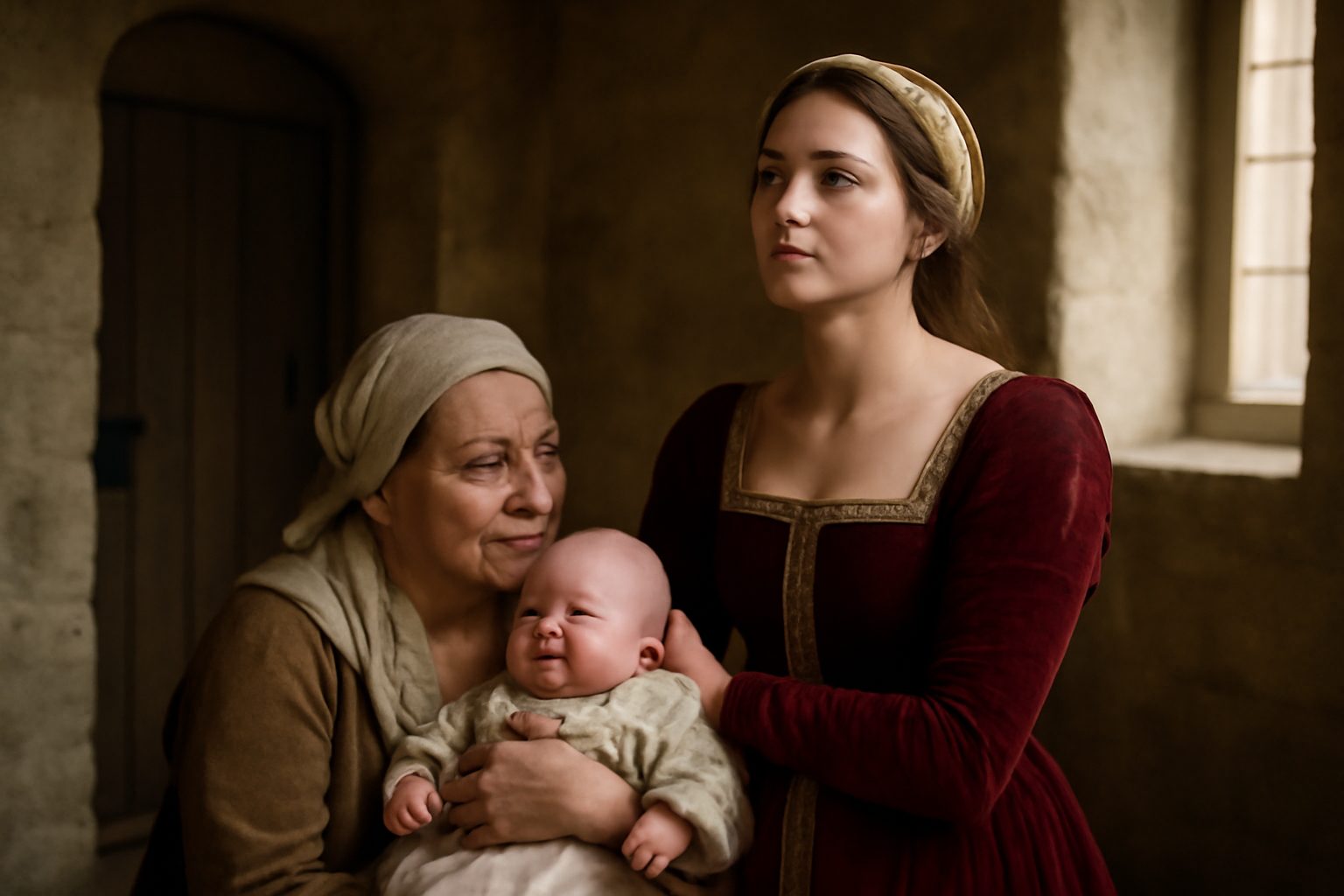
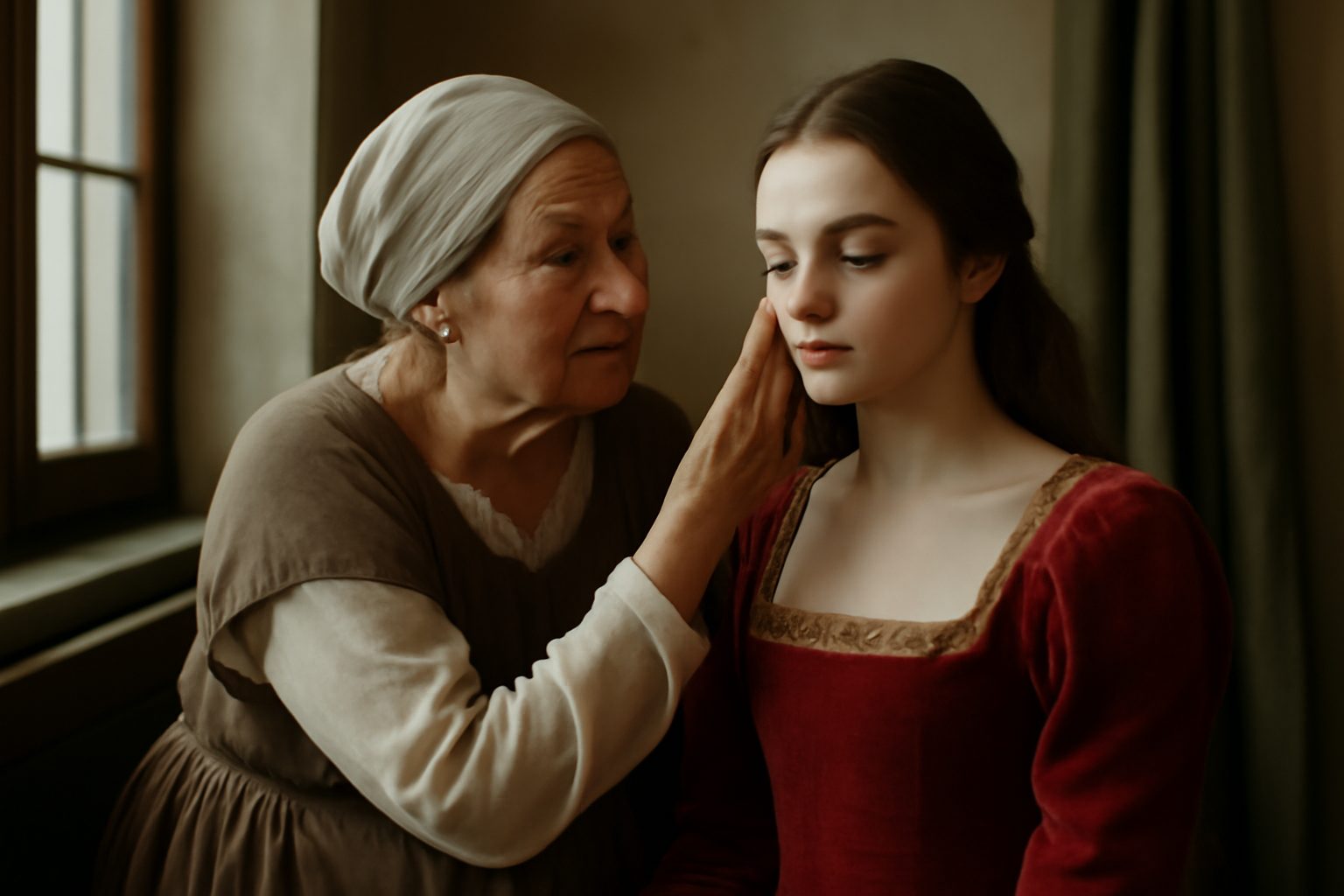
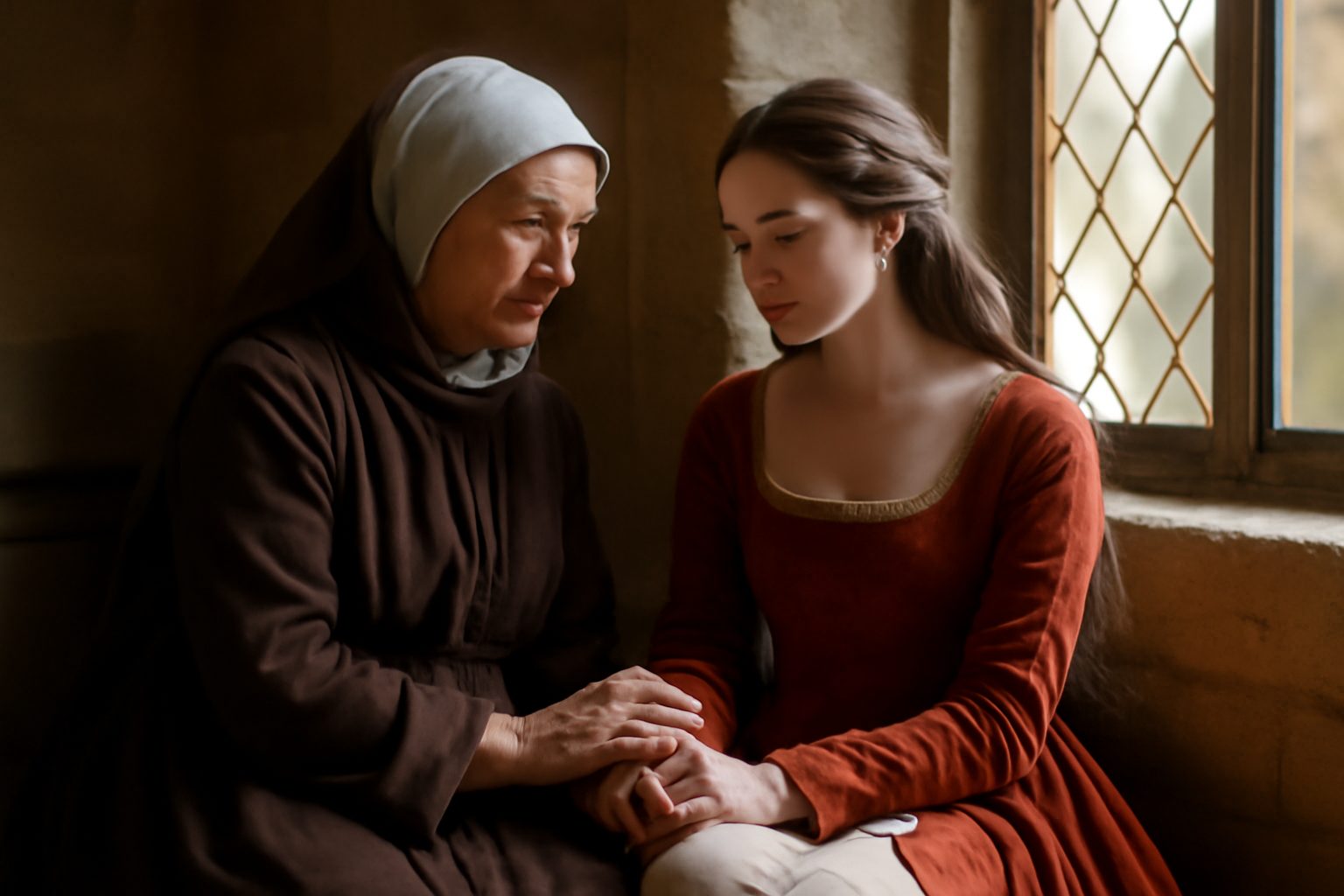
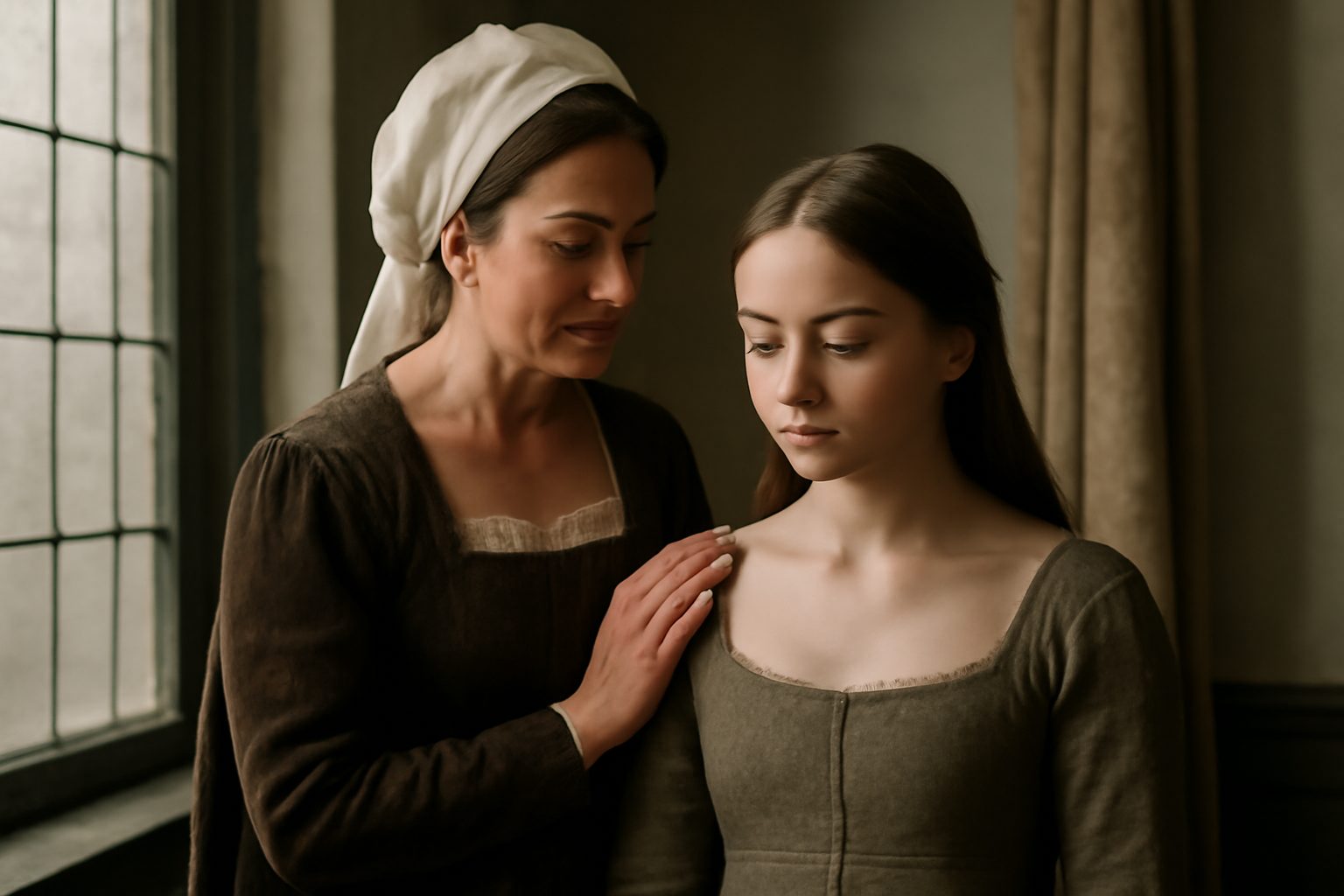
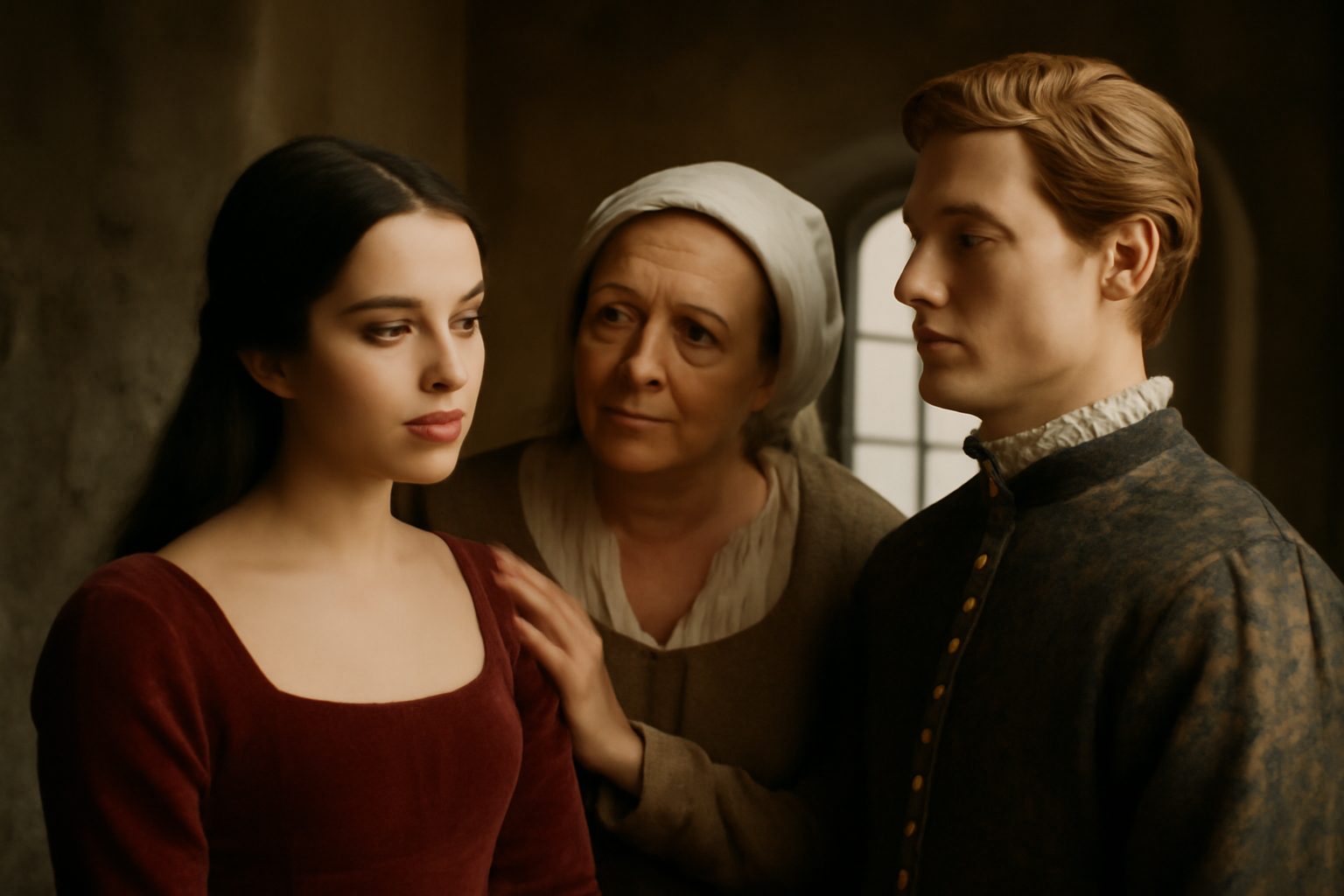
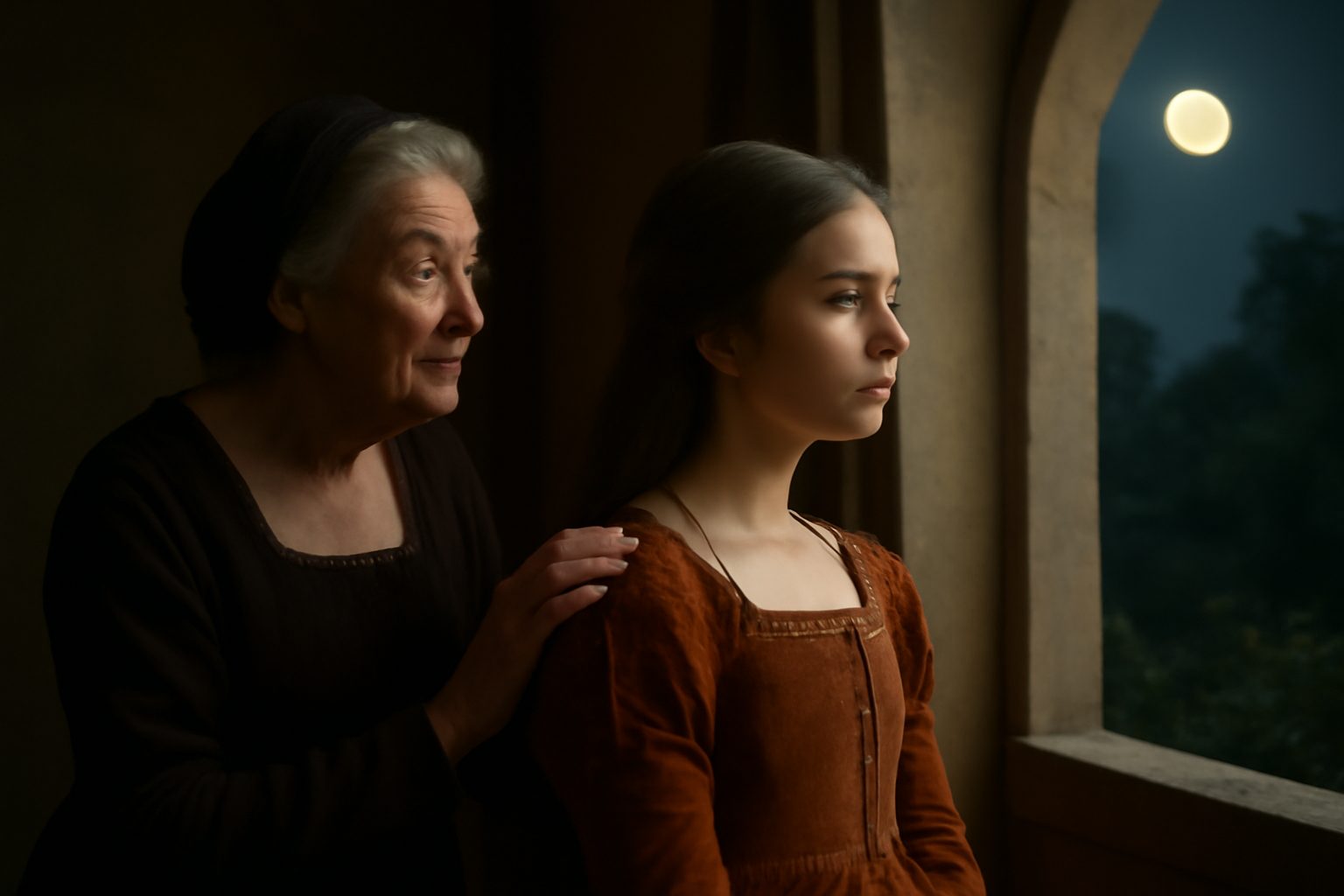
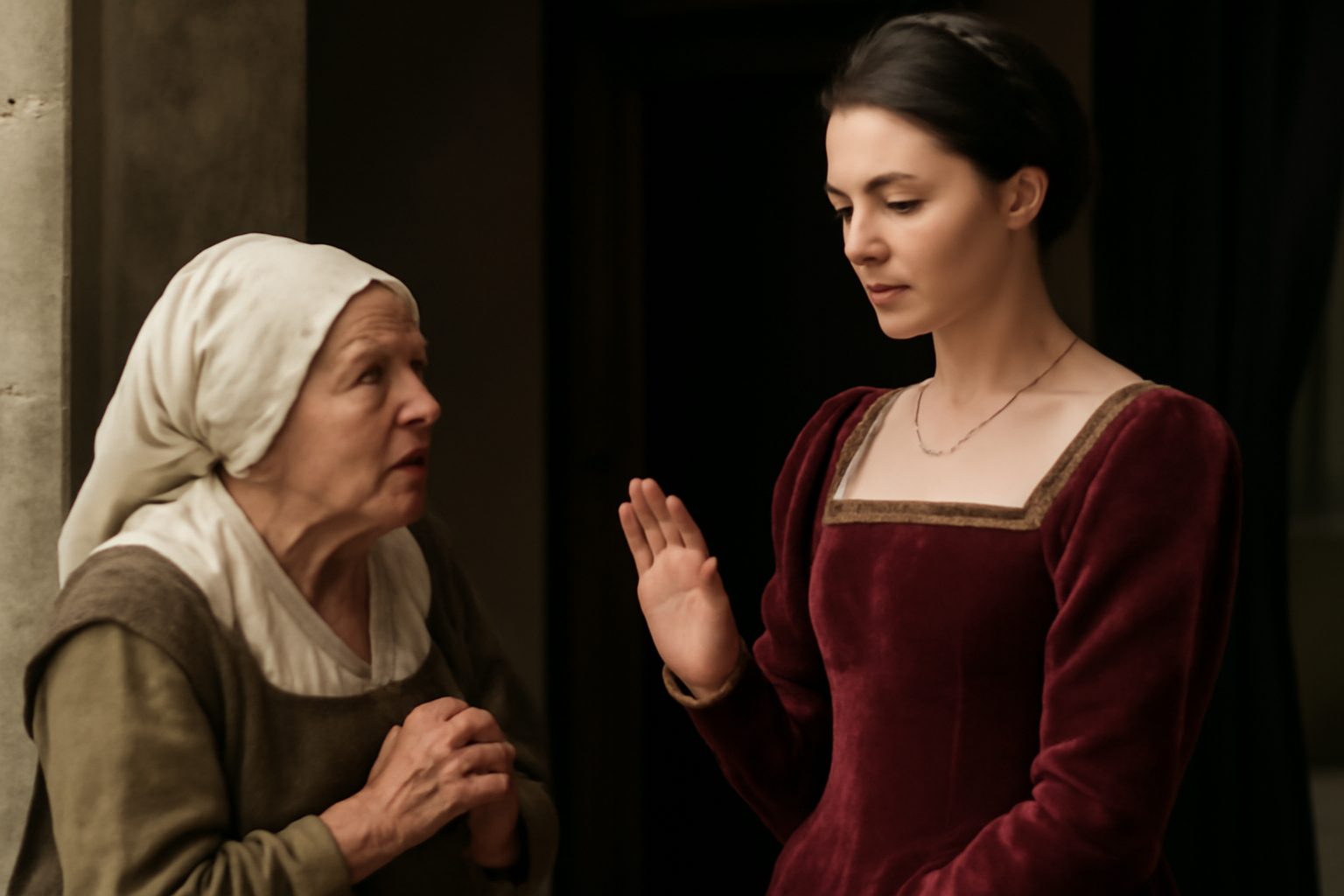
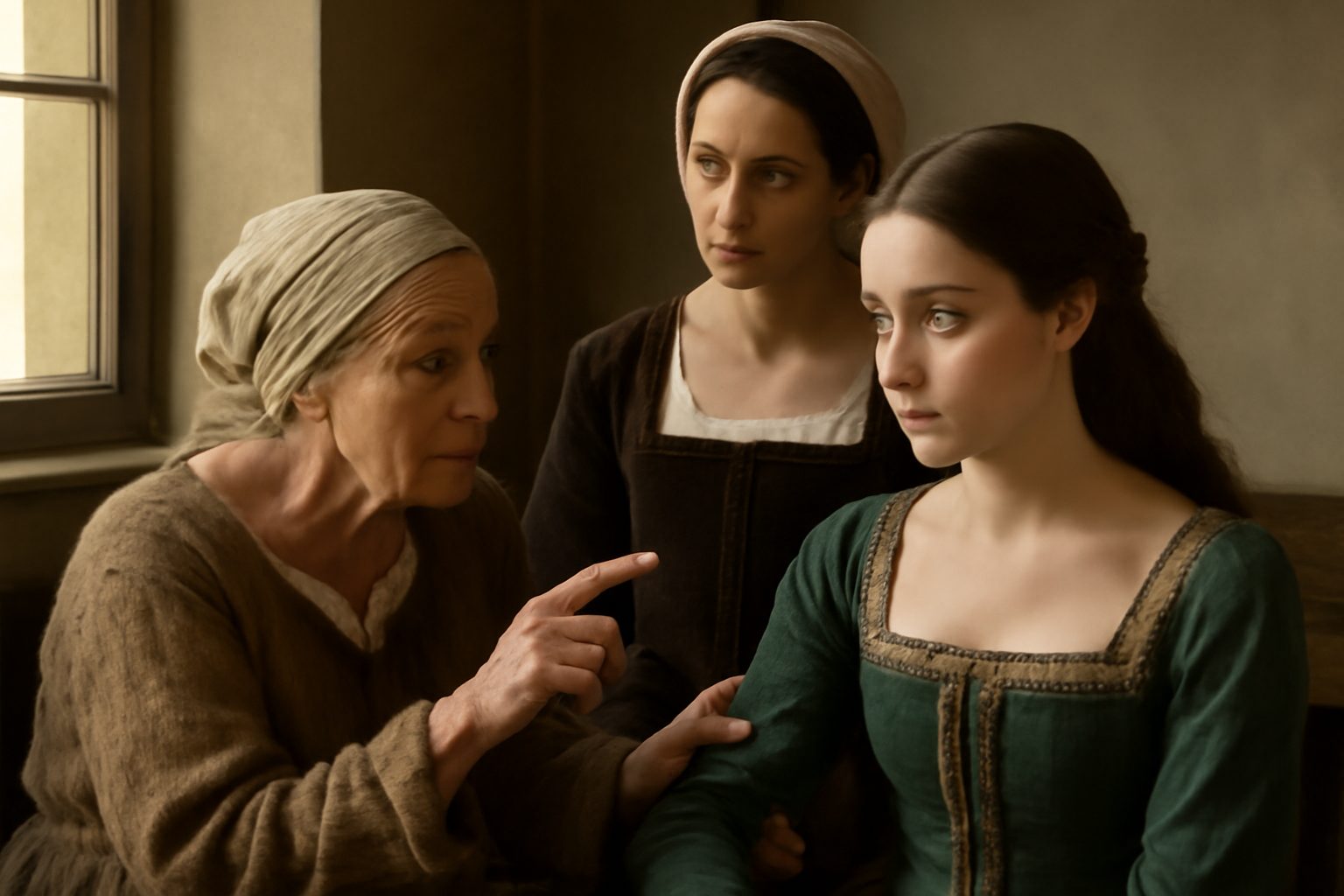
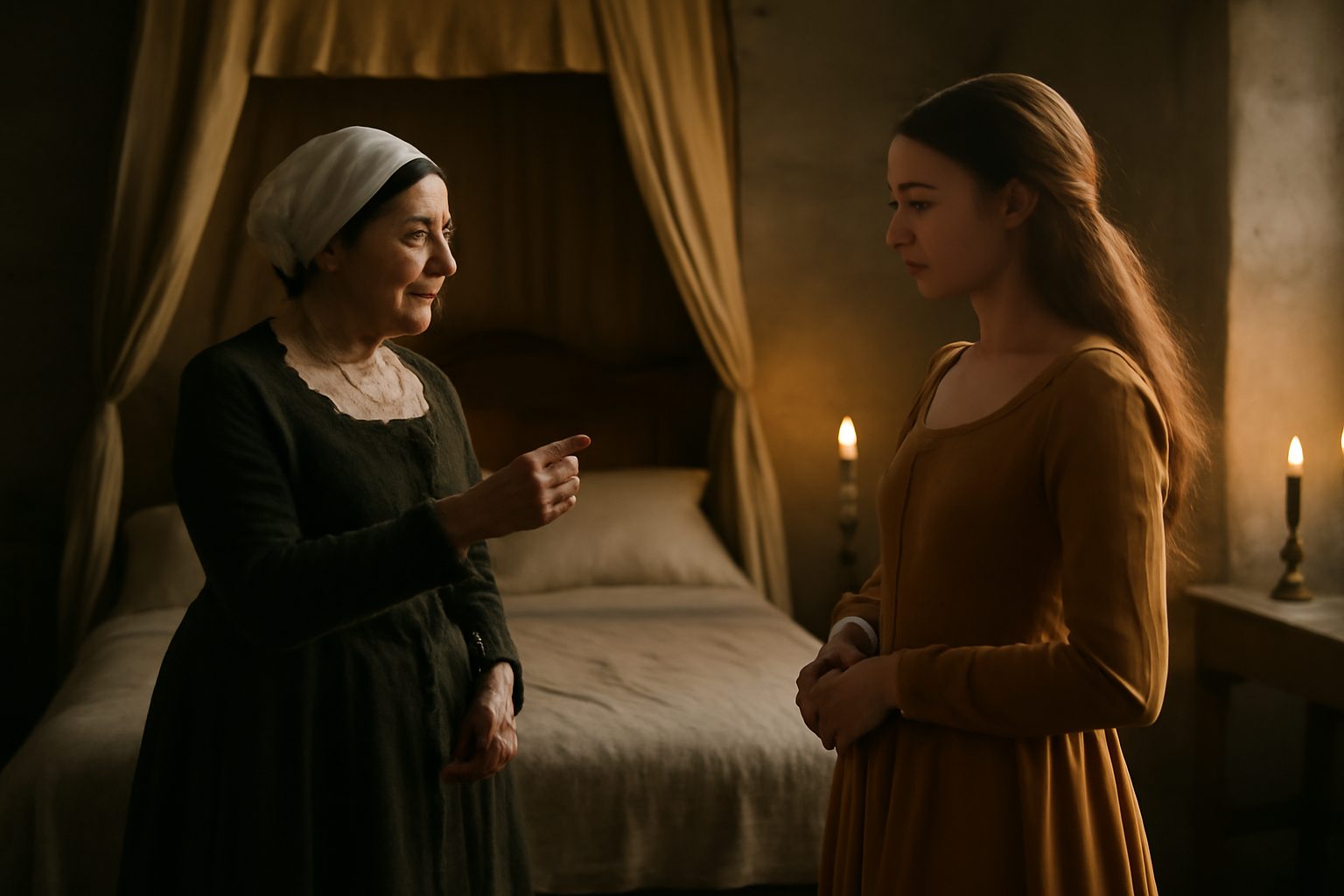
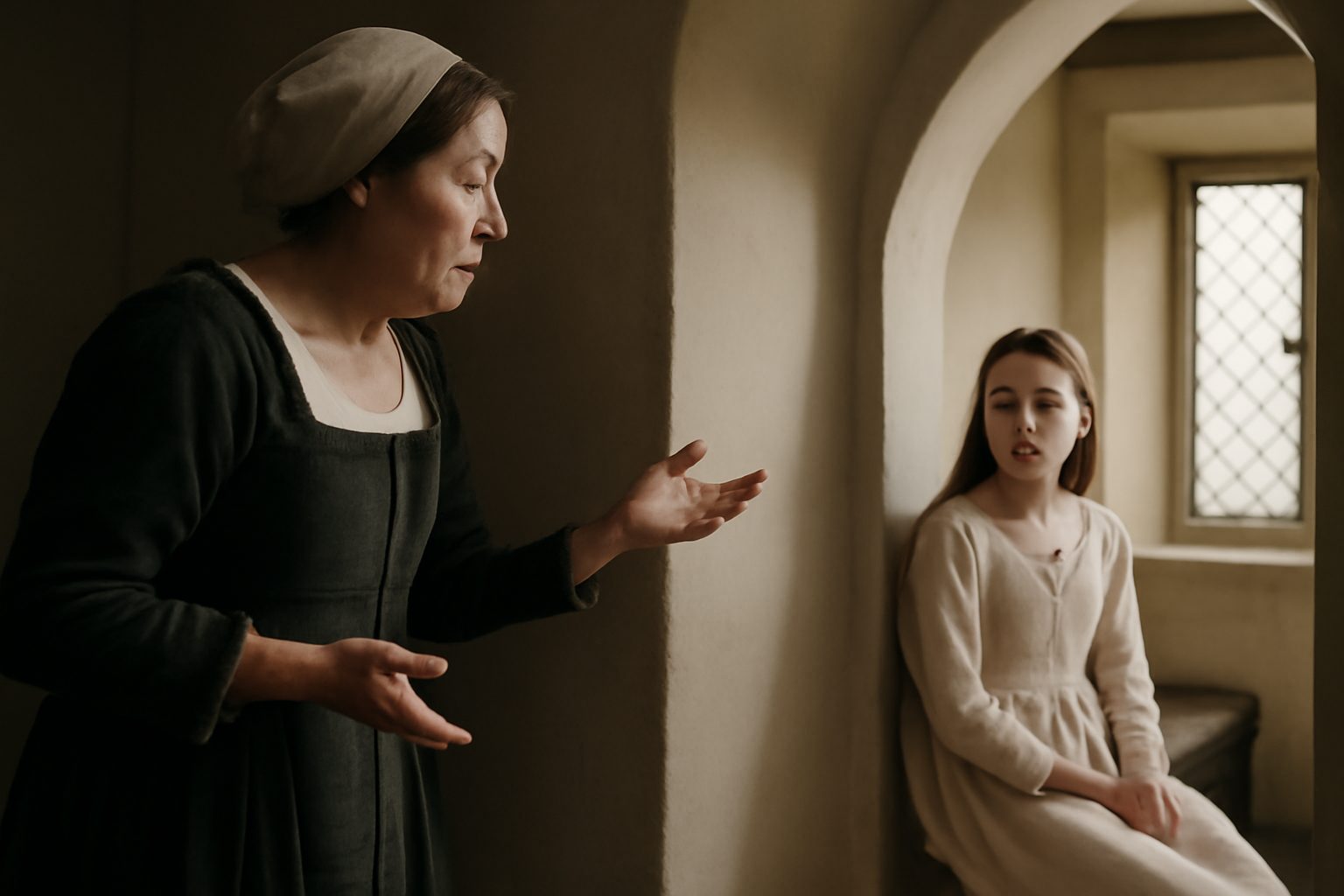
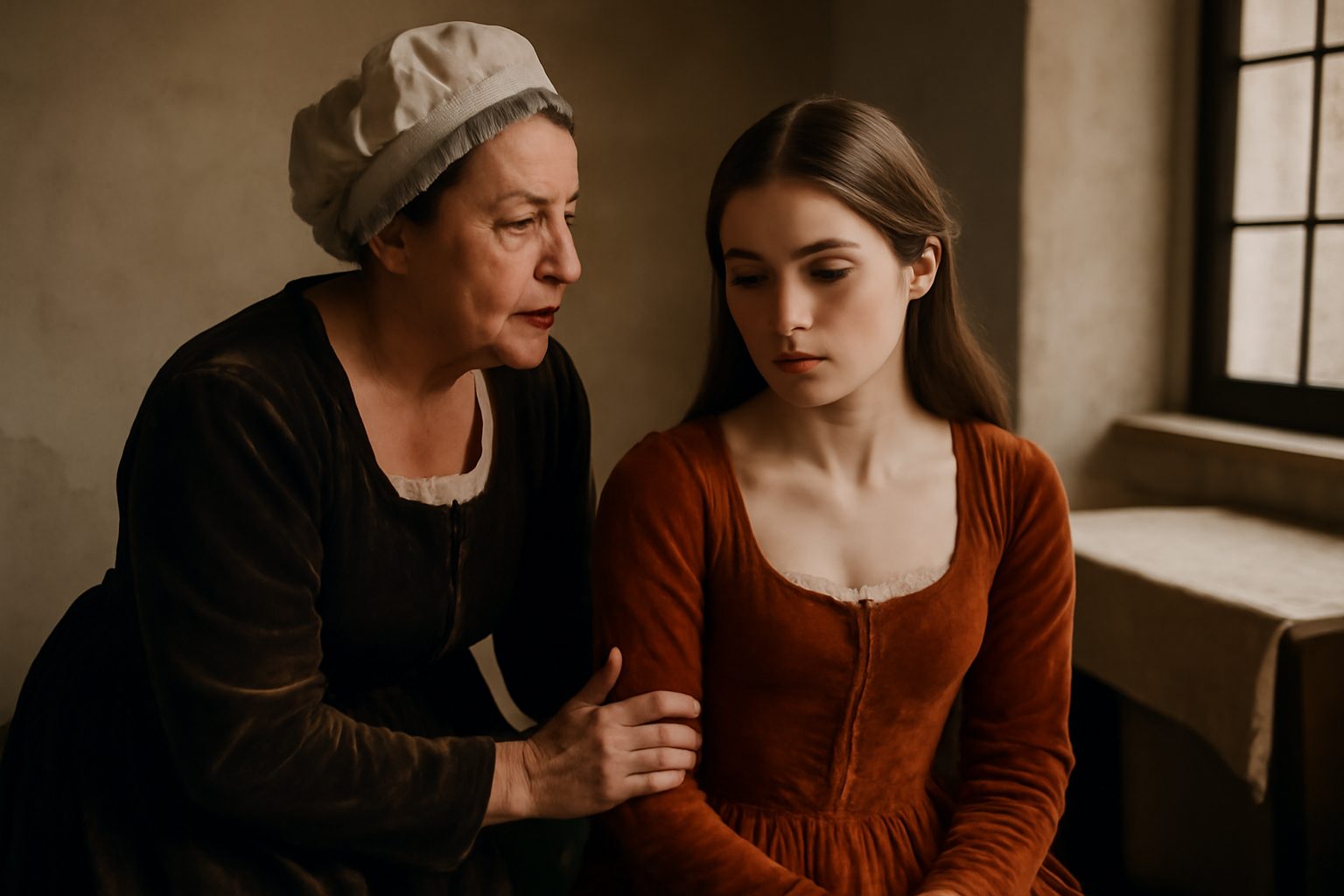
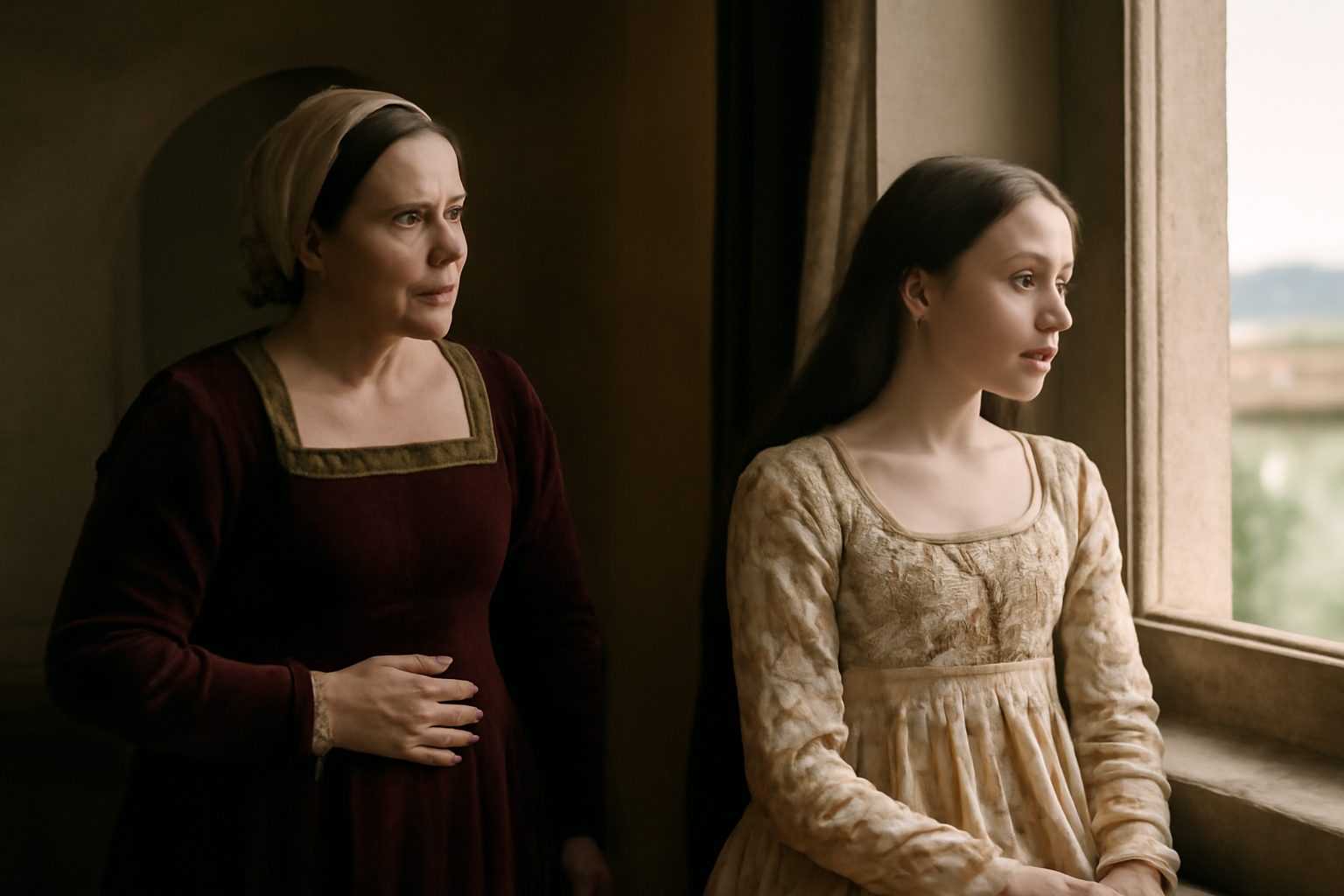
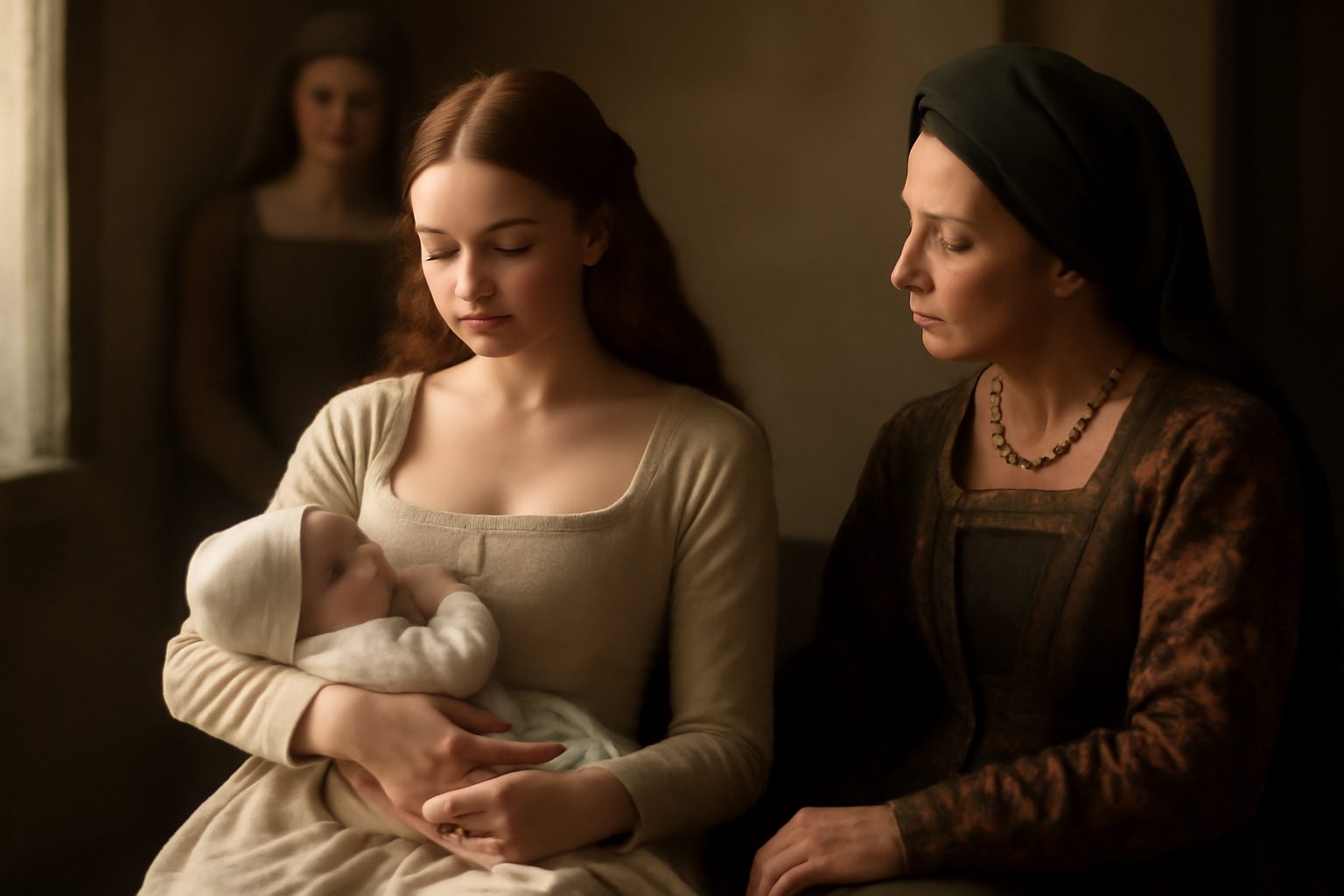
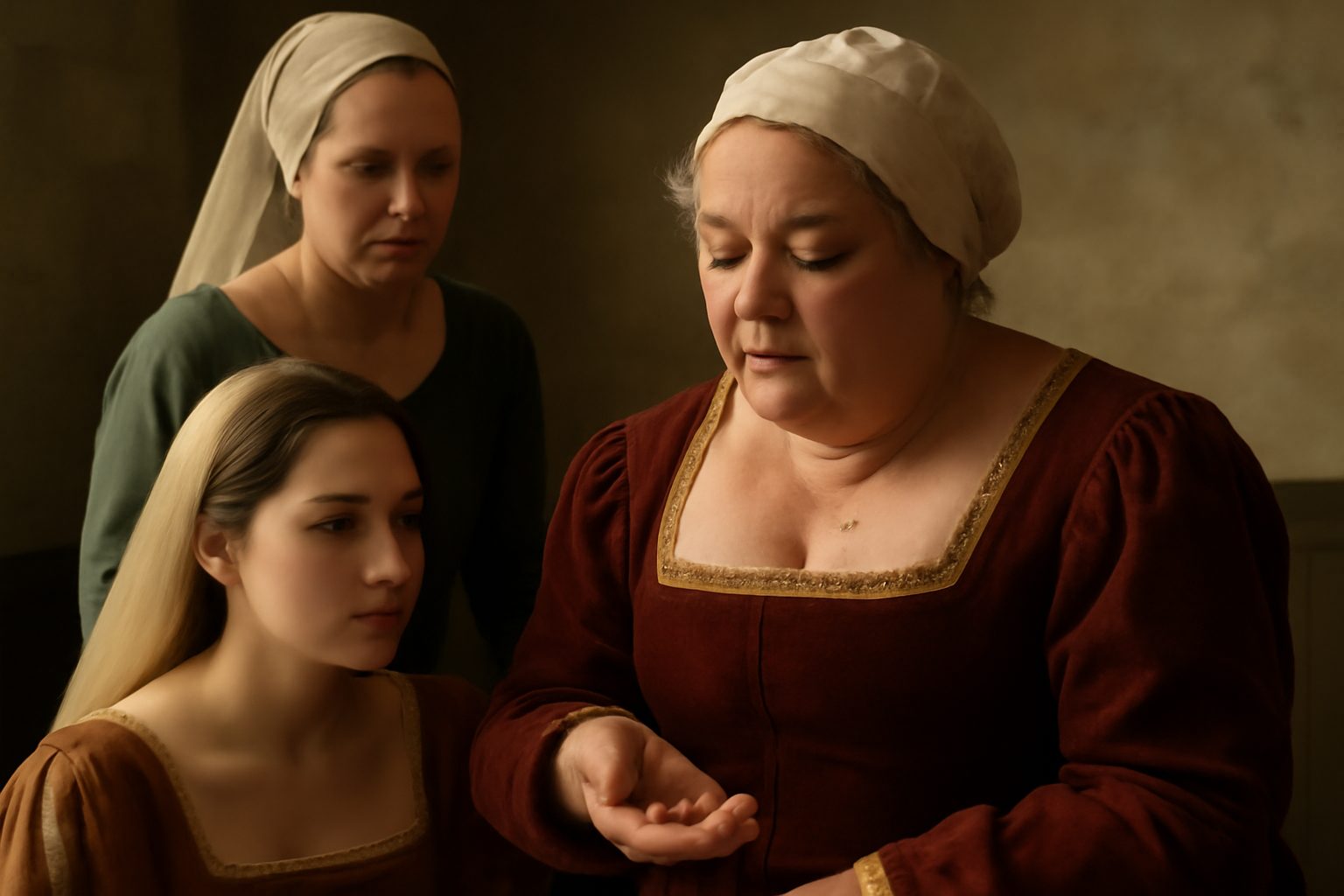
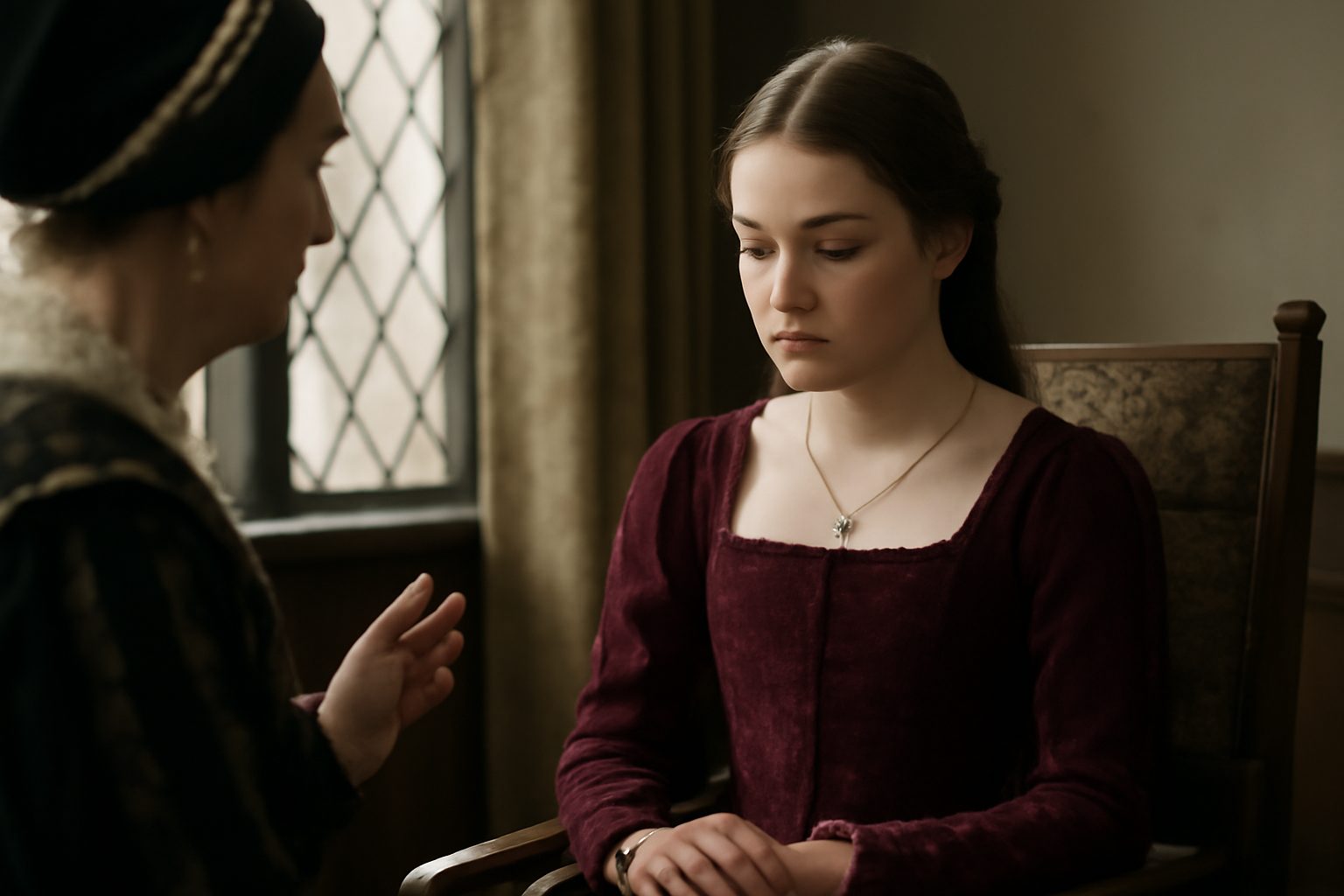
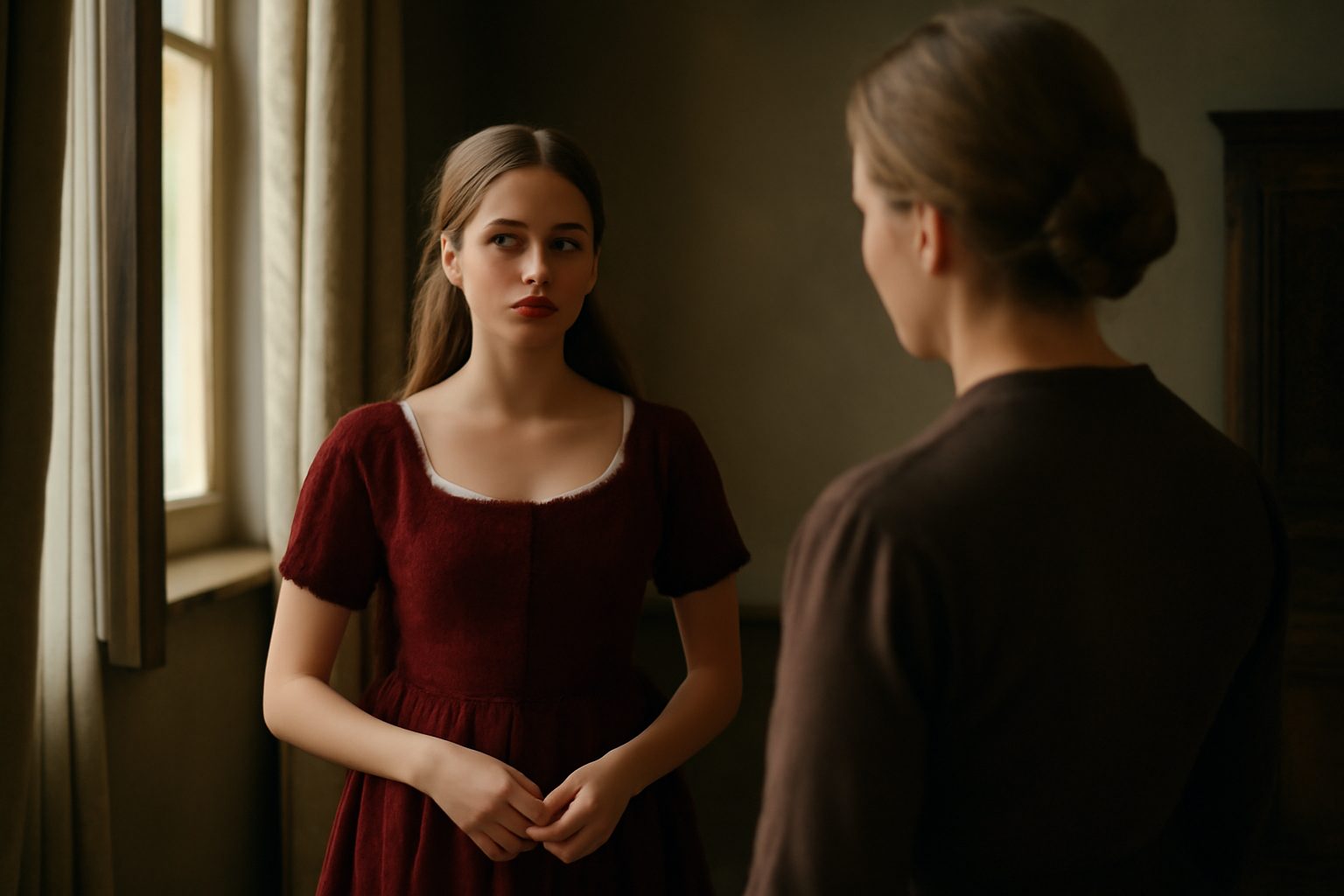
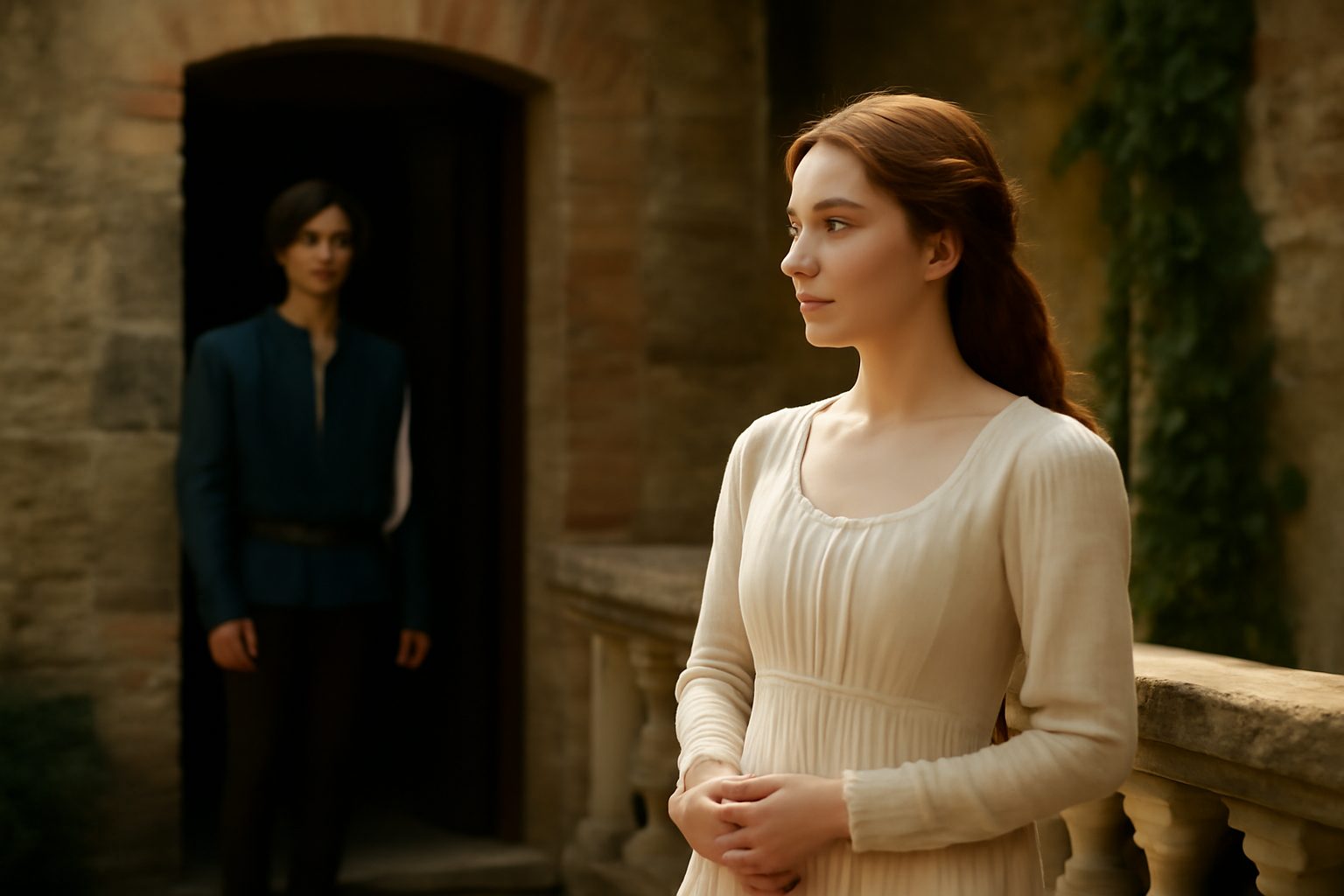
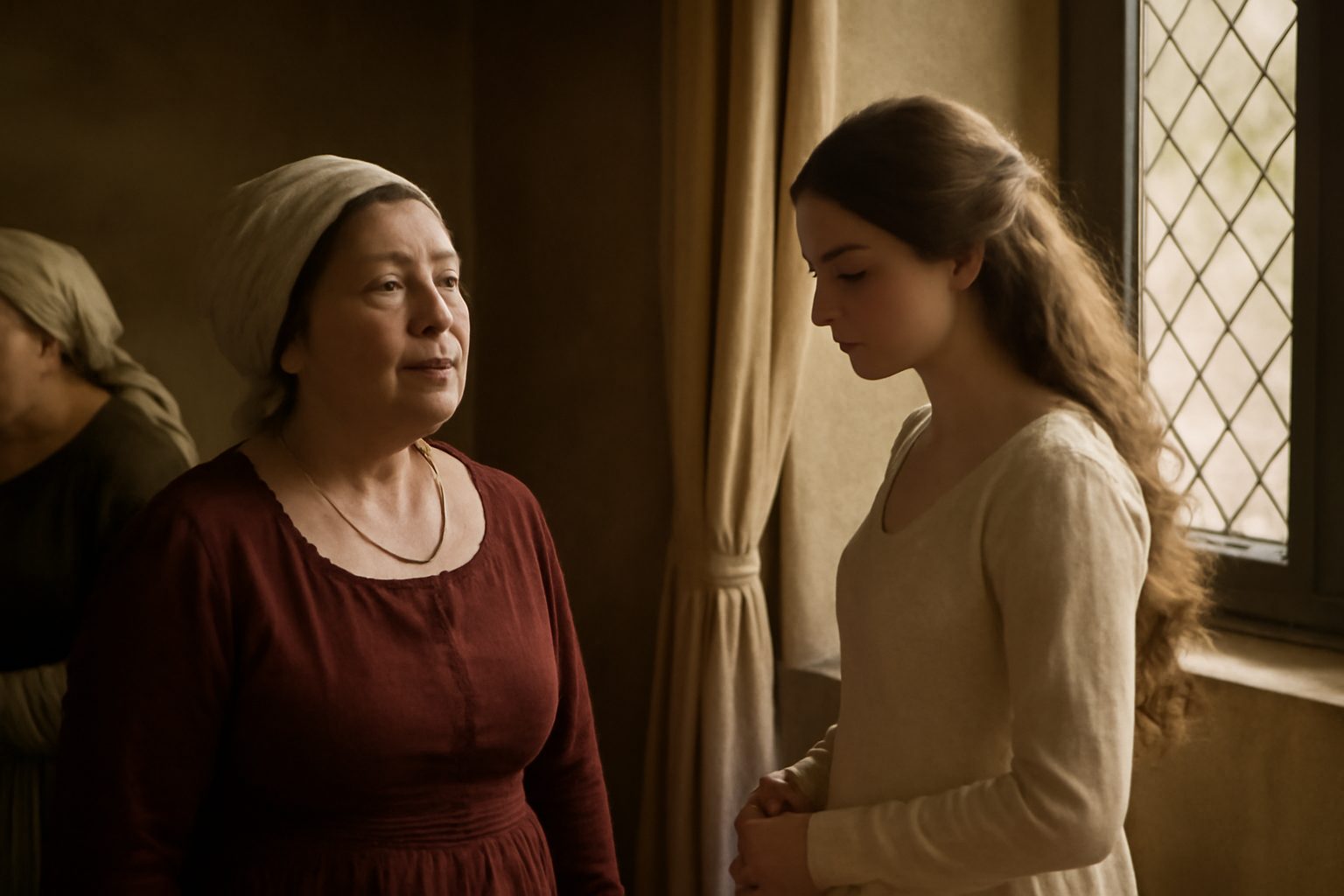
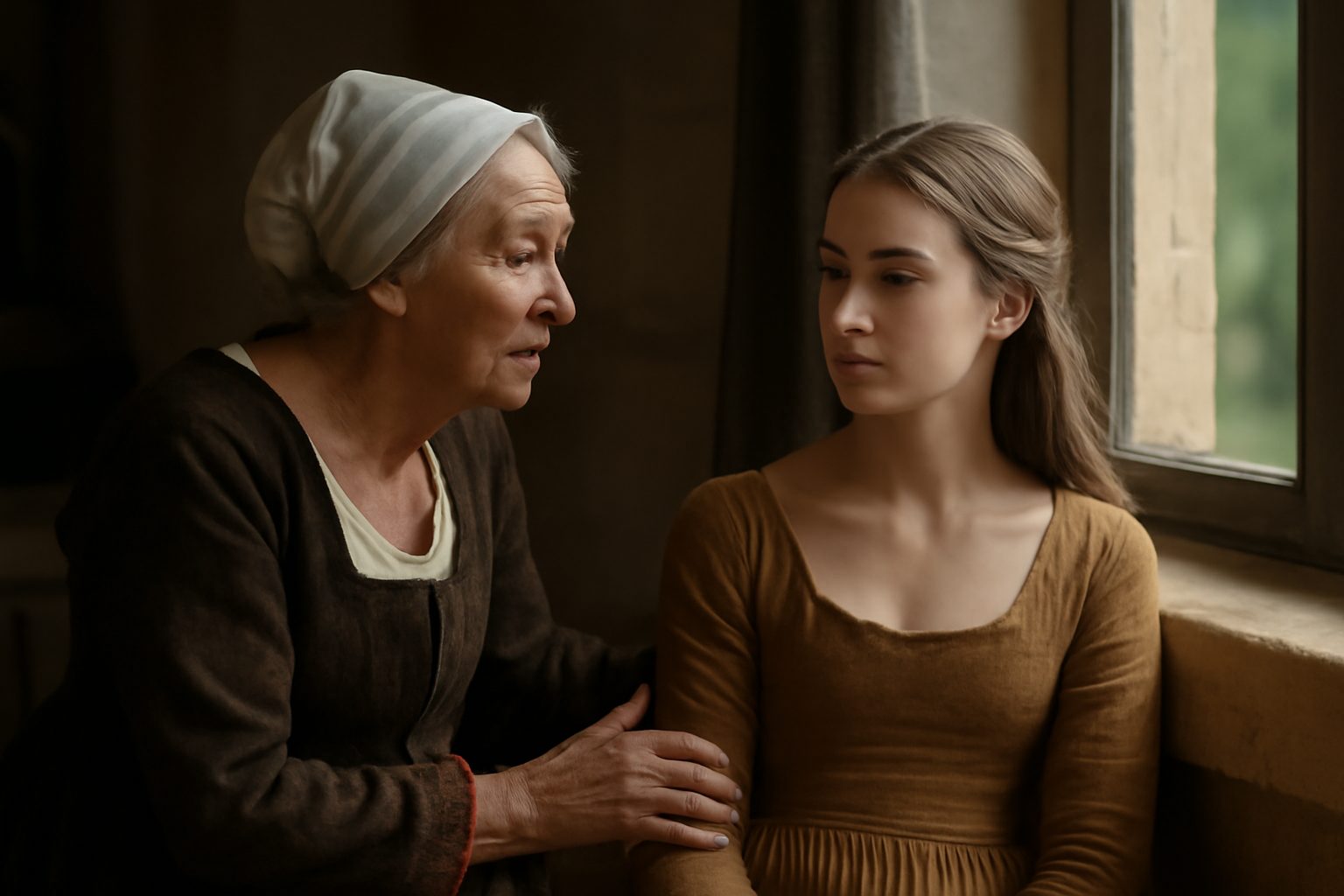
In Act 1, Scene 3 of Romeo and Juliet, Lady Capulet speaks to Juliet about Paris's marriage proposal, seeking to persuade her daughter to consider him as a suitor. The line is spoken as Lady Capulet prepares to share her advice, signaling her intention to guide Juliet in matters of love and duty. This moment highlights the generational divide between Juliet's youthful independence and her mother's traditional expectations.
Lady Capulet: "I have remember'd me, thou's hear our counsel."
In modern day english, we would say:
I remembered something, you should listen to our advice.
Frequently Asked Questions
What does Lady Capulet want Juliet to do in this line?
Lady Capulet wants Juliet to listen to her advice.
Connections to other verses:
Connections to "I have remember'd me, thou's hear our counsel."
This line, spoken by Lady Capulet, serves as a directive to the Nurse to stay and participate in the conversation about Juliet's future. It establishes a moment of counsel and reveals the dynamics between the characters.
Direct Context and Setting
The verse immediately follows "This is the matter:--Nurse, give leave awhile," where Lady Capulet initially asks the Nurse to leave, but then reverses her decision with "I have remember'd me," indicating she values the Nurse's input. This is further supported by "We must talk in secret:--nurse, come back again;", reinforcing the shift to include the Nurse in the discussion.
Nurse's Role and Memories
The Nurse's presence, as permitted here, leads to her nostalgic recollections, such as "Thou wast the prettiest babe that e'er I nursed:", highlighting her deep connection to Juliet. Her anecdotal speech, including "I never should forget it: 'Wilt thou not, Jule?'", showcases her maternal role, which Lady Capulet acknowledges by including her in this counsel.
Marriage Discussion
The counsel revolves around Juliet's potential marriage to Paris, introduced by Lady Capulet in "The valiant Paris seeks you for his love.". The Nurse contributes to this theme with lines like "An I might live to see thee married once,", expressing her personal hopes, which aligns with why Lady Capulet wants her to stay and hear the counsel.
Juliet's Response and Obedience
Juliet's respectful engagement in the conversation, seen in "Madam, I am here." and "What is your will?", sets the stage for her reaction to the marriage proposal. Her eventual reply in "I'll look to like, if looking liking move:" demonstrates her obedience, a result of the collective counsel she receives from both her mother and the Nurse.
Structural and Thematic Links
The inclusion of the Nurse, as dictated by this verse, enriches the scene's exploration of family, duty, and youth. It connects to broader themes, such as the pressure on young women in society, reflected in "Well, think of marriage now; younger than you,", and the contrast between Lady Capulet's formal approach and the Nurse's earthy humor, which adds depth to the counsel being given.