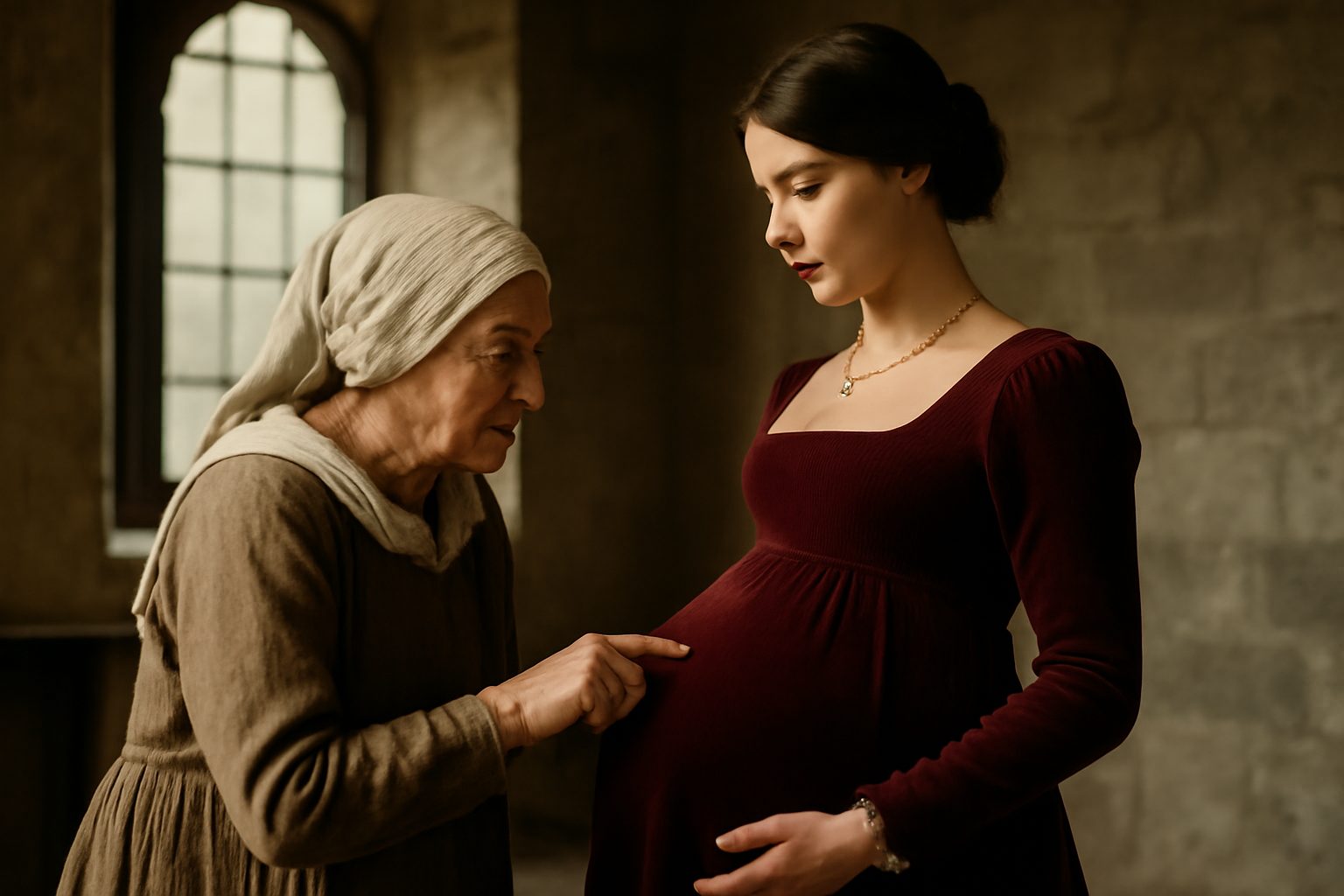
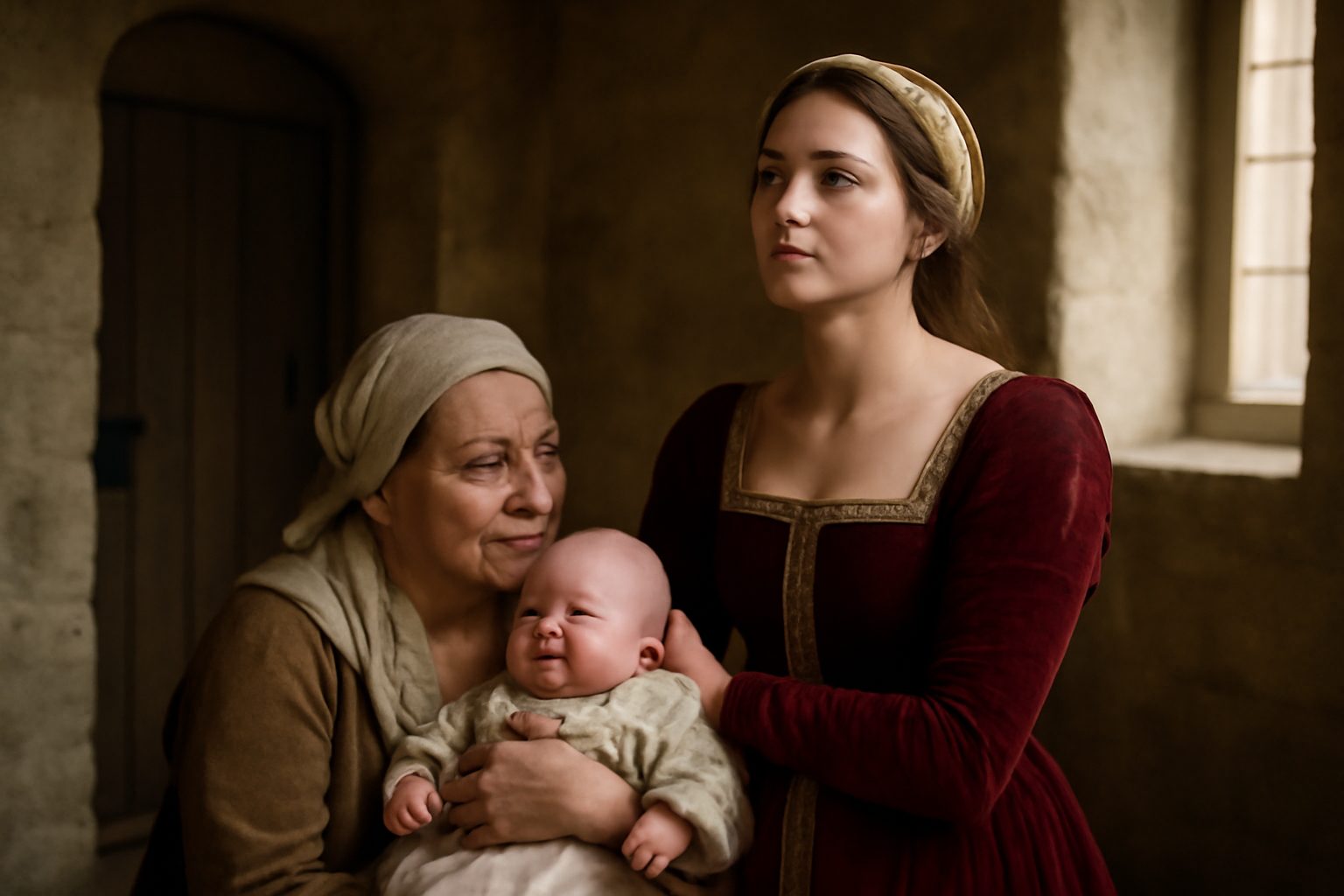
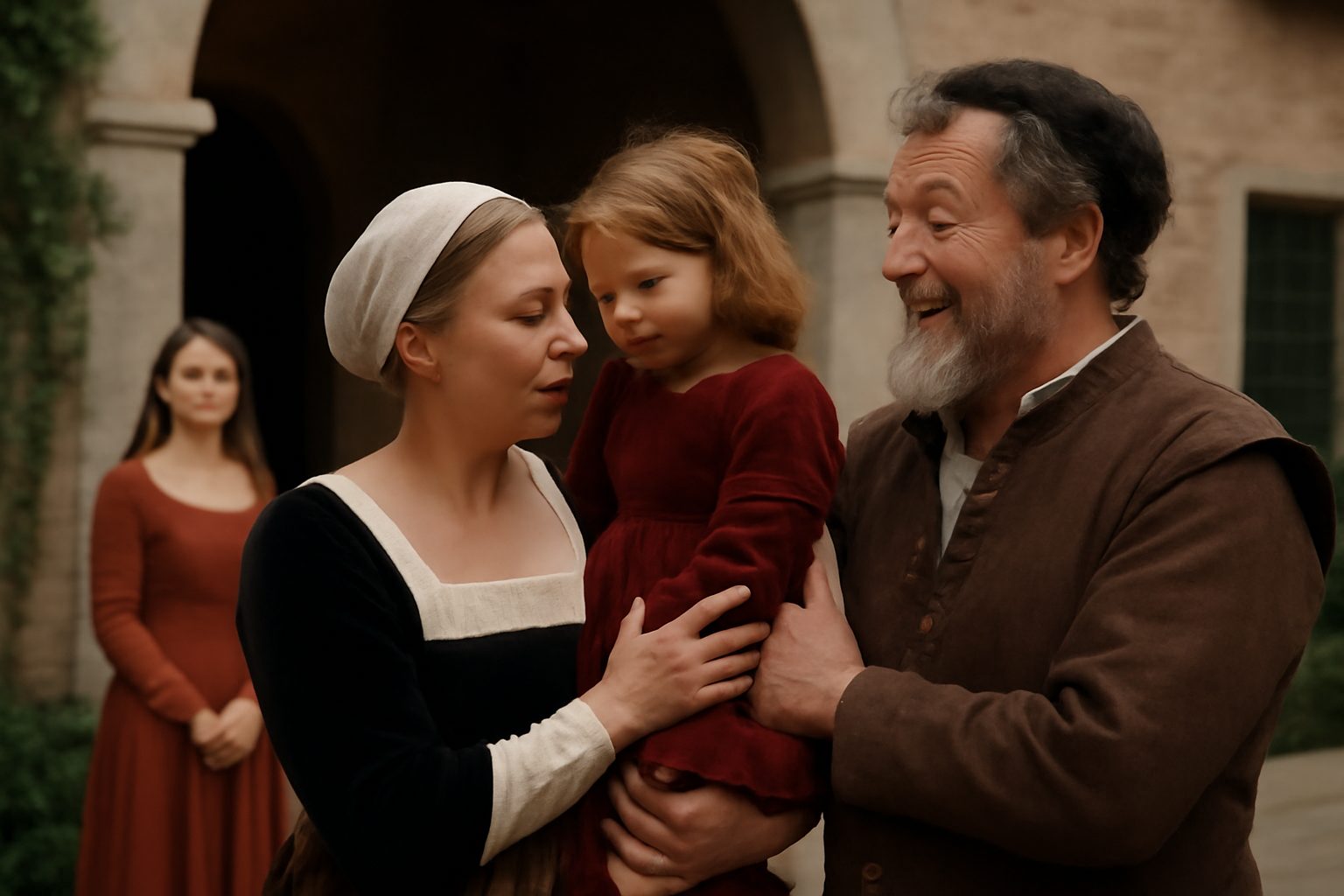
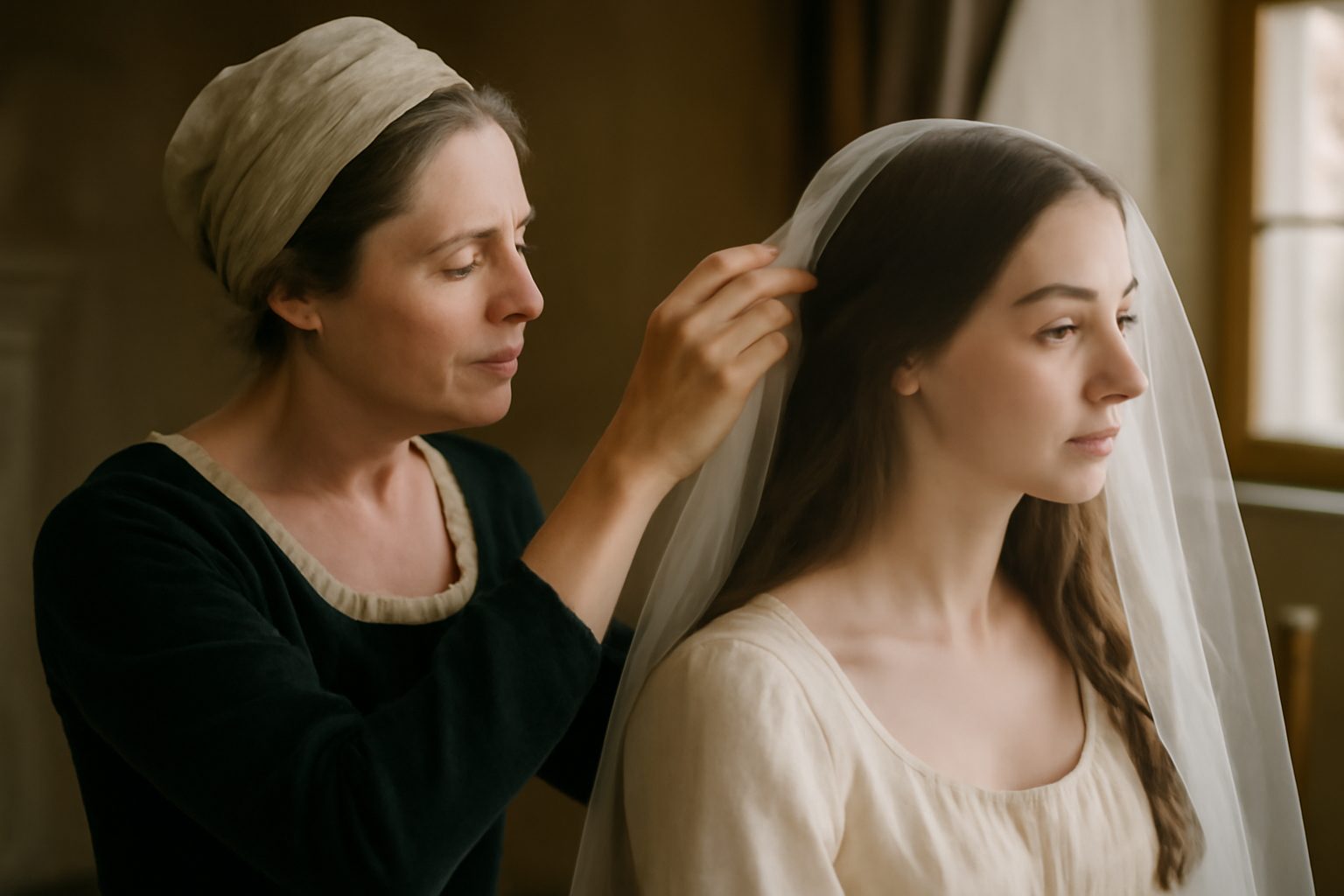
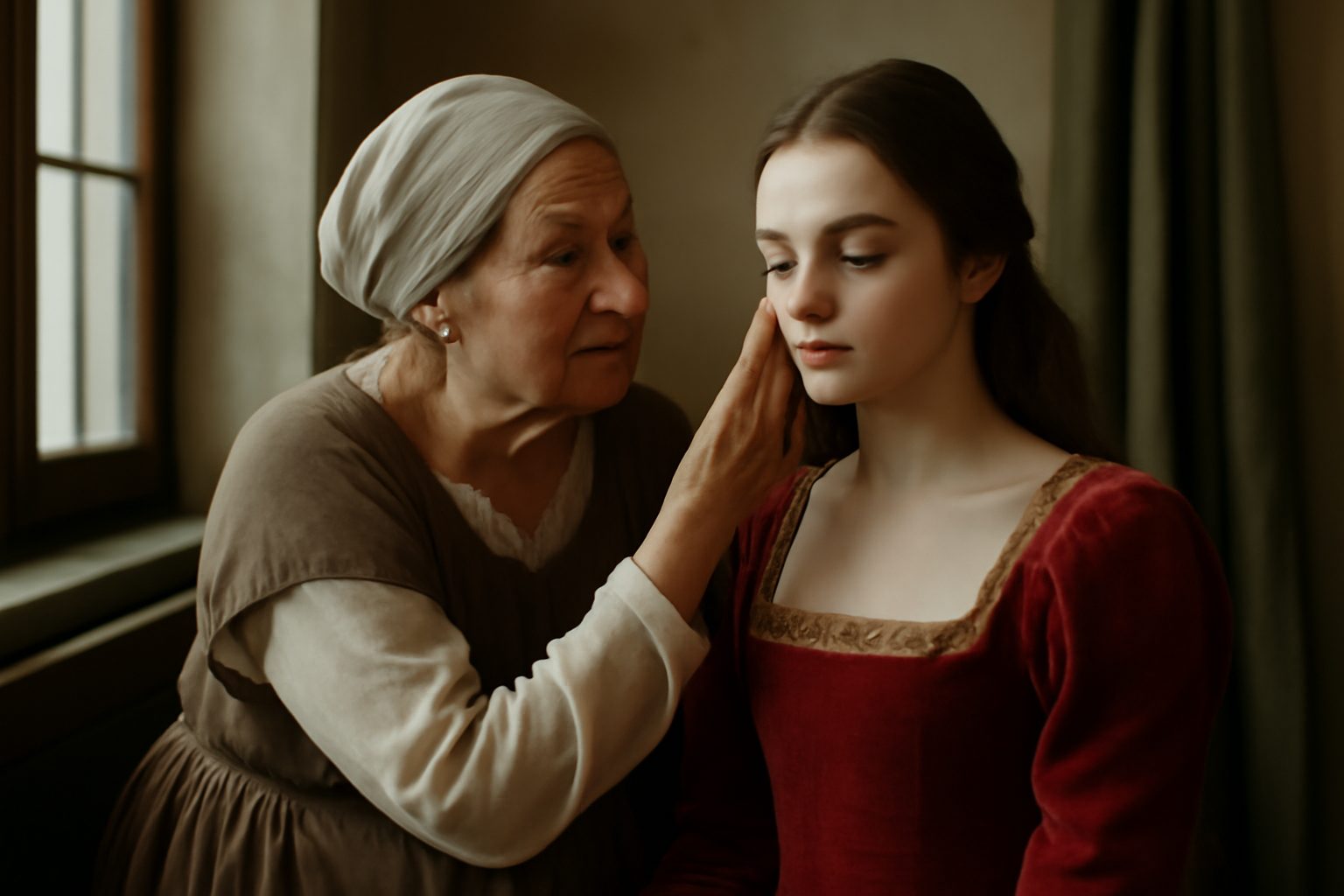
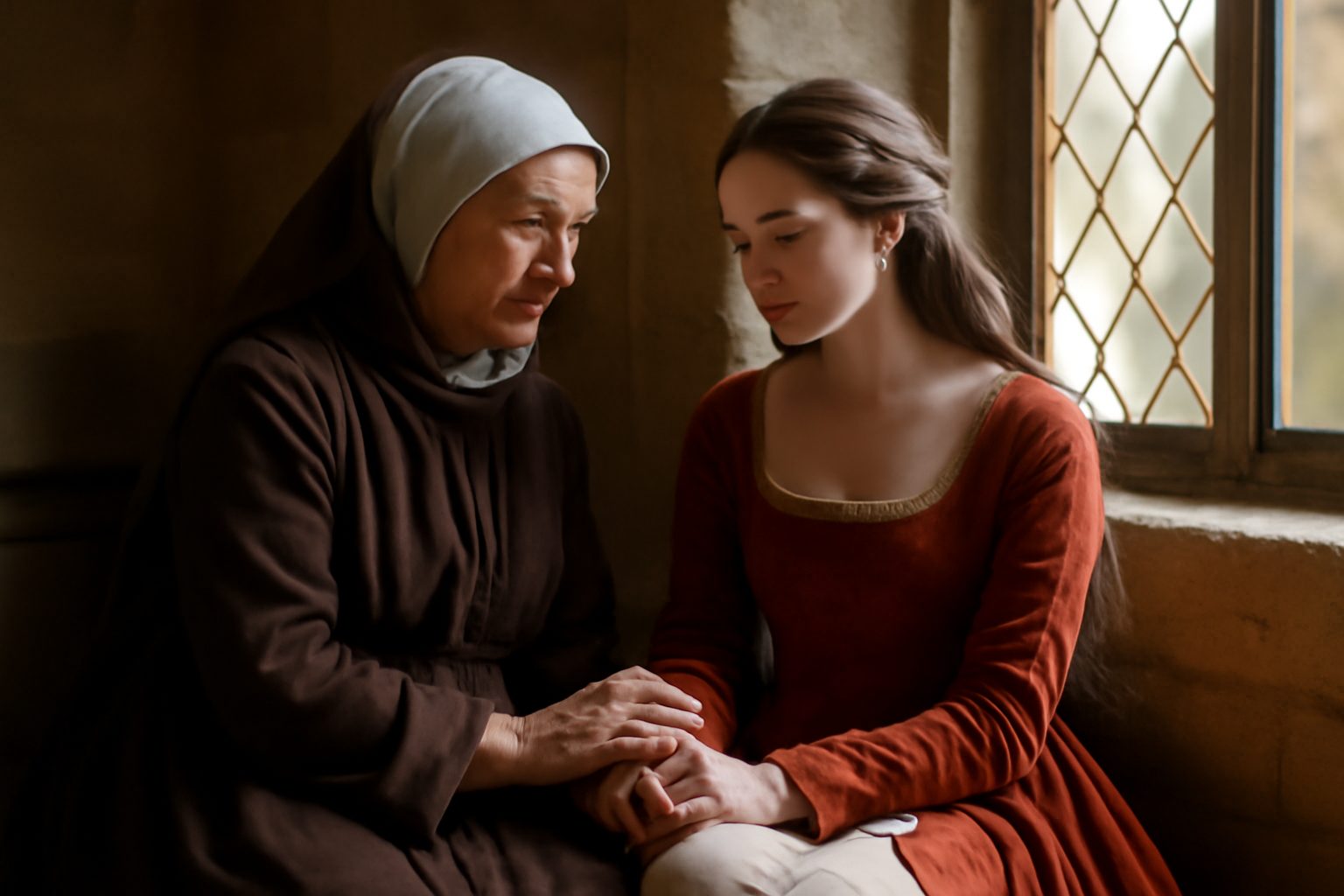
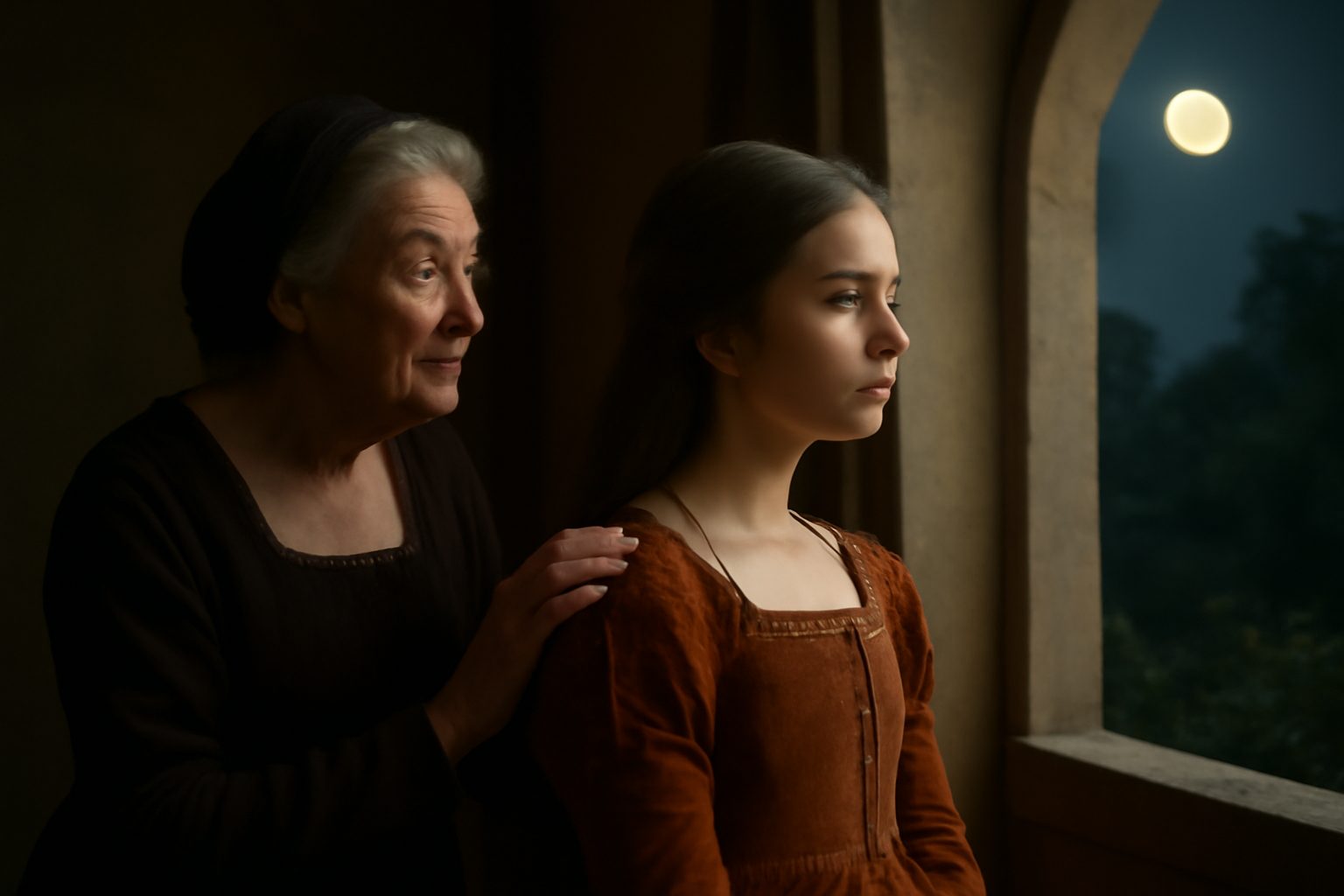
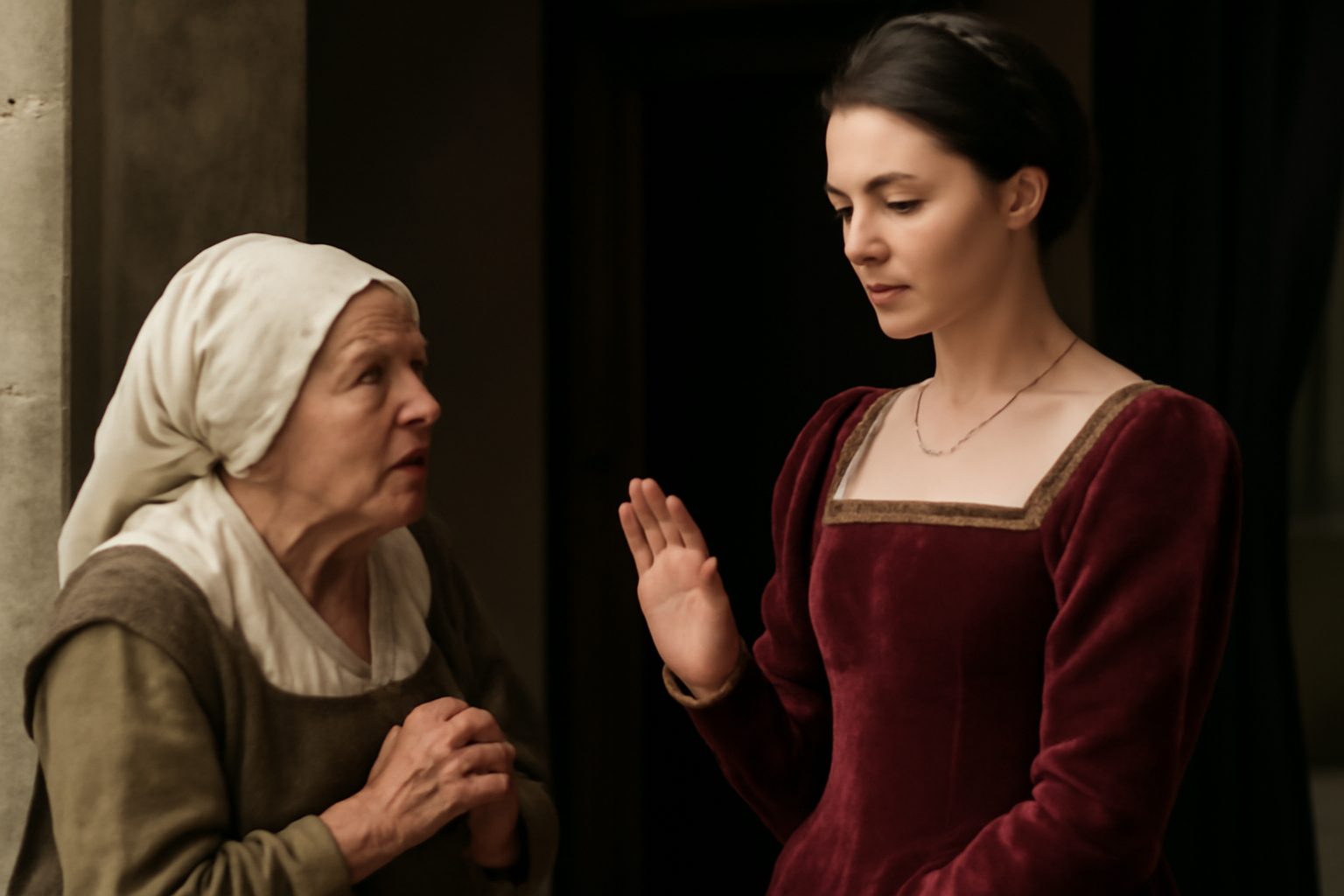
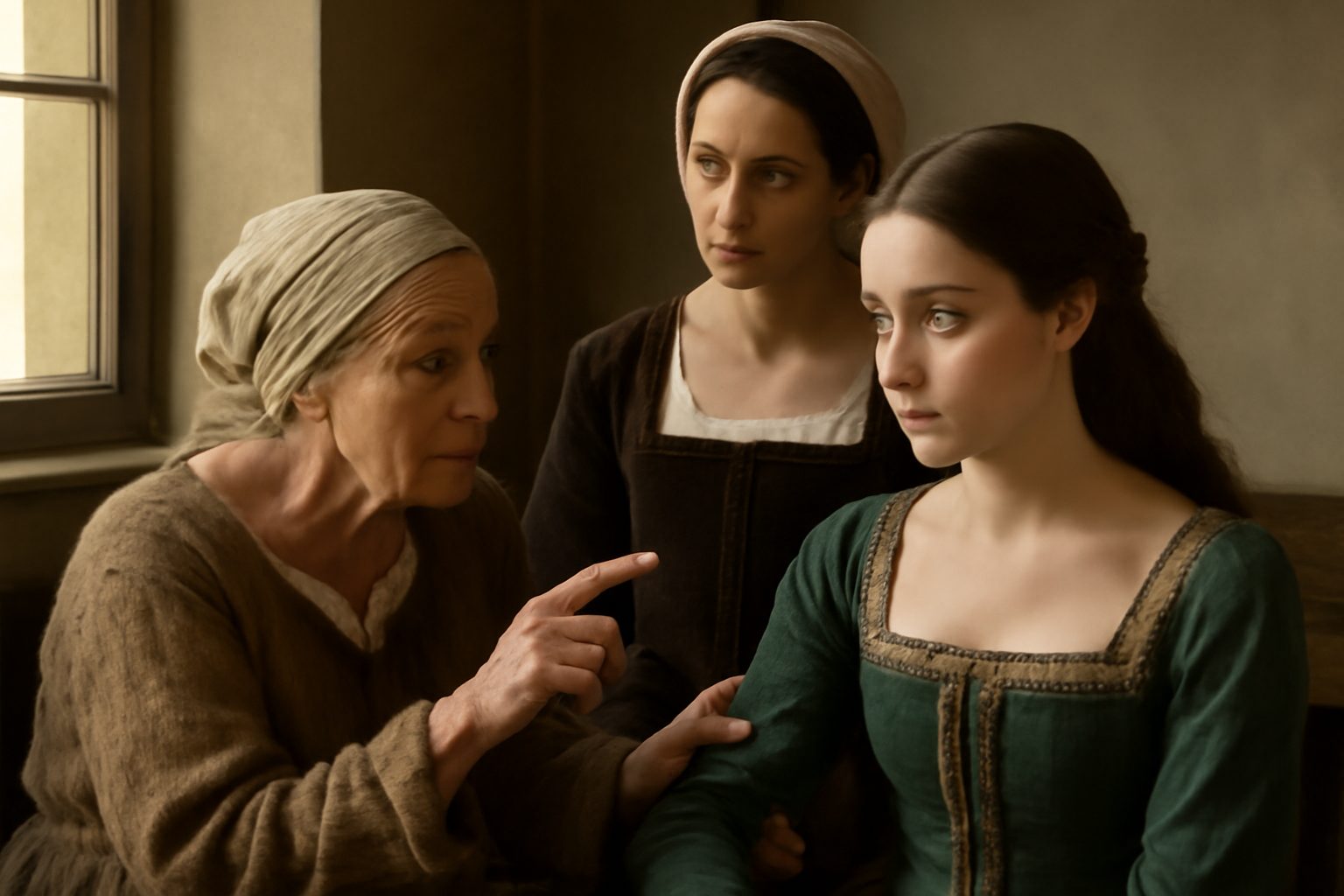
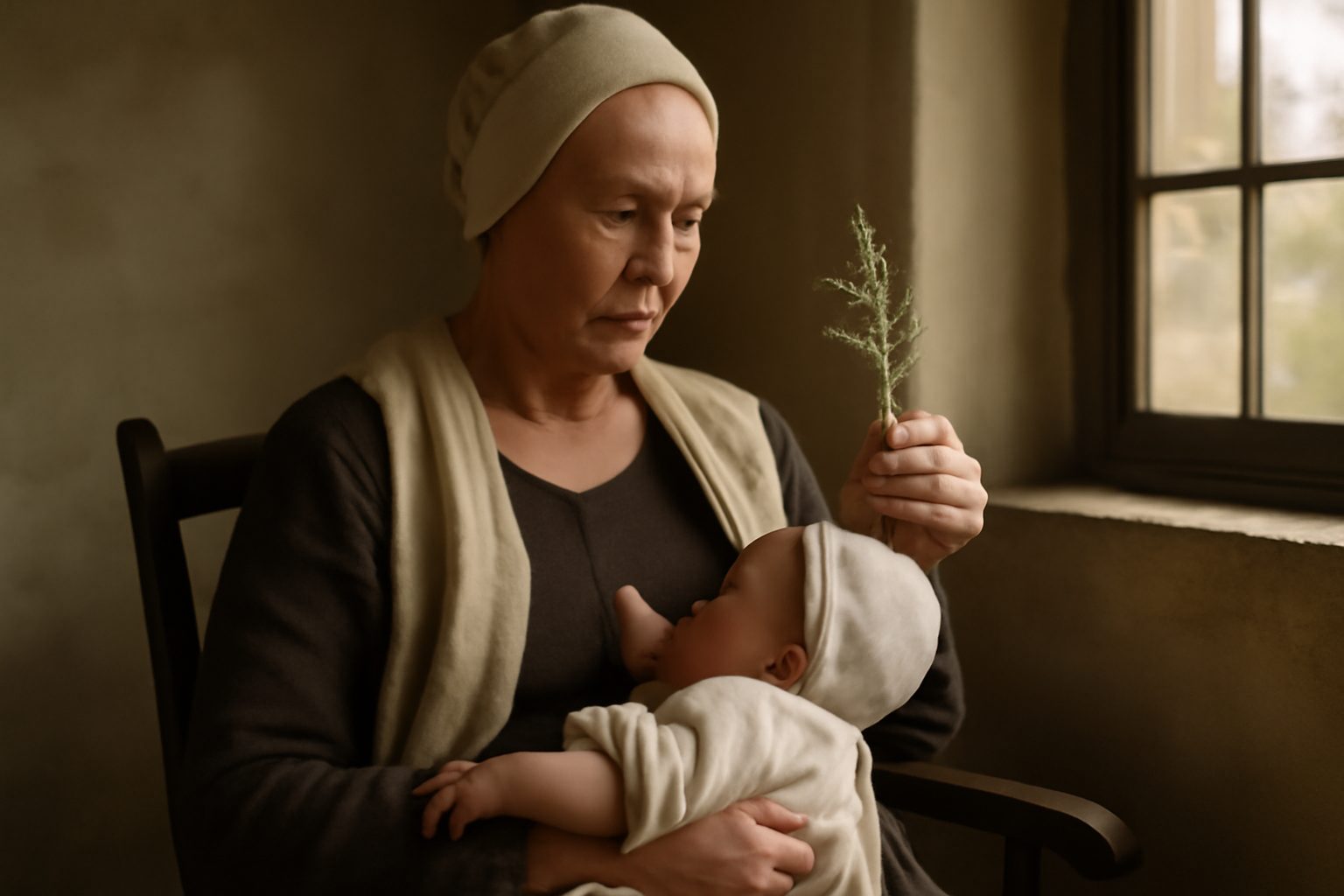
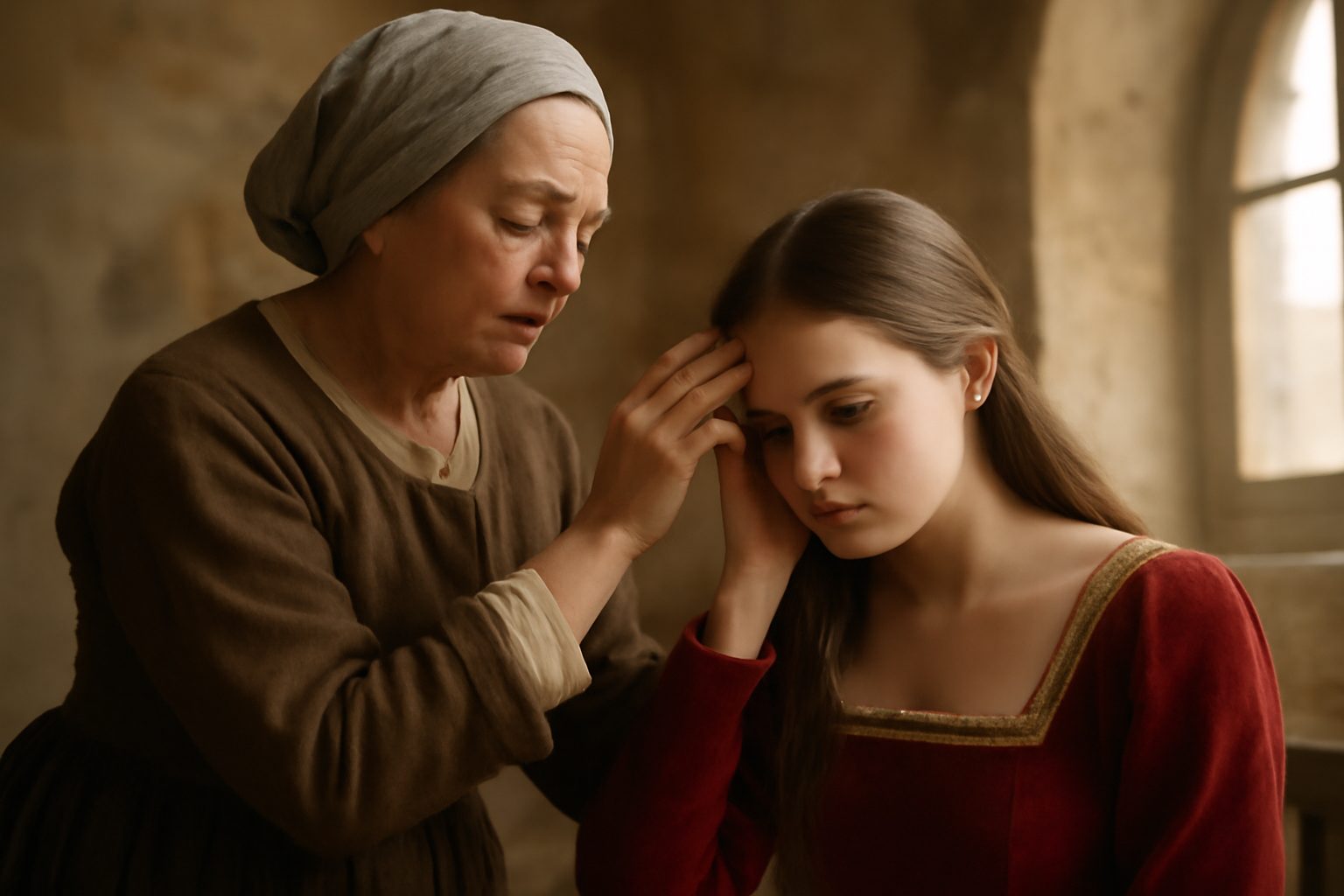
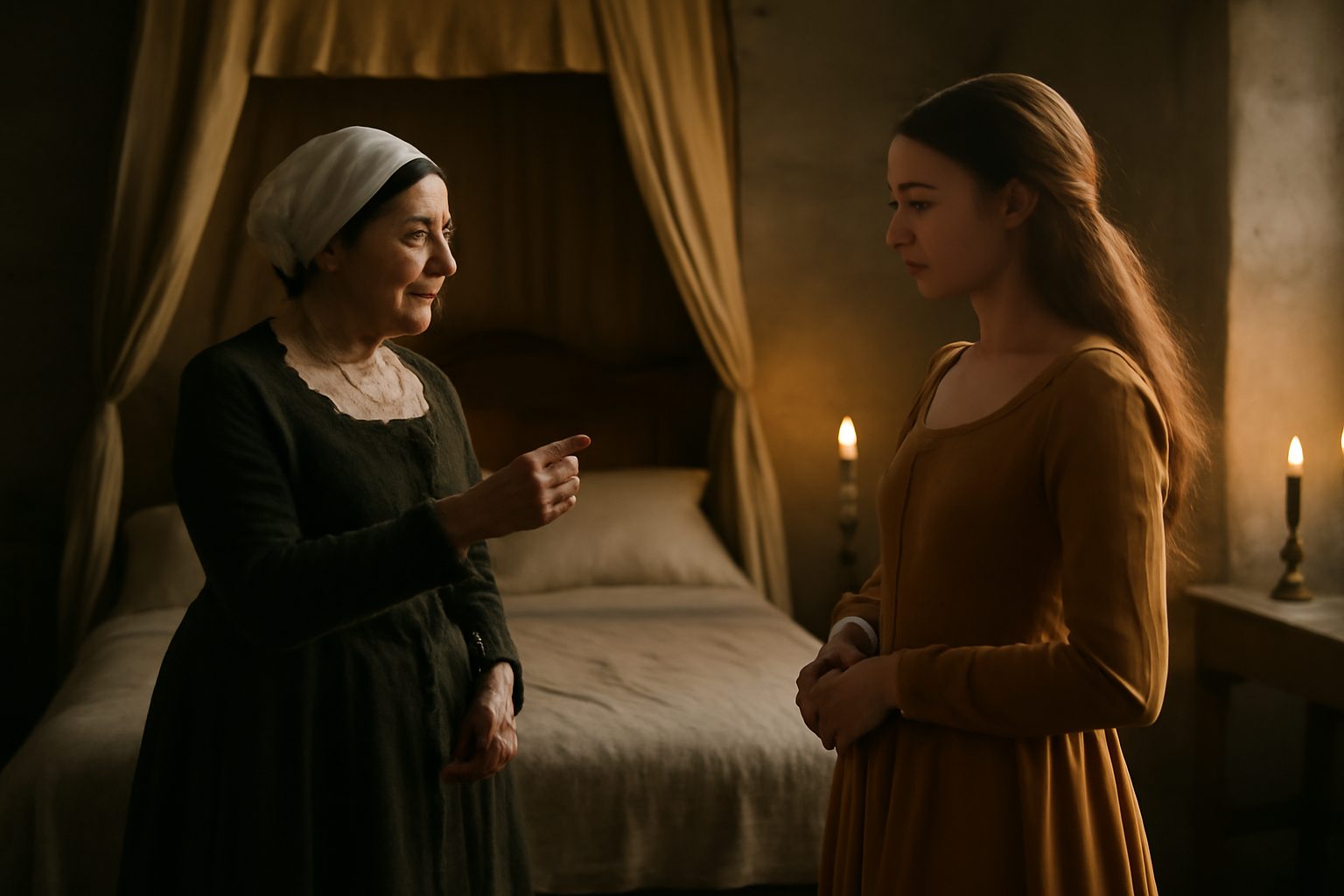
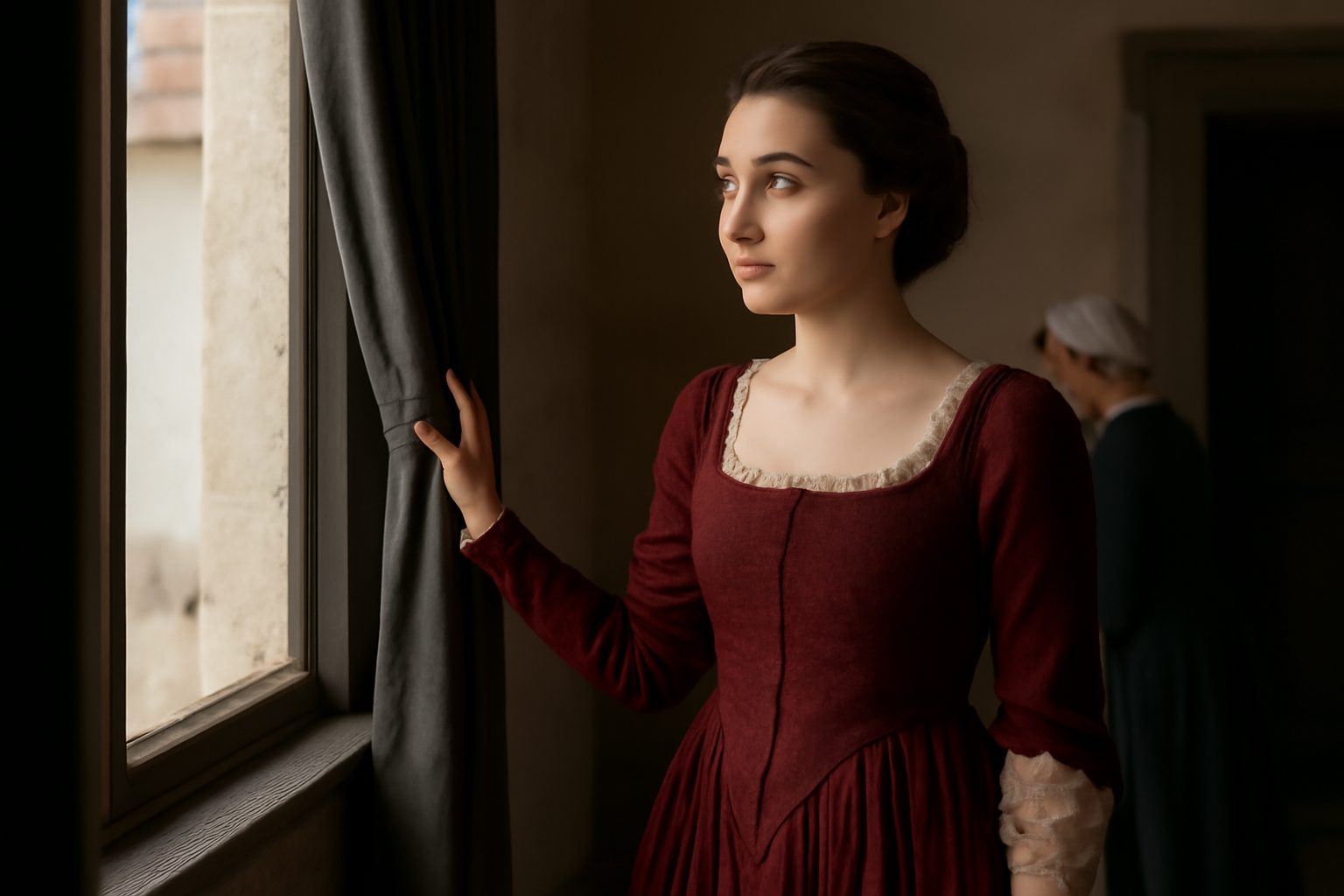
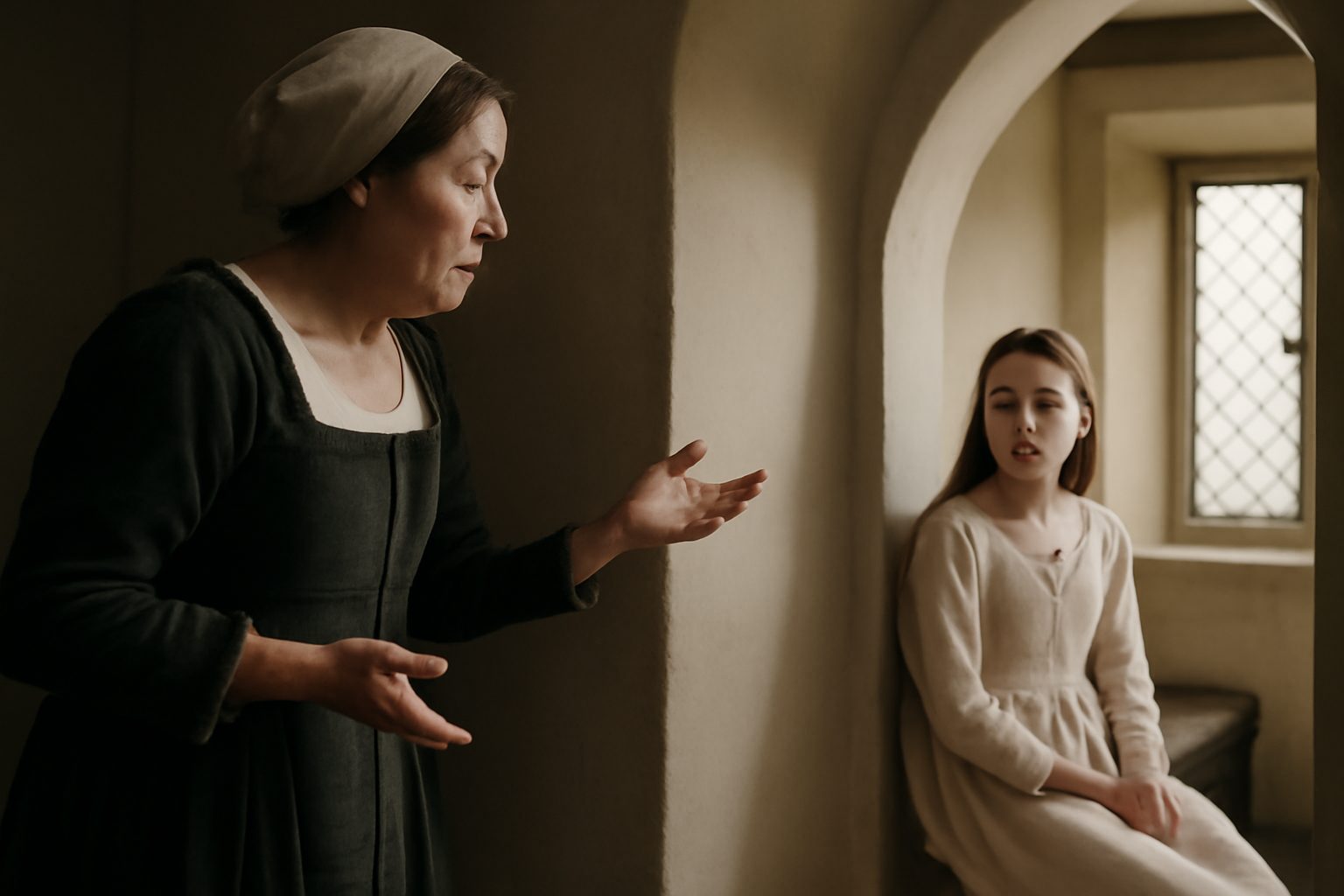
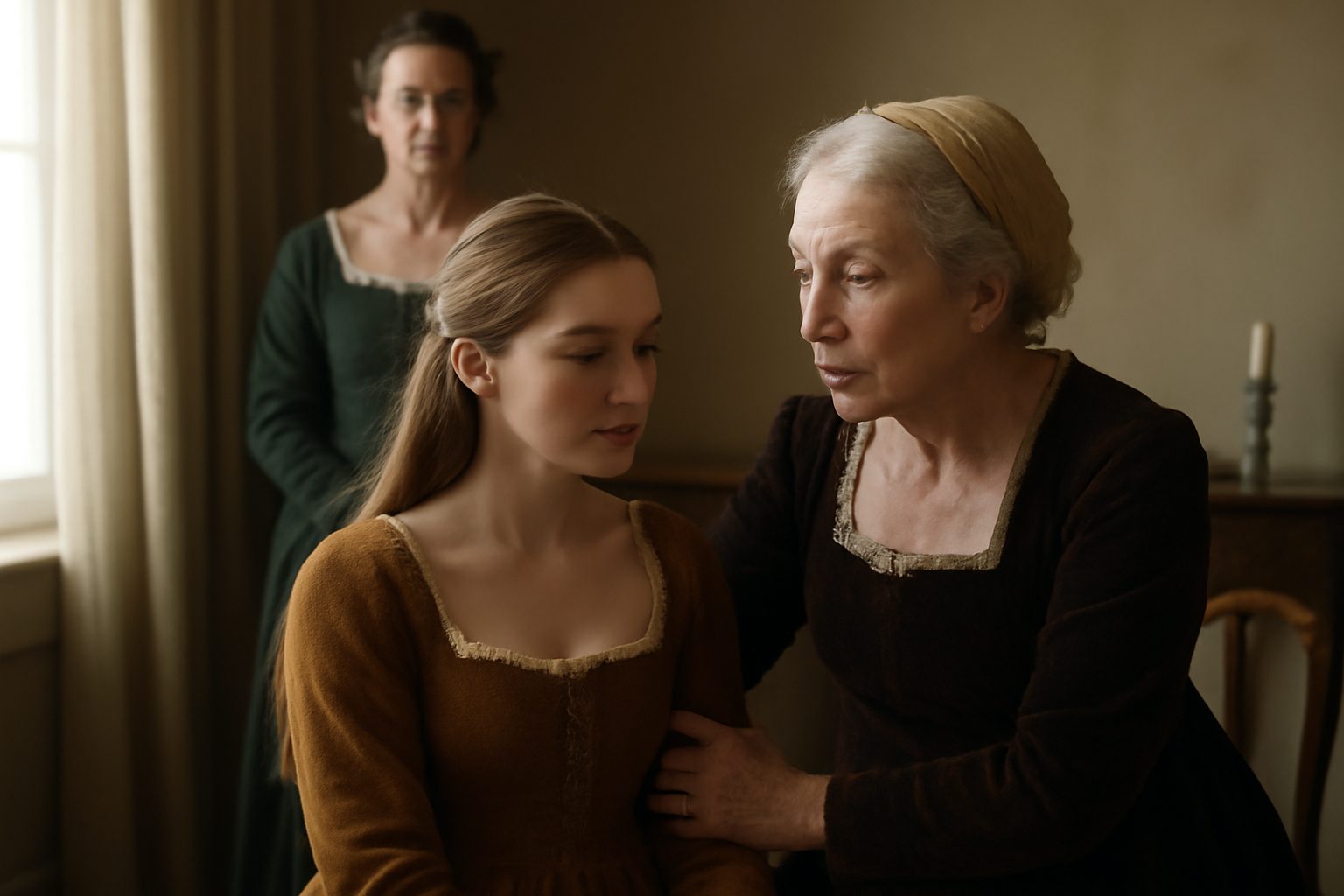
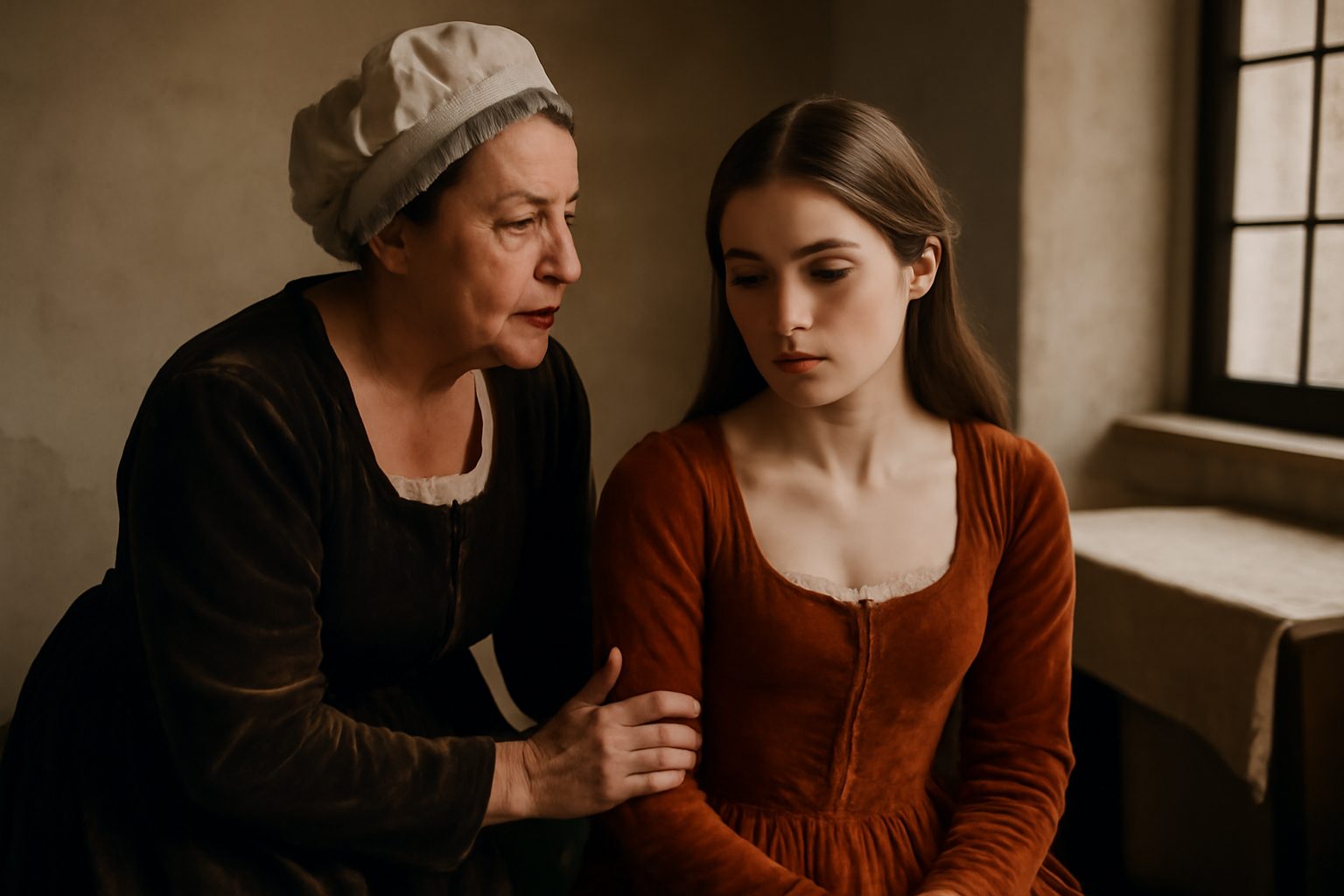
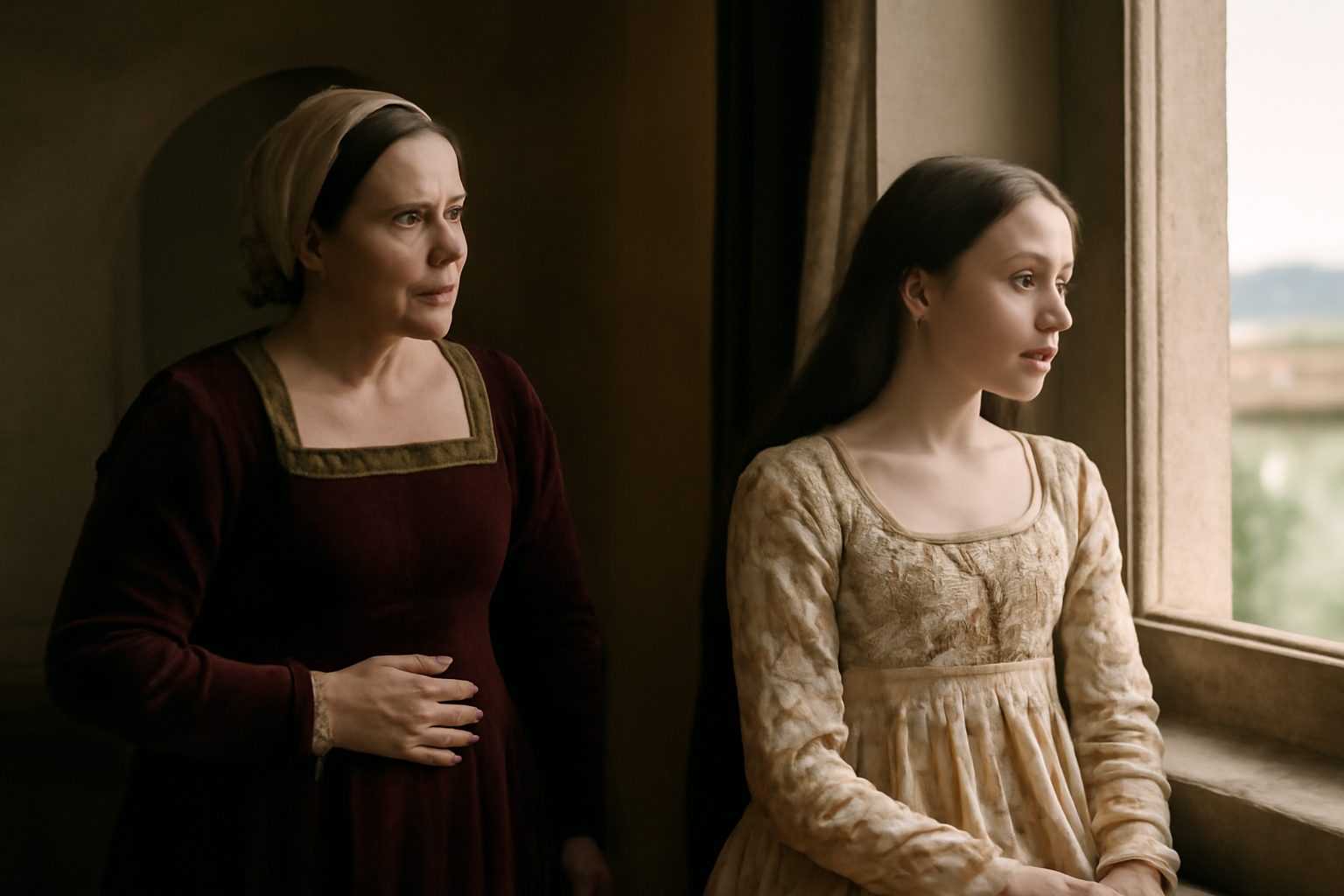
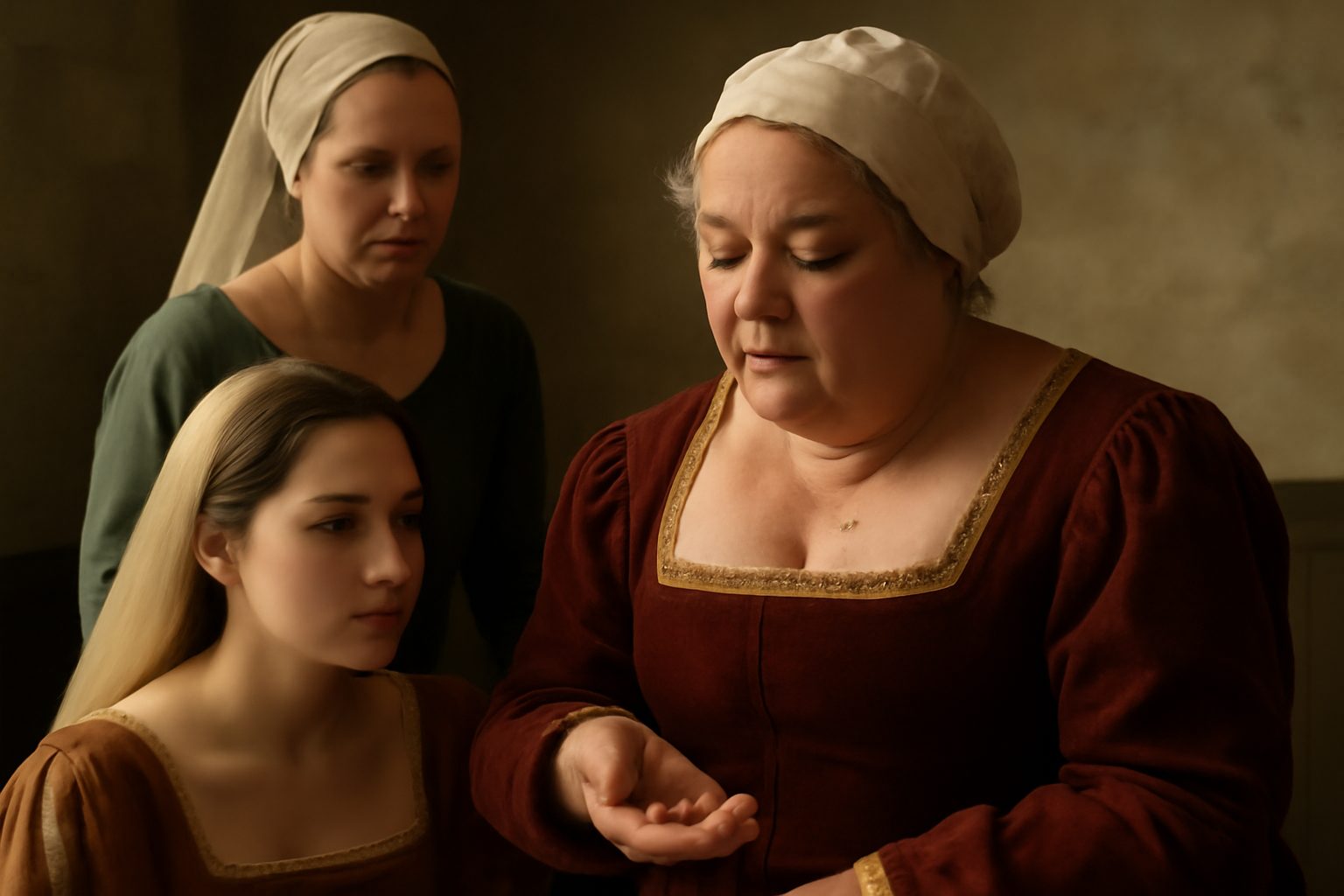
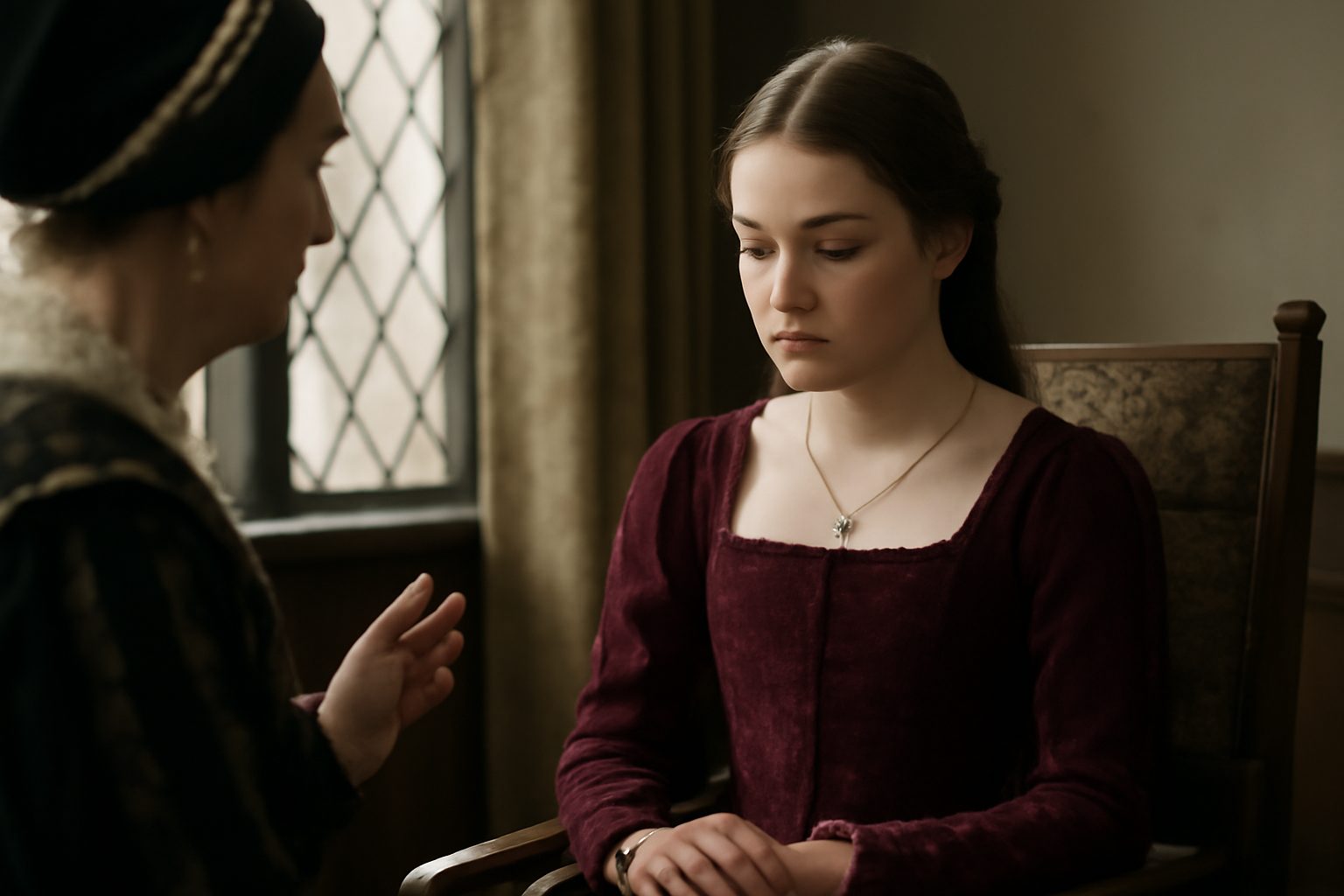
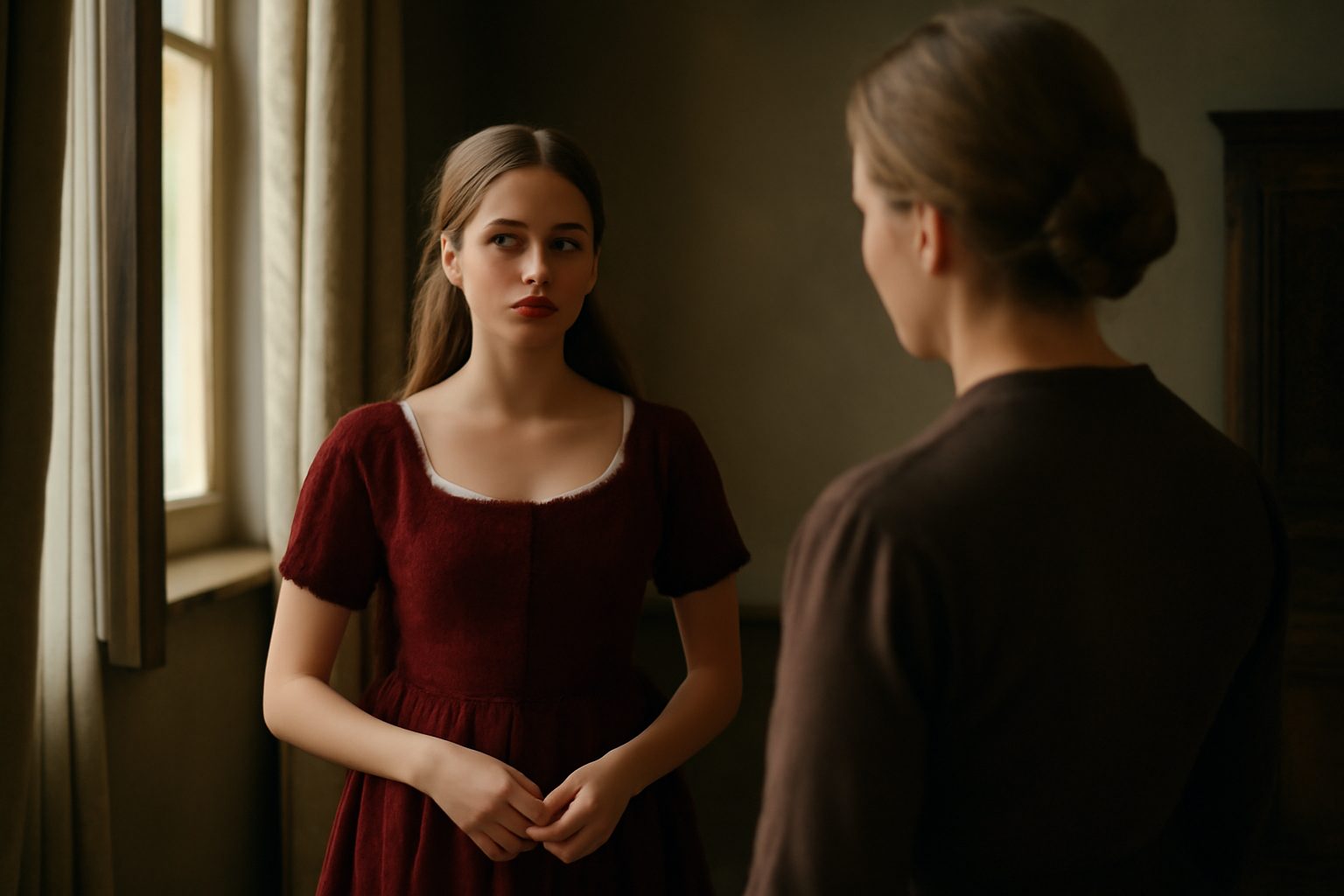
In Act 1, Scene 3 of Romeo and Juliet, Lady Capulet prepares to speak privately with Juliet about marriage. She dismisses the Nurse, who has been a constant presence in Juliet's life, signaling the importance of the conversation. This moment sets the stage for Lady Capulet’s proposal that Juliet consider marrying Paris, a pivotal development in the plot.
Lady Capulet: "This is the matter:--Nurse, give leave awhile,"
In modern day english, we would say:
Here’s what’s going on—Nurse, leave us alone for a moment.
Frequently Asked Questions
Who is speaking in this line from Romeo and Juliet?
Lady Capulet
What does Lady Capulet ask the Nurse to do in this line?
She asks the Nurse to leave for a while
In which act and scene does this line appear?
Act 1 Scene 3
Connections to other verses:
Connections to "This is the matter:--Nurse, give leave awhile,"
This line, spoken by Lady Capulet, serves as a pivotal moment in the scene where she dismisses the Nurse to have a private conversation with Juliet. It establishes a shift from the Nurse's rambling anecdotes to the serious matter of marriage.
Immediate Context and Authority
The verse directly follows What is your will?, where Juliet acknowledges her mother's presence, and precedes We must talk in secret:--nurse, come back again;, highlighting Lady Capulet's authoritative yet indecisive nature as she recalls the Nurse shortly after dismissing her.
Contrast with the Nurse's Character
Lady Capulet's formal tone contrasts sharply with the Nurse's earthy, humorous stories, such as her recollection in A' was a merry man--took up the child: and the anecdote about Juliet falling backward in Thou wilt fall backward when thou comest to age;. This dismissal underscores the difference in their roles—one maternal and intimate, the other societal and strategic.
Introduction to the Marriage Theme
The line sets the stage for the central discussion of Paris's proposal, leading into Marry, that 'marry' is the very theme and Lady Capulet's question in How stands your disposition to be married?. It frames the subsequent dialogue, where Juliet's obedient yet reserved response in It is an honour that I dream not of. reveals her innocence and the societal pressures she faces.
Reflection on Juliet's Age and Readiness
Earlier in the scene, the Nurse’s detailed account of Juliet’s age and childhood, such as in Come Lammas-eve at night shall she be fourteen. and For then she could stand alone; nay, by the rood,, provides context for why Lady Capulet deems it appropriate to broach the subject of marriage now, making this dismissal a transition to assessing Juliet's maturity.