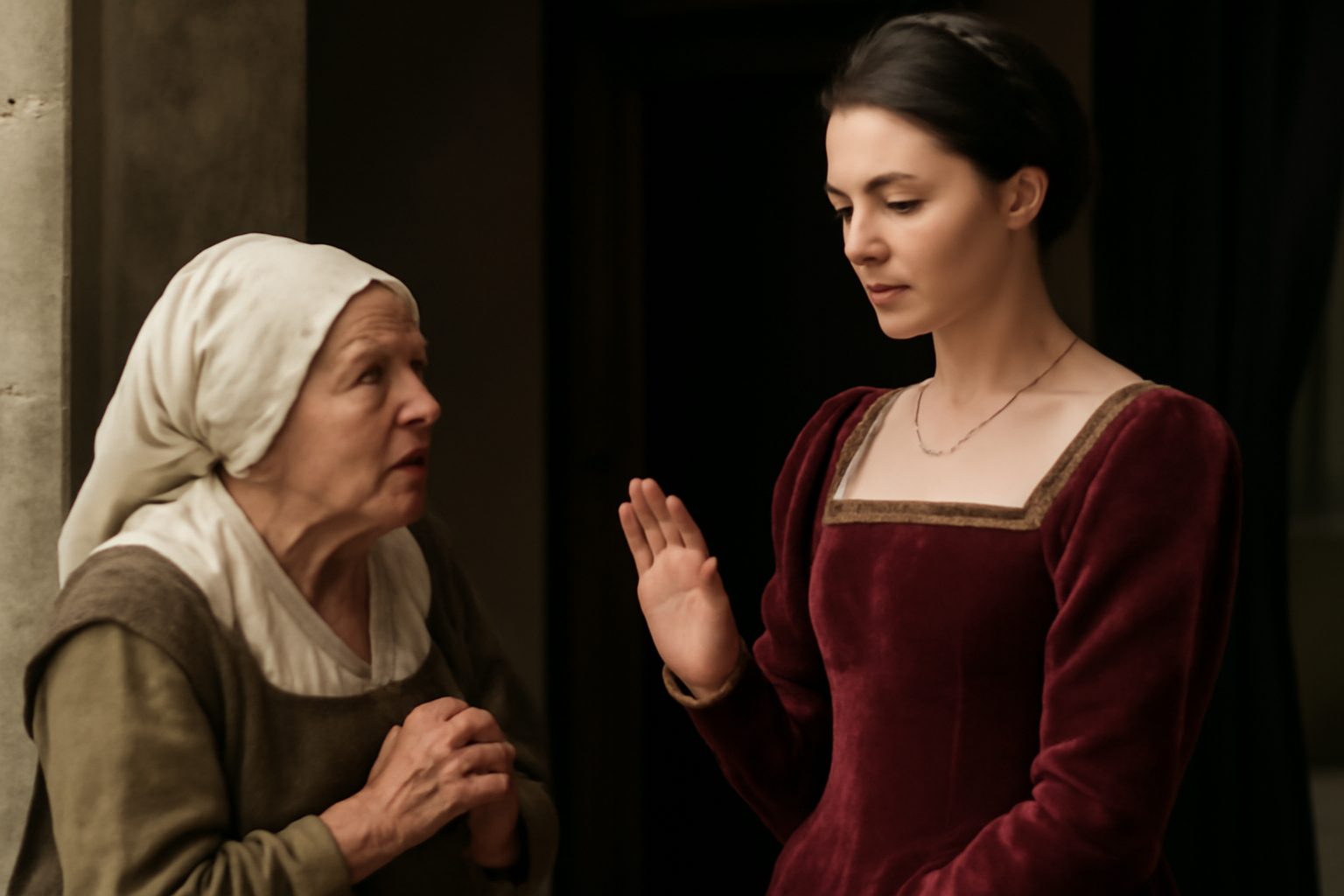
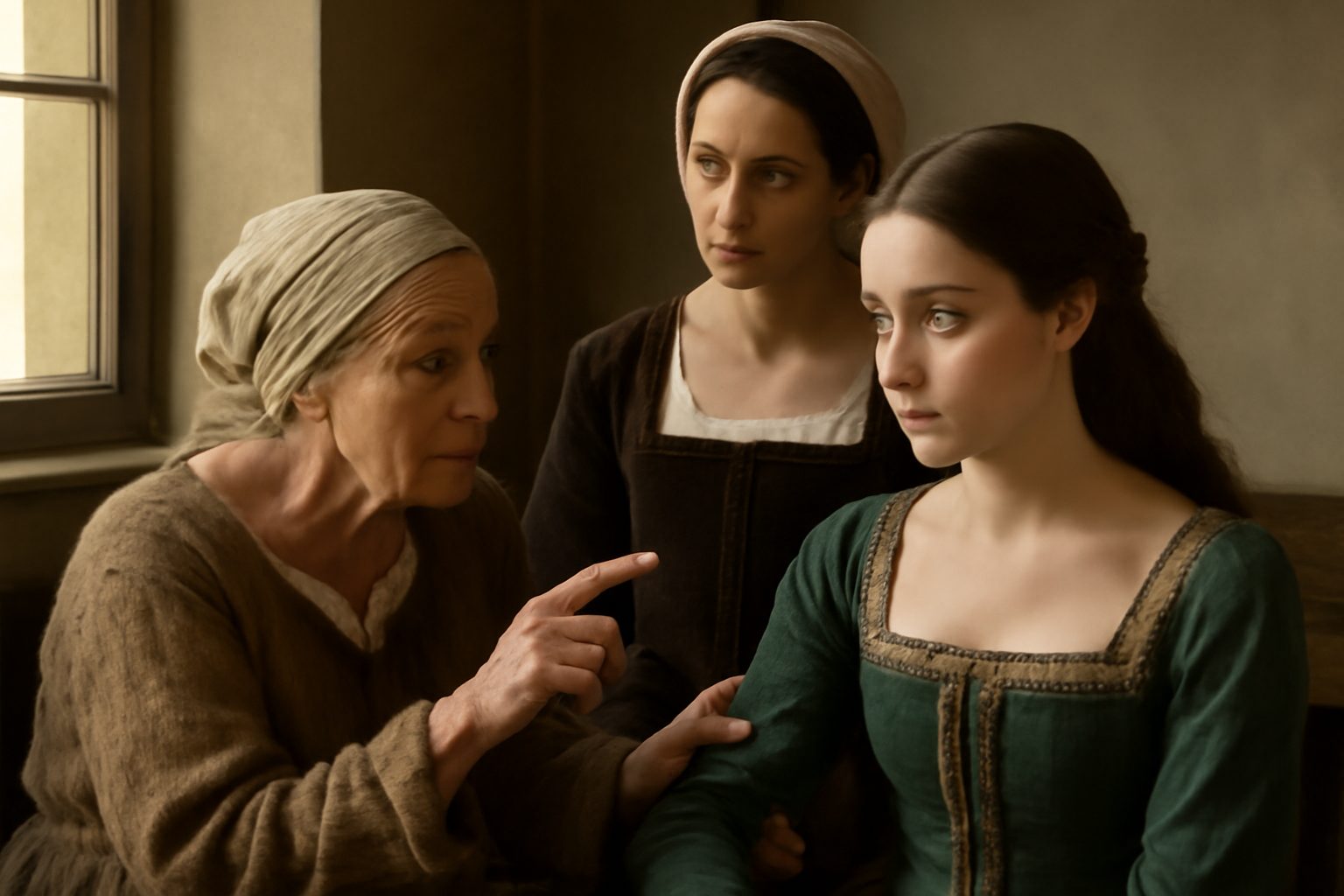
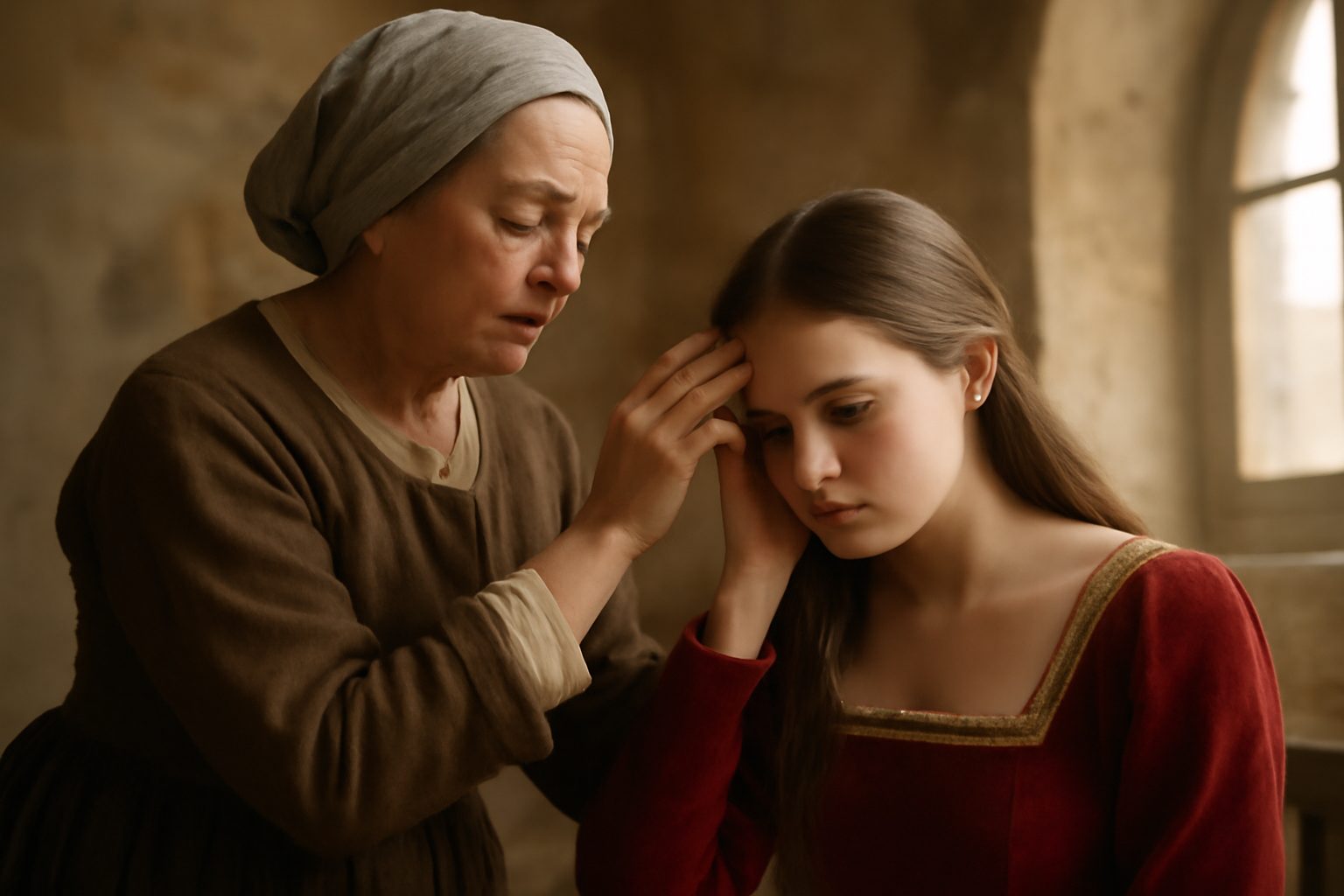
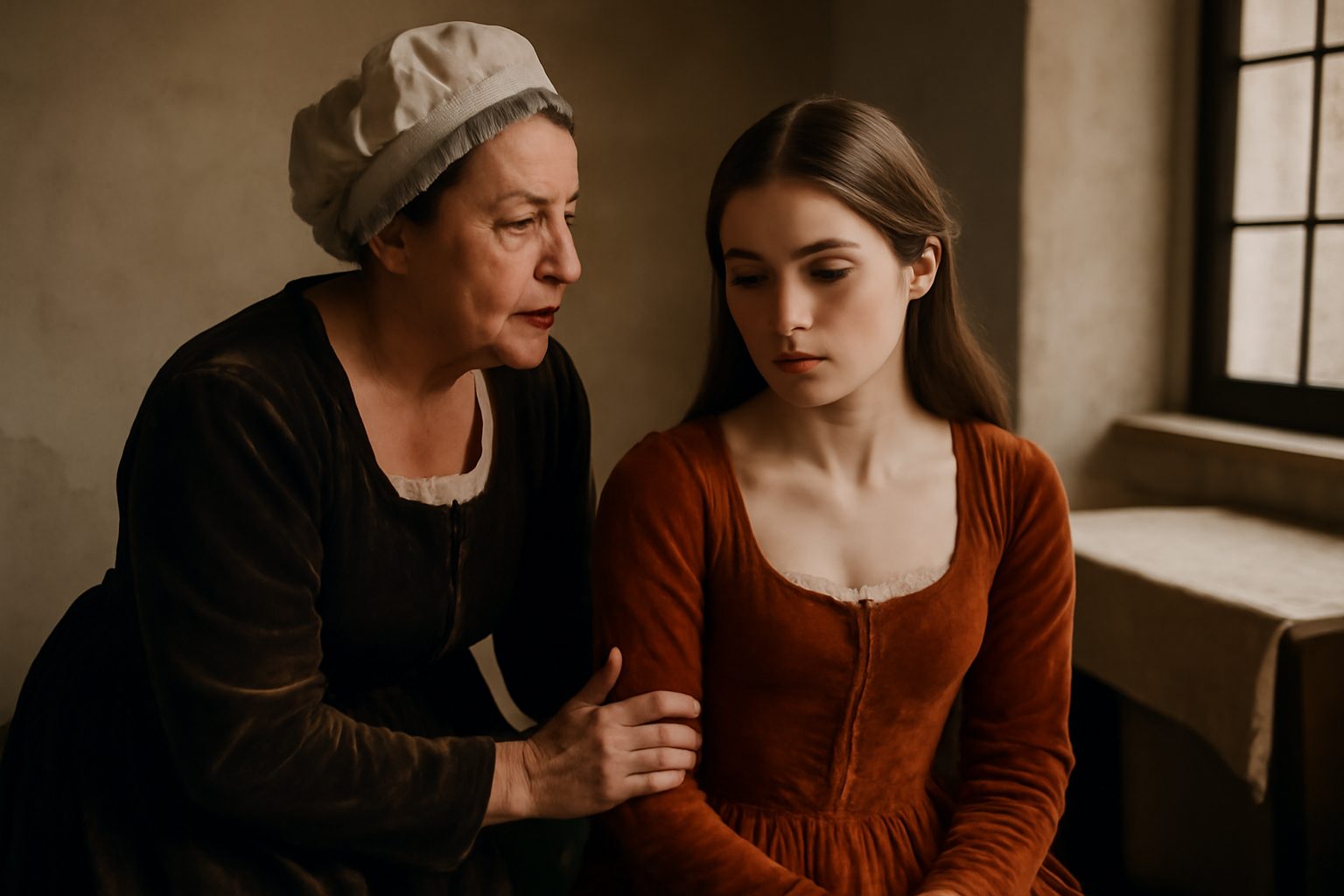
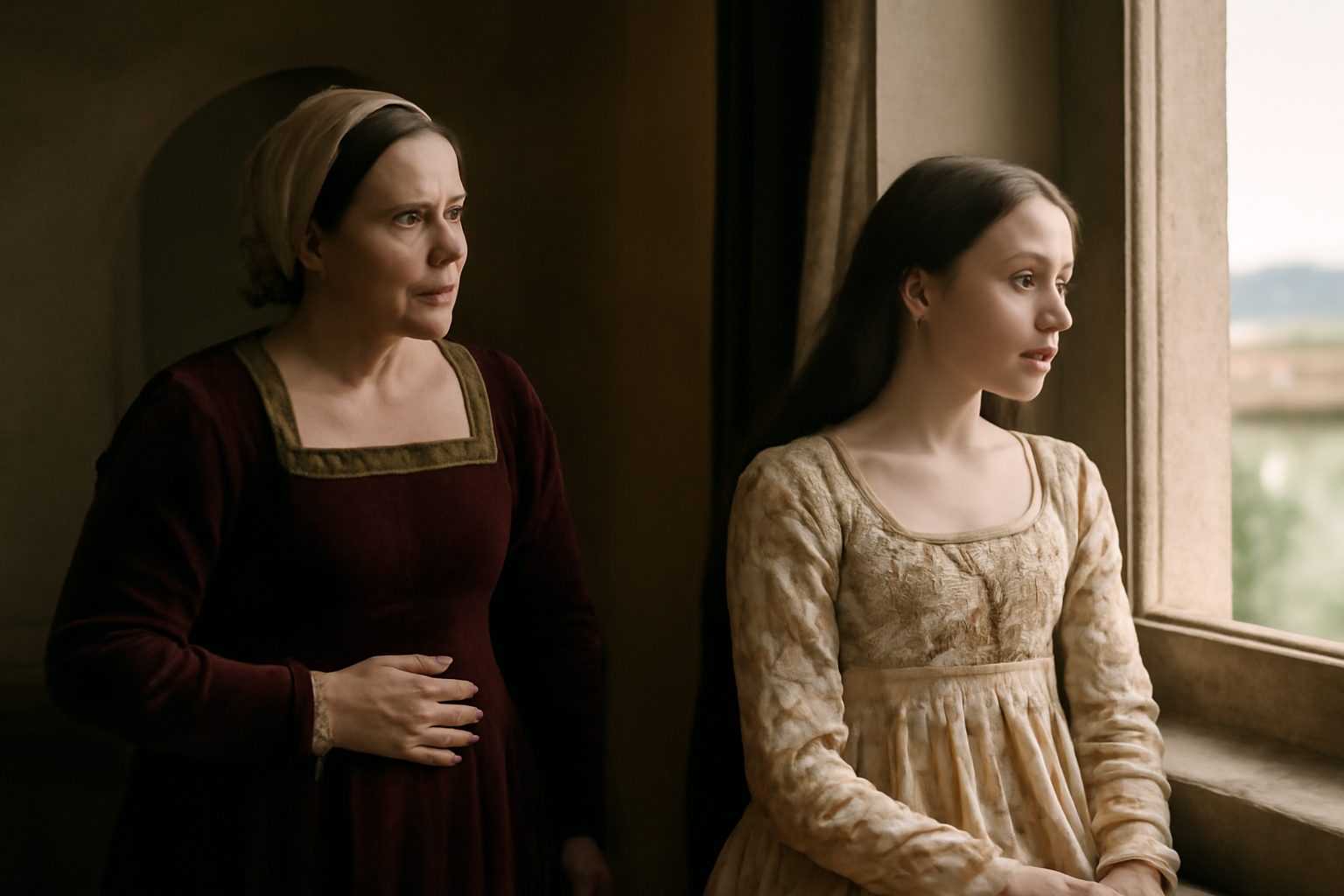
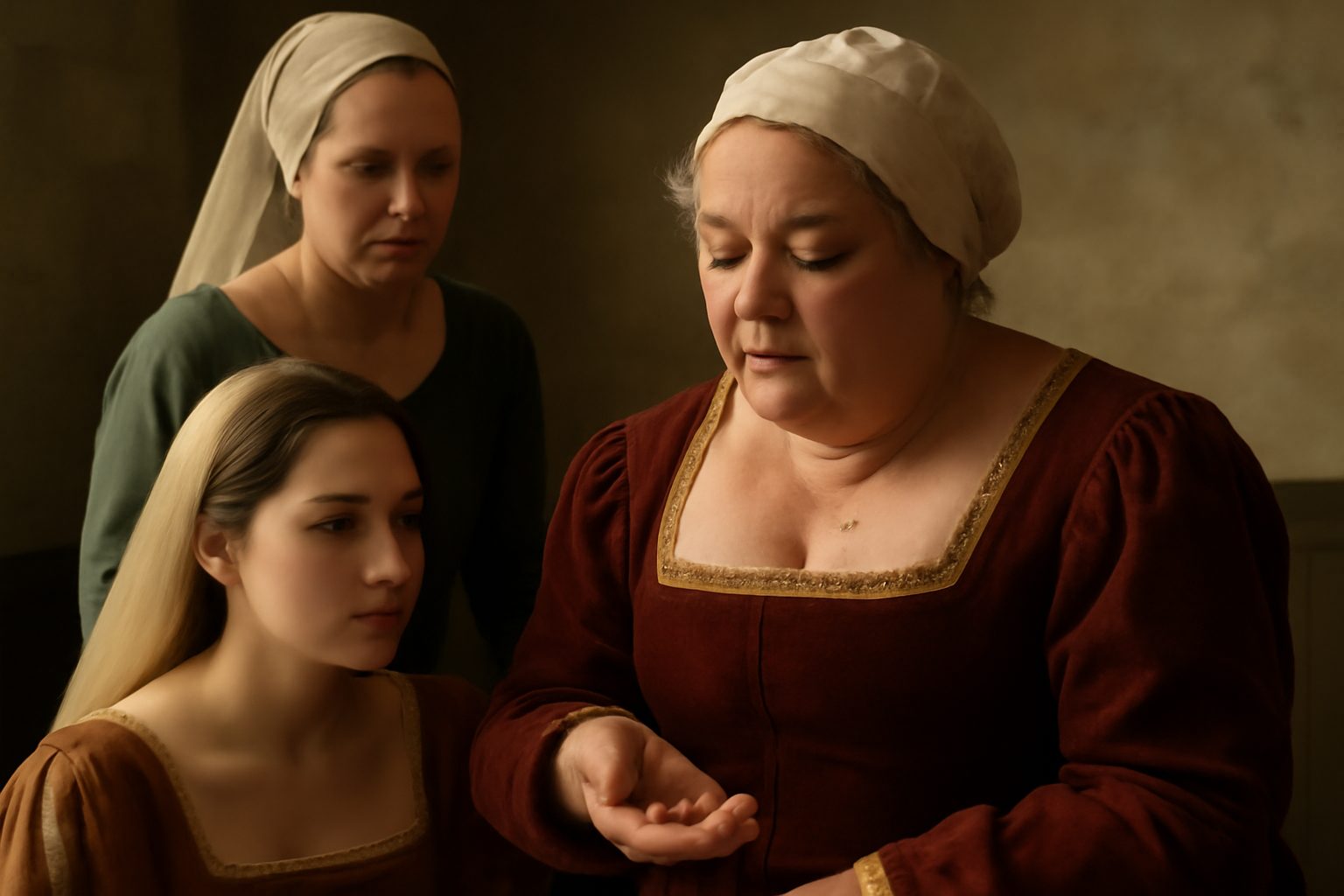
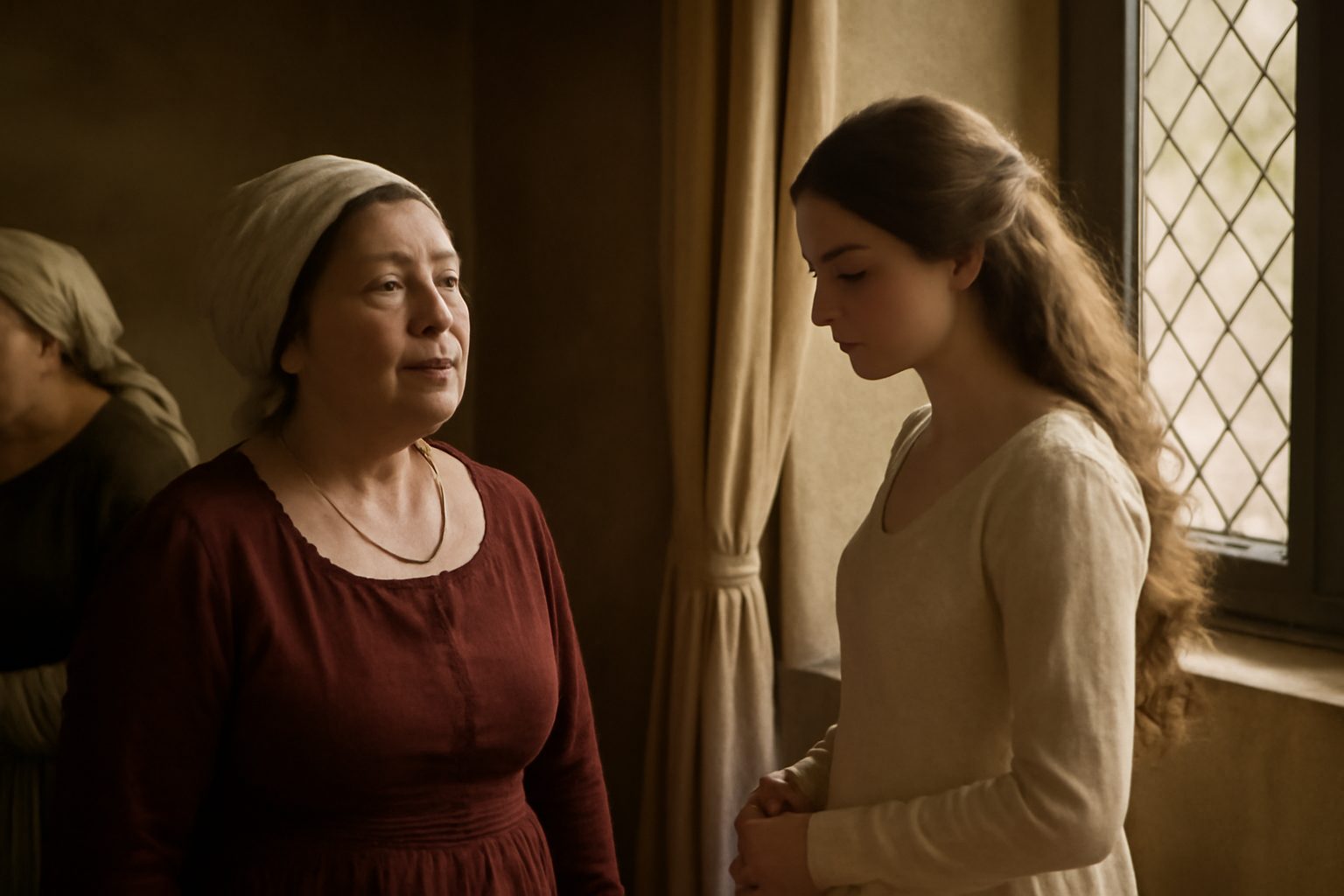
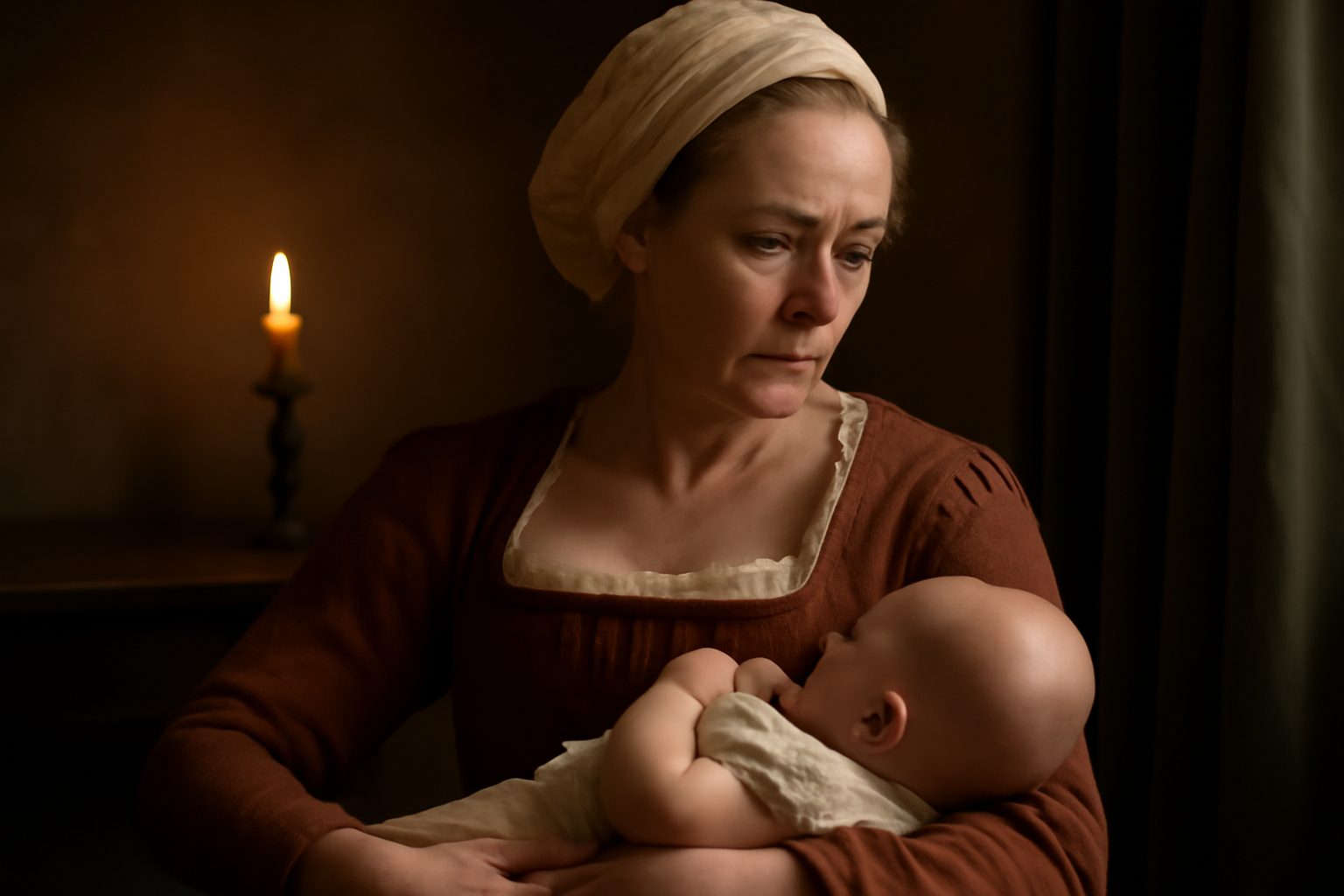
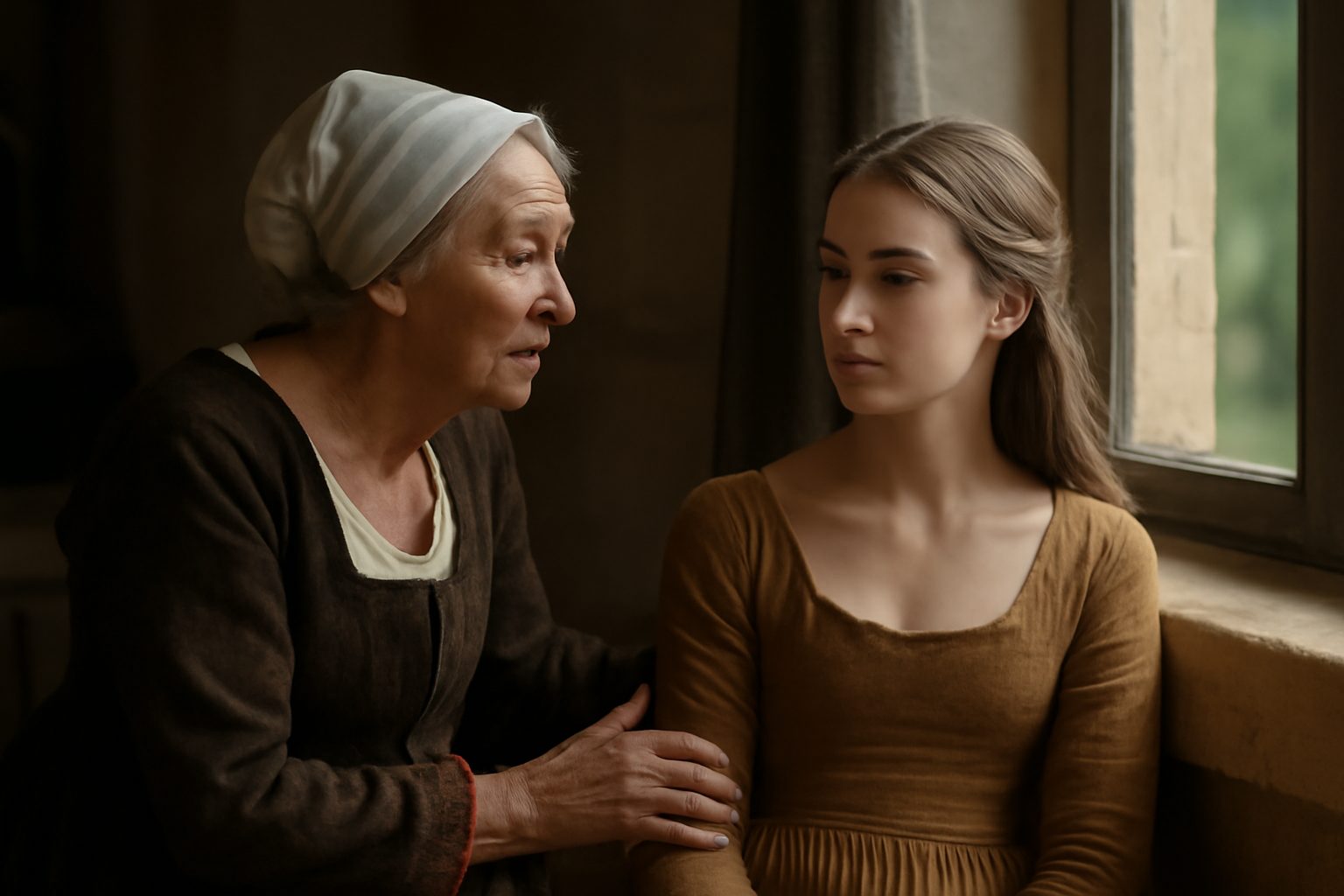
In Act 1, Scene 3 of Romeo and Juliet, Mercutio mocks Romeo's lovesick demeanor, teasing him for pining over Rosaline, who has sworn to remain chaste. This line comes as Romeo laments his unrequited love, suggesting Rosaline's virtue made her unattainable, though he quickly brushes past the thought. The moment highlights Romeo's melodramatic nature while setting up his impulsive shift in affection when he later meets Juliet.
Nurse: "She was too good for me: but, as I said,"
In modern day english, we would say:
She was out of my league, but like I said before.
Frequently Asked Questions
What does the Nurse mean when she says Juliet was too good for her?
The Nurse is expressing that Juliet was of higher status or more virtuous than she was, showing her admiration and respect for Juliet.
Connections to other verses:
Connections to "She was too good for me: but, as I said,"
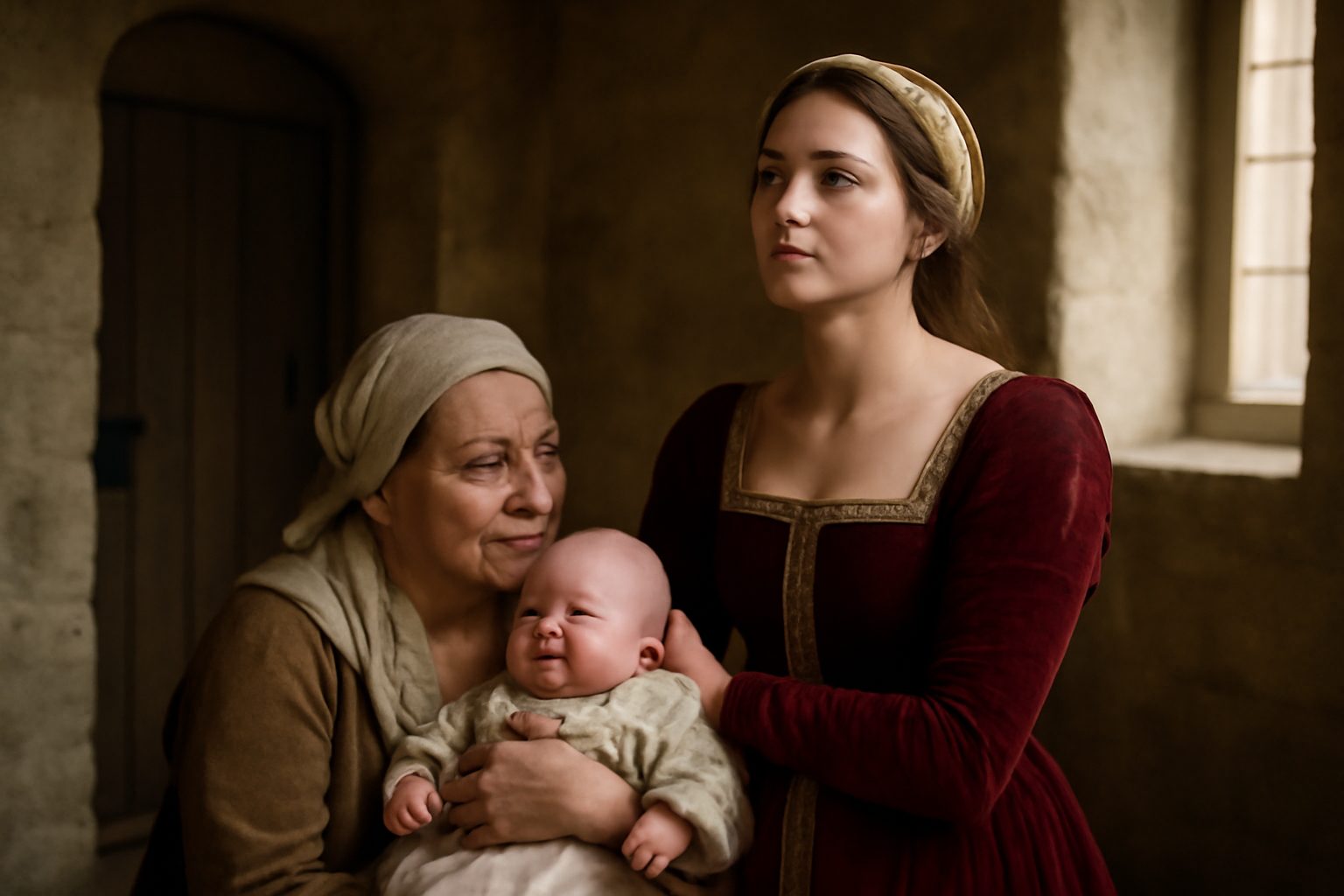
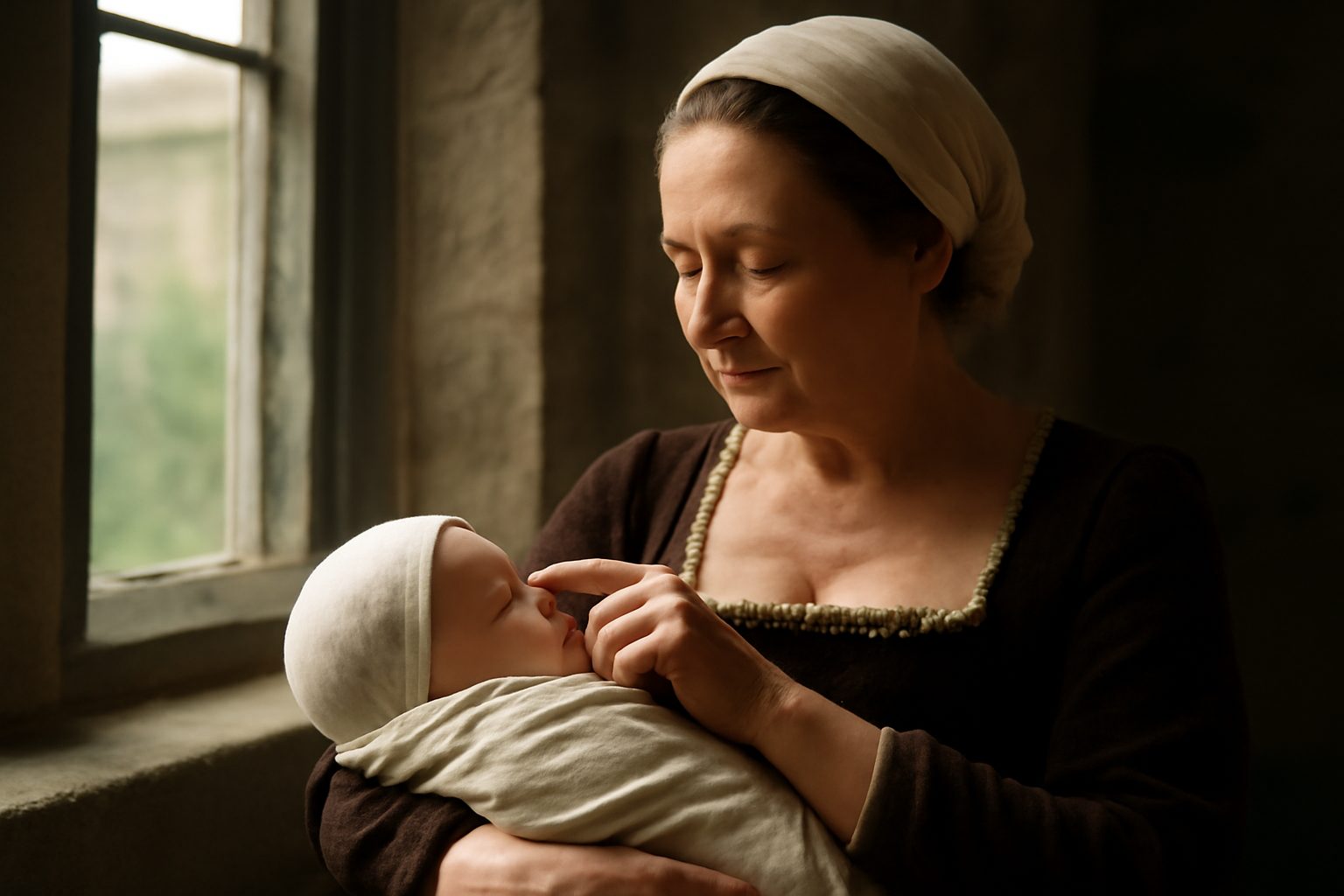
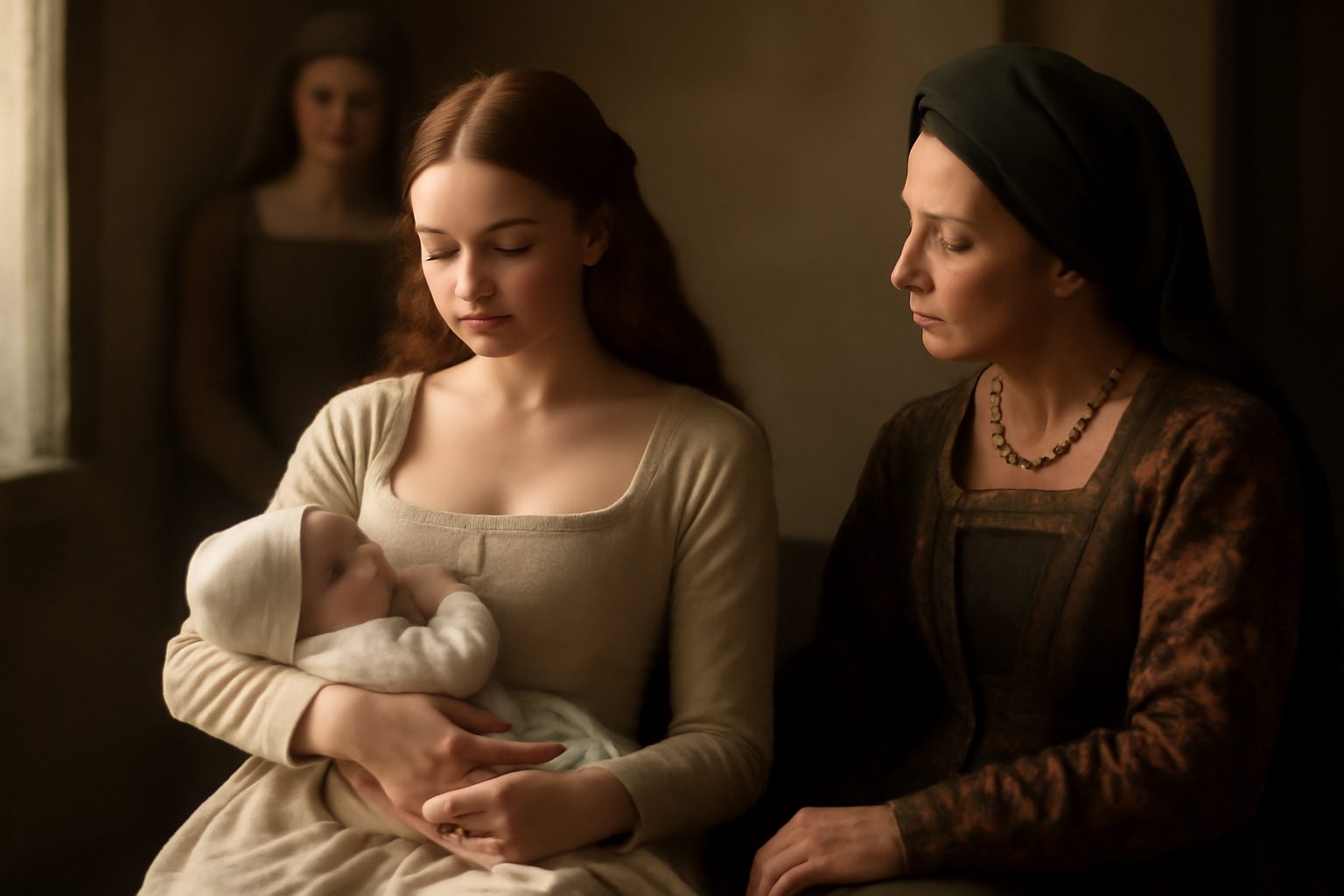
The verse "She was too good for me: but, as I said," is spoken by the Nurse in Act 1, Scene 3 of Romeo and Juliet, referring to her deceased daughter, Susan. This line reflects the Nurse's deep affection and sense of loss, which connects to several other verses in the same scene that highlight her maternal role, memories, and the theme of motherhood.
Connection to Memories of Juliet's Infancy
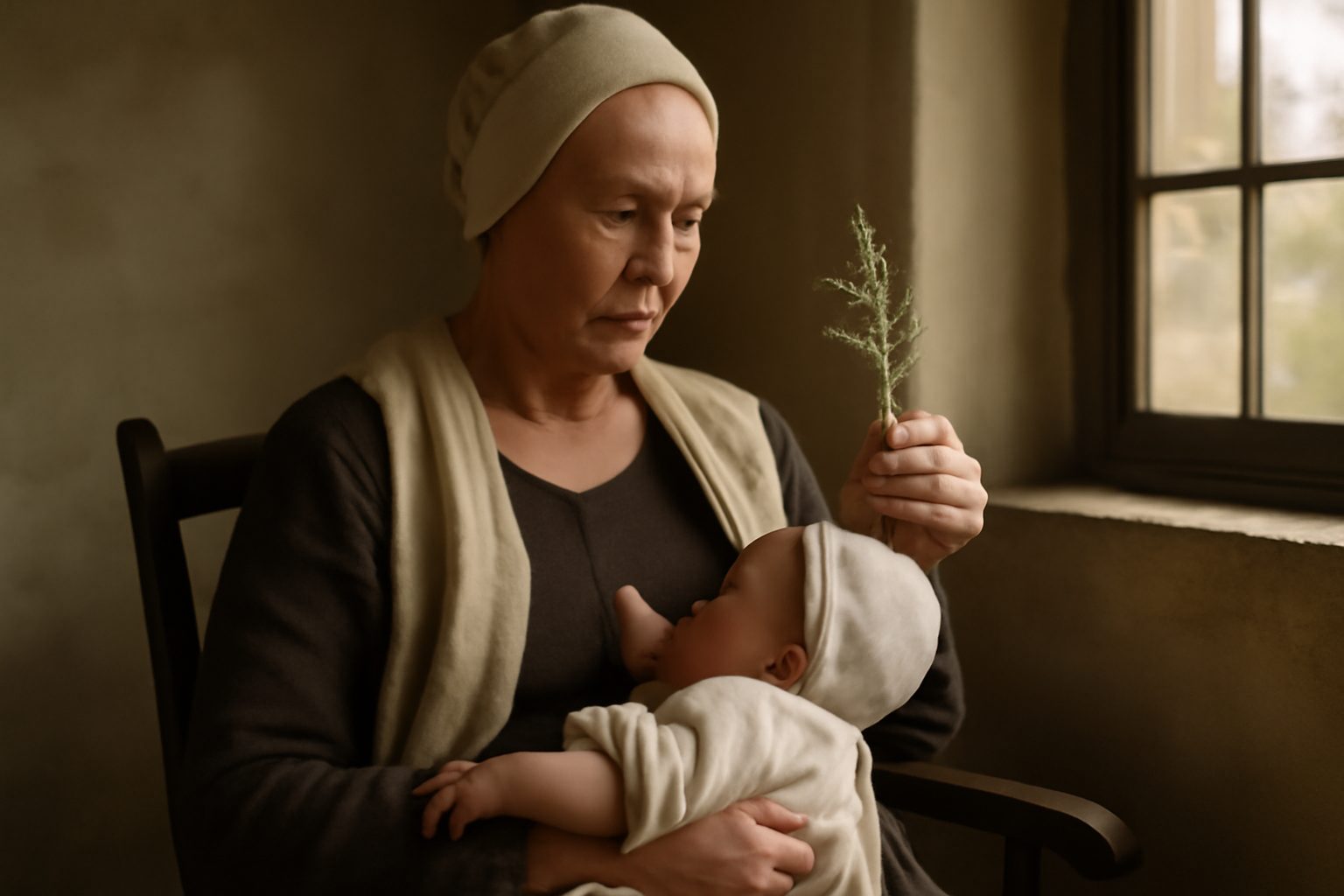
The Nurse's nostalgic tone in this verse is echoed in her detailed recollections of Juliet's childhood, such as "And she was wean'd,--I never shall forget it,--" and "For I had then laid wormwood to my dug," which emphasize her intimate, caregiving history with Juliet.
Connection to Loss and Grief
The sentiment of "too good for me" ties to the Nurse's mention of her own daughter's death in "Susan and she--God rest all Christian souls!--", underscoring her personal grief and how it shapes her attachment to Juliet.
Connection to Humorous Anecdotes
The phrase "but, as I said," suggests the Nurse is returning to a previous thread, likely her rambling stories. This connects to comedic moments like "Yea,' quoth he, 'dost thou fall upon thy face?" and "To see, now, how a jest shall come about!", where her digressions reveal her character's earthy humor.
Connection to Juliet's Age and Marriage
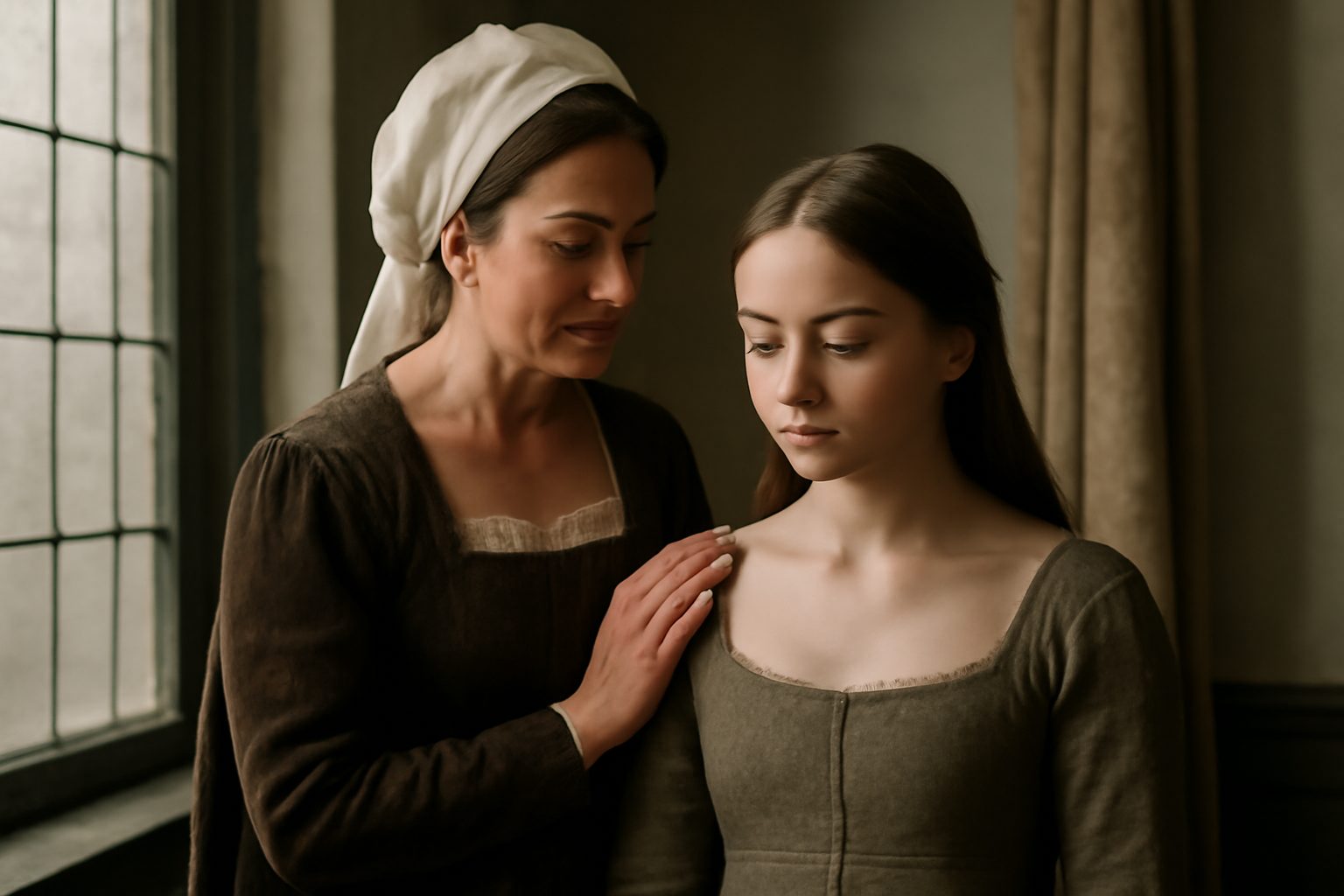
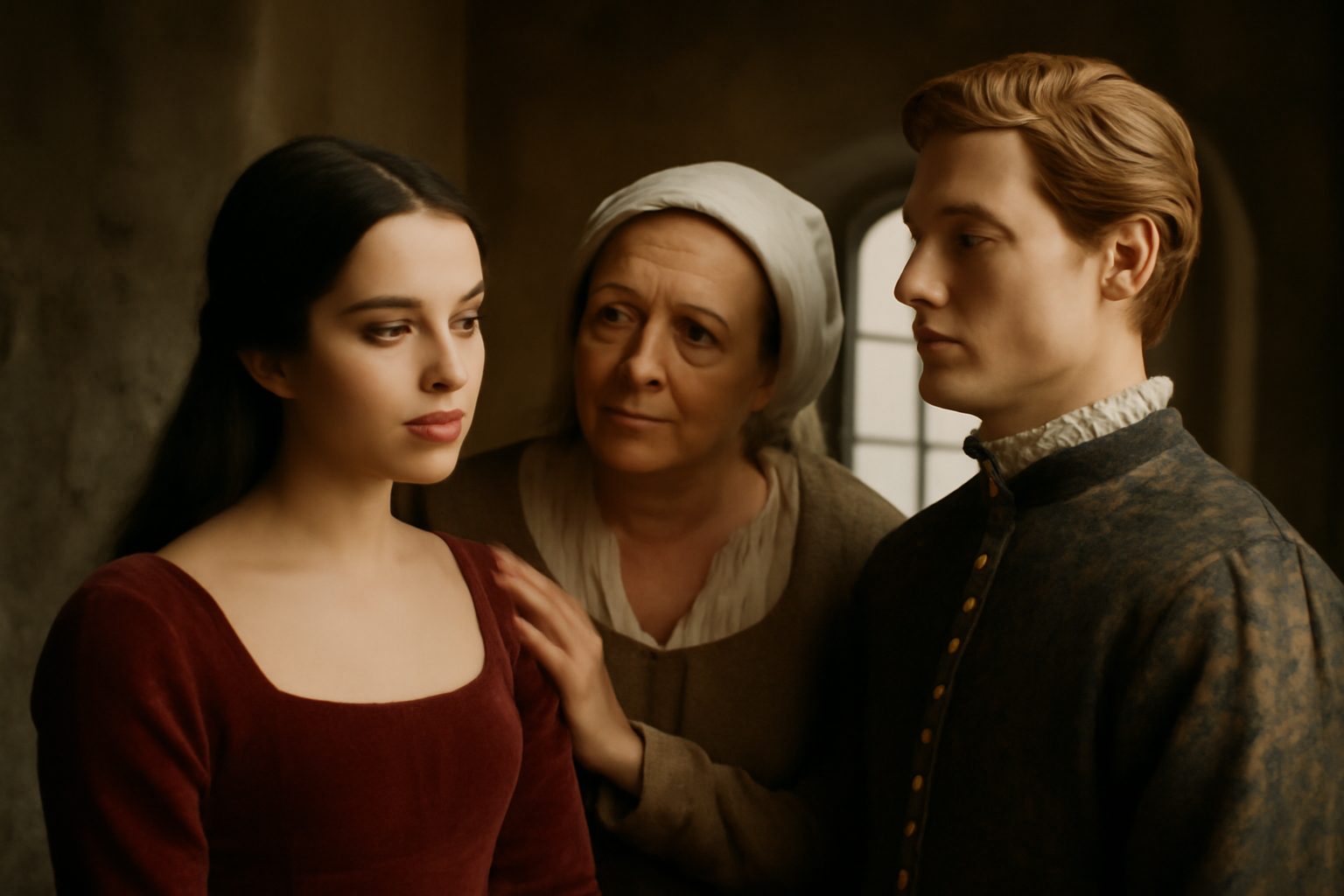
The Nurse's focus on Juliet's upbringing, including "Come Lammas-eve at night shall she be fourteen," relates to the broader discussion of marriage in the scene, such as Lady Capulet's question in "How stands your disposition to be married?", framing Juliet's transition to adulthood.
Connection to Maternal Affection
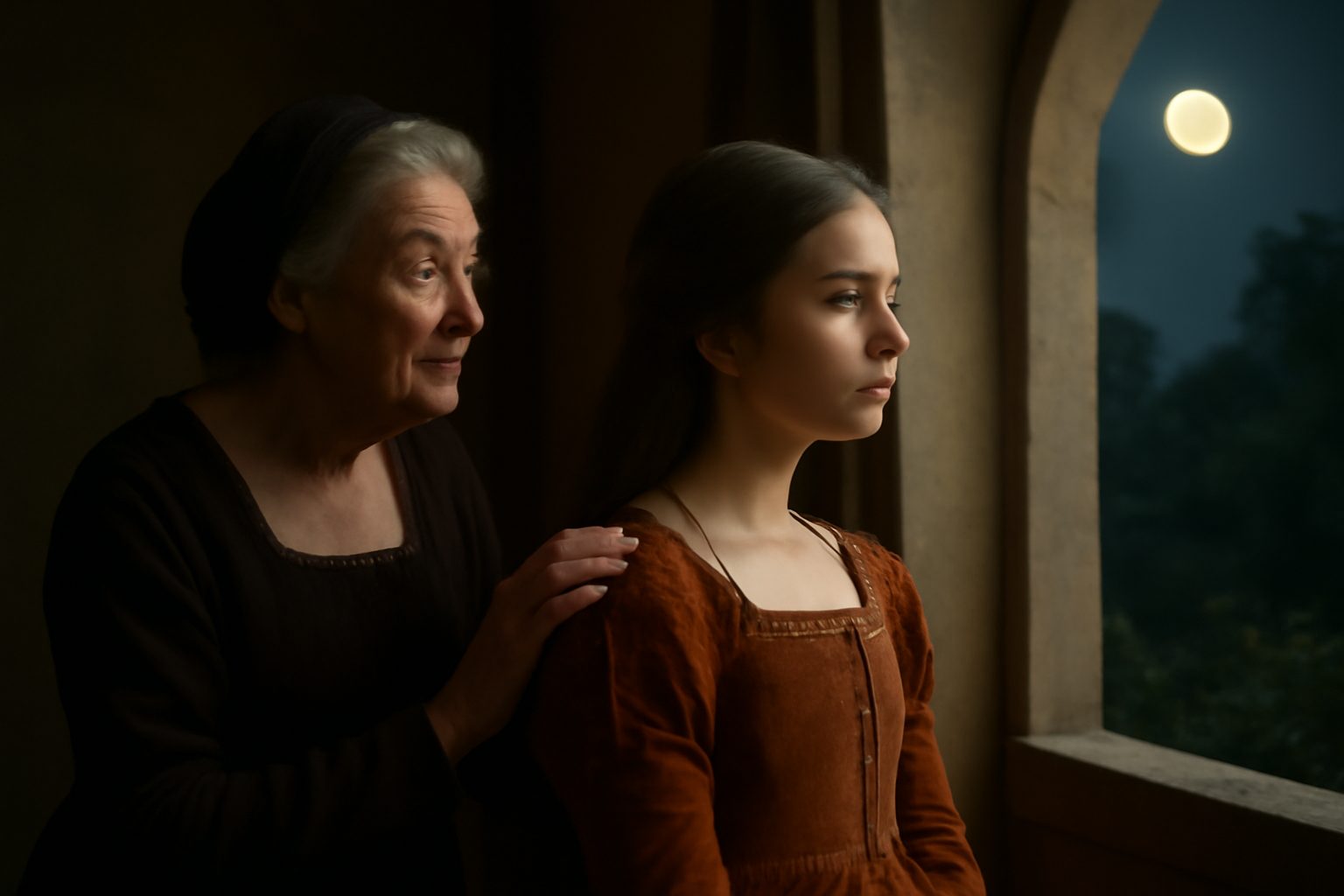
The Nurse's doting nature is further illustrated in "Thou wast the prettiest babe that e'er I nursed:", reinforcing the idea that Juliet is like a daughter to her, which amplifies the emotional weight of "She was too good for me."