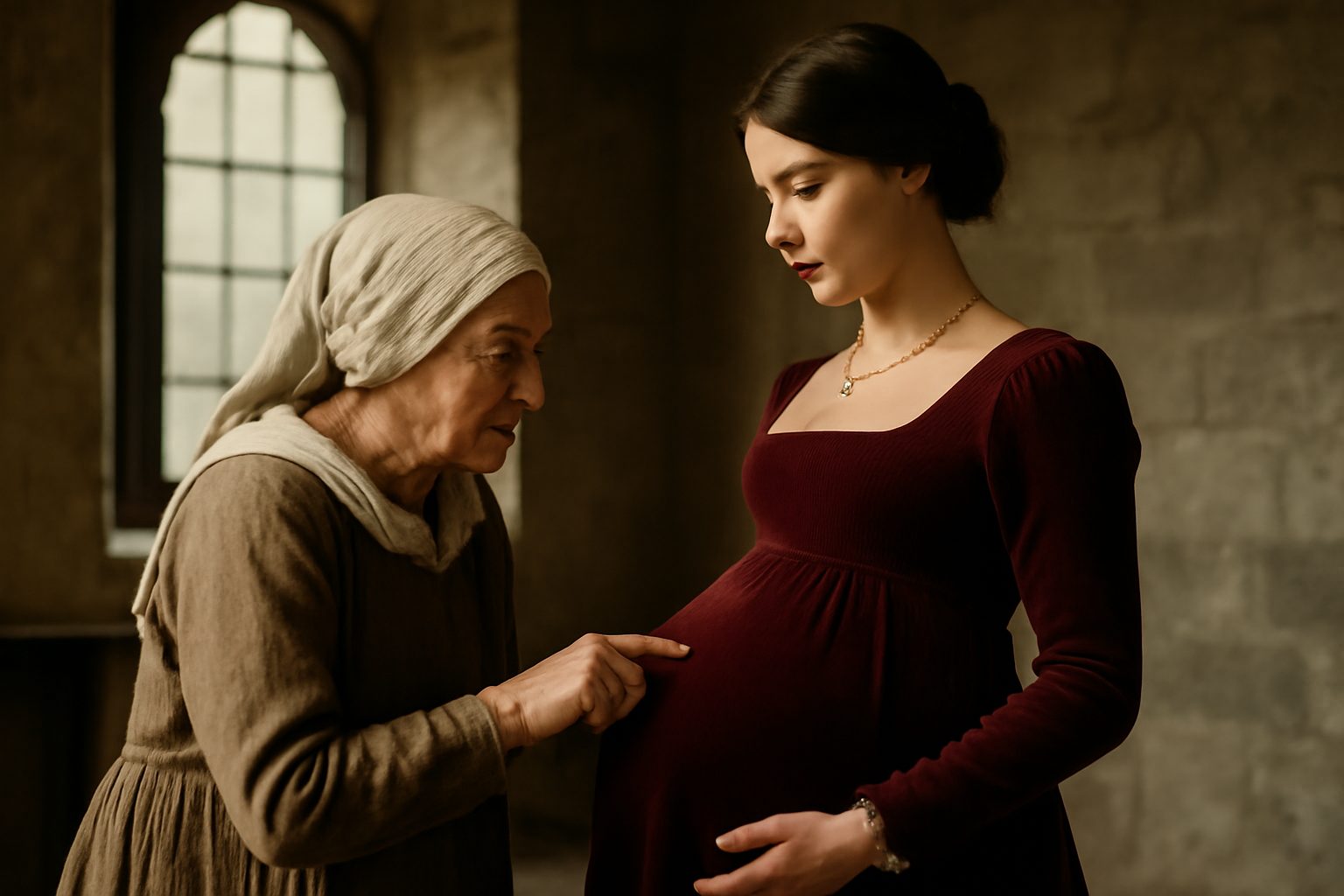
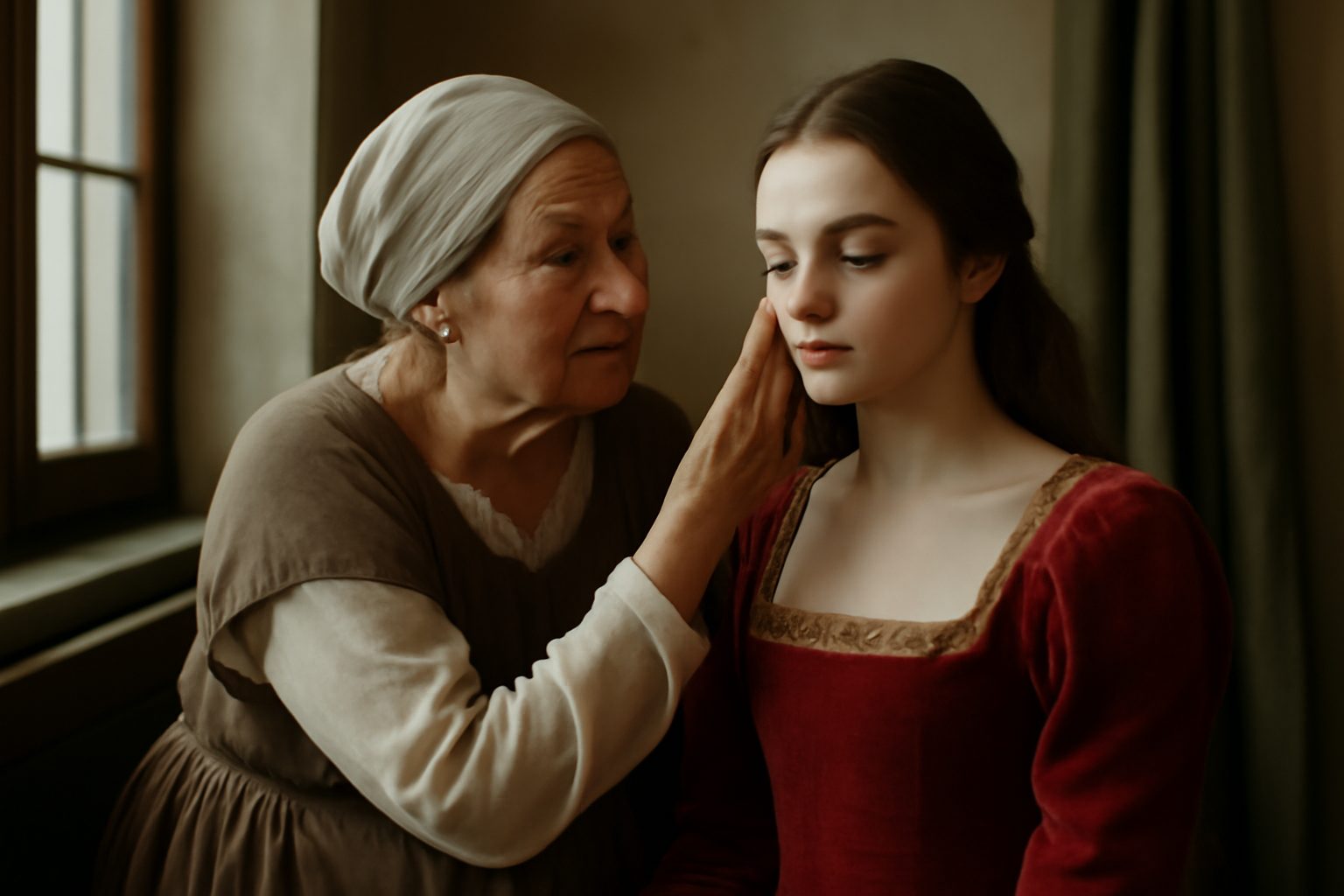
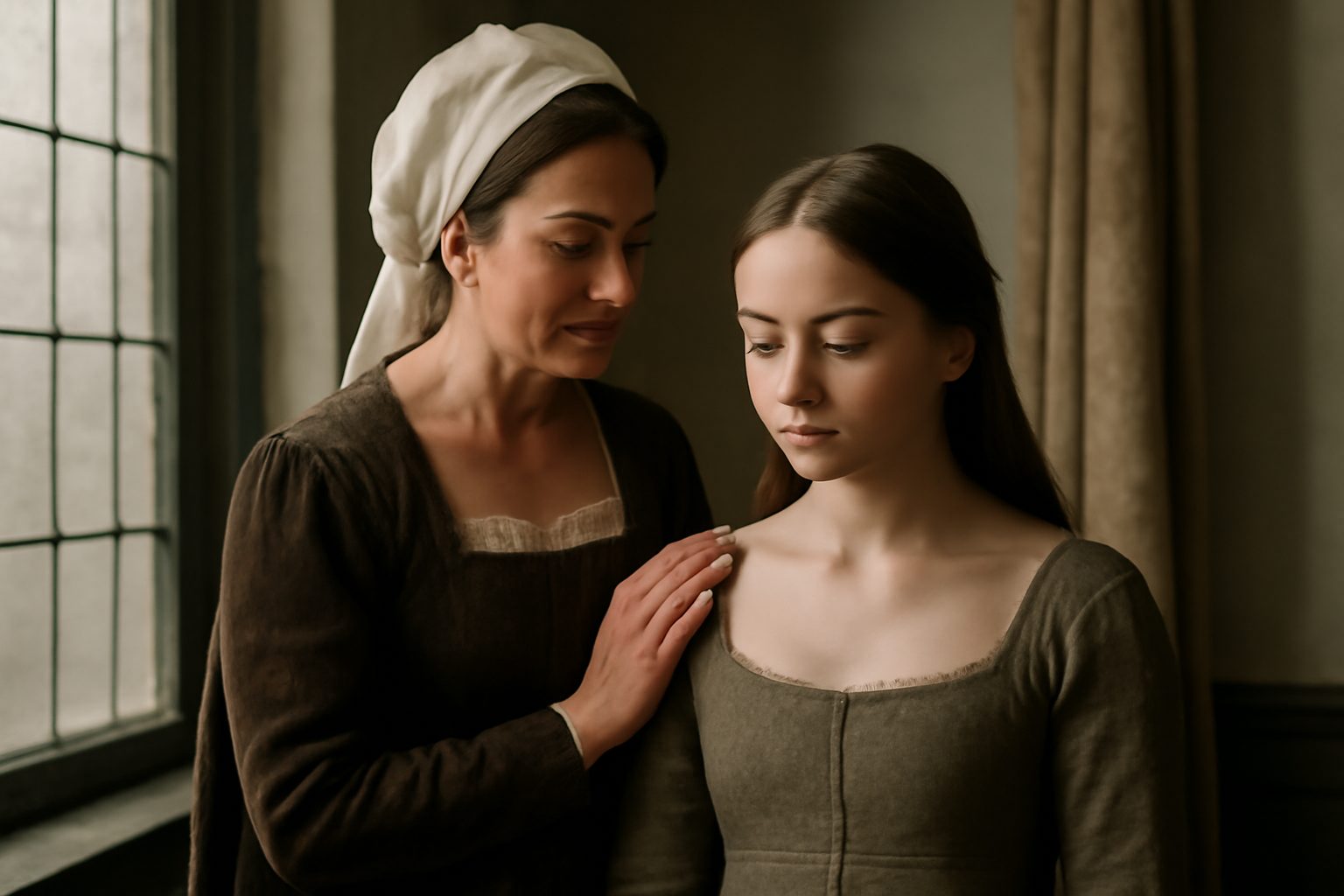
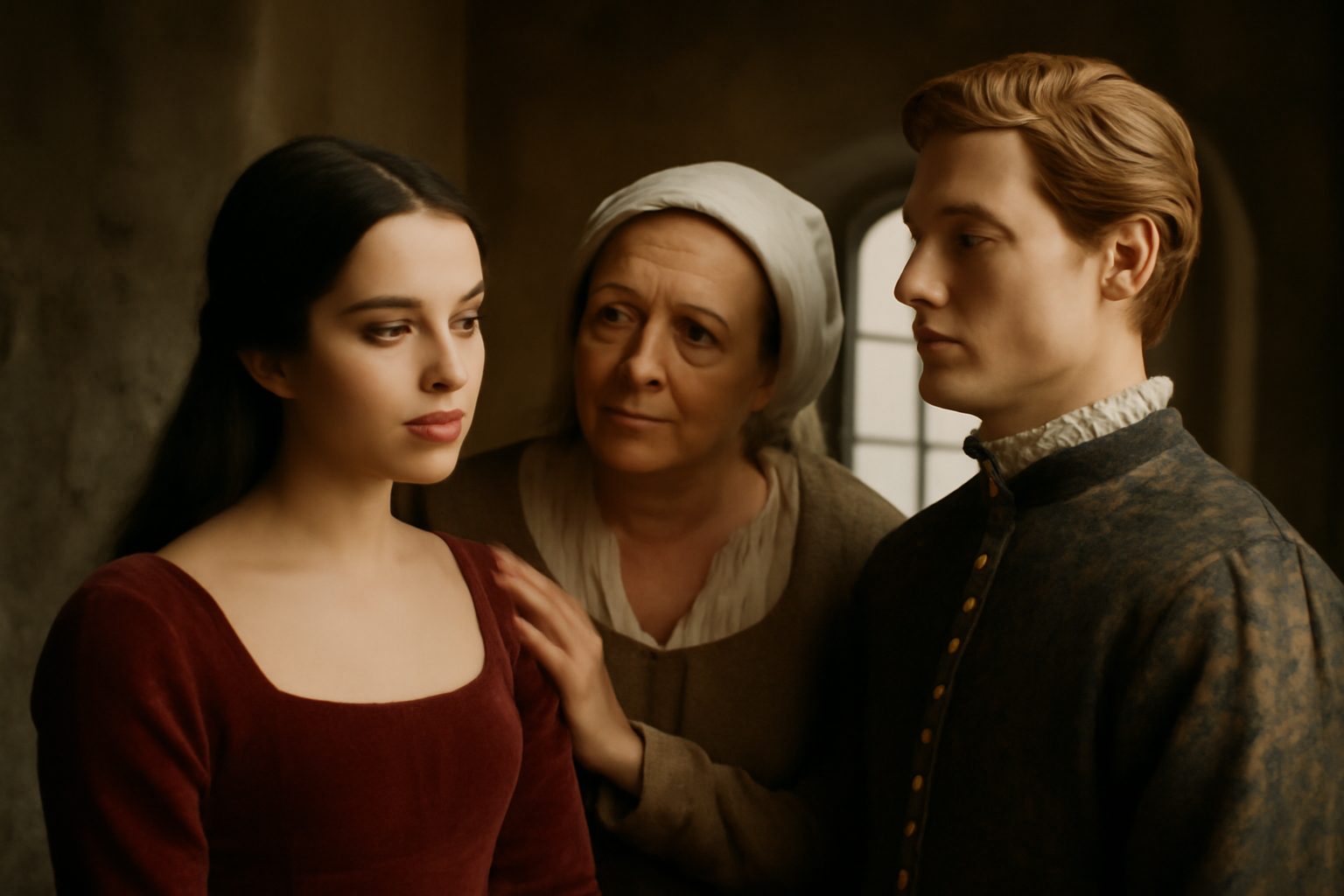
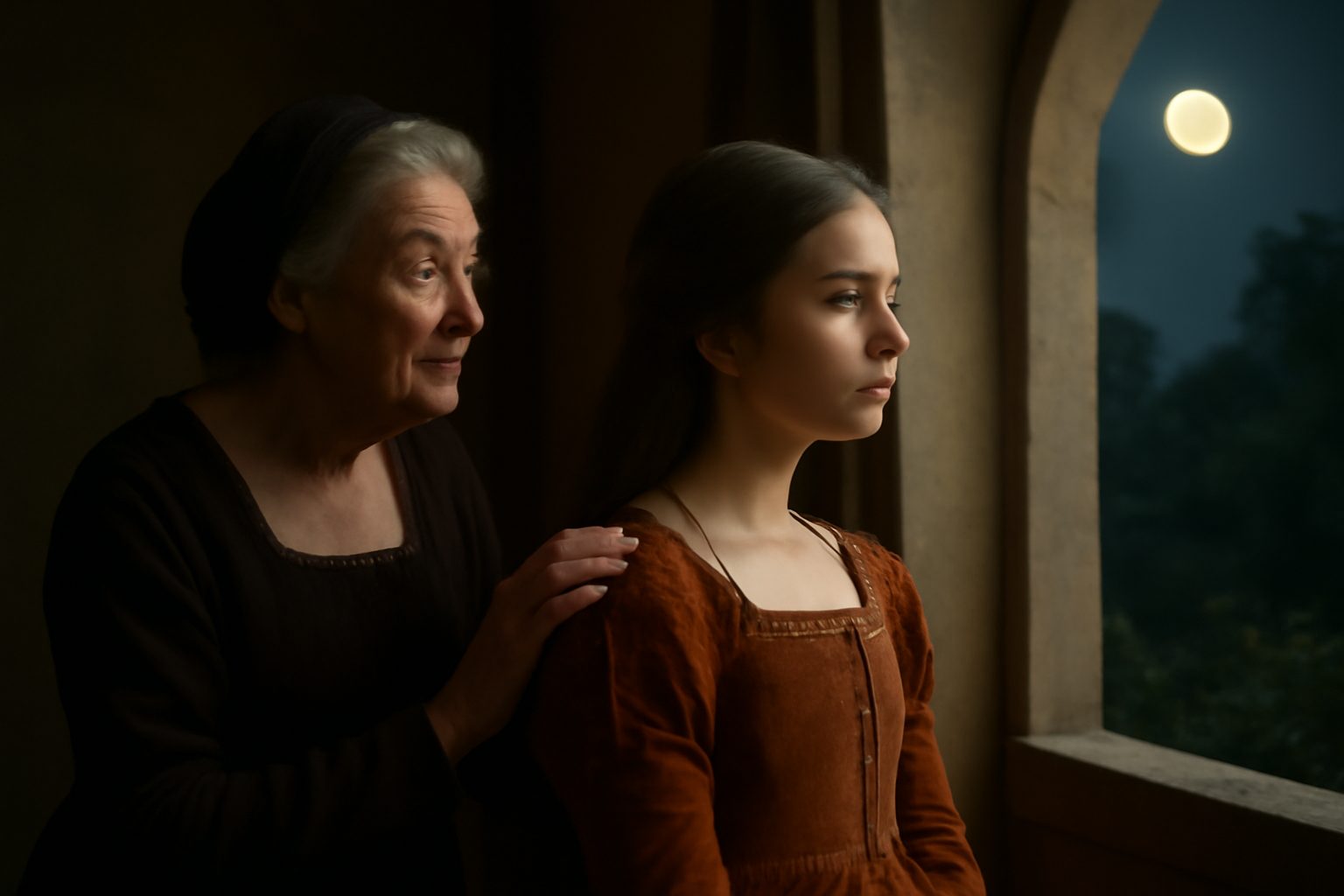
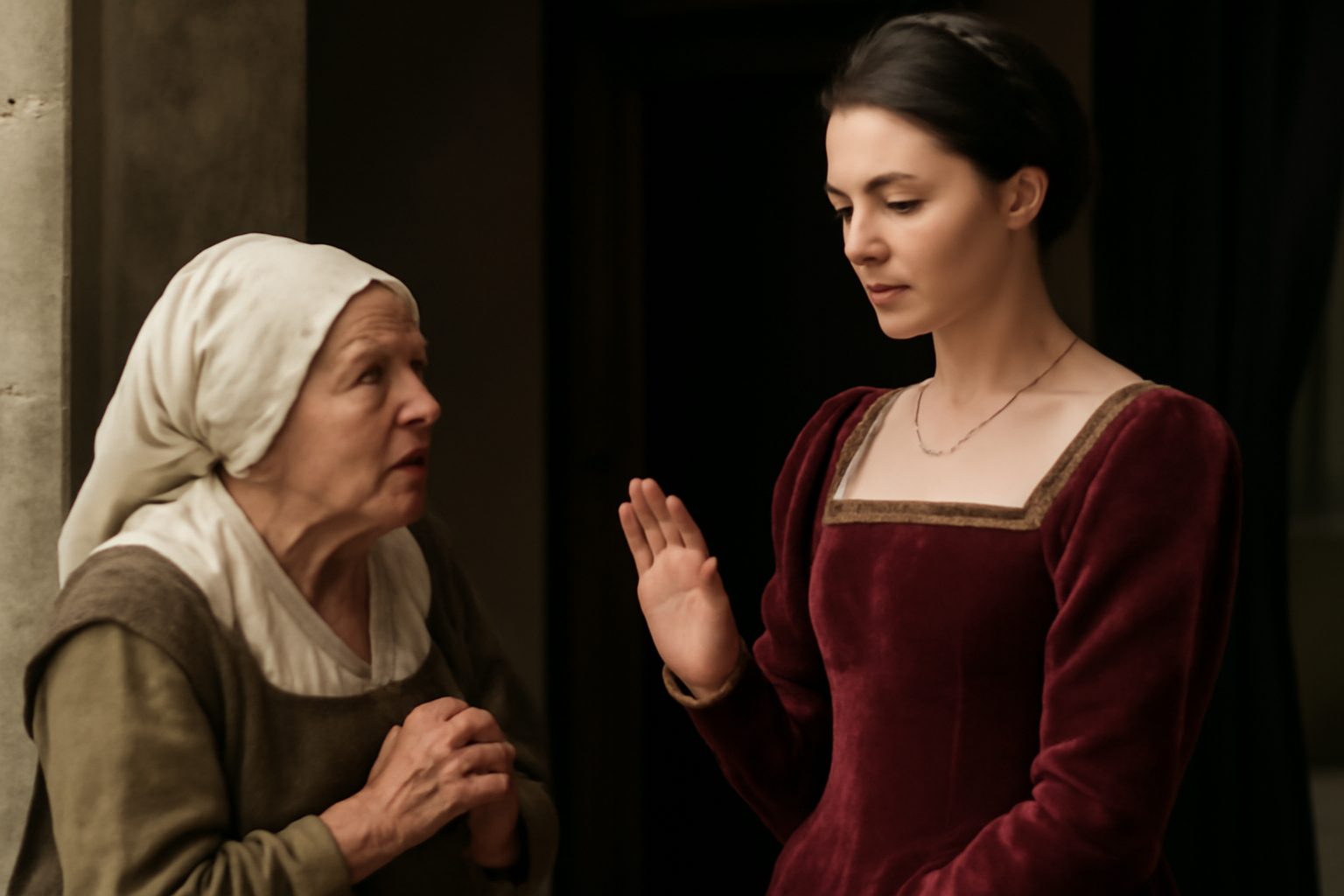
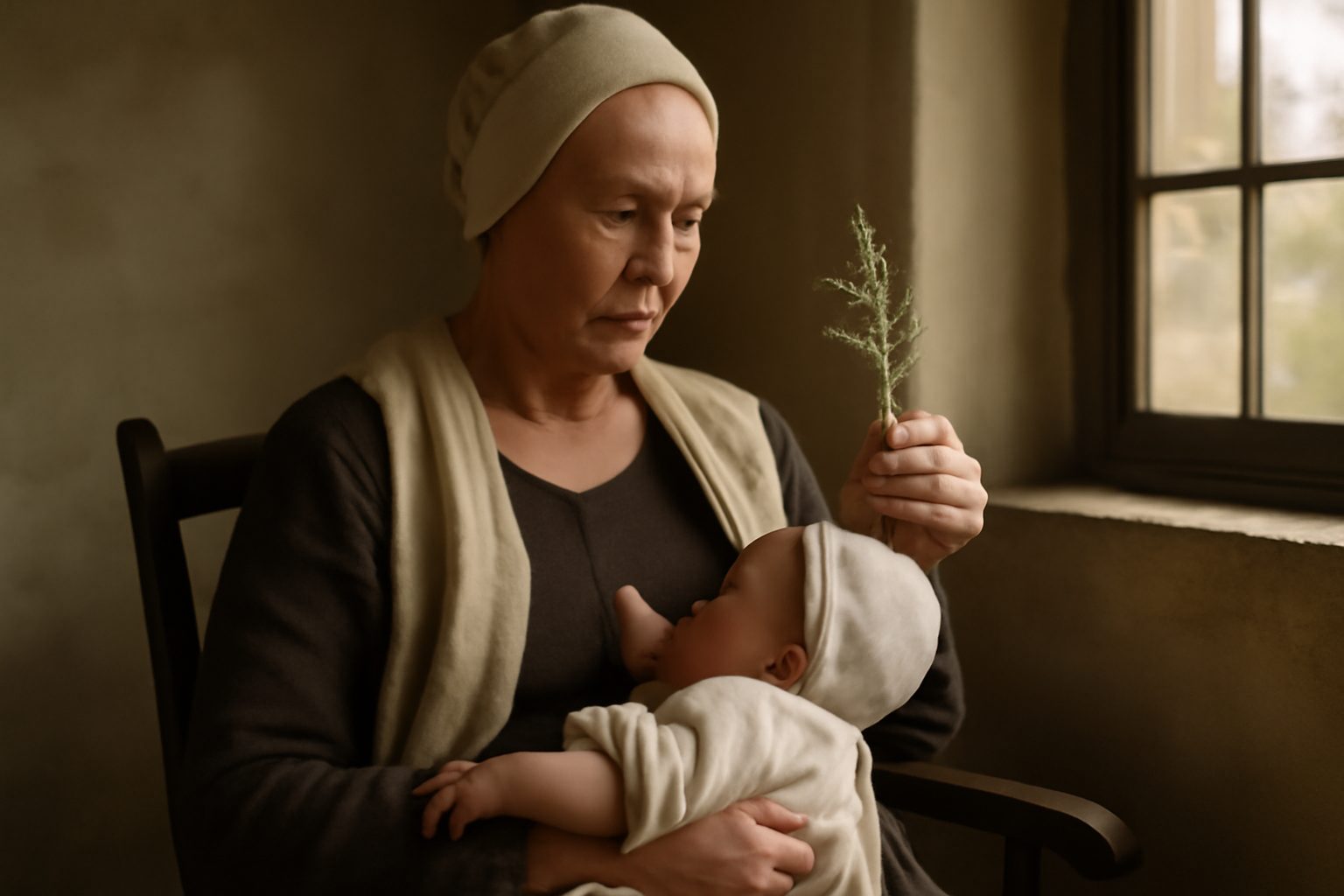
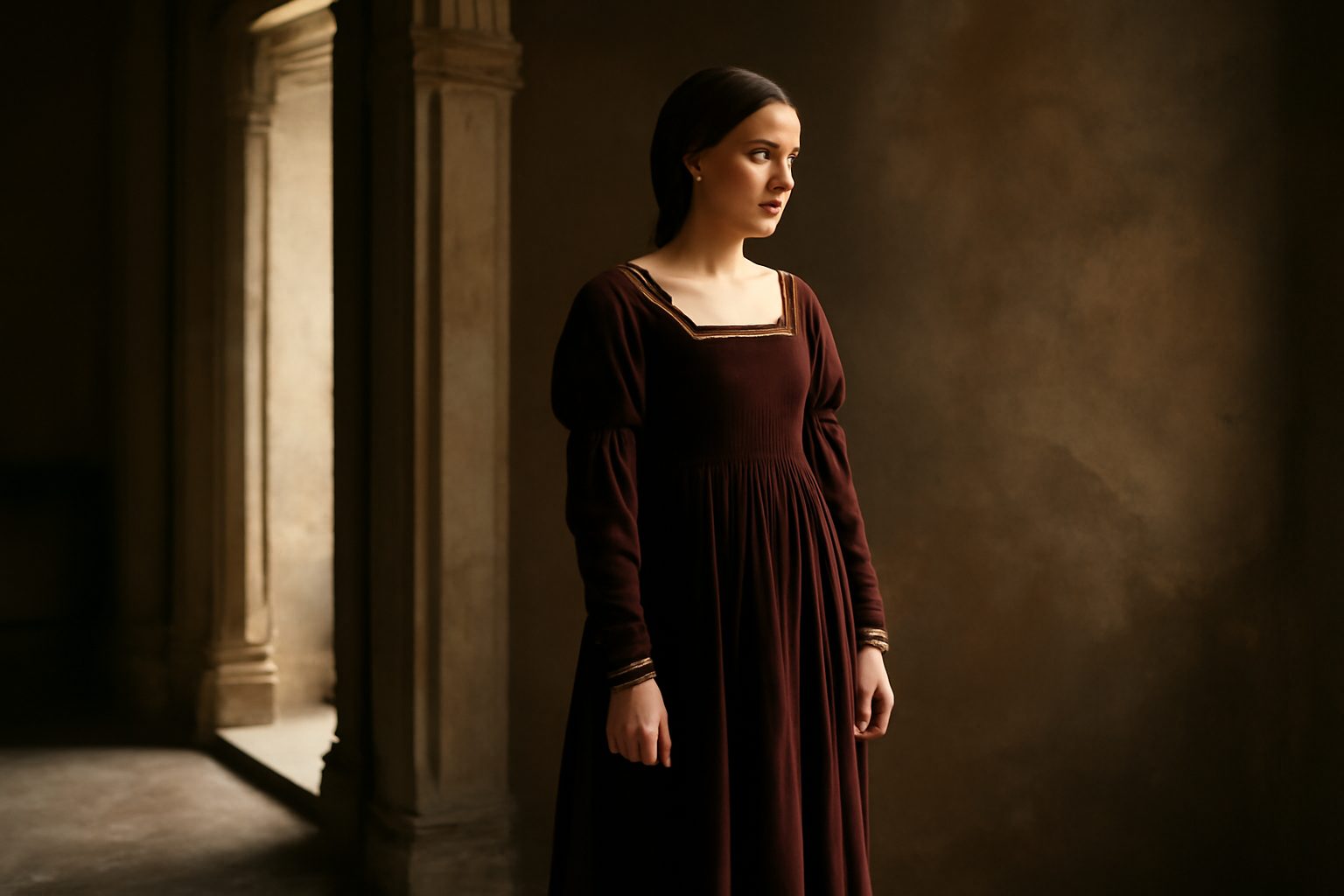
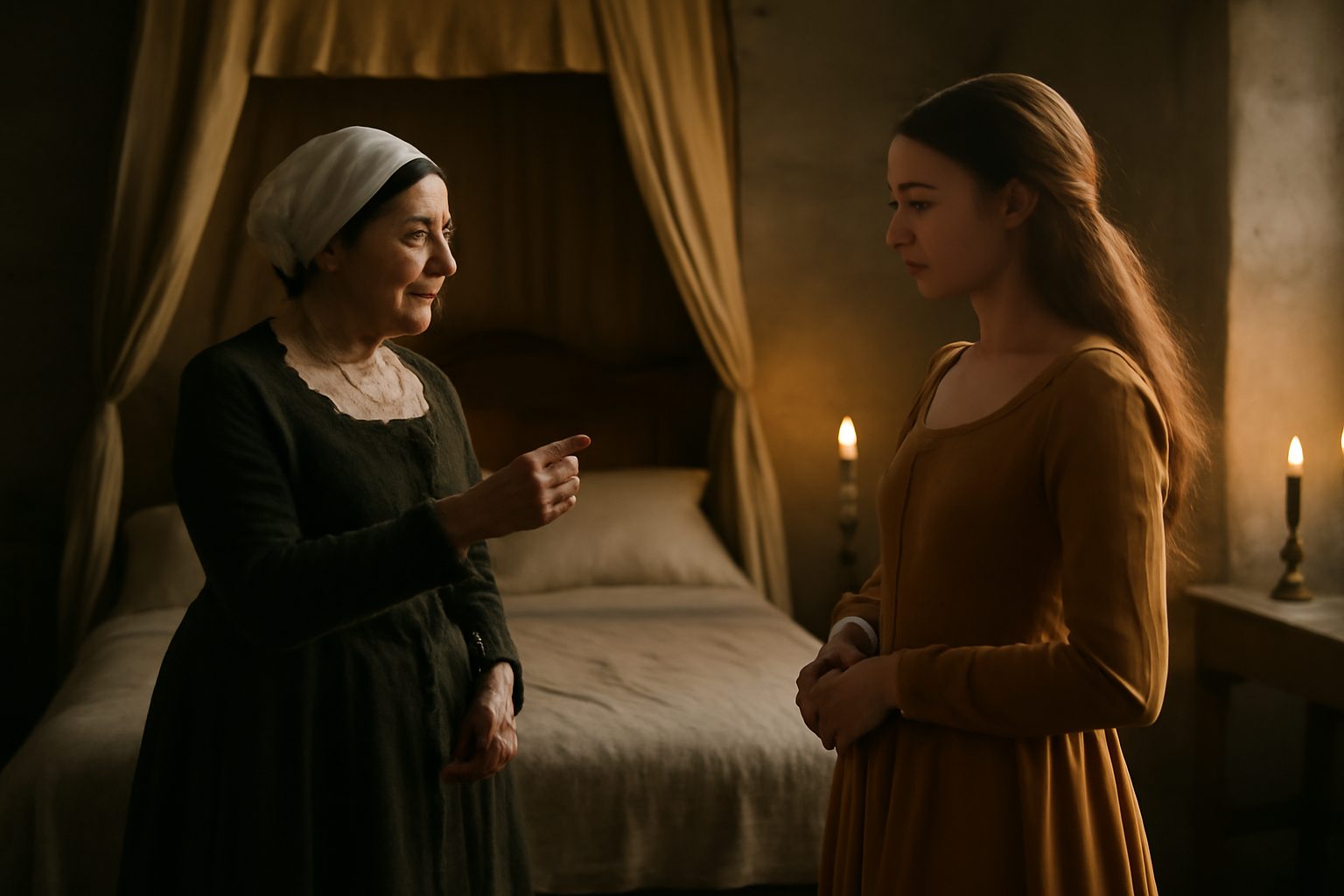
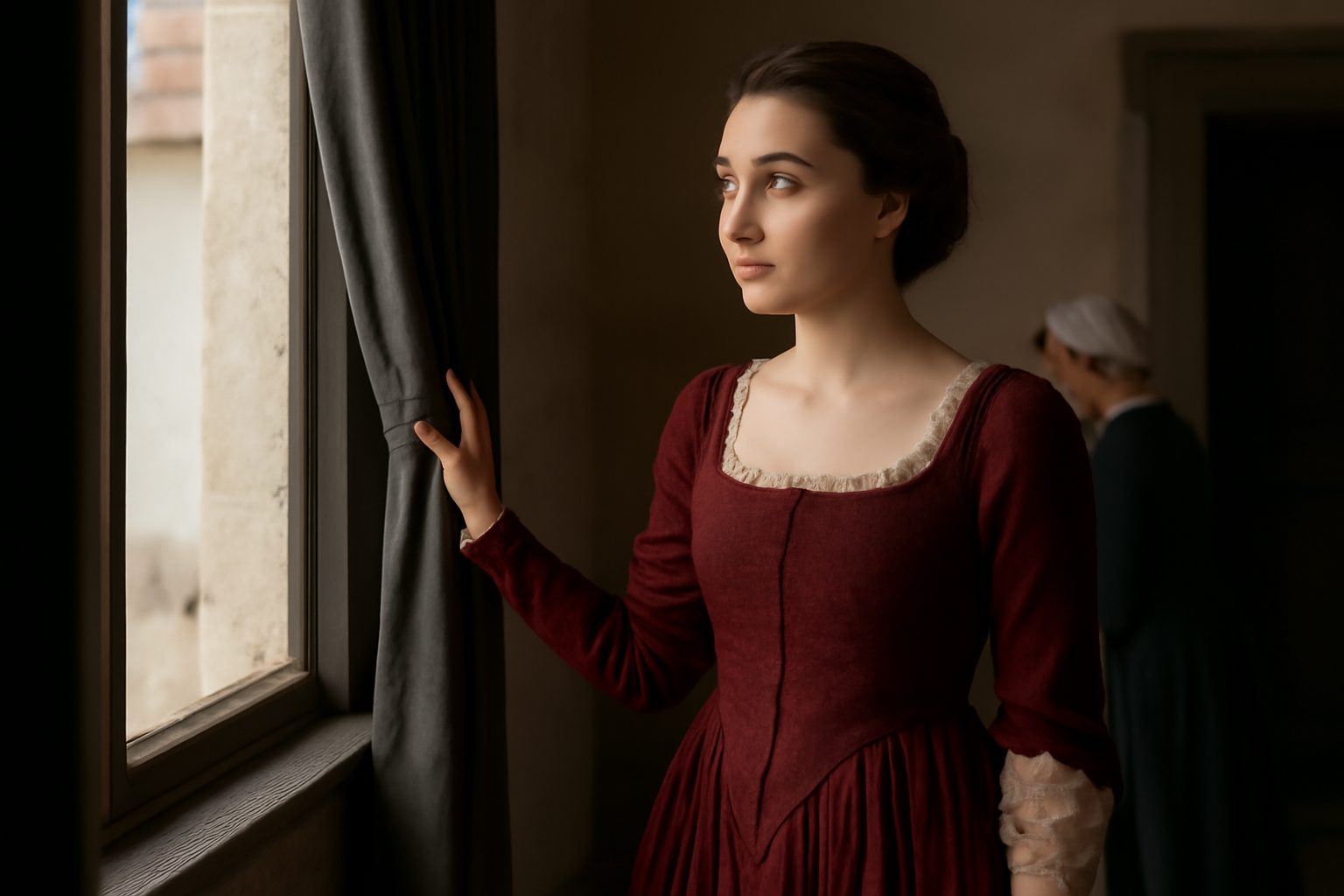
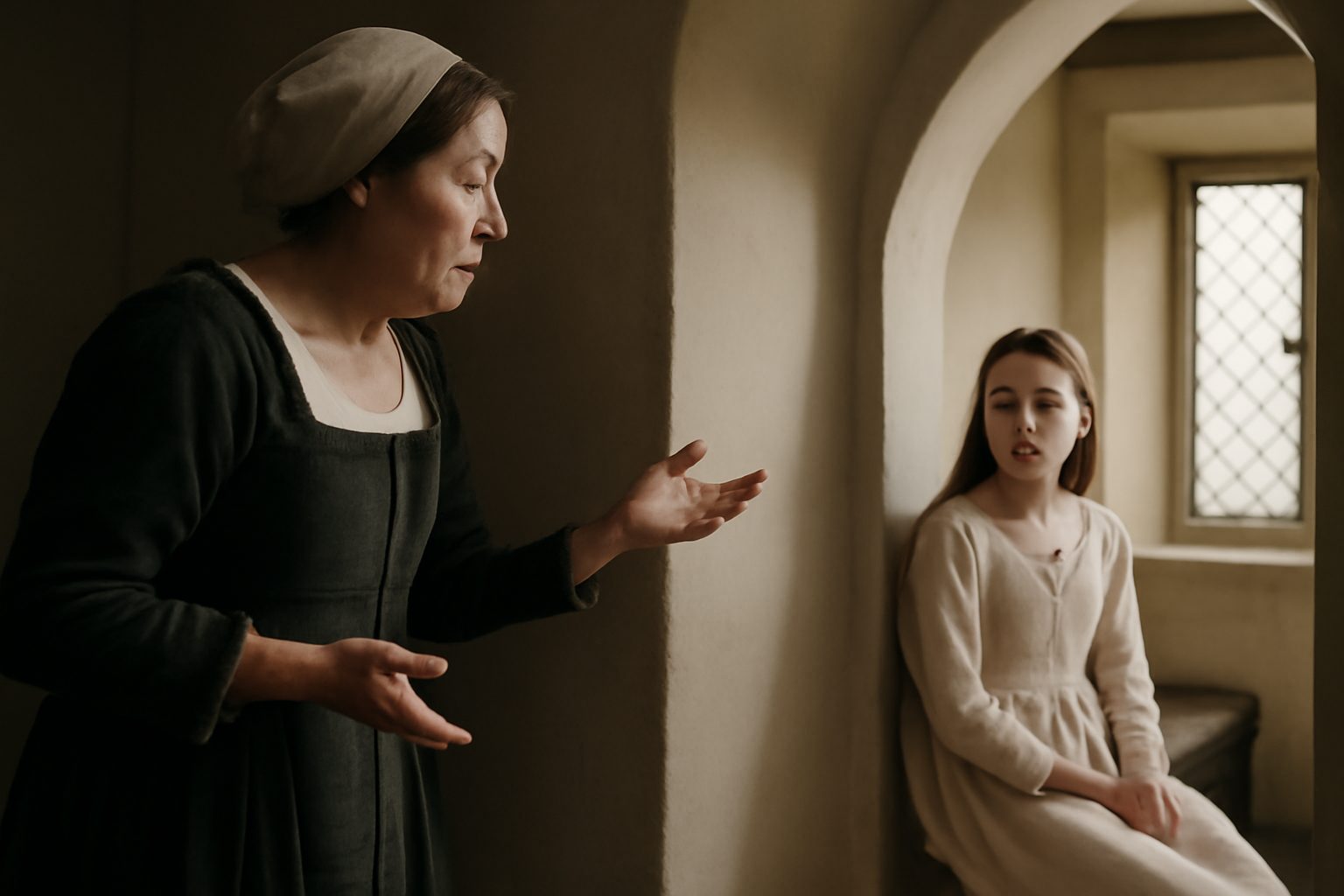
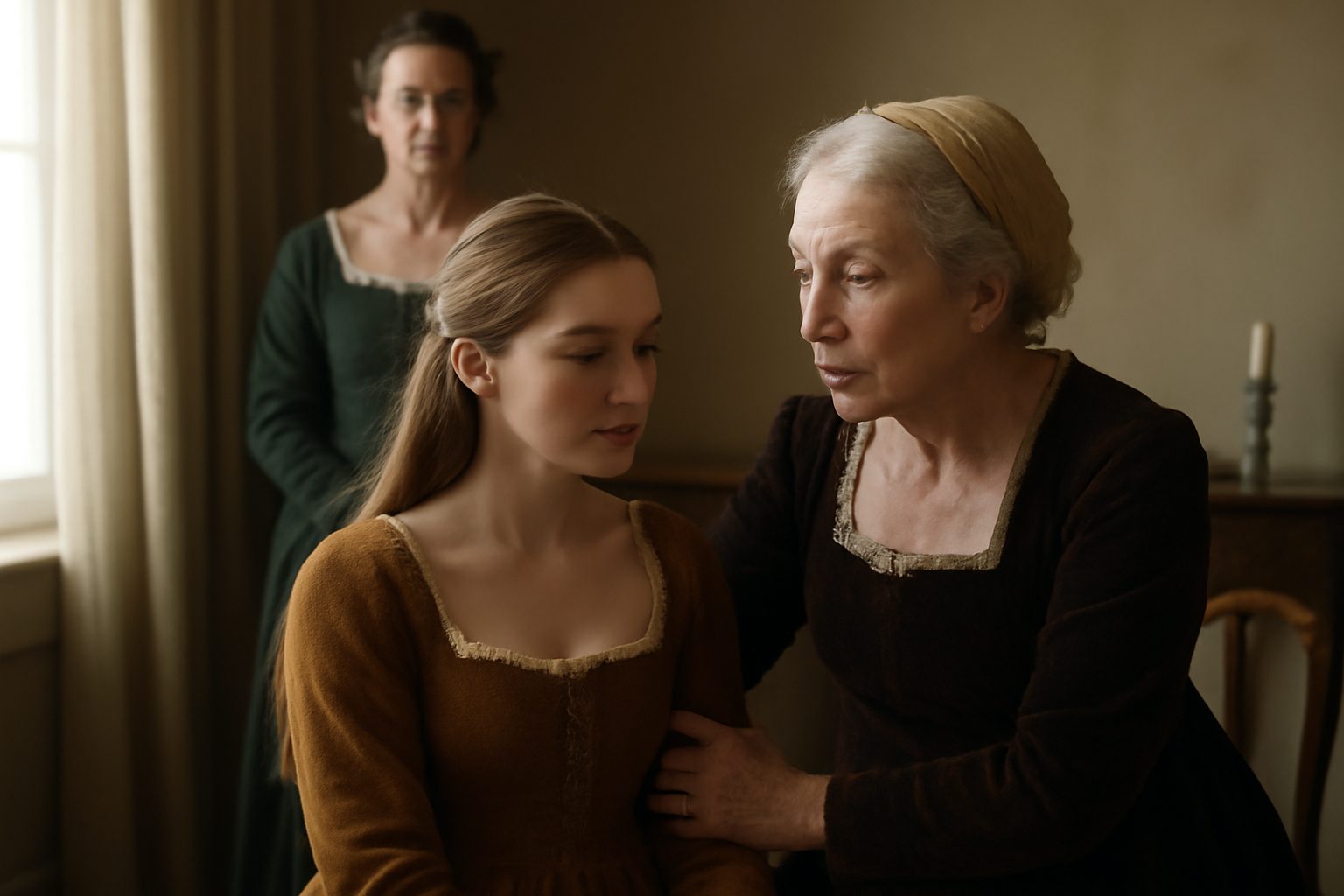
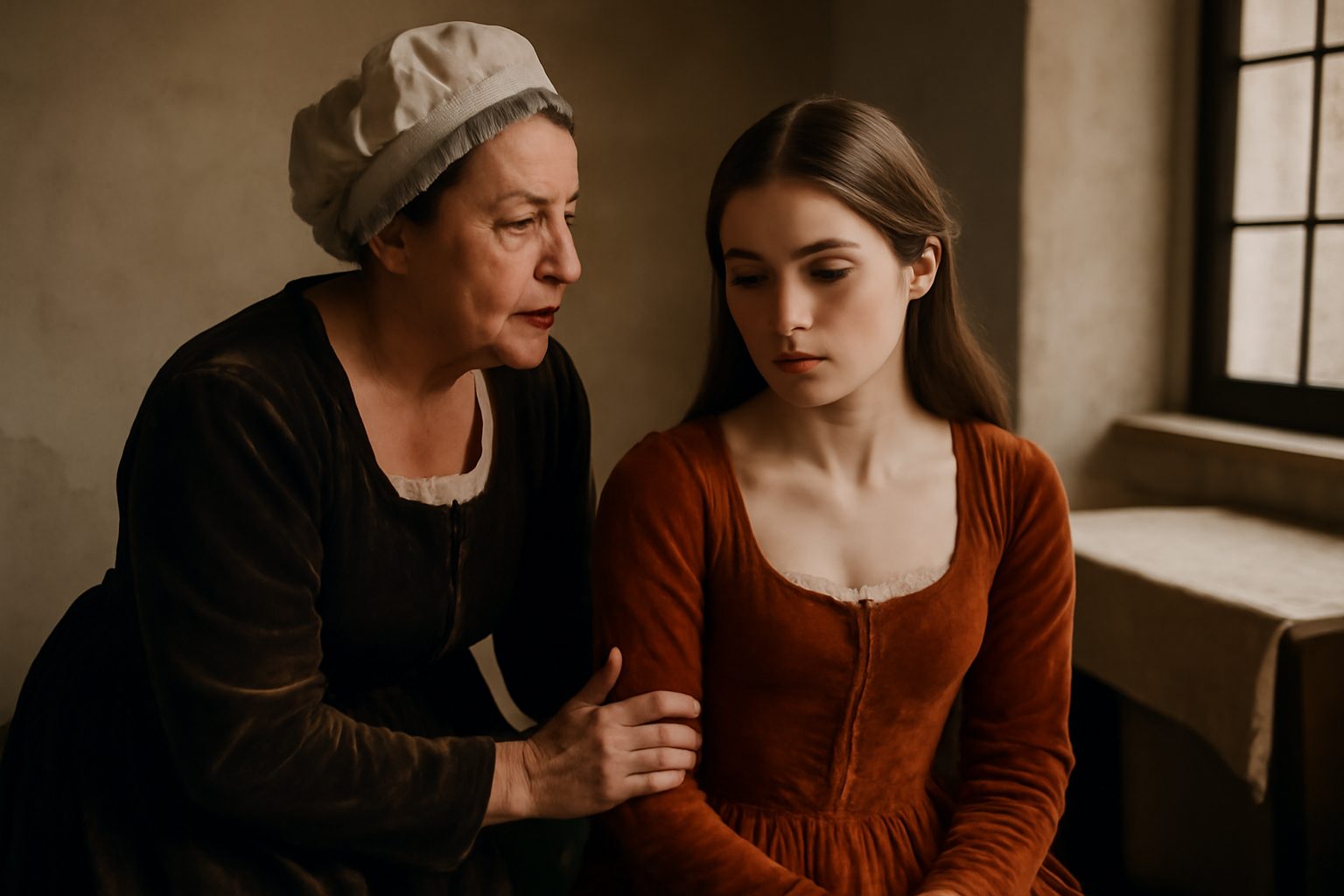
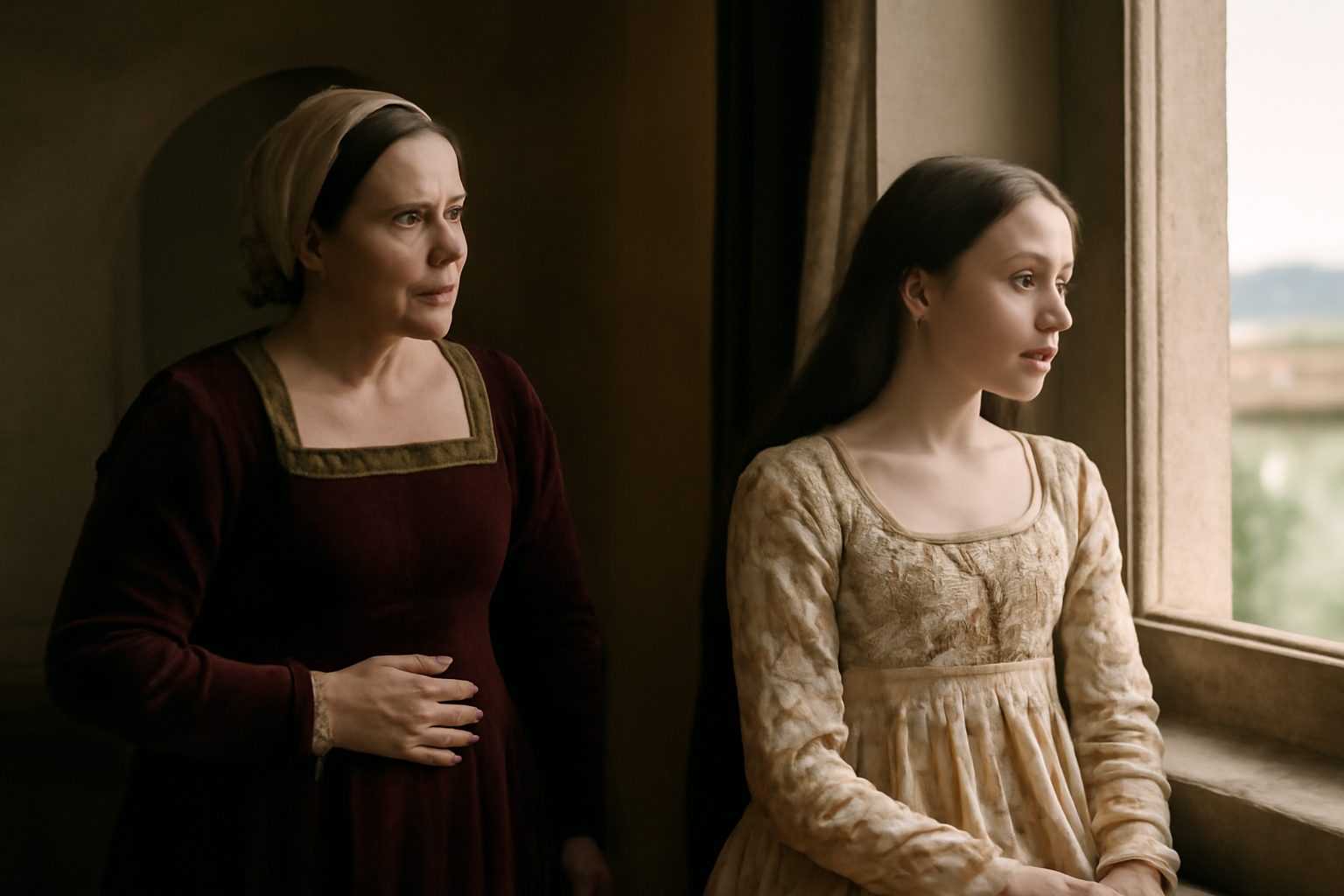
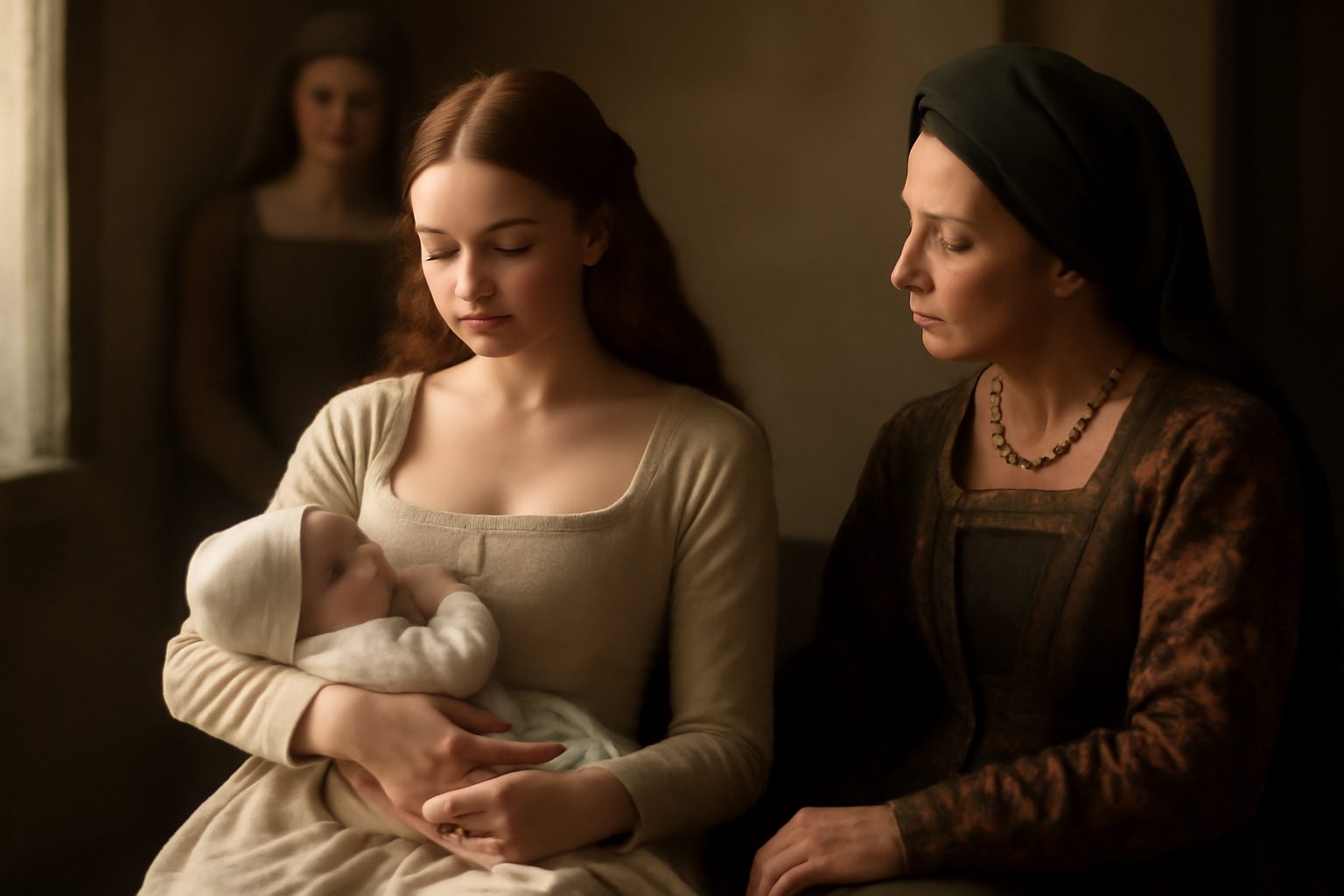
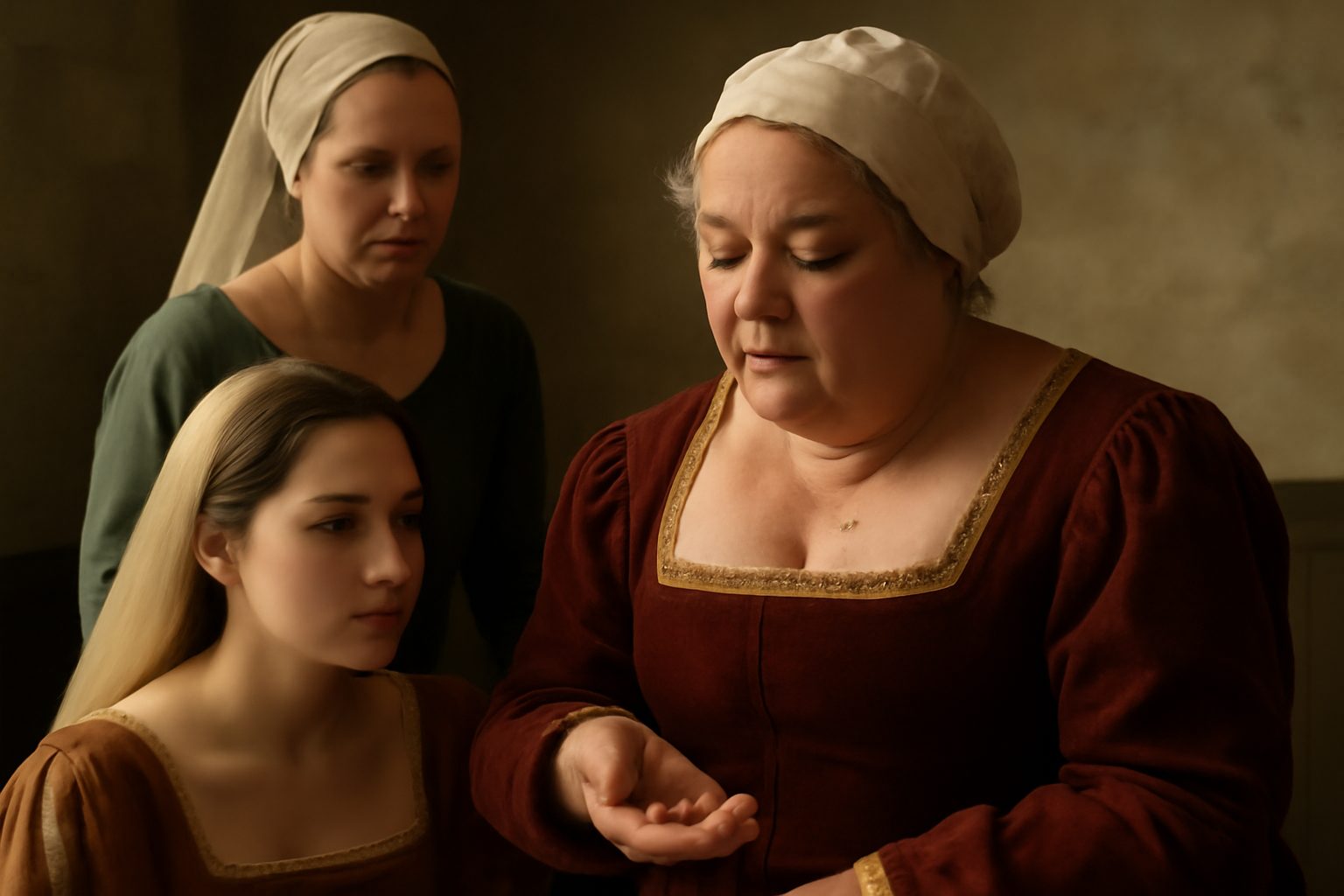
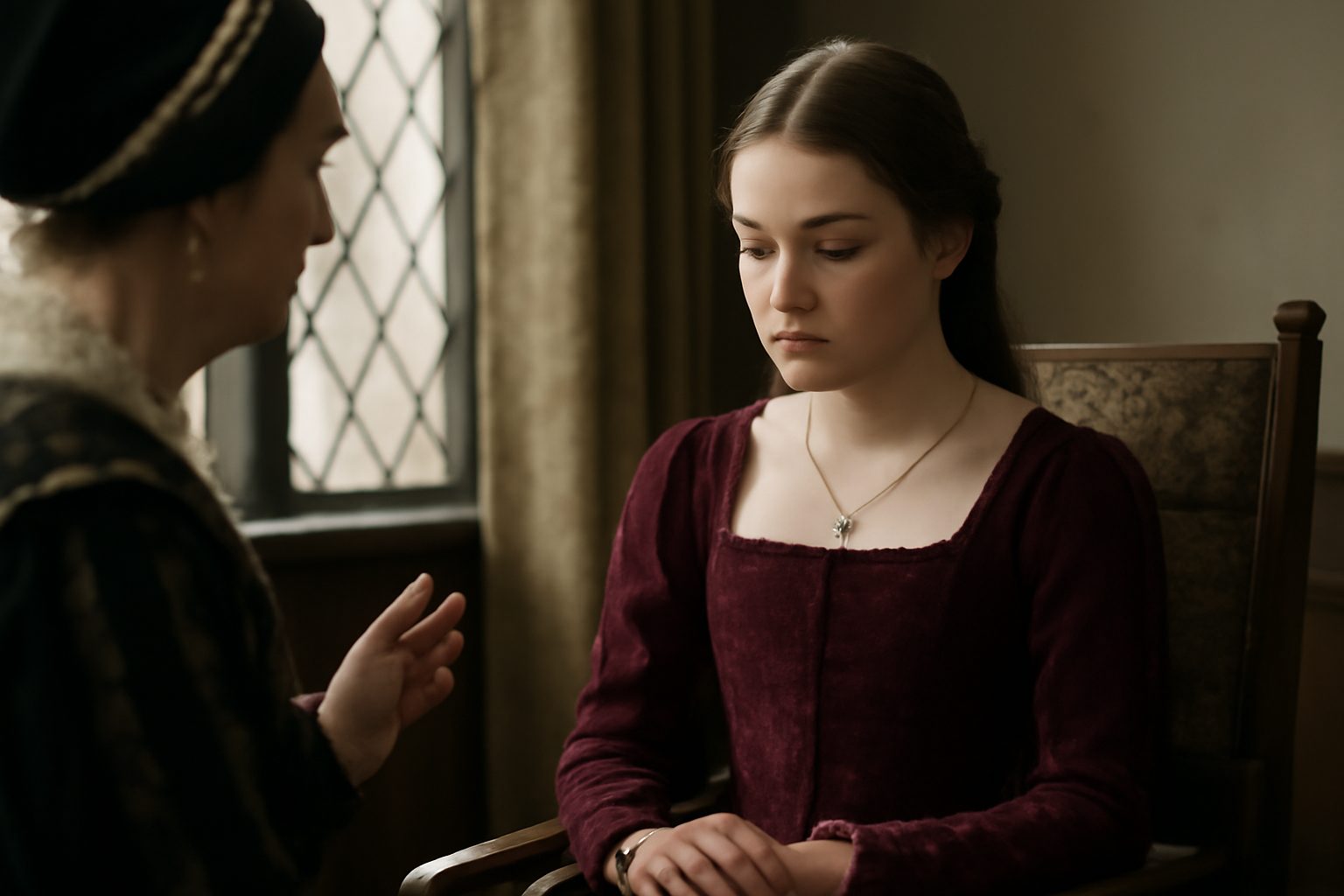
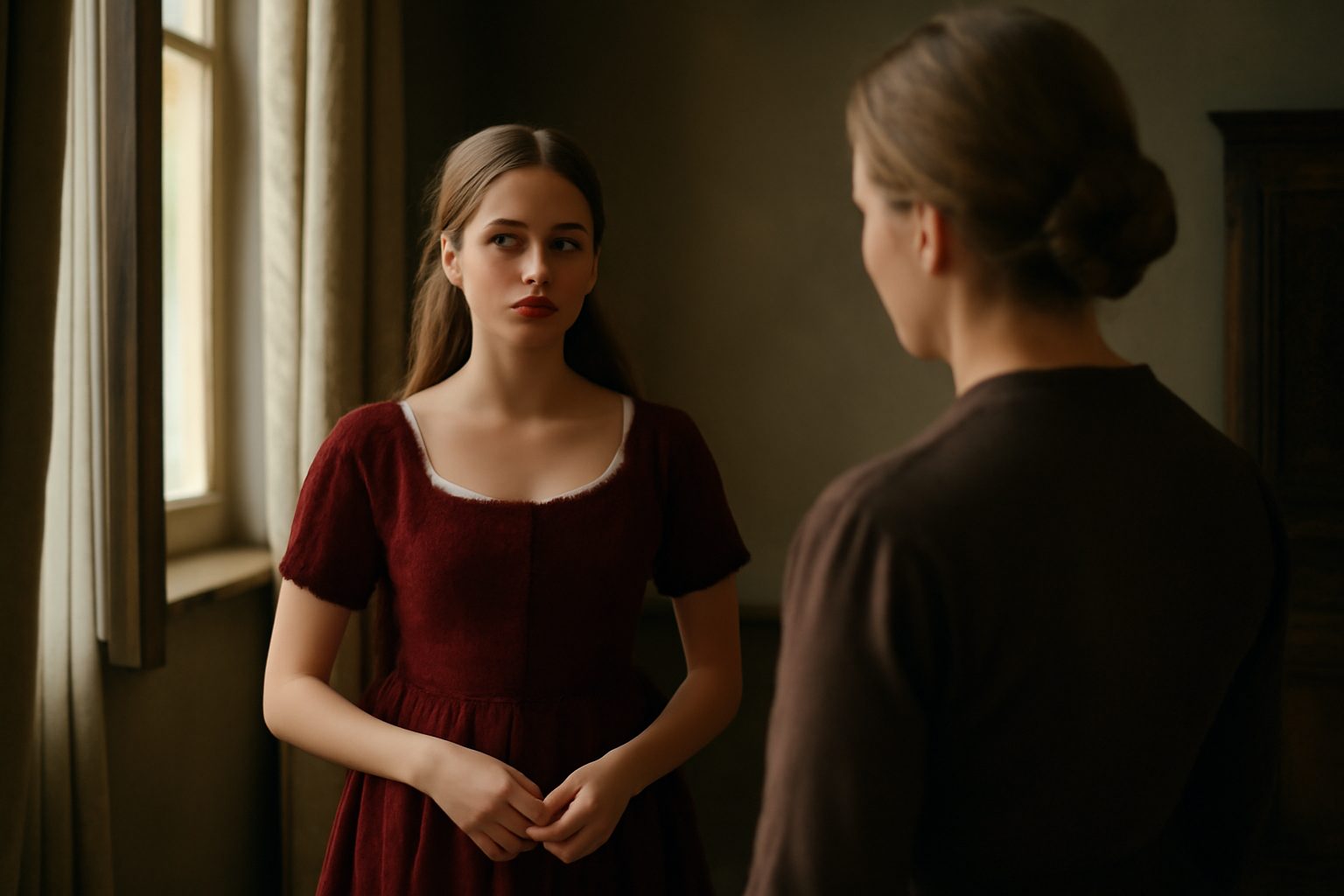
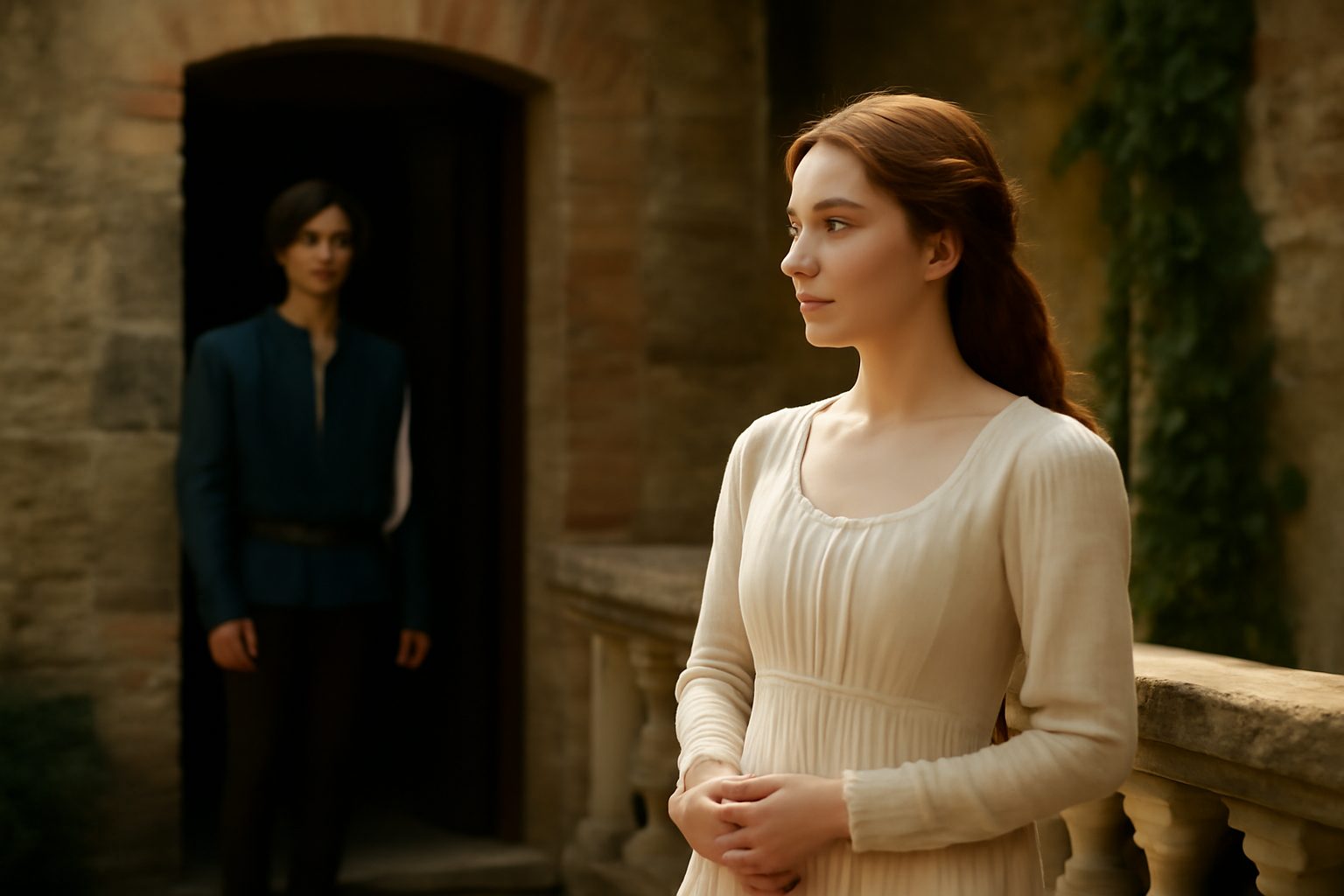
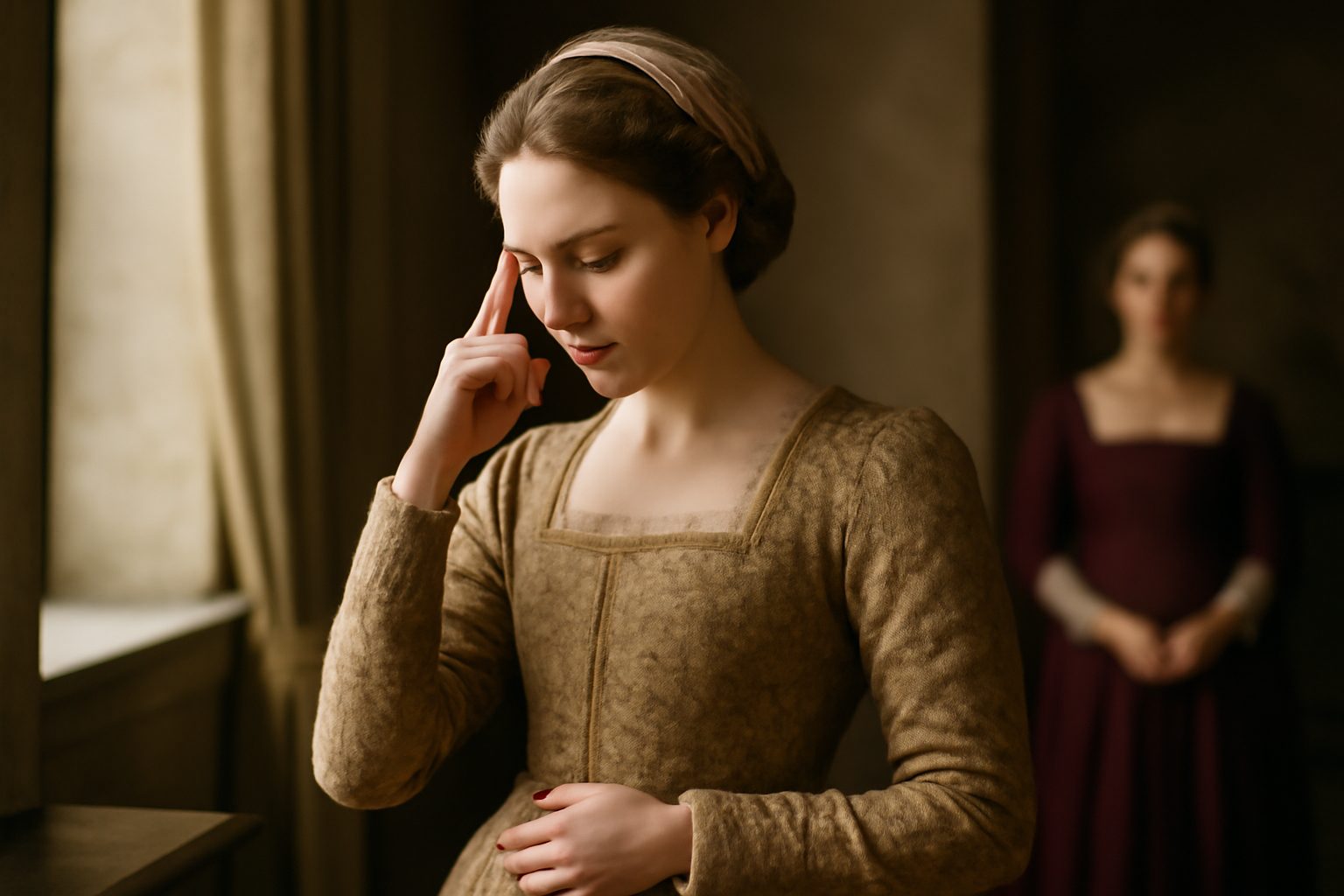
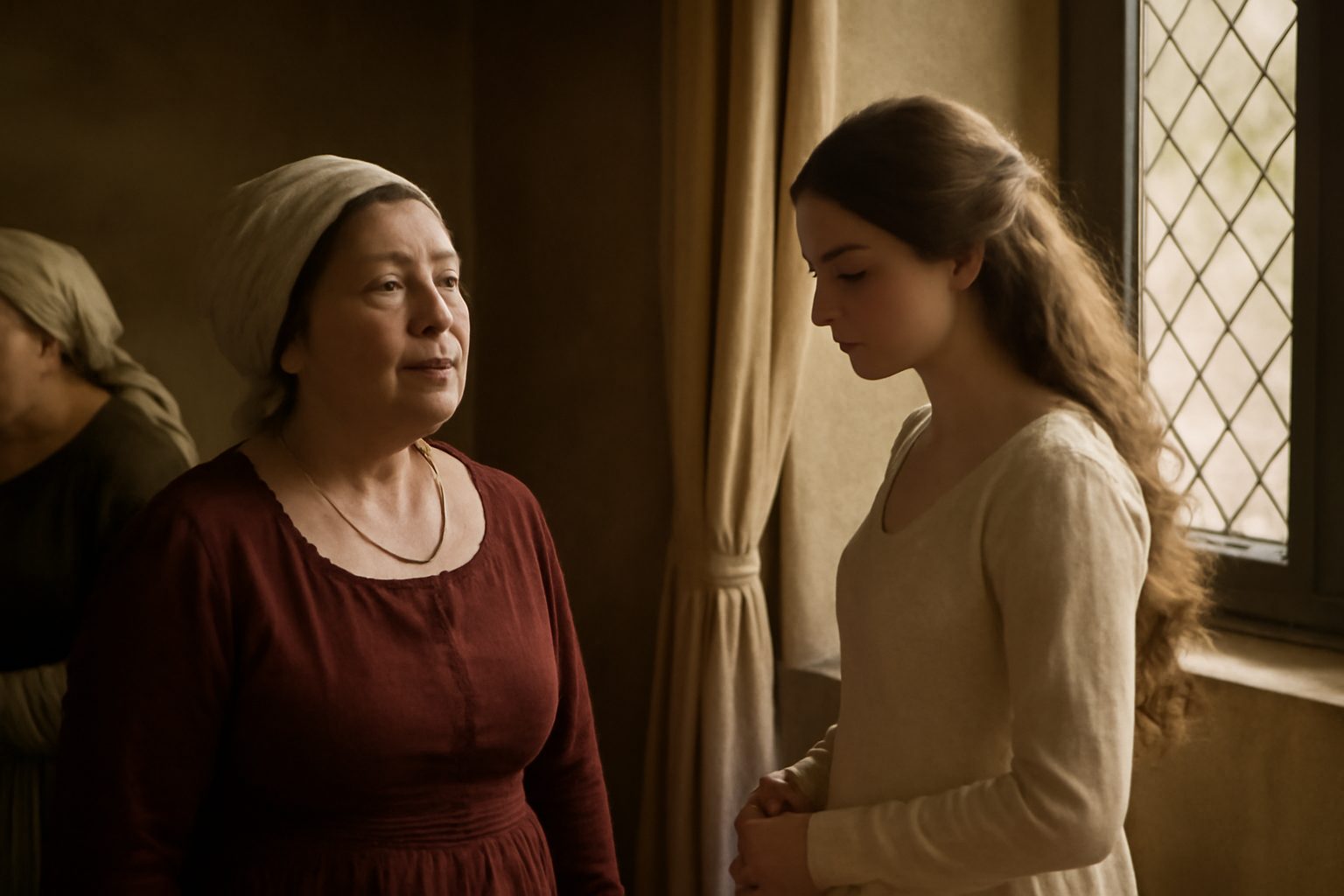
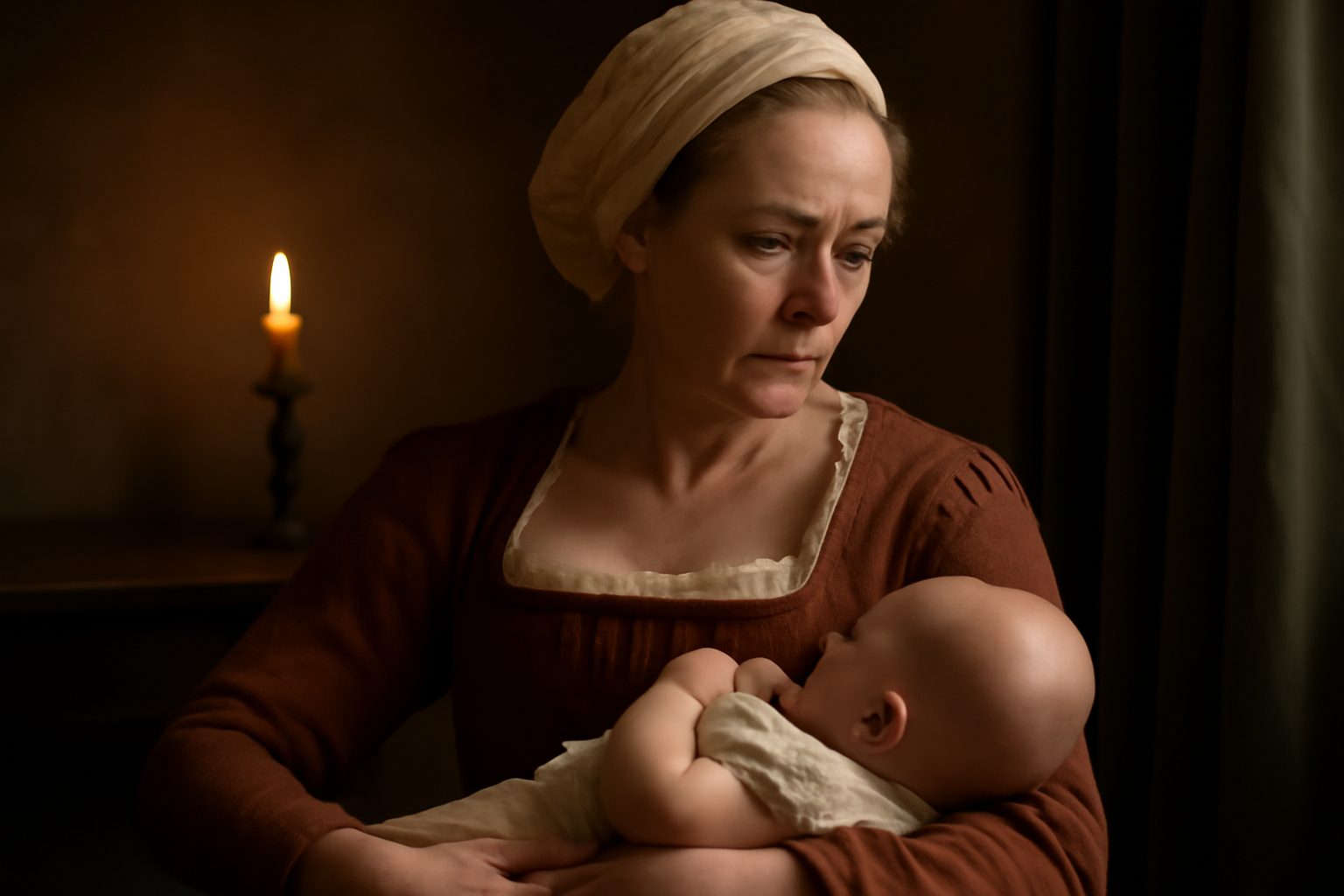
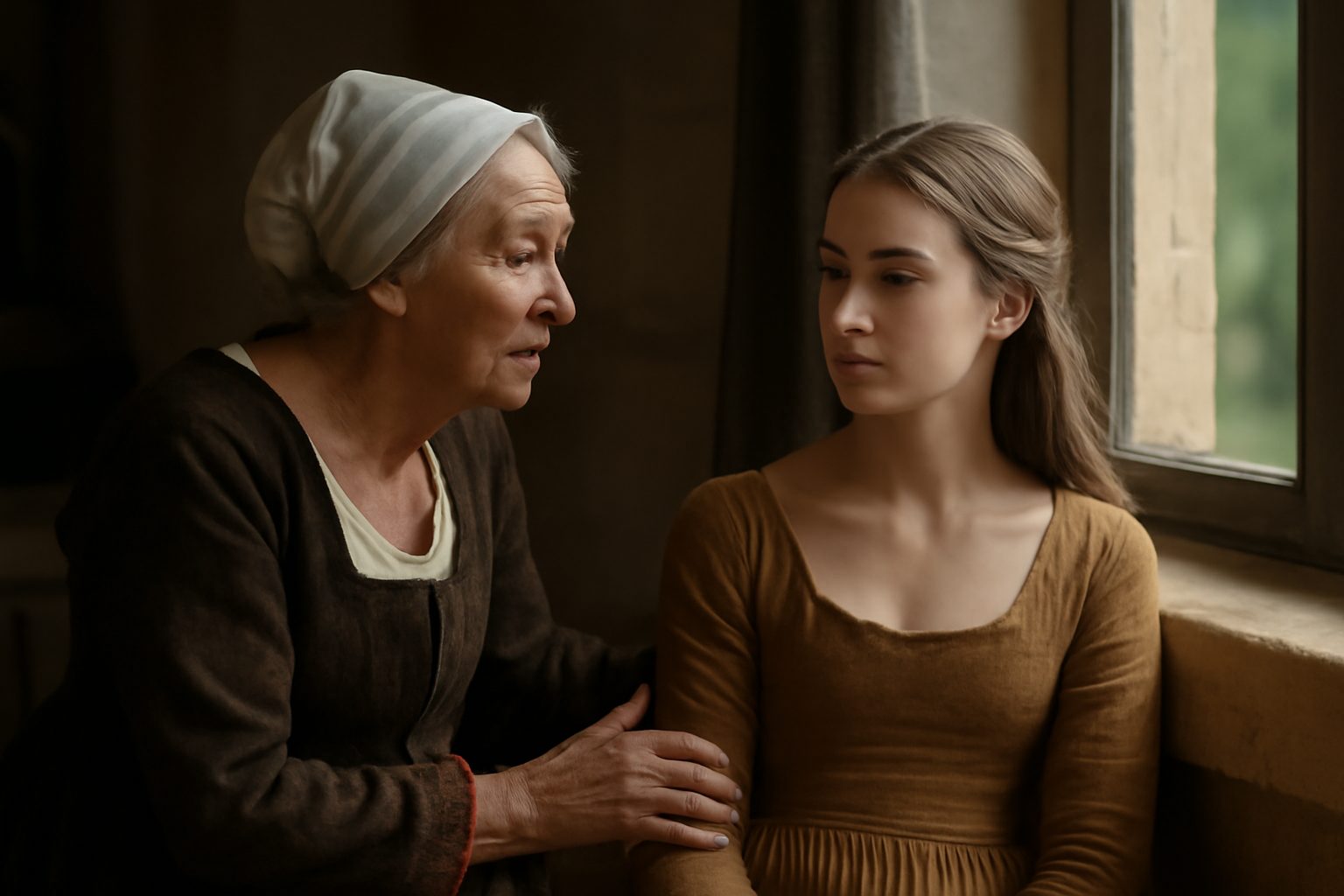
In Act 1, Scene 3 of Romeo and Juliet, Lady Capulet speaks to her daughter Juliet about the prospect of marriage, reflecting the societal expectations placed on young women in Verona. This line reveals her desire to see Juliet wed, hinting at the arranged marriage being planned with Paris. The moment underscores the generational divide between Juliet's personal desires and her family's ambitions.
Nurse: "An I might live to see thee married once,"
In modern day english, we would say:
If I could live long enough to see you married someday.
Frequently Asked Questions
What does the Nurse wish for in this line from Romeo and Juliet?
The Nurse wishes to live long enough to see Juliet get married.
Connections to other verses:
Connections to "An I might live to see thee married once"
The verse An I might live to see thee married once expresses the Nurse's personal wish to witness Juliet's marriage, reflecting her deep affection and maternal role. This sentiment is echoed in An honour! were not I thine only nurse, where she emphasizes her unique bond with Juliet, further highlighting her emotional investment in Juliet's future.
Contextual and Thematic Links
The theme of marriage introduced in this line is directly addressed by Lady Capulet in Marry, that 'marry' is the very theme, framing the discussion around Paris's proposal. Juliet's initial response in It is an honour that I dream not of shows her reluctance, contrasting with the Nurse's eager anticipation.
Nurse's Character and Past References
The Nurse's nostalgic recollections, such as in Thou wast the prettiest babe that e'er I nursed, provide background to her attachment, while her humorous anecdote in Thou wilt fall backward when thou comest to age subtly alludes to Juliet's future maturity and sexuality, tying into the marriage theme.
Structural and Dialogic Flow
The Nurse's interjection here follows Lady Capulet's inquiry in How stands your disposition to be married?, creating a dynamic where both women press Juliet about marriage, albeit with different tones—practical from Lady Capulet and personal from the Nurse.