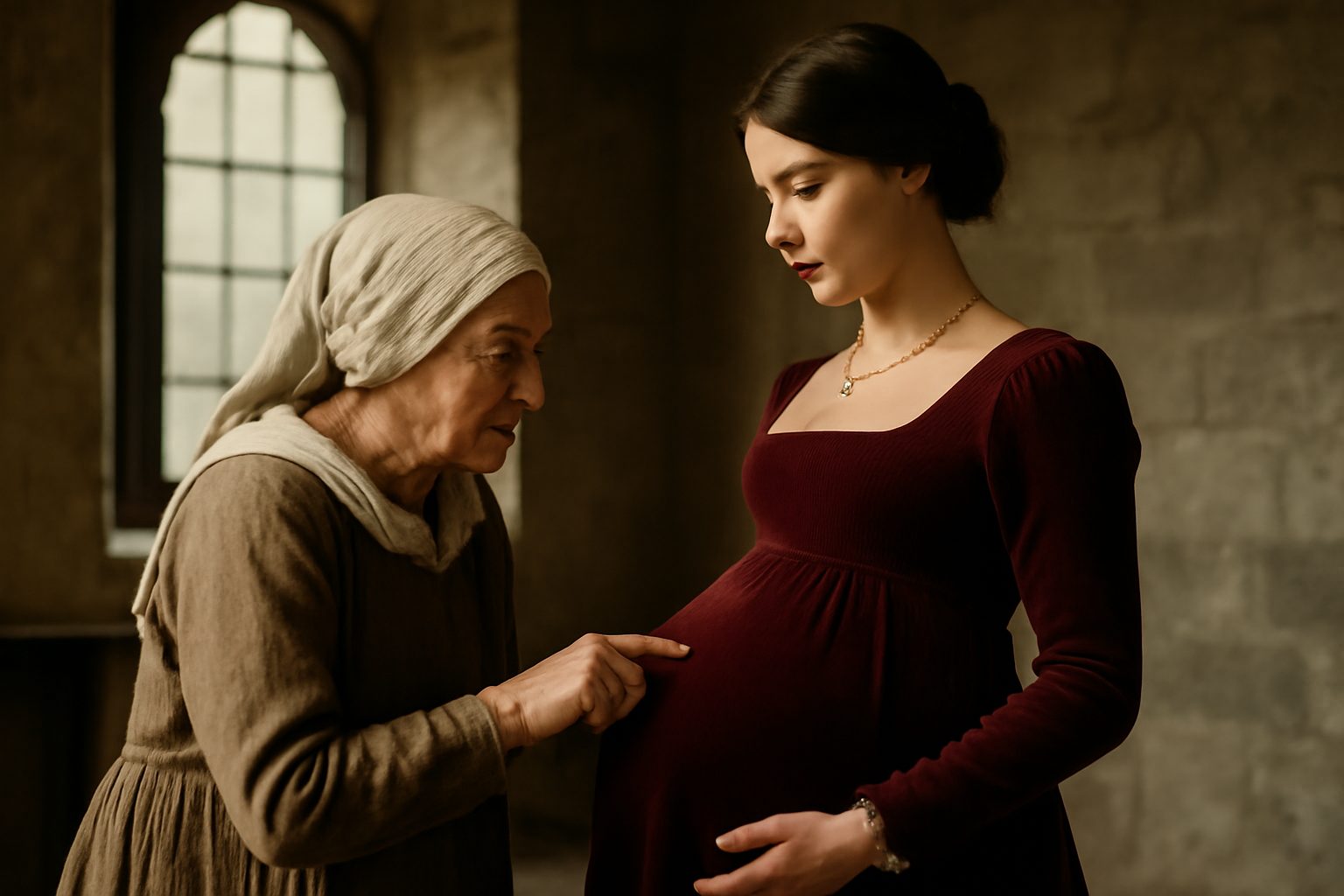
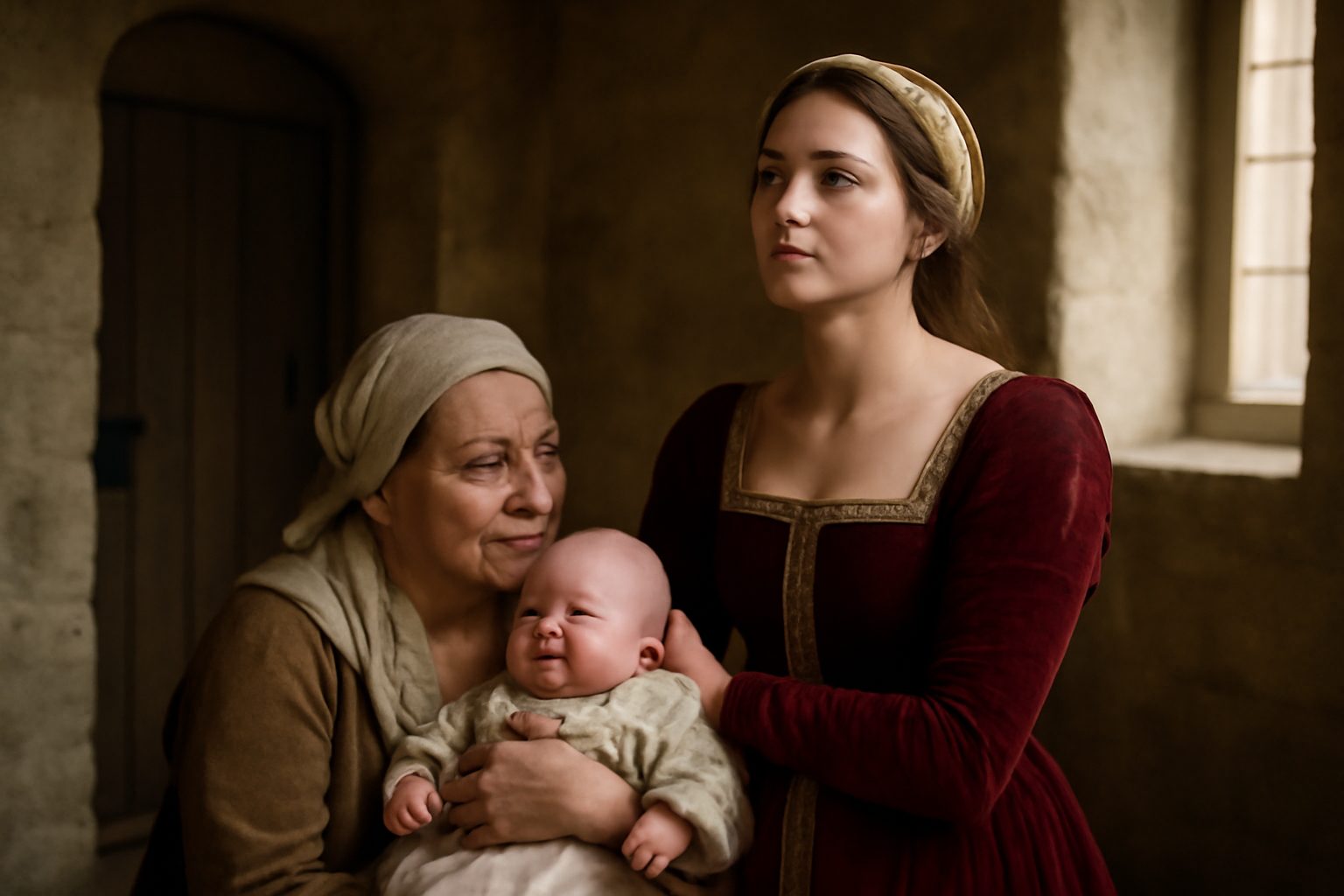
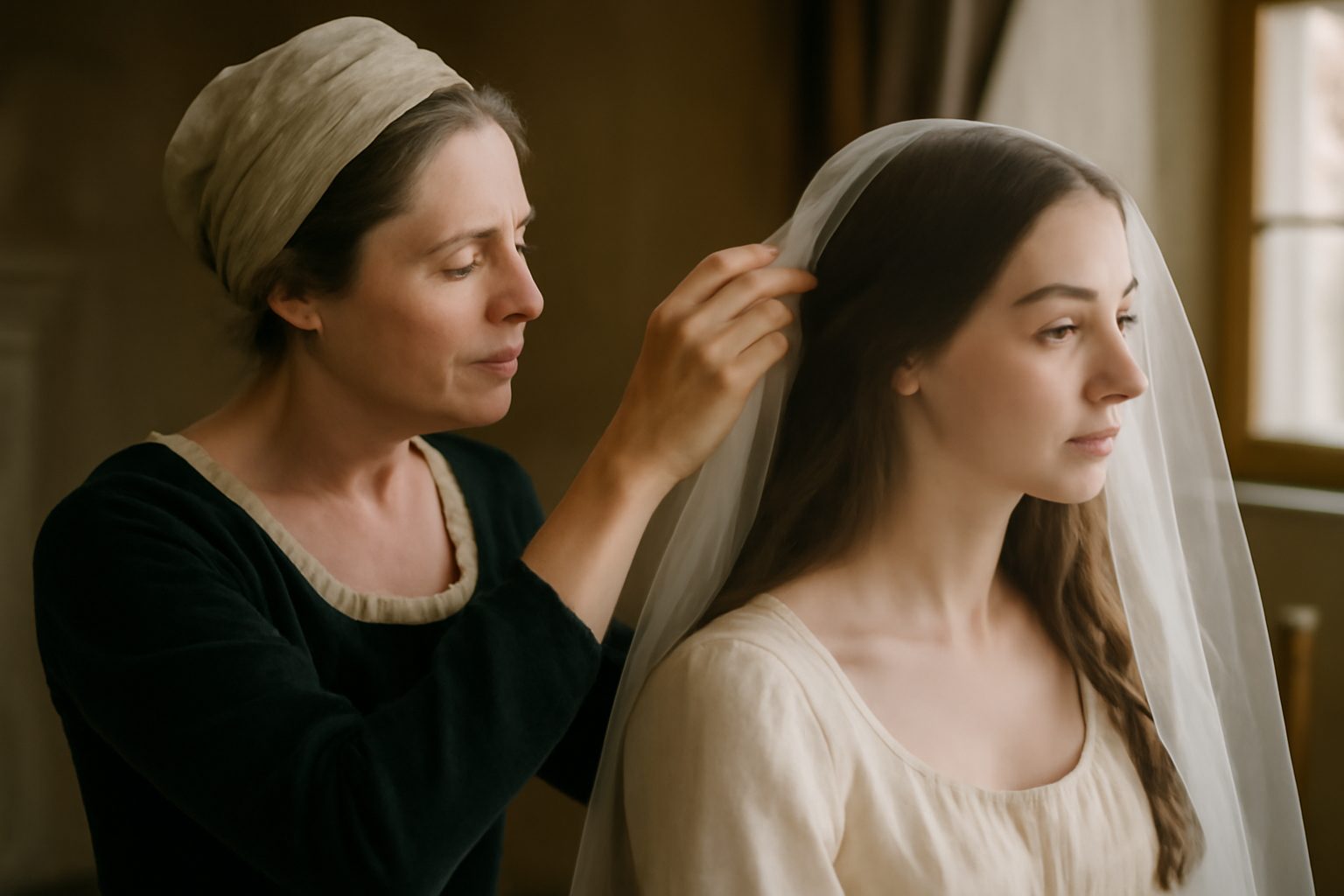
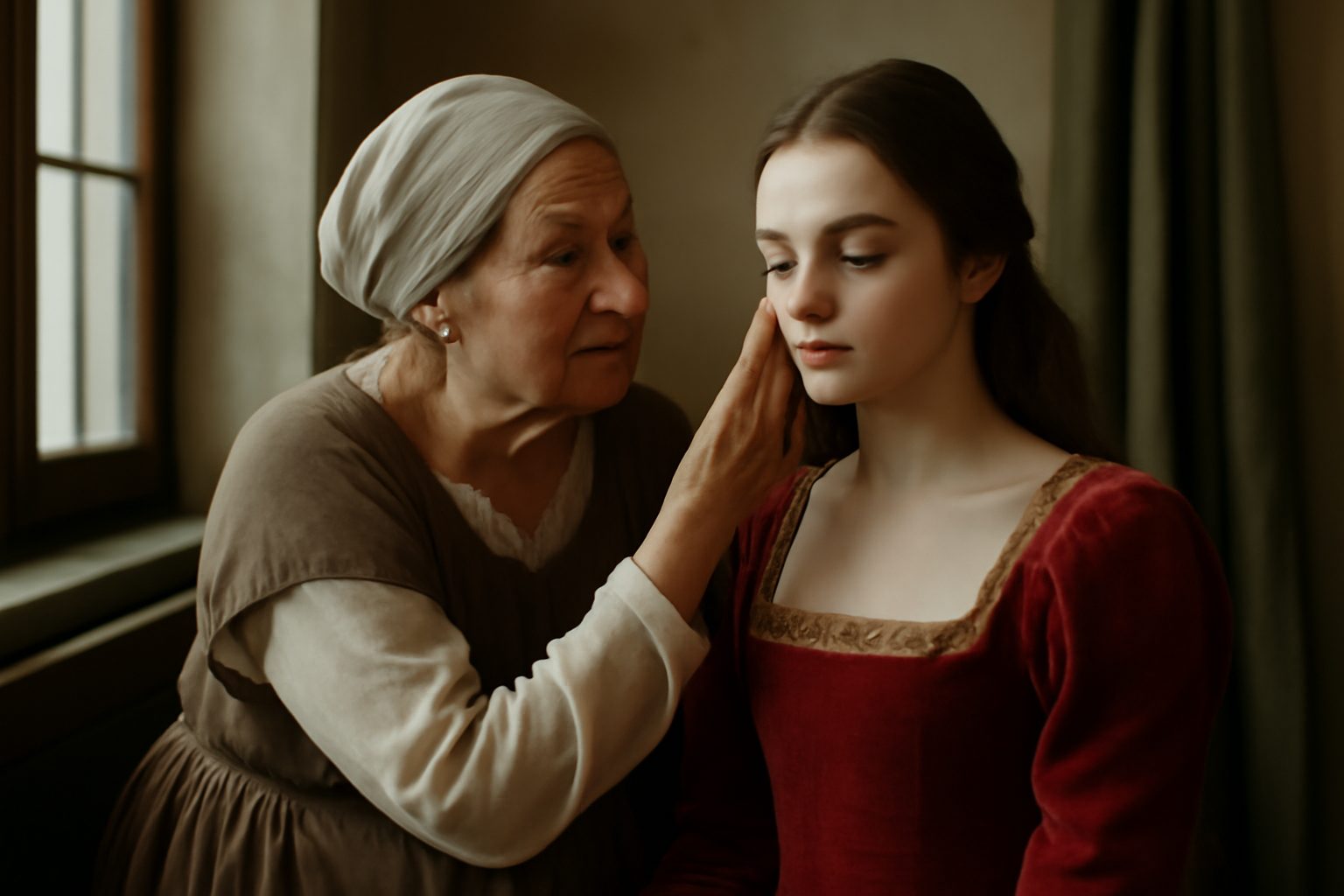
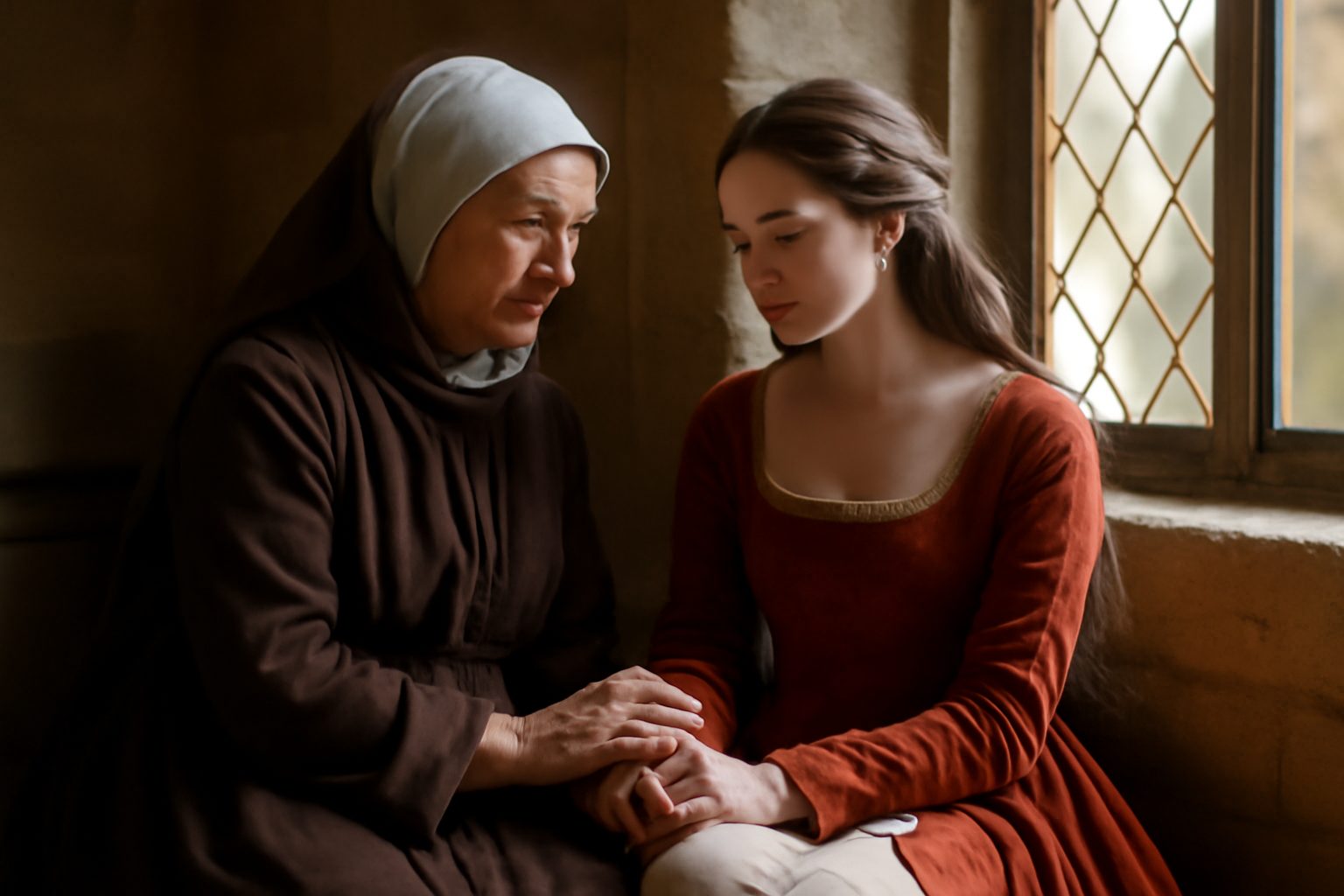
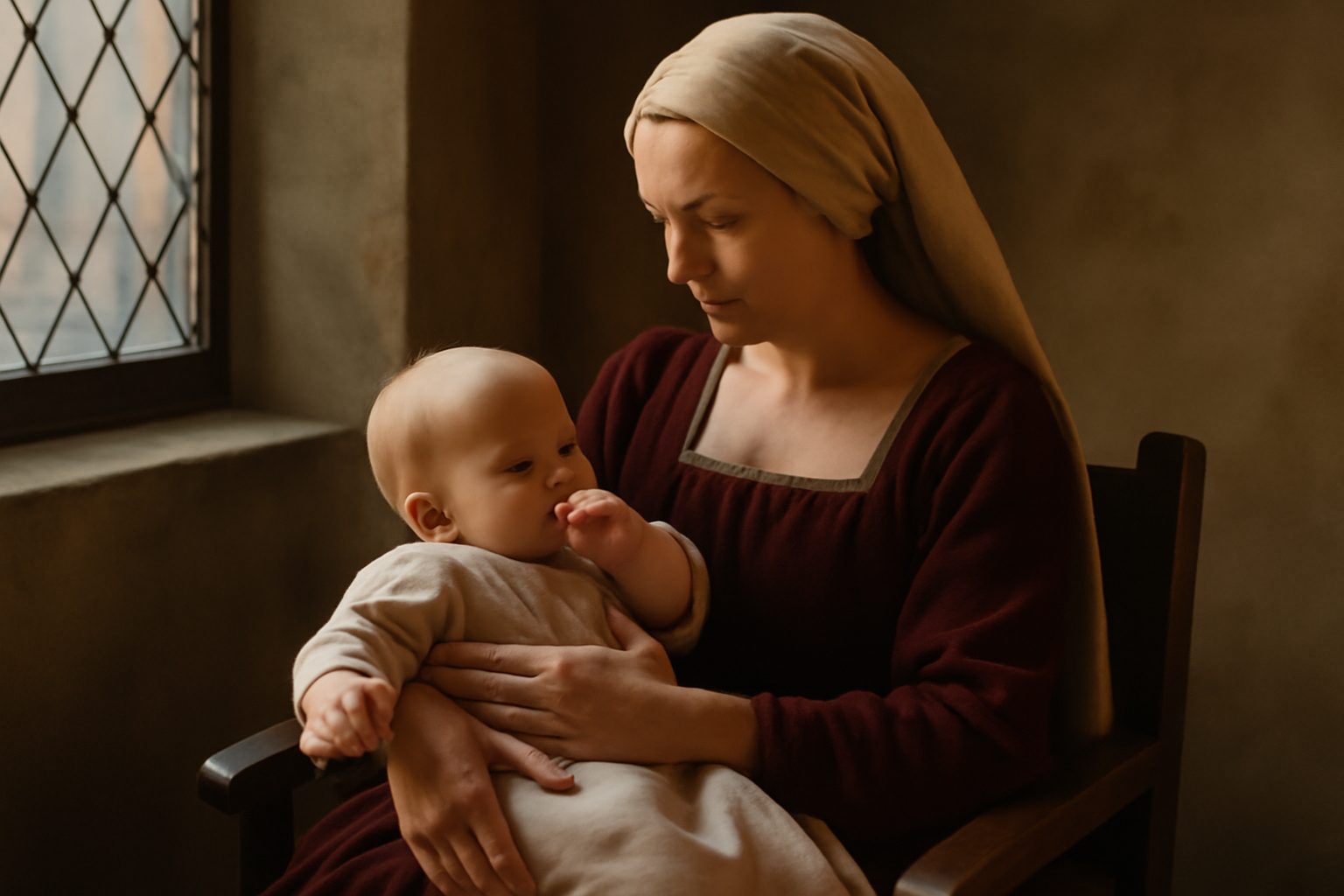
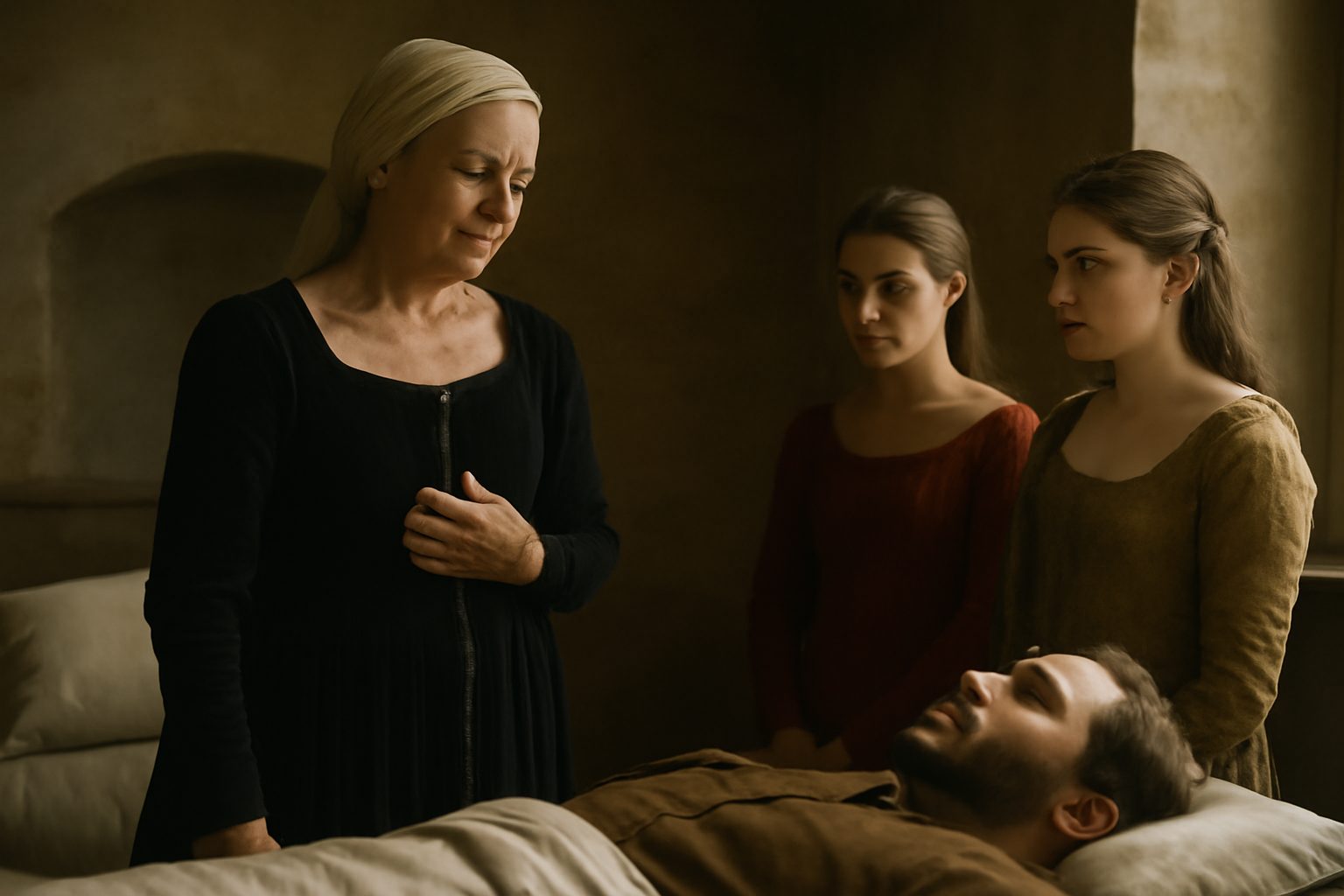
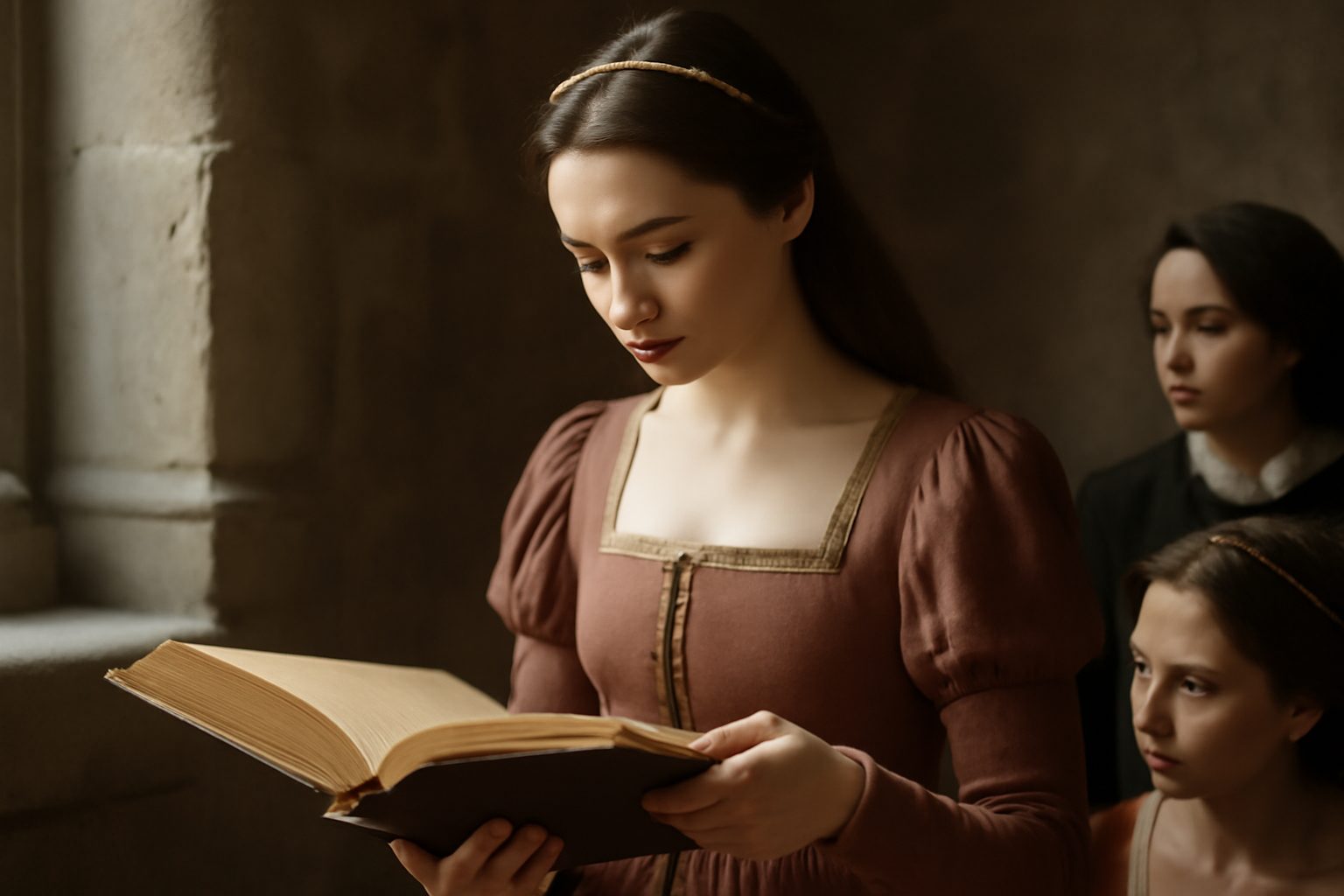
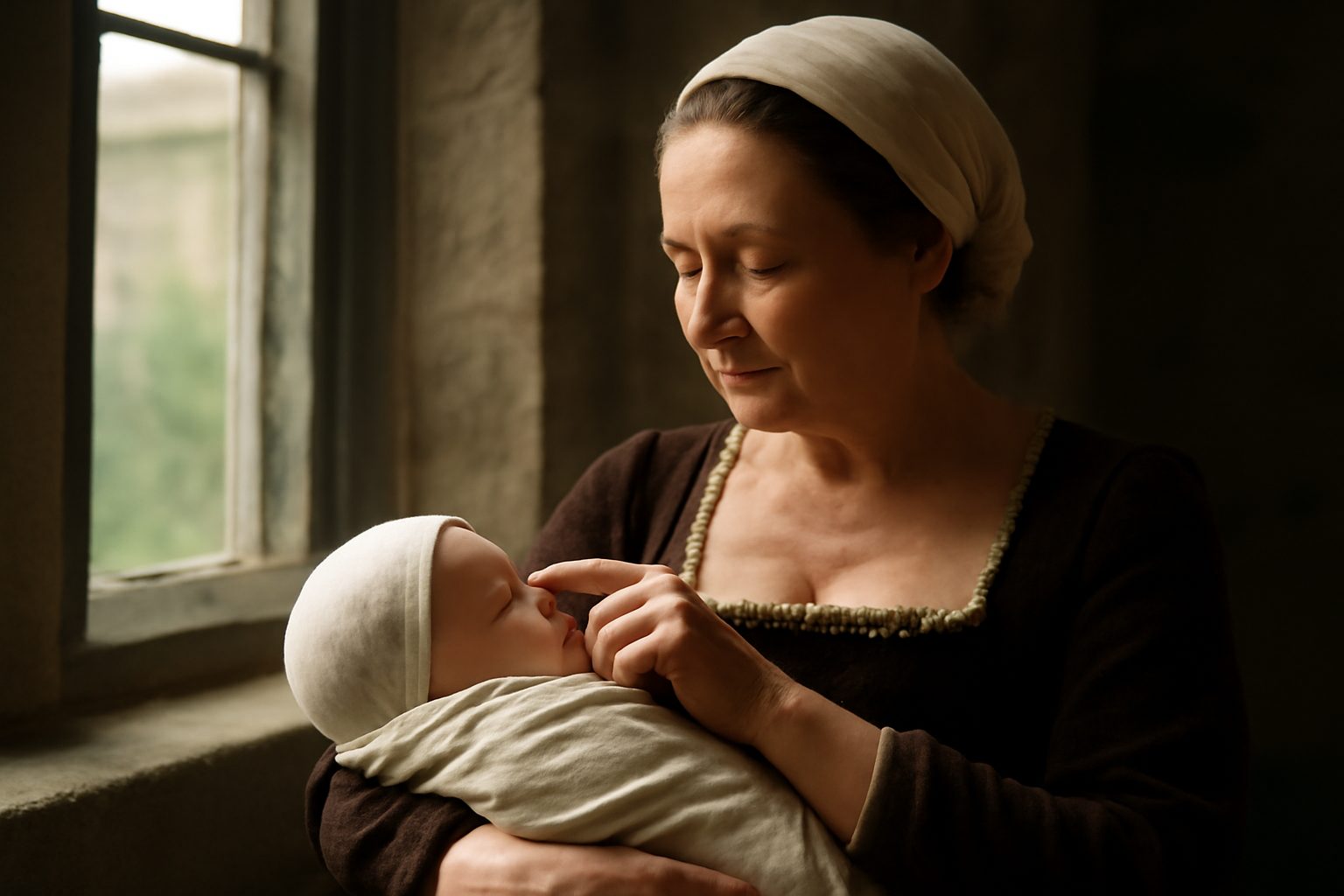
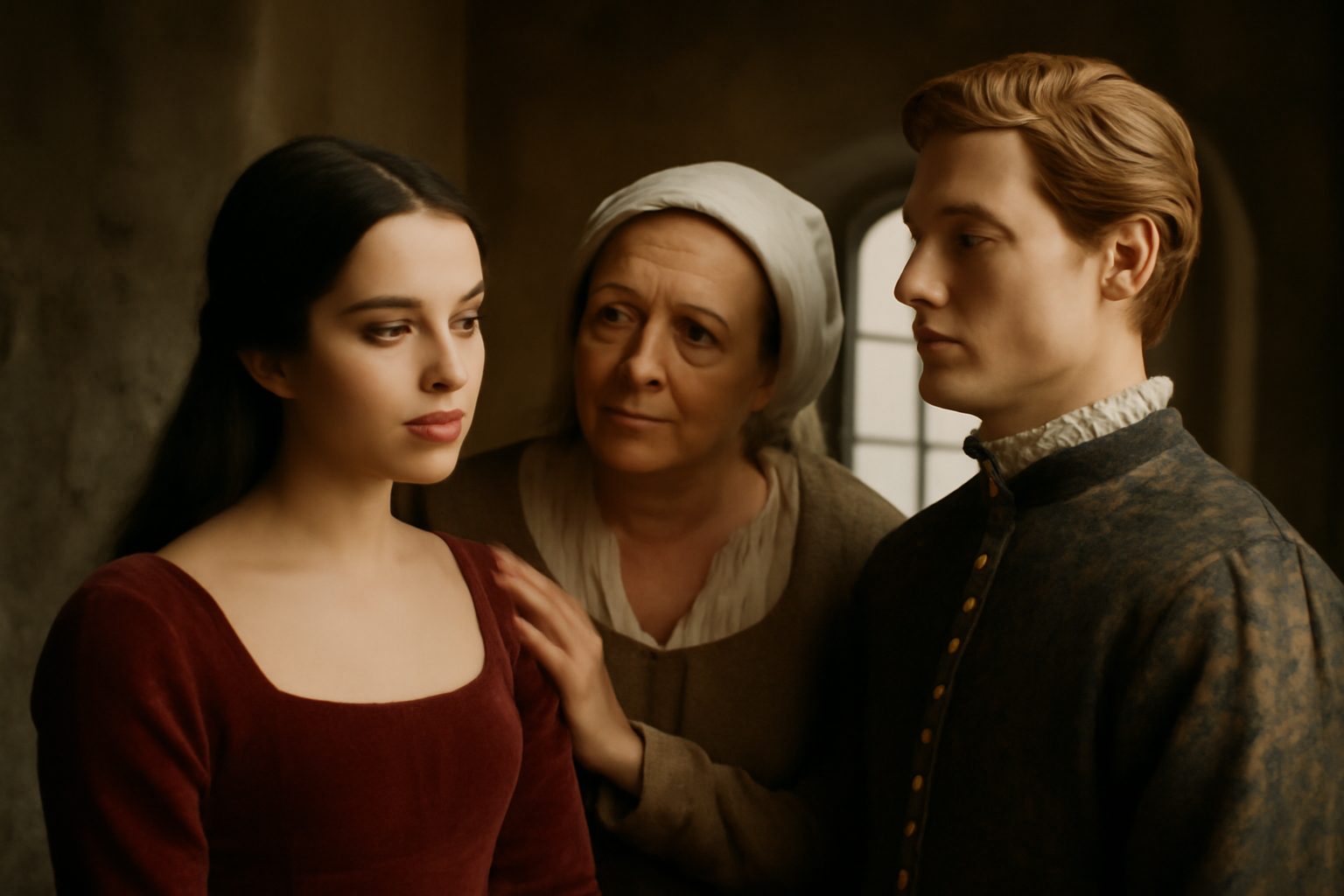
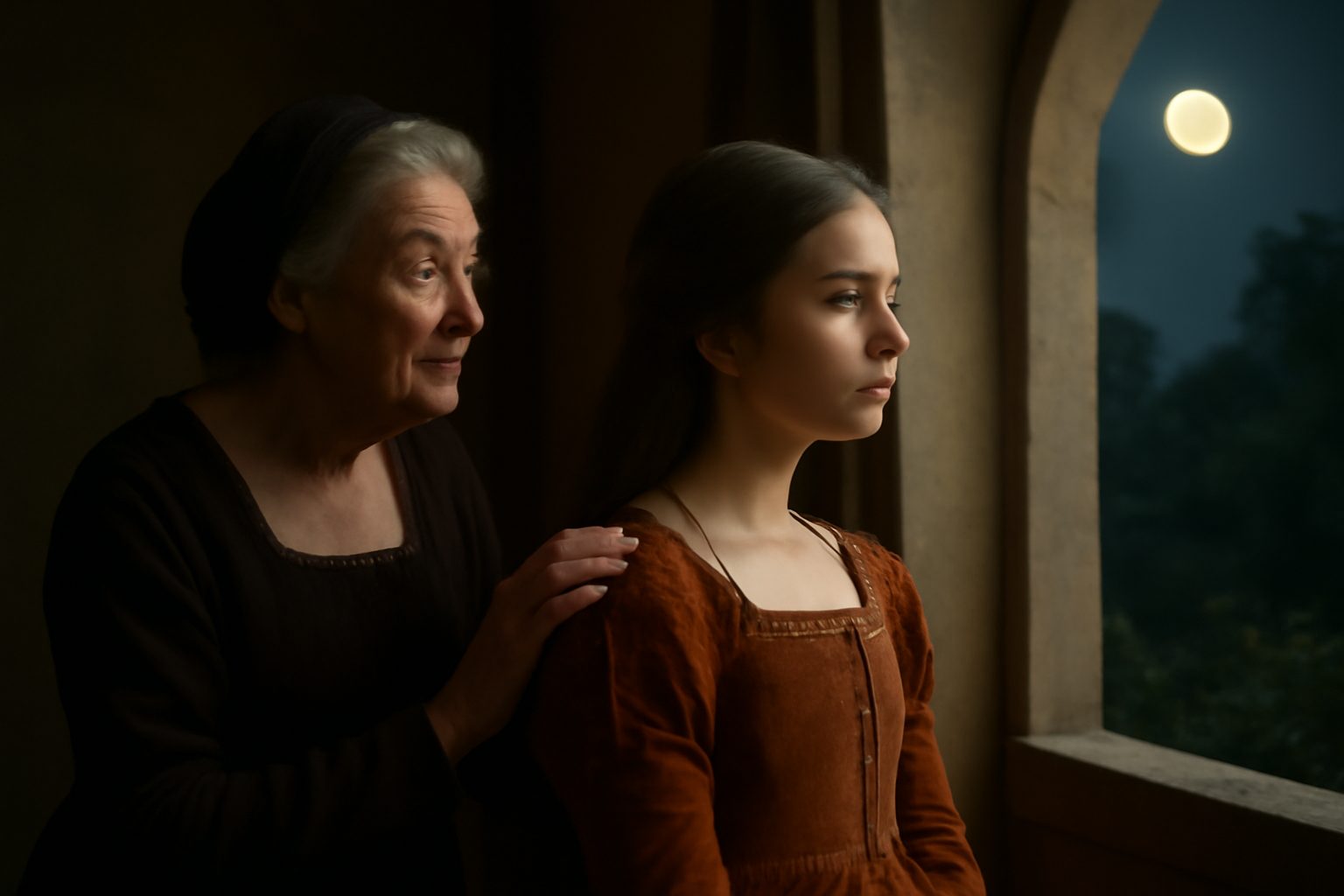
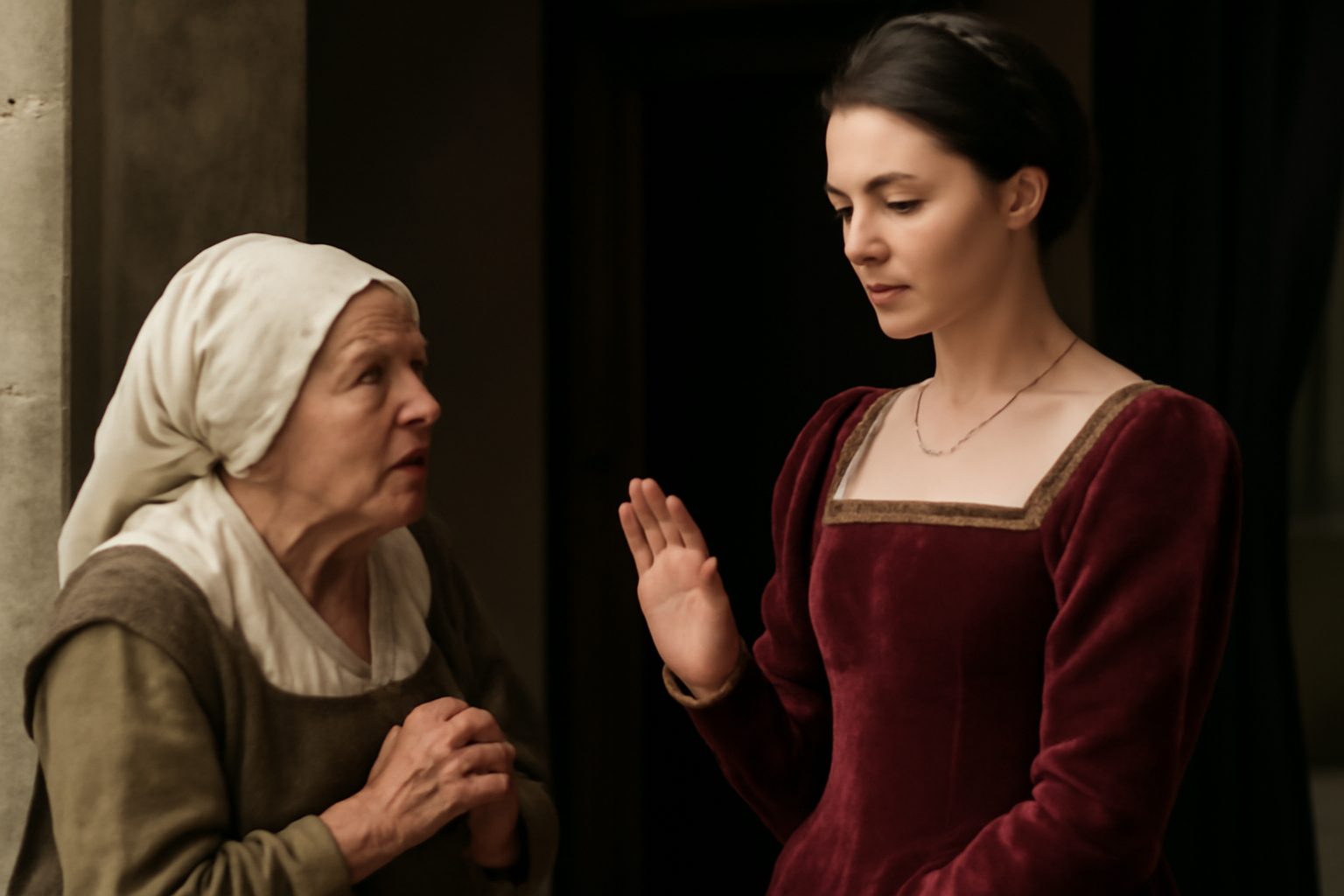
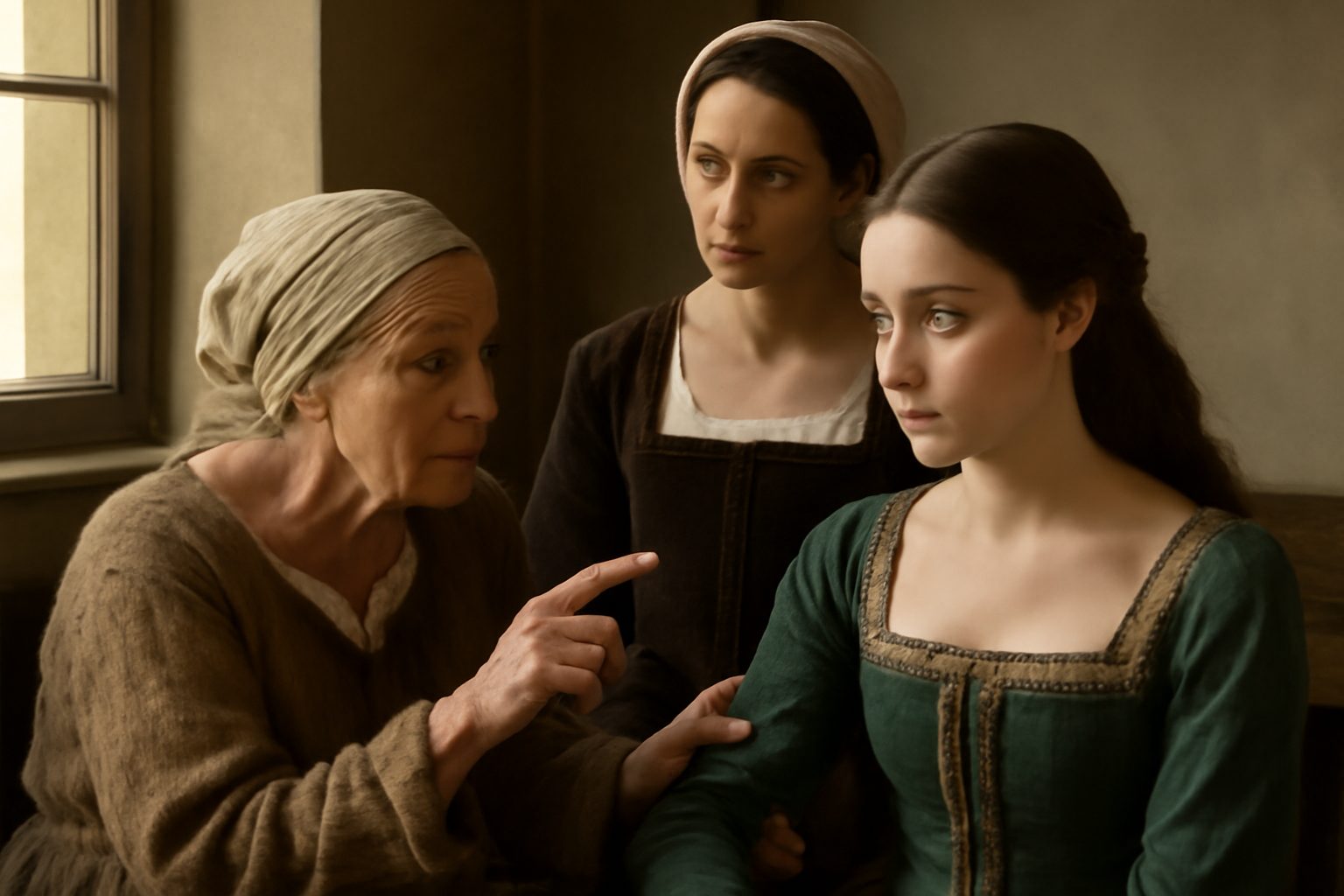
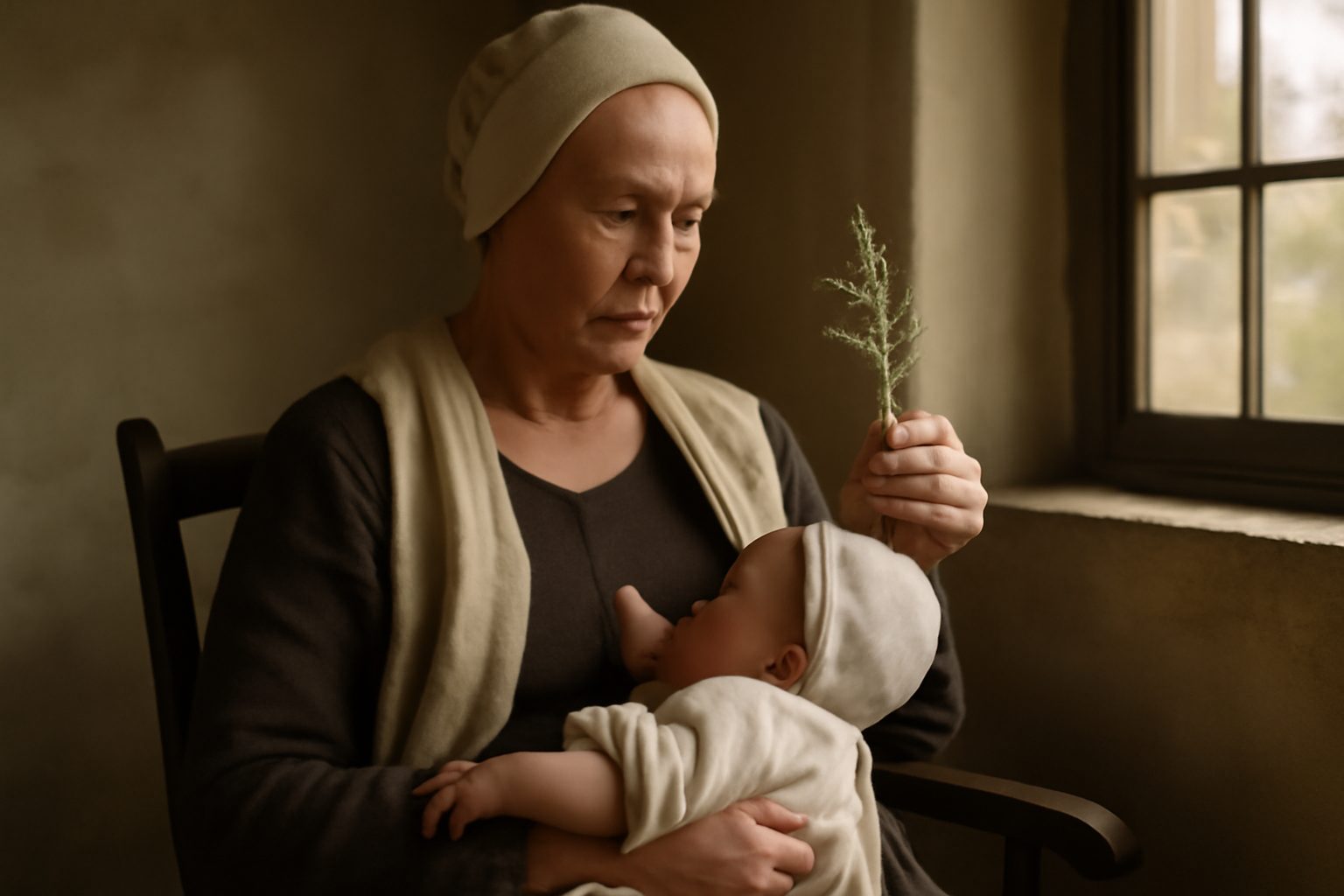
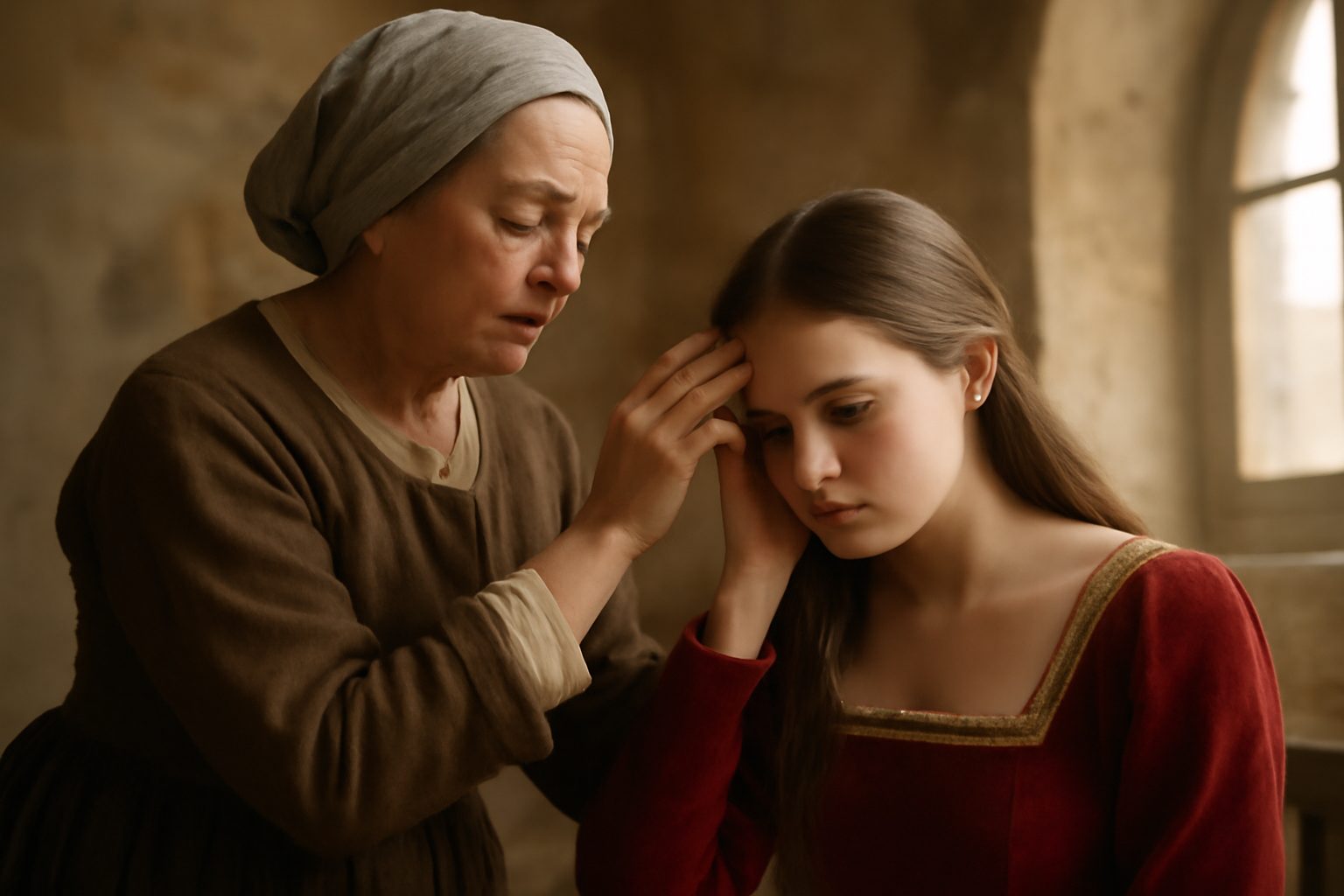
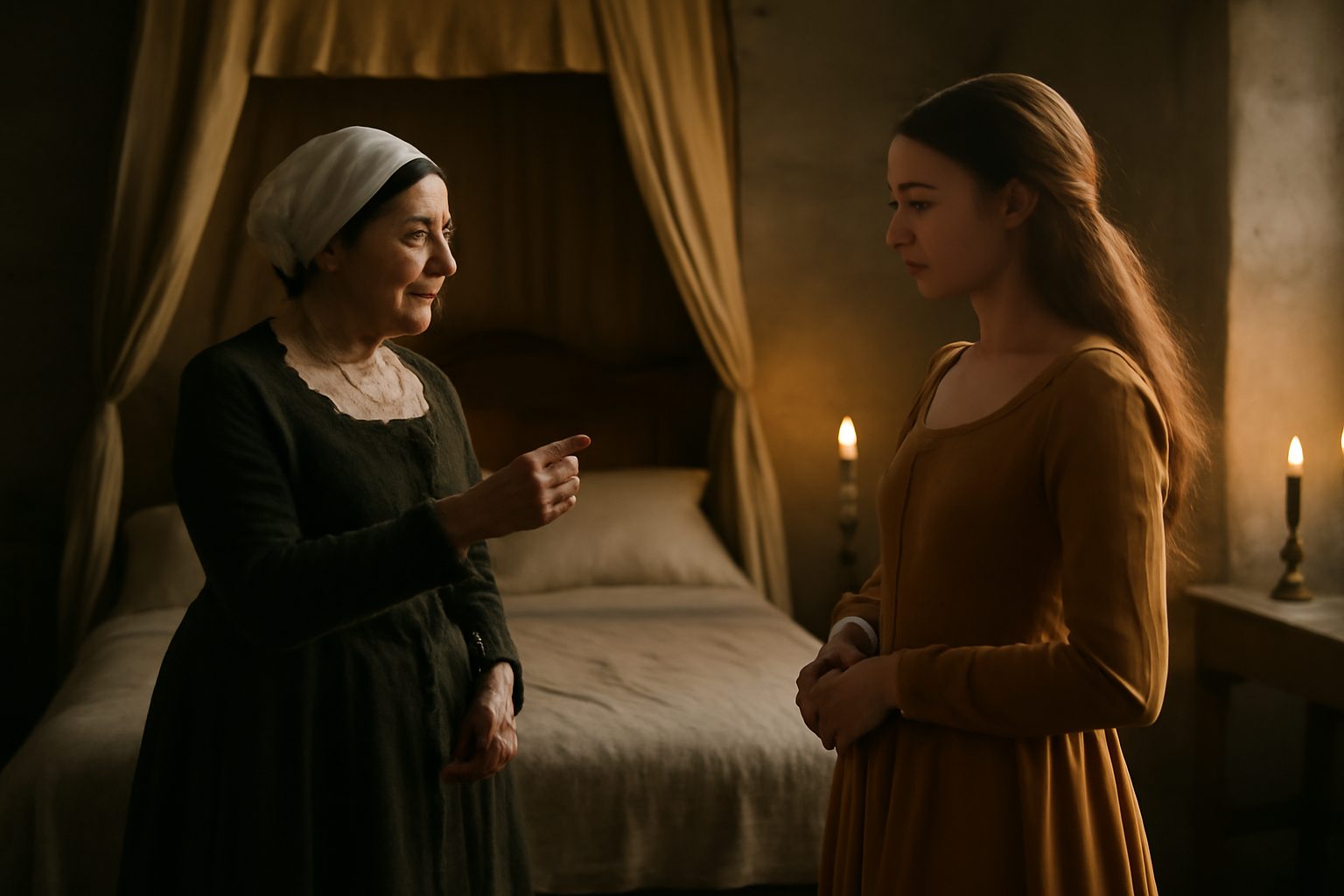
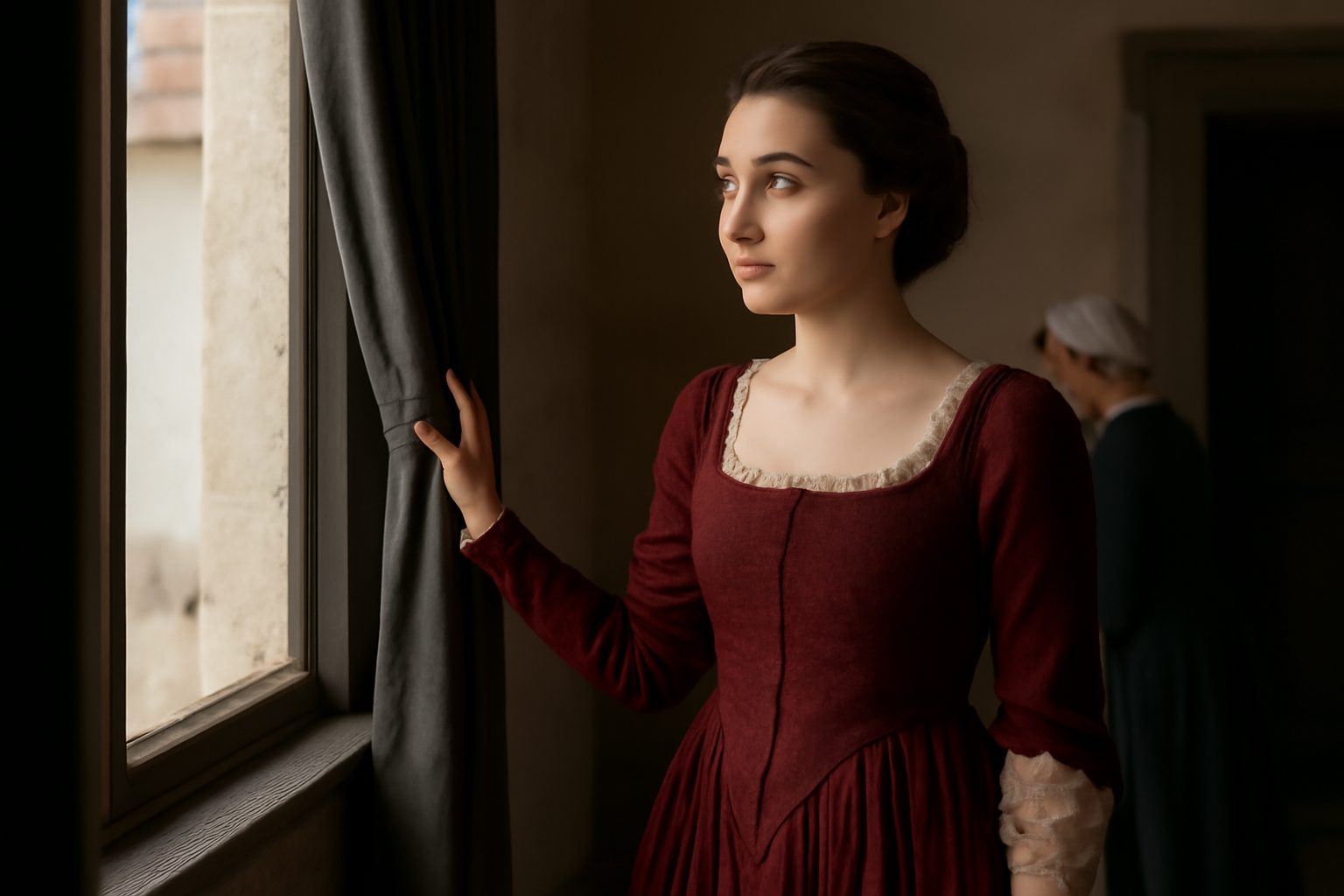
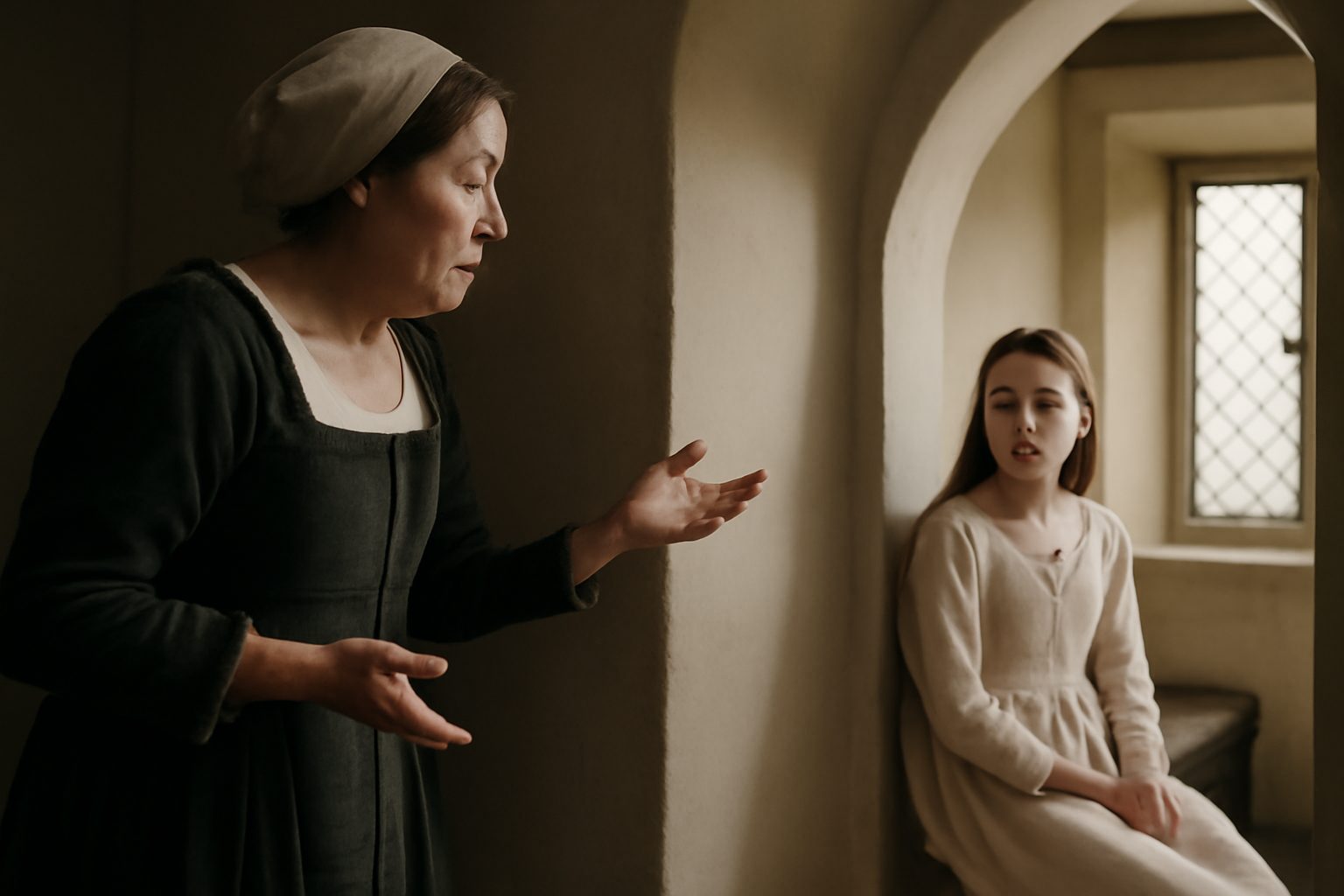
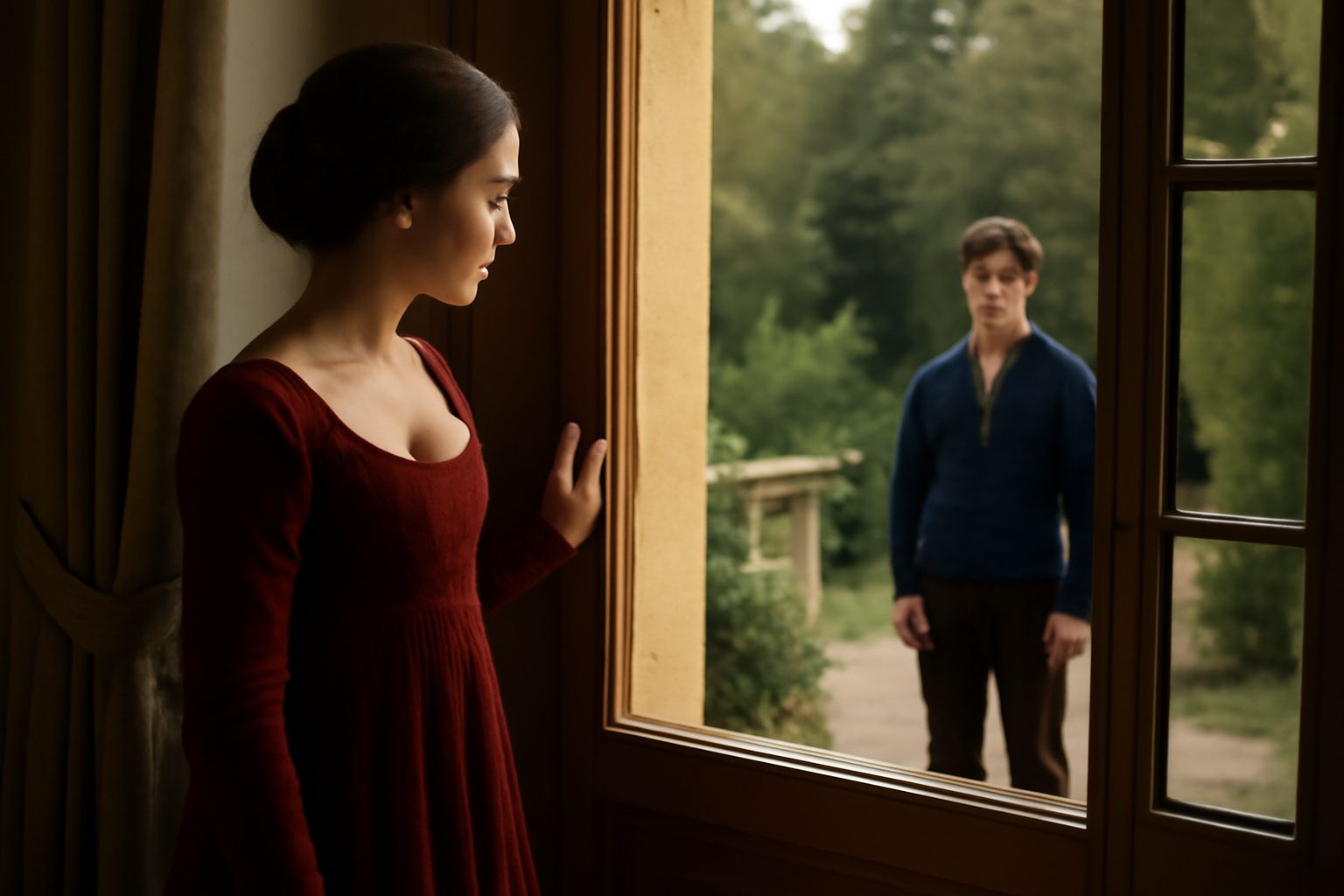
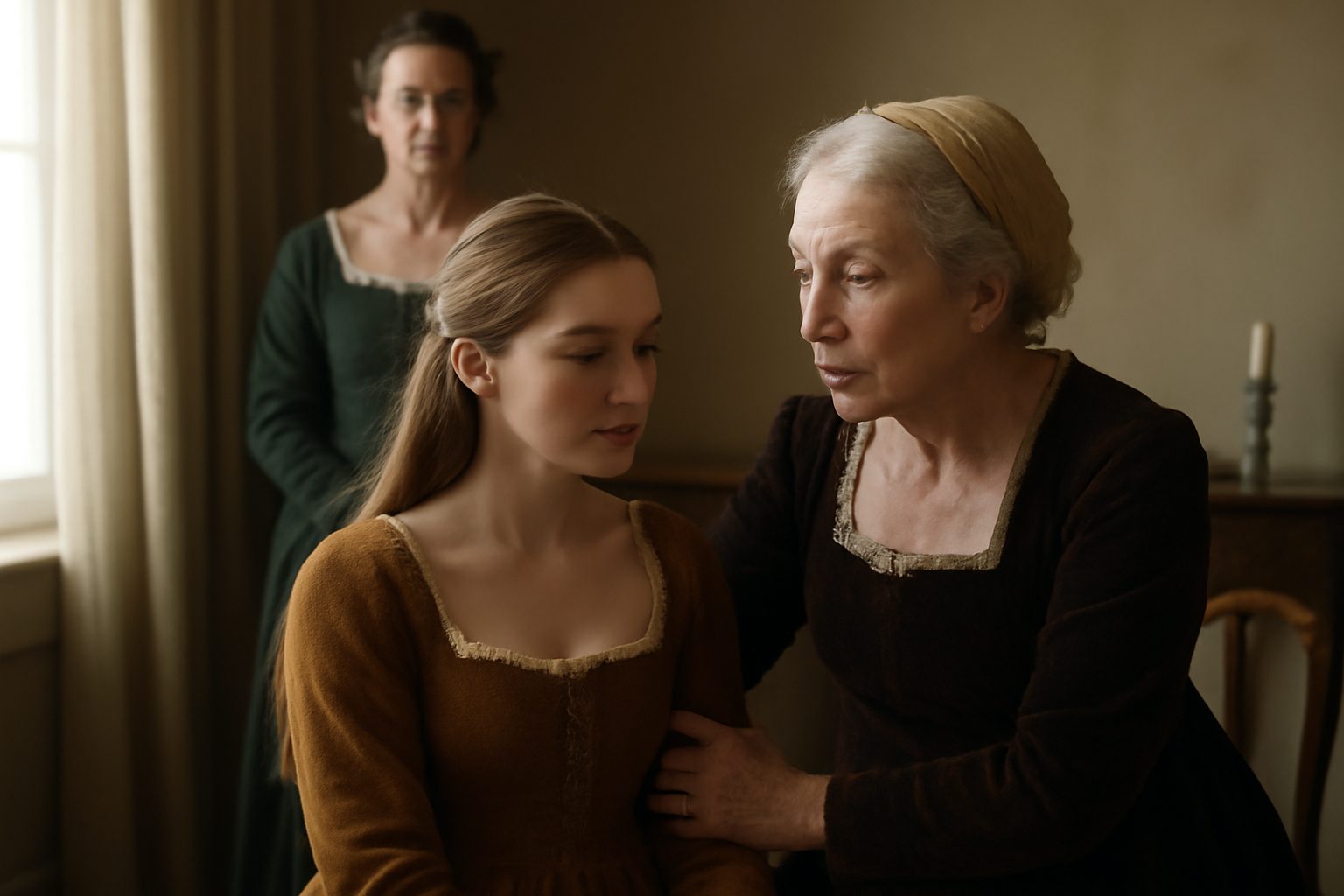
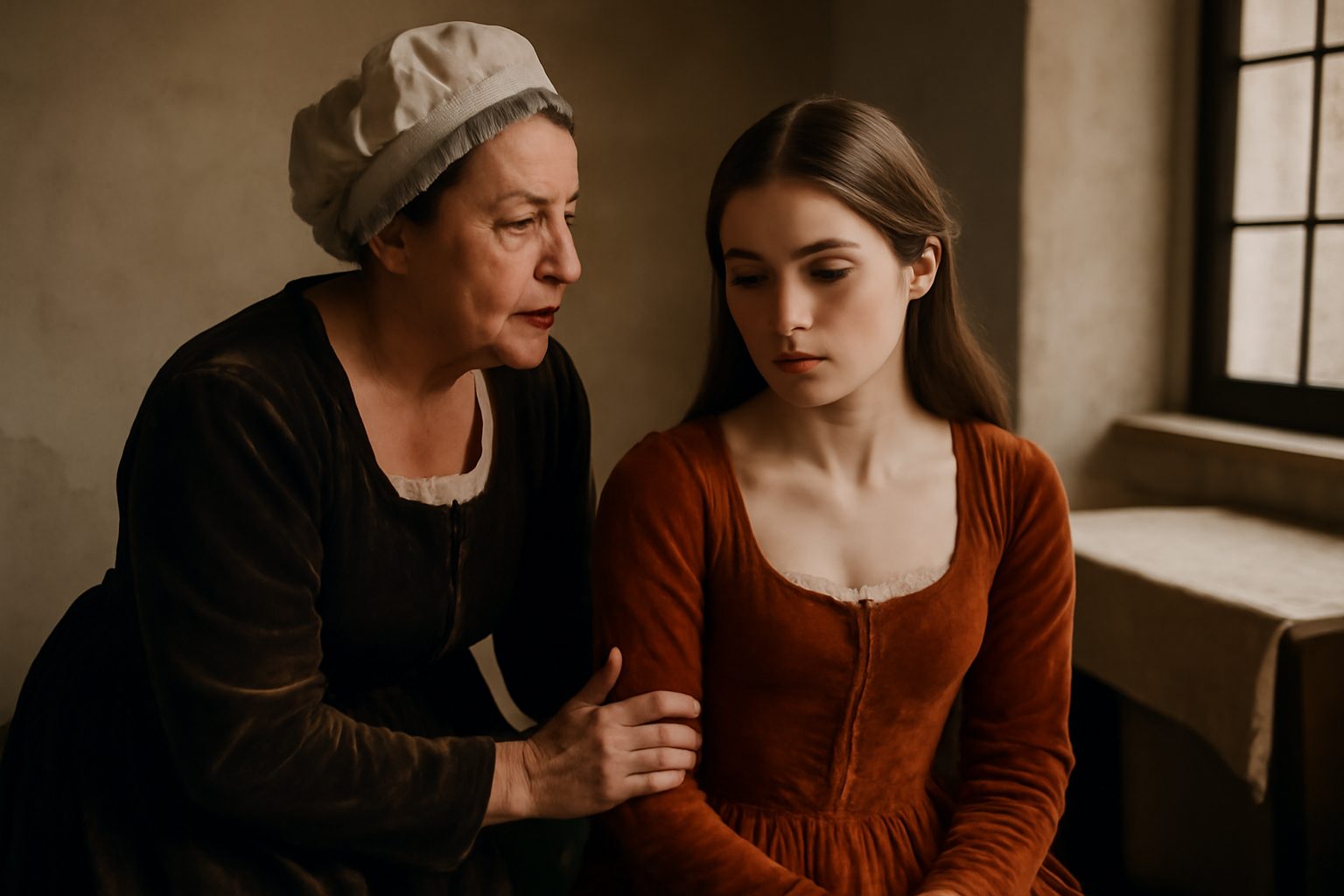
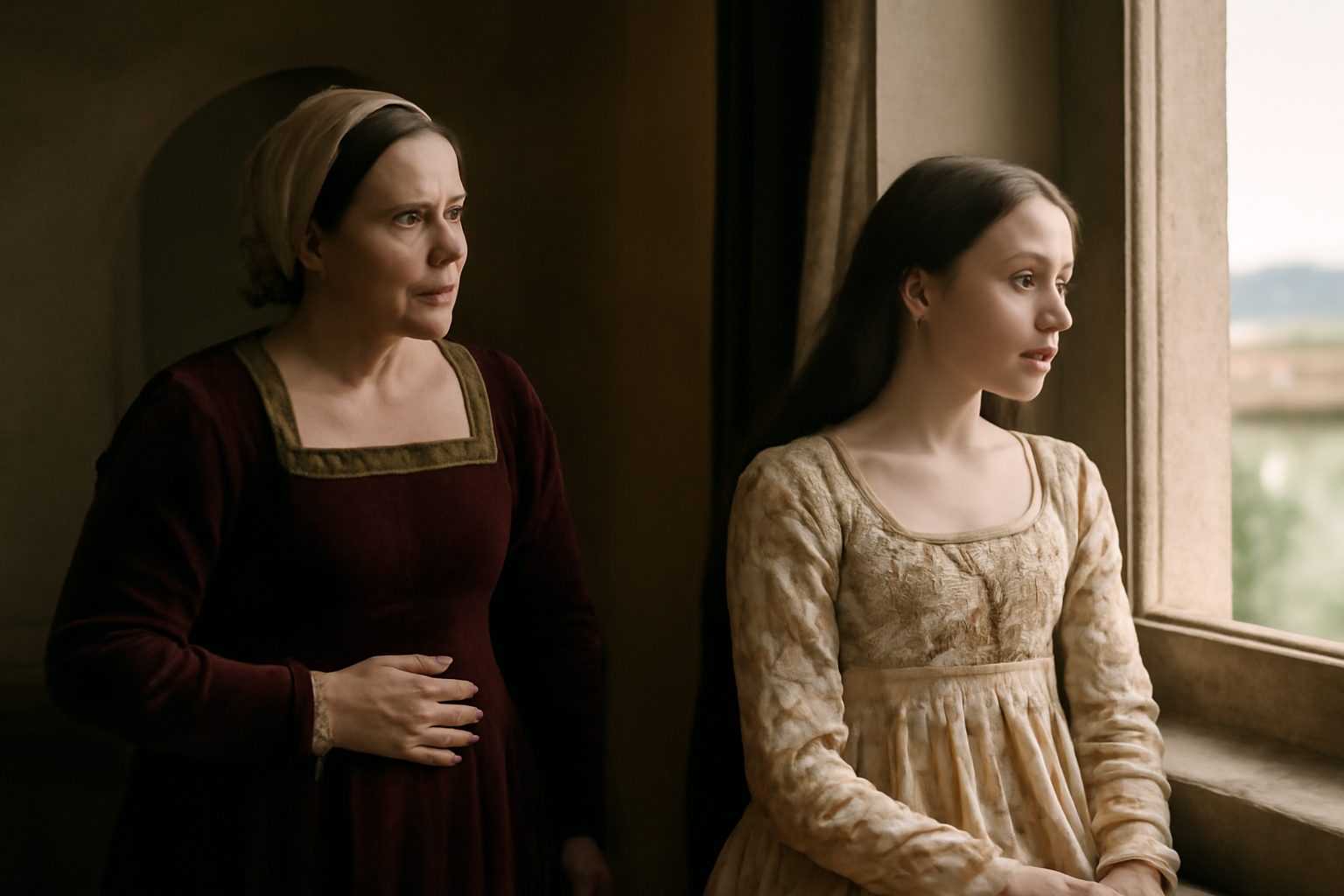
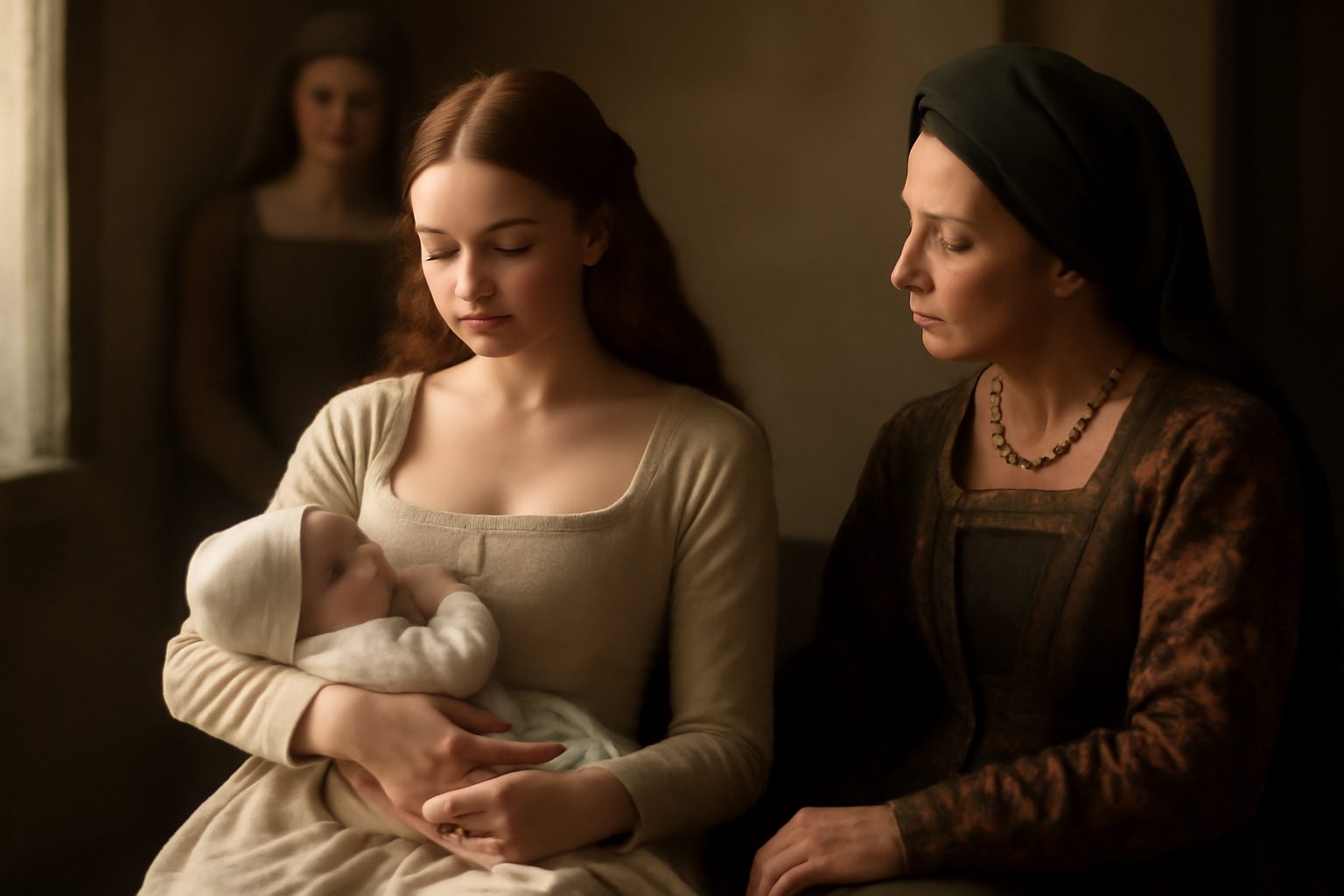
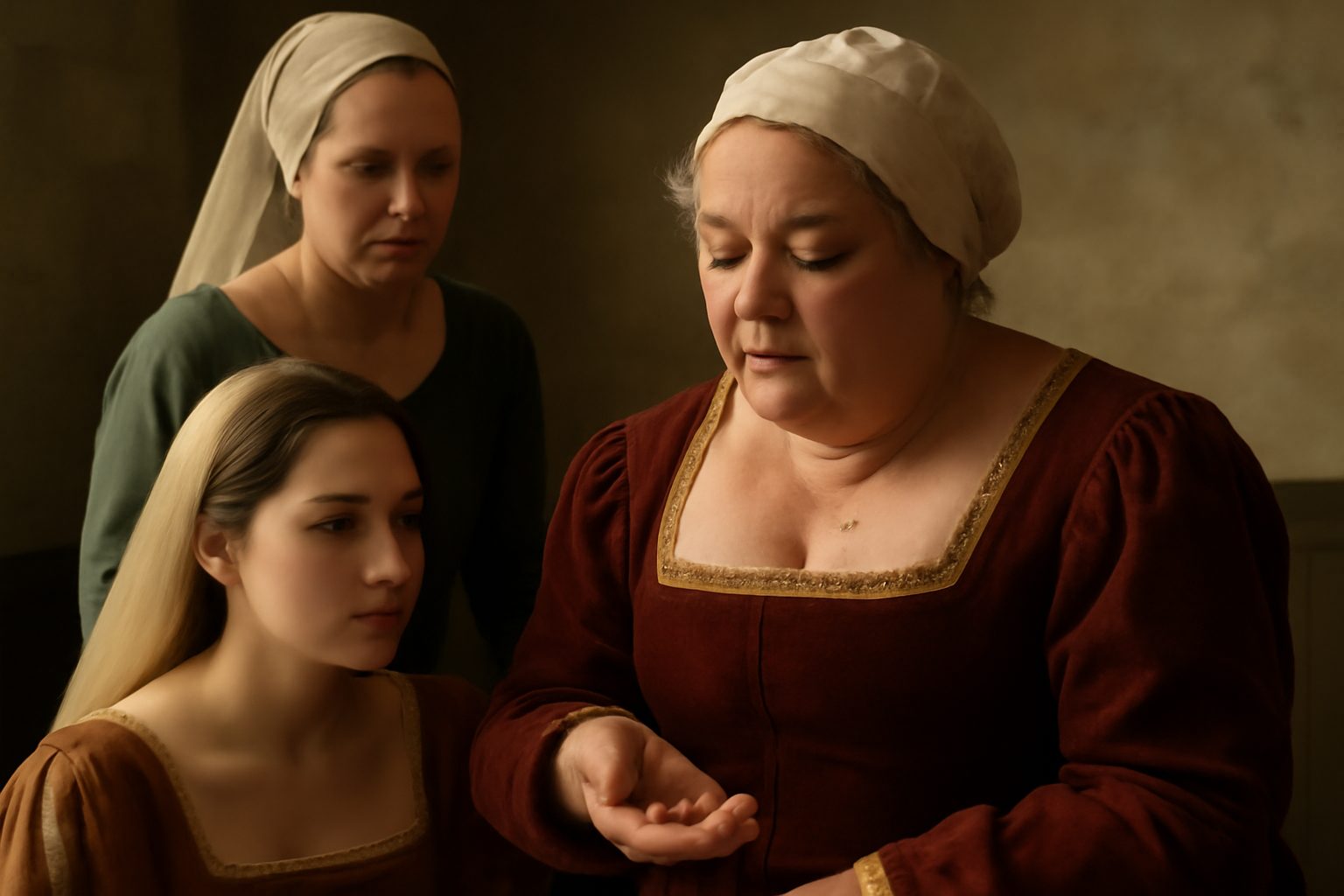
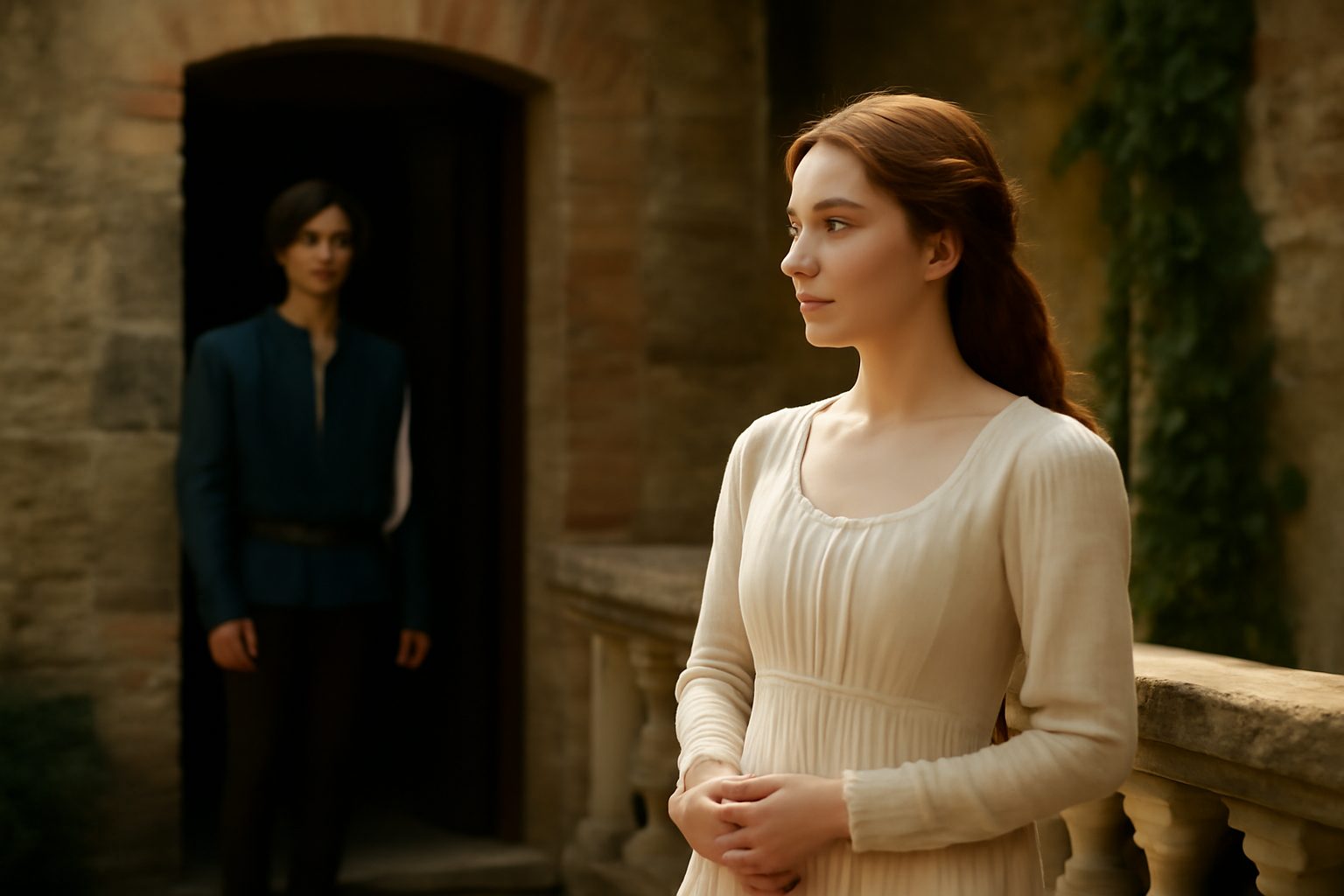
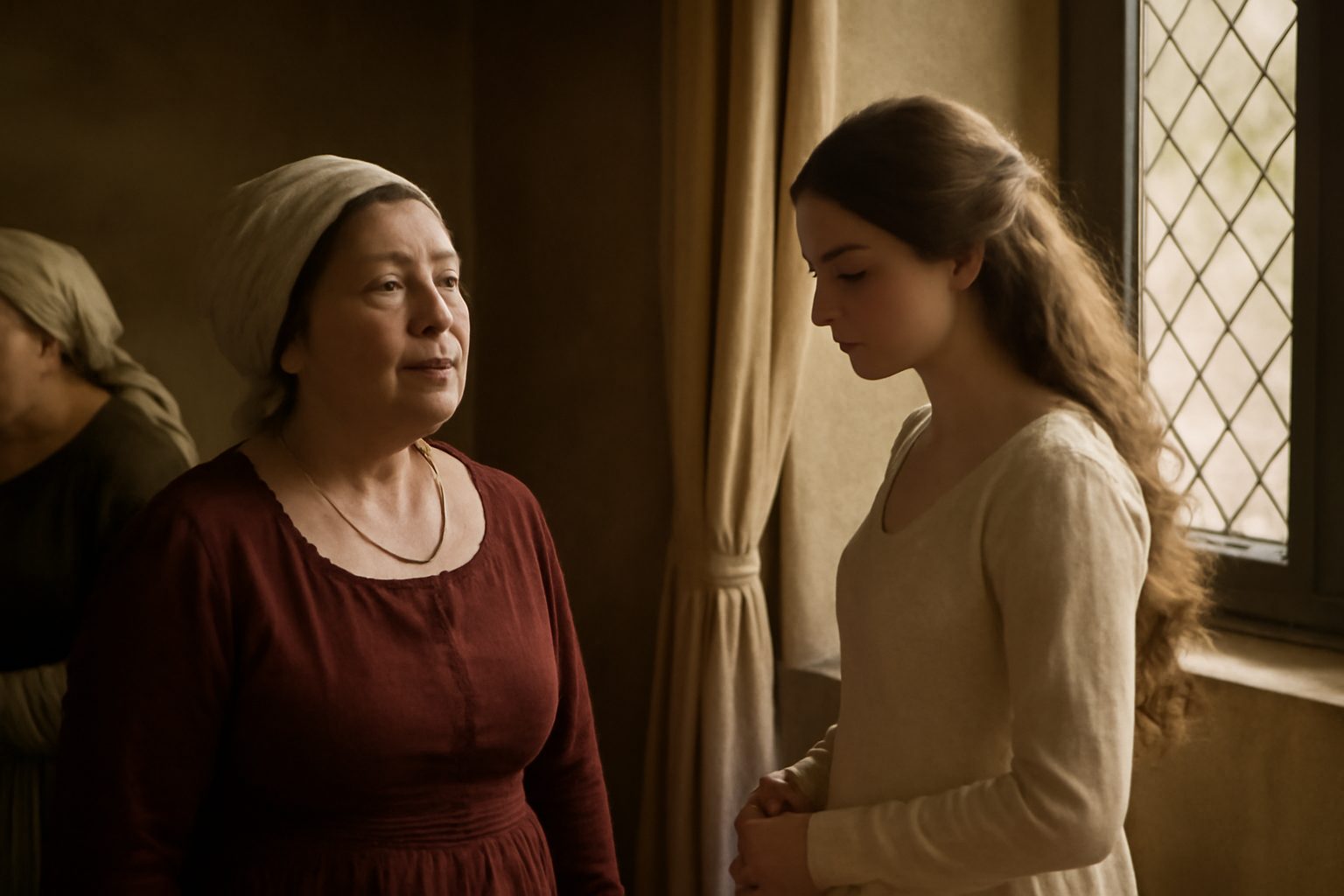
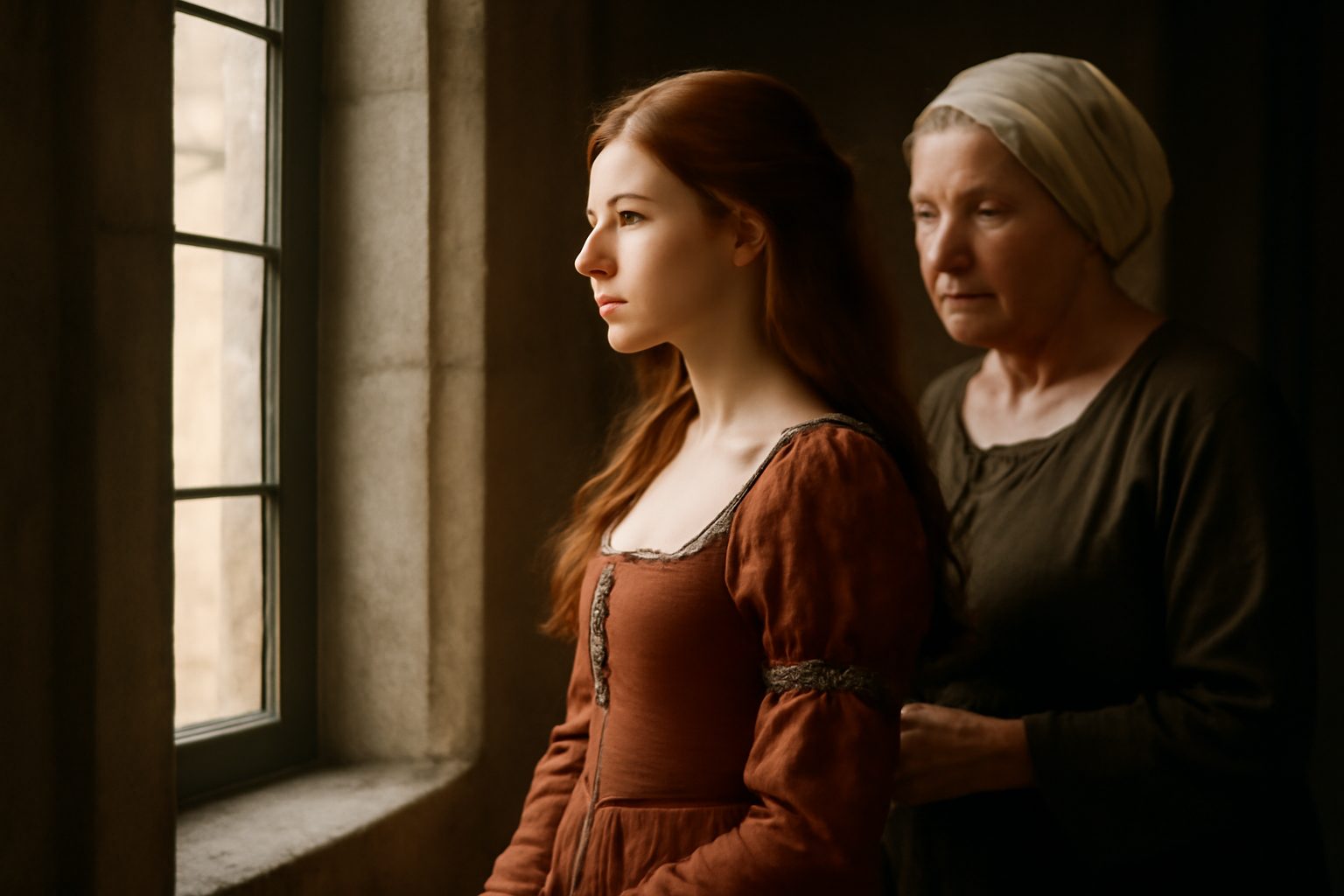
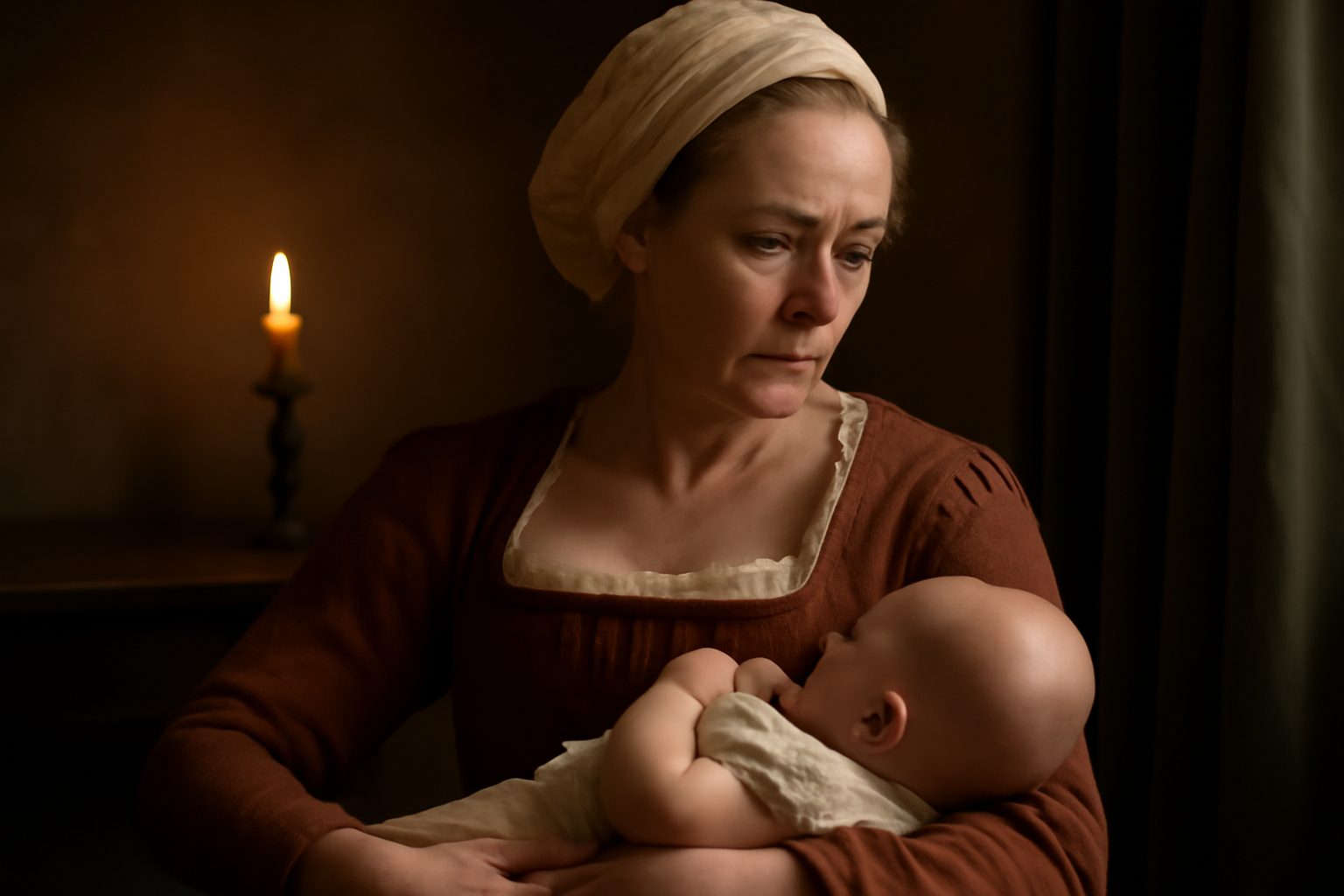
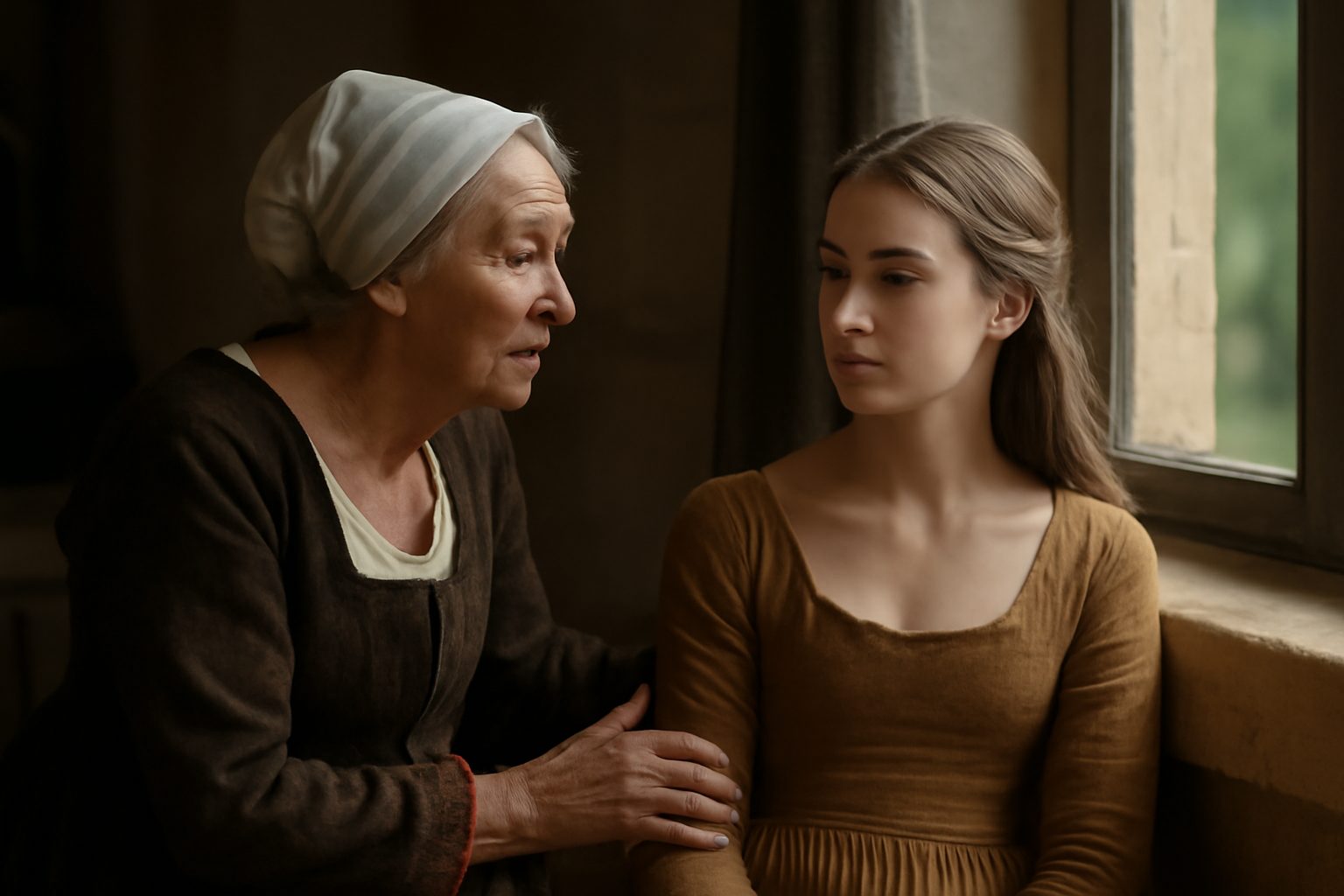
In Act 1, Scene 3 of Romeo and Juliet, Lady Capulet and the Nurse discuss the prospect of Juliet marrying Paris. As Lady Capulet praises Paris's noble qualities, she compares him to the finest beauty Verona's summer has to offer, suggesting he stands above all others. This line underscores the societal expectations placed on Juliet and the idealized view of Paris as a suitor.
Lady Capulet: "Verona's summer hath not such a flower."
In modern day english, we would say:
Verona in summer doesn’t have a flower as beautiful as this.
Frequently Asked Questions
What does Lady Capulet compare to a beautiful flower in Verona?
Lady Capulet compares Juliet to a beautiful flower in Verona.
Connections to other verses:
Connections to "Verona's summer hath not such a flower"
The verse Verona's summer hath not such a flower is part of the Nurse's praise of Paris, emphasizing his unparalleled beauty and worth. This line connects thematically and descriptively with several other verses in the scene.
Direct Comparisons and Floral Imagery
The Nurse immediately follows this line with Nay, he's a flower; in faith, a very flower, reinforcing the floral metaphor and underscoring Paris's exceptional qualities. This repetition solidifies the idea that he stands out even in Verona's finest season.
Context of Praise and Recommendation
This praise occurs within Lady Capulet's larger effort to persuade Juliet to consider Paris. She describes him as a man of wax, a perfect specimen, and urges Juliet to Read o'er the volume of young Paris' face, framing his appearance as a book of beauty and virtue.
Juxtaposition with Juliet's Youth
The discussion of Paris's suitability arises alongside reminders of Juliet's youth, such as She's not fourteen and references to her infancy, like Thou wast the prettiest babe that e'er I nursed. This contrast highlights the transition the Capulets envision for her—from child to bride.
Marriage and Social Aspiration
Lady Capulet presents the match as advantageous, noting that by wedding Paris, Juliet would gain honor and share all that he doth possess. The flower metaphor thus not only describes Paris's appearance but also symbolizes the social and material bloom marriage to him represents.