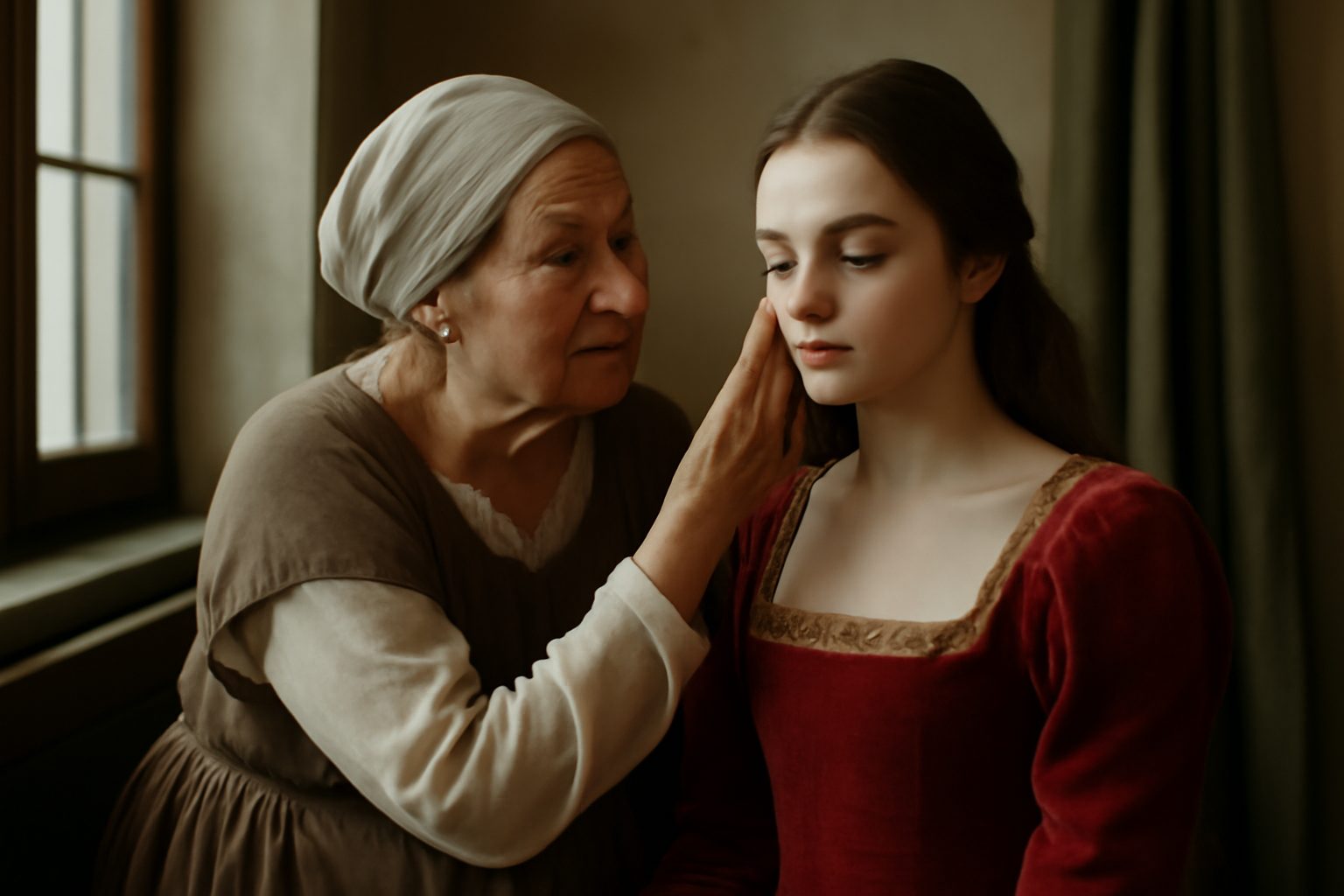
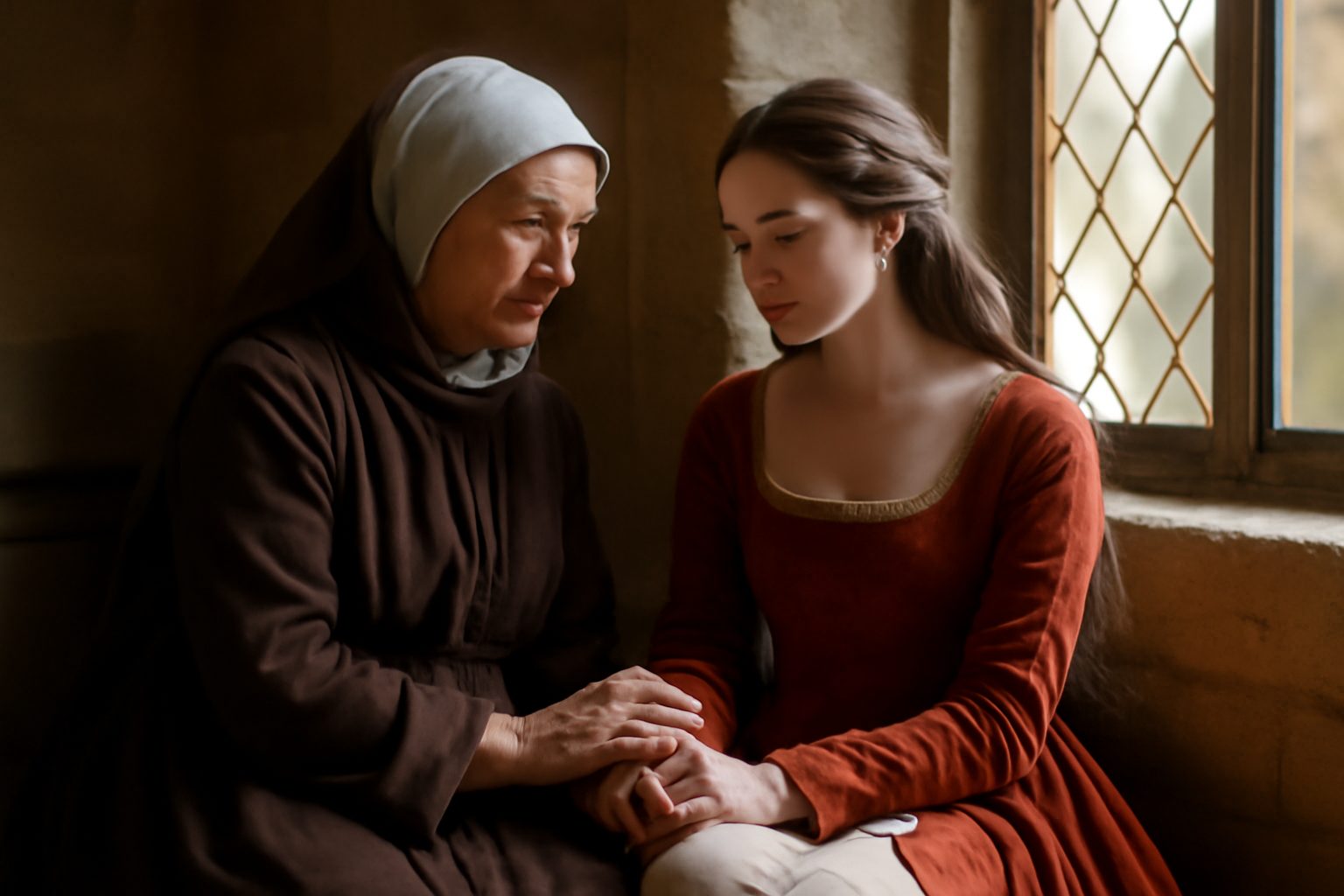
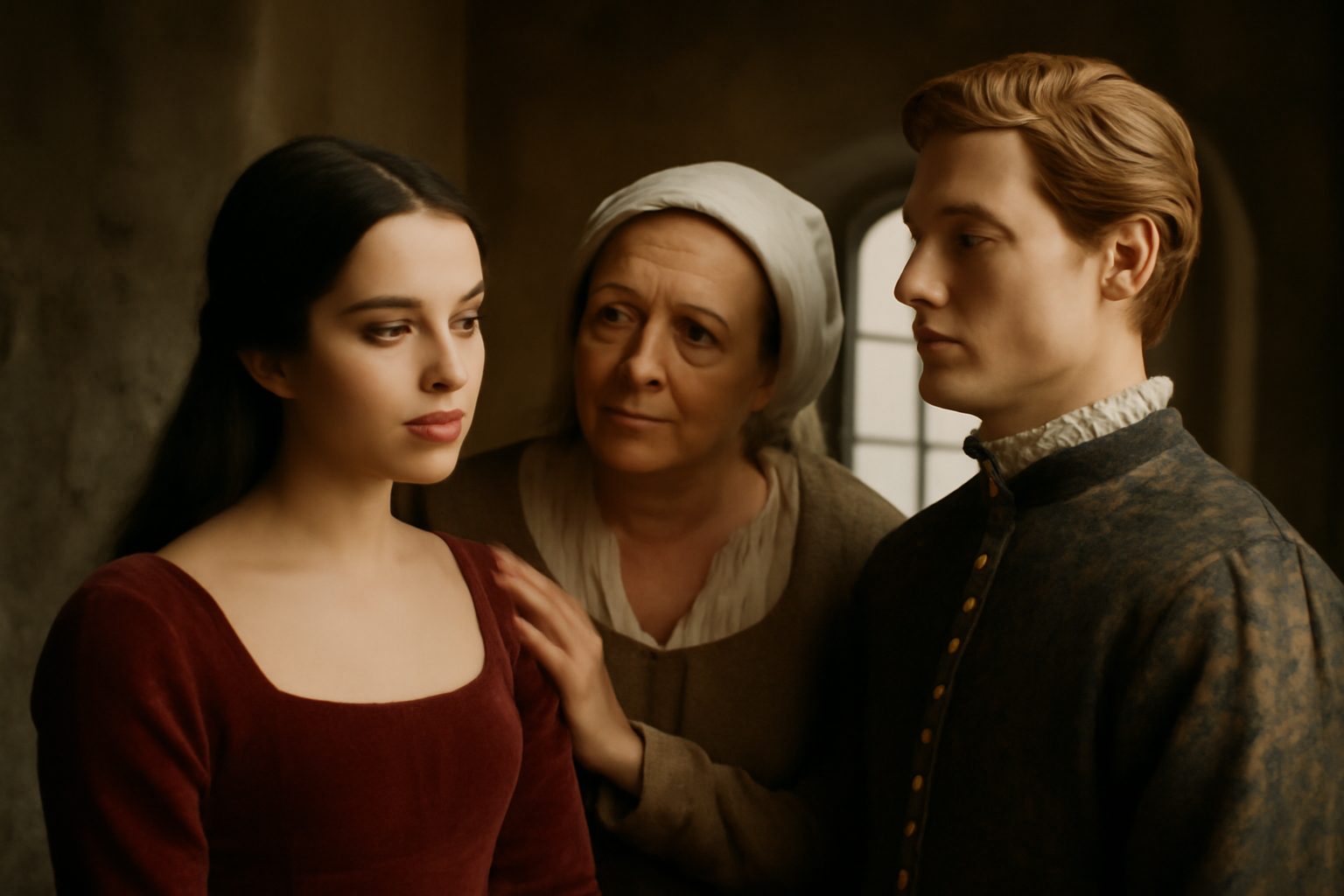
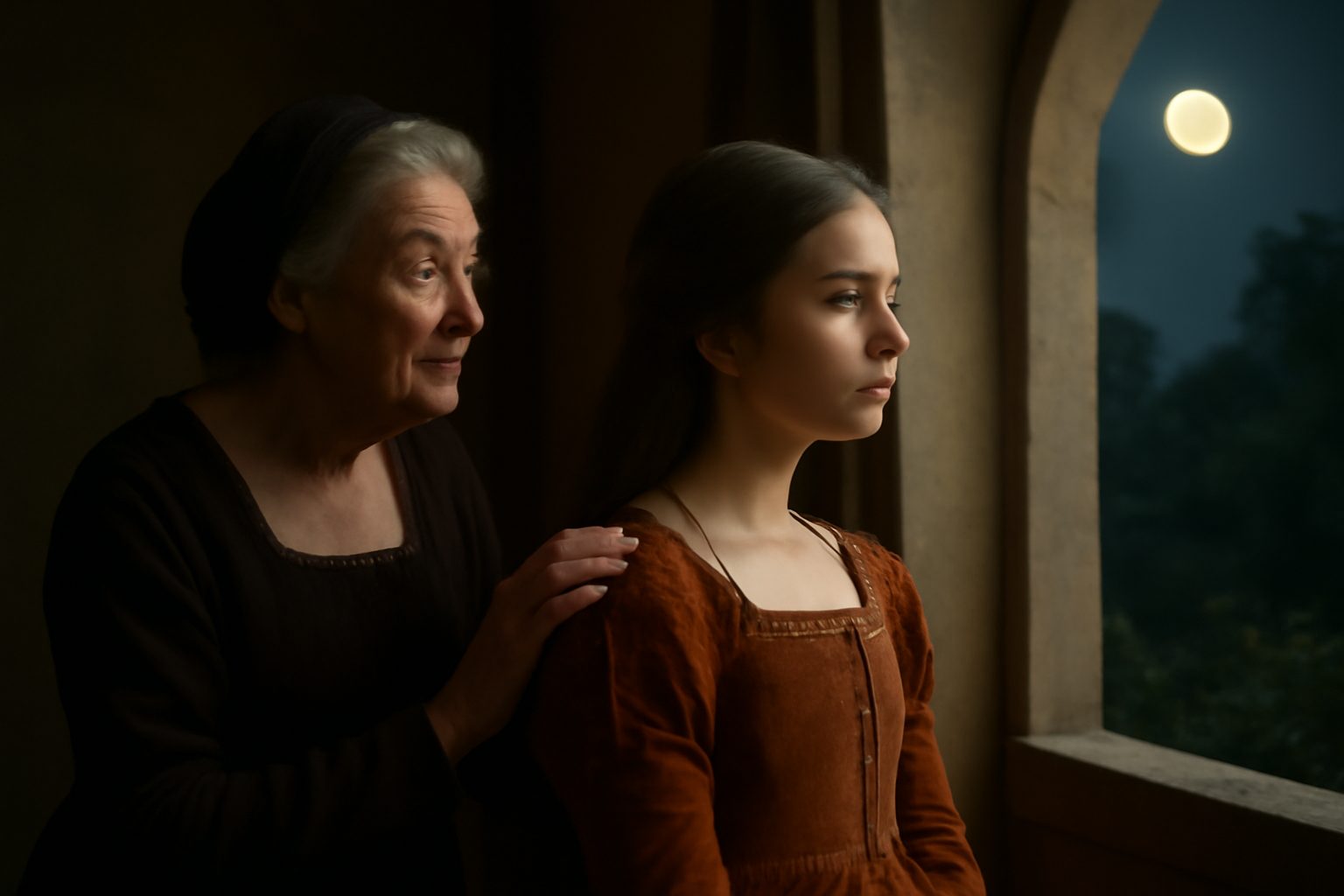
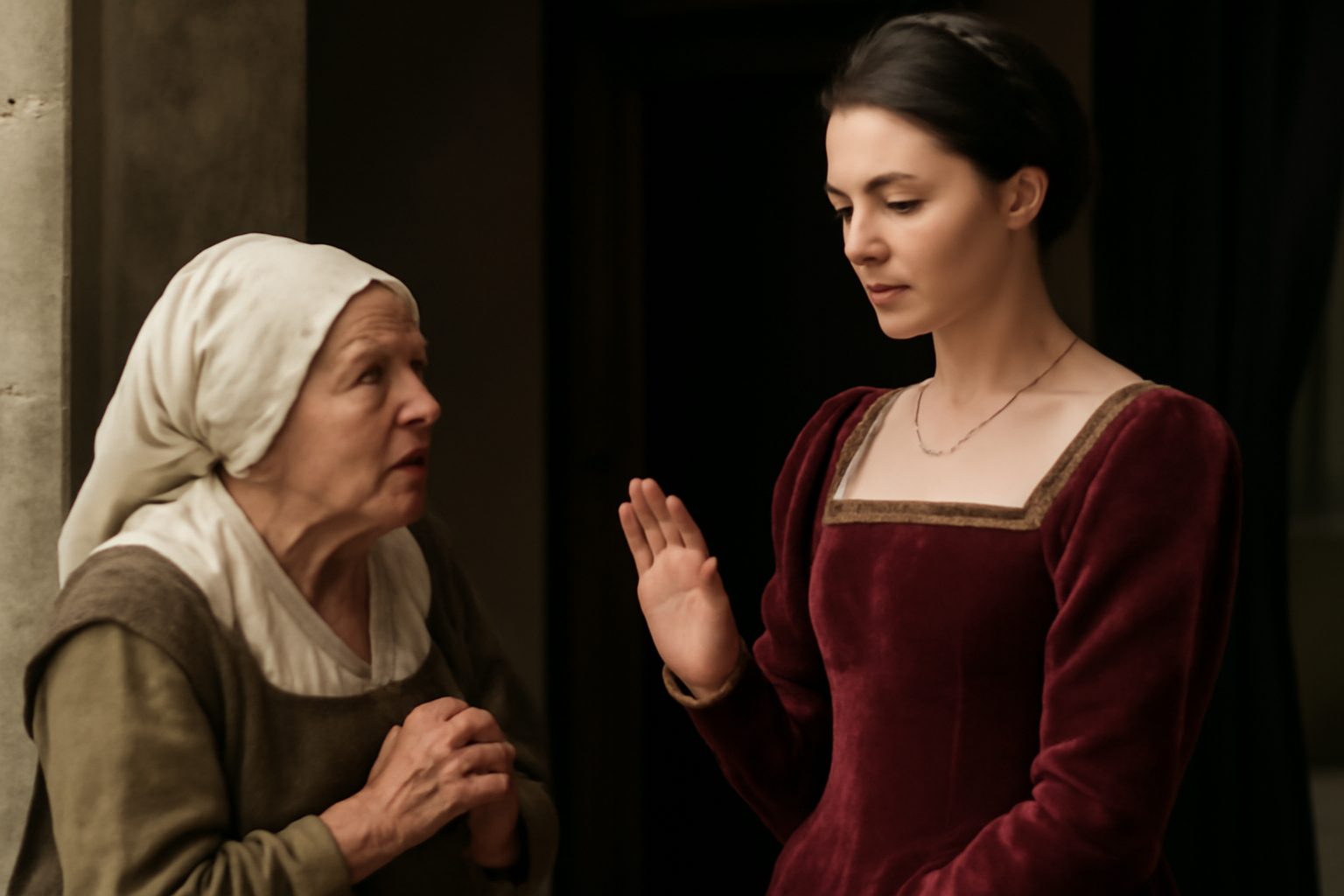
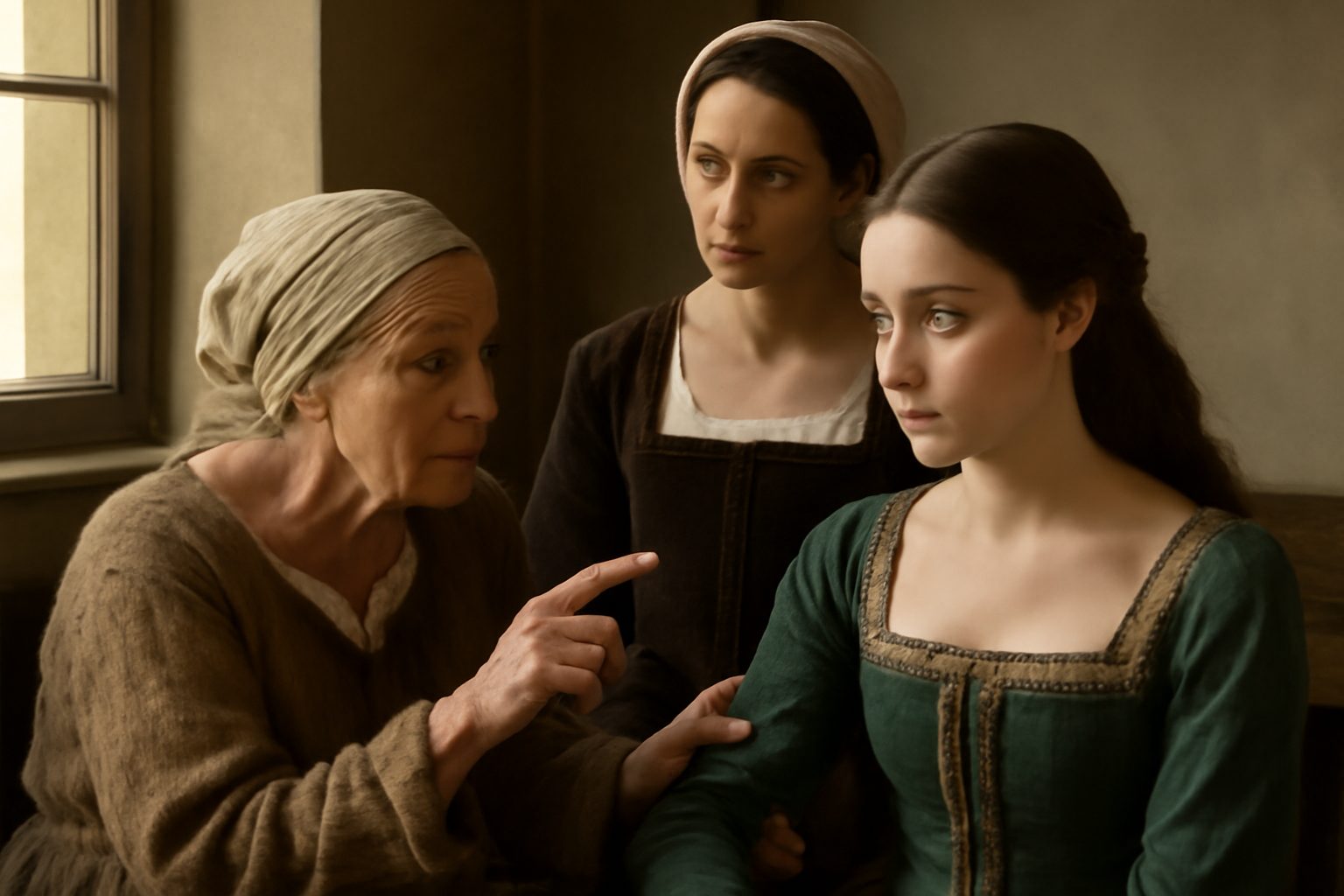
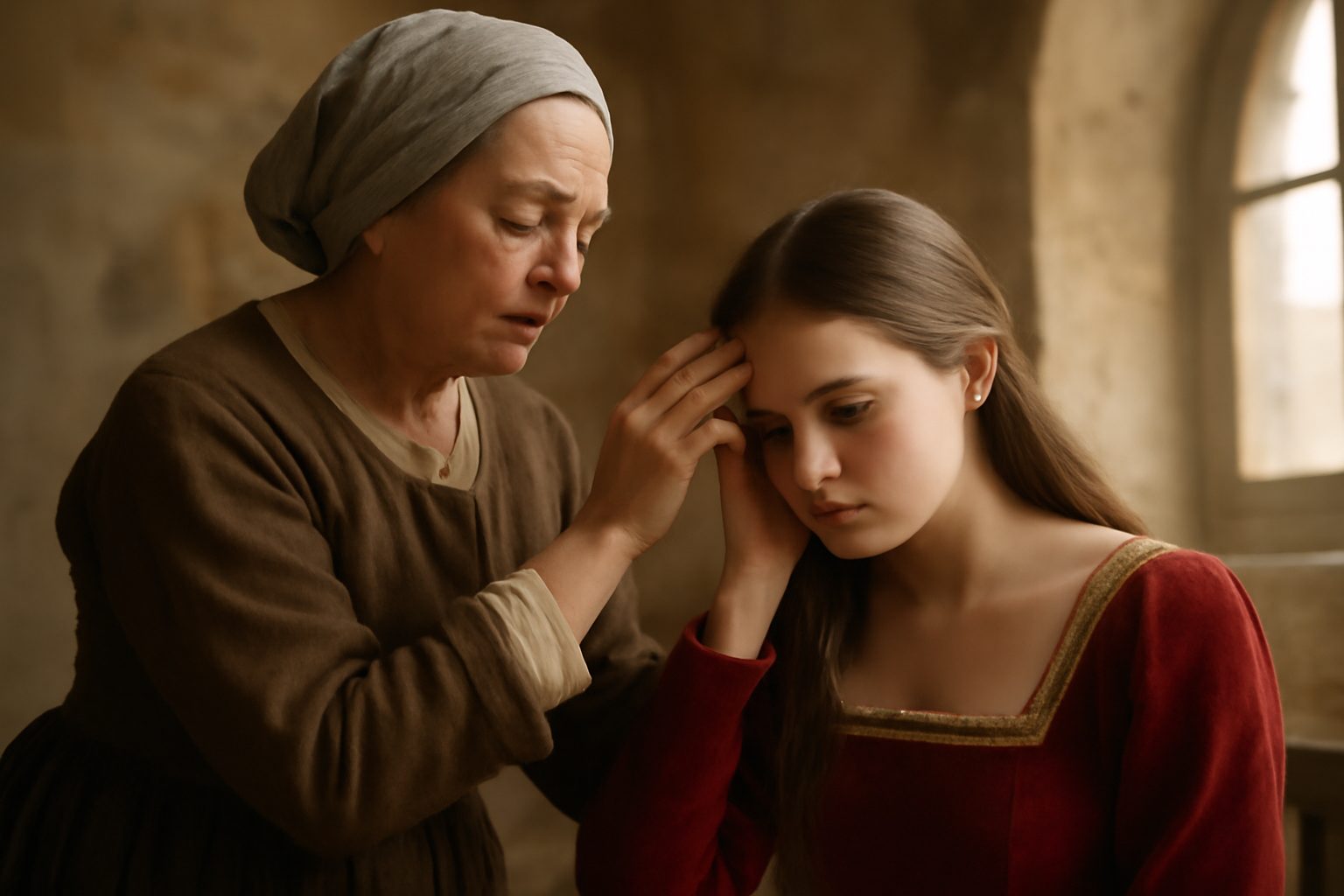
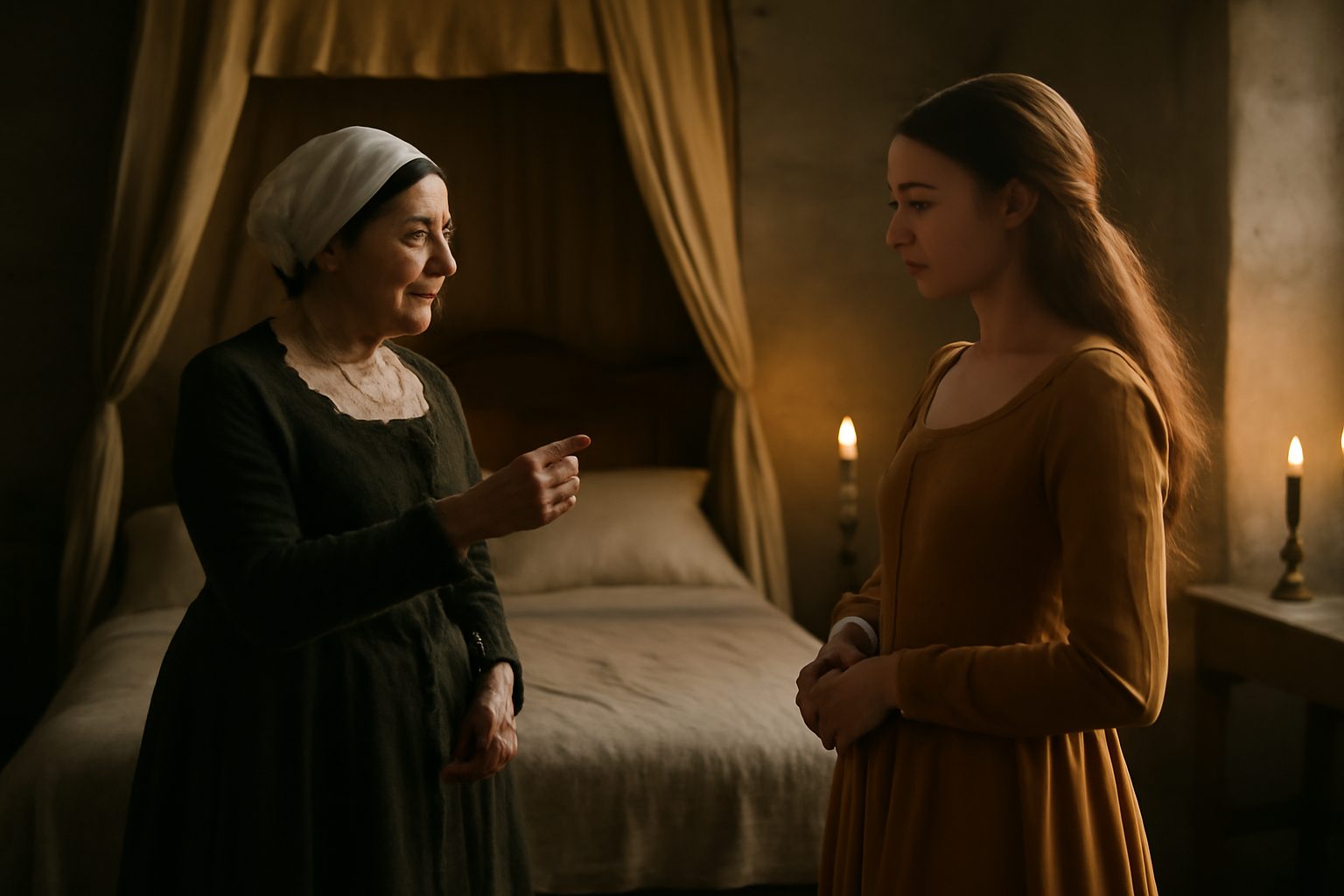
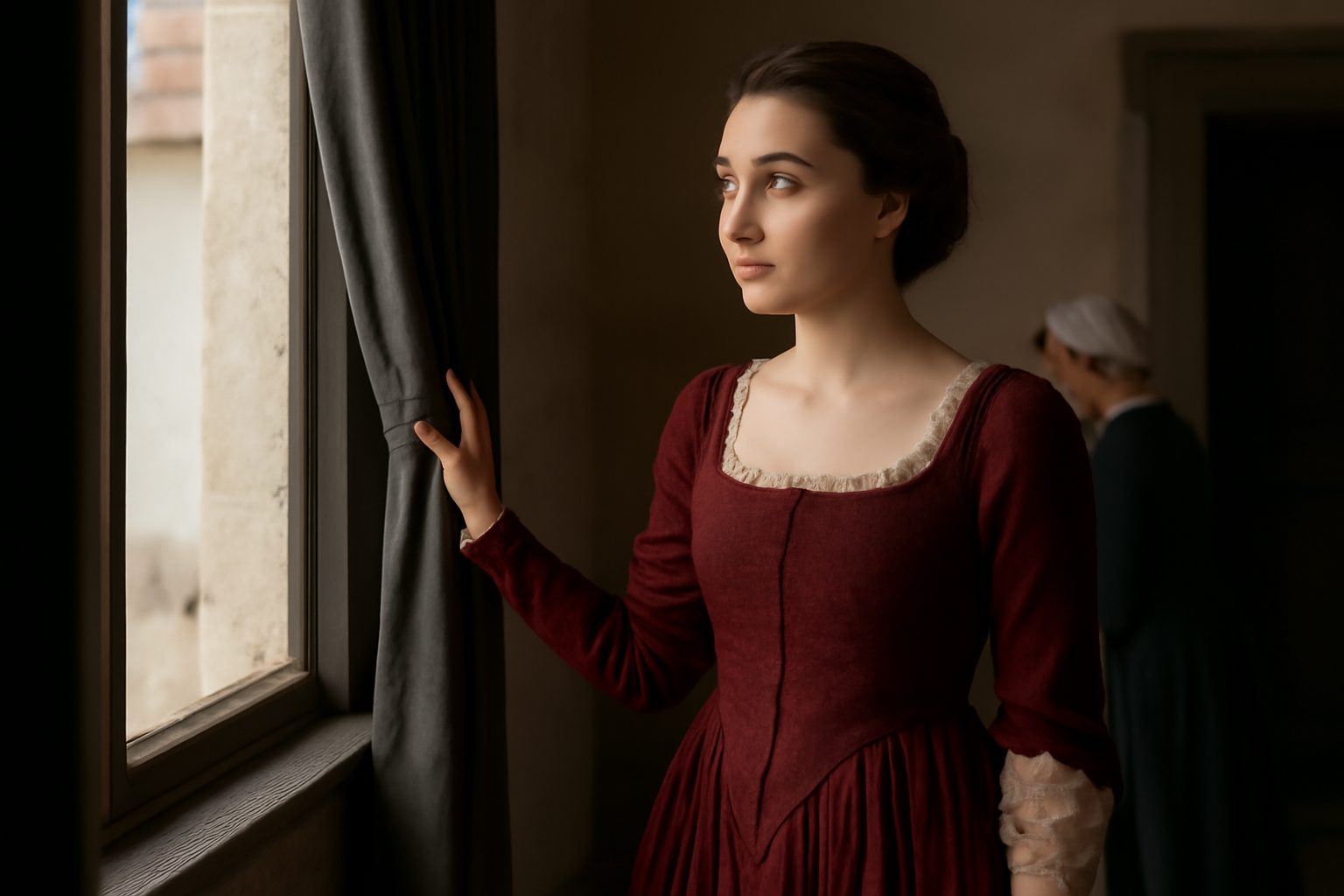
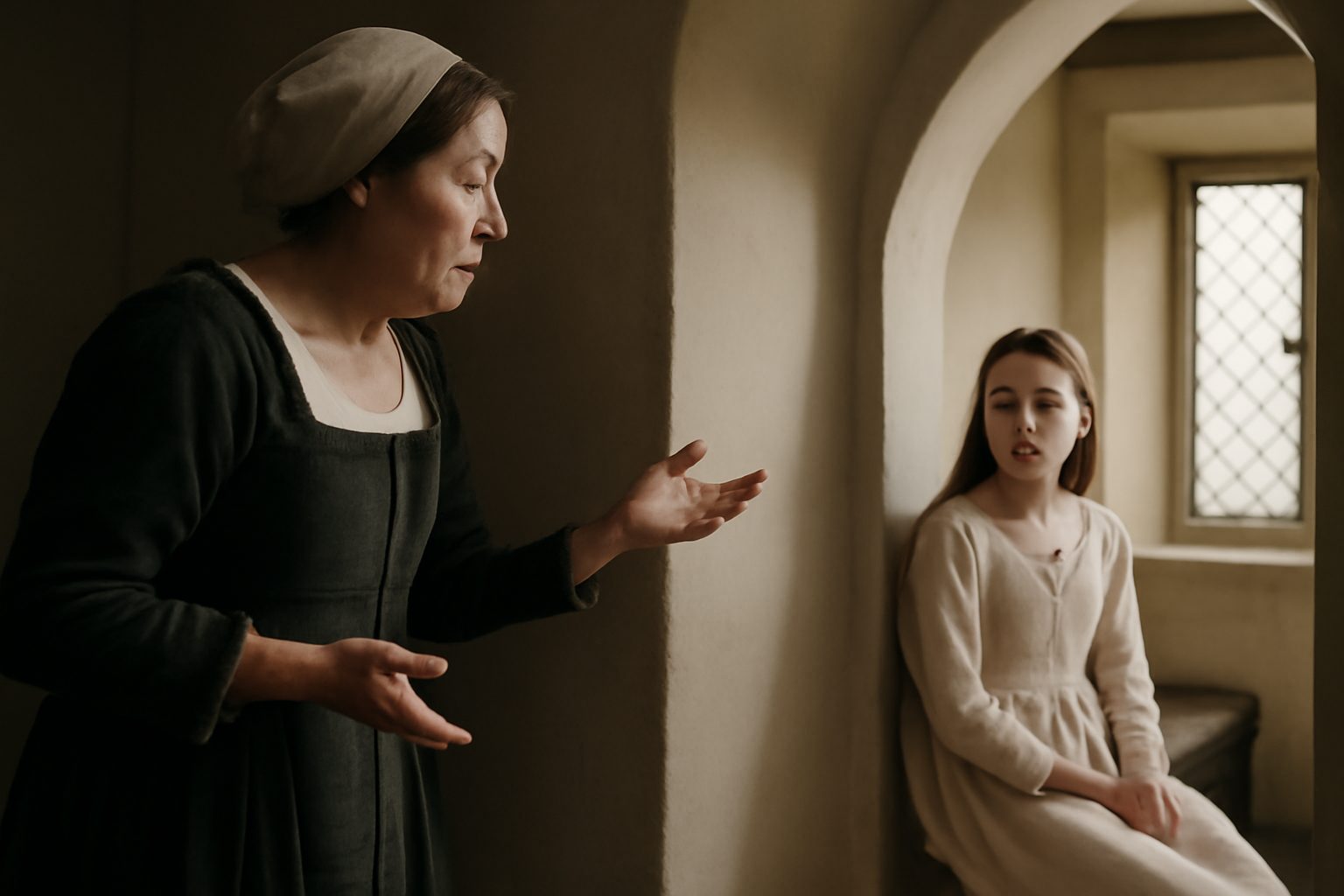
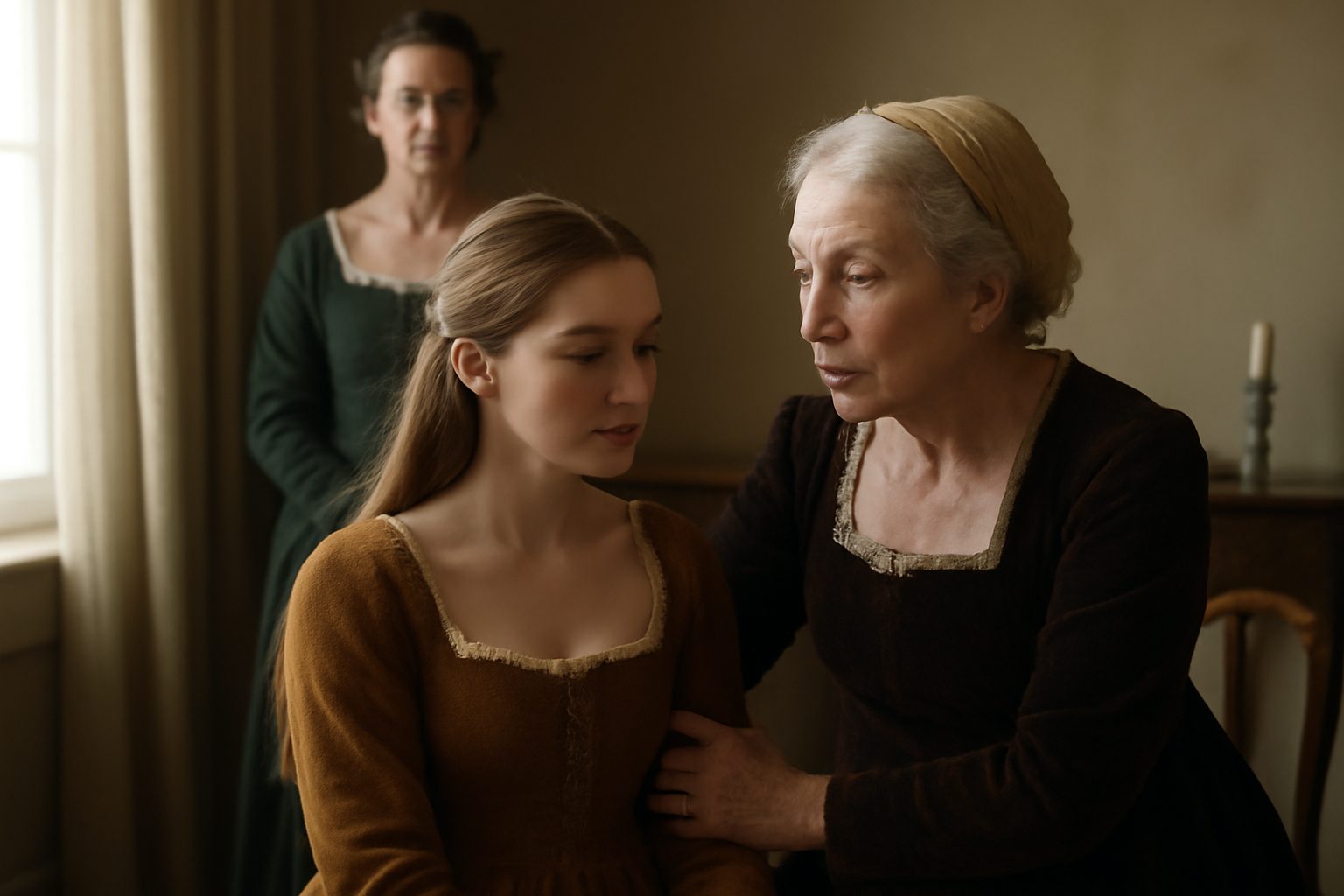
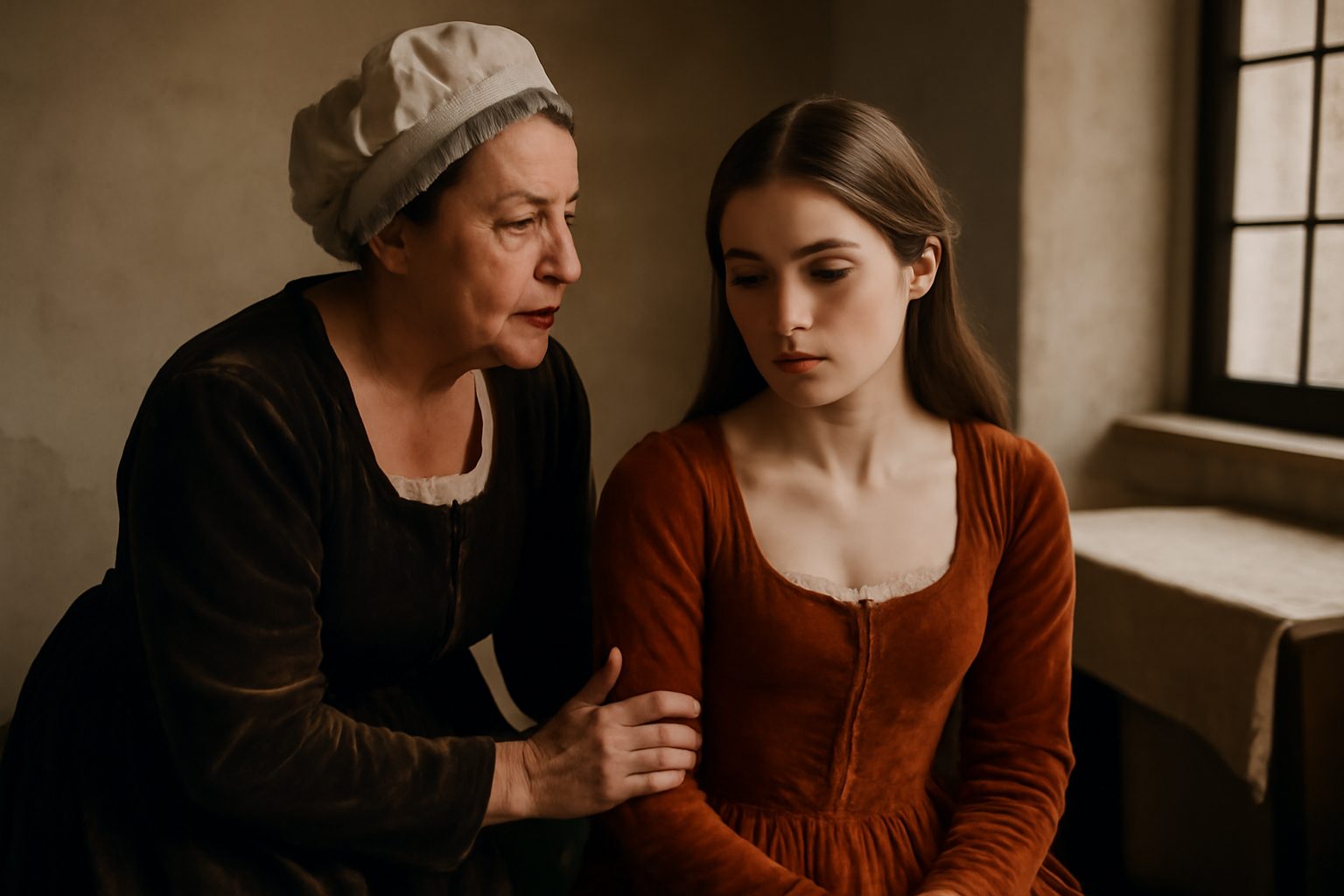
In Act 1, Scene 3 of Romeo and Juliet, Lady Capulet speaks to Juliet about the prospect of marrying Paris, a wealthy and eligible suitor. She encourages Juliet to study Paris as one would read a book, suggesting his appearance reveals his virtues and worth. This moment highlights the societal expectations placed on young women to evaluate potential husbands based on superficial qualities.
Lady Capulet: "Read o'er the volume of young Paris' face,"
In modern day english, we would say:
Look closely at Paris's handsome face and study his features like you're reading a book.
Frequently Asked Questions
What does Lady Capulet suggest by telling Juliet to read over Paris's face?
She is suggesting that Juliet should look at Paris's face to see his qualities and consider him as a potential husband.
Connections to other verses:
Connections to "Read o'er the volume of young Paris' face"
The verse Read o'er the volume of young Paris' face introduces the metaphor of Paris as a book to be read and appreciated, a theme that is developed and expanded in several other verses in the same scene.
Metaphorical Extensions
This idea is immediately followed by And find delight writ there with beauty's pen, which continues the literary metaphor by suggesting that beauty has written pleasing content within this "volume." The connection deepens with Examine every married lineament, urging a detailed study of Paris's harmonious features, and And see how one another lends content, emphasizing how each aspect of his appearance complements the others.
Obscured Meaning and Revelation
The verse And what obscured in this fair volume lies hints at deeper qualities hidden within Paris, which are to be discovered in Find written in the margent of his eyes, suggesting his eyes reveal his true character. This ties to This precious book of love, this unbound lover, which explicitly refers to Paris as an unbound book, symbolizing his potential as a lover awaiting commitment.
Beauty and Completeness
The physical beauty of Paris is praised in As all the world--why, he's a man of wax, comparing him to a perfect sculpture, and Verona's summer hath not such a flower, using floral imagery to highlight his rarity and appeal. The idea of him needing only a cover to beautify him further is stated in To beautify him, only lacks a cover, implying marriage would complete him.
Marriage and Honor
Lady Capulet's persuasion for Juliet to consider Paris is evident in The valiant Paris seeks you for his love and What say you? can you love the gentleman?, directly tying the "volume" metaphor to the proposal. Juliet's cautious response in I'll look to like, if looking liking move shows her willingness to engage with this "book" of Paris, albeit reservedly.
Contrast with Juliet's Youth
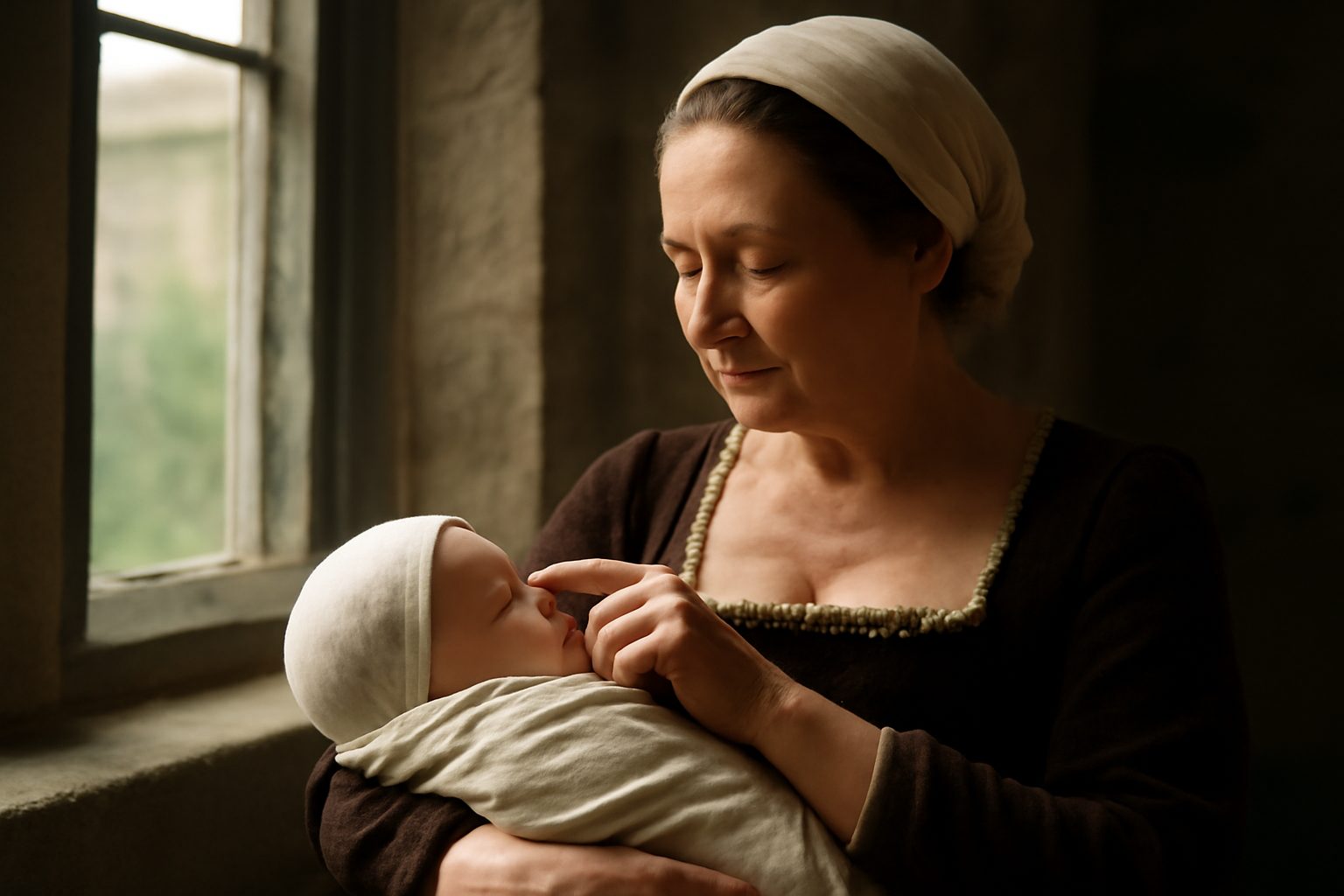
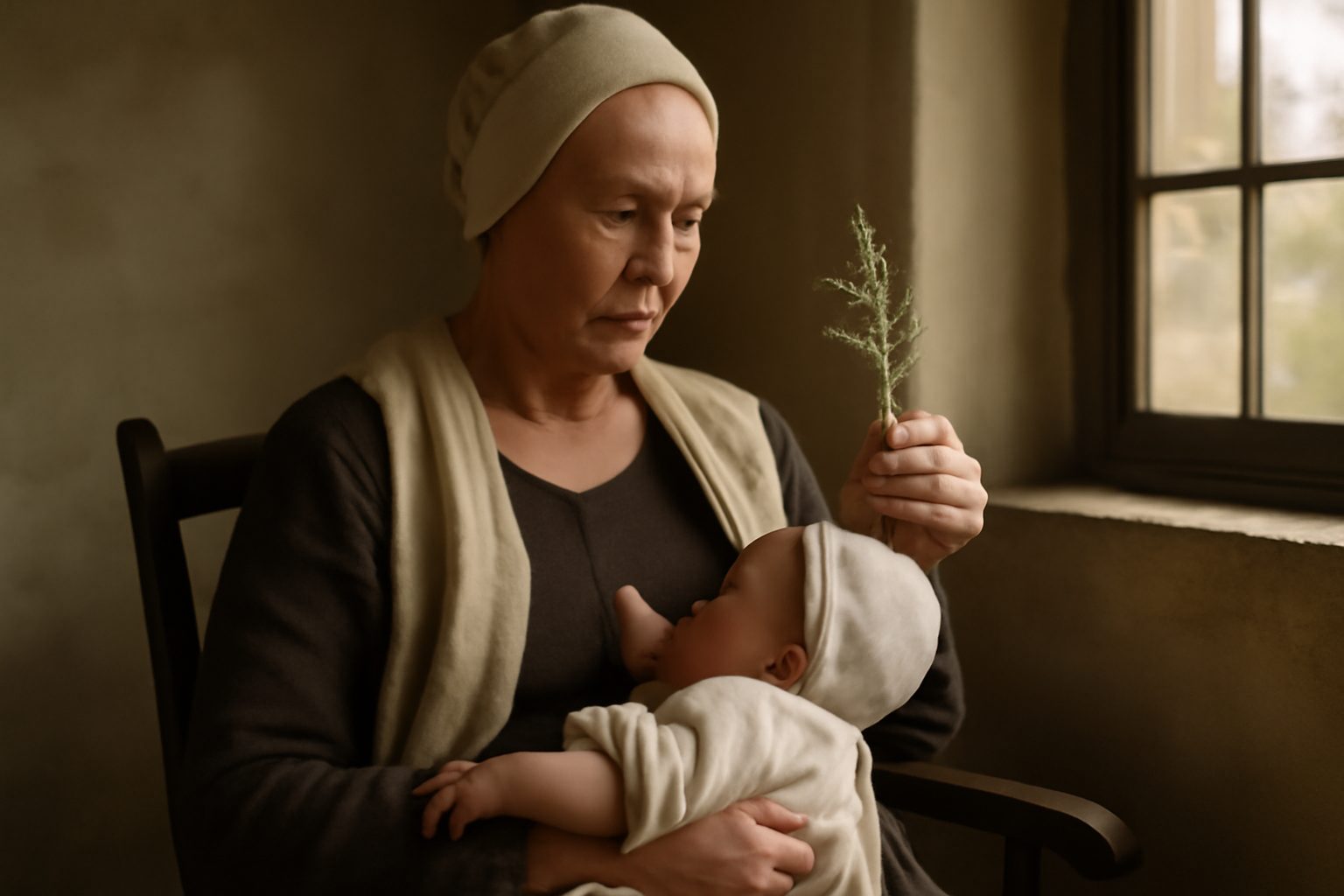
The Nurse's reminiscences about Juliet's childhood, such as Thou wast the prettiest babe that e'er I nursed, contrast Juliet's innocence with the mature theme of marriage, underscoring the significance of reading Paris's "volume" as a step toward adulthood.