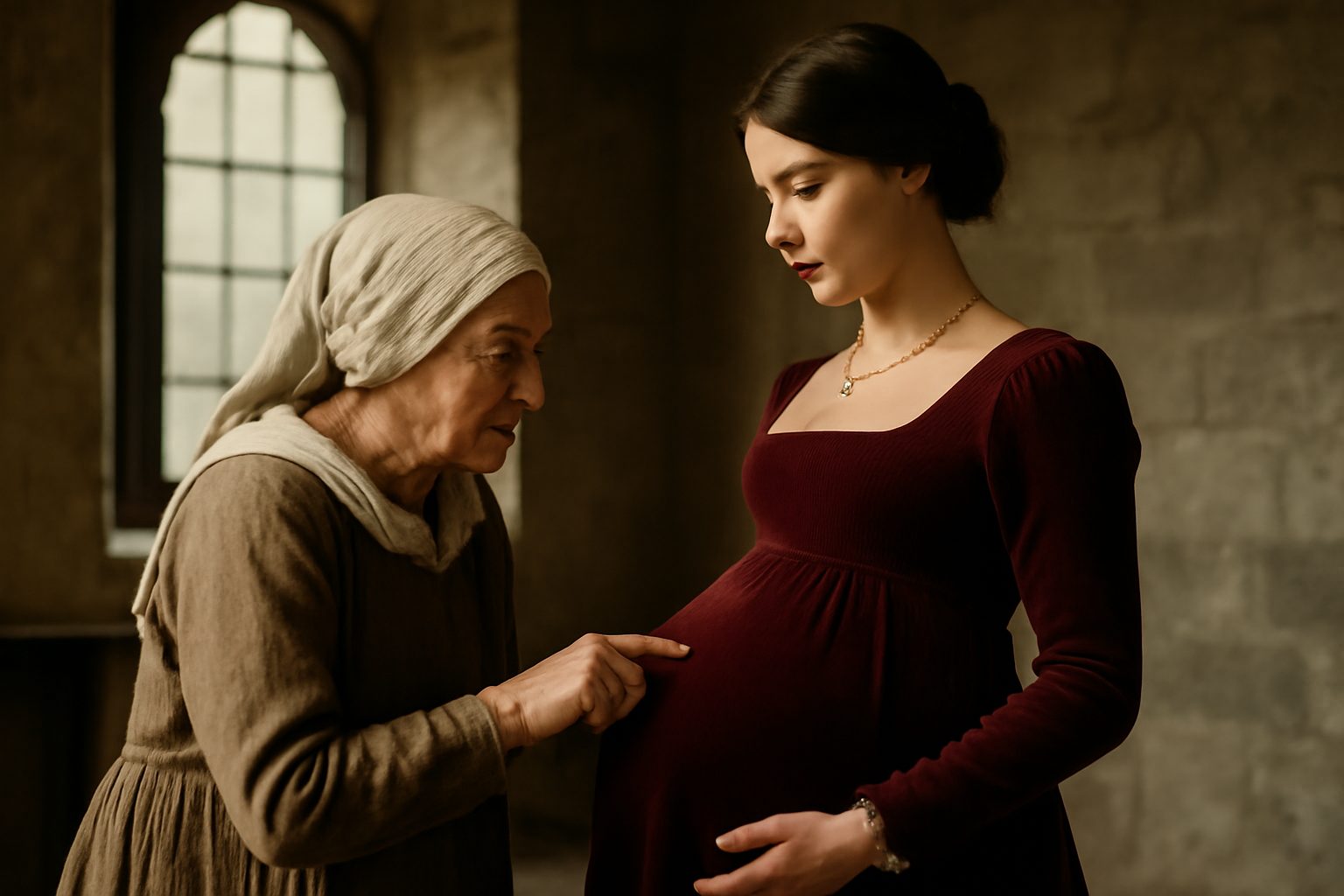
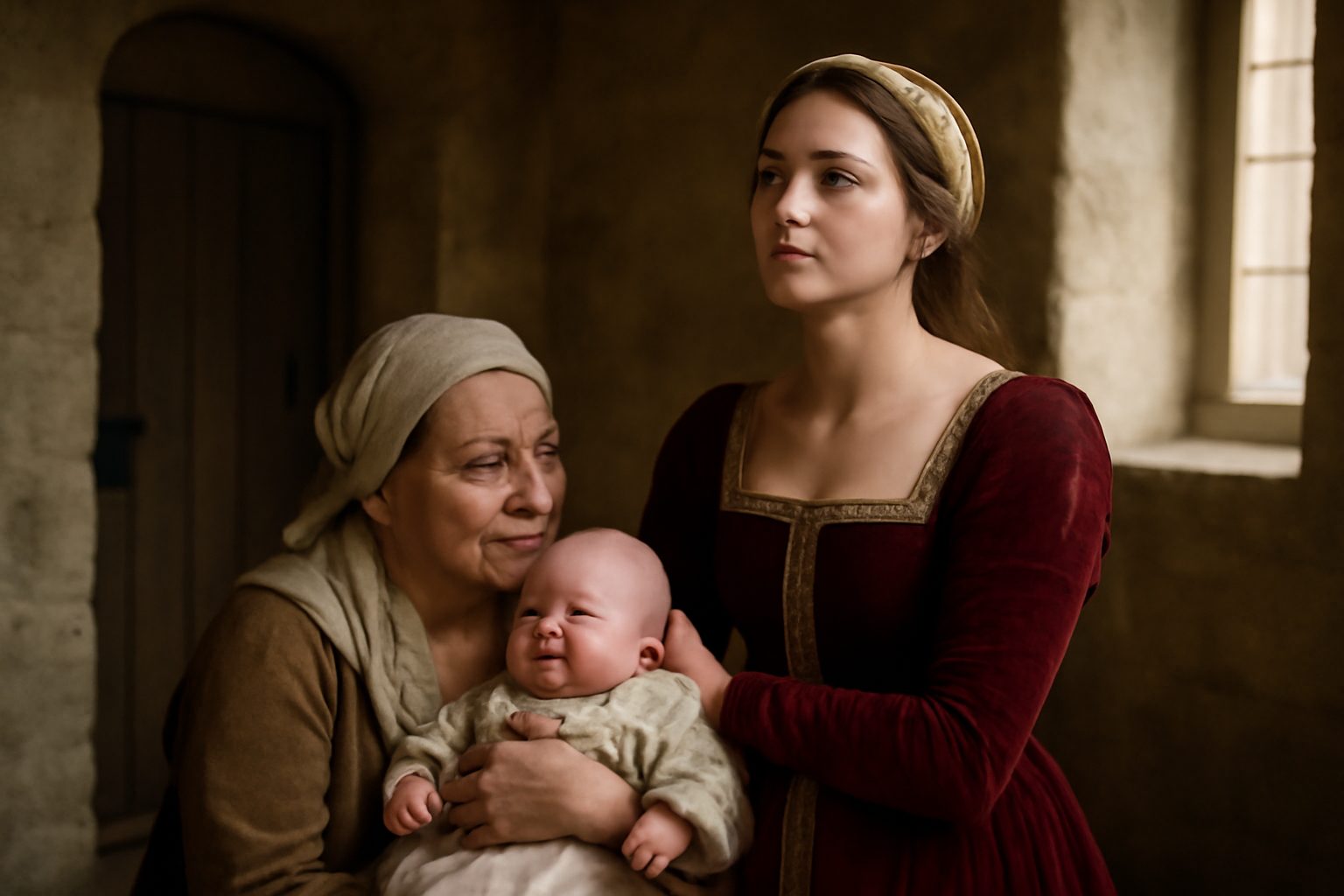
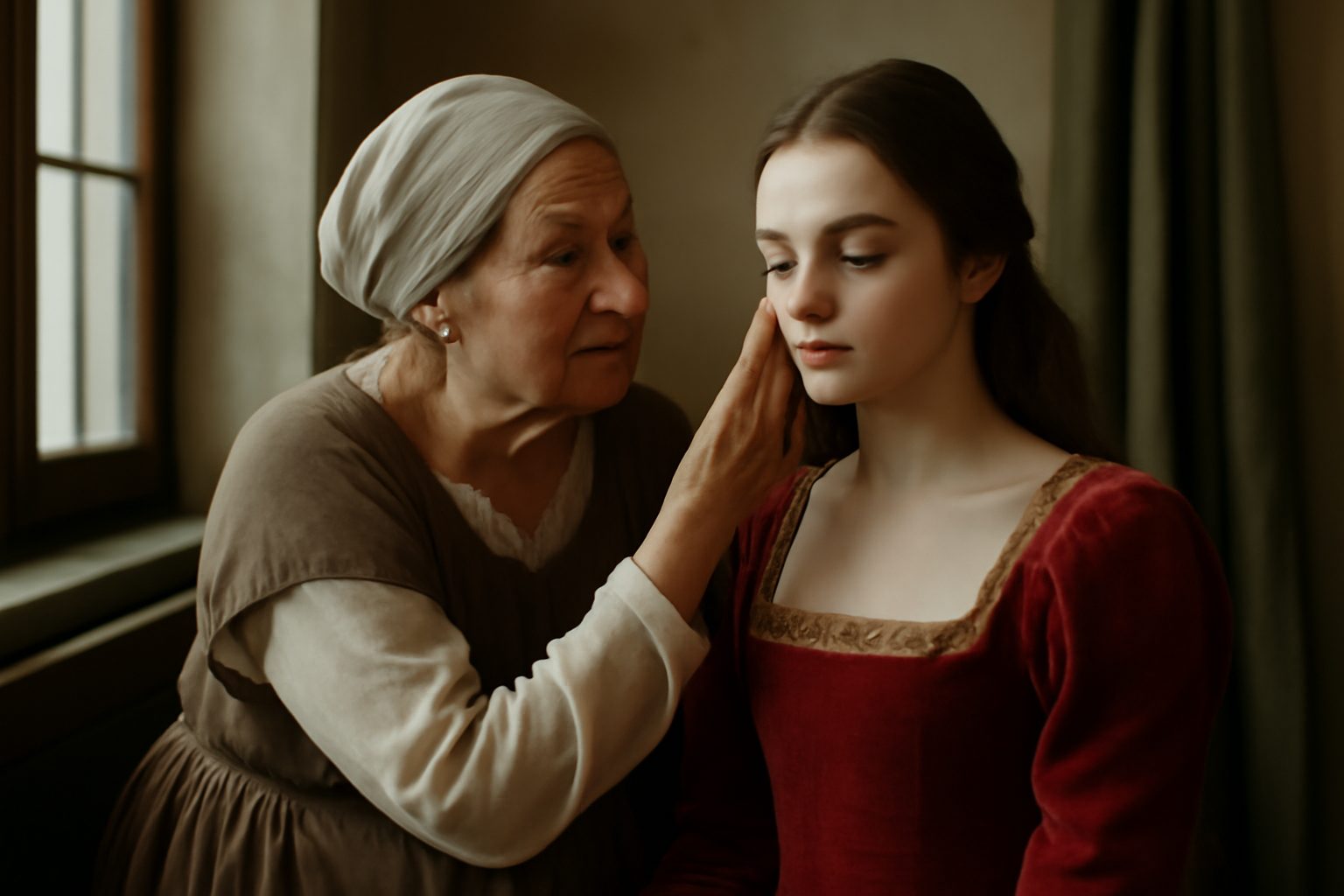
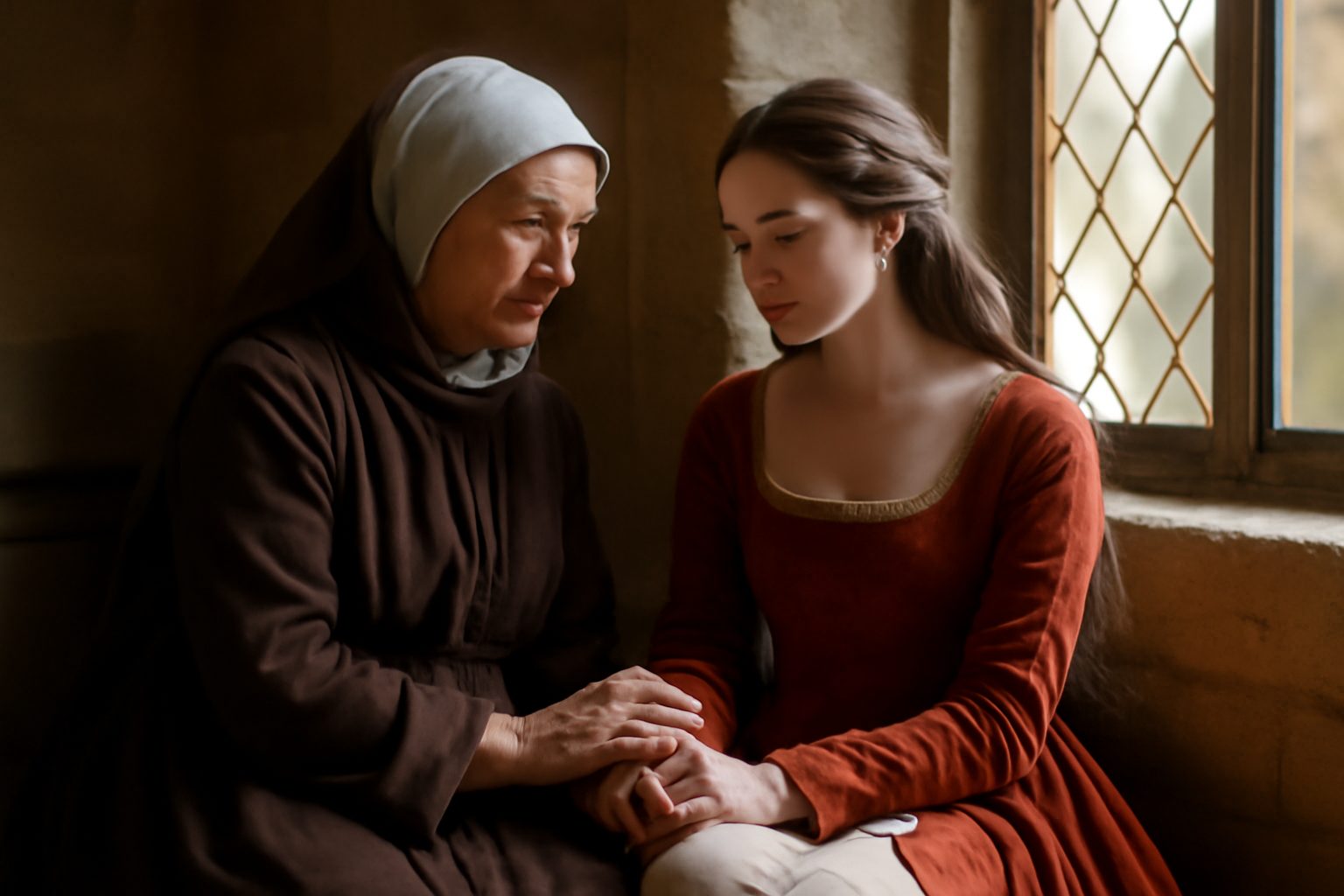
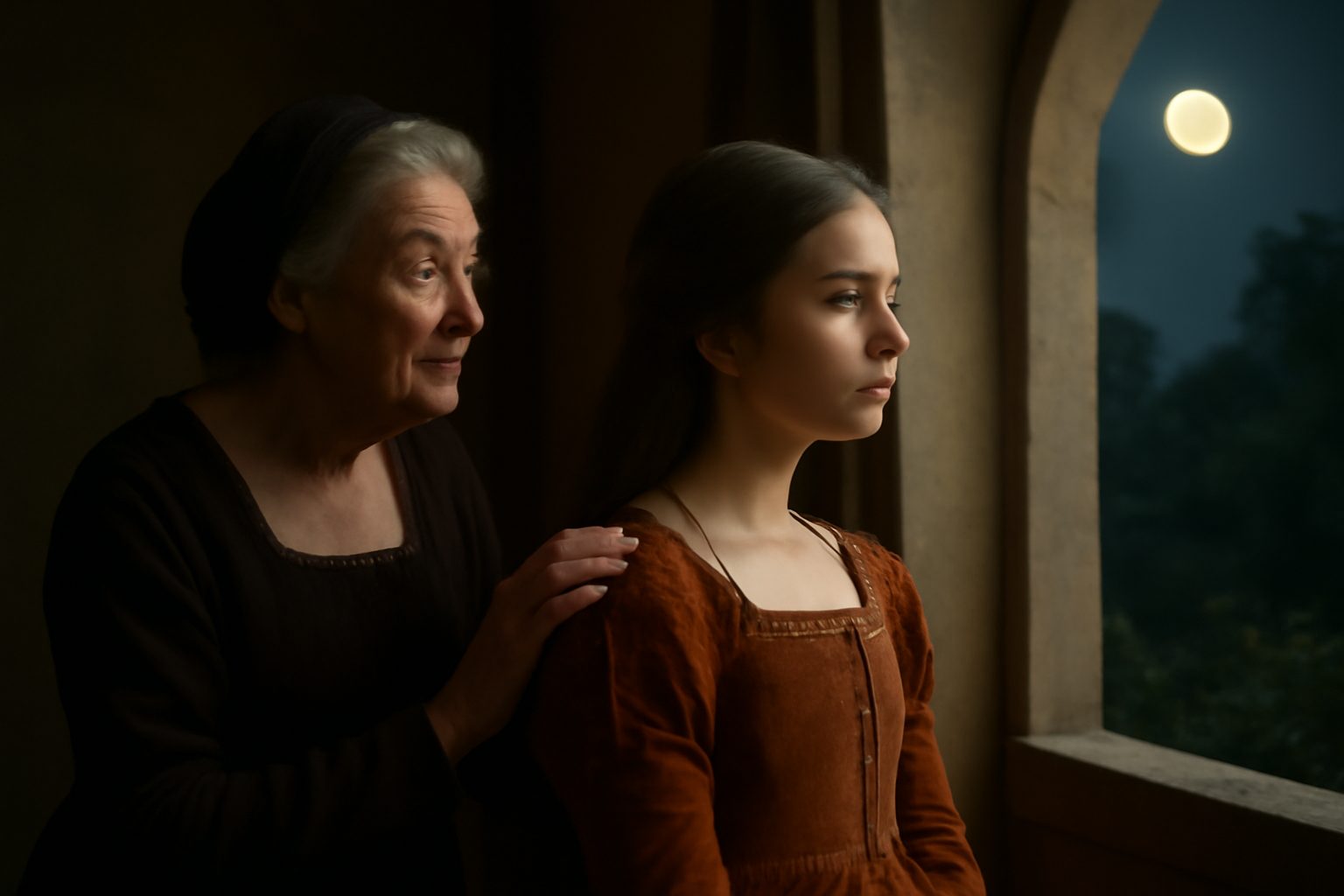
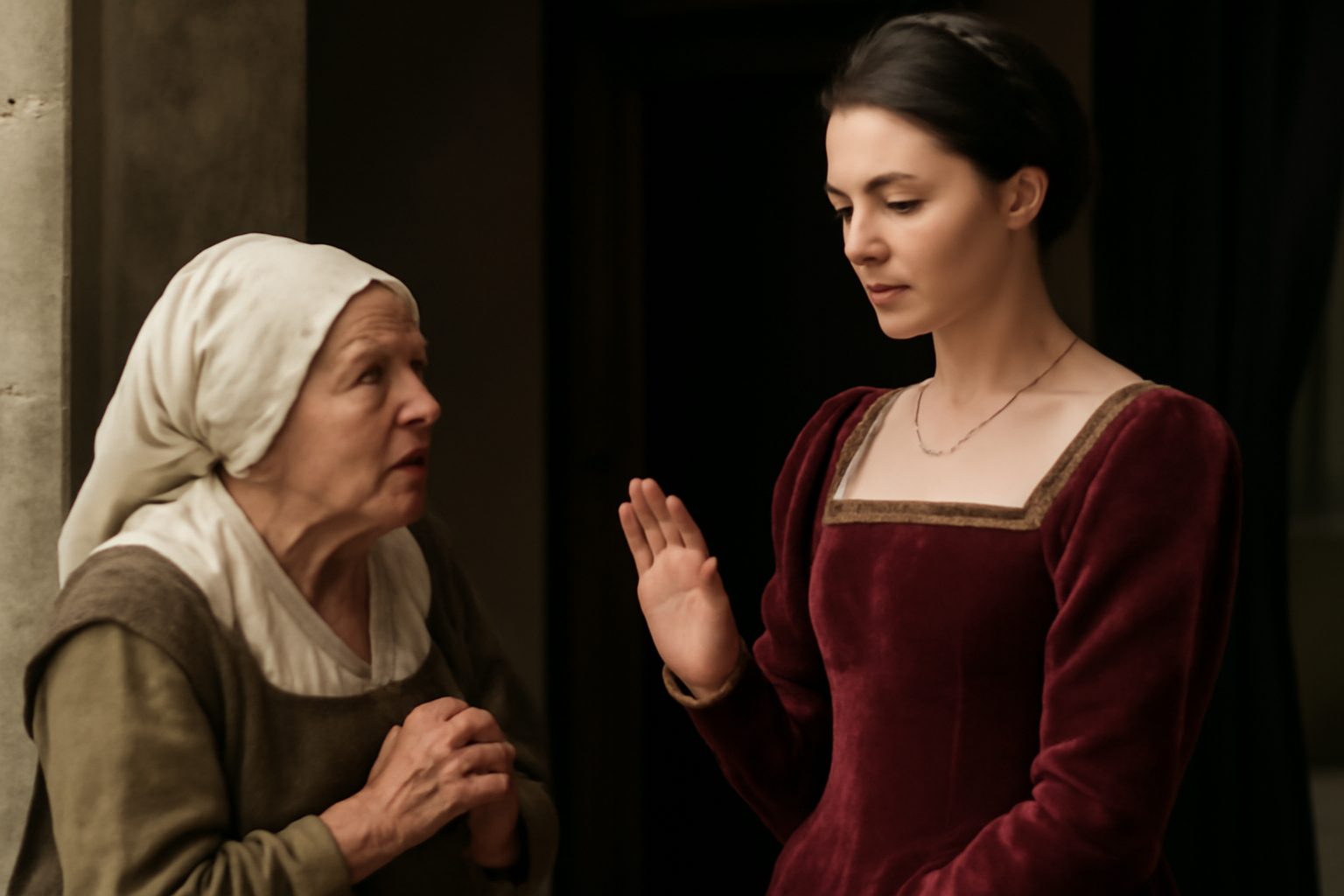
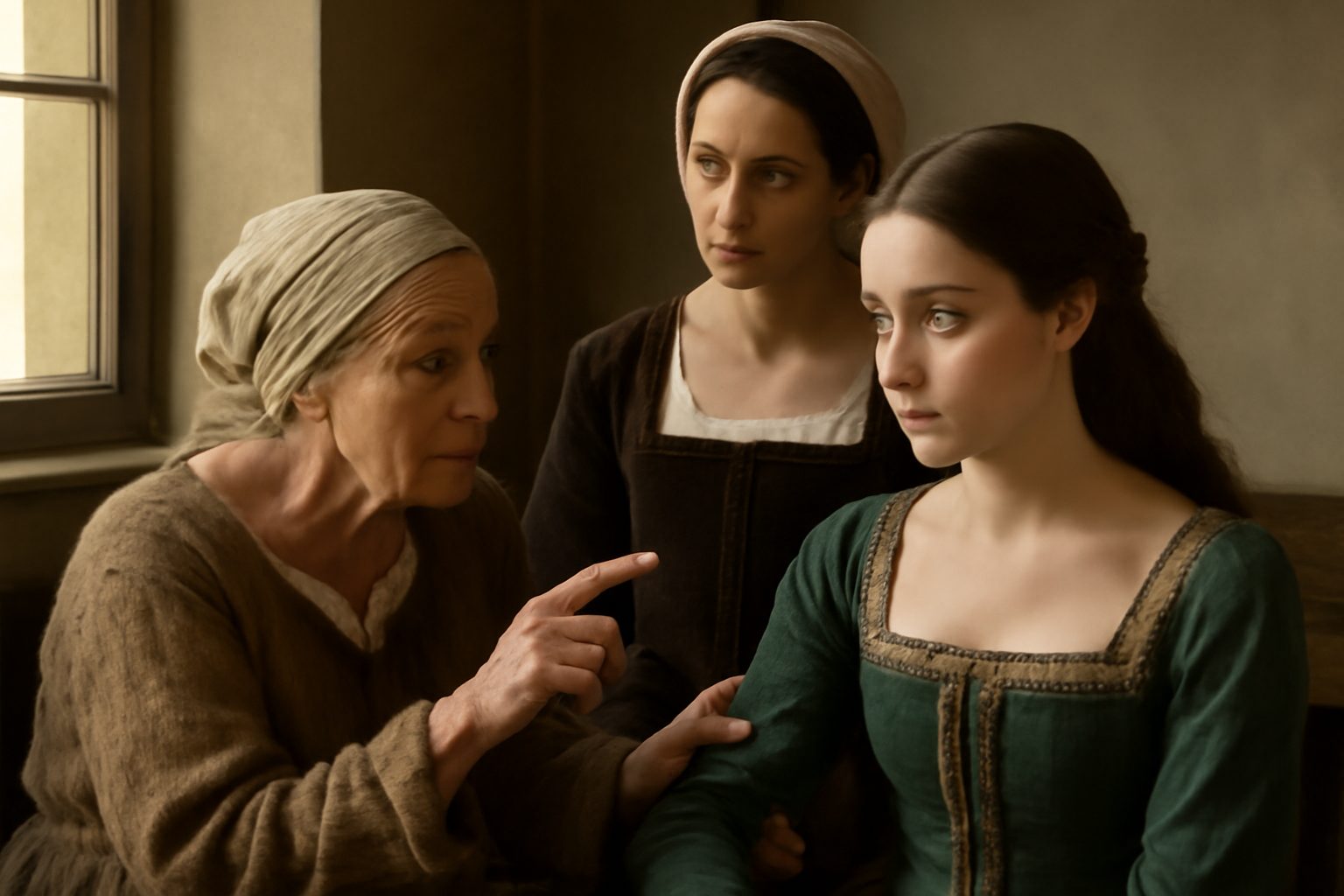
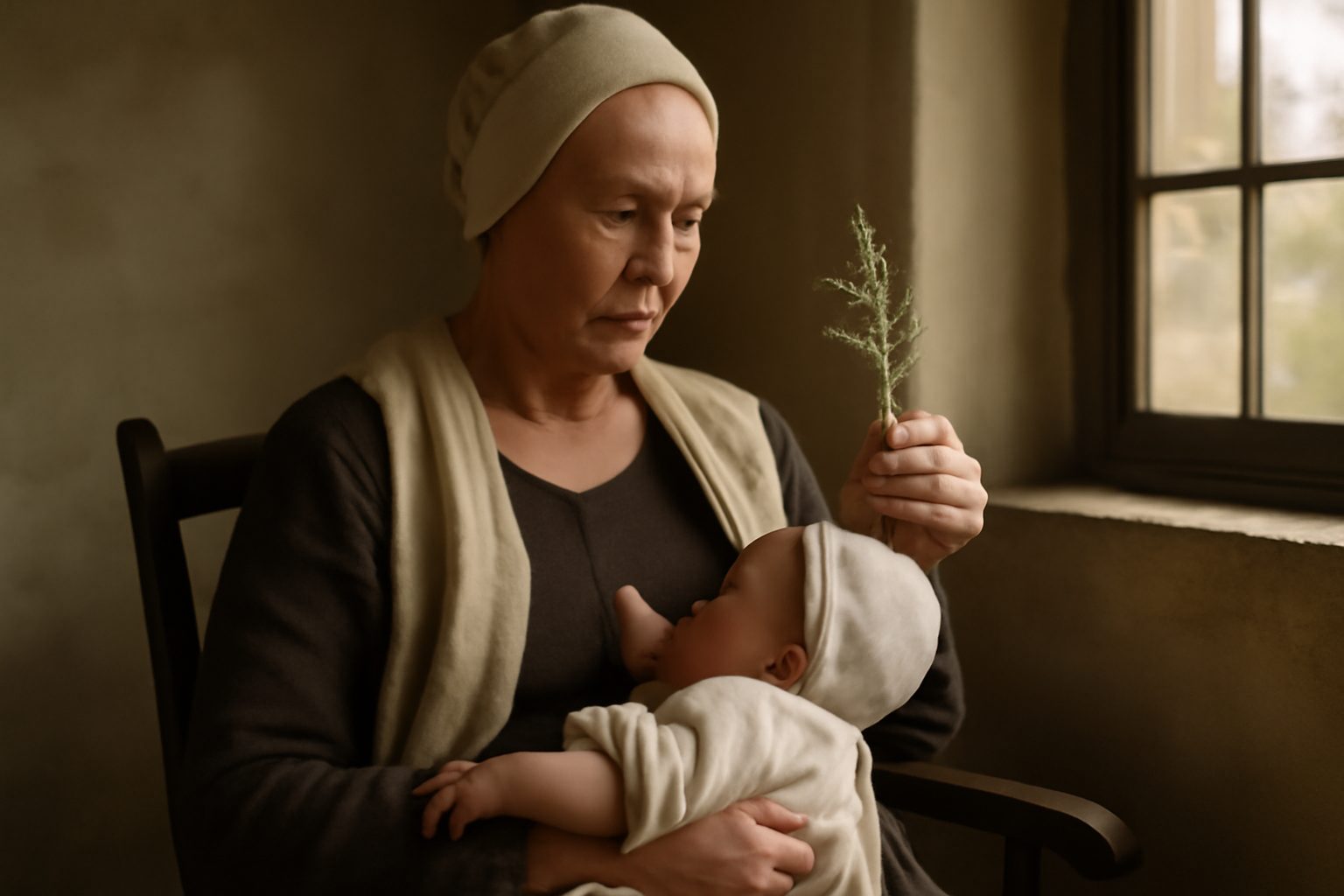
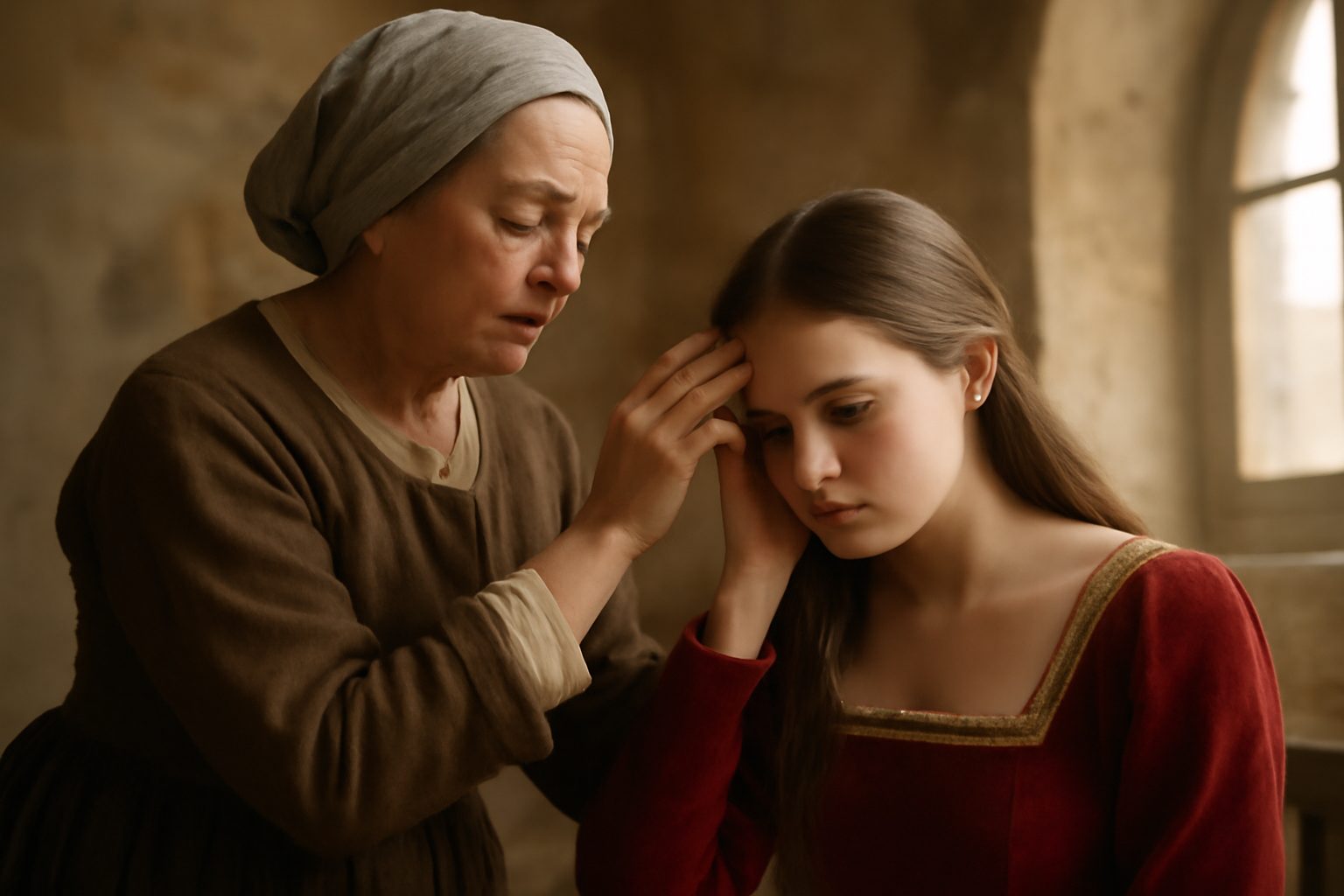
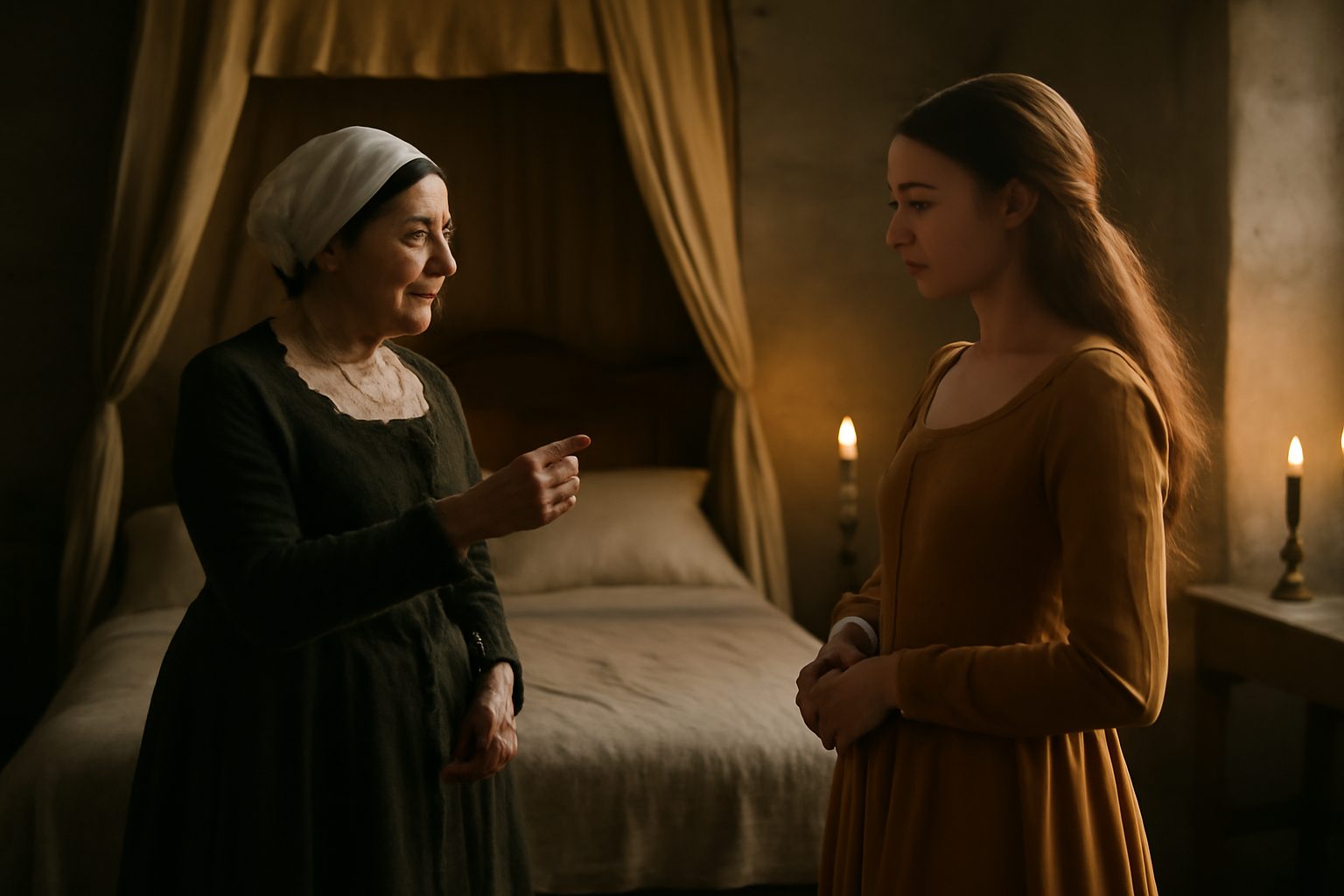
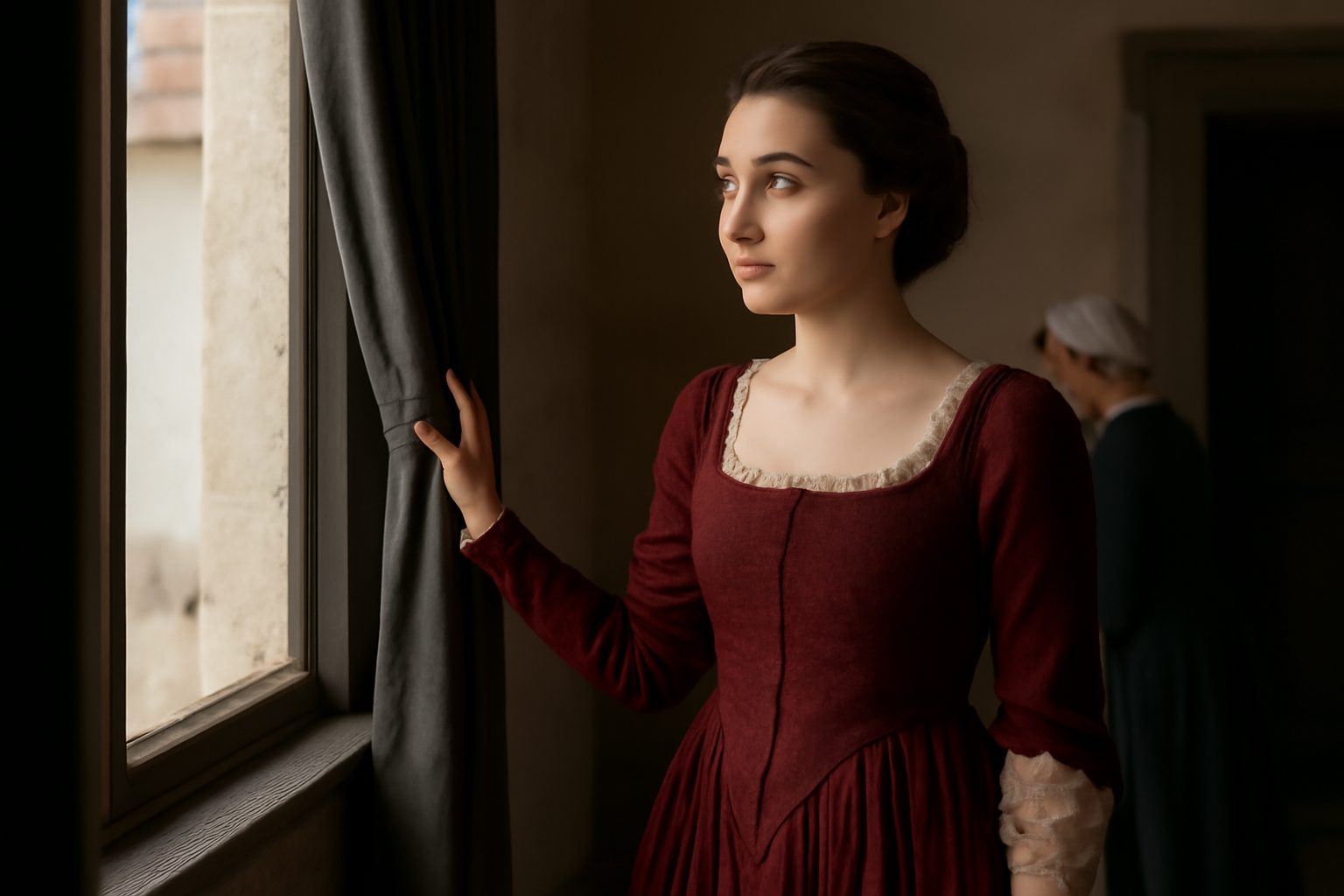
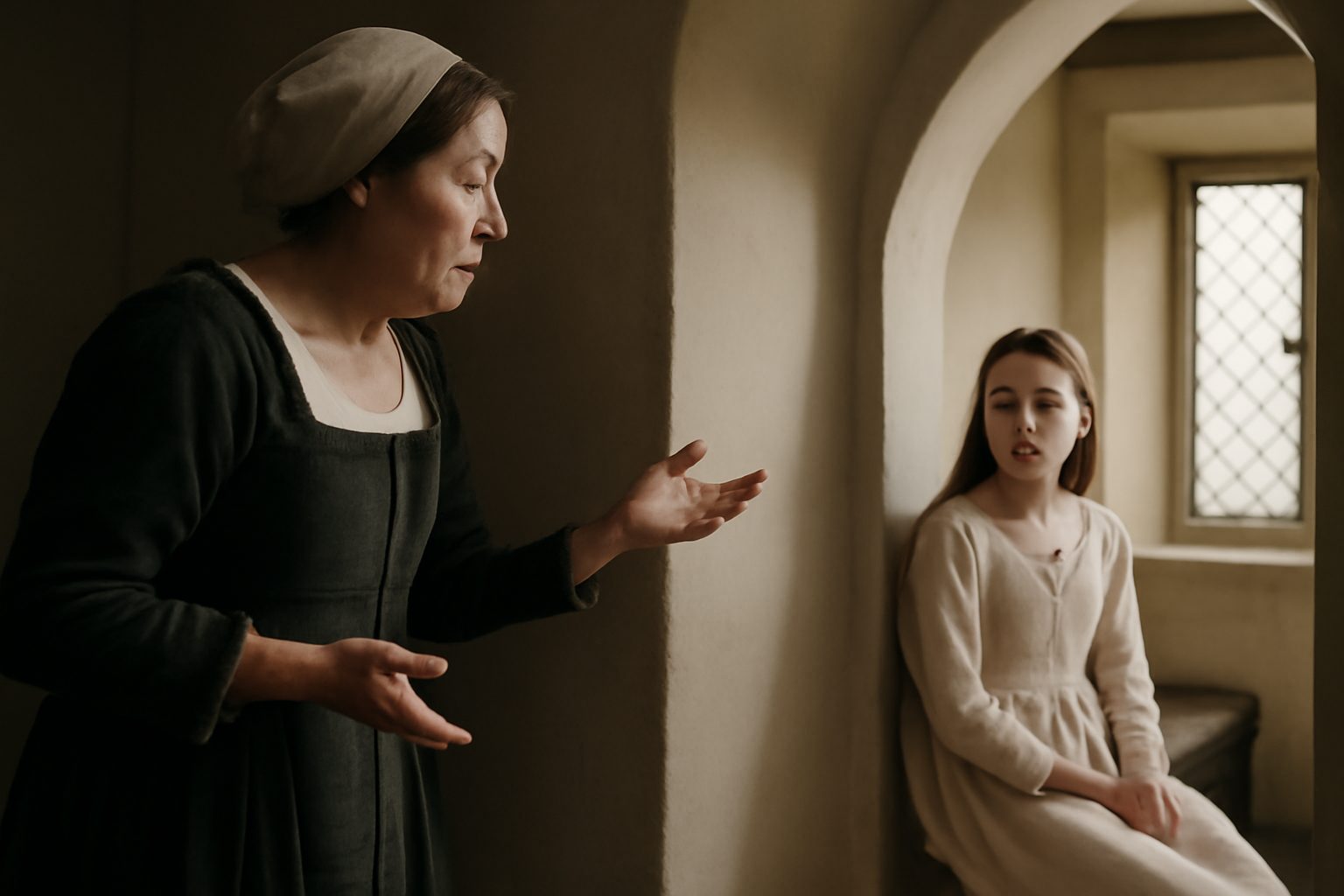
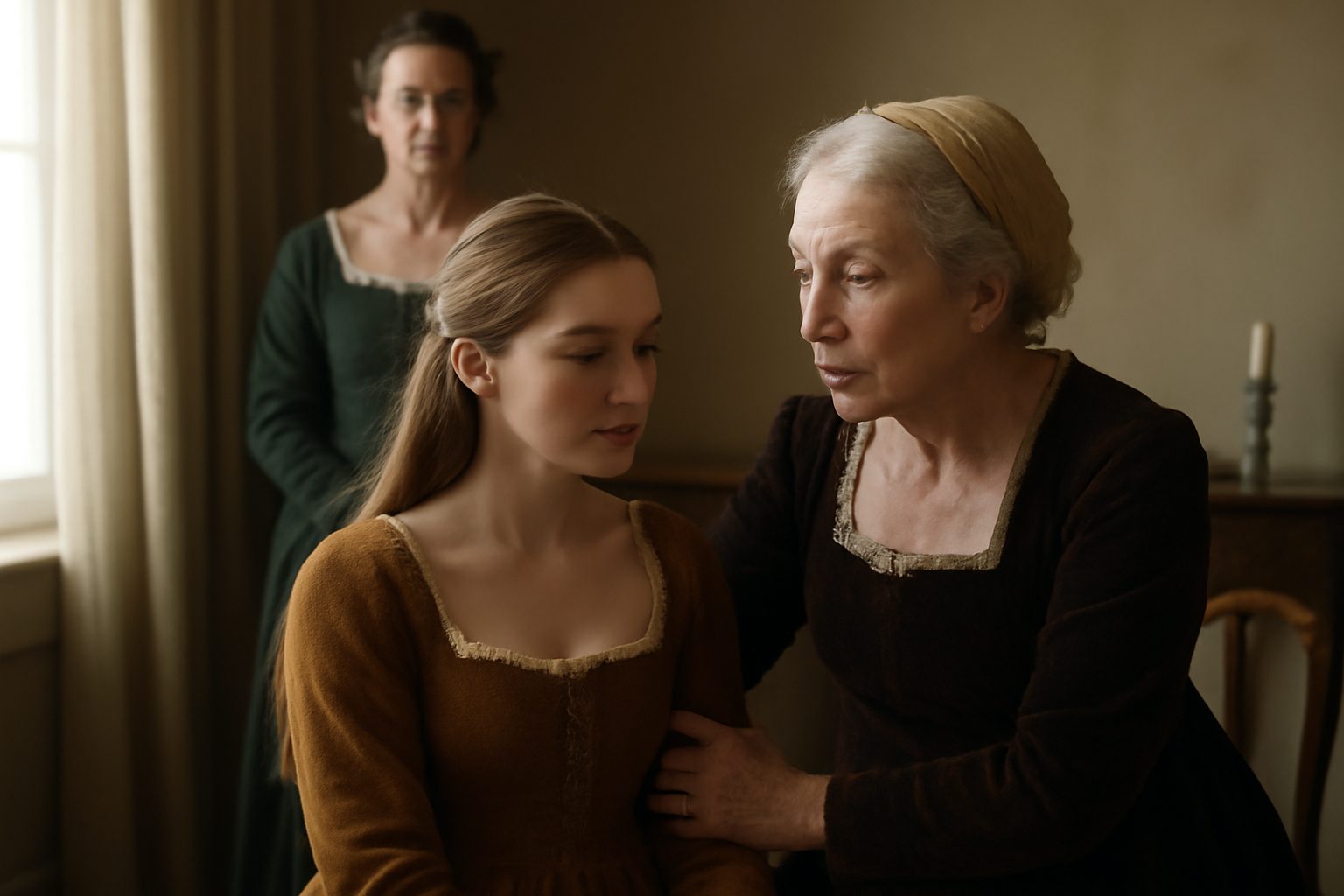
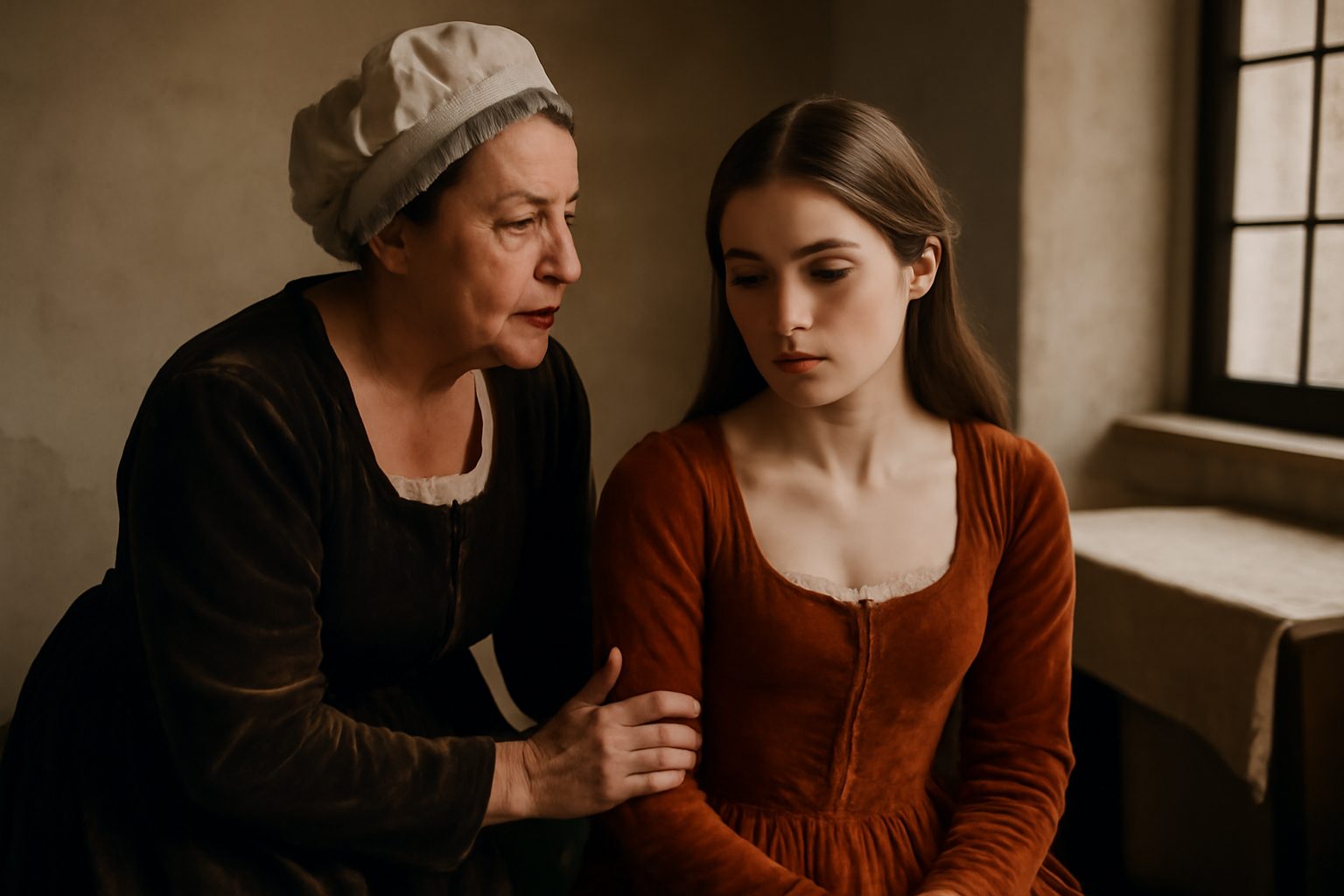
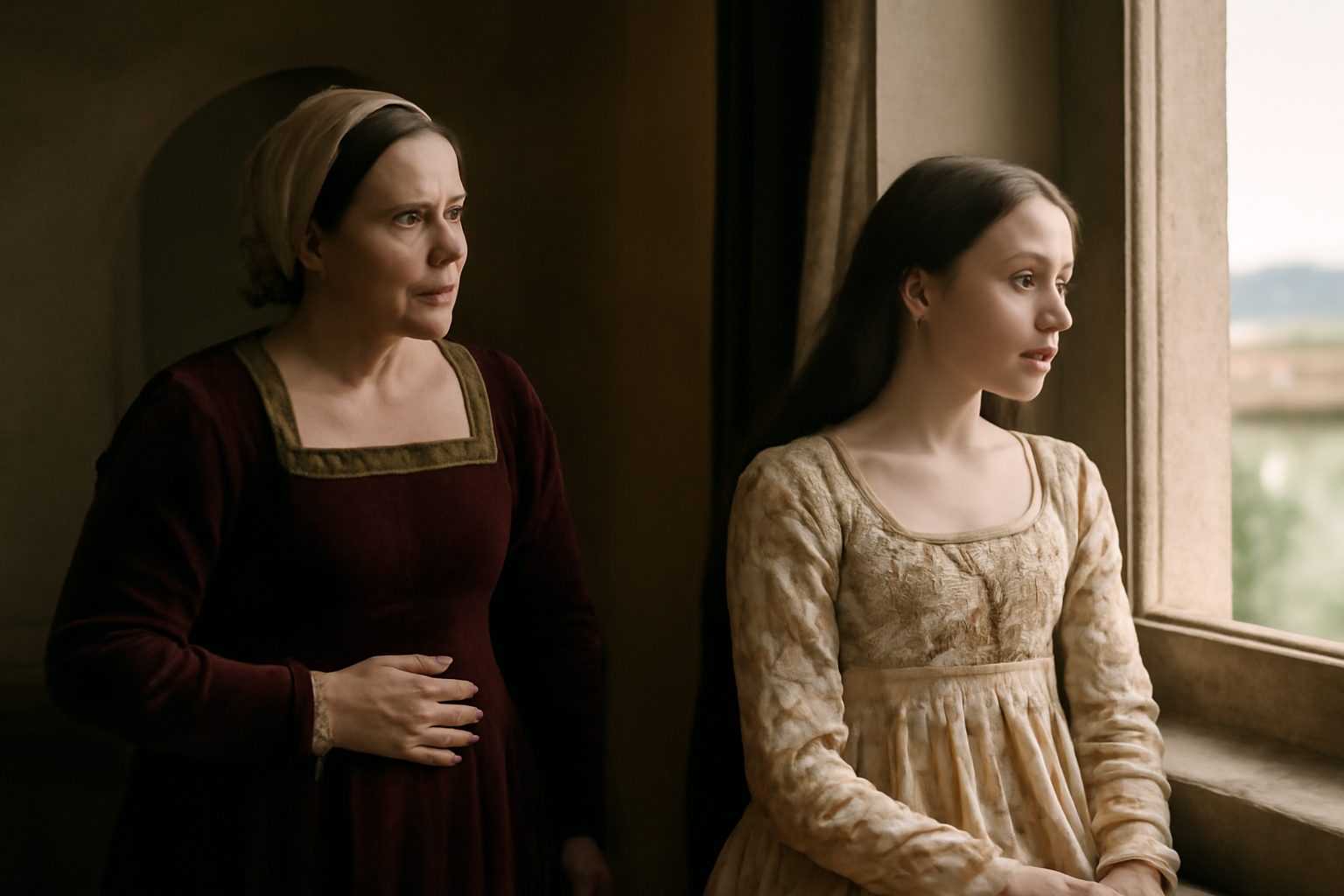
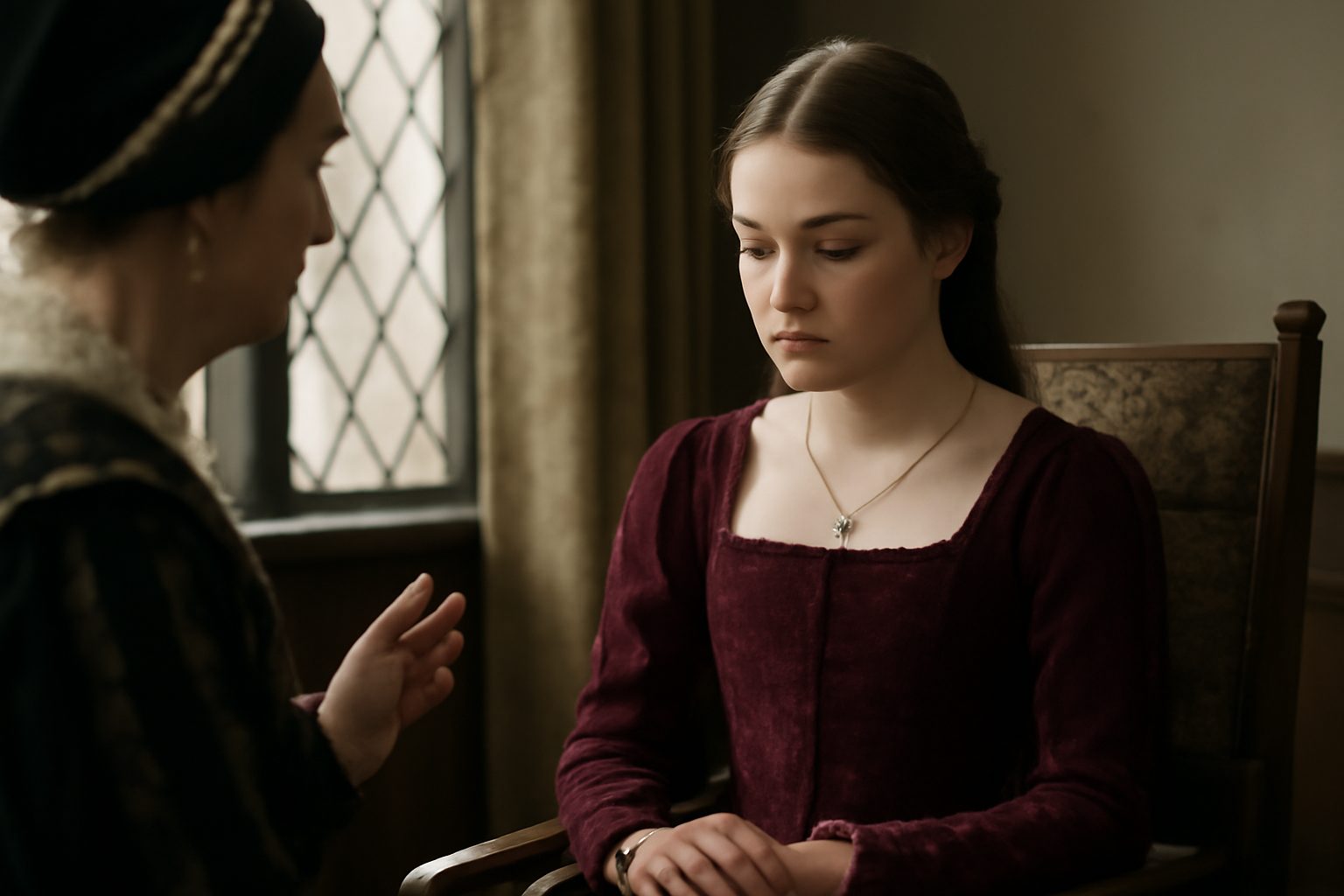
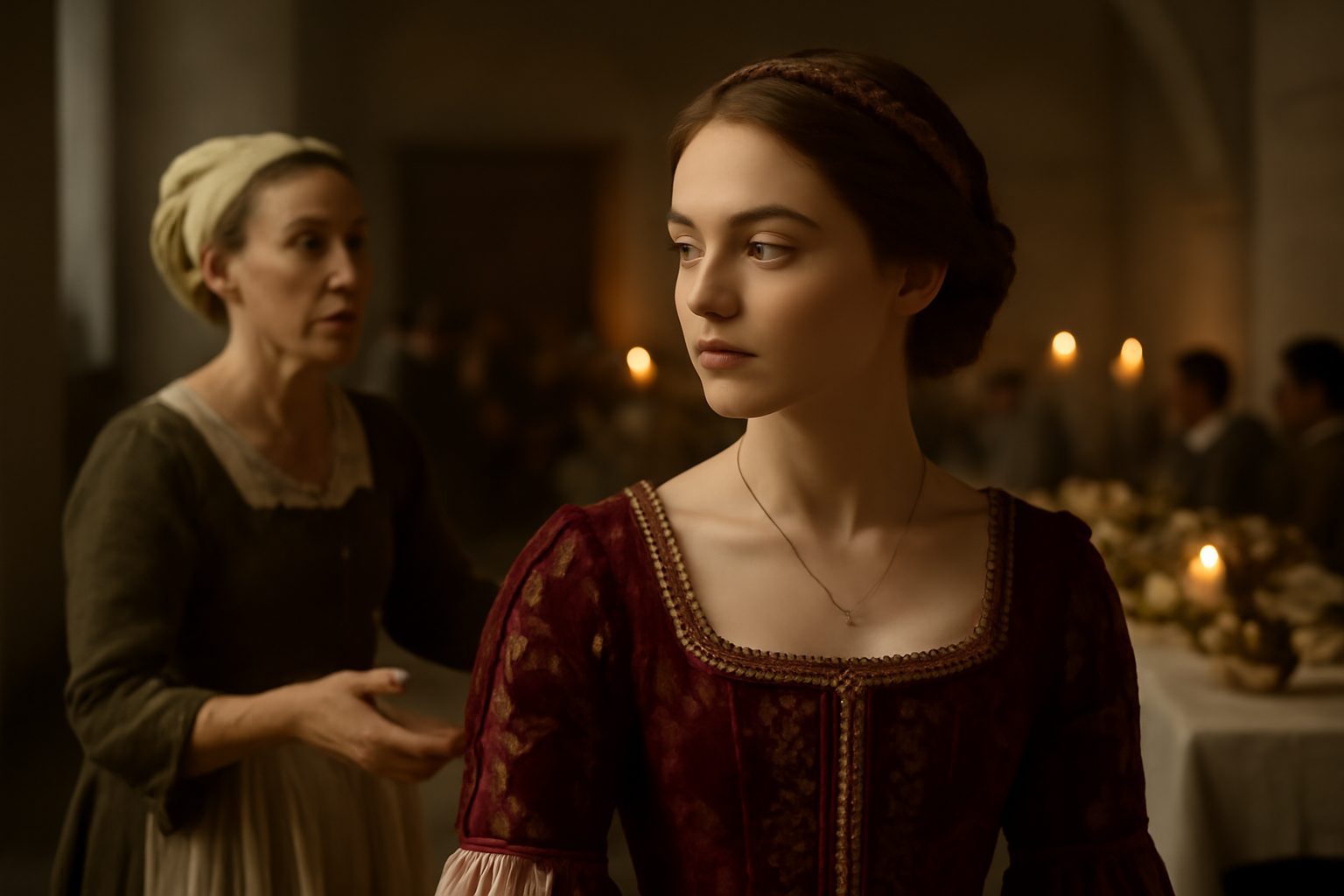
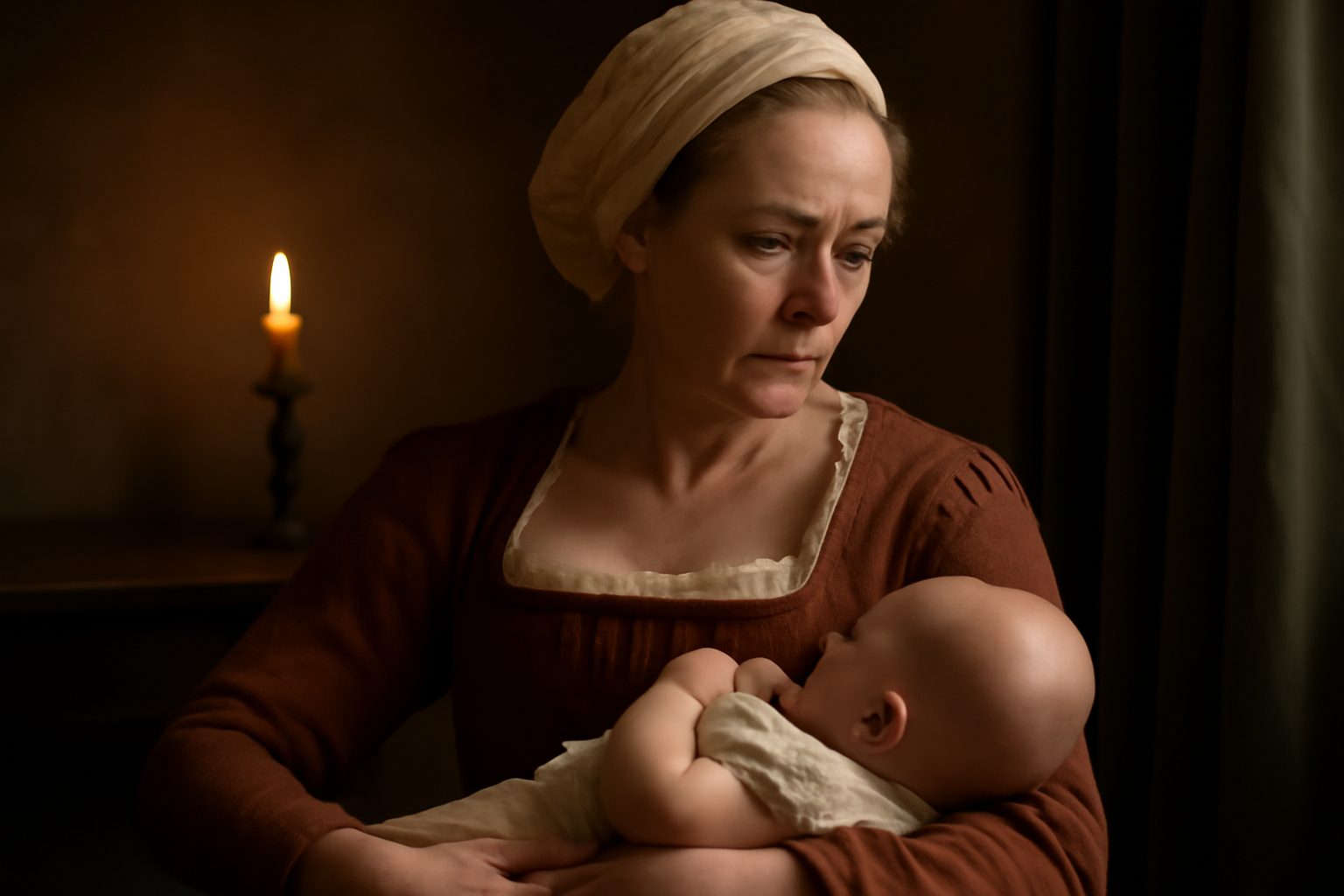
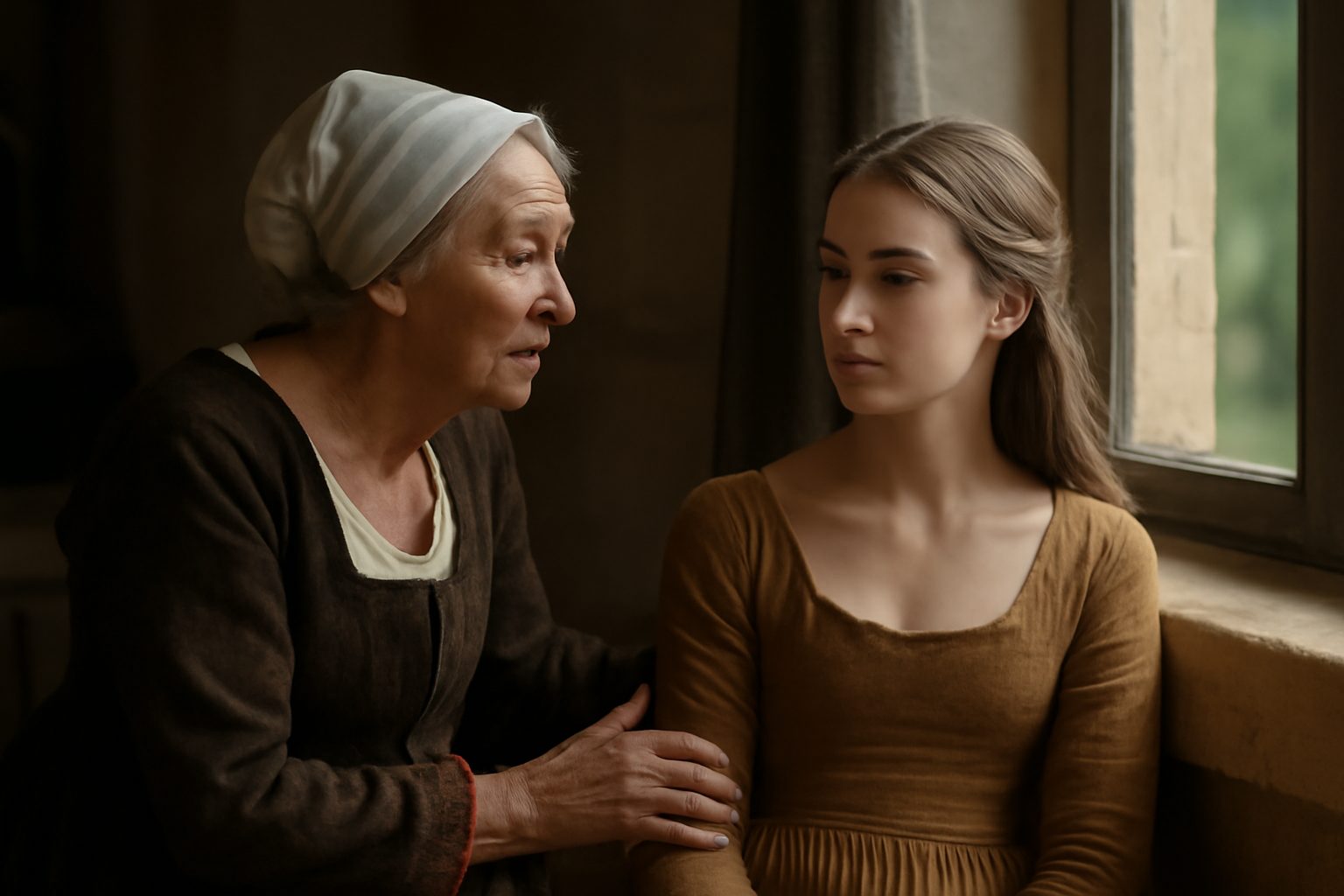
In Act 1, Scene 3 of Romeo and Juliet, the Nurse fondly describes Paris, the nobleman Juliet is being encouraged to marry. Her playful, affectionate tone comes through as she compares him to a delicate and beautiful flower, emphasizing his virtues and desirability. This moment highlights the Nurse’s warm, earthy humor while subtly contrasting the arranged marriage with Juliet’s later passion for Romeo.
Nurse: "Nay, he's a flower; in faith, a very flower."
In modern day english, we would say:
No, he’s truly a standout—honestly, the best of the best.
Frequently Asked Questions
What does the Nurse compare Romeo to in this line?
The Nurse compares Romeo to a flower.
How does the Nurse describe Romeo in this line?
The Nurse describes Romeo as a very beautiful and delicate person, like a flower.
Connections to other verses:
Connections to "Nay, he's a flower; in faith, a very flower."
The verse Nay, he's a flower; in faith, a very flower is part of the Nurse's enthusiastic praise of Paris, whom she is describing to Juliet. This metaphor of Paris as a "flower" connects to several other verses in the scene, particularly those that emphasize beauty, youth, and desirability.
Direct Comparisons and Compliments
Just before this line, the Nurse refers to Paris as a man of wax, highlighting his physical perfection. The flower metaphor extends this idea, suggesting not only perfection but also freshness and attractiveness. Lady Capulet further reinforces this by stating Verona's summer hath not such a flower, directly linking to and amplifying the Nurse's description.
Theme of Beauty and Worth
The praise of Paris's appearance ties into broader themes of external beauty and social status discussed in the scene. Lady Capulet encourages Juliet to Read o'er the volume of young Paris' face and to find delight writ there with beauty's pen, framing his value in terms of his looks and noble qualities. The flower metaphor complements this, symbolizing Paris as an object of aesthetic and marital desire.
Juxtaposition with Juliet's Youth
The Nurse's fond recollections of Juliet's childhood, such as Thou wast the prettiest babe that e'er I nursed, provide a contrast: while Juliet is praised for her past innocence and beauty, Paris is depicted as a present "flower" worthy of her. This sets up the expectation for their union, as marriage is presented as a natural progression from youth to adulthood.
Concluding Persuasion
The description of Paris as a flower serves to persuade Juliet of his suitability. Lady Capulet asks What say you? can you love the gentleman?, directly following the Nurse's floral praise, aiming to win Juliet's approval through idealized imagery.