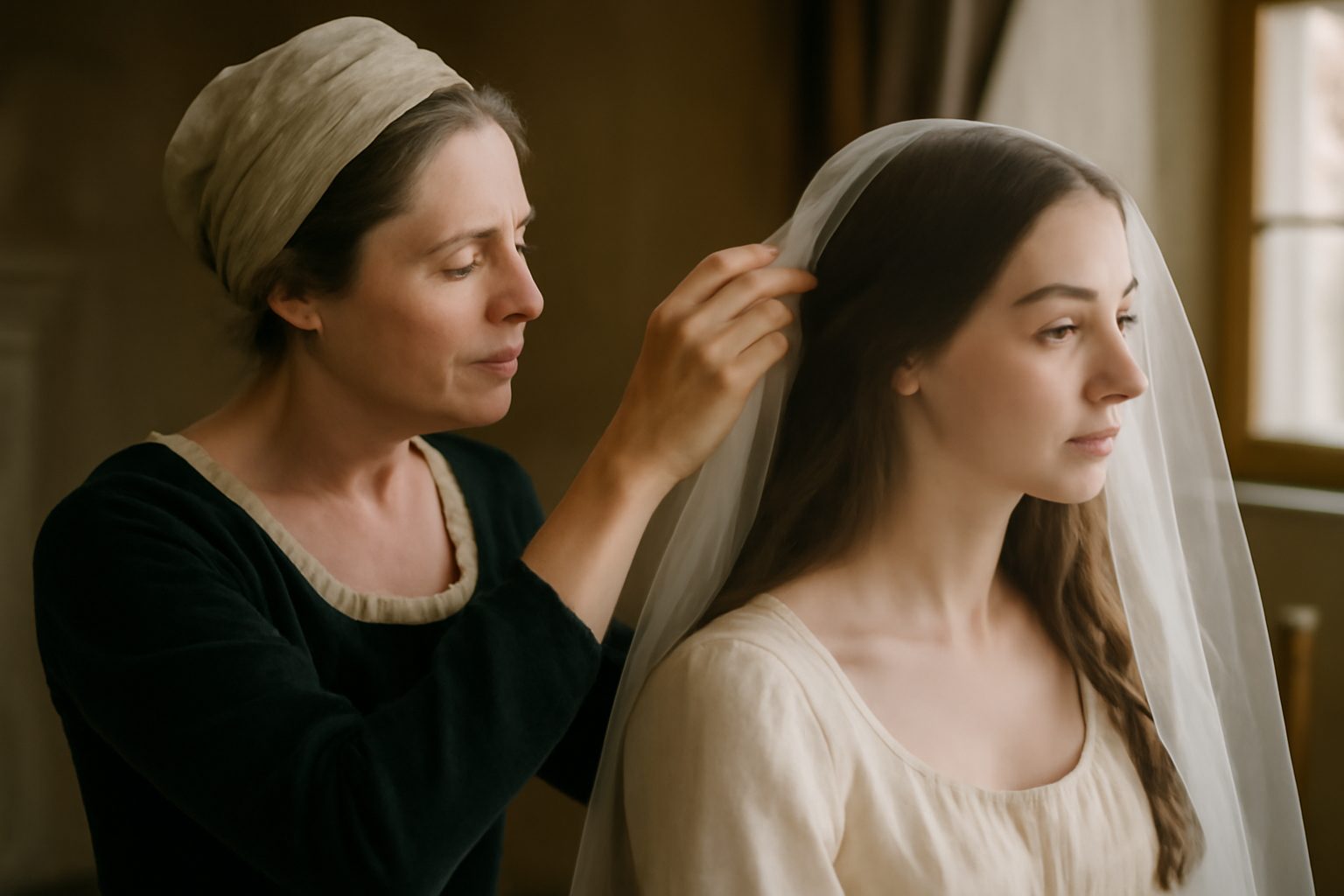
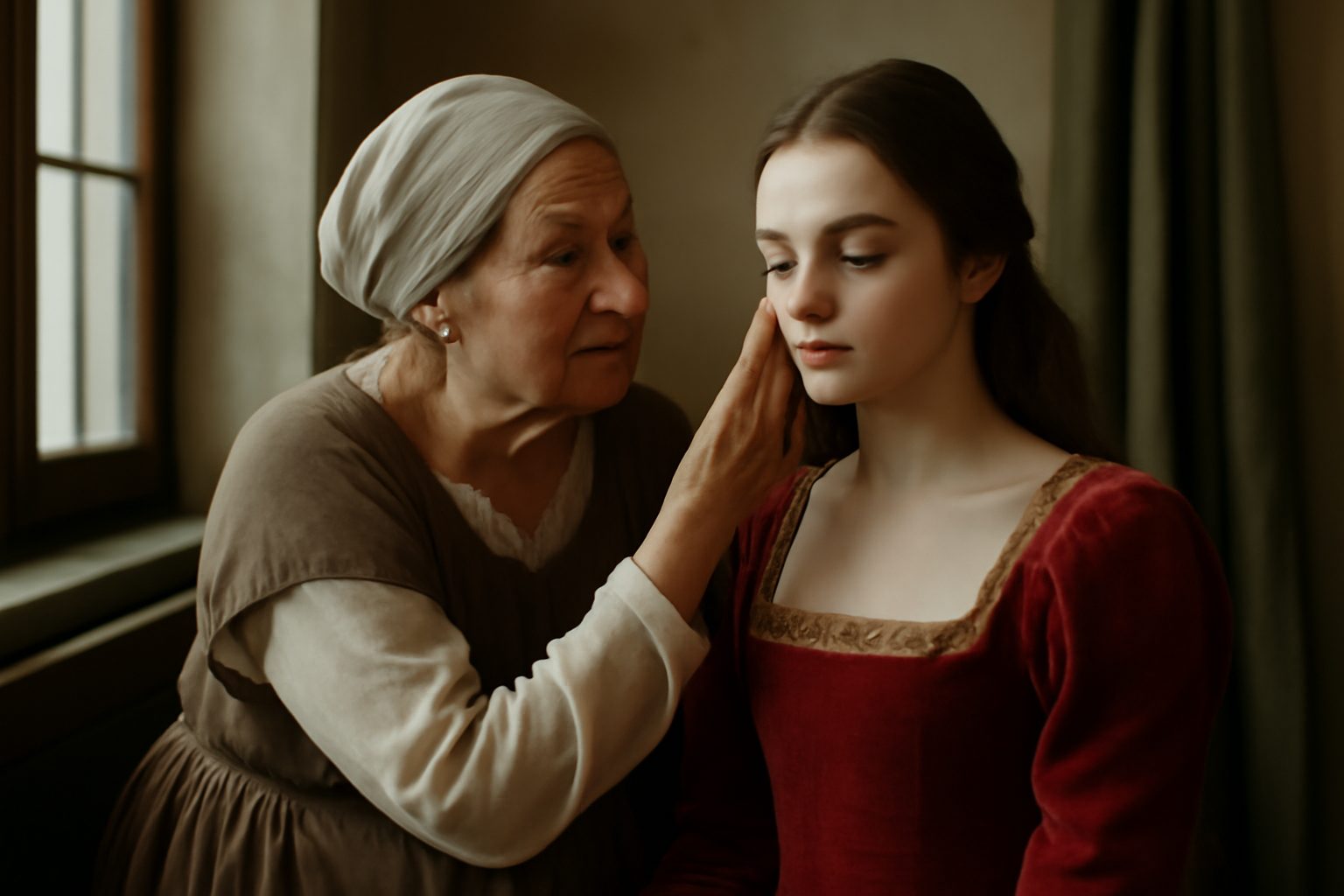
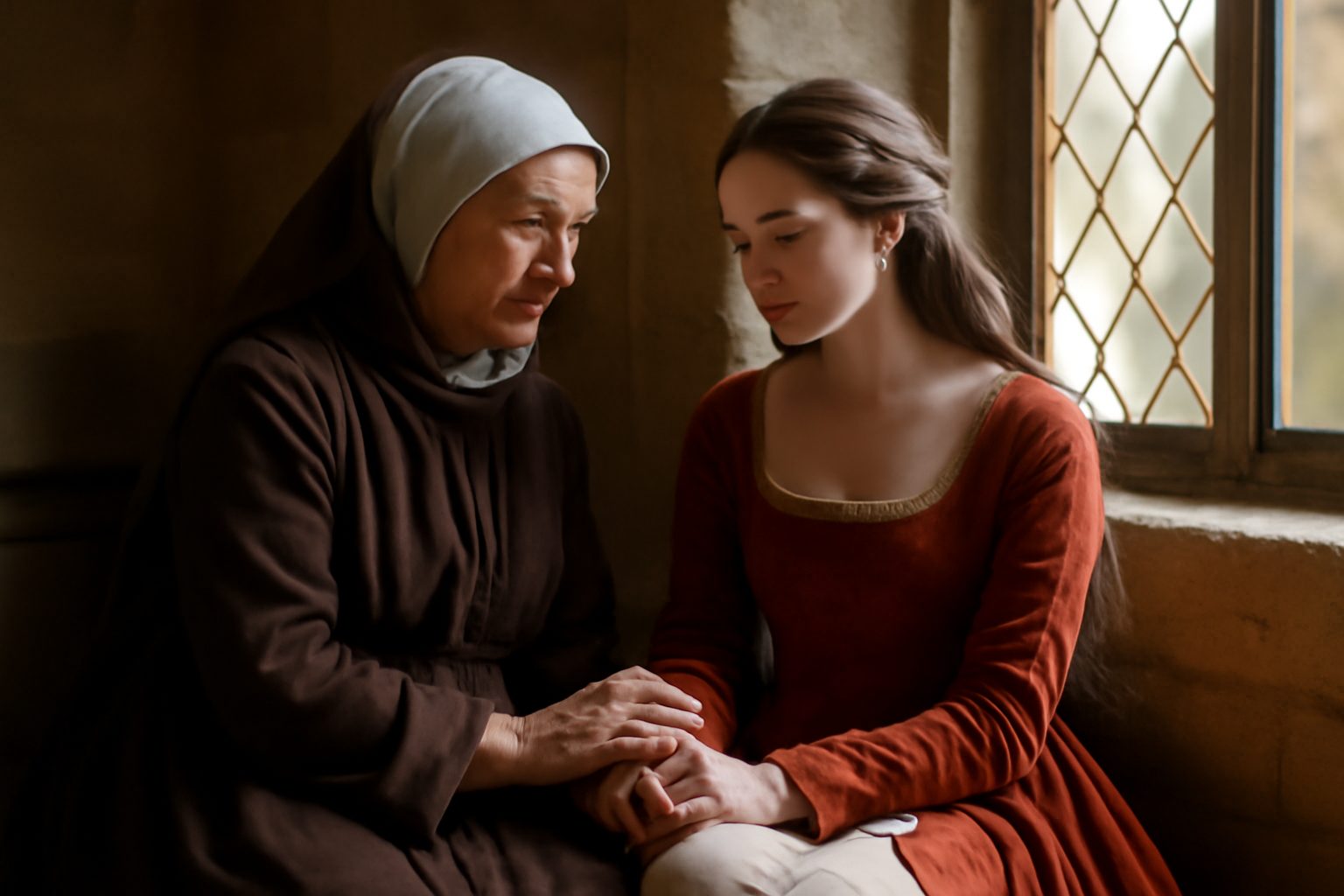
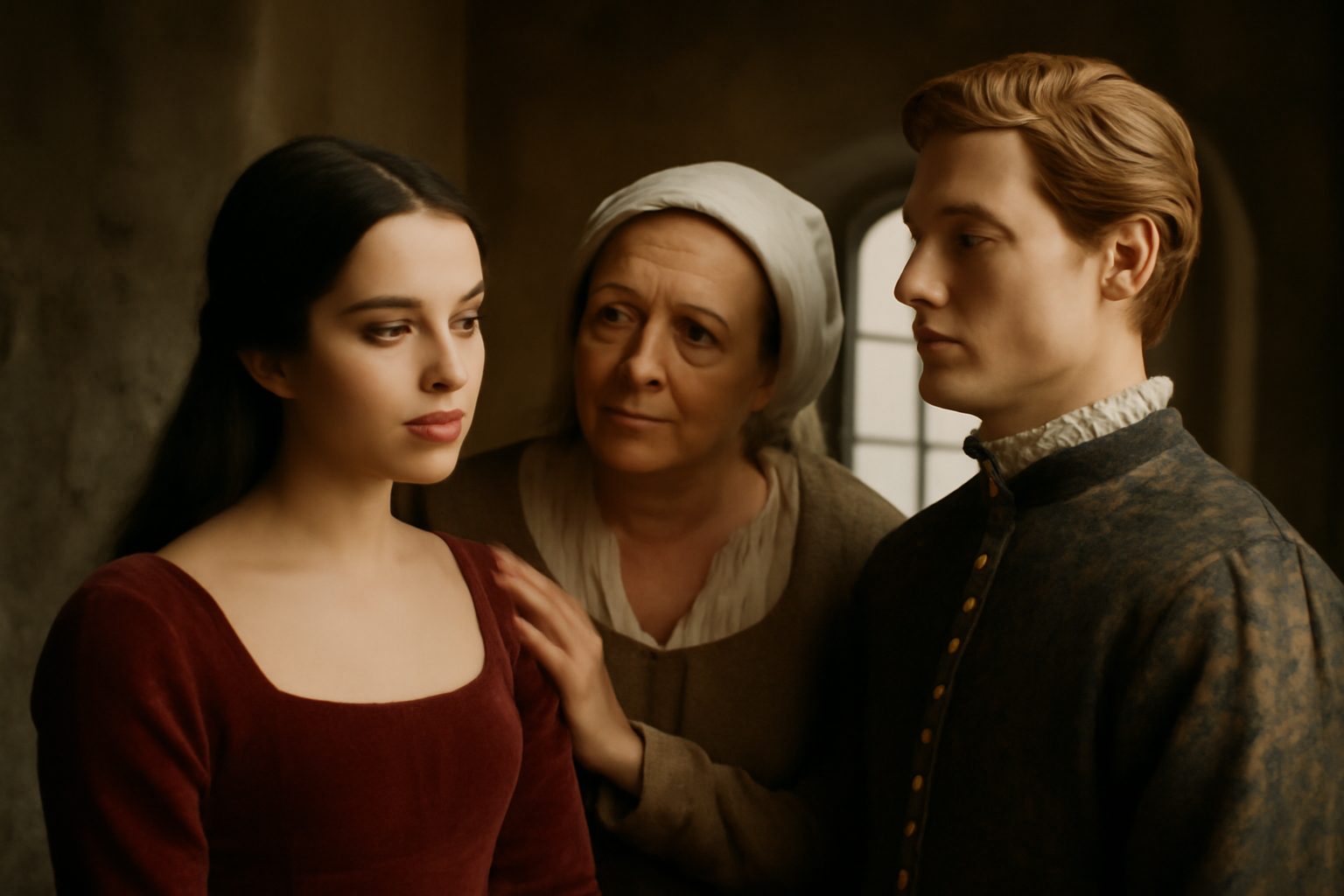
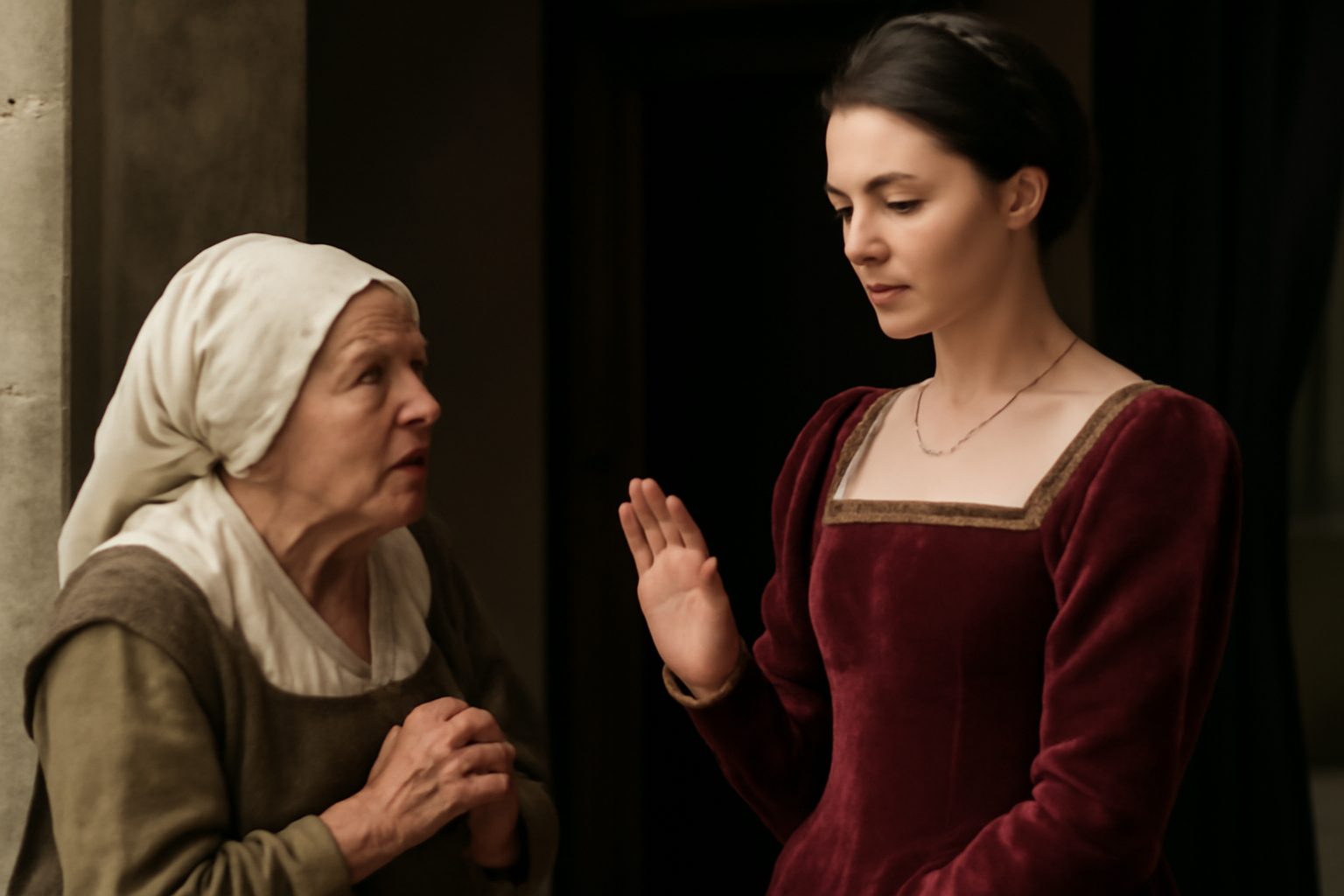
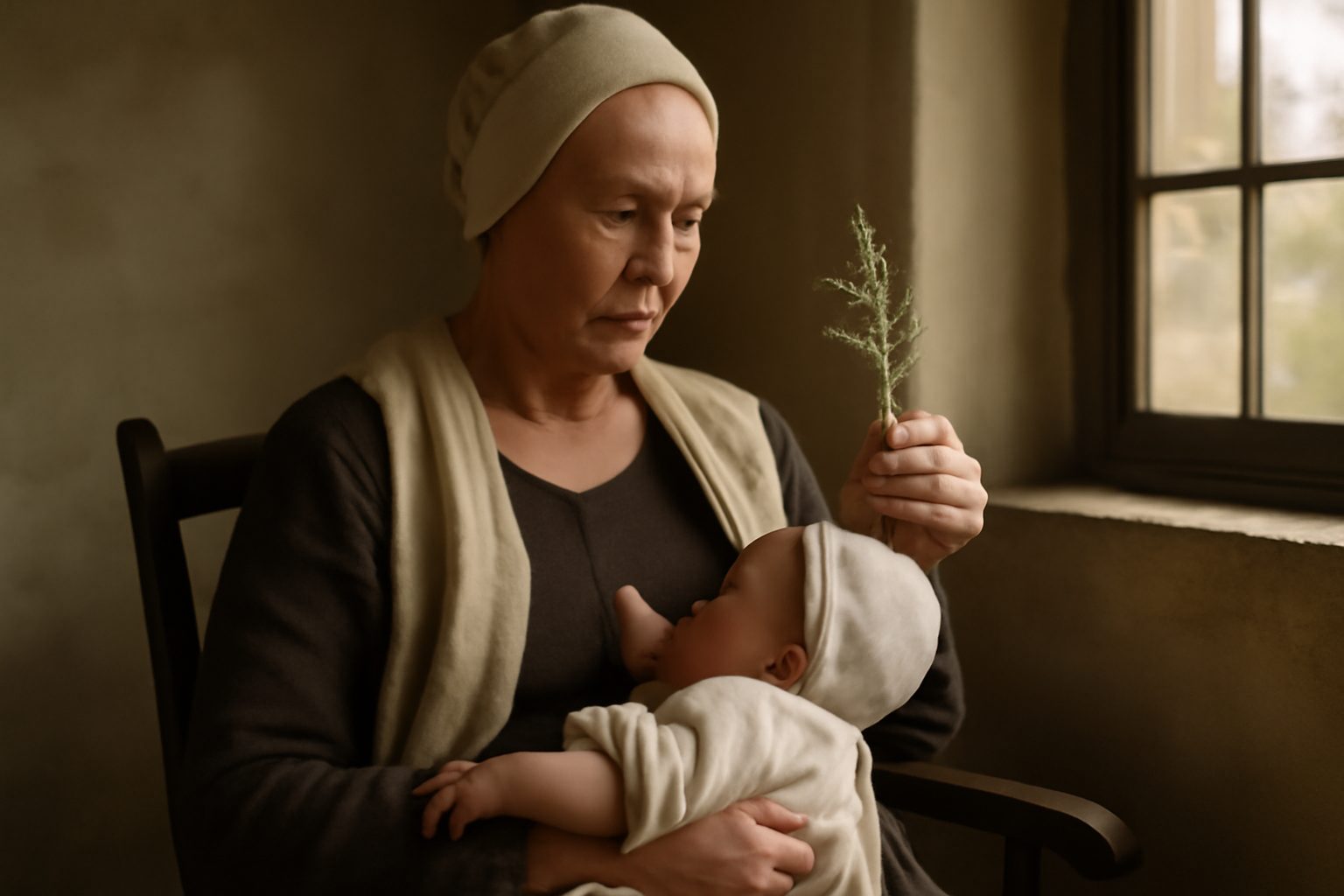
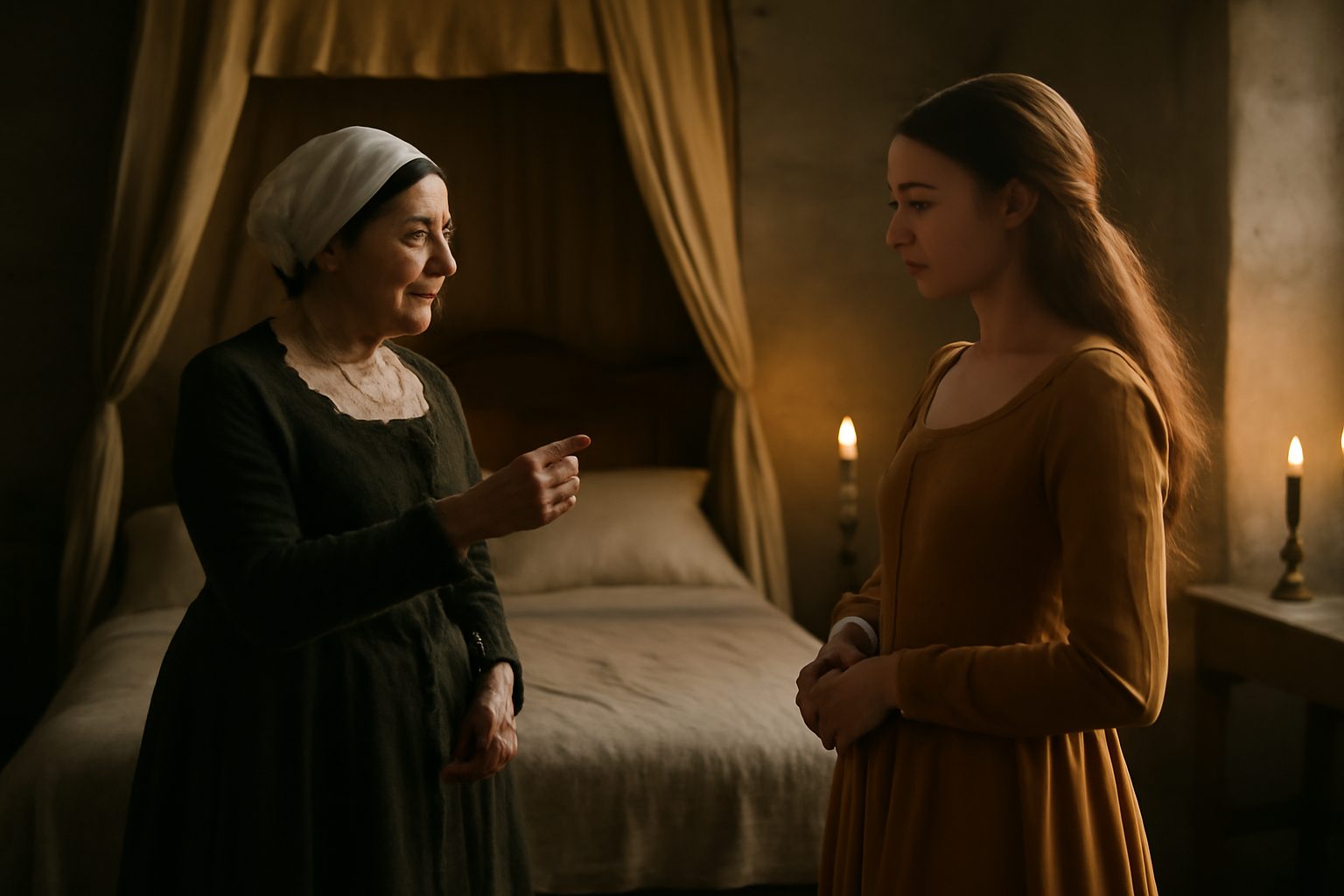
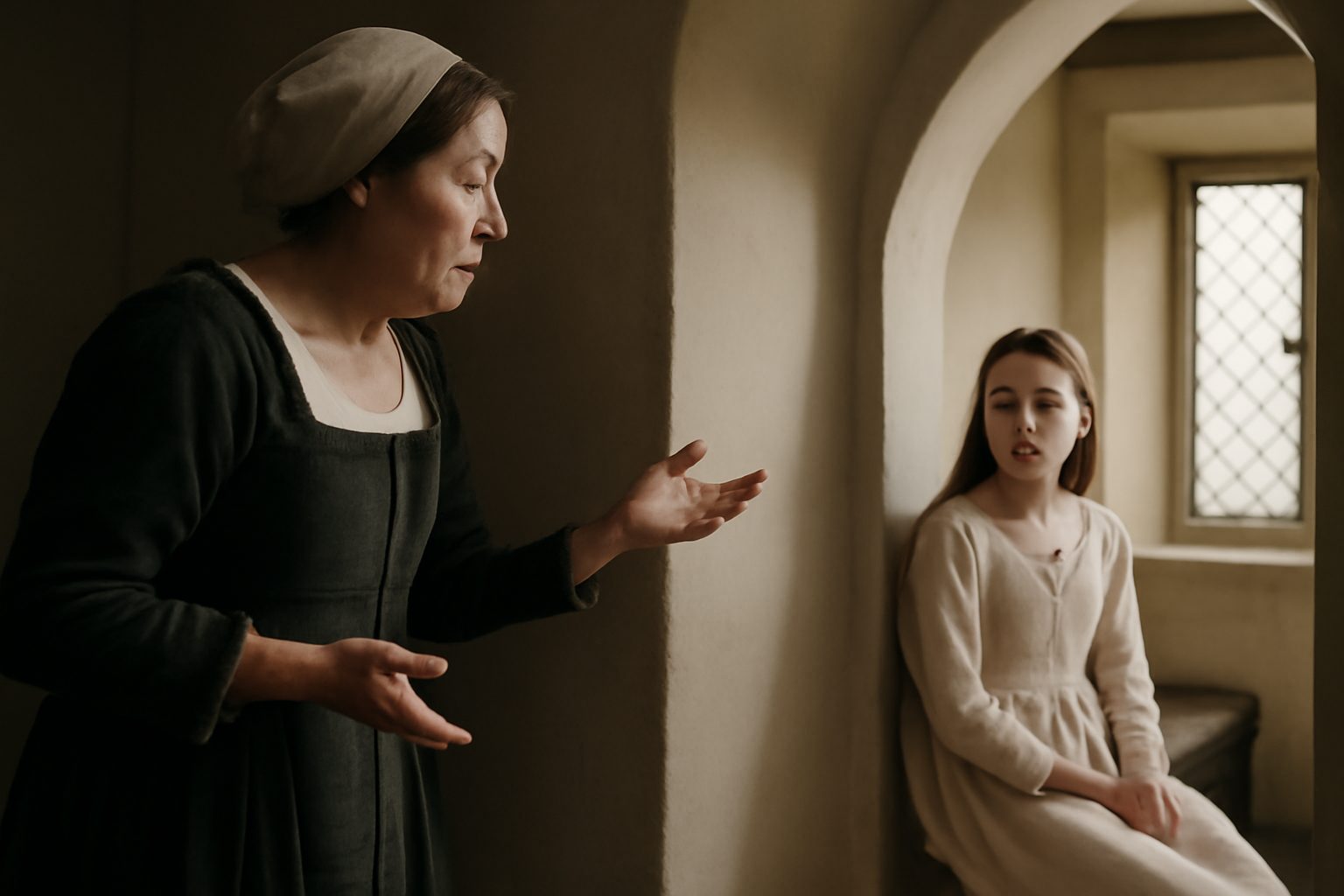
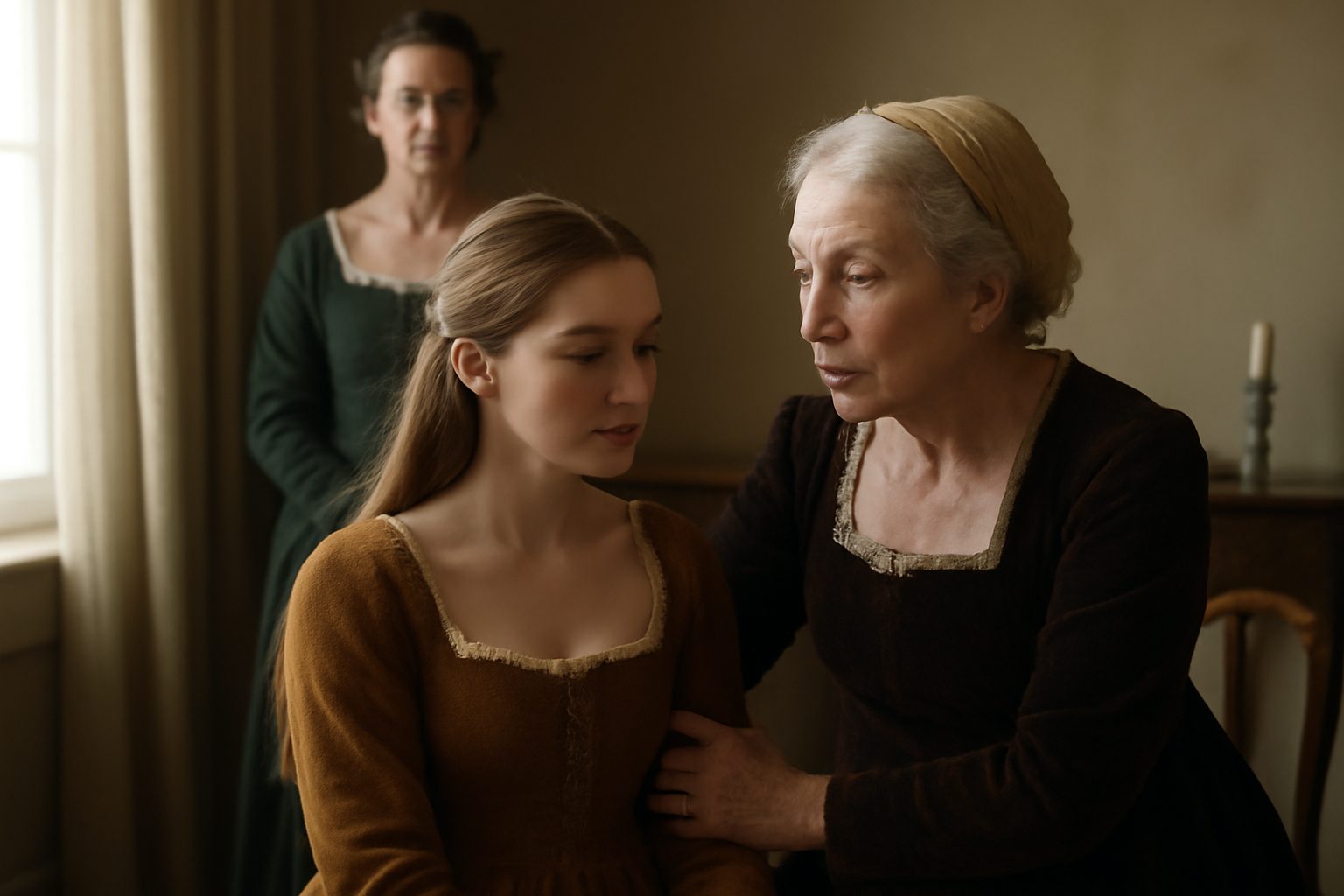
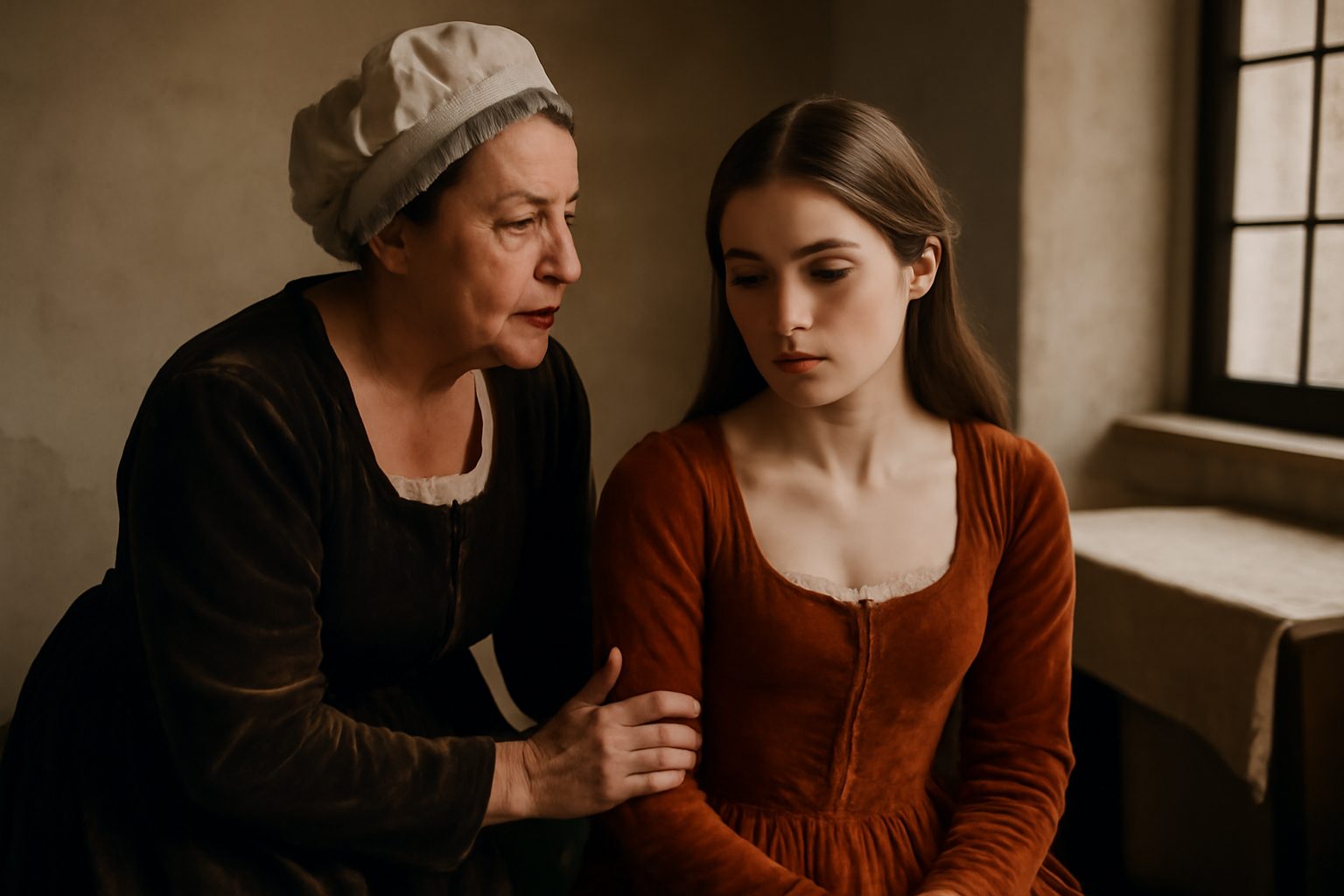
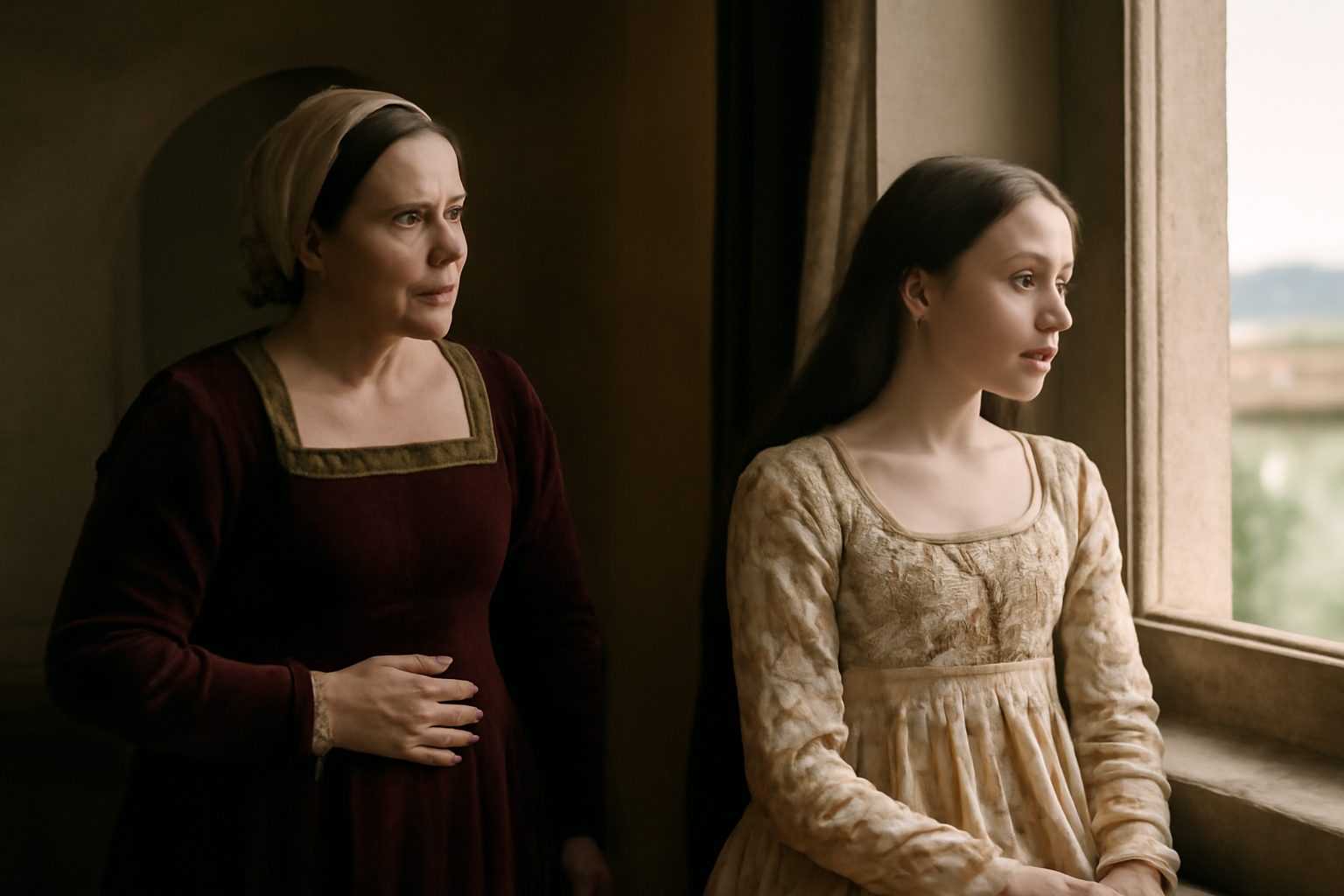
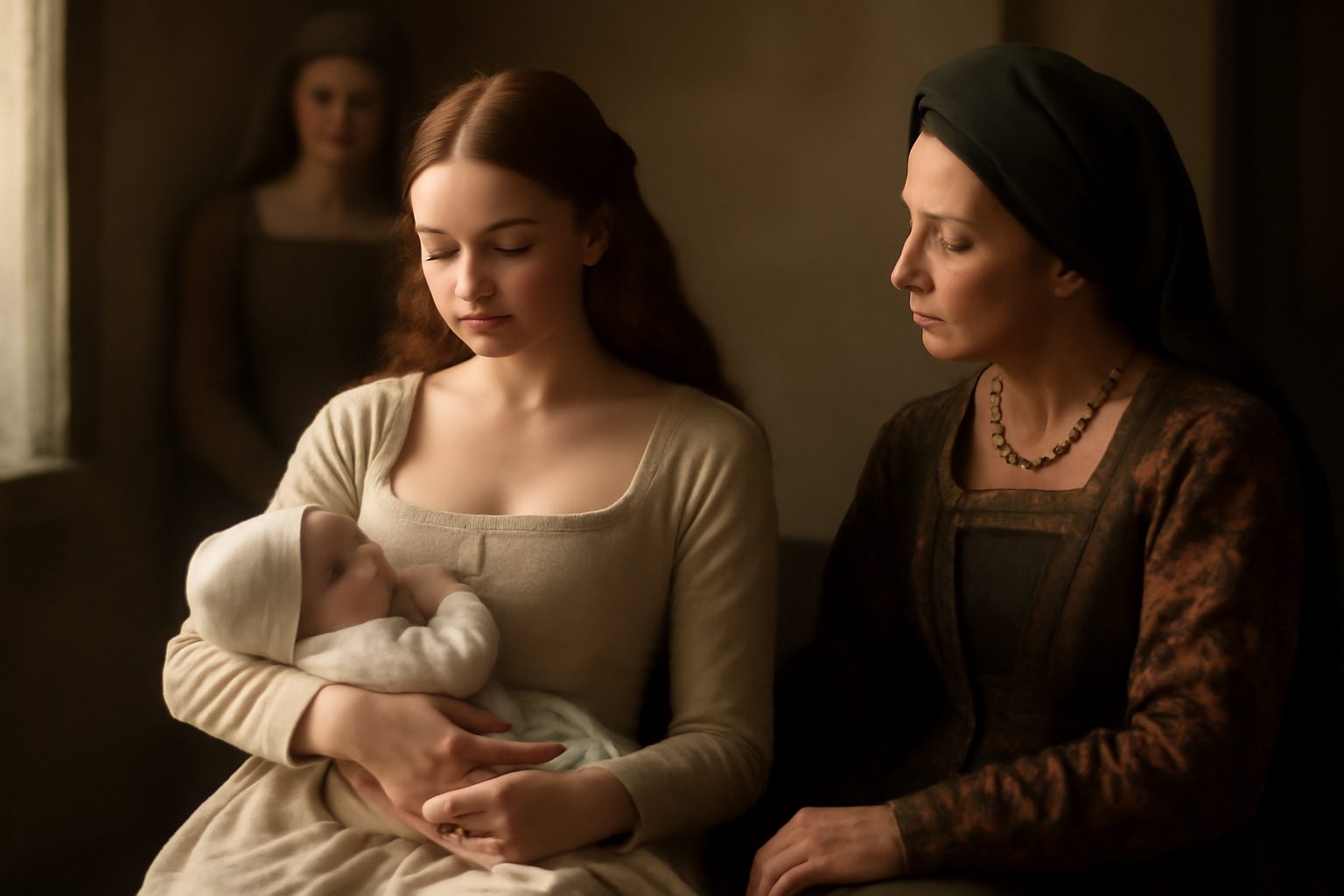
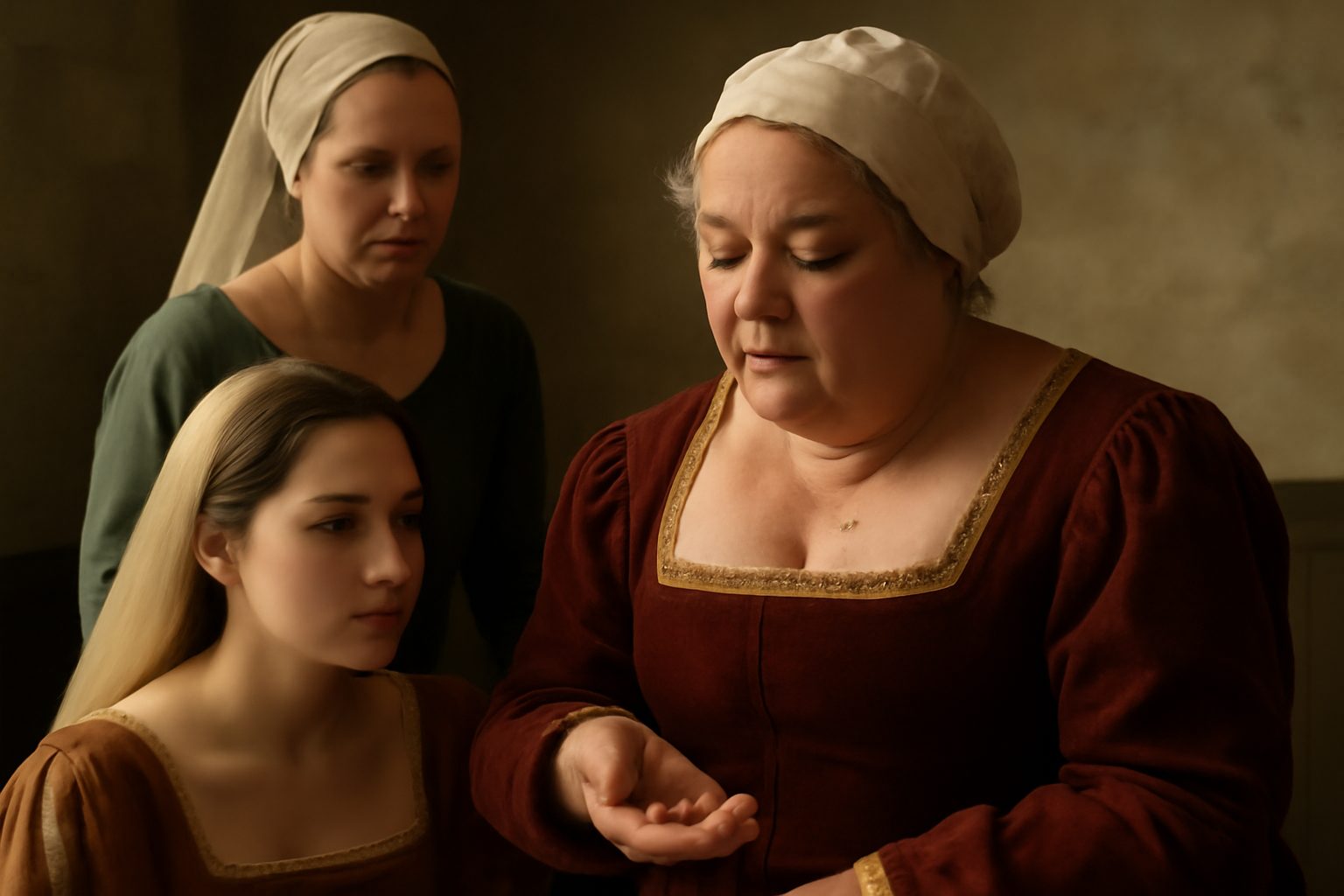
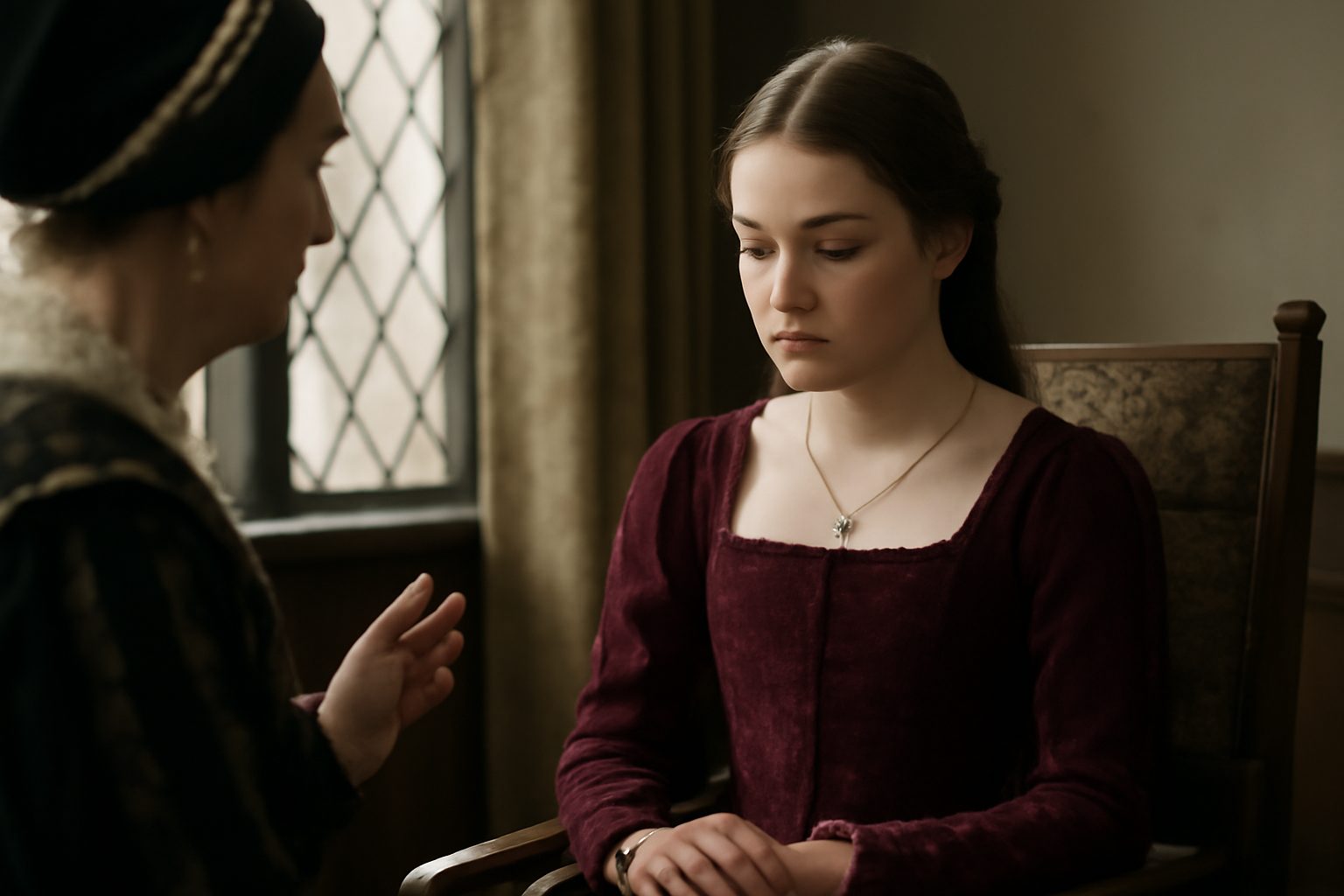
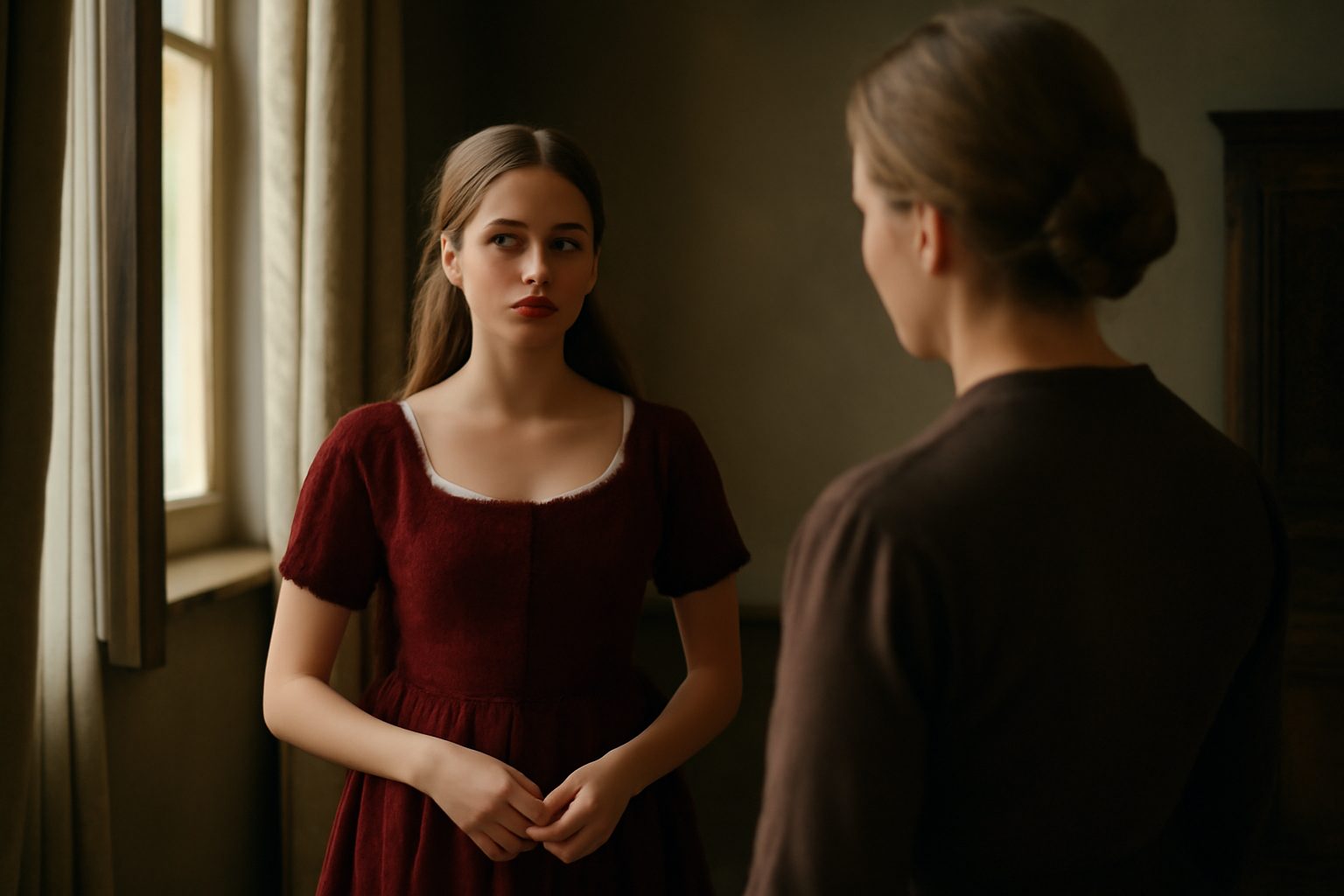
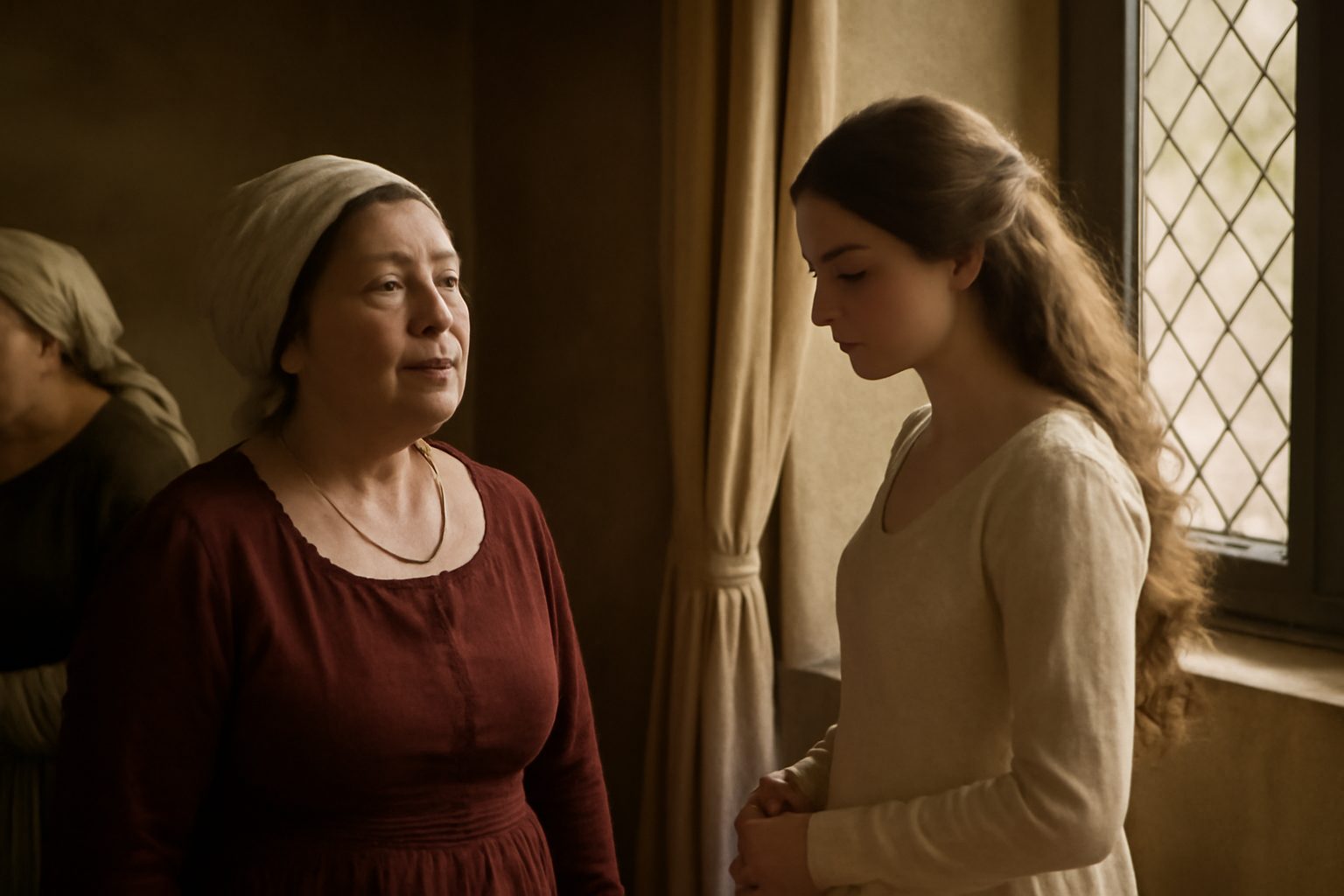
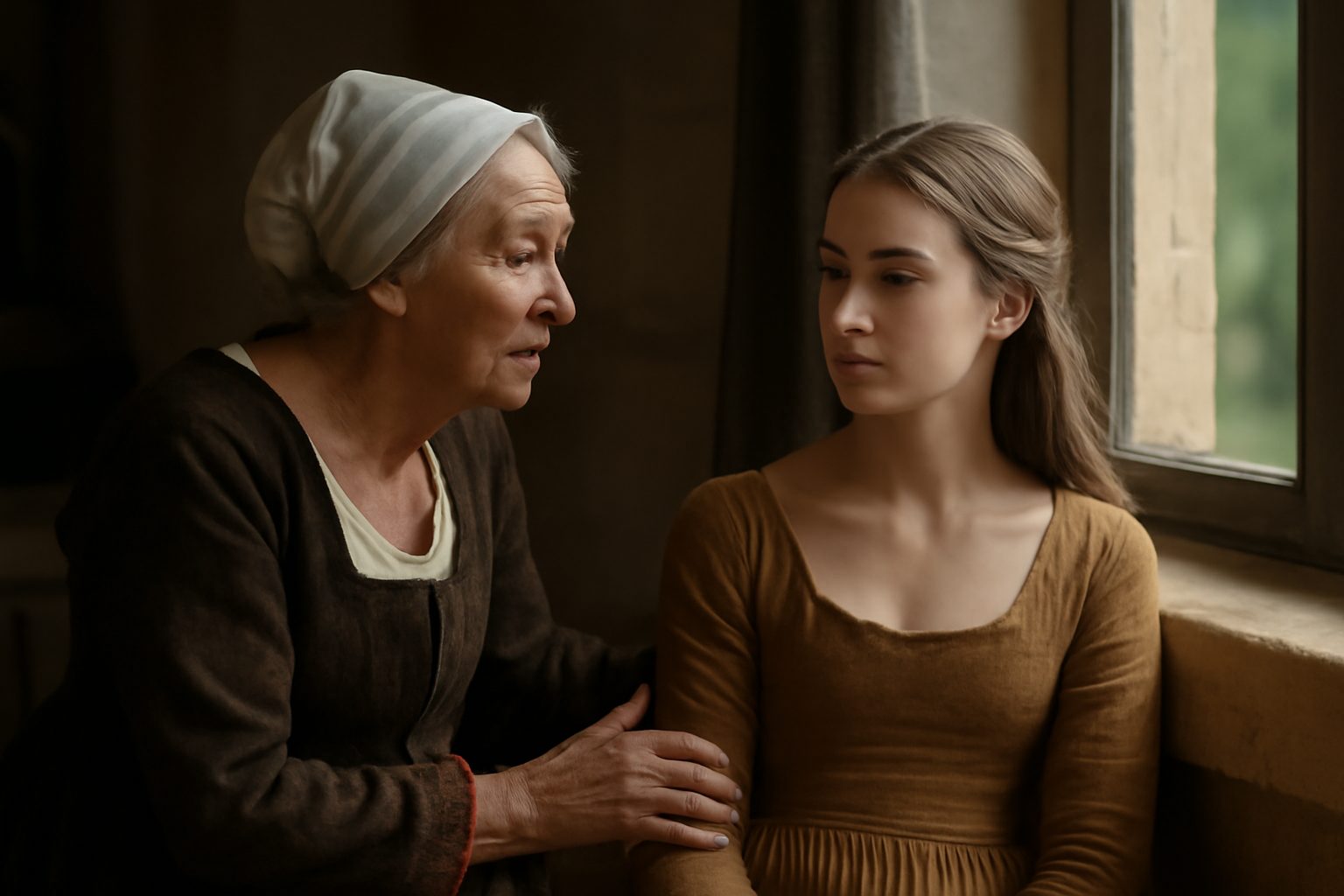
In Act 1, Scene 3 of Romeo and Juliet, Lady Capulet and the Nurse discuss Juliet's potential marriage to Paris. When Juliet hesitates to commit without her mother's approval, Lady Capulet suggests that her consent will give Juliet the freedom to embrace the match. This line reflects the societal expectations of obedience and the power parents held over their children's futures in Verona.
Juliet: "Than your consent gives strength to make it fly."
In modern day english, we would say:
Your permission gives me the power to act.
Frequently Asked Questions
What does Juliet mean when she says that her parents' consent would give strength to make something fly?
Juliet is saying that her parents' approval would give her the power or freedom to act on her desires, just like wings would allow a bird to fly.
Connections to other verses:
Connections to "Than your consent gives strength to make it fly."
The line "Than your consent gives strength to make it fly." is Juliet's response to her mother's proposal of marriage to Paris. It emphasizes the necessity of parental approval for her actions, reflecting the societal norms of the time. This idea is deeply connected to several other verses in the scene.
Parental Authority and Consent
Lady Capulet's authority is established early when she calls for Juliet: "Nurse, where's my daughter? call her forth to me." This sets the stage for the discussion of marriage, where consent is paramount. Later, she directly asks Juliet about marriage: "How stands your disposition to be married?", to which Juliet replies cautiously, acknowledging her mother's role with the line in question.
Juliet's Submissive Stance
Juliet's deference is clear in her response: "I'll look to like, if looking liking move:", showing her willingness to consider Paris, but only within the bounds of her parents' wishes. This echoes the sentiment of the focal verse, as both highlight her reliance on their approval.
The Nurse's Role in Consent
The Nurse, though humorous and earthy, also underscores the importance of parental and societal approval. Her reminiscence about Juliet's weaning ("And she was wean'd,--I never shall forget it,--") and the jest about falling backward ("Thou wilt fall backward when thou comest to age;") subtly tie into themes of growth and readiness for marriage, which require consent.
Lady Capulet's Persuasion
Lady Capulet's description of Paris as "a man of wax." and her urging to "seek happy nights to happy days." reinforce the idea that Juliet's compliance is expected. The focal verse is Juliet's acknowledgment of this expectation, framing her actions within the strength given by parental consent.
Conclusion of the Scene
The scene ends with practical reminders of the social setting, like "Juliet, the county stays.", emphasizing that Juliet's actions are not her own but part of a larger familial and social framework, perfectly encapsulated by the line in question.