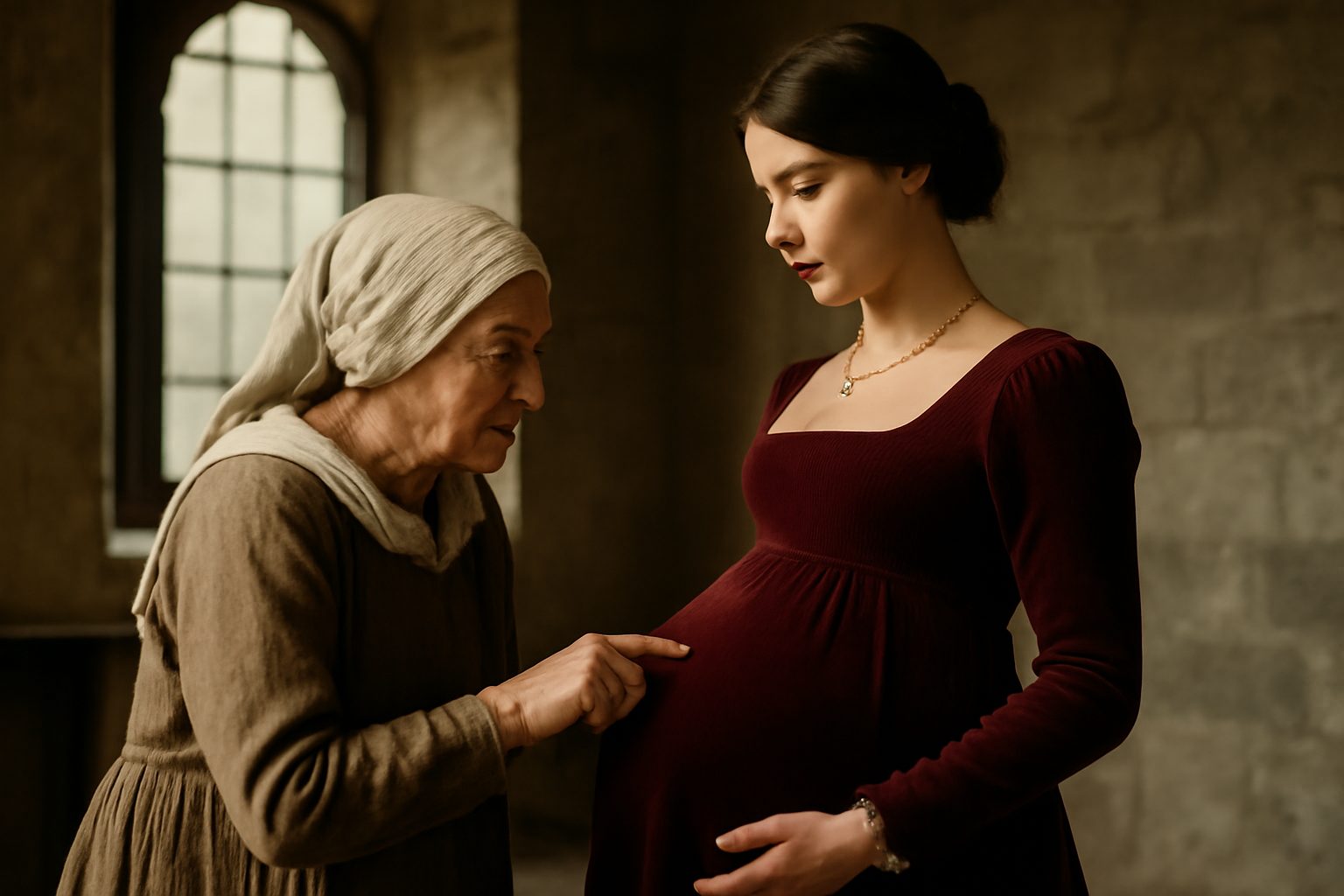
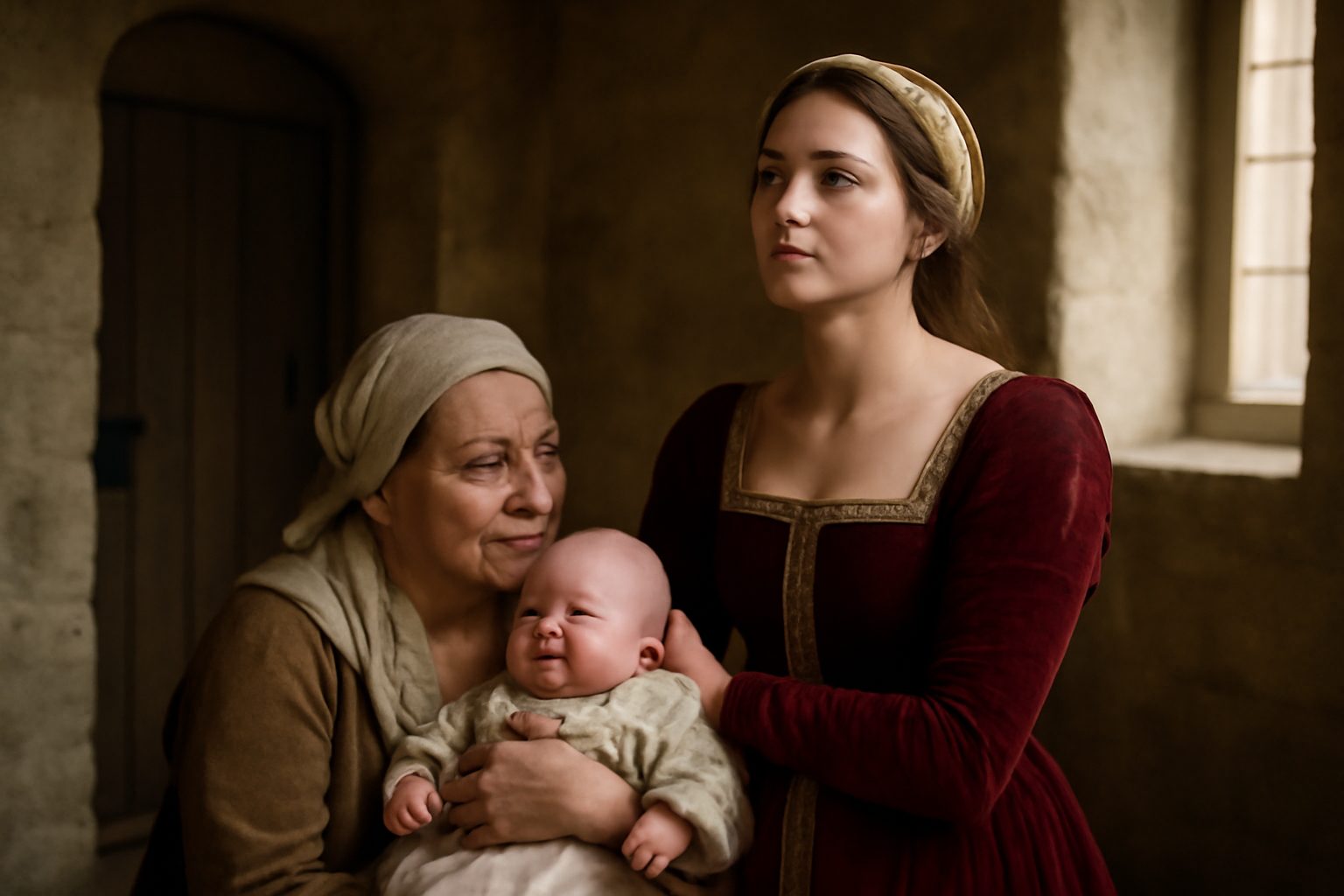
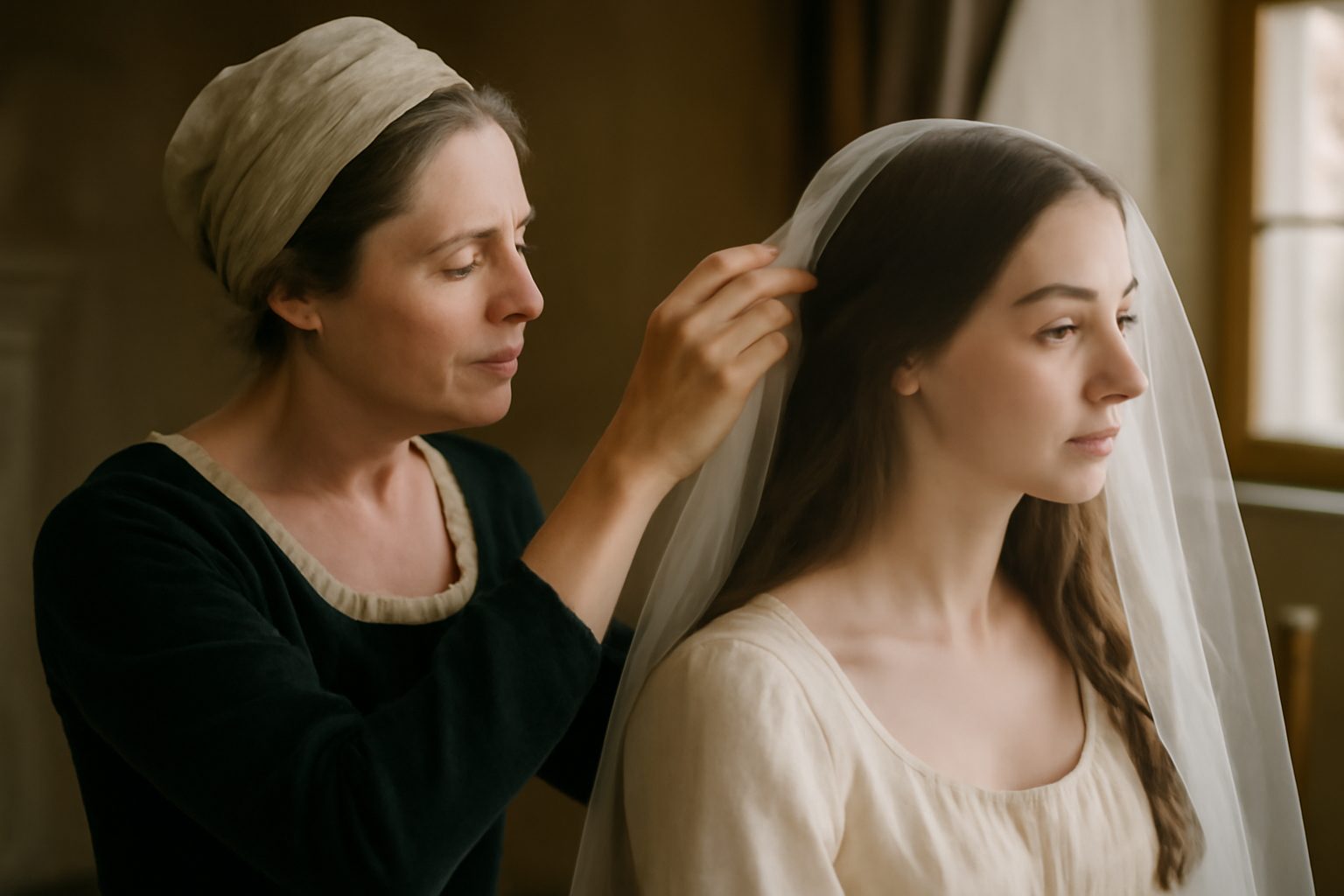
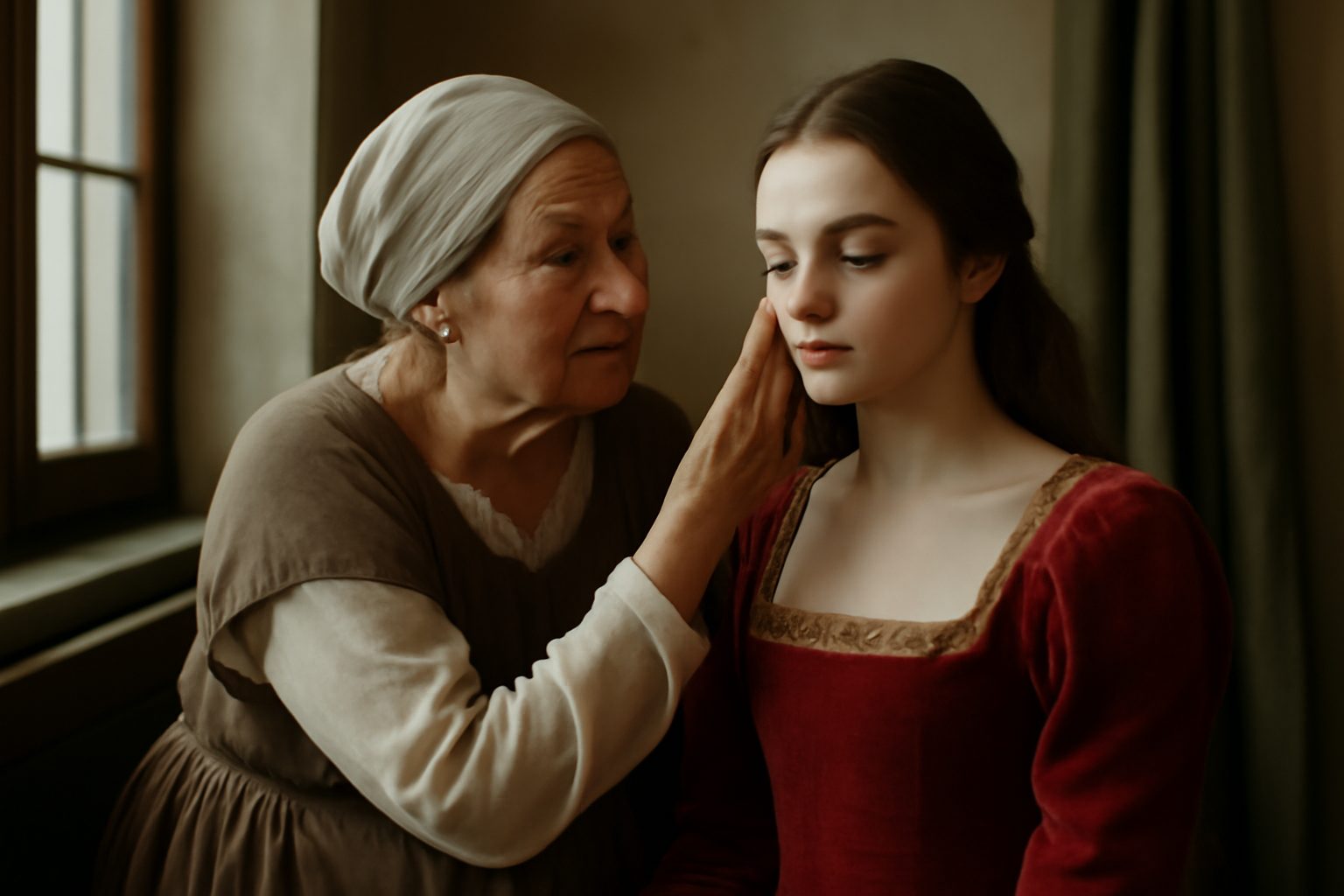
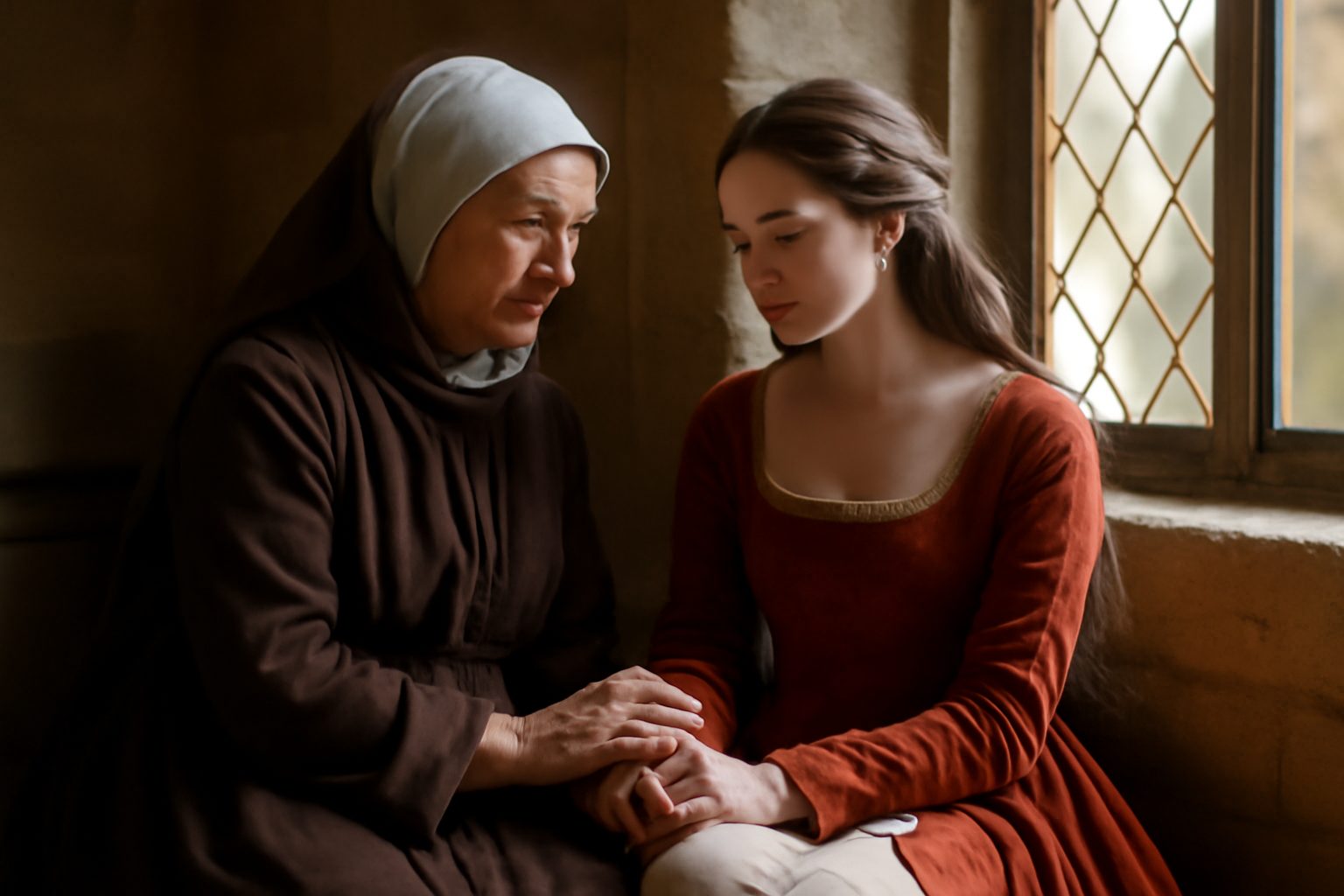
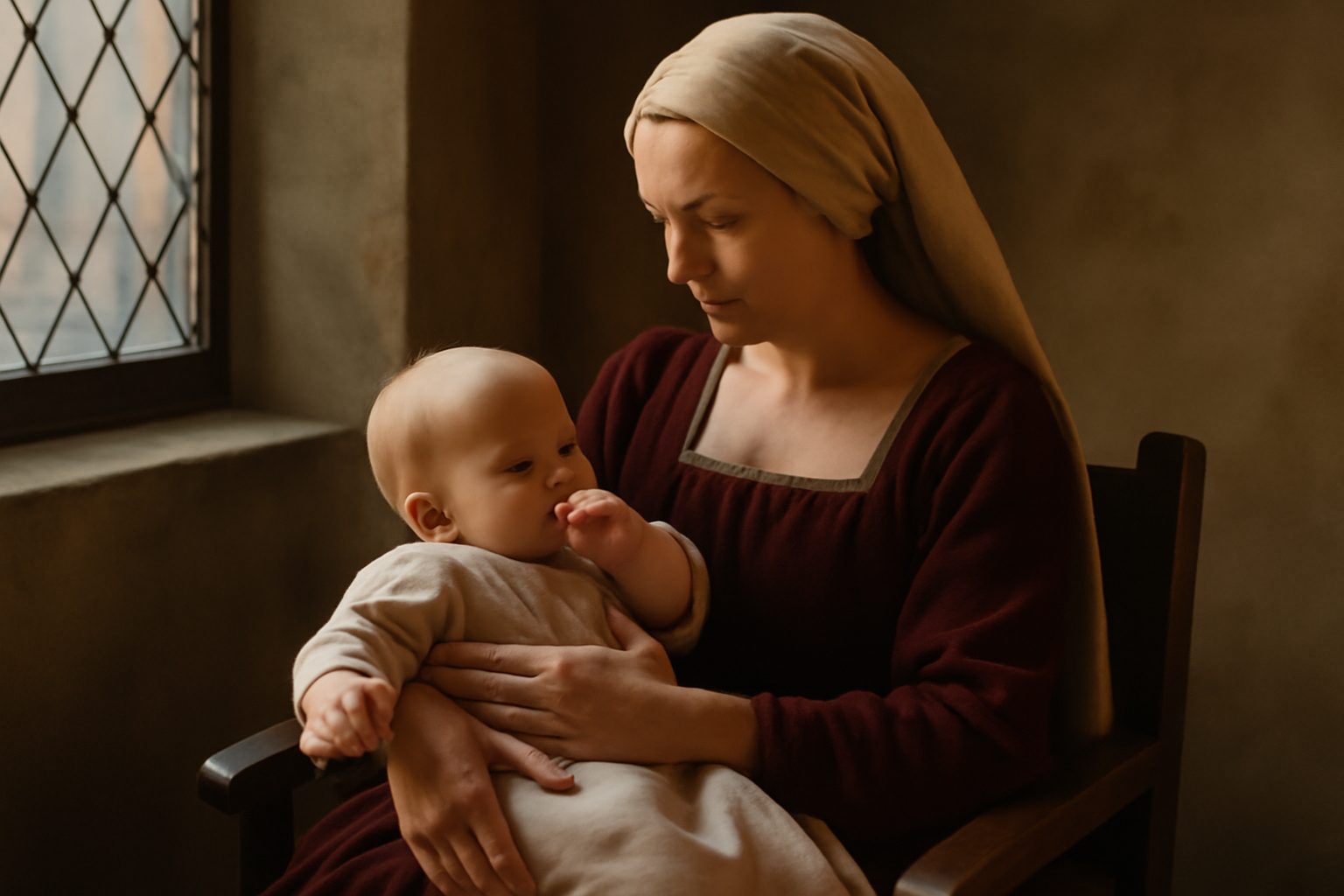
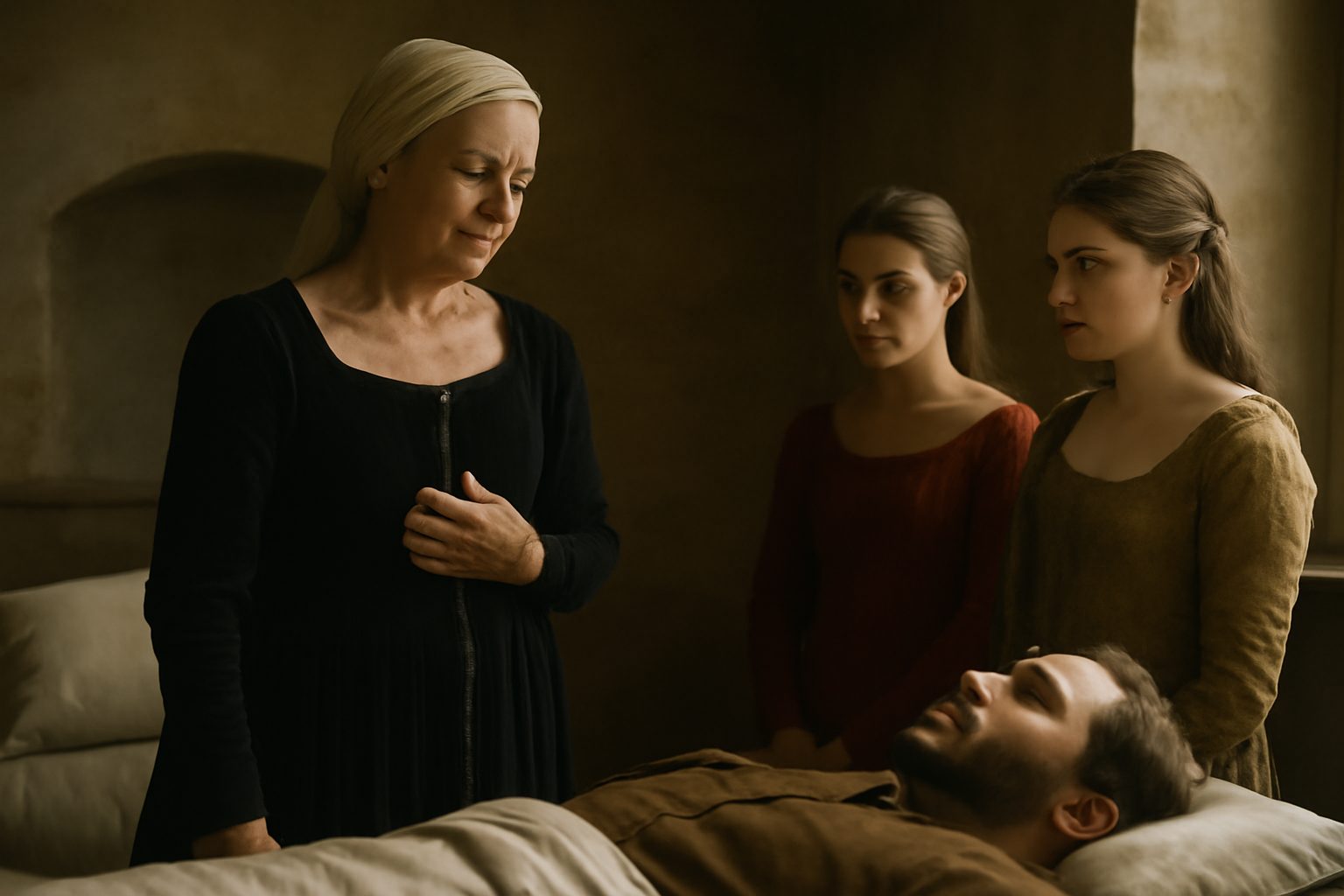
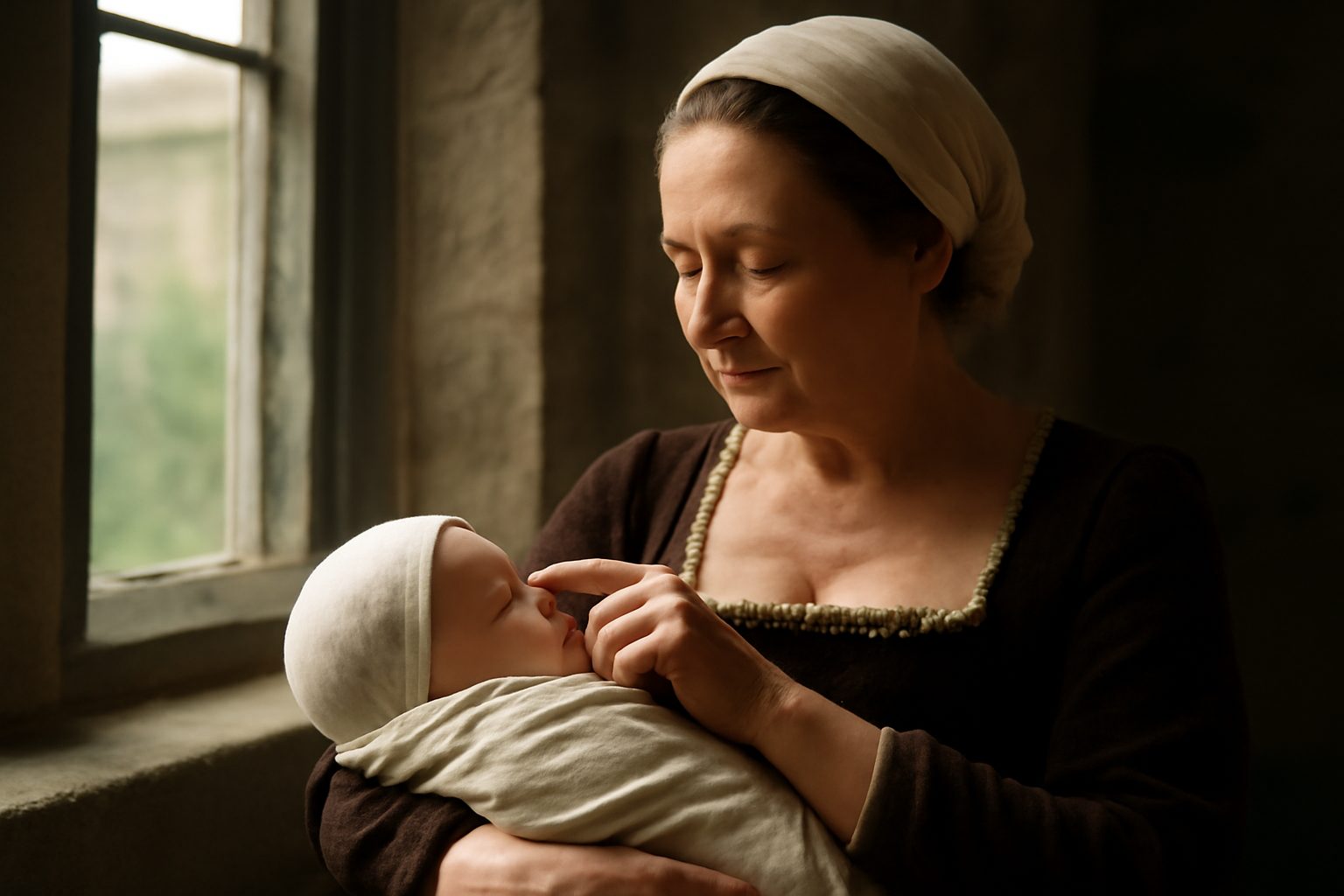
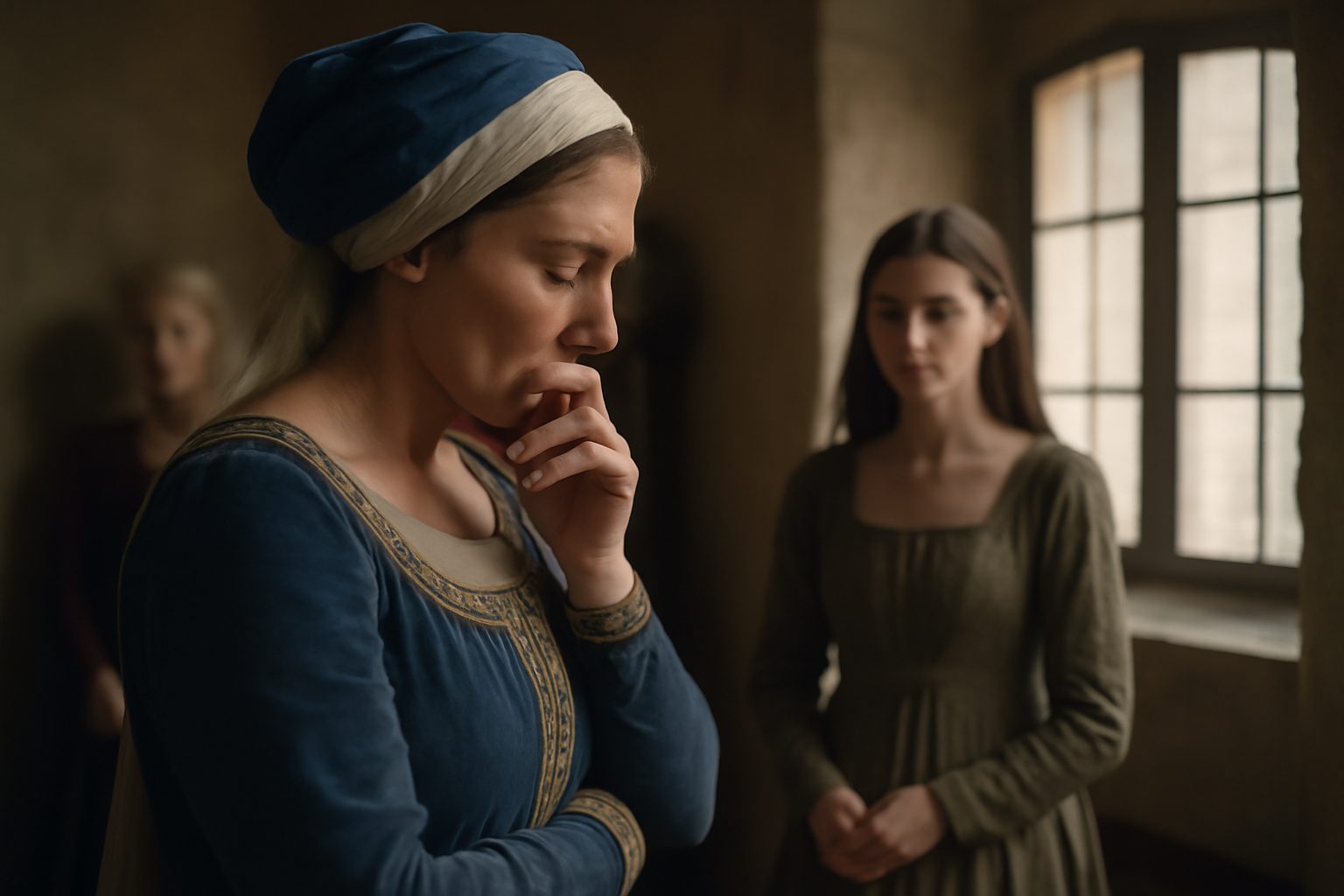
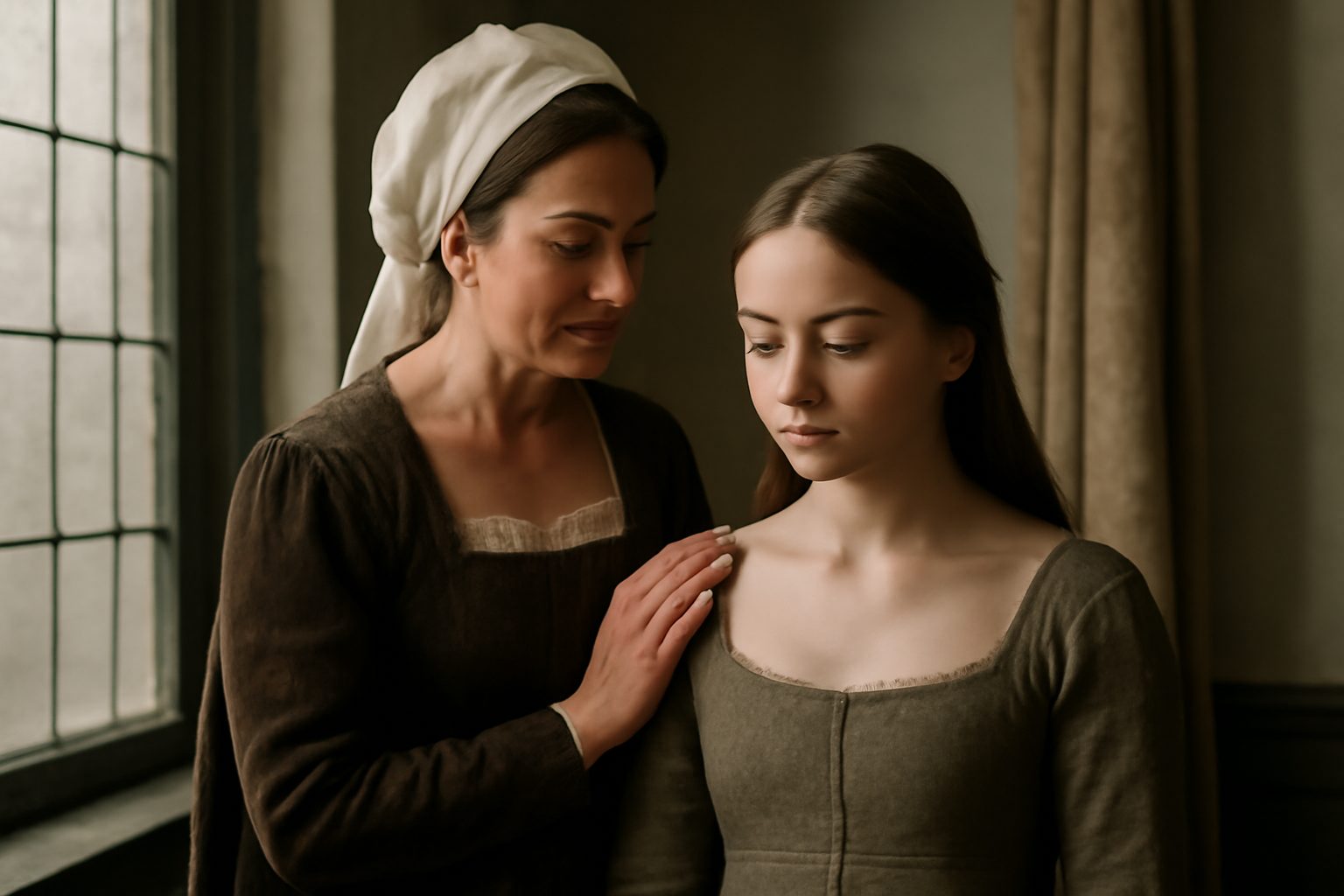
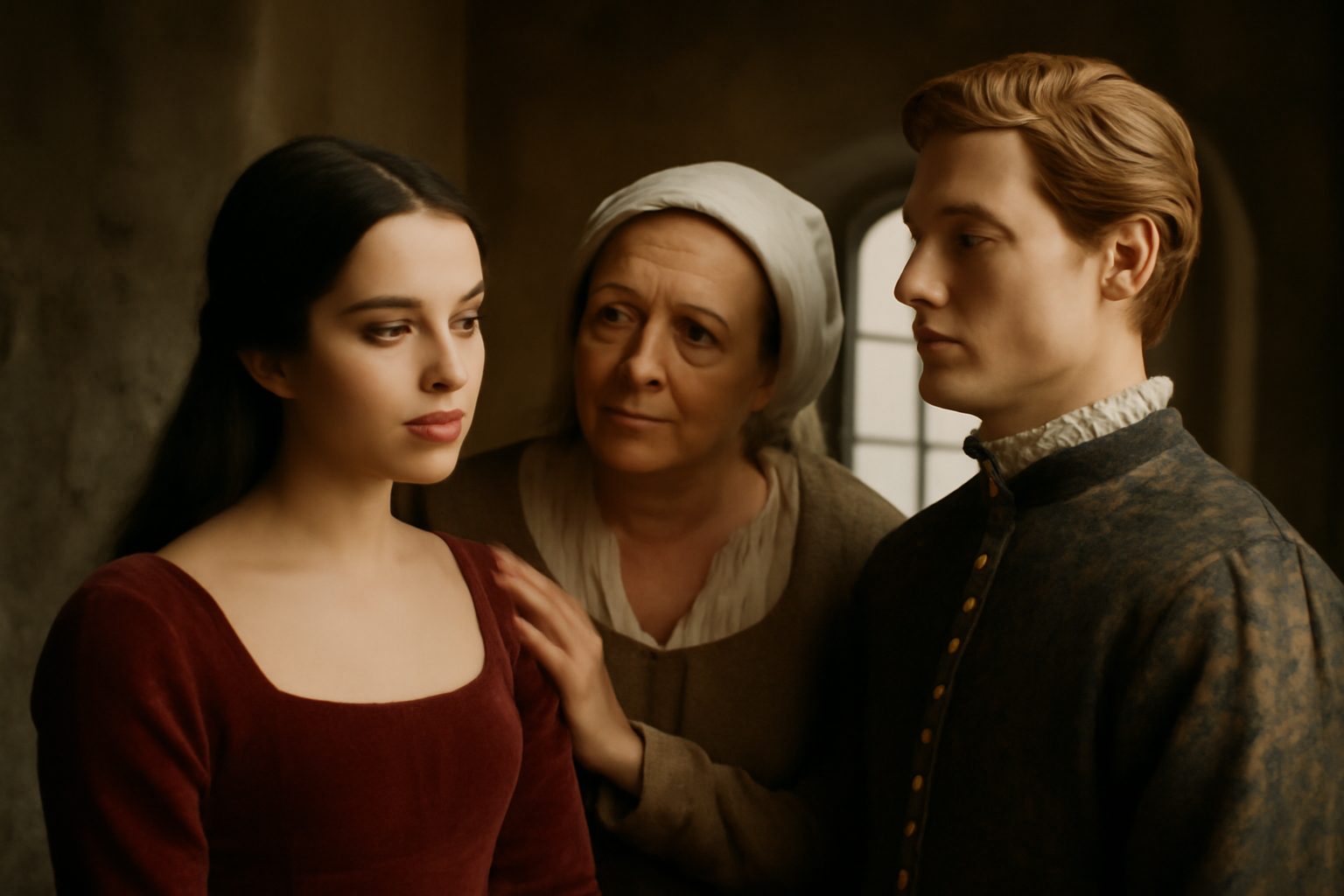
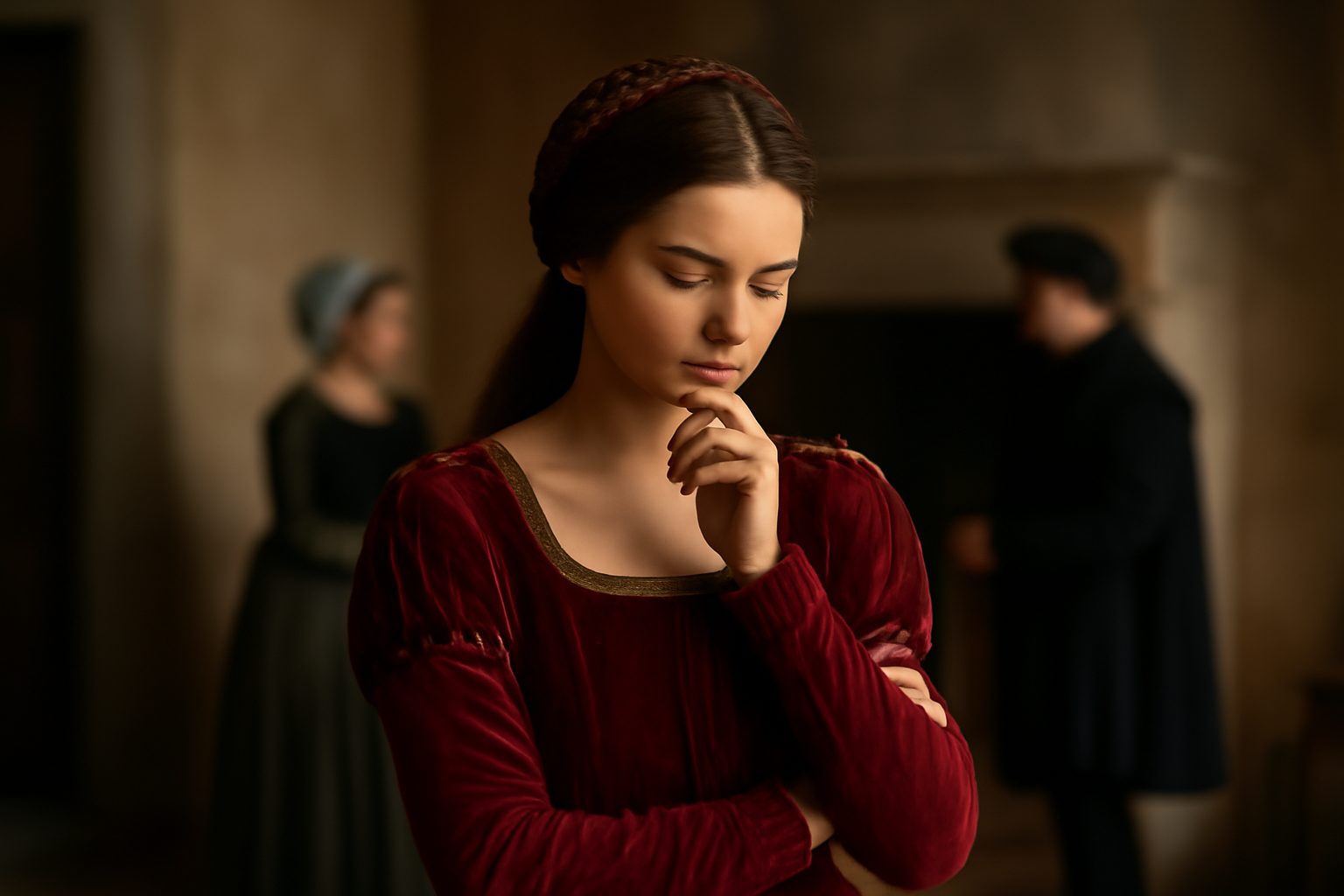
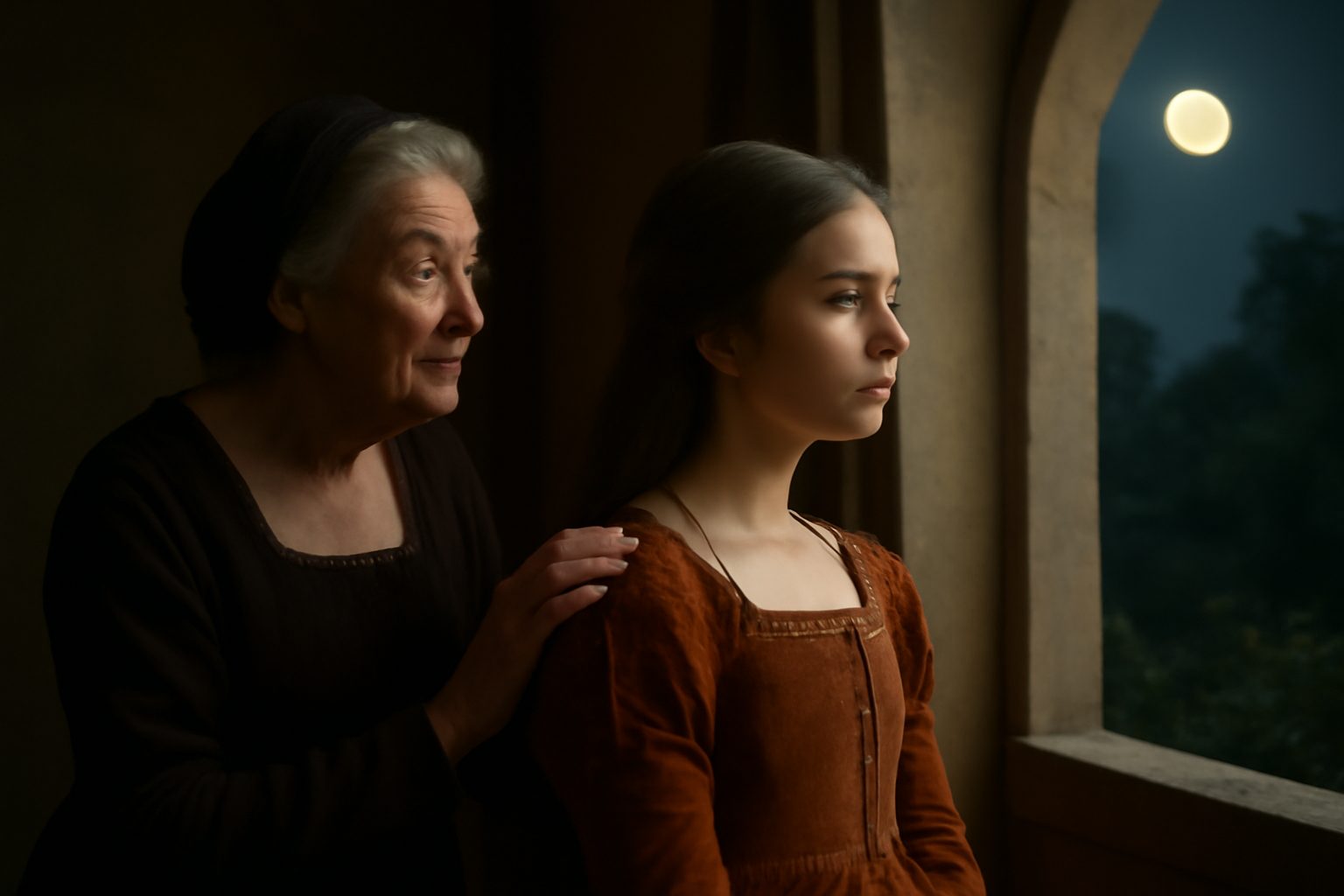
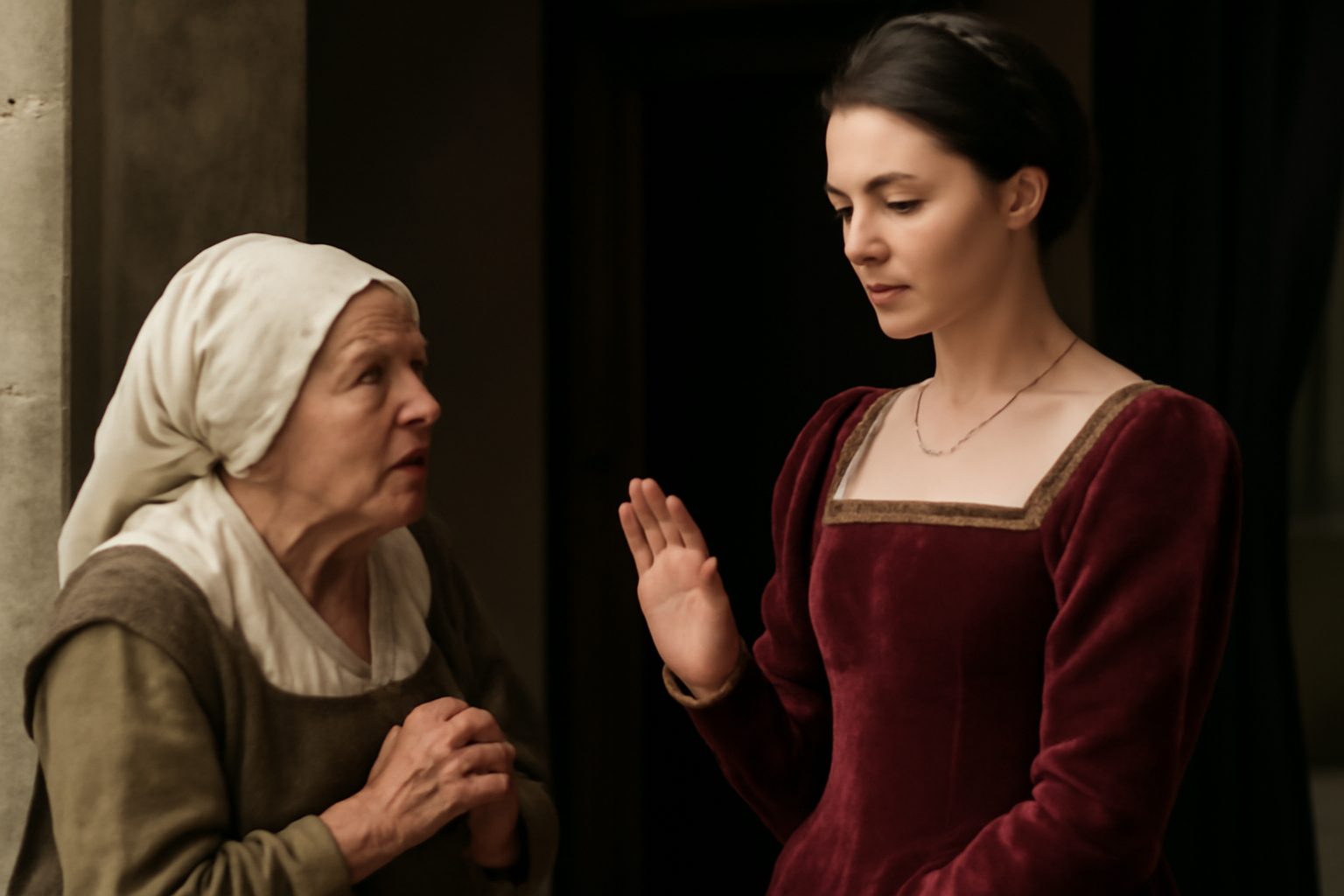
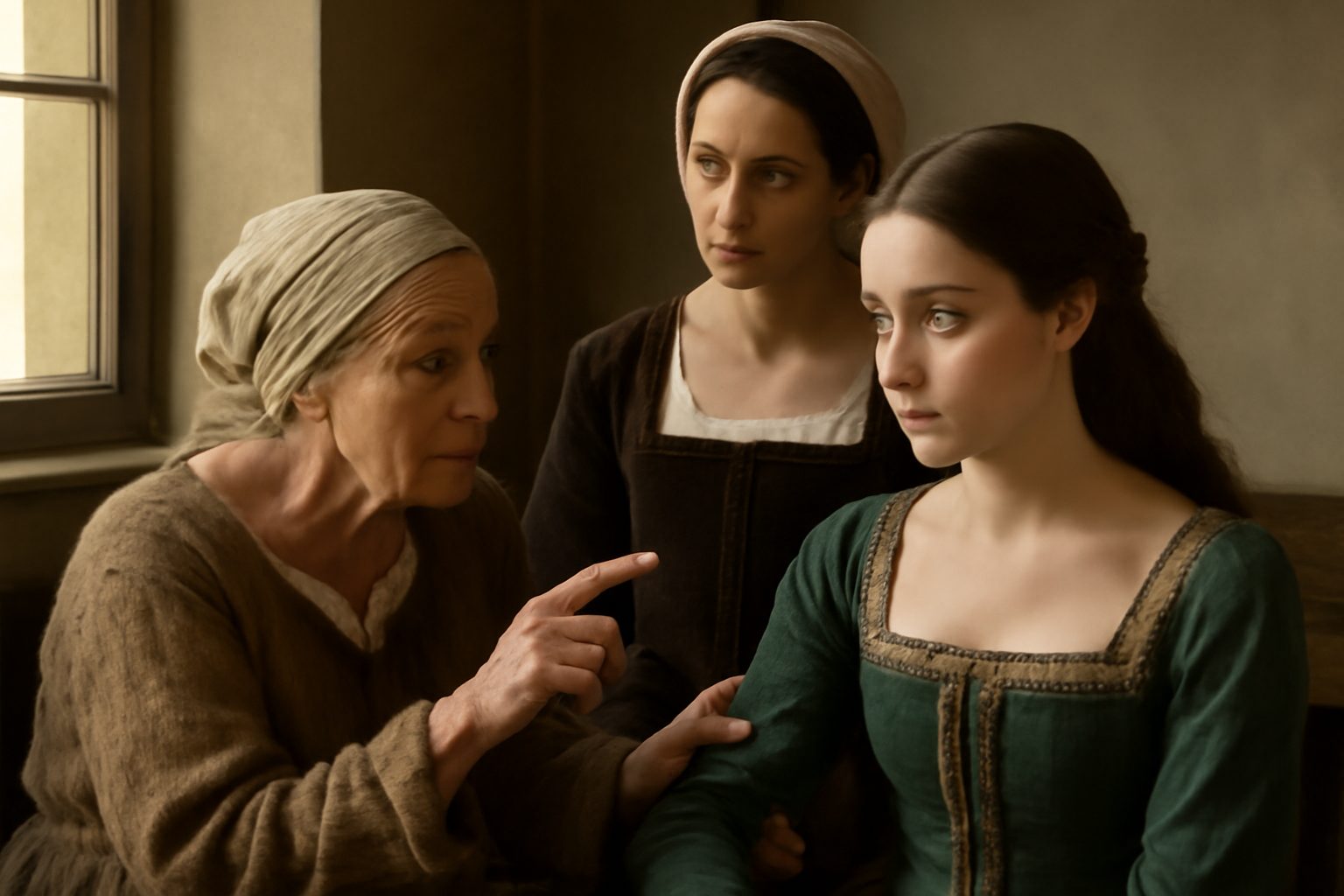
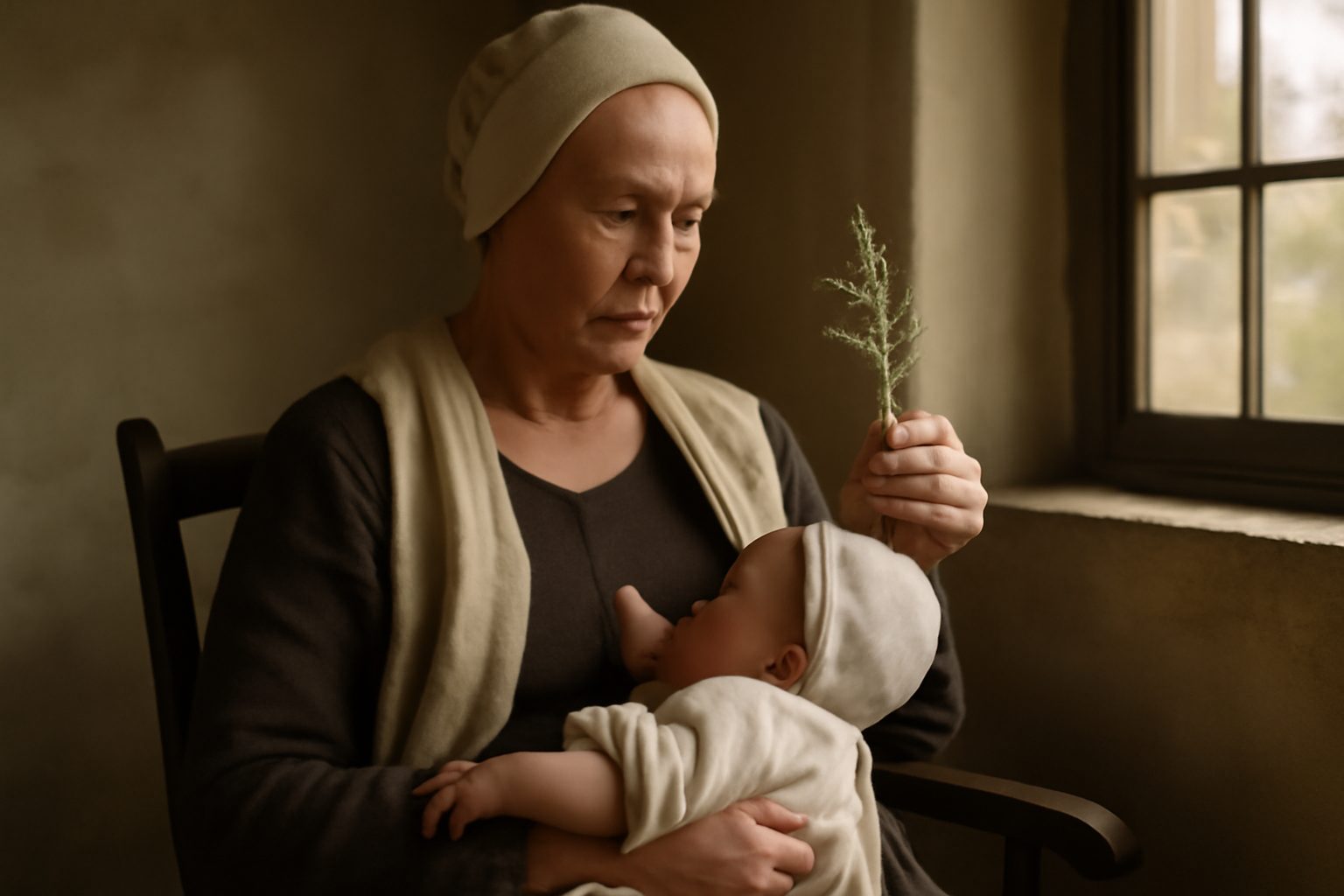
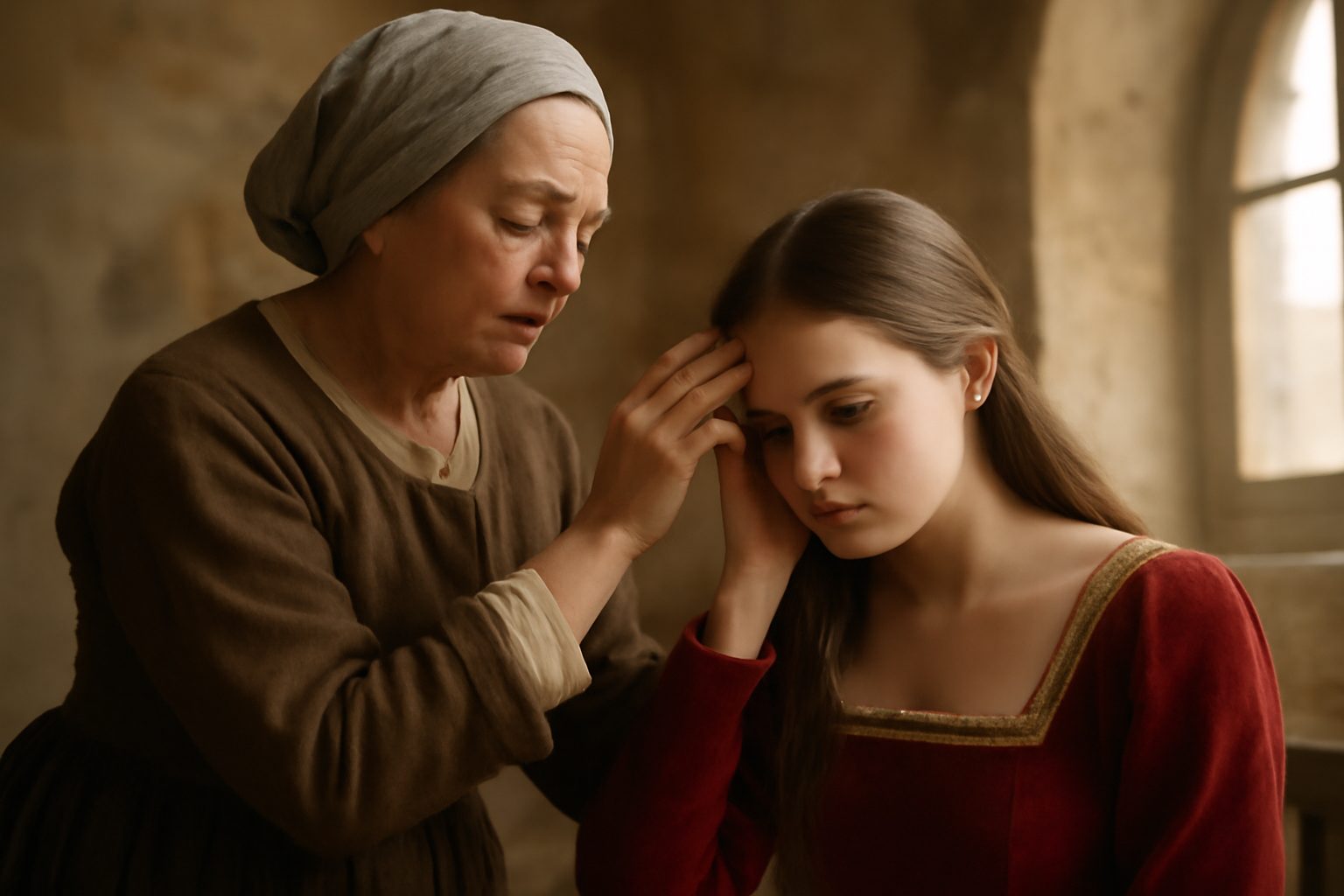
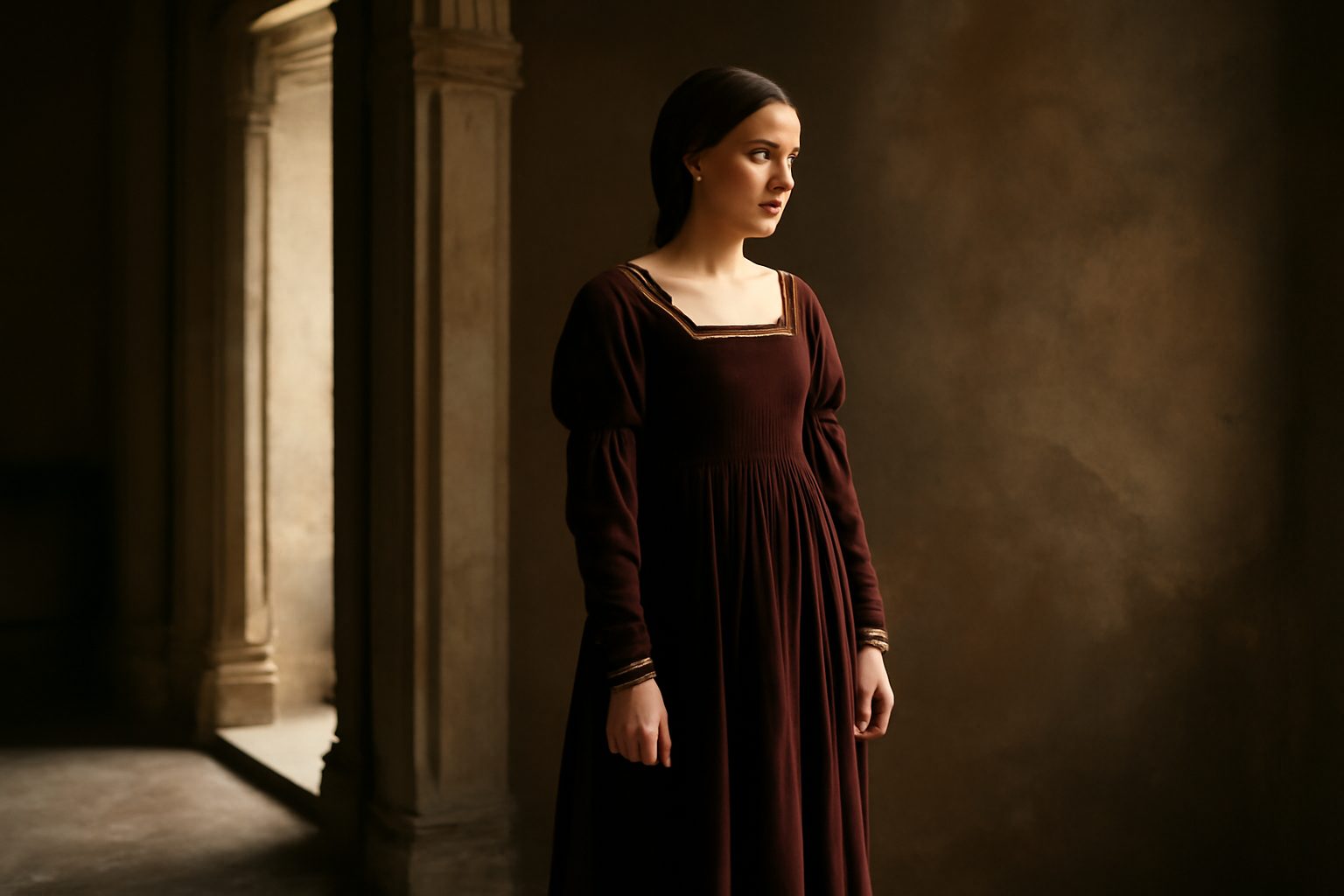
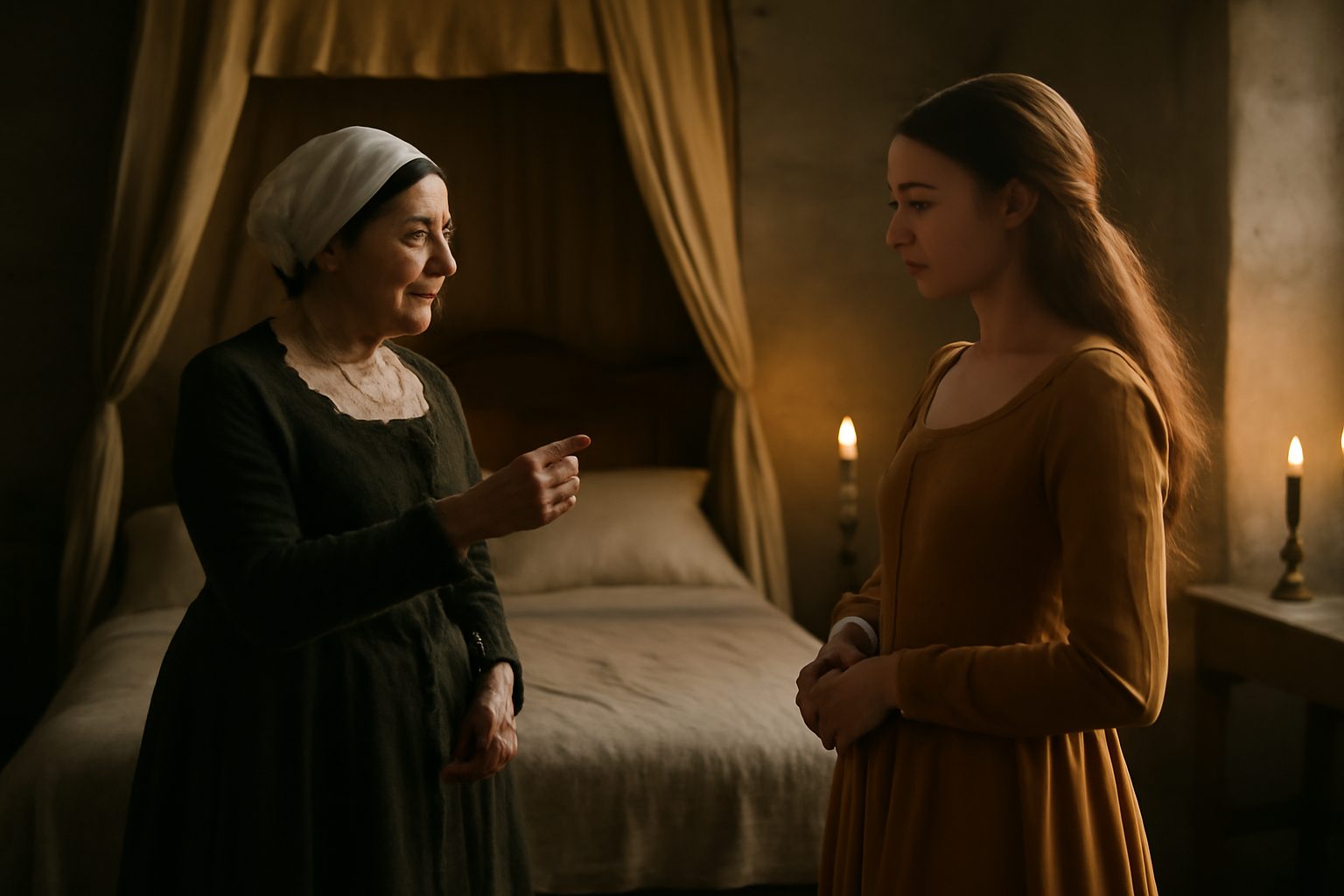
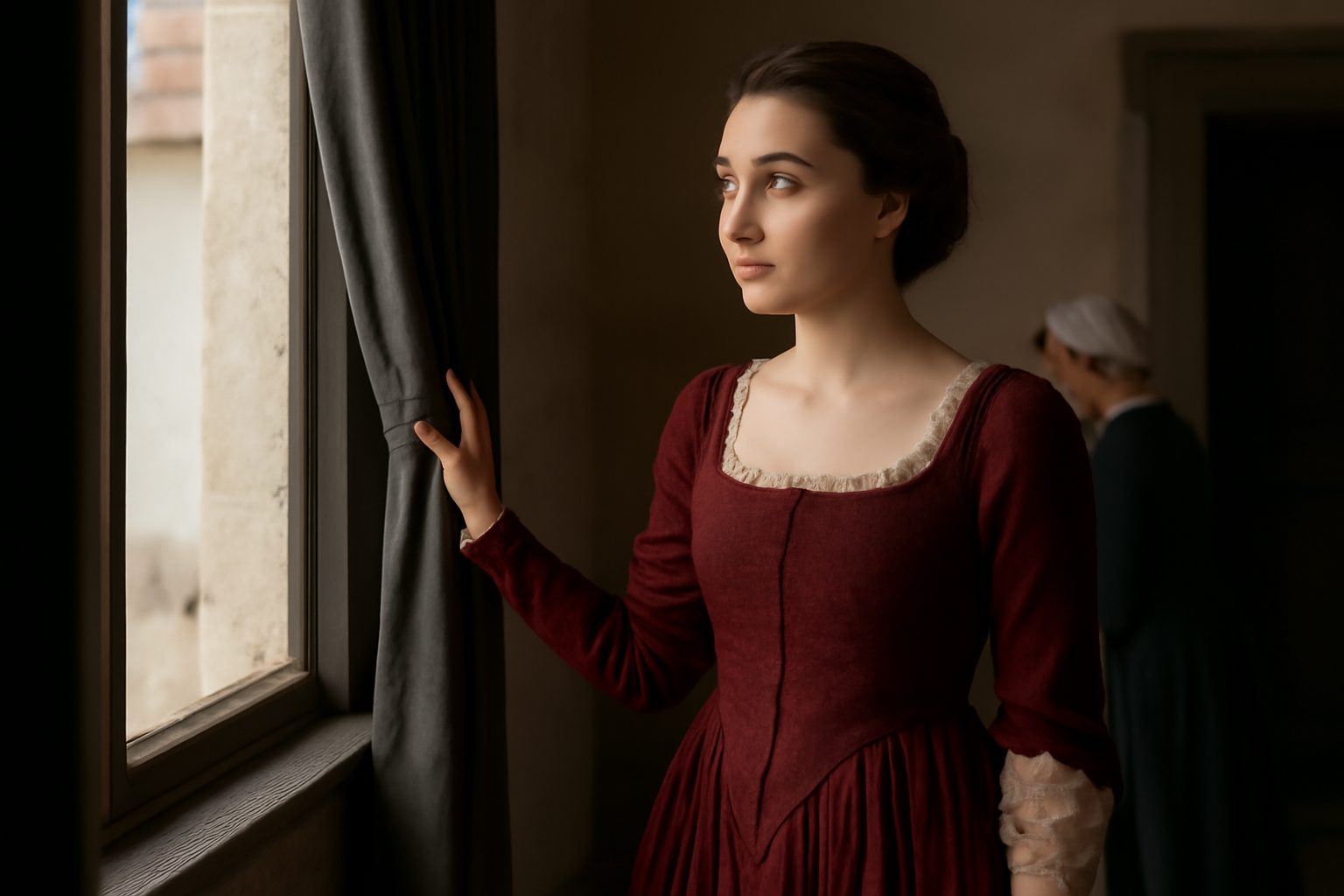
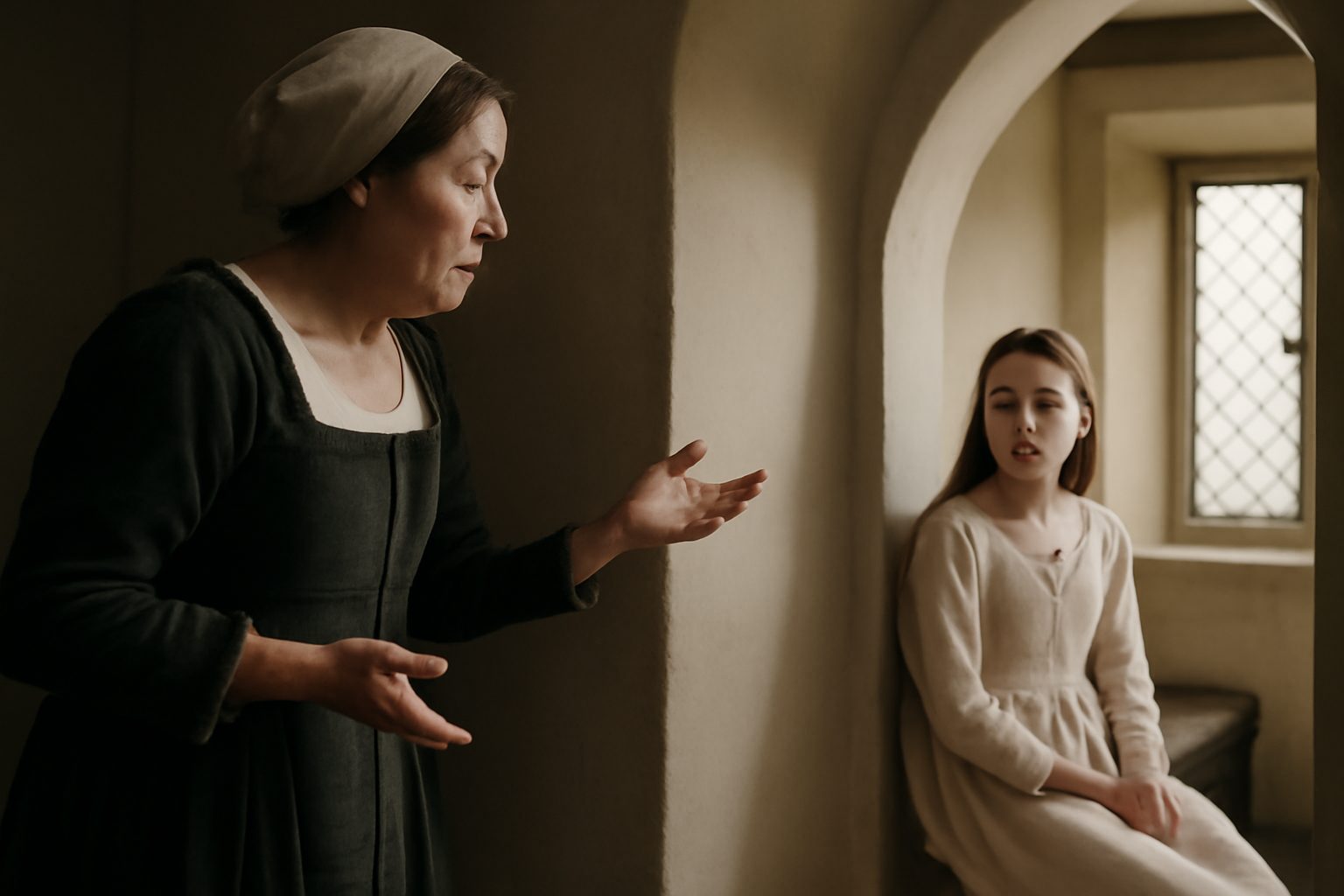
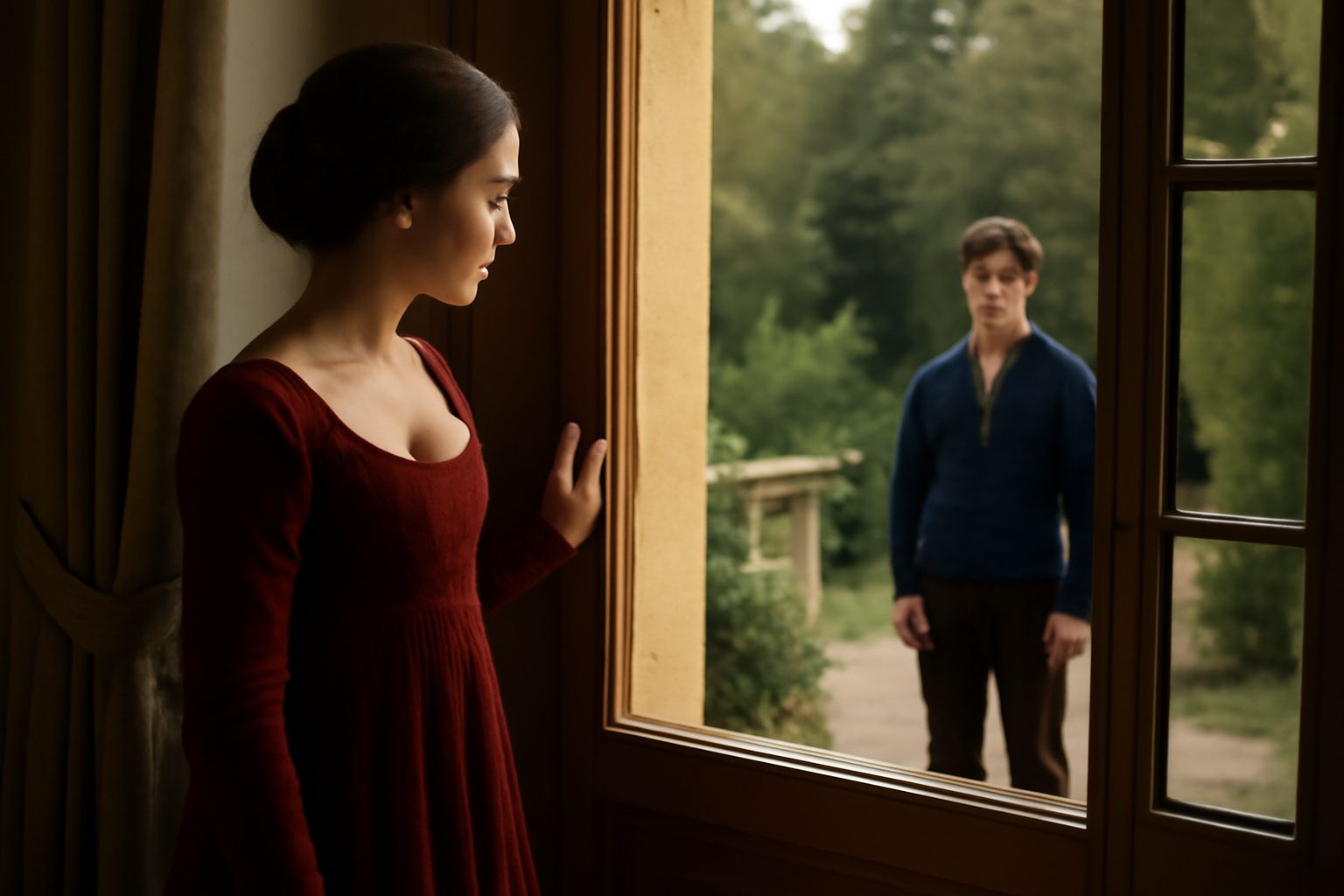
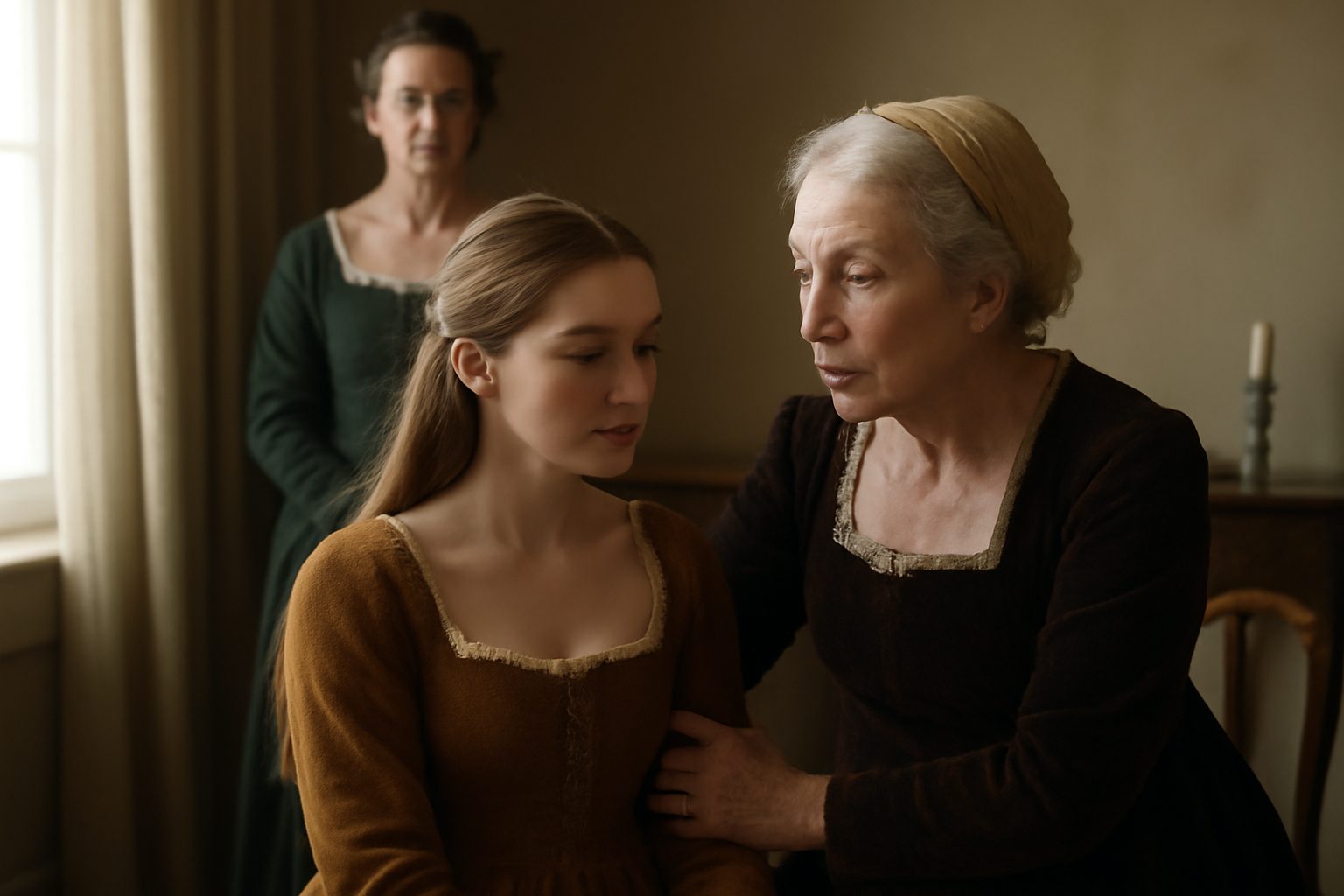
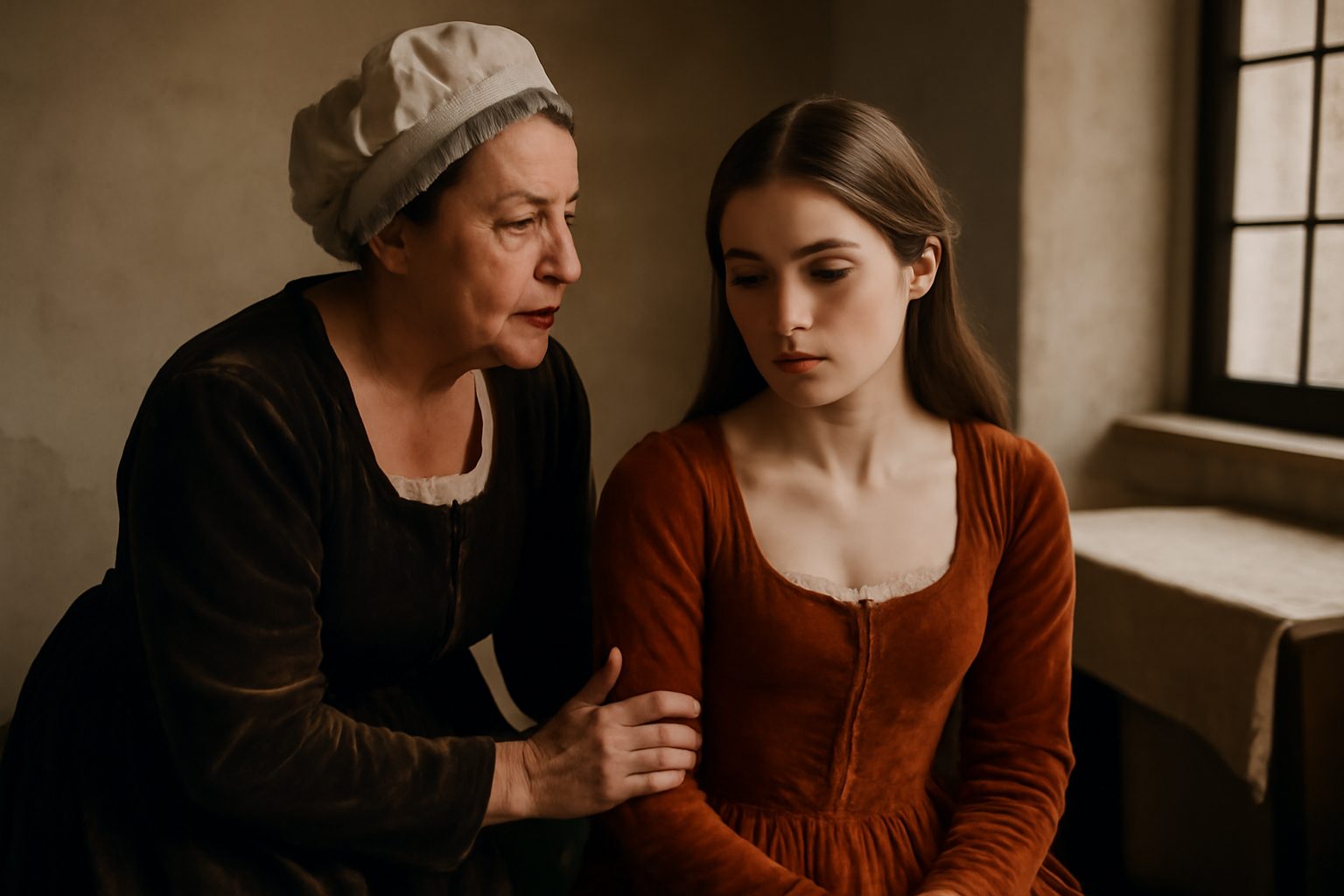
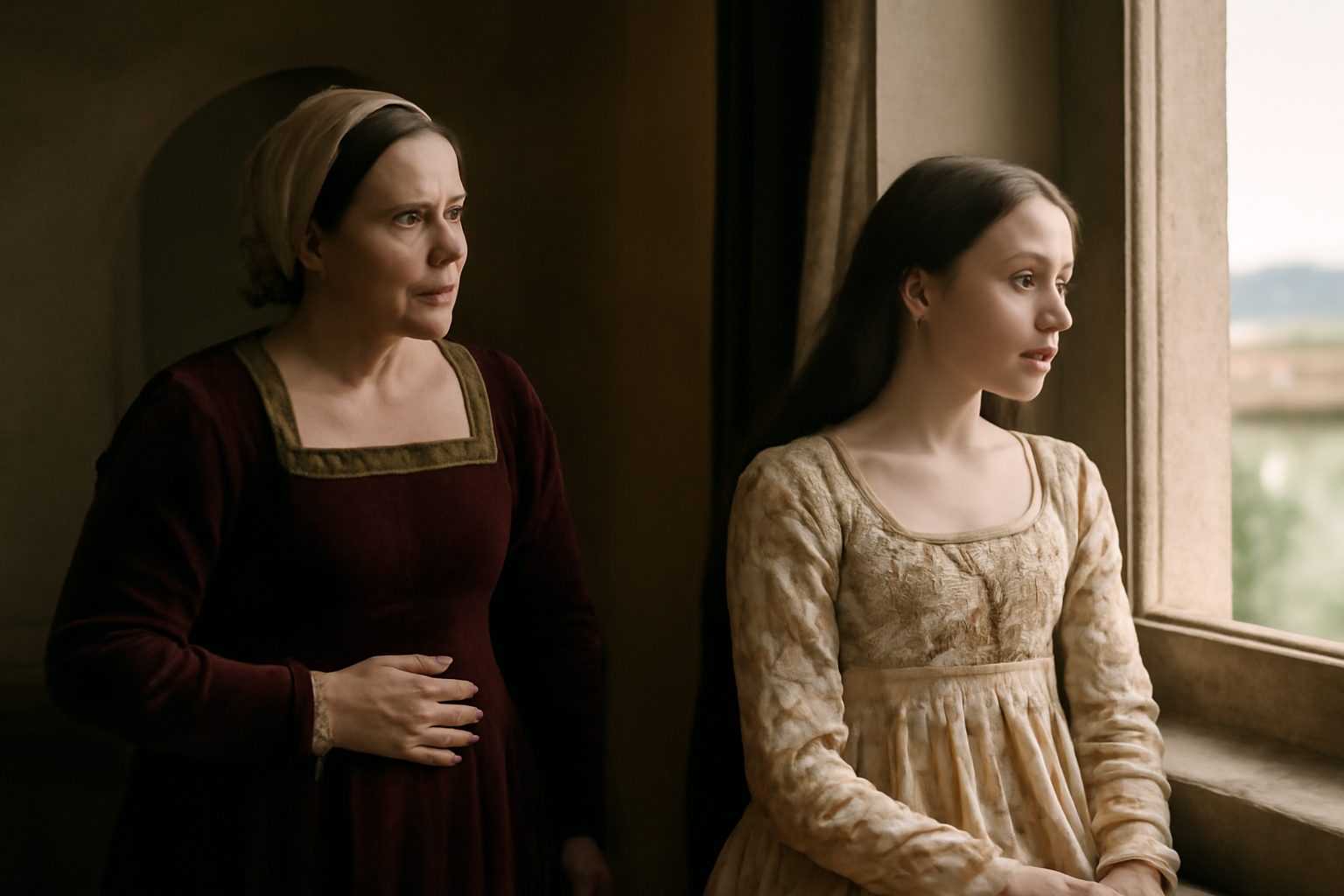
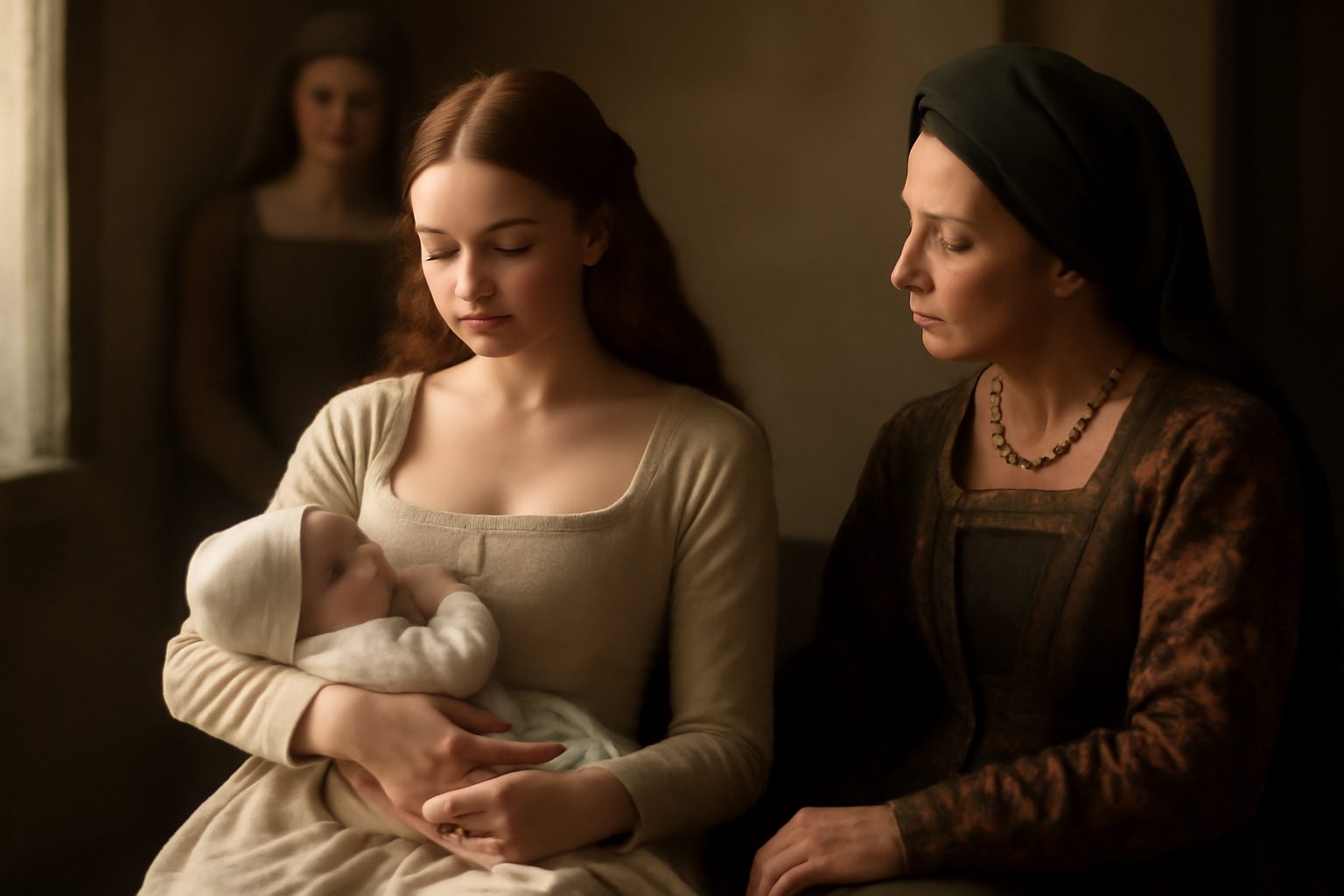
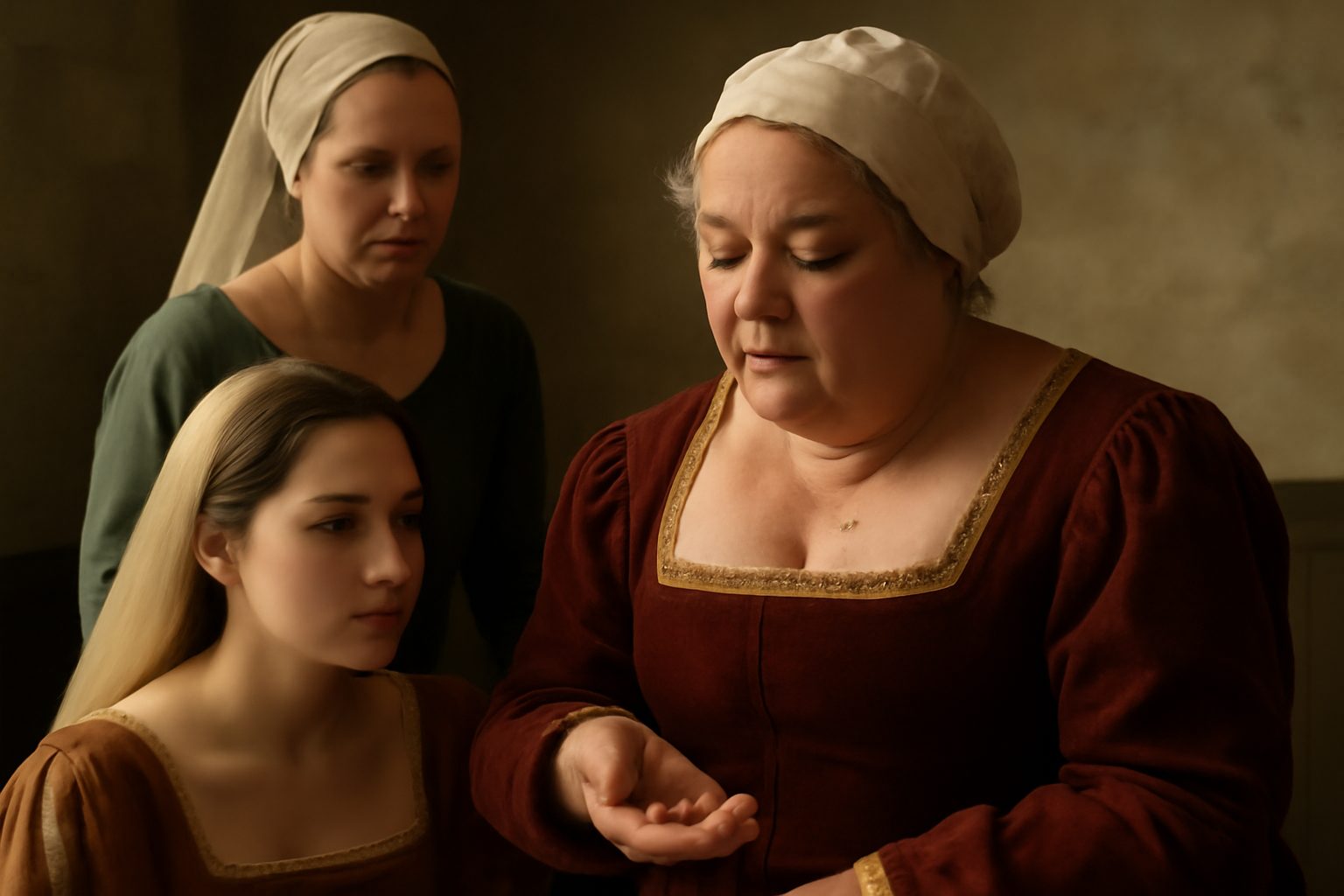
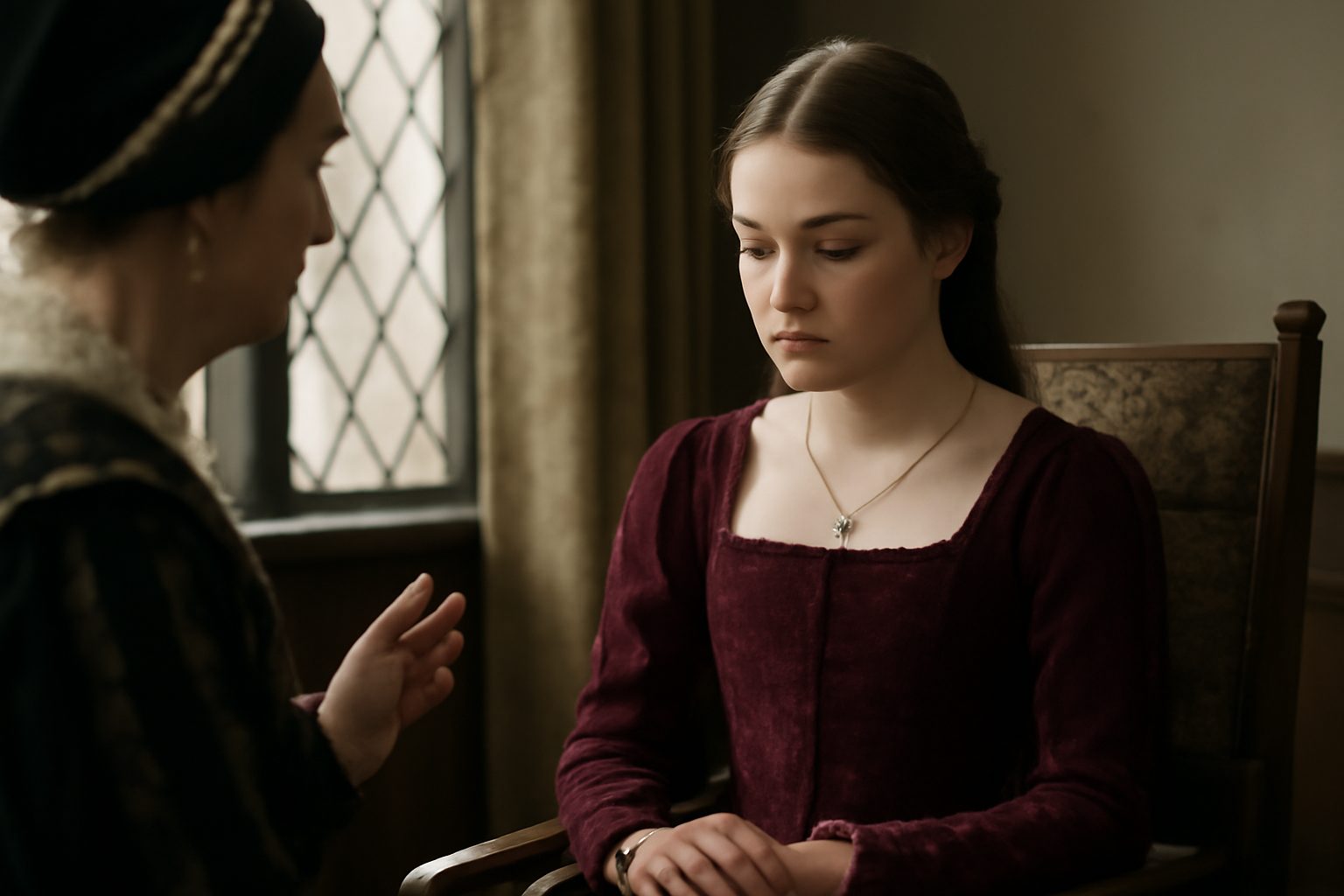
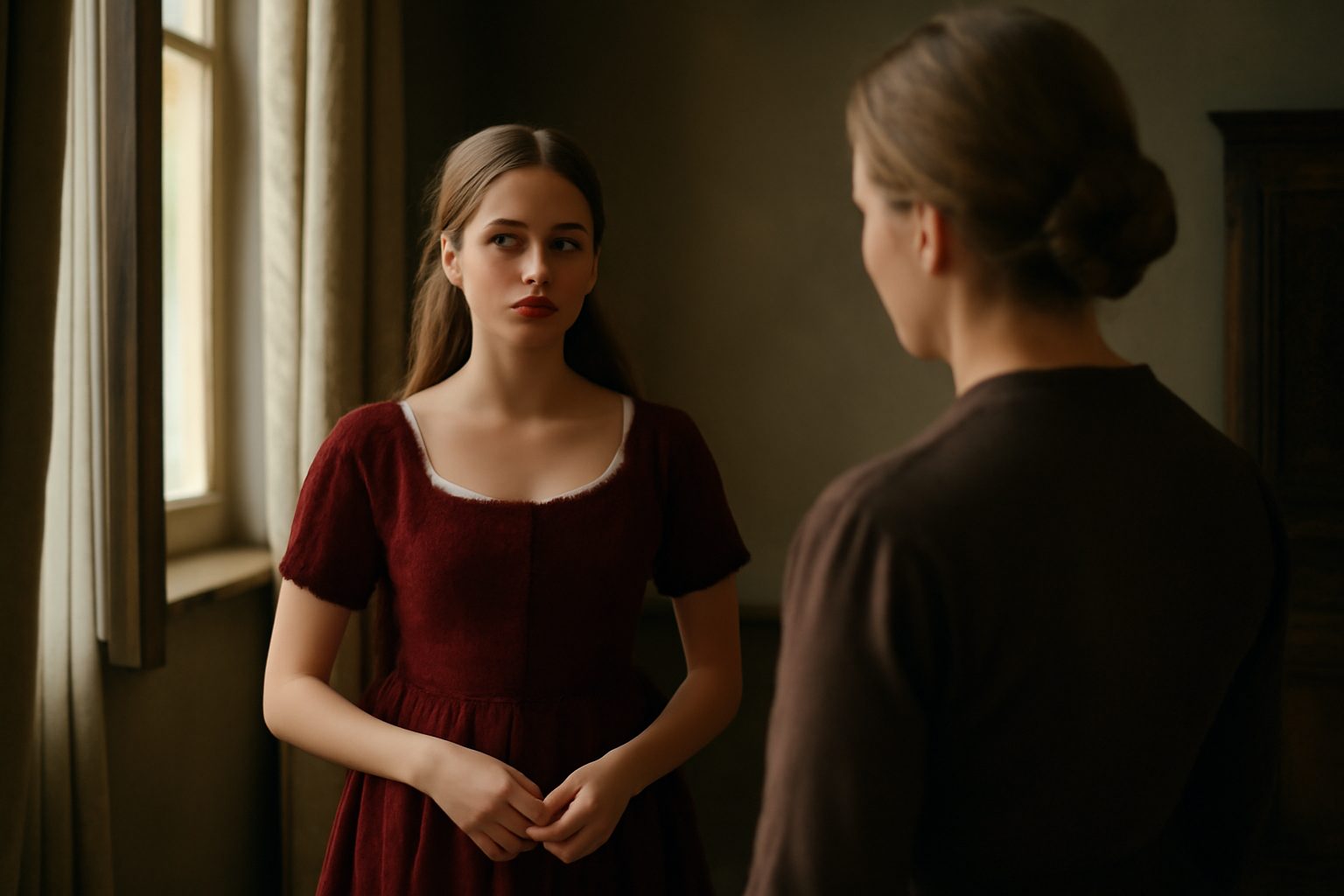
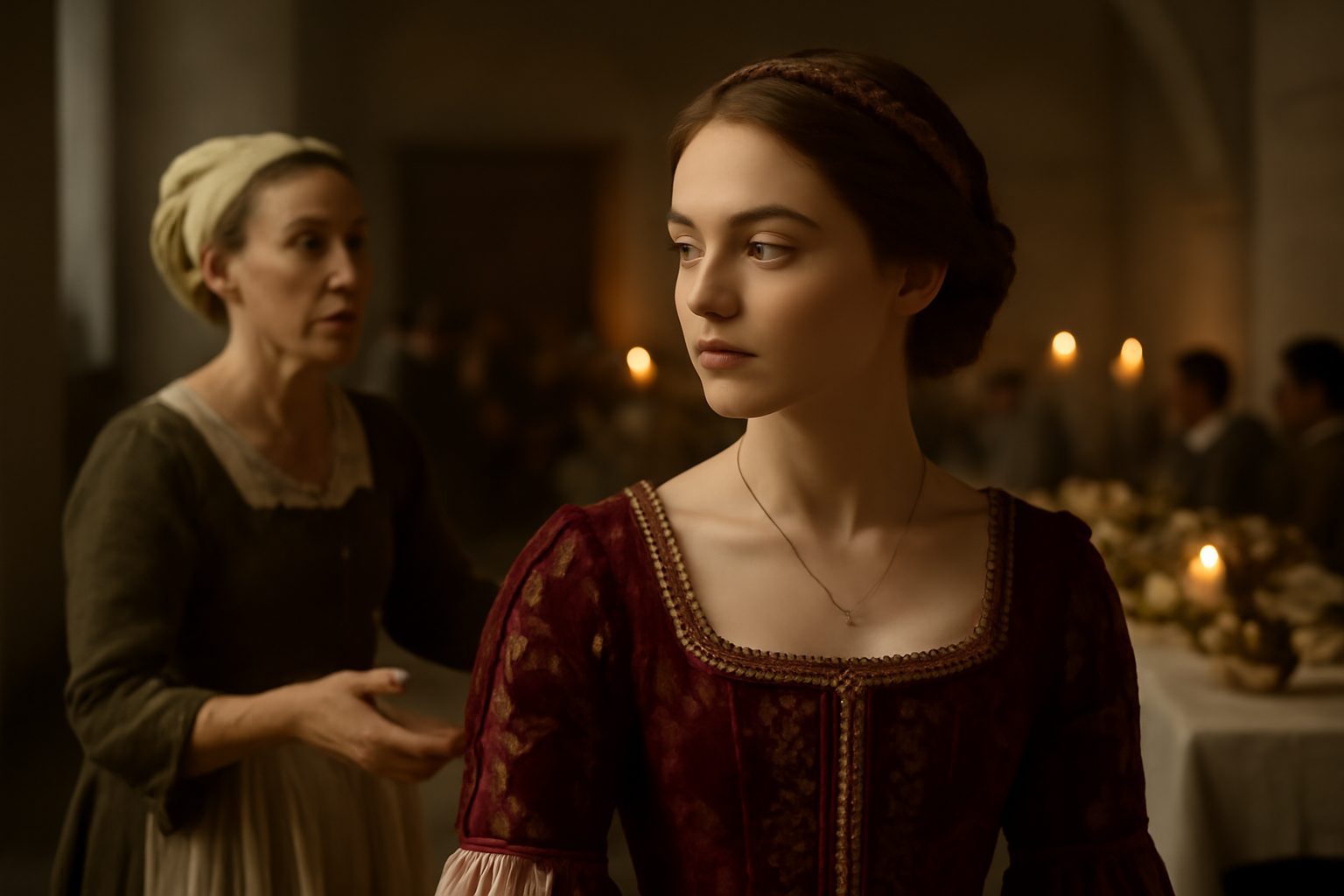
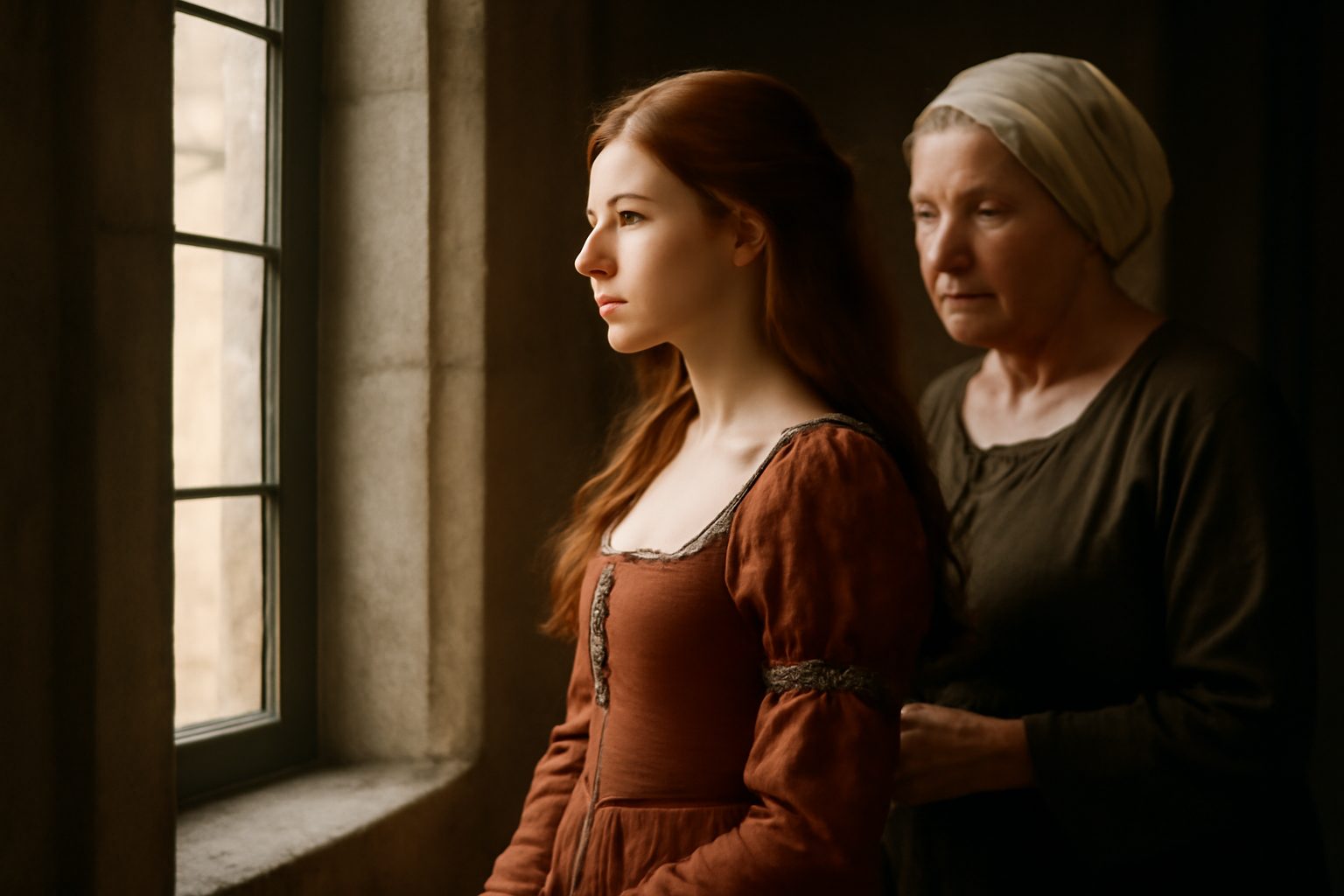
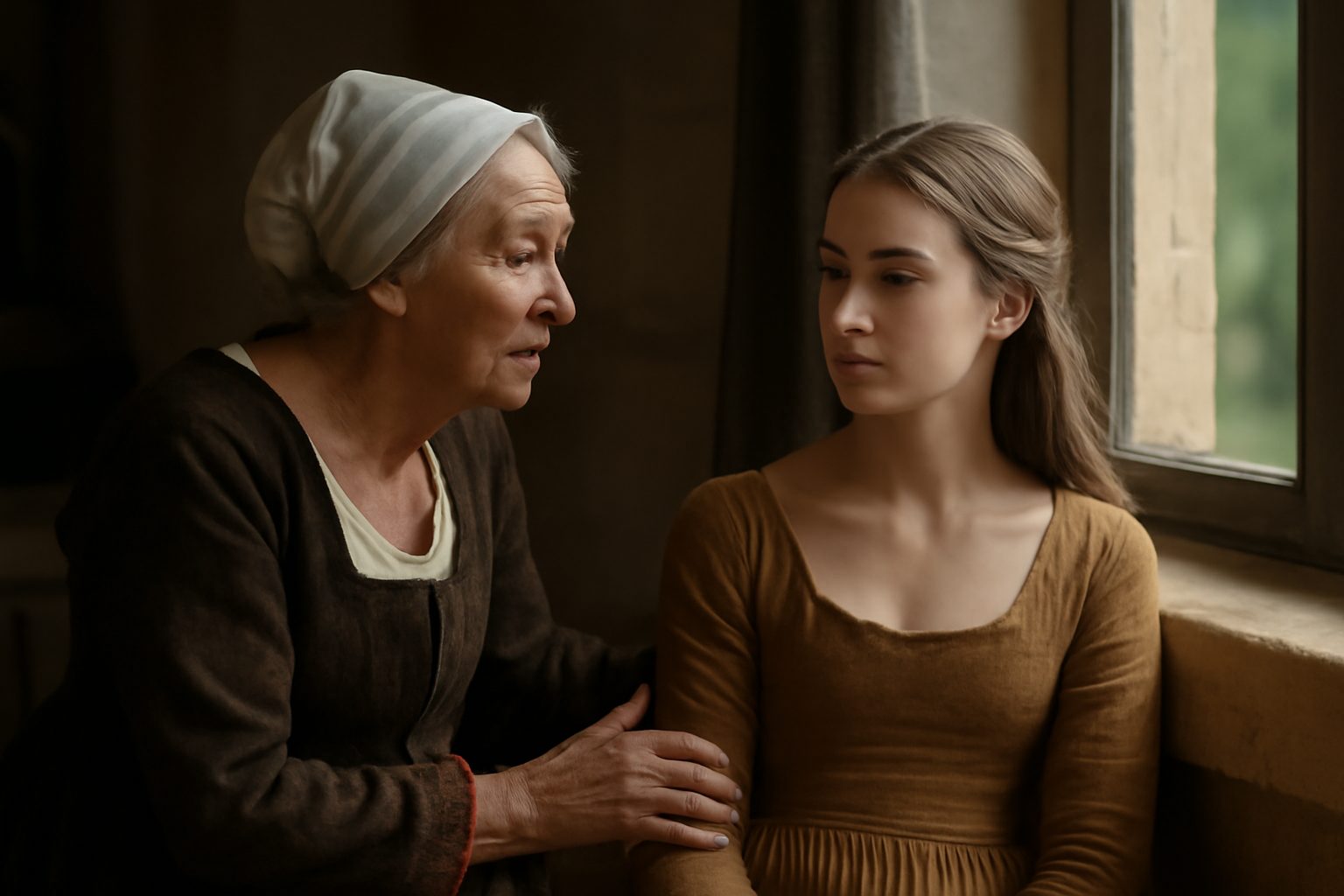
In Act 1 Scene 3 of Romeo and Juliet, Lady Capulet seeks her daughter Juliet to discuss a weighty matter—the prospect of marriage to Paris. This line marks the beginning of a conversation in which Juliet’s mother and the Nurse encourage her to consider the match, setting the stage for Juliet’s later defiance. The moment highlights the generational divide and the expectations placed on young women in Verona’s aristocratic society.
Lady Capulet: "Nurse, where's my daughter? call her forth to me."
In modern day english, we would say:
Nurse, where is my daughter? Tell her to come here.
Frequently Asked Questions
Who is Lady Capulet looking for in this line?
She is looking for her daughter, Juliet.
What does Lady Capulet ask the Nurse to do?
She asks the Nurse to bring Juliet to her.
Connections to other verses:
Immediate Response and Character Interaction
The verse "I bade her come. What, lamb! what, ladybird!" is the Nurse's direct reply to Lady Capulet's call, showing her role as the intermediary. This is followed by Juliet's entrance with "Madam, I am here.", establishing the scene's dynamic where Lady Capulet summons Juliet for an important discussion.
Setting the Scene's Purpose
Lady Capulet's inquiry leads directly to the central topic of marriage, introduced with "This is the matter:--Nurse, give leave awhile,", indicating a private conversation. This connects to "I came to talk of. Tell me, daughter Juliet,", where Lady Capulet explicitly states her intent to discuss Paris's proposal.
Nurse's Fond Recollections
The Nurse's affectionate, rambling stories about Juliet's childhood, such as "Thou wast the prettiest babe that e'er I nursed:", are triggered by Lady Capulet's summoning. These anecdotes, including "And she was wean'd,--I never shall forget it,--", highlight the Nurse's deep emotional connection to Juliet, contrasting with Lady Capulet's more formal demeanor.
Juliet's Age and Readiness for Marriage
The discussion of Juliet's age begins with "She is not fourteen. How long is it now", leading to detailed recollections like "Come Lammas-eve at night shall she be fourteen.". This establishes her youth and sets the context for the marriage proposal, emphasized in "How stands your disposition to be married?".
Introduction of Paris and Juliet's Response
Lady Capulet's praise of Paris in "A man, young lady! lady, such a man" and "Read o'er the volume of young Paris' face," follows the initial summoning, aiming to persuade Juliet. Juliet's obedient but reserved reply in "I'll look to like, if looking liking move:" shows her cautious acceptance, tying back to the scene's opening call.
Interruption and Conclusion
The scene concludes with the Nurse's interruption in "Madam, the guests are come, supper served up, you", which circles back to the initial urgency of Lady Capulet's summoning, closing the discussion and moving the action forward to the feast where Juliet will meet Romeo.