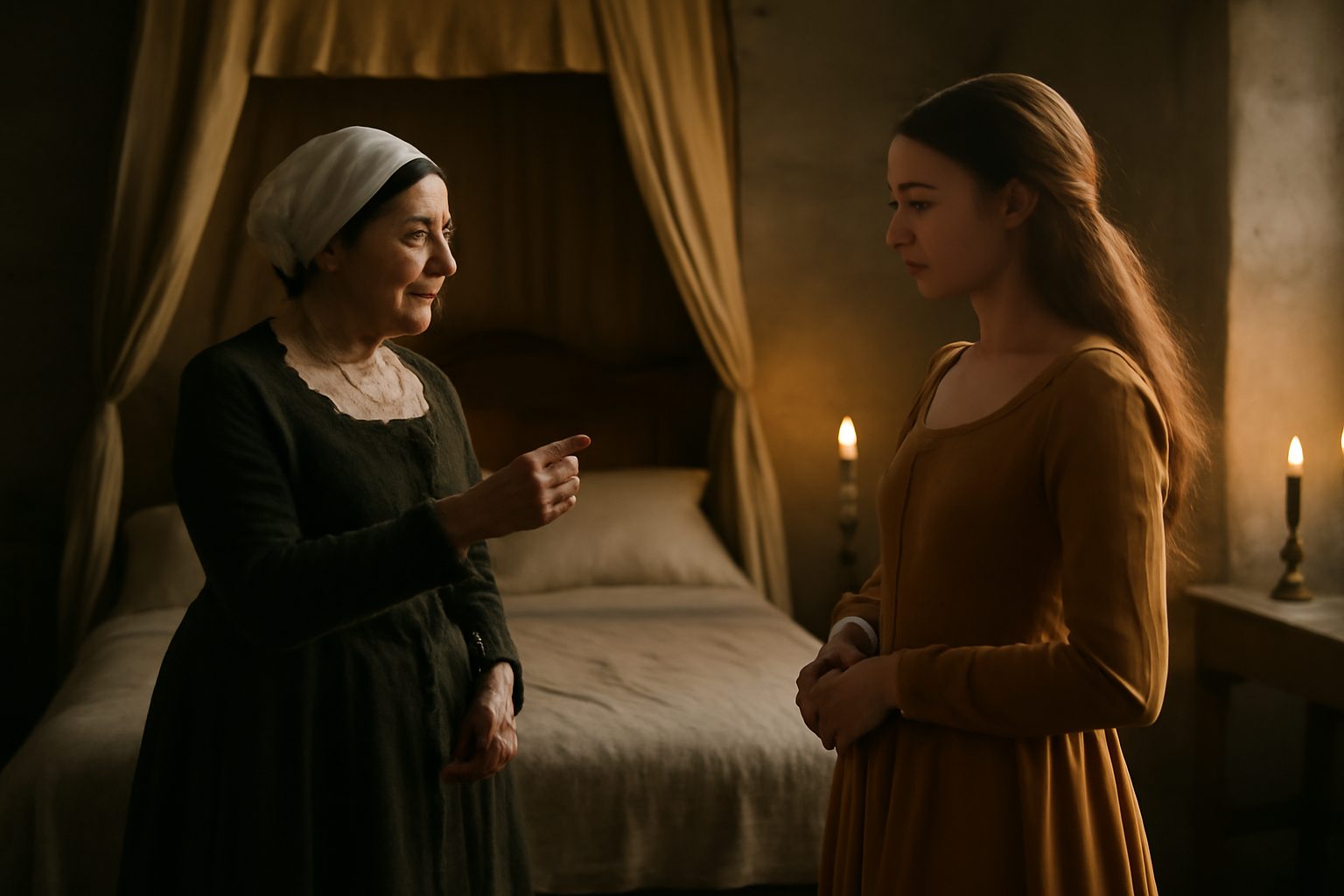
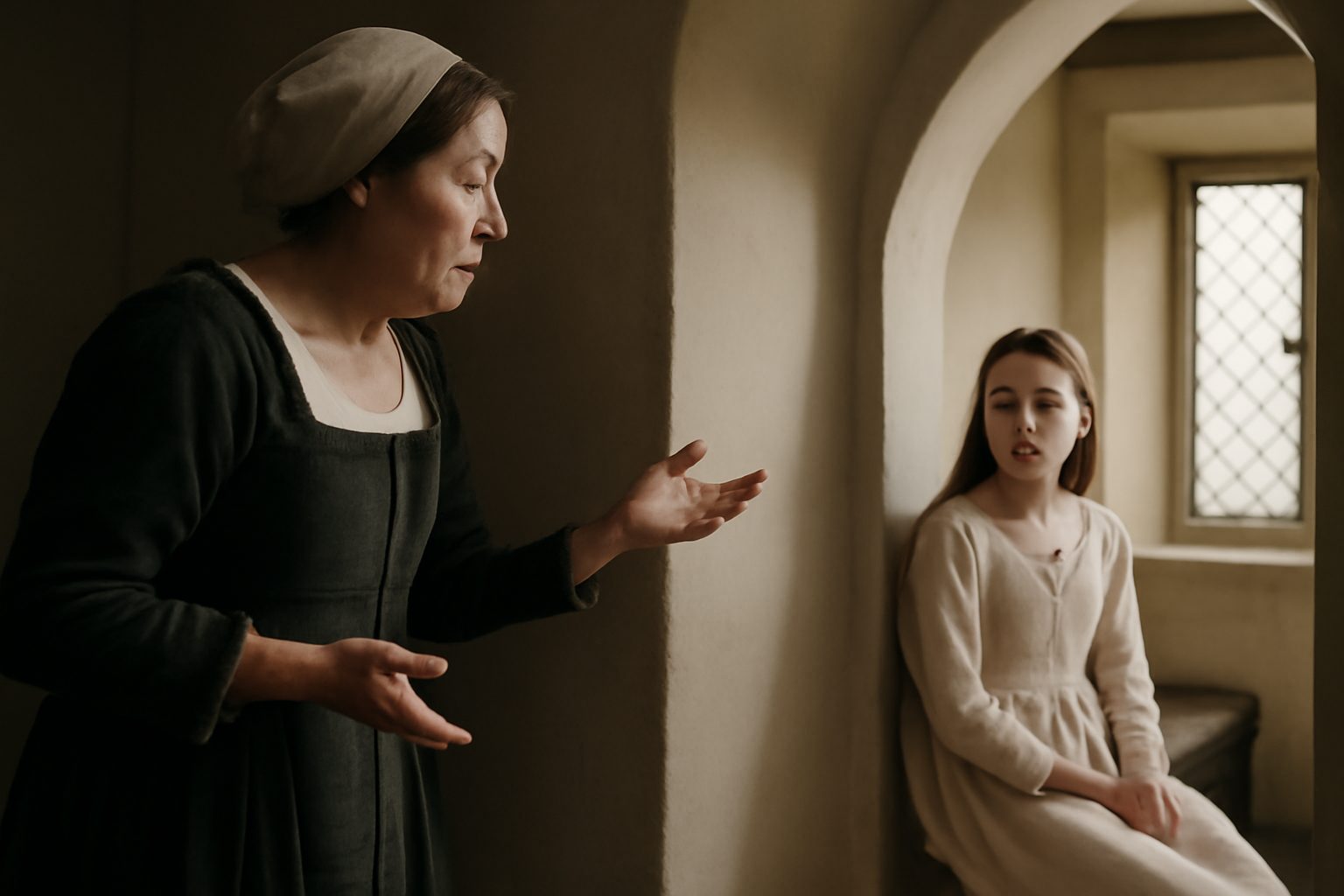
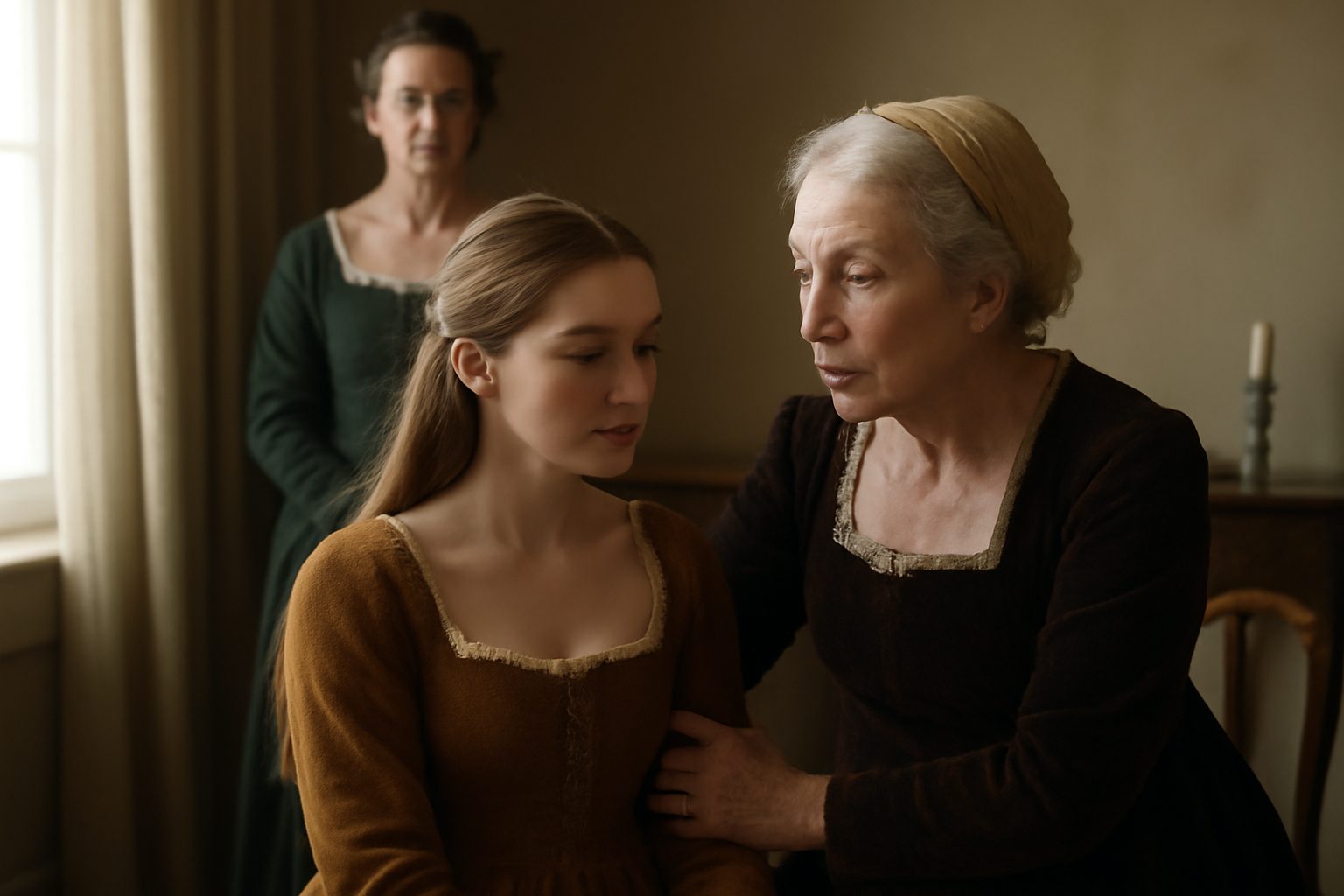
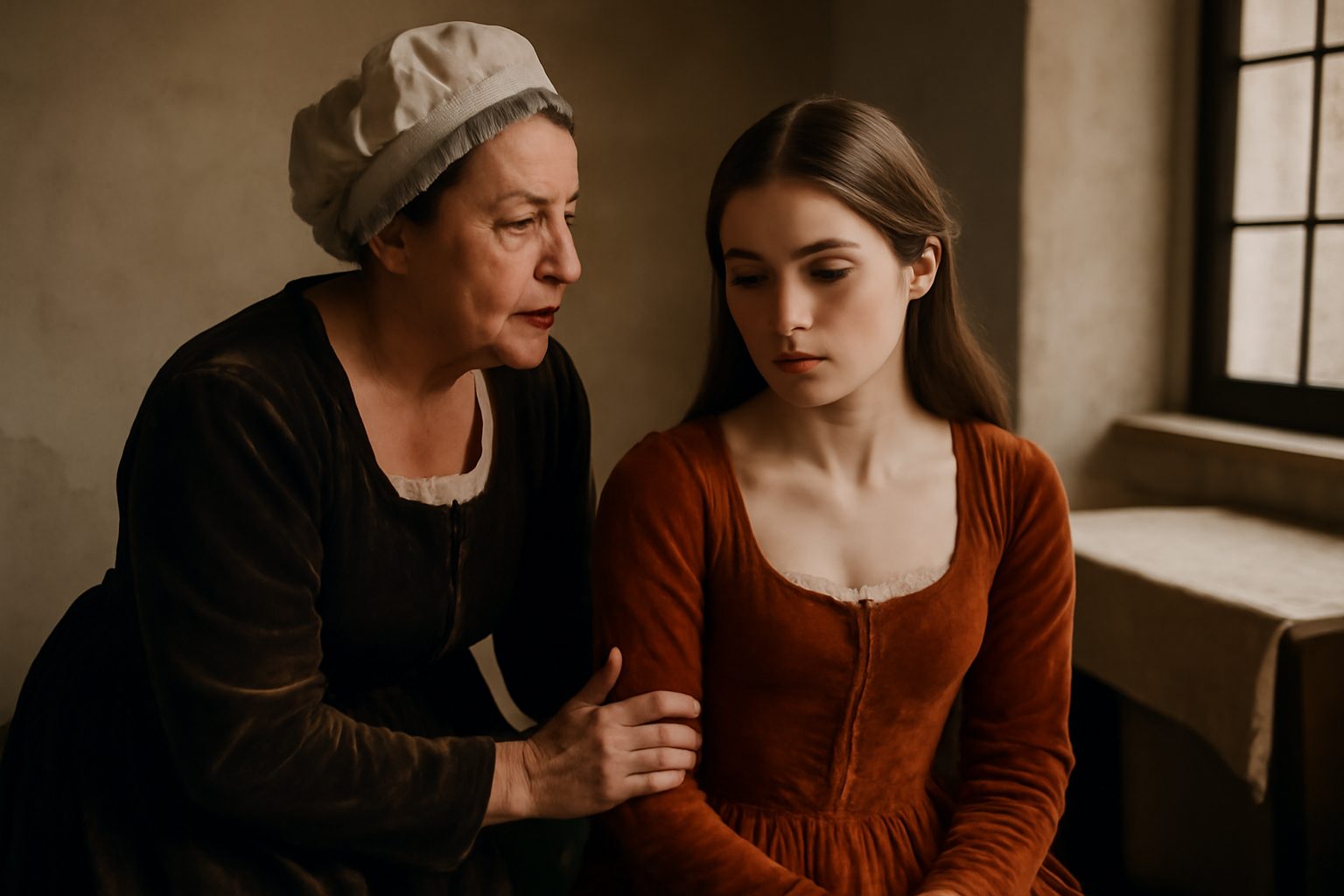
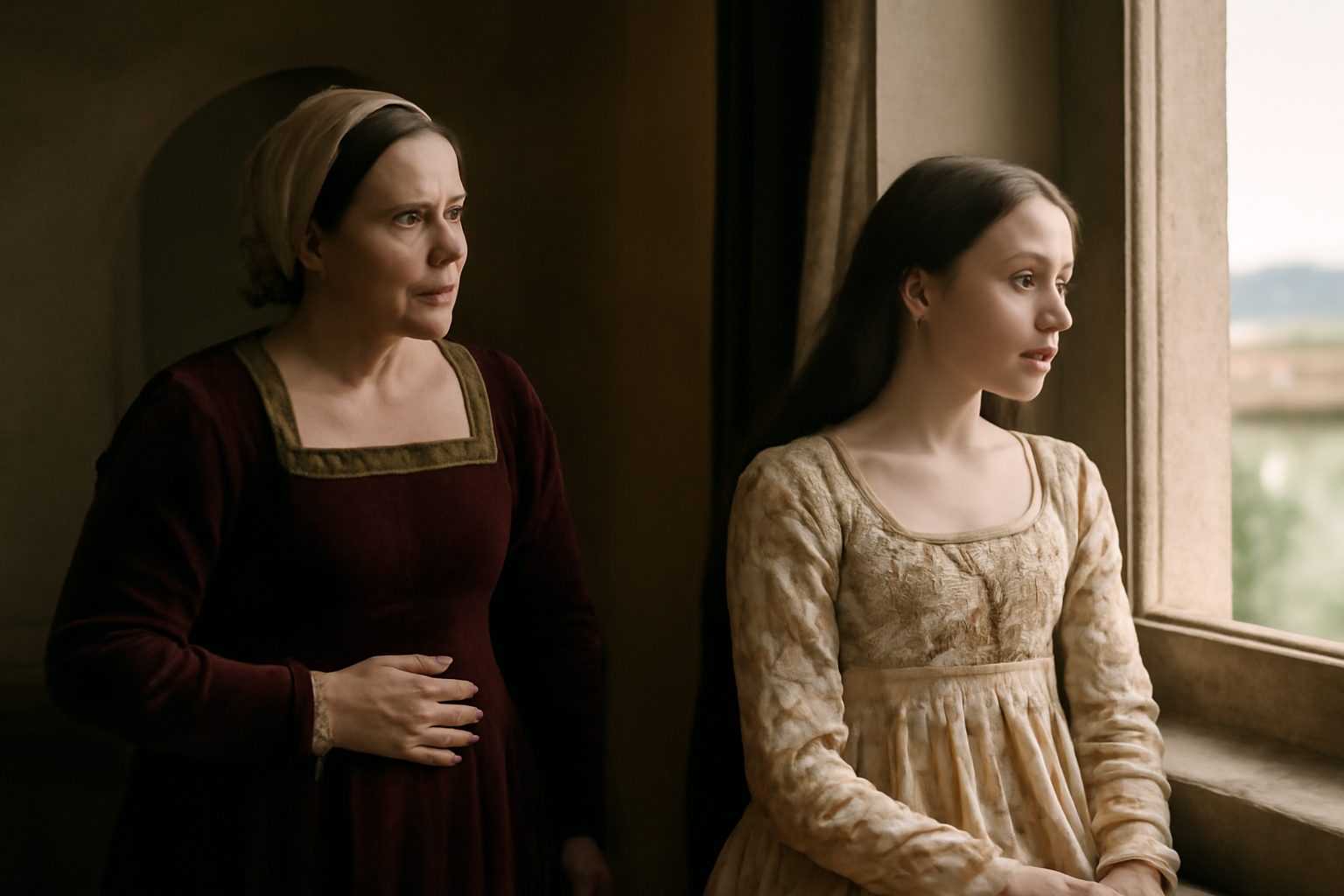
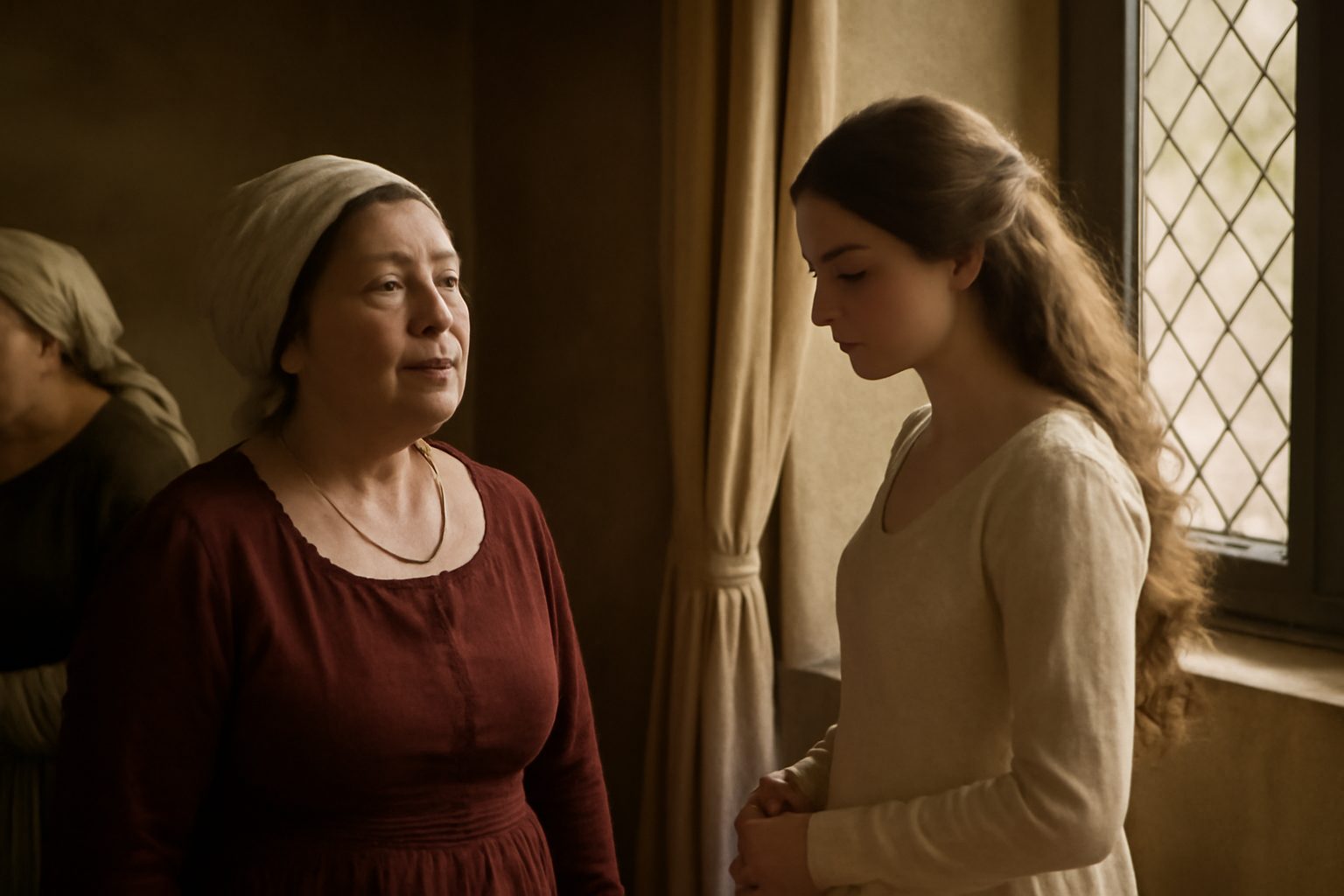
In Act 1, Scene 3 of Romeo and Juliet, the Nurse reminisces about Juliet's childhood, recalling a humorous moment from her past. This line refers to a playful bet made about Juliet's age, highlighting the Nurse's affectionate and bawdy nature. The scene establishes the close, informal relationship between the Nurse and Juliet before the play's central drama unfolds.
Nurse: "Even or odd, of all days in the year,"
In modern day english, we would say:
Whether it’s a lucky or unlucky day out of the whole year.
Frequently Asked Questions
What is the nurse talking about when she says even or odd in Romeo and Juliet?
The nurse is referring to Juliet's birthday, wondering if it falls on an even or odd day of the year.
Connections to other verses:
Connections to "Even or odd, of all days in the year"
The verse Even or odd, of all days in the year is part of the Nurse's recollection of Juliet's infancy, specifically referencing the day she was weaned. This line is deeply connected to other verses in the scene that explore themes of memory, time, and Juliet's growth.
Connection to Juliet's Age and Milestones
The Nurse's mention of a specific day ties directly to Come Lammas-eve at night shall she be fourteen, which establishes Juliet's current age and the significance of Lammas-tide. This is reinforced by Faith, I can tell her age unto an hour, emphasizing the Nurse's precise memory of Juliet's life events.
Recollection of the Weaning Incident
The phrase "even or odd" introduces the anecdote about Juliet's weaning, which is elaborated in And she was wean'd,--I never shall forget it,--. The Nurse continues this story in For I had then laid wormwood to my dug, describing the method used to wean Juliet, and When it did taste the wormwood on the nipple, highlighting the child's reaction.
Links to Humorous and Poignant Memories
The Nurse's nostalgic storytelling includes Thou wilt fall backward when thou hast more wit, a jest about Juliet's future, and And, pretty fool, it stinted and said 'Ay.', which recalls Juliet's early speech. These moments contrast with the somber tone of And then my husband--God be with his soul!, reminding audiences of the Nurse's personal losses.
Foreshadowing and Thematic Echoes
The idea of a fateful day ("even or odd") subtly foreshadows the play's tragic events, much like I'll look to like, if looking liking move:, where Juliet expresses cautious optimism about love. The Nurse's focus on time and memory also resonates with And since that time it is eleven years, which marks the passage of time since the earthquake, another significant memory.