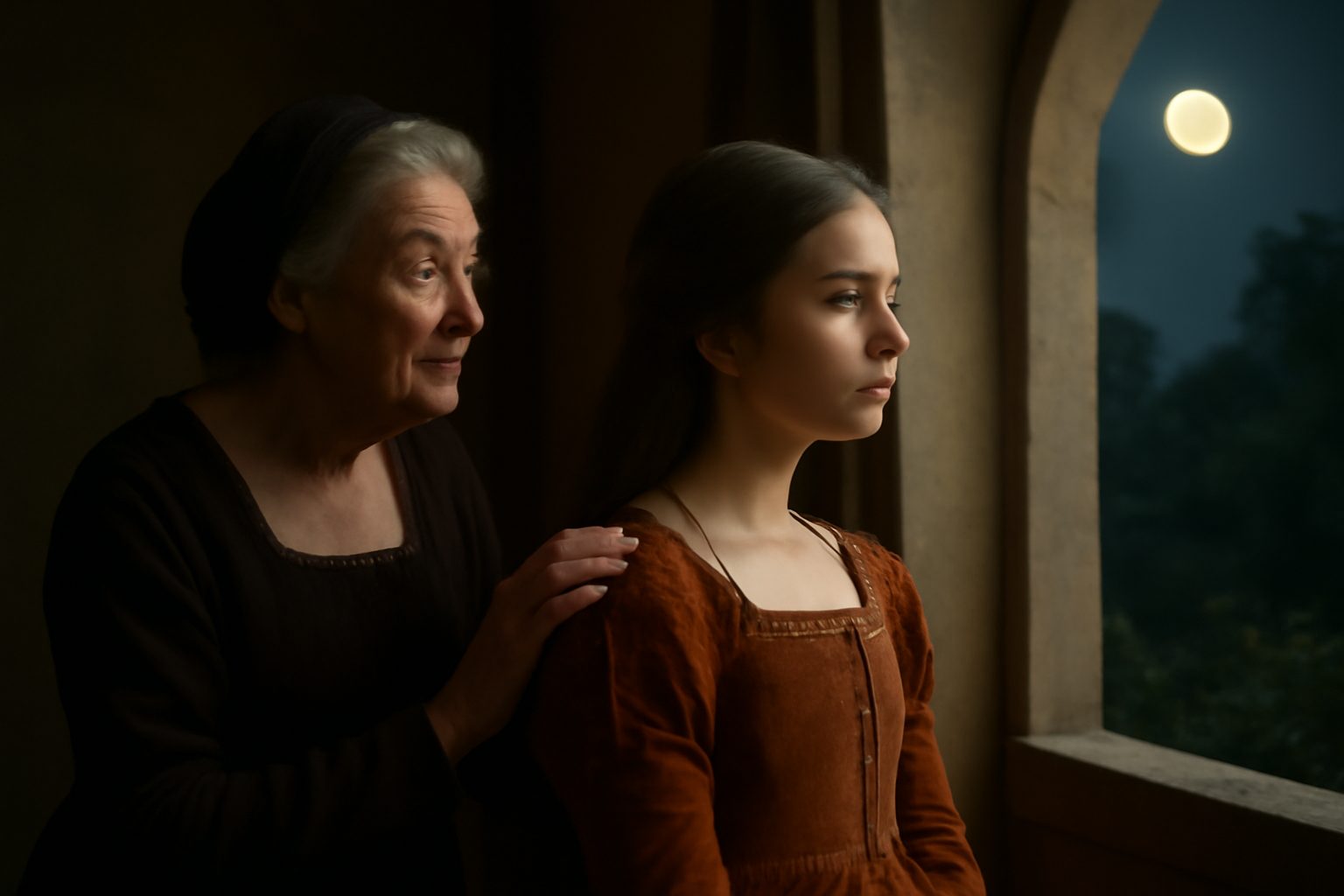
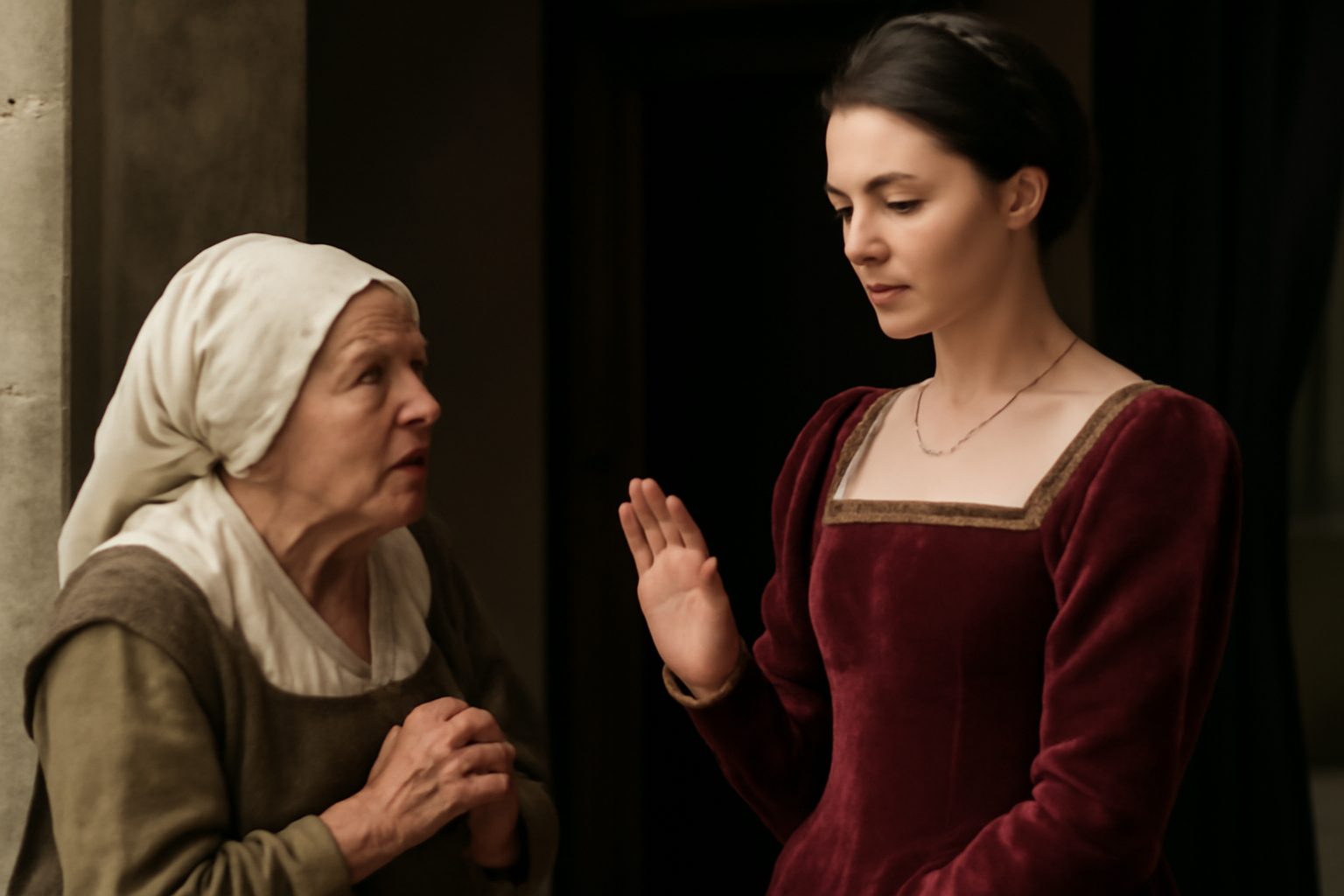
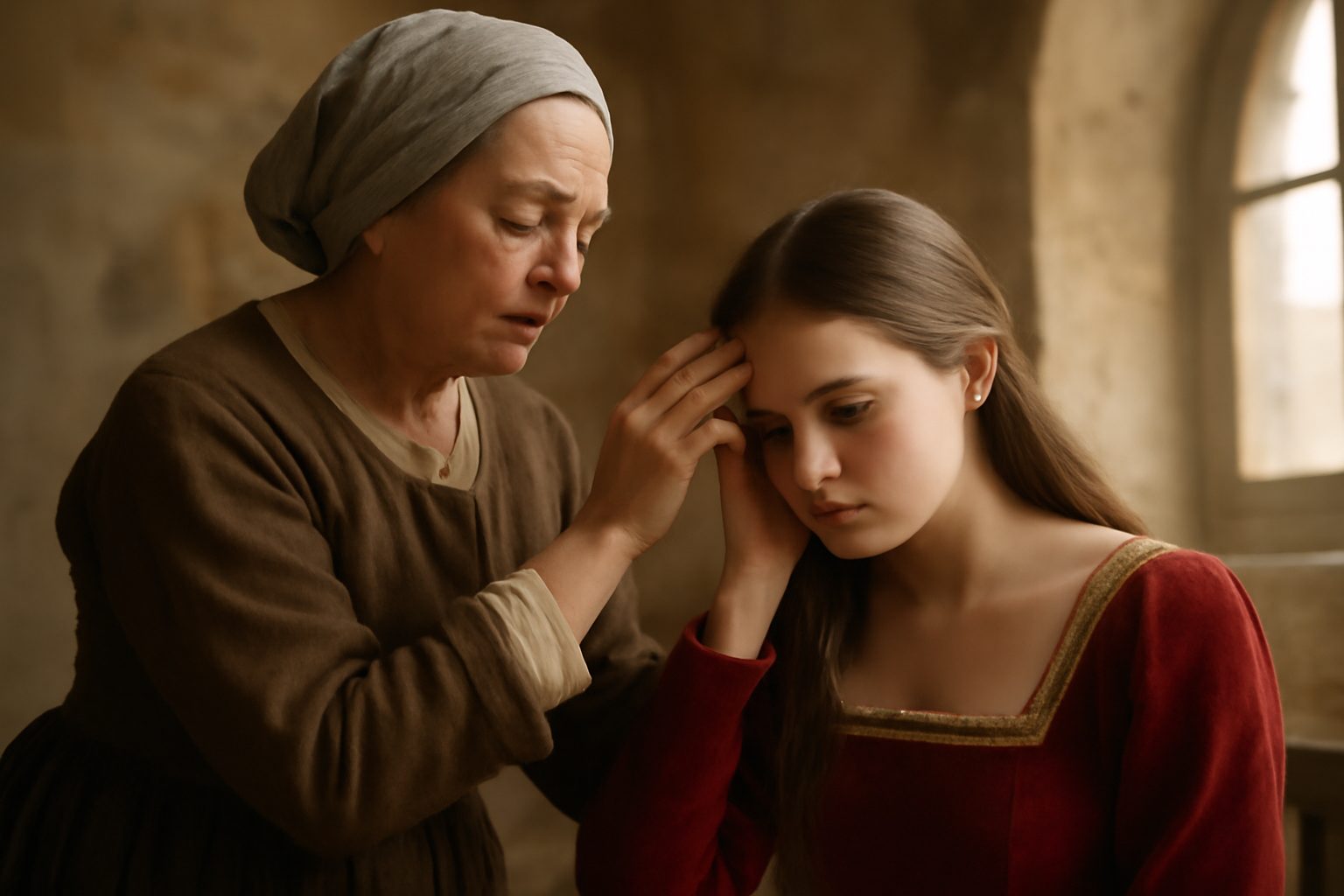
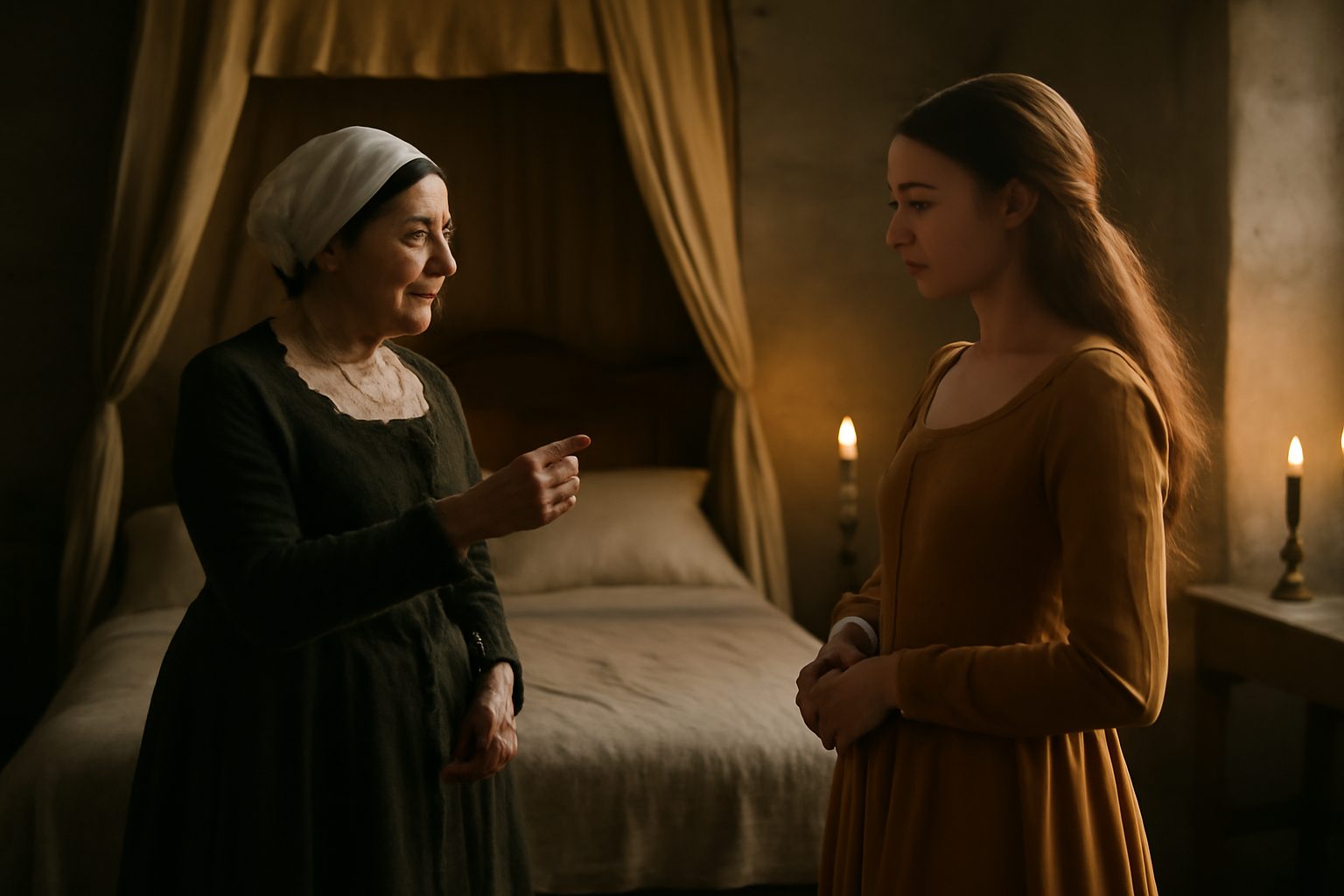
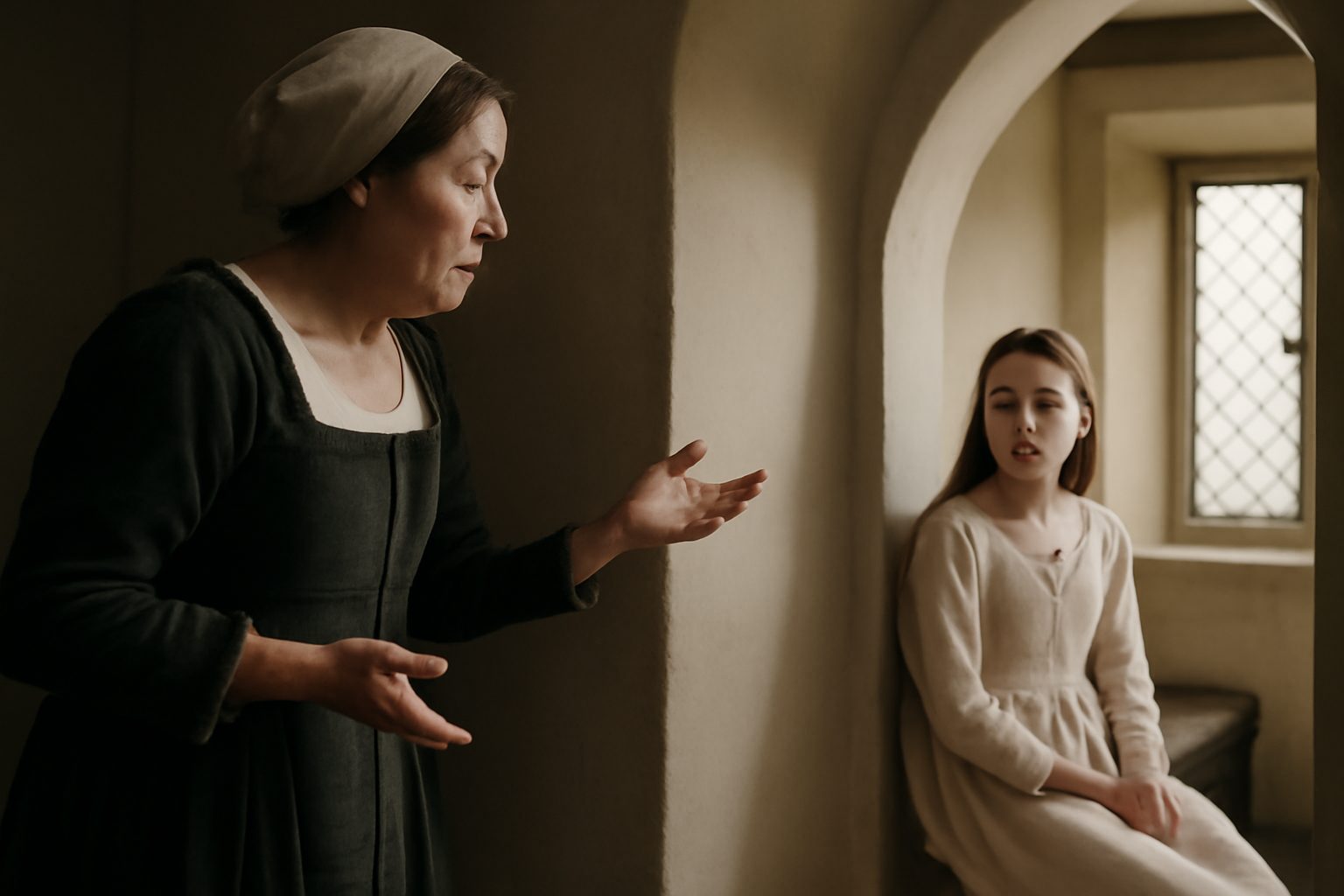
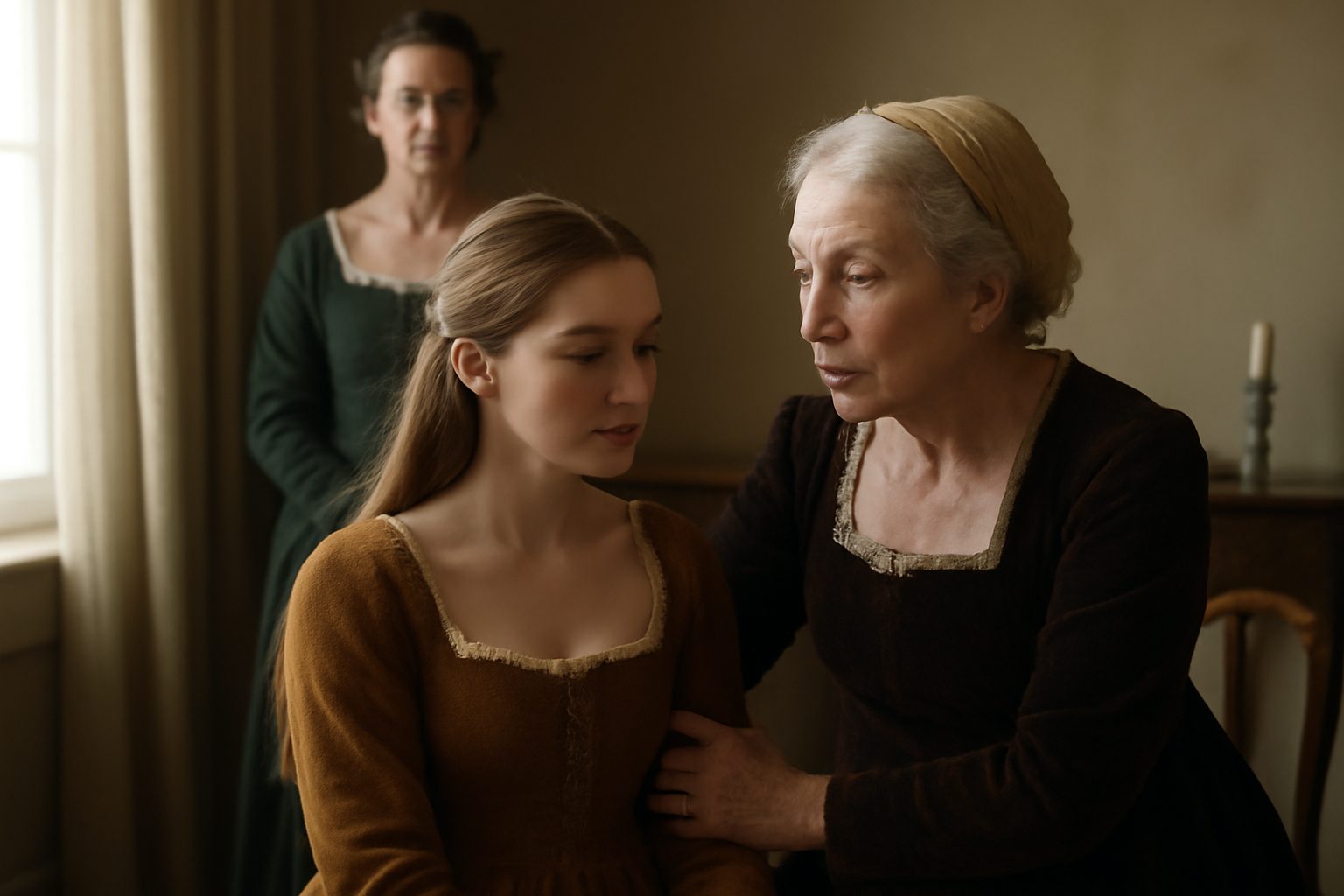
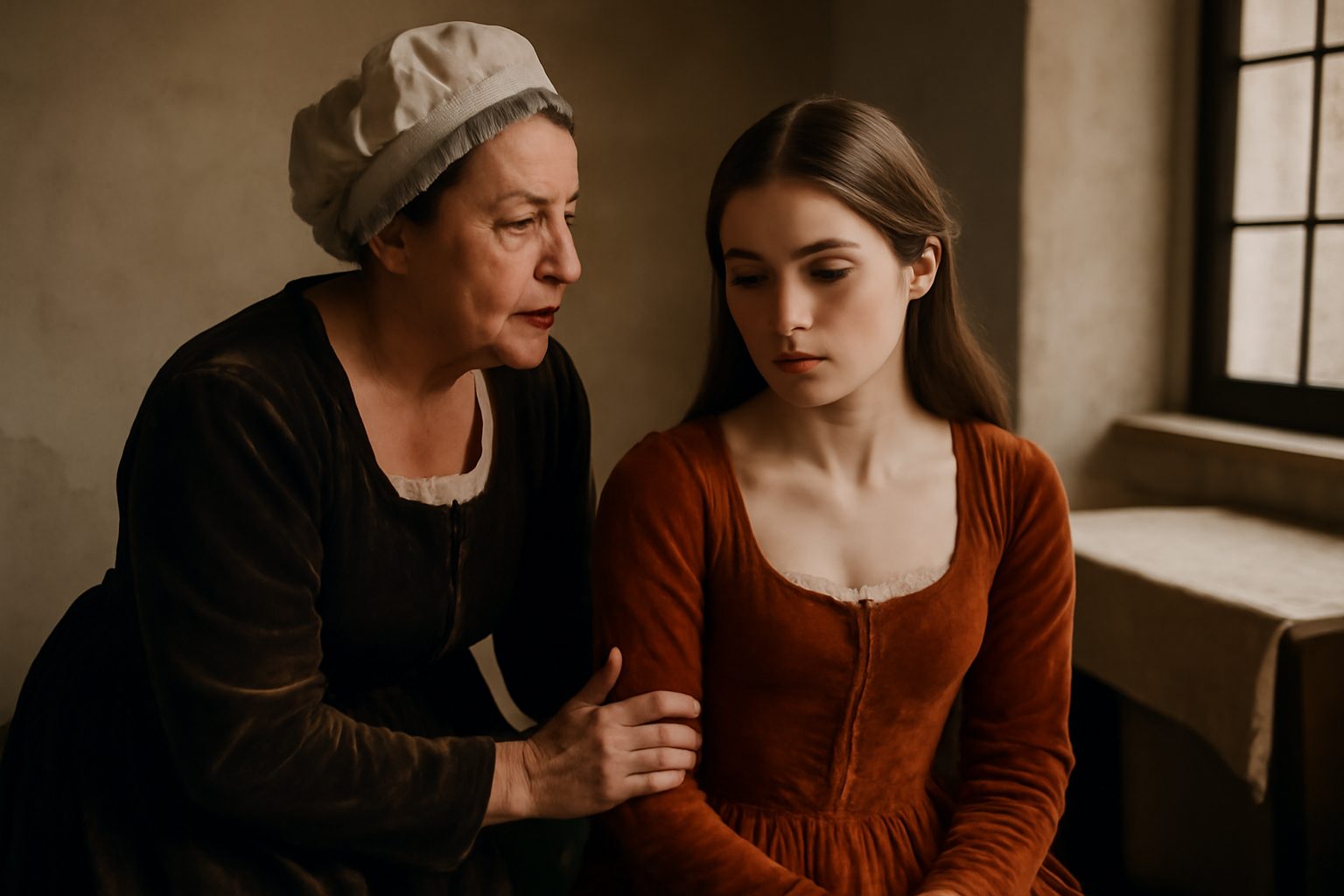
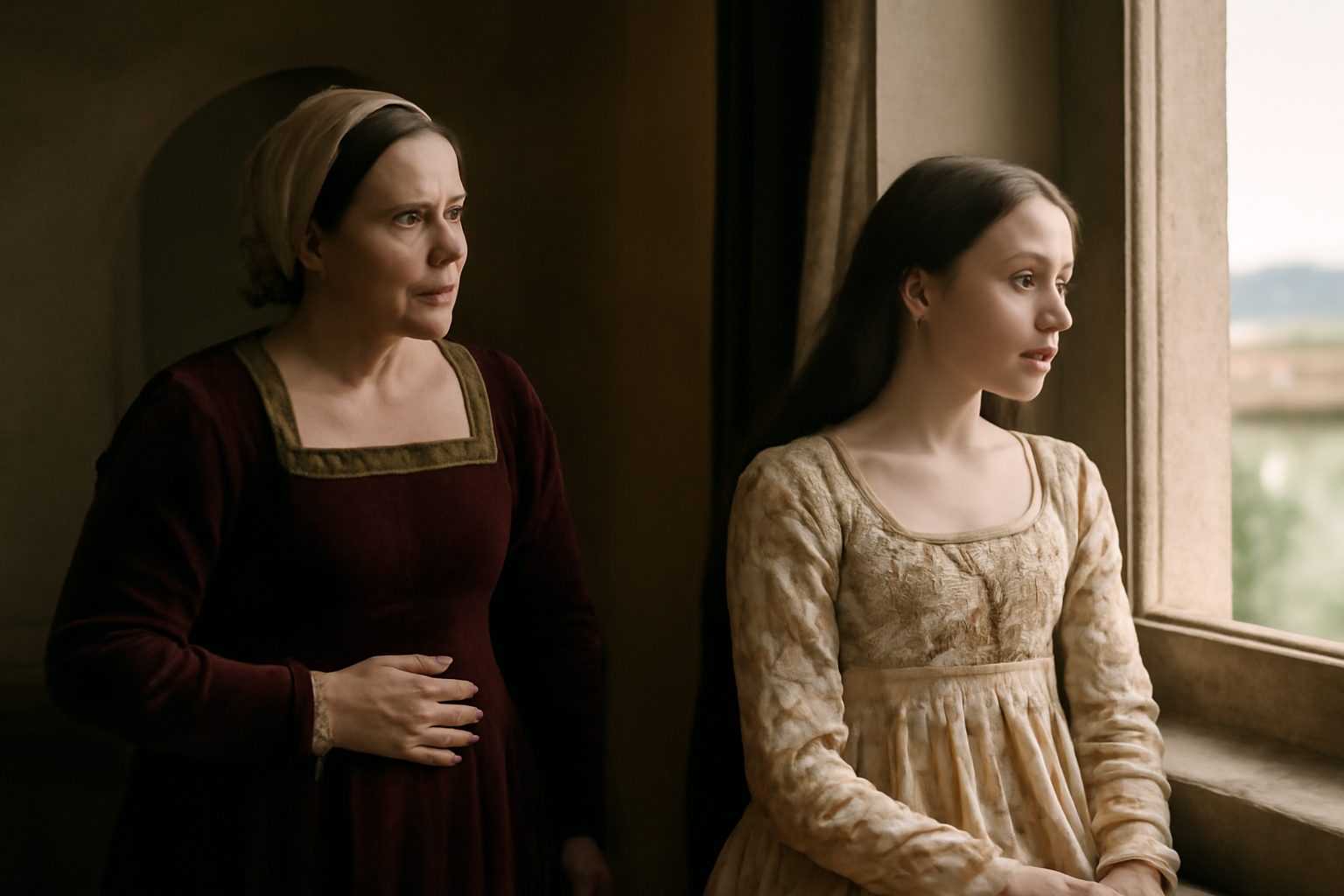
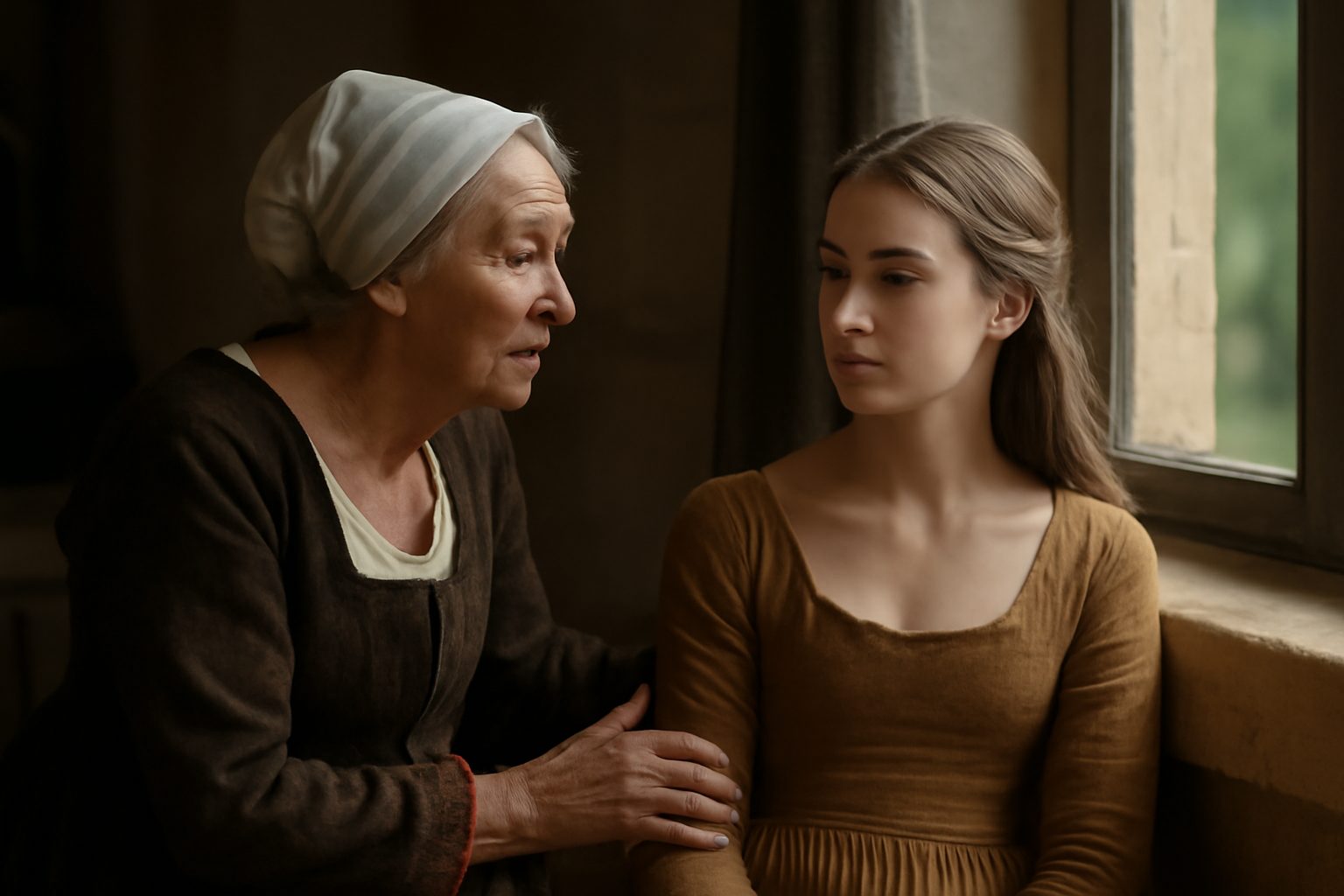
In Act 1, Scene 3 of Romeo and Juliet, the Nurse reminisces about Juliet's childhood, sharing a humorous anecdote. She recalls her late husband teasing the young Juliet after she stumbled, playfully mocking her fall. This lighthearted moment contrasts with the heavier themes of the play, showing the Nurse's affectionate and nostalgic side.
Nurse: "Yea,' quoth he, 'dost thou fall upon thy face?"
In modern day english, we would say:
He said, Yeah, are you falling flat on your face?
Frequently Asked Questions
What is the nurse referring to when she says 'dost thou fall upon thy face'?
The nurse is teasing someone about falling down or stumbling, likely in a playful or mocking way.
Connections to other verses:
Connections to "Yea,' quoth he, 'dost thou fall upon thy face?"
The verse "Yea,' quoth he, 'dost thou fall upon thy face?" is part of the Nurse's humorous and nostalgic recounting of Juliet's childhood. It connects thematically and narratively to several other verses in the same scene, particularly those that continue the anecdote or echo its playful tone.
Direct Continuation of the Anecdote
This line is immediately followed by "Thou wilt fall backward when thou hast more wit;", which elaborates on the jest about Juliet falling. The Nurse's husband makes this playful prediction, linking physical clumsiness to future maturity.
Later, the Nurse recalls her husband's words again in "Yea,' quoth my husband,'fall'st upon thy face?", reinforcing the memory and its significance to her.
Juliet's Response and the Nurse's Reaction
The anecdote culminates with Juliet's childish agreement, as noted in "Wilt thou not, Jule?' it stinted and said 'Ay.'", showing how the toddler Juliet responded to the teasing.
The Nurse finds humor in this memory, as seen in "Yes, madam: yet I cannot choose but laugh,", highlighting her affectionate and comical recollection.
Context of Juliet's Age and Development
This story is part of the Nurse's proof of her excellent memory regarding Juliet's upbringing, emphasized in "I warrant, an I should live a thousand years," where she boasts she would never forget such details.
It also ties into the broader discussion of Juliet's age and readiness for marriage, referenced in lines like "She is not fourteen. How long is it now", providing a personal touch to the factual account of her youth.