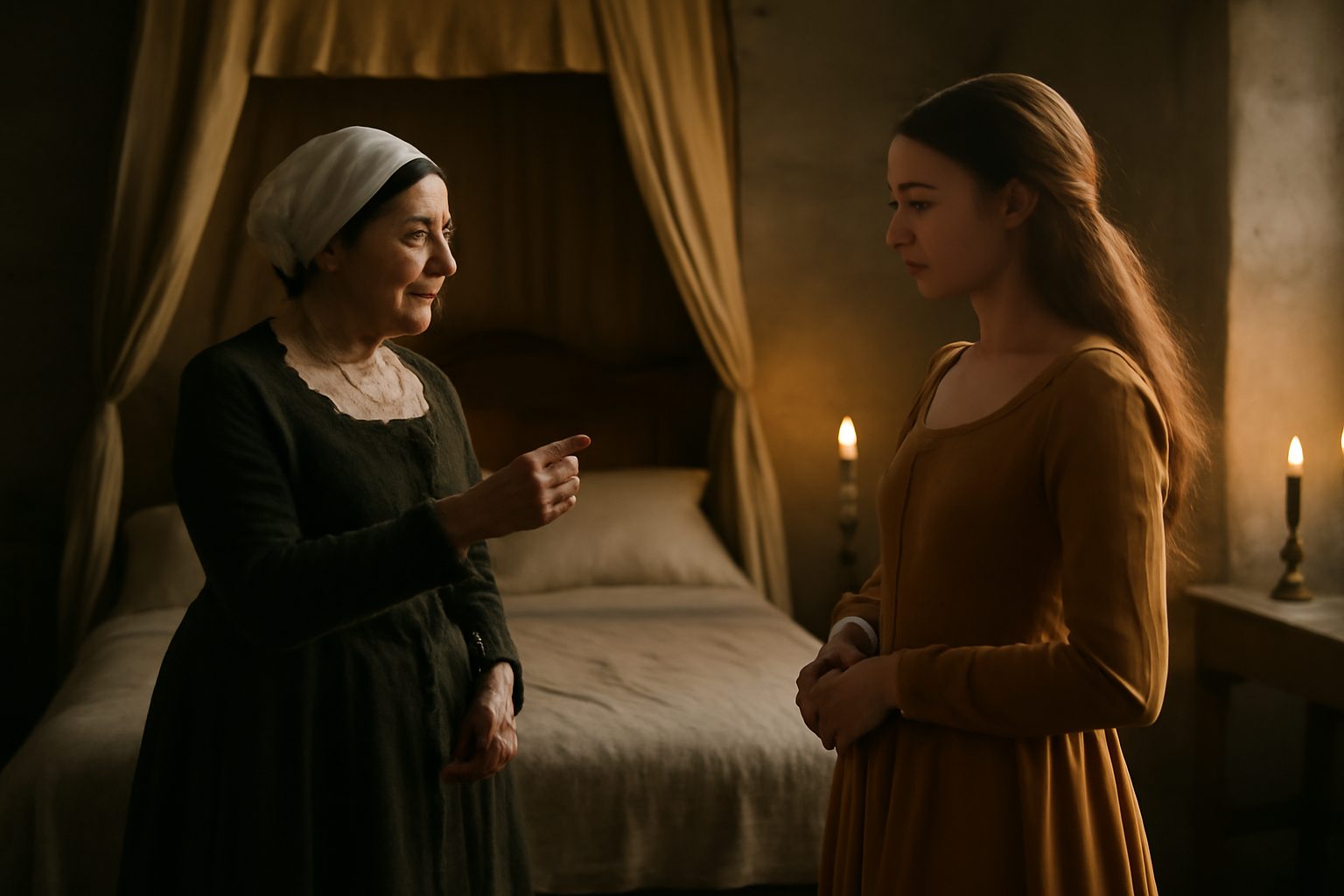
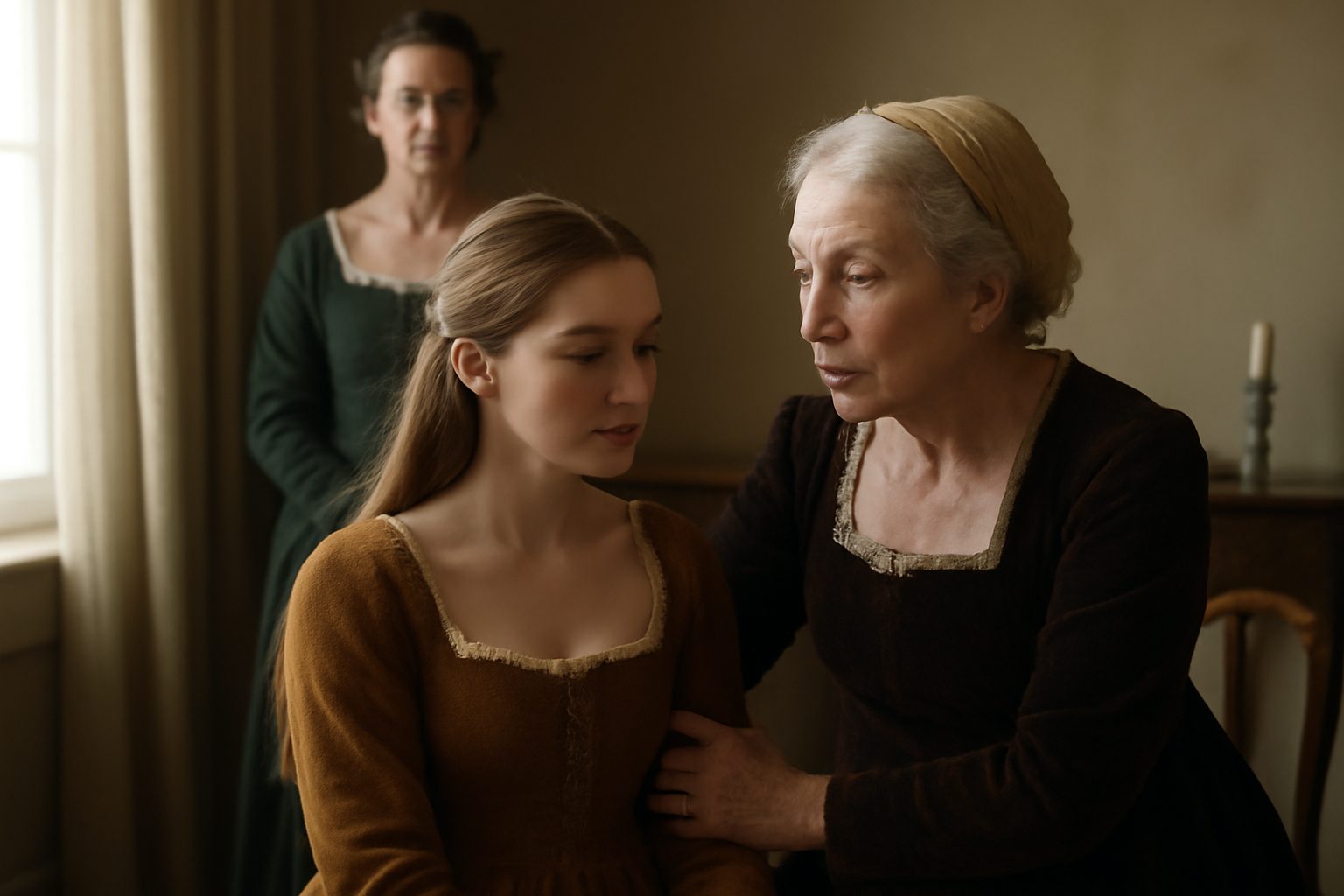
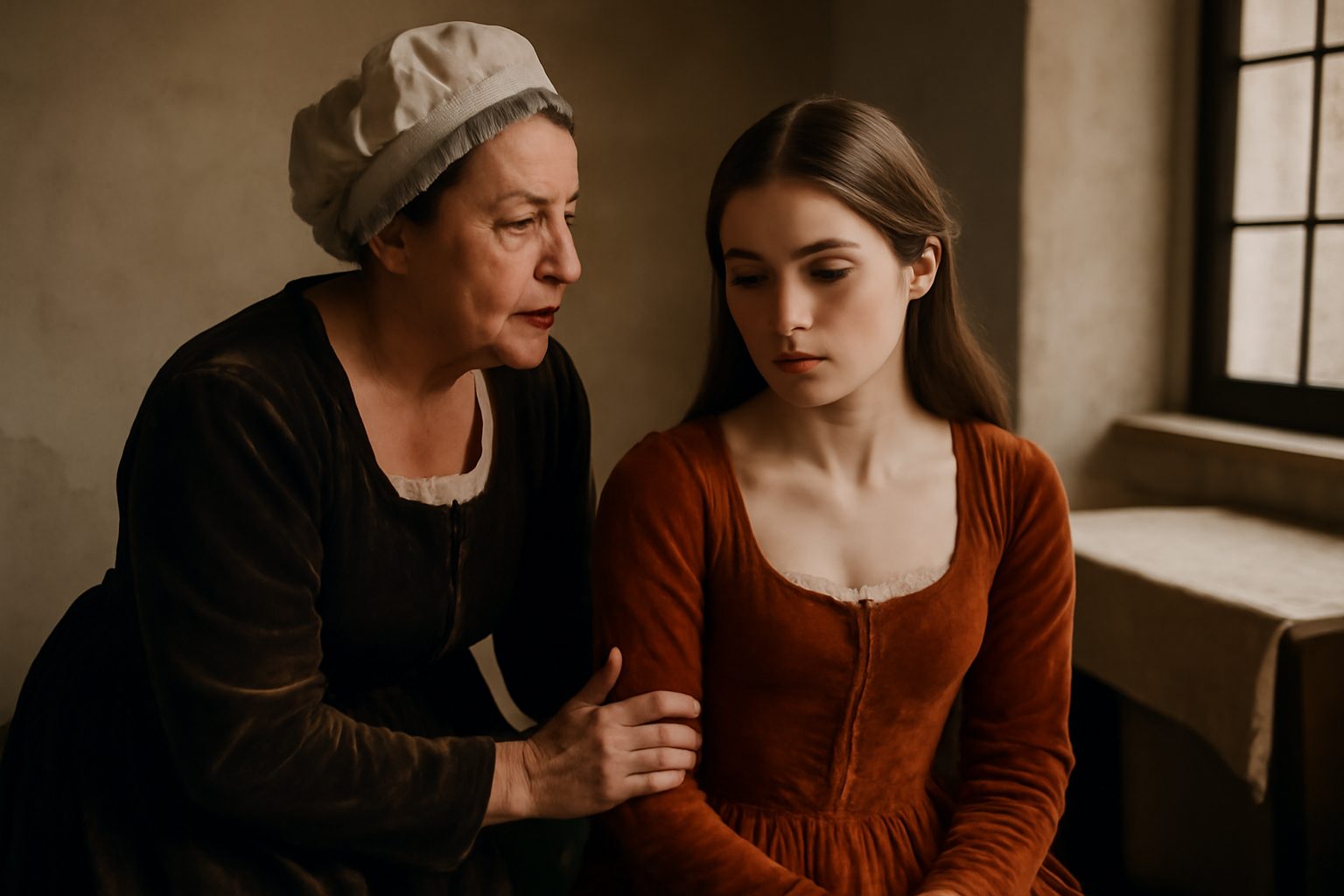
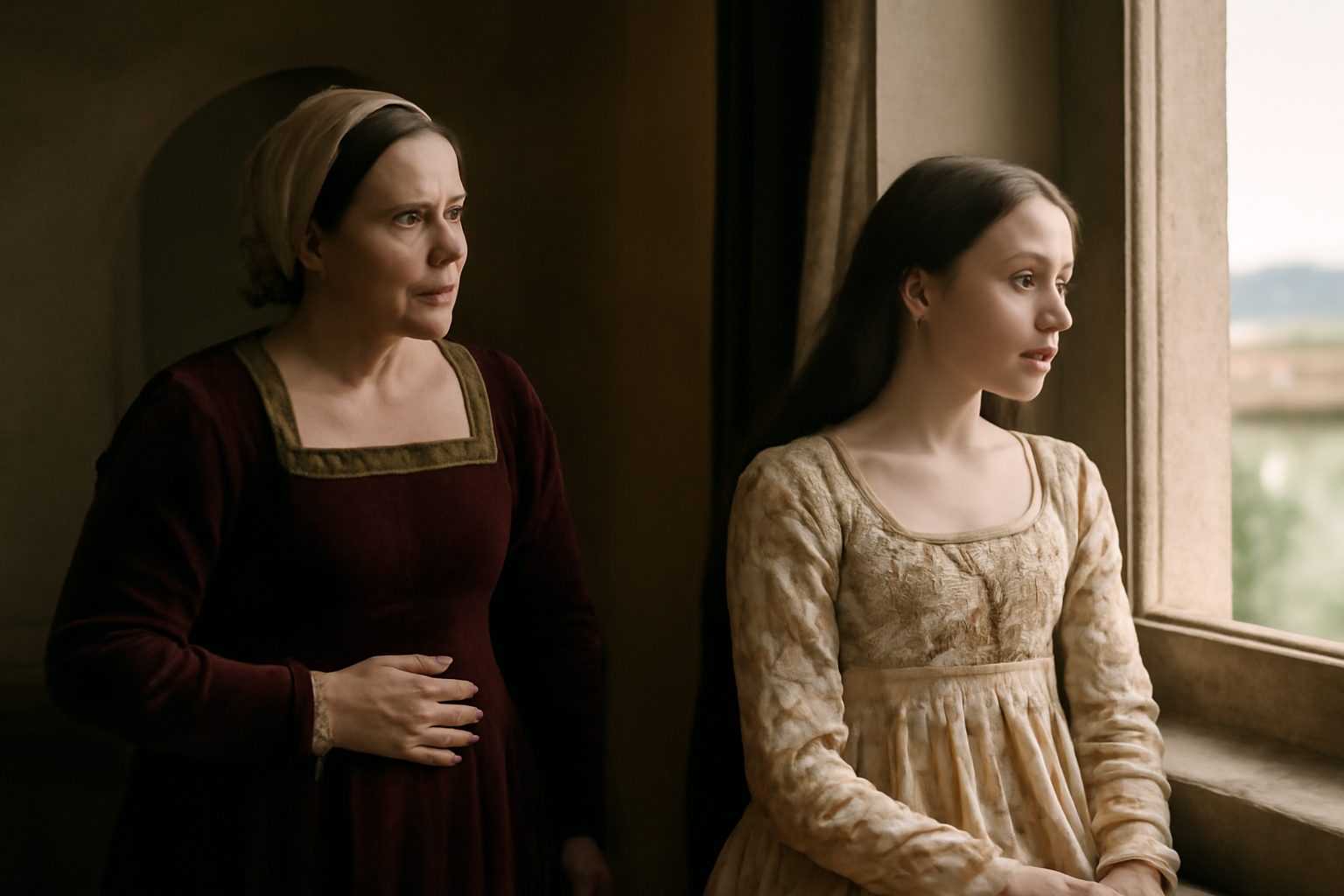
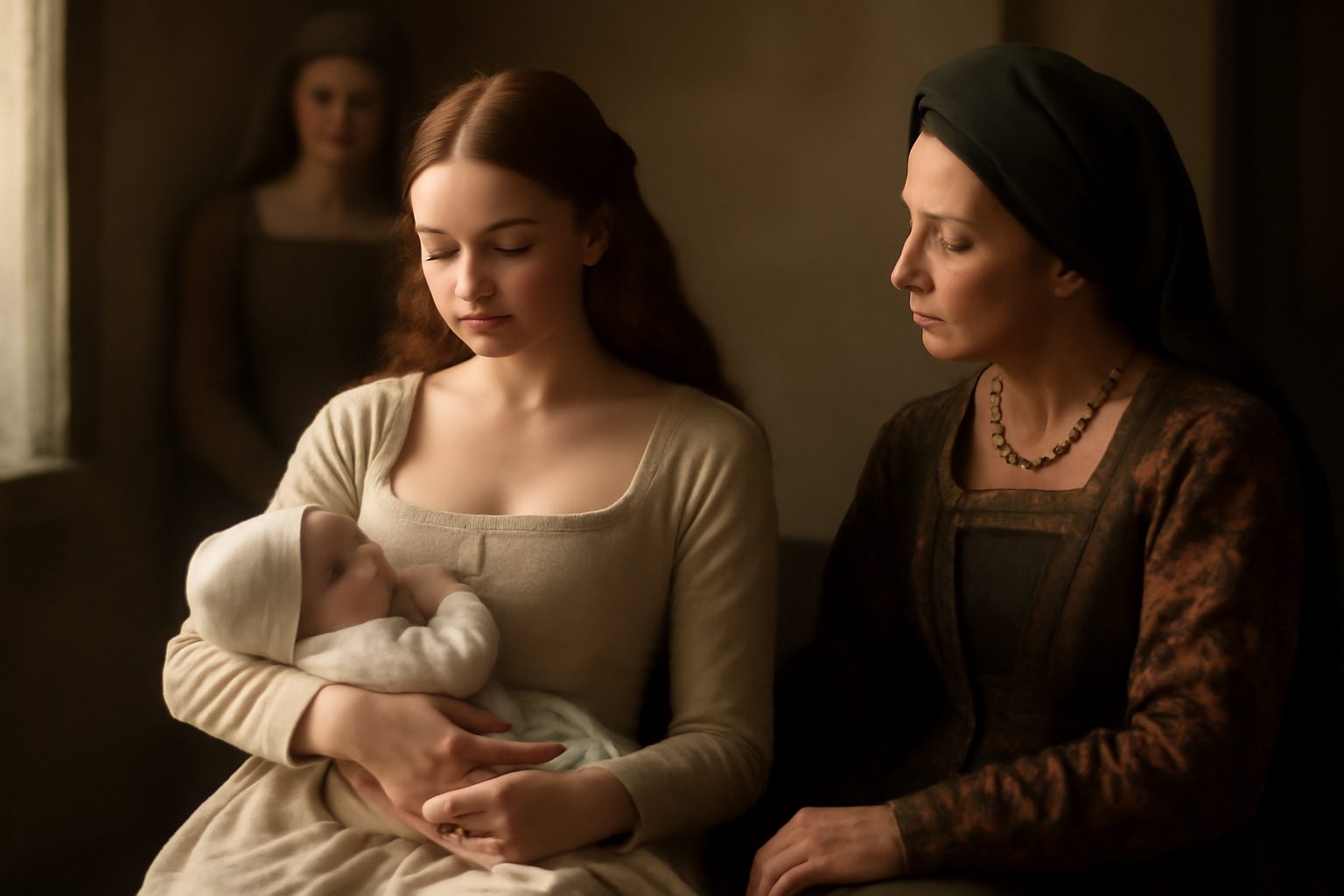
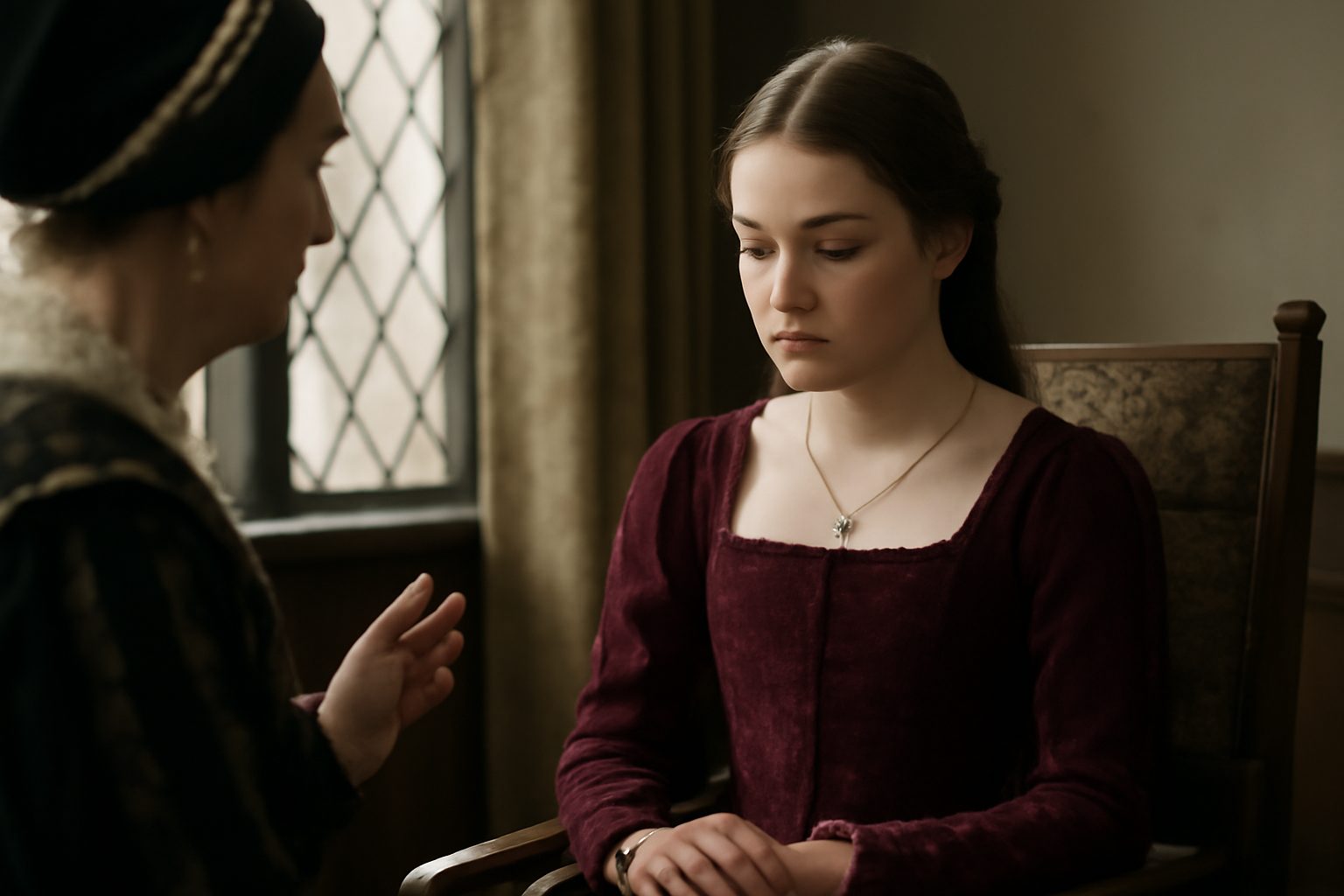
In Act 1, Scene 3 of Romeo and Juliet, Lady Capulet speaks to her daughter Juliet about the prospect of marriage to Paris. This line refers to the hidden qualities of Paris, comparing him to a beautiful book whose contents are yet to be discovered. The metaphor suggests that Juliet should look beyond appearances to understand his true worth.
Lady Capulet: "And what obscured in this fair volume lies"
In modern day english, we would say:
This beautiful book hides something unclear within its pages.
Frequently Asked Questions
What does Lady Capulet compare to a beautiful book in this line?
She compares Paris, the man she wants Juliet to marry, to a beautiful book.
Connections to other verses:
Connections to "And what obscured in this fair volume lies"
The verse "And what obscured in this fair volume lies" is part of Lady Capulet's extended metaphor describing Paris as a book that Juliet should "read" and appreciate. This imagery connects to several other verses in the scene that elaborate on the theme of Paris's worth and the idea of marriage as an honorable and enriching prospect.
Metaphorical Descriptions of Paris
This line directly follows "Read o'er the volume of young Paris' face", initiating the book metaphor. It is complemented by "And find delight writ there with beauty's pen", which suggests that his external beauty indicates inner virtue. The idea of hidden qualities is further emphasized in "Find written in the margent of his eyes", implying that deeper truths can be discerned in his expressions.
Paris as an Ideal Match
The description of Paris as a "fair volume" aligns with other praises of his character. For instance, "he's a man of wax" denotes him as a perfect specimen, and "he's a flower; in faith, a very flower" reinforces his uniqueness and value. These accolades present him as an exemplary suitor whose obscured virtues, once revealed, would benefit Juliet.
Marriage and Honor
The obscured volume metaphor ties into the broader context of marriage discussions in the scene. When Lady Capulet asks "How stands your disposition to be married?", she is setting the stage for revealing Paris's qualities. Juliet's response, "It is an honour that I dream not of", shows her initial reluctance, which the metaphor aims to overcome by illustrating the honor and joy marriage to Paris would bring.
Contrast with the Nurse's Anecdotes
While Lady Capulet uses refined metaphors, the Nurse's earthy anecdotes about Juliet's childhood provide a contrast. For example, her memory of Juliet falling and saying "Ay" ("Wilt thou not, Jule?' it stinted and said 'Ay.'") highlights Juliet's past innocence, whereas the "fair volume" metaphor looks toward her future as a married woman, combining both her potential and the hidden qualities she must discover in Paris.