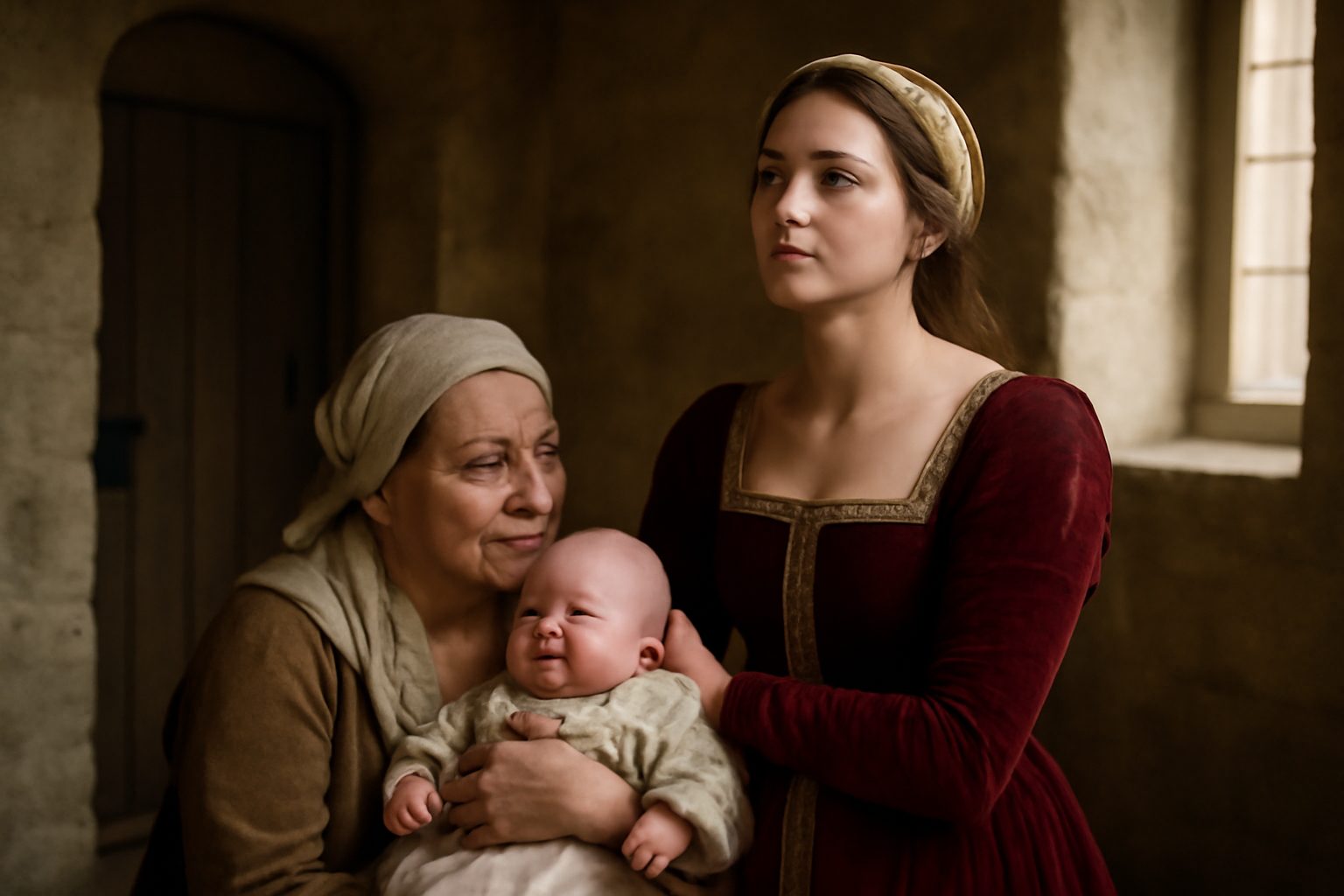
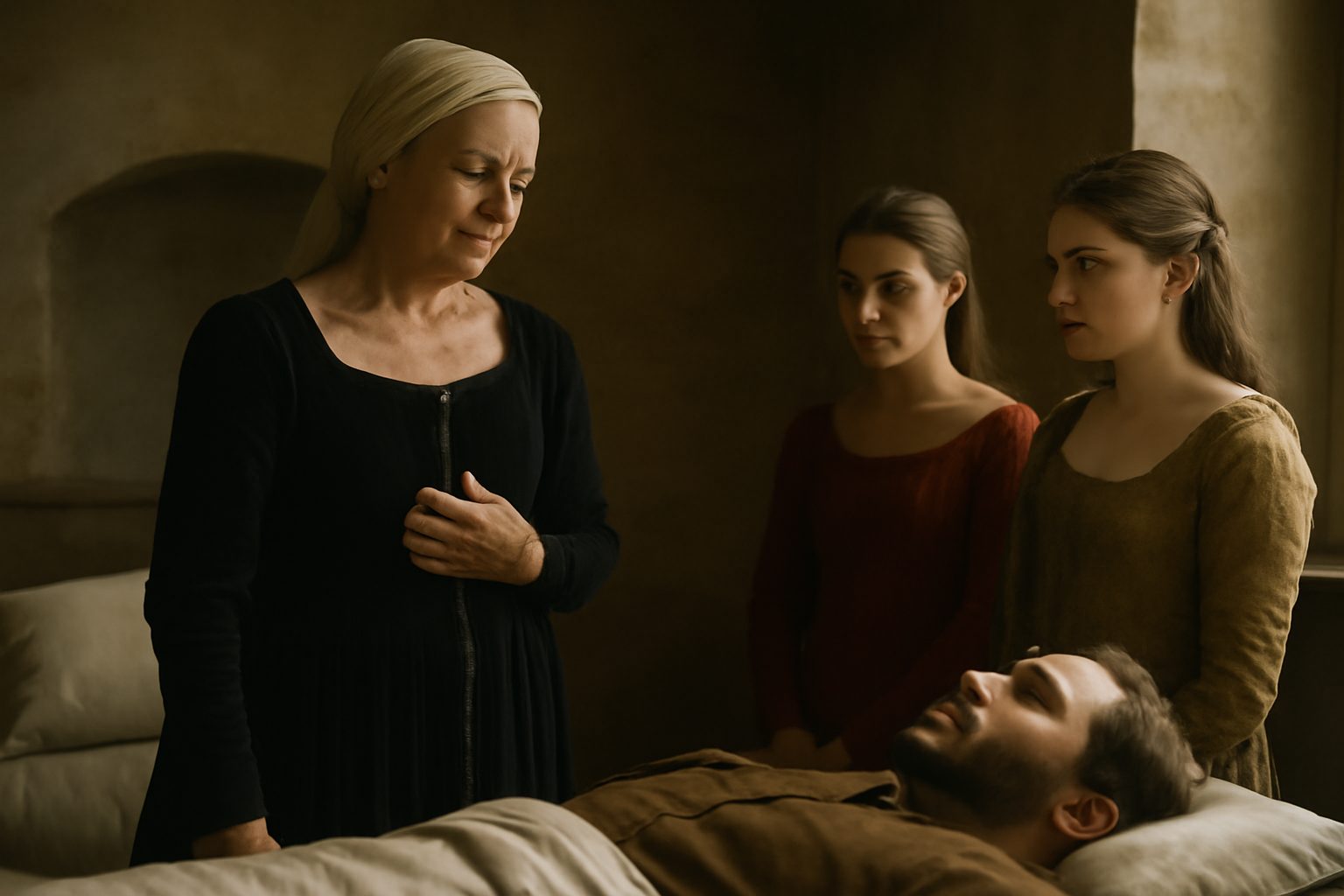
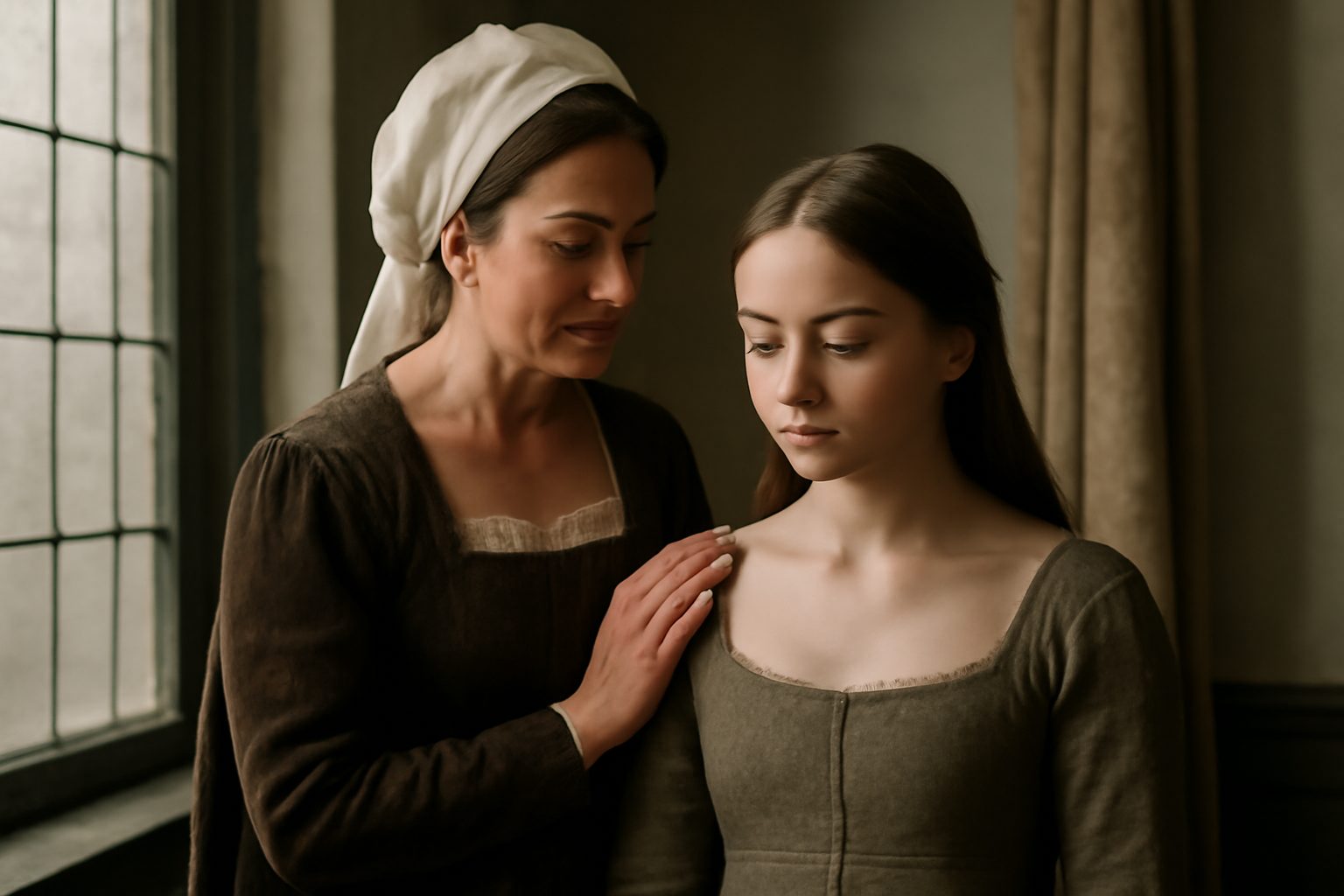
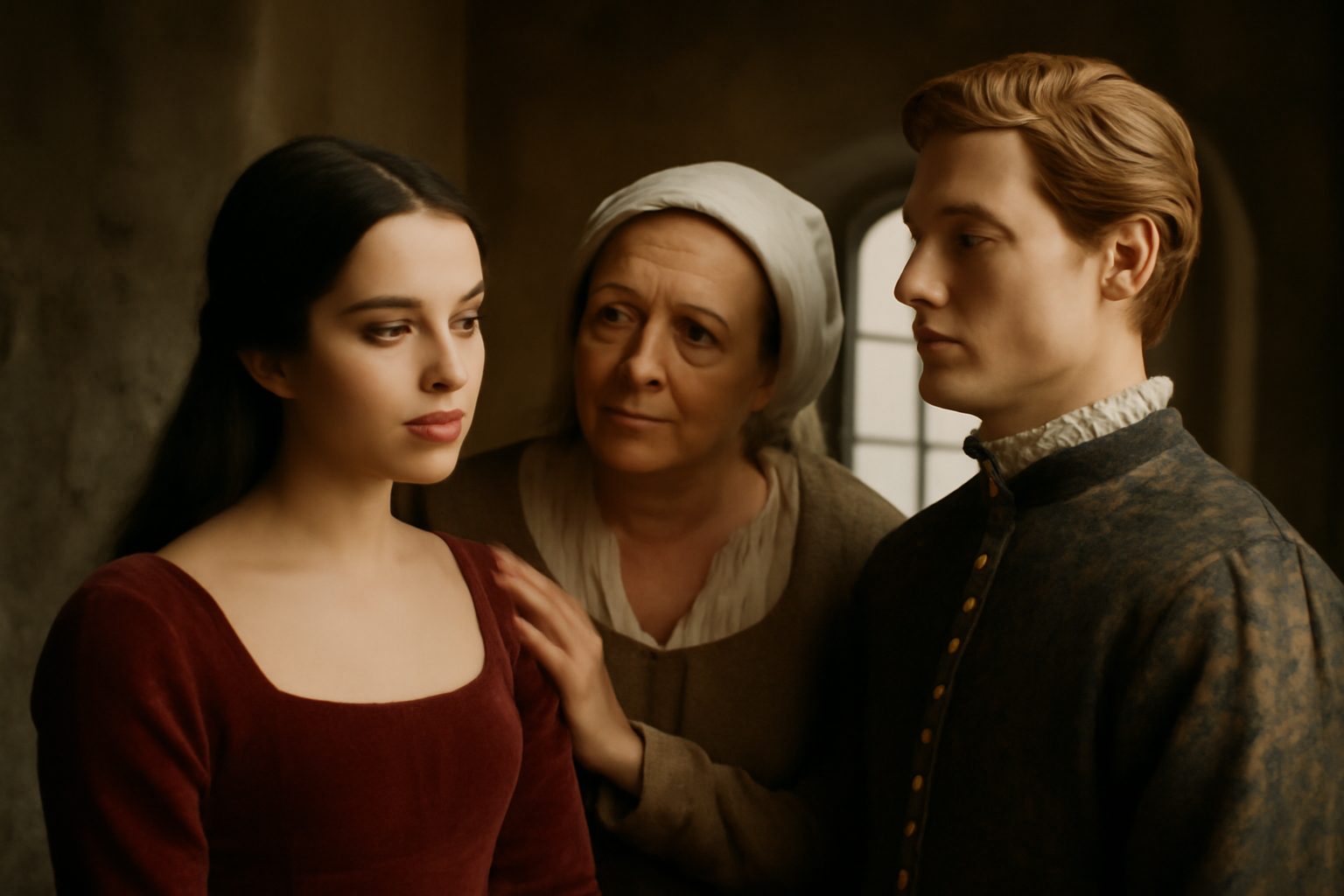
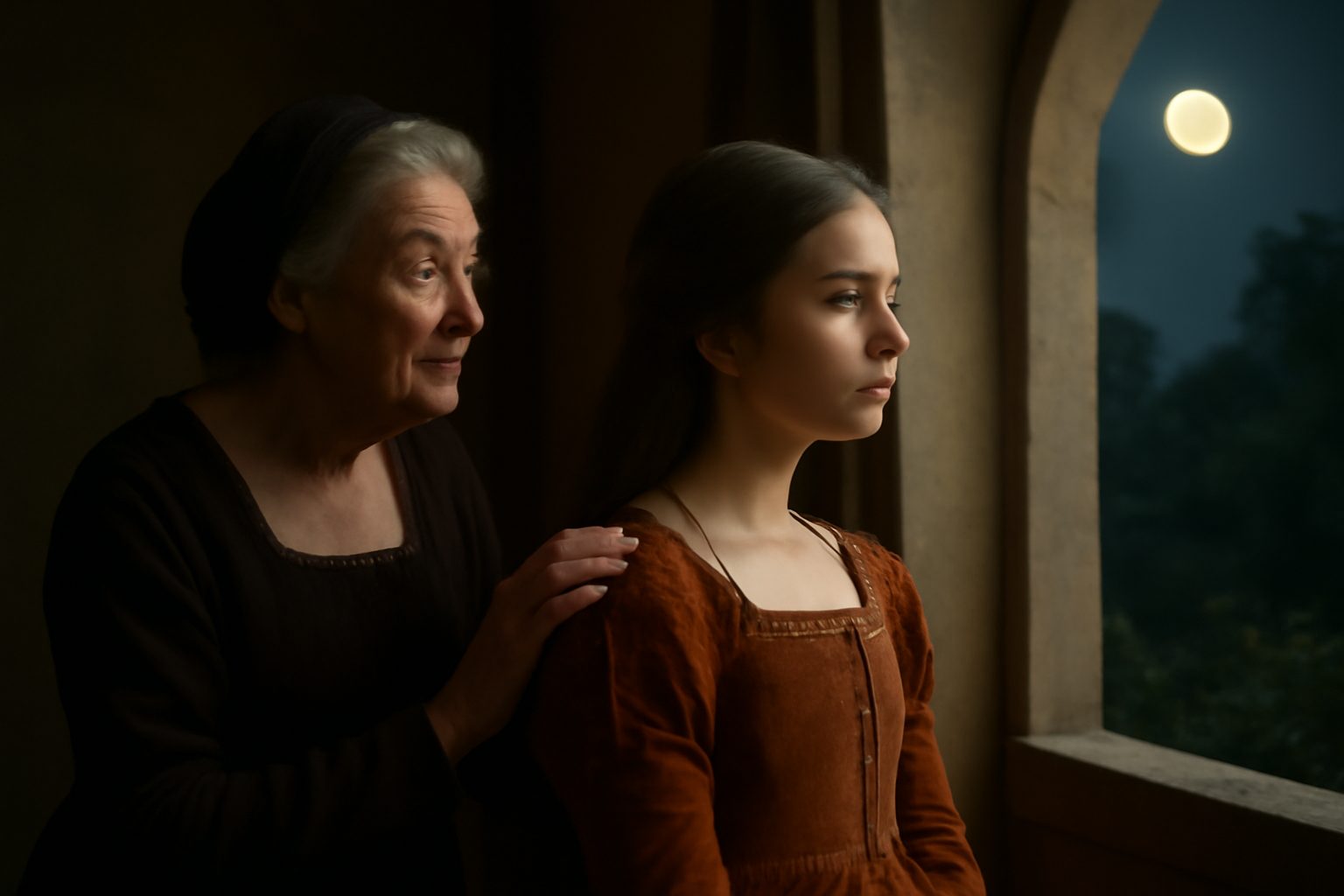
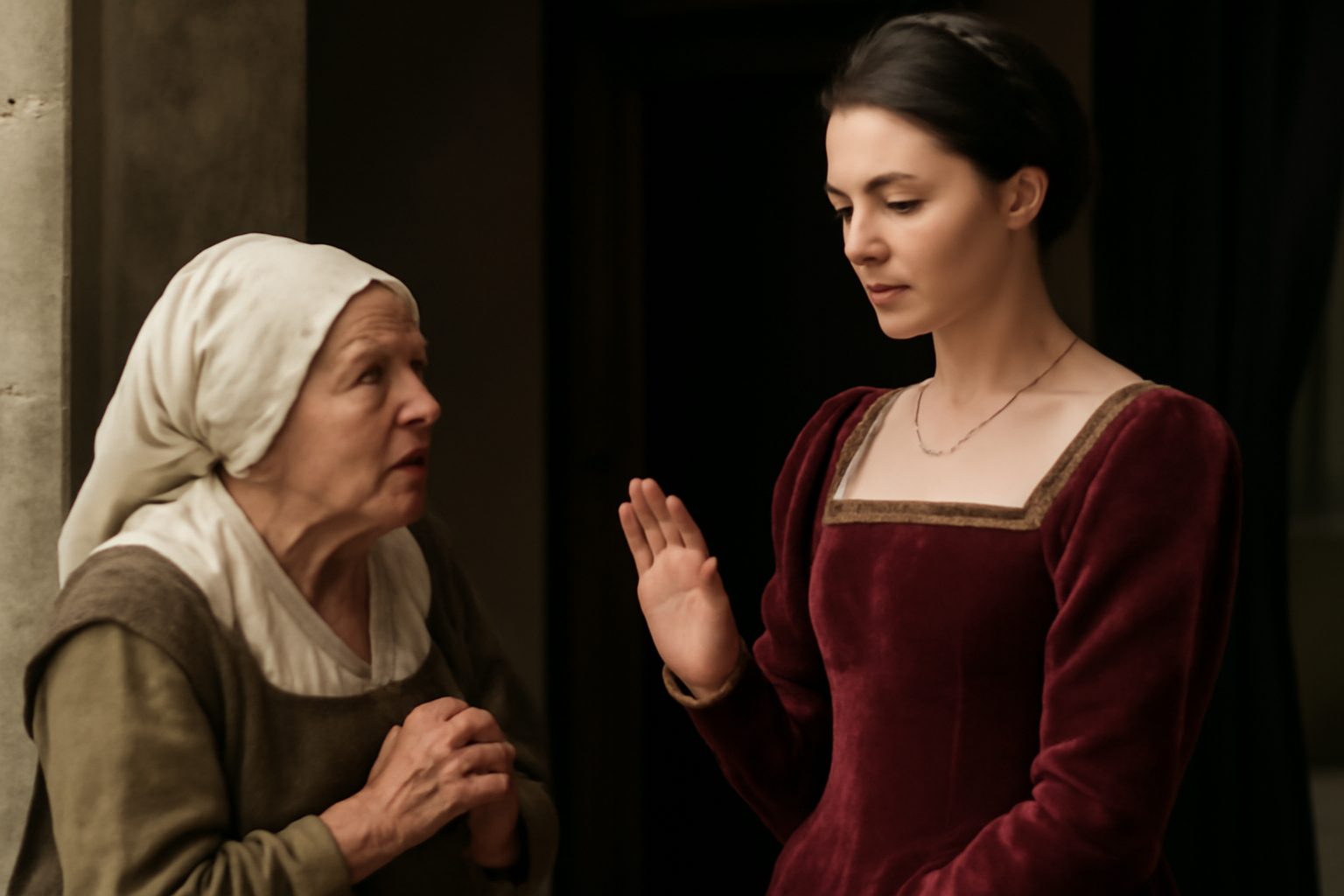
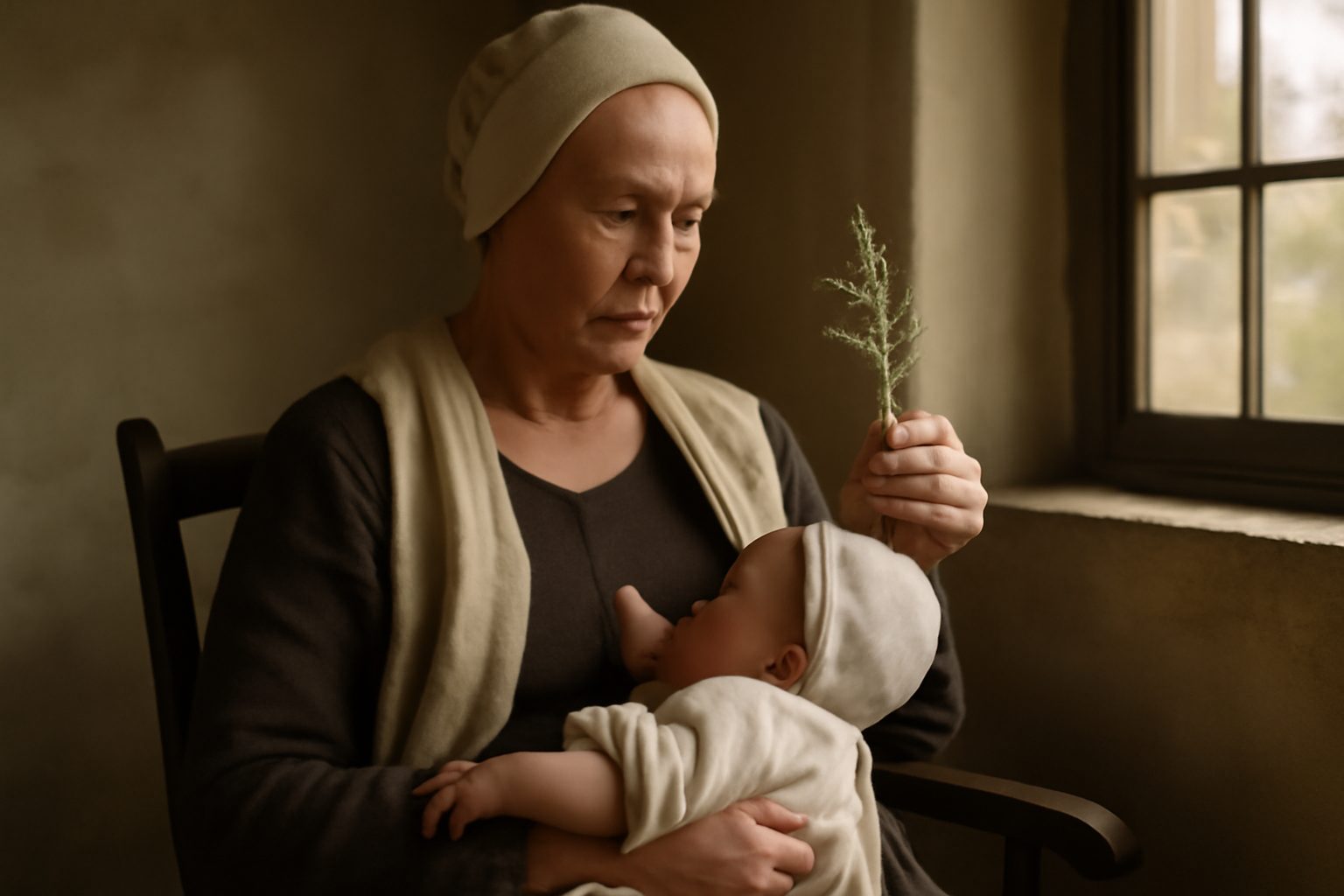
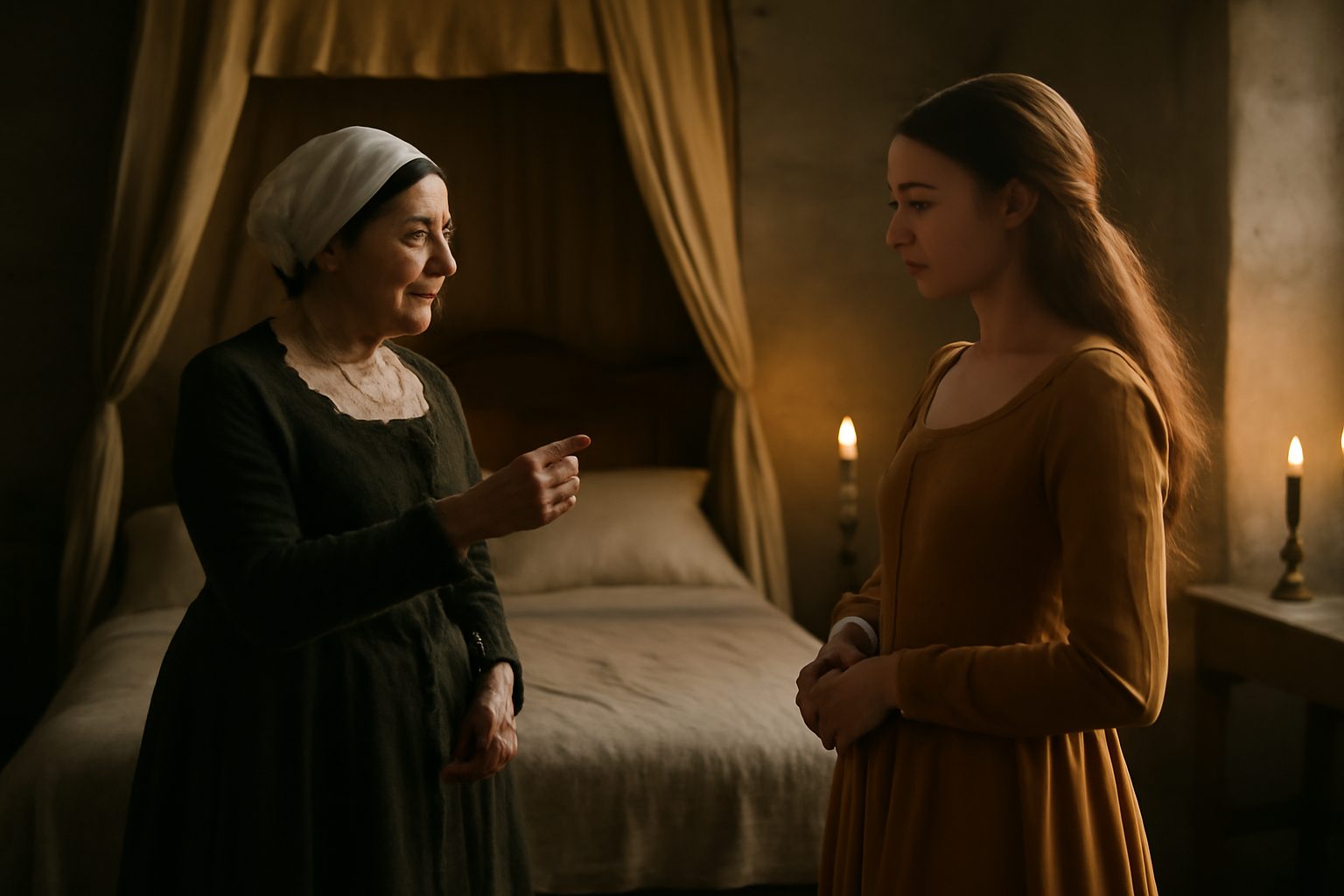
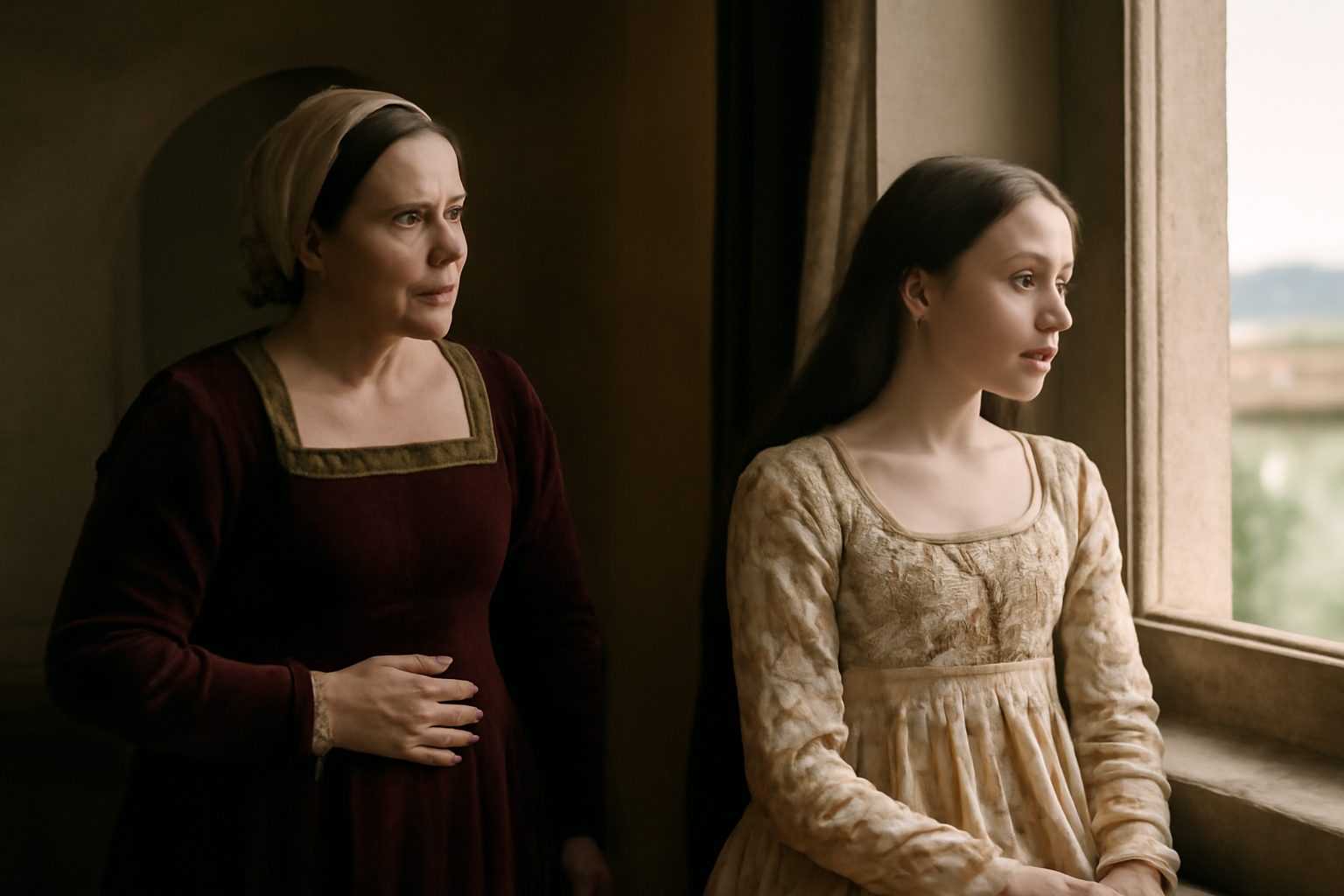
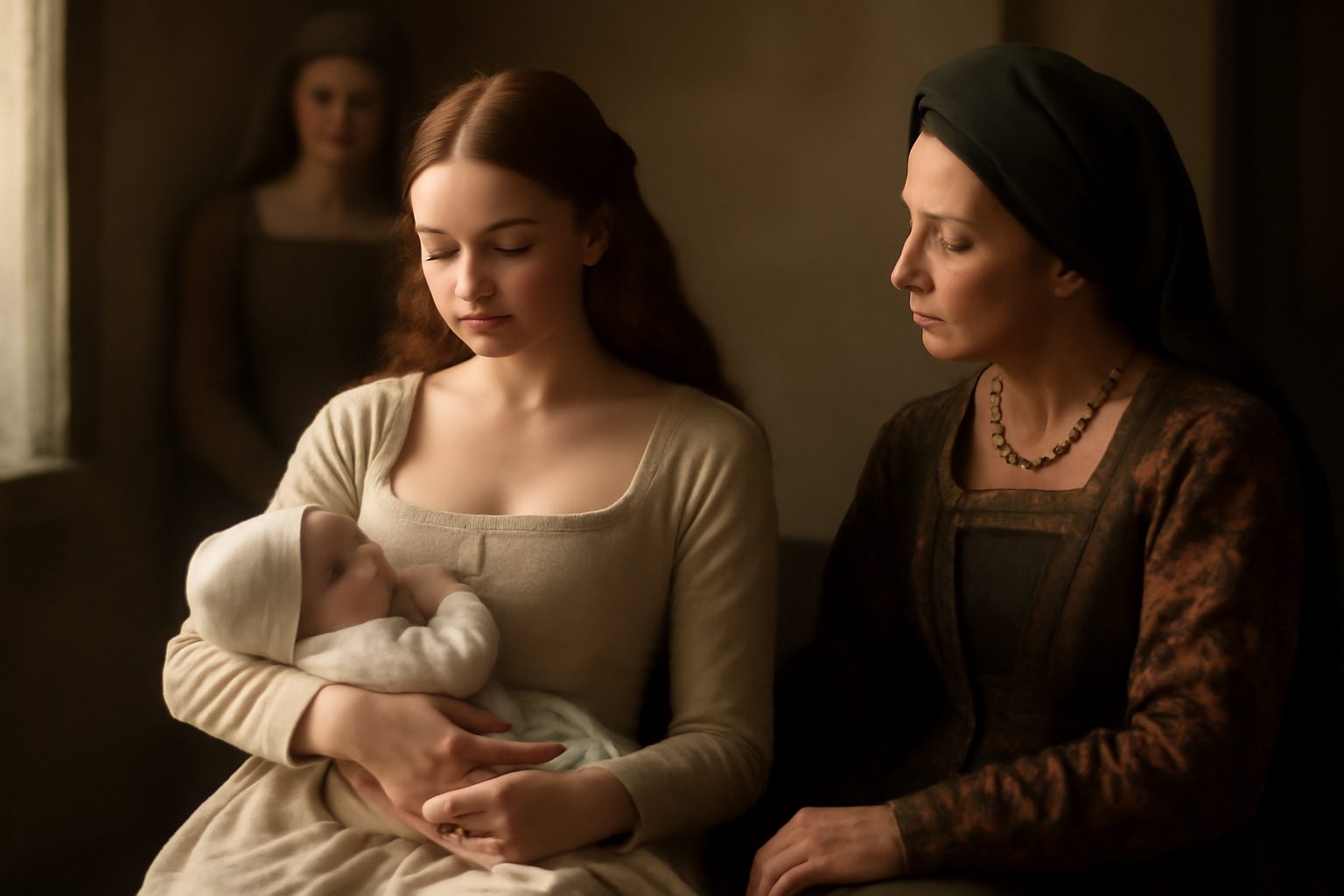
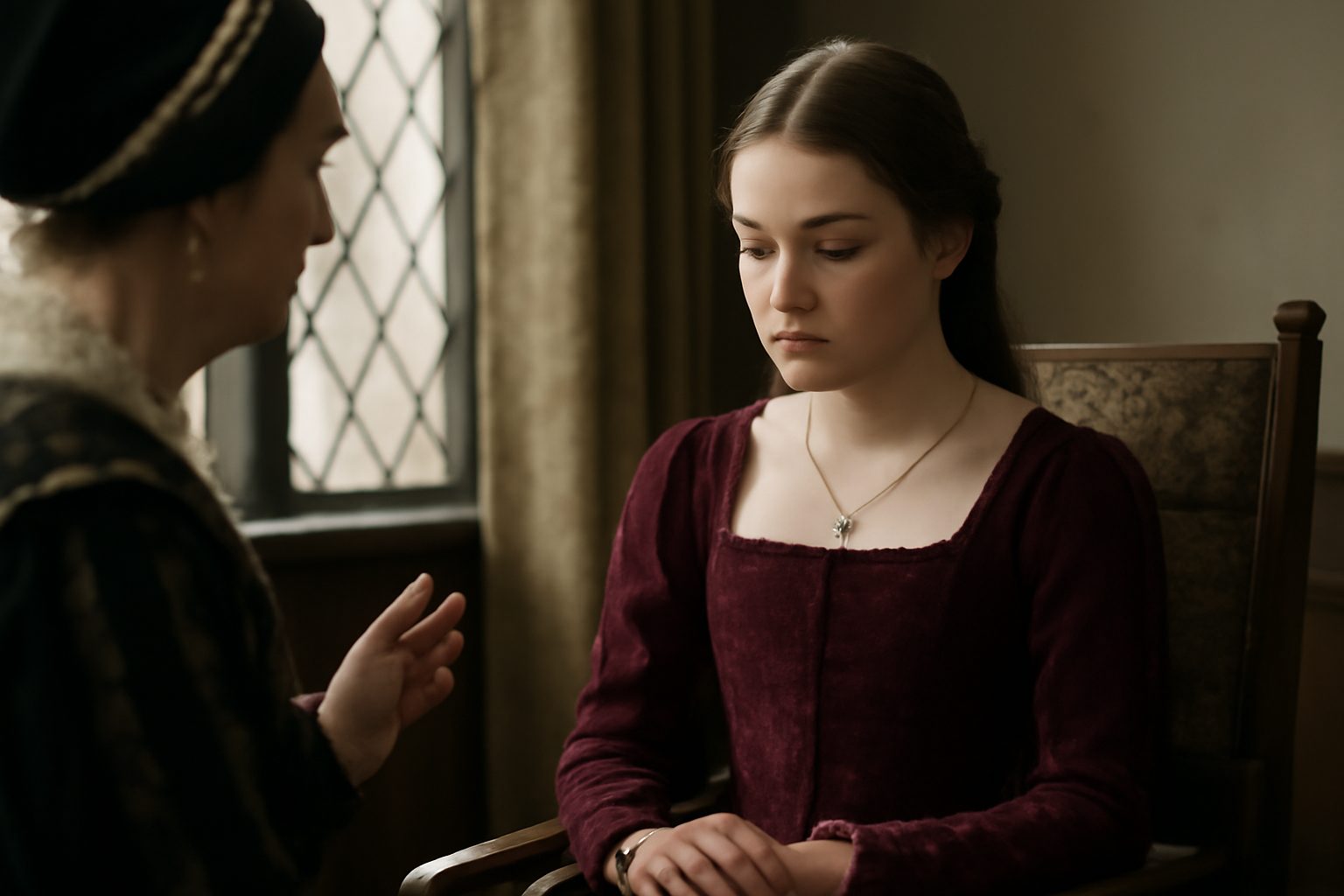
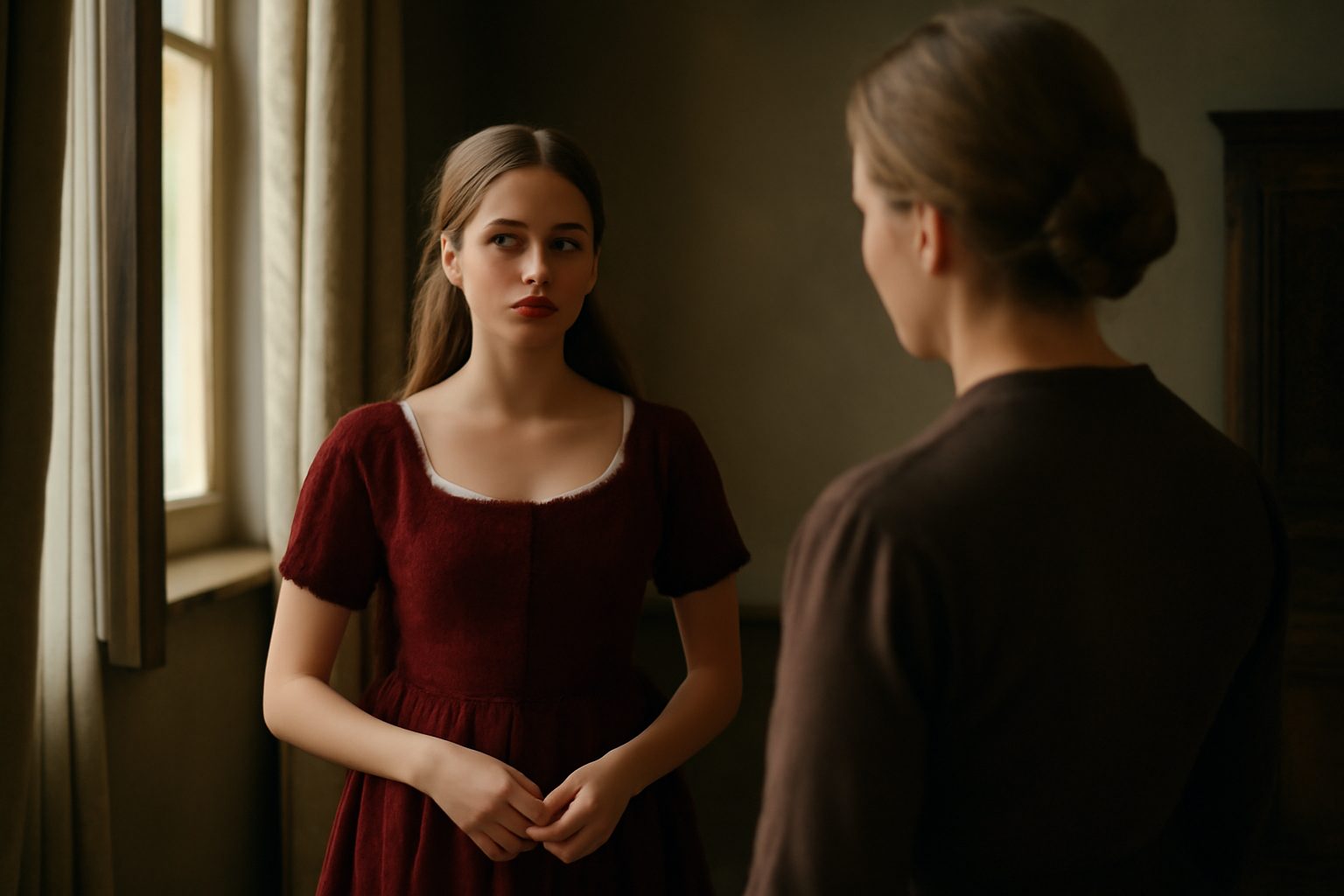
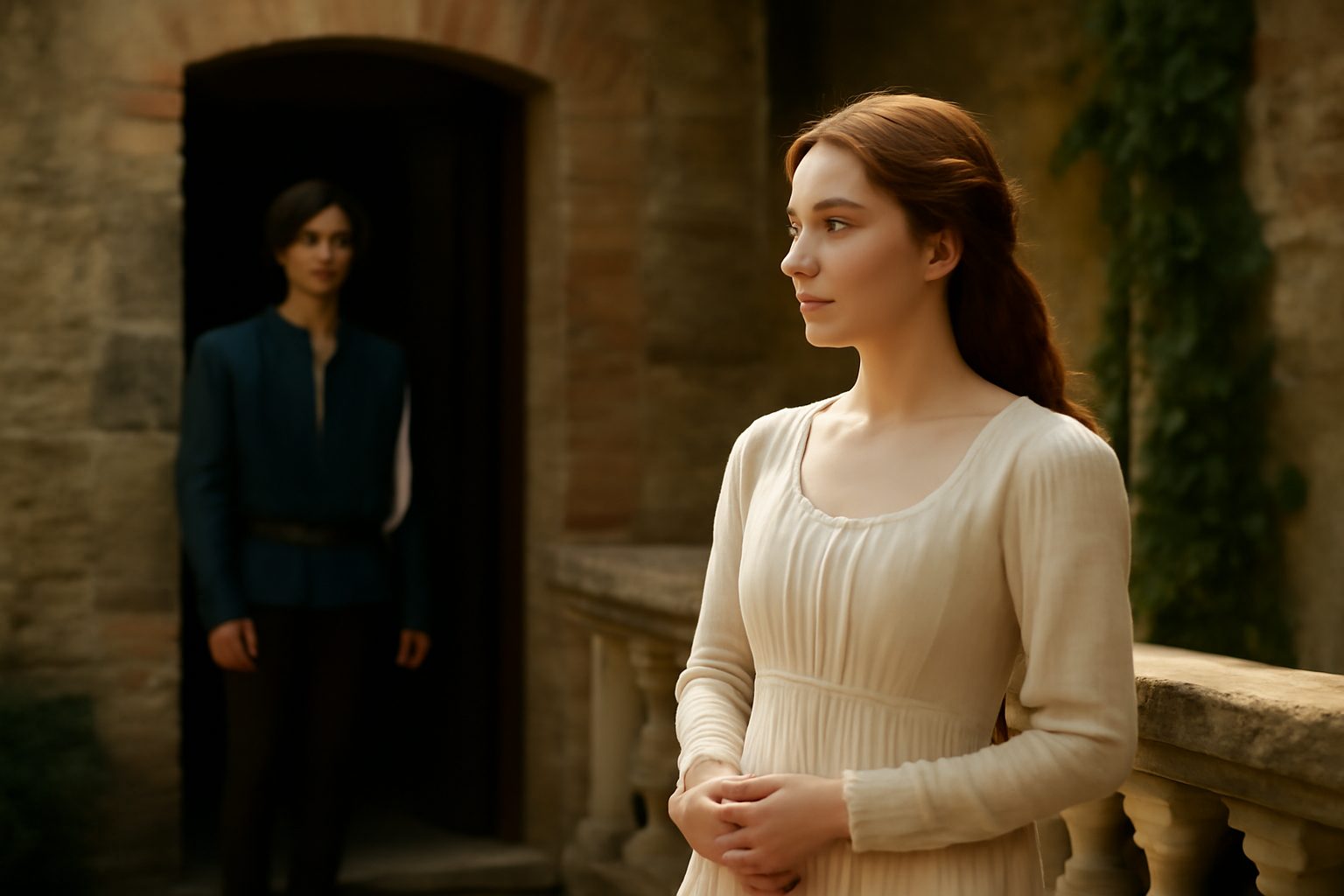
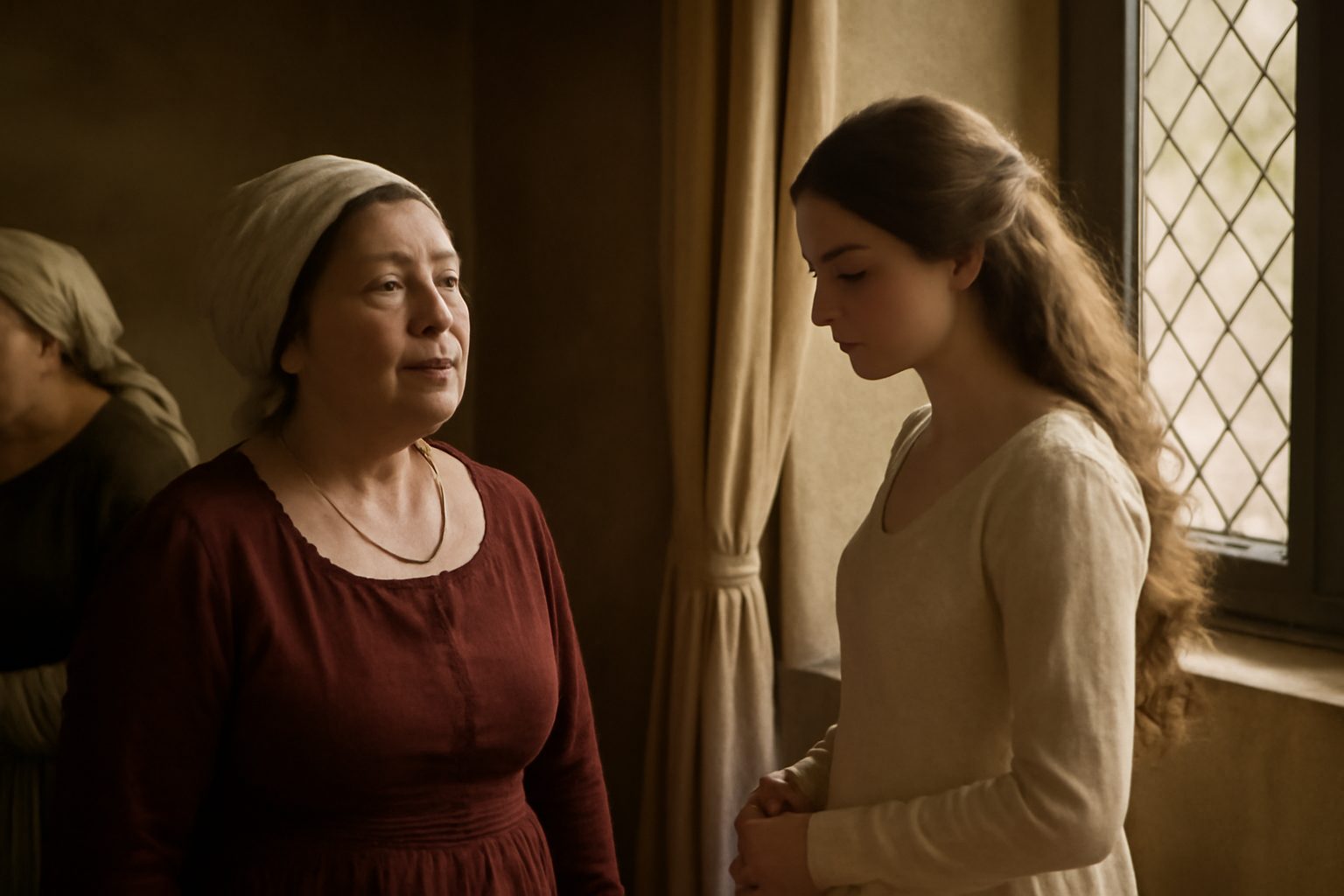
In Act 1, Scene 3 of Romeo and Juliet, the Nurse reminisces about Juliet's childhood in a playful, rambling monologue. This line humorously compares Juliet's weaning to a fish returning to the sea, highlighting the Nurse's fond yet exaggerated storytelling. The moment underscores the Nurse's affectionate, earthy personality while offering a brief glimpse into Juliet's past.
Lady Capulet: "The fish lives in the sea, and 'tis much pride"
In modern day english, we would say:
Fish belong in the water, and it’s foolish for them to think they’re better than their home.
Frequently Asked Questions
What does Lady Capulet compare to a fish living in the sea?
She compares a woman's natural place to be in marriage, just like a fish belongs in the sea.
Connections to other verses:
Connections to "The fish lives in the sea, and 'tis much pride"
The verse "The fish lives in the sea, and 'tis much pride" is part of Lady Capulet's extended metaphor comparing Paris to a beautiful, unbound book that Juliet should "read" and marry. This imagery connects to several other verses in the scene that elaborate on themes of beauty, value, and marriage.
Metaphorical Imagery of Paris
Lady Capulet's description of Paris as a prized possession is echoed in "As all the world--why, he's a man of wax", emphasizing his perfection and desirability. Similarly, "Verona's summer hath not such a flower" reinforces his uniqueness and beauty, much like the rare fish in the sea.
The Book Metaphor
The idea of Paris as a valuable object to be possessed is developed in "This precious book of love, this unbound lover", which directly precedes the fish metaphor. Lady Capulet urges Juliet to "Read o'er the volume of young Paris' face", framing marriage as an act of acquiring and appreciating his worth. The notion that he "only lacks a cover" ties back to the idea that marriage will complete and secure his value, much like containing the fish in the sea would be an act of pride.
Marriage and Social Advancement
Lady Capulet's argument that marriage to Paris will elevate Juliet is supported by "So shall you share all that he doth possess" and "By having him, making yourself no less". These lines emphasize the transactional nature of the match, paralleling the pride of owning something as exquisite as a fish from the sea. The Nurse's earthy humor in "No less! nay, bigger; women grow by men" contrasts with but underscores the same societal expectations.
Juliet's Response
Juliet's cautious reply in "I'll look to like, if looking liking move" shows her willingness to consider Paris, though it lacks the enthusiasm of her mother's metaphors. Her earlier hesitation in "It is an honour that I dream not of" highlights the generational and emotional gap between them, contrasting with Lady Capulet's pride-filled imagery.